
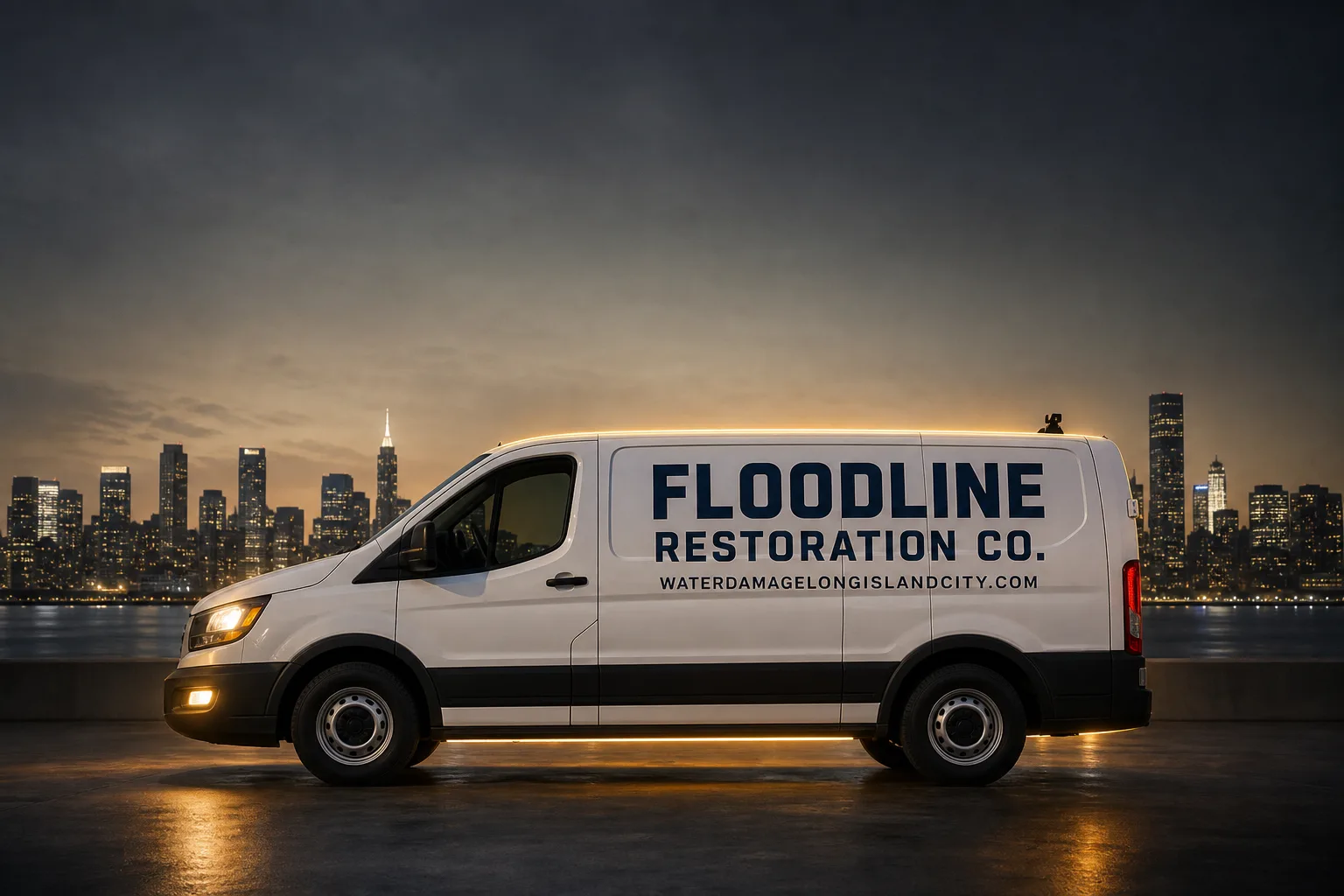
Free visual inspection and a written scope of work before any mitigation begins - photos, moisture readings, and drying logs go in your claim file
The scope we write is the scope we bill. Anything new gets shown to you, in writing, before we touch it.
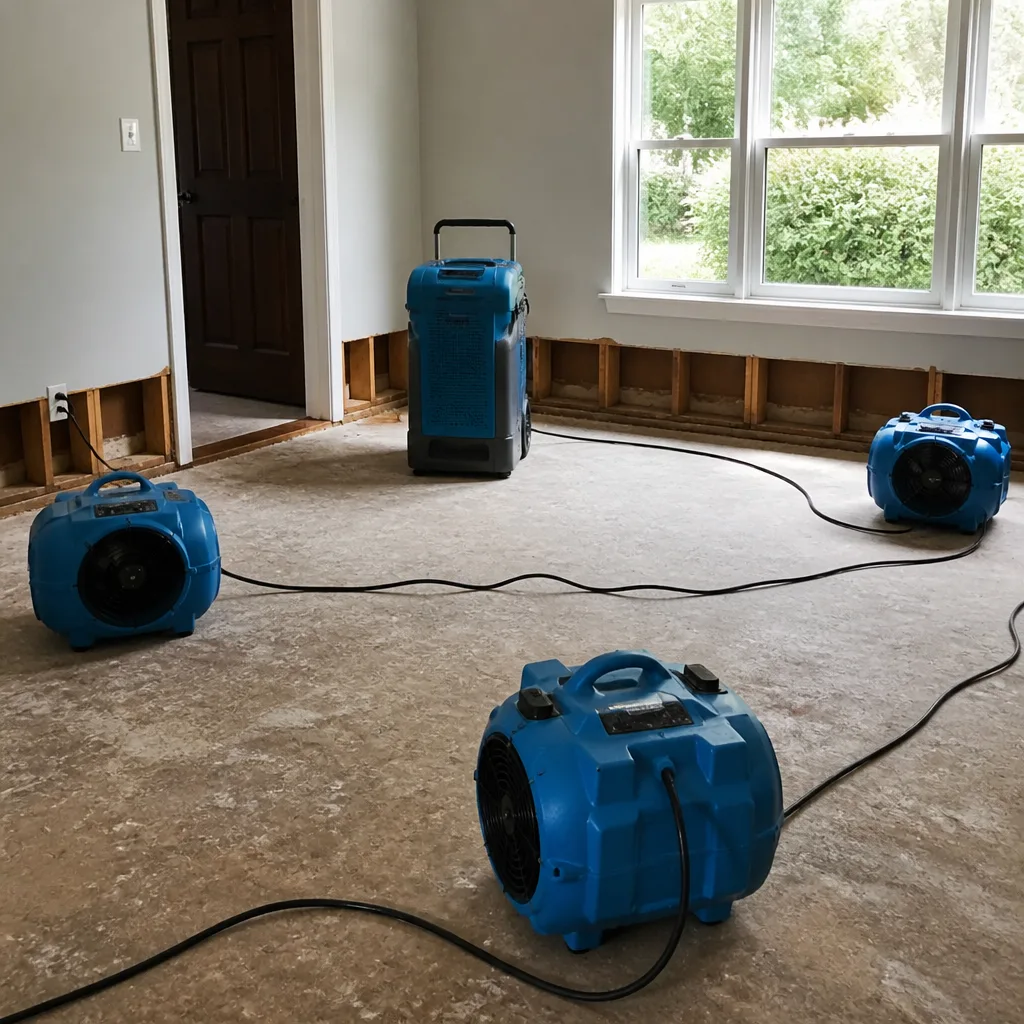
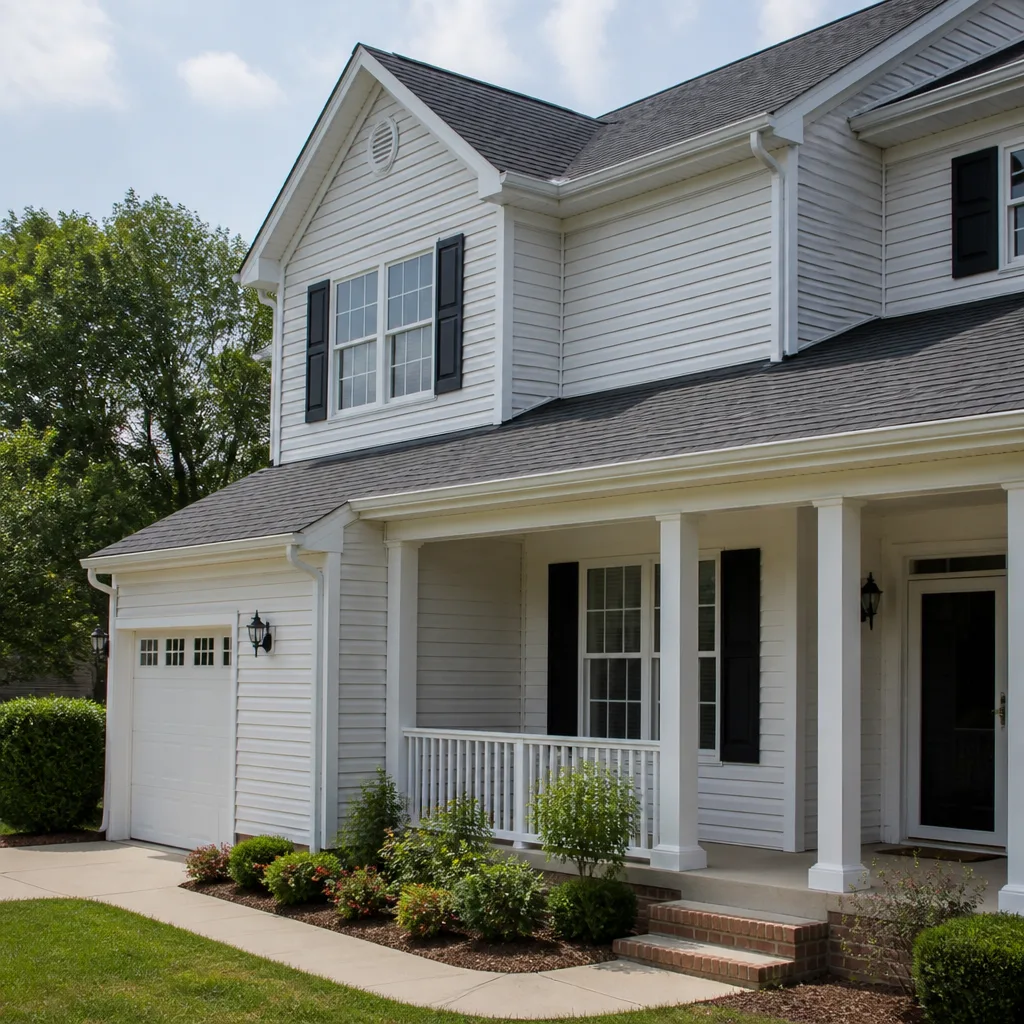
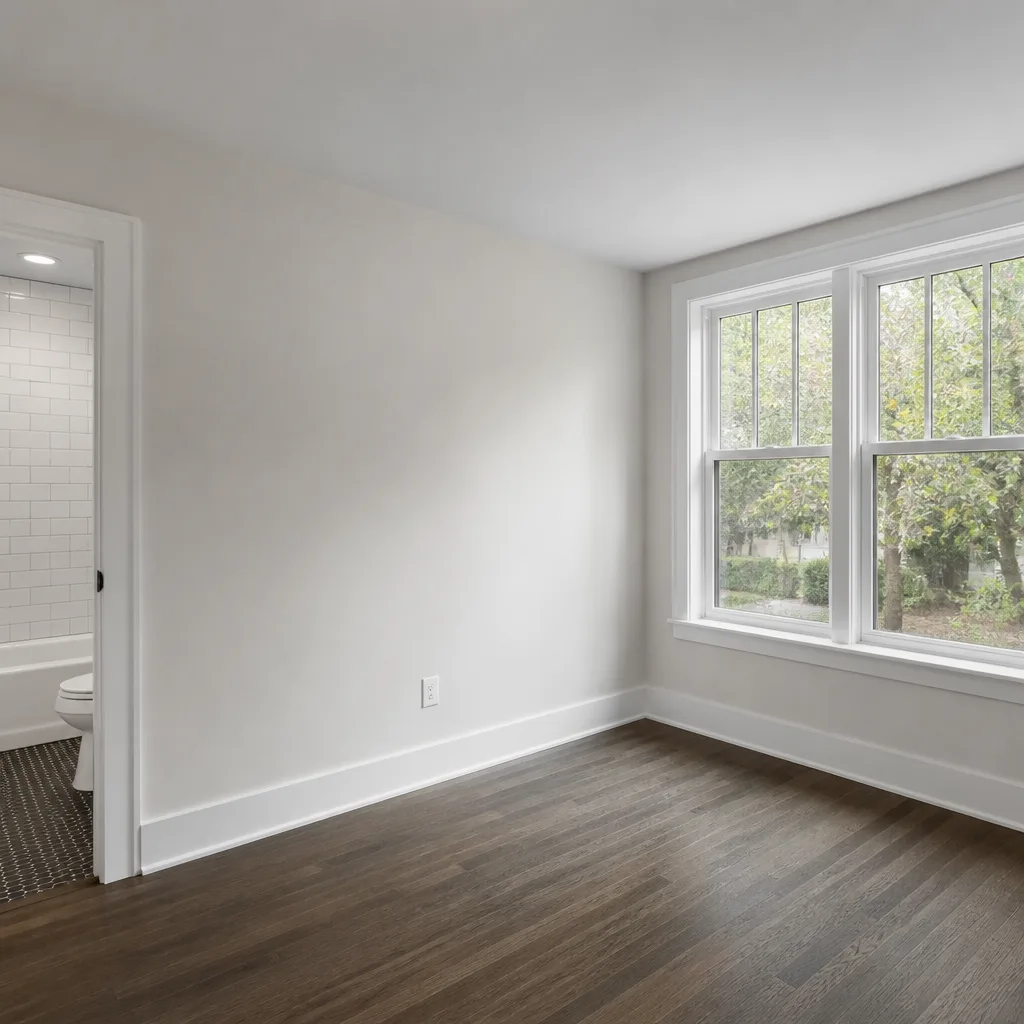
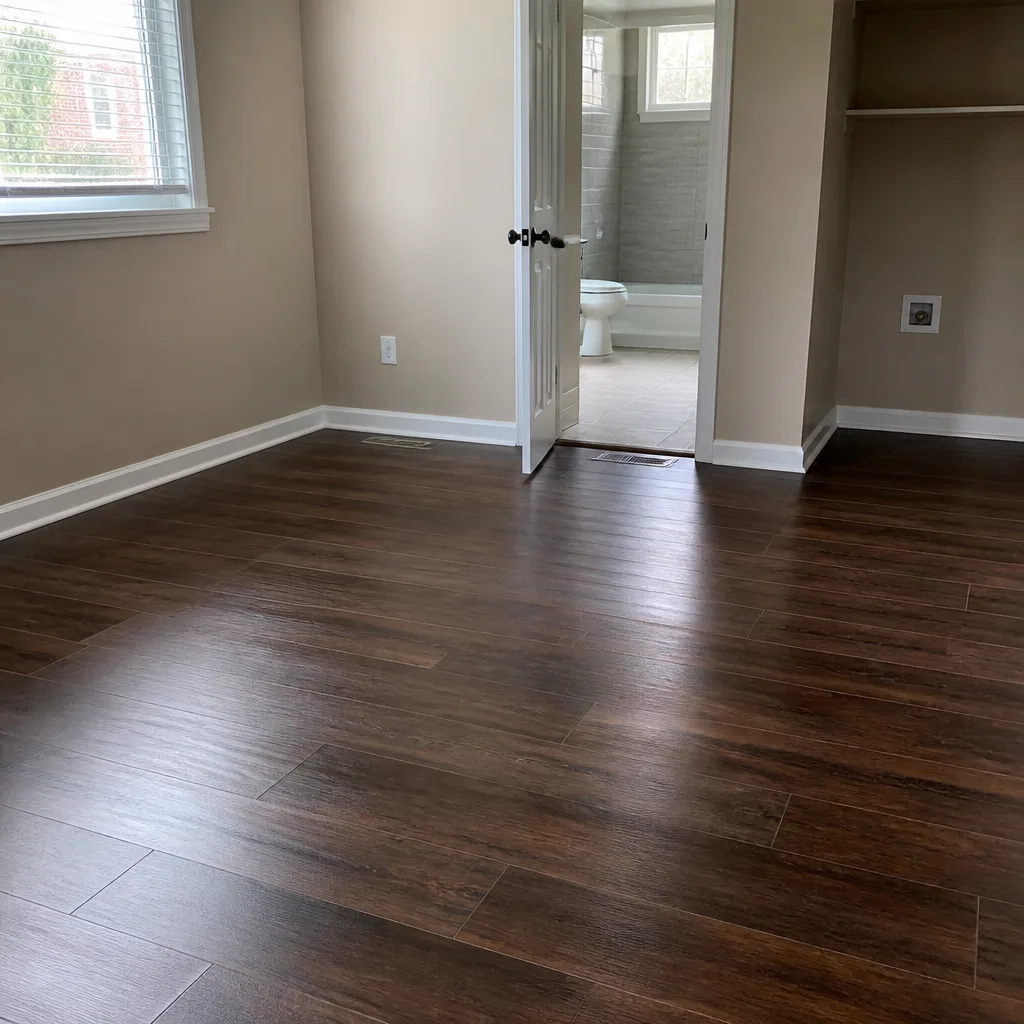

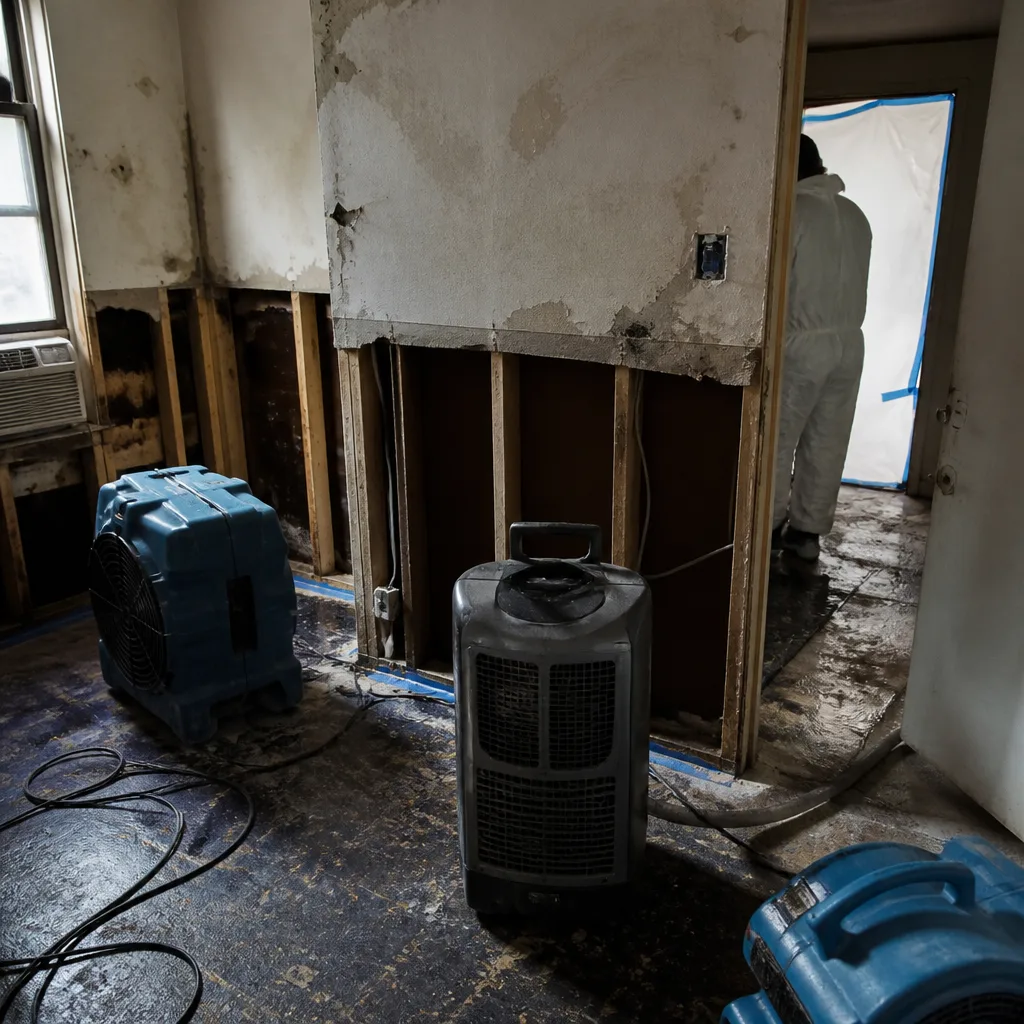 Before
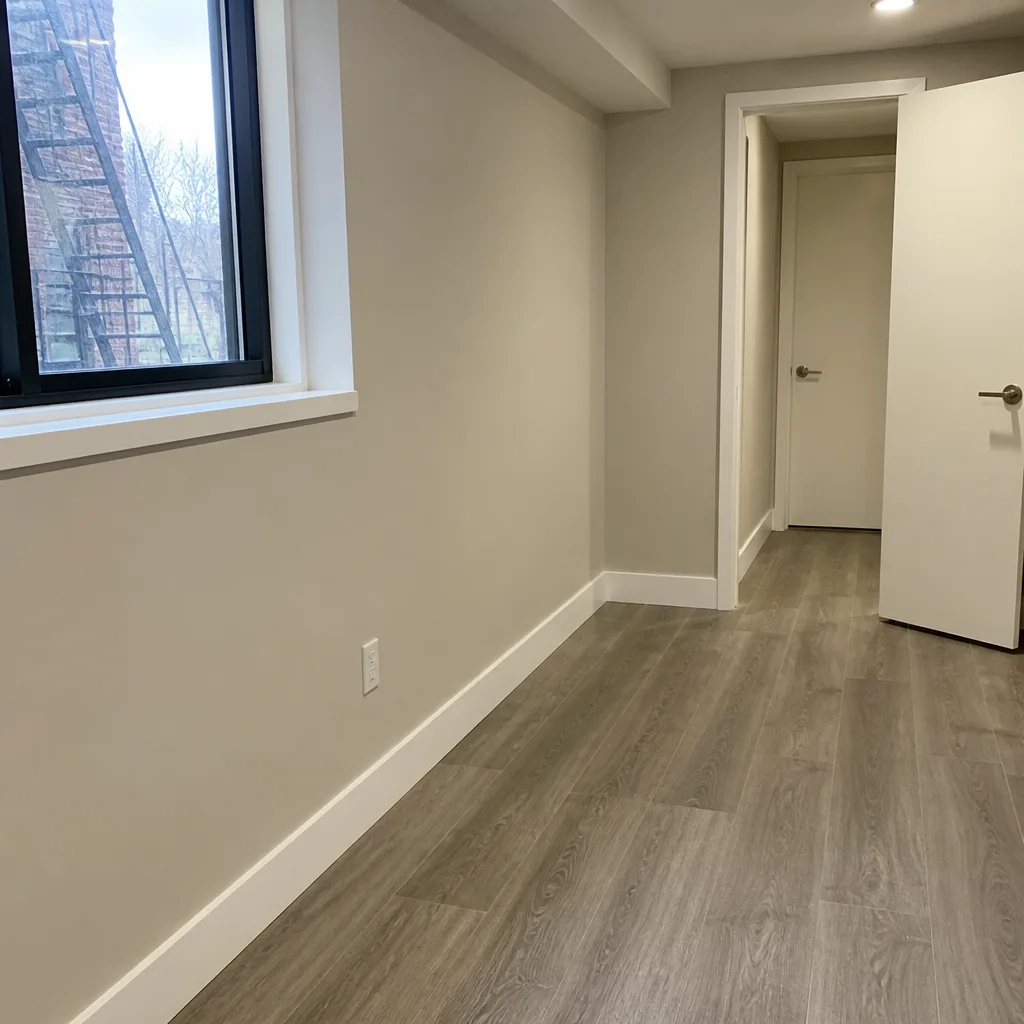 After
After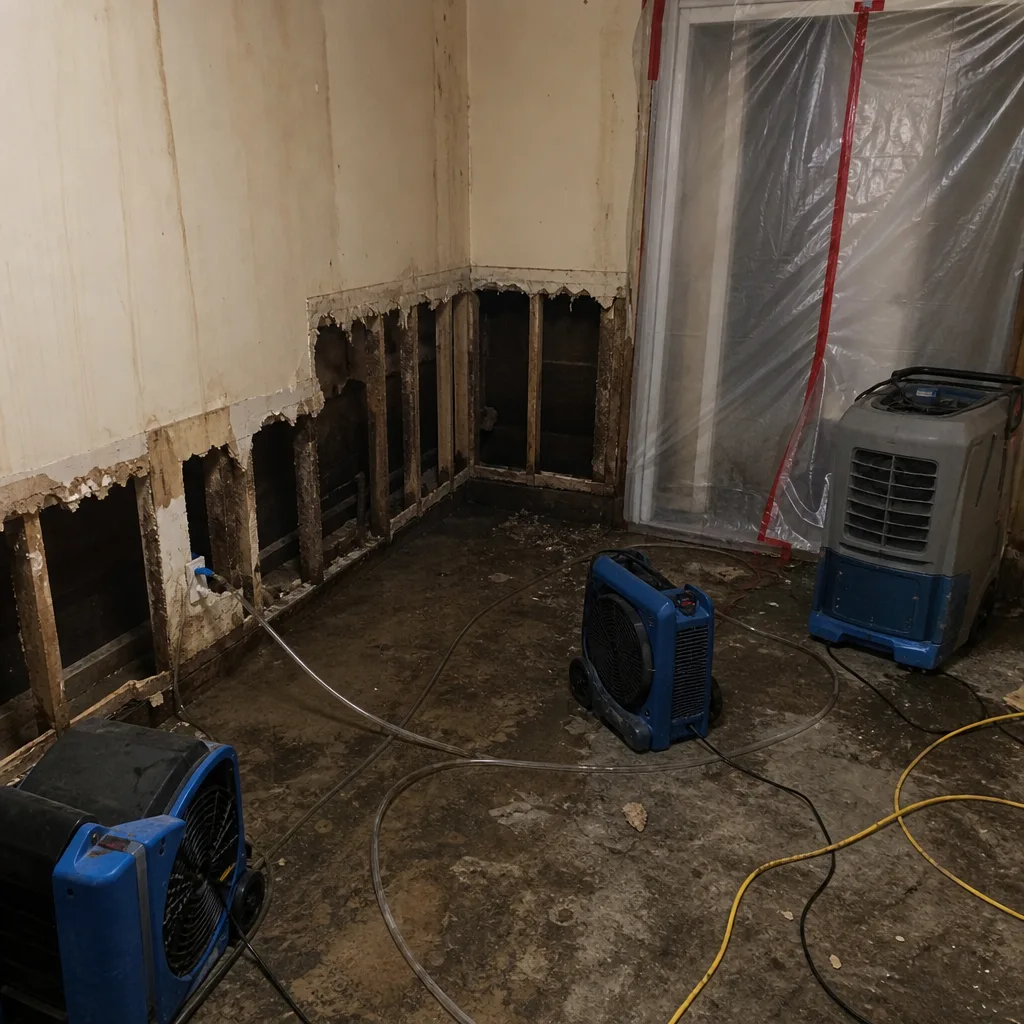 Before
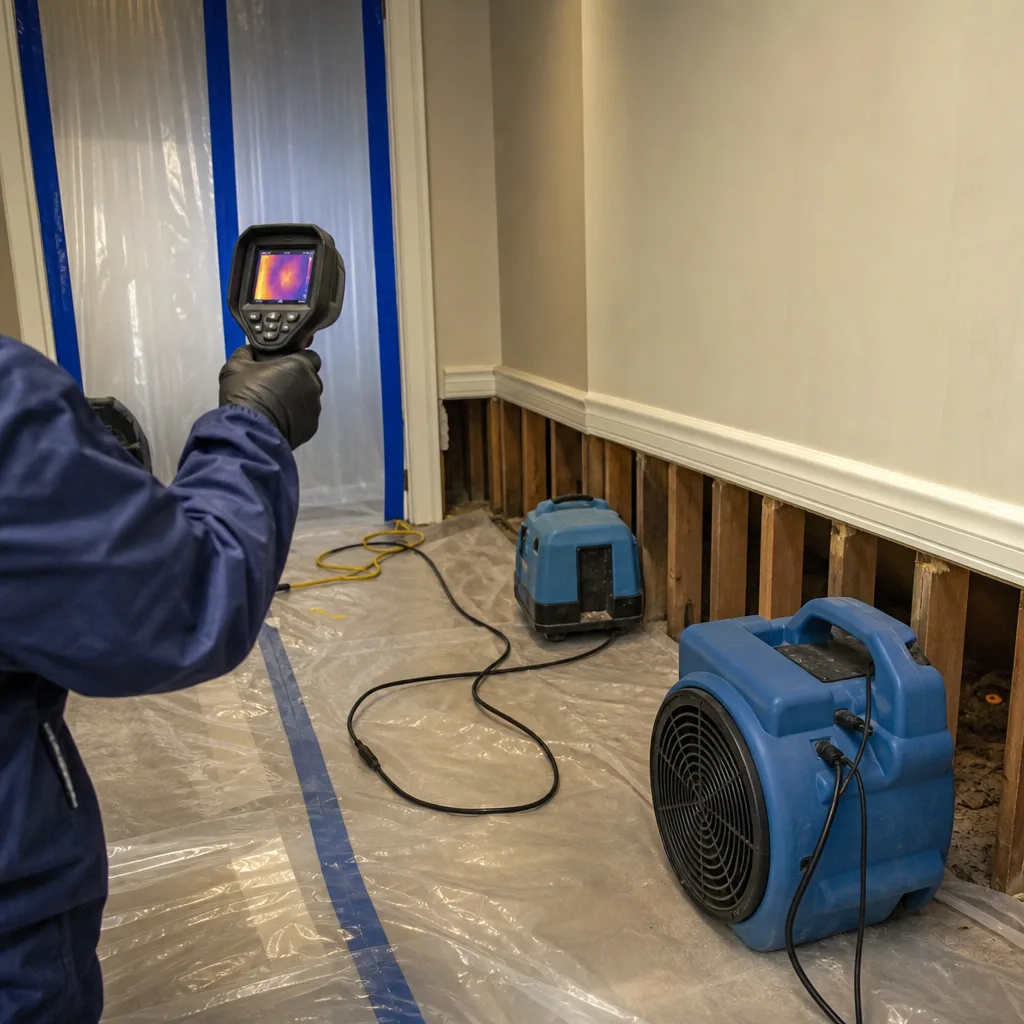 After
After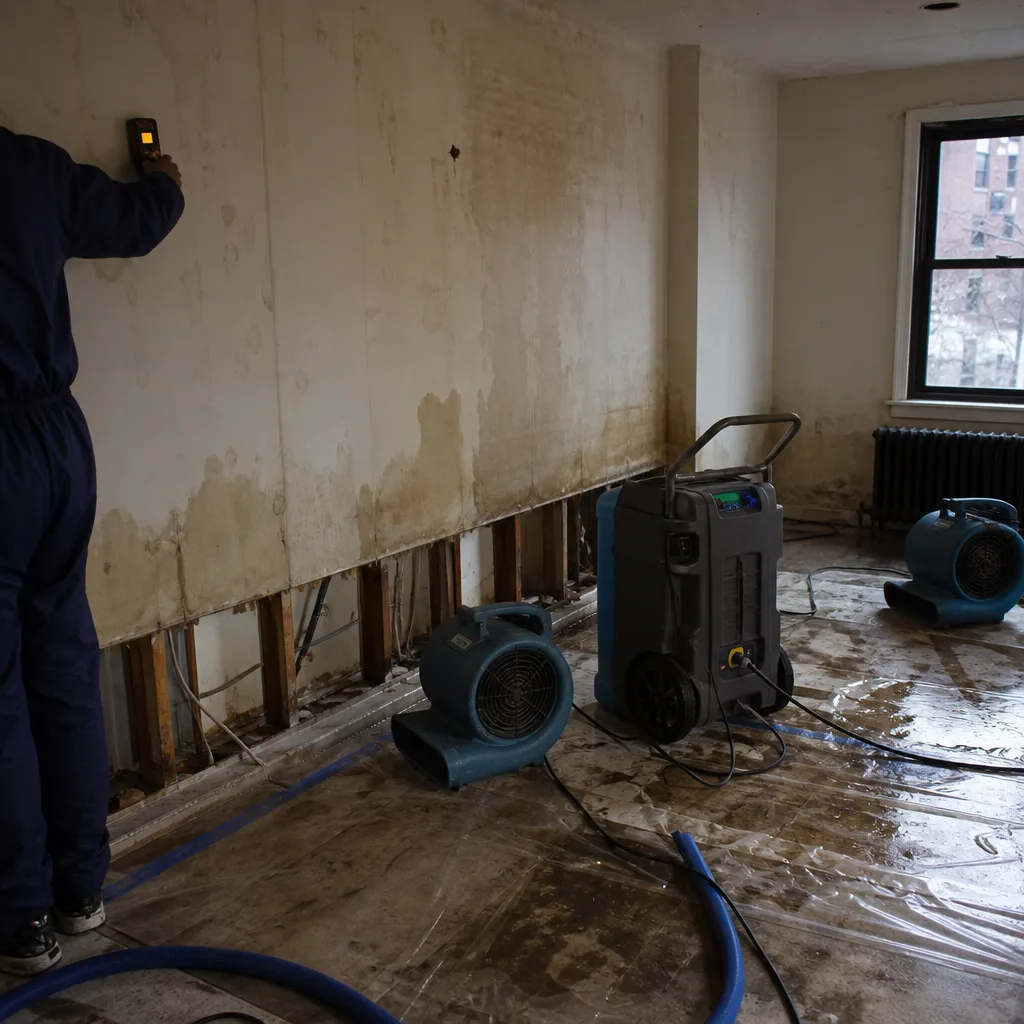 Before
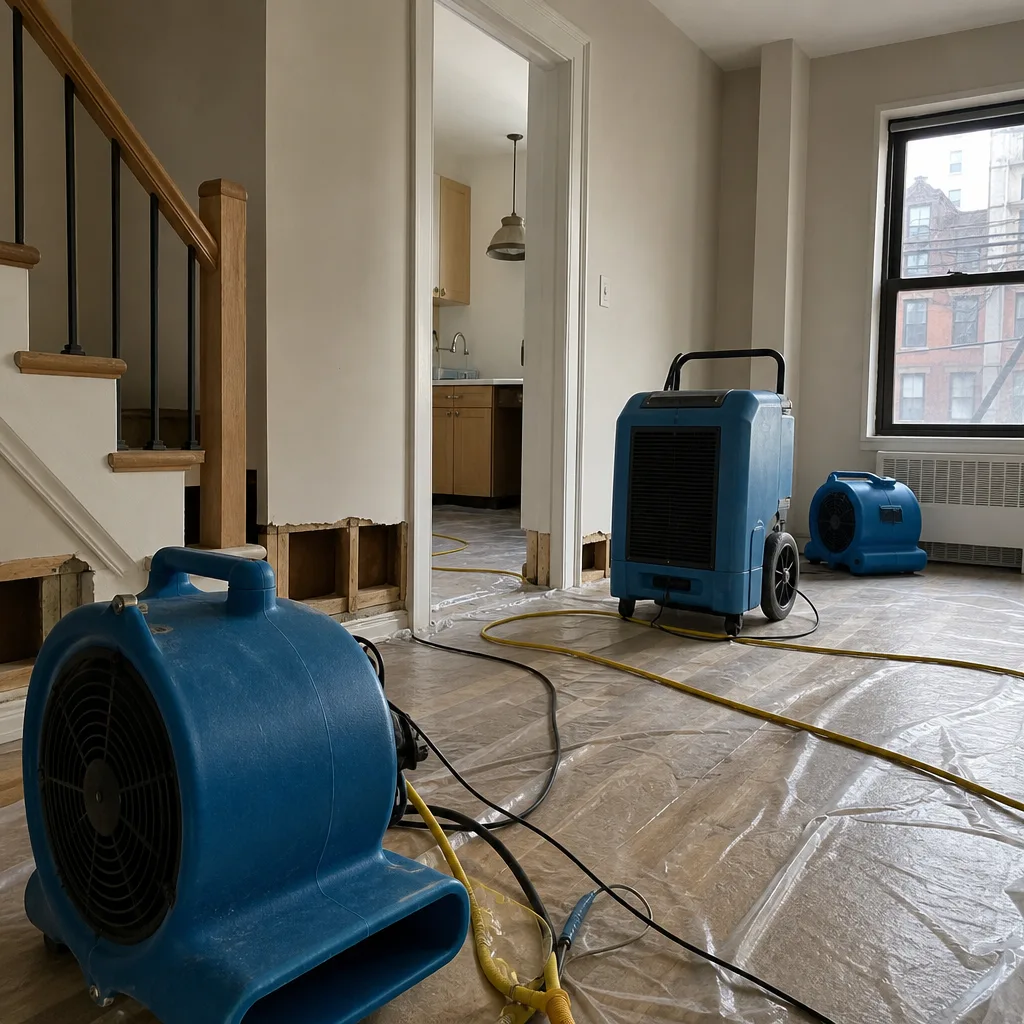 After
After24/7 Emergency Water Damage Restoration in Midtown Manhattan
Water damage restoration in Midtown Manhattan typically costs between $2,800 and $14,000 depending on how far the water traveled, how many floors are affected, and whether asbestos abatement is triggered. A burst riser in a pre-war office tower or a failed supply line in a luxury condo moves fast. You need a crew that can reach the building, get through building management protocols, and start extraction within the hour. That’s exactly what we do. Call (716) 452-0798 for a live dispatcher, any hour, any day. We answer with a person, not a recording, and we dispatch certified crews to Midtown Manhattan addresses immediately. The first hour determines whether this is a cleanup or a rebuild.
Understanding Water Damage Restoration Severity in Midtown Manhattan Properties
Water damage is classified by contamination level. Category 1 is clean water from a supply line or faucet. Category 2 is gray water from washing machines, dishwashers, or sump failures. Category 3 is black water from sewage, street flooding, or a backed-up main. The distinction matters because it dictates every step after extraction: what gets torn out, what gets sanitized, what gets replaced. In Midtown Manhattan, severity is also driven by the building itself. Pre-war towers from the 1920s through 1940s carry original cast-iron and galvanized supply risers, century-old steam heating systems, and asbestos-containing materials in plaster, floor tiles, and pipe insulation. A category 2 loss inside one of these buildings can trigger mandatory ACM testing and abatement protocols before a single air mover is placed. Modern glass curtain-wall towers bring a different problem: façade seal failures funnel rainwater deep into interior wall cavities across multiple floors, often with no visible source at the leak. Moisture mapping and thermal imaging are not optional here. They are the only way to know what you are actually dealing with.
Why Midtown Manhattan Property Owners Choose Floodline Restoration Co.
- 45-minute response commitment - our certified crews reach Midtown Manhattan addresses fast, with extraction equipment on the truck, not ordered later.
- 24/7 live answer - a real dispatcher picks up at 2 a.m. Not a callback service. Not an answering machine.
- IICRC-certified crews - certified to WRT, FSRT, and AMRT standards, plus RIA and IFA training. Uniformed, background-checked, on time.
- Free visual inspection - we walk the loss with you, moisture meter in hand, before any work is authorized.
- Direct insurance billing - we deal with the carrier, the adjuster, and the paperwork. You deal with us.
- One team from extraction to reconstruction - no mid-job handoff to a subcontractor you have never met. Same crew, same company, done right.
Our Water Damage Restoration Process
Inspection & Assessment
We map the full extent of the loss with thermal imaging and hygrometers. For a pre-war Midtown building, that means checking riser chases, plaster cavities, and floor assemblies for hidden migration. We document everything in writing before any equipment is set.
Extraction & Stabilization
We remove standing water using truck-mounted and portable extraction units. In high-rises, we coordinate with building management for water shutoff access, elevator use, and after-hours work windows. Stabilization means stopping the spread before it reaches adjacent floors or tenants.
Drying & Dehumidification
We place Dri-Eaz and Phoenix dehumidifiers and air movers according to a moisture map, not a guess. Daily readings are logged until the dry standard is met. In Midtown’s urban heat island, surface readings can lag, so we adjust benchmarks accordingly.
Cleaning & Sanitization
Category 2 and 3 losses require antimicrobial application and HEPA air scrubbing. We contain the affected area, run negative air where needed, and clean surfaces to the standard your insurer expects.
Specialty Treatment for High-Rise Losses
Midtown losses often involve multiple tenants, multiple carriers, and building-wide systems. We provide phased scoping, coordinated adjuster access, and detailed moisture logs per unit. For steam system losses, we document the wet-heat pattern correctly so the claim is not denied as a maintenance issue.
Repairs & Restoration
We rebuild what we tore out. Drywall, plaster, flooring, finishes. The same certified crew that read the moisture map on day one handles the reconstruction. That is the Floodline difference: one name accountable for the whole job.
Need Emergency Water Damage Restoration in Midtown Manhattan Now?
Crews minutes away, answering live 24 hours a day. The sooner we start, the less it costs.
Working With Your Insurance Company
Insurance claims in Midtown Manhattan are rarely simple. A single riser failure can put water into six commercial tenants on four floors. Each tenant has a carrier. The building has a carrier. The mechanical contractor may have exposure. If the documentation is thin in the first 48 hours, every carrier starts looking for a reason to deny. We build the file from the first hour: photos of the source, moisture readings per unit, drying logs, and a line-item scope that can be read by an adjuster who has never set foot in the building. We speak their language because we have been doing it for years. And we bill the carrier directly, so you are not fronting thousands and waiting for reimbursement.
What We Provide Your Insurer
- Thorough documentation of the loss
- Photos of all damage, room by room
- Moisture readings and drying logs
- A detailed, line-item scope of work
- Direct coordination with your carrier
We are happy to be your Water Damage Restoration team from first call to final walkthrough.
Built for Midtown Manhattan’s Loss Calendar
Midtown Manhattan’s water damage season never really ends. It just changes shape. January and February deep freezes stress rooftop mechanical penthouses and exposed pipe chases in older high-rises, splitting supply lines and sending water down elevator shafts and stairwells. Spring brings thaw and heavy rain, testing the already-patched façade seals on curtain-wall towers and flooding basement mechanical rooms where sump pumps struggle against groundwater. Summer thunderstorms overwhelm roof drains faster than they were designed to handle, and a blocked leader on a 40-story building dumps water into the top floors within minutes. Nor’easters in the fall push wind-driven rain horizontally into window gaskets and parapet flashing. Add in Con Edison steam system failures, which are unique to this service area, and you have a loss calendar that never gives a building manager a quiet month. Our crews know what each season brings to Midtown Manhattan, and we show up already knowing the building type, the riser layout, and the most likely failure point.
Midtown Manhattan’s District Steam System and Your Property
Midtown is the core service area for Con Edison’s district steam network, the largest in the US. That matters to water damage restoration in ways that would never occur to a technician from Queens or Brooklyn. A failure in a building steam connection or interior distribution piping does not look like a normal water leak. It produces a wet-heat moisture intrusion pattern: soaked insulation, condensation deep in wall cavities, and warmth that accelerates mold growth while conventional drying seems to be working. If you document a steam loss like a routine pipe failure, the carrier will kick it back. If you moisture-map it correctly, the claim holds. Our techs traced a Con Edison steam leak in a 1920s pre-war office tower on Madison Avenue where failed interior distribution piping had saturated three floors of wall cavities behind original plaster. After establishing containment and negative air, we used Injectidry panels and Dri-Eaz dehumidifiers to pull moisture from the lath without disturbing asbestos-containing plaster, documenting every moisture reading for the adjuster and coordinating after-hours access with building management. That is not a skillset you learn in a suburban basement. It is a Midtown skill, and it took years to build.
Water Damage Restoration Across Midtown Manhattan’s Neighborhoods
Midtown Manhattan is not one neighborhood. It is a collection of dense, high-value corridors with very different building stocks and very different loss patterns. In the Bryant Park corridor, landmarked pre-war office towers like 500 Fifth Avenue and the Bryan Park-adjacent blocks on 40th and 42nd Streets hold original cast-iron risers that have been carrying water for nearly a century. A pinhole leak here is rarely isolated; it is usually the first sign of systemic riser failure. Over by Grand Central, buildings share underground service corridors and steam vaults, which means a water loss in one property can migrate through party walls into adjacent buildings with different owners and different carriers. Along Fifth Avenue and the Plaza District, luxury co-ops and retail flagship spaces demand dust containment and furniture protection that go well beyond standard protocols. A water extraction that disrupts a ground-floor jeweler’s display on 57th Street is a six-figure business interruption claim. In the Garment District, mid-century commercial lofts with original wood floors and plaster ceilings hide water in floor cavities that modern slab buildings would never have. Each area has its own rhythm, its own building management style, and its own claims history. We dispatch crews who already know the territory.
Specialized Water Damage Restoration Services We Offer in Midtown Manhattan
Emergency Water Extraction
The first extraction pass in a Midtown high-rise is often more about logistics than equipment. We coordinate elevator access with building management, negotiate after-hours work windows, and lay down floor protection from the freight entrance to the affected unit. Extraction starts within the first visit. Standing water is removed before it migrates through riser chases to the floor below. In a stacked-loss scenario, that is the difference between one affected unit and six.
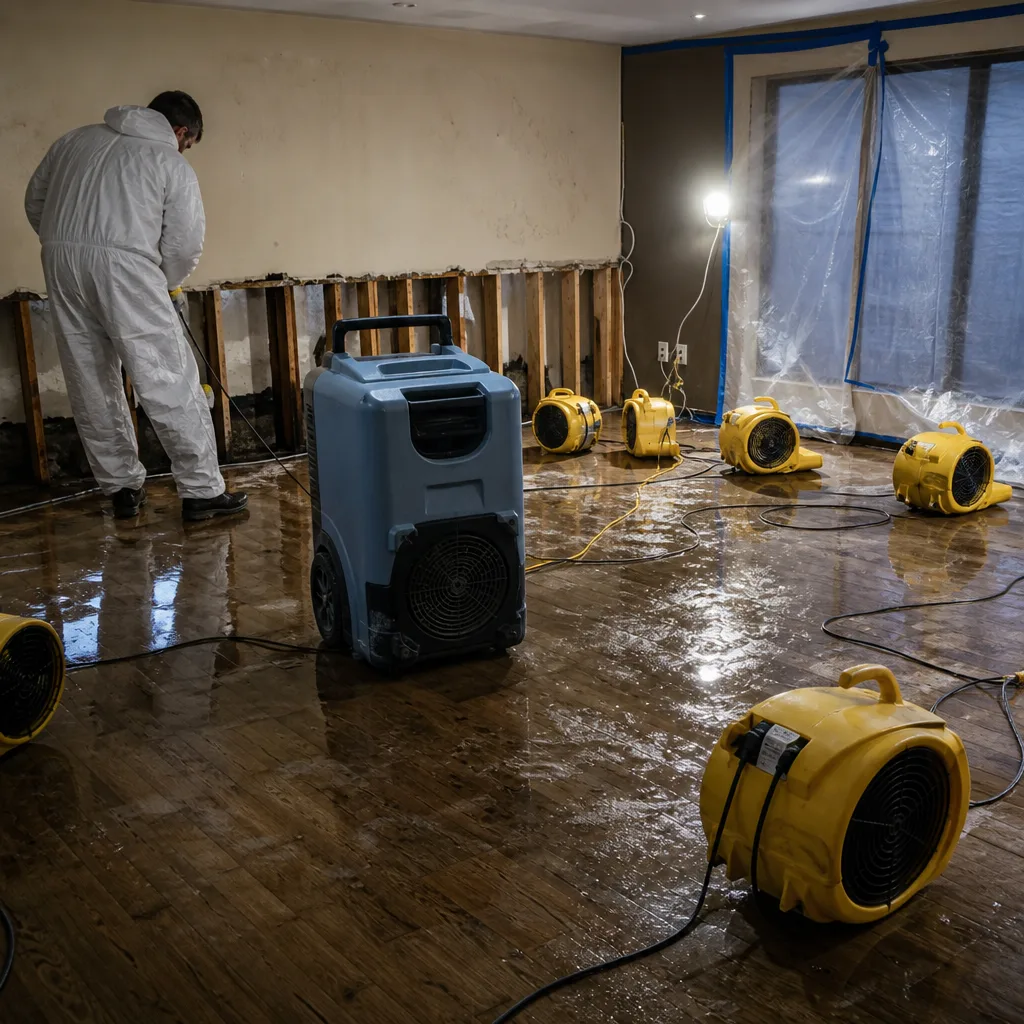
Structural Drying & Dehumidification
Midtown’s dense urban heat island delays surface drying and confounds standard moisture benchmarks. We adjust our drying targets accordingly, using Dri-Eaz and Phoenix equipment with daily moisture readings logged until the dry standard is met. For plaster-and-lath assemblies in pre-war buildings, we often use Injectidry panels to pull moisture through original finishes without demolition. That protects the plaster, the timeline, and your claim.
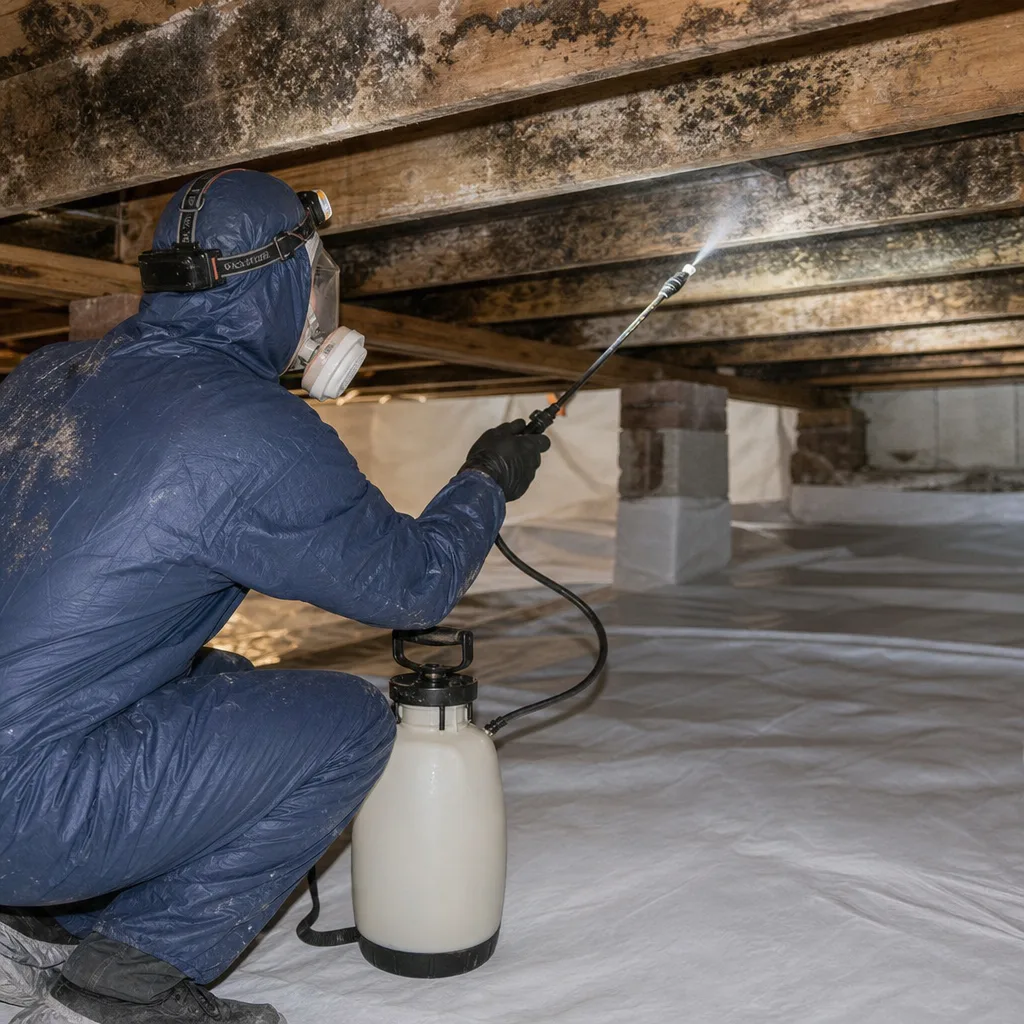
Burst Pipe Restoration
A burst riser in a pre-war tower is not a one-unit job. It is a multi-floor, multi-carrier event. We scope the loss by floor, document every affected tenant, and build a restoration timeline that respects building management’s access rules and each adjuster’s inspection deadlines. Skipping that phased approach is how scopes fail and claims get denied. We do not skip it.
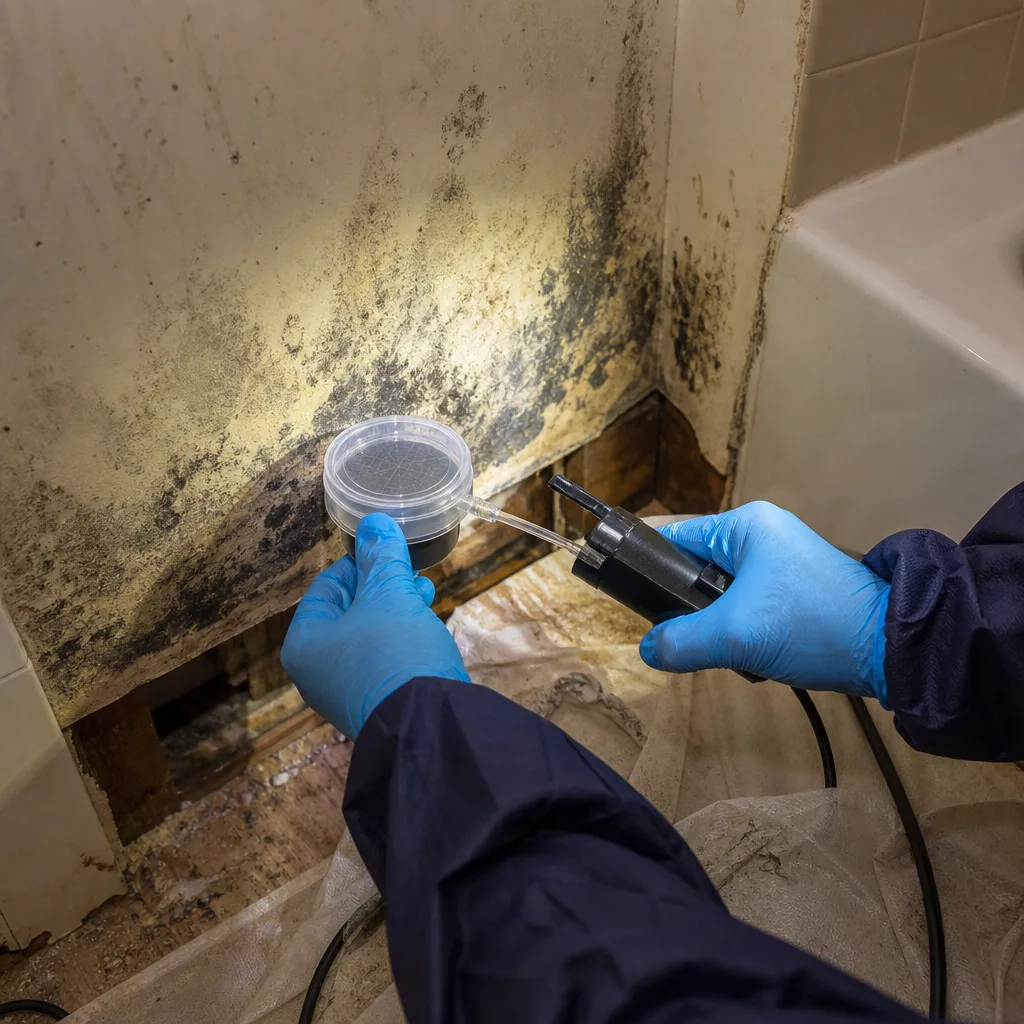
Flood Cleanup
Street flooding from overwhelmed drainage systems brings Category 3 water into basement mechanical rooms, loading docks, and lobby-level retail spaces. That means full contamination protocol: containment, HEPA air scrubbing, antimicrobial treatment, and disposal of saturated porous materials. In Midtown, a flooded mechanical room underneath a hotel or office tower can shut down elevators and HVAC. We move fast because the building cannot wait.
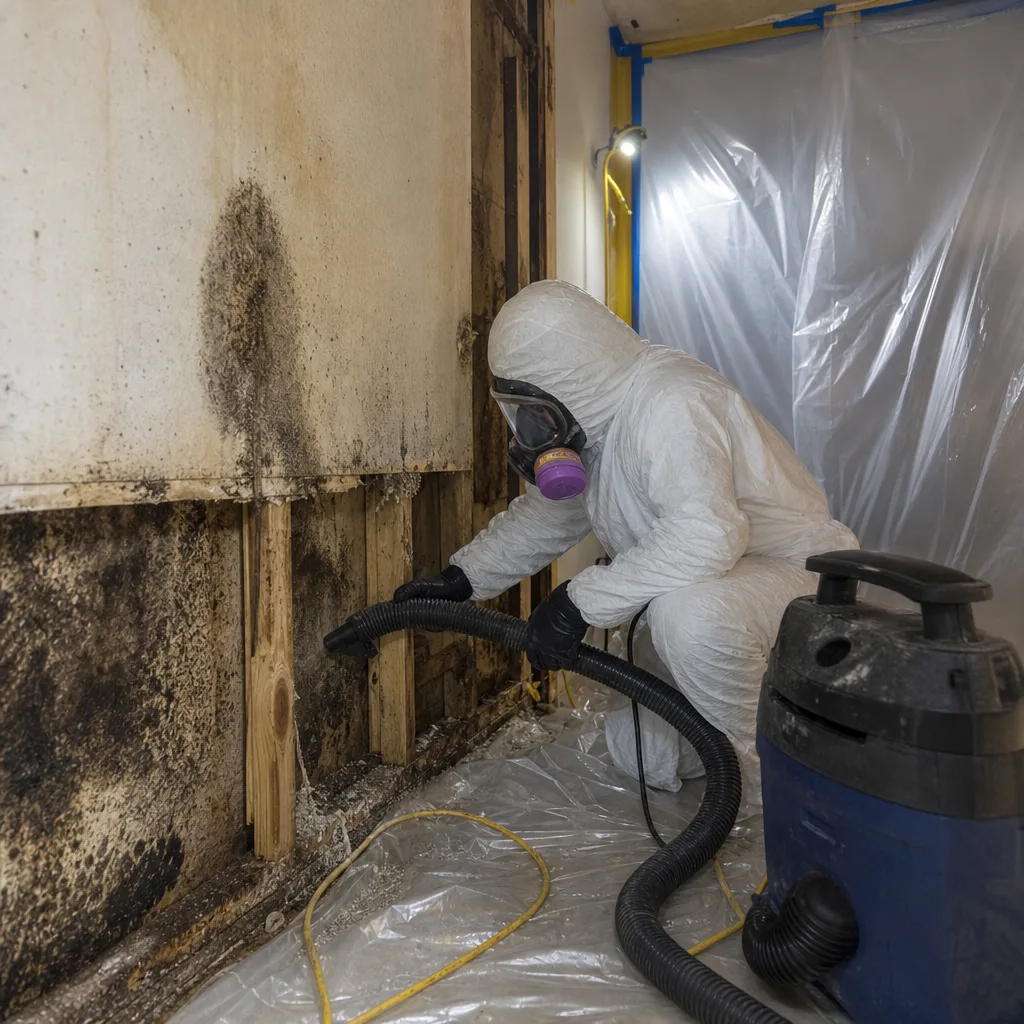
Basement Water Removal
Midtown basements are often shared across property lines or connected through service tunnels. A pump failure in one building can put water into its neighbor’s utility vault. We remove the water, map the true source, and document everything for the carriers involved. Where groundwater intrusion is the issue, we scope the right waterproofing fix rather than just pumping and leaving.
What happens when you call
- 1
A real person answersNo phone trees - you reach a local pro.
- 2
You get an upfront price rangeHonest numbers before anyone is dispatched.
- 3
A background-checked tech heads outLicensed & insured, dispatched right away.
- 4
You approve before work beginsNothing starts until you say go.
Water Damage Restoration Costs in Midtown Manhattan, NY
Pricing in Midtown Manhattan runs higher than the boroughs for a reason: access, asbestos, and complexity. A straightforward Category 1 extraction and dry in a single condo unit typically runs $2,800 to $5,500. A burst riser affecting multiple commercial tenants with asbestos-containing plaster and after-hours access constraints usually lands between $8,000 and $14,000. A district steam loss requiring containment, phased drying, and multi-carrier documentation can exceed $20,000 when multiple floors are involved. What moves the price: the number of affected floor assemblies, whether ACM abatement is triggered, whether building management restricts work hours, and how many carriers need separate documentation packages. Insurance covers most of these losses, but the deductible and the carrier’s coverage position depend on the cause. The fastest way to a firm number is the free visual inspection. We walk the loss, explain what we see, and hand you a written scope before any work begins. Call (716) 452-0798 to schedule it. Estimates are free, and you will know exactly where you stand.
Sub-services like Emergency Water Extraction, Structural Drying & Dehumidification, Flood Cleanup, Burst Pipe Restoration, and Basement Water Removal are all priced within these ranges, depending on scale.
We Also Serve Cities Near Midtown Manhattan
Our crews dispatch daily to Long Island City, Greenpoint, Williamsburg, and Murray Hill. If your building sits on the edge of Midtown Manhattan or across the river, call us. We know those buildings too, and the same live dispatcher answers.
Serving Midtown Manhattan, NY - Our Local Coverage Area
We’re based in the Midtown Manhattan area and know this community well. Use the map below to see our service coverage - if you’re nearby, we can almost certainly help.
Midtown Manhattan Water Damage Restoration Questions, Answered
How does Midtown’s district steam system complicate Water Damage Restoration compared to other NYC boroughs?
Con Edison’s steam network creates wet-heat moisture patterns: soaked insulation, condensation in wall cavities, and warmth that accelerates mold while conventional drying appears to be working. Technicians from other boroughs often misread these as routine leaks, which leads to denied claims and recurring damage. We document steam losses correctly from the start, which changes the entire scope and keeps your claim intact. Call (716) 452-0798 if you suspect a steam-related loss.
What is the first step when water leaks from an upper floor into multiple commercial tenants in a pre-war Midtown skyscraper?
Stabilize the source, then scope by floor. We identify the failed riser or connection, document which tenants are affected, and establish a phased containment and drying plan that respects each tenant’s occupancy and each carrier’s inspection requirements. The first step is not extraction alone; it is a documented, multi-tenant scope that prevents a single-unit mindset from collapsing the claim. Call us and we will start the scope immediately.
Do Midtown high-rise water losses require asbestos testing before drying equipment is placed?
In pre-war buildings with original plaster, floor tiles, or pipe insulation, yes. Asbestos-containing materials are common, and disturbing them during drying or demolition triggers mandatory abatement protocols. We test before we set equipment. Our crews are trained to work around ACM without disturbing it, using Injectidry panels and contained drying where needed. This protects the timeline and keeps the project legally clean.
Why does a curtain-wall tower in Midtown show water damage on multiple floors with no visible roof leak?
Façade seal failures. Rainwater enters through failed window gaskets or parapet flashing and travels inside the wall cavity, appearing as damage on floors far below the actual entry point. Standard localized drying misses it. We moisture-map the entire cavity and trace the entry point before drying begins. Otherwise you will be back in six months with mold behind the same drywall.
How do you document a Midtown water loss for multiple insurance carriers covering different tenants?
We build a separate documentation package for each affected tenant: photos of the source and migration path, moisture readings per unit, drying logs, and a line-item scope in the format each carrier expects. We coordinate adjuster access, handle direct communication, and bill the carrier directly. You do not play messenger between tenants and insurers. We do that work.
How fast can you actually get to a Midtown Manhattan address?
Our commitment is 45 minutes. Crews are staged near Midtown, and our dispatchers know the buildings and the access rules. We arrive with extraction equipment and moisture meters on the truck. Call (716) 452-0798 and a live person will give you a straight answer on arrival time.
Will my insurance cover water damage in a Midtown high-rise?
Most policies cover sudden and accidental water damage, including burst pipes and supply line failures. Steam system losses, roof leaks, and gradual seepage can be trickier, depending on the policy language. We document the loss correctly from hour one, which materially improves the odds of coverage. We will also bill the carrier directly, so you are not carrying the cost while the claim processes.
What should I do in the first 30 minutes after discovering water damage?
Shut off the water source if you can do so safely. Cut power to affected areas served by wall switches if water is pooling near outlets. Move what you can. Document with your phone. Then call us. Do not wait to see if it dries. In a high-rise, water moves down through floor assemblies within minutes, and every hour adds cost and complexity. Call (716) 452-0798 and we will talk you through the first steps.
Written by Curt Bowman, Owner at Floodline Restoration Co., serving Midtown Manhattan and the greater New York City area.