Free visual inspection and a written scope of work before any mitigation begins - photos, moisture readings, and drying logs go in your claim file
The scope we write is the scope we bill. Anything new gets shown to you, in writing, before we touch it.
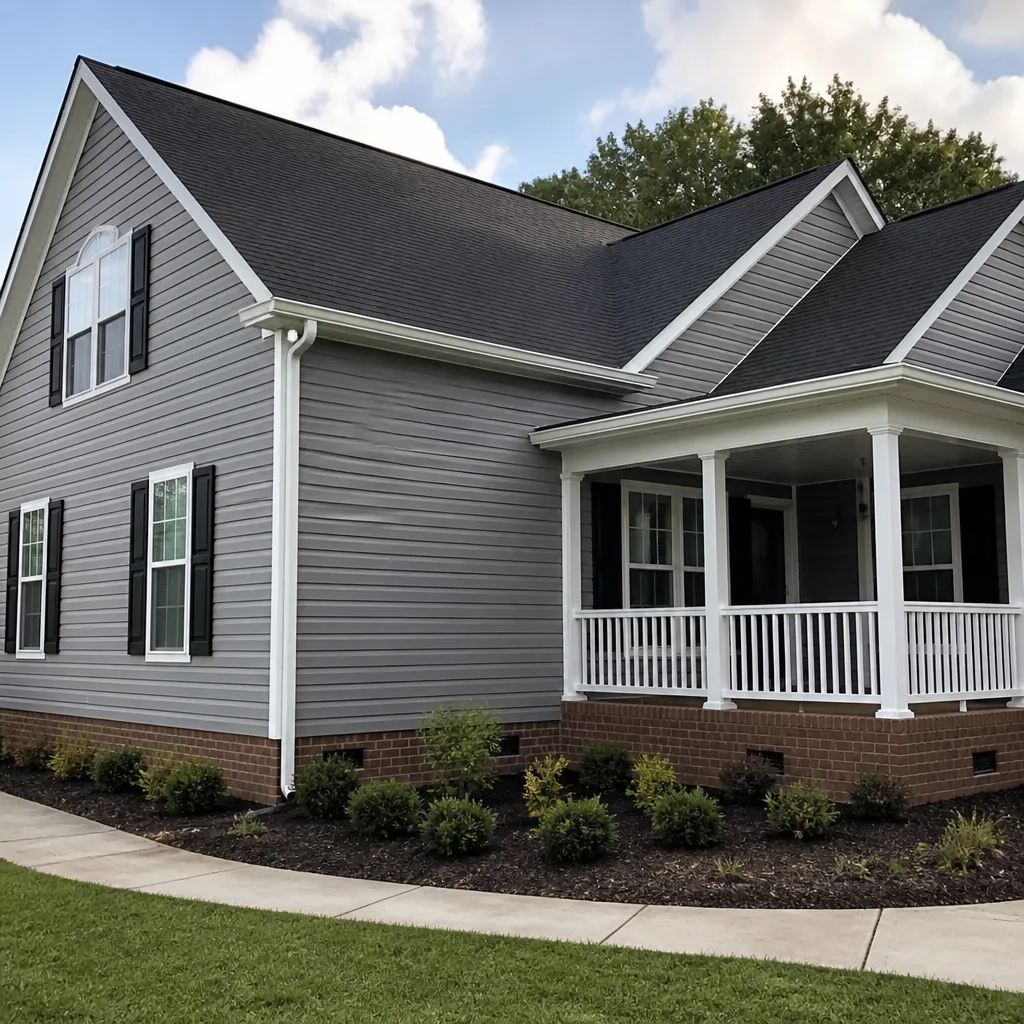
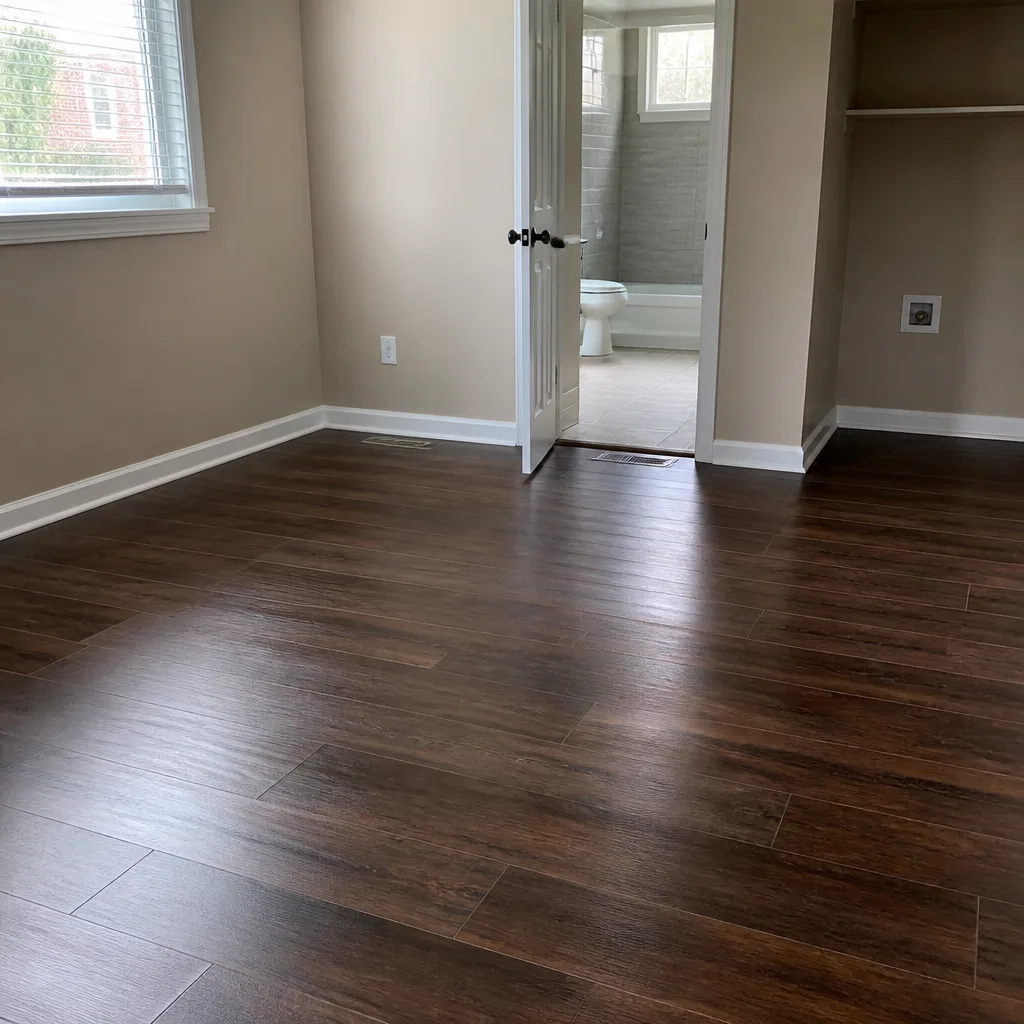
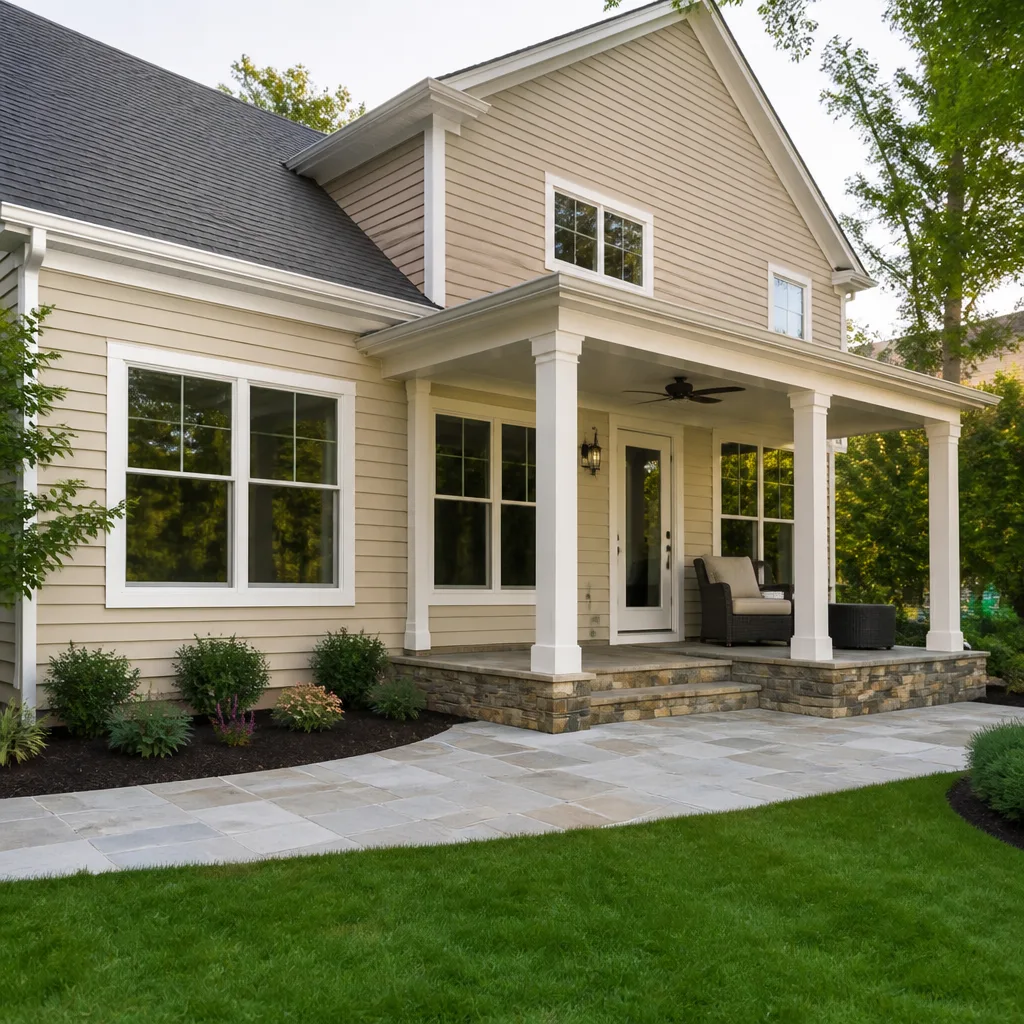
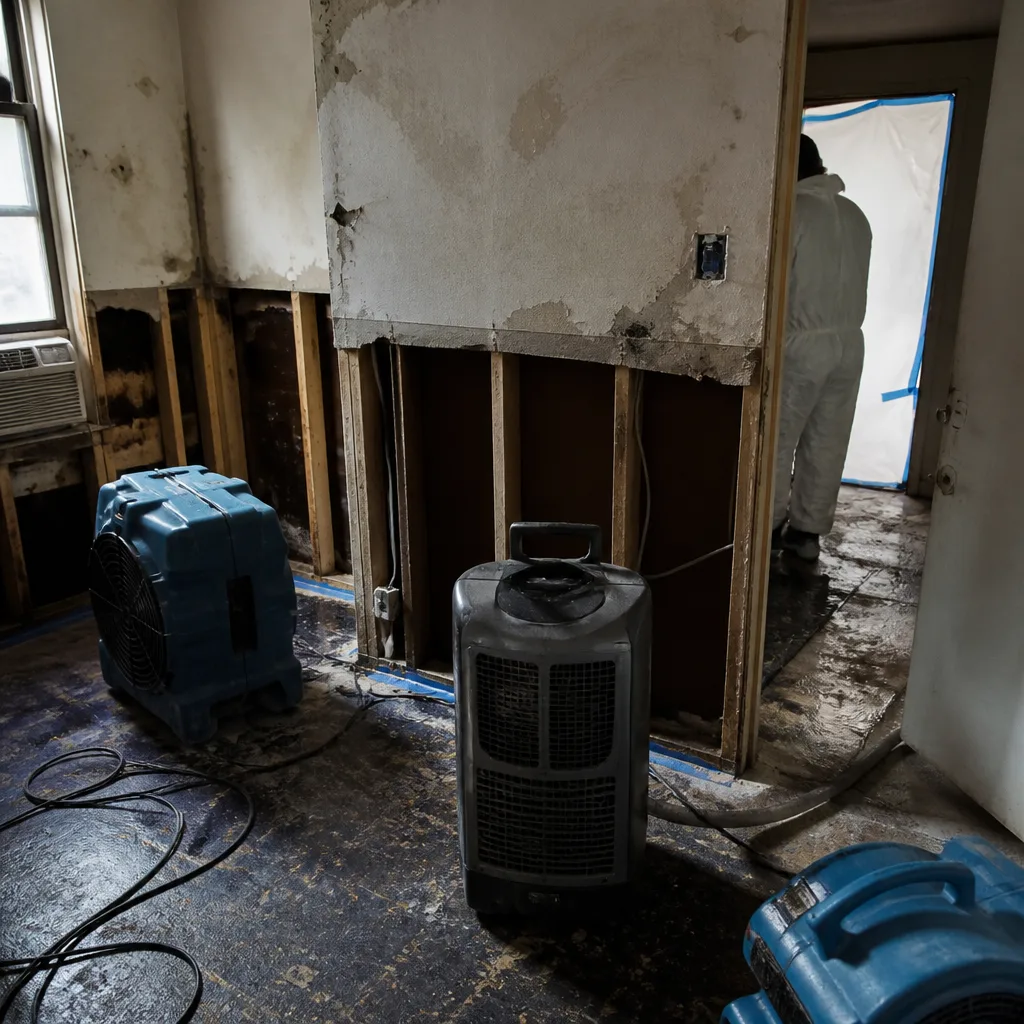
24/7 Emergency Water Damage Restoration in Long Island City
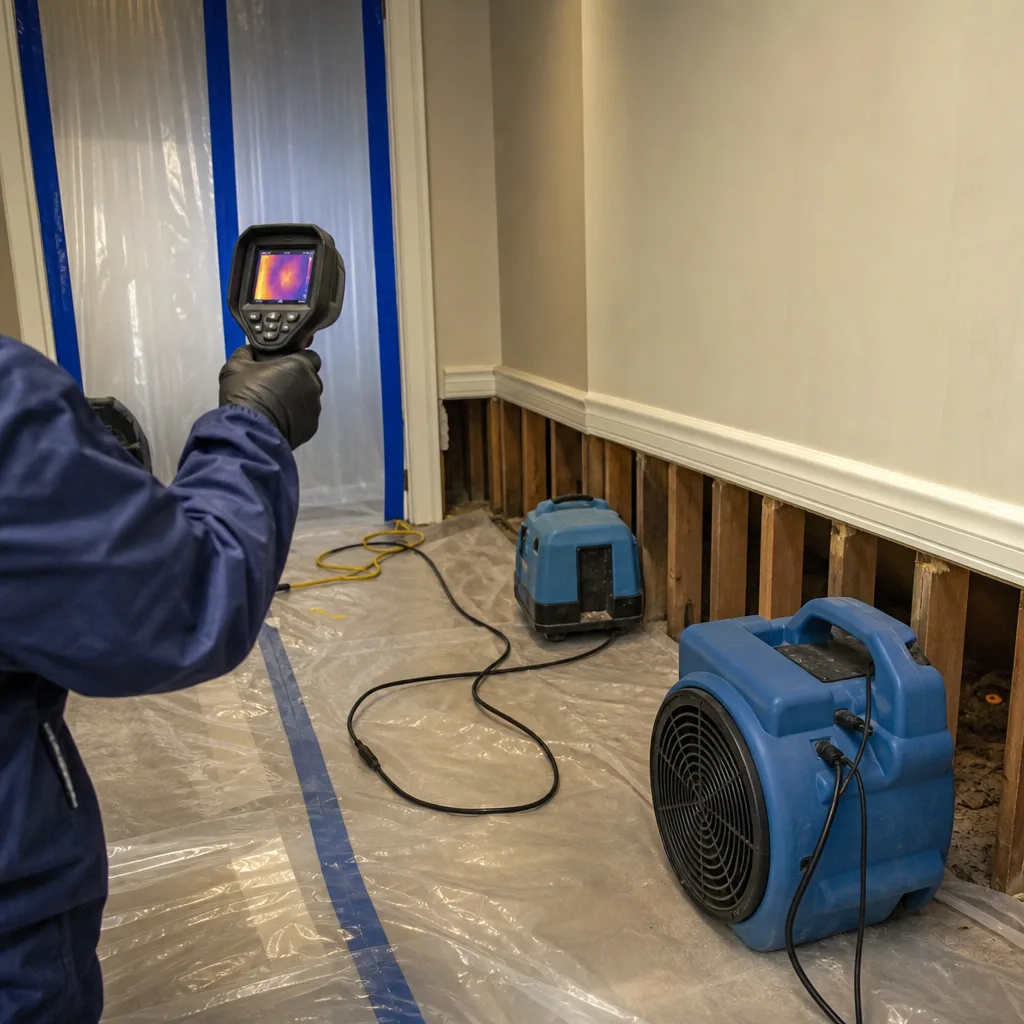
A burst pipe on the 14th floor of a Jackson Avenue tower at 11 p.m. doesn’t wait for business hours, and neither do we. Our crews answer live around the clock, every day of the year, and we dispatch into Long Island City within 45 minutes of your call. A certified, background-checked technician reaches your building the same visit, reads the moisture signature with thermal imaging, and starts extraction before the water wicks deeper into drywall, subfloor, and the unit below. The first hour decides whether you’re drying and restoring or tearing out and rebuilding. Call (716) 452-0798 the moment you see water where it shouldn’t be.
Understanding Water Damage Restoration Severity in Long Island City Properties
Water damage in Long Island City splits into three categories, and the difference matters more here than almost anywhere in Queens. Category 1 is clean water from a supply line or fixture. Category 2 carries contaminants from appliances or sump overflow. Category 3 is floodwater, sewage, or Newtown Creek backflow, and it belongs to a different playbook entirely. Because so many Hunters Point blocks sit inside FEMA AE and VE flood zones, Category 3 events are not rare outliers. They’re seasonal. Moisture mapping matters too: a converted loft on Pearson Street with brick party walls dries very differently from a 2018 tower with steel studs and gypsum shafts. If you don’t know which building assembly you’re drying, you’ll arrive at a dry standard on paper while concealed cavities beneath the surface stay wet. That’s how mold starts. Restorers who understand LIC’s split building stock, pre-war masonry lofts beside contemporary high-rises, know to check chase walls, pipe chases, and elevator shafts in towers, and to plan for asbestos holds in old industrial buildings before a single air mover gets plugged in.
Why Long Island City Property Owners Choose Floodline Restoration Co.
- 45-minute response commitment. When you call from Court Square or Center Boulevard, a crew is dispatched immediately, not after a call-back from a sales rep.
- A live person answers at 2 a.m. No recording, no triage service, no “leave a message and we’ll return your call.” You reach a dispatcher who can put a truck in motion from our New York City office.
- IICRC-certified crews. Our technicians hold WRT and ASD certifications and train to RIA and IFA standards. Uniformed, background-checked, and they’ll show you their moisture meter readings.
- Free visual inspection. We walk the damage, explain the category of water, map the moisture, and give you a written scope before any demolition begins.
- Direct insurance billing. We bill your carrier directly, produce the documentation adjusters actually want, and talk to them ourselves so you don’t have to play messenger.
- One team from extraction to rebuild. The same crew that removes the water also dries the structure, handles abatement coordination, and reconstructs what was removed. No handoff, no inherited crew, no finger-pointing between trades.
Our Water Damage Restoration Process
Inspection & Assessment
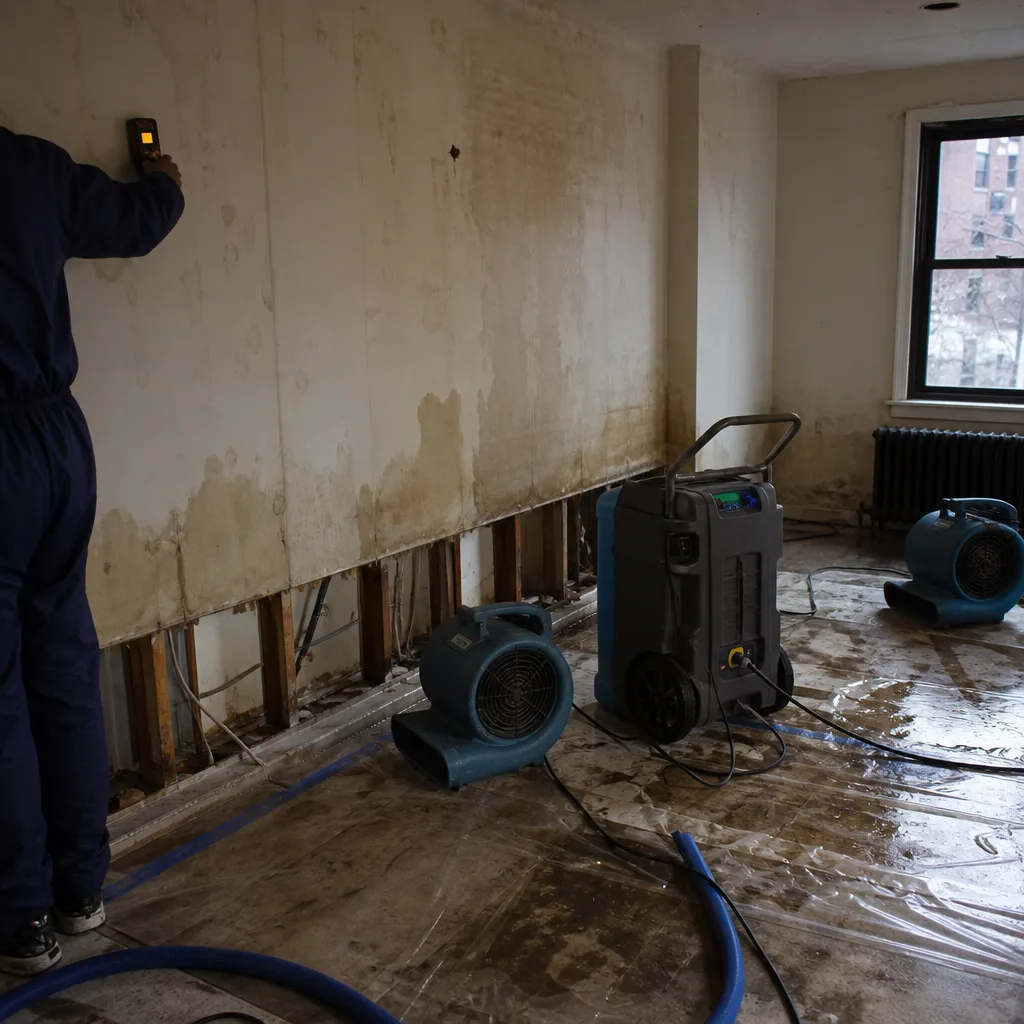
We arrive, map the moisture with thermal imaging and hygrometers, determine the water category, and inspect for hazardous materials common in pre-war Long Island City lofts. You get a written scope before anything is pulled apart.
Extraction & Stabilization
Truck-mounted and portable extraction units pull standing water from every affected floor. We stop the source, shut off what needs shutting off, and bag the unsalvageable materials.
Drying & Dehumidification
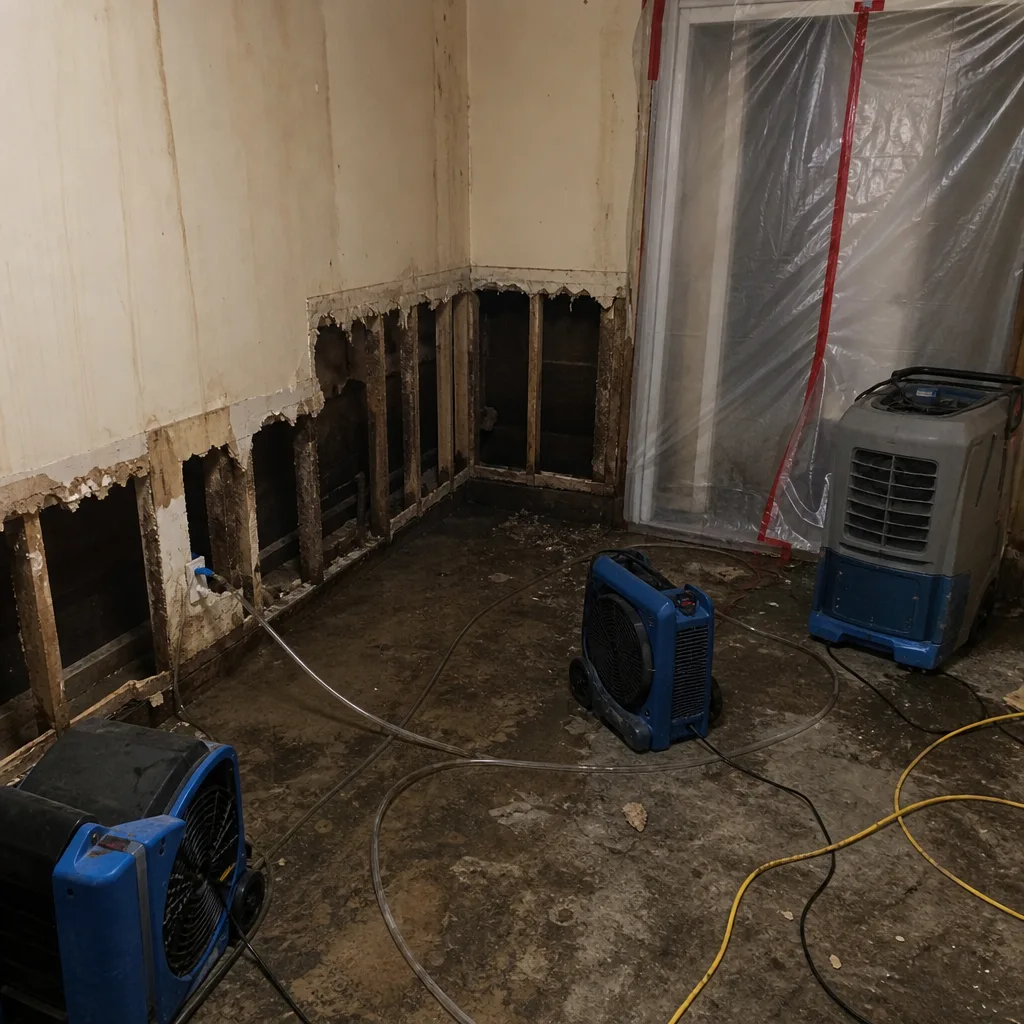
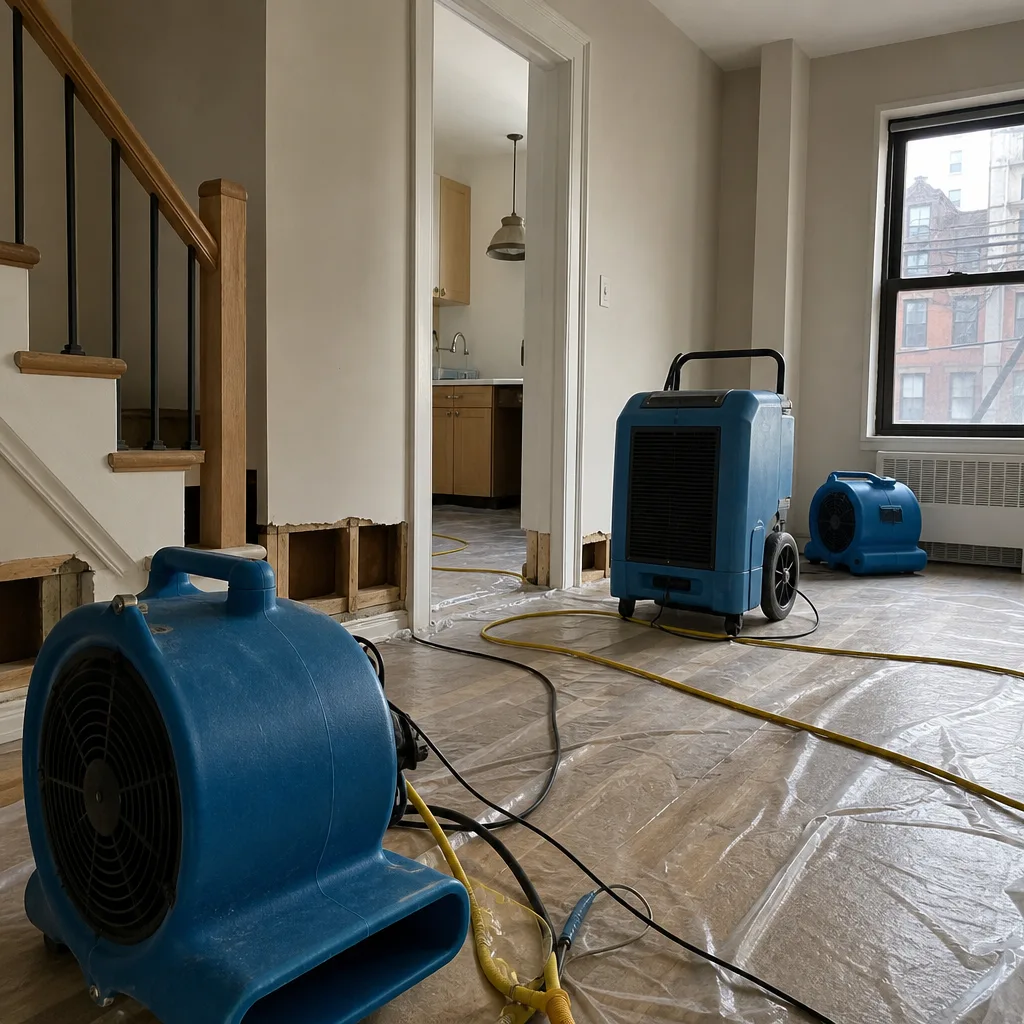
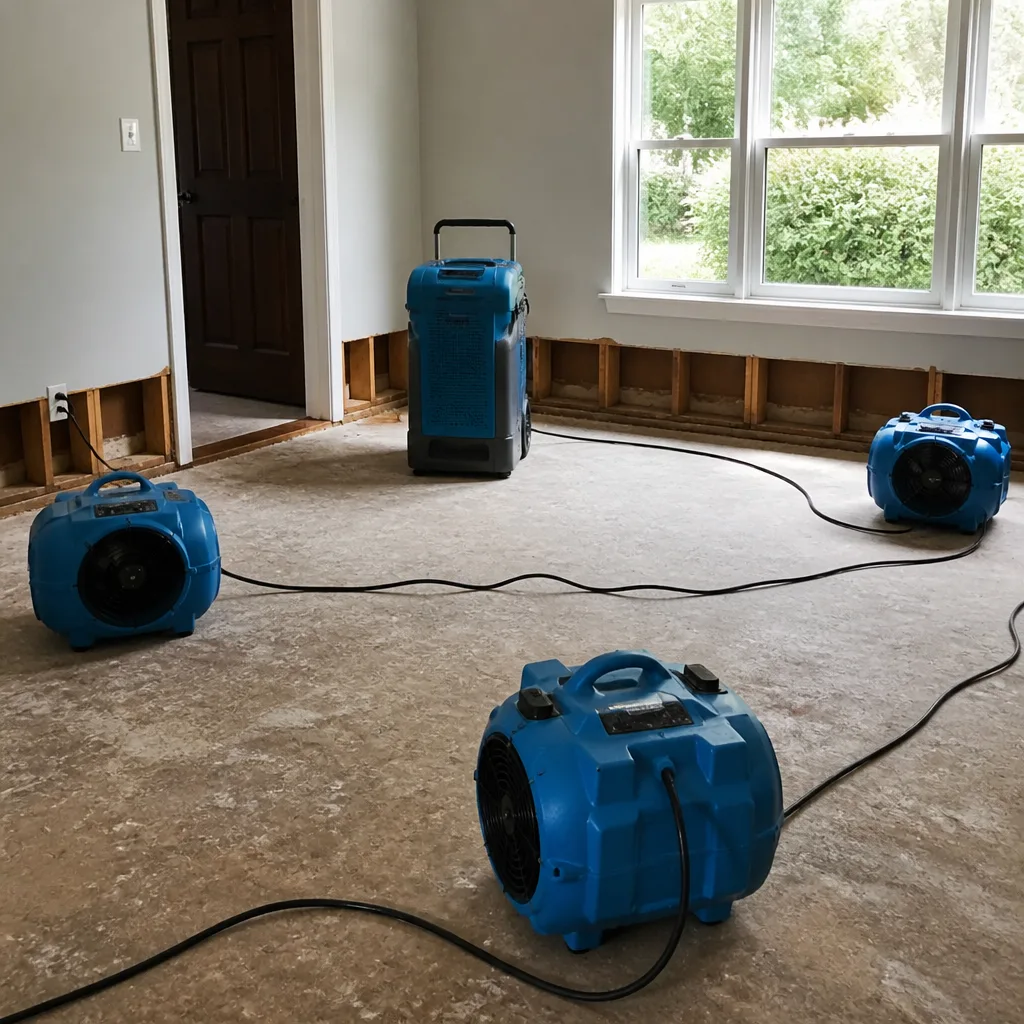
Dri-Eaz LGR dehumidifiers and XPOWER air movers are placed on a moisture map, not scattered randomly. We log daily readings in writing, with drying chambers built where needed for high-rise chases and masonry walls.
Cleaning & Sanitization
Category 2 and 3 water demands antimicrobial treatment and, in flood events, full contaminant removal. We scrub, fog, and treat surfaces according to the water class we actually found.
Asbestos & Hazard Coordination
When demolition in a converted factory loft uncovers asbestos pipe insulation, transite panels, or tile, we pause work, bring in a licensed abatement contractor, and re-scope the schedule in writing with your carrier notified.
Repairs & Restoration
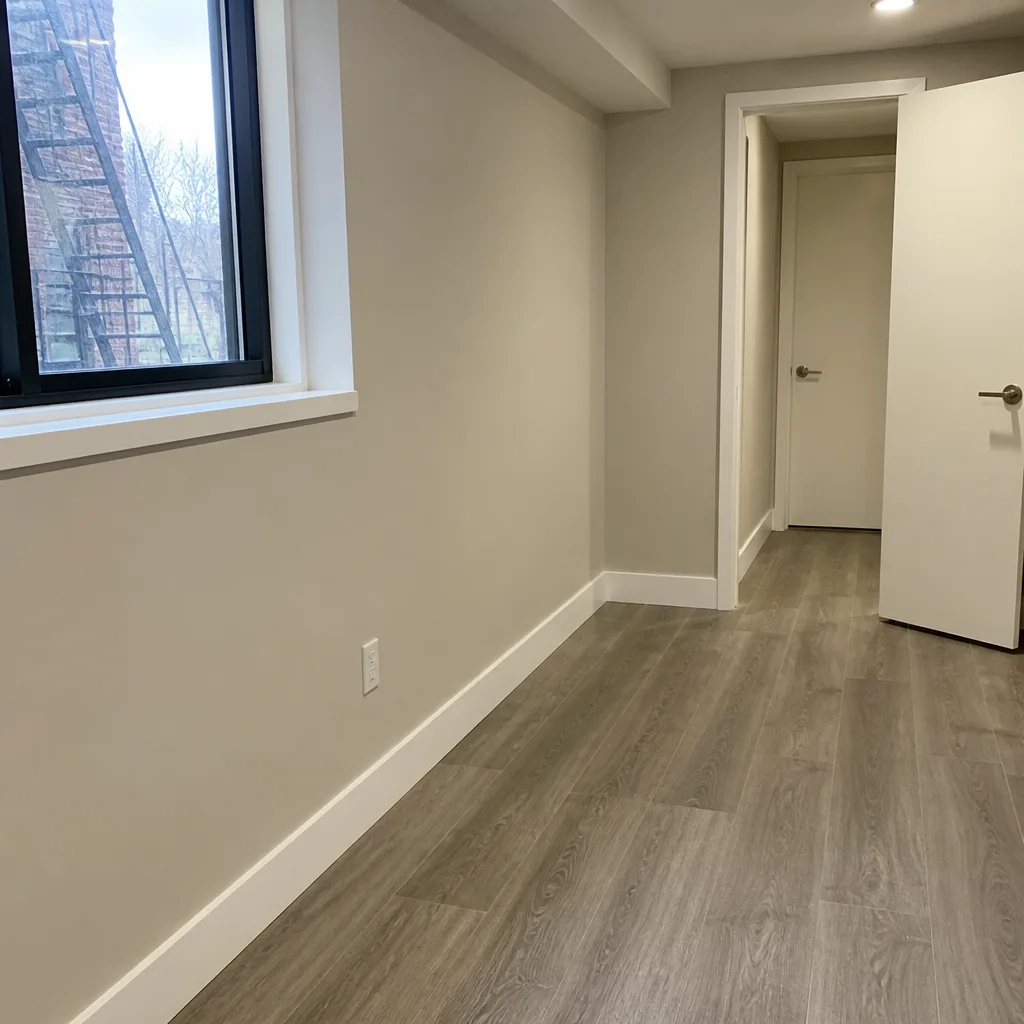
Drywall, flooring, paint, trim, millwork. We rebuild what was removed and return the space to pre-loss condition. The same crew that started the job finishes it, and the 90-Day Done Right Promise stays with you in writing.
Need Emergency Water Damage Restoration in Long Island City Now?
Crews minutes away, answering live 24 hours a day. The sooner we start, the less it costs.
Working With Your Insurance Company
We’ve handled enough claims in Long Island City’s high-rises and converted lofts to know what adjusters require, and we build the file from the first hour. Photos are taken room by room before anything moves. Moisture readings are logged daily, not scrawled at the end. We generate a detailed, line-item scope of work using industry-standard estimating, and we speak directly with your adjuster so you’re not translating construction into insurance language. The carrier gets exactly what it needs, and you get a written record of everything we did and why.
What We Provide Your Insurer
- Thorough documentation of the loss
- Photos of all damage, room by room
- Moisture readings and drying logs
- A detailed, line-item scope of work
- Direct coordination with your carrier
Built for Long Island City’s Loss Calendar
January and February bring deep freezes that split supply lines in older masonry buildings along Vernon Boulevard and Jackson Avenue, particularly in unheated cellar spaces and uninsulated pipe chases. By March, thaw cycles push groundwater through hairline foundation cracks and old coal-chute bulkheads in converted factory basements, and the high water table near the East River makes seepage a yearly recurrence between 44th Drive and Center Boulevard. Summer brings cloudburst thunderstorms that overwhelm aging storm sewers and send street water into below-grade entryways in Hunters Point. And the autumn nor’easter season remains a quiet threat, with wind-driven rain sneaking through masonry parapets and aging roof assemblies above loft conversions. Water Damage Restoration in this neighborhood is shaped by that calendar. We schedule to it, and we answer when it breaks.
Water Damage Restoration Across Long Island City’s Neighborhoods
Hunters Point sits closest to the East River and carries the flood exposure. Center Boulevard towers hug the waterfront, where basement and lobby flooding follows heavy storm surge events. Vernon Boulevard runs parallel to the river with a mix of pre-war walk-ups and converted warehouses. Jackson Avenue near Court Square has dense high-rise clusters where vertical water migration from one pipe failure can ripple through a dozen floors before valving is even reached. The blocks approaching Newtown Creek to the north hold industrial-age buildings with basement slabs below the water table, and 11101 covers much of this flood-prone stretch. We also work the newer residential corridors around Queens Plaza, where high-rise HVAC condensate leaks and fire-suppression line failures are the more common call. If you’re in Long Island City, we know the building type before we’ve pulled up out front.
Specialized Water Damage Restoration Services We Offer in Long Island City
Emergency Water Extraction
Standing water in a Center Boulevard tower unit or a Hunters Point loft must come out fast and completely. We run extraction on the same visit, before the wicking line climbs the drywall.

Structural Drying & Dehumidification
Dri-Eaz LGRs and XPOWER air movers set to a moisture map, with daily readings until your structure meets the dry standard. Masonry, steel studs, and wide-plank floors each get the drying chamber they need.

Flood Cleanup
For Hurricane Sandy-type events and Newtown Creek storm surge incidents, we treat the water as Category 3, run containment, remove contaminants, and dry the structure with flood-specific protocol.

Burst Pipe Restoration
Frozen supply lines in pre-war lofts, failed plumbing in high-rise chases, and sprinkler-line bursts across stacked floors. We stop the source, dry every affected floor, and rebuild what the water wrecked.

Basement Water Removal
LIC’s high water table means basement pumps fail and seepage finds a way. We extract, dry, and address the reasons water is entering so the next storm doesn’t revisit your storage room.

Ceiling & Roof Leak Water Damage
Nor’easter wind-driven rain sneaks through old roof assemblies and drips down through loft ceilings above the top floor. We trace the full path of moisture, not just the visible stain.

What happens when you call
- 1
A real person answersNo phone trees - you reach a local pro.
- 2
You get an upfront price rangeHonest numbers before anyone is dispatched.
- 3
A background-checked tech heads outLicensed & insured, dispatched right away.
- 4
You approve before work beginsNothing starts until you say go.
Water Damage Restoration Costs in Long Island City, NY
A typical emergency water extraction in Long Island City runs $450 to $900 for a single affected room in a standard apartment or loft. Structural drying with professional-grade equipment adds $1,200 to $3,500 depending on square footage and the building assembly, with masonry and high-rise chase drying typically at the higher end. Basement flood cleanup in the Hunters Point flood zone, including Category 3 water removal and decontamination, commonly lands between $2,800 and $6,500. What moves the price is the category of water, the number of affected floors, and whether a licensed abatement hold is triggered by asbestos discovery in pre-1980 construction. Your carrier often covers most of this under a standard policy when the source is sudden and accidental. The free inspection produces a firm, line-item scope before any demo begins, so you’ll know your number before you authorize anything. Call (716) 452-0798 and talk to a live person.
We Also Serve Cities Near Long Island City
We run crews into Long Island City daily and also respond across the neighboring Queens communities of Astoria, Maspeth, Jackson Heights, and Elmhurst, giving those streets the same live-answer dispatch and the same written 90-Day Done Right Promise.
Serving Long Island City, NY - Our Local Coverage Area
We’re based in the Long Island City area and know this community well. Use the map below to see our service coverage - if you’re nearby, we can almost certainly help.
Long Island City Water Damage Restoration Questions, Answered
What does Long Island City’s FEMA flood zone designation mean for water damage restoration in Hunters Point?
It means groundwater and storm surge flood a Hunters Point basement often enough that your restoration crew must treat every flood event as Category 3 water from the first hour, with full contaminant removal before structural drying starts. A standard drying job without decontamination will leave sewage and saltwater residue behind the drywall.
How does asbestos impact water damage restoration in converted LIC factory lofts?
Pre-war factory buildings throughout Court Square and Hunters Point often contain asbestos in pipe insulation, flooring, and ceiling panels. When demolition uncovers it, restoration pauses, a licensed abatement contractor takes over, and drying equipment waits until the hold clears. Budget and schedule reflect that hold.
Why do high-rise water leaks in LIC often cause damage several floors below the source?
Modern towers route supply lines and drainage through vertical chase walls that run the full building height. A break on one floor lets water travel down through the chase and pool in low points, often showing up as ceiling damage three or four floors beneath the actual failure.
What type of water is typically involved in basement flooding near Newtown Creek?
Category 3. The creek’s adjacent water table and combined sewer overflows mean floodwater in that area carries bacteria, silt, and chemical residues that make it unsafe to dry without full decontamination. We treat it as contaminated water from the start.
Can you restore original wood floors in a Hunters Point loft after water damage, or do they usually need replacement?
Original wide-plank pine and oak in LIC lofts can often be saved if extraction and drying start within hours. The subfloor beneath them is the harder problem. Our crews routinely dry wood floors in place with a sealed chamber and targeted dehumidification, avoiding replacement where possible.
How fast can someone actually get here from your New York City office?
We commit to 45 minutes for dispatch into Long Island City. A live dispatcher takes your call any time, day or night, and a certified crew reaches your building on that same visit.
Will insurance cover this, and who deals with my adjuster?
Sudden and accidental discharge from a pipe or appliance is typically covered. Floodwater from storm surge may require a separate flood policy. We bill your carrier directly and coordinate with your adjuster daily, so you don’t have to translate anything.
What should I do in the first 30 minutes after discovering water damage?
Shut off the water at the nearest valve or the building main. Move what you can lift without hurting yourself. Do not touch anything near electrical panels or outlets. Then call (716) 452-0798 and leave the scene intact for our cameras and meters.
Written by Curt Bowman, Owner at Floodline Restoration Co.
Before
After
Before
After
Before
After