
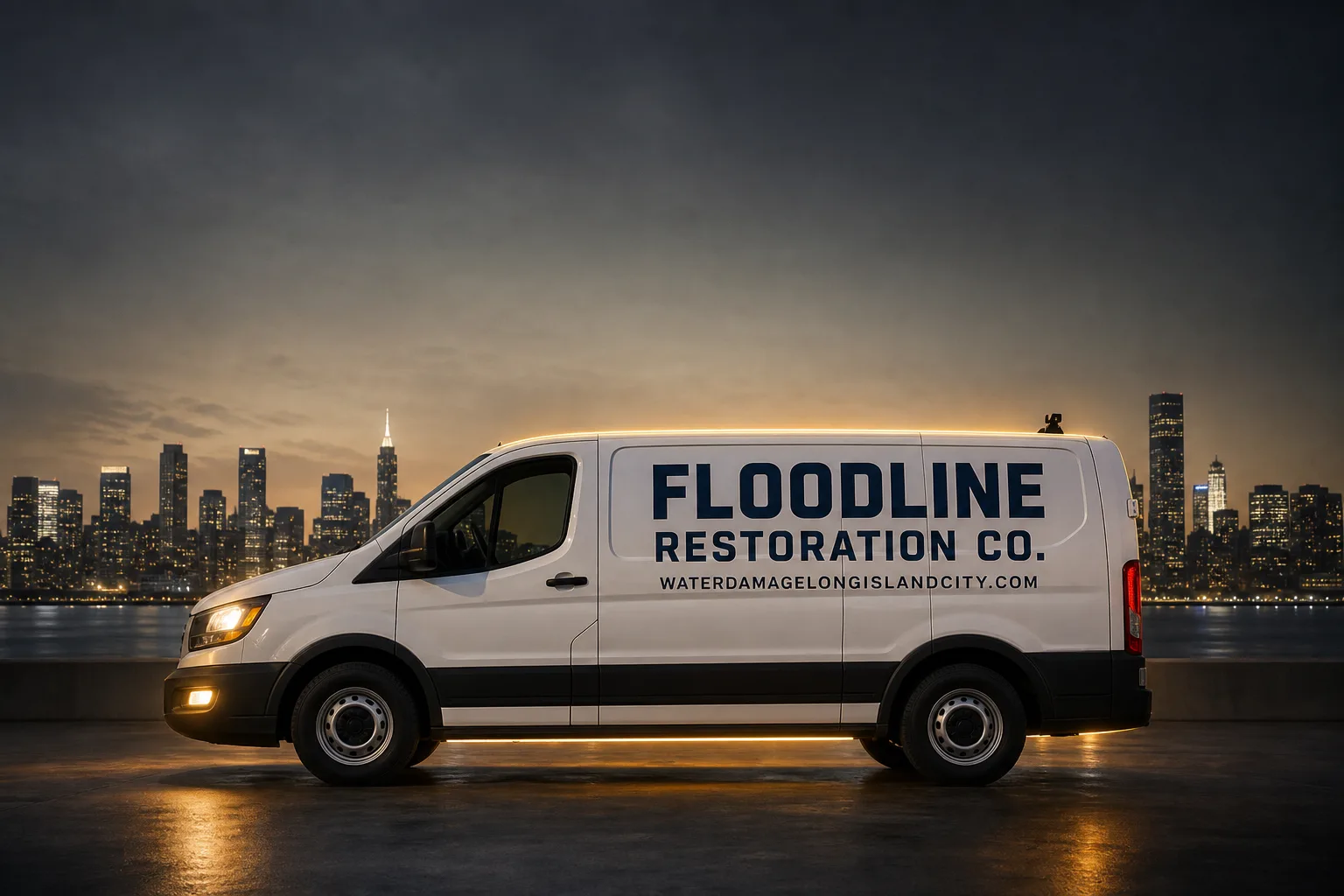
Free visual inspection and a written scope of work before any mitigation begins - photos, moisture readings, and drying logs go in your claim file
The scope we write is the scope we bill. Anything new gets shown to you, in writing, before we touch it.
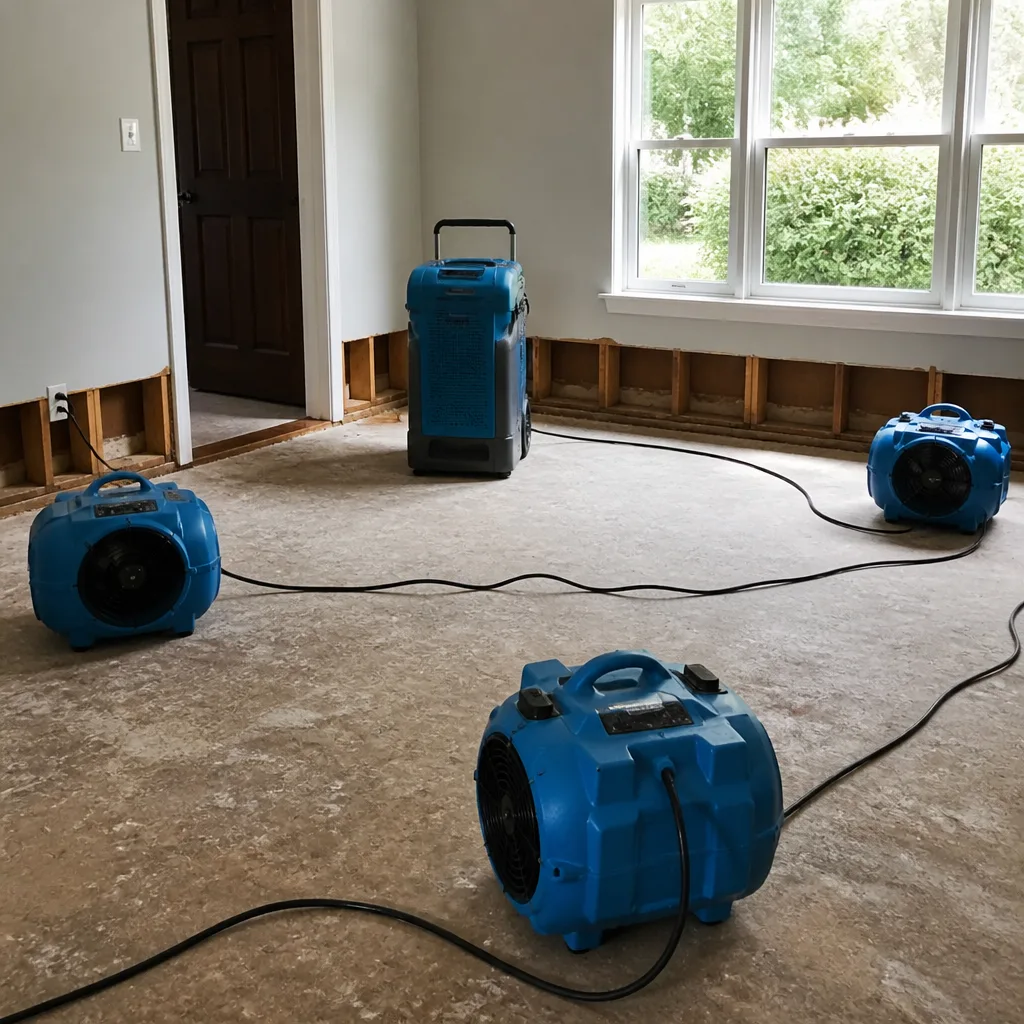
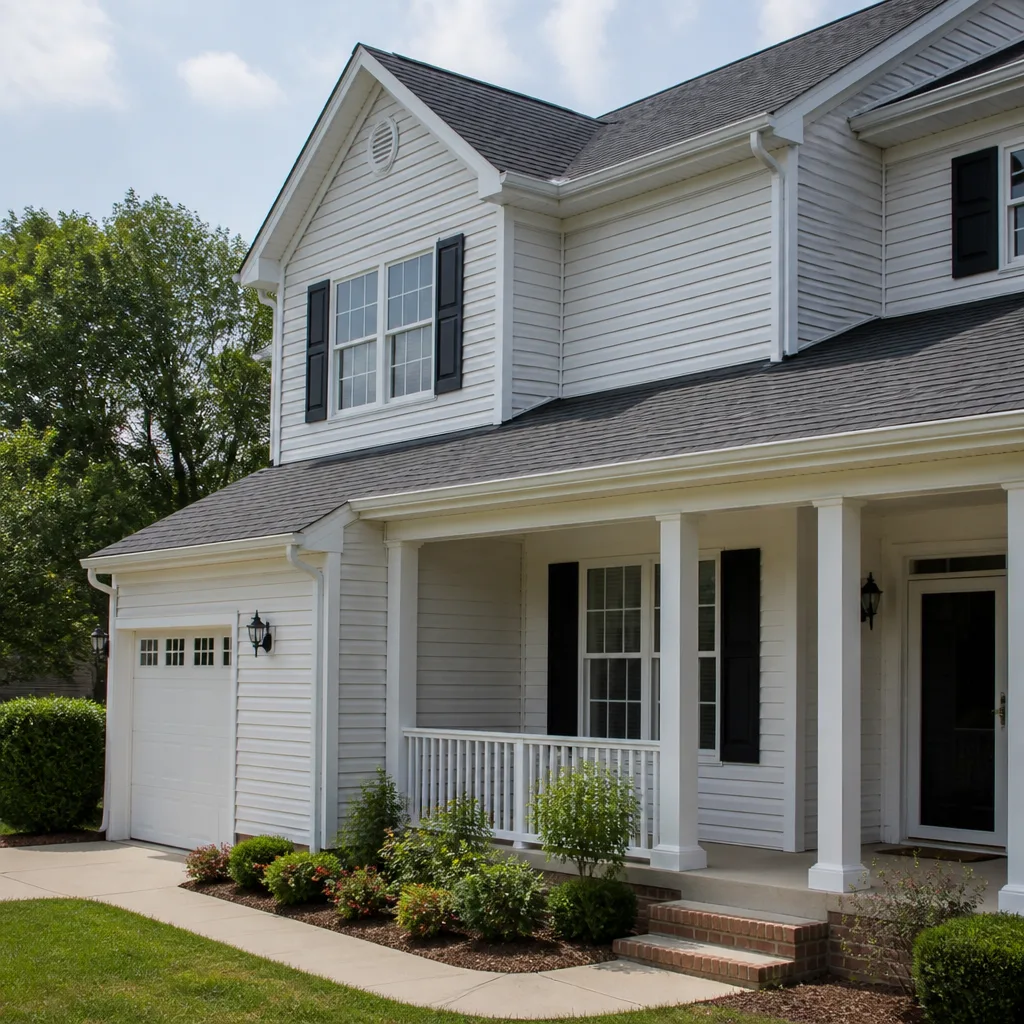
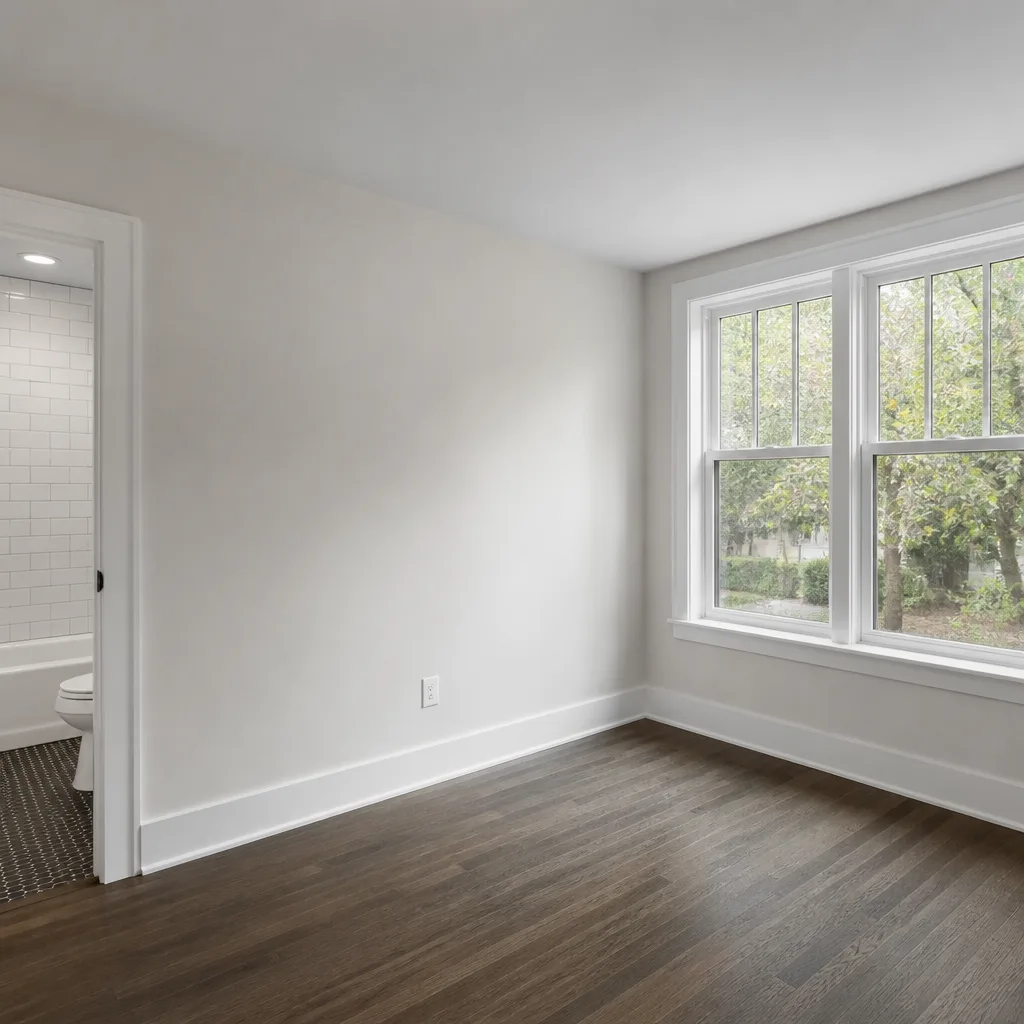
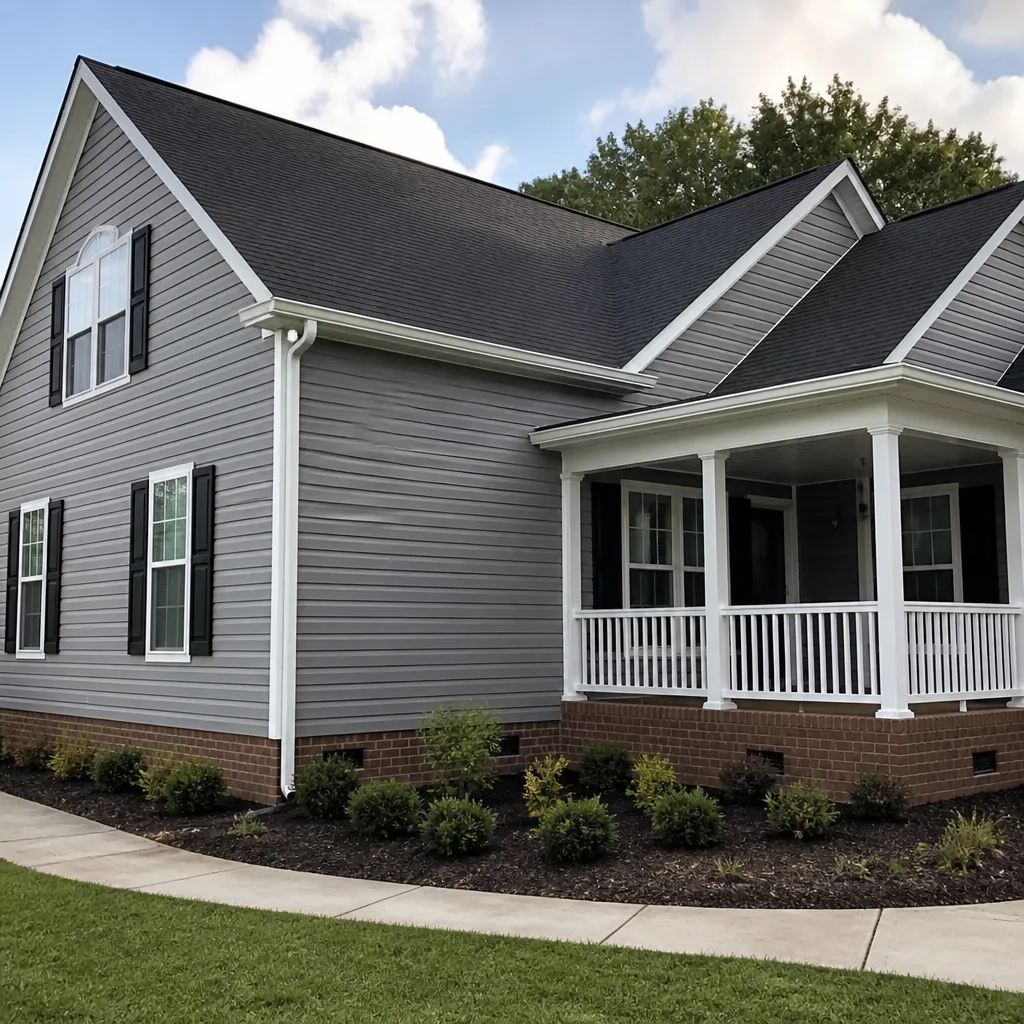
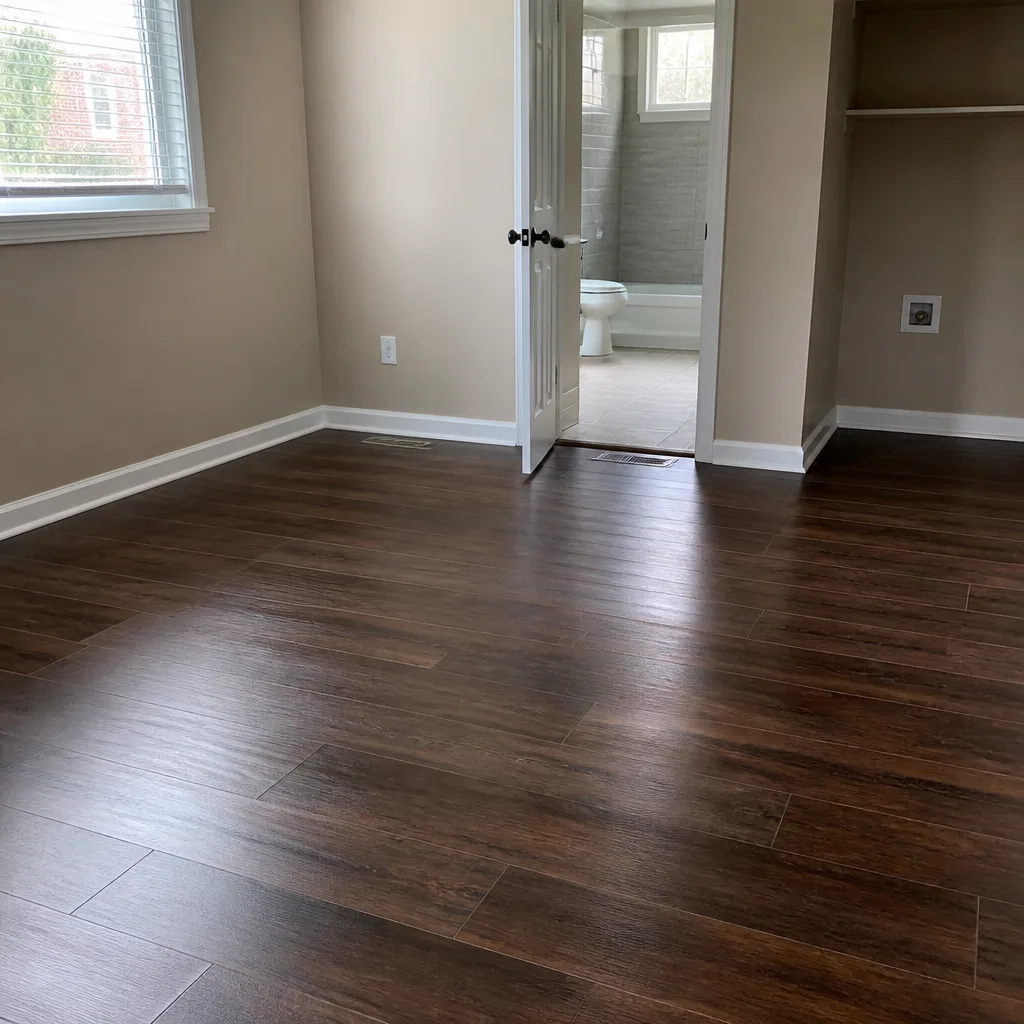
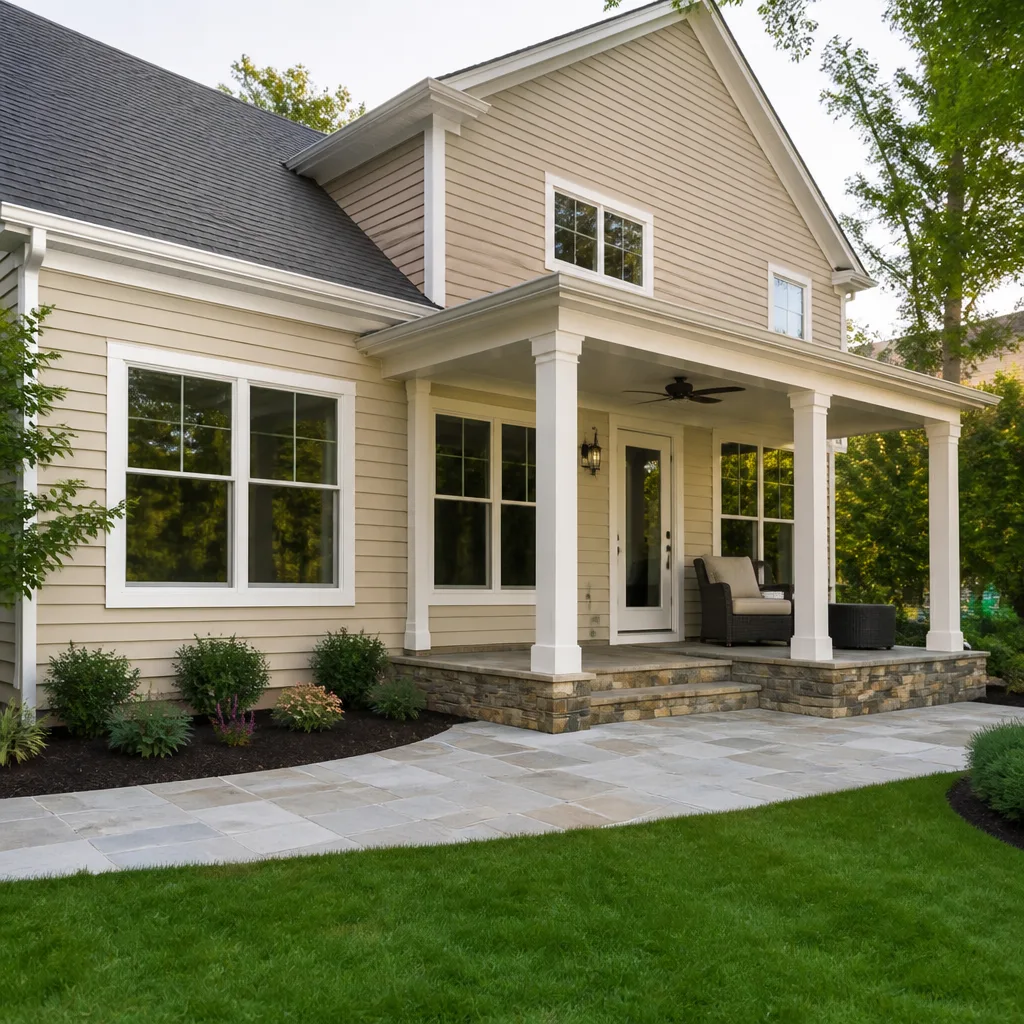
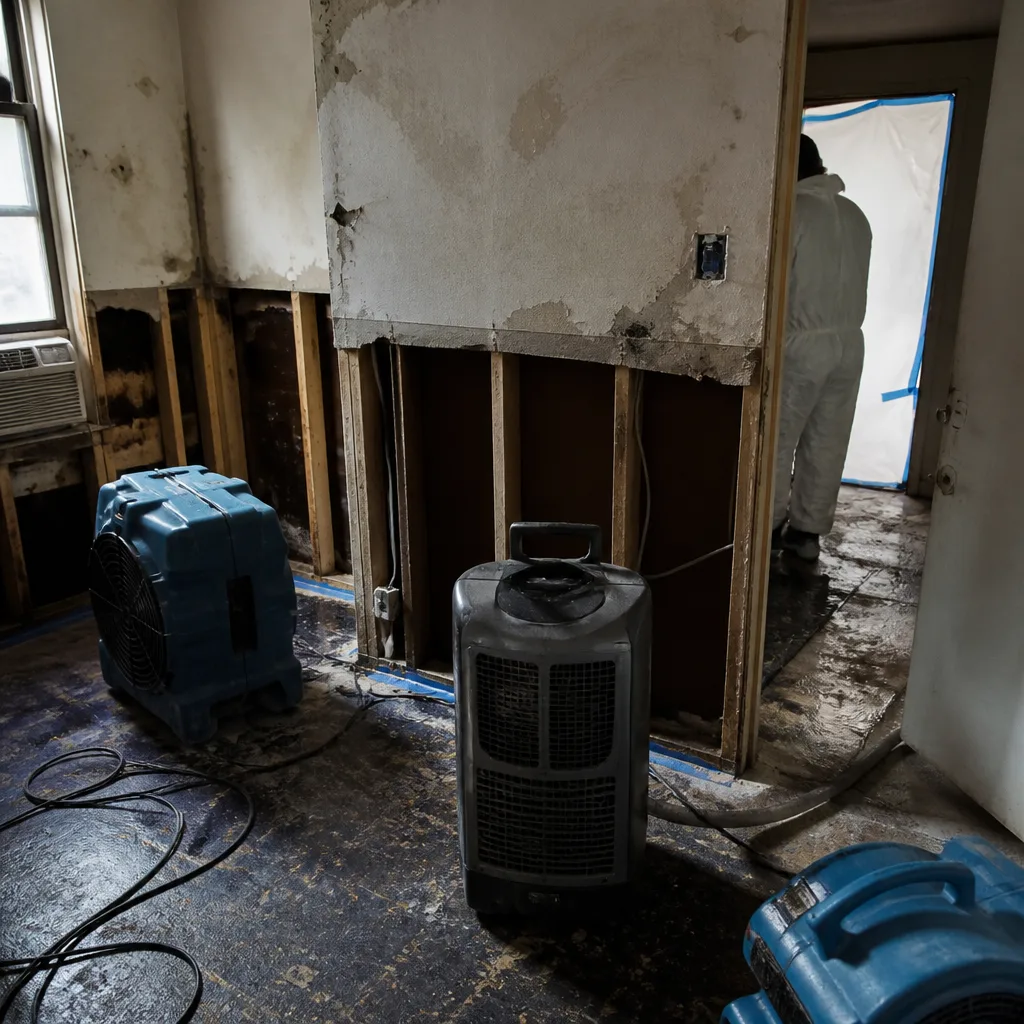 Before
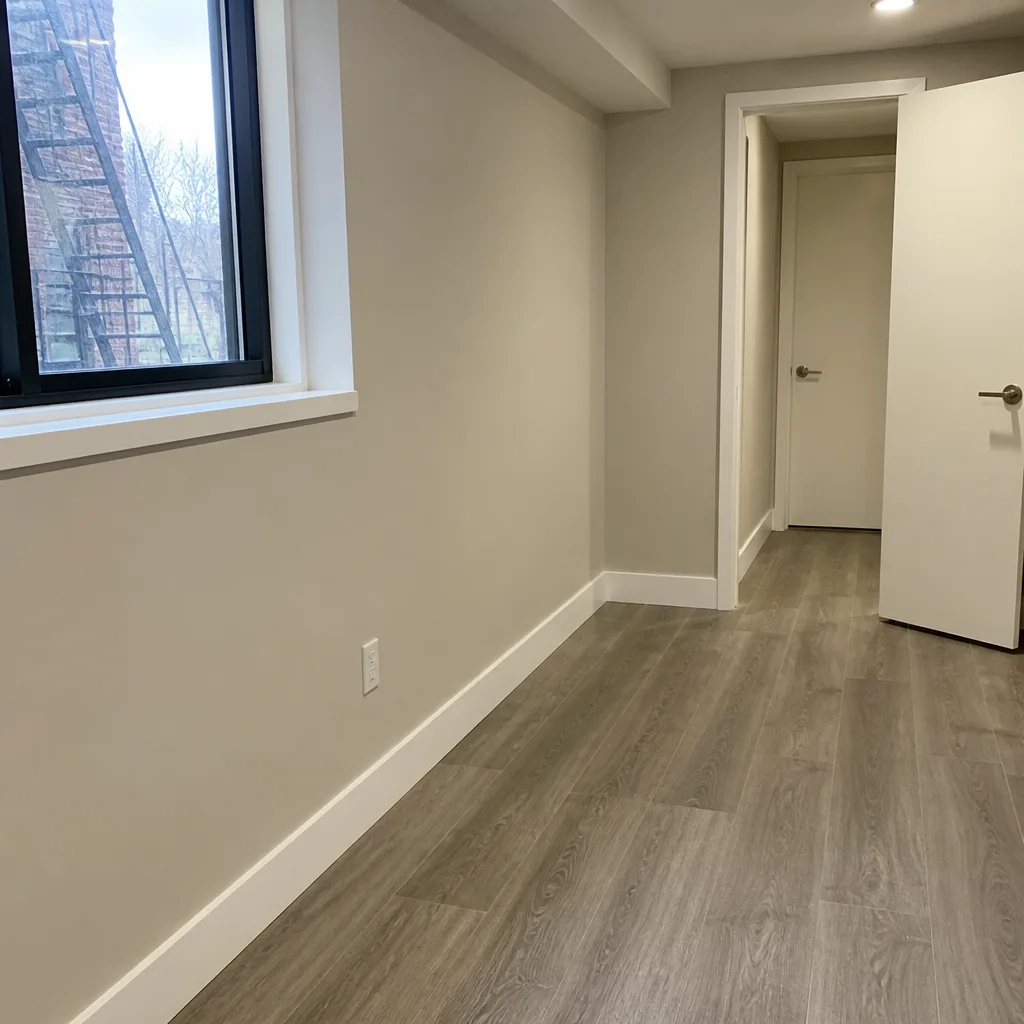 After
After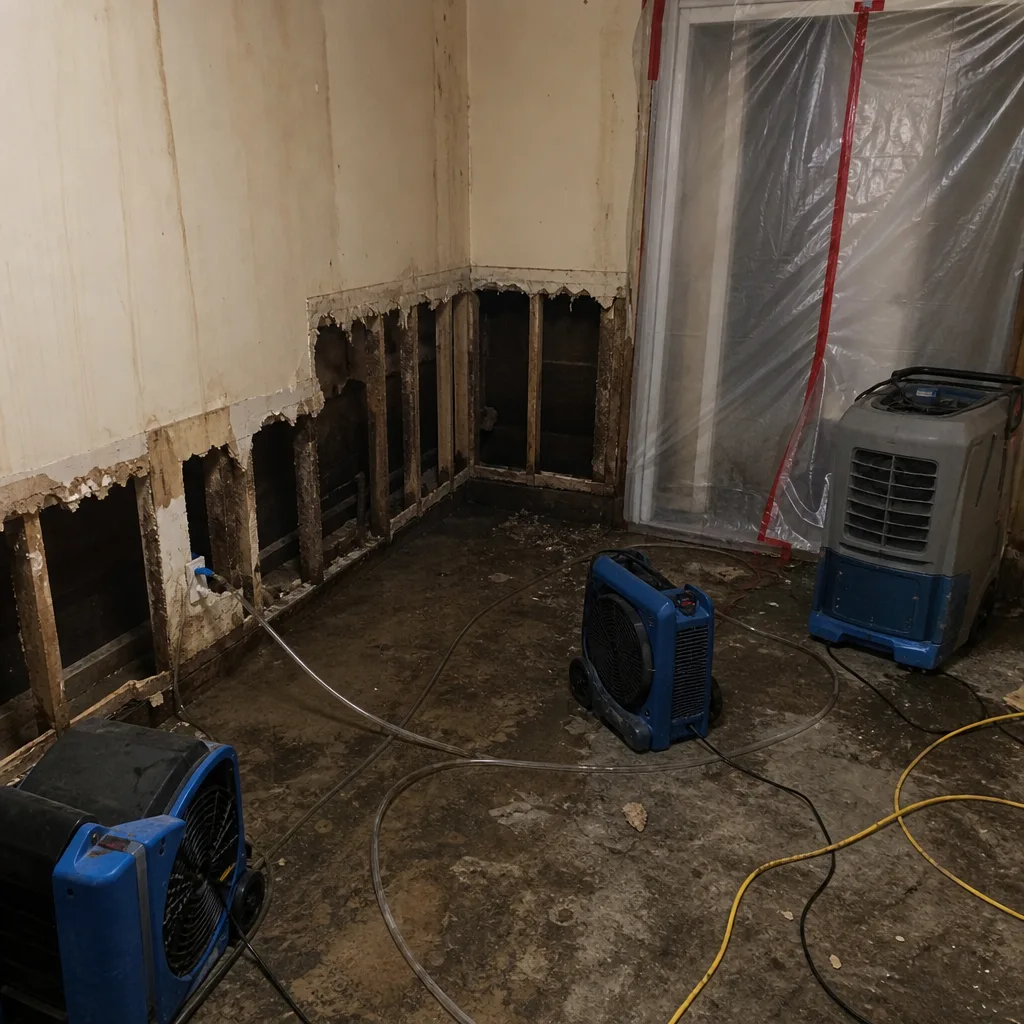 Before
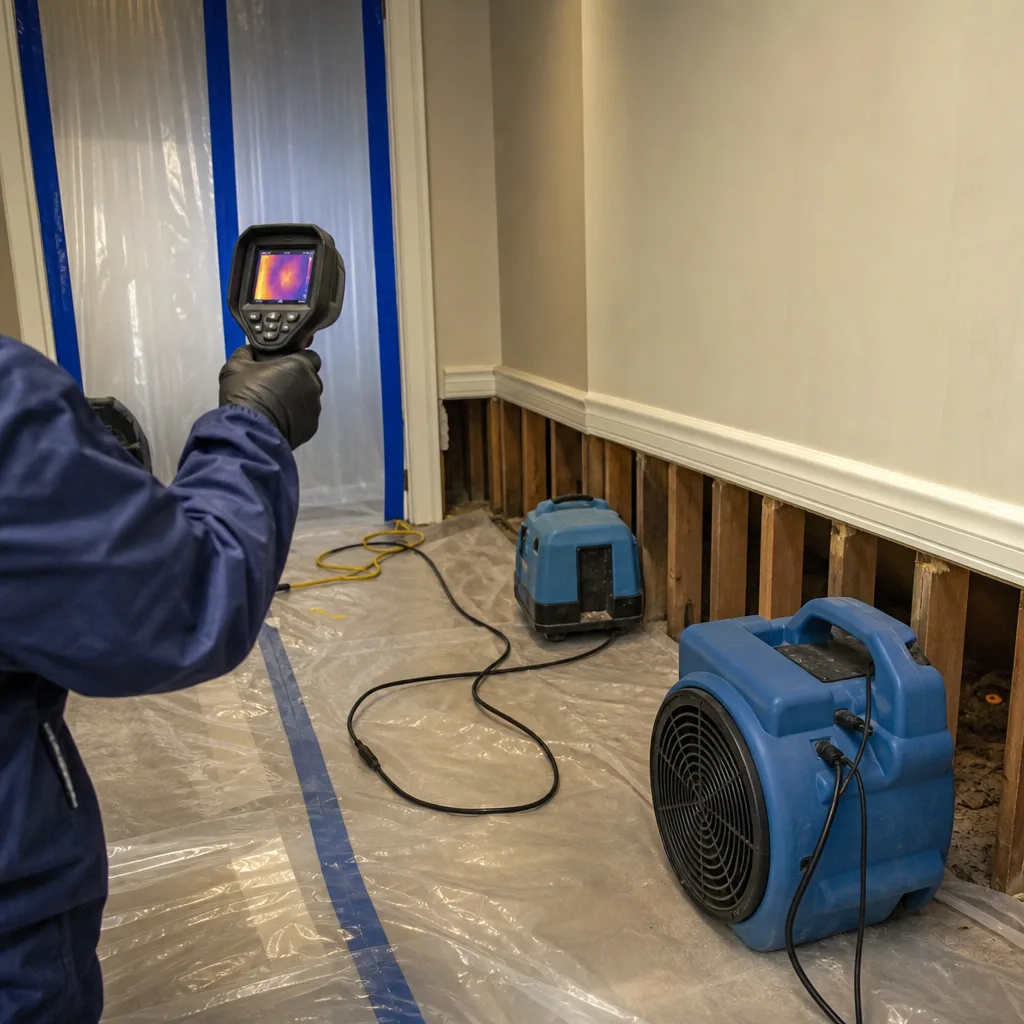 After
After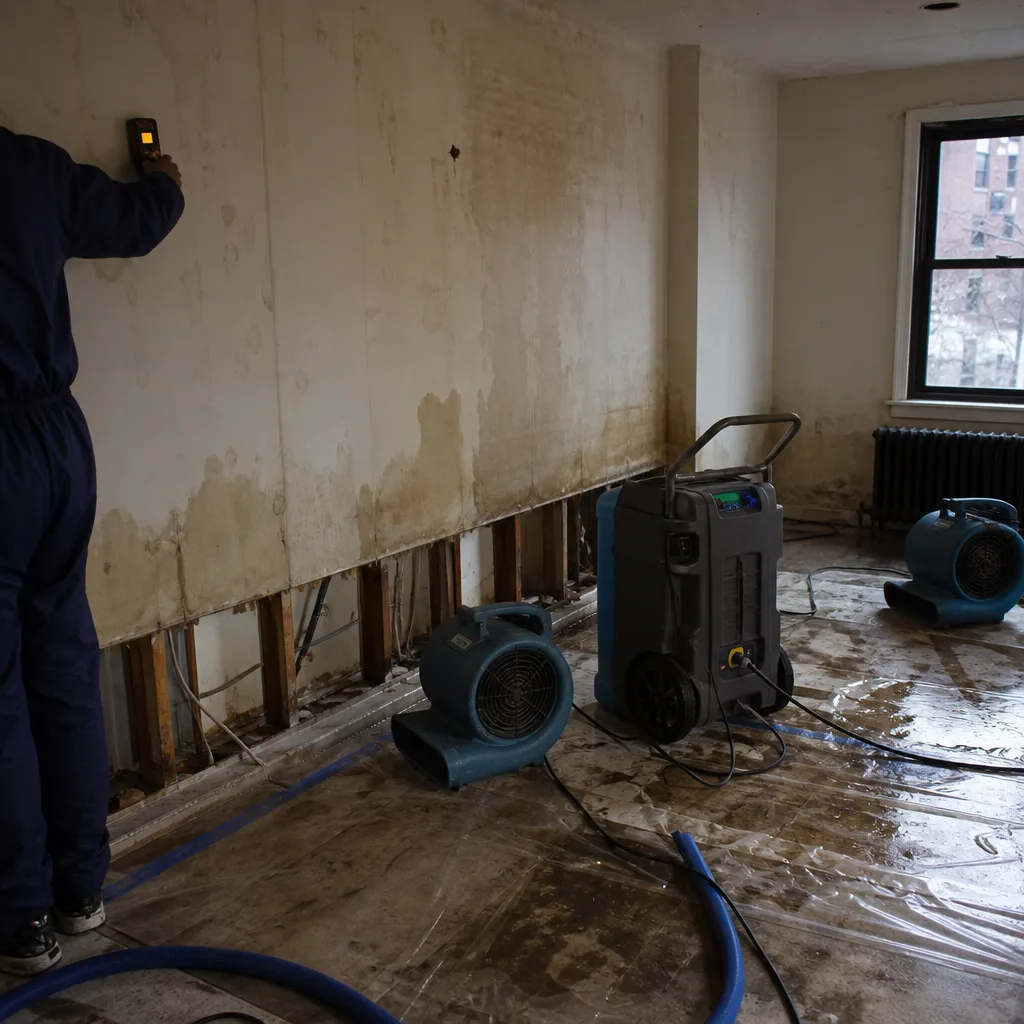 Before
 After
After24/7 Emergency Water Damage Restoration in Murray Hill
Water damage in a Murray Hill pre-war co-op or brownstone needs a response that starts now, not tomorrow. Our crews run emergency calls across Murray Hill around the clock, every day of the year. When you call (716) 452-0798, a live dispatcher picks up, not a recording, and we start routing a crew your way. The first hour matters because water wicks fast through century-old plaster and lath, saturating floors, baseboards, and the air itself. A free visual inspection tells us exactly what you’re facing and what it will take to stop it. We don’t wait for a sales manager to call you back. We show up.
Understanding Water Damage Restoration Severity in Murray Hill Properties
Water losses are not all the same. The restoration industry separates water into categories: Category 1 comes from a clean source like a burst supply line; Category 2 carries contaminants from sources like washing machine overflow or a leak through a floor assembly; Category 3 is grossly contaminated, from sewage backups or street water. In Murray Hill, the building stock changes the stakes. A 1910s co-op on East 37th Street has original cast-iron waste stacks and galvanized supply branches. A slow drip inside a demising wall can run for days before anyone notices, and by then the water has likely picked up plaster dust, decades of paint residue, and whatever else lives inside a century-old wall cavity, pushing what started as Category 1 into Category 2 territory. Moisture mapping with thermal imaging tells us where the water really went, not just where it’s visible. Structural drying in these buildings means managing tight chases, lath-and-plaster walls, and six-to-sixteen-story stack effects that high-rise crews without pre-war experience often misread.
Why Murray Hill Property Owners Choose Floodline Restoration Co.
- We answer live, 24 hours a day. A person picks up at 2 a.m. on a holiday. Not an answering service. Not an automated menu. A dispatcher who knows Murray Hill and can have a crew moving.
- Free visual inspection. We assess the loss before you sign anything. You’ll know the scope, the category of water, and what we recommend before any work begins.
- IICRC-certified crews. Our technicians train to WRT, FSRT, and AMRT standards, so the drying plan rests on current restoration science, not guesswork.
- Direct insurance billing. We bill the carrier directly and send them the documentation they need. You’re not playing messenger between us and your adjuster.
- One team from extraction through rebuild. Floodline handles every phase. No handing you off to a sub you never met.
- Done right, and backed in writing. The 90-Day Done Right Promise, the Keystone Standard, is given in writing. If it’s not done right, we make it right. No arguing, no paperwork battle.
Our Water Damage Restoration Process
1. Inspection & Assessment
We arrive, walk the unit, and map the moisture. Thermal imaging and hygrometers show us how far the water traveled, including inside walls and under flooring. We identify the water category and mark the affected rooms. You get a clear explanation and a written plan before we start pulling things apart.
2. Extraction & Stabilization
Standing water comes out first. Truck-mounted and portable extraction units pull water from floors, carpets, and base cavities. We remove saturated contents that can be saved and set them aside for drying. In garden-level units, we check below-grade walls immediately because water hides there in ways high-rise apartments never see.
3. Structural Drying & Dehumidification
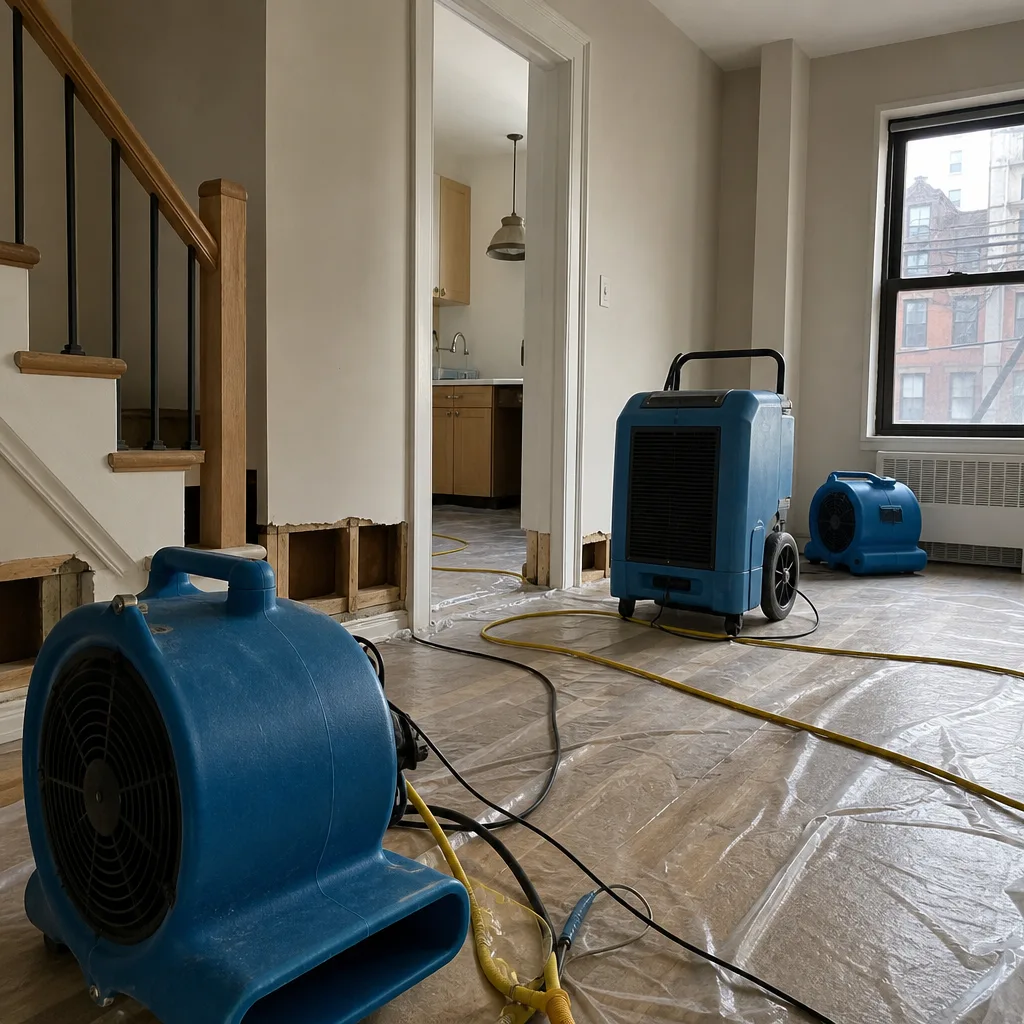
We set Dri-Eaz dehumidifiers and Phoenix air movers in a pattern calculated for your floor plan and your walls. Daily moisture readings go into a log. We adjust the equipment as the drying curve moves. The log goes to you and to your carrier. We dry to the standard, not to a calendar date.
4. Cleaning & Sanitization
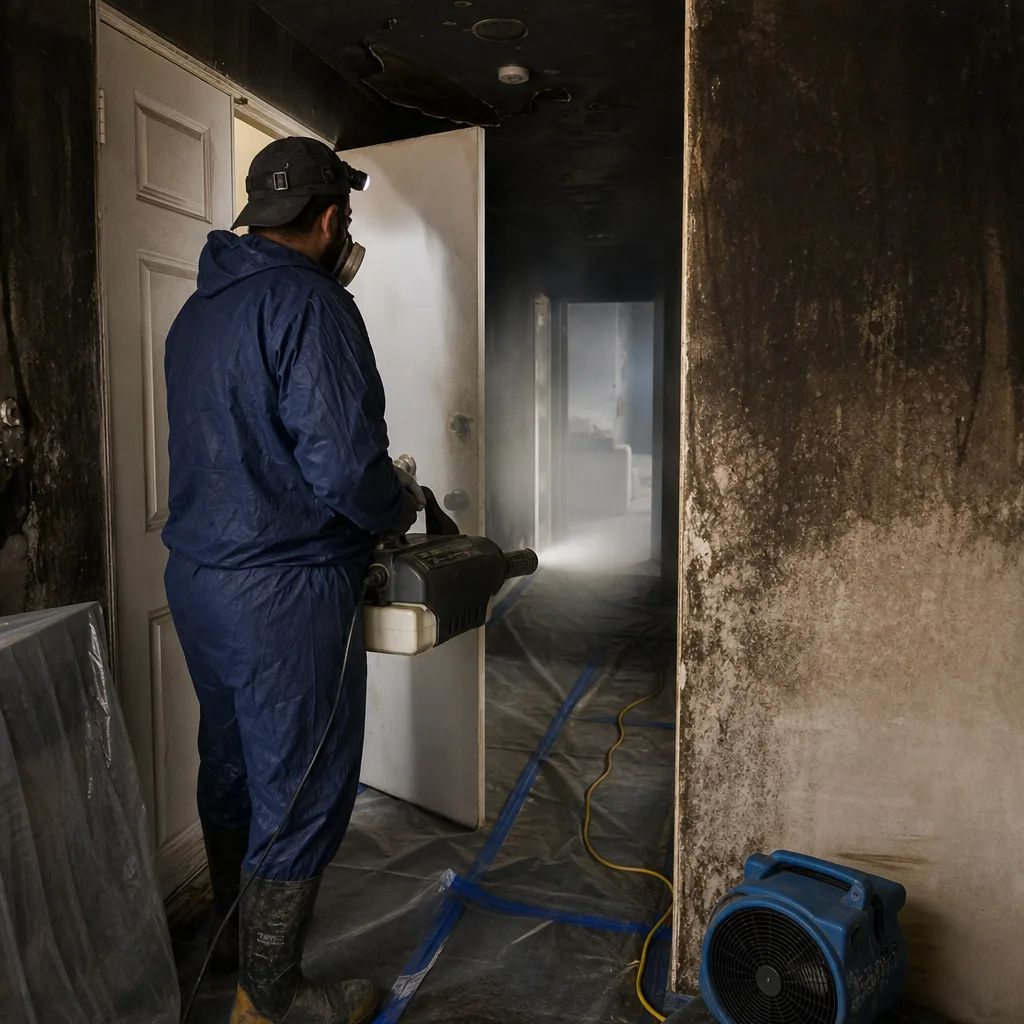
After drying, we address contamination. HEPA vacuuming, surface cleaning, and antimicrobial treatment on affected materials. Category 2 and 3 water leave microbial loads that visible dryness does not solve. We don’t paint over it. We remove it.
5. Specialty Treatment for Murray Hill Construction
Pre-war walls need different handling than drywall. We treat lath and plaster with drying methods that don’t force us to rip out original material unless it’s genuinely unsalvageable. Cast-iron risers and radiator feed lines get inspected for corrosion-related pinhole leaks, a recurring source of repeat losses.
6. Repairs & Restoration
What needs to come out, we remove and rebuild. Floodline runs the whole job, through finished walls, refinished floors, and trim. One crew, one accountability chain, no mid-job handoff.
Need Emergency Water Damage Restoration in Murray Hill Now?
Crews minutes away, answering live 24 hours a day. The sooner we start, the less it costs.
Working With Your Insurance Company
Water damage claims in Murray Hill co-ops and brownstones get complicated fast. Most proprietary leases split responsibility between the shareholder and the building corporation, and the adjuster needs to know which line is which before approving anything. We document from the first hour: photos of every affected room, moisture readings at intake, daily drying logs, and a line-item scope of work. We talk directly with your adjuster and the co-op board’s insurance representative so the claim doesn’t stall because a document is missing. Homeowners should never have to translate restoration terminology for a carrier. That’s our job. We know what State Farm, Chubb, Travelers, and the major carriers in the New York market expect, and we build the file to match. Direct insurance billing means the carrier pays us directly, minus your deductible, and you see the invoice clearly.
What We Provide Your Insurer
- Thorough documentation of the loss
- Photos of all damage, room by room
- Moisture readings and drying logs
- A detailed, line-item scope of work
- Direct coordination with your carrier
Built for Murray Hill’s Loss Calendar
Murray Hill sees water damage on a schedule that follows the building stock as much as the weather. January and February deep freezes crack the galvanized supply branches that have been in these walls since the 1920s and 1930s, especially in corner units on 36th and 37th Streets where the original risers run close to the exterior masonry. Spring thaw pushes water into garden-level and cellar units in the brownstone-style buildings, where below-grade walls soak up groundwater that never touches a high-rise apartment. Summer convective storms hammer flat roofs and parapets, sending water down behind walls around roof drains and skylights. Nor’easters, particularly in November and March, drive wind-driven rain into upper-floor co-op units through brick fascia and failing parapet caps. The building envelope is often the culprit in this neighborhood, which is why our Water Damage Restoration team always looks at the drain lines and roof assemblies, not just the puddle on the floor.
Water Damage Restoration Across Murray Hill’s Neighborhoods
Murray Hill is not one building type. The blocks along Park Avenue and Lexington run high, 12 to 16 stories, with full-time staff and freight elevators that make equipment staging easier, but with steam-heat risers and old drain stacks that have failed more than once. The cross-streets in the 30s between Park and 3rd Avenue hold a mix of six-story walk-ups and larger pre-war elevators, where the response route has to account for stair carries and narrow doorways. The garden-level and brownstone units on the side streets, particularly from East 34th up to East 39th, sit partially below grade and need the most aggressive drying plans. Wherever you are in Murray Hill, the board approval question hangs over every emergency, and we know how to manage it without letting water sit while the lawyers talk.
Specialized Water Damage Restoration Services We Offer in Murray Hill
Emergency Water Extraction
Standing water in a pre-war apartment advances through flooring, baseboards, and wall cavities within hours. We extract fast, using professional-grade equipment sized for the stair and elevator constraints of Murray Hill buildings. Every minute of standing water means more material that has to come out later.
Structural Drying & Dehumidification
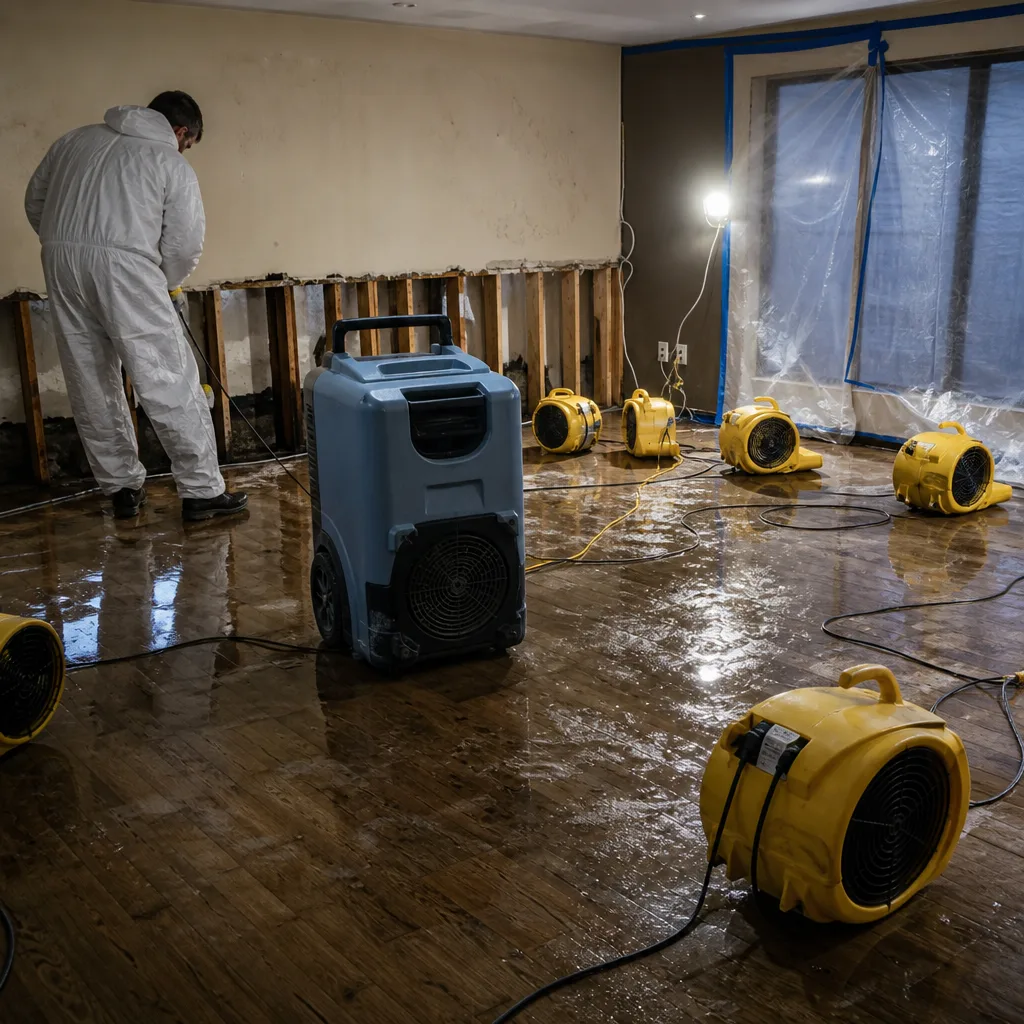
Drying a 1920s lath-and-plaster wall is different from drying drywall. We run Phoenix air movers and Dri-Eaz dehumidifiers on a pattern calculated for the wall assembly, and we read the moisture levels daily. The drying log goes to you and your board, so everyone knows the standard is being met.
Flood Cleanup
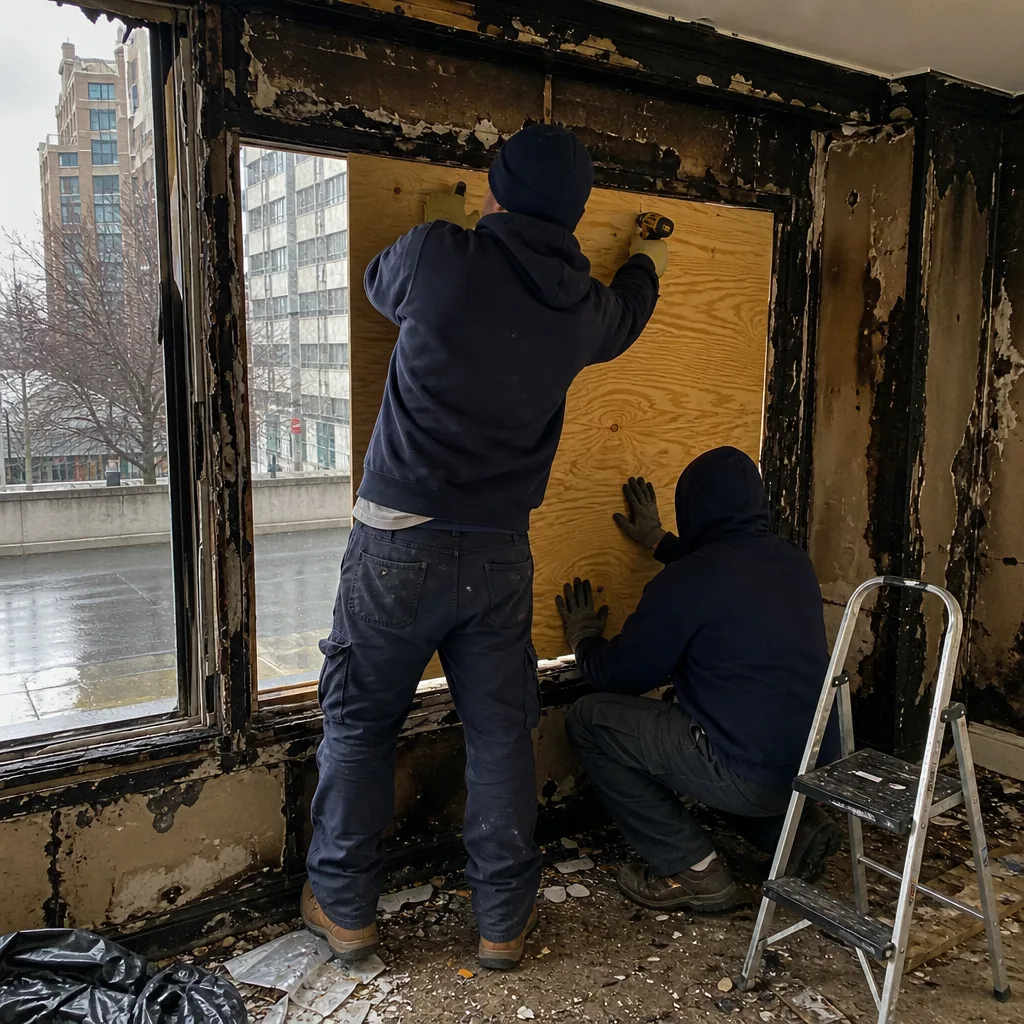
When a nor’easter or a failed roof drain sends water down through upper floors, the cleanup includes contaminated debris, saturated insulation, and damaged ceiling material. We contain the affected rooms, remove what can’t be saved, and start drying what can.
Burst Pipe Restoration
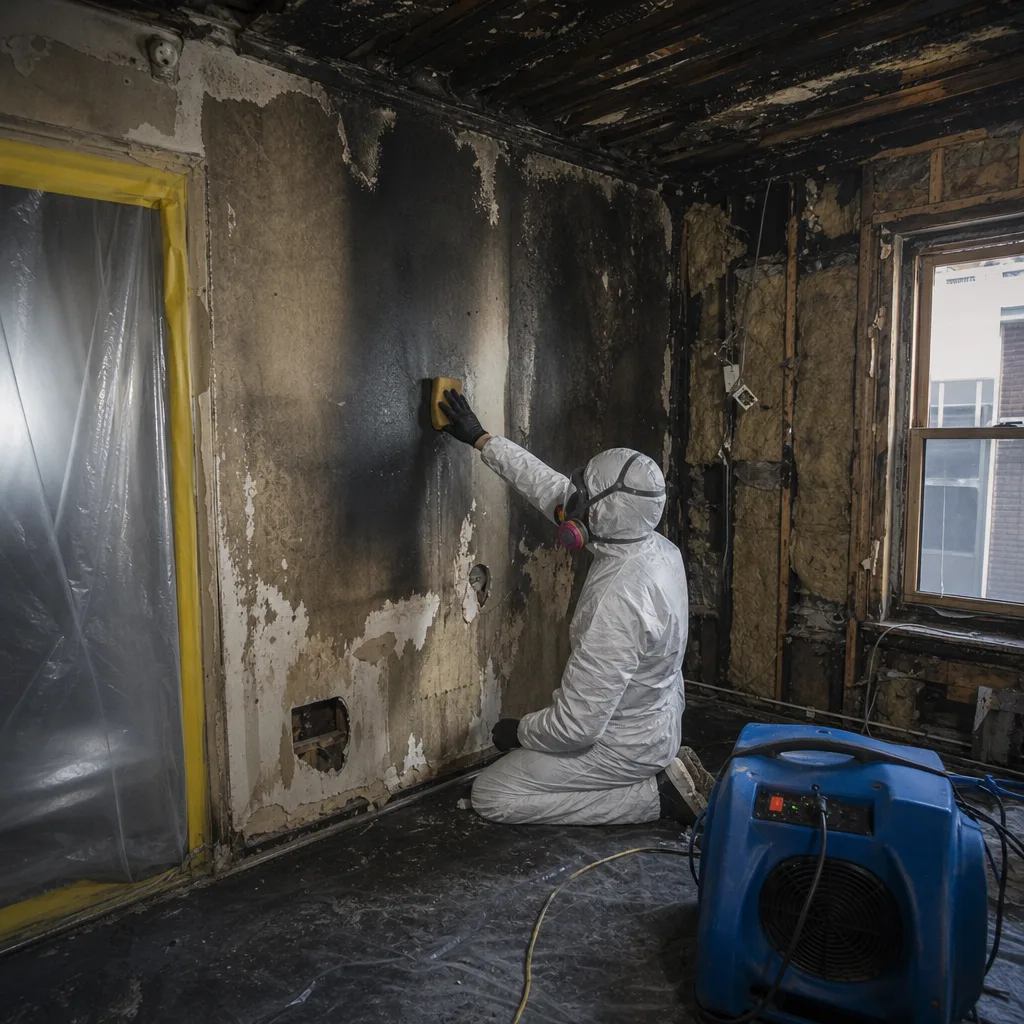
A burst galvanized supply branch in a demising wall is one of the most common loss events in Murray Hill. We know the co-op approval question that comes with it, and we document everything from the moment we arrive so the liability question doesn’t leave a flooded apartment sitting wet.
Basement Water Removal
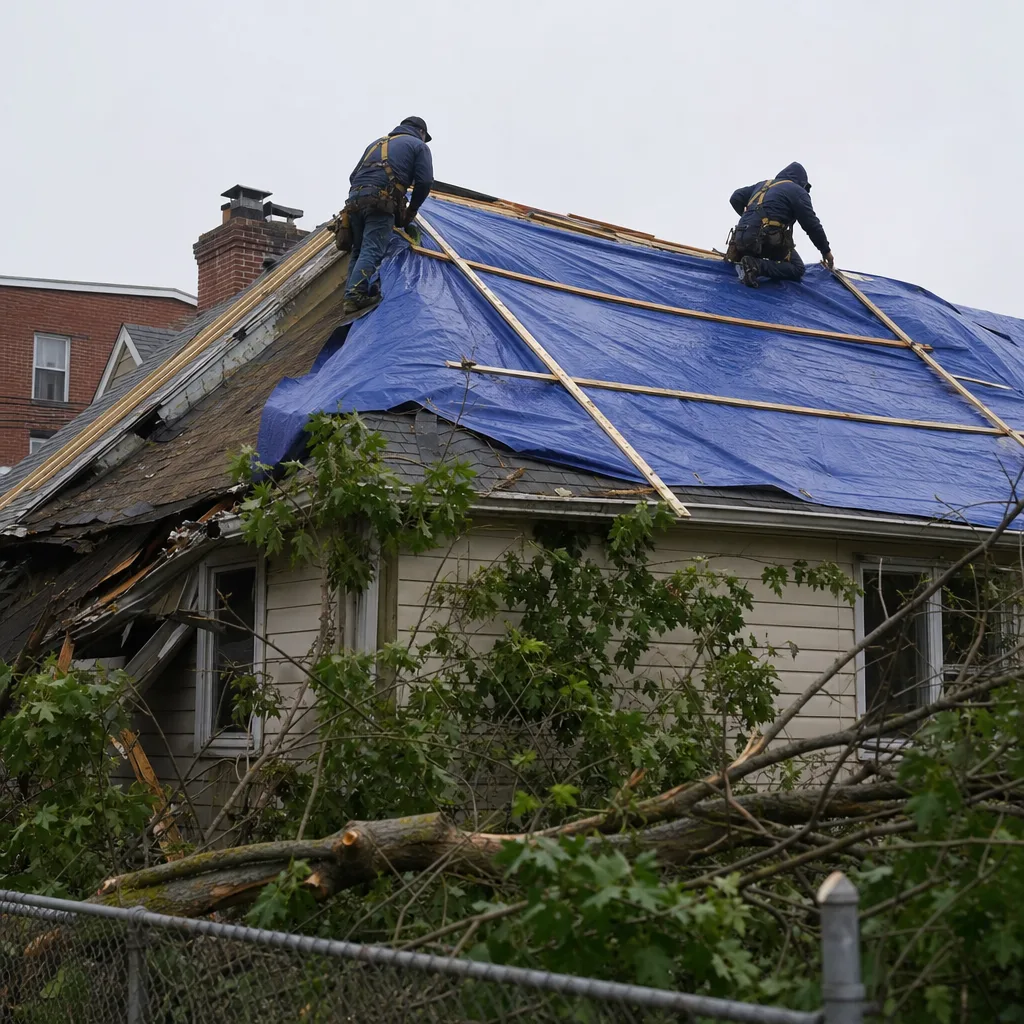
Garden-level and cellar units in Murray Hill’s brownstone-style buildings take on groundwater after heavy rain and thaw cycles. These spaces need specialty drying protocols because the walls and floor sit below grade, holding moisture in ways a high-rise floor never does.
Ceiling & Roof Leak Water Damage
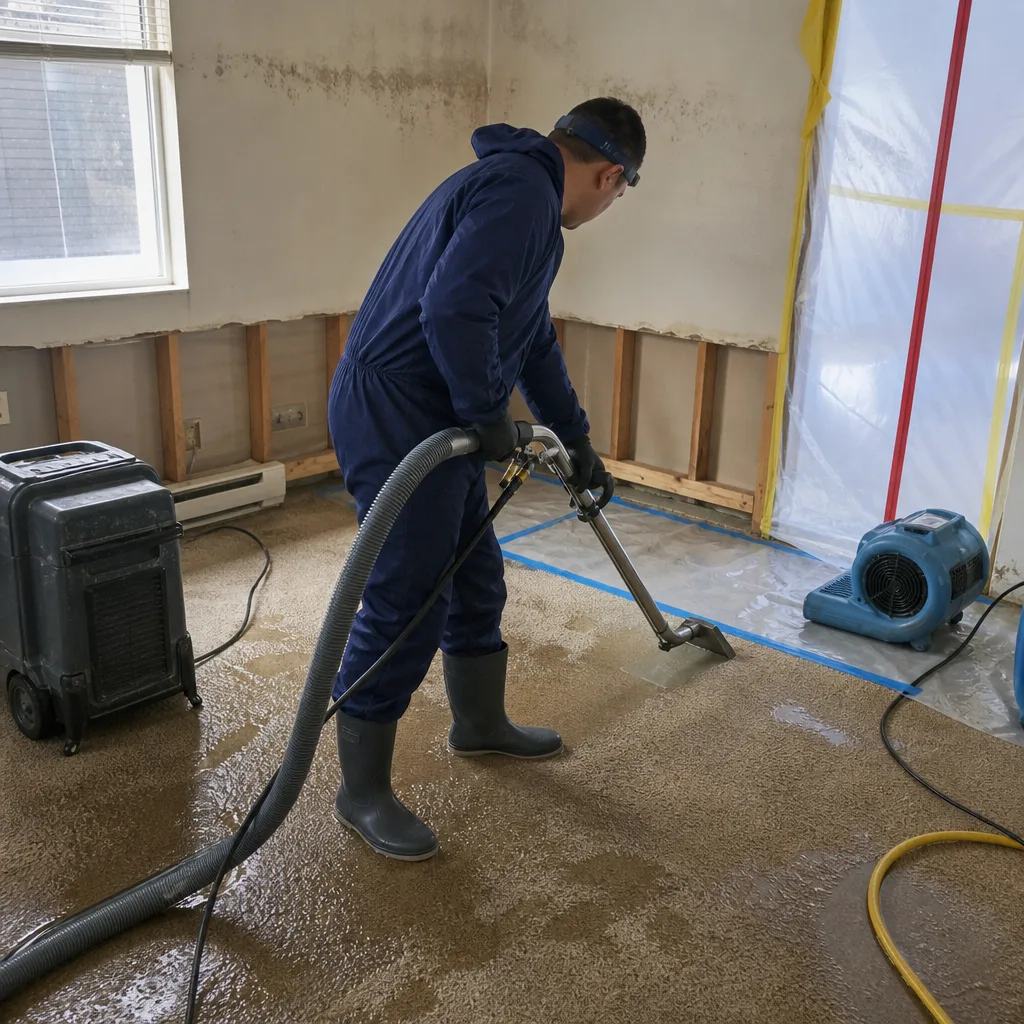
Flat roofs and parapet walls are chronic leak points across Murray Hill. When water stains a top-floor ceiling, we trace the path, dry the cavity, and repair what was damaged in addition to cleaning up what’s visible.
What happens when you call
- 1
A real person answersNo phone trees - you reach a local pro.
- 2
You get an upfront price rangeHonest numbers before anyone is dispatched.
- 3
A background-checked tech heads outLicensed & insured, dispatched right away.
- 4
You approve before work beginsNothing starts until you say go.
Water Damage Restoration Costs in Murray Hill, NY
A typical emergency water extraction and drying job in a Murray Hill co-op apartment runs $2,800 to $7,500, depending on the square footage affected and the water category. A garden-level brownstone unit with below-grade wall saturation can push to $5,000 to $12,000 because specialty drying takes longer and more equipment. A ceiling and roof leak on an upper floor, including dry-out and patch work, usually lands between $1,800 and $4,200. Burst pipe restoration inside a demising wall, where wall removal and rebuild are required, often falls between $4,000 and $9,500. The price moves with the material that has to come out, the drying time, and the board approval delays that keep equipment running while liability is sorted. Our visual inspection is free, and we give you a written scope before any work starts. We bill the carrier directly, and we offer $50 off any repair over $250, an $89 seasonal tune-up, and a 5% discount for seniors and veterans, always. Call (716) 452-0798 for an exact quote.
We Also Serve Cities Near Murray Hill
Floodline Restoration Co. runs crews across Manhattan and western Queens, including Long Island City, Greenpoint, Williamsburg, and Upper Manhattan. If your building sits just over the border from Murray Hill, call the same live dispatcher at the same number, and we’ll route the nearest available crew.
Serving Murray Hill, NY - Our Local Coverage Area
We’re based in the Murray Hill area and know this community well. Use the map below to see our service coverage - if you’re nearby, we can almost certainly help.
Murray Hill Water Damage Restoration Questions, Answered
Who authorizes water damage restoration in a Murray Hill co-op - the shareholder or the board?
It depends on where the water is coming from, and the proprietary lease decides. If the failure originates inside the demising wall, the building corporation often bears responsibility, but the board’s managing agent may not authorize work until their counsel reviews the lease. We document the loss, set up containment, and keep the shareholder and board informed while that question gets answered. Call (716) 452-0798 to start the conversation.
How do you dry a garden-level brownstone unit in Murray Hill without ripping out the original plaster walls?
We don’t default to demolition. We use controlled drying with Dri-Eaz dehumidifiers and Phoenix air movers, and we monitor moisture with daily readings. Lath and plaster dry slower than drywall, so the equipment runs longer. We remove only what cannot meet the dry standard.
What happens if my building’s cast-iron waste stack leaks on the top floor during a nor’easter?
Top-floor leaks from cast-iron stacks or roof drains send water down through wall cavities and ceilings. We trace the path with thermal imaging, extract what’s reachable, and set drying equipment on affected floors. The board’s insurance usually covers the building systems, while your contents and finishes may fall under your own policy. We document both sides of the claim.
Can you start water mitigation in a Murray Hill co-op before the board’s insurance adjuster inspects?
Yes. We begin mitigation immediately, because the board’s policy itself requires the shareholder to mitigate further damage. We photograph everything, log moisture readings, and keep the file ready for the adjuster. Waiting for the adjuster to arrive first only lets the water spread.
How do you handle water damage that has already been sitting for two days in a pre-war Murray Hill apartment?
Two days of standing water in a pre-war wall cavity means Category 2 water at minimum, often into Category 3. We treat it as contaminated, remove the saturated plaster and insulation, and set containment. The goal is to stop the microbial growth before it becomes a mold problem. The sooner you call (716) 452-0798, the less has to come out.
How fast can someone actually get to my Murray Hill apartment?
We aim to have a crew on site within 45 minutes of your call, traffic and weather permitting. A live dispatcher confirms the address and the building access right away. Murray Hill is one of the neighborhoods we serve daily, so response is typically faster than in outer boroughs.