
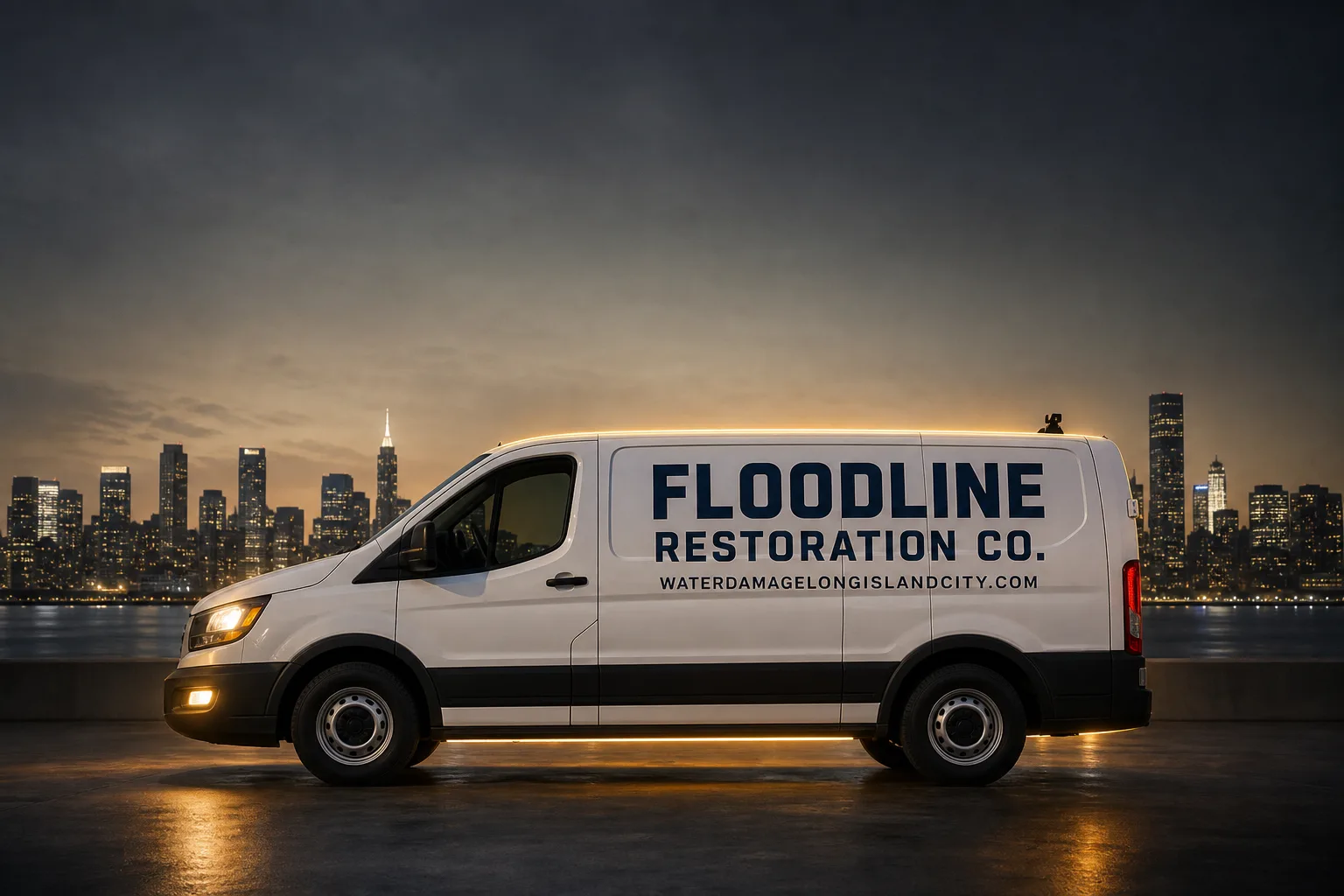
Free visual inspection and a written scope of work before any mitigation begins - photos, moisture readings, and drying logs go in your claim file
The scope we write is the scope we bill. Anything new gets shown to you, in writing, before we touch it.
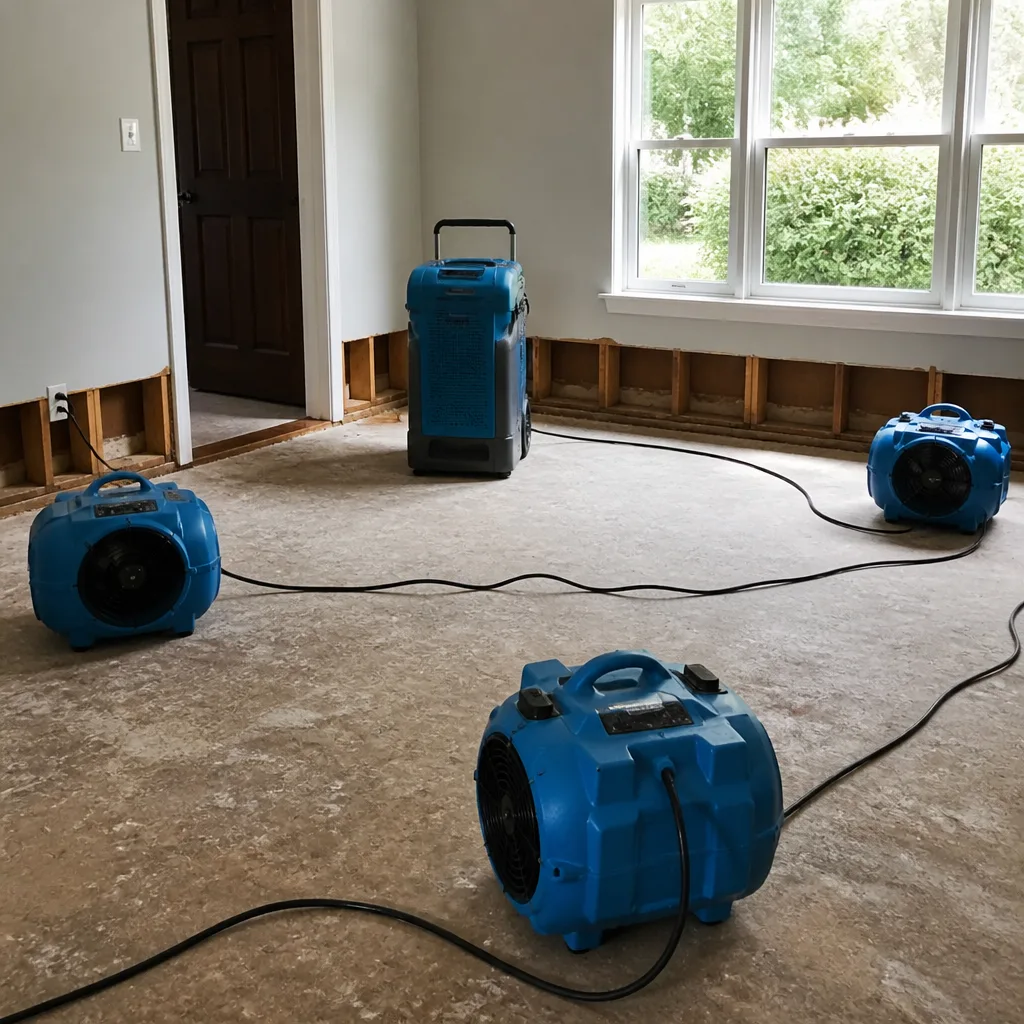
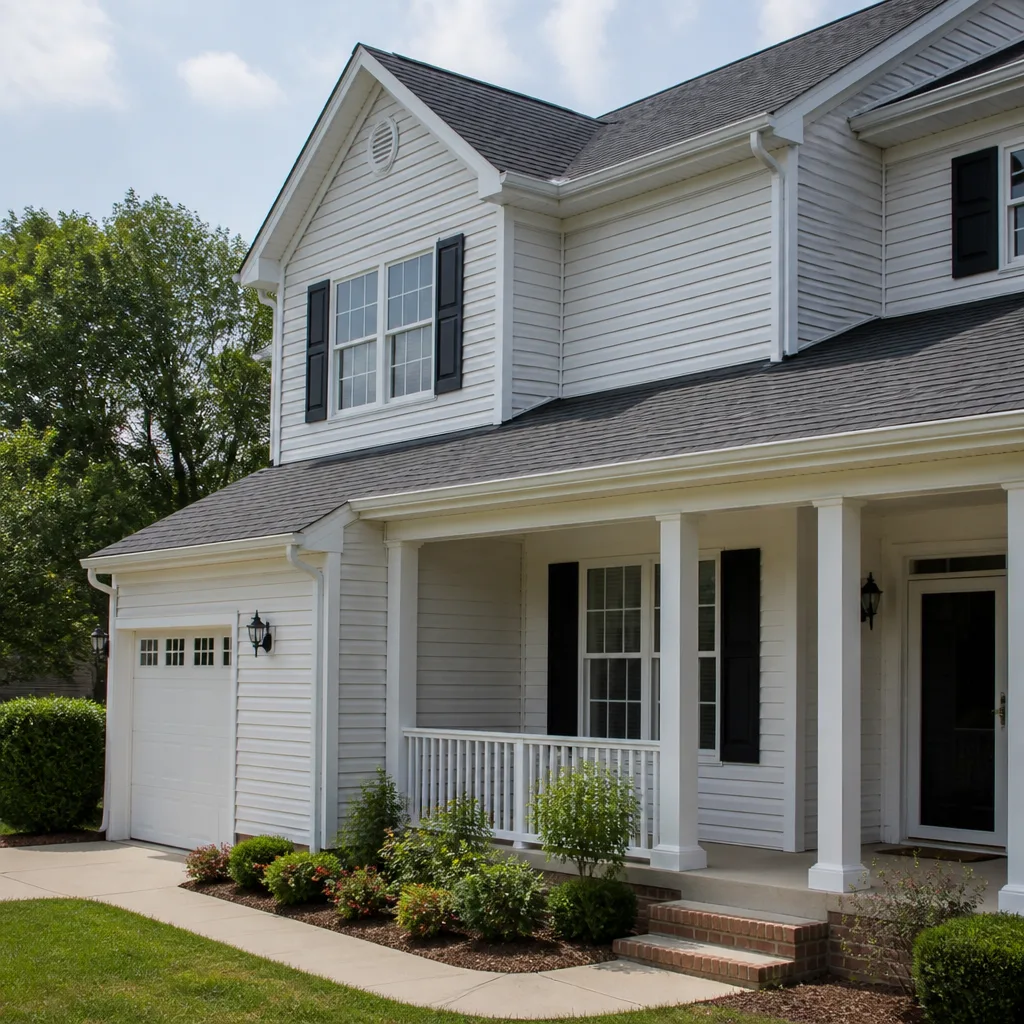
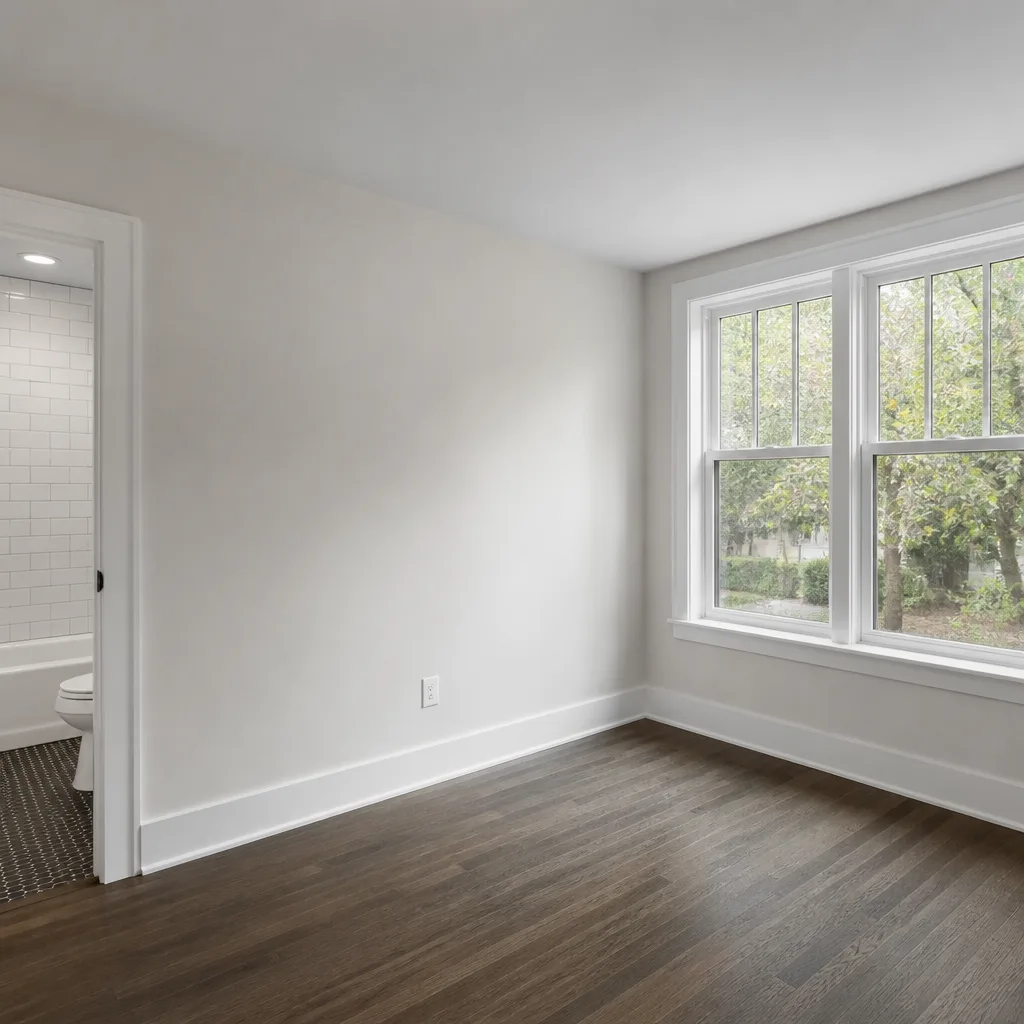
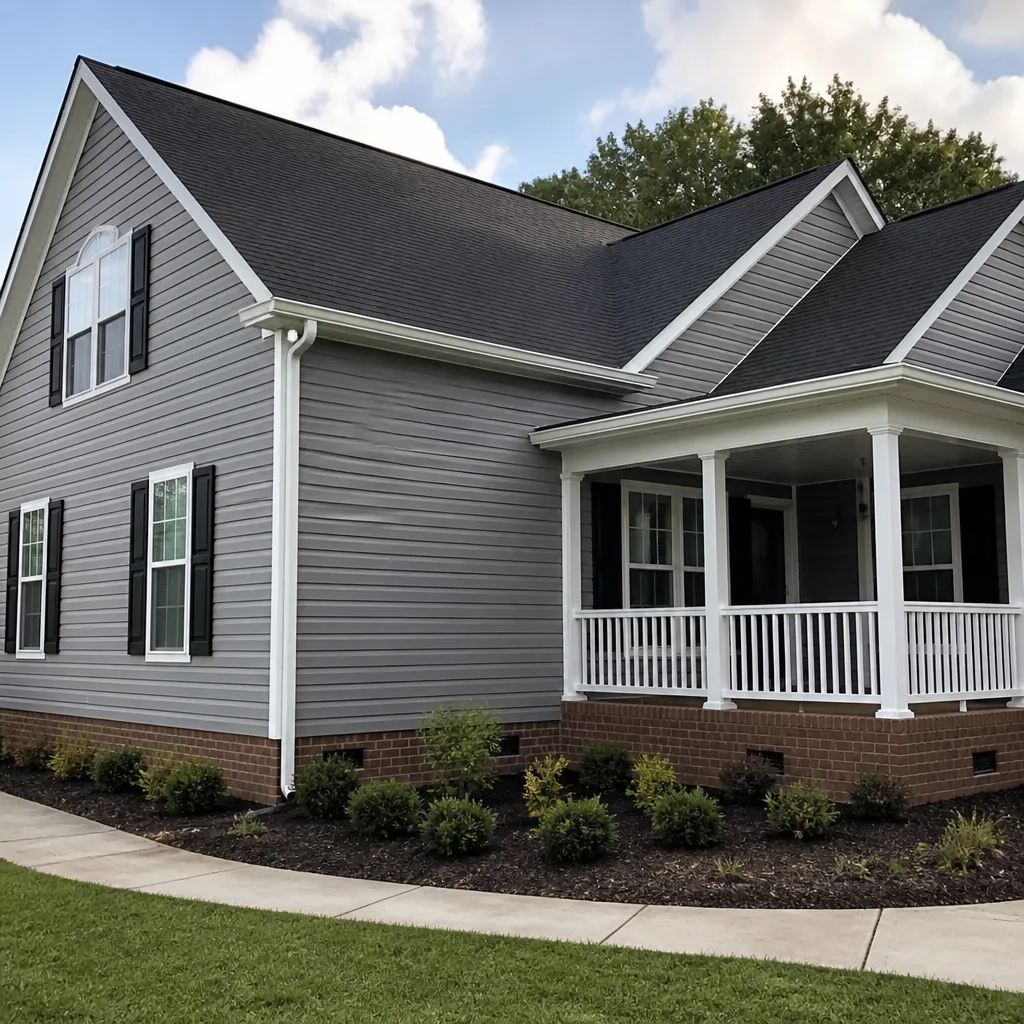
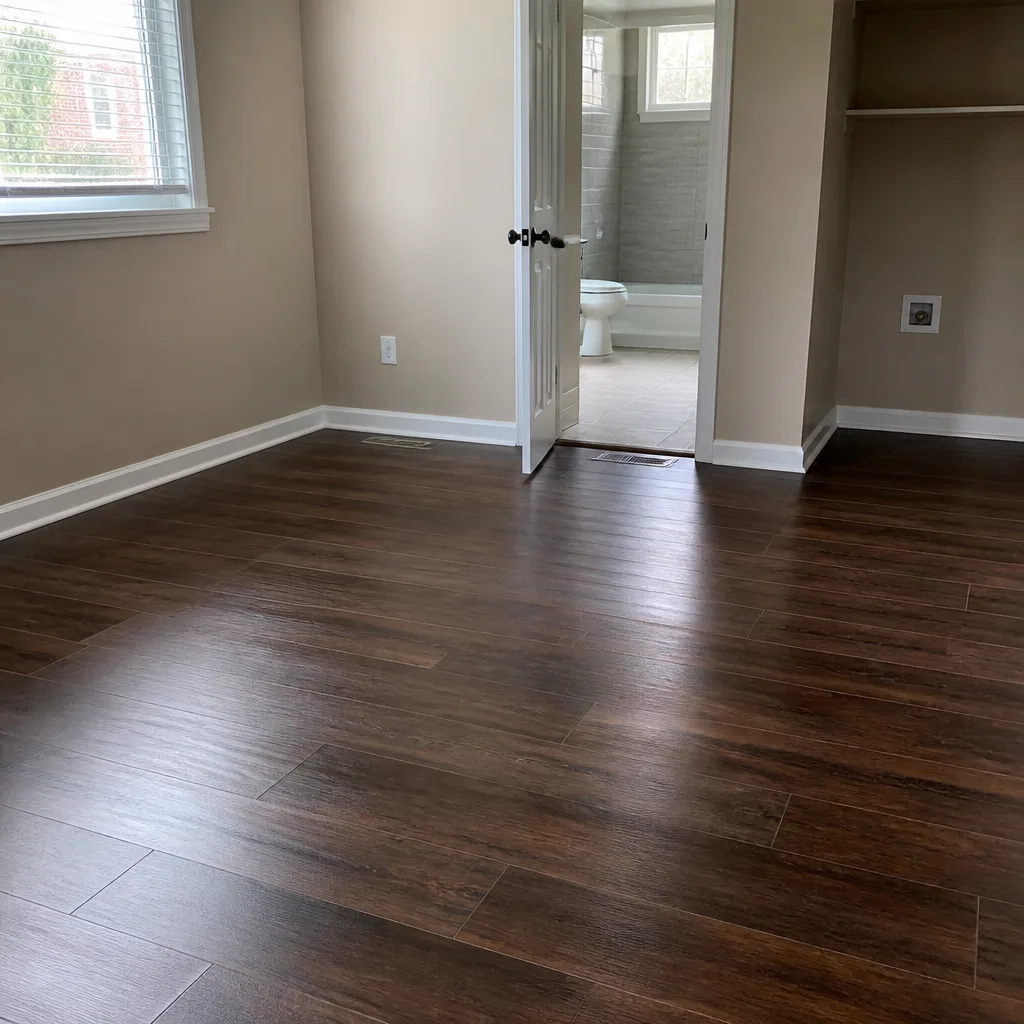

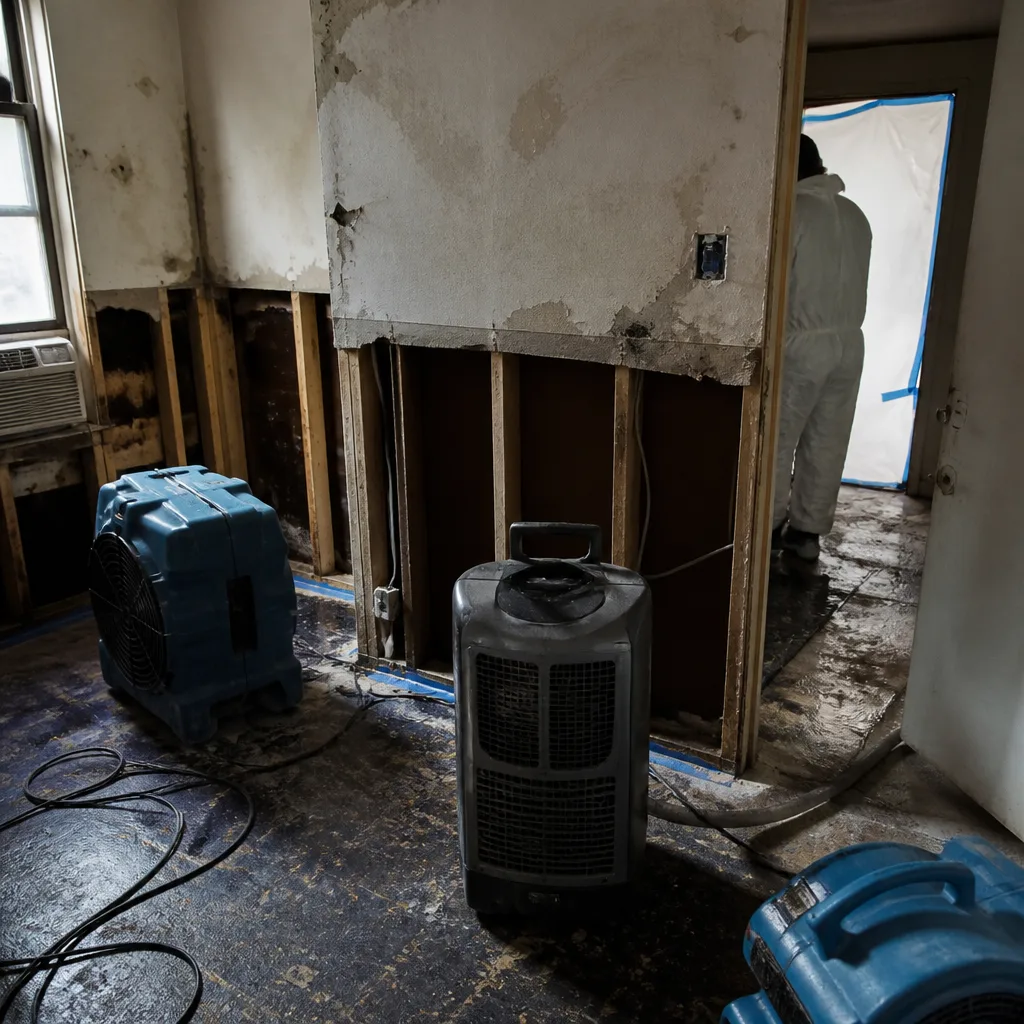 Before
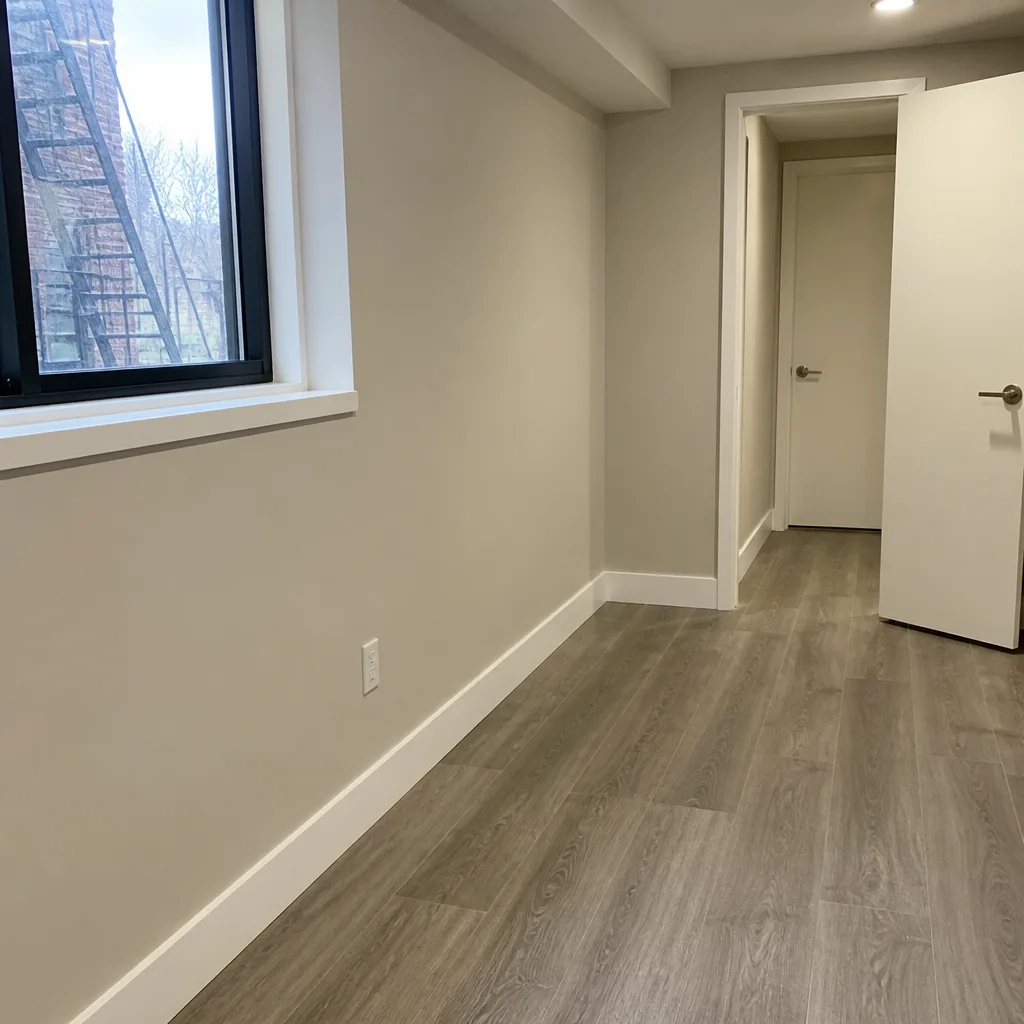 After
After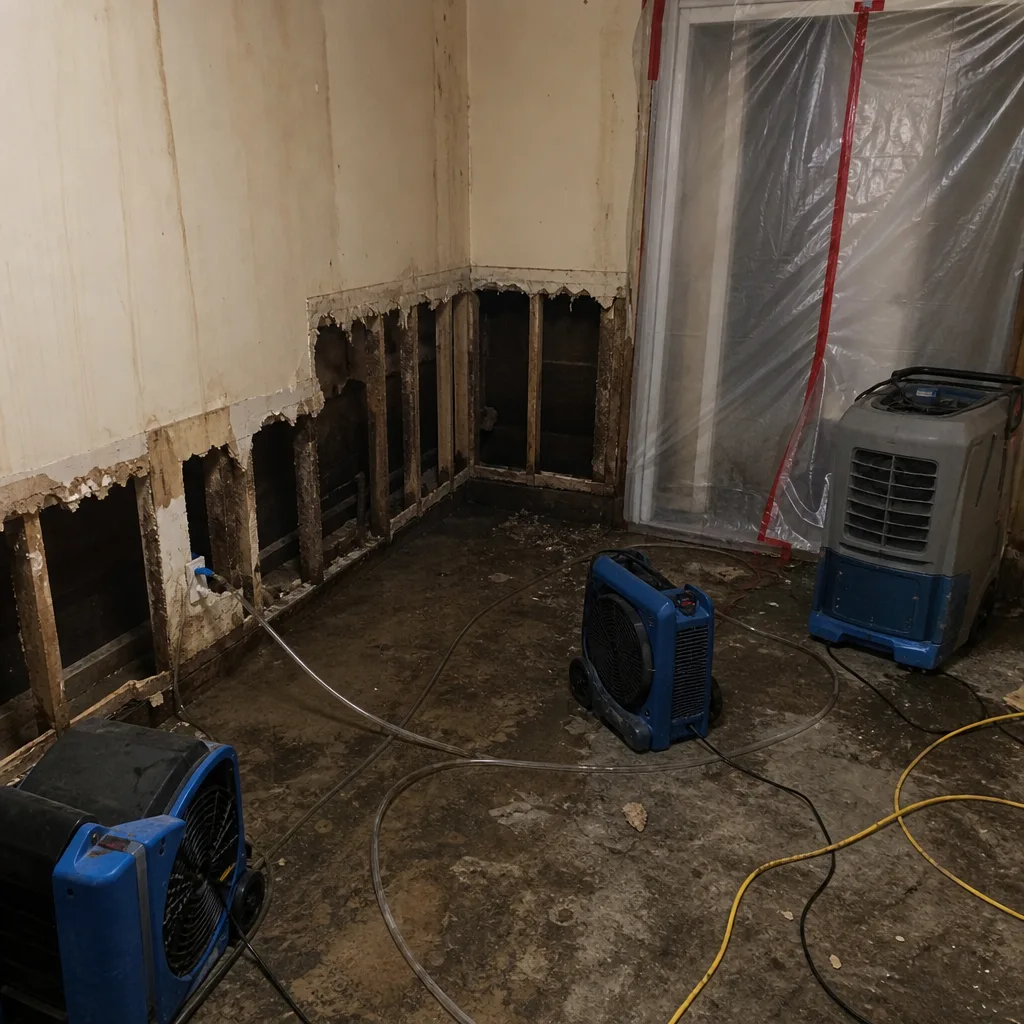 Before
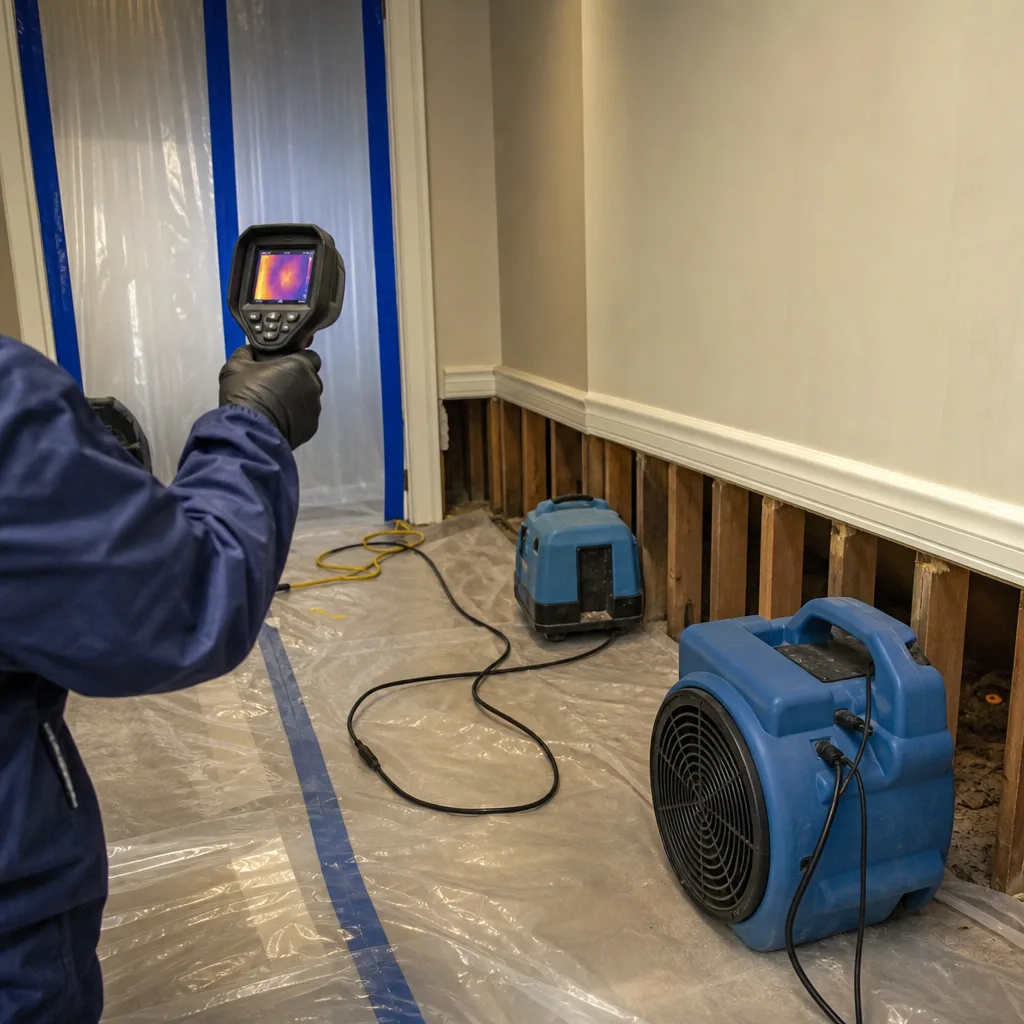 After
After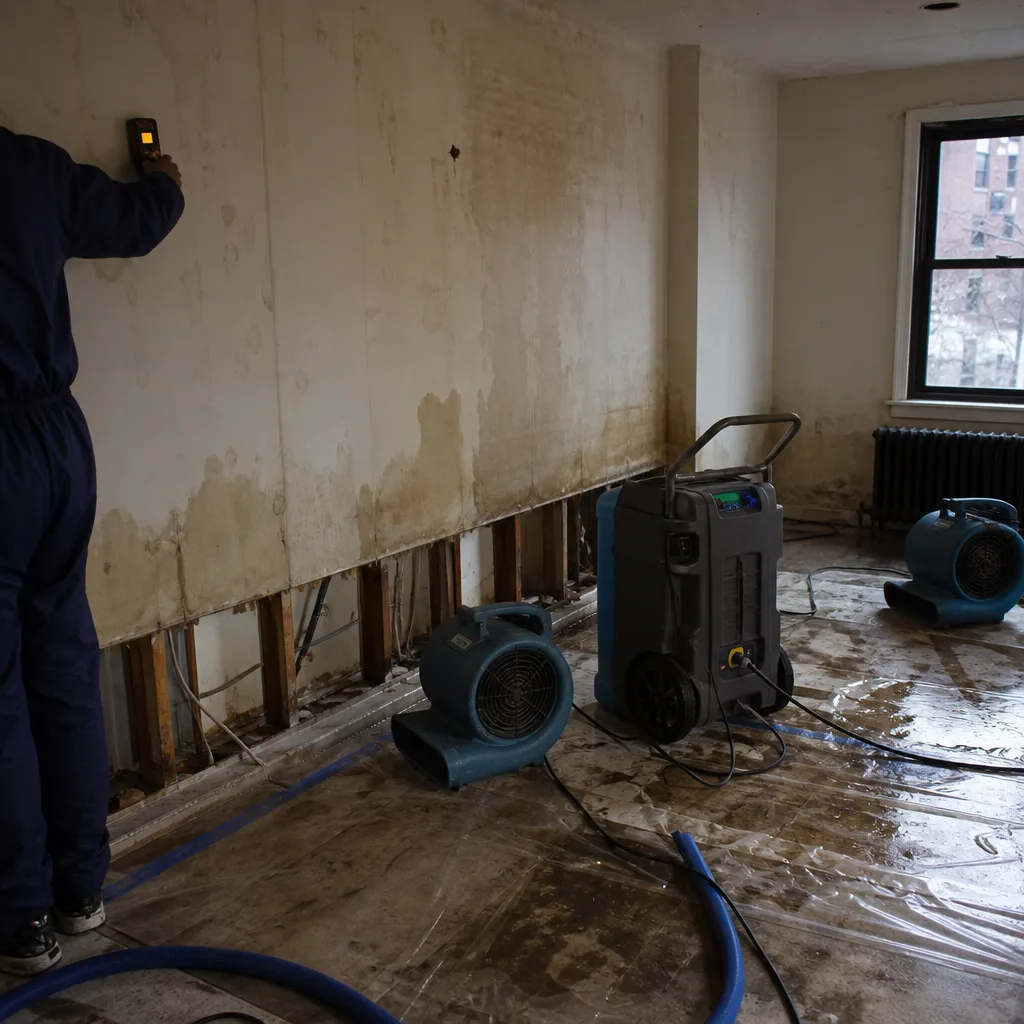 Before
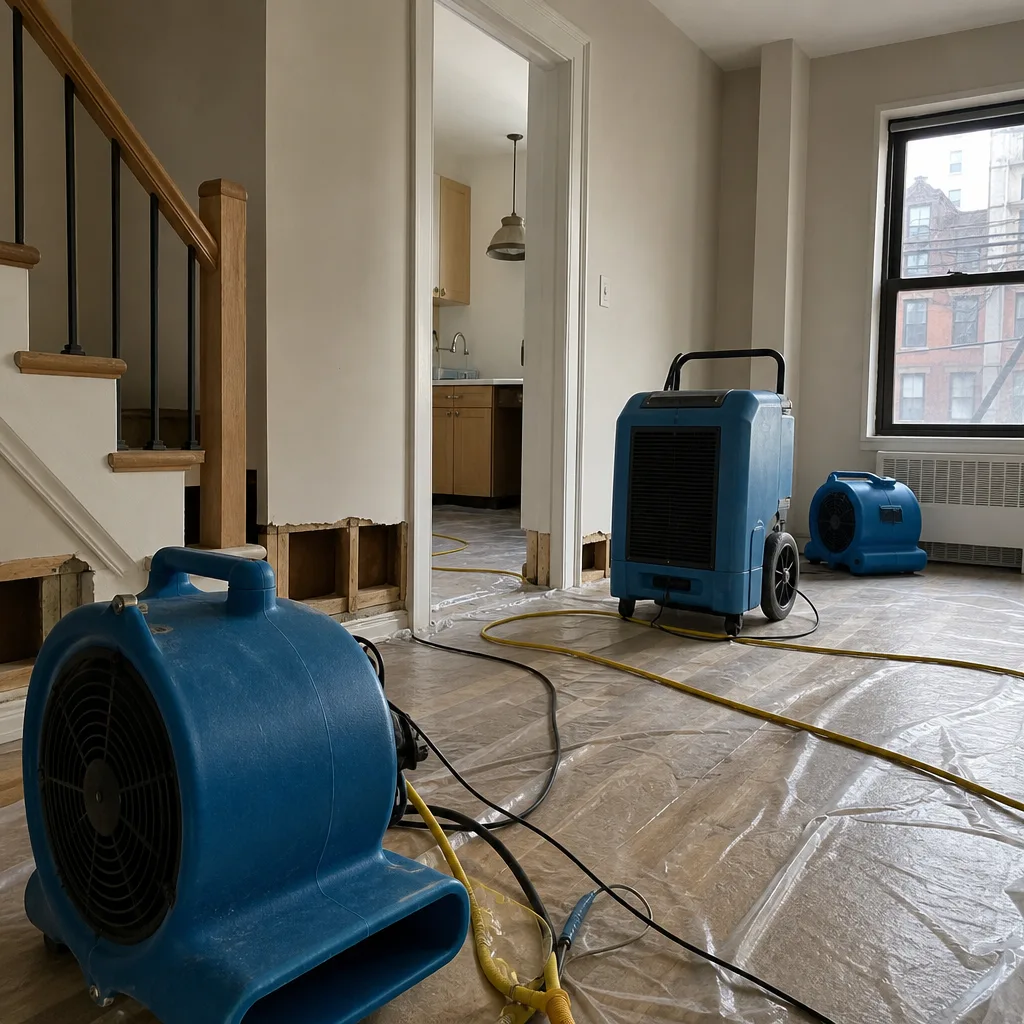 After
After24/7 Emergency Sewage Cleanup in Midtown Manhattan
A sewage backup in Midtown Manhattan rarely stays on one floor. When a cast-iron waste line fails inside a pre-war tower, black water follows the risers down and can hit two dozen floors of offices, hotel suites, and retail space before the building engineer even gets the riser shut down. That is why we answer the phone with a live dispatcher at (716) 452-0798 at any hour, every day. A Floodline crew can be inside your building within 45 minutes, with containment materials, HEPA filtration, and extraction equipment running the same visit. The first hour is when the damage footprint grows fastest: water finds elevator shafts, electrical closets, and wall cavities. We start with a free visual inspection and a written scope before any work begins, so you know exactly what you are paying for and what your insurer will see.
Understanding Sewage Cleanup Severity in Midtown Manhattan Properties
Sewage cleanup is category 3 water work: black water carrying bacteria, viruses, and raw organic waste. It requires full PPE, containment, negative air pressure, and antimicrobial treatment, not just mopping and fan drying. In Midtown Manhattan, severity is compounded by the building stock itself. Pre-war skyscrapers from the 1920s through the 1940s sit on original cast-iron and galvanized waste risers. Those pipes are well past their service life. A crack or a corroded joint does not leak, it lets go under the full head pressure of a 30 or 40-story column of water. We also see backups from floor drains that back up into high-end retail spaces below grade, from restaurant grease lines, and from hotel laundry systems. Modern curtain-wall towers present a different failure mode: pipe chases hidden behind finished walls make source identification slower, and sewage can travel inside wall cavities for hours before it shows on a floor below. Our technicians use thermal imaging and moisture meters to trace the migration path, not just the visible spill. Category 3 water in Midtown means commercial tenants, expensive finishes, and insurers who need thorough documentation from hour one.
Why Midtown Manhattan Property Owners Choose Floodline Restoration Co.
- 45-minute response commitment across Midtown. We dispatch from our New York City metro office, so a crew reaches your building in under an hour, day or night.
- A live person answers at 2 a.m. No recording. No voicemail. A dispatcher picks up, gets your address, and puts a crew in motion.
- IICRC-certified technicians, WRT and ASD codes. Our crews are trained to IICRC, RIA, and IFA standards and certified for water damage restoration and applied structural drying.
- Free visual inspection, written scope before work starts. If you are being quoted for sewage work without a documented scope of loss, walk away. We put ours in writing.
- Direct insurance billing. We coordinate with your adjuster, submit line-item estimates, and bill the carrier directly wherever your policy allows.
- One team from first extraction to final rebuild. No mid-job handoff to a subcontractor who never saw the moisture map. The crew that arrives is the crew that finishes.
Our Sewage Cleanup Process
Inspection & Assessment
We begin with a full source trace using thermal imaging and moisture meters. In Midtown high-rises, that means checking the riser, the floor drain, the bathroom group, and any adjacent wall cavities where water may have migrated undetected.
Containment & Source Shutoff
We set containment with 6-mil poly and negative air pressure before opening any wall or ceiling cavity. In pre-war buildings, this is also the point where we flag any suspect pipe insulation for required ACM testing before cutting begins.
Black Water Extraction
Professional-grade truck-mounted and portable extraction units pull category 3 water off floors, out of carpet, and from behind base cabinets. We remove unsalvageable porous materials like saturated drywall and insulation at this stage.
Drying & Dehumidification
We run Dri-Eaz and Phoenix air movers and dehumidifiers, with daily moisture readings logged against a dry standard. Midtown’s urban heat island can slow surface evaporation, so our techs adjust chamber counts accordingly rather than trusting a suburban benchmark.
Cleaning, Disinfection & Antimicrobial Treatment
All affected surfaces are cleaned with professional-grade antimicrobials. Salvageable millwork, furniture, and hard surfaces are treated, HEPA-vacuumed, and documented room by room for your insurer.
Repairs & Restoration
We rebuild what we removed: drywall, insulation, flooring, finish carpentry. The same crew that extracted the water and ran the drying logs is the crew that puts your space back together and hands you a completed moisture log.
Need Emergency Sewage Cleanup in Midtown Manhattan Now?
Crews minutes away, answering live 24 hours a day. The sooner we start, the less it costs.
Working With Your Insurance Company
Sewage claims in Midtown Manhattan get complicated fast. A single backup can involve multiple commercial tenants, a building owner’s policy, a condo association master policy, and individual unit policies. We have walked adjusters through hundreds of these stacked losses. Our documentation starts in the first hour: photos of every affected room before we move anything, moisture readings on a floor plan, and a line-item scope with unit pricing an adjuster can verify. We speak the carrier’s language because we built our estimating process around industry-standard software. You do not play messenger between us and your insurance company, and you do not get surprised by a bill under no-hassle upfront pricing. Curt Bowman founded this company in 2010 around a dispatch board, not a sales desk. That matters when your claim depends on accurate documentation from the first visit.
What We Provide Your Insurer
- Thorough documentation of the loss
- Photos of all damage, room by room
- Moisture readings and drying logs
- A detailed, line-item scope of work
- Direct coordination with your carrier
Built for Midtown Manhattan’s Loss Calendar
Midtown sewage losses follow the seasons. January and February bring freeze-thaw cycles that stress rooftop mechanical penthouses and exposed pipe chases; a frozen waste line in an unheated chase can crack a cast-iron stack, and the resulting sewage cascades down dozens of floors once the thaw hits. Spring brings heavy nor’easter rains that overwhelm the city’s combined sewer system, backing up floor drains in buildings along the lower-lying blocks near the East River. Summer thunderstorms dump an inch of rain in twenty minutes, and aging building gutters and roof drains channel that water straight into the building’s waste system where it should not be. Fall is high season for grease line failures in Midtown restaurants and hotel kitchens. Every season produces a sewage event somewhere in the district. We schedule our crews around this calendar because we have been doing Sewage Cleanup in New York City long enough to know the rhythm. Senior and veteran customers always receive a 5% discount, and any repair over $250 qualifies for $50 off.
Sewage Cleanup Across Midtown Manhattan’s Neighborhoods
The response route into Times Square at 2 a.m. is different from a midday call near Bryant Park, where FDNY and NYPD presence can add congestion. We know that. We serve buildings along Fifth Avenue from Central Park South down to 42nd Street, where luxury hotel sewage backups often involve guest floors and demand discreet, uniformed crews working after checkout hours. In Hell’s Kitchen, west of Eighth Avenue, you are dealing with walk-up apartment buildings and converted tenements where a single backed-up toilet can displace a family on the fourth floor and drip into the restaurant below. Murray Hill and the east side have their own pattern: pre-war co-ops with original plumbing risers and co-op boards that require certificates of insurance before any vendor steps into the building. Around Grand Central and the office towers on Park Avenue, the work happens almost entirely after 6 p.m. or on weekends, coordinated with building management and building security. The one constant is that Midtown jobs are rarely one-floor jobs. Water follows the path of least resistance, and in a 40-story tower that path is straight down.
Specialized Sewage Cleanup Services We Offer in Midtown Manhattan
Sewage Backup Cleanup
We handle backups from failed risers, clogged building drains, and municipal sewer surcharge events. In Midtown, a sewage backup inside one unit often means black water has already entered the shared riser wall, so our scope assumes migration until thermal imaging proves otherwise. We document everything from the source to the final affected unit for your carrier.
Black Water Extraction
Category 3 water needs extraction that is fast, thorough, and contained. We use truck-mounted extraction for large commercial losses and portable units where elevator access limits equipment size. The first extraction pass in a Midtown high-rise is about stopping vertical migration. Every minute water sits on a floor, it finds a path down to the floor below.
Sanitization & Disinfection
After a black water loss, antimicrobial treatment is not optional. We apply EPA-registered disinfectants to all salvageable surfaces, run HEPA air scrubbers during the entire mitigation, and swab-test where an insurer or property manager requires clearance documentation. We do not treat sanitation as a final spray. It is built into every phase from containment through drying.
Toilet Overflow Cleanup
A toilet overflow in a Midtown apartment or hotel room is typically category 3 if the bowl contained waste. We extract the water, remove saturated padding and drywall, disinfect the affected room, and dry the space to a pre-loss moisture standard. In occupied buildings, we will schedule this around your tenants’ needs.
Septic Failure Cleanup
Midtown does not run on private septic systems, but older service lines and building-level grease traps fail in ways that mimic septic failure. We inspect and document those failures, extract the resulting wastewater, and coordinate with the building’s plumber on the source repair.
Crawl Space & Sub-Basement Sewage Removal
Below-grade mechanical rooms, sub-basements, and utility pits in Midtown collect sewage when a floor drain backs up or a waste line fractures in a chase. These spaces are dangerous: limited ventilation, standing black water, possible methane buildup. We send a confined-space-trained crew with the right extraction and drying equipment. If you smell sewage in a sub-basement near your mechanical room, call us before anyone enters.
What happens when you call
- 1
A real person answersNo phone trees - you reach a local pro.
- 2
You get an upfront price rangeHonest numbers before anyone is dispatched.
- 3
A background-checked tech heads outLicensed & insured, dispatched right away.
- 4
You approve before work beginsNothing starts until you say go.
Sewage Cleanup Costs in Midtown Manhattan, NY
A contained toilet overflow in a single Midtown apartment typically runs $800 to $1,800 depending on how much drywall and trim we need to pull. A single-floor sewage backup affecting a corridor and an adjacent office or two runs $2,500 to $6,000. A multi-floor riser failure in a pre-war tower, the kind that hits six or twelve floors of tenant space, routinely runs $15,000 to $60,000 or more once you factor containment, after-hours labor, ACM-related testing, contents handling, drying logs, and finish restoration. What moves the price most is whether water reached wall cavities, how many floors are involved, and whether building management restricts work hours. Asbestos testing adds cost on pre-war jobs, but skipping it is not an option. Insurance typically covers sudden and accidental sewage backups under a standard policy, though flood-related sewer surcharge is a separate issue we will explain to you and your adjuster. The free visual inspection gives you a firm number before anything starts. Call Midtown Manhattan dispatch at (716) 452-0798 and we will walk the loss with you.
We Also Serve Cities Near Midtown Manhattan
We serve the full Midtown Manhattan core plus Long Island City, Greenpoint, Williamsburg, and Murray Hill. Crews stage from our New York City metro office and dispatch across the district without delay.
Serving Midtown Manhattan, NY - Our Local Coverage Area
We’re based in the Midtown Manhattan area and know this community well. Use the map below to see our service coverage - if you’re nearby, we can almost certainly help.
Midtown Manhattan Sewage Cleanup Questions, Answered
How does a sewage backup in a Midtown high-rise affect tenants on other floors?
A sewage backup in a Midtown high-rise usually affects tenants on floors below the source, not the source floor itself. Black water follows the waste riser down, enters wall cavities and ceiling plenums, and shows up as dripping ceilings or wet carpet on floors that had nothing to do with the original clog. In a pre-war tower with original cast-iron risers, we regularly see water from a 35th-floor failure surface on floors 32 through 28 inside of an hour. That is why we scope high-rise losses for vertical migration from the first inspection, not just the reported unit. If your building has had a backup upstairs, call us before water reaches your space. Estimates are free.
Do Midtown buildings require asbestos testing before sewage cleanup?
Yes, most Midtown pre-war buildings require asbestos testing before any wall or ceiling cavity is opened for drying. Buildings from the 1920s through the 1970s commonly used ACM in pipe insulation, floor tile, and plaster. Opening a wet wall without an asbestos survey is a regulatory violation and can contaminate an entire floor. We pause before cutting any suspect material, coordinate with the building’s environmental consultant, and document the testing for your insurer.
Why do sewage backups in Midtown sometimes involve Con Edison district steam?
Midtown is the core of Con Edison’s district steam network, the largest in the US. A leak in a building’s steam connection or interior distribution piping produces wet-heat moisture that condenses inside wall cavities and soaks insulation in a pattern standard dehumidifiers cannot address without shutting down the riser. If your building has wet walls and a sewage smell but no visible sewer break, a steam line leak may be the actual source. We trace both possibilities and document what we find for your insurer. Call (716) 452-0798 to have us inspect.
Can you dry custom wood doors or millwork after a black water loss in a Midtown office?
Salvageable custom millwork can often be dried in place with careful containment, HEPA filtration, and controlled drying conditions, but saturated wood-paneled walls usually must come open to dry the cavity behind them. We handled a sewage backup in a 1920s pre-war tower near Grand Central after a corroded cast-iron stack failed on an upper floor, sending category 3 water through custom wood-paneled offices. Our crew set up containment with negative air and HEPA filtration before extraction, then used moisture mapping to show wet insulation behind marble wainscoting. We coordinated after-hours access with building management, performed antimicrobial treatment on salvageable millwork, and ran air movers and dehumidifiers until drying logs reached pre-loss condition. The right answer is always based on moisture readings, not guesswork.
How do you handle sewage cleanup in a building where management only allows after-hours work?
This is standard for us in Midtown. Commercial towers and residential co-ops routinely restrict mitigation work to evenings, overnight hours, or weekends so tenants are not disrupted during business hours. We schedule crews around those windows, stage equipment in advance, and work through the night when needed. The documentation and moisture log are completed regardless of what hours the work happens. Live dispatch means your after-hours call is answered and a crew is scheduled immediately. Call (716) 452-0798 any time, day or night.
How fast can you actually get to a sewage emergency in Midtown Manhattan?
We commit to a 45-minute response window across Midtown. That is not a call-center estimate; it is a dispatch promise. Our crews stage from the New York City metro office, and we know the cross-street routes and the loading dock and service elevator access requirements for most large buildings in the district. A live person answers your call, a crew is assigned immediately, and you get a callback with their ETA.
Will insurance cover sewage cleanup in a Midtown commercial building?
Sudden and accidental sewage backups are typically covered under a commercial property policy or a condo unit policy, subject to your specific coverage. The challenge in Midtown high-rises is establishing which policy covers which floor and which tenant. We provide the documentation your adjuster needs: photos from the first hour, moisture readings, a line-item scope, and drying logs. We coordinate directly with your carrier and bill them directly wherever your policy allows.
What should I do in the first 30 minutes after a sewage backup in Midtown?
Do not enter standing water. Call building management to shut down the riser or floor drain, then call us at (716) 452-0798. If you can safely do so, move electronics and documents off the floor and photograph the visible damage. Do not run HVAC systems that could spread contaminated air. Do not pour bleach into the water; it does not disinfect a category 3 loss and it makes the air hazardous. The first 30 minutes determine how far the water migrates. A fast call costs nothing and can save floors below.
Written by Curt Bowman, Owner at Floodline Restoration Co., serving Midtown Manhattan with 24/7 live dispatch and the 90-Day Done Right Promise.