
Free visual inspection and a written scope of work before any mitigation begins - photos, moisture readings, and drying logs go in your claim file
The scope we write is the scope we bill. Anything new gets shown to you, in writing, before we touch it.
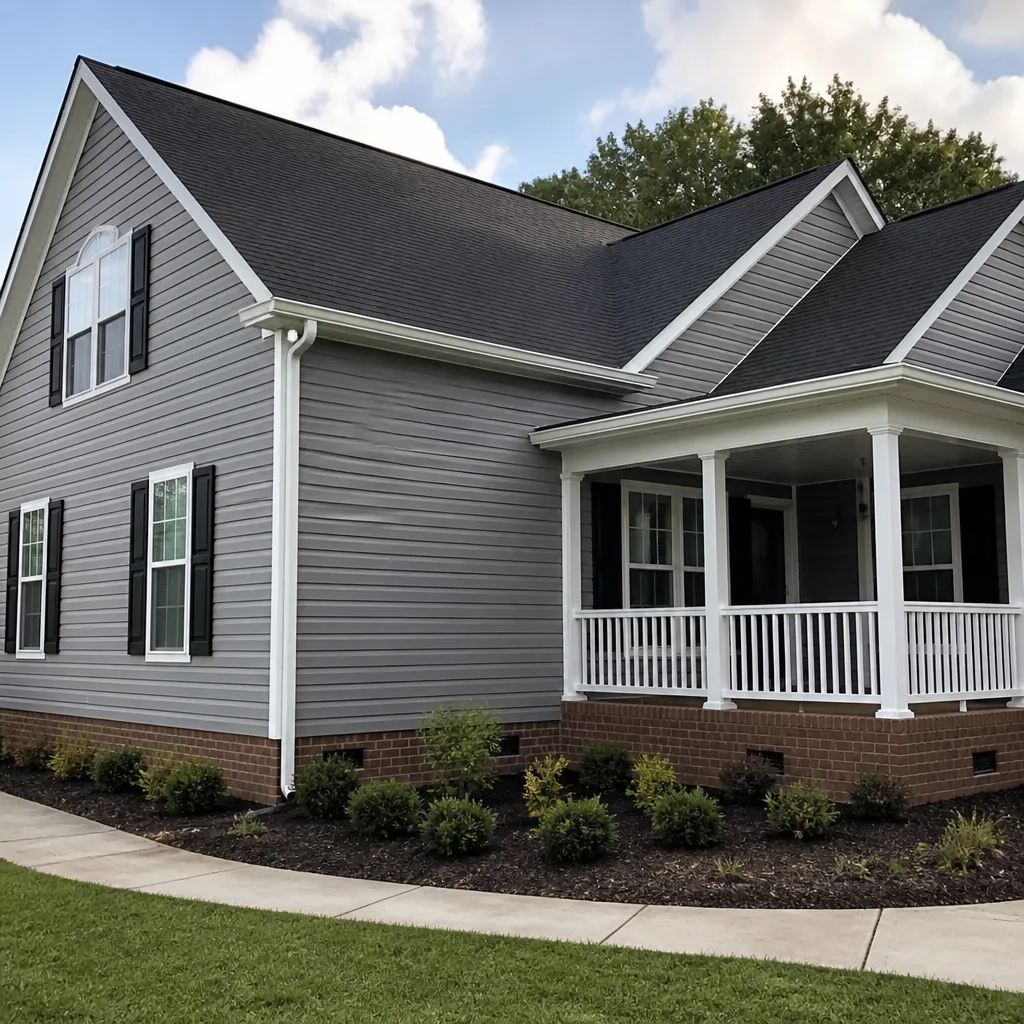
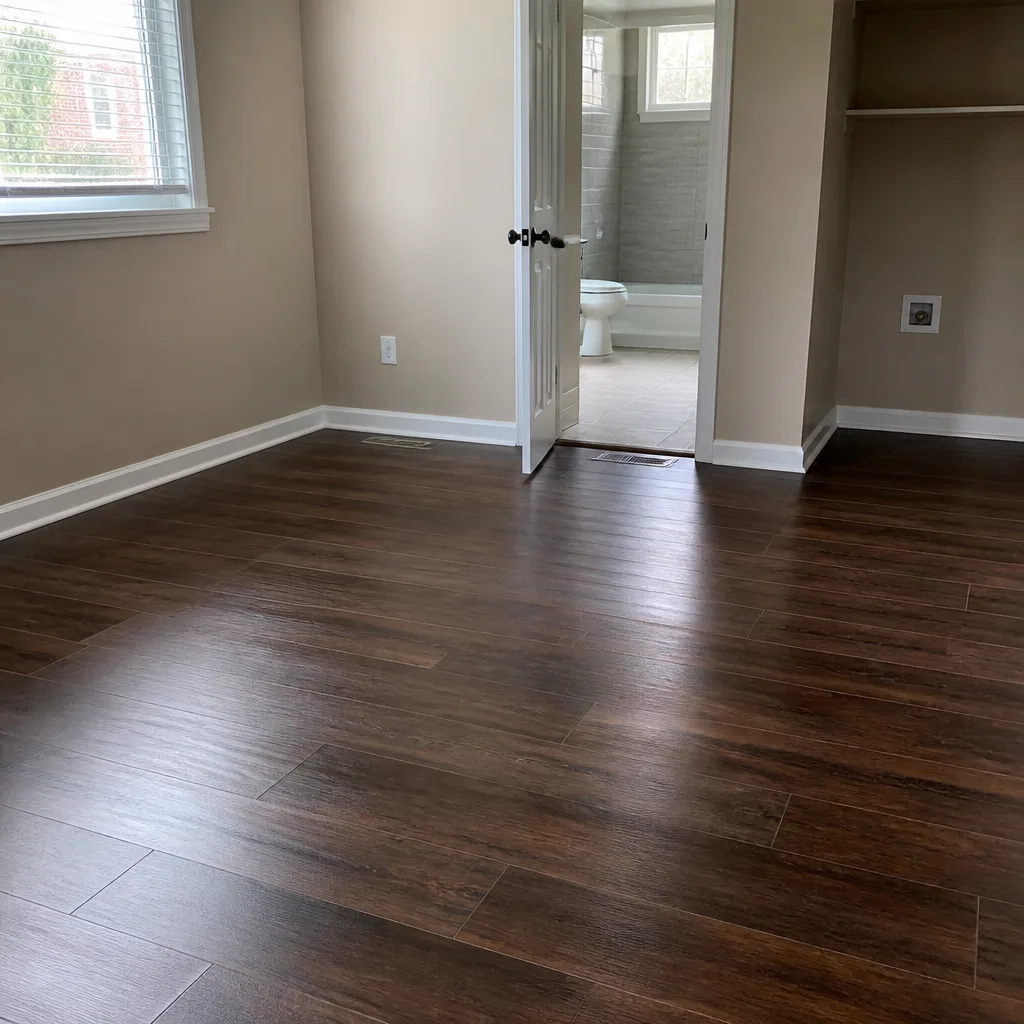
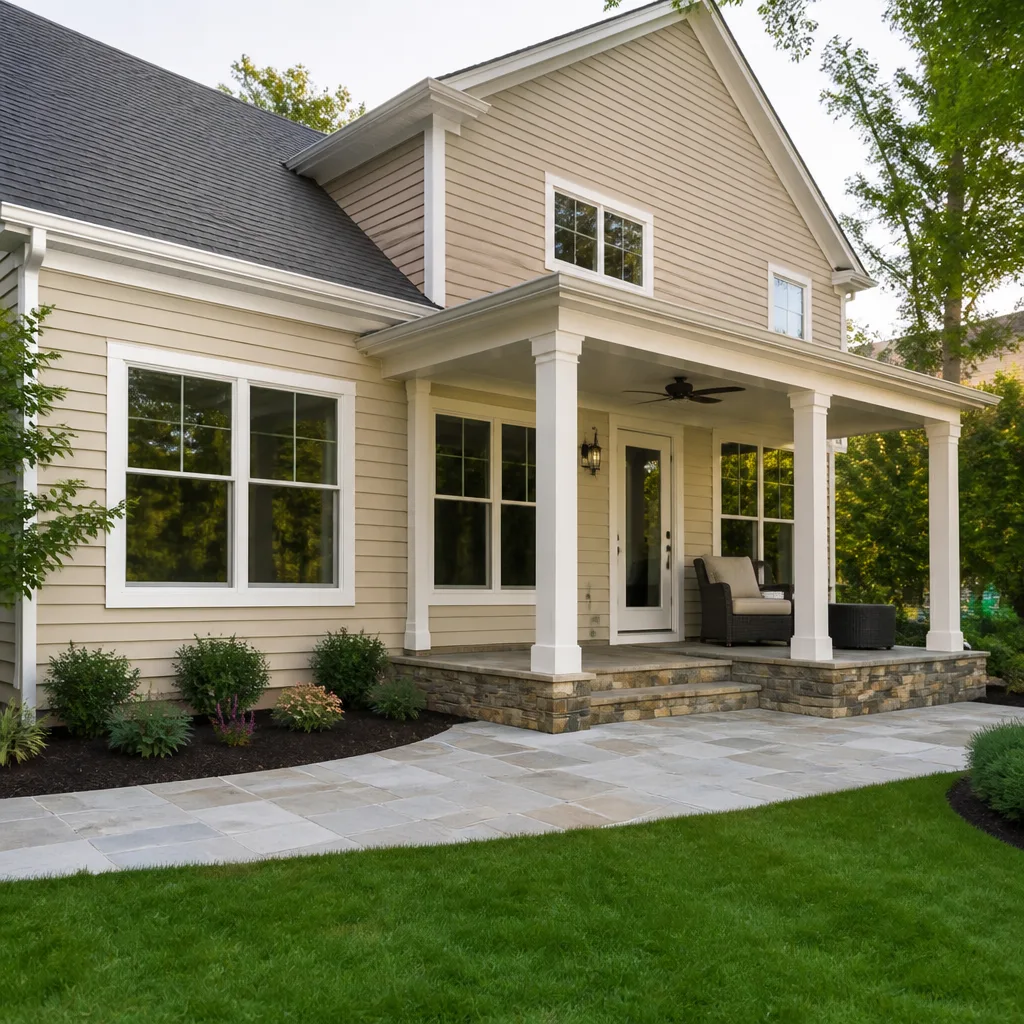
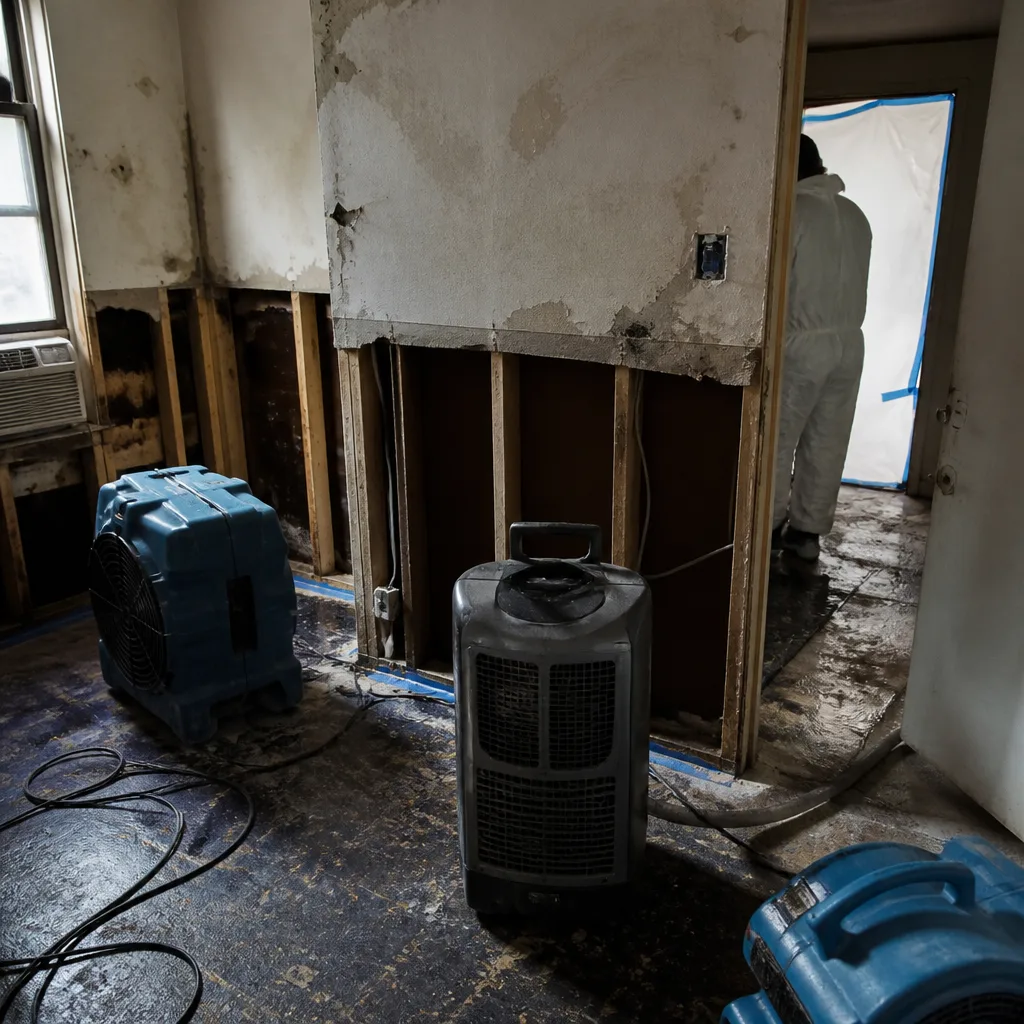 Before
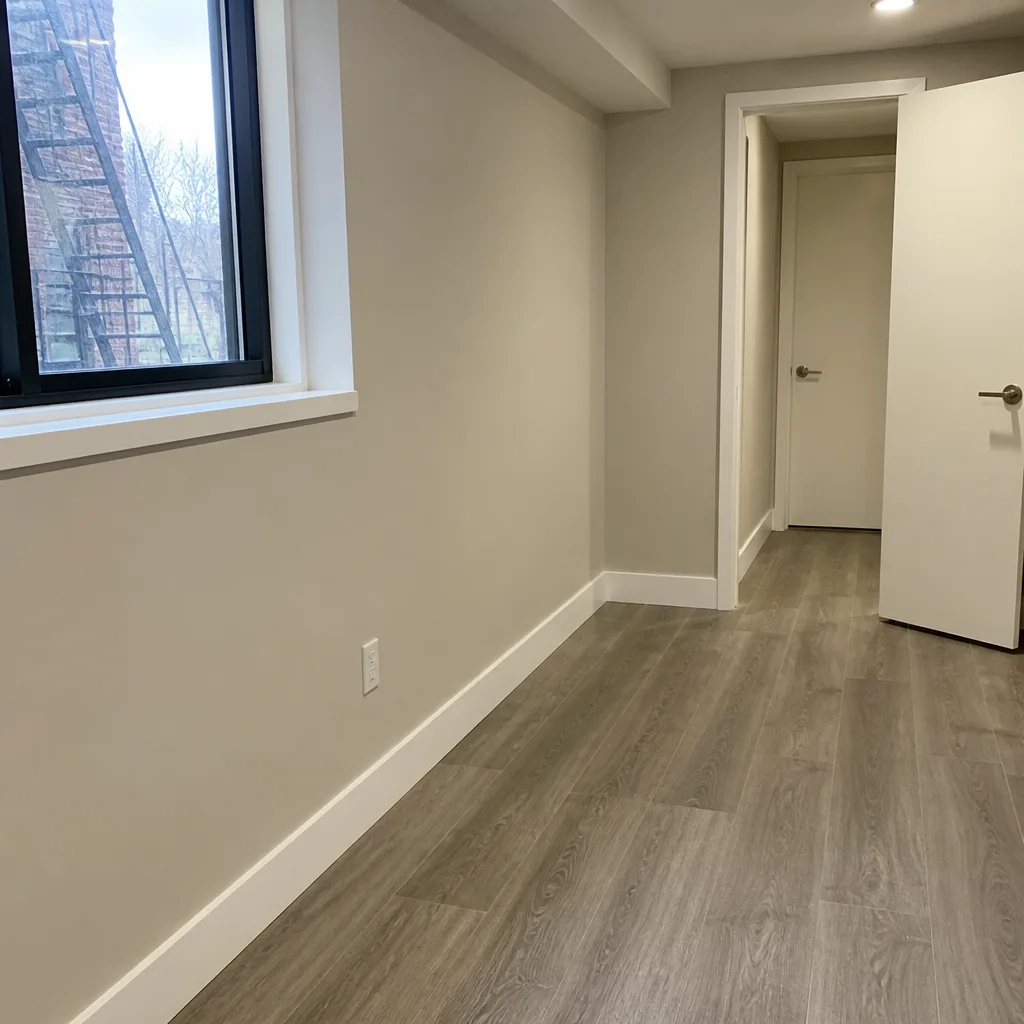 After
After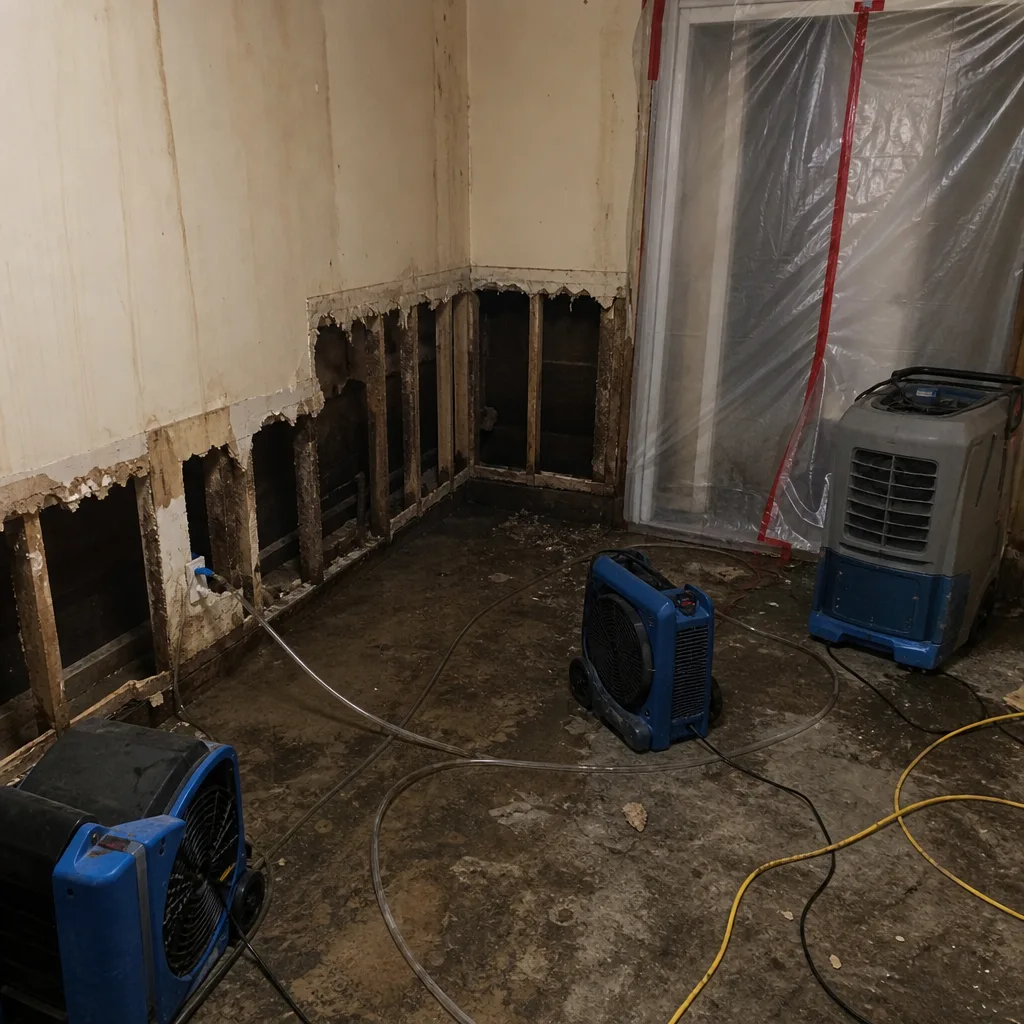 Before
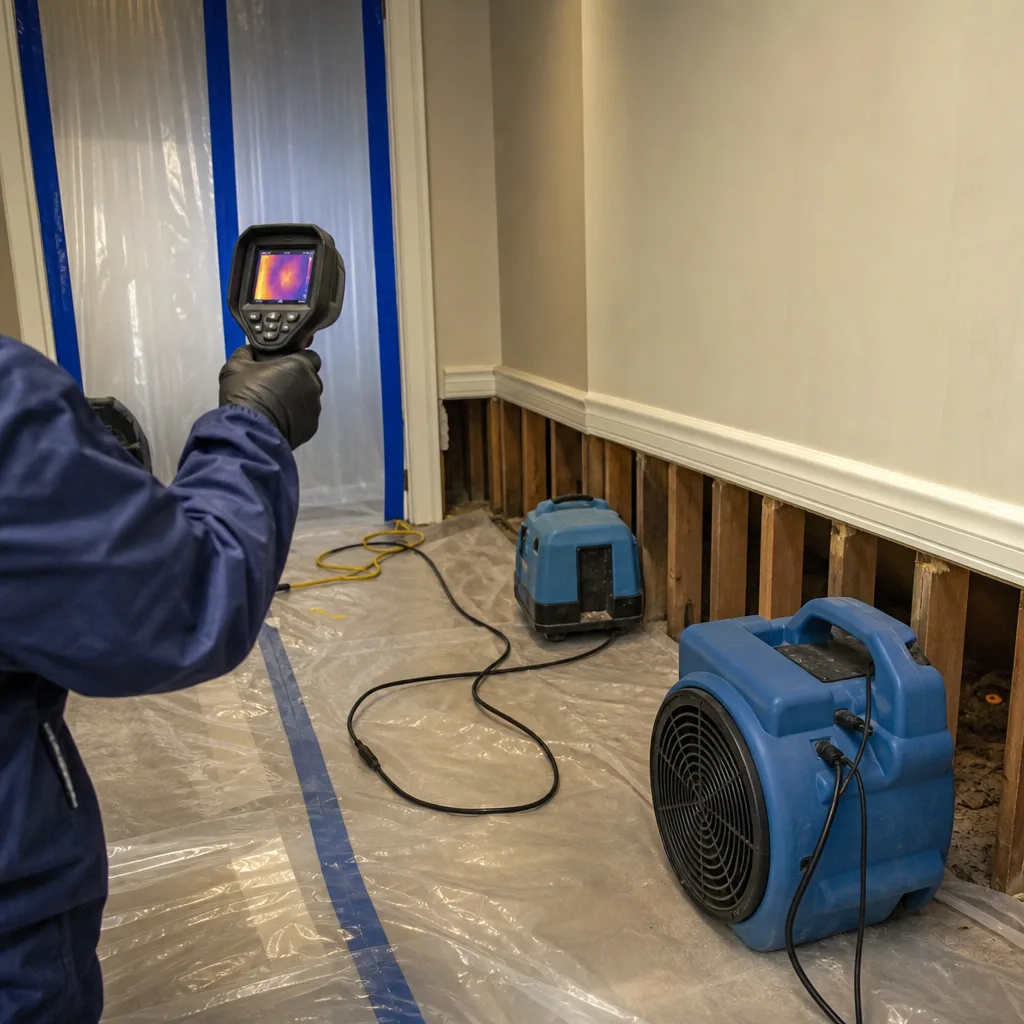 After
After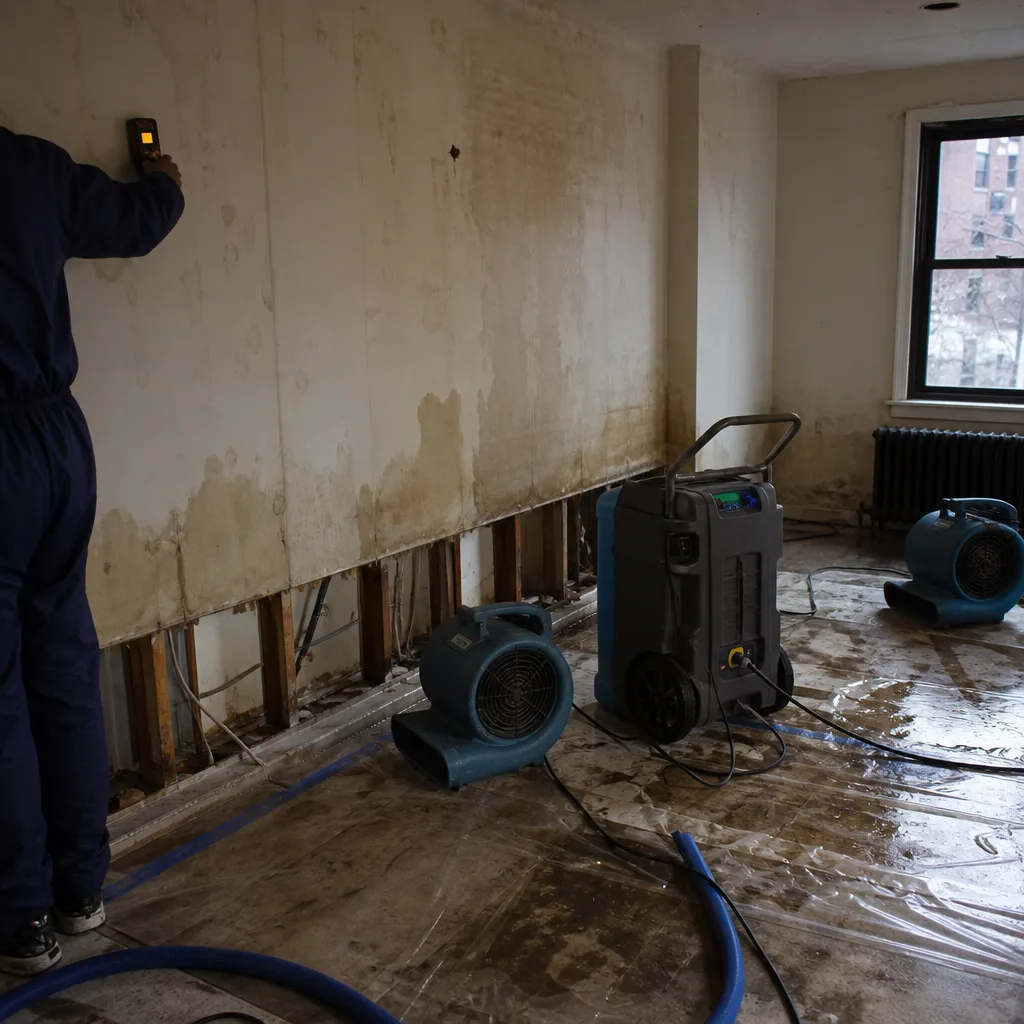 Before
 After
After24/7 Emergency Water Damage Restoration in Williamsburg
Water damage in Williamsburg moves fast, and so do we. Call (716) 452-0798 any hour, any day. A live person answers, not a recording, and a certified crew is dispatched to your block right away. The first hour after a burst pipe or storm surge matters most: water is already wicking into plaster, subflooring, and the porous concrete slabs common in Williamsburg’s converted lofts. Our Water Damage Restoration team arrives with professional-grade Dri-Eaz extraction units, thermal imaging, and moisture meters to stop the spread before it becomes a rebuild. Every job begins with a free visual inspection and a written scope of work. No surprises on the bill. We answer the phone at 2 a.m. because water doesn’t wait for business hours, and neither should you.
Understanding Water Damage Restoration Severity in Williamsburg Properties
Water damage is classified by category, and the classification dictates the entire restoration approach. Category 1 water comes from a clean supply line, Category 2 carries contaminants from appliances or sump failures, and Category 3 contains sewage, storm surge, or East River overland flooding. In Williamsburg, Category 3 losses are disproportionately common along the waterfront because of FEMA Zone AE designations and post-Sandy flood patterns. Moisture mapping matters more here than in most Brooklyn neighborhoods. A pre-war tenement on Grand Street with horsehair plaster responds differently than a Kent Avenue glass loft with polished concrete floors. Horsehair plaster can hold 30% moisture content before surface staining appears. Concrete slabs wick water laterally across entire floor plates. Our crews read moisture migration, not just standing water. Severity in Williamsburg is also a function of building age. Original cast-iron supply lines in 1880-1920 row houses fail from the inside out, saturating structural members for weeks before anyone notices. By the time a ceiling drops, the damage class has escalated. We classify, map, and document everything. That documentation becomes the foundation of your insurance claim and the record we hand you with the drying log.
Why Williamsburg Property Owners Choose Floodline Restoration Co.
- 45-minute response commitment. We dispatch crews stationed in and around Williamsburg, so someone is at your door fast, with extraction equipment on the truck.
- 24/7 live answer. A real dispatcher picks up at any hour. You will never leave a voicemail during an emergency, and you will never talk to a call center reading from a script.
- IICRC-certified crews. Our technicians hold WRT (Water Damage Restoration Technician) and ASD (Applied Structural Drying) certifications, trained to IICRC, RIA, and IFA standards.
- Free visual inspection. We assess the loss, explain what you’re looking at in plain terms, and put a firm scope in writing before any work begins.
- Direct insurance billing. We document from the first hour, bill your carrier directly, and handle adjuster communication. You never play messenger.
- One team from extraction to rebuild. The same certified crew that maps moisture on day one handles daily readings, dries the structure, and rebuilds what needs rebuilding. No mid-job handoff, no inherited crew.
Our Water Damage Restoration Process
Inspection & Assessment
We arrive with thermal imaging cameras and penetrating moisture meters. We map every affected surface, classify the water category, and photograph the full loss. You get a written scope and a straight answer about what needs to happen.
Extraction & Stabilization
Standing water comes out first using truck-mounted and portable Dri-Eaz extraction units. We remove saturated materials that can’t be saved and set containment if contamination is present. Debris is separated and cataloged for your claim.
Drying & Dehumidification
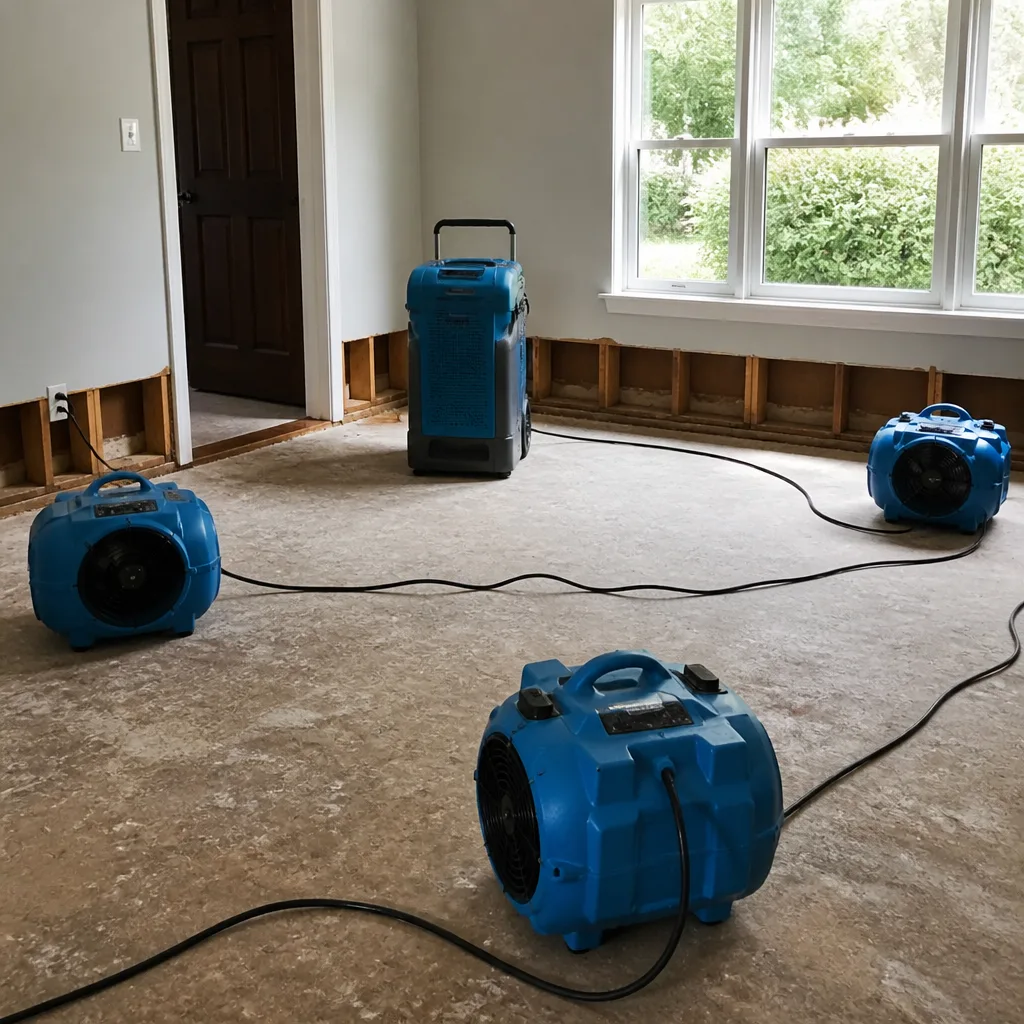
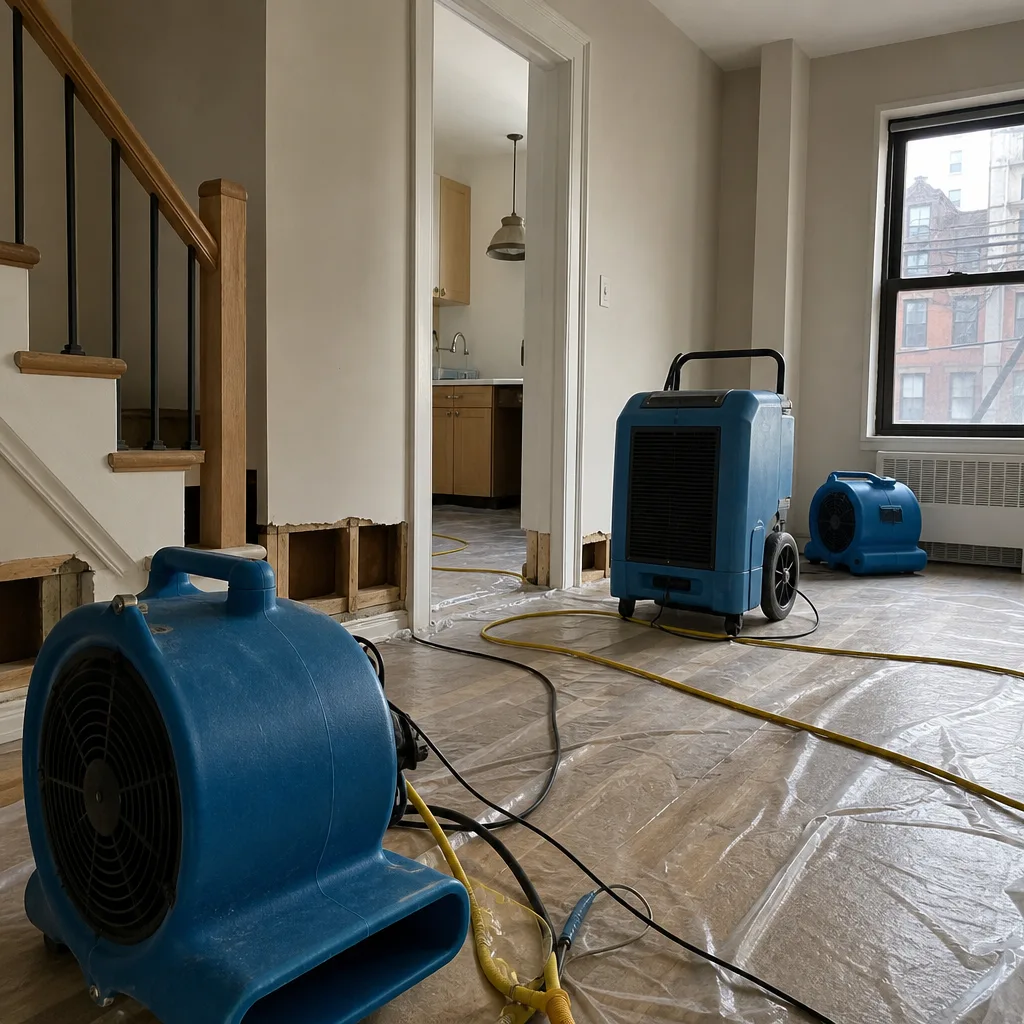
Phoenix air movers and B-Air dehumidifiers are positioned based on measured airflow and cubic feet, not guesswork. In Williamsburg’s loft conversions with open floor plates, this phase often runs longer because concrete slabs release moisture slowly. We log readings every 12 hours.
Cleaning & Sanitization
Category 2 and 3 losses, including those needing Sewage Cleanup - Williamsburg, require antimicrobial treatment and cleaning beyond drying. We clean salvageable contents, treat affected framing, and HEPA-vacuum surfaces. The drying standard we target is the same one we’d want in our own homes.
Structural Drying Verification
We don’t declare the job dry until hygrometer readings and moisture meters confirm the affected materials have returned to their pre-loss moisture content. That’s the Keystone Standard, and it’s not negotiable. You get the log. Your carrier gets the log. We all see the same numbers.
Repairs & Restoration
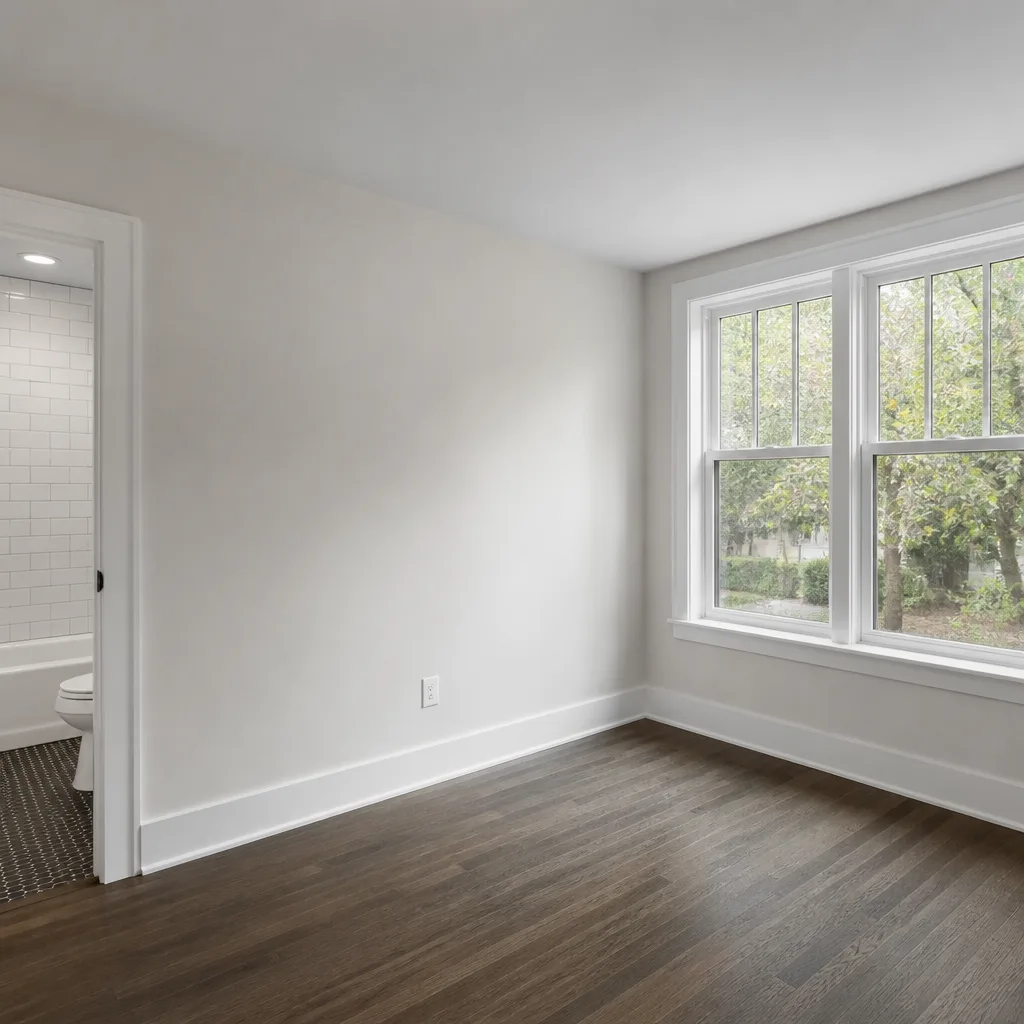
The same crew that extracted and dried now rebuilds. Flooring, drywall, trim, paint, cabinet work. The 90-Day Done Right Promise applies to every phase, from the first extraction to the final walkthrough.
Need Emergency Water Damage Restoration in Williamsburg Now?
Crews minutes away, answering live 24 hours a day. The sooner we start, the less it costs.
Working With Your Insurance Company
Water damage claims in Williamsburg are complicated by the neighborhood’s split between FEMA flood-zone properties and standard residential policies. Flood damage from East River surge is typically excluded under a standard homeowner’s policy, while burst-pipe and supply-line losses are covered. We help you sort the difference from the first hour. Our team documents everything: photographs taken room by room, moisture readings, daily drying logs, and a line-item scope that matches industry-standard estimating software your adjuster already uses. We coordinate with your carrier directly. You never sit on hold explaining what a dehumidifier does. Floodline Restoration Co. is led by Curt Bowman, and we’ve structured our documentation process so claims move without weeks of back-and-forth. The insurer gets the same drying log you get. That transparency shortens the claim.
What We Provide Your Insurer
- Thorough documentation of the loss
- Photos of all damage, room by room
- Moisture readings and drying logs
- A detailed, line-item scope of work
- Direct coordination with your carrier
Built for Williamsburg’s Loss Calendar
Williamsburg’s water damage follows the seasons, and each season has a signature loss. January deep freezes burst supply lines in pre-war row houses along South 3rd and South 4th Streets, where cast-iron pipes run through uninsulated exterior walls. The freeze-thaw cycle also opens mortar joints on brick facades, so spring rains drive water behind the brick and into horsehair plaster. April and May bring basement seepage as groundwater levels rise against the uninsulated slabs common in pre-war tenements. Summer thunderstorms overwhelm rooftop drainage on flat-roof conversions, sending water down through raw ceiling decks. Nor’easters in autumn push East River surge into the flood-zone lofts along Kent Avenue and Berry Street. Every one of these is a known pattern. We’ve worked them all. When you call, the dispatcher hears your address and already knows what the building stock on your block looks like and what likely failed.
Water Damage Restoration Across Williamsburg’s Neighborhoods
The Williamsburg blocks we serve split sharply between two building worlds, and the restoration approach changes with the address. Along the East River waterfront near North 11th and Kent Avenue, converted factory buildings with polished concrete floors and open floor plans mean water migrates laterally before any alarm triggers. Interior blocks off Graham Avenue and Metropolitan Avenue are dominated by pre-war brick tenements and row houses with original horsehair plaster, cast-iron supply lines, and uninsulated basement slabs that wick groundwater through capillary action. Grand Street properties carry the legacy of post-Sandy rebuilds, with some buildings raised and others still on original foundations. Each corridor has its own loss profile. East Williamsburg near the Montrose Avenue stop sees more burst-pipe losses from aging galvanized risers. The Bedford Avenue spine mixes commercial buildouts above ground-floor storefronts, where a restaurant flood becomes a residential loss upstairs. We route crews to all of it from local dispatch, with equipment scaled to the building type.
Specialized Water Damage Restoration Services We Offer in Williamsburg
Emergency Water Extraction
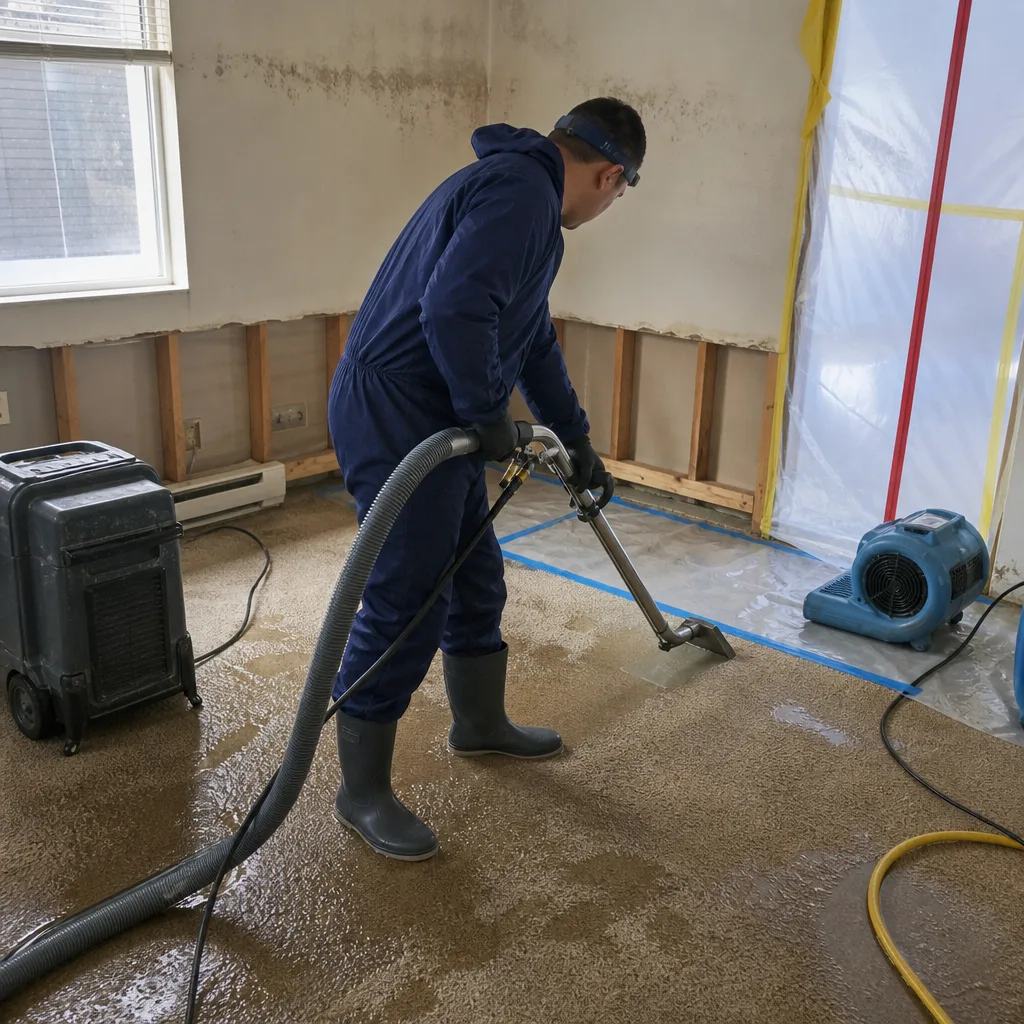
Standing water is removed in the first visit. On Kent Avenue loft conversions with no subfloor drainage cavity, a burst pipe on an upper floor floods multiple units below before any alarm triggers. We extract first, then map the migration path with moisture meters. Fast extraction on a concrete slab can mean the difference between drying and demolition.
Structural Drying & Dehumidification
Williamsburg’s pre-war buildings need drying strategies that respect original materials. Horsehair plaster can often be saved if drying begins fast and the moisture content is driven down evenly. Phoenix air movers and B-Air dehumidifiers run on 12-hour monitoring cycles with daily readings logged until the dry standard is met.
Flood Cleanup
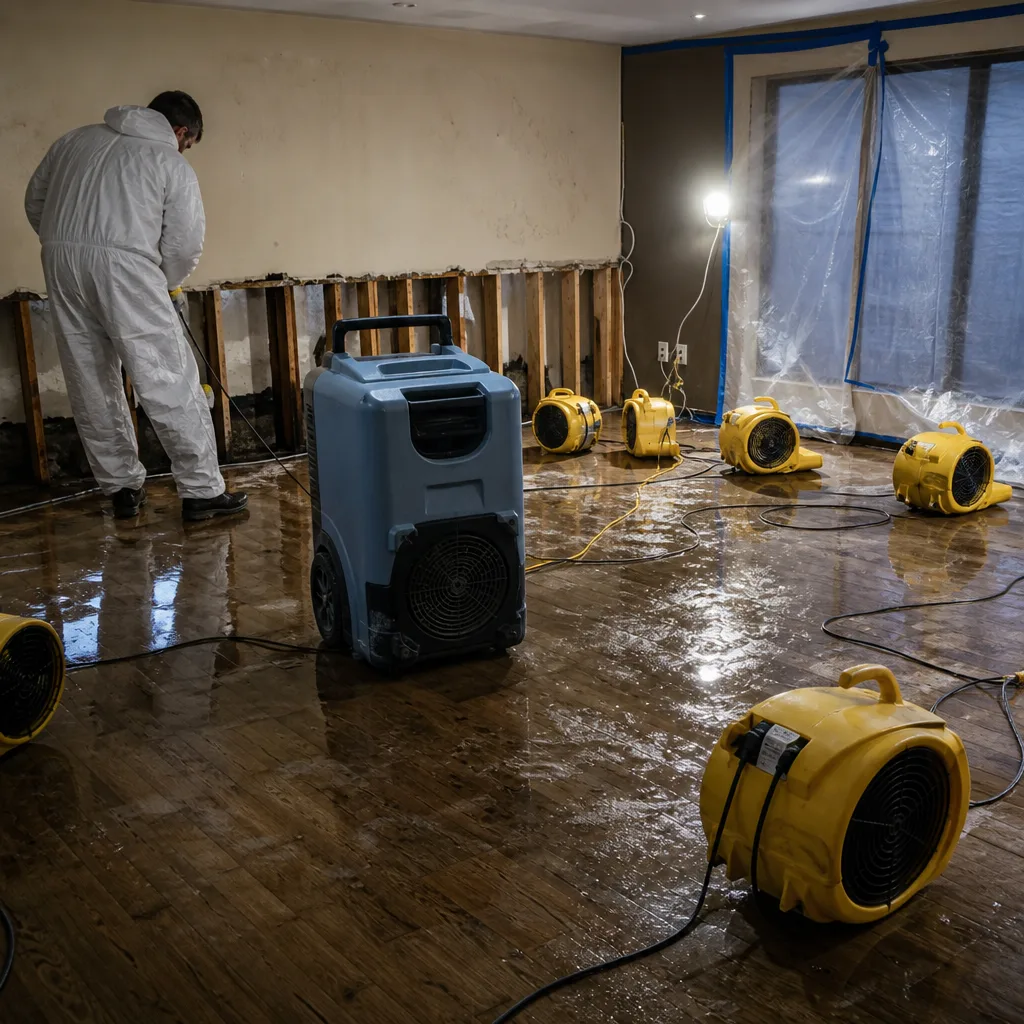
FEMA Zone AE properties along the East River face Category 3 contamination when surge water enters. Williamsburg Storm & Disaster Restoration for these buildings requires antimicrobial treatment, containment, and documentation that meets flood-zone compliance protocols. We coordinate with your elevation certificate and adjuster requirements from day one.
Burst Pipe Restoration
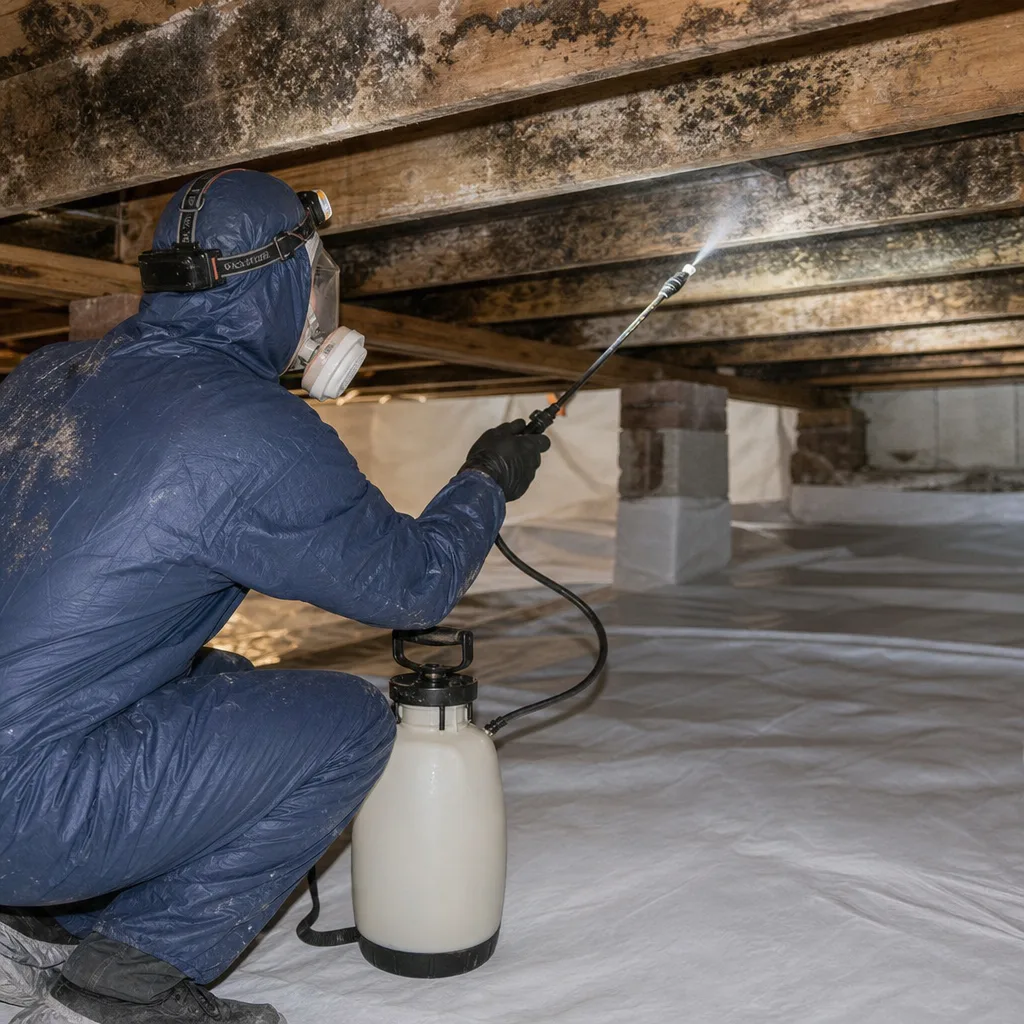
Original cast-iron supply lines in 1880-1920 row houses corrode internally and fail without warning. The leak often saturates horsehair plaster for weeks before anyone sees a stain. We trace the pipe, stop the source, dry the structure, and rebuild the affected rooms with Fire & Smoke Damage Restoration in Williamsburg expertise when needed.
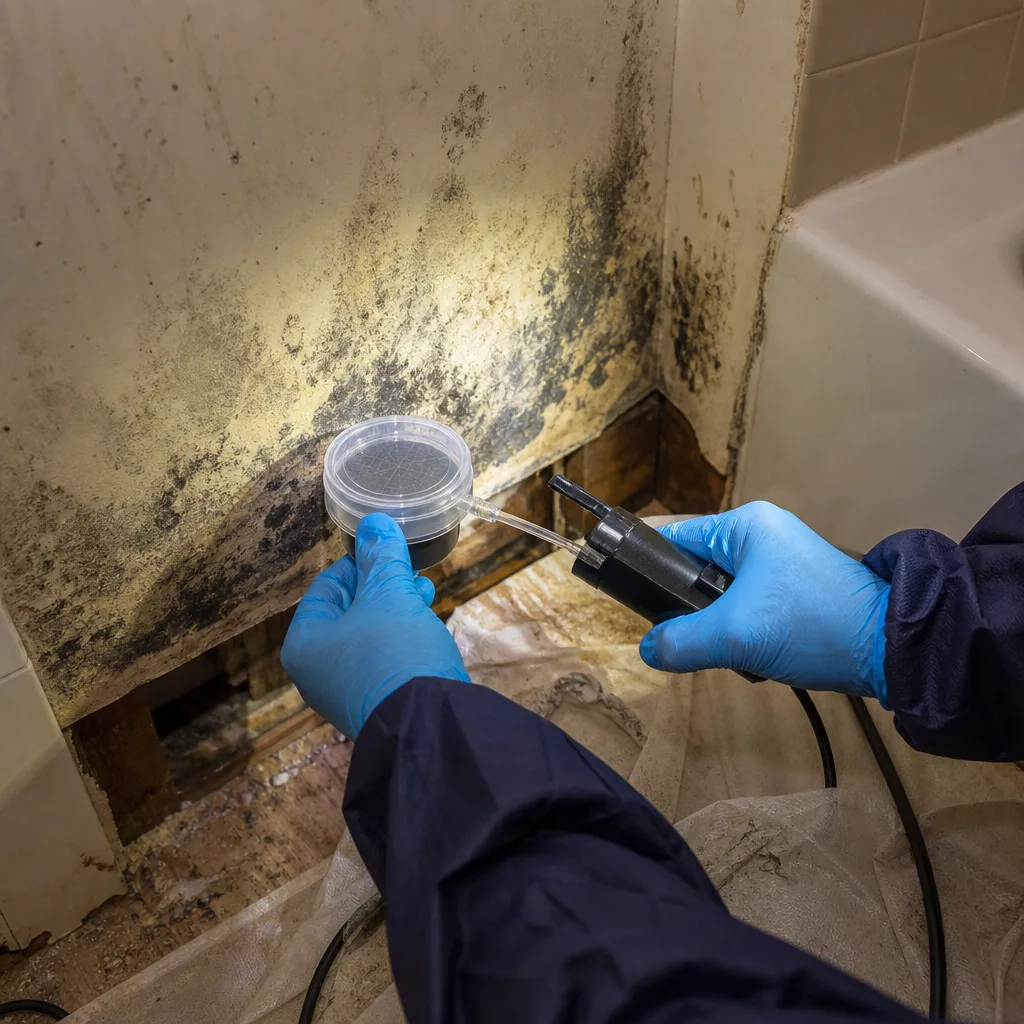
Basement Water Removal
Pre-war tenement basements in Williamsburg sit on uninsulated slabs over damp soil, and many have dirt floors in the oldest buildings. Groundwater wicks up through capillary action, leaving persistent dampness that standard drying logs miss. We use sealed crawlspace drying and slab-level moisture barriers where appropriate.
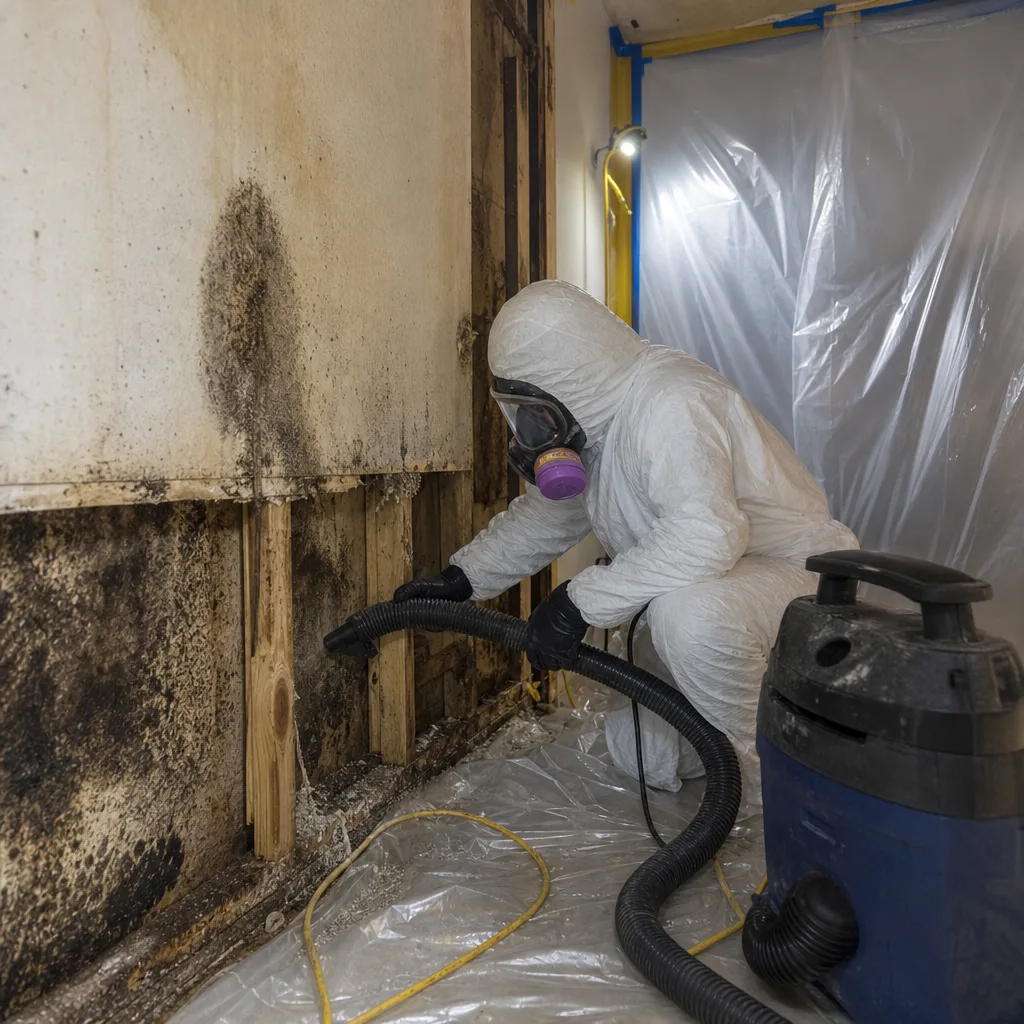
What happens when you call
- 1
A real person answersNo phone trees - you reach a local pro.
- 2
You get an upfront price rangeHonest numbers before anyone is dispatched.
- 3
A background-checked tech heads outLicensed & insured, dispatched right away.
- 4
You approve before work beginsNothing starts until you say go.
Water Damage Restoration Costs in Williamsburg, NY
A typical water damage restoration in Williamsburg runs between $2,800 and $8,500 depending on the category, square footage, and building type. Emergency extraction alone, before drying, usually lands between $800 and $2,200 for a single room or hallway. Structural drying with professional-grade equipment for a typical tenement apartment runs $1,400 to $3,600, while a full open-floor loft conversion with slab drying can reach $12,000 or more because concrete holds moisture stubbornly. Burst pipe restoration in a pre-war row house, with plaster repair and repainting, typically falls between $4,500 and $14,000 when the leak has migrated. Flood cleanup in a FEMA Zone AE loft, including antimicrobial treatment and documentation, starts around $5,000 and goes up from there. Most insurer-approved scopes fall within these ranges, and we handle the estimate, the photos, and the adjuster communication for you. Call (716) 452-0798 for a free visual inspection and a firm written scope before you decide anything.
We Also Serve Cities Near Williamsburg
Our crews regularly respond to water damage across the North Brooklyn and western Queens corridor. If you’re in Long Island City, Greenpoint, Murray Hill, or Upper Manhattan, call the same live dispatch line and we’ll route a crew to you. The equipment and certifications travel with them.
Serving Williamsburg, NY - Our Local Coverage Area
We’re based in the Williamsburg area and know this community well. Use the map below to see our service coverage - if you’re nearby, we can almost certainly help.
Williamsburg Water Damage Restoration Questions, Answered
How does Williamsburg’s FEMA flood-zone redesignation affect my water damage claim?
FEMA flood-zone redesignation after Hurricane Sandy changed how insurers classify water damage in Williamsburg’s waterfront blocks. If your building sits inside Zone AE, damage from East River overland flooding or storm surge is typically excluded under a standard homeowner’s policy and requires separate flood insurance. Claims here often require an elevation certificate and flood-specific remediation documentation. We navigate these requirements every week. Call (716) 452-0798 and we’ll walk you through what your policy actually covers.
Can you dry out a converted loft’s concrete slab floor after a rooftop tank leak?
Yes, and this is a signature Williamsburg loss. On a Kent Avenue loft conversion with polished concrete slab floors and HVAC runs concealed in the raw ceiling deck, a failed rooftop water tank sent water migrating laterally across the entire open floor plan. By the time our techs arrived, moisture mapping showed water had wicked into the slab across thousands of square feet. We ran Dri-Eaz dehumidifiers and Phoenix air movers for days, with structural drying logs and moisture readings every 12 hours, until the slab returned to pre-loss condition. Concrete releases moisture slowly, so this drying phase takes longer than wood-frame drying, but it works when the equipment and monitoring are right.
My pre-war tenement has horsehair plaster walls that got wet. Do they need to be torn out?
Not always, and that’s the honest answer. Horsehair plaster can often be saved if drying begins fast and the moisture content is driven down evenly. We’ve dried saturated plaster in Williamsburg tenements that other contractors wanted to gut. The deciding factors are the water category, how long the plaster was wet, and whether the original lath behind it is still sound. Our crews read moisture content in the plaster and the framing, then give you a straight recommendation. We don’t profit from unnecessary demolition.
What’s different about water damage in a Williamsburg factory conversion vs. a conventional apartment?
The difference is the horizontal migration path. Conventional apartments have compartmentalized rooms and subfloor cavities that slow water. Williamsburg’s converted factories along Berry Street and Kent Avenue have open floor plates, polished concrete slabs, and no subfloor drainage cavity. Water moves laterally across the entire slab and wicks upward into anything sitting on it. A pipe burst that might damage 400 square feet in a tenement can affect 4,000 square feet in a loft conversion before anyone notices. Our drying plan for a loft is mapped differently from the first reading.
Do you handle basement water removal in Williamsburg’s pre-war buildings with dirt floors?
Yes. Many of Williamsburg’s oldest pre-war buildings still have dirt-floor basements over damp soil. Groundwater wicks up through capillary action and keeps the space perpetually damp. Standard drying logs miss this because they read ambient humidity, not slab moisture. We use sealed crawlspace drying, vapor barriers, and slab-level moisture readings to address the source, not just the symptom. It’s a slower job than a finished basement, and we price it honestly.
How fast can a crew actually get to my Williamsburg address?
Our commitment is 45 minutes to dispatch from a live phone call, and we have crews stationed in and around Williamsburg. A real person answers at 2 a.m., asks the right questions, and gets a certified technician to your door. We’ll be there when we say. For active water flow, the dispatcher will walk you through shutting the supply while the crew is en route. Call (716) 452-0798 now.
Will my insurance cover water damage from a burst pipe in a Williamsburg row house?
In most cases, yes. A sudden burst from a supply line or heating pipe is typically a covered loss under standard homeowner’s policies. Slow leaks from corroded cast-iron lines are a grayer area, often classified as maintenance-related. We photograph everything from the first hour, document the failure point, and provide the line-item scope your adjuster needs to make a fair determination. Direct insurance billing means you don’t front the cost while the claim is processed.
What should I do in the first 30 minutes after discovering water damage?
Shut off the water supply at the main valve if the source is internal. Kill electrical power to the affected area. Move valuables and electronics to dry ground. Take photos of everything before touching anything. Then call (716) 452-0798. Do not use a shop vac on Category 2 or 3 water, and do not open walls yourself. The first hour of extraction and mapping saves more money than any other step in the process.
Written by Curt Bowman, Owner at Floodline Restoration Co., serving Williamsburg and the surrounding communities.