
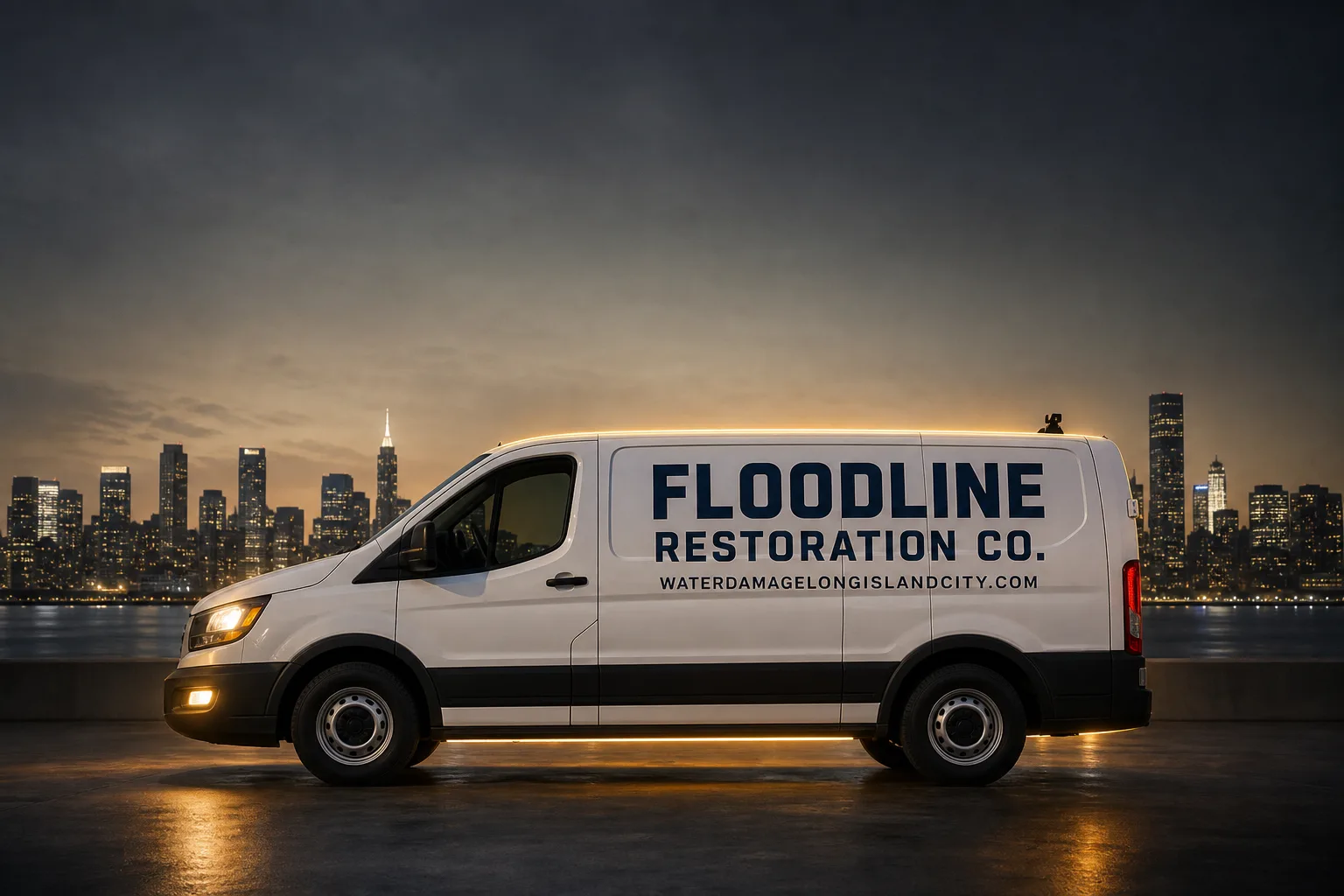
Free visual inspection and a written scope of work before any mitigation begins - photos, moisture readings, and drying logs go in your claim file
The scope we write is the scope we bill. Anything new gets shown to you, in writing, before we touch it.
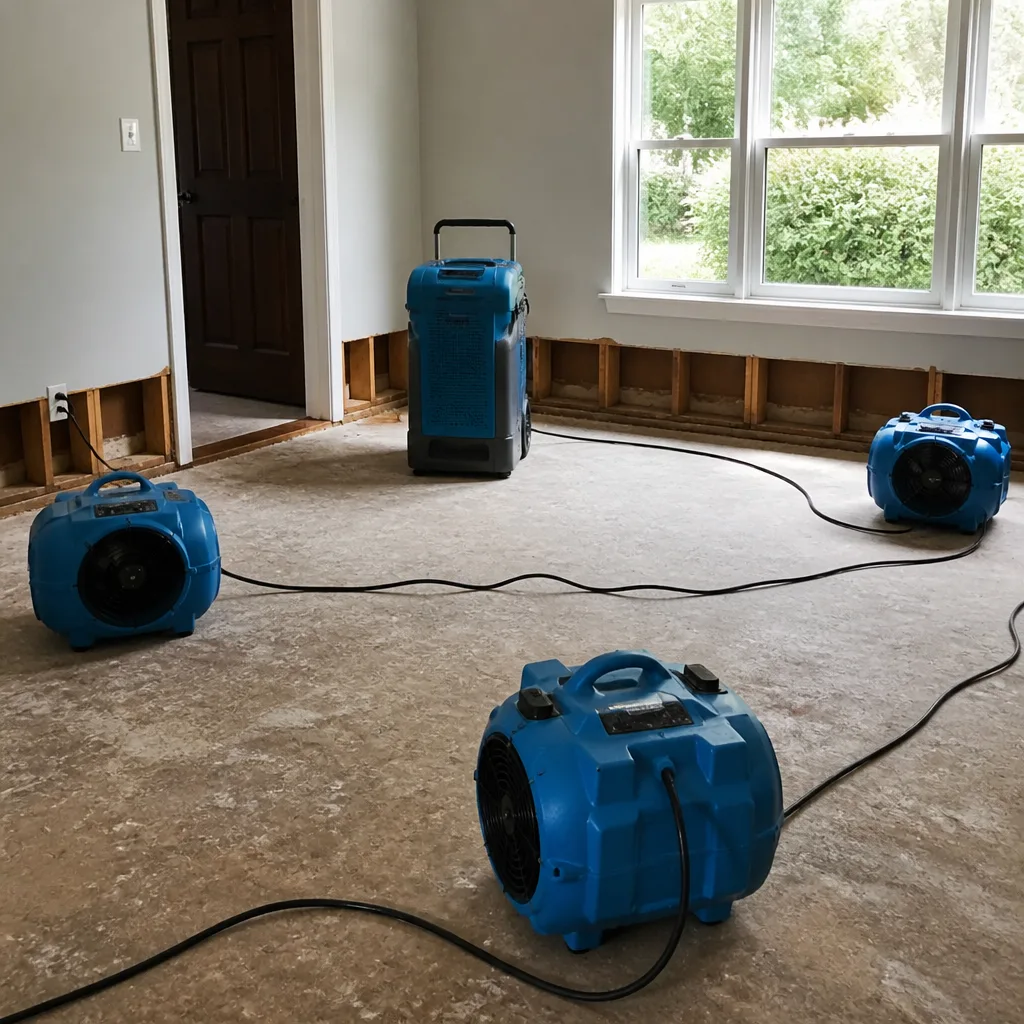
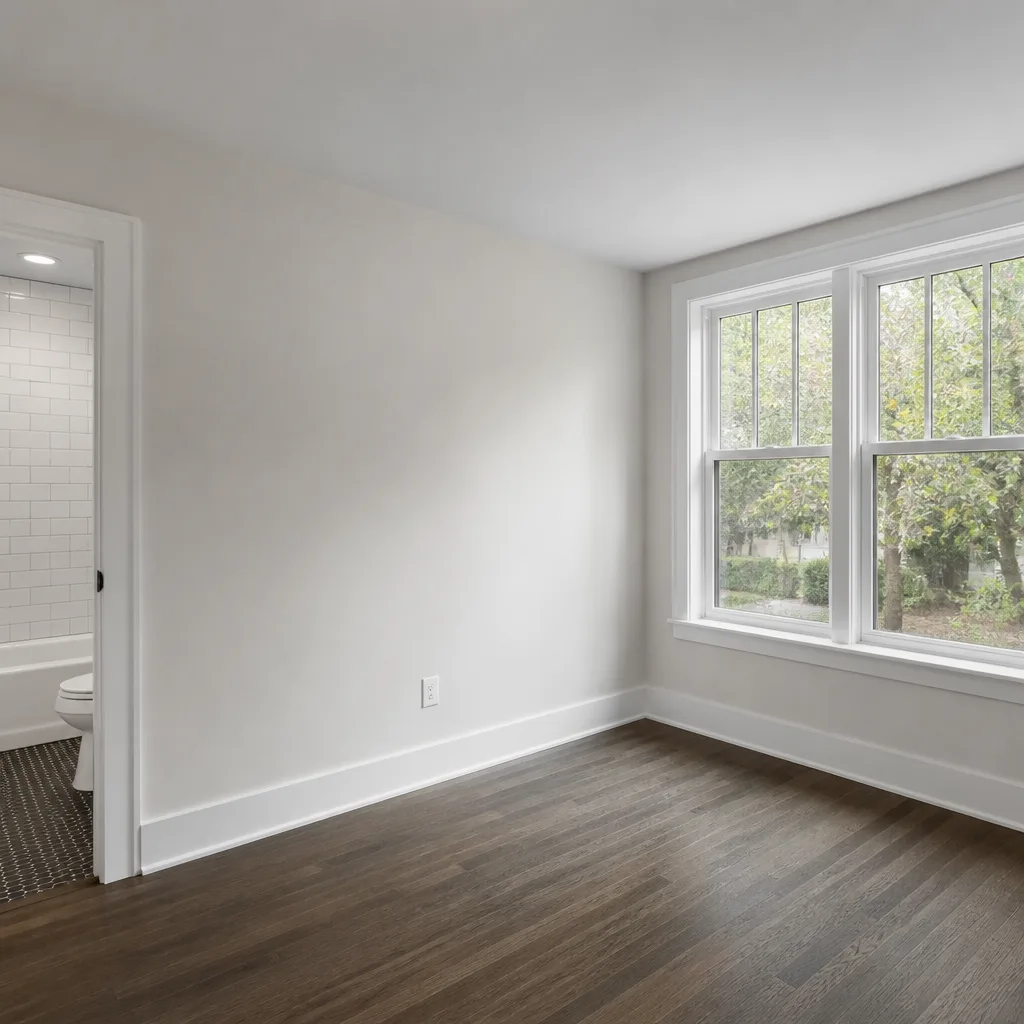
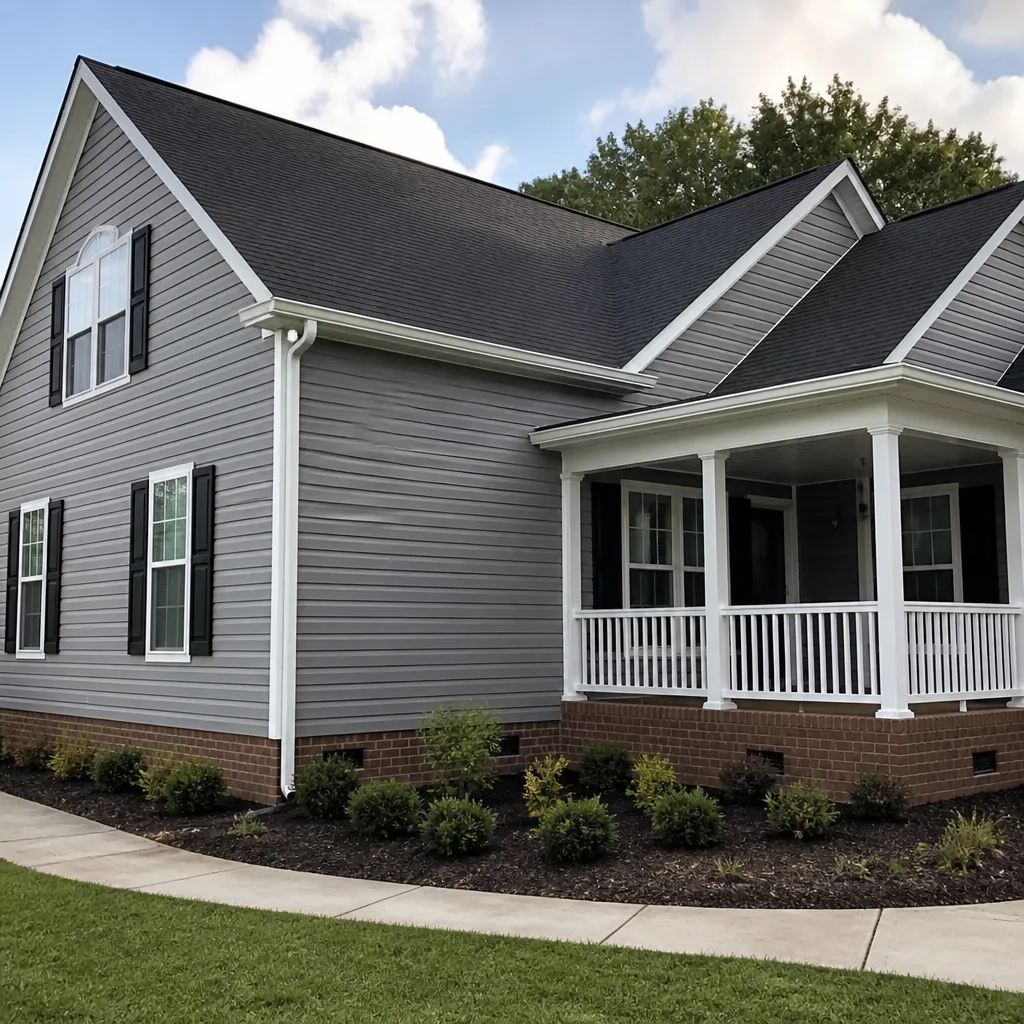
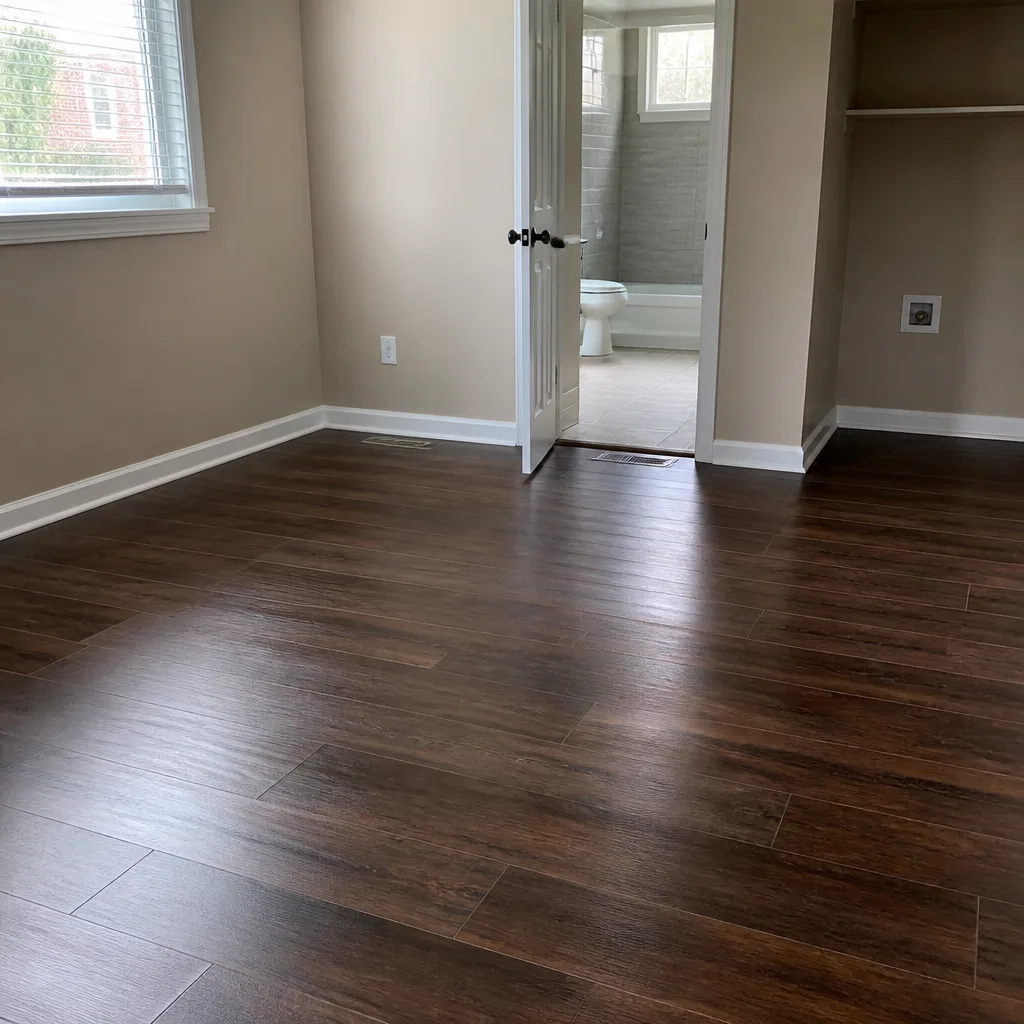

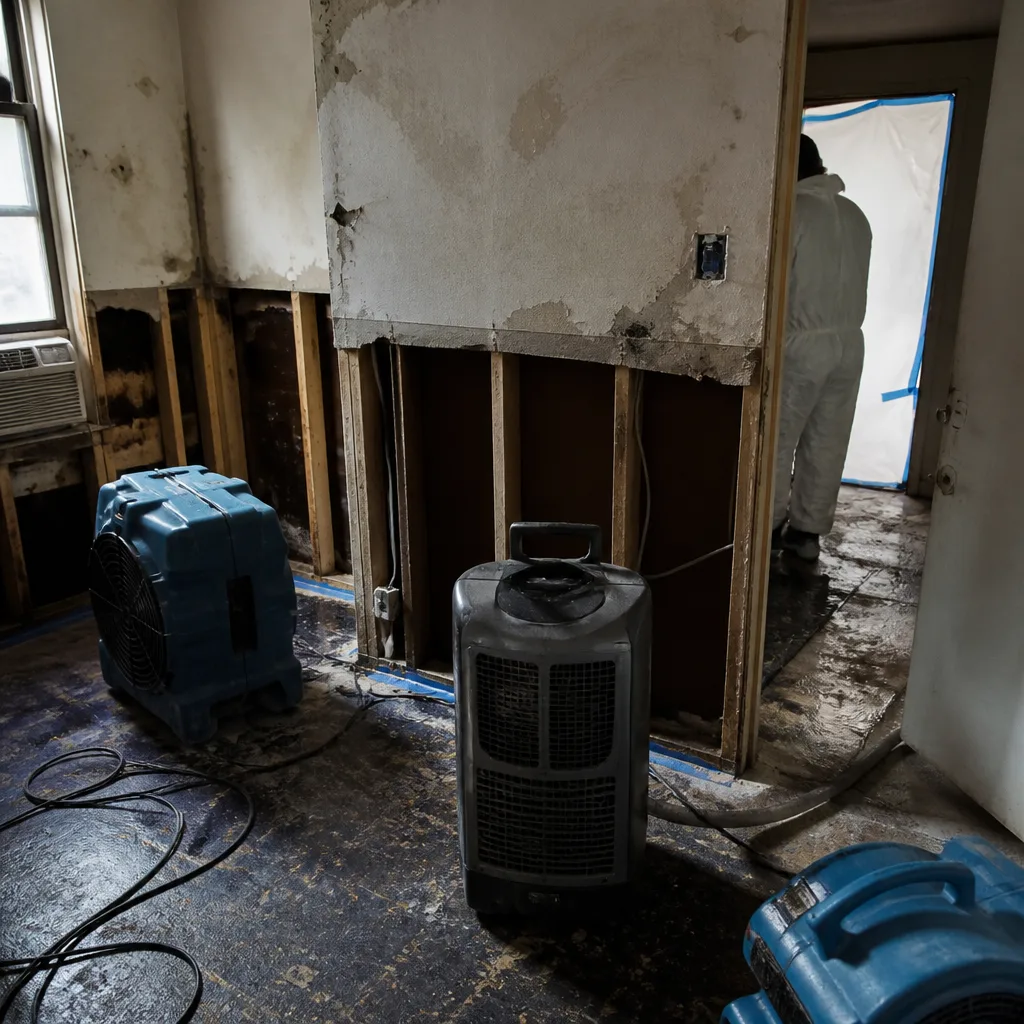 Before
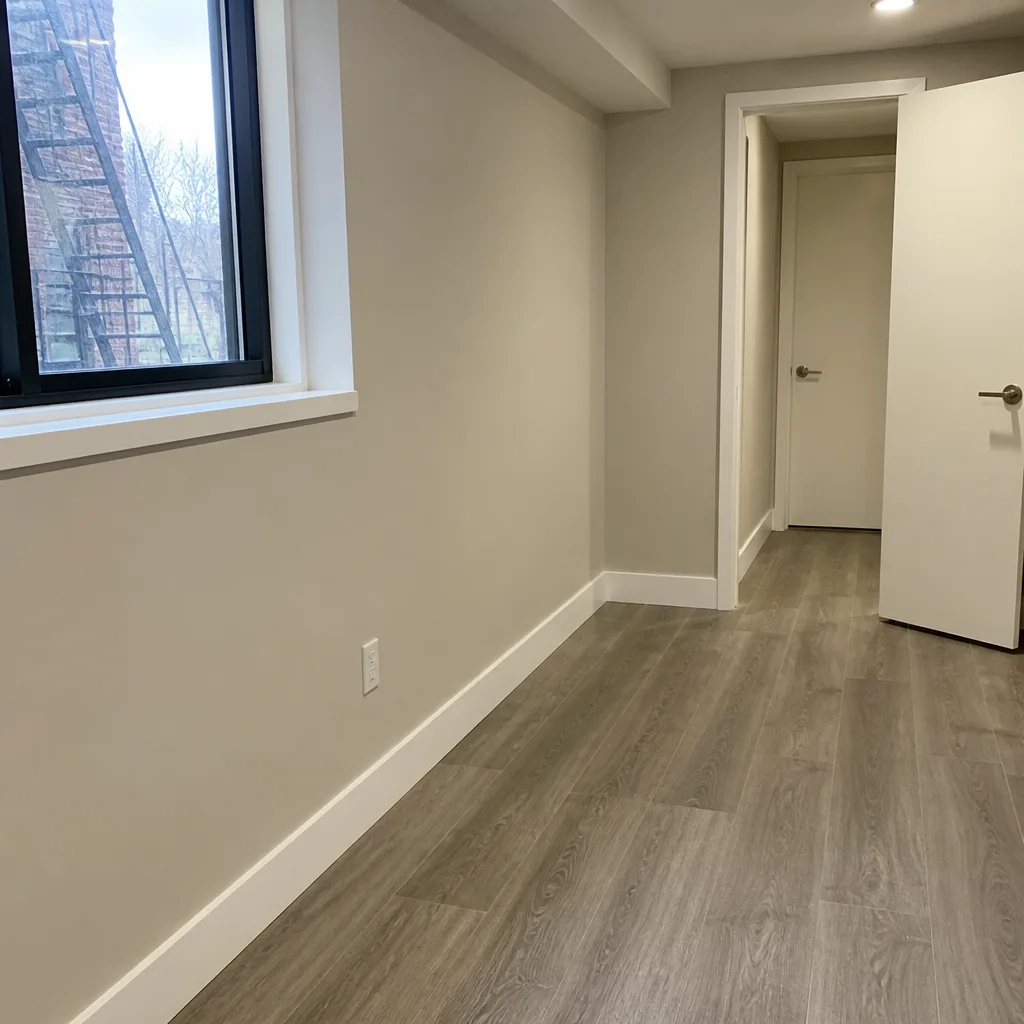 After
After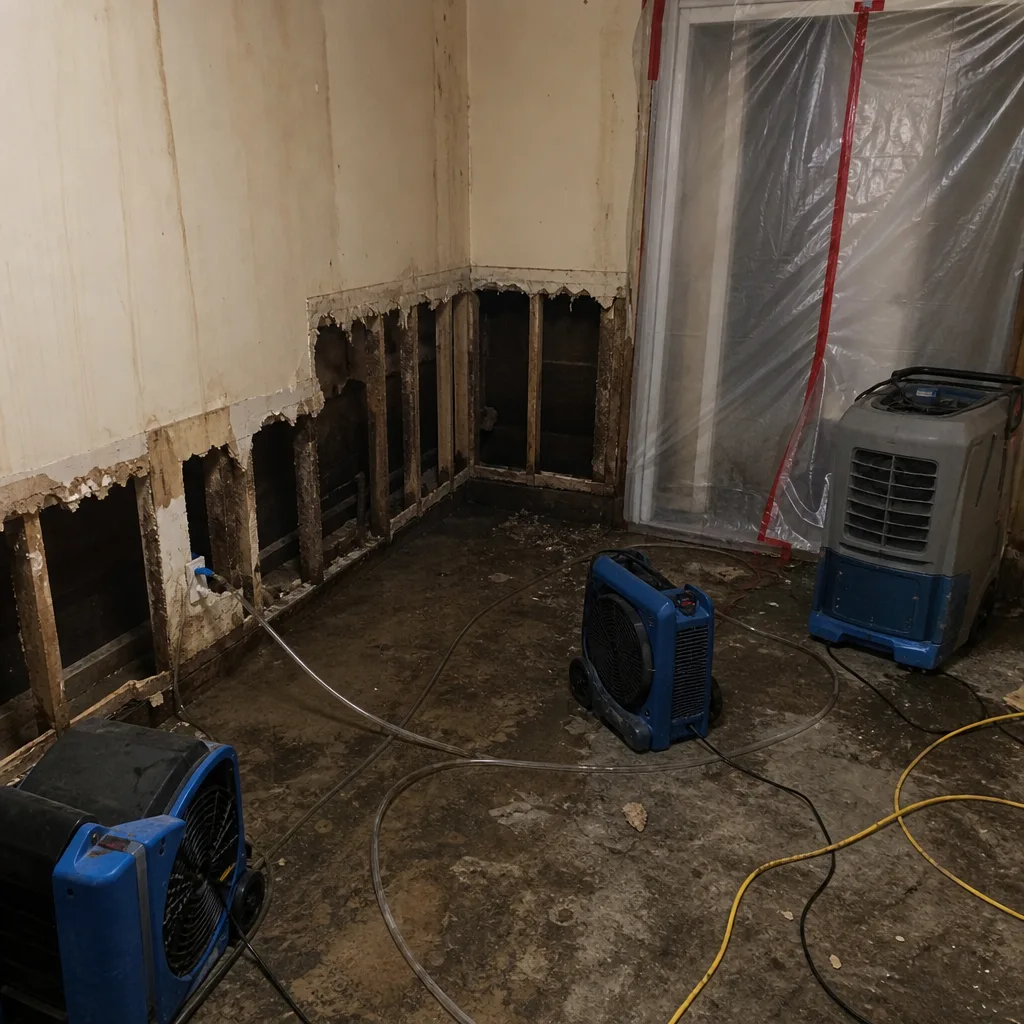 Before
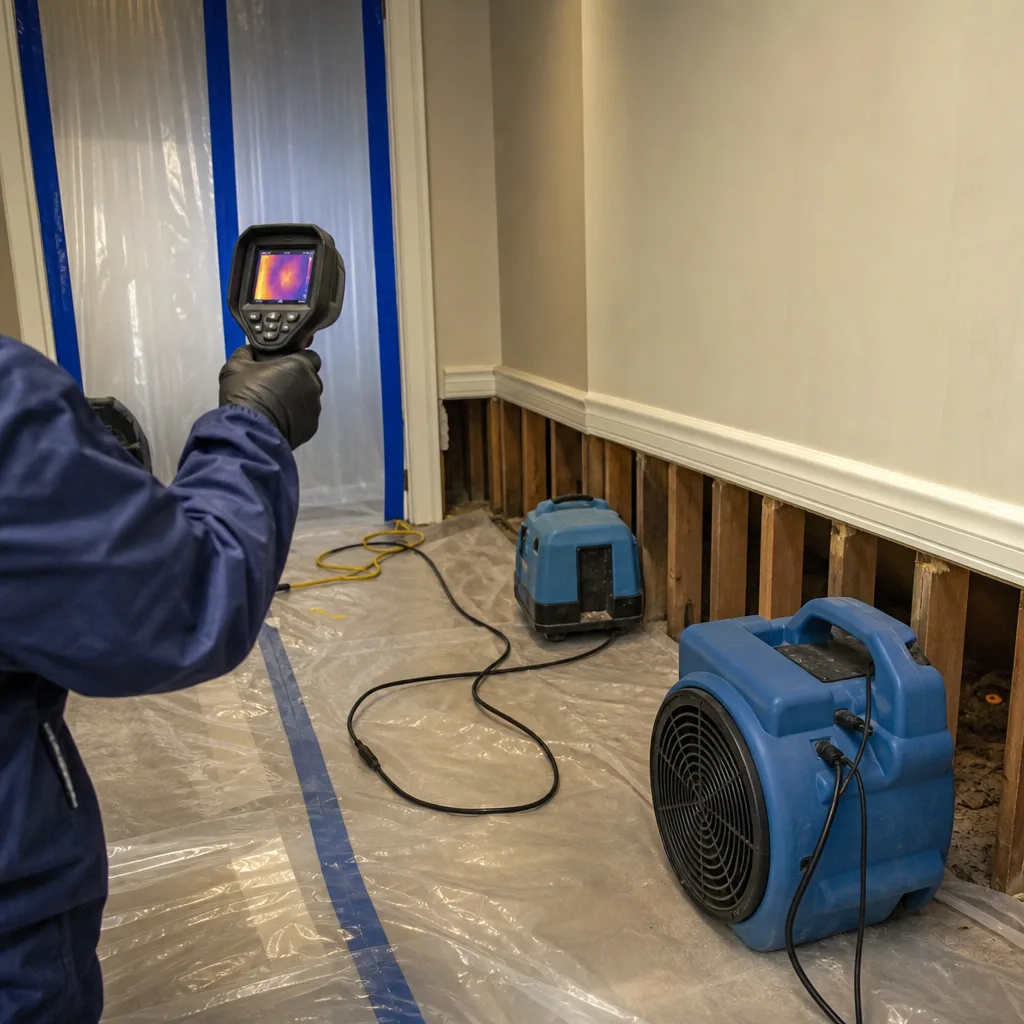 After
After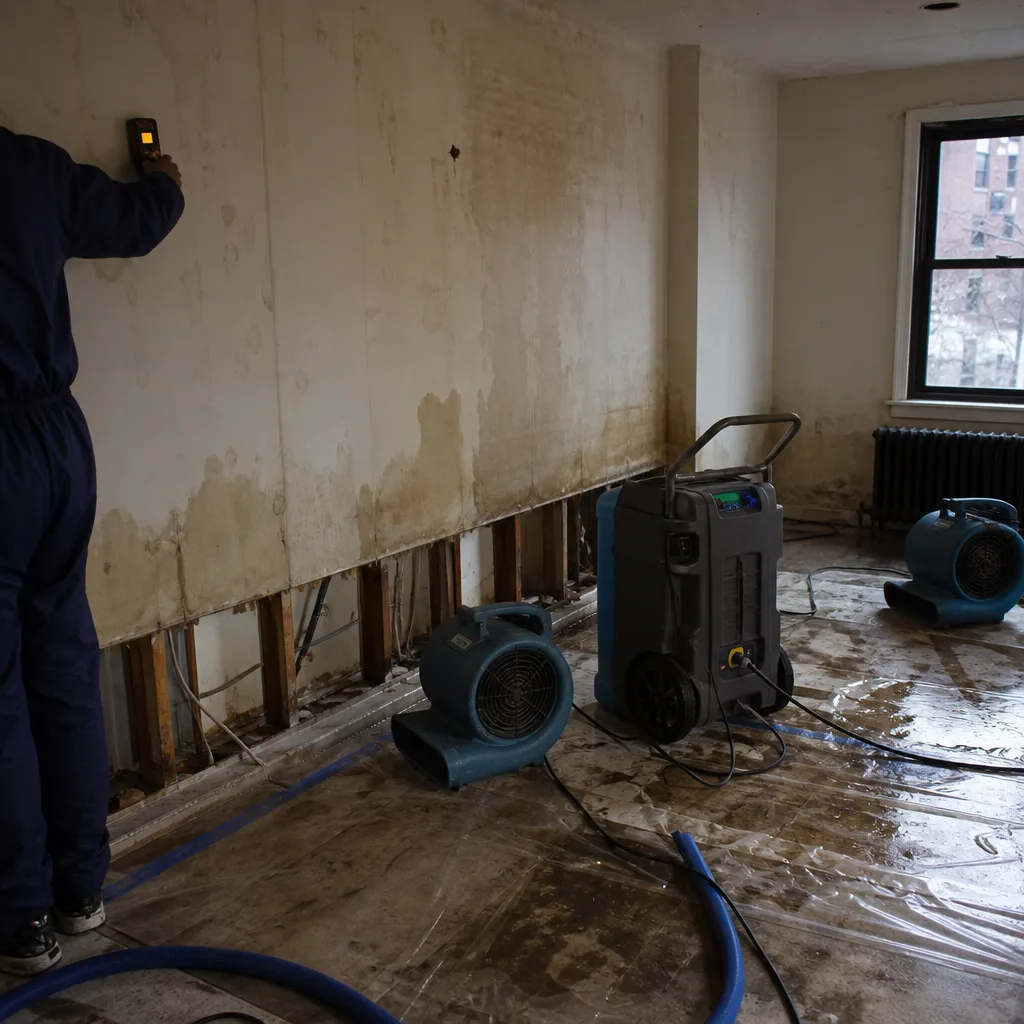 Before
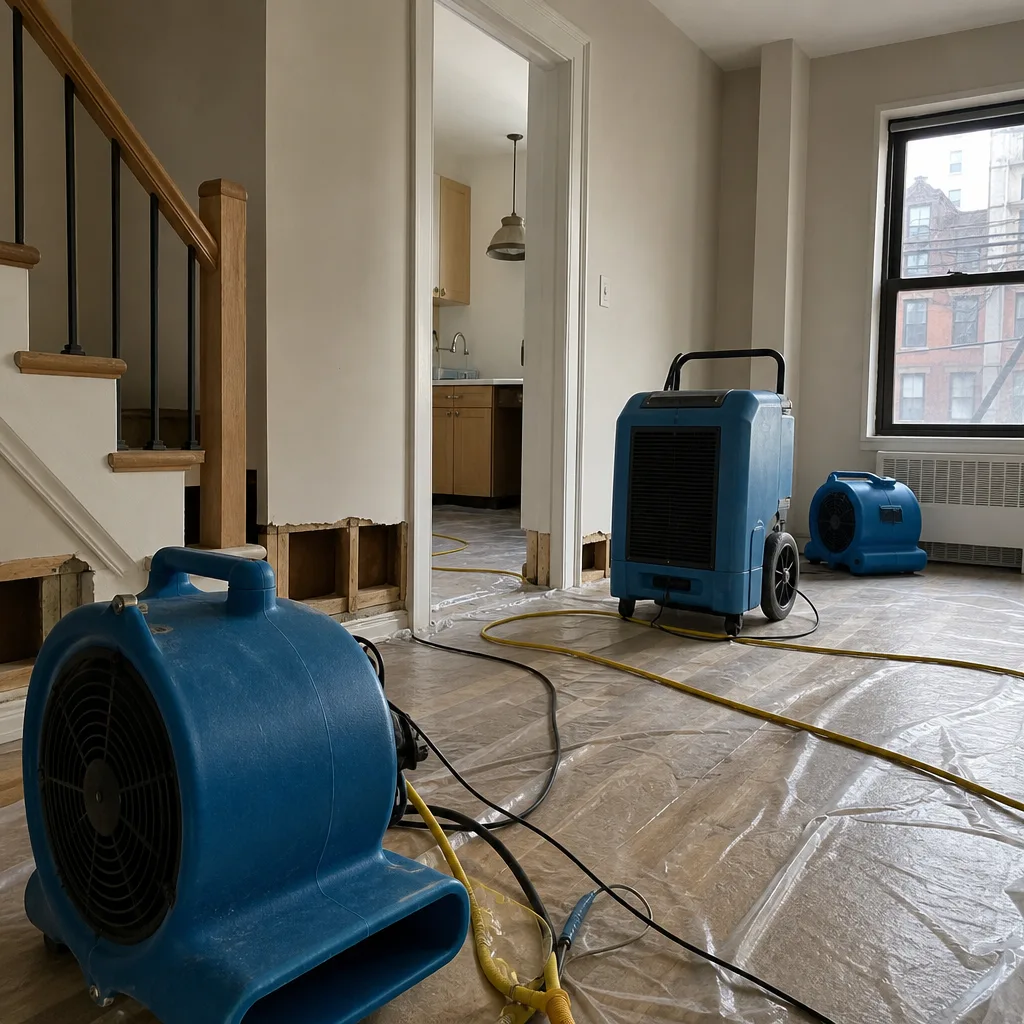 After
After24/7 Emergency Water Damage Restoration in Greenpoint
Water damage in Greenpoint rarely announces itself politely. A supply line lets go at 2 a.m. behind a Franklin Street tenement wall, or a nor’easter pushes the East River up through the storm drains along West Street, and within the hour you’re standing in water that shouldn’t be there. The first call you make should reach a live person. Ours does, every time. Call (716) 452-0798 and a dispatcher answers. A background-checked, uniformed technician is on the way to your Greenpoint address, usually within 45 minutes of the call. The first hour matters because water moves through old-growth timber joists and horsehair plaster faster than most people believe. Every hour it sits, the structural drying job gets bigger, the salvage list gets shorter, and the chance of mold taking hold climbs. Our crews arrive with moisture meters and thermal imaging running, extraction starts on the same visit, and the 90-Day Done Right Promise goes in writing before you’ve finished signing the initial scope. No answering service, no call-back tomorrow. A person answers, and a crew comes.
Understanding Water Damage Restoration Severity in Greenpoint Properties
Not all water acts the same way inside a building, and Greenpoint’s housing stock makes the differences count. The industry divides water into three categories. Category 1 water starts clean, from a supply line or an ice-maker feed that burst during a January deep freeze. Category 2 water carries contamination, like washing machine discharge or sump overflow that has sat long enough to pick up bacteria. Category 3 water is black water, from sewage backups or East River storm surge. In Greenpoint, a fourth variable comes into play that almost no other neighborhood in Brooklyn faces. The ground beneath this peninsula holds the legacy of the Greenpoint oil spill, an estimated 17 to 30 million gallons of petroleum product still sitting in the soil and groundwater. When a basement on India Street or McGuinness Boulevard floods, the water that comes up through the slab is not the same as the water that came out of the pipe. It may carry a hydrocarbon sheen. That changess the category and the law. Our crews are trained to spot a petroleum sheen in pump water, to stop extraction, and to coordinate with NYS DEC before further pumping. The category of water drives the drying protocol, the demolition scope, the disposal path, and the insurance claim. Getting it wrong means a stop-work order or, worse for your family, contaminated material left inside a cavity wall to off-gas for years.
Why Greenpoint Property Owners Choose Floodline Restoration Co.
- 45-minute response commitment across Greenpoint: our dispatch board is built around the neighborhood, so a crew can be rolling toward Franklin Street, Manhattan Avenue, or the waterfront within the effective equivalent of a 45-minute window from your call.
- 24/7 live answer, always a person: there is no phone tree and no voicemail at 2 a.m. A live dispatcher picks up, every hour of every day, and starts the response from that first breath.
- IICRC-certified technicians, including WRT and AS in water damage: water restoration technicians trained and certified to industry standards, meaning the moisture mapping and drying logs we hand to your insurance carrier meet the standard a claim reviewer expects.
- Free visual inspection, a firm written scope: we assess the water line, map the migration, and hand you a line-item scope before starting extra work, so you know what is needed and what it costs, with the Keystone Standard behind every line.
- Direct insurance billing, direct adjuster communication: we send photo documentation, moisture readings, and our line-item scope straight to your carrier and coordinate with the adjuster, so you are not the messenger between two parties.
- One team from the first extraction to the final rebuild: Floodline Restoration Co. does not hand your drying job to a rebuild crew wearing a different shirt. The same certified technicians who pull the water carry the structural drying log and, if needed, put the walls back closesly to how they were before.
Our Water Damage Restoration Process
Inspection & Assessment
We start with a walkthrough of the affected area, then run thermal imaging and moisture meters across walls, floors, and the ceiling cavities. In a Greenpoint tenement or attached row house, that means checking party walls and the joist bays behind them, because water does not respect property lines. We identify the water category, check for petroleum sheen, and mark the flood line.
Extraction & Stabilization
Standing water comes out first. We set up truck-mounted and portable extraction, starting with the lowest point of the basement or the floor where the water is deepest. If the property is in FEMA flood Zone AE along the East River or Newtown Creek corridor, we watch the pump water for hydrocarbon sheen before anything else.
Structural Drying & Dehumidification
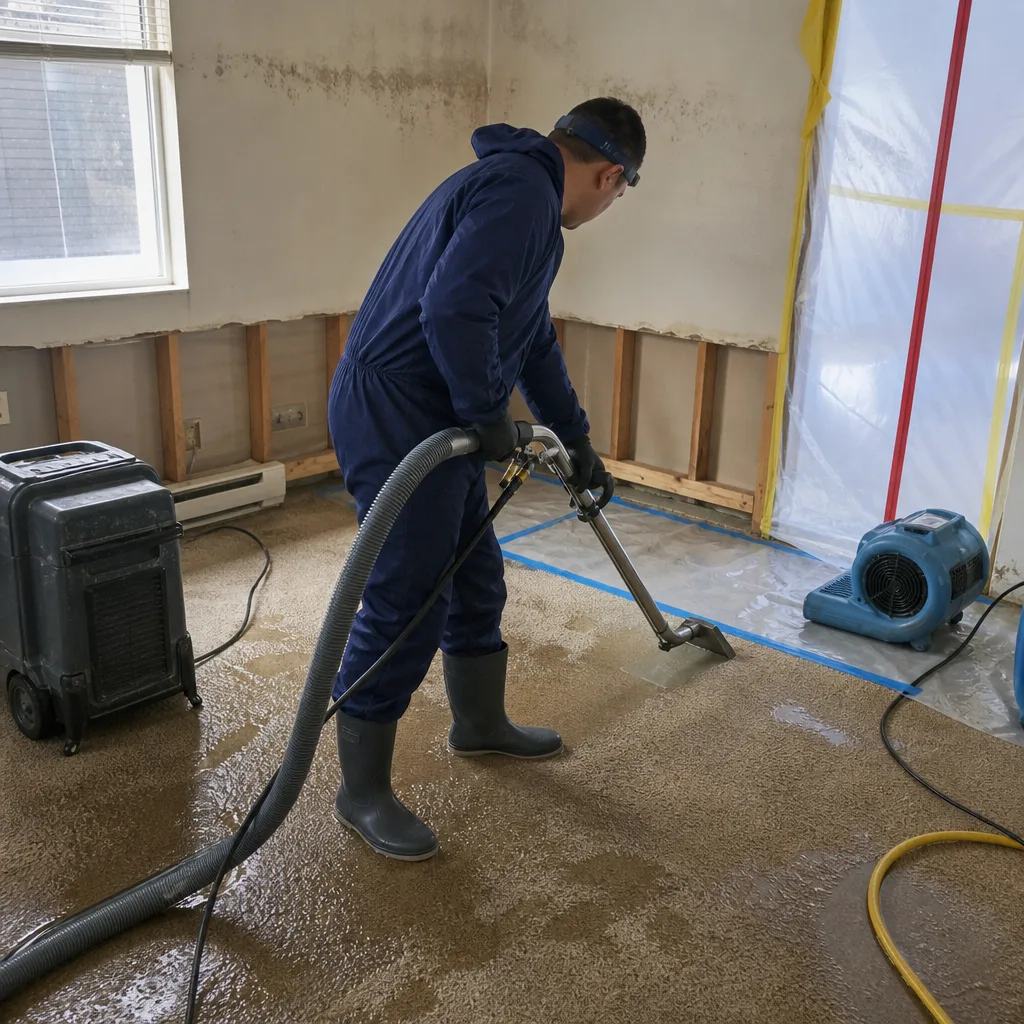
Once standing water is gone, the real drying work starts inside the building materials. We place professional-grade air movers, dehumidifiers from Dri-Eaz and Phoenix, and Injectidry drying systems where cavity drying is needed. We log moisture readings daily, from the first mapping to the day the dry standard is met, and hand you that log in writing.
Cleaning & Sanitization
Every surface the water touched gets cleaned and sanitized with professional-grade agents appropriate for the water category. For category 2 and category 3 water intrusions, we do more than wipe-down. We clean, disinfect, and in some cases remove contaminated porous materials, especially in pre-1980 buildings where horsehair plaster and old-growth timber require careful handling. HEPA air scrubbing runs throughout the process to keep dust and particulates out of the air.
Specialty Treatment for Greenpoint Water Intrusions
This step is where Greenpoint work separates from a typical Brooklyn job. If we observe a hydrocarbon sheen or odor during extraction, we stop pumps, secure the area, and notify NYS DEC per the petroleum-contaminated groundwater protocol. Saturated materials and extracted water in that case follow a regulated hazmat disposal path, not standard municipal disposal. We coordinate with your carrier on the documentation, because this is not an ordinary paper trail.
Repairs & Restoration
When the moisture log proves the building is dry, we rebuild. That may mean drywall on wood studs, trim, paint, flooring, and in some cases structural reinforcement. We use materials suited to Greenpoint’s old attached buildings, with proper safety screening for asbestos and lead already done before any cutting. The same crew that extracted the water stays through the finish work, and the 90-Day Done Right Promise goes in writing at the end.
Need Emergency Water Damage Restoration in Greenpoint Now?
Crews minutes away, answering live 24 hours a day. The sooner we start, the less it costs.
Working With Your Insurance Company
Greenpoint homeowners pay some of the highest premiums in the borough, and water claims are the most likely claim you will ever file. We treat your claim like a construction document, not an afterthought. From the first hour, we photograph every surface, every room, every item.
What We Provide Your Insurer
- Thorough documentation of the loss
- Photos of all damage, room by room
- Moisture readings and drying logs
- A detailed, line-item scope of work
- Direct coordination with your carrier
Floodline Restoration Co. bills your carrier directly and speaks with the adjuster, line item by line item, so you are not relaying messages between a desk and a drying crew. The 90-Day Done Right Promise is in writing, and it follows you after the adjuster closes the file.
Built for Greenpoint’s Loss Calendar
Greenpoint’s water losses have a rhythm. January and February bring the deep freezes, and the neighborhood’s attached brick tenements and row houses on streets like Freeman Street and Eagle Street carry supply lines through unheated cellar spaces that freeze with the East River wind. A burst pipe behind a kitchen wall is a near-weekly call for us in the depths of winter. March and April thaw the ground and raise the water table, pushing seepage through old fieldstone-and-brick foundations into basements across the low-lying blocks near the creek. July and August thunderstorms drop enough water on Greenpoint’s impervious surfaces that storm drains back up and flat-roof drain lines fail, sending water through ceilings in converted lofts around Franklin Street. September through November is nor’easter season, and the waterfront blocks along West Street and the Newtown Creek corridor watch storm surge and wind-driven rain repeat, on a smaller scale, what Sandy did in 2012. No matter which of those calls comes to us, we schedule the same way: live answer, immediate dispatch, extraction on the same visit.
Water Damage Restoration Across Greenpoint’s Neighborhoods
Greenpoint is functionally several small neighborhoods stitched together, and the water intrusion patterns differ block by block. The waterfront blocks along West Street and the Franklin Street corridor carry the highest storm surge exposure, especially along the low-lying blocks near the East River, where FEMA flood Zone AE covers rows of former industrial buildings converted to residential lofts. Around McGolrick Park and up toward the Greenpoint border with Long Island City, the homes skew more to attached frame and brick row houses, where runoff pools in sloped backyards and seeps through foundation cracks. The blocks closest to Newtown Creek, especially around the Kingsland Avenue side, contend with the industrial legacy, older drainage infrastructure, and the petroleum plume influence in groundwater. Over by McCarren Park and the Williamsburg edge, basement apartments and lower-level spaces in older brick buildings flood when the street-level catch basins swell during summer deluges. Our crews know the response routes into each of these blocks, and we dispatch accordingly. A call from a basement off Manhattan Avenue gets a crew that knows the building stock before the truck reaches the corner.
Specialized Water Damage Restoration Services We Offer in Greenpoint
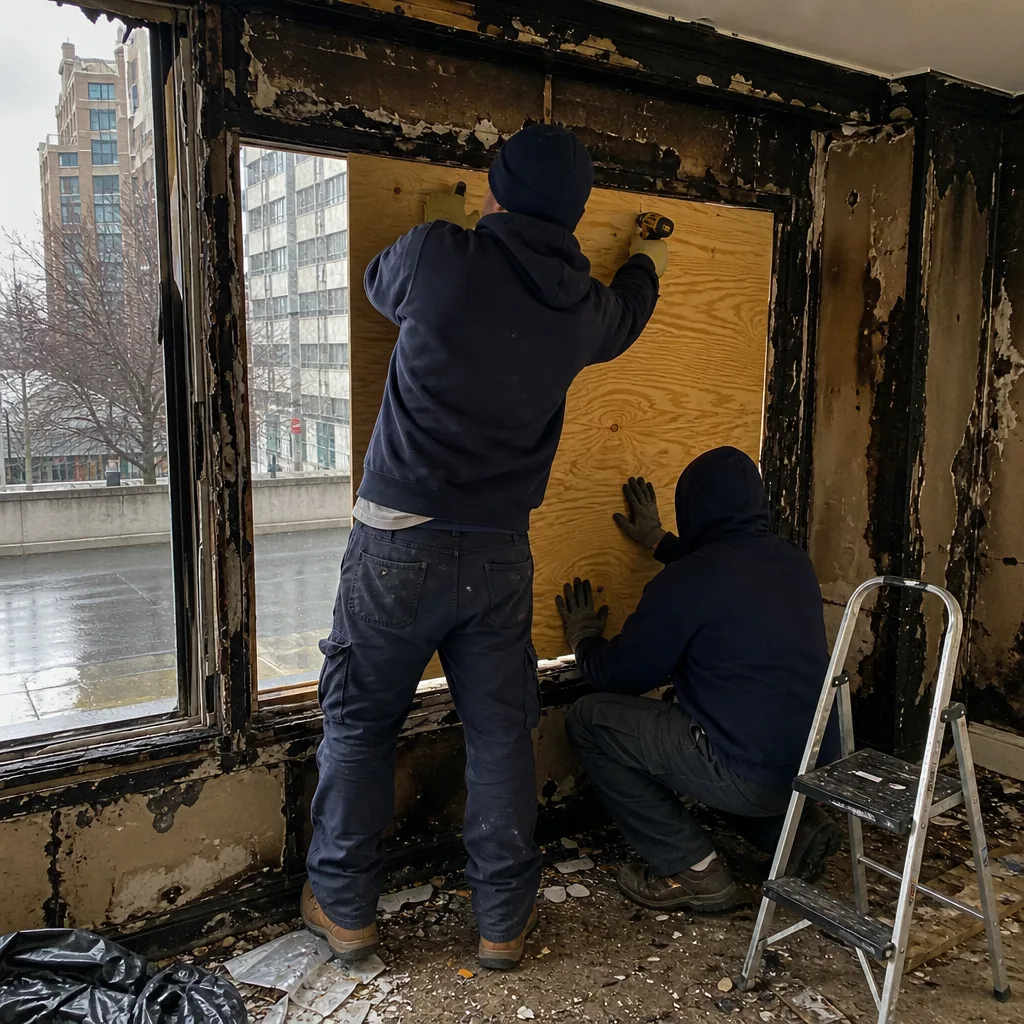
Emergency Water Extraction
Standing water comes out fast, because delay is not neutral. In a Greenpoint basement with a high water table and the oil plume underneath, slow extraction lets petroleum-laced groundwater mix with the standing flood water, changing the job from standard mitigation to a regulated hazmat response. We run truck-mounted and portable extraction, watch the pump discharge for sheen, and get the floor dry enough to start the structural drying process within the same visit.
Structural Drying & Dehumidification
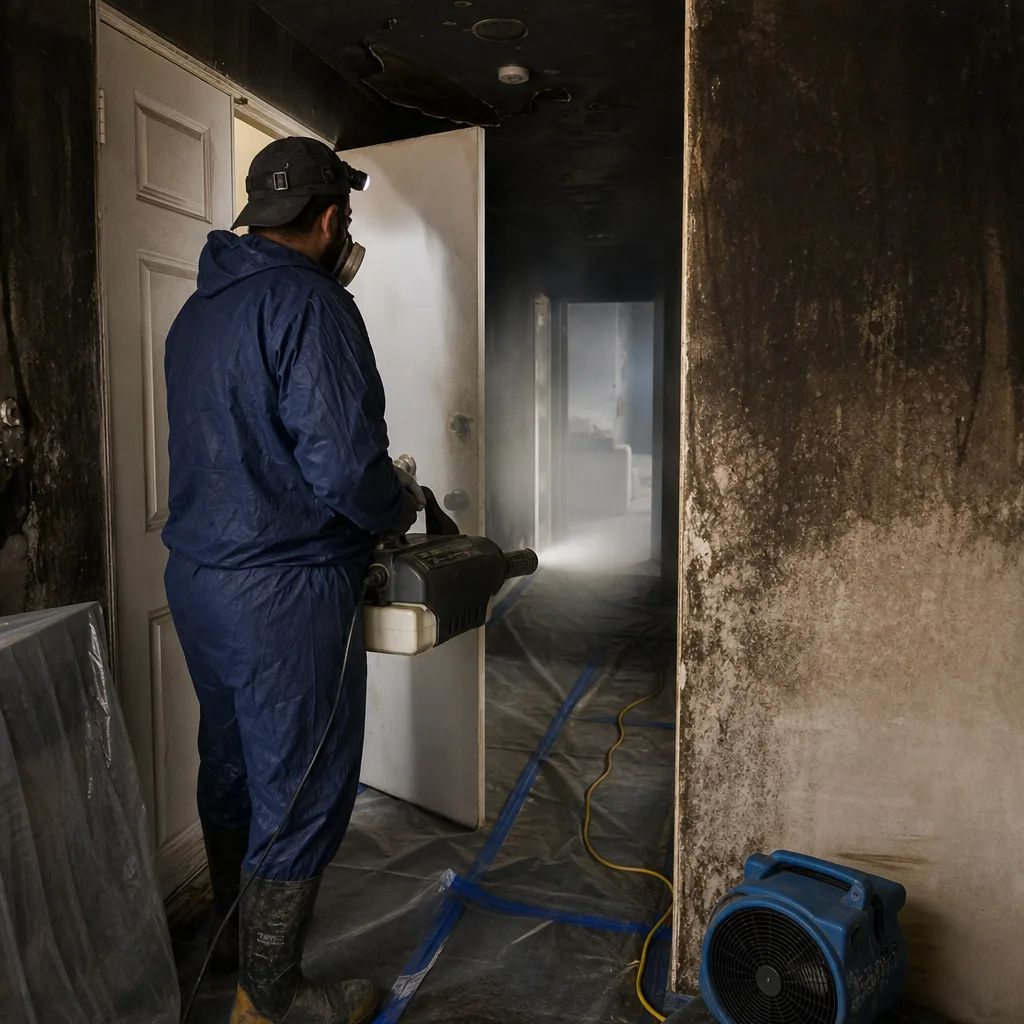
Greenpoint’s old-growth timber joists and horsehair plaster walls hold water differently than modern drywall and engineered lumber. We use moisture mapping, penetrating meters, and daily logged readings to pull water out of those materials at the right rate, not the fastest rate that can crack plaster. Dri-Eaz and Phoenix dehumidifiers run around the clock, and Injectidry panels pull water from inside wall cavities and under finished flooring. The drying log goes to you and your carrier in writing.
Flood Cleanup
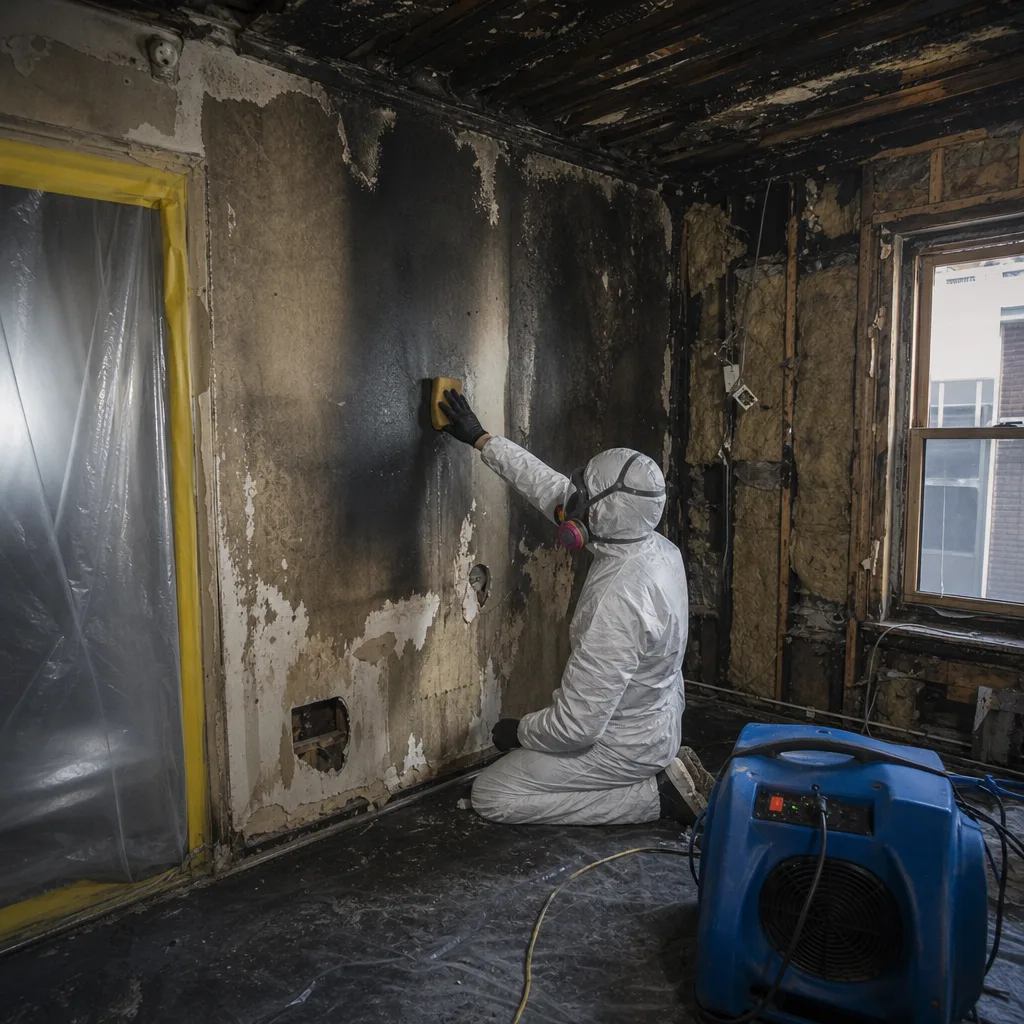
Flood cleaning in Greenpoint carries the storm surge legacy of the East River and the industrial runoff legacy of Newtown Creek. Water that enters from a sewer backup or storm surge is category 3, and the cleaning protocol includes disposal of saturated contaminated materials and sanitization of every surface the water reached. Where the water came from a stream or an overflowing drain near the creek corridor, we treat it with the caution the geography demands.
Burst Pipe Restoration
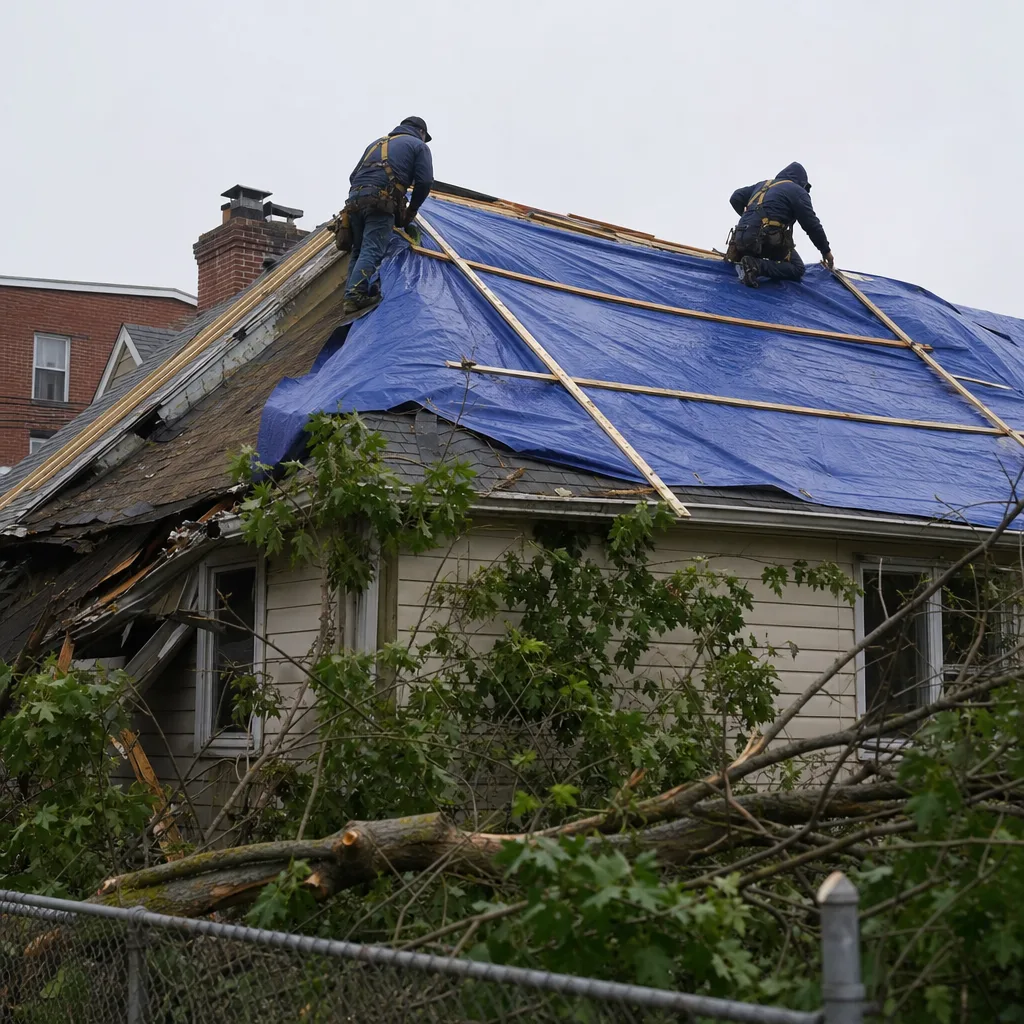
A burst pipe in an attached Greenpoint row house rarely stays in one unit. Water travels through party wall cavities, drops through floor systems, and follows pipe chases into the basement. We restore more than just the room where the pipe failed. We dry the neighboring wall cavities, the joist bays behind the horsehair plaster, and the ceiling below, because drying only the visible wet surface leaves the hidden damage to become mold. The same crew that extracts the water also handles the restoration and rebuild.
Basement Water Removal
Basements are the most common water damage site in Greenpoint, because the neighborhood sits low and the water table is high. Our basement water removal service starts with inspection of the slab, the foundation walls, and the sump area, then moves to extraction and drying. In a flood Zone AE basement near the creek or the East River, we also look for the petroleum sheen that most crews in neighboring Long Island City and Williamsburg rarely encounter. When we see it, we stop and coordinate with NYS DEC before continuing. The 90-Day Done Right Promise still applies, but the legal path changes, and we handle that path for you.
What happens when you call
- 1
A real person answersNo phone trees - you reach a local pro.
- 2
You get an upfront price rangeHonest numbers before anyone is dispatched.
- 3
A background-checked tech heads outLicensed & insured, dispatched right away.
- 4
You approve before work beginsNothing starts until you say go.
Water Damage Restoration Costs in Greenpoint, NY
What you pay depends on the water category, the square footage affected, and whether the building is a pre-war attached row house or a modern conversion. In Greenpoint, a small category 1 supply-line leak that stays in one room typically runs $1,400 to $3,200 for extraction, drying, and basic repair. A category 2 or category 3 basement flood with contamination across 500 to 800 square feet lands between $4,800 and $10,000, depending on the contents and the material removal. A whole-floor flood event with structural drying and rebuild work often runs from $12,000 to $25,000 or more on older row houses. If petroleum sheen is detected, hazmat coordination and regulated disposal can add $3,000 to $8,000 to the scope, and your insurance adjuster will need the DEC paperwork in order. The free inspection is the path to a firm number. We assess the water line, map the migration, and hand you a written line-item scope before any extra work begins. Call (716) 452-0798 for a free estimate and a square deal: no surprises on the bill, direct insurance billing, and the 90-Day Done Right Promise in writing.
We Also Serve Cities Near Greenpoint
Our water damage restoration crews serve Greenpoint and nearby Brooklyn and western Queens neighborhoods, including Water Damage Restoration for Long Island City, Williamsburg, Murray Hill, and Upper Manhattan. If you are minutes from Greenpoint but on the other side of the creek or the park, we will dispatch a crew to your block with the same 45-minute response commitment.
Serving Greenpoint, NY - Our Local Coverage Area
We’re based in the Greenpoint area and know this community well. Use the map below to see our service coverage - if you’re nearby, we can almost certainly help.
Greenpoint Water Damage Restoration Questions, Answered
What should I do if I see an oil sheen while pumping out my flooded Greenpoint basement?
Stop the pump immediately. Stop extraction. Do not discharge the water into a drain or the street. The sheen means the water is petroleum-contaminated, likely from the Greenpoint oil spill plume, and you are now legally required to notify NYS DEC before further pumping. Call Floodline Restoration Co. at (716) 452-0798, and we will secure the area, coordinate with NYS DEC, and put the extraction and disposal on a regulated hazmat path. This is not a job to handle with a rented pump and a trip to the curb.
Why do nearby Williamsburg water damage jobs not require hazmat coordination, but Greenpoint jobs often do?
Because Williamsburg sits outside the footprint of the Greenpoint oil spill. The spill’s underground plume, estimated at 17 to 30 million gallons, sits directly under much of northern Greenpoint and reaches toward Newtown Creek. Groundwater that enters a flooded Greenpoint basement can pick up petroleum hydrocarbons from that plume. That same water, a few blocks south in Williamsburg, is ordinary groundwater. The geology does not change your gut instinct, but it changes the legal requirement. We look for sheen on every Greenpoint basement job because experience says it is there more often than most people think.
How fast can mold start on the original horsehair plaster walls in a Greenpoint tenement after a leak?
Mold can begin in 24 to 48 hours on horsehair plaster and the old-growth timber behind it when the moisture level exceeds 20%. The plaster itself is not the issue. The wood lath behind it and the dust and organic material trapped inside the cavity feed mold growth quickly. That is why our structural drying starts the same day as extraction, not the next day. The 48-hour mark is a deadline for us, not a guideline.
Does a flood from the East River or Newtown Creek count as category 3 water?
Yes. Any flood water from the East River, Newtown Creek, or street-level storm surge is category 3, meaning it contains sewage, chemicals, or biological contaminants. Saturated porous materials like carpets, drywall, and insulation are typically removed, not dried. Non-porous surfaces are cleaned and sanitized. If the flood water also carries petroleum sheen from the oil spill plume, the remediation path adds the hazmat protocol on top of the category 3 cleaning.
Why did our neighbor’s water damage spread into our Greenpoint apartment without any leak on our side?
Because attached Greenpoint row houses and tenements share party walls, floor joists, and sometimes a common foundation wall. Water from a burst pipe or roof leak in one unit travels through the joist cavities and wall framing into adjacent units without ever showing a visible leak on your side. Moisture mapping and reading the wall cavities behind the plaster is the only way to confirm it. That is exactly what our technicians do on every row house response along Franklin Street and the surrounding blocks.
How fast can you actually get to a Greenpoint address after I call?
We dispatch within minutes, and our target is to have a uniformed technician at your door within 45 minutes of your call. Response time depends on your exact block and the time of day, but the live dispatcher does not tell you to wait till morning. You will get a committed arrival window when you call (716) 452-0798. The earlier extraction starts, the lower the restoration bill, and the fewer materials have to be torn out.
Will my insurance cover the oil plume contamination as part of my water damage claim?
Most homeowners policies cover sudden and accidental water damage, but the petroleum contamination element requires specific documentation and NYS DEC coordination. We provide your carrier with photographic evidence, moisture logs, the DEC notification record, and a line-item scope that separates standard drying from the hazmat-related disposal. Direct adjuster communication is part of our job. You do not argue with the carrier alone.
Do I really need full structural drying, or can I just run fans and open the windows?
Fans and open windows dry the air, not the wall cavities, the joist bays, or the plaster behind the paint. In Greenpoint’s older buildings, hidden moisture inside those cavities is precisely where mold grows and structure decays. Our professional-grade air movers, dehumidifiers, and penetrating moisture meters get the structure to the dry standard and prove it with a written log. Without the log, your insurance adjuster may not close the claim, and the next buyer’s inspector may find the rest of it.
Written by Curt Bowman, Owner at Floodline Restoration Co., serving Greenpoint since our founding in 2010.