
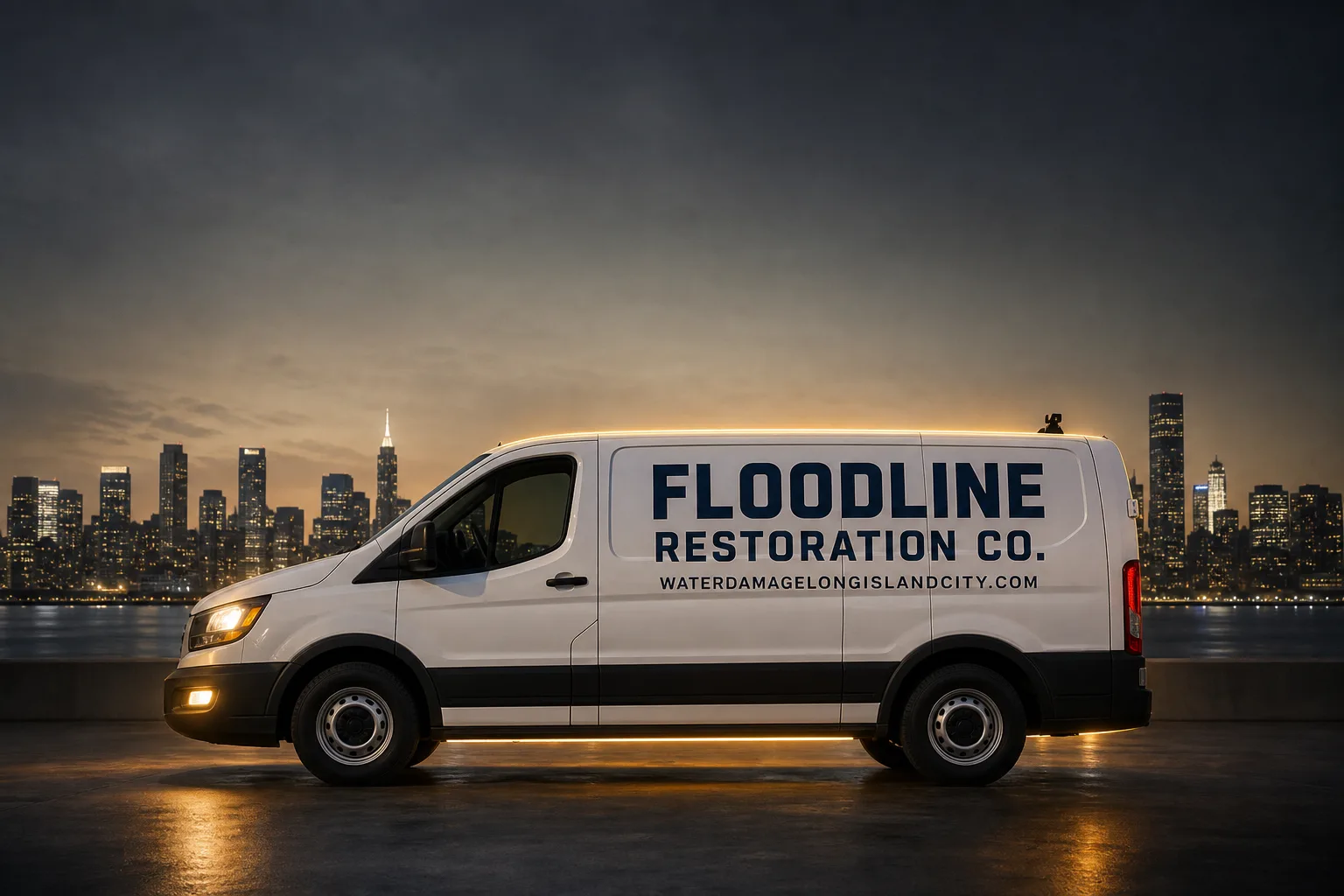
Free visual inspection and a written scope of work before any mitigation begins - photos, moisture readings, and drying logs go in your claim file
The scope we write is the scope we bill. Anything new gets shown to you, in writing, before we touch it.
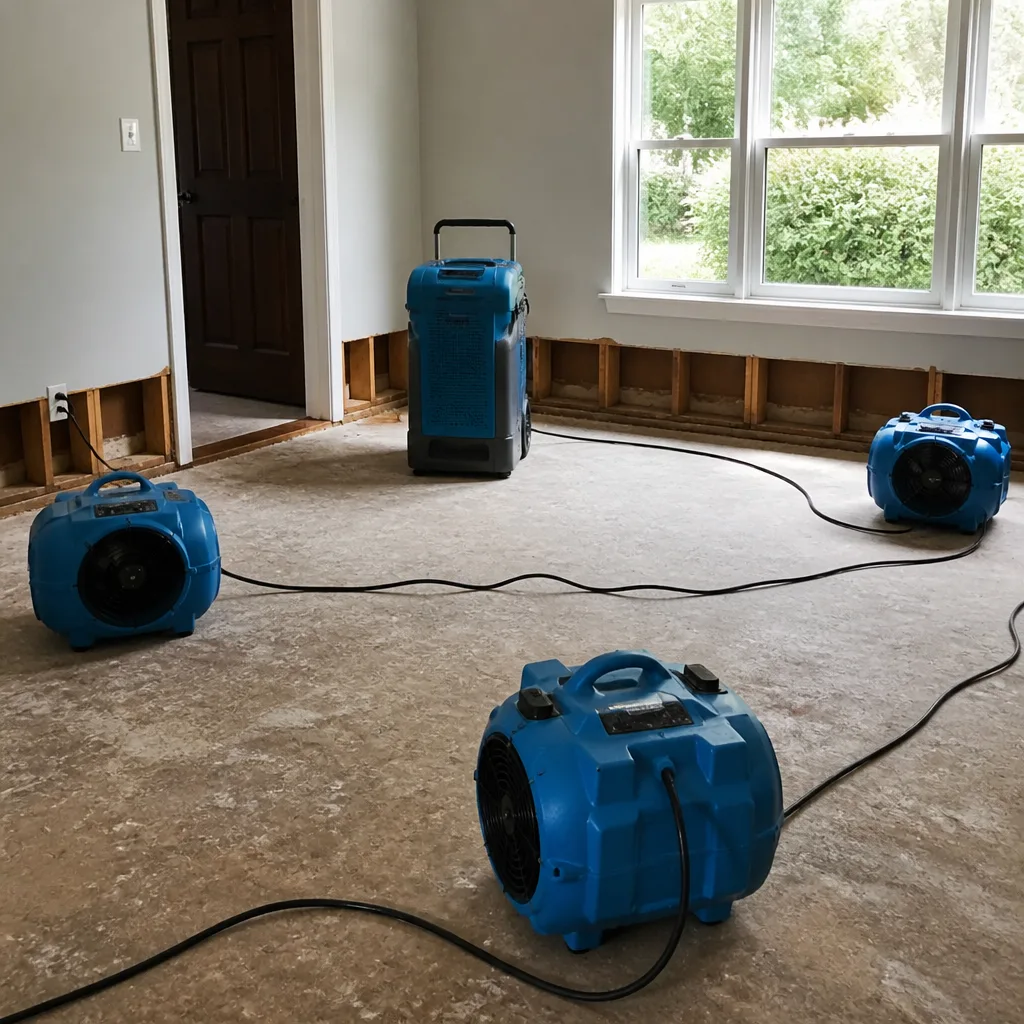
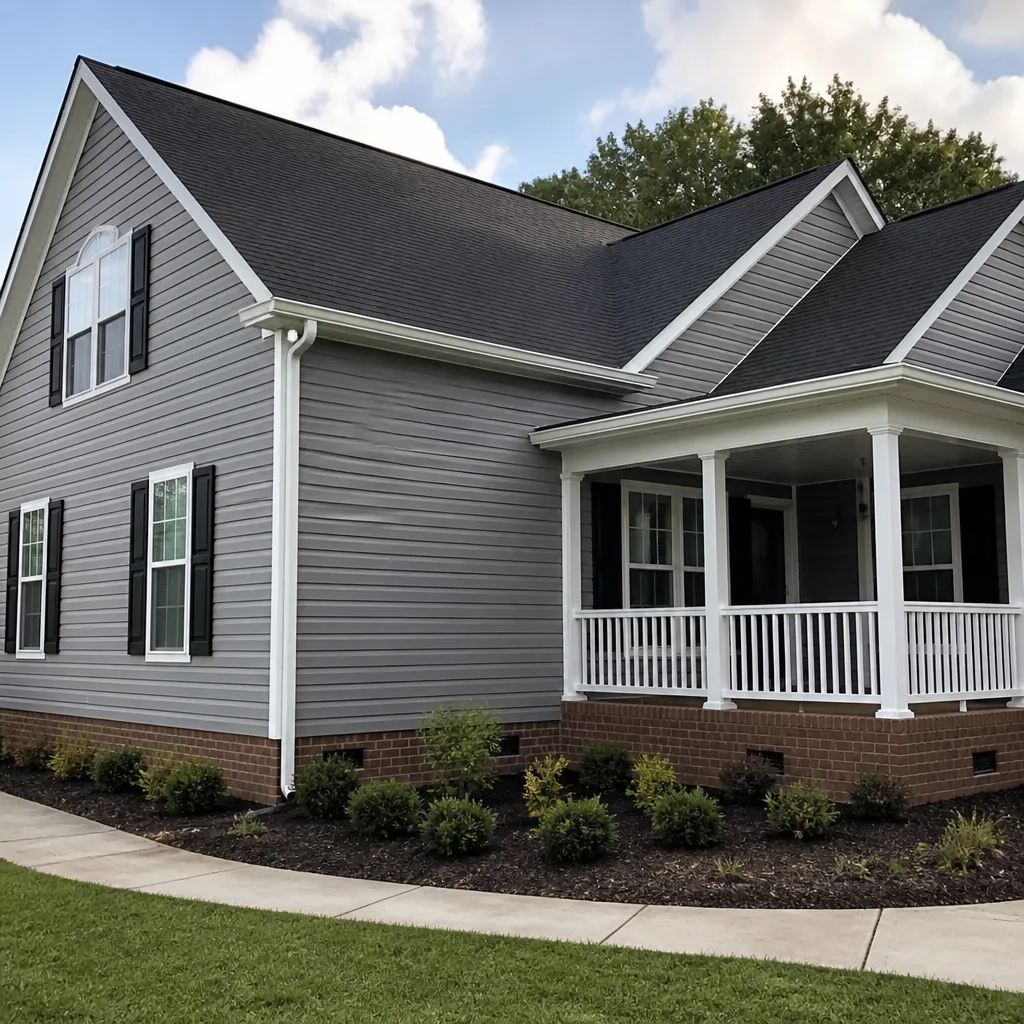
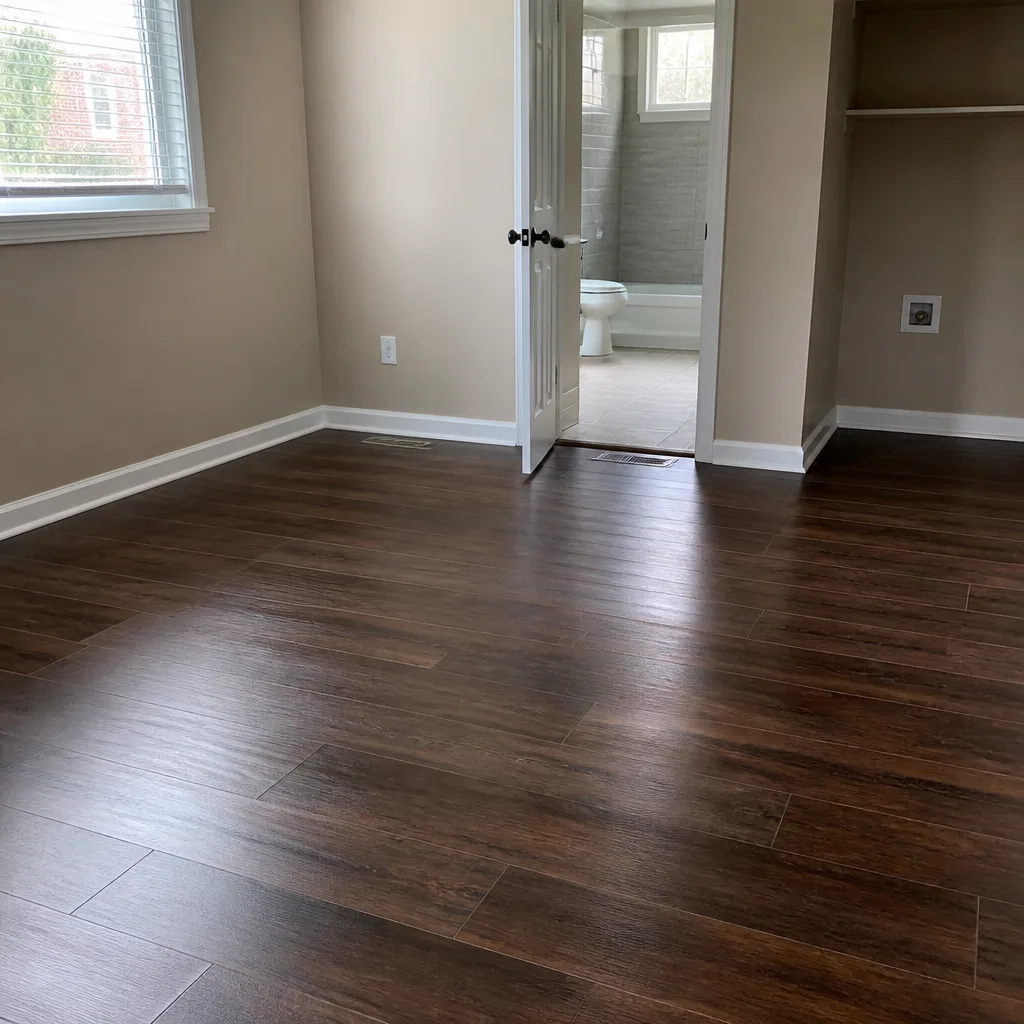
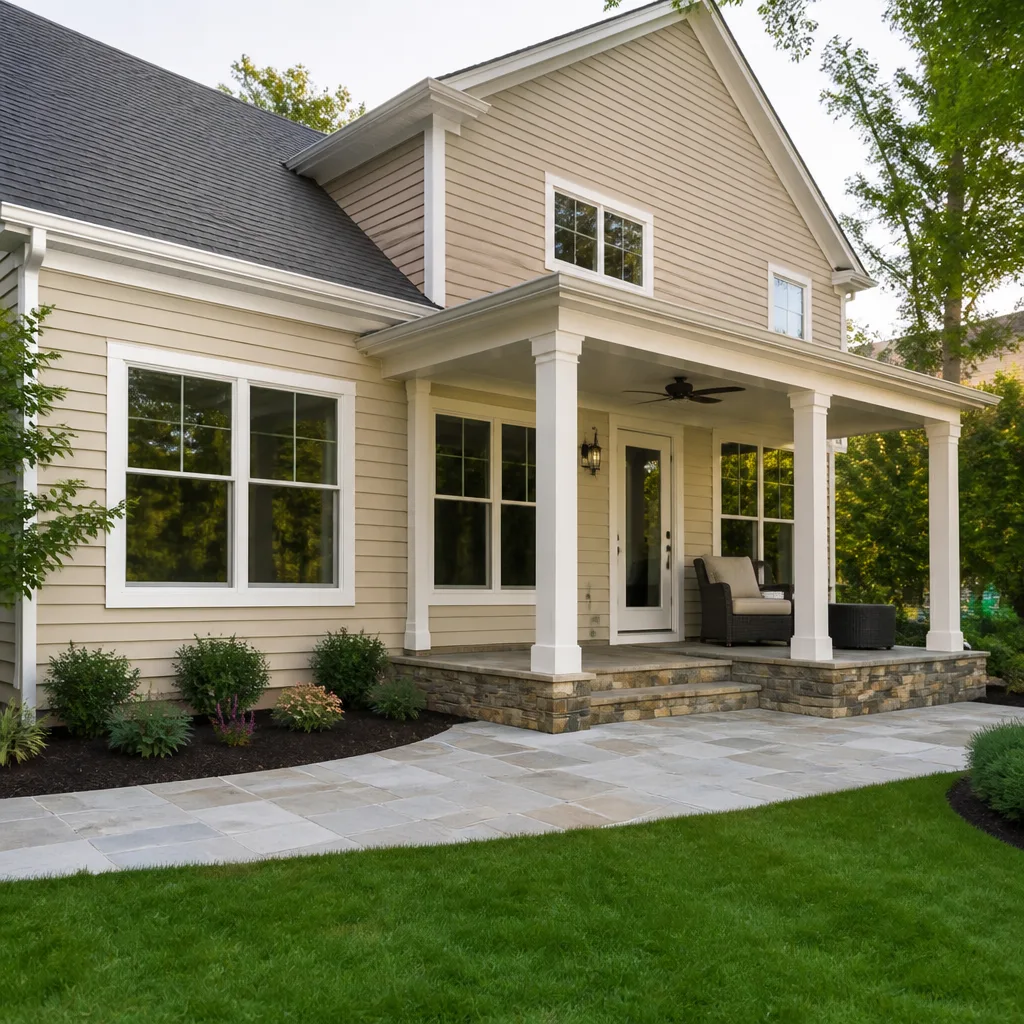
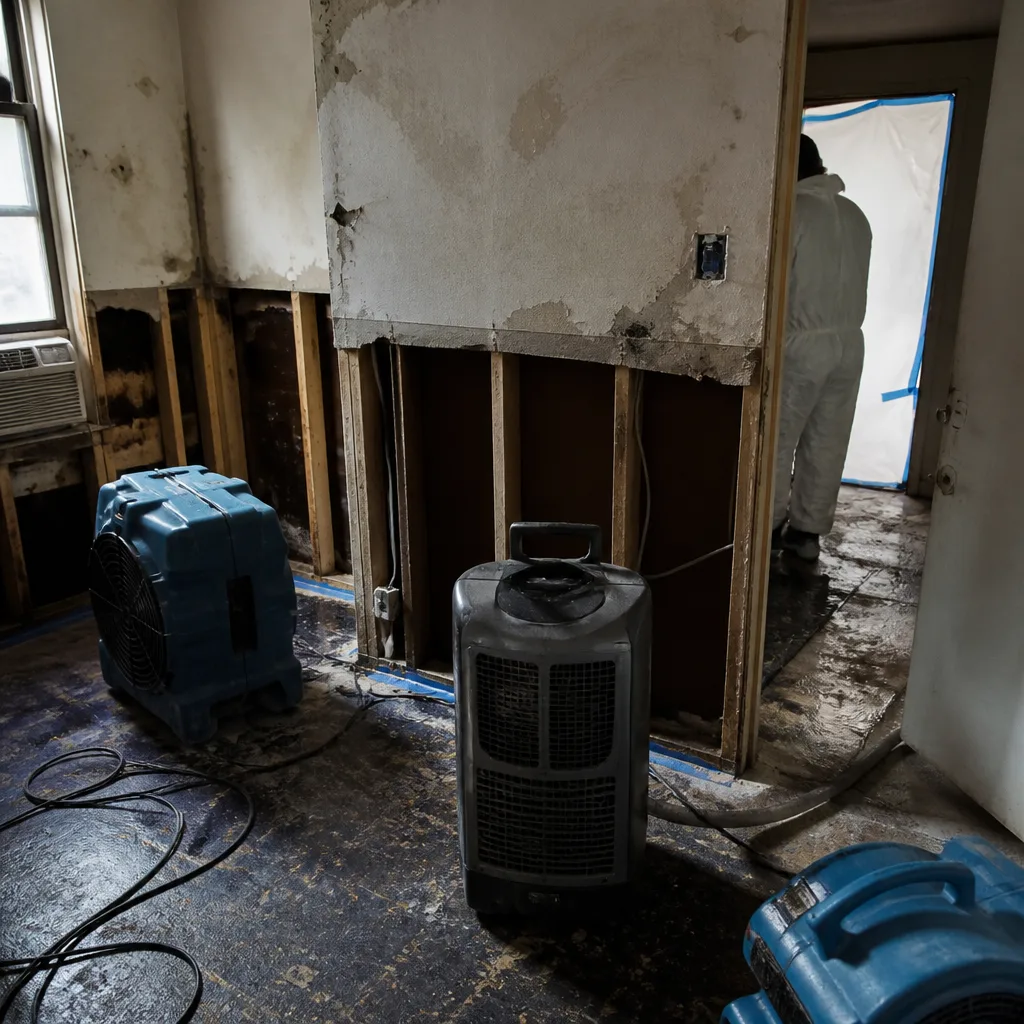 Before
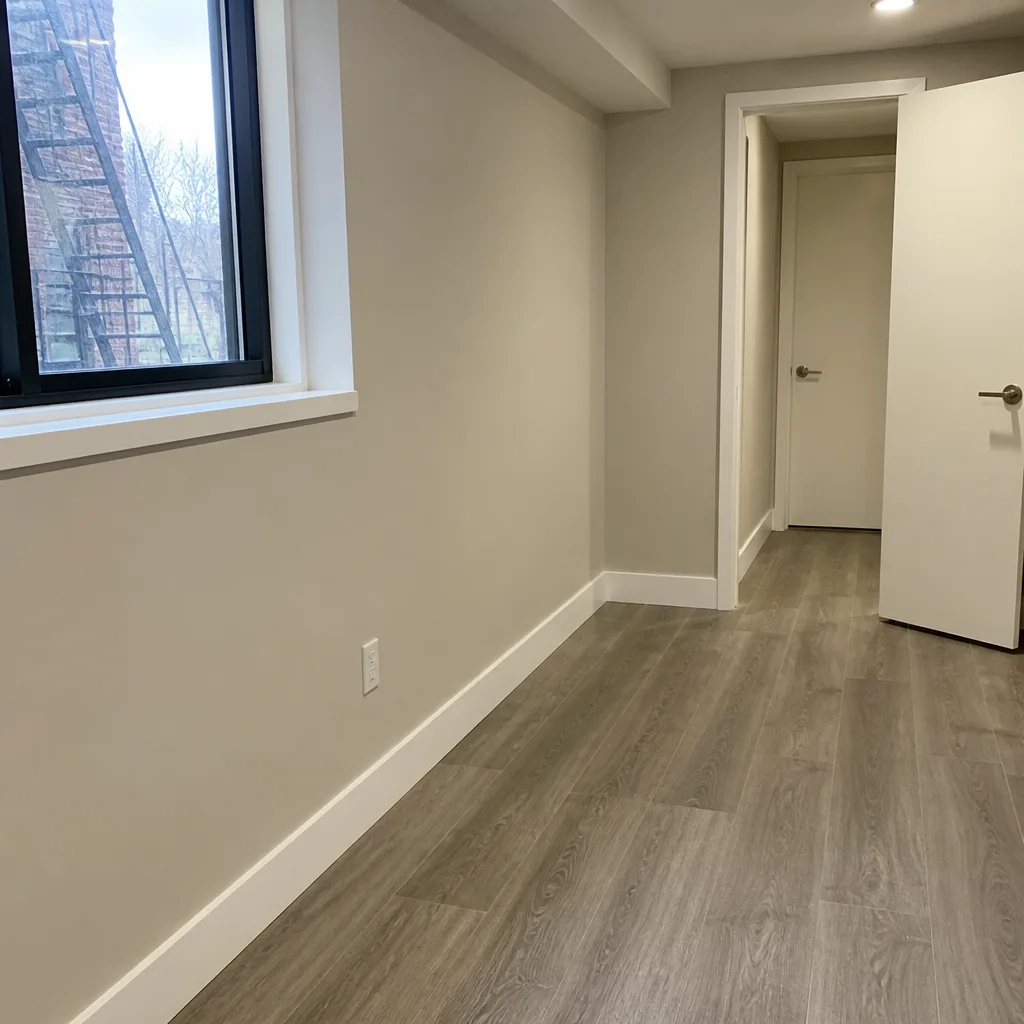 After
After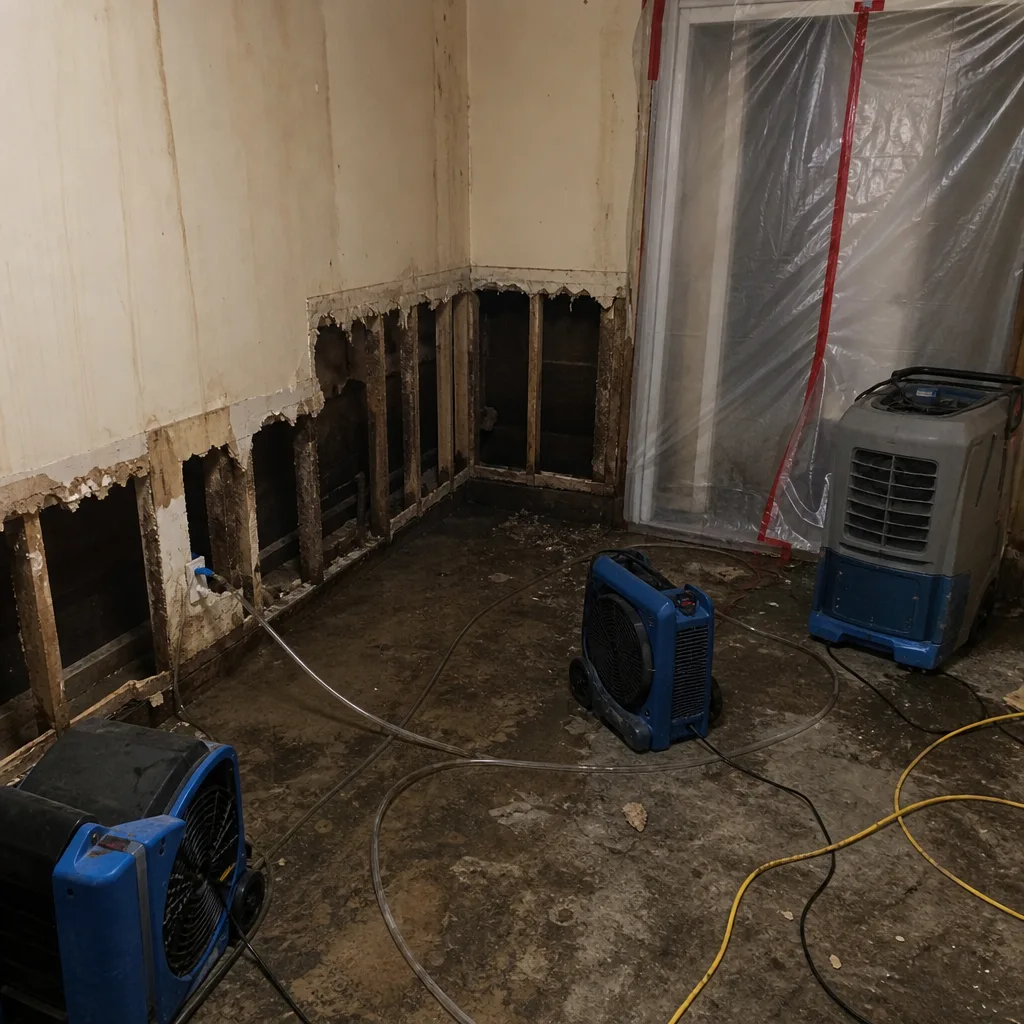 Before
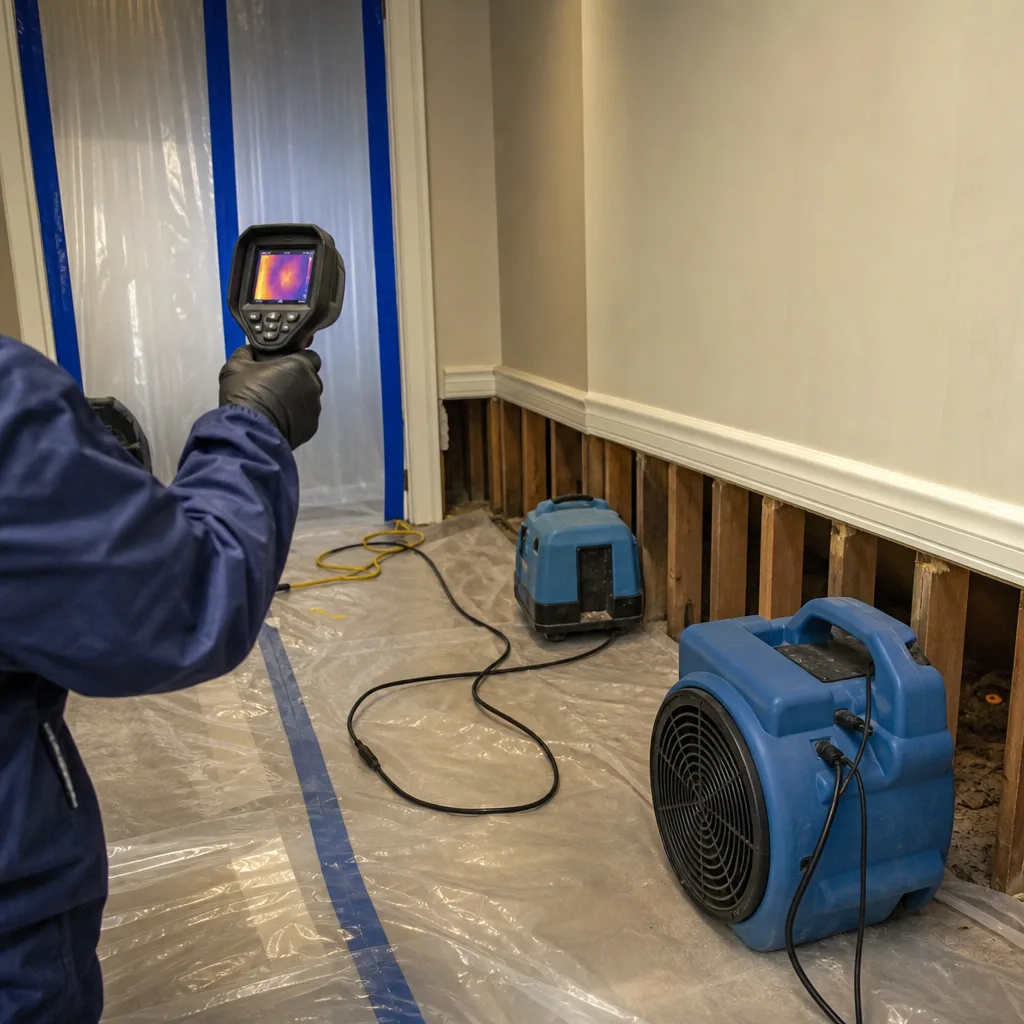 After
After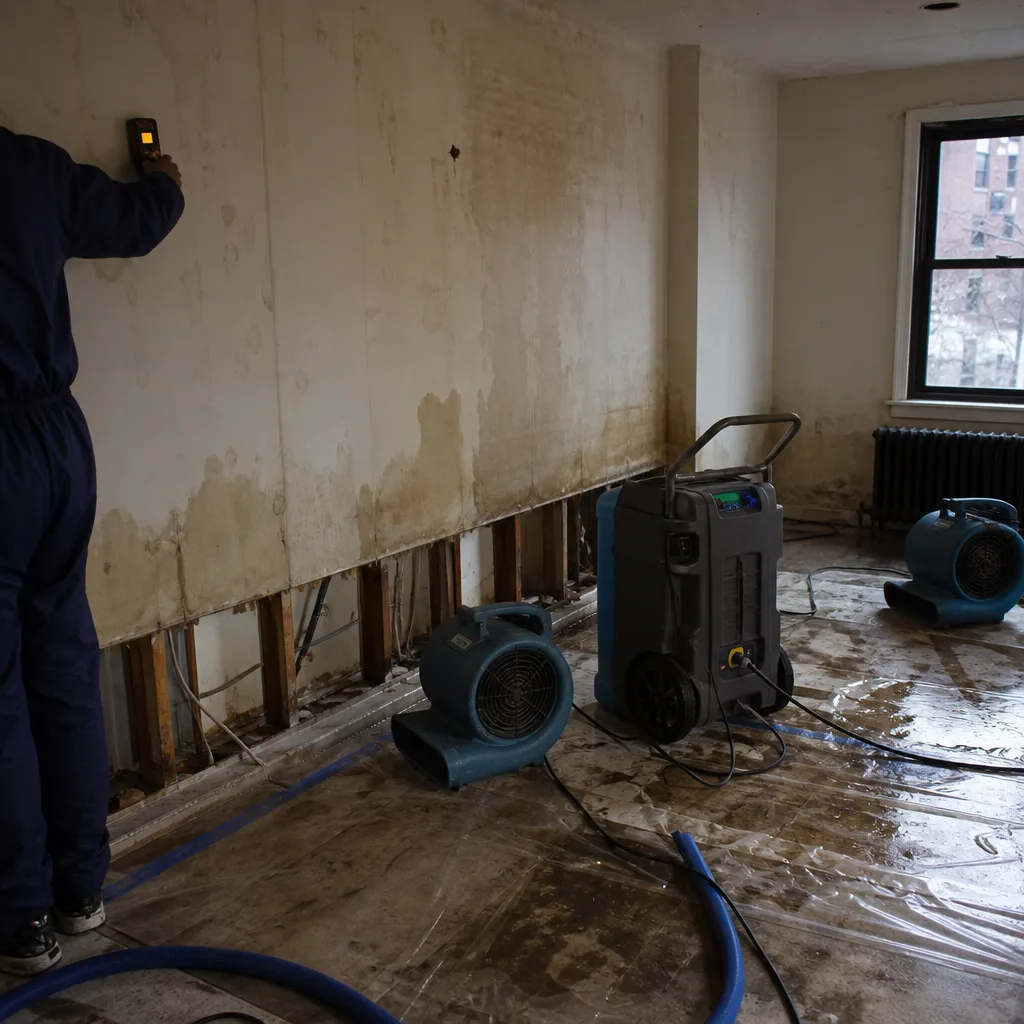 Before
 After
After24/7 Emergency Fire & Smoke Damage Restoration in Greenpoint
Fire and smoke restoration in Greenpoint works differently than anywhere else in Brooklyn, because the neighborhood sits above a massive petroleum plume that can turn a standard fire cleanup into a regulated hazmat job. When a kitchen fire on Franklin Street sends firefighting water into a basement, that water often meets petroleum-laced groundwater seeping through the slab, and suddenly extraction requires NYS DEC coordination before a single pump runs. Our crews know this before they arrive. Call (716) 452-0798 any hour, day or night, and a live dispatcher answers, not a recording. We dispatch crews into Greenpoint within 45 minutes for a free visual inspection, because the first hour after a fire determines how much soot settles into plaster, how far smoke odor migrates through party walls, and whether that basement water crossed from routine into regulated.
Understanding Fire & Smoke Damage Restoration Severity in Greenpoint Properties
Greenpoint’s housing stock is overwhelmingly late-19th to early-20th century brick tenements, attached row houses, and converted industrial lofts clustered around Franklin Street and the waterfront. Many still carry original horsehair plaster walls, old-growth timber floor systems, and pre-1980 building materials that require mandatory asbestos and lead screening before any restoration cutting or demolition can legally begin. That changes severity calculations immediately. A small stove fire in a Williamsburg condo might mean surface soot removal. The same fire in a Greenpoint row house often means wet soot residues pressed into porous plaster, smoke that traveled through shared roof cavities into an attached neighbor’s unit, and firefighting water pooled in a basement where Category 3 contamination meets petroleum-laced groundwater. Soot residue types matter here: dry protein soot from a kitchen fire behaves differently than wet synthetic soot from burning plastics and furnishings, and each requires a different cleaning chemistry. Moisture mapping after firefighting is not optional, it is the first step, because hidden water in old-growth timber and plaster does more long-term damage than the flames and it is the water that triggers the oil plume complication unique to this neighborhood.
Why Greenpoint Property Owners Choose Floodline Restoration Co.
- 45-minute response commitment. We’re inside the neighborhood and moving, not across a bridge. A live dispatcher logs the call and a crew is rolling while you’re still on the line.
- 24/7 live answer, every call. A real person picks up at 2 a.m. No voicemail tree, no third-party answering service. You’ll talk to someone who knows Greenpoint jobs.
- IICRC-certified crews. Our technicians carry FSRT (Fire and Smoke Restoration Technician) and WRT (Water Restoration Technician) certifications, plus RIA and IFA training. Uniformed, background-checked, and they’ll show you credentials if you ask.
- Free visual inspection. Before any work starts, you get a written scope and a straight answer on what needs doing and what doesn’t. No pressure, no upsell.
- Direct insurance billing. We document from the first hour, bill your carrier directly, and talk to your adjuster so you don’t have to play messenger.
- One team from extraction to reconstruction. The crew that reads the soot map on day one handles the rebuild on day thirty. No mid-job handoff to a stranger.
Our Fire & Smoke Damage Restoration Process
Inspection & Assessment
We arrive, walk the property, and map every surface soot touched, every wall smoke traveled through, and every drop of water the firefight left behind. In Greenpoint, that includes a check for petroleum sheen in any standing basement water before anything else happens.
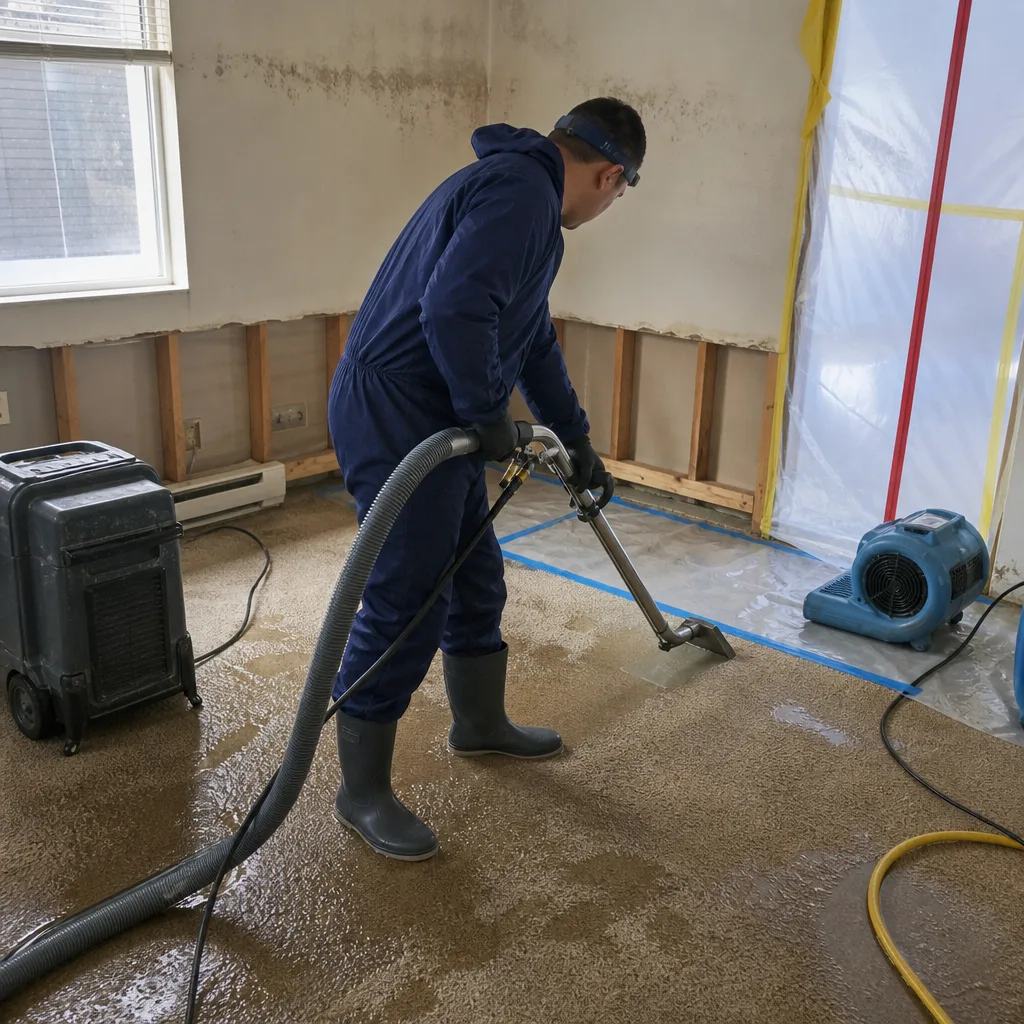
Extraction & Stabilization
Standing water comes out first, using truck-mounted extraction where access allows and portable units for tight Greenpoint basements. If we see hydrocarbon sheen or smell petroleum, work stops, the NYS DEC gets notified, and we hold at containment until disposal protocols are clear.
Drying & Dehumidification
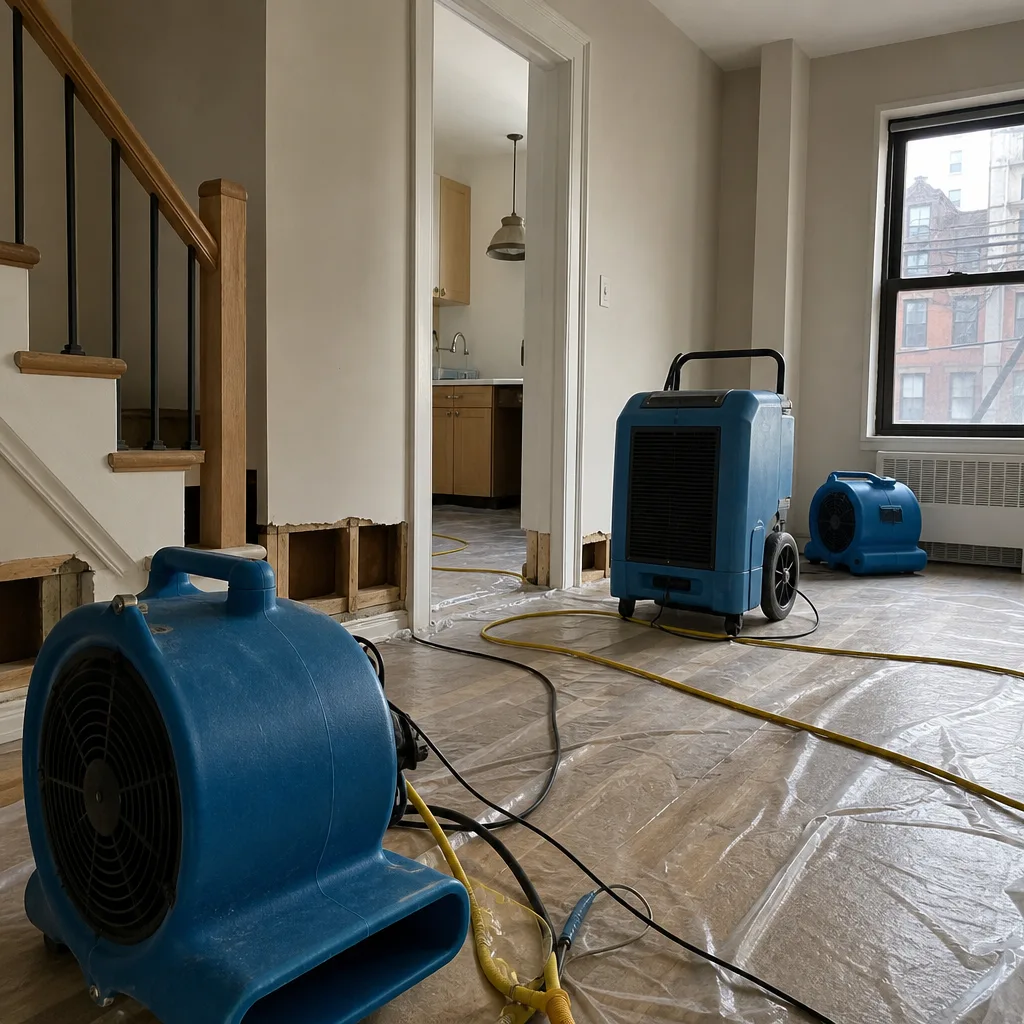
Dri-Eaz and Phoenix air movers plus desiccant dehumidifiers run around the clock, with hygrometer readings logged daily until the dry standard is met. Plaster and old-growth timber in row houses take patience; we don’t rush the dry.
Cleaning & Sanitization
Soot removal is chemistry, not elbow grease. We match the residue type to the right cleaner, and we run HEPA air scrubbers with B-Air units to pull airborne particulates out while we work. Every surface gets treated, not just the ones you can see.
Odor Removal & Deodorization
Smoke smell lives in porous materials and wall cavities. Thermal fogging, hydroxyl generators, and in stubborn cases Injectidry-style targeted injection into concealed spaces gets the odor out where surface cleaning can’t reach.
Repairs & Restoration
Board-up comes down, damaged framing and plaster get rebuilt, and finishes go back on. The same crew has been here since day one, and the 90-Day Done Right Promise is in your hands in writing when we finish.
Need Emergency Fire & Smoke Damage Restoration in Greenpoint Now?
Crews minutes away, answering live 24 hours a day. The sooner we start, the less it costs.
Working With Your Insurance Company
Insurance claims after a fire are won or lost on documentation from the first hour, not on what the adjuster sees three weeks later. We photograph everything room by room before we move a single piece of debris. We run moisture readings and keep drying logs your carrier can audit. We write a line-item scope of work our team stands behind. Then we talk to your adjuster directly, because a homeowner should never have to translate IICRC standards into policy language over the phone. Fire and smoke restoration in Greenpoint is complicated enough when the petroleum plume is involved; the claim doesn’t have to be.
What We Provide Your Insurer
- Thorough documentation of the loss
- Photos of all damage, room by room
- Moisture readings and drying logs
- A detailed, line-item scope of work
- Direct coordination with your carrier
Built for Greenpoint’s Loss Calendar
Greenpoint sits on a low-lying peninsula pinched between the East River to the west and Newtown Creek to the north and east, and large portions of the neighborhood fall inside FEMA flood Zone AE. Hurricane Sandy put storm surge through the waterfront blocks along West Street and the creek corridor, and nor’easters repeat that pattern on a smaller scale most winters. That means fire restoration here often starts with water. A January nor’easter floods a basement, the homeowner runs a space heater to dry it out, and an electrical fire follows. A summer thunderstorm overwhelms an old roof, water hits wiring in the wall cavity, and smoke damage spreads before flames ever show. Every season has its own failure pattern in Greenpoint, and our crews have seen all of them. The common thread is age: hundred-year-old electrical systems, original plumbing, and shared party walls that pass smoke and water between attached homes faster than any modern building would.
Fire & Smoke Damage Restoration Across Greenpoint’s Neighborhoods
Greenpoint is not one neighborhood; it is a patchwork of building eras and construction types, and the restoration approach shifts block by block. Around Franklin Street, the attached row houses share roof cavities and wall systems, which means a fire in one unit pushes smoke into two or three adjacent homes before the first truck arrives, and odor removal has to account for every affected unit, not just the one that burned. Along the waterfront near West Street, the former industrial lofts converted to residential in the 1980s and 1990s carry steel framing and open floor plates, where smoke travels fast and far but water extraction is more contained. Up toward McGolrick Park and the northern blocks near the Newtown Creek border, the housing stock shifts to smaller two- and three-family brick tenements with older service entries and tighter mechanical spaces, where board-up and equipment access require more planning. Down toward the Greenpoint Avenue corridor, storefront buildings mix commercial and residential within the same structure, so a fire below a walkup apartment demands coordinated contents cleaning for both a shop and the family that lives above it. Crews that know these blocks don’t waste an hour finding the service entrance.
Specialized Fire & Smoke Damage Restoration Services We Offer in Greenpoint
Emergency Board-Up & Tarping
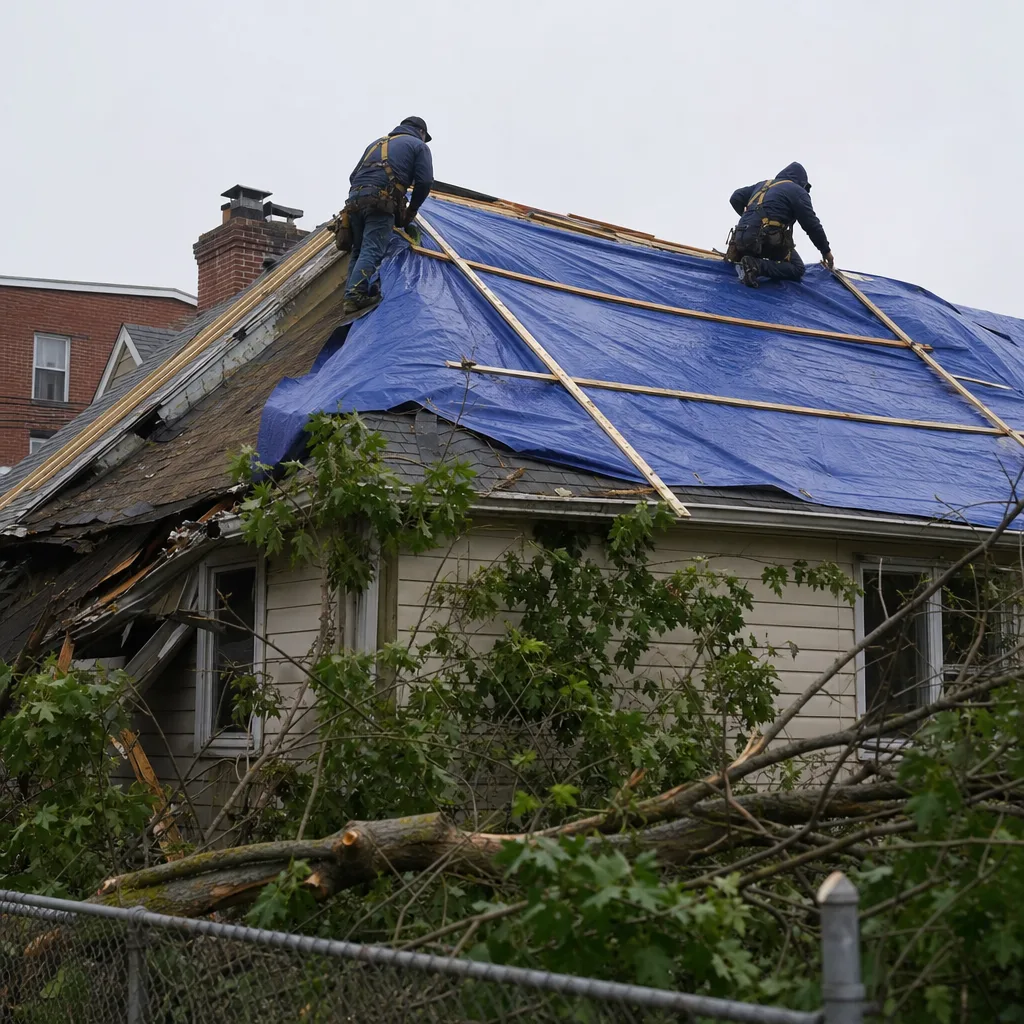
After a fire, an unsecured building attracts weather, vandals, and liability. We board up windows and door openings with plywood cut to fit Greenpoint’s older masonry openings, and we tarp roof penetrations before the next nor’easter tests them. On attached row houses, board-up has to happen fast because an open party wall is an invitation for smoke, water, and pests to move into the neighbor’s side.
Smoke & Soot Removal
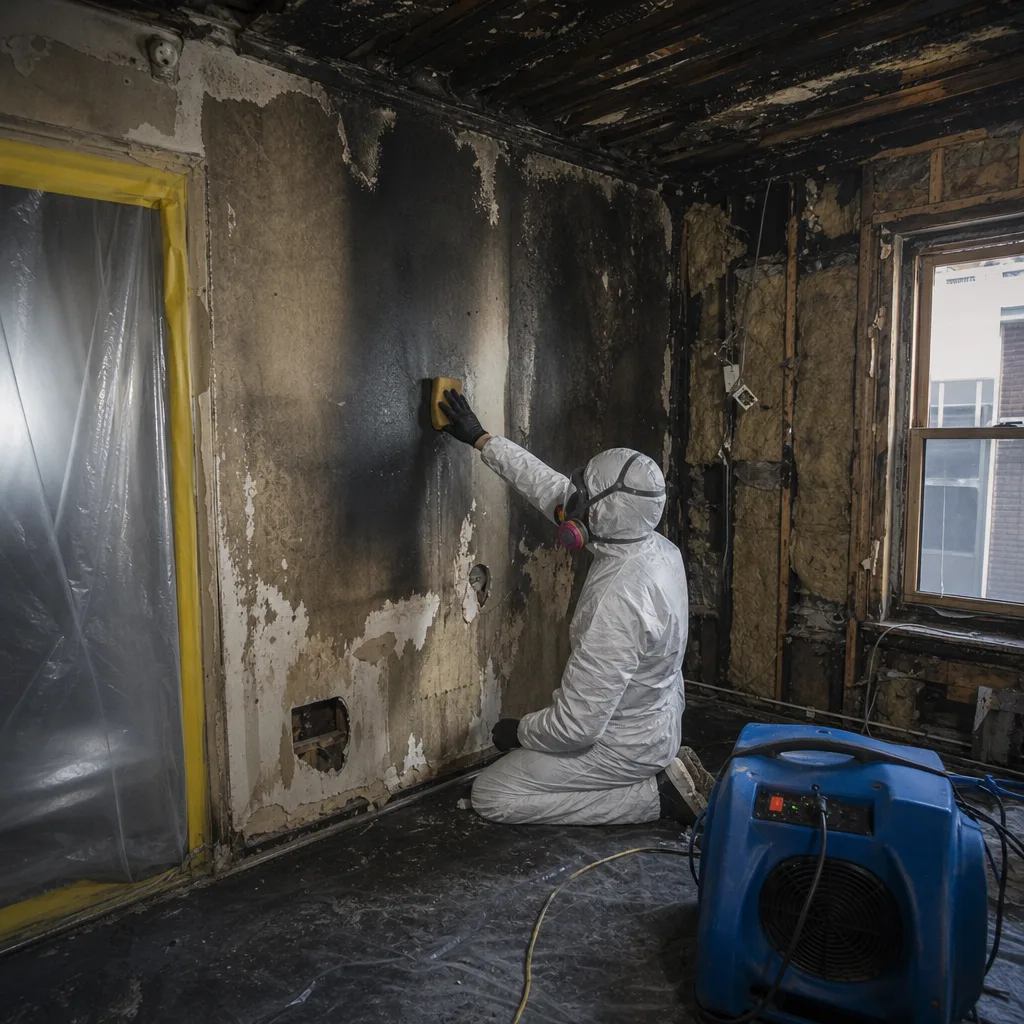
In Greenpoint’s older row houses, soot doesn’t just sit on the surface; it presses into horsehair plaster and original wood trim. We clean visible residue first, then address what soaked into the pores. If asbestos screening flags original materials, containment goes up before we disturb anything, which is a legal requirement here and a commonsense one everywhere.
Odor Removal & Deodorization
Smoke odor in Greenpoint attached housing moves through shared roof cavities, between joist bays, and across party walls. Surface cleaning alone will not get it. We run hydroxyl generators and thermal fogging through each affected space, and we inspect the cavities between the burning unit and its neighbors. In most Franklin Street row houses, that means treating two or three units, not one.
Contents Cleaning & Pack-Out
Furniture, clothing, and papers absorb smoke fast. We inventory every item, pack out what needs off-site cleaning, and treat the rest on site. In Greenpoint’s smaller apartments, that often means staging the pack-out from a truck on the street, not a driveway, because parking is tight and the buildings predate the car.
Fire Damage Cleanup
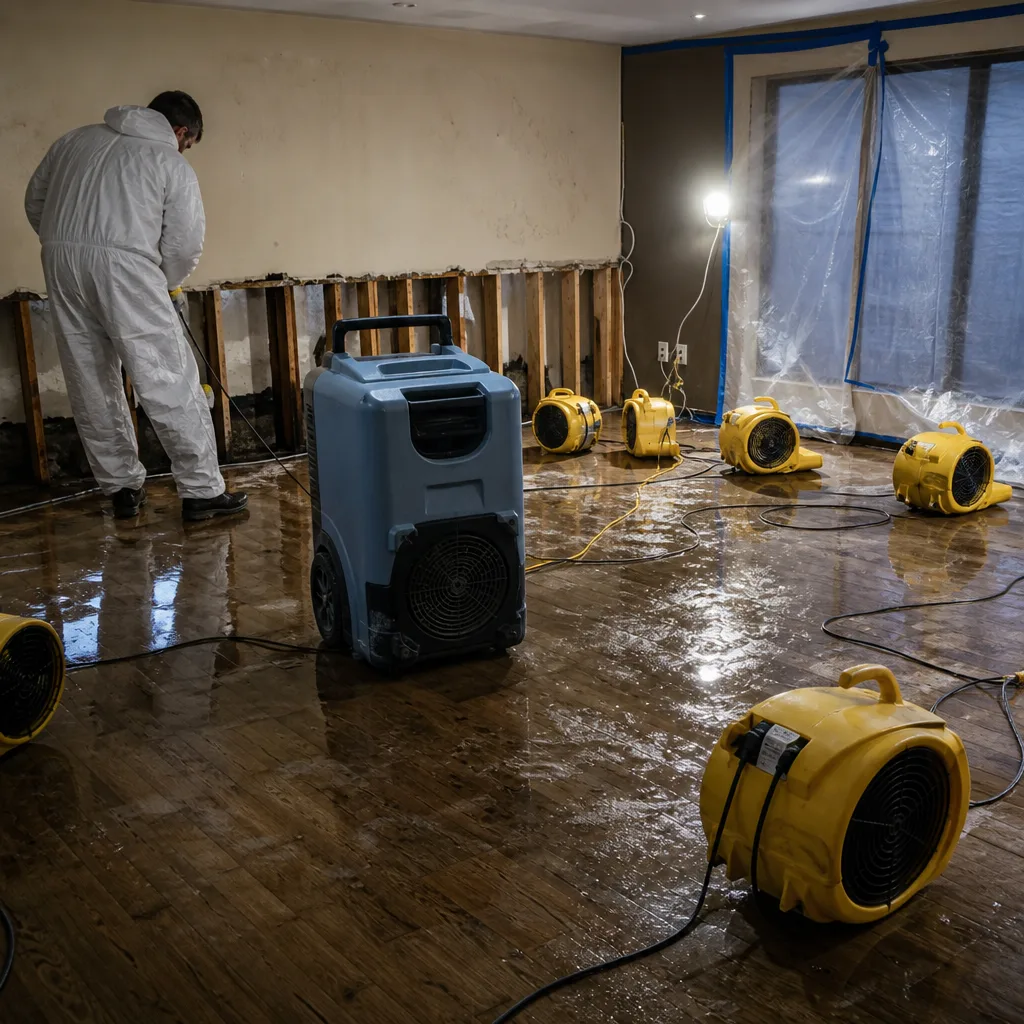
Debris from a fire is more than char: it includes firefighting water, soot, and pulverized building materials that went airborne. We remove the damaged materials down to the structural frame, with debris separated by waste class. In Greenpoint, that separation matters, because petroleum-contaminated water changes the disposal stream and cannot go out with ordinary construction waste.
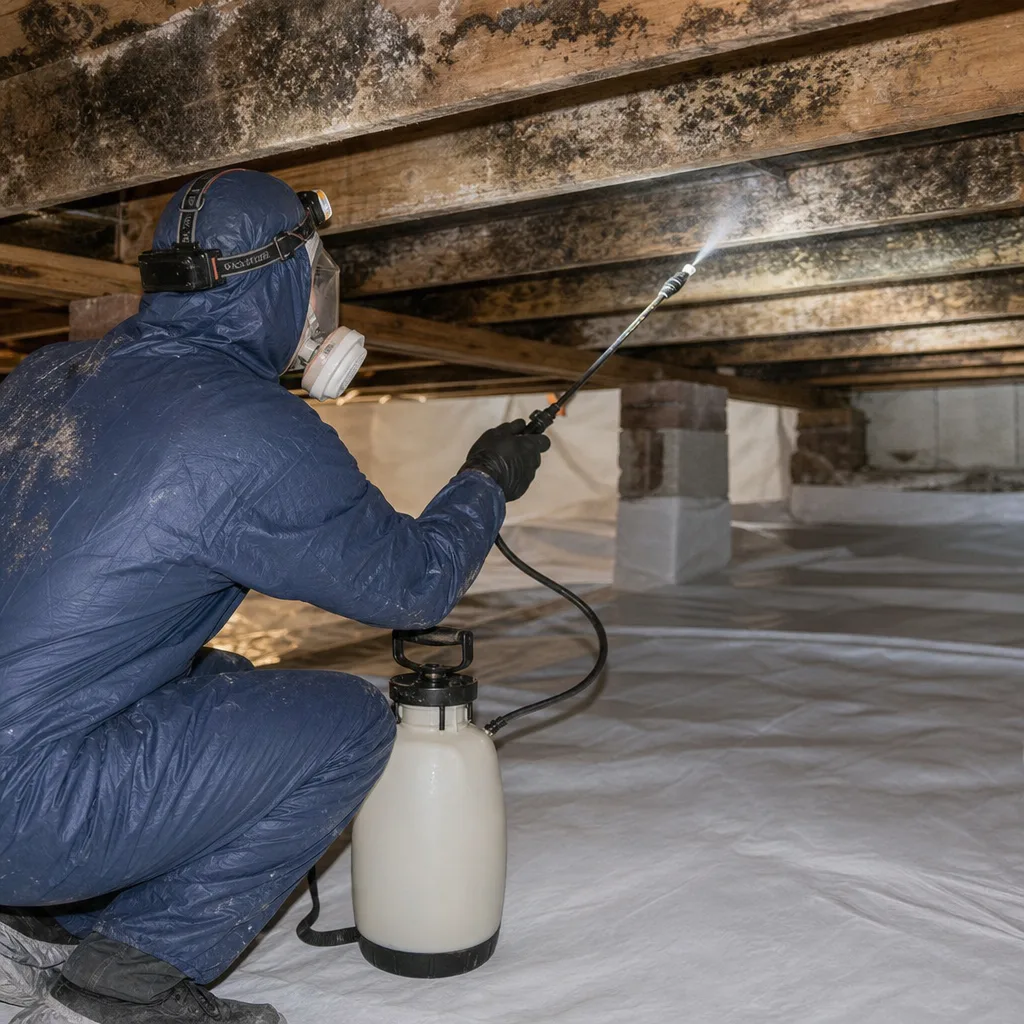
What happens when you call
- 1
A real person answersNo phone trees - you reach a local pro.
- 2
You get an upfront price rangeHonest numbers before anyone is dispatched.
- 3
A background-checked tech heads outLicensed & insured, dispatched right away.
- 4
You approve before work beginsNothing starts until you say go.
Fire & Smoke Damage Restoration Costs in Greenpoint, NY
Straight numbers help, even when they’re ranges. Emergency board-up and tarping in Greenpoint runs $400 to $900 depending on how many openings need covering and access difficulty. Basic smoke and soot removal in a single room starts around $900 to $1,500; a full row house with three affected units routinely lands between $4,000 and $12,000. Odor removal adds $1,200 to $4,000 depending on how far smoke traveled through concealed cavities. Contents cleaning and pack-out for a one-bedroom apartment runs $2,000 to $5,000. Full structural fire repair, including rebuild, often falls between $15,000 and $60,000 on Greenpoint’s older stock because original finishes and code upgrades cost more than open-plan drywall work. Most of this is insurance-covered; our free visual inspection produces a written scope with a line-item number before any work starts. Call (716) 452-0798 and we will tell you what you’re looking at, straight.
We Also Serve Cities Near Greenpoint
Our Fire & Smoke Damage Restoration crews cover the full North Brooklyn and western Queens waterfront, including Long Island City, Williamsburg, Murray Hill, and Upper Manhattan. If you’re just outside Greenpoint, the same live dispatcher answers and the same 45-minute response commitment applies.
Serving Greenpoint, NY - Our Local Coverage Area
We’re based in the Greenpoint area and know this community well. Use the map below to see our service coverage - if you’re nearby, we can almost certainly help.
Greenpoint Fire & Smoke Damage Restoration Questions, Answered
Why does basement water from a Greenpoint fire often smell like oil or chemicals?
Greenpoint sits above a massive petroleum plume, a legacy of decades of refinery operations that leaked an estimated 17 to 30 million gallons into the soil and groundwater beneath the neighborhood. When firefighting water or a burst pipe floods a basement, that water can mix with petroleum-laced groundwater seeping through cracks in the slab, which is why the smell appears. Our crews watch for a sheen on standing water and stop extraction immediately if it’s present, because pumping oil-contaminated water without NYS DEC coordination is a regulatory violation. Call (716) 452-0798 and we will assess what you’re dealing with before a pump turns on.
Do I need asbestos testing before you start smoke cleanup in an older Greenpoint row house?
If your building predates 1980, and most of Greenpoint’s housing stock does, asbestos screening is legally required before any restoration work disturbs original plaster, insulation, or floor coverings. We handle the screening as part of our scope, not as an afterthought, because cutting into horsehair plaster without it releases airborne hazard into your home and your neighbor’s. The screening adds a day or two to the schedule, but it keeps the job legal and safe. Call (716) 452-0798 for an assessment of your building’s materials.
How do you handle smoke damage when my attached neighbor’s fire spread into my walls?
Attached row houses in Greenpoint share roof cavities, joist bays, and party walls, so smoke from one unit routinely travels into adjacent homes without a single flame crossing over. We inspect the shared cavities, run moisture and soot mapping on your side of the wall, and treat odor and residue in the concealed spaces, not just the rooms you can see. Your insurance covers your unit’s damage; we document it separately from the neighbor’s claim and bill your carrier directly. Call (716) 452-0798 if you can smell smoke through the wall.
Can salt air from the East River really make my garage door fail during a fire?
Yes, and it happens more often than people expect. Coastal salt air corrodes garage-door springs, hinges, rollers, and track fasteners years faster than inland conditions, and Greenpoint’s proximity to the East River puts every garage and loading bay in the corrosion zone. A spring that snaps mid-cycle can trap a door half-open, delay emergency egress during a fire, or add minutes that matter to a fire crew. We inspect garage-door hardware on every fire restoration job, and we recommend corrosion-resistant components when we rebuild. Call (716) 452-0798 if your door doesn’t cycle smoothly after a fire.
What does ‘Category 3 water’ mean for a fire cleanup in Greenpoint?
Category 3 water is grossly contaminated: sewage, bacteria, or chemical runoff. In a Greenpoint fire, the water used for firefighting is already Category 3 by the time it hits the basement, and if it mixes with petroleum-laced groundwater from the plume, it becomes hazardous-materials water that requires specialized disposal, not a simple pump-out. We classify every water source on day one, document it, and coordinate with the NYS DEC when the petroleum marker is present. Call (716) 452-0798 and we will tell you exactly what category you’re dealing with.
How fast can you actually get here?
Our target is 45 minutes from your call to a crew on your street in Greenpoint. A live dispatcher picks up, every time, and the crew nearest to your block is routed immediately. For board-up and emergency stabilization after a fire, speed matters because the building is open to weather and intrusion the moment the fire department leaves. Call (716) 452-0798 and we’ll tell you exactly when the truck is rolling.
Will insurance cover fire and smoke restoration in Greenpoint?
Nearly every standard homeowners policy covers fire and smoke damage, plus the water damage from firefighting, as long as the cause is not excluded. Where Greenpoint gets complicated is the petroleum plume: if Category 3 water mixes with petroleum-laced groundwater, the disposal and DEC coordination costs become part of the claim, and we document everything so your carrier sees exactly what happened and why. We bill your insurer directly and talk to the adjuster ourselves. Call (716) 452-0798 and bring your policy number; we’ll walk you through what’s covered.
Can we stay in the home during fire restoration?
Usually not during active smoke and soot removal, especially in attached row houses where neighboring units share air paths. Soot particulates and odor chemistry are not something you want your family breathing while we work. In most Greenpoint jobs, temporary relocation for a few days is the safer call, and your insurance policy’s additional living expense coverage typically covers it. Once the air scrubbers have run and clearance readings are clean, you’re back in. Call (716) 452-0798 for an honest read on your specific situation.
If a fire, smoke event, or the water that followed it has put your Greenpoint home in limbo, call Floodline Restoration Co. at (716) 452-0798 for a free visual inspection and a straight answer. A live person picks up, day or night, and the crew that arrives knows this neighborhood’s buildings, its plume, and its salt air. The 90-Day Done Right Promise is in writing when we finish, and we stand behind it.
Written by Curt Bowman, Owner at Floodline Restoration Co., serving Greenpoint with fire, water, and smoke restoration crews since 2010.