
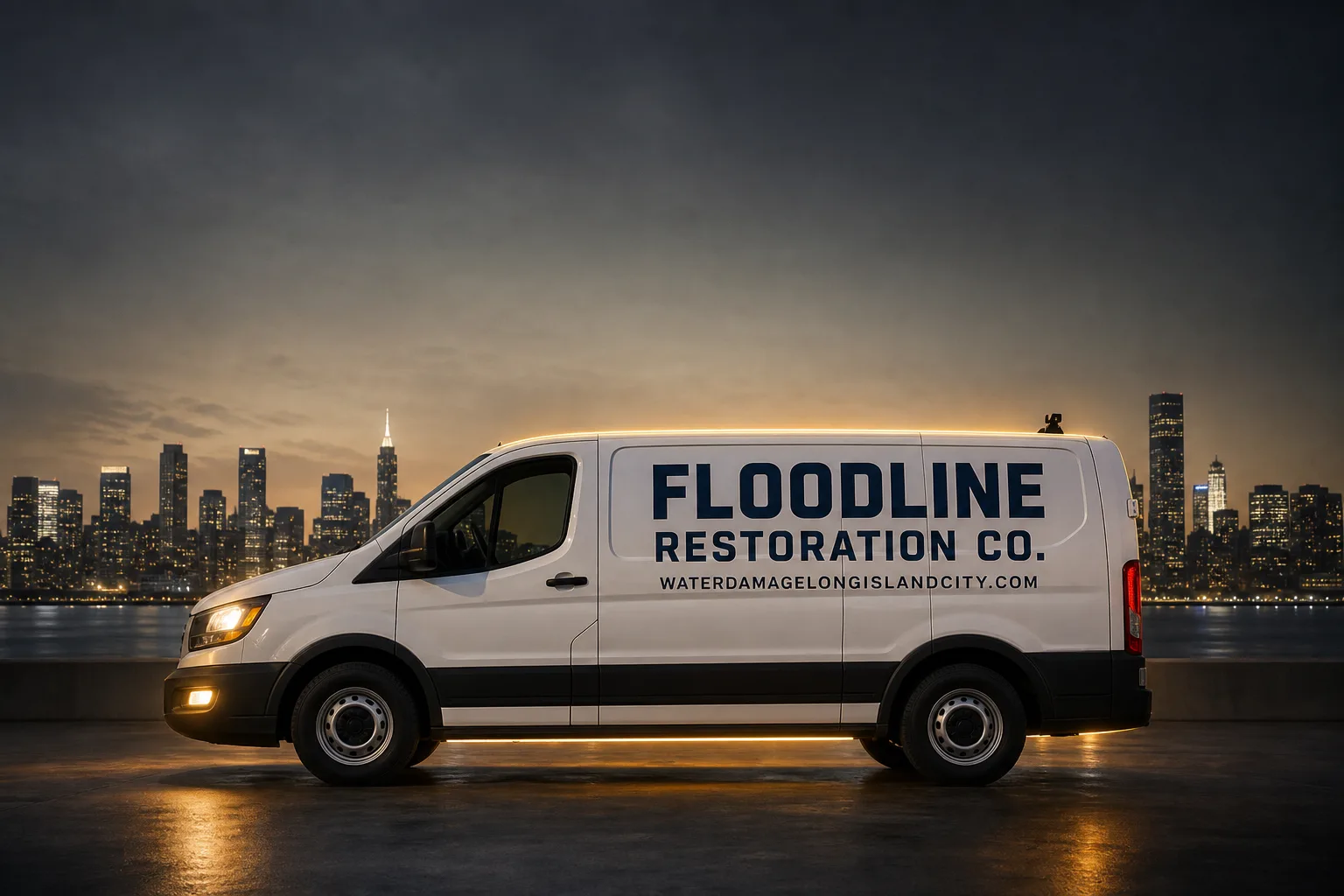
Free visual inspection and a written scope of work before any mitigation begins - photos, moisture readings, and drying logs go in your claim file
The scope we write is the scope we bill. Anything new gets shown to you, in writing, before we touch it.
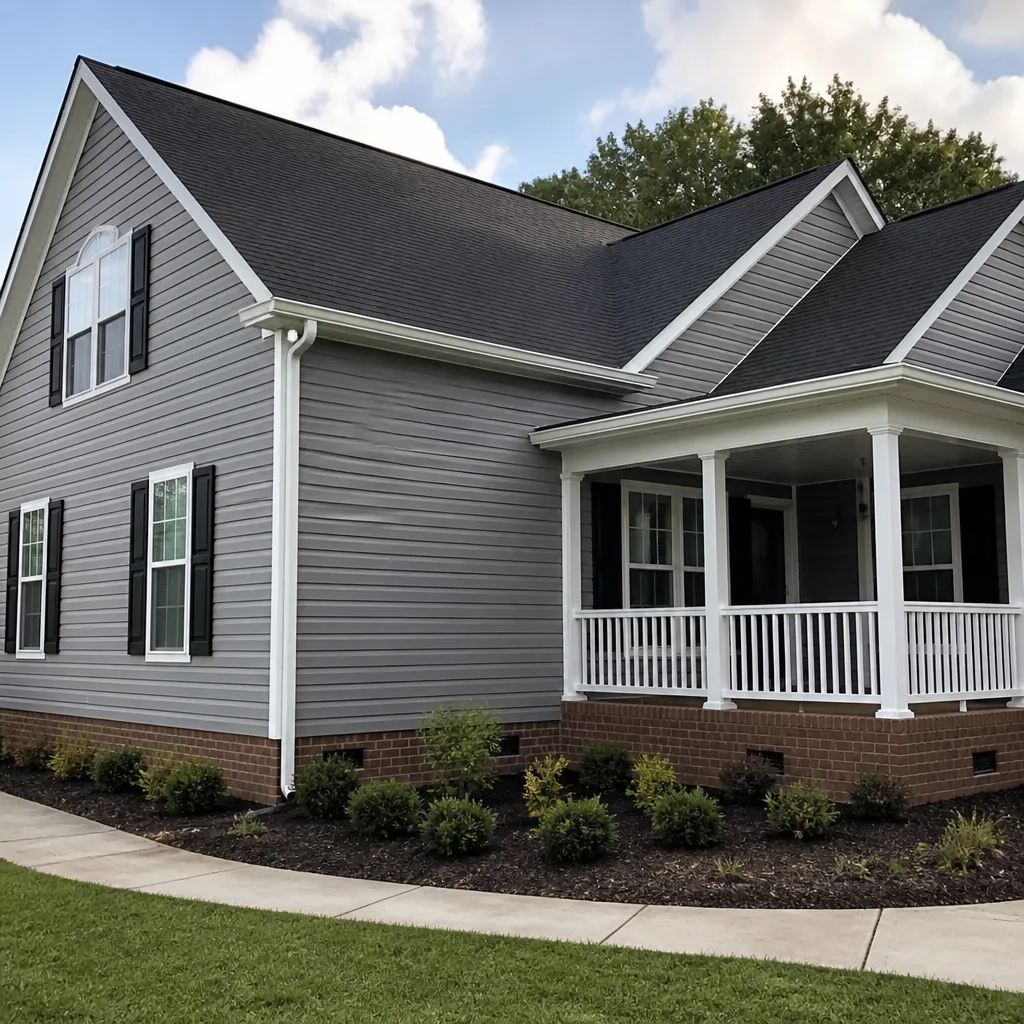
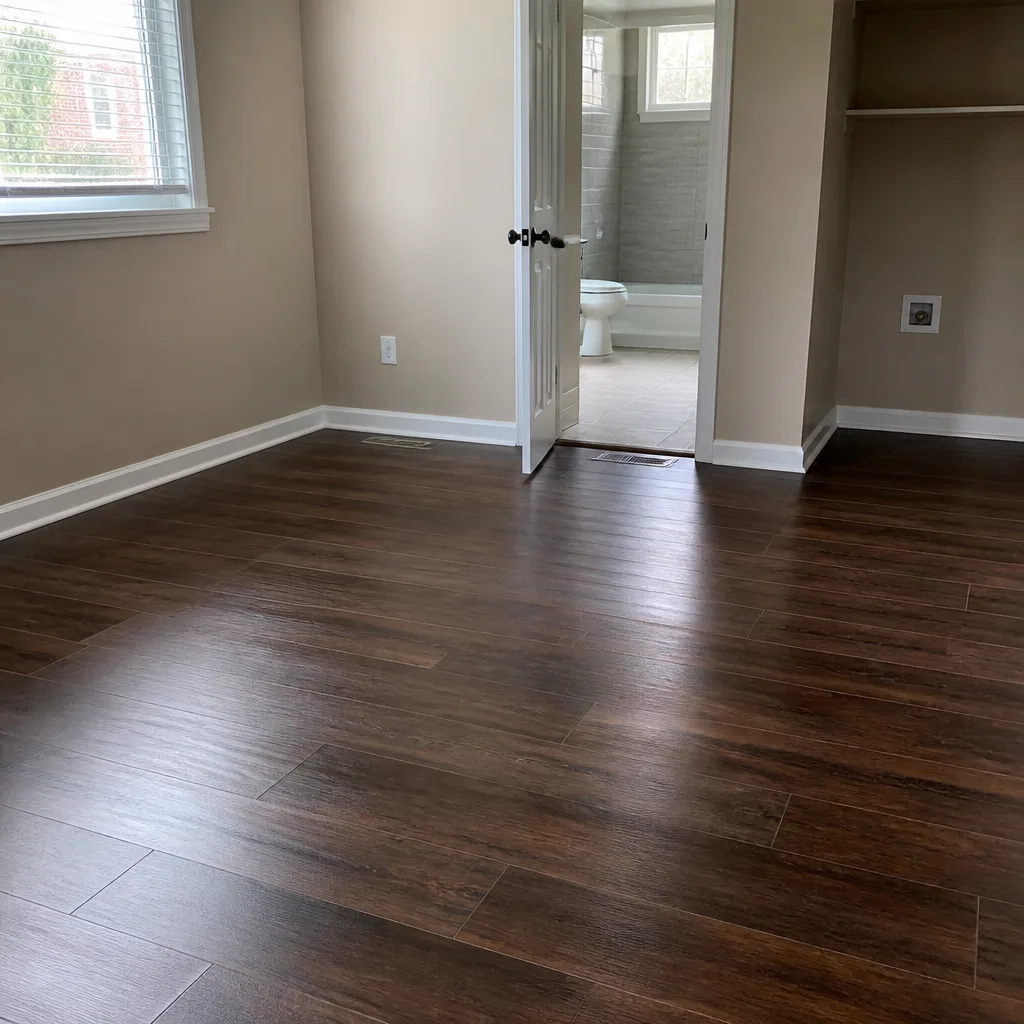
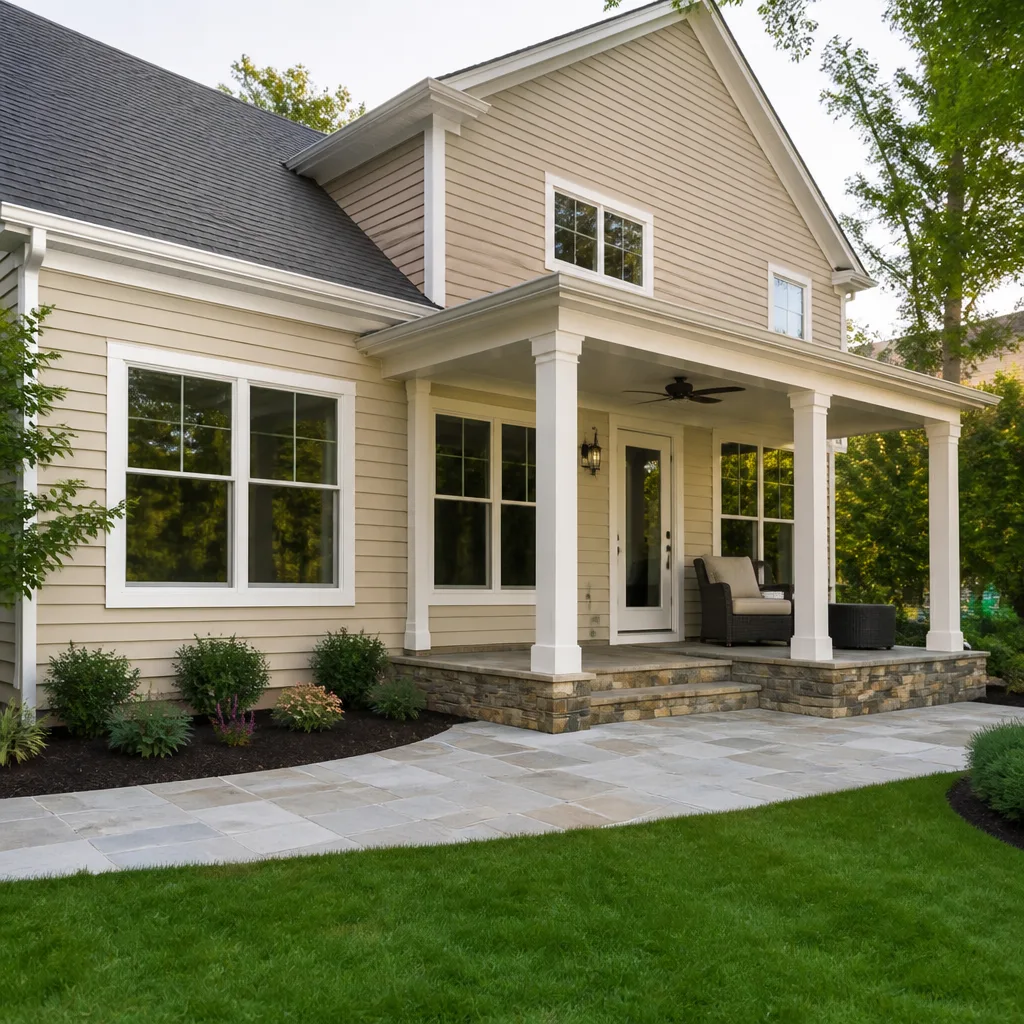
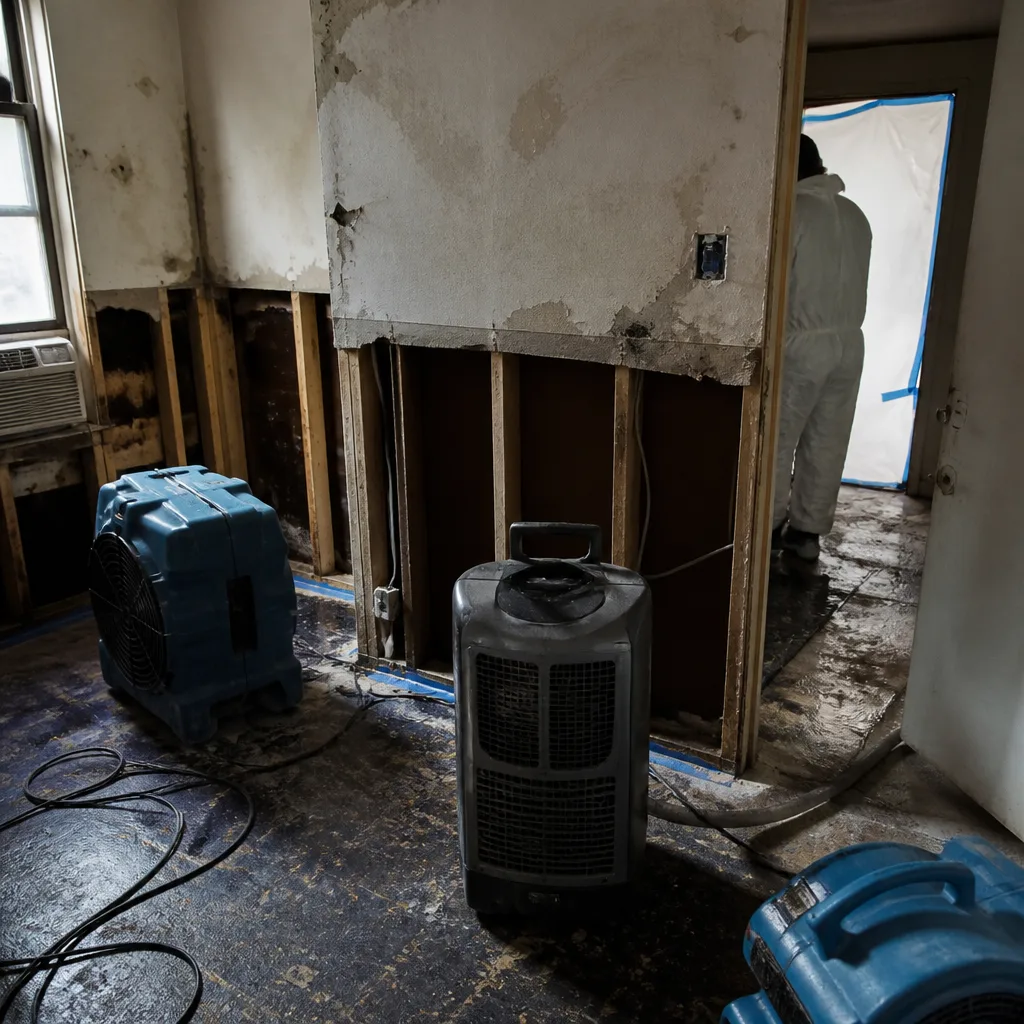 Before
 After
After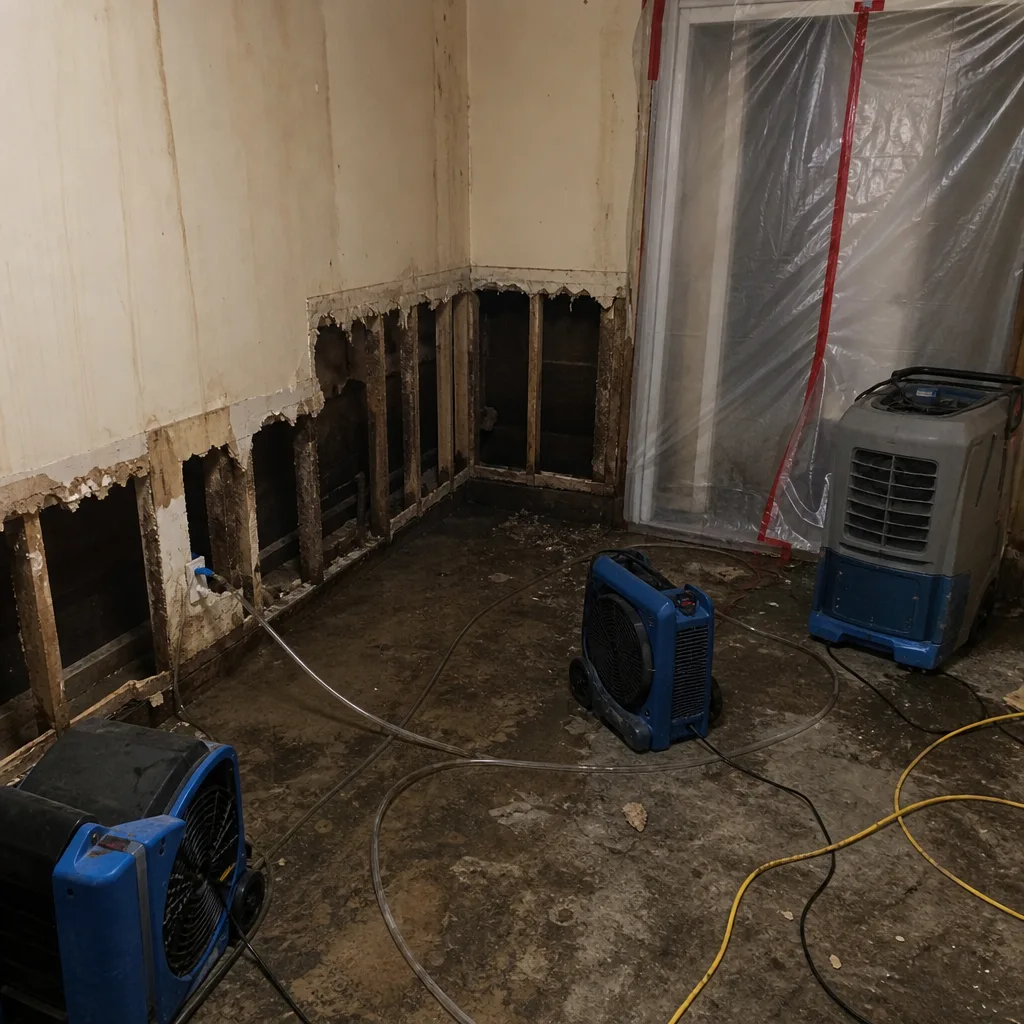 Before
 After
After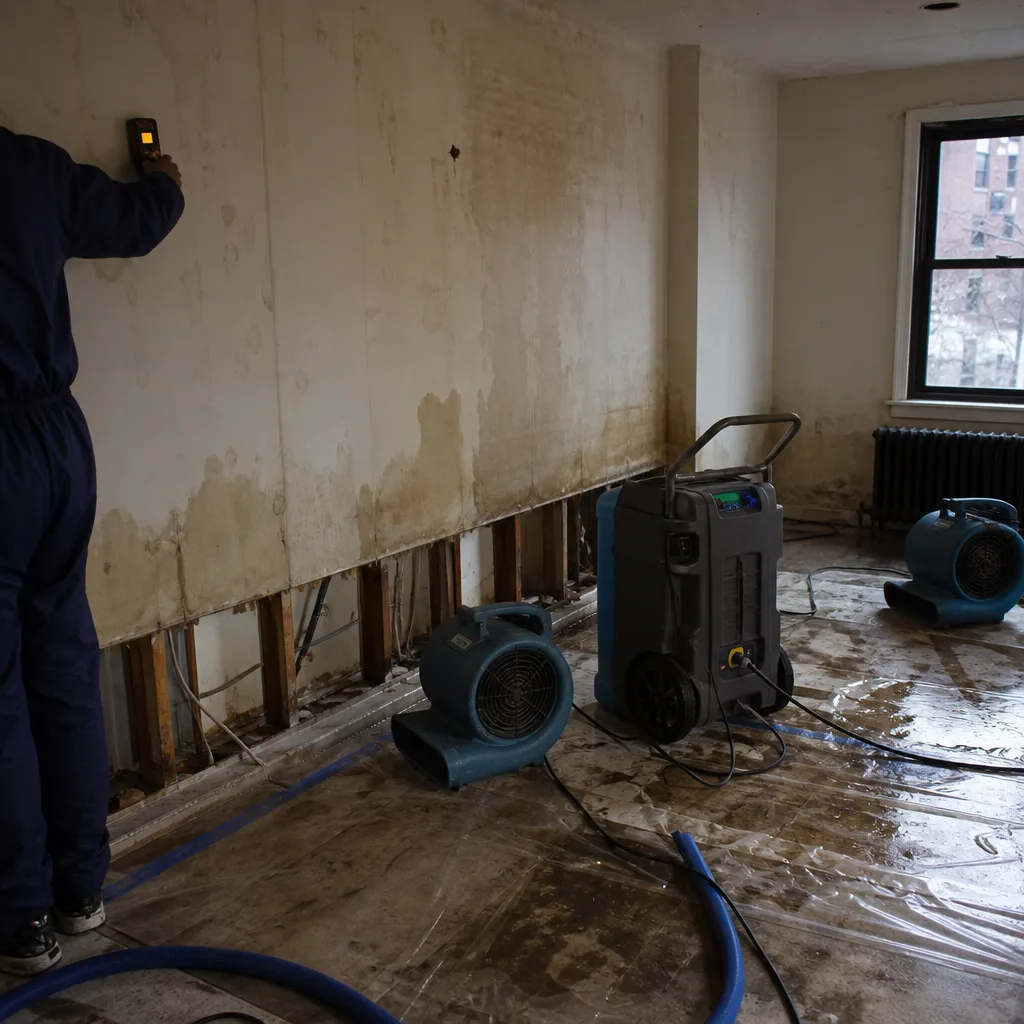 Before
 After
After24/7 Emergency Storm & Disaster Restoration in Washington Square
Storm damage in Washington Square doesn’t wait for business hours, and neither do we. Call (716) 452-0798 any hour of any day and a live dispatcher answers. Not a recording. Not a call-back service. A person who knows the neighborhood, knows what a nor’easter does to the Greek Revival rowhouses on Washington Square North, and can have a crew rolling toward your block immediately.
The first hour after a storm or sewer backup matters more than most homeowners realize. Water that sits in an English basement starts climbing into original horsehair plaster within minutes. By hour three, it’s inside the baseboards and wicking up through the lath. By hour twelve, mold spores are established in a material that has been absorbing moisture for 180 years. Our crews reach Washington Square properties fast because we stage equipment nearby, and we start every job with a free visual inspection so you know exactly what you’re facing before any work begins.
Understanding Storm & Disaster Restoration Severity in Washington Square Properties
Storm damage in Washington Square falls into distinct categories, and knowing which one you’re dealing with changes everything about the scope. Category 1 water is clean: a burst supply line, a leaking roof during a rainstorm. Category 2 carries contaminants: sump pump overflow, washing machine discharge, or rainwater that has sat long enough to grow bacteria. Category 3 is the one Washington Square sees more than almost anywhere else in Manhattan: sewage, street runoff, and combined sewer overflow backing up into cellar-level units during heavy rain. That water carries pathogens and requires full containment and sanitization protocol, not just drying.
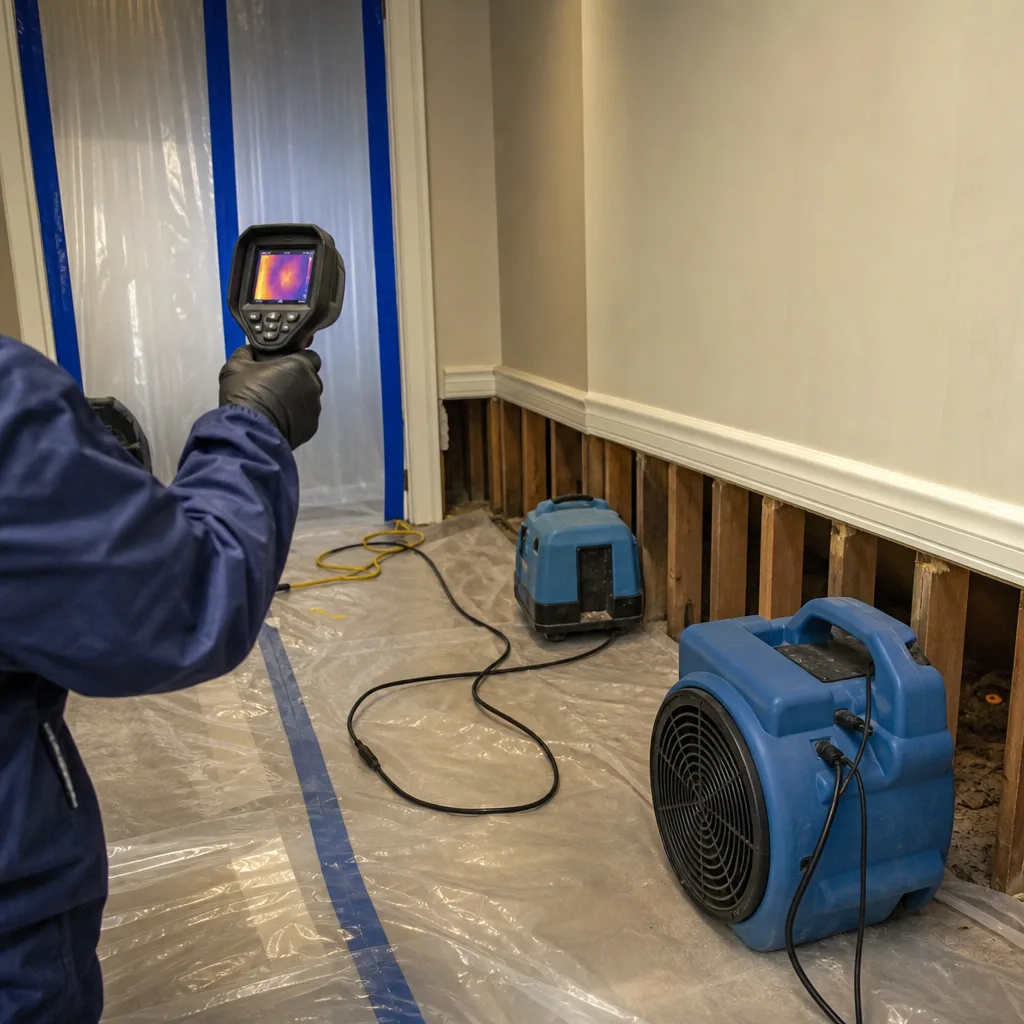
Washington Square’s housing stock makes severity assessment harder than in newer neighborhoods. A 150-year-old brick rowhouse with original plaster walls has no modern vapor barrier. Water moves through horsehair plaster in unpredictable ways, often traveling horizontally along the lath and showing up in rooms far from the original intrusion. Our crews use thermal imaging and moisture meters to map the full extent before opening anything, because in a landmarked building, you don’t get to guess wrong and just patch it later. You have to know precisely where the wet line is, document it, and defend the scope to a preservation officer if asked.
Why Washington Square Property Owners Choose Floodline Restoration Co.
- 45-minute response commitment - We dispatch from nearby staging points and tell you exactly when the truck rolls. If we say 45 minutes, we mean it.
- 24/7 live answer, always a person - Curt Bowman built this company around a dispatch board in 2010, not a sales desk. Someone picks up the phone at 2 a.m. because that’s when storms hit.
- IICRC-certified crews, trained to WRT and ASD standards for water and structural drying - background-checked, uniformed, and accountable by name to the job they’re on.
- Free visual inspection with photo documentation and a written scope before any work starts. No surprises on the bill, ever.
- Direct insurance billing - we talk to your carrier so you don’t spend your evenings on hold. We’ve handled institutional claims from NYU-managed buildings and private rowhouse policies alike.
- One team from extraction to reconstruction - the same crew that reads the moisture map on day one handles daily readings, hands you the drying log, and rebuilds what needs rebuilding. No mid-job handoff to a stranger.
Our Storm & Disaster Restoration Process
Inspection & Assessment
We arrive, walk the entire affected area, and photograph everything before touching anything. In Washington Square’s older buildings, this pre-loss documentation matters more than you’d think. Original wood trim, plaster condition, existing cracks - all of it gets recorded so there’s no dispute later about what the storm did versus what was already there.
Extraction/Stabilization
Standing water comes out immediately with truck-mounted extraction units and submersible pumps. For Category 3 sewer backups, we set containment barriers before extraction begins so the contamination doesn’t spread through shared party walls into adjacent units.
Drying & Dehumidification
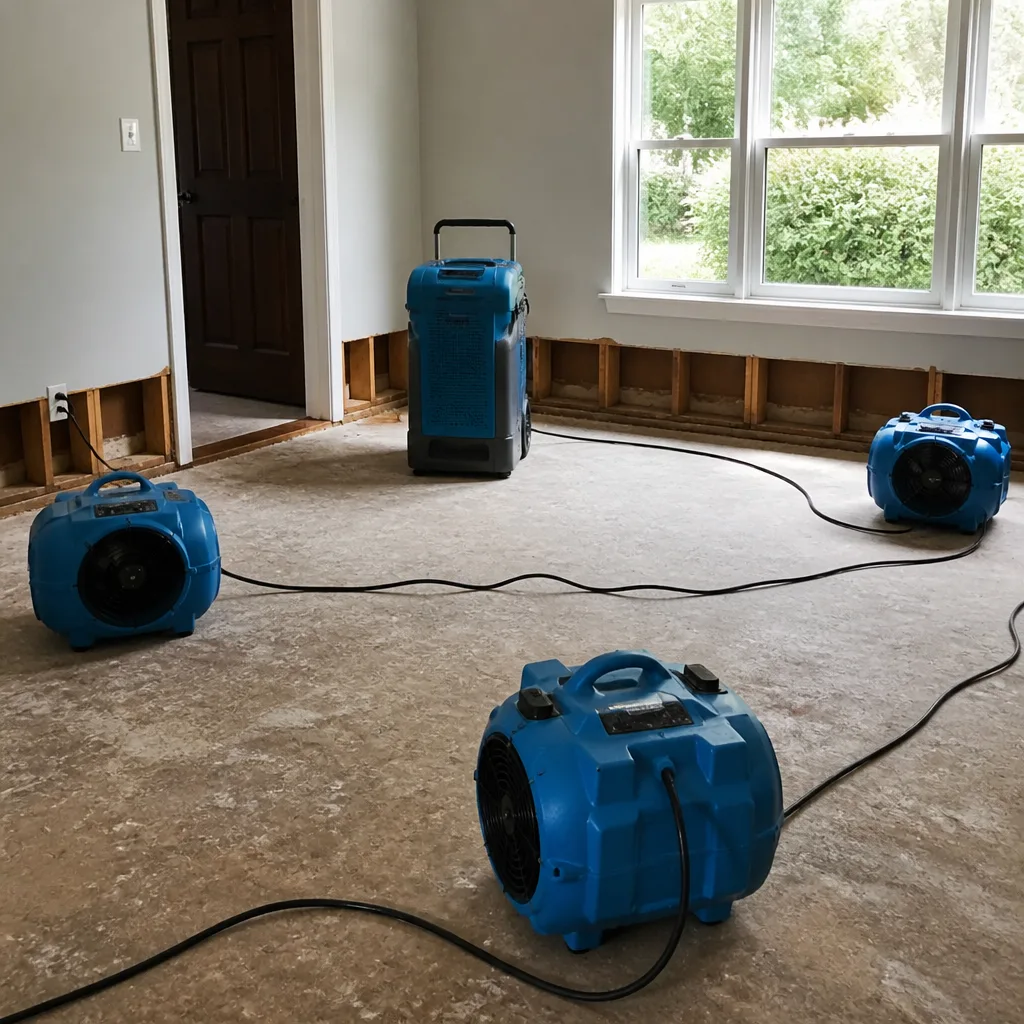
Professional-grade Dri-Eaz and Phoenix air movers and dehumidifiers go in, positioned based on the moisture map from step one. In horsehair plaster walls, this is slower than drywall - the material holds water longer and releases it unevenly. Daily readings are logged until we hit the dry standard, not an arbitrary day count.
Cleaning & Sanitization
For Category 3 water, this means antimicrobial treatment and HEPA air scrubbing. For storm debris, it’s careful removal of contaminated materials and cleaning of salvageable surfaces. Everything is documented for your carrier.
Specialty Treatment for Storm & Disaster Restoration
This is where Washington Square’s landmark status changes the job. Before we open walls in an LPC-designated building, we coordinate with preservation requirements. That may mean bringing in a preservation architect, specifying matching historic millwork, or using traditional lime-based plaster repair instead of modern drywall. We know when this applies because we’ve done it on Washington Square North.
Repairs & Restoration
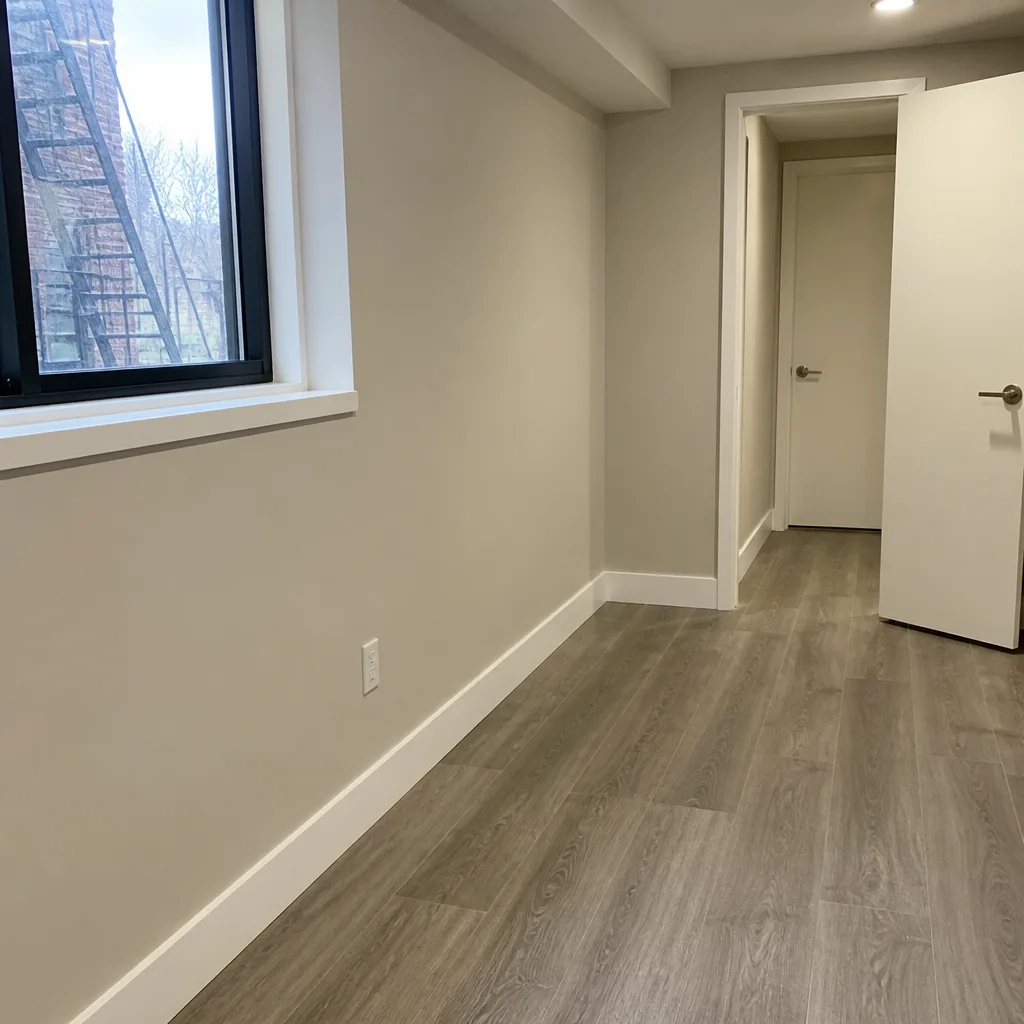
The final phase puts your home back together - historically appropriate where required, code-compliant everywhere, and backed by the 90-Day Done Right Promise in writing. If it’s not done right, we make it right. No arguing, no paperwork battles.
Need Emergency Storm & Disaster Restoration in Washington Square Now?
Crews minutes away, answering live 24 hours a day. The sooner we start, the less it costs.
Working With Your Insurance Company
Insurance claims for storm damage in Washington Square have quirks that newer neighborhoods don’t face. When you’re in a landmarked building or a pre-war co-op, the carrier needs documentation that proves whether the damage came from the storm or from long-term deferred maintenance. That distinction decides what’s covered. We document from the first hour: photos of every room, moisture readings before and during drying, and a line-item scope that separates storm-caused damage from pre-existing conditions with evidence, not opinions.
Our team has handled claims involving NYU-owned buildings, private rowhouse owners, and co-op boards around the park. We know what adjusters ask for before they ask it, and we provide it in the format they need. You never play messenger between us and your carrier.
What We Provide Your Insurer
- Thorough documentation of the loss
- Photos of all damage, room by room
- Moisture readings and drying logs
- A detailed, line-item scope of work
- Direct coordination with your carrier
Built for Washington Square’s Loss Calendar
Washington Square sees storm losses on a rhythm that locals know but insurance companies forget. January and February bring deep freezes that burst original lead supply lines in the 150-year-old rowhouses, flooding kitchens and upper floors from the inside while snow piles up outside. March and April bring spring thaw and the first heavy rains of the year, which mean two things for this neighborhood: basement seepage through fieldstone foundations and the first combined sewer backups of the season into cellar-level units.
Summer is thunderstorm season, when a single afternoon cloudburst can overwhelm the aging sewer infrastructure beneath the Village and push Category 3 water up through floor drains in English basements along Washington Square North, on Waverly Place, and in the blocks east toward Broadway. Fall and early winter are nor’easter season, when wind-driven rain finds every compromised roof membrane, dormer flashing, and parapet crack in the district’s historic buildings. Then the cycle starts again. We plan our local equipment staging around this calendar because we’ve lived it for years.
Storm & Disaster Restoration Across Washington Square’s Neighborhoods
The square itself sits at the center of a restoration landscape that changes block by block. Washington Square North, with its 1820s-to-1840s Greek Revival rowhouses known as “The Row,” is the most landmark-sensitive stretch we work. Damage behind those original brick facades requires LPC review before walls open, which changes both timeline and materials. A sewer backup in one of those English basements is not a quick dry-out. It’s a preservation project.
East of the park toward the NYU campus, we see institutional buildings with commercial-grade systems, where restoration scope goes through university procurement offices and their preferred carriers alongside the homeowner or tenant’s own coverage. South of the park, the pre-war walk-ups and converted lofts along Sullivan, Thompson, and MacDougal Streets present their own challenge: shared party walls that allow water and smoke to migrate between units in ways that require cross-unit containment and coordination. West toward Sixth Avenue, the mixed-use buildings above commercial storefronts add another layer, since street-level flooding during storms can compromise retail spaces below residential units at the same time.
Specialized Storm & Disaster Restoration Services We Offer in Washington Square
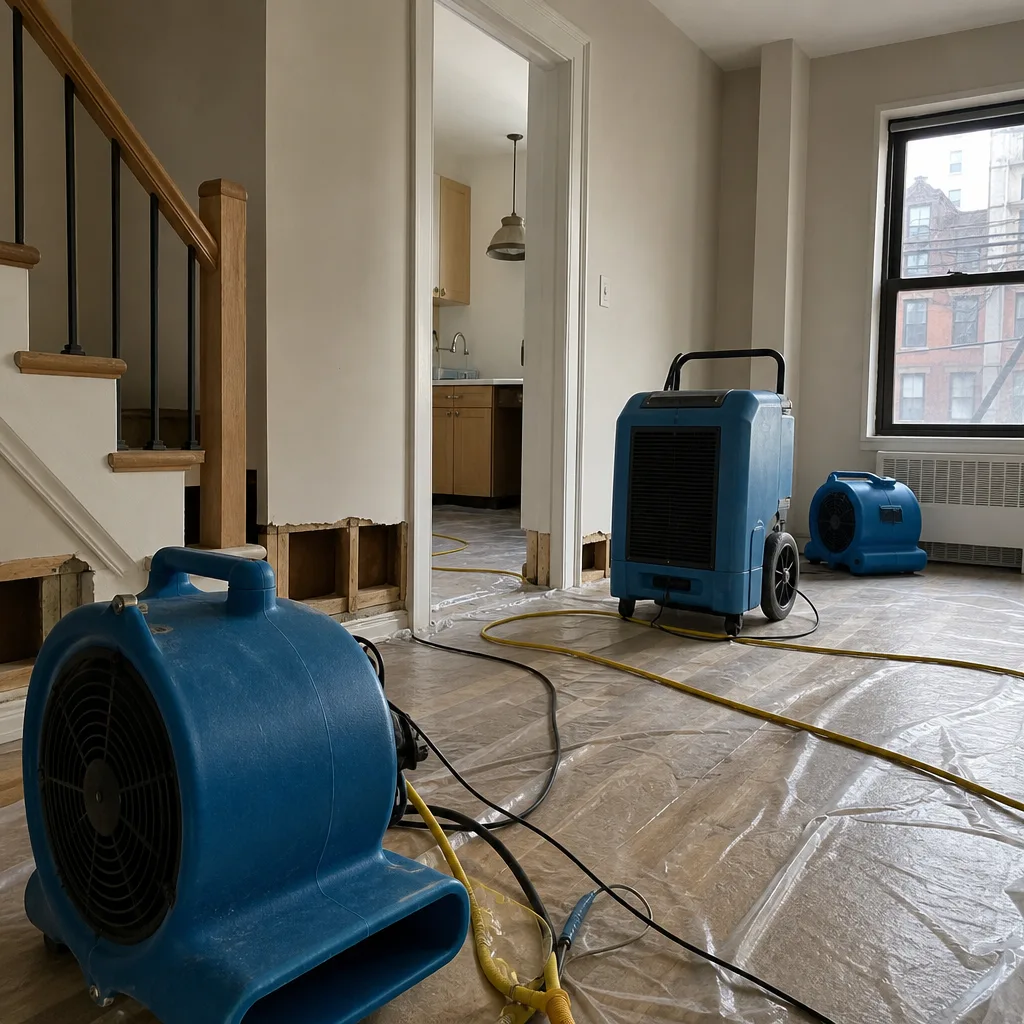
Flood Damage Restoration
The most common call we get from Washington Square is a flooded English basement or cellar after a rainstorm overwhelms the combined sewer system. This is Category 3 water, and in a landmarked rowhouse it means containment, extraction, and careful drying of original plaster rather than demolition. We have handled enough of these on Washington Square North to know exactly how the water travels through 180-year-old lath and what it takes to dry it without destroying it.
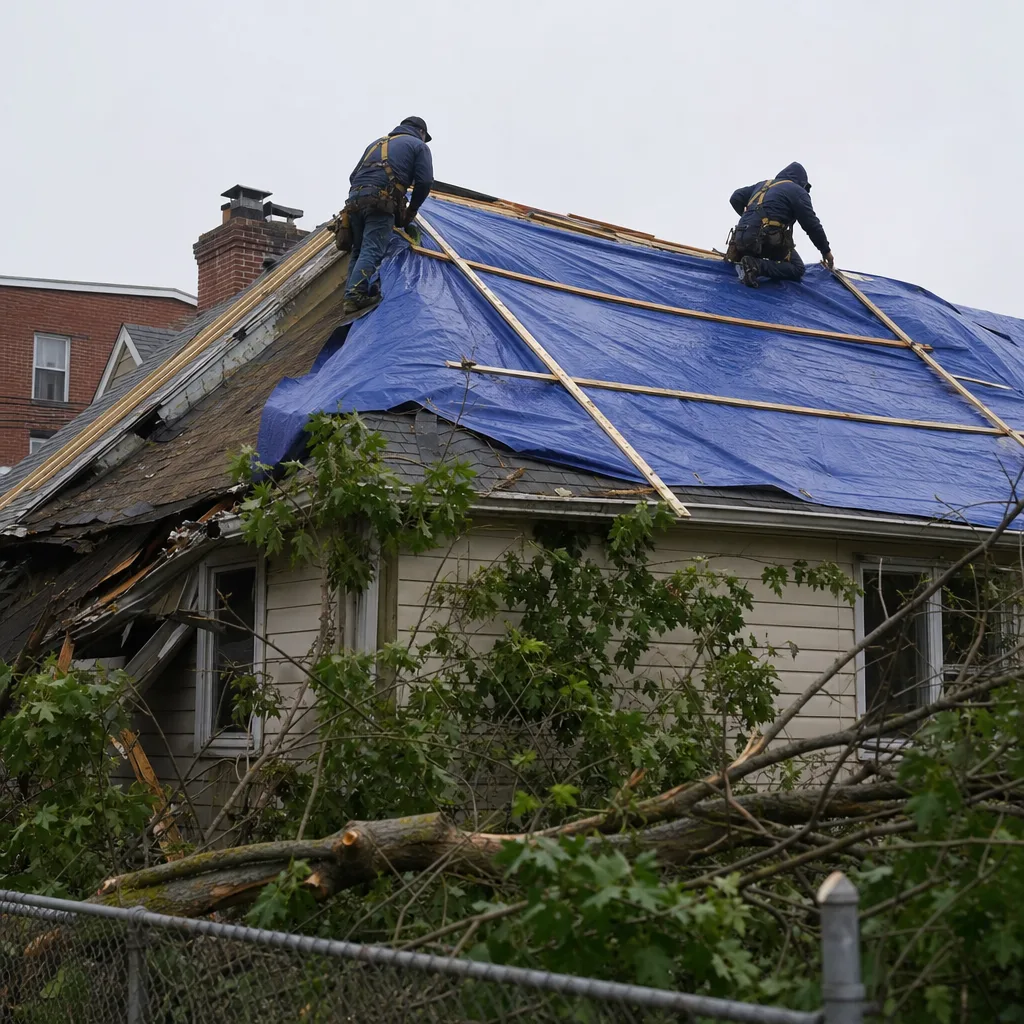
Storm Damage Cleanup
When a nor’easter rips through the Village, the damage isn’t just water. It’s broken glass from blown-in windows, plaster ceilings that came down under the weight of roof leaks, and debris from mature trees along the park’s perimeter. Our crews clear, clean, and stabilize so the building is safe before restoration begins. Every item gets documented for the claim.
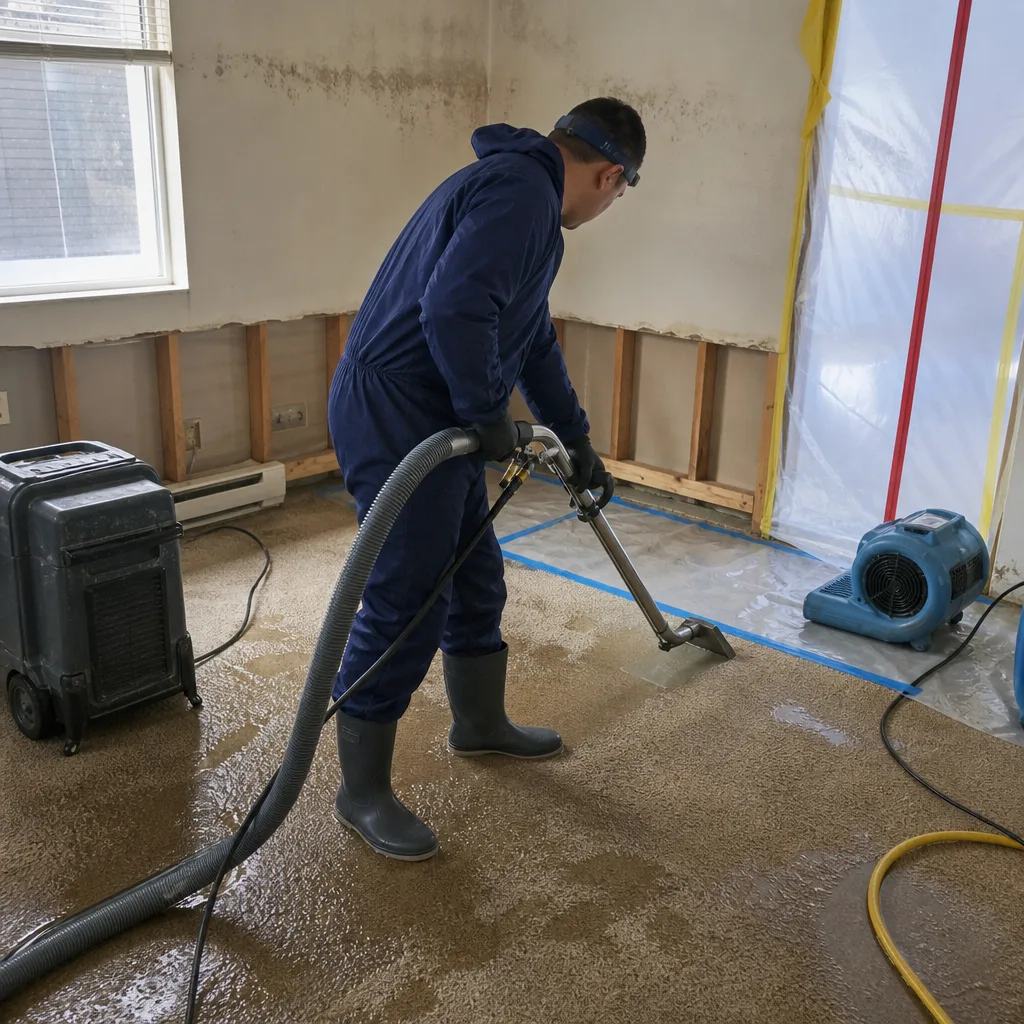
Emergency Board-Up
A broken window or compromised door in a Washington Square rowhouse can’t wait until morning. The building is exposed, and in a landmarked district, the wrong temporary repair can cause more damage than the storm did. We board up properly, seal against weather, and keep the building secure until permanent repairs are scheduled. No lean-to plywood jobs that let rain in anyway.
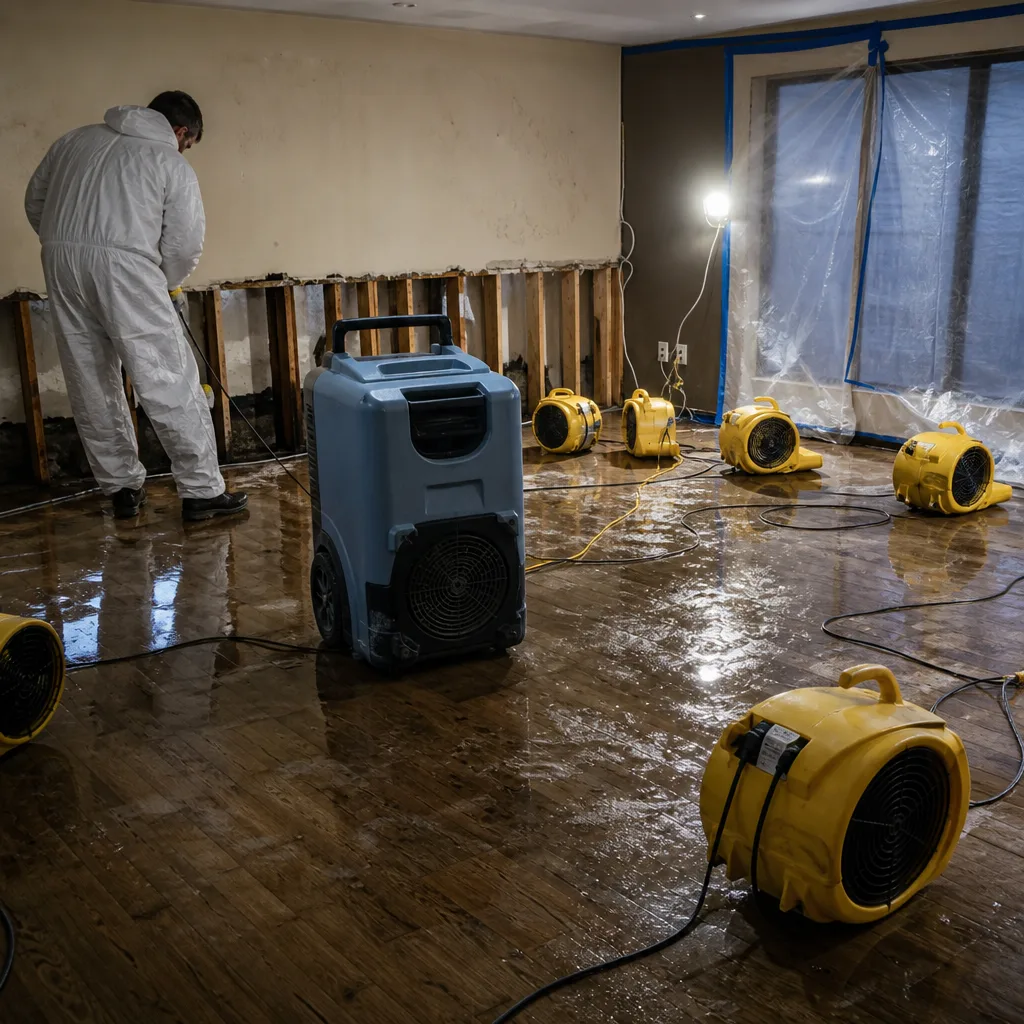
Roof Tarping
Flat and low-slope roofs are common on the pre-war buildings around Washington Square, and they fail in predictable ways: membrane splits, parapet flashing leaks, and clogged drains that pond water until it finds a path down. We tarp properly, tied down to survive the next storm, not just the next hour. Then we document the damage underneath for your carrier.
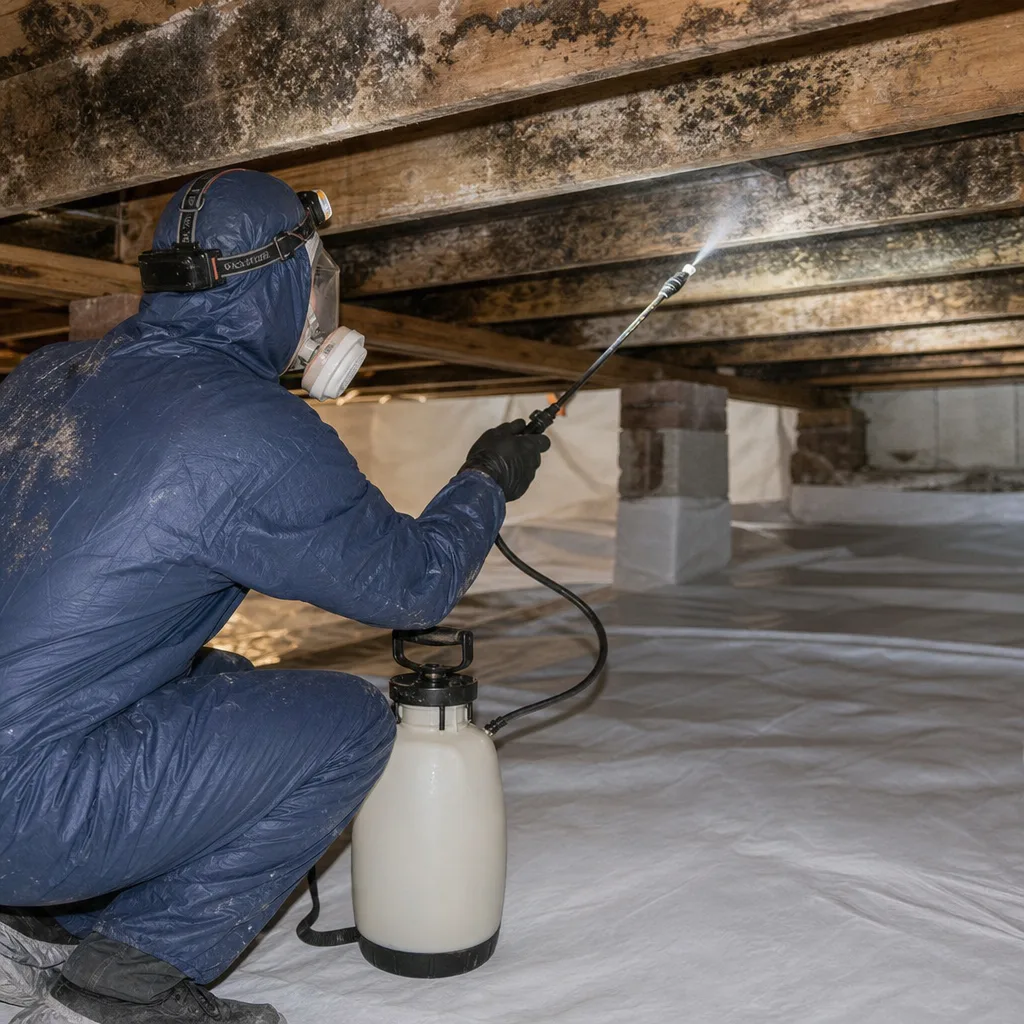
Debris Removal
Storm debris in a landmarked district isn’t just branches and trash. It’s damaged building materials that may contain lead paint or asbestos in older structures. We remove it safely, in compliance with local regulations, and we don’t leave your sidewalk looking like a disaster site while you wait for the city to act.
What happens when you call
- 1
A real person answersNo phone trees - you reach a local pro.
- 2
You get an upfront price rangeHonest numbers before anyone is dispatched.
- 3
A background-checked tech heads outLicensed & insured, dispatched right away.
- 4
You approve before work beginsNothing starts until you say go.
Storm & Disaster Restoration Costs in Washington Square, NY
Storm restoration in Washington Square runs higher than in newer NYC neighborhoods because the buildings are older, the materials are specialized, and the compliance layer is real. A Category 1 water extraction and dry-out in a standard pre-war apartment runs $2,800 to $5,500, depending on square footage and how far the water traveled. A Category 3 sewer backup in an English basement, with full containment and sanitization, typically runs $6,500 to $14,000. If walls have to open in a landmarked building and historic plaster restoration is required, add $4,000 to $12,000 or more, depending on LPC requirements for matching millwork and plaster profiles.
The factors moving price: how fast you call (the first hour is the cheapest hour), whether it’s clean water or sewage, whether LPC review is triggered, and whether original materials can be saved or must be replicated. Most storm damage is covered by homeowners or co-op insurance, and we bill your carrier directly. The fastest way to get a firm number is the free visual inspection. We give you a written scope before any work starts, so the number you see is the number you pay.
We Also Serve Cities Near Washington Square
Our crews serve Washington Square and the surrounding neighborhoods daily, including Long Island City, Greenpoint, Williamsburg, and Murray Hill. If you’re just across a bridge or a few blocks away, the same 24/7 live dispatch, certified crews, and 90-Day Done Right Promise apply. Call (716) 452-0798 from anywhere in the area and we’ll have someone who knows your building type on the way.
Washington Square Storm & Disaster Restoration Questions, Answered
After a sewer backup in a Washington Square brownstone, how quickly must we start water extraction to prevent mold in original horsehair plaster?
Within 24 to 48 hours is the general window for preventing mold colonization, but horsehair plaster in Washington Square’s older rowhouses is more vulnerable than modern drywall because it holds moisture longer and has no vapor barrier to slow wicking. We recommend extraction within the first few hours when possible. Call (716) 452-0798 as soon as you see water, and we’ll dispatch immediately.
Does LPC review apply to storm damage cleanup inside a Washington Square North landmarked rowhouse if we are only opening walls to dry them?
In most cases, yes. LPC review generally applies to any interior work in an individually landmarked building that involves removing or altering original fabric, including plaster, trim, or flooring, even when the purpose is drying after water damage. We coordinate this before opening walls. A restoration contractor who skips this step can trigger a stop-work order and fines. Call (716) 452-0798 for guidance on your specific building before anyone cuts into plaster.
What category of water is typical for a Washington Square basement flood from a combined sewer overflow during a storm?
Category 3. Combined sewer overflow carries raw sewage, street runoff, and whatever else the system picked up on its way through Manhattan. That water is considered grossly contaminated and requires full containment, antimicrobial treatment, and proper disposal of affected porous materials. It is not something to mop up with a bucket. Call (716) 452-0798 for a professional response.
Can we replace water-damaged original plaster in our Washington Square pre-war apartment with drywall to save cost?
In a landmarked building, often no - and even in non-landmarked pre-war buildings, removing original plaster changes the building’s character and may violate co-op or condo alteration agreements. In LPC-designated rowhouses, replacing original plaster with drywall without review can trigger stop-work orders and restoration requirements. We can advise on what your building’s status requires. Call (716) 452-0798 and we’ll walk you through it.
How do you handle moisture mapping in a Washington Square rowhouse with original horsehair plaster and no modern vapor barriers?
We use thermal imaging and pin-type moisture meters to trace where water has traveled behind the plaster, not just where it’s visible on the surface. Without vapor barriers, water moves laterally along the lath and wicks upward, so the wet line is often far from the original intrusion point. We map it precisely before opening anything, document the readings, and use them to defend the scope with your carrier and, if needed, LPC. Call (716) 452-0798 to schedule.
How fast can you actually get to Washington Square when I call?
Our commitment is 45 minutes from dispatch to arrival in Washington Square, and we hit it consistently because we stage crews and equipment nearby. During major storm events, response times may extend by a few minutes, but you will always get a live person on the phone who tells you exactly when the truck is coming. Call (716) 452-0798 now.
Will my insurance cover storm and sewer backup damage in Washington Square?
Storm damage from rain and wind is generally covered under standard homeowners and co-op policies, but sewer backup coverage is often a separate rider. If you’re not sure whether you have it, we can review your policy and document the loss so your carrier gets exactly what they need. We bill directly and coordinate with your adjuster throughout. Call (716) 452-0798 for help sorting it out.
What should I do in the first 30 minutes after a storm or sewer backup in Washington Square?
Call (716) 452-0798 first. Then, if it’s safe to do so, shut off power to the affected area if water is near outlets, and move valuables to higher ground. Do not enter standing water if you suspect it’s contaminated. Do not use a shop vac on Category 3 water. The most important thing is getting a professional crew on site before the water spreads further into original plaster and woodwork. Call now, and we’ll tell you exactly what to do next.
Serving Washington Square, NY - Our Local Coverage Area
We’re based in the Washington Square area and know this community well. Use the map below to see our service coverage - if you’re nearby, we can almost certainly help.
Storm & Disaster Restoration in Washington Square: The Floodline Difference
Washington Square is not a neighborhood where you want a generalist contractor guessing at what’s behind the walls. Every block around this park carries layers of history, regulation, and building science that change the correct restoration approach. The line the water left on the wall is where we start. What you need to know, we tell you plainly. What needs LPC review, we flag it before the first cut. What needs matching historic millwork, we specify it in the scope and source it properly.
Curt Bowman founded Floodline Restoration Co. in 2010 with a simple idea: answer the phone with a person, do the work with certified crews, and stand behind it in writing. We serve Washington Square with that same commitment, from the first extraction to the final piece of trim, with a 90-Day Done Right Promise in your hands and no handoff to a crew you’ve never met. Our Storm & Disaster Restoration team handles the full cycle: water out, dry down, clean up, rebuild. Done right, and backed in writing.
If you’ve got water in the basement, a storm-damaged roof, or a sewer backup in your English basement, call (716) 452-0798 now. A live person answers. A certified crew comes. And the job gets done right the first time, so you never have to think about it again.
Written by Curt Bowman, Owner at Floodline Restoration Co., serving Washington Square and the surrounding neighborhoods with certified storm and disaster restoration.