
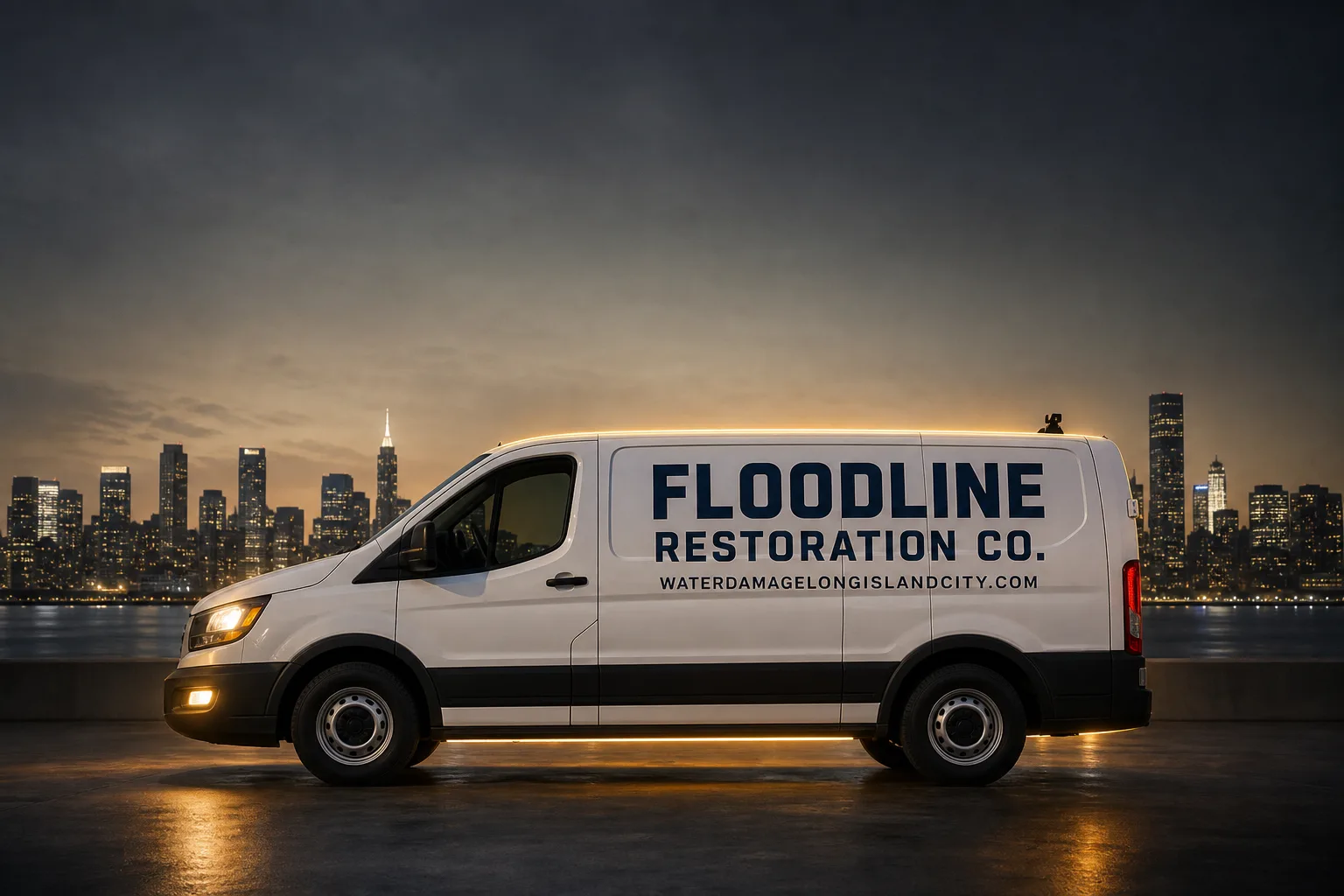
Free visual inspection and a written scope of work before any mitigation begins - photos, moisture readings, and drying logs go in your claim file
The scope we write is the scope we bill. Anything new gets shown to you, in writing, before we touch it.
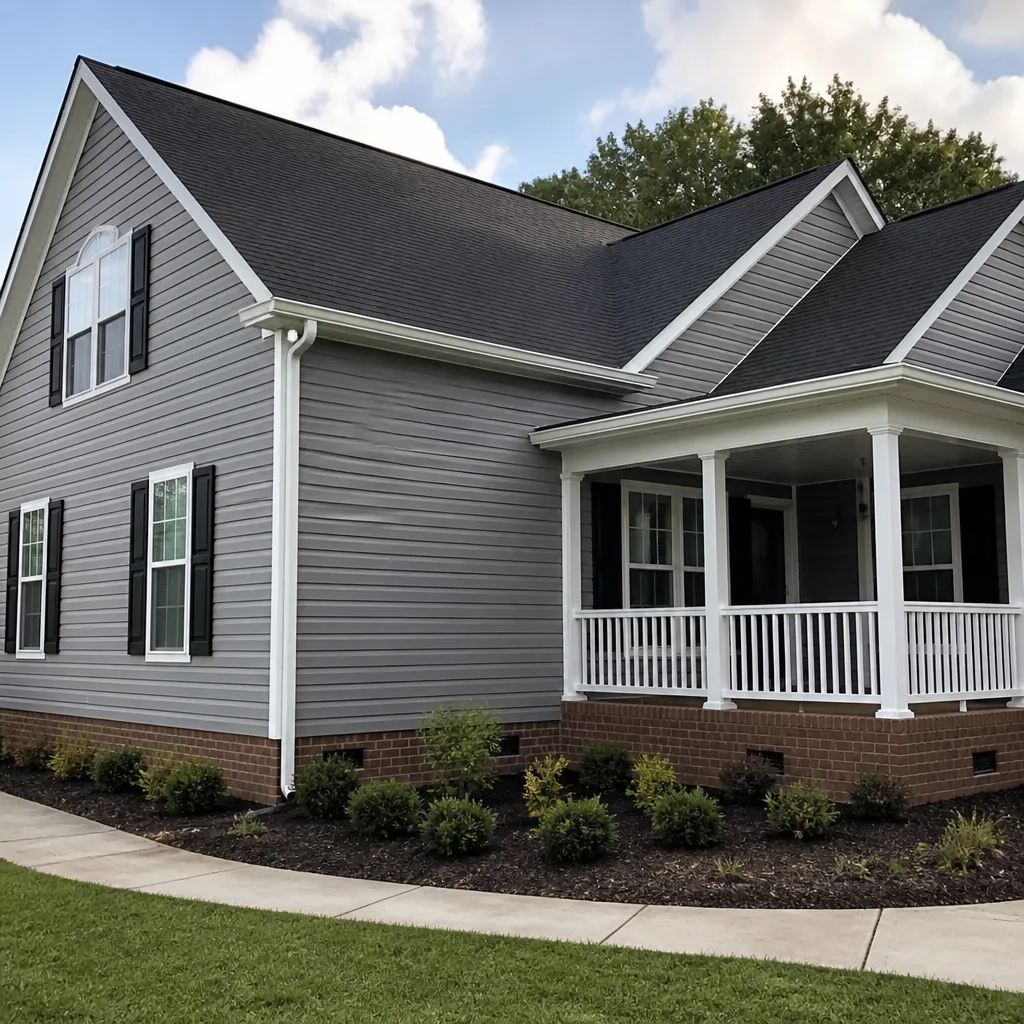
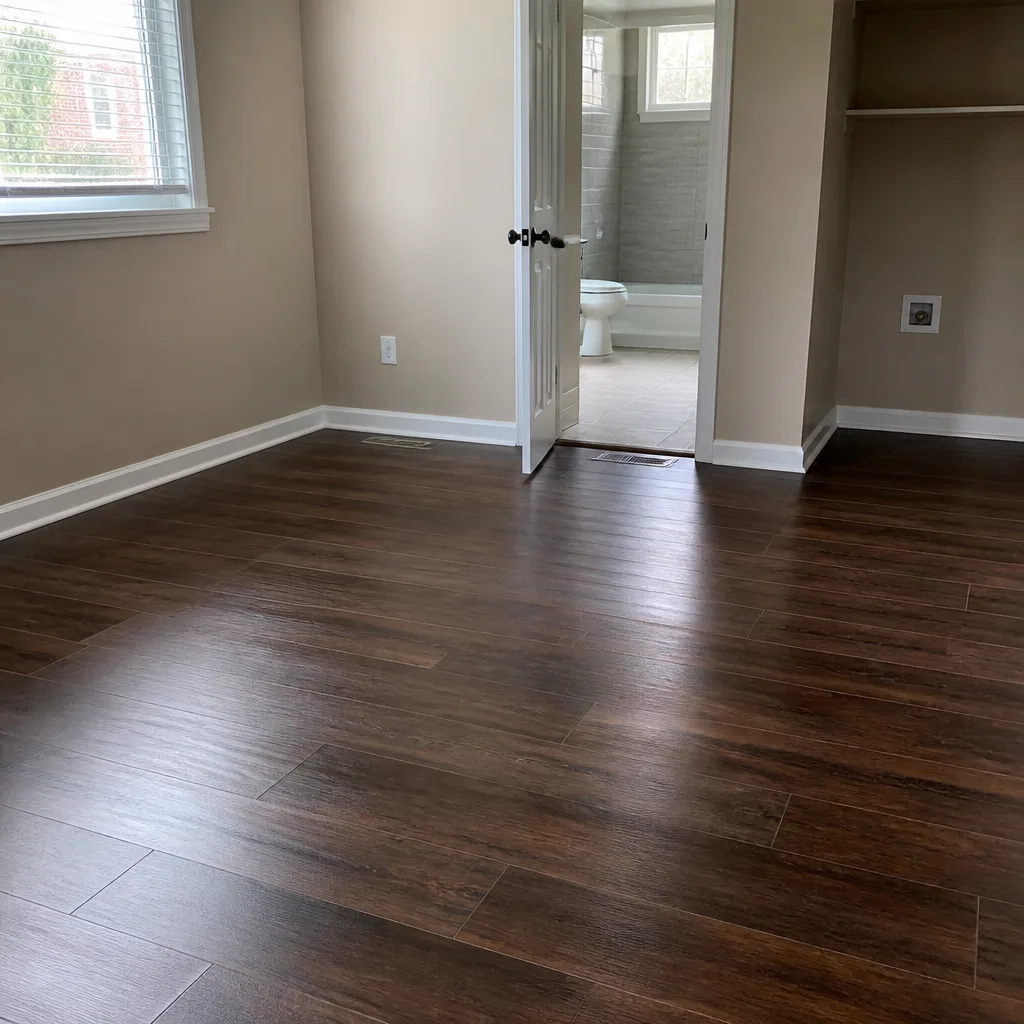
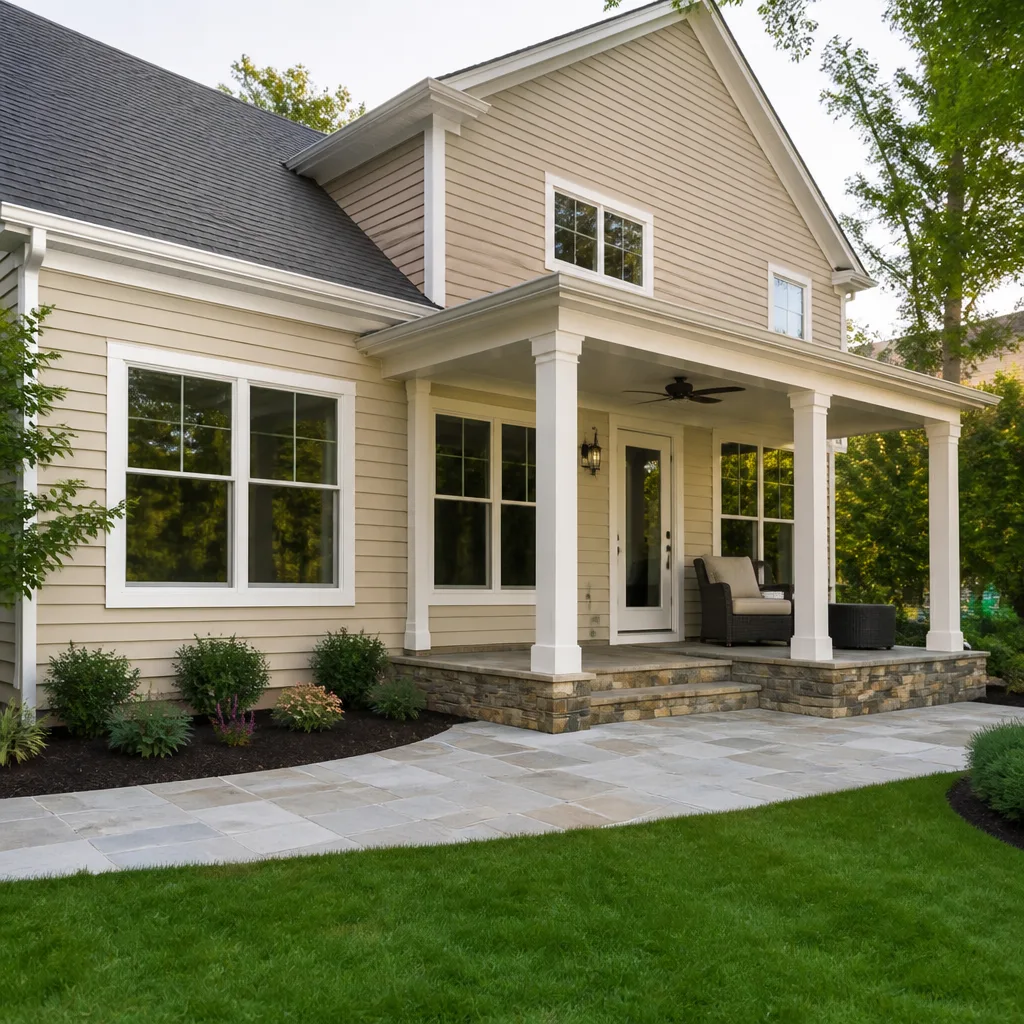
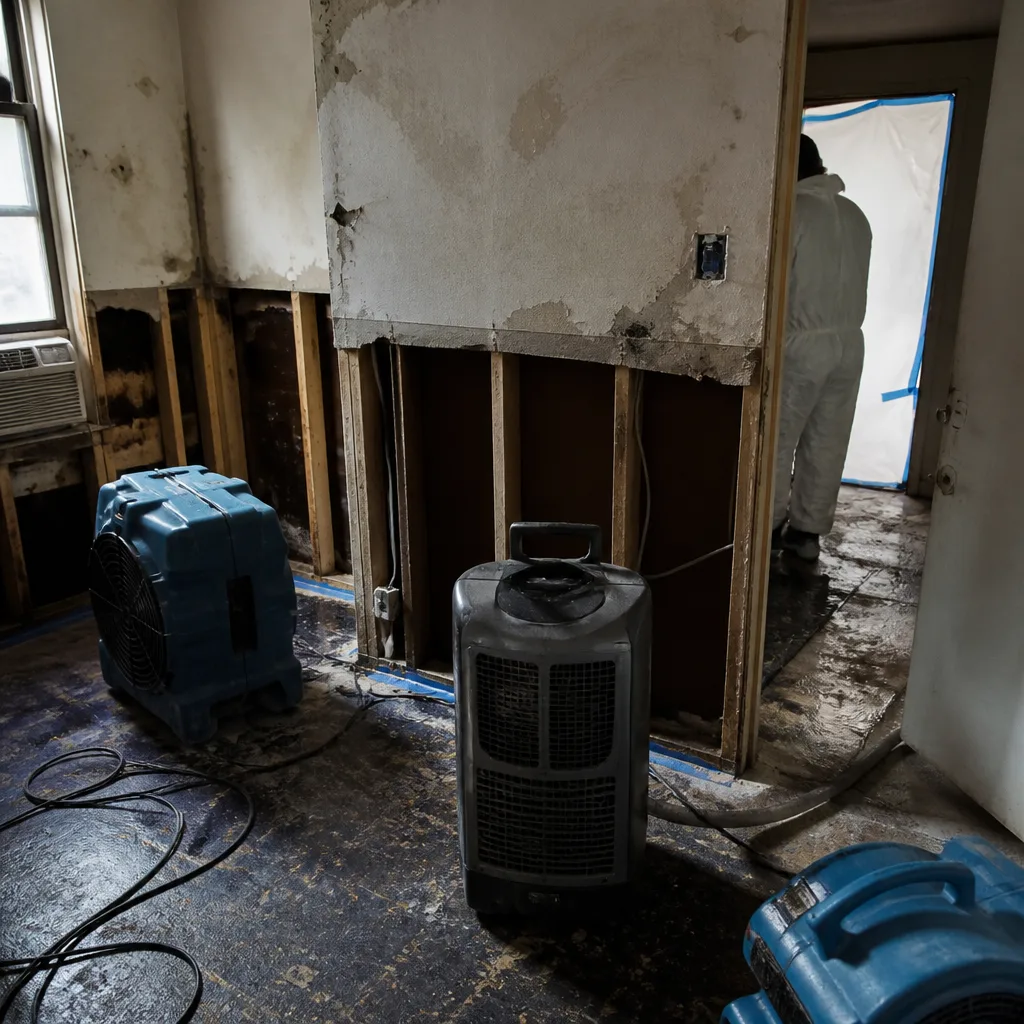 Before
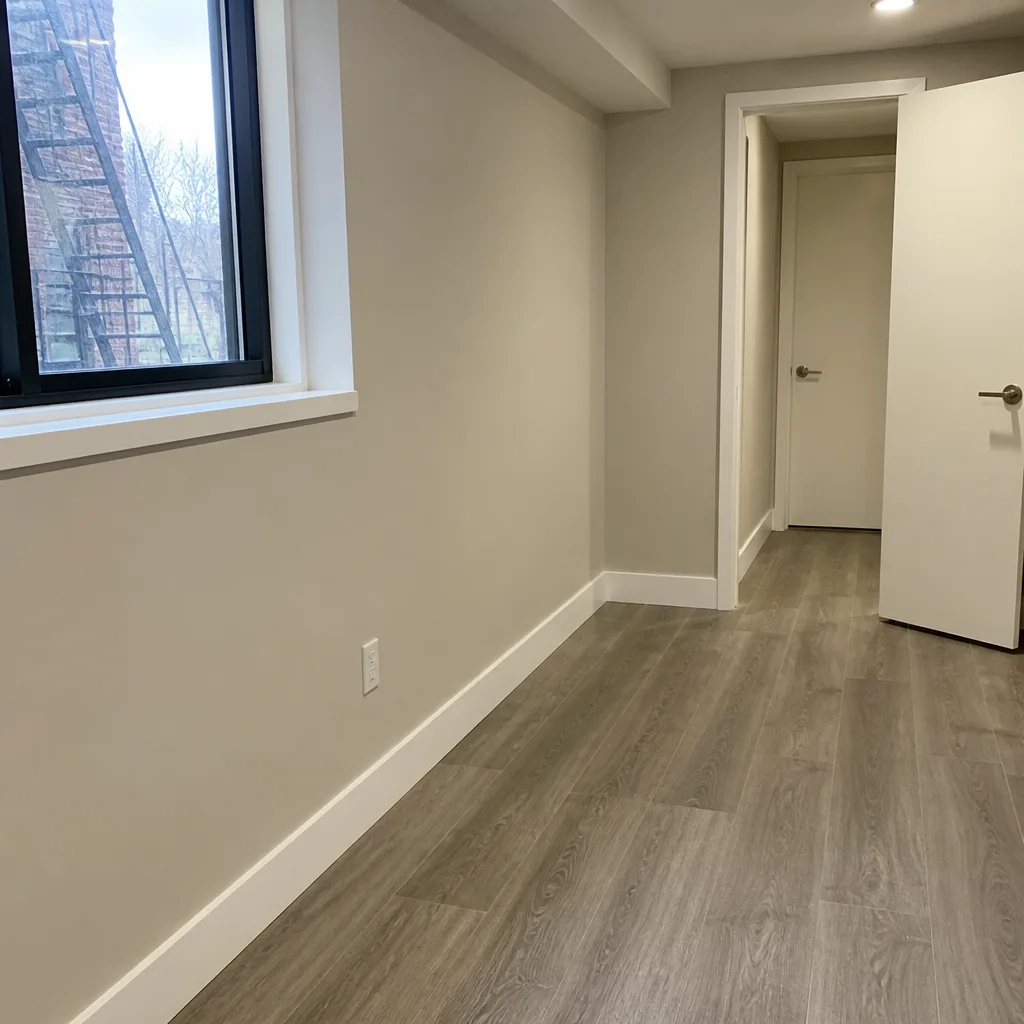 After
After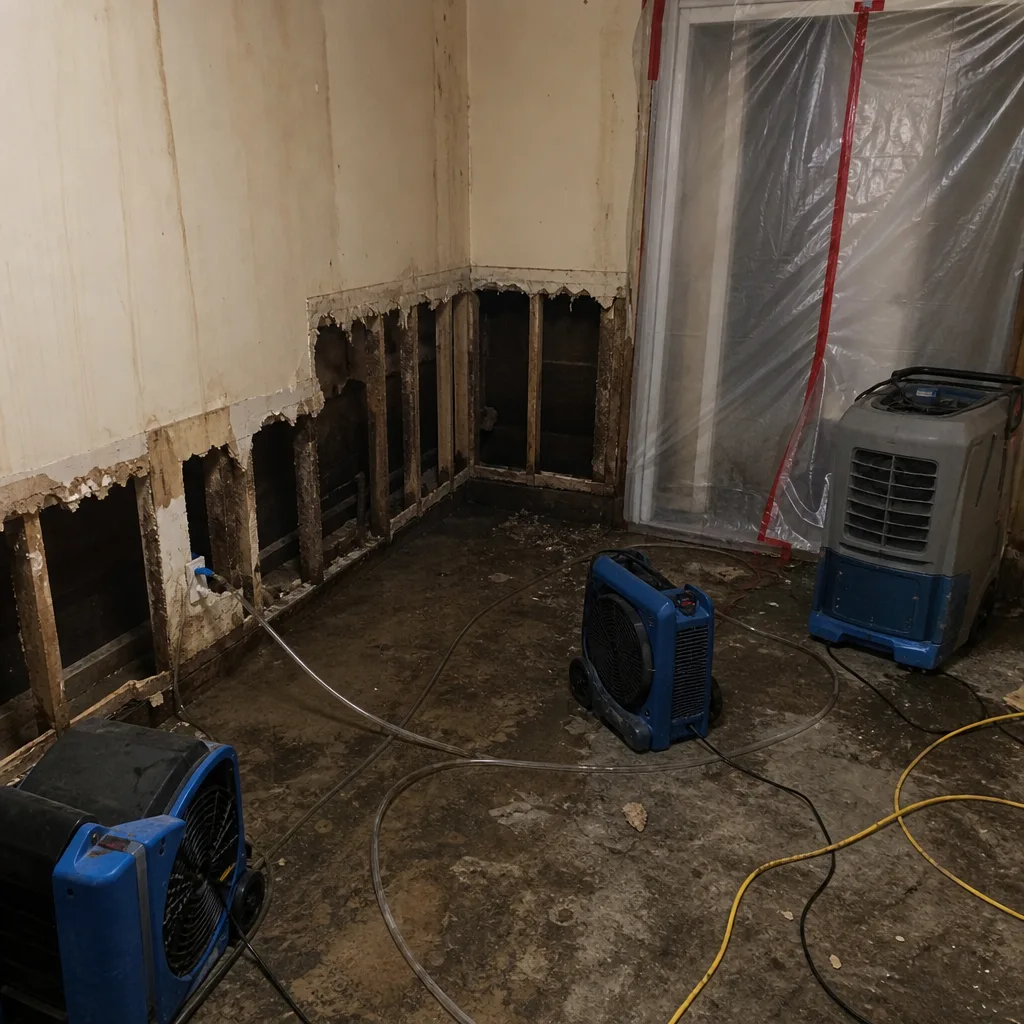 Before
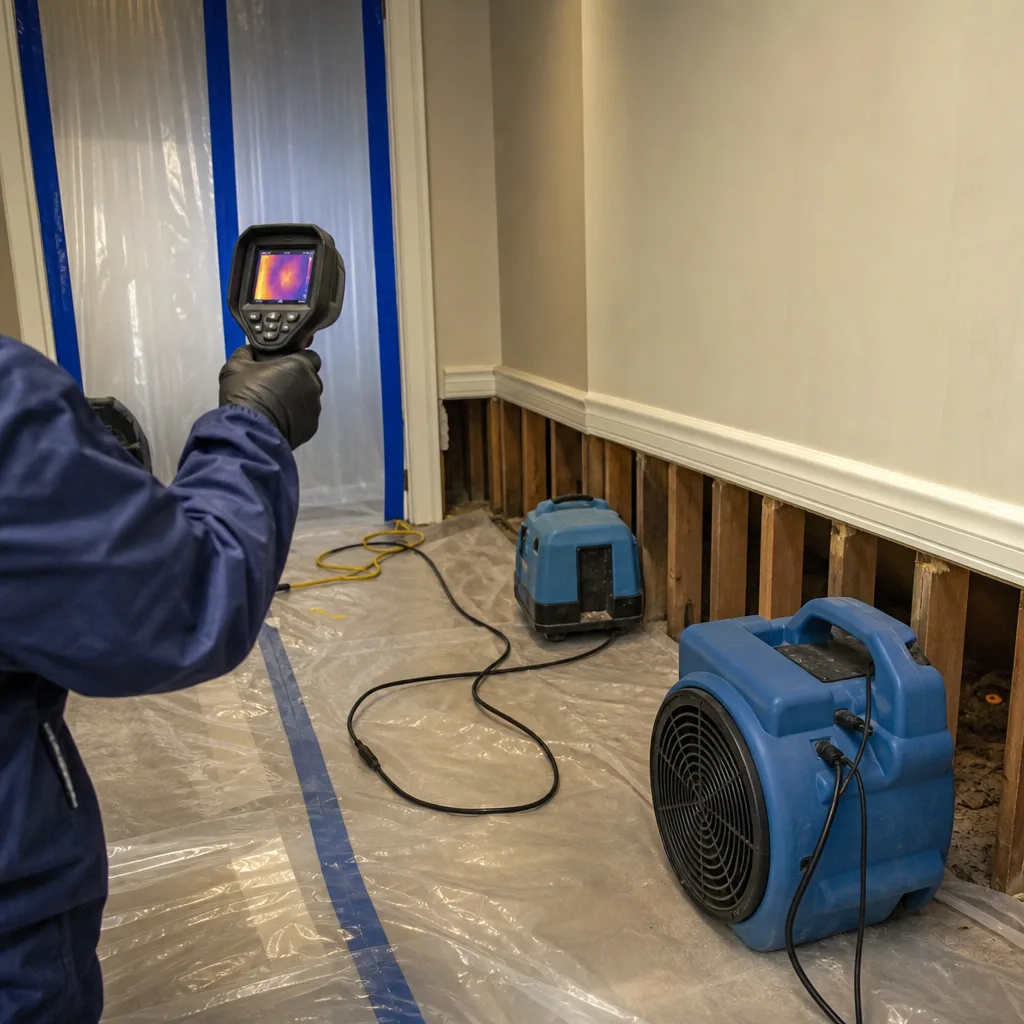 After
After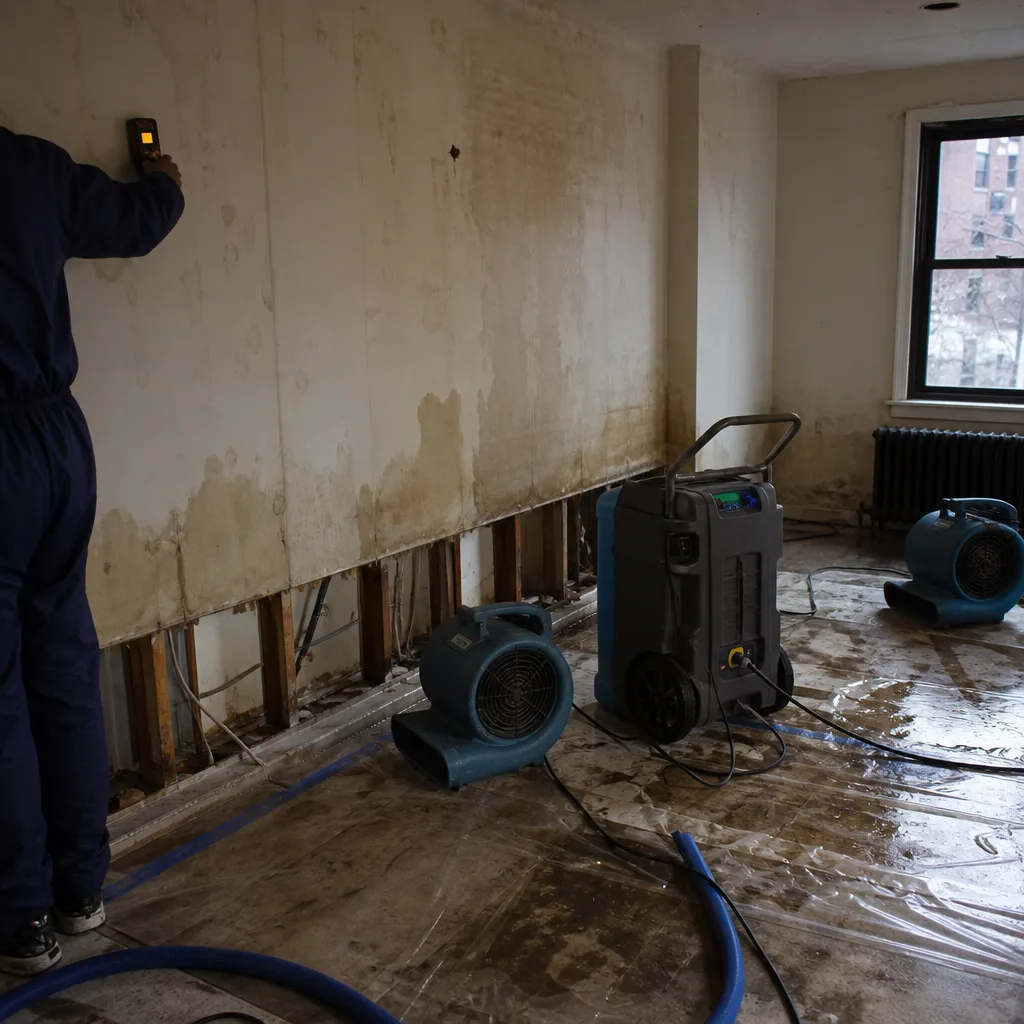 Before
 After
After24/7 Emergency Reconstruction & Cleanup in Washington Square
If a pipe has burst in a Washington Square brownstone or sewage has backed up into an English basement on Washington Mews, you need a crew that knows these buildings. Reconstruction and cleanup in Washington Square runs on a different clock because of the age of the housing stock and the rules that govern it. We answer live 24 hours a day at (716) 452-0798, and crews serving Washington Square are dispatched from our New York City office within 45 minutes. The first call gets a free visual inspection, and in most cases extraction starts the same visit. Every hour that passes sends water deeper into horsehair plaster, original wood lath, and antique flooring. Those materials hold moisture differently than modern drywall, and they cost far more to replace properly. Call now and a person picks up. Not a recording.
Understanding Reconstruction & Cleanup Severity in Washington Square Properties
Washington Square’s housing stock was built between roughly 1820 and 1920. That means most of what we walk into is either a Federal or Greek Revival rowhouse with original plaster walls, or a pre-war apartment building with cast-iron waste stacks and lead supply lines. Severity in these buildings is not just about how much water came out. It is about what the water contacted and what sits behind the surface. A Category 1 water loss from a clean supply line becomes a structural drying job with moisture mapping behind plaster and lath. A Category 2 loss from a washing machine overflow through original wood floors requires containment and controlled drying, not just fans. Category 3 water from the combined sewer system, which regularly backs up into English basements around Washington Square during moderate rainfall, carries sewage and requires full containment, removal of saturated porous materials, antimicrobial treatment, and clearance testing before rebuild begins. What would be a two-day drywall patch in a newer building on Murray Hill becomes a multi-week plaster matching and preservation review in Washington Square. Knowing which category you are dealing with before anyone opens a wall is the difference between a clean restoration and a persistent odor behind the wainscot.
Why Washington Square Property Owners Choose Floodline Restoration Co.
- 45-minute response commitment across Washington Square. We dispatch from our New York City office and crews know the streets around the park, the Mews, and Fifth Avenue. You will not wait hours for someone from another borough.
- Live answer, 24 hours a day. A dispatcher picks up at 2 a.m. That is a person, not a menu tree. You tell us what is happening, and a certified crew is routed to Washington Square immediately.
- IICRC-certified technicians. Our crews hold WRT, FSRT, and AMRT certifications, trained to IICRC, RIA, and IFA standards. Background-checked and uniformed on every job. No subcontractor roulette.
- Free visual inspection before any work begins. We walk the loss with you, explain the category, the scope, and the estimate in plain language. You approve a written scope before we touch anything. No surprises on the bill.
- Direct insurance billing. We bill your carrier directly, send them every photo, moisture reading, and line-item scope, and we talk to the adjuster so you do not have to. From the first hour of the claim through reconstruction.
- One team from extraction to finished rebuild. The same crew that reads the moisture map on day one handles daily readings, packs out your contents, and rebuilds what needs rebuilding. No mid-job handoff. No inherited crew. Our Reconstruction & Cleanup division handles the full cycle.
Our Reconstruction & Cleanup Process
Inspection & Assessment
We arrive with thermal imaging cameras and penetrating moisture meters. We trace the water migration path through plaster, subfloor, and framing, then assign a water category and write an initial scope. In Washington Square, this step includes noting any landmarked or LPC-affected finishes that will need preservation review.
Extraction & Stabilization
Standing water comes out first, using truck-mounted extraction where feasible and portable units for upper floors and tight Mews units. We stabilize the structure, shut off the source, and protect unaffected areas with containment barriers. If the loss is Category 3, containment goes up before anything else moves.
Drying & Dehumidification
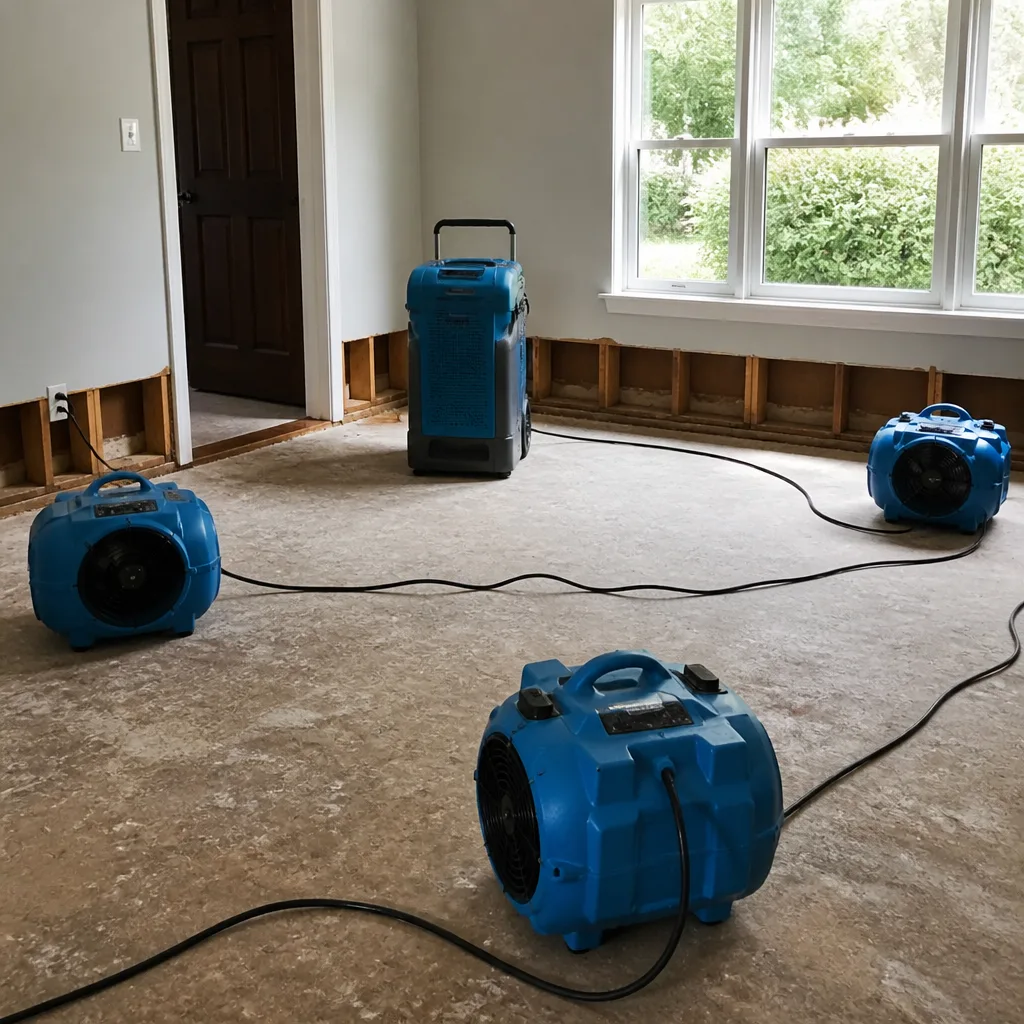
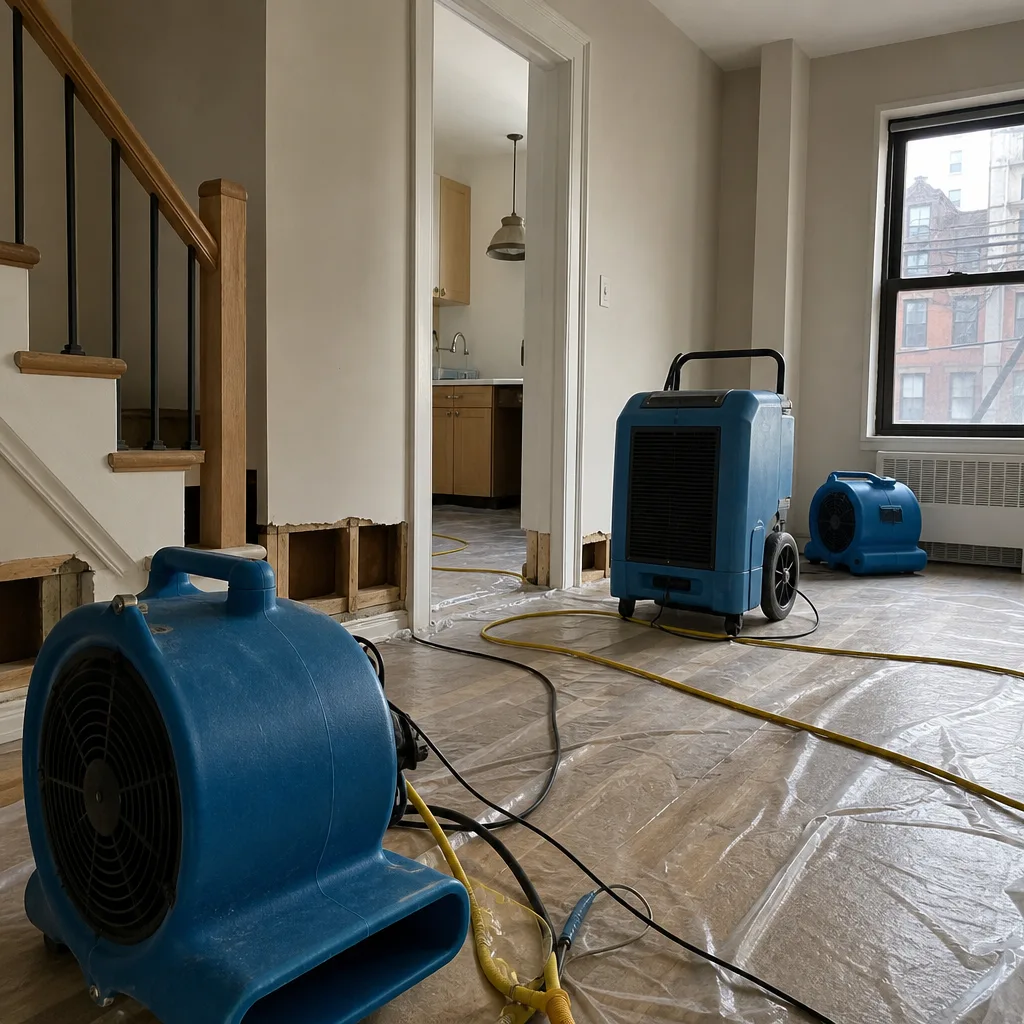
Dri-Eaz dehumidifiers and XPOWER air movers run until the dry standard is met. Daily readings are logged on paper, not kept in a technician’s head. On plaster walls we do not automatically cut everything open. We measure, monitor, and only remove what the log says has to go. That log goes to you and your carrier.
Cleaning & Sanitization
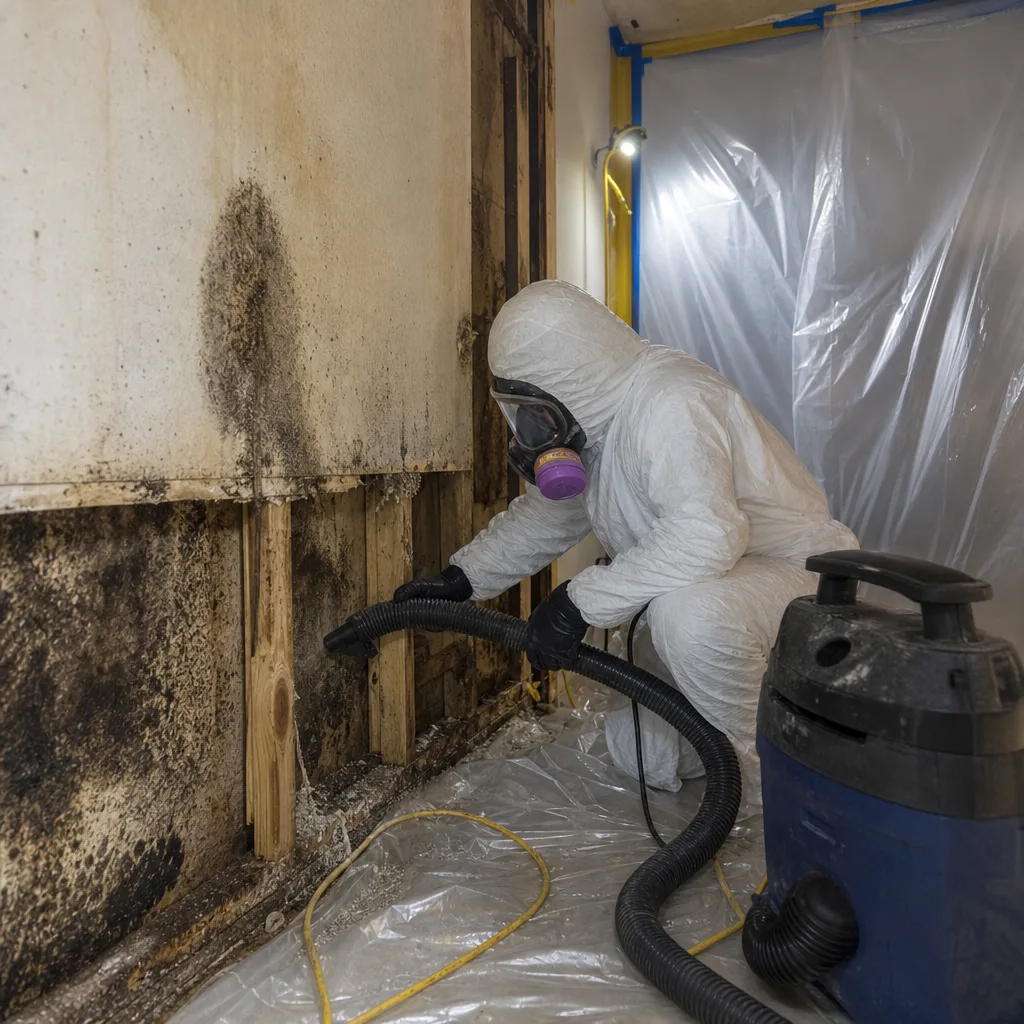
Surfaces are cleaned and treated for the category of water involved. For Category 3, we remove all porous saturated materials, apply antimicrobial treatment, and run HEPA air scrubbers with negative air pressure. For fire losses, soot residue types are identified and matched to the correct cleaning method before anything is wiped.
Specialty Treatment for Historic Materials
Washington Square demands more than a vacuum and a coat of paint. We handle plaster repair on original wood lath, custom millwork matching, cast-iron radiator reconnection, and salvageable contents restoration. When LPC review is required, we coordinate directly with the building’s preservation architect. The scope reflects period-appropriate materials, not whatever is cheapest at the supply house.
Repairs & Restoration
Once the structure is dry and the logs are complete, rebuild begins. Drywall and flooring repair, full reconstruction, finish carpentry, painting. The same crew that did the extraction does the finish work. Every job closes with the 90-Day Done Right Promise in writing. If it is not done right, we make it right. No arguing, no paperwork battles.
Need Emergency Reconstruction & Cleanup in Washington Square Now?
Crews minutes away, answering live 24 hours a day. The sooner we start, the less it costs.
Working With Your Insurance Company
Insurance is part of this job, and Washington Square losses almost always involve a claim. From the first hour, we document everything. Photos of every room before work begins. Moisture readings and daily drying logs. A line-item scope of work written for the carrier’s format. Our team speaks adjuster. We call them directly, send the documentation, and walk them through the moisture map so nothing gets kicked back for missing evidence. If LPC review delays rebuilding on a Washington Square North townhouse, we document that delay so your claim stays open and the carrier understands why the schedule changed. You do not play messenger between us and the carrier. We handle it. Curt Bowman built this company around that principle: a square deal, a written scope, and a name you can hold accountable.
What We Provide Your Insurer
- Thorough documentation of the loss
- Photos of all damage, room by room
- Moisture readings and drying logs
- A detailed, line-item scope of work
- Direct coordination with your carrier
Built for Washington Square’s Loss Calendar
Washington Square loses buildings to water on a schedule. January and February bring deep freezes that burst lead supply lines in uninsulated party walls. A frozen pipe in a fourth-floor bathroom on Washington Square North sends Category 2 water down through three floors of original plaster and oak flooring in under an hour. March and April thaw brings ground seepage into old cellar foundations and the first heavy rains that push the combined sewer system past capacity, backing Category 3 water into English basements and garden-level units on Washington Mews and MacDougal Street. Summer brings hard thunderstorm downpours that overwhelm roof drains on flat-roofed pre-war apartment buildings, sending water through ceilings and down interior walls. Fall brings nor’easters and the start of heating season, when original cast-iron radiators fire up again and old supply lines flex under pressure. None of this is exceptional. It is the rhythm of this neighborhood. Planning for it means knowing what materials you will find behind the wall before the wall gets opened, and writing a scope that matches the building, not a template.
Reconstruction & Cleanup Across Washington Square’s Neighborhoods
Washington Square is not one housing type. It is several, packed into a few blocks, and each area fails differently. Washington Square North, the 1820s to 1840s Greek Revival rowhouses known as “The Row,” carries the heaviest LPC oversight. Any interior work that touches original plaster, millwork, or masonry can require preservation review before we open a wall. Response there starts with documentation and a conversation about the landmark status. Washington Mews, the converted carriage houses, sit at grade with shallow foundations and cellar entries that flood during sewer backups. Category 3 water in a Mews unit means full containment from the first hour, because the exhaust from a single air mover can carry black-water aerosols through the entire floor. The pre-war co-ops and rental buildings along Fifth Avenue near the Park run on aging cast-iron waste stacks and lead risers. Moisture mapping there has to trace vertical migration through pipe chases, not just horizontal spread across a floor. The side streets off Washington Square South, including MacDougal and Sullivan, hold a mix of 19th-century rowhouses and early-20th-century walk-ups where original wood joists meet decades of ad-hoc renovations. We have opened walls there and found three generations of wiring spliced into one box. Each area gets a scope written for what is actually behind its walls, not what a national template assumes.
Specialized Reconstruction & Cleanup Services We Offer in Washington Square
Full-Service Reconstruction
When a Washington Square North townhouse loses a floor to water or fire, reconstruction is not a patch job. It is structural framing, period-appropriate plaster on original lath, custom millwork, and finish work that matches the pre-loss condition, not just the pre-loss dimensions. Landmarks review may require a preservation architect to sign off on the scope before we start. We write that into the plan from day one. No demo, no surprise stop-work order.
Drywall & Flooring Repair
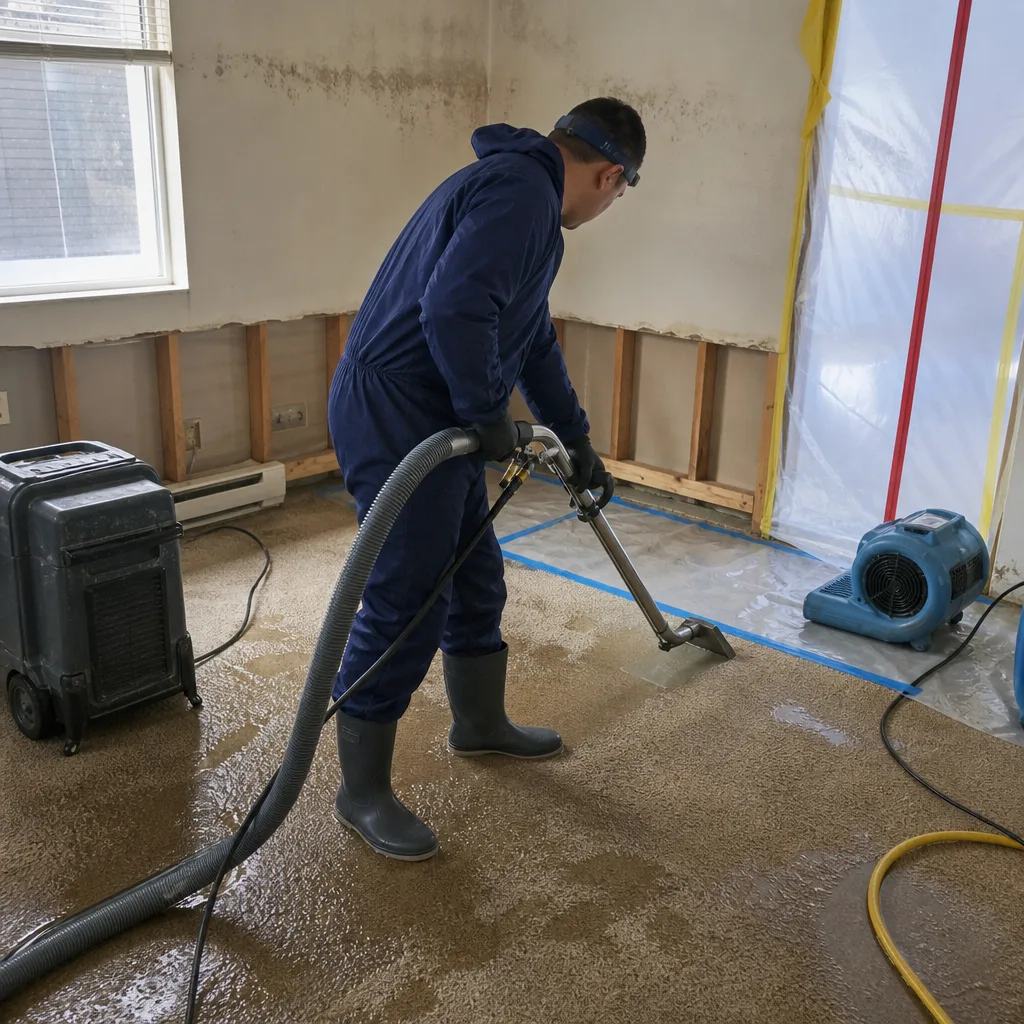
Water-damaged plaster walls in pre-war and Federal-era buildings around Washington Square cannot always be replaced with standard drywall. Where LPC rules apply, we patch with new plaster on original wood lath. Where drywall is acceptable, we use the right board, the right drying protocol, and a finish that does not telegraph a patch. Floors get the same care: matched species, matched width, matched finish.
Contents Restoration & Pack-Out
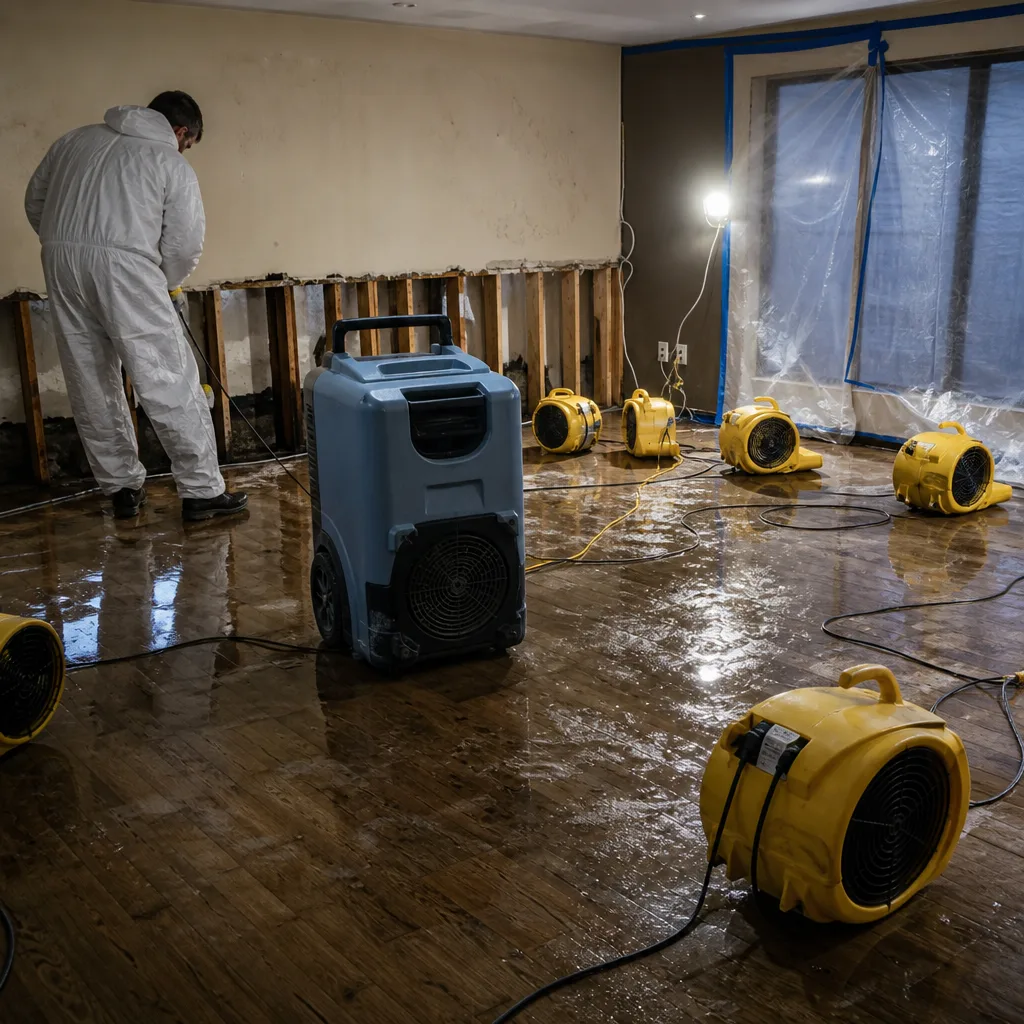
Contents in Washington Square homes are often irreplaceable, not just expensive. Antique furniture, books, artwork, family papers. When the scope requires a pack-out, we inventory every item, photograph condition, wrap and transport it, clean and restore what can be saved, and store it in climate-controlled space until rebuild is done. The inventory goes to you and your carrier. Nothing disappears.
Carpet & Upholstery Cleaning
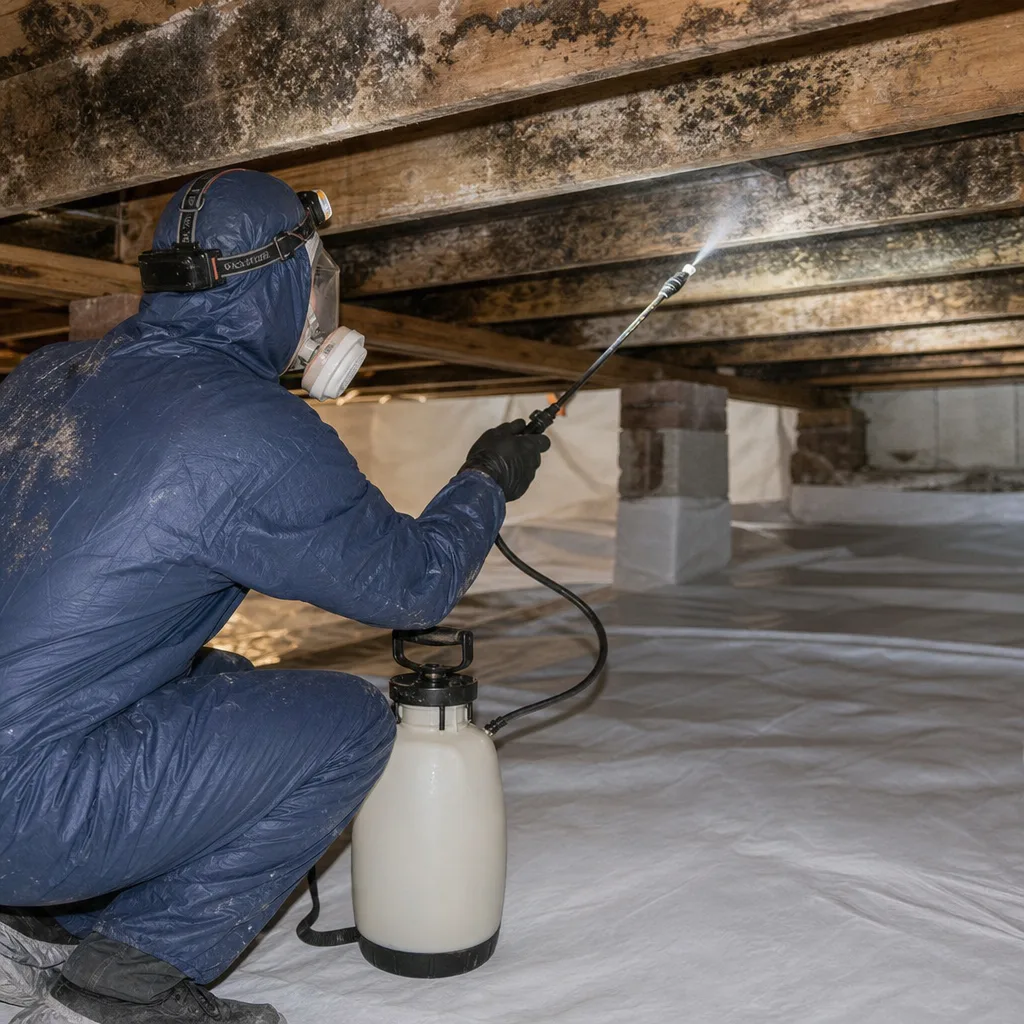
After a fire or a Category 2 water loss, soft surfaces hold soot and odor long after the walls are dry. We clean salvageable carpet, area rugs, and upholstery on site or in our facility using the appropriate method, from hot water extraction to dry cleaning for delicate fibers. Soot from a kitchen fire behaves differently than smoke from an electrical burn. We test first, then clean.
Post-Construction Cleanup
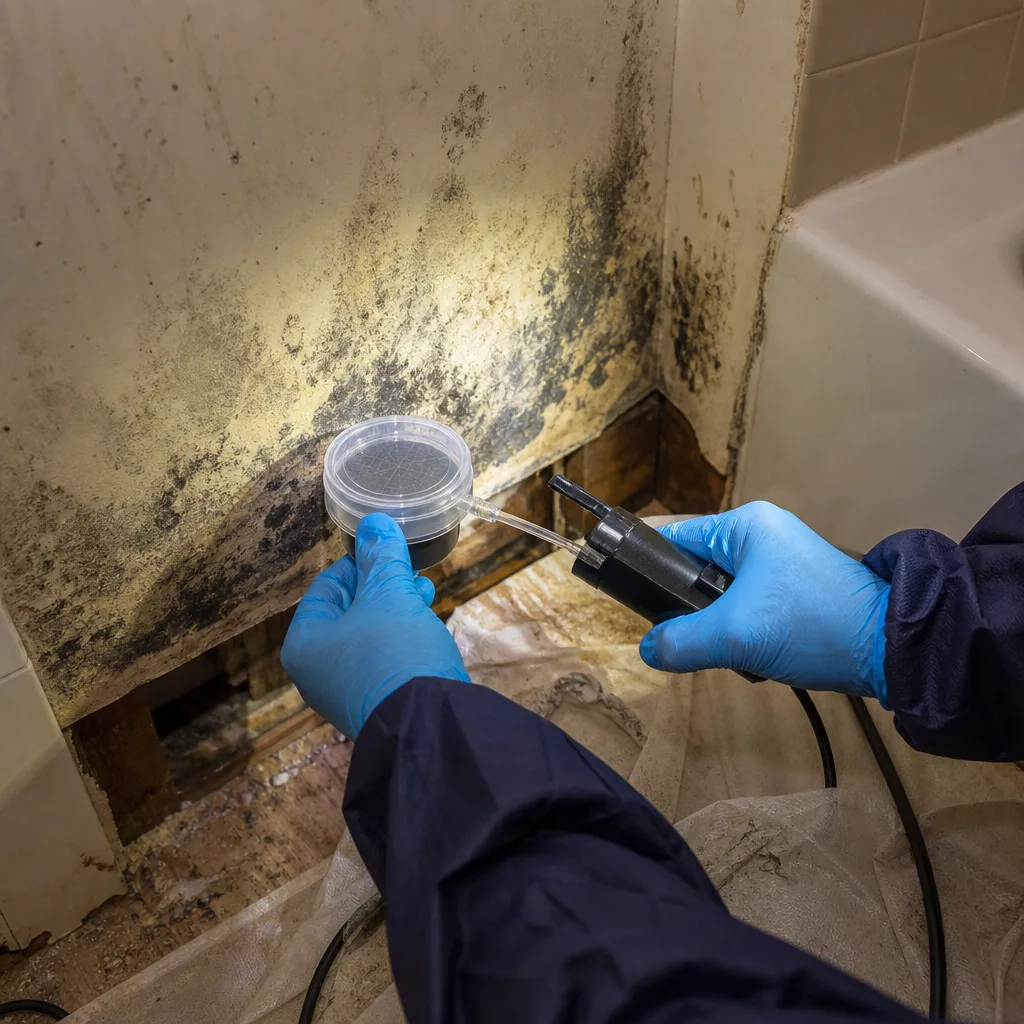
Dust from plaster repair and drywall sanding gets into every crevice of a pre-war apartment. Our post-construction cleanup removes construction dust, debris, and residue, then cleans surfaces so the space is livable on day one. HEPA air scrubbing runs during and after the work. You do not spend the first week back in your apartment dusting plaster out of the bookshelves.
What happens when you call
- 1
A real person answersNo phone trees - you reach a local pro.
- 2
You get an upfront price rangeHonest numbers before anyone is dispatched.
- 3
A background-checked tech heads outLicensed & insured, dispatched right away.
- 4
You approve before work beginsNothing starts until you say go.
Reconstruction & Cleanup Costs in Washington Square, NY
Washington Square pricing reflects the housing stock. A straightforward Category 1 water dry-out in a modernized unit might run $1,800 to $3,200. The same square footage in a landmarked Washington Square North rowhouse, where plaster must be tested, contained, and dried in place rather than cut out, typically runs $4,500 to $11,000 depending on how many finishes are involved. Full reconstruction after a major water loss in one of these older buildings commonly lands between $35,000 and $95,000, driven by custom millwork matching, plaster restoration, and LPC compliance. Sewage backup cleanup in an English basement on Washington Mews, with full Category 3 containment and removal, usually starts around $5,500 and climbs with the amount of porous material that has to go. Drywall and flooring repair on a post-war layout runs lower: $2,800 to $7,500 for a typical room restoration. The free inspection is how you get a firm number. We write the scope, we put the number in writing, and the carrier gets the same line items you do.
We Also Serve Cities Near Washington Square
Our crews work the full ring around Washington Square, including Washington Square and the surrounding neighborhoods. That means Long Island City, Greenpoint, Williamsburg, and Murray Hill get the same 45-minute response commitment and the same written scope before work starts. Same live dispatcher at 2 a.m., same full-cycle team.
Serving Washington Square, NY - Our Local Coverage Area
We’re based in the Washington Square area and know this community well. Use the map below to see our service coverage - if you’re nearby, we can almost certainly help.
Washington Square Reconstruction & Cleanup Questions, Answered
Do I need Landmarks Preservation Commission approval to replace water-damaged plaster walls in a Washington Square North rowhouse?
In most cases, yes. If the building is landmarked or within the Greenwich Village Historic District, any replacement of original plaster, lath, or millwork can require LPC review before the work begins. We coordinate with your preservation architect, write the scope to period-appropriate materials, and document the damage thoroughly so the carrier understands the scope and schedule. Call (716) 452-0798 and we will walk you through what your building specifically requires.
How do you handle sewage backups from the combined sewer system into an English basement on Washington Mews?
As a Category 3 water loss, which is the only correct classification for combined sewer backup. We set containment before anything else moves, remove all saturated porous materials, treat remaining surfaces with antimicrobials, run HEPA air scrubbers under negative pressure, and do not lift containment until clearance testing passes. Washington Mews basements flood this way regularly. The worst mistake anyone can make is treating it as a mop-up and drying job. That spreads contaminated aerosols through the entire unit. Call us and we will send a certified crew the same visit.
My pre-war co-op on Fifth Avenue near the Park has original plaster and lead pipes. Can you dry the walls without gutting them?
Usually yes. We do not automatically open every wet wall. Penetrating moisture meters and thermal imaging tell us where the water actually went. Plaster dries well when you control temperature, airflow, and humidity. We run structural drying with Dri-Eaz dehumidifiers and monitor daily until the dry standard is met. Only materials that cannot dry without risk of mold damage come out. Your co-op board gets the same documentation as your carrier.
What happens when water damage is found behind a cast-iron radiator in one of the Federal-era houses off Washington Square South?
The radiator gets disconnected by a licensed plumber, the wall behind it is assessed for water migration, and the drying plan is written around the fixture rather than through it. Cast-iron radiators hold water and heat and can hide moisture. We map behind them with penetrating meters, dry the wall cavity, and reconnect the radiator once the structure meets dry standard. If the supply line feeding that radiator is the source, we document the pipe condition and include it in the scope for your carrier.
Does your Reconstruction & Cleanup crew document everything for my insurance carrier when LPC review delays rebuilding on Washington Square North?
Yes. We photograph everything before work begins, log daily moisture readings, write the line-item scope, and we document the LPC review process itself: what was submitted, when, and what the Landmarks commission required. That paper trail keeps your claim moving and gives the adjuster what they need to approve the full scope. We talk to them directly. You do not carry messages between us and the carrier.
How fast can you actually get to Washington Square in an emergency?
Our dispatch commitment is 45 minutes to the door, from our New York City office to anywhere around the park, the Mews, or Fifth Avenue. A live person answers 24/7. In practice we are often faster because we keep crews in Manhattan around the clock. The first hour is when extraction makes the difference. Call (716) 452-0798 and we will tell you exactly when the truck rolls.
How long does full reconstruction take after a major water loss in Washington Square?
Drying itself typically runs three to seven days. Rebuild depends on the scope and the building. A modernized post-war unit can be restored in two to four weeks. A landmarked Washington Square North townhouse with custom millwork matching and LPC review can take eight to sixteen weeks. The schedule is written out in the scope before we start, and it is updated as the job moves. No vague promises.
What should I do in the first 30 minutes after a pipe bursts in my Washington Square apartment?
Shut the water at the main or the fixture stop. Kill the power to any outlet near standing water if you can do so safely from a dry location. Move small valuables and papers out of the wet zone. Then call (716) 452-0798. Do not cut into walls or pull up flooring, and do not touch any water from a sewer backup. The sooner our crew gets moisture meters on the structure, the more of your original plaster and flooring we can save.
Written by Curt Bowman, Owner at Floodline Restoration Co., serving Washington Square with full-cycle reconstruction and cleanup since 2010.