
Free visual inspection and a written scope of work before any mitigation begins - photos, moisture readings, and drying logs go in your claim file
The scope we write is the scope we bill. Anything new gets shown to you, in writing, before we touch it.
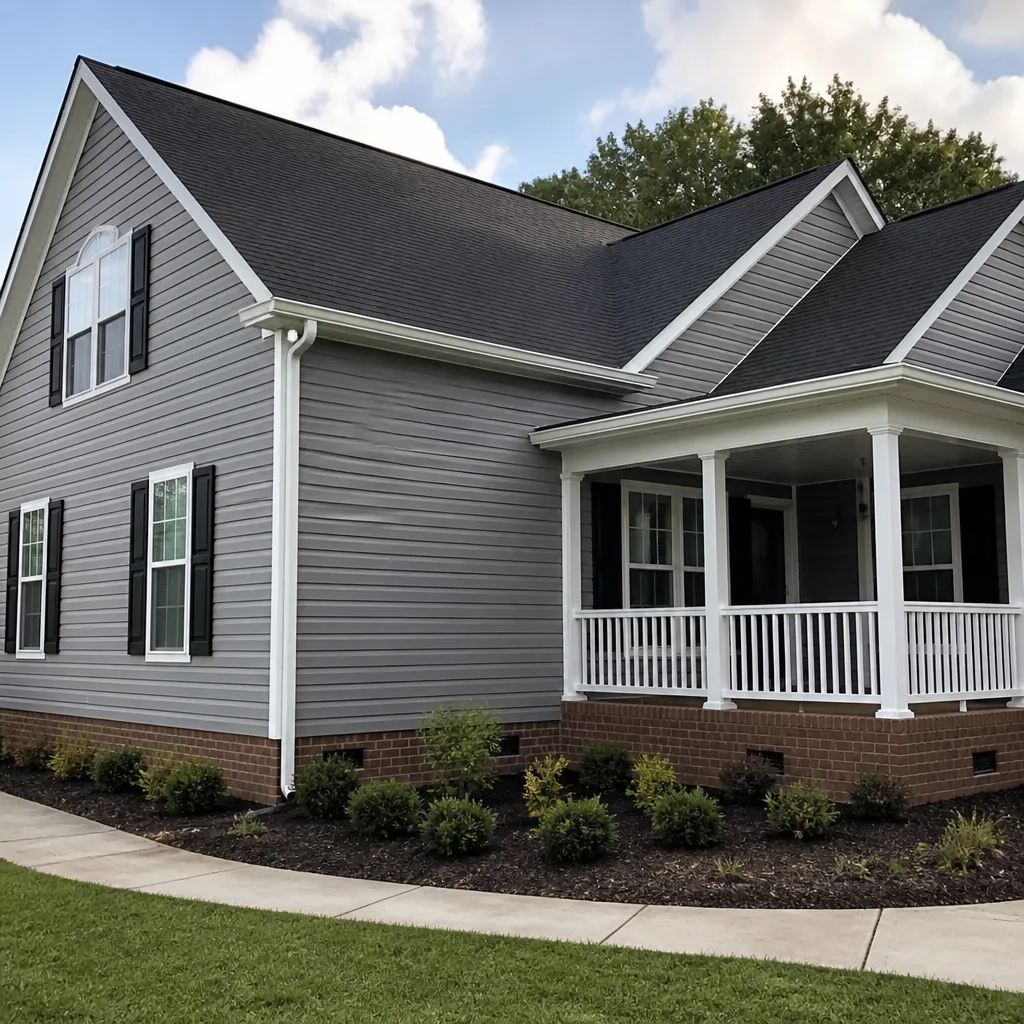
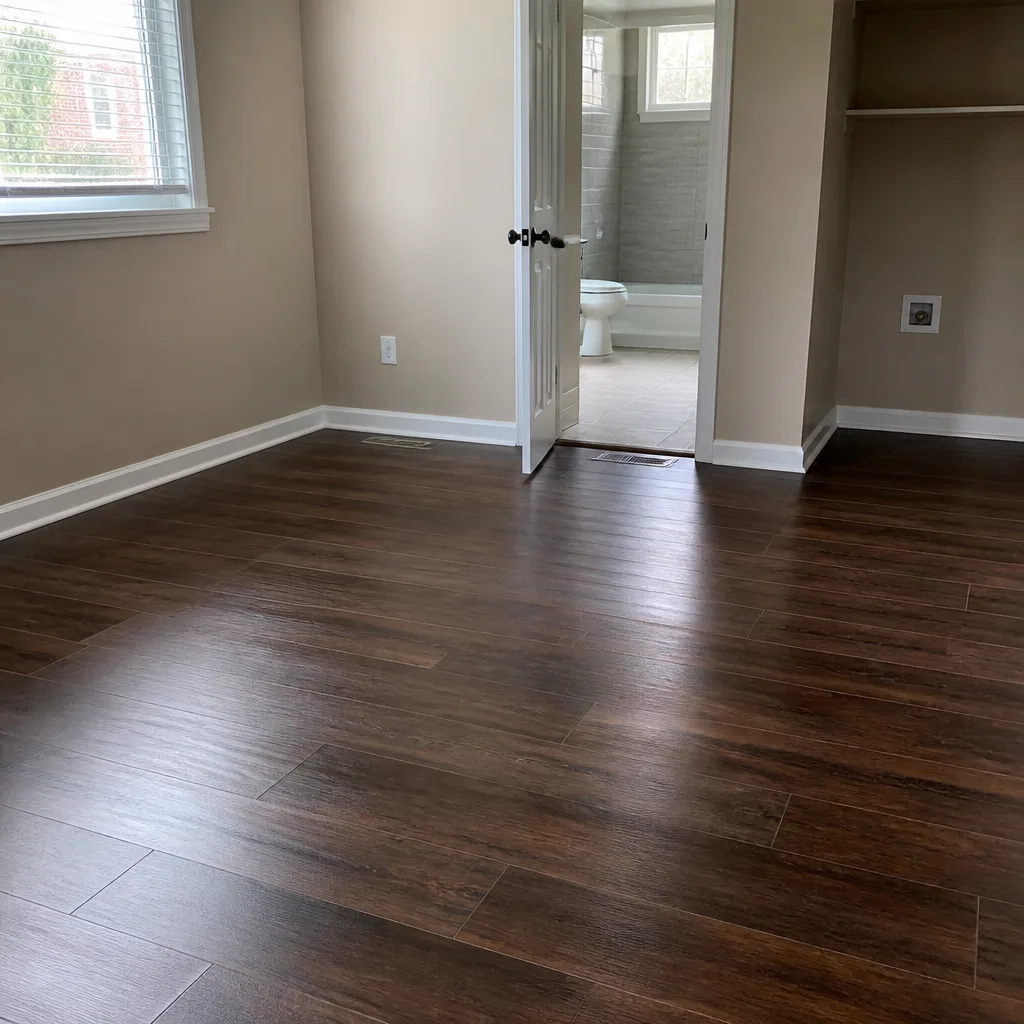
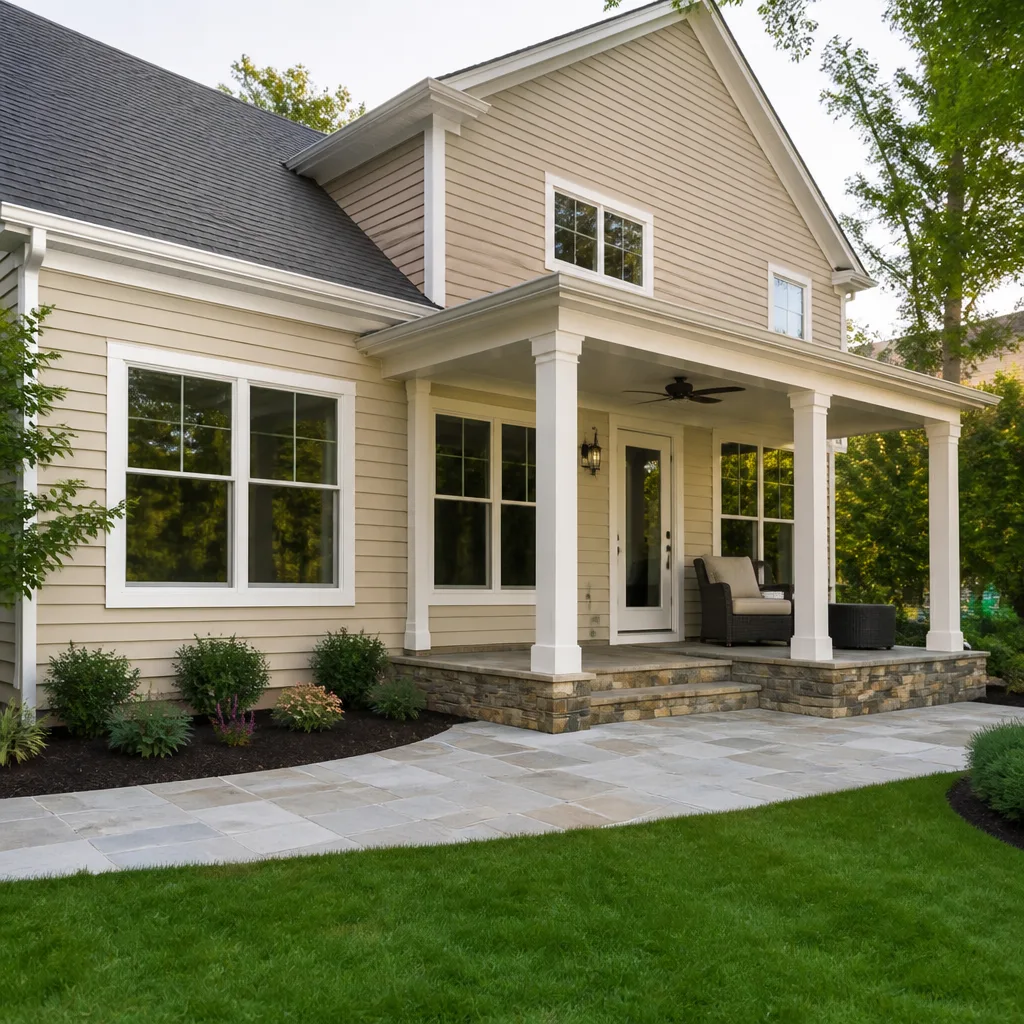
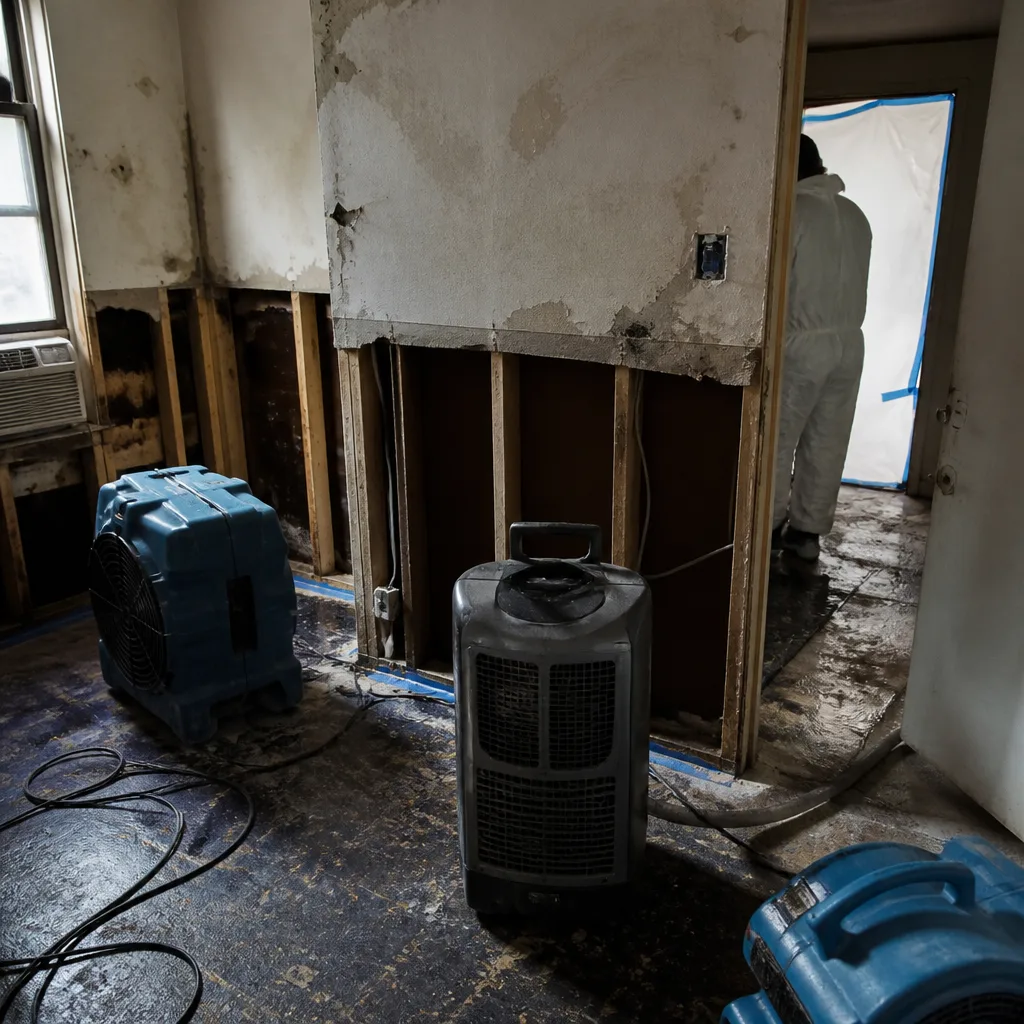 Before
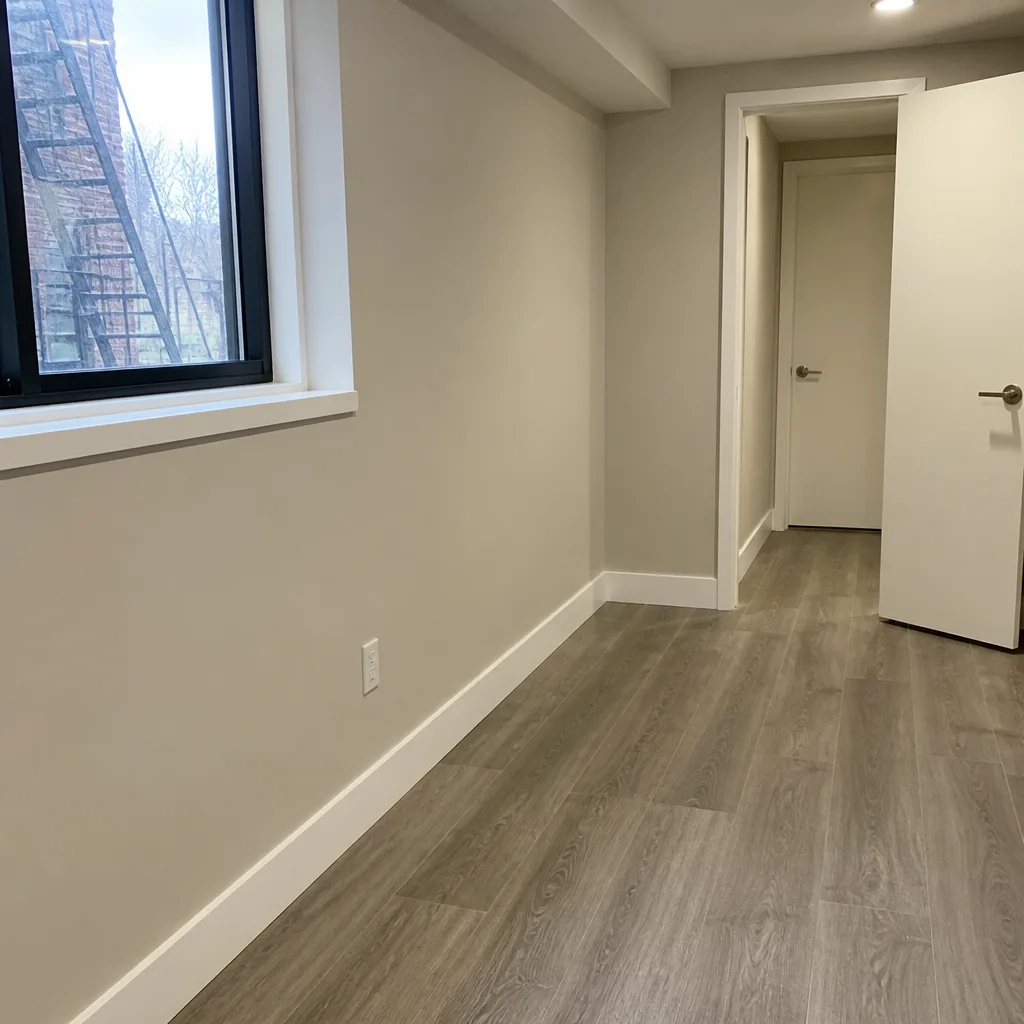 After
After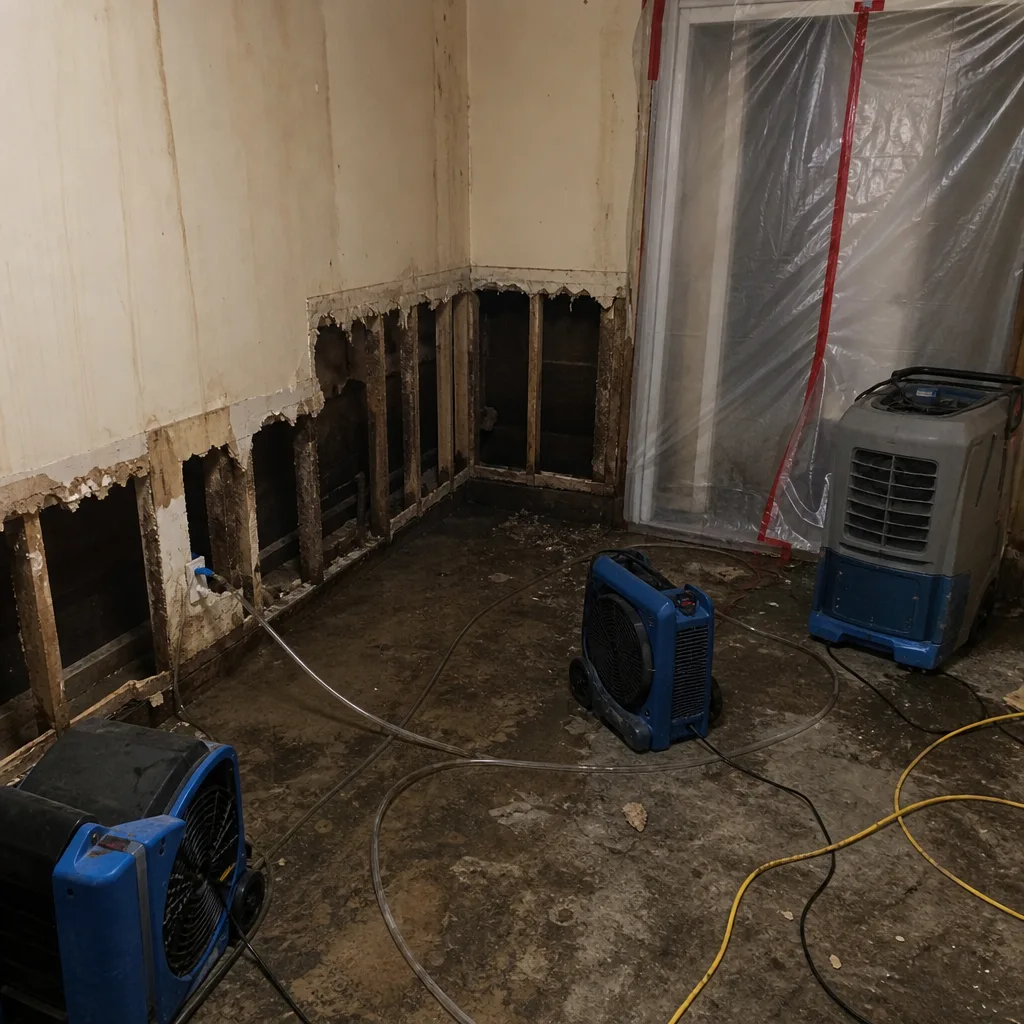 Before
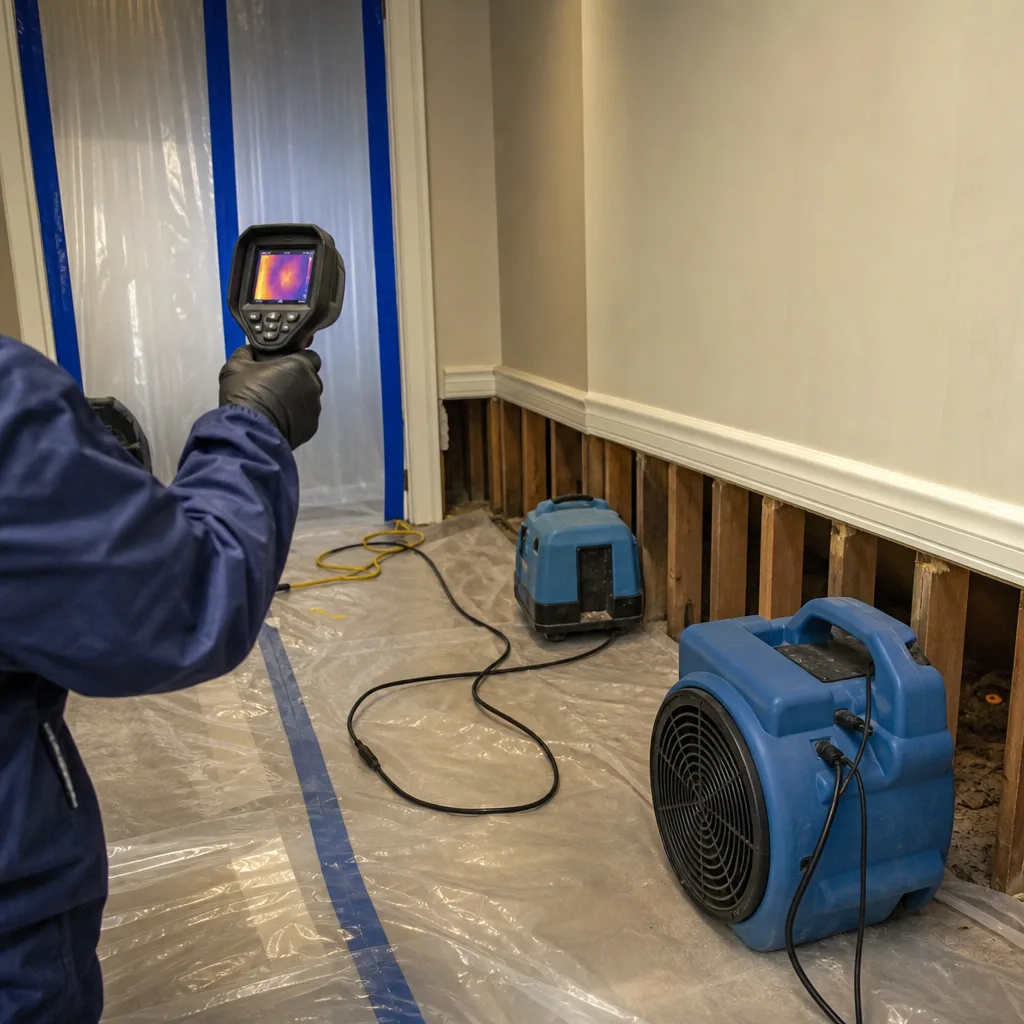 After
After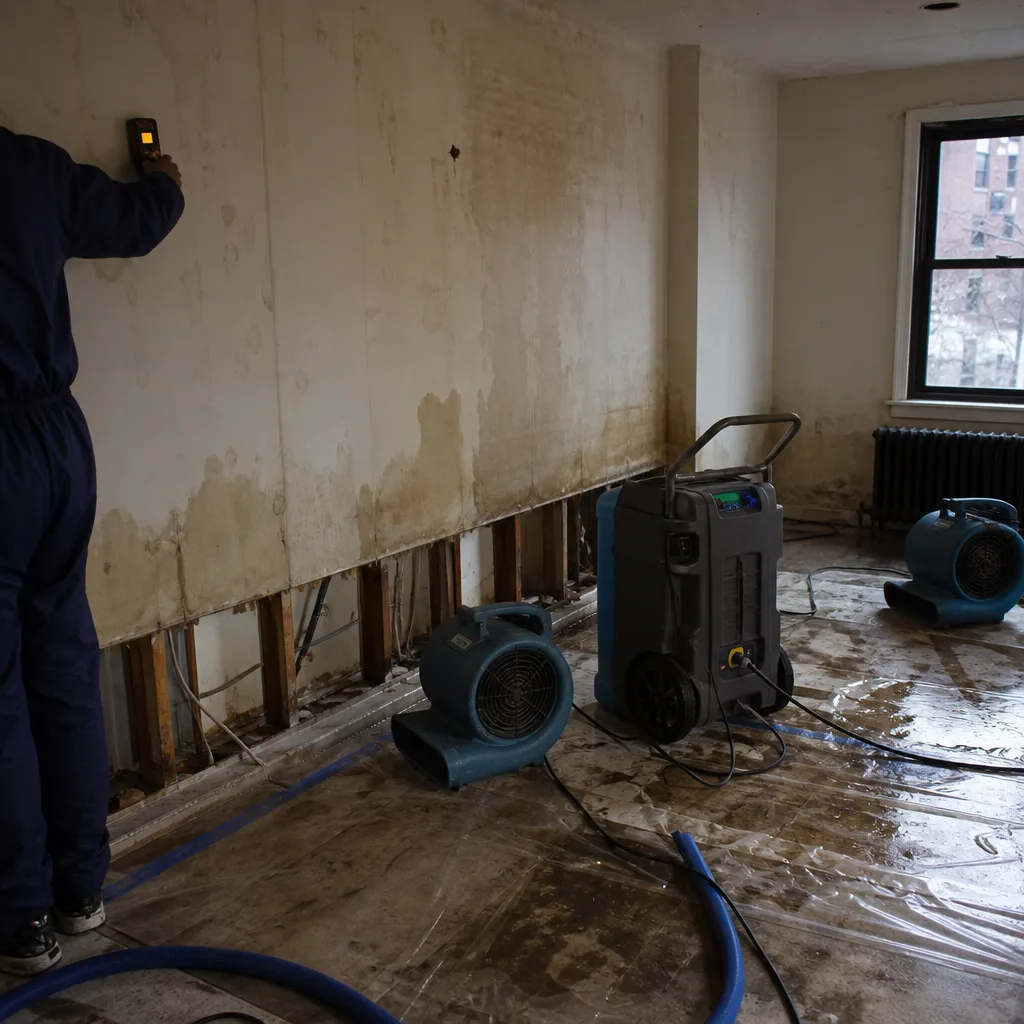 Before
 After
After24/7 Emergency Storm & Disaster Restoration in Williamsburg
When a nor’easter rips through Williamsburg or a January deep freeze bursts a supply line in your pre-war tenement, you need a crew that answers the phone at 2 a.m. and gets to your block fast. Storm & Disaster Restoration in Williamsburg starts with a live dispatcher, every hour of every day, at (716) 452-0798. We dispatch certified crews to Williamsburg neighborhoods within 45 minutes, run a free visual inspection on arrival, and get extraction running that same visit. The first hour after water intrusion decides whether you’re looking at targeted drying or a full gut-and-rebuild.
Our Storm & Disaster Restoration team handles every phase, from emergency board-up and roof tarping through structural drying and finished reconstruction. We’re the same crew that reads the moisture map on day one, logs daily readings until the dry standard is met, and rebuilds what needs rebuilding. No mid-job handoff to a different company. No homeowner stuck playing messenger with the carrier.
Understanding Storm & Disaster Restoration Severity in Williamsburg Properties
Storm damage in Williamsburg splits into three categories, and the building stock determines how fast each one escalates. Category 1 water from a burst supply line in a Grand Street tenement stays contained behind compartmentalized walls, but Category 2 water from a rooftop tank failure in a Kent Avenue loft migrates laterally across open concrete slab floors before any alarm triggers. Category 3 water, the kind that backs up from the East River during storm surge or sewage events, carries contaminants that require full containment and sanitizing protocols.
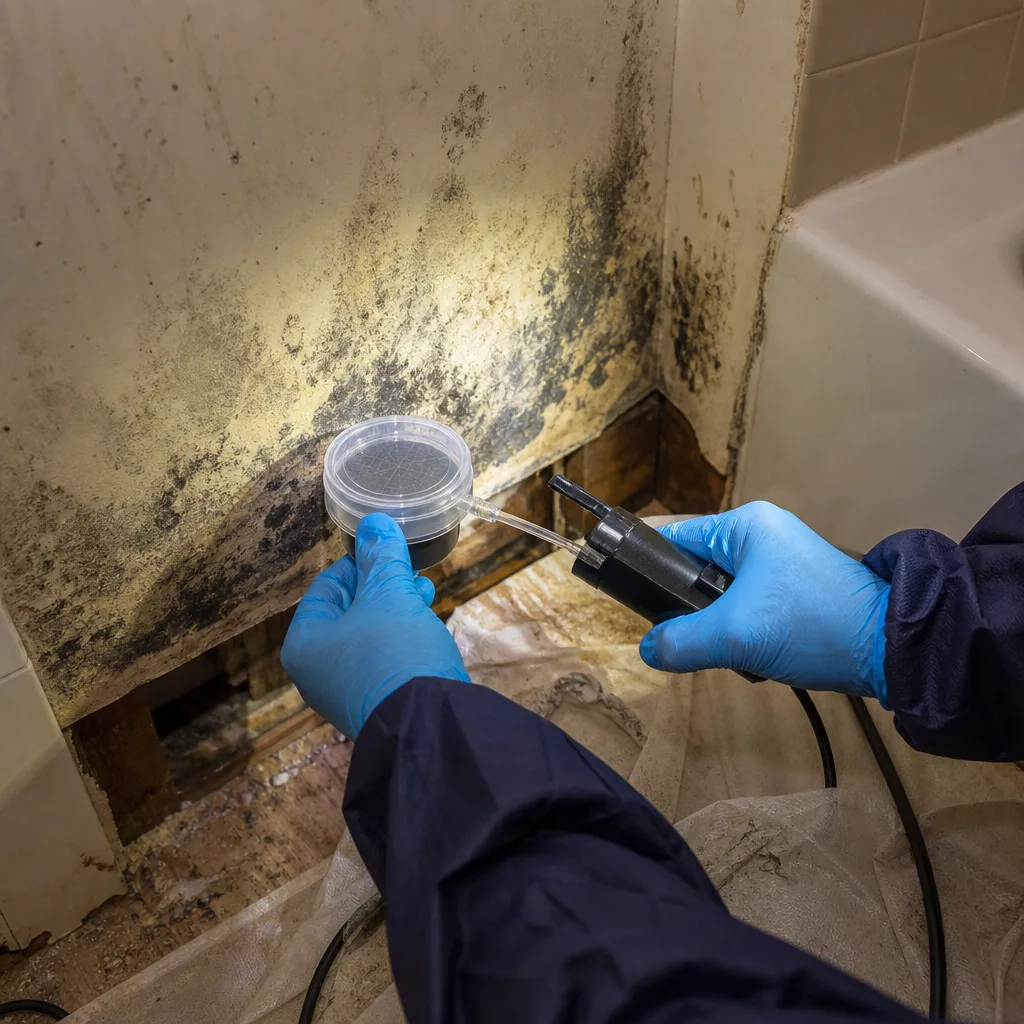
Williamsburg’s housing mix makes moisture mapping the decisive step. Pre-war brick tenements built 1880 to 1920 carry original horsehair plaster walls with no vapor barriers, so water wicks into lath and brick and hides there through the winter. Converted factory lofts along Berry Street and North 11th sit on polished concrete slabs with no subfloor drainage cavity, meaning water spreads across thousands of square feet undetected. Neither building type behaves like conventional modern construction. We run thermal imaging and hygrometer readings before we touch a wall, because drying what you can see while missing what you can’t is how mold gets a six-week head start.
Why Williamsburg Property Owners Choose Floodline Restoration Co.
- 45-minute response commitment – A live dispatcher takes your call, and a certified crew is rolling toward Williamsburg within 45 minutes, not a callback queue.
- 24/7 live answer, never an automated system – Call (716) 452-0798 at 3 a.m. and a person picks up. Not a recording. Every time.
- IICRC-certified crews trained to WRT, FSRT, and AMRT codes – Background-checked, uniformed technicians on every job, trained to IICRC, RIA, and IFA standards.
- Free visual inspection on arrival – We assess the damage before any work begins, so you know the scope before the bill starts.
- Direct insurance billing – We bill your carrier directly, document everything from the first hour, and coordinate with your adjuster so you don’t have to.
- One team from extraction to reconstruction – The crew that extracts the water is the crew that rebuilds the wall. No inherited labor, no second company learning your house from scratch.
Our Storm & Disaster Restoration Process
Inspection & Assessment
We arrive, run a free visual inspection, and map the full extent of water migration with thermal imaging and hygrometers. For Williamsburg loft slabs and tenement plaster walls, we check what’s hidden, not just what’s wet on the surface.
Extraction / Stabilization
We stabilize first: emergency board-up for broken windows, roof tarping for storm breaches, and standing water extraction using Dri-Eaz and XPOWER equipment. The goal is stopping the spread before the next rain.
Drying & Dehumidification
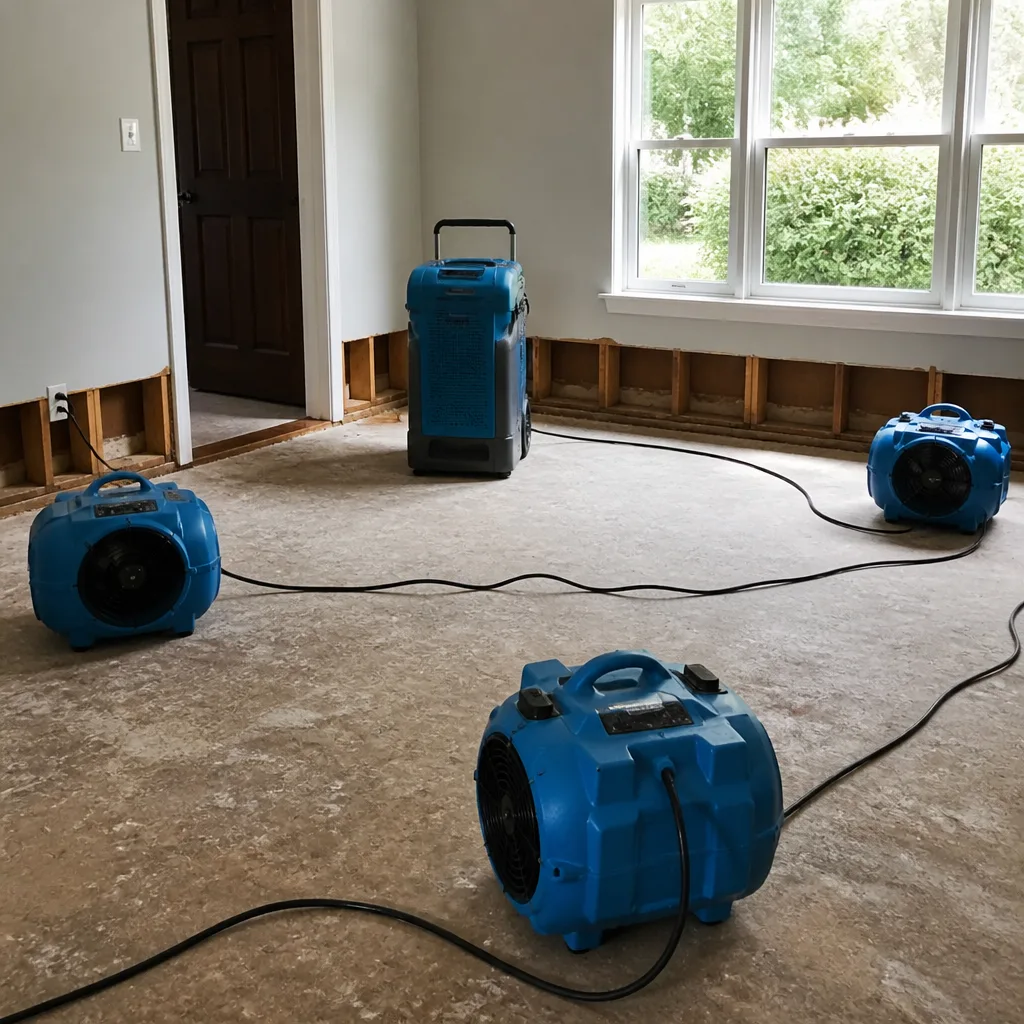
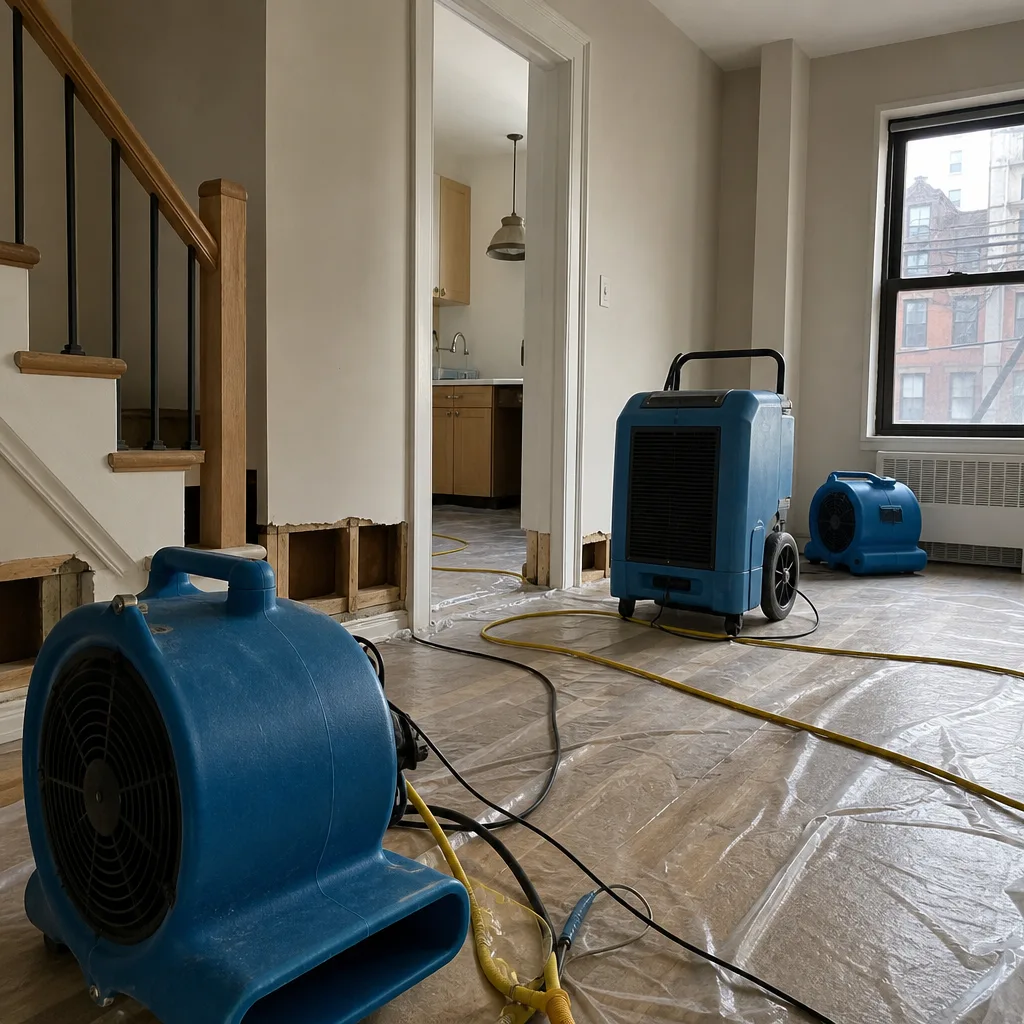
We set up containment and run professional-grade dehumidifiers and air movers, with daily moisture readings logged until the dry standard is met. You get the log. Your insurer gets the log. Nobody guesses.
Cleaning & Sanitization
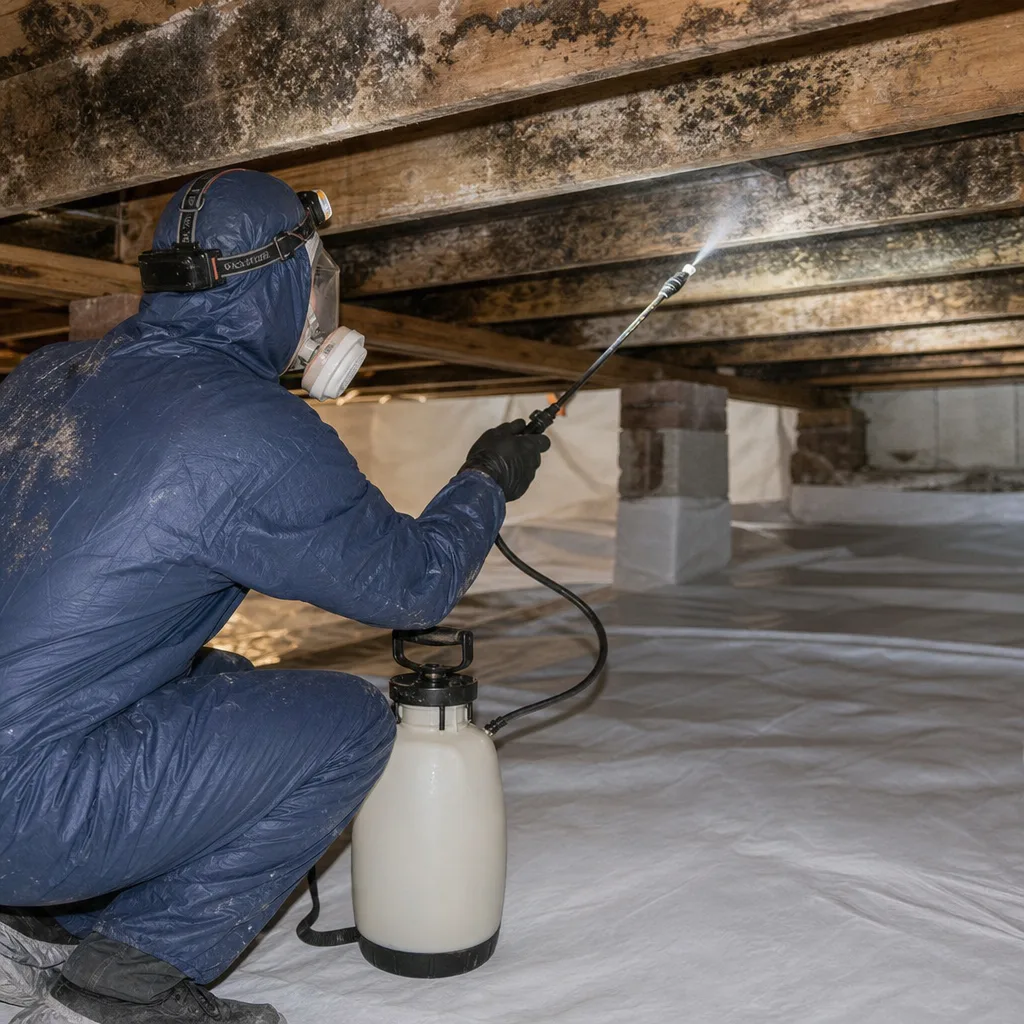
Category 2 and Category 3 water get antimicrobial treatment and air scrubbing. We sanitize what can be saved and cut out what can’t, so you’re not living with contaminants sealed behind new drywall.
Flood-Zone Compliance Review
For waterfront properties in FEMA Zone AE, we review elevation certificate requirements and flood-specific remediation standards before reconstruction begins. This step keeps your claim intact and your rebuild compliant.
Repairs & Restoration
The same crew that extracted the water rebuilds the custom millwork, matches the plaster, and restores the finishes. Done right, and backed by the 90-Day Done Right Promise in writing.
Need Emergency Storm & Disaster Restoration in Williamsburg Now?
Crews minutes away, answering live 24 hours a day. The sooner we start, the less it costs.
Working With Your Insurance Company
Storm claims in Williamsburg get complicated fast, especially when FEMA flood-zone rules and pre-war building systems are involved. We document everything from the first hour: photos of all damage, room by room, before we move anything. Moisture readings and drying logs go to your adjuster as they’re recorded, not weeks later. Our estimates follow industry-standard line-item formatting so your carrier can process them without sending them back for clarification. When your insurer needs a direct conversation with the restoration contractor, we’re on that call. You’re not the messenger.
What We Provide Your Insurer
- Thorough documentation of the loss
- Photos of all damage, room by room
- Moisture readings and drying logs
- A detailed, line-item scope of work
- Direct coordination with your carrier
Built for Williamsburg’s Loss Calendar
Williamsburg takes storm damage on a seasonal rhythm, and the building stock decides what fails first. January and February deep freezes stress the aging supply lines in pre-war tenements along Grand Street and Metropolitan Avenue, bursting pipes that sat uninsulated for a century. Spring thaw hits the mortar joints on brick facades, and water finds its way through hairline cracks that opened during the freeze-thaw cycle. Nor’easters in late fall and winter drive wind-driven rain into the industrial window frames of converted lofts along Kent Avenue, and the East River surge potential that reshaped Williamsburg during Hurricane Sandy remains a live threat for every waterfront property in FEMA Zone AE.
Summer thunderstorms send flash flooding into basement slabs that were never designed to drain. The freeze-thaw cycle is the recurring villain here: pre-war brick absorbs water, freezes, expands, and spalls, creating new entry points every spring. A property that stayed dry last year can take on water this year through masonry that finally gave way. That’s why we recommend a seasonal check for Williamsburg homeowners with exposed brick facades and original basement foundations.
Storm & Disaster Restoration Across Williamsburg’s Neighborhoods
Response times in Williamsburg depend on where you are, and we know every corridor. The waterfront stretch along Kent Avenue between North 3rd and North 11th is our most flood-zone-intensive response area: loft conversions with polished concrete slabs, enormous industrial windows, and FEMA compliance requirements on nearly every claim. We can reach that corridor within 45 minutes from dispatch, and our crews know the building systems there: raw ceiling decks with concealed HVAC, open floor plans that let water travel laterally, and no subfloor drainage to slow the spread.
Inland, the tenement blocks around Grand Street, South Williamsburg, and the Broadway corridor are a different response profile. Damage stays localized within compartmentalized units, but the plaster walls and original lath demand moisture mapping before any drying plan. The townhouse rows near McCarren Park and the Berry Street corridor mix pre-war brick with post-2000s conversions, often on the same block. We route crews based on building type, not just distance, because a loft on North 6th and a brownstone on Driggs Avenue need different equipment and different protocols even when they’re six blocks apart.
Specialized Storm & Disaster Restoration Services We Offer in Williamsburg
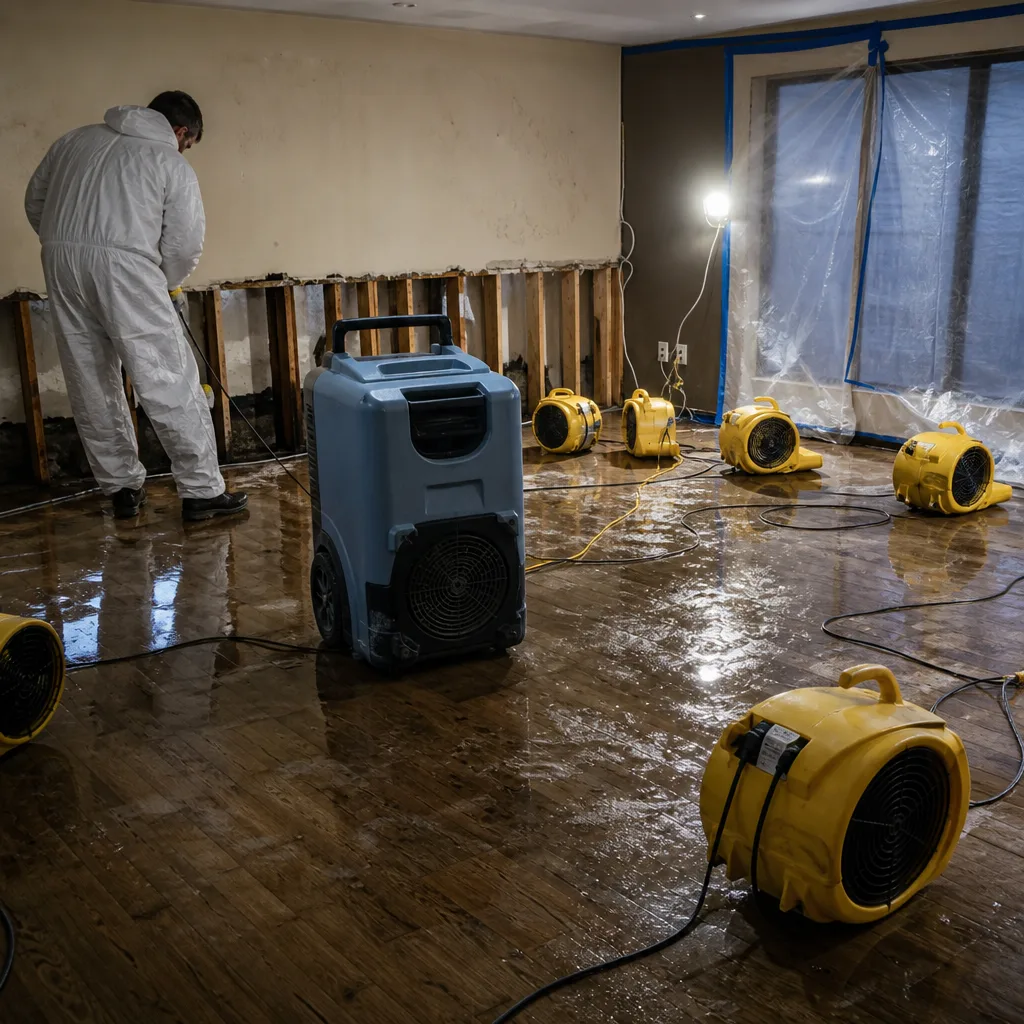
Flood Damage Restoration
For waterfront properties in Williamsburg’s FEMA Zone AE, flood damage restoration includes flood-zone compliance steps that conventional Brooklyn work never touches. We extract, dry, and restore while documenting to flood-specific standards, so your elevation certificate review and insurance claim stay intact. The East River waterfront from North 3rd to Greenpoint is our most experienced flood response territory.
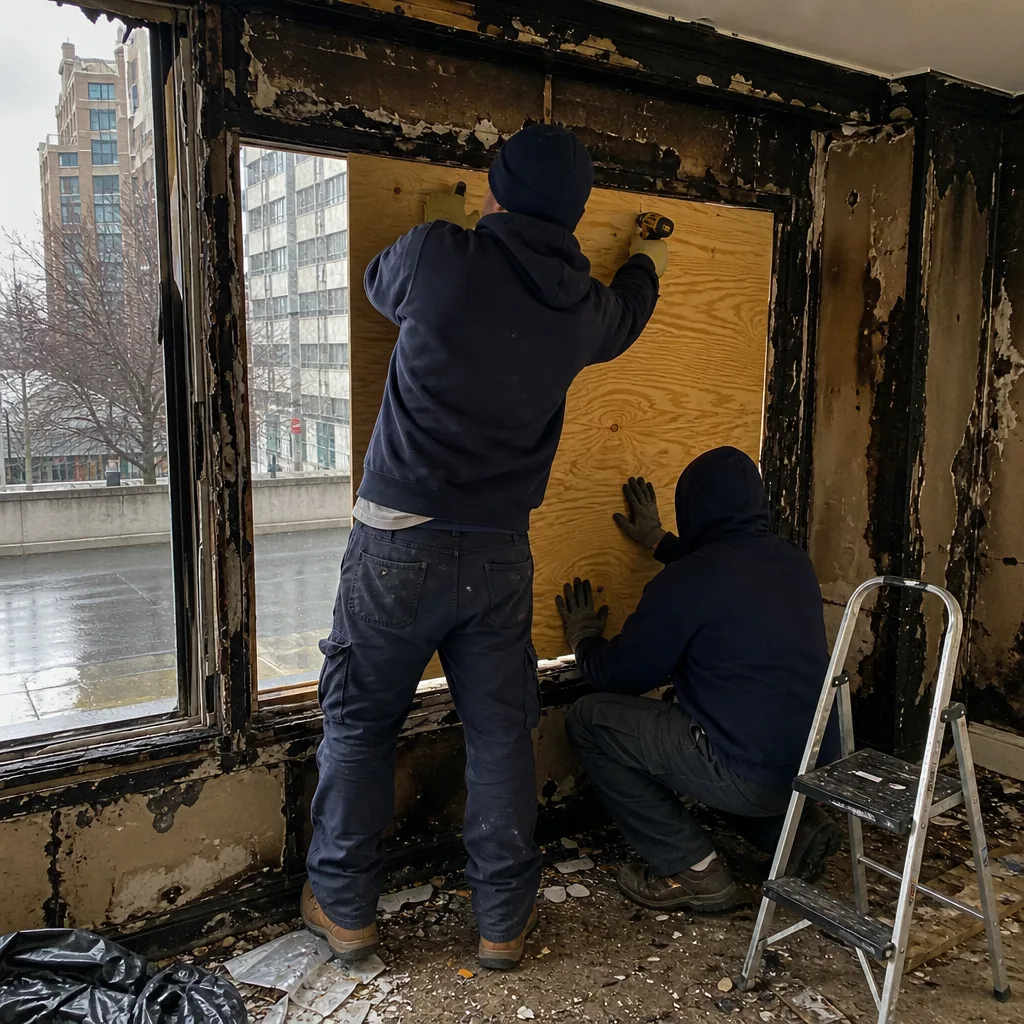
Emergency Board-Up
When wind tears through the industrial windows of a Kent Avenue loft or a tree branch breaches a South Williamsburg rowhouse, the opening needs to be secured before the next weather system arrives. We board up with weather-tight materials, document the damage for your carrier, and secure the property against further intrusion the same visit.
Storm Damage Cleanup
Storm debris, water-saturated drywall, and wind-scattered building materials all need removal before drying starts. In Williamsburg’s converted lofts, debris removal often means working around open floor plans and custom finishes we’re trying to save. We remove what can’t be restored and protect what can, in that order.
Roof Tarping
A breached roof on a pre-war Williamsburg tenement lets water into the horsehair plaster walls below, where it wicks through original brick and lath undetected. We tarp fast to stop the entry, then moisture-map the affected walls to find what’s already wet behind the plaster. The tarp buys time. The mapping prevents a mold problem from hiding until spring.
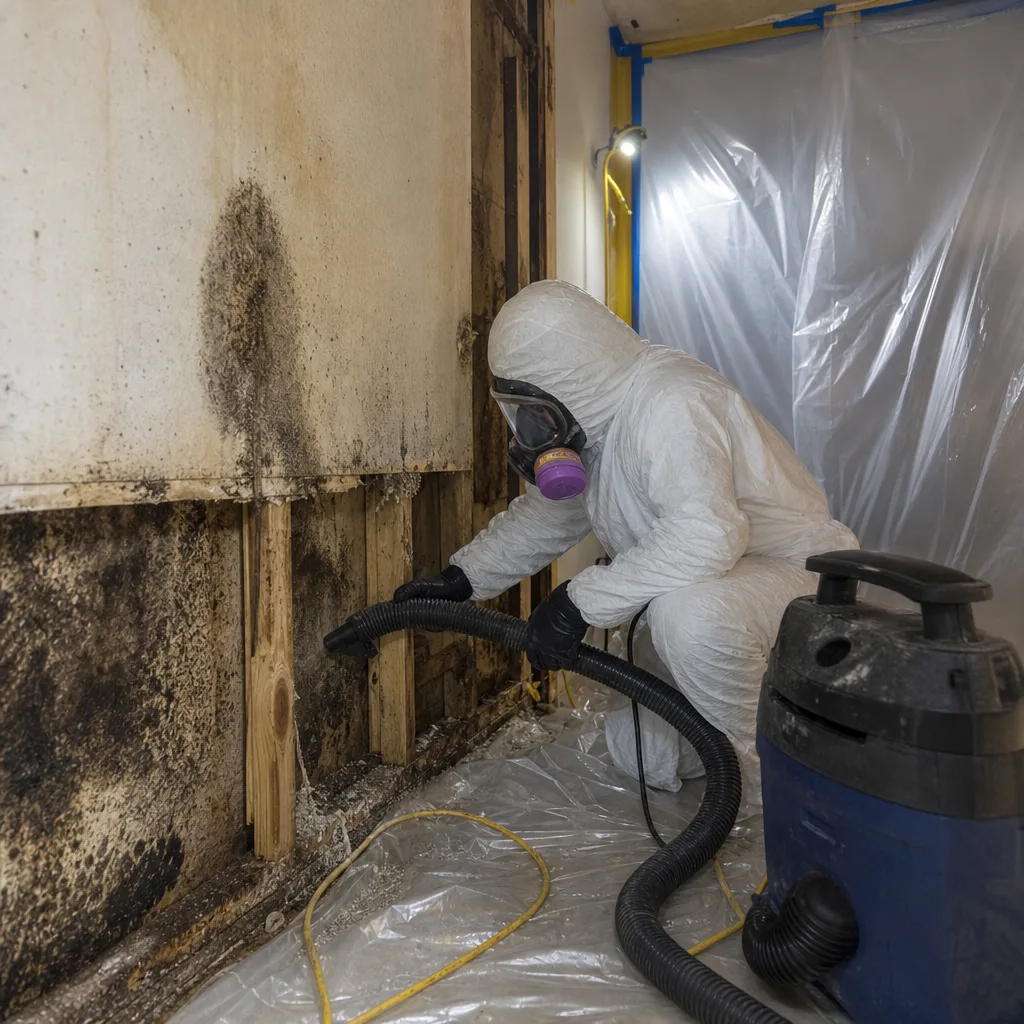
Debris Removal
After a nor’easter, Williamsburg streets and rooftops carry debris that can become projectiles in the next wind event. We remove storm debris from roofs, yards, and interior spaces, hauling away waterlogged materials that would otherwise feed mold growth inside the drying envelope.
What happens when you call
- 1
A real person answersNo phone trees - you reach a local pro.
- 2
You get an upfront price rangeHonest numbers before anyone is dispatched.
- 3
A background-checked tech heads outLicensed & insured, dispatched right away.
- 4
You approve before work beginsNothing starts until you say go.
Storm & Disaster Restoration Costs in Williamsburg, NY
Flood damage restoration in Williamsburg typically runs $3,500 to $12,000 depending on the square footage affected and the building type. A contained pipe burst in a tenement unit on Grand Street might land near the lower end of that range. A rooftop water tank failure that migrates across a 4,000-square-foot loft slab on North 11th can push toward the higher end, because the drying footprint is the entire open floor plan, not one room. Emergency board-up runs $350 to $900 for a standard Williamsburg storefront or loft window. Roof tarping runs $500 to $1,400 depending on roof pitch and access. Storm damage cleanup and debris removal runs $1,200 to $4,500 depending on volume and contamination level.
What moves the price is water category, square footage of hidden moisture, and whether FEMA flood-zone compliance applies. Your free visual inspection gives you a firm scope in writing before any work starts. Call (716) 452-0798 for an exact quote. Estimates are free.
We Also Serve Cities Near Williamsburg
Our storm and disaster restoration crews cover Williamsburg and the surrounding area, including Storm & Disaster Restoration in Williamsburg, Long Island City, Greenpoint, Murray Hill, and Upper Manhattan. If your property sits near the Williamsburg border in any direction, our 45-minute response commitment still applies.
Serving Williamsburg, NY - Our Local Coverage Area
We’re based in the Williamsburg area and know this community well. Use the map below to see our service coverage - if you’re nearby, we can almost certainly help.
Williamsburg Storm & Disaster Restoration Questions, Answered
Why does storm damage restoration in Williamsburg’s Kent Avenue lofts require different drying methods than in the tenements a few blocks inland?
Kent Avenue lofts sit on polished concrete slabs with no subfloor drainage cavity, so water migrates laterally across the entire open floor plan and wicks into the slab before alarms trigger. Drying that footprint requires full containment, multiple dehumidifier placements, and daily moisture readings across thousands of square feet. A tenement unit a few blocks inland has compartmentalized rooms that keep damage localized, so the drying footprint is smaller and more straightforward. The building system decides the drying plan, not the amount of water.
How do FEMA Zone AE flood-zone rules change the scope of work for a Williamsburg waterfront storm claim?
FEMA Zone AE covers most of Williamsburg’s East River waterfront lofts and condos, which means almost every storm claim on those properties requires flood-specific remediation standards and elevation certificate documentation. Restoration work done without flood-zone compliance can void an insurance claim or fail an elevation certificate review. Our crews document to flood-specific standards from the first hour, so the rebuild passes carrier review and the compliance requirements stay intact.
What should I expect after a nor’easter floods my Williamsburg basement in a pre-war brick building?
Expect water in the basement slab, but also expect moisture wicked into the original brick foundation and any horsehair plaster walls above grade. Pre-war brick is porous, and water travels upward through it. We extract the standing water first, then moisture-map the foundation walls and any plaster above to find what’s hidden. Drying a pre-war basement takes longer than drying a modern foundation because the brick holds moisture and releases it slowly. The drying log we keep tells you and your insurer when it’s actually dry.
How do you handle wind damage to the large industrial windows common in Williamsburg factory lofts?
Wind-driven rain through industrial window frames is one of the most common storm losses in Williamsburg’s converted factory buildings. We board up or tarp the breach immediately to stop further entry, then assess whether the window frame, the surrounding brick, or both need repair. The original steel frames on these buildings often look sound while the seal around them has failed, letting water run inside the wall. We moisture-map behind the frame before any cosmetic repair, because sealing a wet wall is how hidden mold starts.
Why does my Williamsburg brownstone keep getting water damage every spring even without a storm?
The freeze-thaw cycle is the culprit. Williamsburg’s pre-war brick facades absorb water during winter, freeze, expand, and spall the mortar joints. Come spring, water finds those new openings and enters the wall. It happens every year because the brick never fully dries between cycles. The fix is moisture mapping the affected walls to find the extent of intrusion, repairing the mortar joints properly, and drying the wall cavity before restoring any interior finishes. Patching the interior without fixing the exterior mortar just moves the problem to next spring.
How fast can a storm restoration crew actually get to Williamsburg?
Our commitment is 45 minutes from your call to a crew rolling toward your Williamsburg address. A live dispatcher answers at (716) 452-0798, 24 hours a day, every day, and routes the nearest certified crew. For flood and storm emergencies, we get extraction running the same visit. The sooner water is moving out of your property, the less square footage gets damaged and the lower the final bill.
Will insurance cover storm damage restoration in Williamsburg?
Most homeowner policies cover sudden storm damage like wind-driven rain, burst pipes, and nor’easter water intrusion. Flood surge from the East River is a separate flood policy question, and Williamsburg’s FEMA Zone AE waterfront properties often carry additional flood coverage. We document everything from the first hour and bill your carrier directly, so you’re not advancing cash and waiting for reimbursement. Call (716) 452-0798 and we’ll walk through your specific policy scenario.
Do I really need full restoration, or just a cleanup?
If water sat for more than a few hours, or if the water touched porous materials like drywall, plaster, or unsealed concrete, hidden moisture is the real threat. A surface cleanup leaves water inside the wall cavity or slab, which becomes mold within days. We’ll tell you honestly after the free visual inspection whether you need full drying or a targeted cleanup. You get a written scope before any work starts, so you know exactly what’s required and what’s insurance-covered.
Storm & Disaster Restoration in Williamsburg is not a one-size-fits-all job. The waterfront lofts along Kent Avenue, the pre-war tenements on Grand Street, and the brownstones near McCarren Park each fail differently and need different restoration protocols. That’s the work we do every day, with a live dispatcher at (716) 452-0798, a written scope before work begins, and the 90-Day Done Right Promise behind every job. If a storm just hit your property, call now. The sooner we start, the less it costs.
Written by Curt Bowman, Owner at Floodline Restoration Co., serving Williamsburg and the surrounding area since 2010.