
Free visual inspection and a written scope of work before any mitigation begins - photos, moisture readings, and drying logs go in your claim file
The scope we write is the scope we bill. Anything new gets shown to you, in writing, before we touch it.
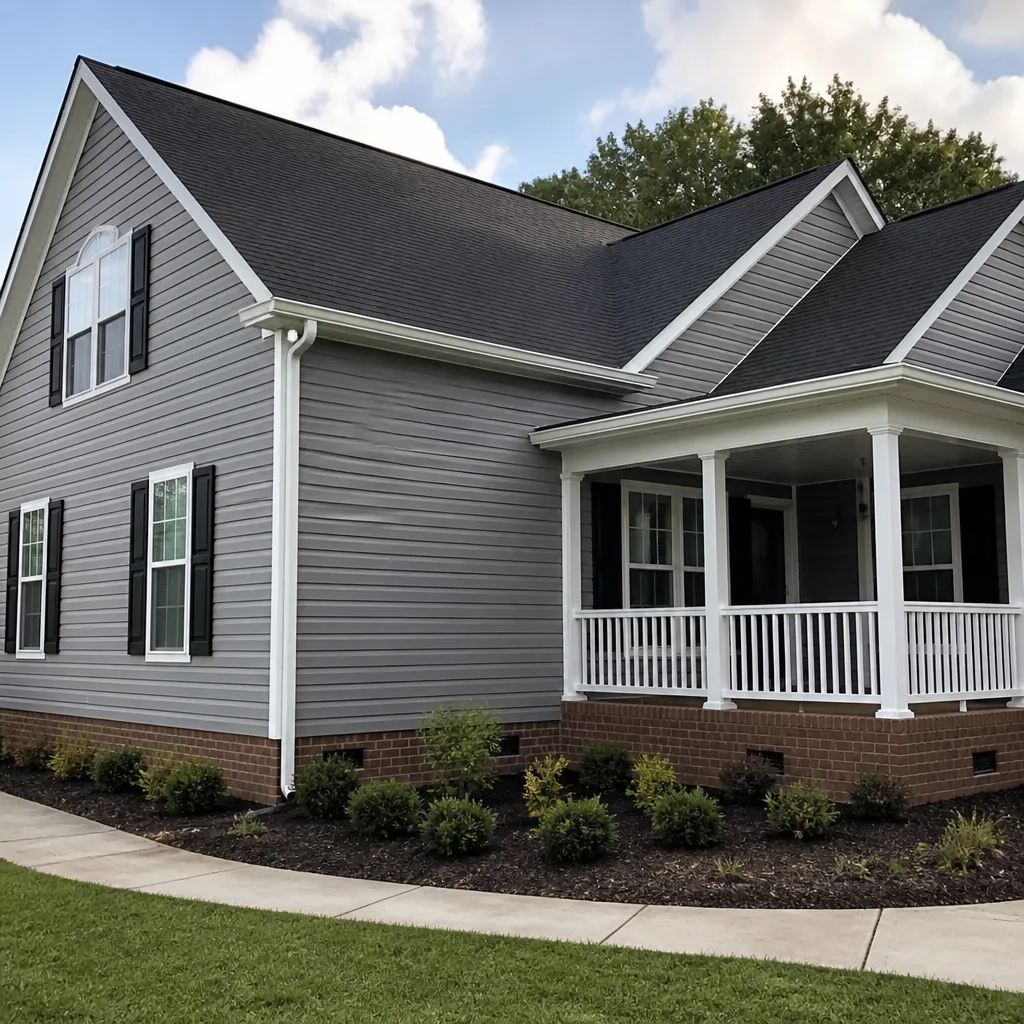
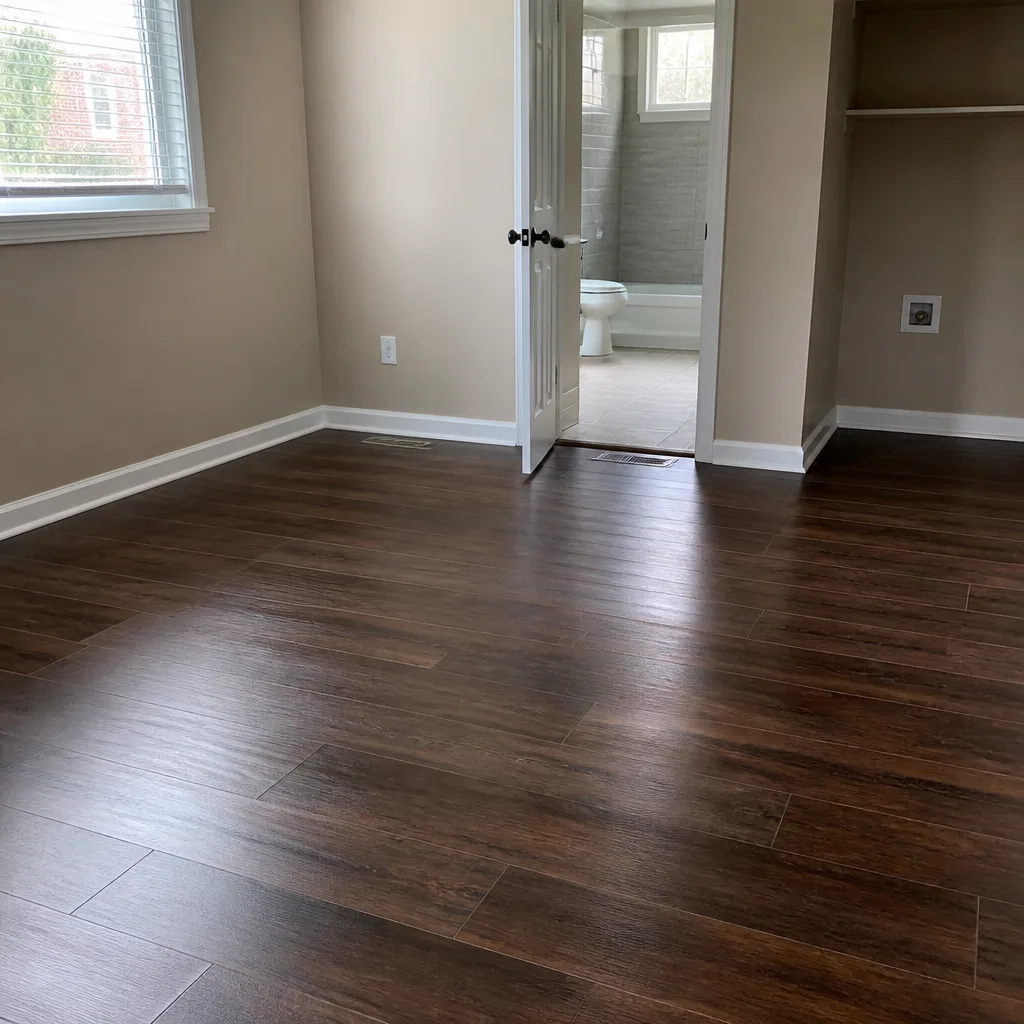
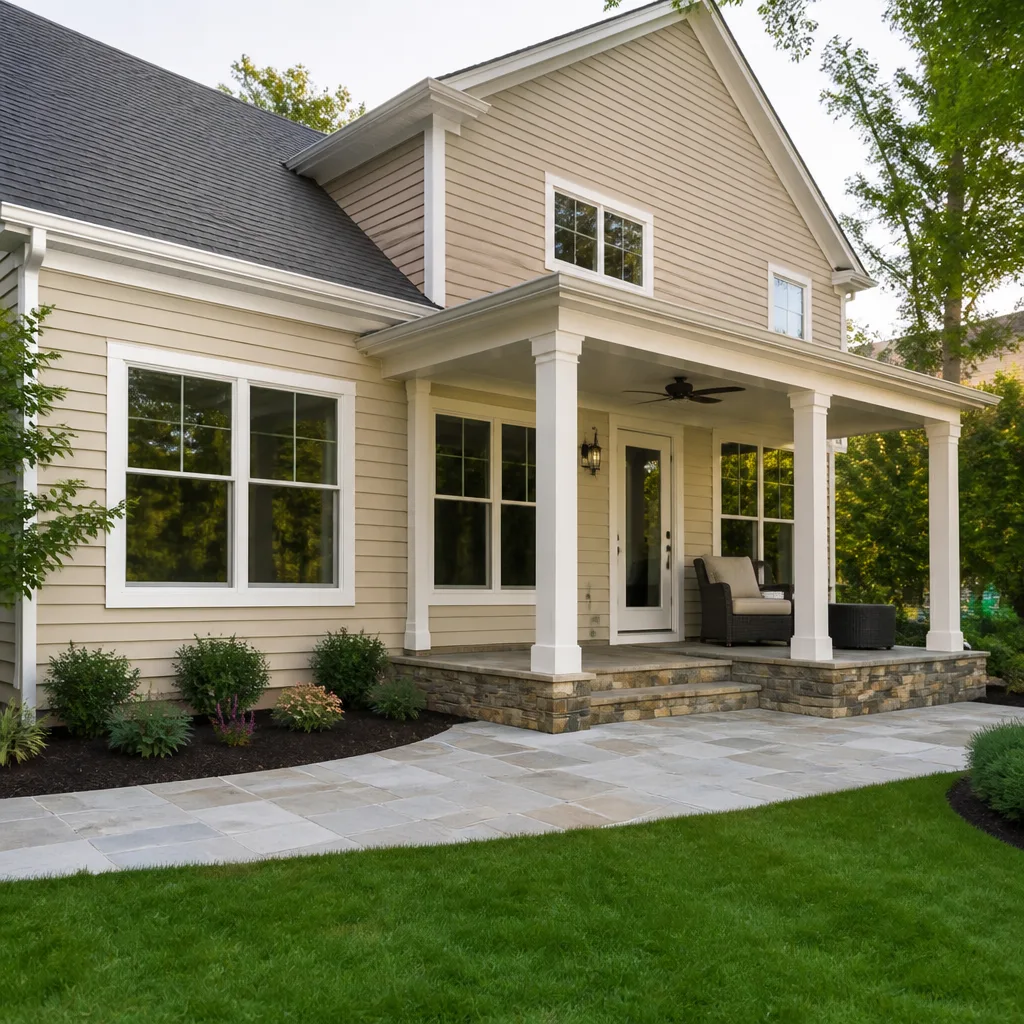
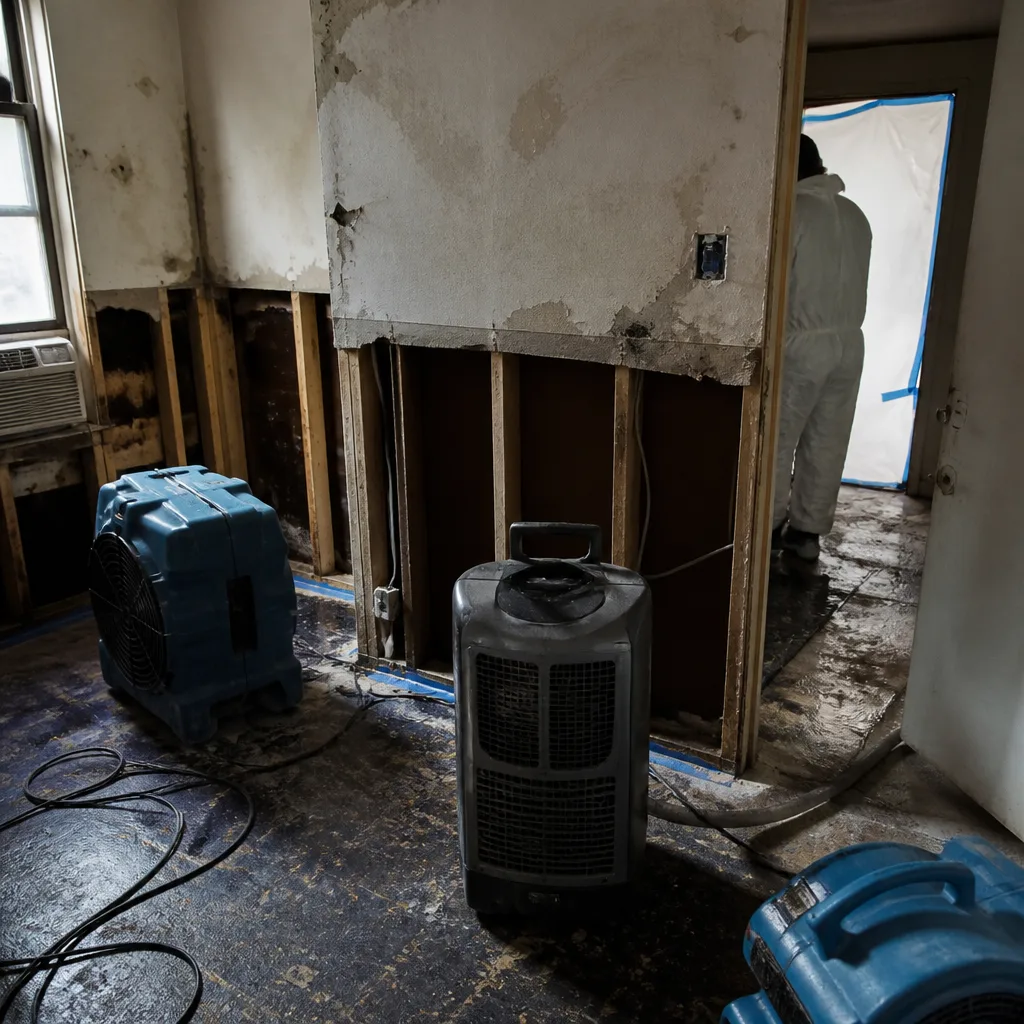 Before
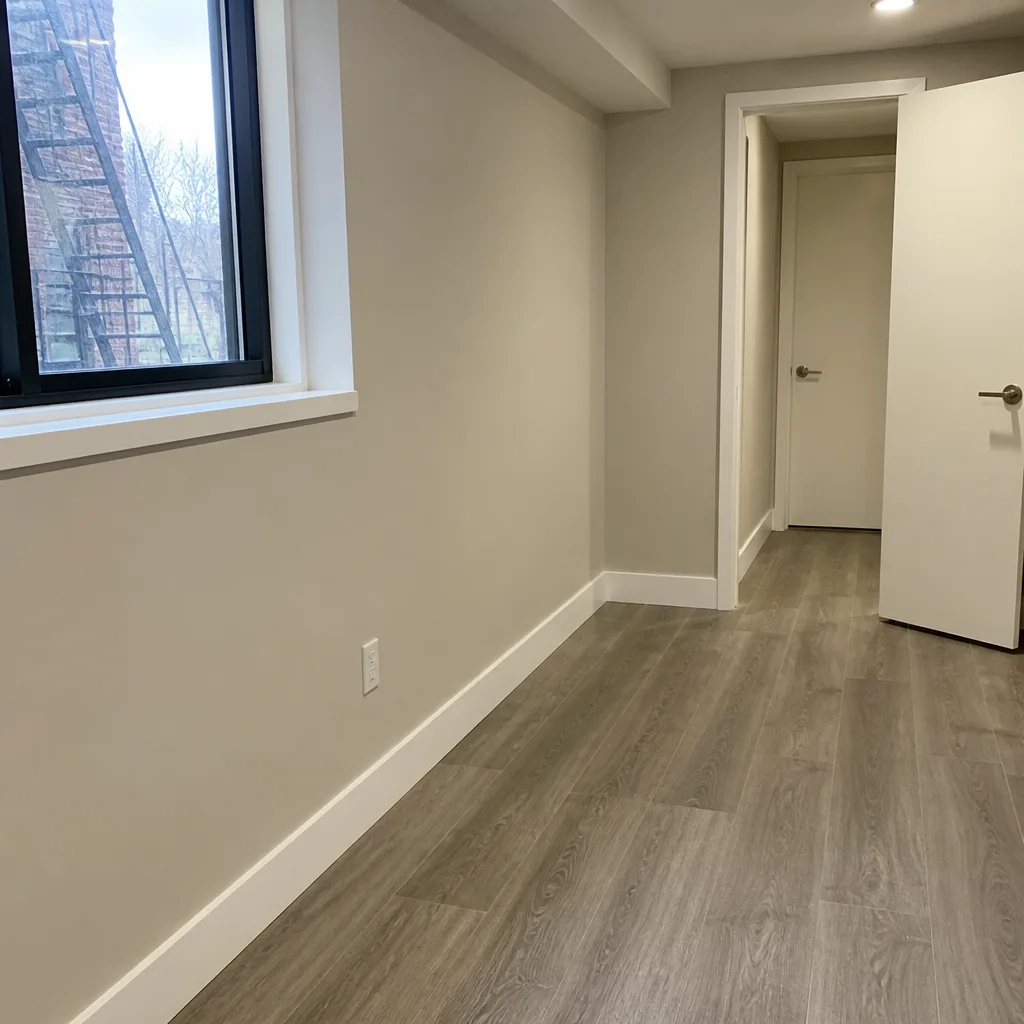 After
After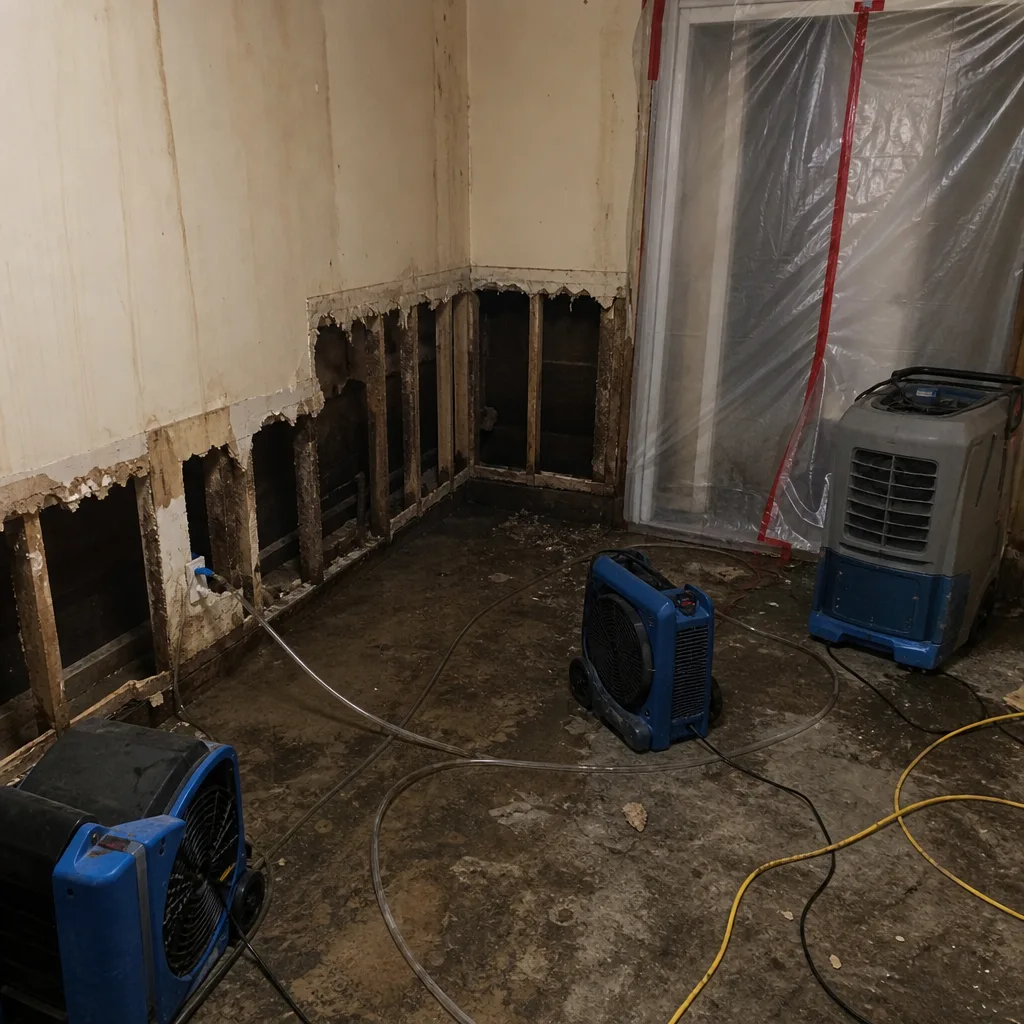 Before
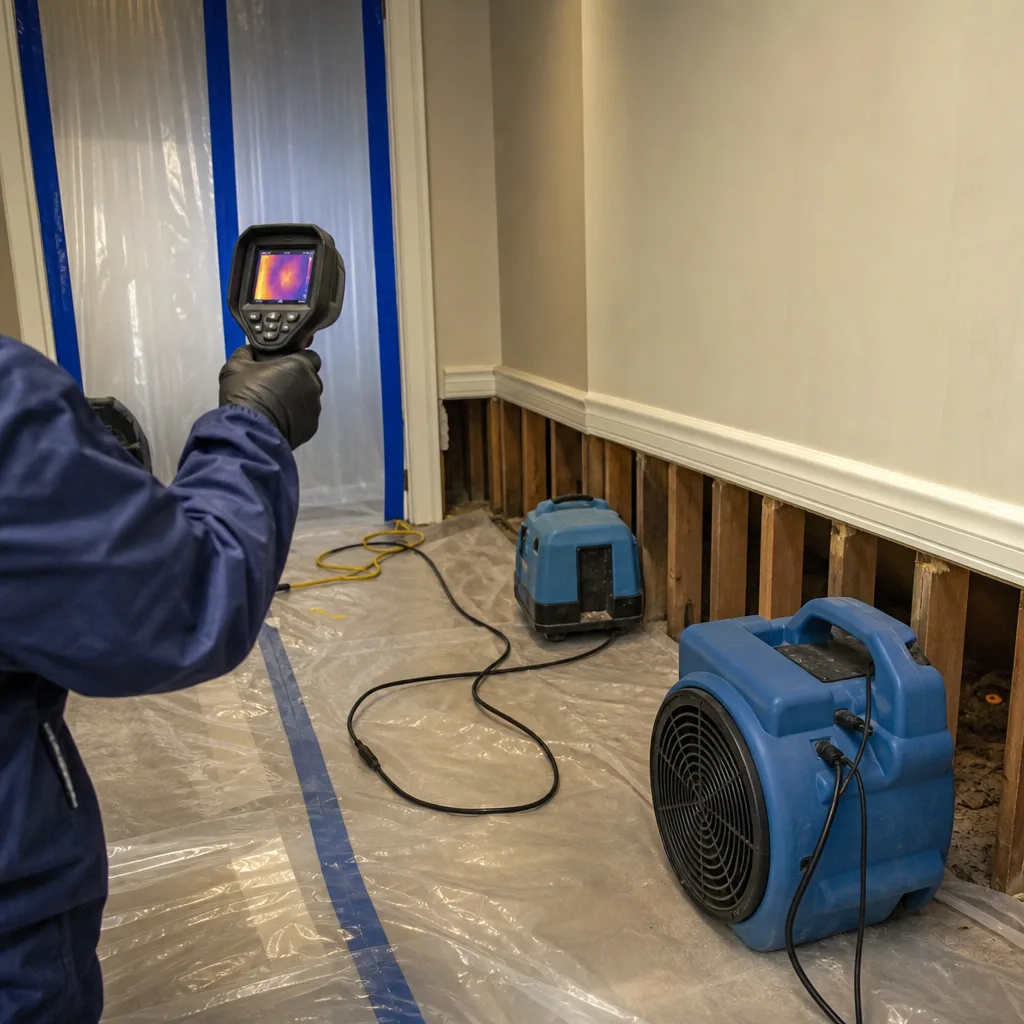 After
After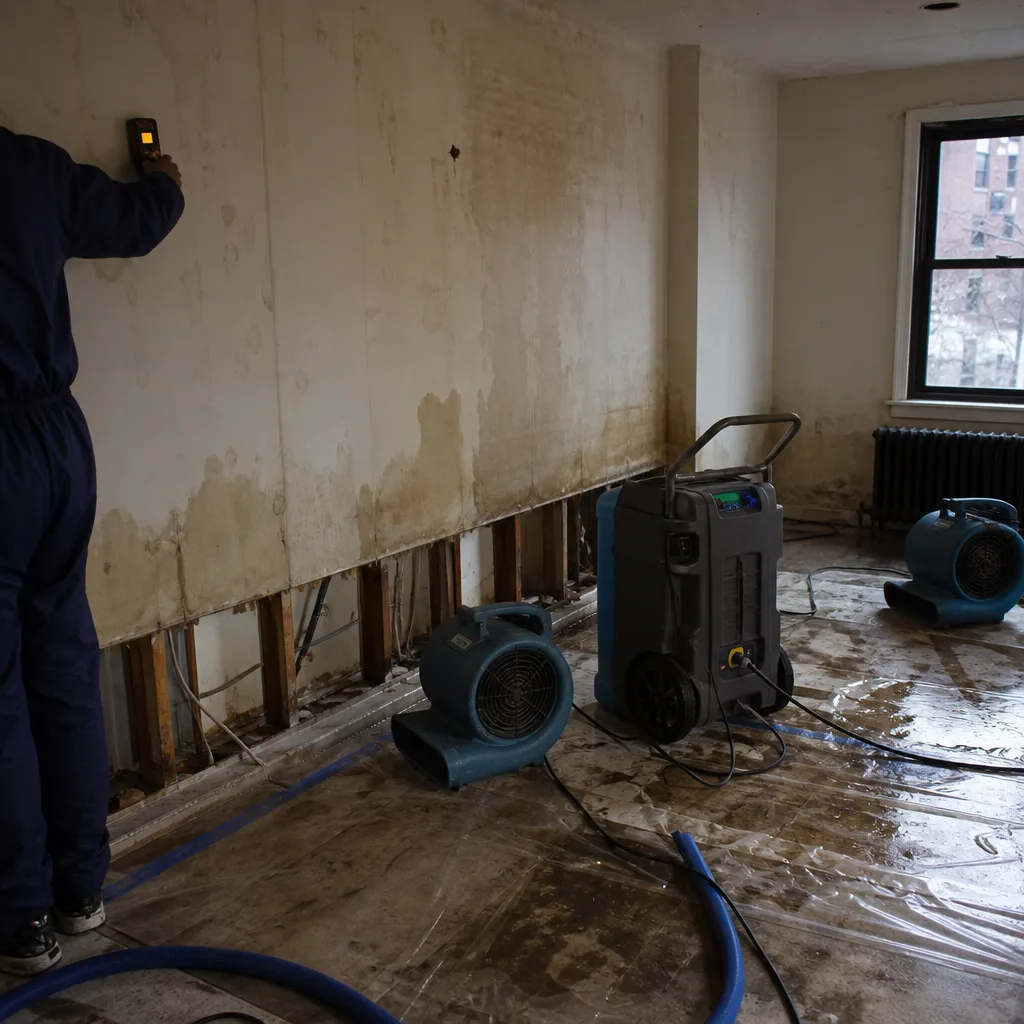 Before
 After
After24/7 Emergency Storm & Disaster Restoration in Murray Hill
Storm damage in Murray Hill moves fast, and so do we. Floodline Restoration Co. answers live 24 hours a day, every day of the year. Call (716) 452-0798 and a real dispatcher picks up - not a machine. A certified crew rolls into Murray Hill immediately for a free visual inspection, and for water or wind damage, we get extraction or stabilization running the same visit. The first hour after a storm decides how much drywall, flooring, and personal property survives. Water from a nor’easter or a burst steam riser wicks into plaster and oak flooring within minutes. Delays in a pre-war co-op cost you days in drying time and thousands in avoidable reconstruction. We’re on it now.
Understanding Storm & Disaster Restoration Severity in Murray Hill Properties
Not every storm loss is equal, and Murray Hill’s building stock makes classification especially urgent. Clean rainwater through a failed parapet or roof drain is Category 1 water - low contamination, faster to dry. Once that water crosses insulation, plaster, or a century-old ceiling cavity, it picks up dust, rodent debris, and whatever settled in those voids since the 1920s. That’s Category 2. If it reaches a cast-iron waste stack or a garden-level floor drain and backs up, you’re into Category 3 - sewage-contaminated and dangerous. We use moisture mapping on day one, not guesswork. Probes and thermal imaging read what’s trapped behind lath and plaster, under marble saddles, inside the demising walls between two co-op units. In a 16-story brick building from 1928, water travels vertically through pipe chases and wicks along floor joists before anyone sees a stain on the ceiling below. Professionals trained in structural drying know where to look. We train to IICRC standards and carry RIA and IFA credentials, and we document readings daily until the dry standard is met. That log matters for your co-op board and your insurer.
Why Murray Hill Property Owners Choose Floodline Restoration Co.
- 45-minute response commitment in Murray Hill. We dispatch from our New York City office with crews staged near the East Side so we can begin mitigation quickly, not after a board meeting.
- 24/7 live answer from a person. At 2:45 a.m. during a January deep freeze, you’ll hear a dispatcher’s voice, never a voicemail tree.
- IICRC-certified crews trained to WRT and FSRT standards. Water restoration and fire and smoke restoration technicians who understand building anatomy, not just equipment.
- Free visual inspection before you commit. We walk the loss, map the moisture, and hand you a written scope. No pressure. You approve before work continues.
- Direct insurance billing. We document everything, speak to your adjuster, and bill your carrier directly. You are not the messenger.
- One team from extraction to rebuild. The same Floodline crew that sets the air movers hands you the moisture log and finishes the reconstruction. No mid-job handoff.
Our Storm & Disaster Restoration Process
Inspection & Assessment
We arrive, document the scene, and identify water category, affected materials, and structural risk. In a Murray Hill co-op, we also identify which governing documents govern the work and whether board authorization is required before mobilization.
Extraction & Stabilization
Standing water is removed with professional-grade extraction units. Emergency board-up and roof tarping happen here if the envelope is breached. We never pack out personal property without a photo log.
Drying & Dehumidification
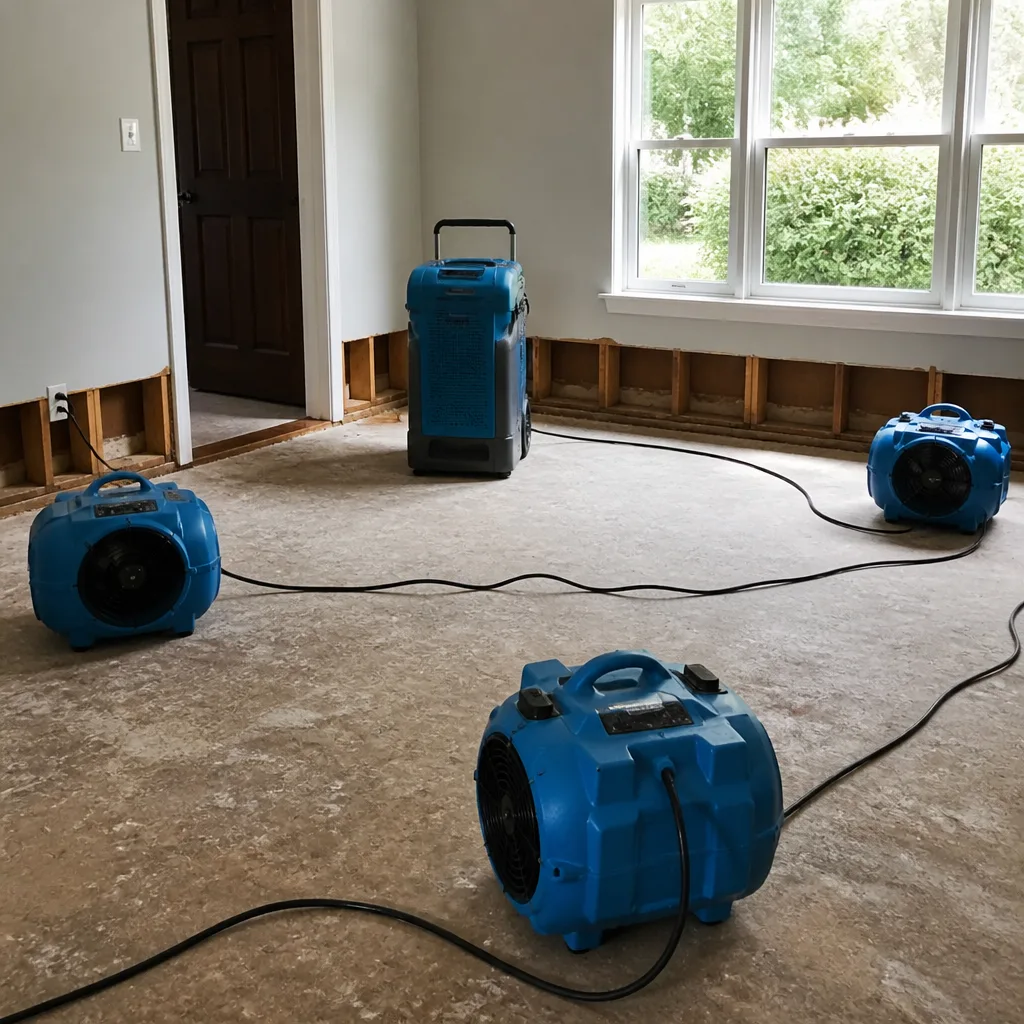
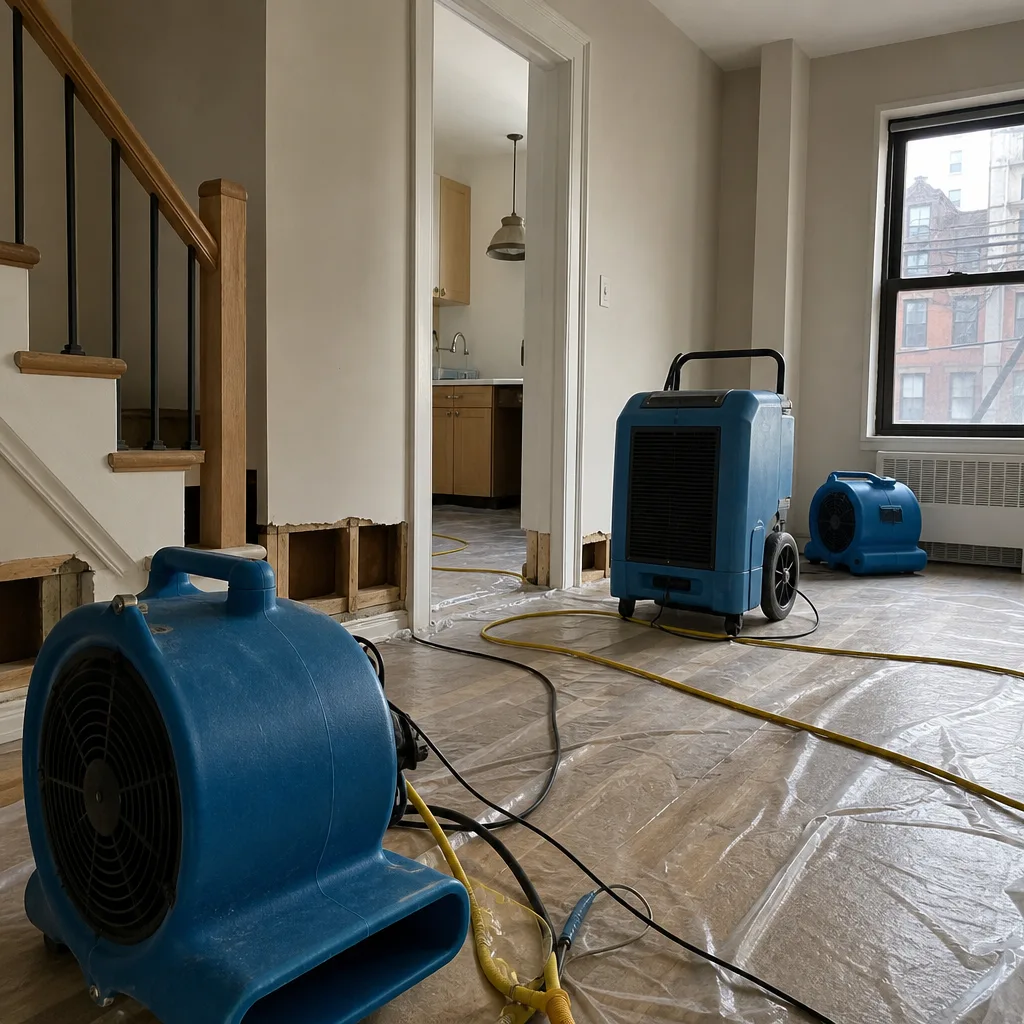
Dri-Eaz and Phoenix dehumidifiers, air movers, and Injectidry mats are placed per the moisture map. Daily readings track progress against the dry standard. In garden-level units, we add specialty low-profile drying because concrete and below-grade masonry hold water longer than framed floors above.
Cleaning & Sanitization
Antimicrobials are applied to affected framing, floor cavities, and any surface that held Category 2 or 3 water. HEPA air scrubbers run for the duration. We clean what can be saved and document what cannot.
Storm-Specific Specialty Treatment
Wind-driven rain often leaves hidden water in exterior wall cavities. We drill small openings, probe for hidden moisture, and dry those cavities before they mold. Roof tarping is secured against Murray Hill’s wind exposure, with extra anchoring on parapet-adjacent edges.
Repairs & Restoration
When moisture readings confirm dry structure, we rebuild. Drywall, plaster, flooring, cabinetry - matched to your building’s period details. The 90-Day Done Right Promise is yours in writing before we finish. If it’s not done right, we make it right.
Need Emergency Storm & Disaster Restoration in Murray Hill Now?
Crews minutes away, answering live 24 hours a day. The sooner we start, the less it costs.
Working With Your Insurance Company
The claims process in Murray Hill is different from a big suburban loss because your co-op corporation often carries the master policy and your personal policy covers the interior build-out. That means two insurers can sit at the same table. We handle both. Our team photographs every affected area before we move a single item, runs moisture meters on every wet surface, and sends your adjuster a line-item scope with equipment-days and labor codes they recognize. When a managing agent asks for evidence before authorizing work, we hand it over. When an adjuster questions a drying-day count, our moisture log answers. Curt Bowman built Floodline Restoration Co. around the dispatch board, not a sales desk, and that means documentation flows the same way our crews do: steady and complete.
What We Provide Your Insurer
- Thorough documentation of the loss
- Photos of all damage, room by room
- Moisture readings and drying logs
- A detailed, line-item scope of work
- Direct coordination with your carrier
Built for Murray Hill’s Loss Calendar
Murray Hill doesn’t flood from street-level storm surge the way lower-lying neighborhoods do. We sit on elevated inland terrain, which spares the sidewalks. What sends us into Murray Hill buildings is water from above and water from inside. January and February deep freezes split uninsulated supply lines in exterior walls. Spring thaw and recurring nor’easters push water through old roof membranes and overflowing internal drains, soaking top-floor co-ops along Park Avenue and Lexington. Summer convective storms drop an inch of rain in twenty minutes, overwhelming flat-roof drains on pre-war buildings and cascading water down stairwells and pipe chases. And year-round, the real culprit is the plumbing: century-old cast-iron waste stacks and steam-heat risers inside demising walls. A pipe failure on the 8th floor of a 6th-floor walkup may be a myth, but a stack failure on the 8th floor of a 16-story co-op on 38th Street is a very real Tuesday. Different season, same answer: Storm & Disaster Restoration done by a crew that understands the building.
Storm & Disaster Restoration Across Murray Hill’s Neighborhoods
Murray Hill’s residential blocks each have their own failure pattern. The 36th-39th Street stretch between Park and Lexington is dense with 6- to 16-story pre-war brick buildings, most put up between 1905 and 1945. Original cast-iron waste stacks and galvanized supply branches run through nearly all of them. Flood damage there often starts at the riser, not the fixture. Over near the Beaux-Arts brownstones on the side streets east of Third Avenue, we see more garden-level units below grade, where groundwater and oversaturated soil force water through foundations during heavy rain. Wind damage from summer storms rips cornices and breaks upper-floor windows, and Storm & Disaster Restoration in Murray Hill calls for emergency board-up we can execute without waiting on a board meeting for authorization. The co-op and condo conversions along Second Avenue and near the Midtown Tunnel approach carry their own legal layer: proprietary leases and managing agents who move at their own pace. We know the terrain. We’ve worked it for years.
Specialized Storm & Disaster Restoration Services We Offer in Murray Hill
Storm Damage Cleanup
After wind rips a cornice or rain floods a co-op hallway, we secure the area, remove wet or dangerous debris, and clean what can be saved. In Murray Hill townhouse-scale buildings and mid-rise co-ops alike, we work fast so your board and your tenants aren’t living with a hazard.
Flood Damage Restoration
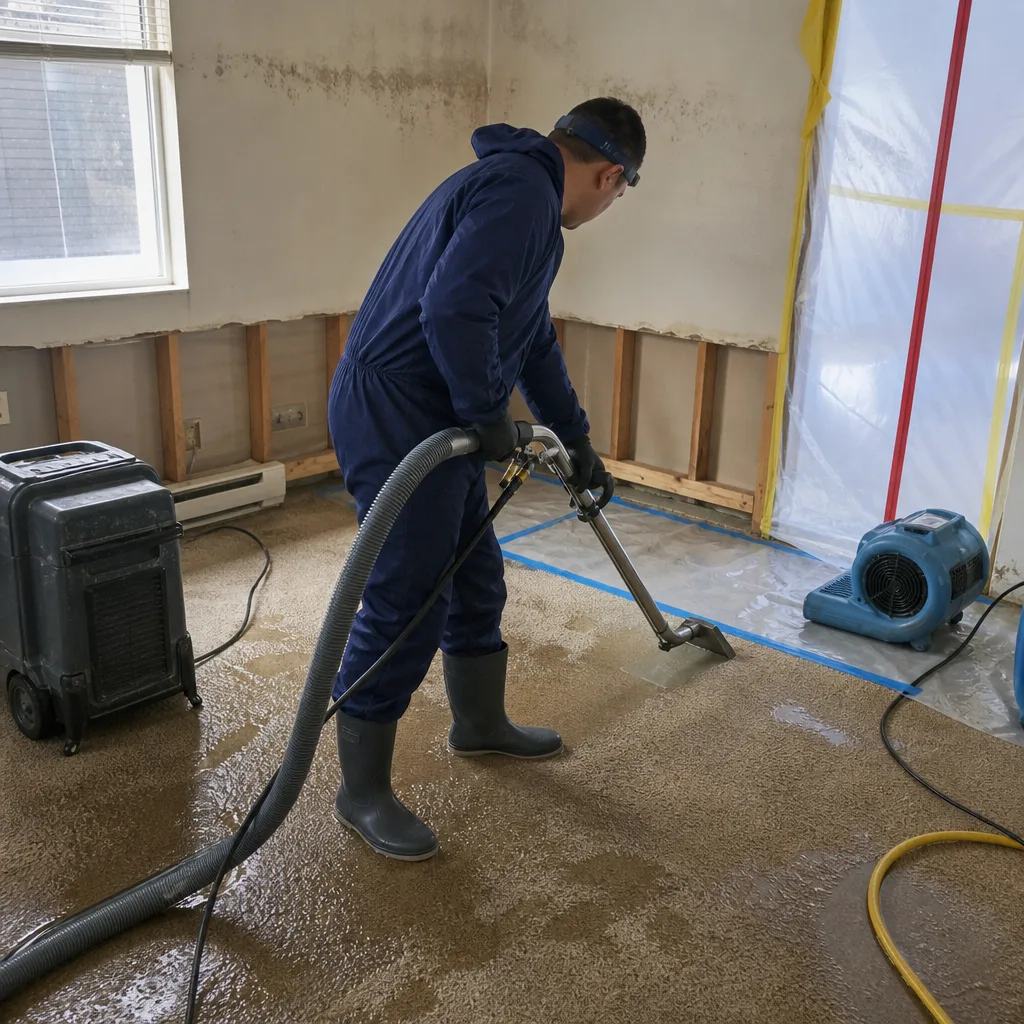
When a roof-drain overflow or a broken riser floods an apartment, we extract, dry, and rebuild. This is our heaviest call in Murray Hill. We know the difference between a shareholder branch line and a building-corporation riser, and we document accordingly so the right party pays.
Emergency Board-Up
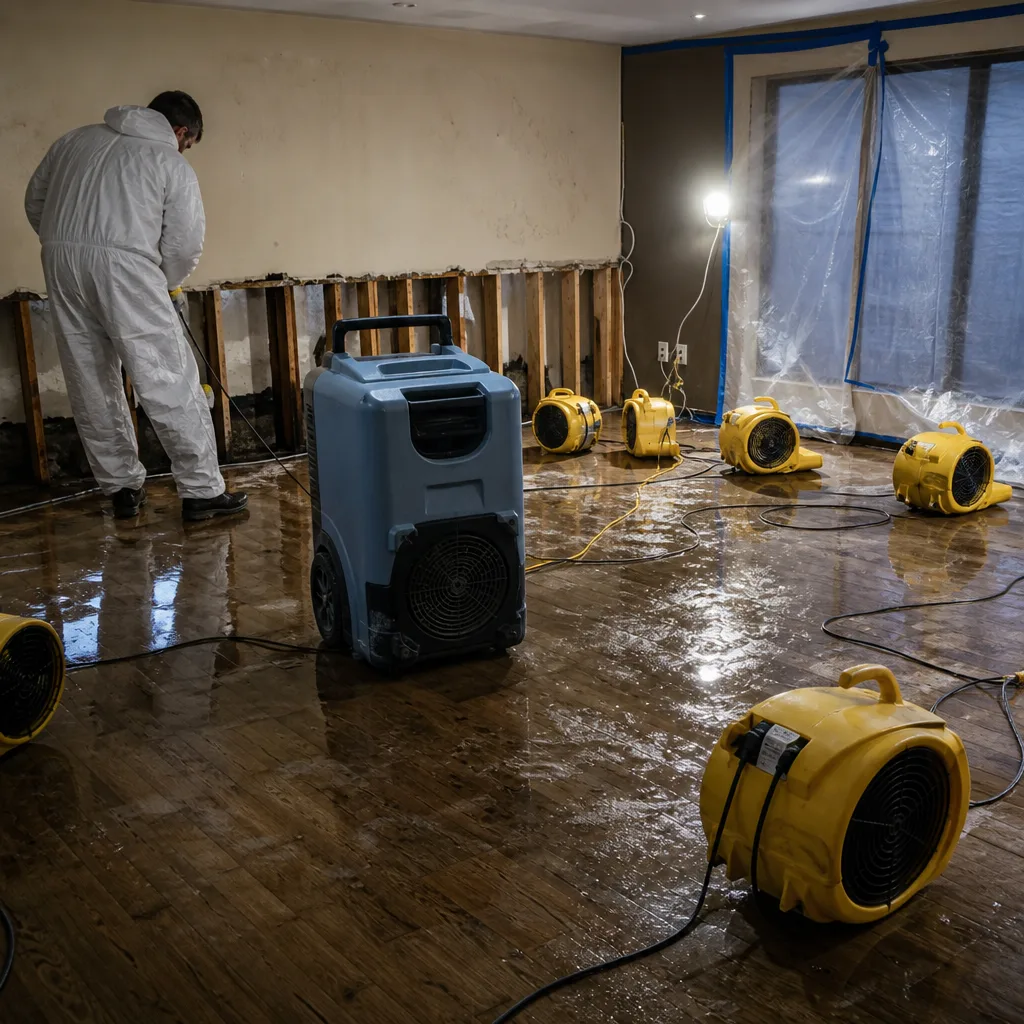
Broken windows and breached doors need securing immediately. We board with plywood cut to your window dimensions, anchored properly against Murray Hill’s wind exposure. Board-up is emergency mitigation, not a permanent fix, and we tell you plainly what comes next.
Roof Tarping
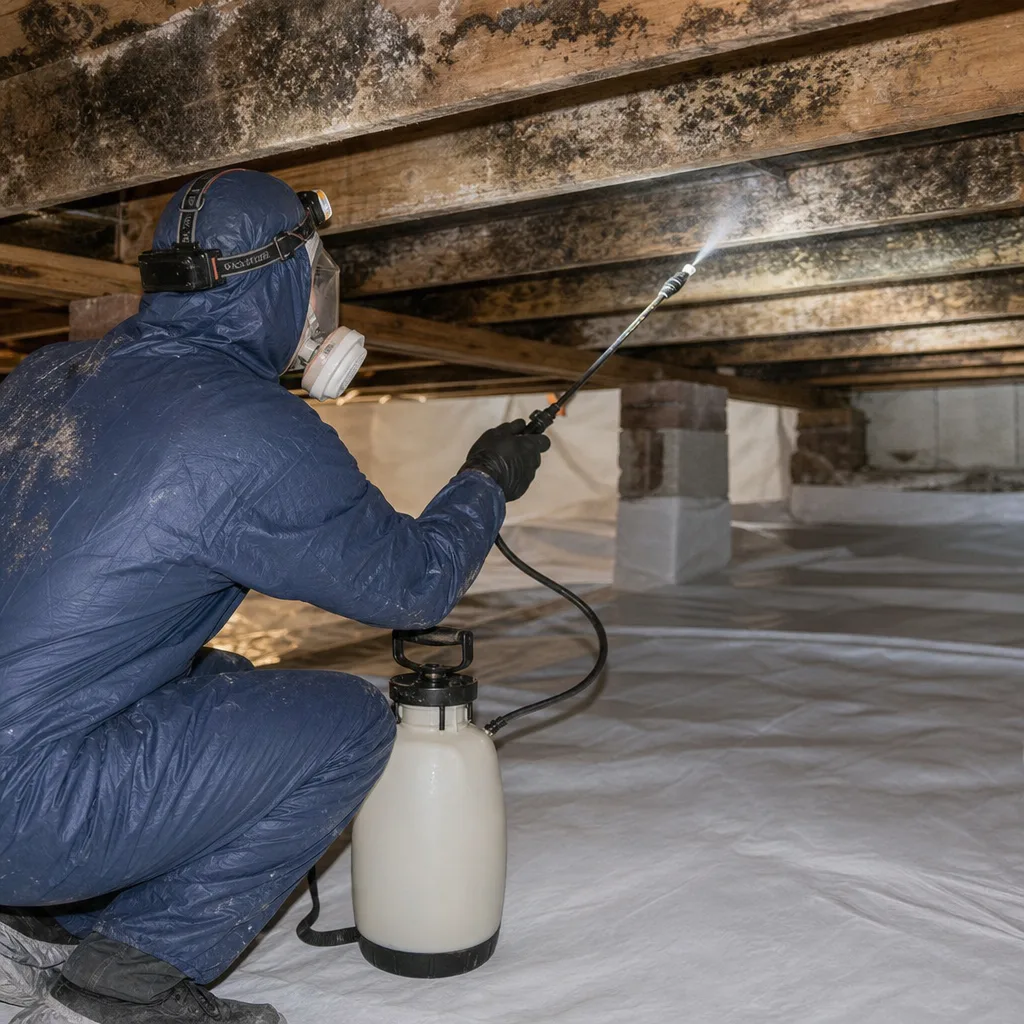
Flat-roof pre-war buildings leak at the parapet, around vent stacks, and through aging membranes. We tarp those roofs until the building authorizes full repair. The tarp is anchored and weighed. Calling us before the next storm keeps interior damage from compounding.
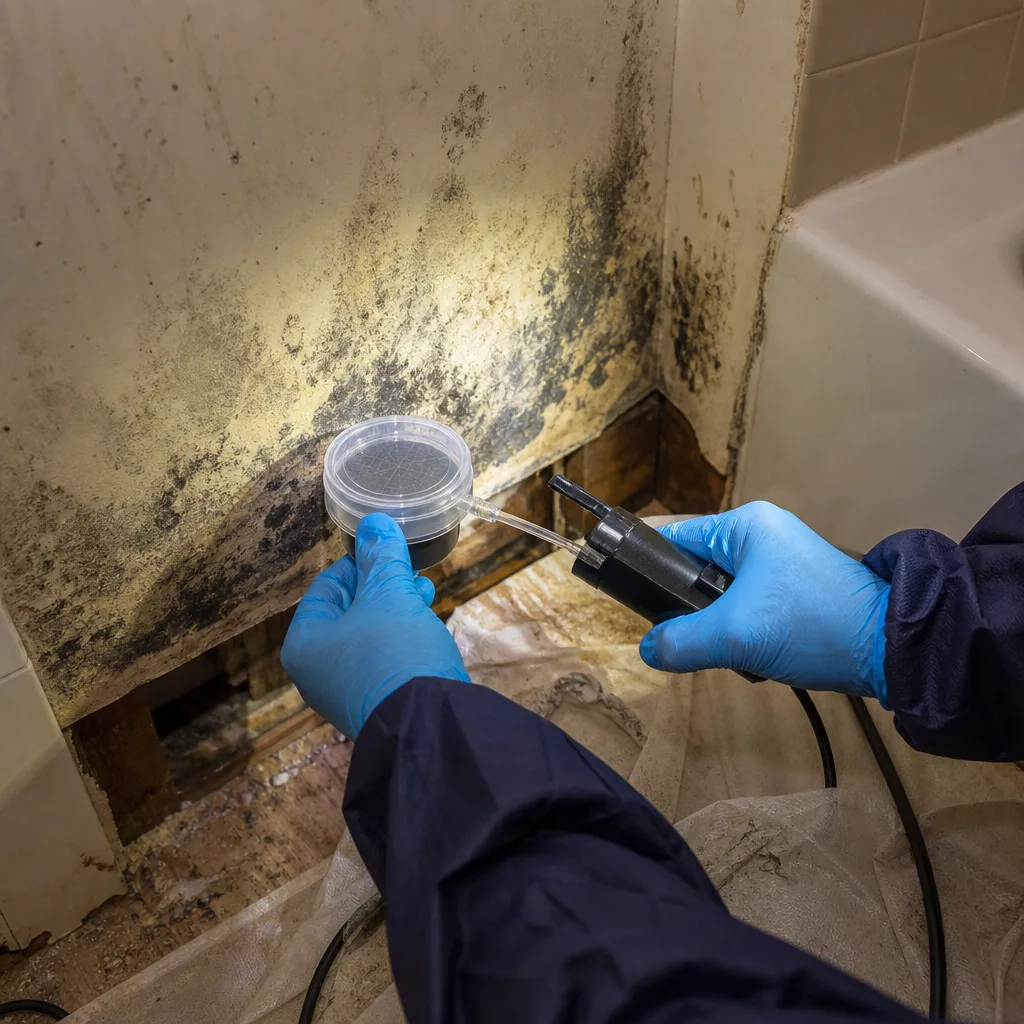
Debris Removal
Storm debris in Murray Hill means broken glass from upper-floor windows, downed cornice pieces, soaked carpet padding from flooded apartments, and sometimes a branch from one of the street trees along Park Avenue South. We haul it properly, with disposal documented for your claim.
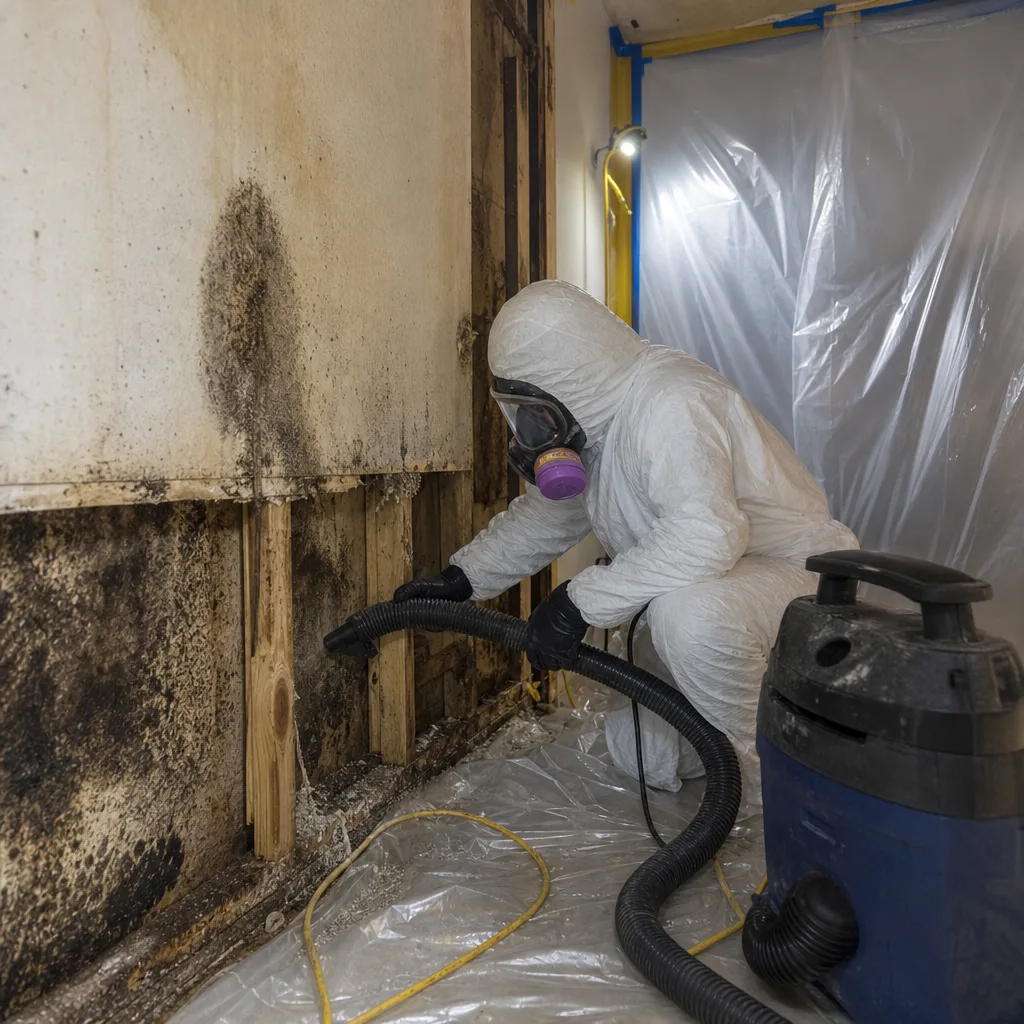
What happens when you call
- 1
A real person answersNo phone trees - you reach a local pro.
- 2
You get an upfront price rangeHonest numbers before anyone is dispatched.
- 3
A background-checked tech heads outLicensed & insured, dispatched right away.
- 4
You approve before work beginsNothing starts until you say go.
Storm & Disaster Restoration Costs in Murray Hill, NY
We give straight numbers for Murray Hill. Emergency board-up runs $350-$650, depending on the window size and floor access. Roof tarping on a pre-war flat roof typically costs $900-$1,800 for a standard parapet-to-parapet section; a full rooftop wrapping runs higher. Flood damage restoration is measured by affected square feet. A 900-square-foot co-op apartment with Category 1 rain water through a ceiling runs $3,500-$7,500 for full drying and reconstruction of the damaged ceiling and flooring. Category 3 sewage-contaminated losses push costs to $8,000-$18,000 or more because of demolition, containment, and antimicrobial treatment. Garden-level units below grade cost more per square foot to dry. Board approval delays that leave water standing raise the final number by growing mold and structural damage. The free inspection we provide pins the exact scope and price before you approve a dollar of work. Call (716) 452-0798 and we’ll walk it with you.
We Also Serve Cities Near Murray Hill
Floodline Restoration Co. serves Murray Hill and the surrounding neighborhoods, including Long Island City, Greenpoint, Williamsburg, and Upper Manhattan. Same live dispatch, same 90-Day Done Right Promise, same crew standard. If your property has water or storm damage, we cover the call.
Serving Murray Hill, NY - Our Local Coverage Area
We’re based in the Murray Hill area and know this community well. Use the map below to see our service coverage - if you’re nearby, we can almost certainly help.
Murray Hill Storm & Disaster Restoration Questions, Answered
How do Murray Hill co-op approval delays affect my flood damage claim?
Approval delays mean standing water and high humidity sit in your apartment for 24 to 72 hours before full mitigation can start. That window is exactly when mold colonizes wet drywall and hidden wall cavities. The delay can also trigger a secondary damage dispute: your insurer may argue that the co-op’s slowness made the loss worse, while the building’s carrier may deny responsibility for that portion. We document every reading and every hour, so the timeline is clear to both carriers. Call (716) 452-0798 as soon as water appears so we can start containment even while the board deliberates.
Who is responsible for a burst pipe inside a Murray Hill demising wall?
That depends on your proprietary lease. Some Murray Hill co-ops hold the building corporation responsible for everything inside the demising wall, including branch lines. Others draw the line at the wall’s midpoint and make shareholders responsible for branches serving only their unit. A burst supply line serving one apartment is often the shareholder’s problem; a failed riser or main stack is nearly always the building’s. We’ve seen work stopped cold by managing agents while this gets sorted. We document the pipe’s location, orientation, and failure point so the right insurer gets billed. Call (716) 452-0798 and we’ll identify what failed and advise you accordingly.
Can you start drying my garden-level apartment before the board approves?
Usually, yes, with limits. Emergency mitigation like extraction, containment, and drying equipment placement is generally considered necessary work that does not require board approval under most New York co-op leases so long as we are not cutting into building structure. We set up containment, place air movers and dehumidifiers, and stabilize the environment while the liability question gets resolved. That prevents mold growth and secondary damage. Once board authorization arrives, we proceed with full structural drying and demolition. Call (716) 452-0798 and we’ll tell you exactly what we can do immediately.
Why does mold appear so fast in Murray Hill pre-war apartments?
Two reasons. First, the materials: plaster, lath, and old-growth framing have been absorbing ambient moisture for a century and they dry slowly once wet. Second, the timing: a failed cast-iron stack inside a demising wall can leak for weeks before anyone notices because the water travels inside the wall cavity, not across a floor. By the time the ceiling stains appear below, mold has had time to colonize the backside of the drywall. Murray Hill’s building-stack failures are chronic precisely because the pipes are at the end of their service life. We dry with the clock, not the calendar. Call (716) 452-0798 the moment you see discoloration or smell must.
Do I need board approval for emergency board-up after a storm breaks my window?
No. Emergency board-up is a safety measure to secure the building envelope and prevent further water and wind intrusion. No managing agent will reasonably stop it, and most proprietary leases explicitly require the shareholder to secure the unit. We board the window and bill your insurer, not the building. We’ve done this along 36th and 37th streets after summer storms snapped upper-floor windows. Call (716) 452-0798 and we’ll be there within 45 minutes.
What should I do in the first 30 minutes after a storm damages my Murray Hill apartment?
Move valuables and electronics out of the water. Photograph everything with your phone, including water spread and stains. Do not use electrical outlets in wet rooms. If water is coming from a pipe, shut the local supply valve if you know where it is - do not touch electrical panels. Then call (716) 452-0798. We’ll walk through what you’re seeing and dispatch immediately. The first call matters most.
How long does drying take in a Murray Hill co-op with lath-and-plaster walls?
Standard framed drywall in a modern apartment might dry in 3-5 days under professional equipment. Lath and plaster in a 1927 co-op takes longer, often 7-14 days, because lime plaster holds moisture and the wall cavities are not open to airflow. We use Injectidry systems and specialty drying mats to pull water from behind plaster without destroying it. Garden-level units below grade may need 14-21 days because concrete and masonry release moisture slowly. We give you daily readings and a written moisture log so you know the job is progressing and when it is truly dry.
Are your technicians certified for storm restoration work specifically?
Yes. Our crews hold IICRC certification in water damage restoration and applied structural drying, and we work to RIA and IFA standards. On a Murray Hill job, that means our technicians have been trained to read moisture in complex building assemblies, not just run equipment. Curt Bowman founded this company on the principle that a certified technician does the work the first time so nobody has to come back. The 90-Day Done Right Promise is the written version of that conviction.
Written by Curt Bowman, Owner at Floodline Restoration Co., serving Murray Hill with storm and disaster restoration since our founding.
Floodline Restoration Co. answers live 24/7 at (716) 452-0798. Storm damage in Murray Hill gets worse every hour it waits. Call now for a free inspection and a firm price before you approve anything. We’ll be there when we say.