
Quick Summary
Navigating water damage insurance coverage requires understanding critical policy distinctions between sudden internal failures and excluded gradual leaks or natural flooding. Floodline Restoration Co. emphasizes that securing prompt claim approvals depends on performing immediate emergency mitigation and compiling carrier-grade documentation of all affected areas. Readers will understand how to properly document losses, navigate policy exclusions, and work with certified restoration specialists to avoid costly claim disputes.
Water Damage Insurance Coverage: What Policies May Pay For and How to Document a Claim
Understanding your water damage insurance coverage typically depends on identifying the source of moisture, how quickly the incident occurred, and specific policy language. When water sits undetected inside structural framing, insurers may evaluate whether the resulting damage stems from long-term deterioration or an accidental, sudden event.
Understanding policy language, maintaining practical documentation, and knowing which perils may require separate coverage can help you navigate the claims process effectively.
What Does Water Damage Insurance Coverage Actually Include?
Coverage in brief: Standard property policies typically cover sudden and accidental water discharges originating inside the structure, such as a burst supply line or water heater failure, depending on policy terms and circumstances. Base policies generally exclude groundwater, rain runoff, and snowmelt, while items like sewer backups may require separate endorsements depending on the insurer.
As noted by Floodline Restoration Co., insurance carriers evaluate water losses based on the cause and circumstances of the incident, distinguishing sudden events from continuous or repeated seepage over time.[2]
Sudden and Accidental vs. Gradual Damage
The core distinction in property claims is often whether the incident was sudden or gradual. If a pipe splits unexpectedly behind a wall, resulting damage to drywall and flooring is generally covered under standard homeowners insurance, subject to policy terms.
However, if a fitting had a slow leak over an extended period before staining a ceiling, adjusters may apply a gradual damage exclusion. In multi-family buildings and other shared structures, moisture can spread quickly between units.
Taking practical documentation steps – such as photographing the damage, noting moisture patterns, and keeping detailed records – helps provide a clear timeline of the incident for the adjuster.
Standard Policy Inclusions and Covered Perils
Depending on policy terms and circumstances, standard homeowner and commercial property policies may cover certain internal water perils, such as:
- Burst supply lines, frozen pipes, and failed plumbing fittings.
- Appliance supply failures, such as ruptured washing machine hoses or dishwasher leaks.
- Water damage resulting directly from fire extinguishing efforts.
- Water damage caused by sudden roof penetration during severe storms.
Common Exclusions: Flooding, Neglect, and Sewer Backups
Standard property policies typically exclude damage from groundwater, rain runoff, and snowmelt. The National Flood Insurance Program (NFIP) protects about $1.3 trillion in assets across approximately 4.7 million active policies as of March 31, 2025. Many property owners assume they only need flood protection if they sit in designated flood zones, but historical NFIP data reveals that almost one-third of claims from 2014 through 2024 originated outside mapped high-risk areas.[1]
Other common exclusions or limitations that may require separate coverage include:
- Sewer and drain backups: Water or sewage backing up through drains may not be covered under standard policies and typically requires a specific endorsement or rider depending on the carrier.
- Foundation seepage: Water entering through foundation walls or slabs is commonly excluded under standard property forms.
- Wear and tear: Gradual deterioration, lack of maintenance, or long-term leaks are generally excluded.
How to File and Document a Water Damage Insurance Claim
Filing a water damage claim requires careful documentation. Following practical steps can help clarify the extent of damage and support your claim.
-
Step 1: Stop the Source and Document the Scene
Shut off the main water valve immediately if safe to do so. Before moving damaged personal property or starting major cleanup, take clear photos and video of the standing water, the point of origin, and affected areas. Keep serial numbers and model information for damaged appliances and mechanical equipment.
-
Step 2: Take Immediate Mitigation Steps
Property policies generally require policyholders to take reasonable steps to prevent further damage once an incident occurs. This may include shutting off water, extracting standing water, drying the area, or contacting a professional restoration service to mitigate ongoing damage.
“Homeowners need to be specific about the source of the water if they can.”
– Bob Passmore, Consumer Lines Expert, American Property Casualty Insurance Association -
Step 3: Provide Prompt Notice and Maintain Claim Records
Report the claim promptly to your insurer to obtain a claim number. Provide photos, an itemized list of damaged items, contractor estimates, and receipts for emergency repairs to create a clear record of the loss and mitigation efforts.
Restoring Impacted Building Materials: Repair vs. Replacement
Need water damage insurance coverage?
We’re available now - call for a fast, free estimate.
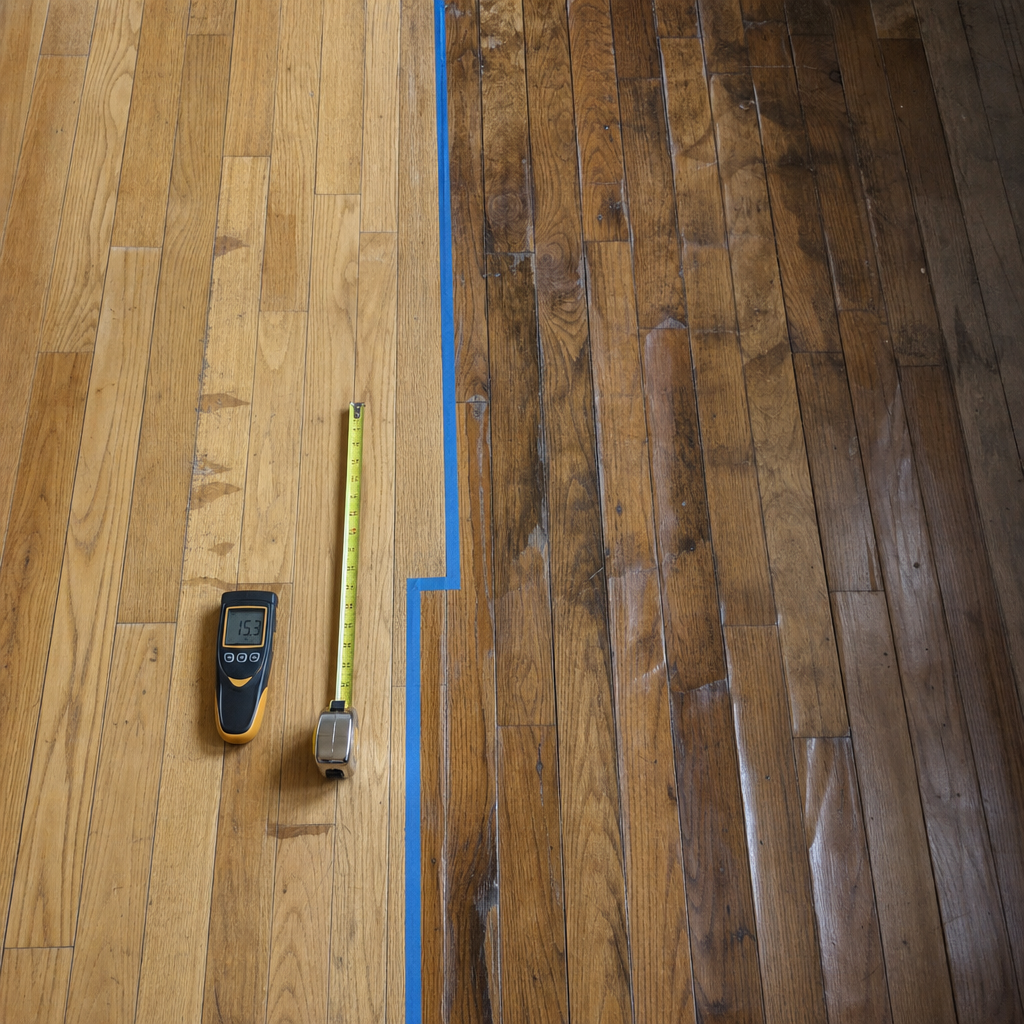
The extent of necessary repair or replacement depends on the type of materials affected and the duration of water exposure. According to Floodline Restoration Co., porous materials, such as drywall and insulation, may require removal and replacement if heavily saturated, while non-porous or structural components may sometimes be dried and restored in place depending on the circumstances.
Preventing Secondary Moisture Damage
Secondary damage may occur if moisture remains trapped, leading to mold growth or structural issues over time. A 2023 survey by the National Association of Insurance Commissioners (NAIC) revealed that only 44% of homeowners knew that a separate policy was needed for flood coverage, highlighting common misunderstandings regarding coverage boundaries.[4]
What Does Water Damage Insurance Coverage Cost and Pay?
Water losses represent one of the most frequent and expensive property claims in the United States. According to the Insurance Information Institute, water damage and freezing accounted for nearly 23% of homeowners insurance losses in 2025. Payout amounts depend on the policy’s terms, deductible, and valuation method.[5]
Navigating Deductibles and Depreciation
Policy payouts are generally subject to deductibles and are calculated based on specific coverage types:
- Replacement Cost Value (RCV): Generally pays the cost to repair or replace damaged property with new materials of comparable kind and quality, subject to policy limits and terms.
- Actual Cash Value (ACV): Covers the cost of replacement minus depreciation for age and wear.
Frequently Asked Questions About Water Damage Insurance
Does homeowners insurance cover water damage from a burst pipe?
Sudden and accidental plumbing damage, such as a burst pipe, is generally covered by standard homeowners insurance, though specific policy terms, exclusions (such as failure to maintain heat in an unoccupied building), and circumstances control.
What is the difference between flood damage and water damage insurance?
Standard property policies typically cover sudden internal water discharges, while flood insurance is designed to cover external water events, such as groundwater, rain runoff, and snowmelt. Specific coverage depends on policy definitions.[3]
Does homeowners insurance cover gradual leaks or rot?
As specialists at Floodline Restoration Co. explain, gradual leaks and wear-and-tear are generally not covered, as insurers typically consider ongoing maintenance the homeowner’s responsibility. Coverage depends on the policy language and whether the resulting damage was sudden or developed over time.
How are water damage restoration costs determined?
Restoration costs and claim settlements are typically determined through itemized estimates of labor, equipment, and materials needed to dry and repair the affected areas, based on policy terms, contractor assessments, and insurer review.
Need water damage insurance coverage?
We’re available now - call for a fast, free estimate.
Sources
- national flood insurance program – media toolkit – agents.floodsmart.gov (2025)
- What is My Flood Risk – floodsmart.gov (2024)
- Flood, Water Damage, and the Homeowners' Insurance … – trerc.tamu.edu
- Many homeowners have a big insurance coverage gap – cnbc.com (2023)
- The Rising Cost of Water Damage in American Homes in 2026 – thesource.com (2026)
Related reading: Flooded Basement Cleanup Cost | Call Now-10% Off | Same-Day Service | Free Estimate
Related reading: Water Extraction Cost Per Square Foot | Call Now-10% Off | Same-Day Service | Free Estimate
Related reading: Water Removal Cost | Call Now-10% Off | Same-Day Service | Free Estimate
Frequently Asked Questions
How do insurance adjusters determine if water damage is sudden or gradual?
Adjusters inspect structural decay, rust on plumbing fittings, moisture patterns, and mold growth to distinguish sudden burst lines from long-term seepage. Floodline Restoration Co. provides carrier-grade documentation, including thermal imaging and psychrometric logs, to prove the timeline and prevent wrongful claim denials.
Can an insurance company deny a water damage claim if mitigation is delayed?
Most property policies include a duty-to-mitigate clause requiring homeowners to take prompt, reasonable steps to stop secondary moisture damage. Contacting Floodline Restoration Co.'s 24/7 dispatch line for immediate water extraction and drying helps fulfill your policy obligations and prevents claim rejection.
Does homeowners insurance pay for professional water extraction and drying services?
Standard policies typically cover professional emergency mitigation and structural drying if the source of the water damage is an internal, covered peril. Scheduling a visual inspection with Floodline Restoration Co. ensures all extraction and remediation costs are itemized and billed according to industry standards for swift adjuster approval.
About the author
 |
Sarah Miller Sarah Miller is a certified water damage restoration specialist with over eight years of experience working closely with property owners in the New York metropolitan area. She holds a B.S. in Construction Management from Pratt Institute and specializes in transparent cost estimation and structural mitigation protocols. Sarah is passionate about helping clients navigate complex insurance claims and restoring their properties efficiently. |
Water damage, flood, or mold emergency?
We’re available now - call for a fast, free estimate.
Call Now - Free Estimate