
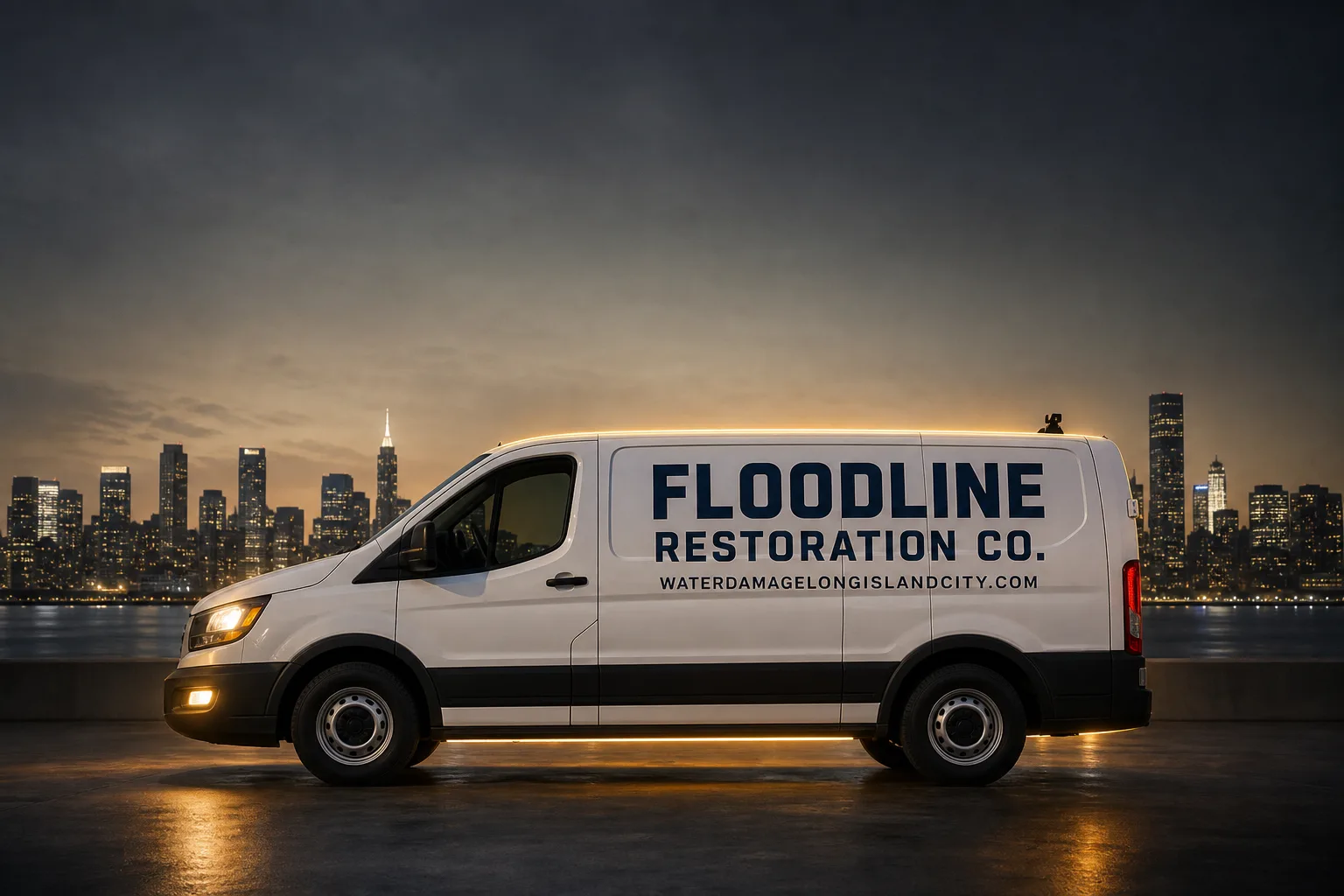
Free visual inspection and a written scope of work before any mitigation begins - photos, moisture readings, and drying logs go in your claim file
The scope we write is the scope we bill. Anything new gets shown to you, in writing, before we touch it.
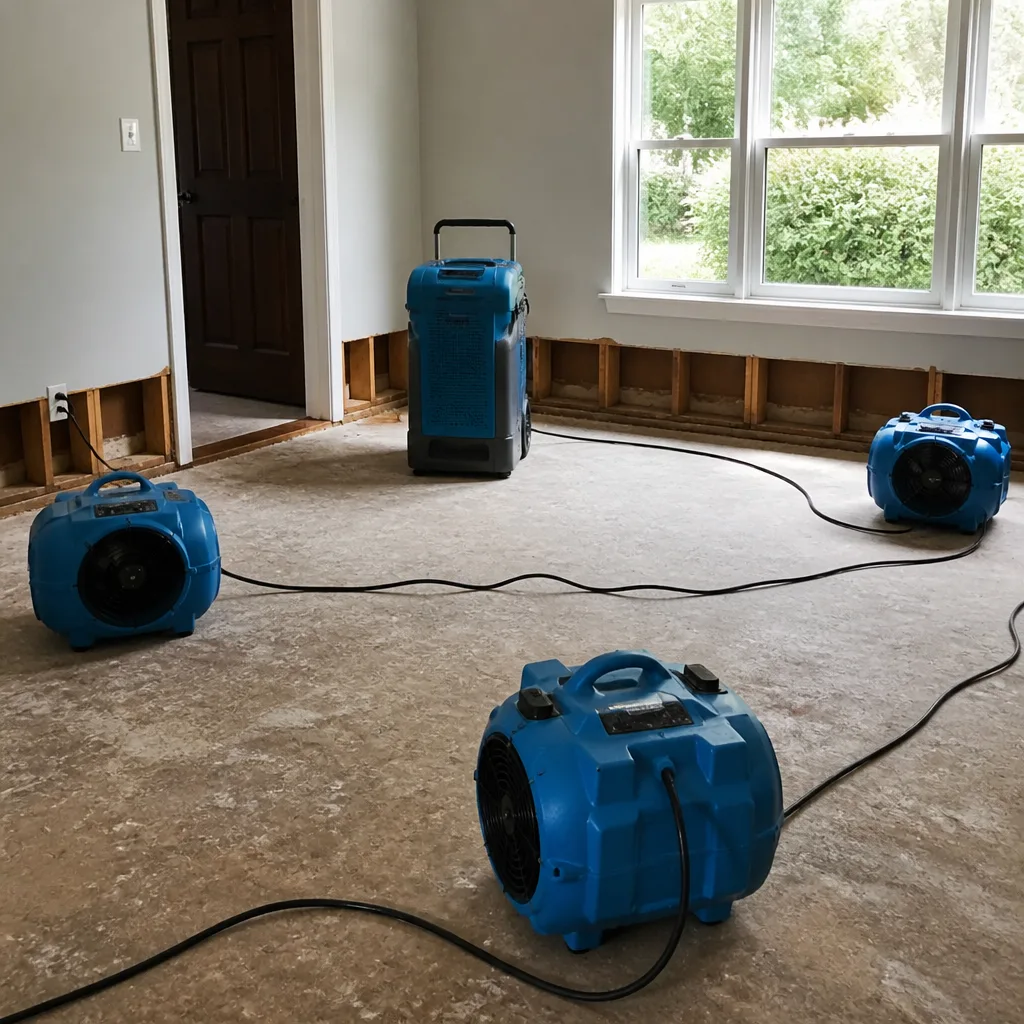
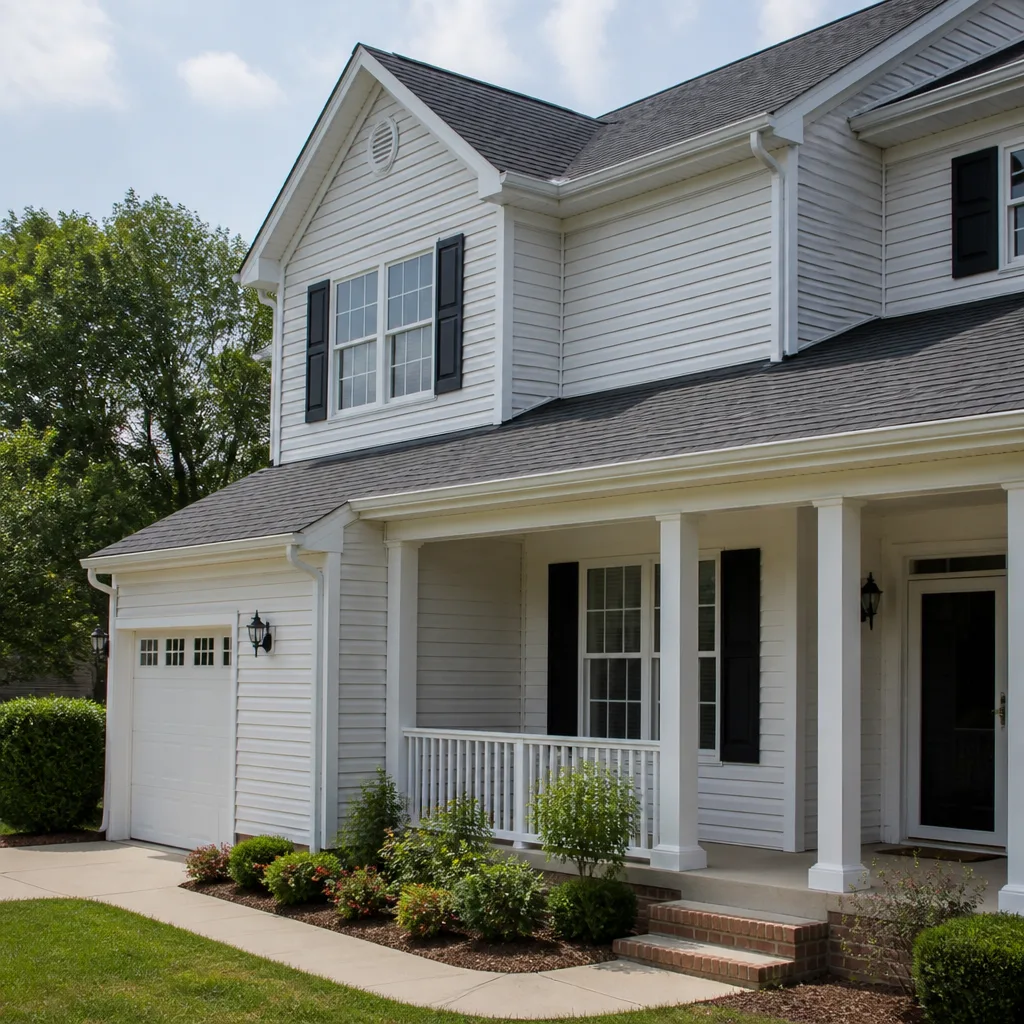
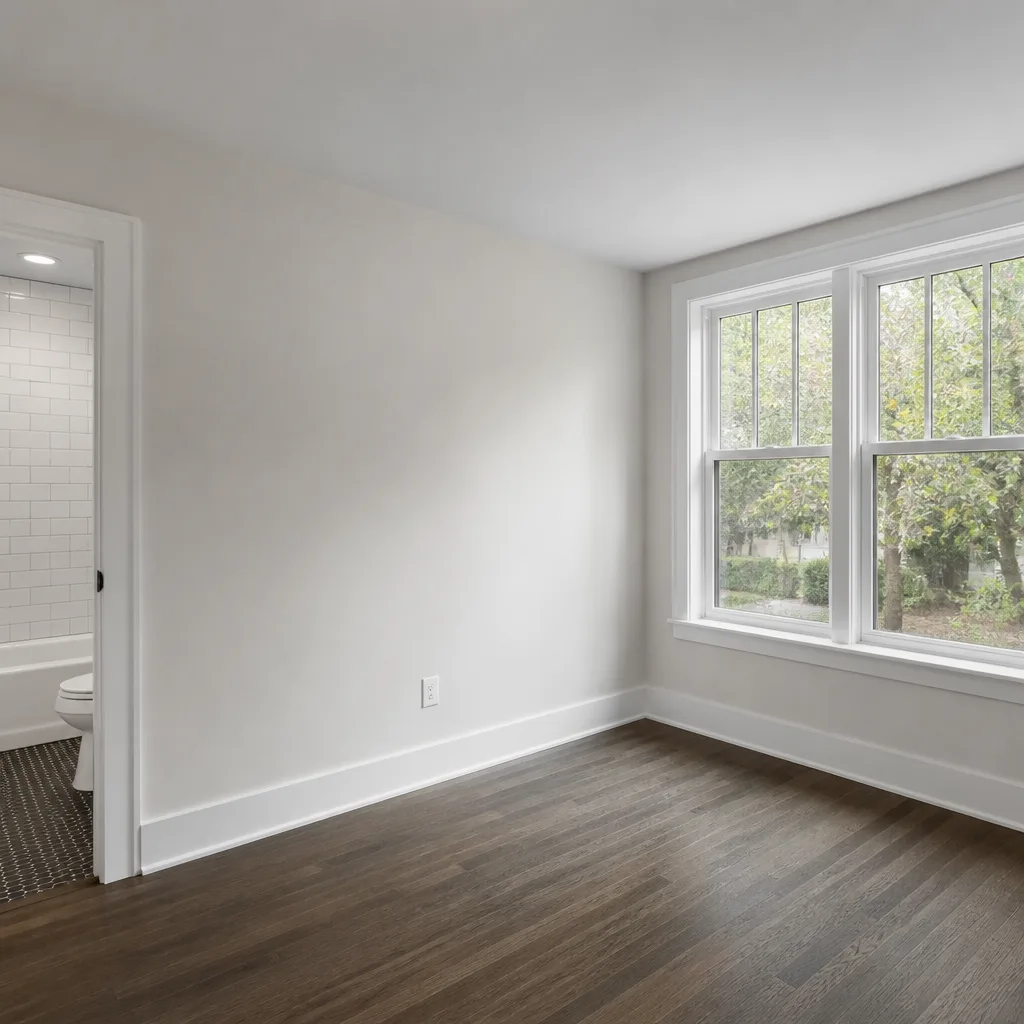
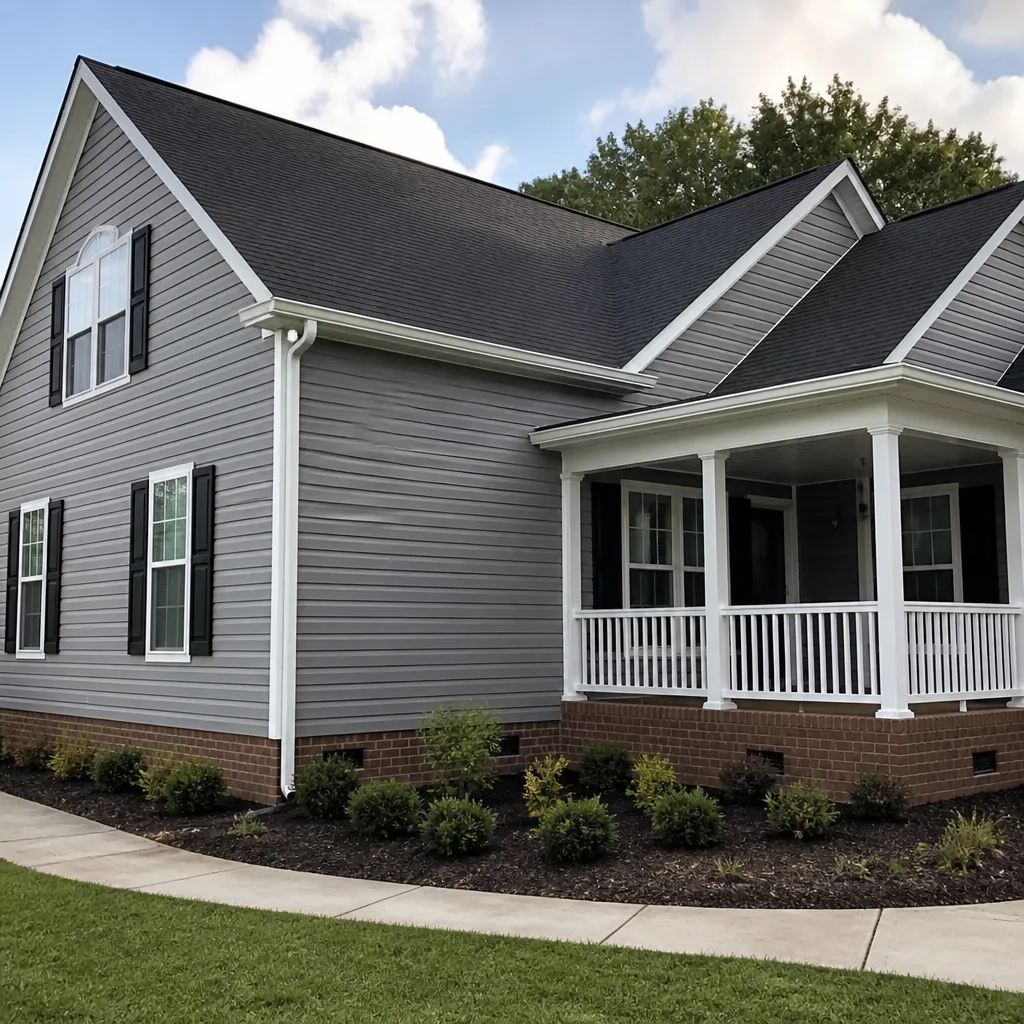
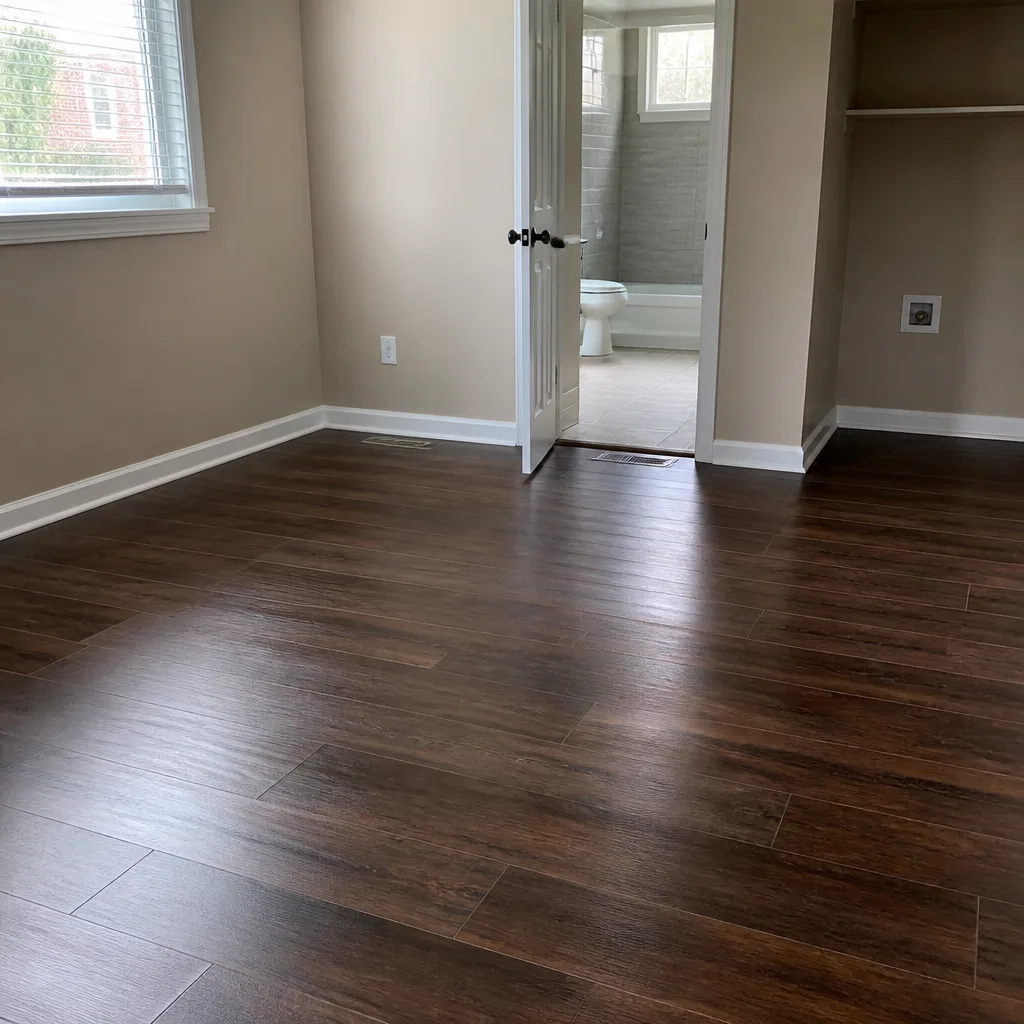
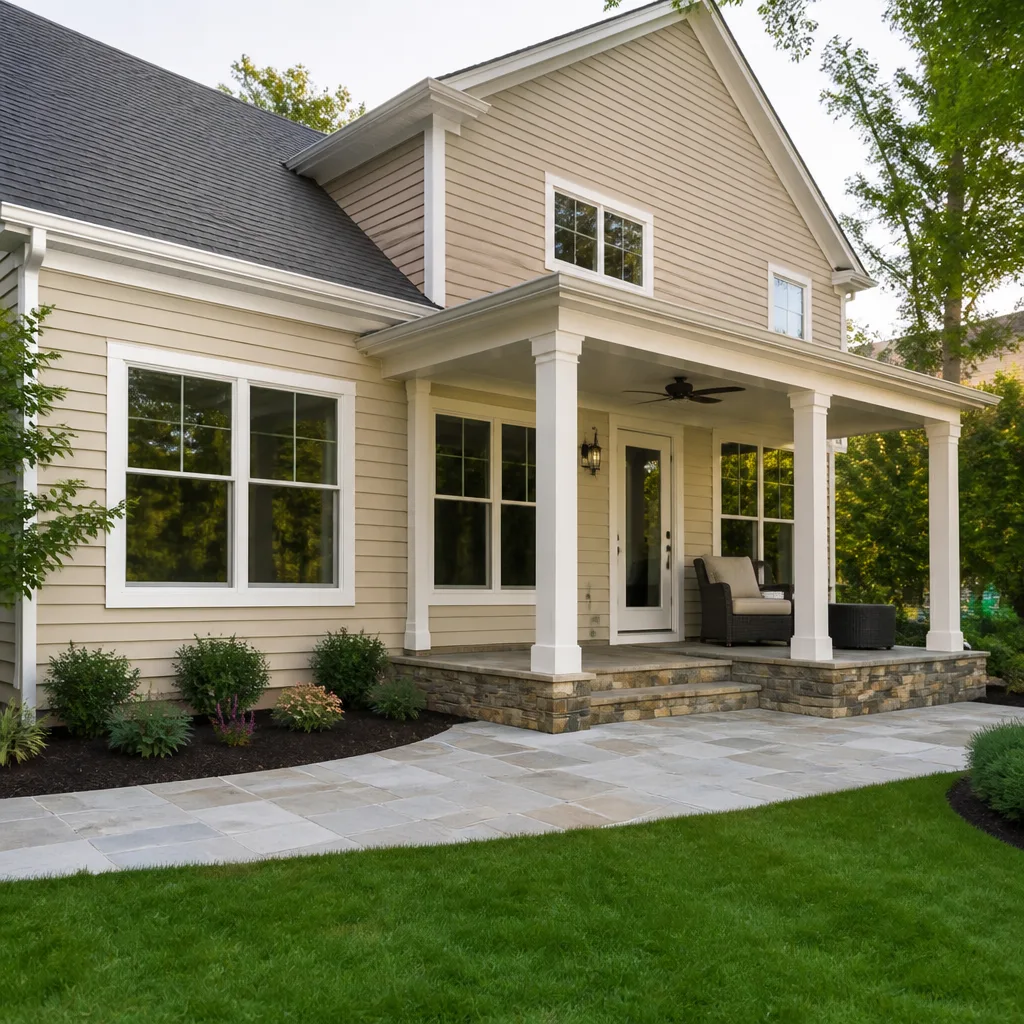
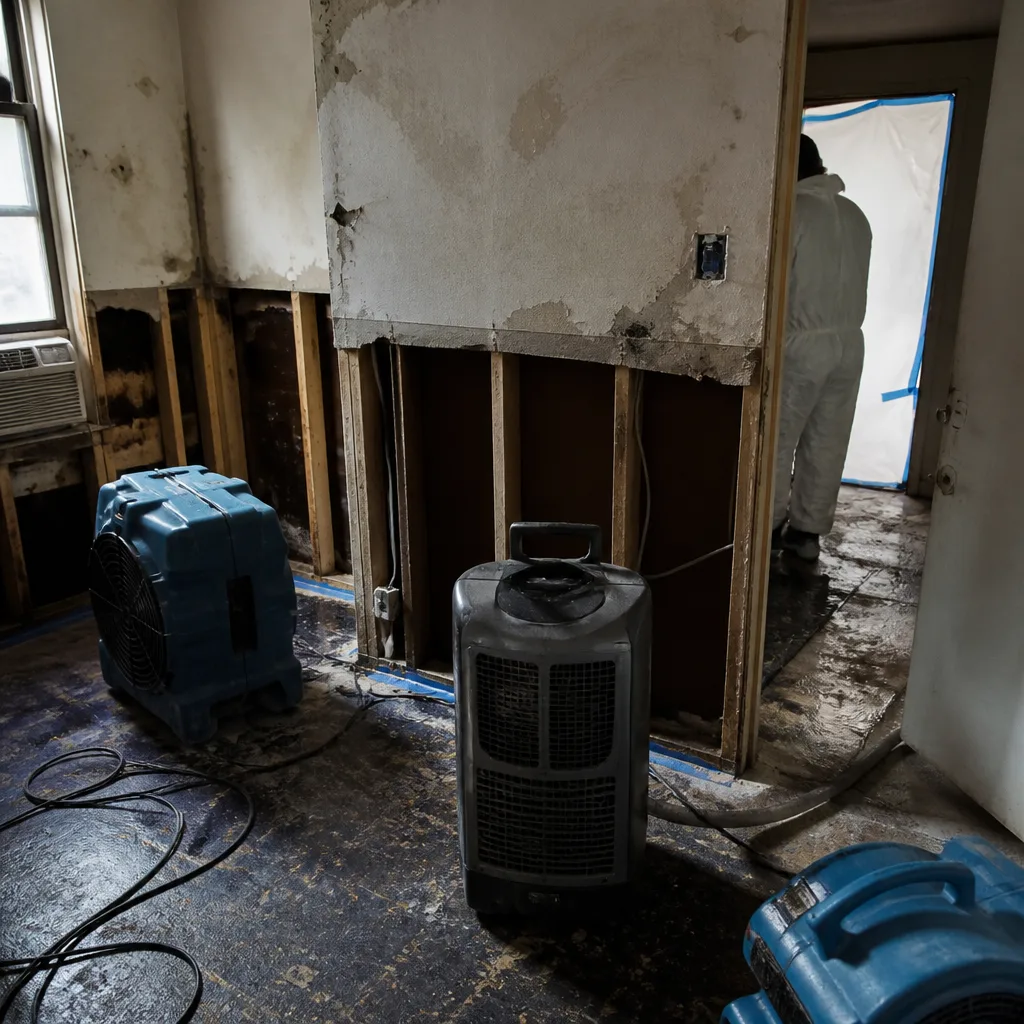 Before
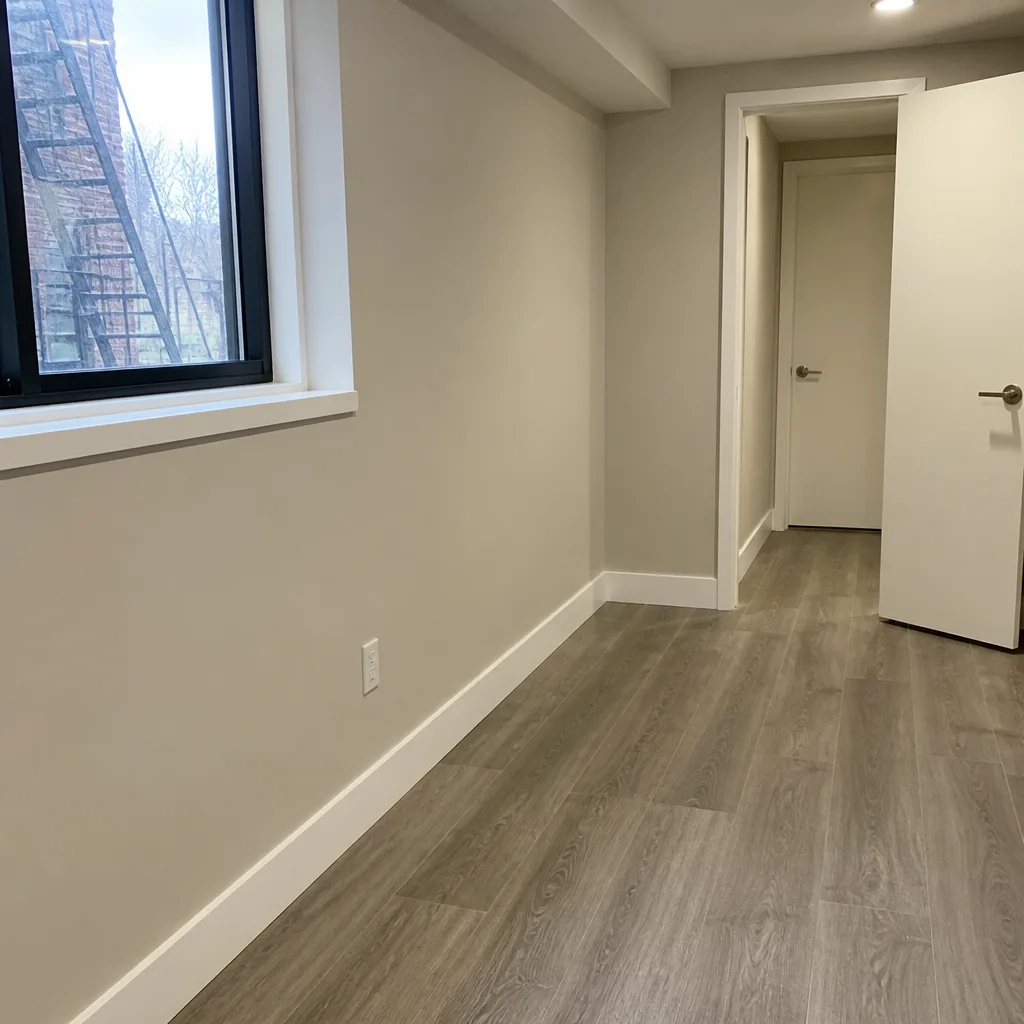 After
After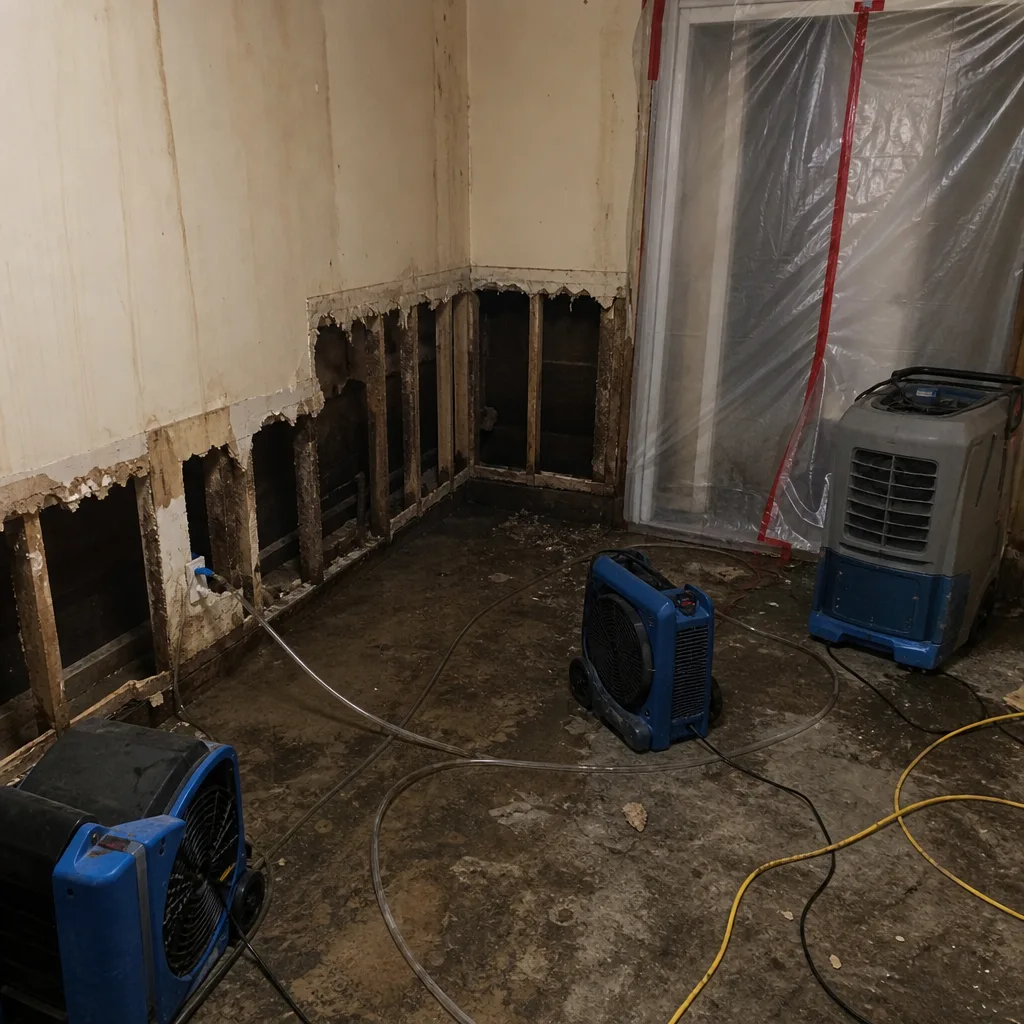 Before
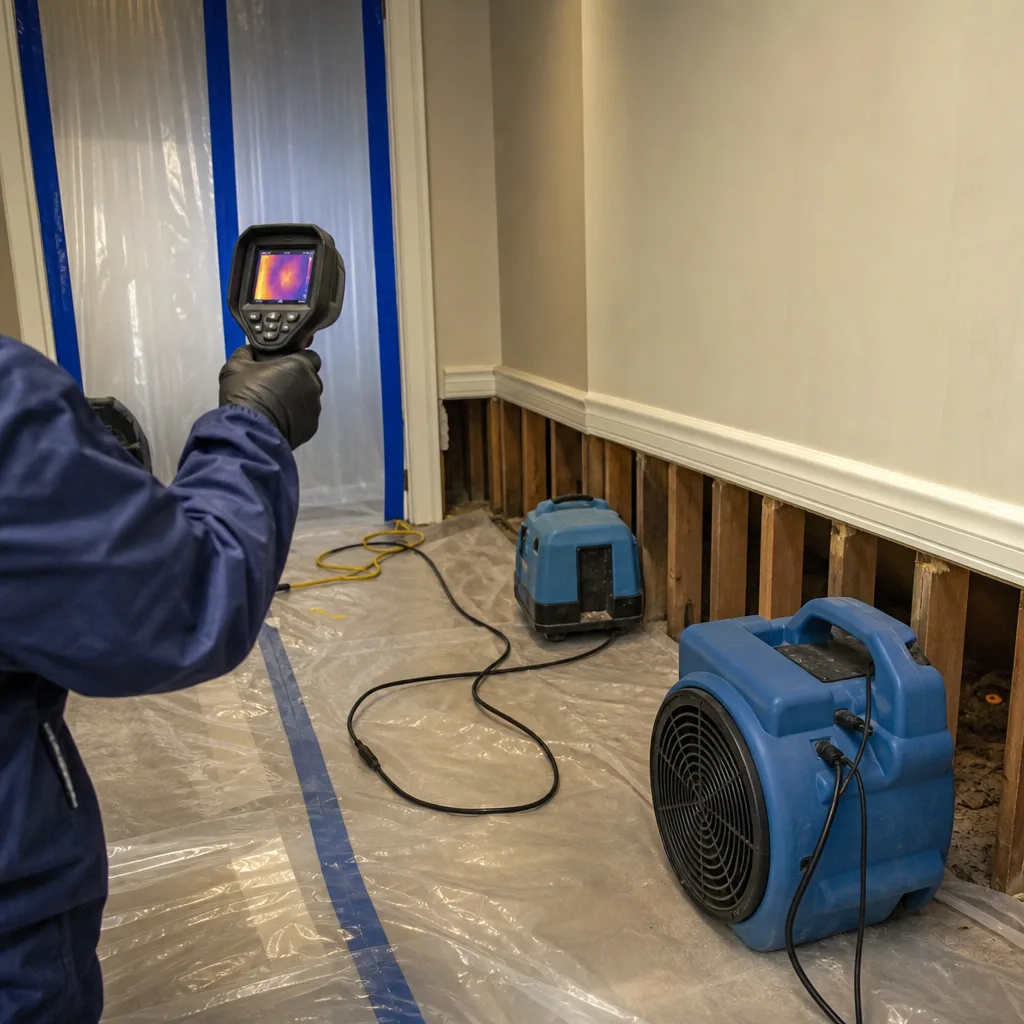 After
After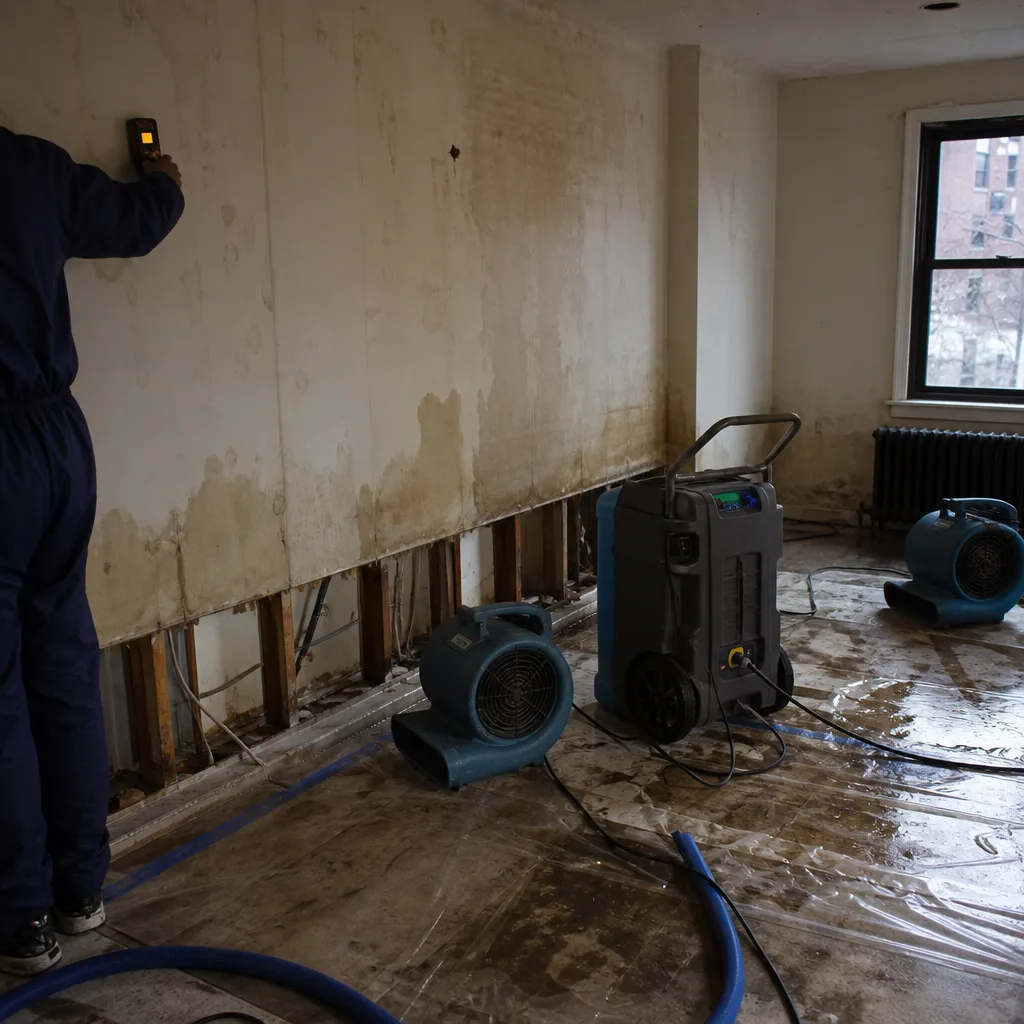 Before
 After
After24/7 Emergency Storm & Disaster Restoration in Upper Manhattan
Storm damage in Upper Manhattan moves fast, and so do we. A live dispatcher answers at (716) 452-0798 at two in the morning, seven days a week, and a certified crew is dispatched to your building the same call. Whether a nor’easter tore through Washington Heights, a summer downpour sent water cascading through a Harlem tenement, or wind-driven debris punched a hole in a top-floor window in Inwood, the first hour determines how much gets saved and how much gets replaced. We arrive for a free visual inspection, map the moisture, and start extraction the same visit. No answering service, no callback tomorrow. A real person, a real crew, and equipment running before the water line climbs another inch.
Understanding Storm & Disaster Restoration Severity in Upper Manhattan Properties
Storm losses in Upper Manhattan rarely stay clean. A burst supply line in a pre-war building is a Category 1 water event, but by the time it seeps through six floors of horsehair plaster and century-old framing, it picks up dust, insulation fibers, and corrosion. We classify it as Category 2 or 3 depending on what it’s traveled through. That changes everything about drying protocol. A flooded basement on a Harlem side street after a flash storm carries street runoff, sewage, and whatever the Hudson pushed through the storm drains. That’s Category 3 water that may need Biohazard & Crime Scene Cleanup in Upper Manhattan. It requires containment, not just dehumidifiers. We use thermal imaging and penetrating moisture meters to see where the water is hiding behind plaster and lath, because these old walls hold water long after the surface looks dry. Steam radiator lines corroded from the inside will soak studs for months before a tenant smells mold. Storm damage restoration in Upper Manhattan means knowing the difference between wet plaster that can be saved and wet plaster that’s already compromised. We map it, log it, and dry it to the standard before we touch a piece of trim.
Why Upper Manhattan Property Owners Choose Floodline Restoration Co.
- 45-minute response commitment. When our dispatcher takes your call, we commit to a crew arriving at your Upper Manhattan building within 45 minutes, not sometime this week.
- 24/7 live answer, always a person. No phone tree, no hold music, no “leave a message.” You reach a human being who can dispatch a certified crew immediately.
- IICRC-certified crews, WRT and FSRT trained. Our technicians hold Water Damage Restoration and Fire & Smoke Restoration certifications, plus AMRT for mold. Background-checked, uniformed, and accountable by name.
- Free visual inspection, no obligation. We walk the loss with you, show you what we see, and give you a written scope before any work begins. If it’s not a job for us, we’ll tell you that.
- Direct insurance billing. We bill your carrier directly and handle adjuster communication, so you’re never the middleman between Floodline and the insurance company.
- One team from extraction to reconstruction. The same crew that pulls the water, runs the drying logs, and notes what’s salvageable handles the rebuild. No handoff, no inherited crew, no finger-pointing.
Our Storm & Disaster Restoration Process
Inspection & Assessment
We arrive with thermal imaging cameras and moisture meters, not just flashlights. On a storm loss in Upper Manhattan, that means checking the parapet walls, the roof drains, the steam risers, and every chase where water travels unseen. We document everything before we move a single piece of equipment.
Extraction & Stabilization
Standing water leaves first. Truck-mounted extraction pulls hundreds of gallons a visit. We cap open drain stacks in pre-war buildings before air movers run, so we’re not aerosolizing sewer gas into drying units. Board-up and roof tarping happen here when storm damage exposed the building envelope.
Drying & Dehumidification
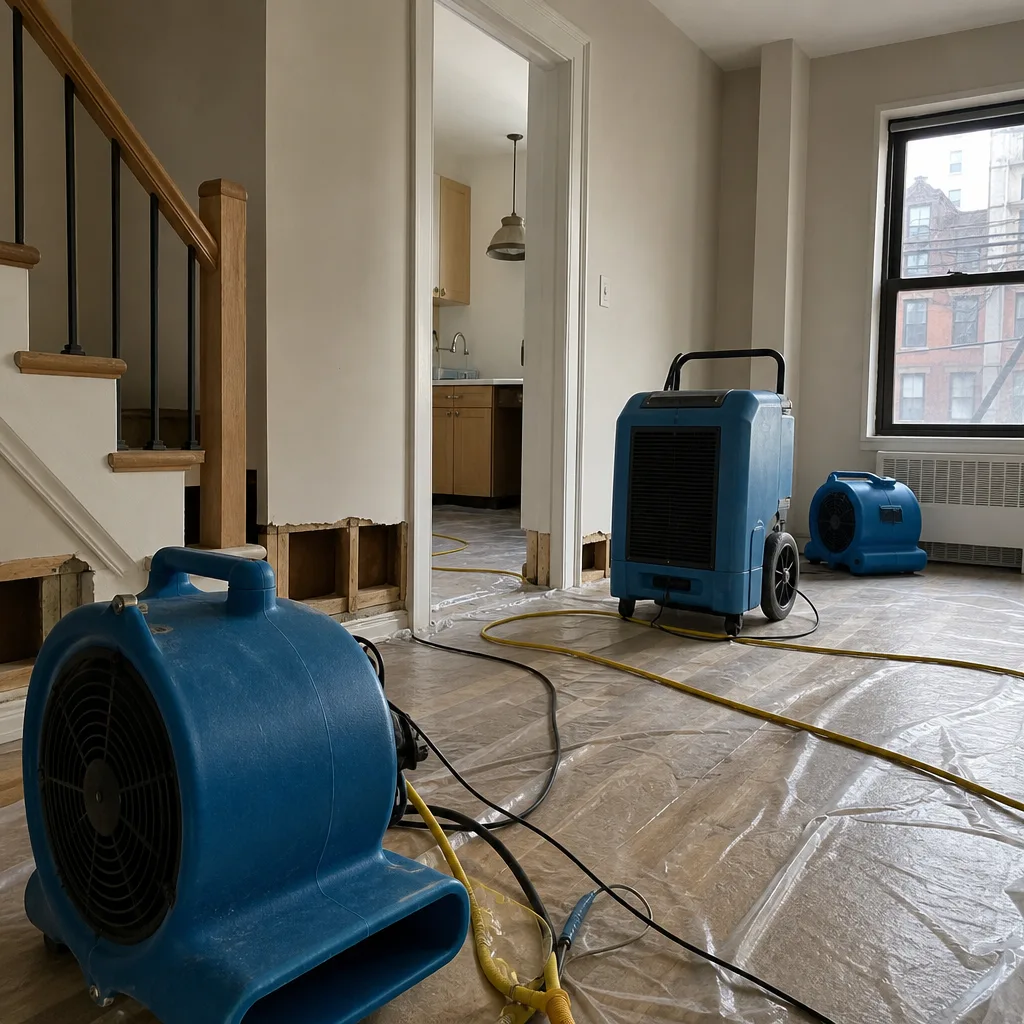
Dri-Eaz and Phoenix dehumidifiers plus XPOWER air movers run in every affected room. Daily hygrometer readings get logged. Horsehair plaster and old-growth framing dry slowly, so we don’t rush this phase. The log is yours and your adjuster’s to keep.
Cleaning & Sanitization
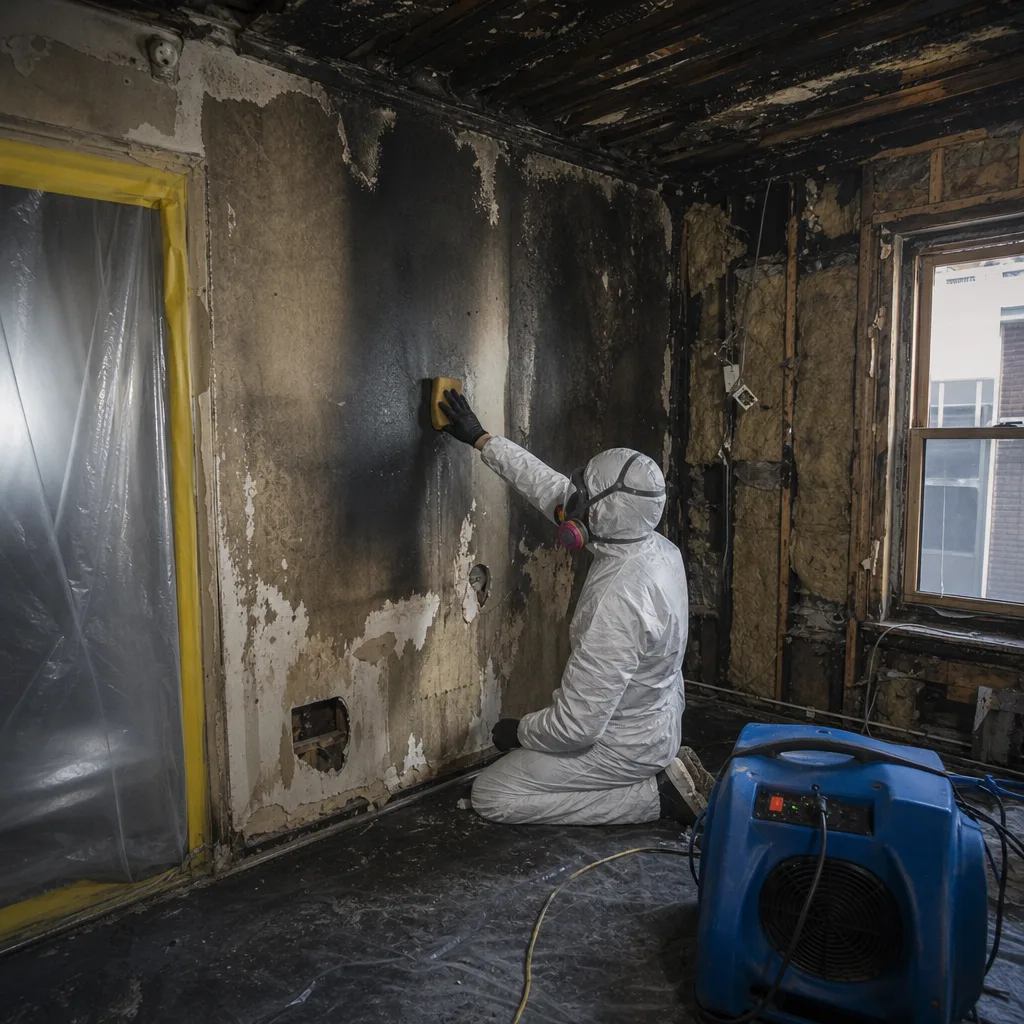
Once surfaces hit the dry standard, we clean with antimicrobial treatments through our Sanitization Services in Upper Manhattan. In storm-damaged basements where sewage backed up, this includes HEPA scrubbing and disposal of porous materials that can’t be salvaged. We photograph every room before and after.
Lead & Asbestos Containment
In Upper Manhattan buildings constructed before 1940, NYC Local Law 1 and EPA asbestos rules kick in before any demolition or wall opening. We test, contain, and abate as required by law. Skipping this step isn’t a shortcut; it’s a shutdown waiting to happen when an inspector shows up.
Repairs & Restoration
Damaged plaster gets restored or replaced room by room through Reconstruction & Cleanup - Upper Manhattan. Flooring, trim, cabinetry, and finishes go back with materials matched to the age and character of the building. The final moisture log and 90-Day Done Right Promise are in your hands before we leave.
Need Emergency Storm & Disaster Restoration in Upper Manhattan Now?
Crews minutes away, answering live 24 hours a day. The sooner we start, the less it costs.
Working With Your Insurance Company
Storm claims in Upper Manhattan are different from anywhere else. A water loss that started in one apartment usually involves three or four other units, two landlords, and a management company by the time the adjuster arrives. Your insurer needs documentation that holds up under scrutiny. We start the file in the first hour with photos of the loss before we move anything. Every step after that gets logged: moisture readings by the day, hour metered drying times, line-item scopes of work. We coordinate directly with your adjuster, and if they push back, we advocate for the full scope the building actually needs, not just the minimum. The 90-Day Done Right Promise means exactly that: if it’s not right, we fix it. That’s a written guarantee, not a customer-service slogan.
What We Provide Your Insurer
- Thorough documentation of the loss
- Photos of all damage, room by room
- Moisture readings and drying logs
- A detailed, line-item scope of work
- Direct coordination with your carrier
Built for Upper Manhattan’s Loss Calendar
Storm and disaster restoration in Upper Manhattan follows a predictable but punishing rhythm. January and February bring deep freezes that burst supply lines, and in these pre-war buildings, one frozen riser in a Washington Heights tenement sends water through five floors of occupied apartments before the shutoff valve gets located. Spring thaw and heavy March rains push groundwater into basements and sub-basements, especially along the lower-lying streets near the Harlem River. Summer thunderstorms drop an inch of rain in forty minutes, overwhelming flat roofs and ponding on aging felt-and-gravel surfaces until water finds the cracks. September through December is nor’easter season, when wind rips gravel off rooftops and drives rain horizontally into parapet walls and window frames. Freeze-thaw cycles do their quiet work all winter, expanding cracks in masonry and pushing moisture deeper behind the brick. By the time ceiling staining appears in a top-floor unit, the water has been traveling for weeks or months. This is our home turf. We run on that calendar.
Storm & Disaster Restoration Across Upper Manhattan’s Neighborhoods
Upper Manhattan is not one place. Harlem brownstones have original 2-pipe steam systems with pinhole corrosion hiding behind horsehair plaster walls; those losses look dry on the surface for months before mold blooms. Washington Heights elevator buildings from the 1930s and 1940s share steeply pitched roofs but aging parapet walls, and storm water follows the masonry cracks deep into top-floor units. Inwood’s flat-roofed brick buildings along Broadway and the numbered streets pond water after every heavy rain, and the top-floor tenants learn to recognize the first whiff of mildew. Along West 125th Street and the commercial corridors, mixed-use buildings combine storefront damage with residential losses upstairs, meaning one storm event involves two business owners, five tenants, and a landlord who needs documentation for three separate claims. The pre-war rowhouses along Convent Avenue and Hamilton Terrace carry ornate trim and lead-painted plaster that make every repair a regulated one. We know these blocks. We know what a storm does to each building type. That’s the advantage of sending crews who work Upper Manhattan every week, not techs who drove in from a franchise hub in another county.
Specialized Storm & Disaster Restoration Services We Offer in Upper Manhattan
Storm Damage Cleanup
Storm cleanup in Upper Manhattan usually means multiple flooded rooms, wet slush tracked through hallways, and plaster collapsing in at least one ceiling. We extract, set drying equipment, and remove debris in the same visit, then handle whatever couldn’t be saved. No leaving wet carpet in the hallway “to dry on its own.”
Flood Damage Restoration
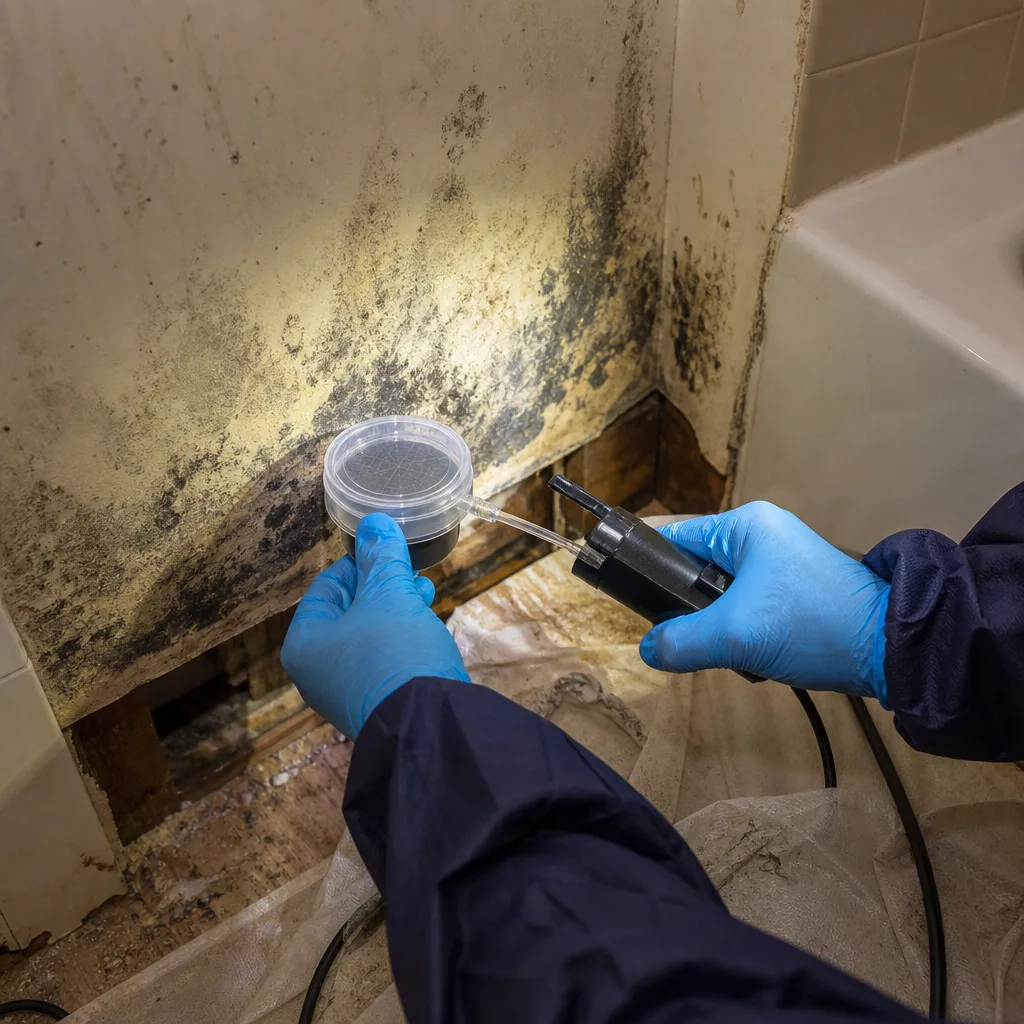
Flood restoration here starts with understanding the building. Water from a nor’easter follows the path of least resistance, and in these buildings that path runs through original cast-iron drain stacks and around old chimney chases. We trace it with moisture meters and dry it completely before the plaster has a chance to grow mold.
Emergency Board-Up
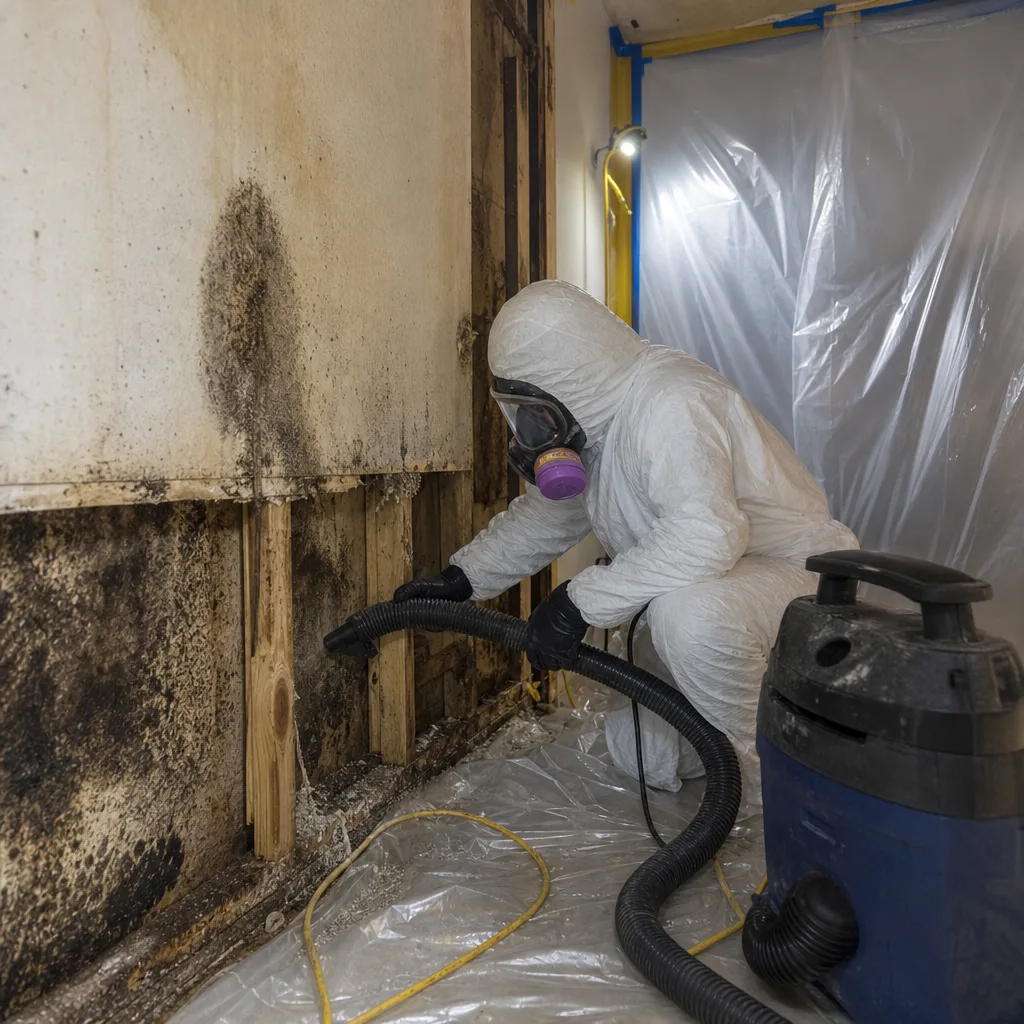
When storm winds take out a window in a Washington Heights apartment or a Harlem storefront, the opening needs plywood now, not after the weekend. We board up within hours, secure the envelope, and keep the building warm. It stops the second loss: burglary, squatters, rain, and heat loss all pile on after a window goes.
Roof Tarping
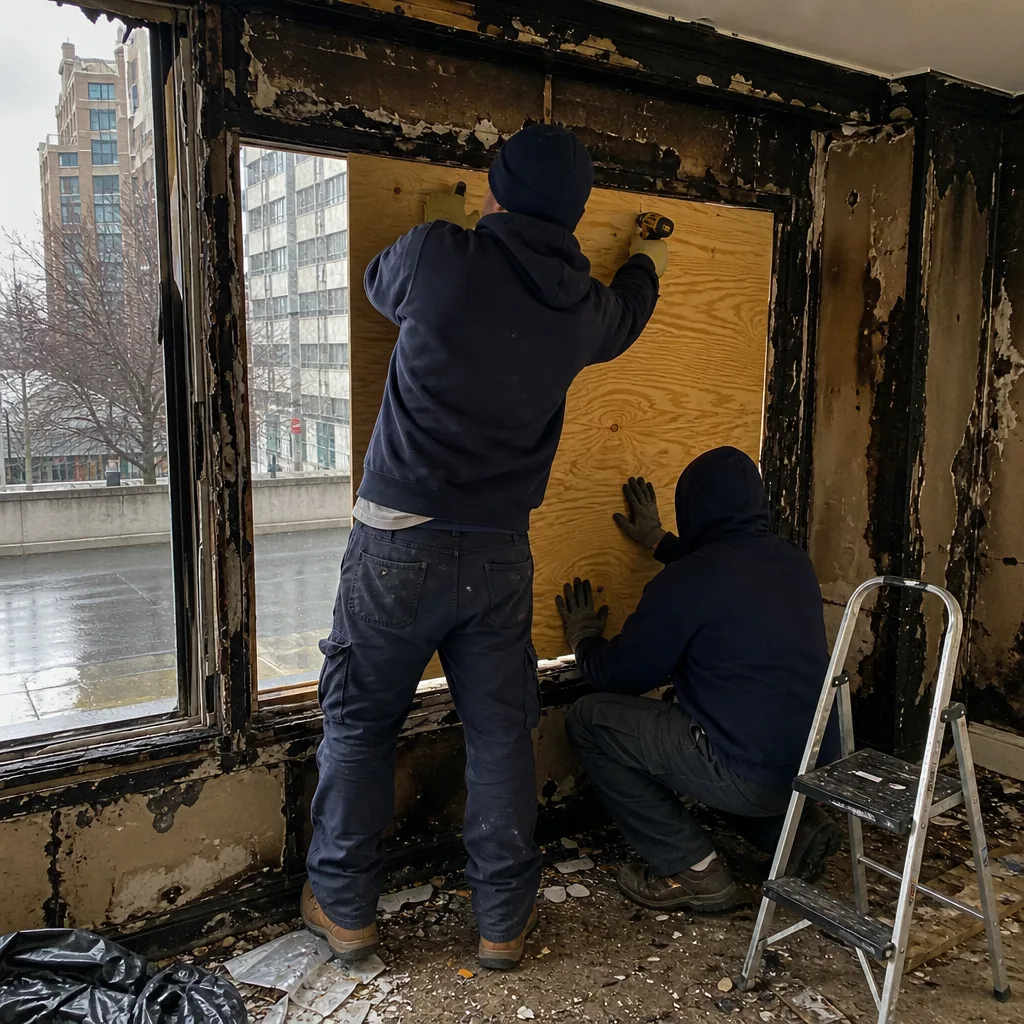
Flat and low-slope roofs in Upper Manhattan pond water after every storm, and the gravel surface often hides the actual hole. We tarp the affected section, weight the edges against the next nor’easter, and document the size and location for your adjuster. The tarp stops active leaking while a full roof scope gets written.
Debris Removal
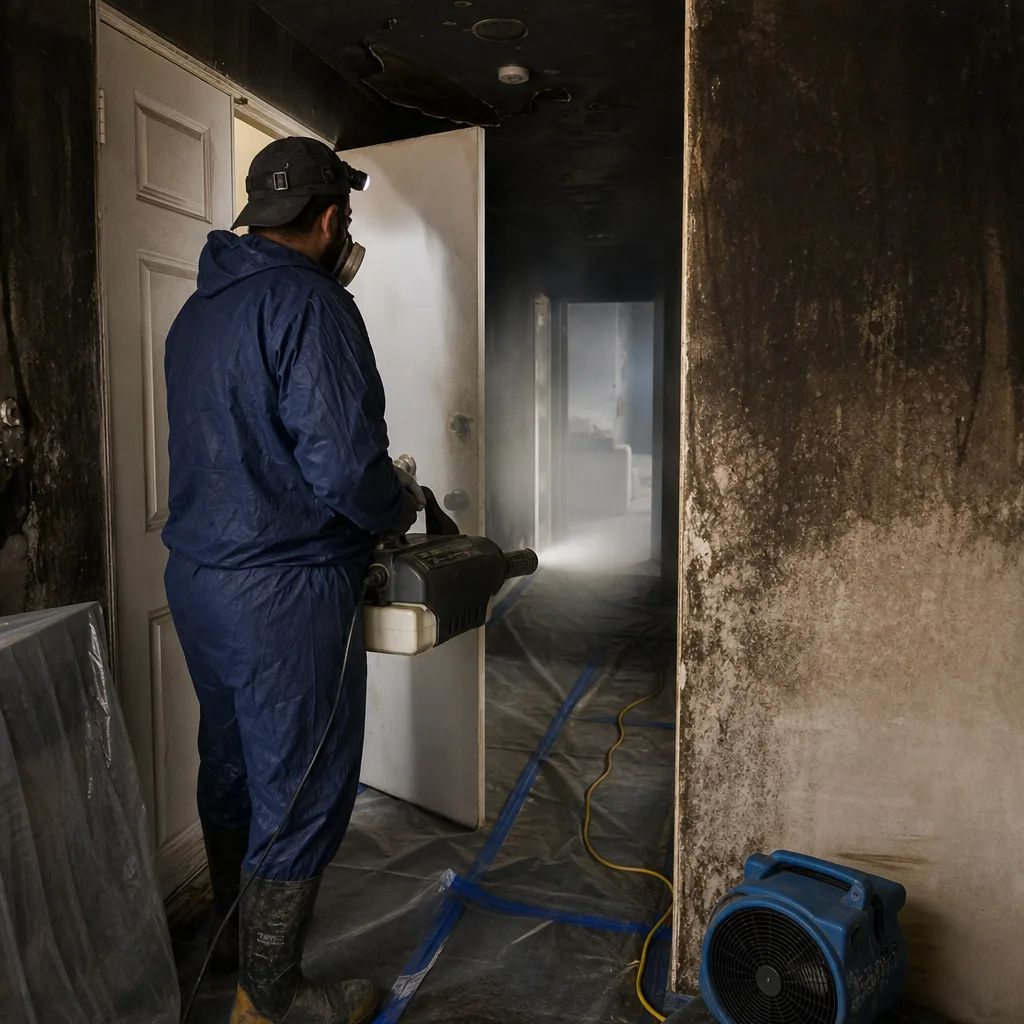
Storm debris in Upper Manhattan means fallen branches, torn flashing, broken glass, and the contents of rooftop storage sheds blown across the block. We remove it safely, sort what your insurance needs to see, and haul the rest. You’re left with a clear path and a clean baseline for the rest of the restoration.
What happens when you call
- 1
A real person answersNo phone trees - you reach a local pro.
- 2
You get an upfront price rangeHonest numbers before anyone is dispatched.
- 3
A background-checked tech heads outLicensed & insured, dispatched right away.
- 4
You approve before work beginsNothing starts until you say go.
Storm & Disaster Restoration Costs in Upper Manhattan, NY
Pricing in Upper Manhattan reflects the age of the buildings and the regulatory layers involved. A straightforward Category 1 water extraction and drying in a Harlem apartment, no structural damage, typically runs between $2,800 and $5,500 depending on square footage and how many rooms flooded. A multi-floor loss in a pre-war Inwood or Washington Heights building, with Local Law 1 lead and asbestos surveys required, easily runs $12,000 to $35,000. Roof tarping after storm damage runs $600 to $1,900 per section depending on access and roof height. Emergency board-up runs $400 to $1,100 per opening. Debris removal is typically $350 to $900 per truck load. Anything involving structural drying of horsehair plaster, steam-line access panels, or chase wall repairs pushes the total higher. The free visual inspection converts into a written, line-item scope before we start, so you know exactly what’s covered, what’s not, and what your carrier needs to approve. We bill directly to your insurance company on approved claims.
We Also Serve Cities Near Upper Manhattan
Our crews regularly work in Storm & Disaster Restoration in Upper Manhattan and the surrounding areas, including Long Island City, Greenpoint, Williamsburg, and Murray Hill. If your building is across the bridge or just south of the park, call and ask. We’ll tell you straight whether we can get a crew there in time.
Upper Manhattan Storm & Disaster Restoration Questions, Answered
Do I need a lead-paint or asbestos inspection before drying out a water-damaged apartment in a pre-war building in Washington Heights?
Yes, in nearly every building constructed before 1940. NYC Local Law 1 and EPA asbestos rules require a certified lead-paint survey and asbestos inspection before any wall is opened, any plaster is removed, or any structural drying requires access behind walls. Skipping this step during emergency extraction is how restorers get shut down mid-job. Our crews build these surveys into the first visit, so work doesn’t pause waiting on a lab result. Call (716) 452-0798 and we’ll walk you through what applies to your building.
How do you dry out horsehair plaster walls in a Harlem brownstone after a radiator steam-line leak?
Horsehair plaster in a Harlem brownstone holds water differently than drywall. Surface readings will look dry while the lath and studs behind are still soaked. We use penetrating moisture meters and thermal imaging to find the real boundary of the wet zone, then set air movers and dehumidifiers for daily readings until the entire wall assembly reaches the drying standard. The plaster is usually salvageable if we get to it before mold sets, which is why speed matters on steam-line leaks. A free visual inspection gets you a realistic answer.
What is the protocol when a burst pipe in an Inwood elevator building sends water down five floors of apartments?
We treat it as a multi-unit, multi-claim event from the first hour. That means capping the open drain stack before air movers run, containing each affected floor, and documenting every apartment separately for the various insurers involved. The landlord, the management company, and each tenant all need their own clear scope. Our team coordinates all of it, bills each carrier directly, and keeps one drying log for the building rather than five conflicting ones.
Can you tarp a low-slope roof in Upper Manhattan during a nor’easter without replacing the gravel?
Yes, and we do it regularly. The tarp goes over the wet section, including the gravel, and gets weighted and secured against wind uplift. It’s a temporary stop, not a repair. We document the tarp’s exact location and size for your adjuster, then write a full roof scope so a permanent repair follows. The tarp buys you days or weeks, not a permanent fix.
Why do freeze-thaw cycles cause so much hidden water damage in Upper Manhattan top-floor units?
Water finds its way into parapet wall cracks during winter, freezes, expands, and opens the crack wider. Spring thaw sends the water down behind the brick and into the top-floor unit’s walls, often without any visible leak for months. By the time a tenant sees staining on the ceiling, the wet cavity extends far beyond the stain. We trace it with thermal imaging and dry the hidden areas before mold gets established. Call for a free inspection if you suspect it.
How fast can someone actually get to Upper Manhattan for a storm damage emergency?
A live dispatcher answers at (716) 452-0798 immediately, and our commitment is a crew on site within 45 minutes for storm emergencies in Upper Manhattan. That’s not a call center estimate. It’s a commitment we’ve built the dispatch board around. The sooner we start, the less the water spreads and the less it costs to fix.
Will my insurance cover storm and flood damage in my Upper Manhattan building?
Most standard NYC homeowners and co-op policies cover storm damage from wind, rain, and pipe bursts. Flood from rising water is usually separate and depends on your flood zone. We handle direct billing with your carrier and document the loss from the first hour, so you’re not left negotiating what you can’t see in a photo. Our team deals with the adjuster directly, and we’ll tell you straight what your policy covers before any work starts.
Can I stay in my apartment during storm damage restoration in Upper Manhattan?
It depends on the loss. A single-room drying job with containment and air scrubbers is usually livable. A multi-floor water event with structural drying, lead and asbestos containment, and sewer gas concerns is not. We give you a clear answer at the free inspection, based on what we actually find, not on what’s convenient for the schedule.
Serving Upper Manhattan, NY - Our Local Coverage Area
We’re based in the Upper Manhattan area and know this community well. Use the map below to see our service coverage - if you’re nearby, we can almost certainly help.
Contact Floodline Restoration Co. for Storm & Disaster Restoration in Upper Manhattan
Storm damage in Upper Manhattan doesn’t wait for business hours, and neither do we. A live person answers at (716) 452-0798 at any hour, any day. Storm & Disaster Restoration is what we do, and the line the water left is where we start. The free visual inspection is yours, the written scope is yours, and the 90-Day Done Right Promise is in writing before we leave. Call now. The first hour matters most.
Floodline Restoration Co. serves all of Upper Manhattan, from Harlem through Washington Heights to Inwood, including the blocks around Broadway, St. Nicholas Avenue, and Fort Washington Avenue. If water is moving through your building right now, pick up the phone. We’re already on the board.
Written by Curt Bowman, Owner at Floodline Restoration Co., serving Upper Manhattan since 2010.