
Free visual inspection and a written scope of work before any mitigation begins - photos, moisture readings, and drying logs go in your claim file
The scope we write is the scope we bill. Anything new gets shown to you, in writing, before we touch it.
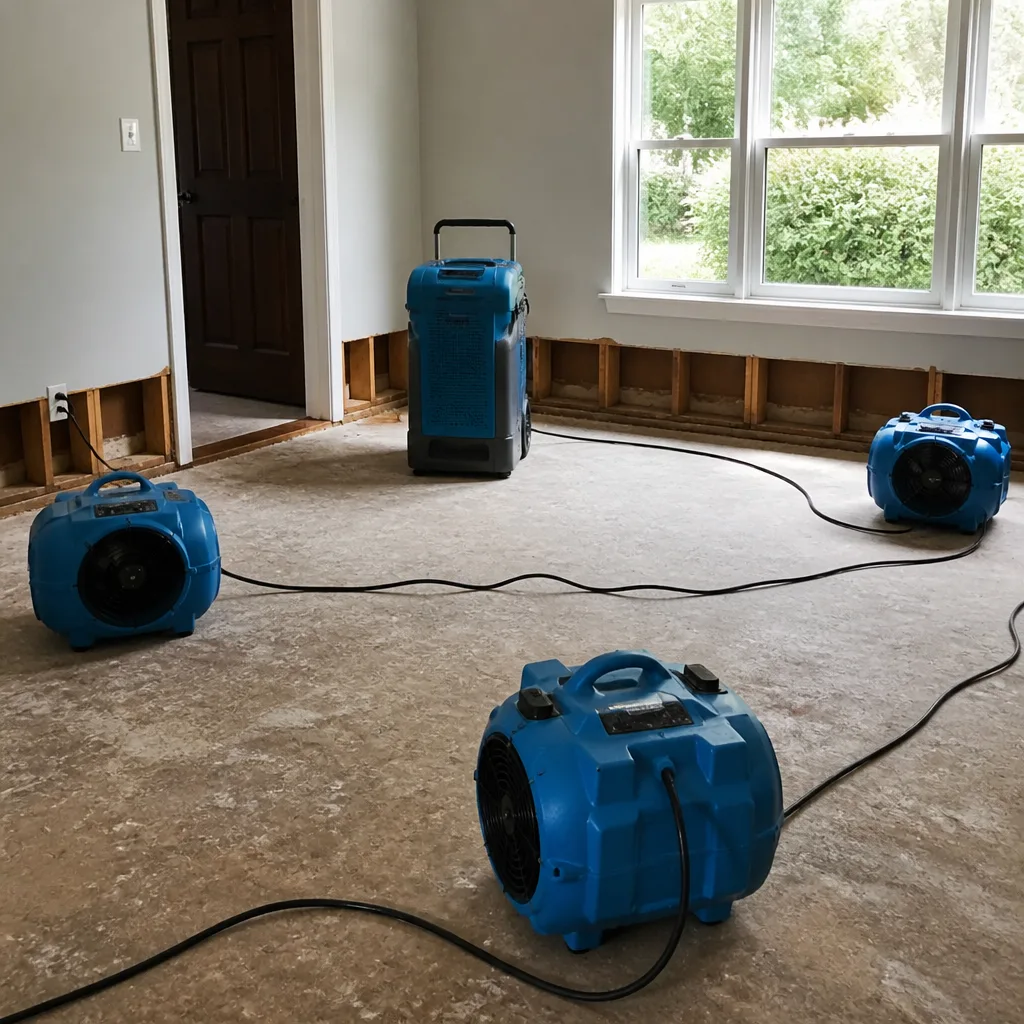
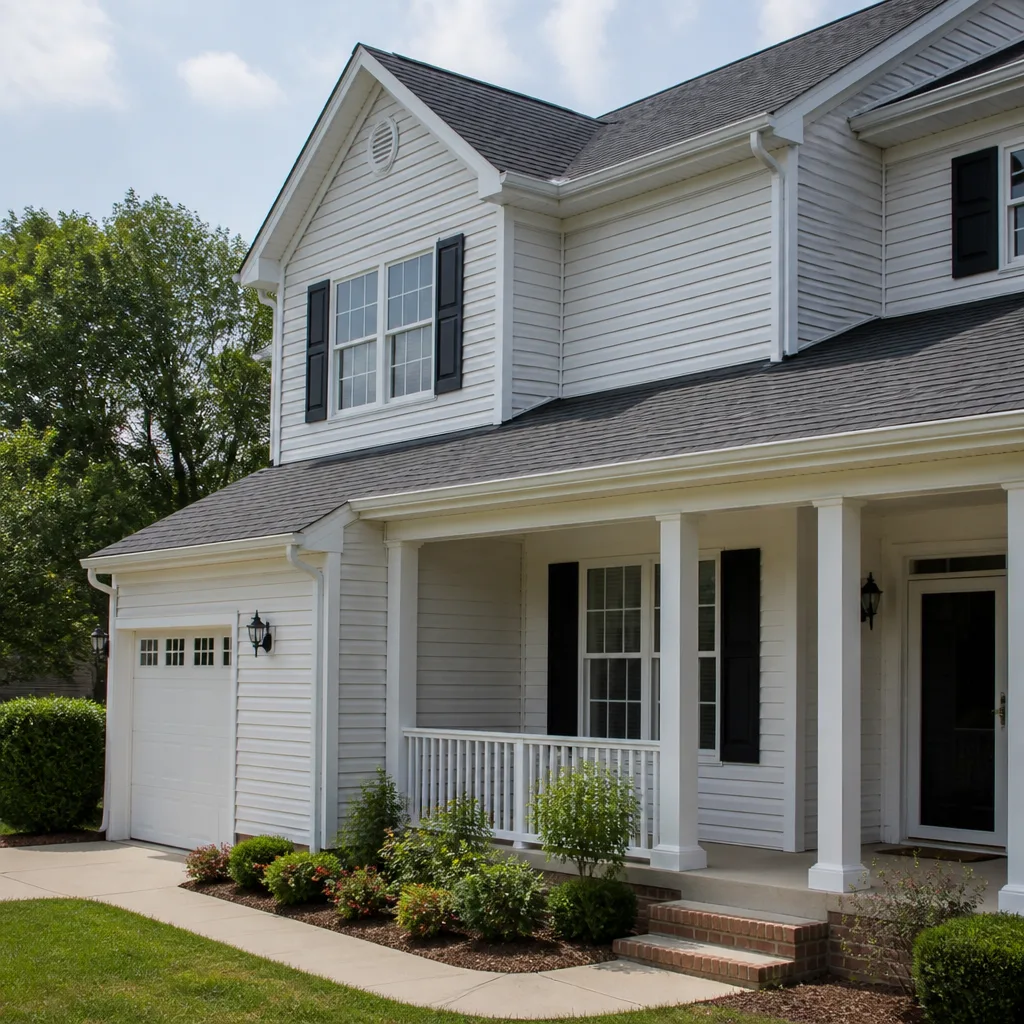
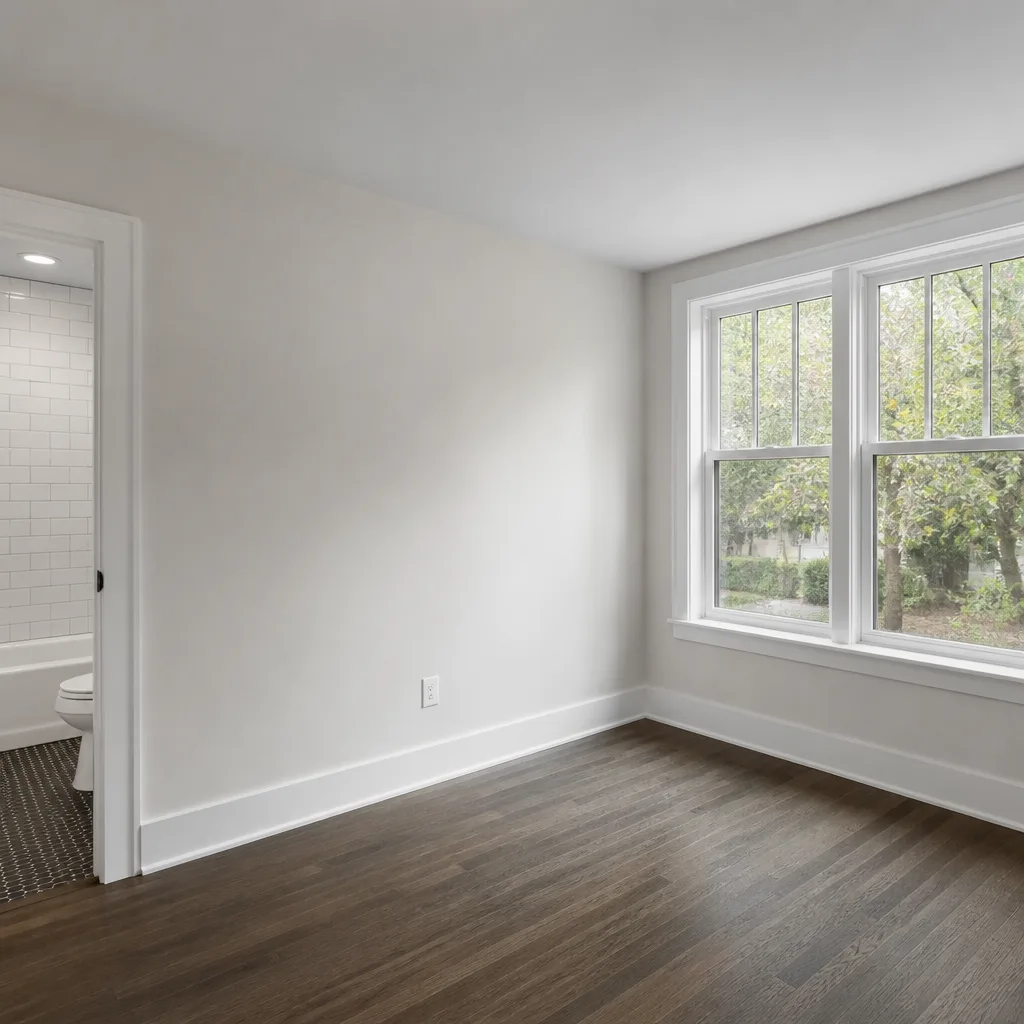
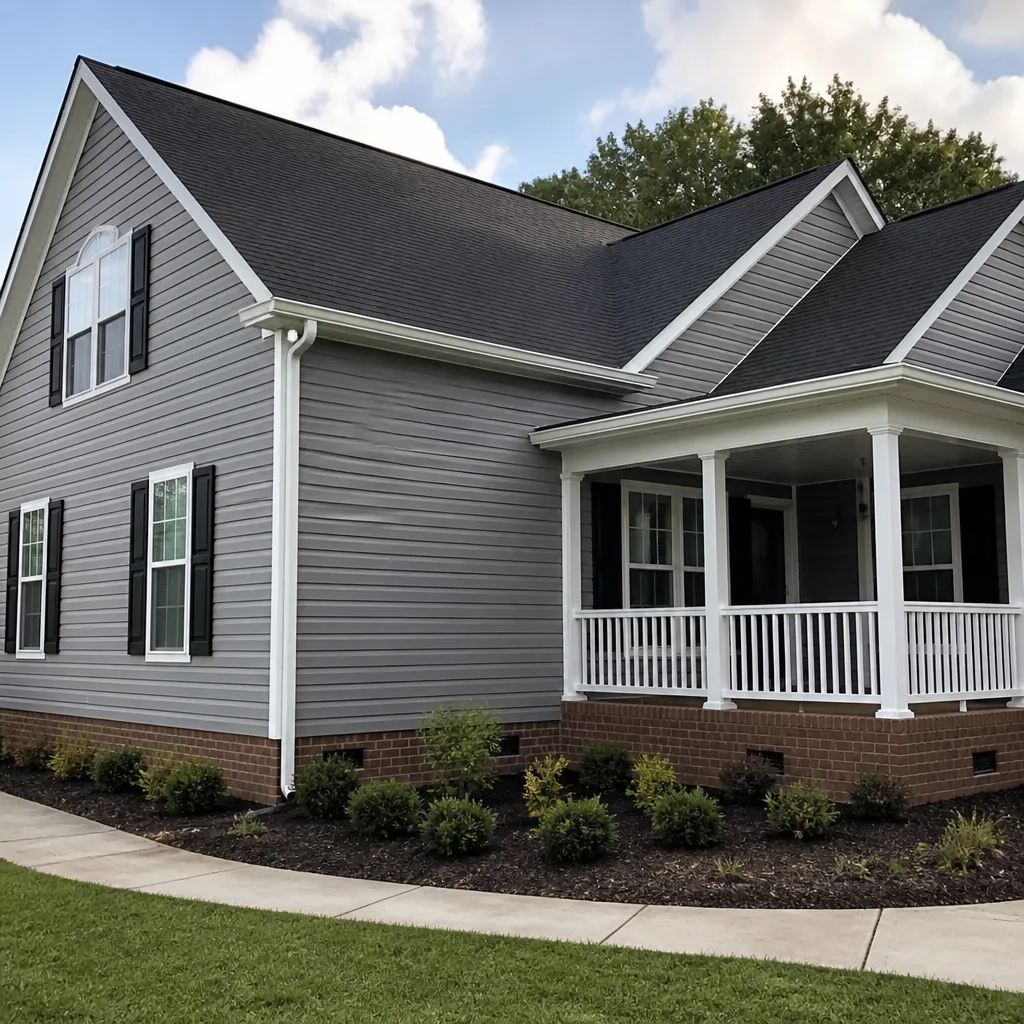
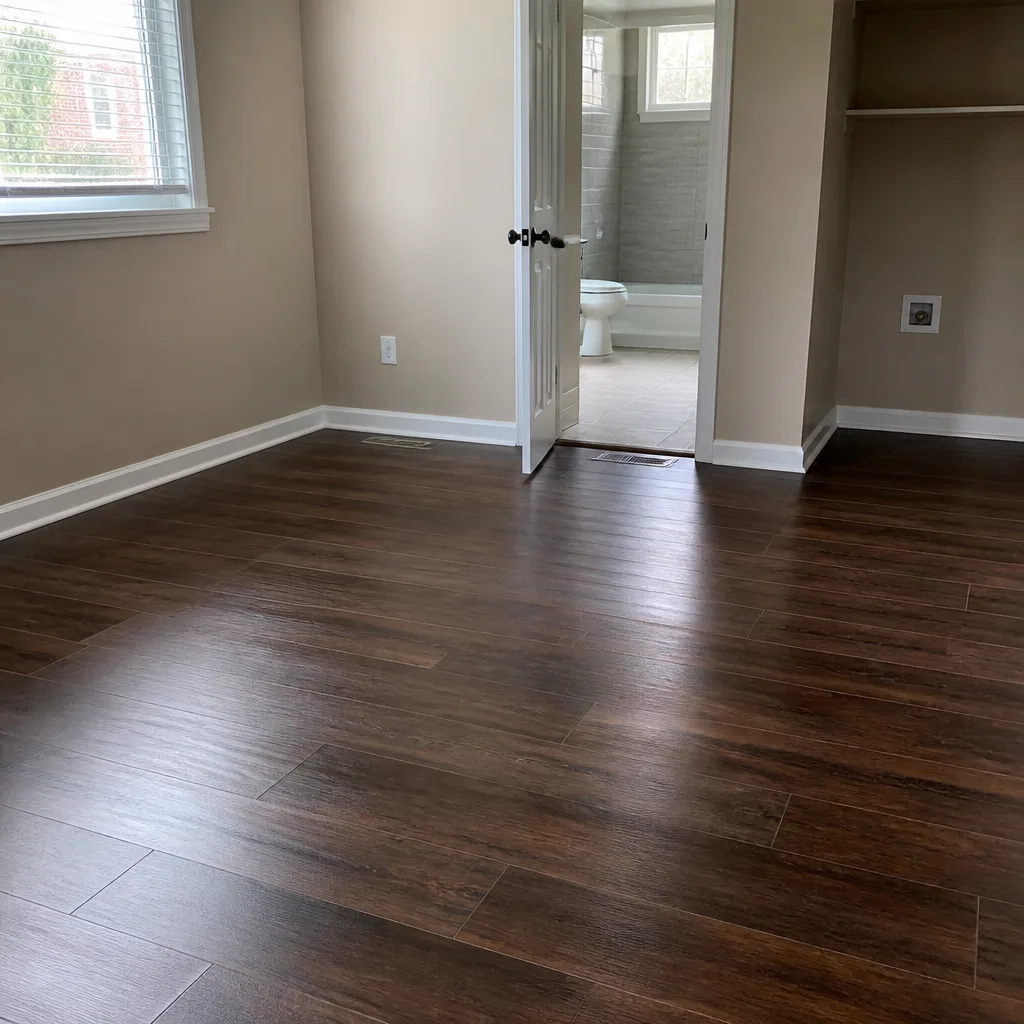
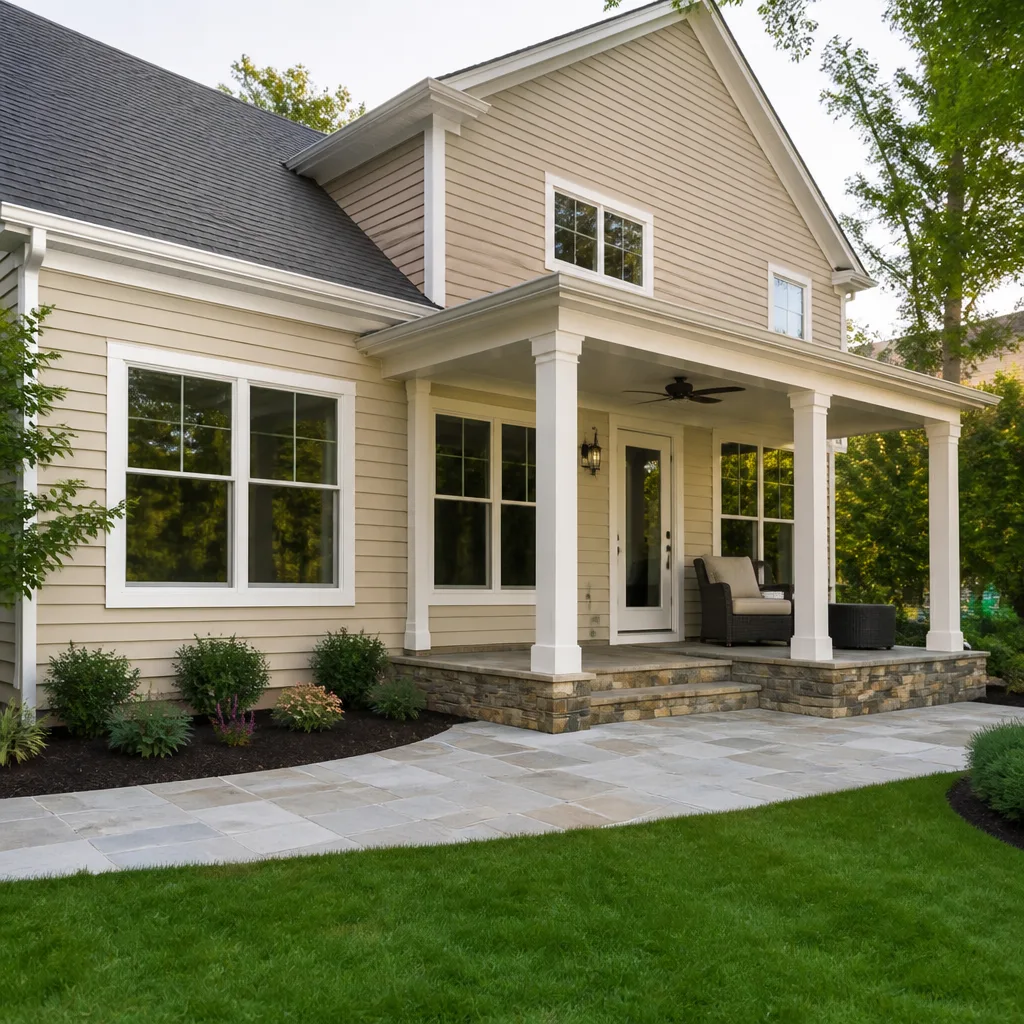
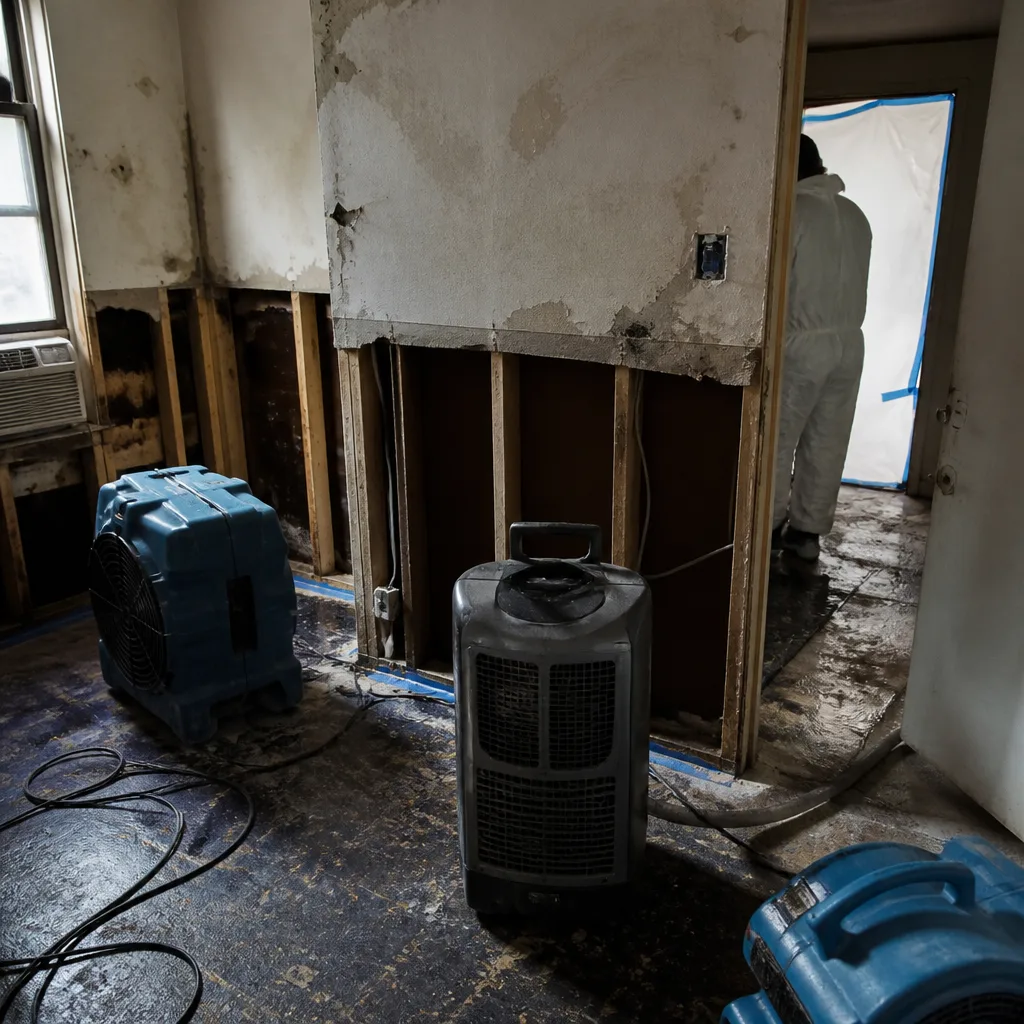 Before
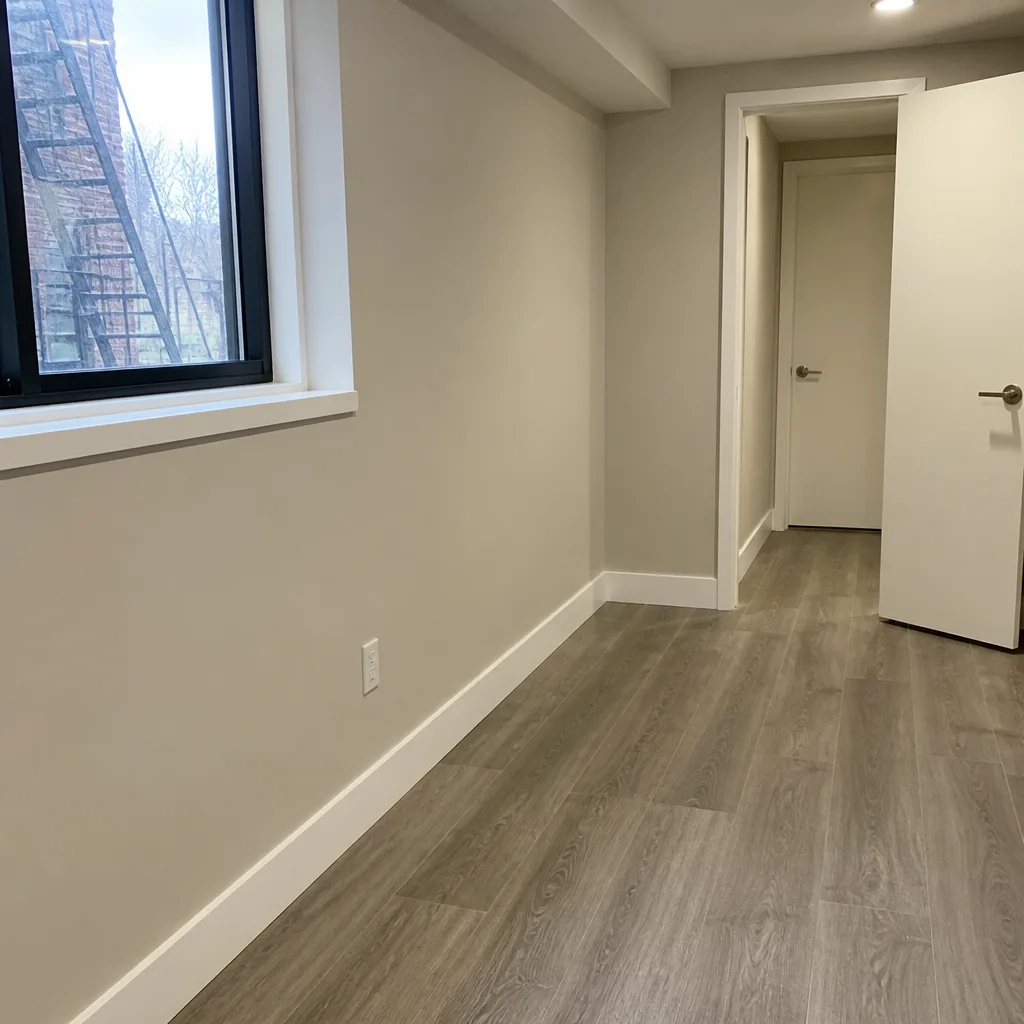 After
After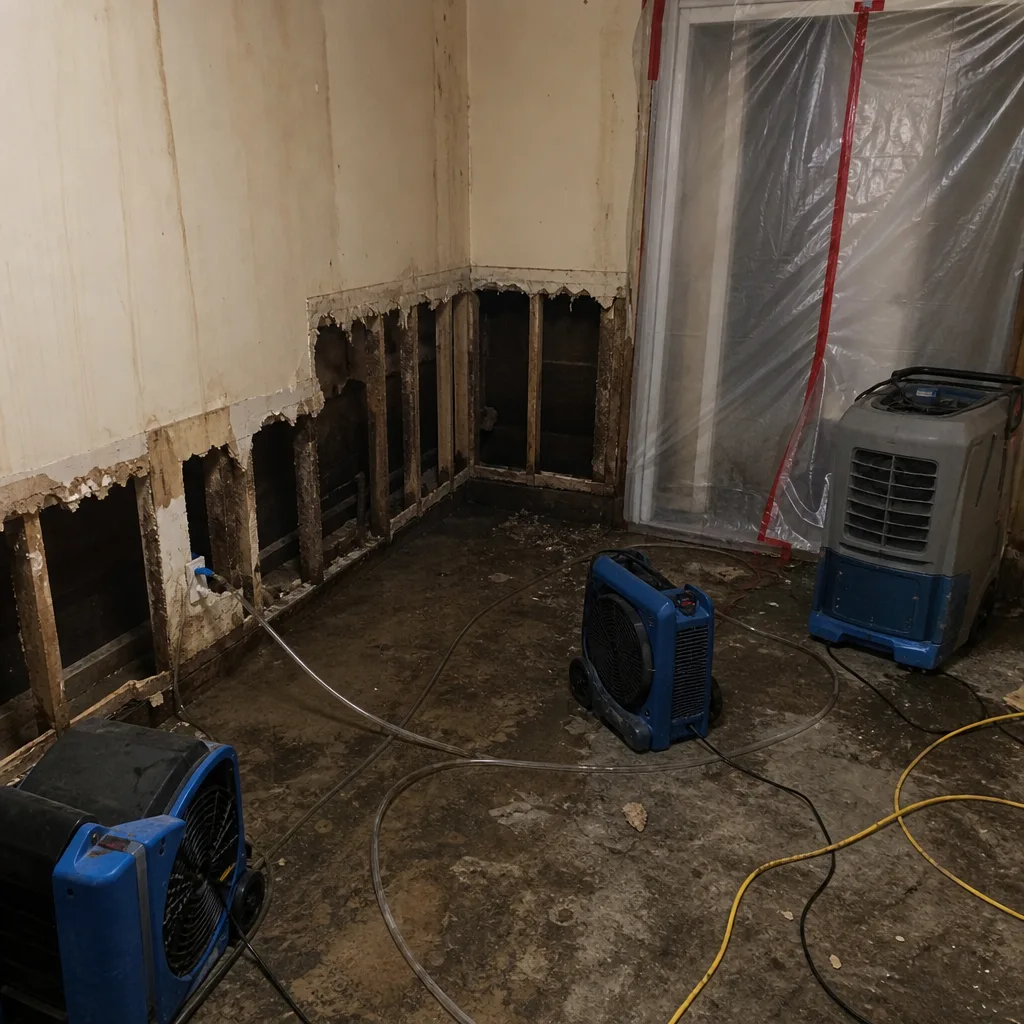 Before
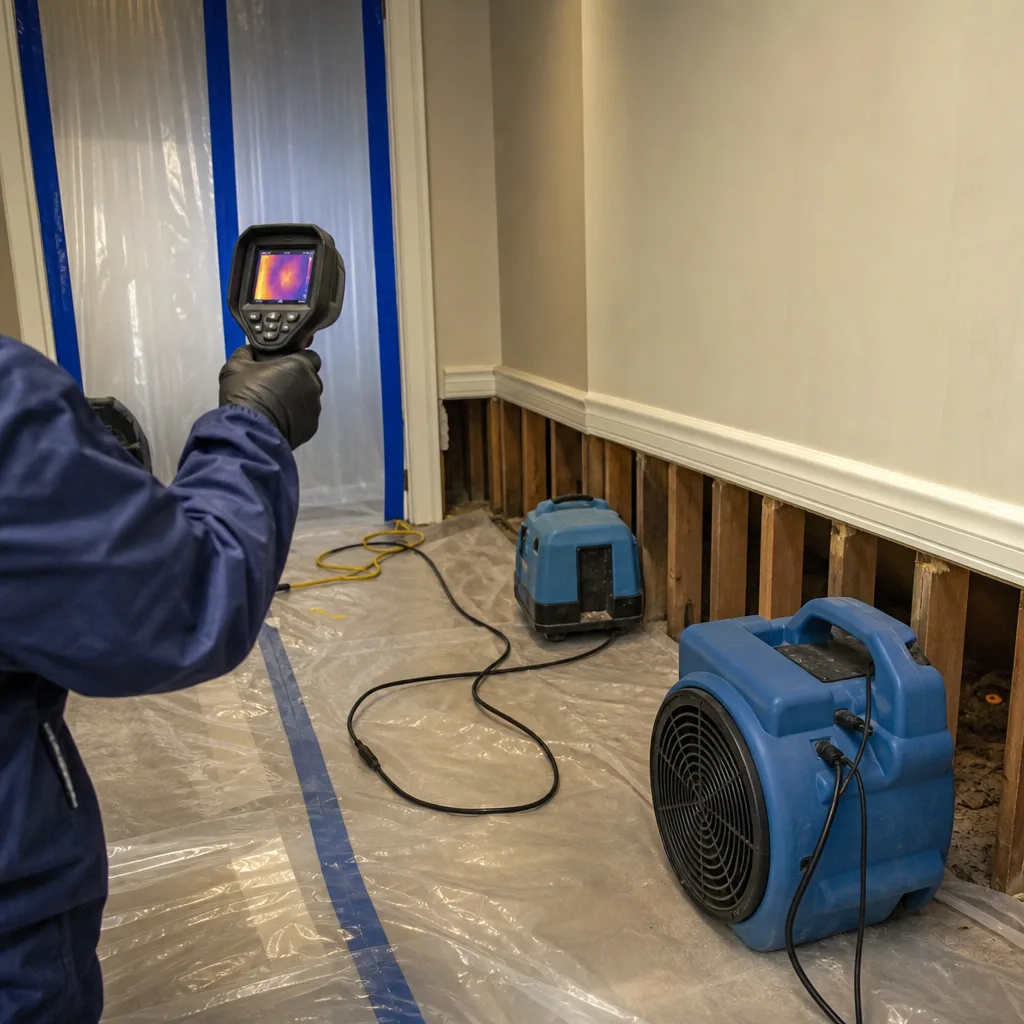 After
After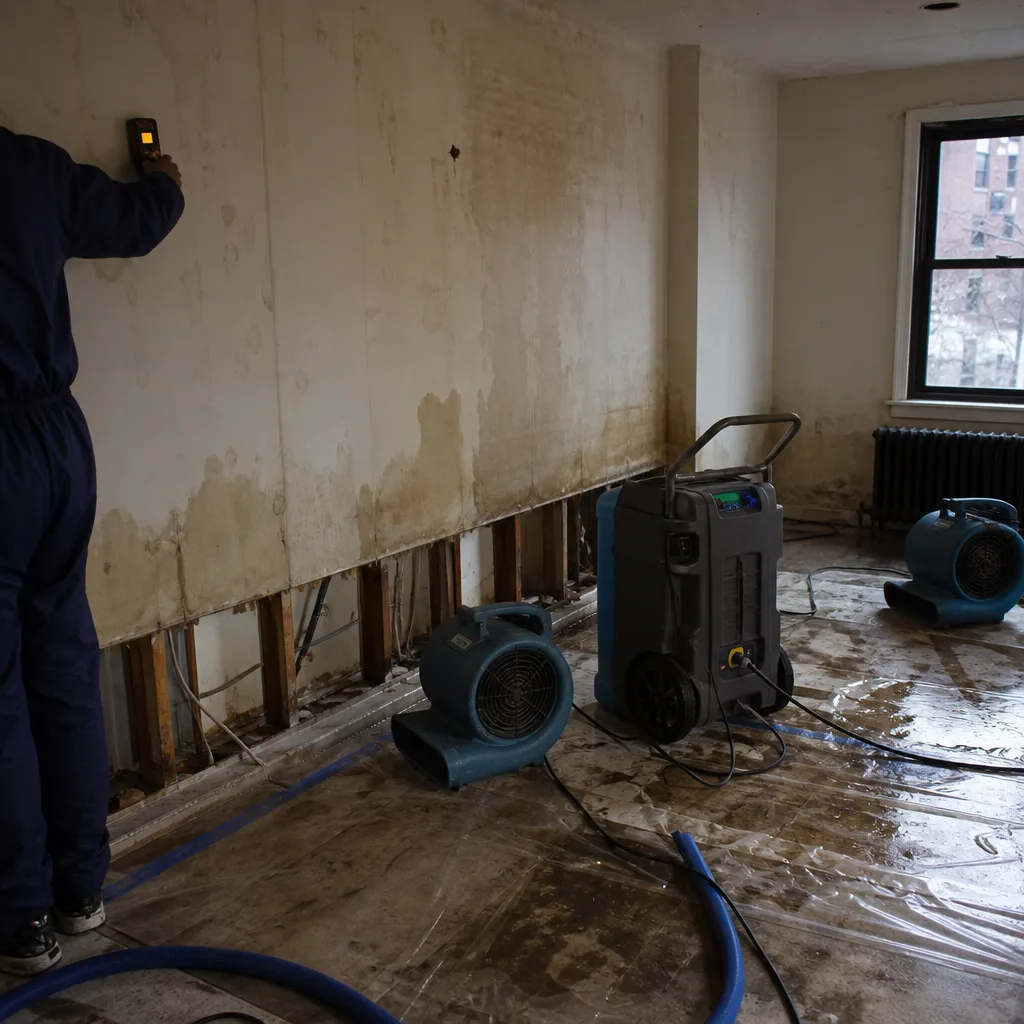 Before
 After
After24/7 Emergency Storm & Disaster Restoration in East Harlem
Storm & Disaster Restoration in East Harlem moves on two clocks: the one in the weather report, and the one inside the walls. Wind rips a parapet flashing loose on a tenement roof. Rain follows the open seam down four floors of shared riser before anyone sees a stain. By the time a homeowner calls, the water has already been working for hours. We answer live, 24 hours a day, at (716) 452-0798. A real person picks up, a certified crew gets dispatched inside the East Harlem area, and the first containment goes up the same visit. The first hour matters because storm water in a pre-war building doesn’t stay Category 1 for long. It picks up drywall dust, old plaster, whatever’s living in a shared drain chase, and turns Category 2 fast. Call early, and we stop the damage where it is. Call late, and we restore what it became. Either way, a free visual inspection tells you exactly what you’re facing.
Understanding Storm & Disaster Restoration Severity in East Harlem Properties
East Harlem’s housing stock teaches you to read water by where it comes from. A roof breach through a failed parapet flashing on an 1890s tenement sends Category 1 water down a cast-iron riser, but it crosses into Category 2 once it touches a century of accumulated wall cavity dust and old insulation. If it reaches a sewer backup point in the basement, that’s Category 3, and the drying standard changes completely. We do all of it. Our crews run moisture mapping with thermal imaging and hygrometers on every job, and we classify the water before we touch a single wall. In NYCHA superblock towers, the same storm event produces stacked severity across vertical apartments: a roof leak at the top floor is Category 1, the apartment two floors down is Category 2 from the soak-through, and the basement-level unit may be dealing with Category 3 backup from a combined sewer overflow. One storm, three different jobs. We set containment per floor, run separate drying per floor, and log daily moisture readings against the IICRC dry standard. That’s the only way a multi-floor storm restoration in East Harlem actually dries.
Why East Harlem Property Owners Choose Floodline Restoration Co.
- 45-minute response commitment. When a storm has water moving through a stack of East Harlem apartments, the clock is the enemy. We commit to having a crew on site inside 45 minutes from your call, and we’ll be there when we say.
- 24/7 live answer, never an automated system. A live dispatcher picks up at 2 a.m. on a Sunday, asks the right questions, and gets a certified crew rolling while you’re still on the phone. No recordings, no callbacks, no waiting.
- IICRC-certified crews, named standards on the job. Our technicians hold WRT, FSRT, and AMRT certifications and follow the IICRC S500 for water and S520 for mold. The same standard a carrier’s adjuster would check is the standard we’re already running.
- Free visual inspection. Before any work starts, you get eyes on the actual damage: scope, severity, and an honest read on what needs restoration versus what just needs cleaning. No charge, no push.
- Direct insurance billing. We bill your carrier directly, document every phase from first extraction to final dry log, and speak to the adjuster ourselves. You don’t carry messages between us and the insurance company.
- One team from extraction to reconstruction. The crew that reads the moisture map on day one handles daily readings, hands you the drying log, and rebuilds what needs rebuilding. No mid-job handoff to a crew you’ve never met.
Our Storm & Disaster Restoration Process
Inspection & Assessment
We arrive with thermal imaging and hygrometers, map the moisture migration through walls and shared riser chases, and classify the water by IICRC category. In a tenement, that means tracing the path from roof to basement. In a NYCHA tower, it means checking all six stacked units, not just the one that called.
Extraction & Stabilization
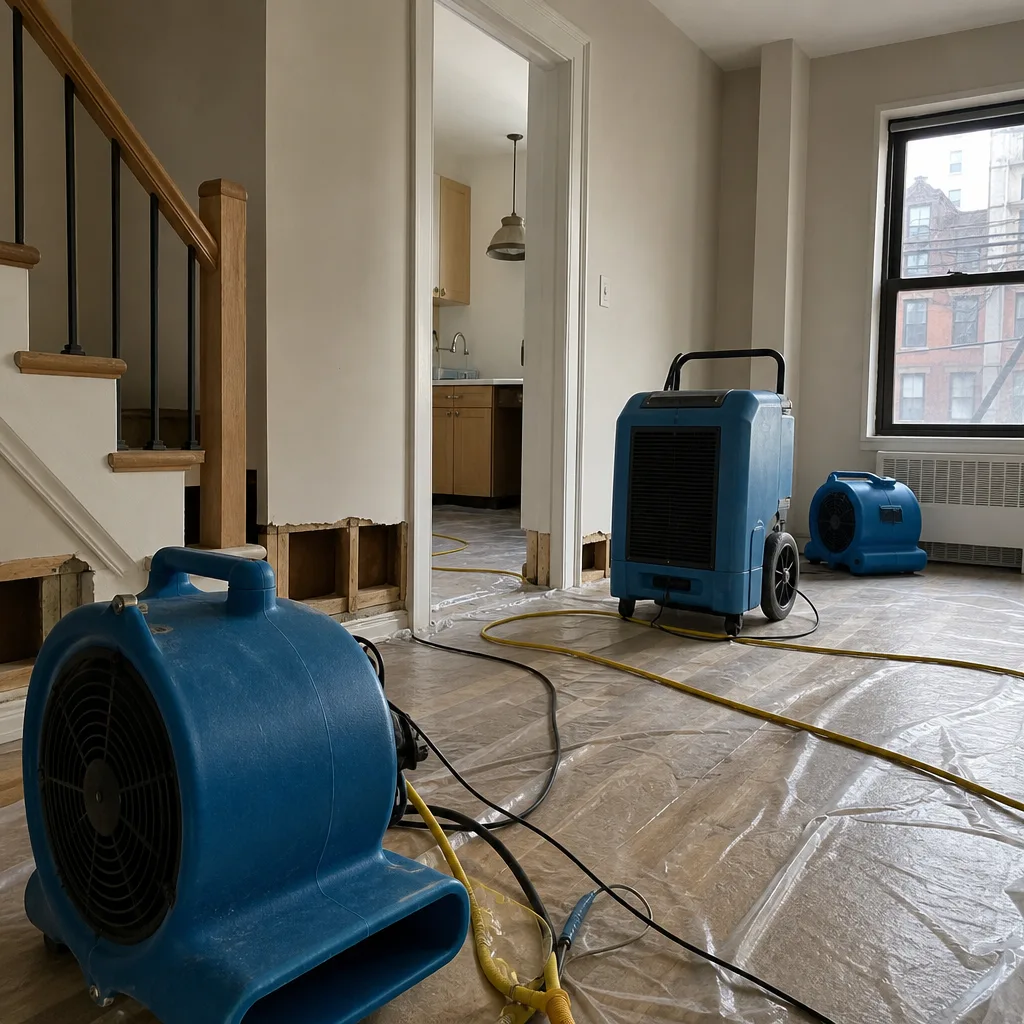
Submersible pumps and truck-mounted extraction units pull standing water out of floors, wall cavities, and stairwells. We cut out saturated drywall and insulation where the moisture map says it has to go. The goal is stopping active water movement in the first hour.
Drying & Dehumidification
Dri-Eaz LGR dehumidifiers and XPOWER air movers go in on separate circuits, sized to the cubic footage of each affected apartment, not the building as a whole. In East Harlem’s humid river air, we run daily readings and don’t sign off until every room meets the dry standard.
Cleaning & Sanitization
Category 2 and 3 water leave more than moisture. We clean and disinfect affected surfaces with EPA-registered antimicrobials, HEPA-vacuum exposed framing, and run HEPA air scrubbers where airborne particulate is a concern in pre-war buildings with old plaster and lead paint.
Specialty Treatment: Mold Containment & Lead-Safe Protocols
East Harlem’s housing stock triggers NYC Local Law 55 mold standards and lead-paint disturbance protocols in nearly every pre-1978 building. We build critical barriers, maintain negative air pressure, and run containment that keeps spores and lead dust out of unaffected units while we work.
Repairs & Restoration
When dry standard is met and clearance testing passes, the same crew rebuilds. Drywall, baseboards, flooring, paint, and any structural repair a storm tore loose. The Keystone Standard says it’s not done until the room looks like the storm never came through, and we back that in writing for 90 days.
Need Emergency Storm & Disaster Restoration in East Harlem Now?
Crews minutes away, answering live 24 hours a day. The sooner we start, the less it costs.
Working With Your Insurance Company
Storm damage claims in East Harlem don’t fail because the damage wasn’t real. They fail because the documentation didn’t hold up. We’ve spent 42 years in this trade, founded by Curt Bowman on a simple idea: document everything from the first hour, and the claim follows the facts. Our crews photograph every affected room before demo starts, log moisture readings daily, and generate a line-item scope of work that matches carrier software. When your adjuster calls, we answer. When they need a dry log, we hand it over. When they dispute a line item, we show them the photo and the reading that supports it. Direct insurance billing means the bill goes to the carrier, not your kitchen table. You get a square deal: no surprises on the bill, and the carrier never has to guess what happened.
What We Provide Your Insurer
- Thorough documentation of the loss
- Photos of all damage, room by room
- Moisture readings and drying logs
- A detailed, line-item scope of work
- Direct coordination with your carrier
Built for East Harlem’s Loss Calendar
East Harlem’s storm damage season runs twelve months a year, but the pattern shifts with the calendar. January and February bring the deep freezes that fracture supply lines in unheated tenement basements and split pipes inside exterior walls of NYCHA towers. March and April thaw what froze, and the leaks show up weeks after the cold snap, fed by saturated soil and backed-up drains. Summer brings the thunderstorm microbursts and flash flooding that overwhelm East Harlem’s combined sewer outfalls along the East River, pushing Category 3 water up into basement apartments and first-floor retail on Lexington and Park. Late summer and fall bring the nor’easter remnants: wind-driven rain that finds every compromised parapet flashing, every cracked roof membrane, every open chase. And under all of it, the Harlem and East Rivers keep the ambient humidity high, which means a slow, unseen leak colonizes mold behind a baseboard in 24 to 48 hours, not the 72 you might get in Queens. The calendar tells us when to expect the call. The building tells us where to look first.
Storm & Disaster Restoration Across East Harlem’s Neighborhoods
East Harlem isn’t one neighborhood. It’s a patchwork that changes character block by block, and each distinct area throws a different restoration problem. Up around the Jefferson Houses and Wagner Houses, the work is NYCHA: multi-floor riser failures, flat roof breaches, and a work-authorization pipeline that has to move before a single dehumidifier gets plugged in. Over on Pleasant Avenue near the old tenement rows, we’re working in 5- and 6-story pre-war buildings with original cast-iron drain stacks that snap in a hard freeze and send water through three apartments at once. The 116th Street corridor east of Lexington holds a mix of 1920s walk-ups and converted commercial space where storm water follows the old dumbwaiter shafts and utility chases, hidden until it puddles on a lower floor. Down in the lower 100s near the East River, the wind off the water drives rain sideways into window frames and parapet joints, and the board-up calls spike after every nor’easter. Our crews know the response routes through 125th Street traffic, the alley-load access behind tenement rows, and the parking realities outside NYCHA superblocks. That local knowledge isn’t on a map app. It’s from running calls in East Harlem week after week, year after year.
Specialized Storm & Disaster Restoration Services We Offer in East Harlem
Storm Damage Cleanup
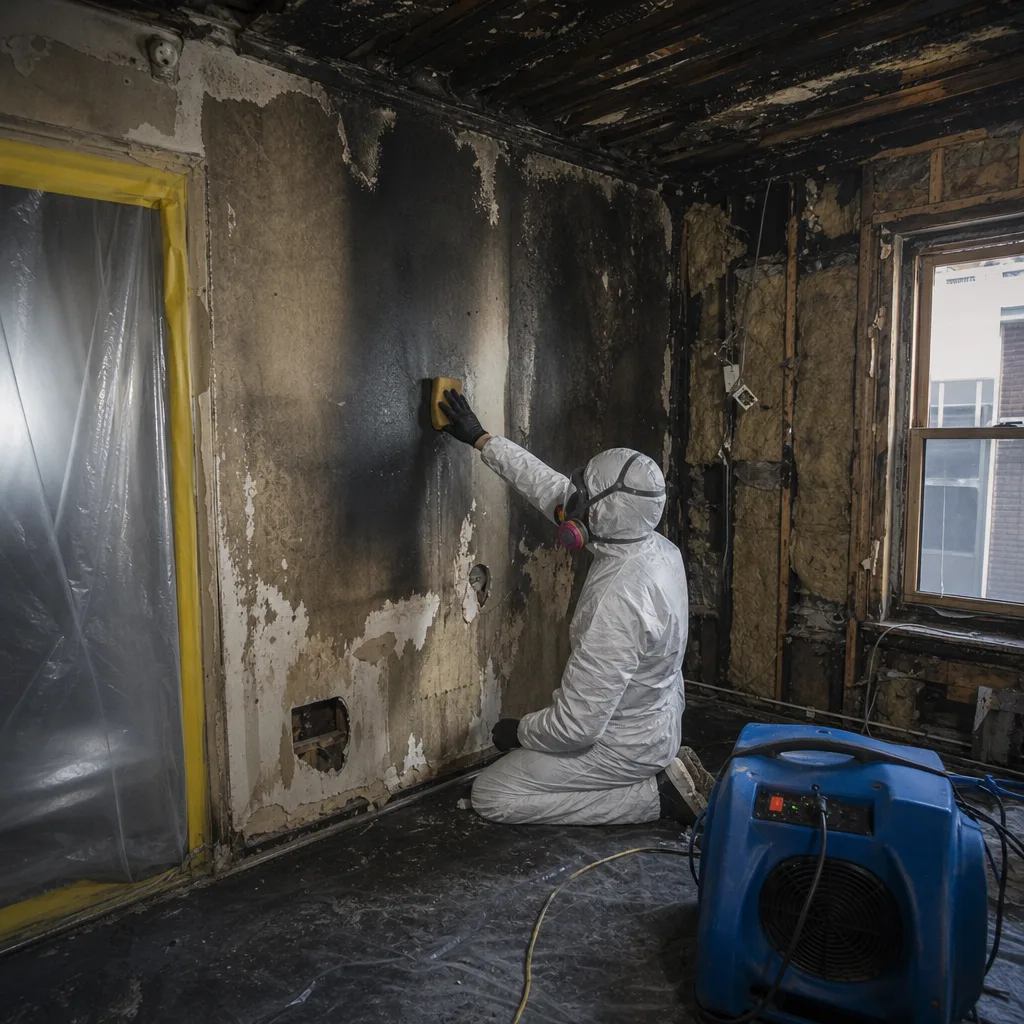
When a storm tears through East Harlem, it leaves more than water. Wind-driven debris, broken glass, soaked drywall, and whatever the flood carried in. Our storm damage cleanup runs from initial debris removal through full interior restoration, with HEPA air scrubbers running where the damage opened old plaster and disturbed lead paint. We work room by room, floor by floor, until every affected apartment is back to pre-loss condition.
Emergency Board-Up
A blown-out tenement window on the 4th floor of a pre-war building is an open invitation to weather, birds, and the next storm. Emergency board-up in East Harlem means more than plywood over a hole. It means lead-safe handling on pre-1978 sash and frames, proper shoring where wind pressure compromised a window frame, and a board that holds until permanent glass arrives. We’re on site fast, because an open window in East Harlem in January is a frozen pipe by morning.
Flood Damage Restoration
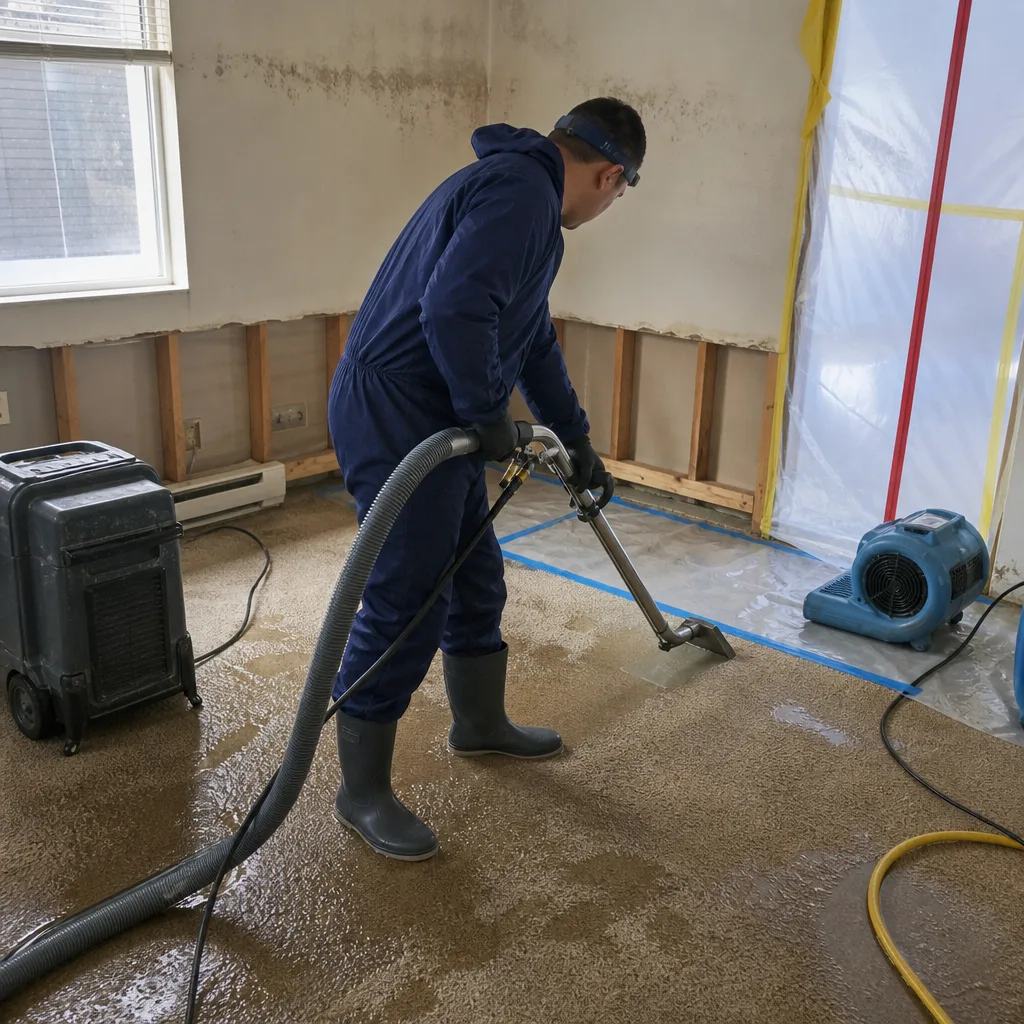
East Harlem’s flood damage comes from two directions: the sky and the sewer. Nor’easters and summer thunderstorms overload the neighborhood’s aging drainage, and the East River is never far away. When flood water gets inside a basement apartment or a first-floor shop, we extract, contain, dry, and treat. Category 3 flood water gets the full protocol: separate containment, EPA-registered antimicrobials, and clearance before anyone moves back in.
Roof Tarping
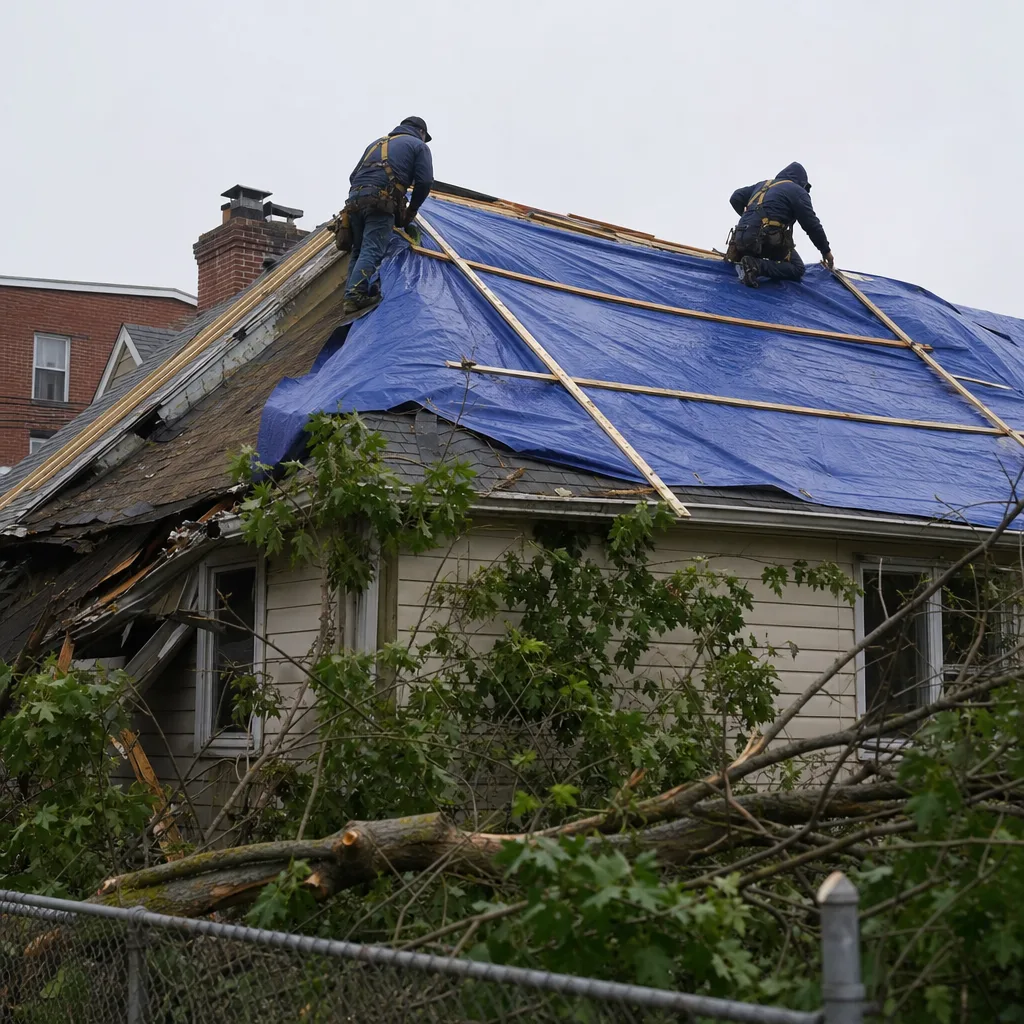
On East Harlem’s flat-roof tenements and NYCHA towers, a breached membrane or torn flashing is an open channel for every rain that follows. Roof tarping stops the active leak so drying can begin inside. We secure the tarp against Manhattan wind loads, seal the penetration points, and document the temporary repair for your insurer. It’s not the permanent fix; it’s the urgent one that prevents the next five floors of damage.
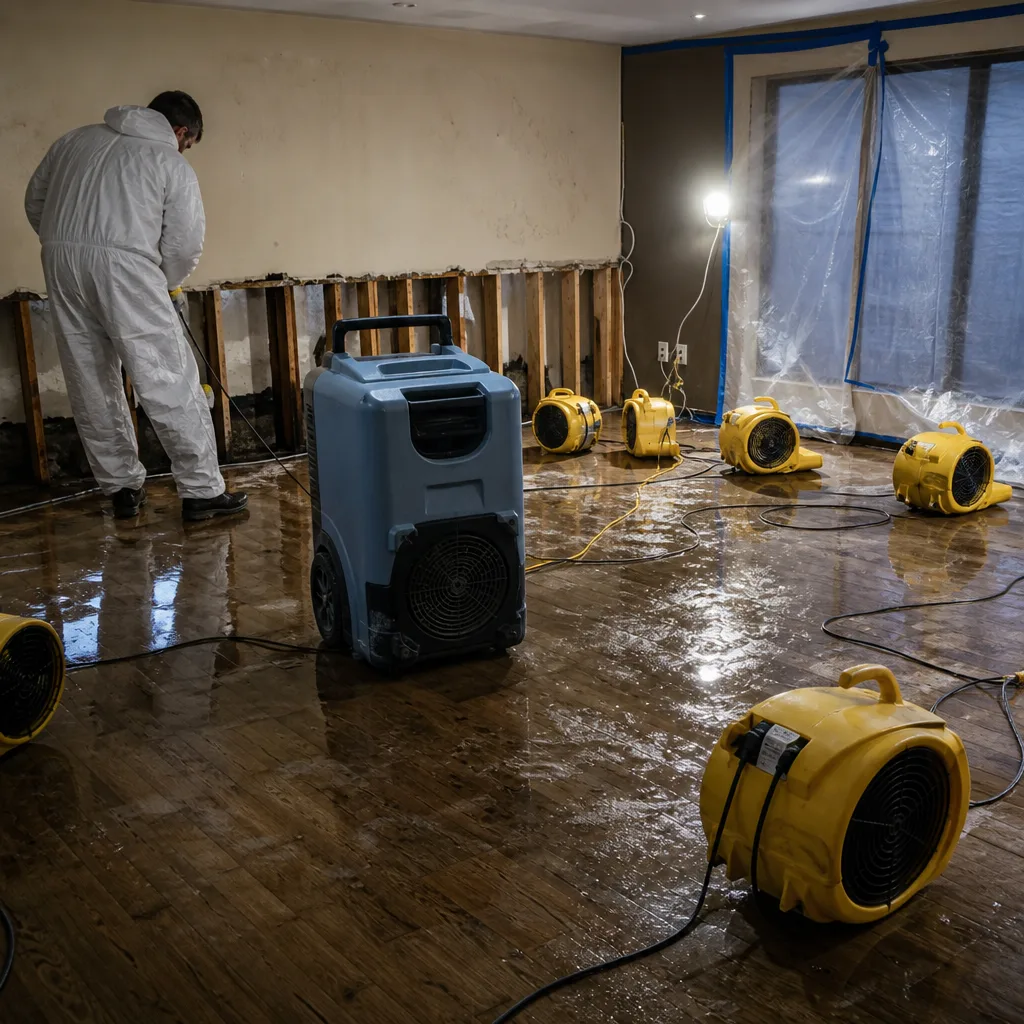
Debris Removal
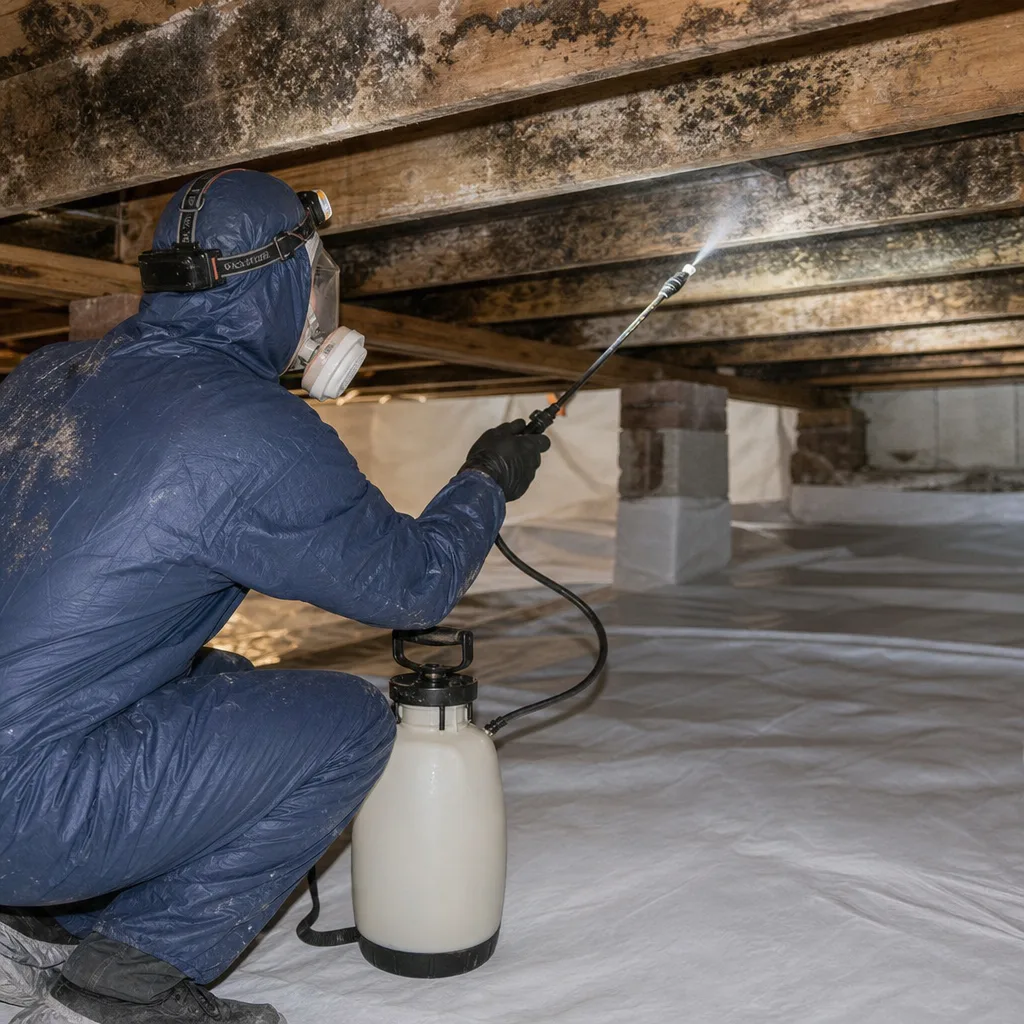
Storms leave East Harlem sidewalks and rooftops littered with wreckage that becomes a liability and a hazard. We haul storm debris, remove fallen limbs and blown-in materials from upper-floor windows, and clear the access points crews need to start the real restoration work. Disposal follows city rules, and we document the load for the claim.
What happens when you call
- 1
A real person answersNo phone trees - you reach a local pro.
- 2
You get an upfront price rangeHonest numbers before anyone is dispatched.
- 3
A background-checked tech heads outLicensed & insured, dispatched right away.
- 4
You approve before work beginsNothing starts until you say go.
Storm & Disaster Restoration Costs in East Harlem, NY
Storm restoration in East Harlem prices differently than the suburbs, and it’s worth knowing the numbers before you call. A straightforward storm damage cleanup in a single tenement apartment, with extraction, drying, and minor drywall repair, typically runs $1,800-$4,200. A multi-floor riser failure spanning three to six stacked apartments, which East Harlem sees more than any other Manhattan neighborhood, lands in the $7,500-$18,000 range depending on how many floors of drywall and insulation have to come out. Emergency board-up after a wind storm averages $450-$900 for a standard tenement window. Roof tarping on a flat-roof building runs $600-$1,400 for the temporary patch. What moves the price is what’s already behind the walls: lead-paint containment adds cost on every pre-1978 building, and Local Law 55 mold protocols add cost when water sat for more than 48 hours, which is common in vacant NYCHA units. Insurance covers most storm restoration when the loss is sudden and documented. The free visual inspection gives you a firm scope before anything starts, and with the Senior & Veteran 5% discount and $50 off any repair over $250, a square deal stays square.
We Also Serve Cities Near East Harlem
Our crews run storm restoration calls beyond East Harlem into the bordering neighborhoods: Long Island City across the river, Greenpoint, Williamsburg, and Murray Hill. Same 24/7 live answer, same 45-minute response commitment, same 90-Day Done Right Promise in writing.
Serving East Harlem, NY - Our Local Coverage Area
We’re based in the East Harlem area and know this community well. Use the map below to see our service coverage - if you’re nearby, we can almost certainly help.
East Harlem Storm & Disaster Restoration Questions, Answered
How does East Harlem’s NYCHA work-authorization pipeline affect how fast storm damage cleanup can start after a roof leak?
NYCHA work authorization adds a coordination step that doesn’t exist in private buildings. We can’t walk into a NYCHA apartment and start cutting drywall on a tenant’s say-so. The work order has to pass through NYCHA central dispatch, often with a NYCHA representative on site before demo begins. What our crews do is show up immediately, set emergency containment to stop active spread, document the loss for the work order, and have the scope ready the moment authorization lands. In practice, cleanup starts faster because the paperwork is already moving when our truck pulls up. Call (716) 452-0798 and we’ll walk you through the exact path for your building.
Why do storms cause damage across multiple floors in East Harlem tenements even when only one unit looks wet?
East Harlem’s tenements are built around shared plumbing risers and open wall chases that run vertically through every floor. A roof leak at the parapet or a snapped cast-iron drain stack at the top floor doesn’t stay there. The water follows the riser down through wall cavities, soaks through floor joists, and shows up as a stain two or three floors below where it entered, often skipping the intermediate floor’s visible surfaces. We trace the actual path with moisture meters, not just the wet patch you can see. That’s why a one-unit repair on a tenement storm leak frequently misses the real damage, and why our crews map the whole riser stack before quoting.
What does East Harlem’s mandatory lead-paint disturbance protocol mean for emergency board-up after a wind storm blows out windows?
Almost every pre-1978 building in East Harlem falls under the city’s lead-paint disturbance rules. A blown-out window means the frame, sash, and surrounding wall are likely lead-painted. Board-up crews must follow lead-safe work practices: no dry sanding, no open-flame removal, proper HEPA containment on debris, and certification for the disturbance. Our technicians carry the lead-safe certifications and run the protocol as standard practice. The board still goes up quickly; it goes up legally and safely. That matters for your family and for your insurance claim.
How does the Harlem and East River humidity change how long structural drying takes in East Harlem after a flood?
East Harlem’s river proximity means the ambient air starts wetter than inland neighborhoods. Dehumidifiers have to work against a higher grain count in the incoming air, which pushes drying times up by 20 to 40 percent compared to a drier part of the borough. We account for that by sizing equipment to the load, not to a standard chart, and by running daily moisture readings until the dry standard is hit, not until the calendar says we should be done. Storm flood drying in East Harlem typically runs 3 to 7 days depending on how fast we got in and how saturated the walls were.
Can a NYCHA tenant authorize flood damage restoration in their own apartment, or do we need someone else?
No, a NYCHA tenant cannot directly authorize restoration work. Authorization comes through NYCHA’s central dispatch and work-order system, and in storm events involving multiple units or building systems, the NYC Department of Housing Preservation and Development may also be involved. What the tenant can and should do is call us immediately at (716) 452-0798. We’ve run hundreds of NYCHA jobs in East Harlem, including work at the Jefferson, Wagner, Johnson, and Madison Houses. We know the right contact points, and we’ll start the documentation and emergency containment while authorization is pending.
How fast can someone actually get to my East Harlem building after a storm?
Our dispatch works on a 45-minute response commitment for East Harlem addresses. That’s a live person picking up your call, a crew loaded with extraction and drying equipment, and a truck moving through the streets toward your building. In a severe storm event with citywide damage, response windows can stretch, but we answer live at any hour and we’ll give you an honest arrival time when you call, not an optimistic guess.
Will my insurance cover storm damage restoration in East Harlem, and who deals with the adjuster?
Most sudden storm damage is covered under standard homeowners or building policies: wind-driven rain, roof breach from a named storm, flood water from a burst pipe or sewer backup with the right rider. What gets claims denied is poor documentation or slow reporting. We document from the first hour, photograph every affected room, log daily moisture readings, and generate a line-item scope that matches carrier software. We bill the carrier directly and speak to your adjuster ourselves. You don’t carry messages. Your insurance company gets a file they can underwrite, and you get a square deal.
What should I do in the first 30 minutes after storm damage hits my East Harlem apartment?
Call (716) 452-0798 first. Then, if it’s safe, shut off the water or cover the breach with whatever holds and move valuables out of the wet area. Don’t run household fans on standing water, don’t cut into walls, and don’t open lead-painted windows to dry things out. The first 30 minutes decide whether you’re facing a cleanup or a full restoration with mold treatment. Our dispatcher will tell you exactly what to do while the crew is on the way, and we’ll be there when we say.
Storm & Disaster Restoration in East Harlem is what our crews do every week of the year. On a storm job at the Jefferson Houses, our crew arrived to find the same riser failure had sent Category 2 water through drywall and flooring across six stacked apartments. We set containment on each floor, ran Dri-Eaz LGR dehumidifiers and XPOWER air movers off hallway outlets while coordinating with NYCHA central dispatch, and completed moisture mapping with daily drying logs until every unit met pre-loss condition. That’s the job. That’s the standard. Done right and backed in writing by the 90-Day Done Right Promise, the Keystone Standard, from Floodline Restoration Co. Call (716) 452-0798 for a free visual inspection and an honest scope. A live person answers.
Written by Curt Bowman, Owner at Floodline Restoration Co., providing Storm & Disaster Restoration in East Harlem and surrounding New York City neighborhoods since 2010.