
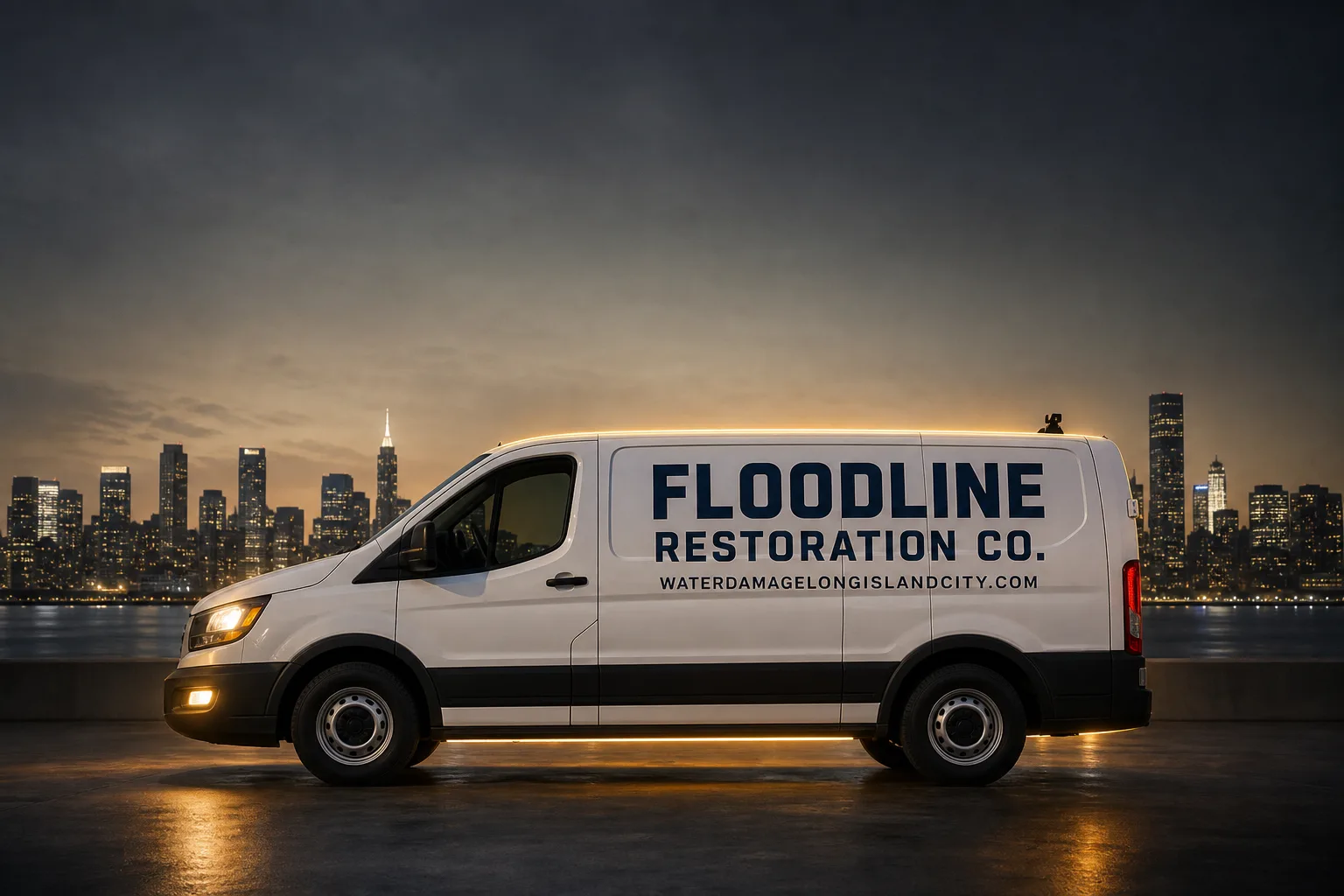
Free visual inspection and a written scope of work before any mitigation begins - photos, moisture readings, and drying logs go in your claim file
The scope we write is the scope we bill. Anything new gets shown to you, in writing, before we touch it.
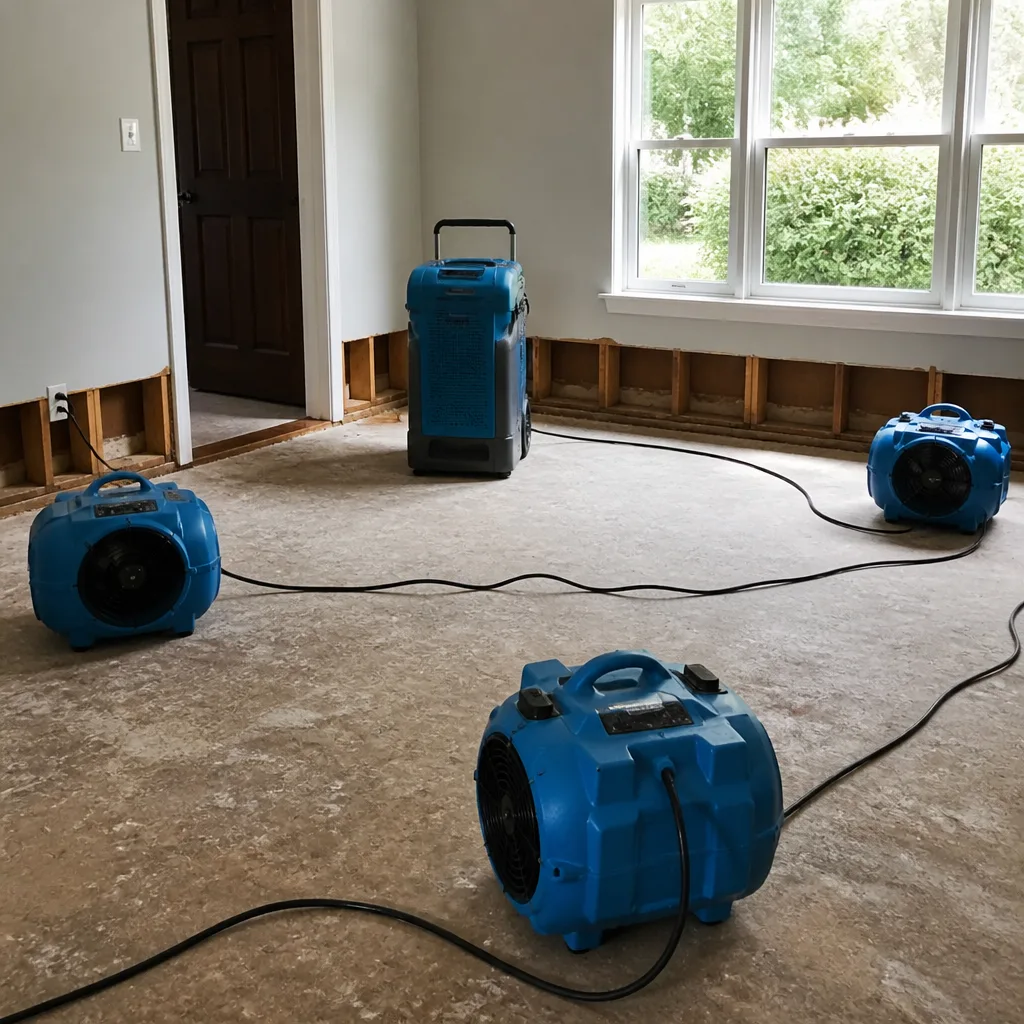
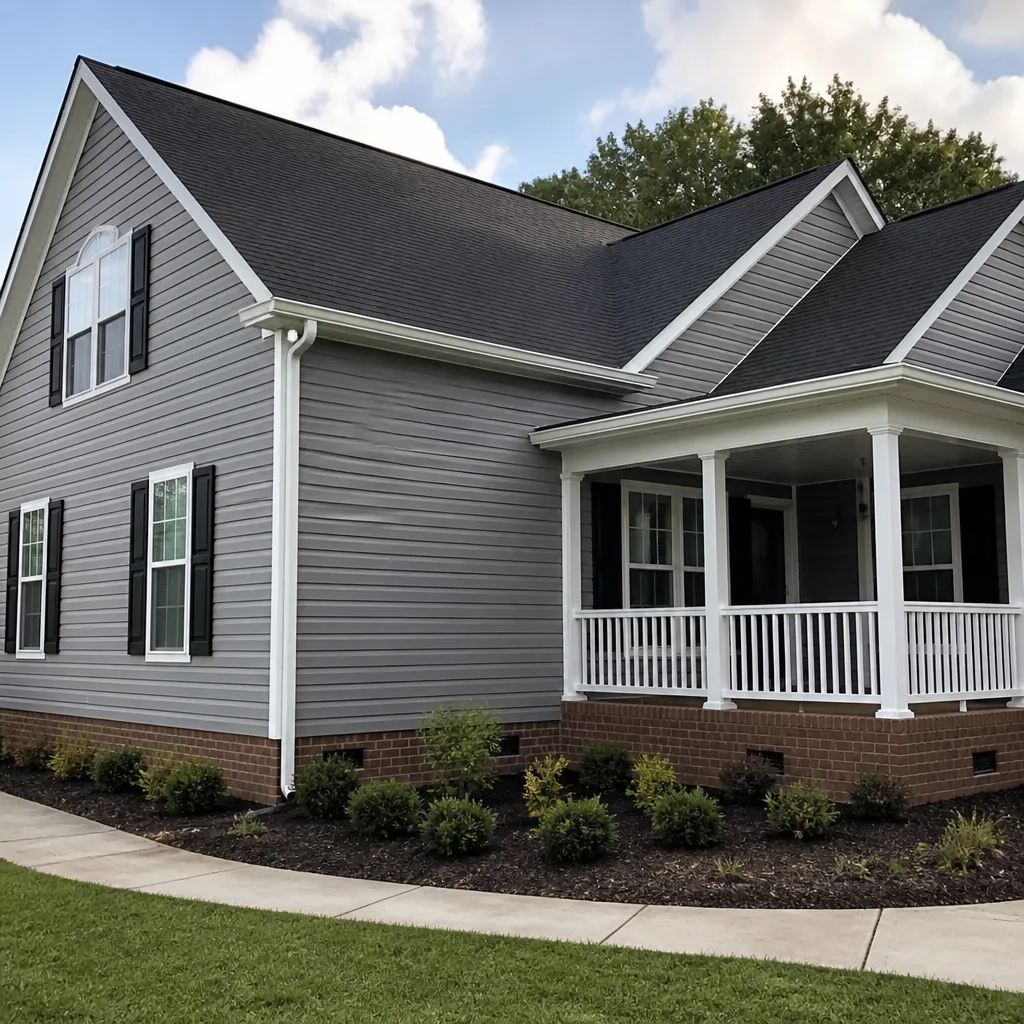
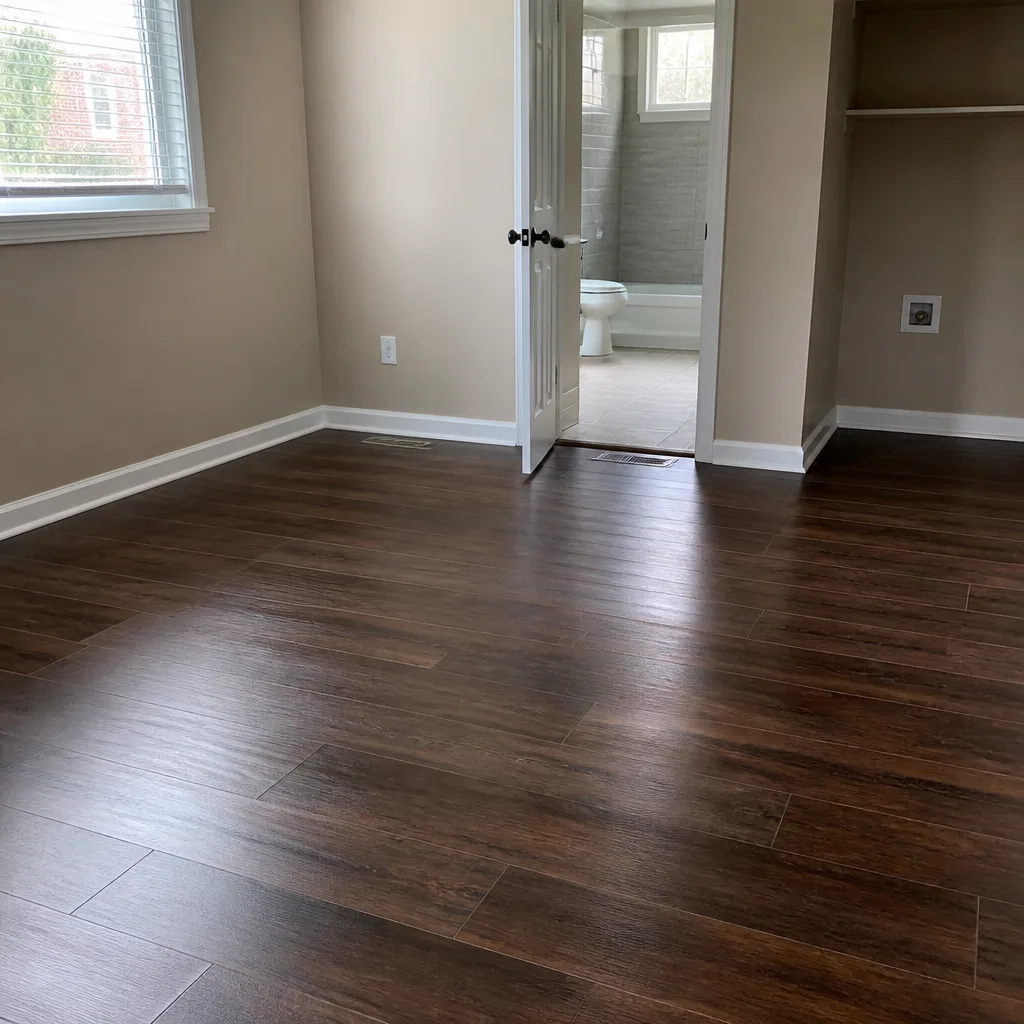

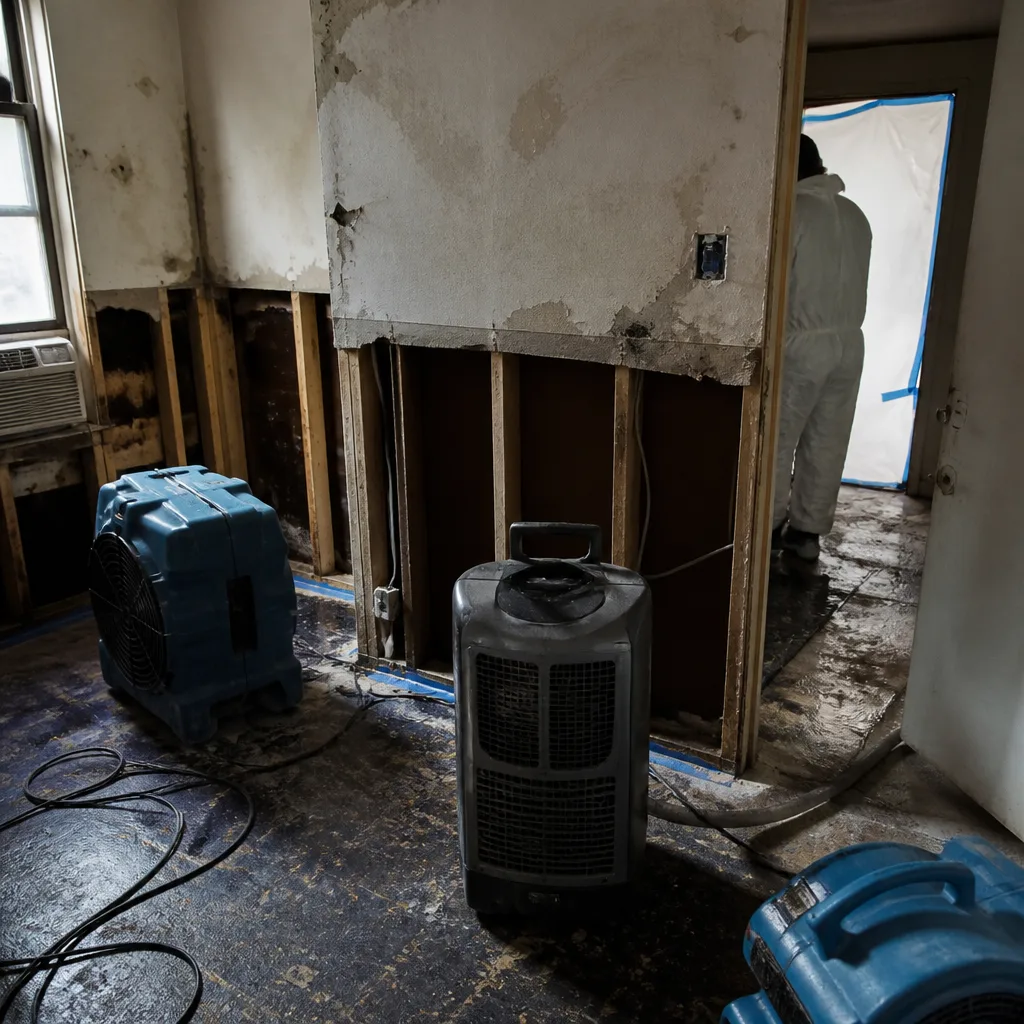 Before
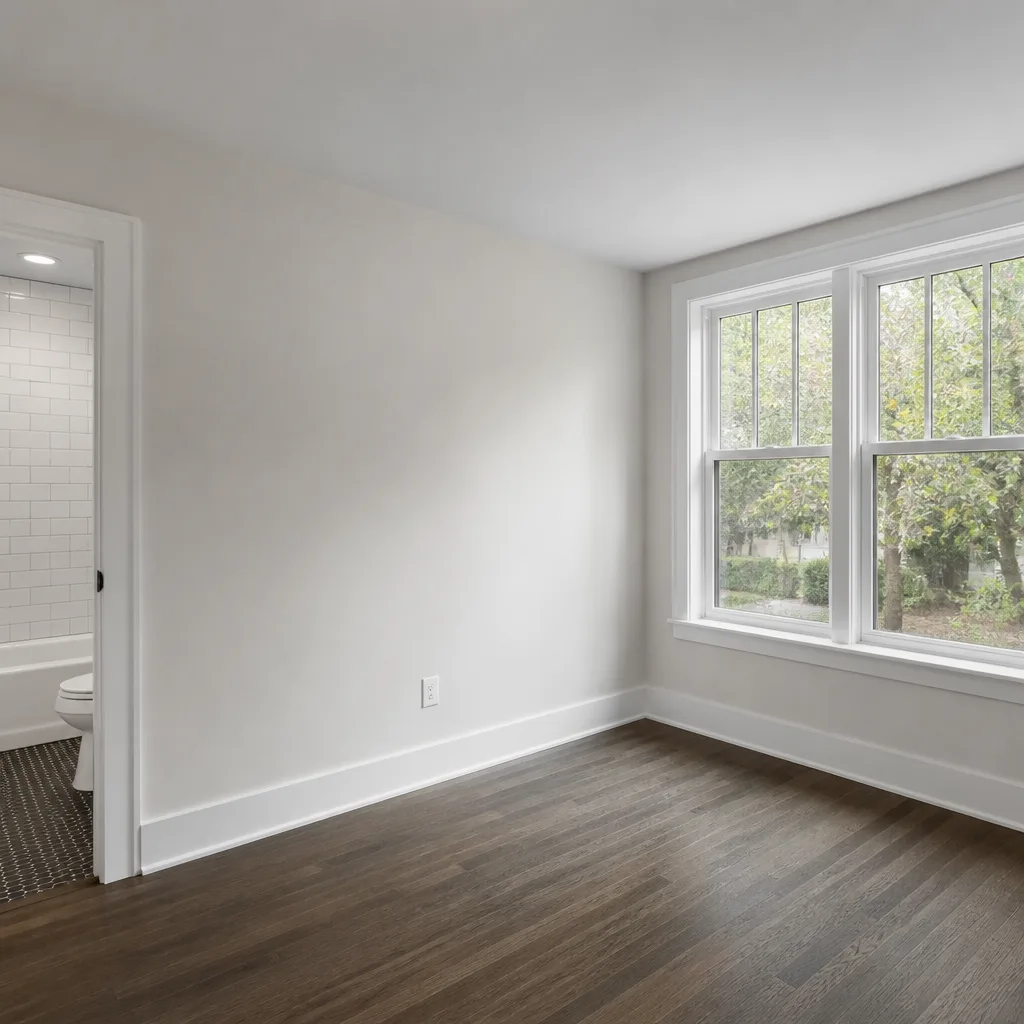
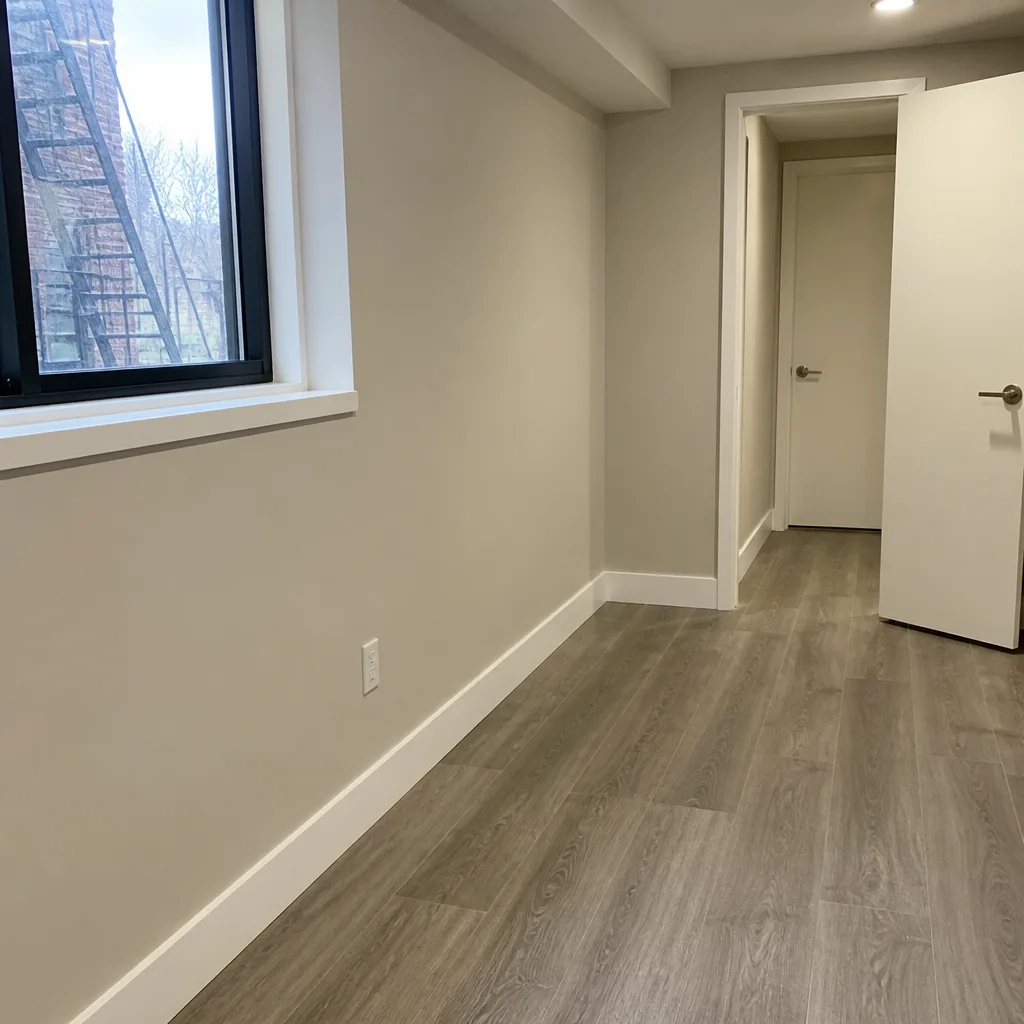 After
After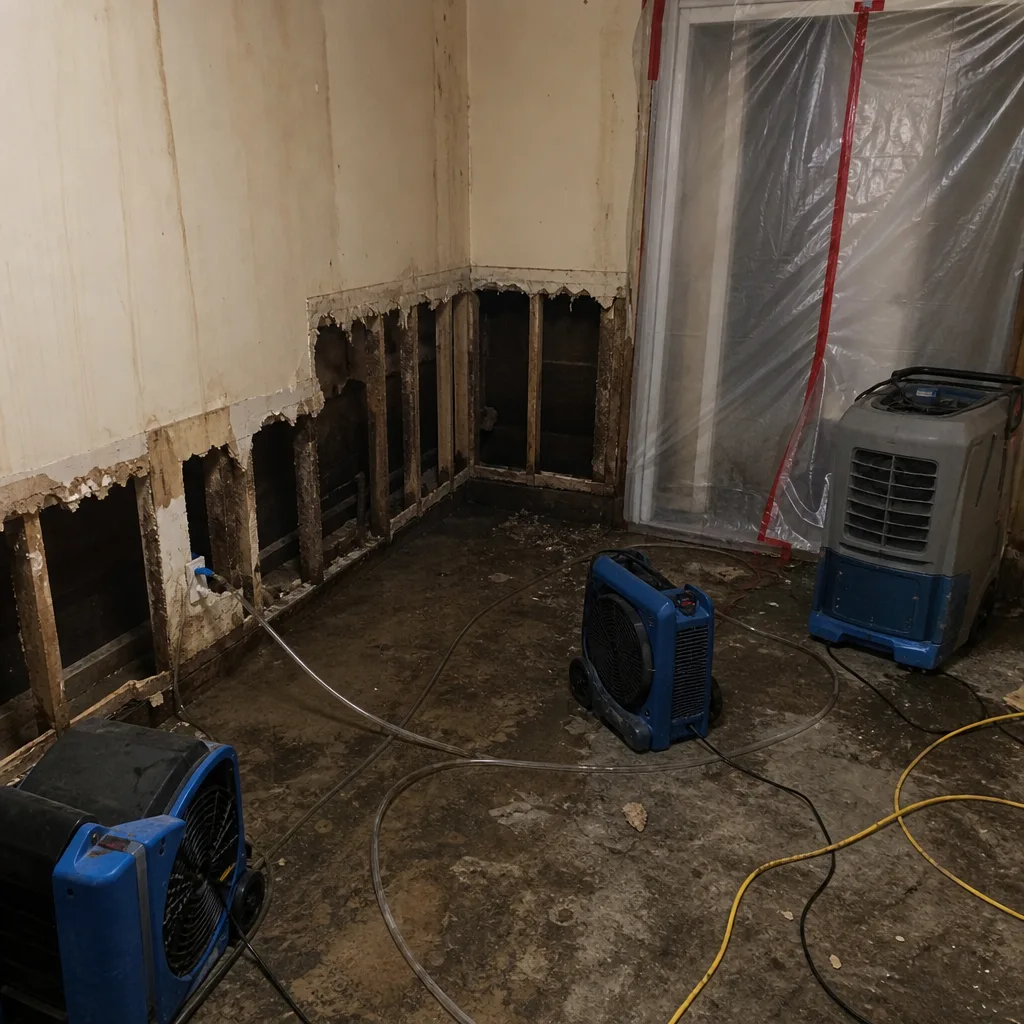 Before
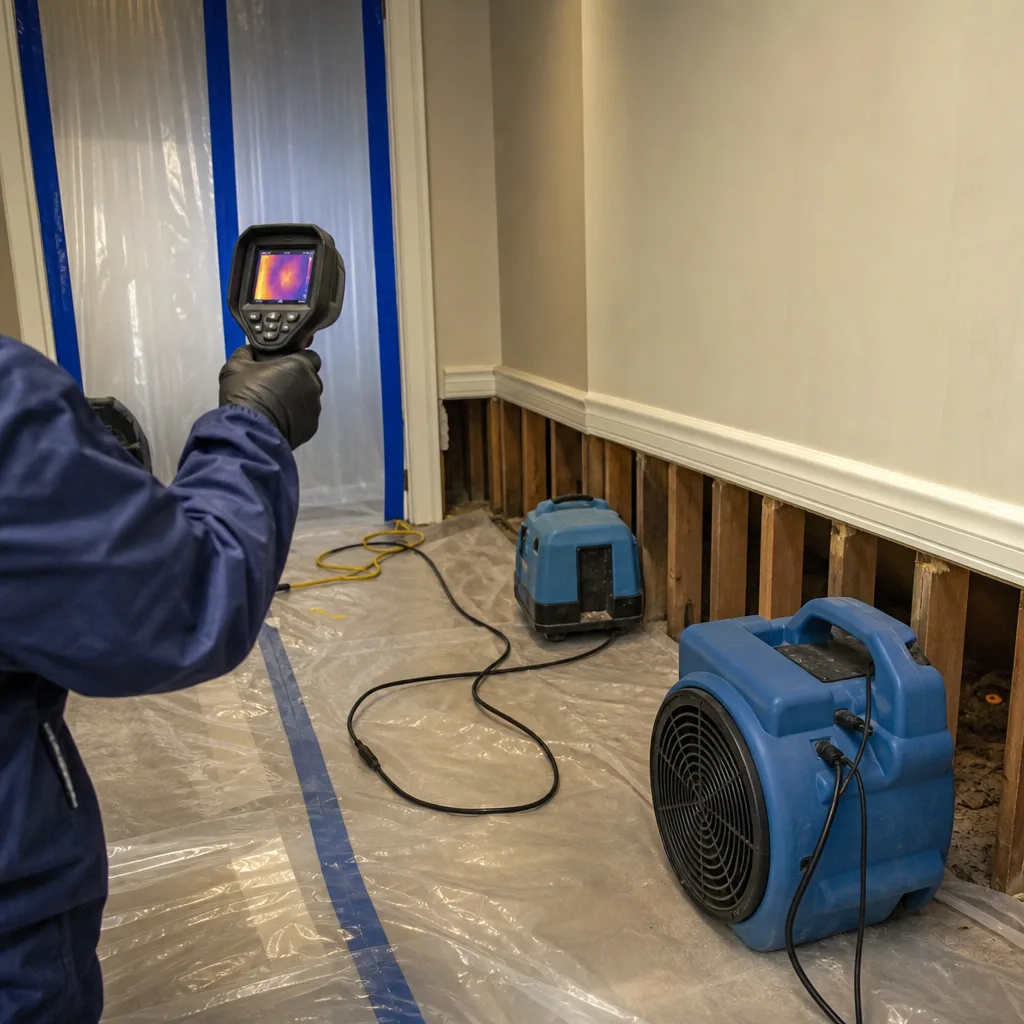 After
After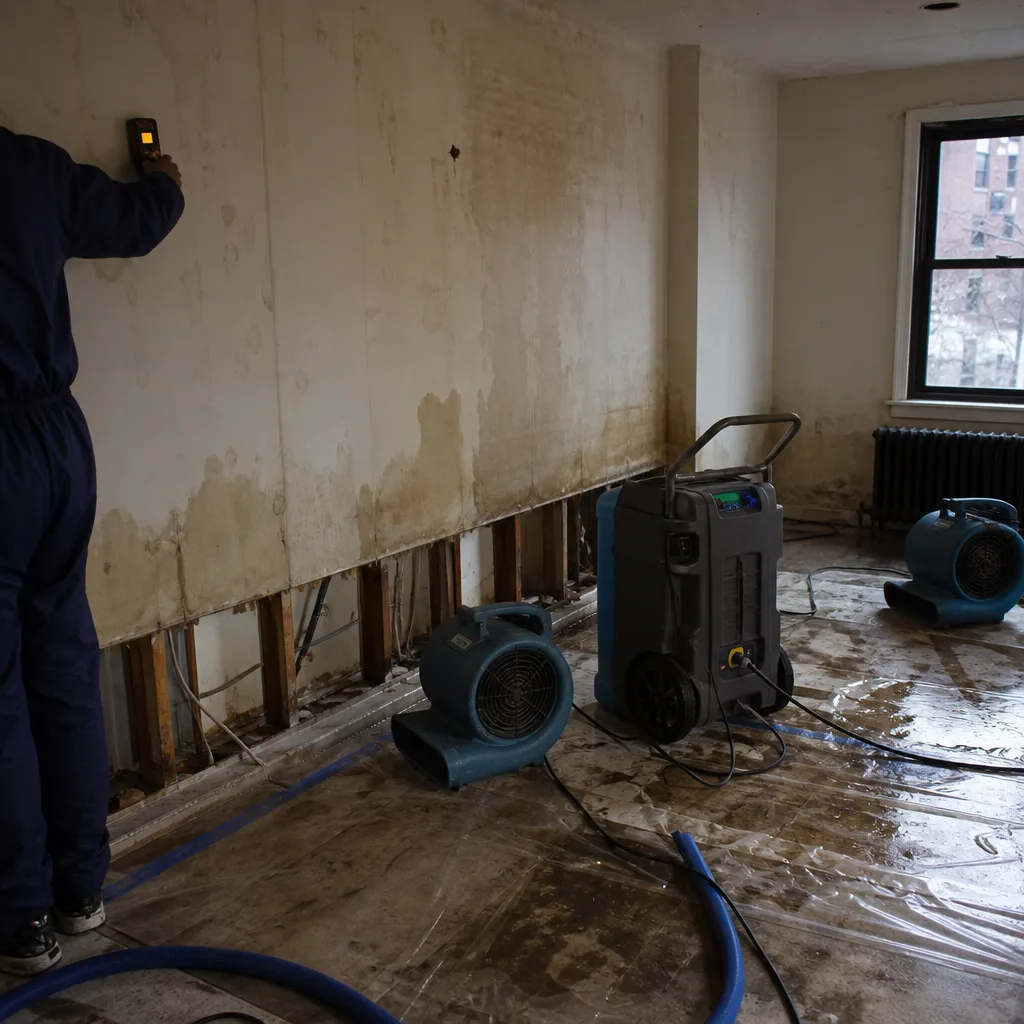 Before
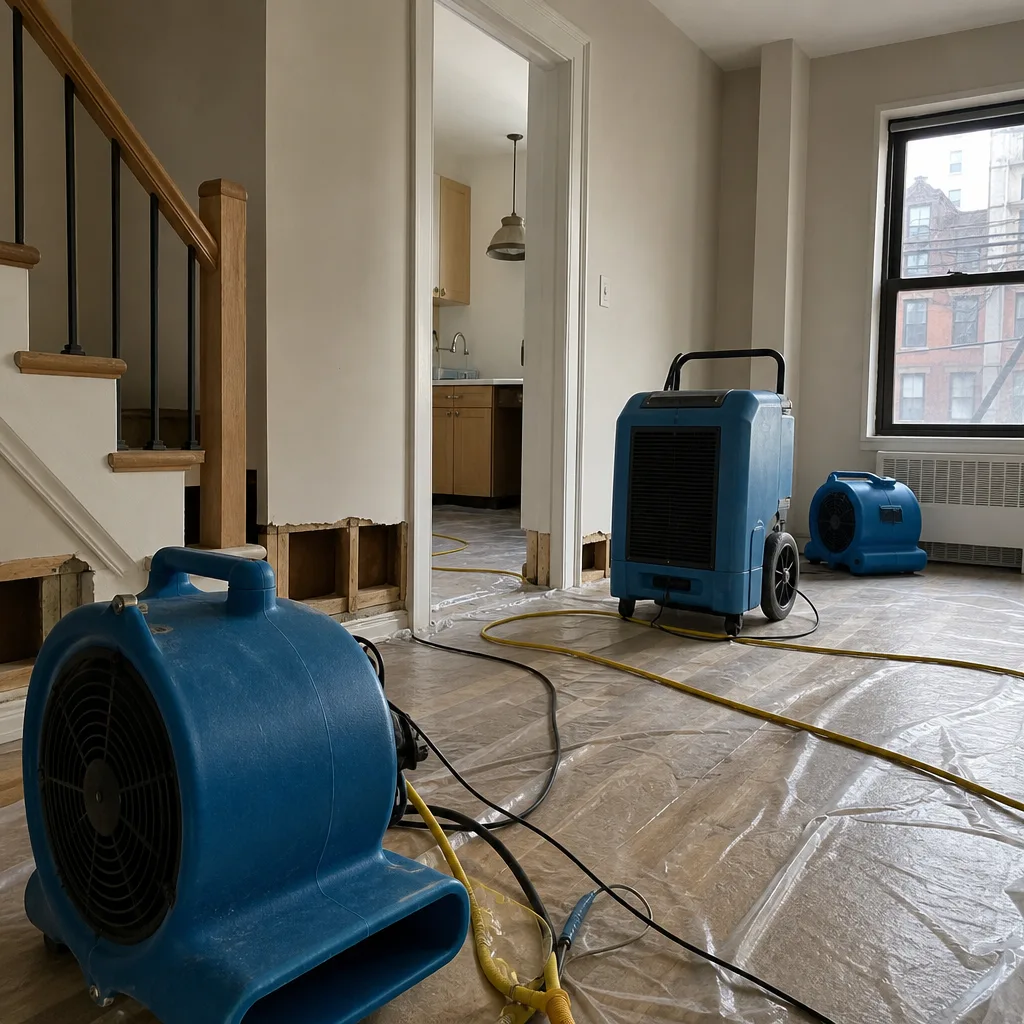 After
After24/7 Emergency Sewage Cleanup in Long Island City
A sewage backup in Long Island City is not something you contain and deal with tomorrow. When Category 3 water is moving through a converted loft on 47th Avenue or a high-rise unit near Court Square, every hour it sits means contamination spreading deeper into drywall, subfloor, and the units below. Our crews answer live around the clock, and we dispatch to Long Island City the same visit. Call (716) 452-0798. A certified technician reaches your building, assesses the loss, and starts extraction before the sewage has time to wick into structural framing. The first hour is the one that decides whether this is a cleanup or a gut.
Understanding Sewage Cleanup Severity in Long Island City Properties
Long Island City floods a sewage loss with variables that don’t exist in most of Queens. The building stock splits two ways, and each one changes the job. In converted early-20th-century factory and warehouse lofts common through Hunters Point and the Court Square corridors, original cast-iron waste lines have spent a century corroding against a brackish, high water table. When one cracks, black water moves through spaces wrapped in asbestos pipe insulation and sealed under transite ceiling panels and asbestos-containing floor tiles. That is a Category 3 water loss compounded by a hazmat hold. In the 30-to-50-story towers built since 2010, a sewage backup on a mid-floor unit travels down a shared drain stack and can back up into multiple bathrooms across multiple floors before anyone shuts the line. We moisture-map adjacent units, not just the one that called. Both building types demand fast extraction and aggressive structural drying. Neither forgives a crew that treats the visible mess as the whole job.
Why Long Island City Property Owners Choose Floodline Restoration Co.
- 45-minute response commitment. When you call with sewage moving, we tell you exactly when the crew arrives. We’ll be there when we say.
- 24/7 live answer. A real person picks up at two in the morning. Not a recording, not a callback queue. A dispatcher who knows Long Island City.
- IICRC-certified crews. Our technicians train to IICRC, RIA, and IFA standards. For sewage work, that means WRT and ASD certification with AMRT for microbial contamination.
- Free visual inspection. We walk the loss, show you what we see, and put the scope in writing before any equipment comes off the truck.
- Direct insurance billing. We bill your carrier directly and send photos, moisture logs, and line-item scopes to your adjuster. You don’t play messenger.
- One team from extraction to rebuild. The crew that pulls the black water is the crew that dries, decontaminates, and rebuilds. No mid-job handoff, no inherited crew.
Our Sewage Cleanup Process
Inspection & Assessment
We locate the source, classify the water, and identify every surface contamination has reached. Thermal imaging and moisture meters map the spread inside wall cavities and subfloors before we touch anything. In converted lofts, we check for suspect materials before demolition begins.
Extraction & Stabilization
Black water comes out with truck-mounted extraction. We contain the affected area with physical barriers and negative air to stop sewage aerosol from moving through the rest of your home. If asbestos materials are present, we hold and cordon the area while abatement is scheduled.
Drying & Dehumidification
Professional-grade Dri-Eaz and Phoenix dehumidifiers with high-volume air movers pull moisture from timber joists, plaster, and subfloor. We log readings daily until your structure hits the dry standard, then hand the log to you and your carrier.
Cleaning & Sanitization
Every affected surface is cleaned with an antimicrobial treatment rated for sewage contamination. Porous materials that cannot be fully decontaminated are cut out and bagged. Non-porous surfaces get washed, treated, and post-tested.
Crawl Space & Hidden Cavity Treatment
Sewage in Long Island City routinely ends up in crawl spaces and basement sumps, especially after a storm. We inspect ejector pits, clean out silt and debris, and treat every hidden cavity where black water traveled.
Repairs & Restoration
The same crew that extracted now rebuilds. Drywall, flooring, trim, paint. In pre-war lofts, we coordinate with licensed asbestos abatement before reconstruction proceeds. You get the job done right, and we put the 90-Day Done Right Promise in writing.
Need Emergency Sewage Cleanup in Long Island City Now?
Crews minutes away, answering live 24 hours a day. The sooner we start, the less it costs.
Working With Your Insurance Company
Sewage cleanup claims turn on documentation. The adjuster is not standing in your flooded bathroom at 3 a.m., and anything we can’t show in photos and readings may as well not have happened. That is why we photograph every room, log moisture levels from the first day, and write a line-item scope with no vague language. Our team communicates directly with your carrier, handles the paperwork, and bills them directly so you’re not fronting thousands while your claim sits in review. Curt Bowman built Floodline Restoration Co. around a dispatch board, not a sales desk, and that means the people running your job know how to talk to adjusters in the language they require. Estimates follow industry-standard pricing formats. The goal is a claim that gets approved because the file is complete.
What We Provide Your Insurer
- Thorough documentation of the loss
- Photos of all damage, room by room
- Moisture readings and drying logs
- A detailed, line-item scope of work
- Direct coordination with your carrier
Built for Long Island City’s Loss Calendar
Long Island City does not have one sewage season. It has four distinct failure patterns, and we plan crews around all of them. January deep freezes crack cast-iron waste lines in unheated pre-war lofts along Jackson Avenue and 44th Drive. Spring thaw lifts the water table under Hunters Point, and basement sumps and ejector pits that handled winter loads suddenly can’t keep up. Summer thunderstorms dump an inch of rain in twenty minutes onto impermeable streets around Queens Plaza, overwhelming storm laterals and pushing sewage back into ground-level commercial spaces. Then come the nor’easters and coastal remnants, when the East River rises against a waterfront neighborhood built inside FEMA high-risk flood zones. The waterfront blocks near the East River and the approach to Newtown Creek sit in AE and VE zones. When groundwater and sewage mix in a basement there, you need a crew that understands ejector pits, check valves, and flood-zone contamination, not just a company that shows up with a wet vac.
Sewage Cleanup Across Long Island City’s Neighborhoods
Hunters Point, from the waterfront up through Vernon Boulevard, is where we see the worst storm-driven sewage backups. Buildings there are a dense mix of 1910s-era converted warehouses and post-2010 condominium towers, and the ejector pumps in basement mechanical rooms are the first thing to fail when the water table rises or surge water infiltrates. Our crews stage near 21st Street and 44th Drive because it puts us ten minutes from both the waterfront blocks and the tower cluster around Queens West. Court Square and the blocks around Jackson Avenue run heavier on converted factory lofts and older commercial buildings. The sewage failures there are less storm-driven and more mechanical: original cast-iron drains, decades of scale, and fixtures that were never designed for modern load. Dutch Kills, north of Queens Plaza toward 39th Avenue, still holds wood-frame row houses mixed with industrial spaces. Sewage backups there often track along shared laterals, and a blockage in one house can push black water into the neighbor’s basement through a connected drain. Our crews know the block-level infrastructure. That is the kind of local knowledge that keeps a two-unit backup from becoming a whole-block problem.
Specialized Sewage Cleanup Services We Offer in Long Island City
Black Water Extraction
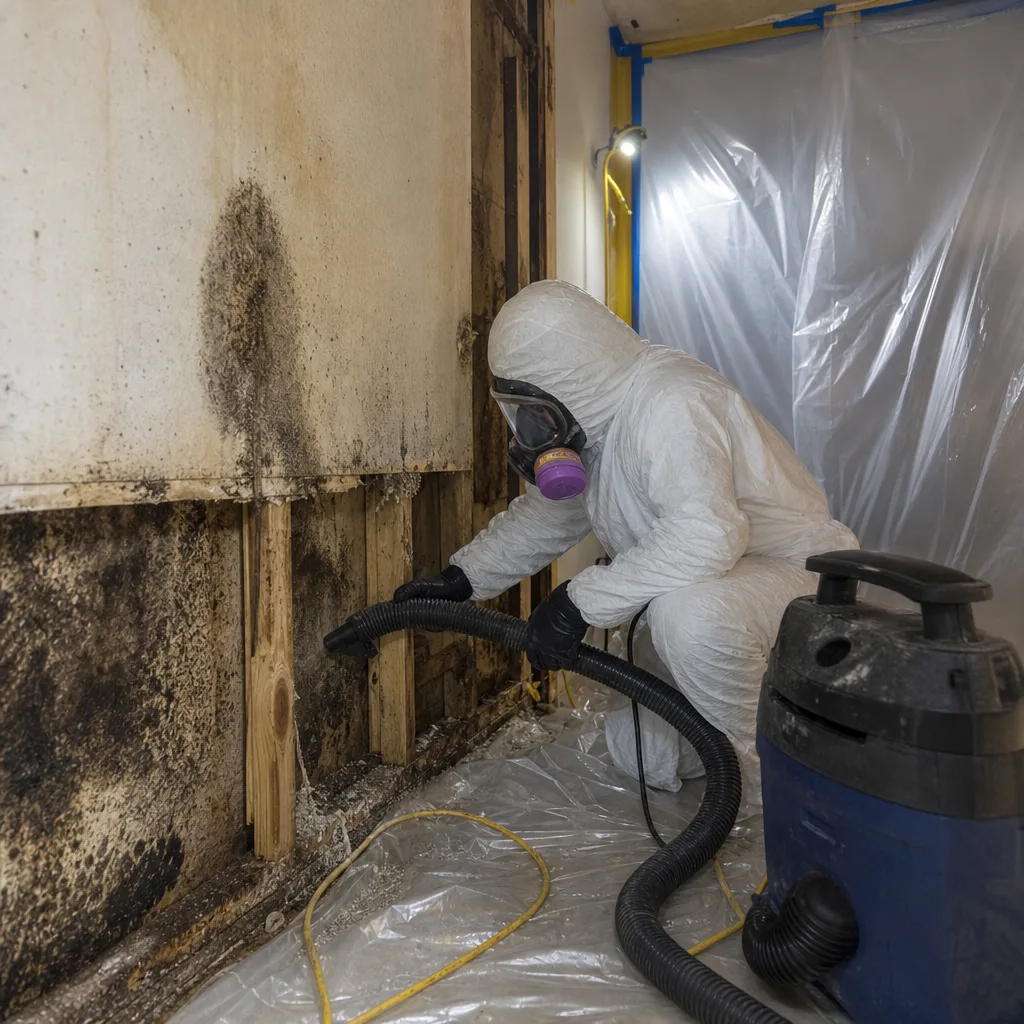
Category 3 water is what we handle every week in Long Island City. Whether it rose from a cracked cast-iron soil stack in a Court Square loft or surged up through a Hunters Point basement drain during a storm, black water carries bacteria, viruses, and whatever else was in the pipe. We extract it fast, contain the space under negative air, and treat every surface the water touched. You can’t spot-clean black water. The extraction has to be complete, and the drying has to be documented.
Sanitization & Disinfection
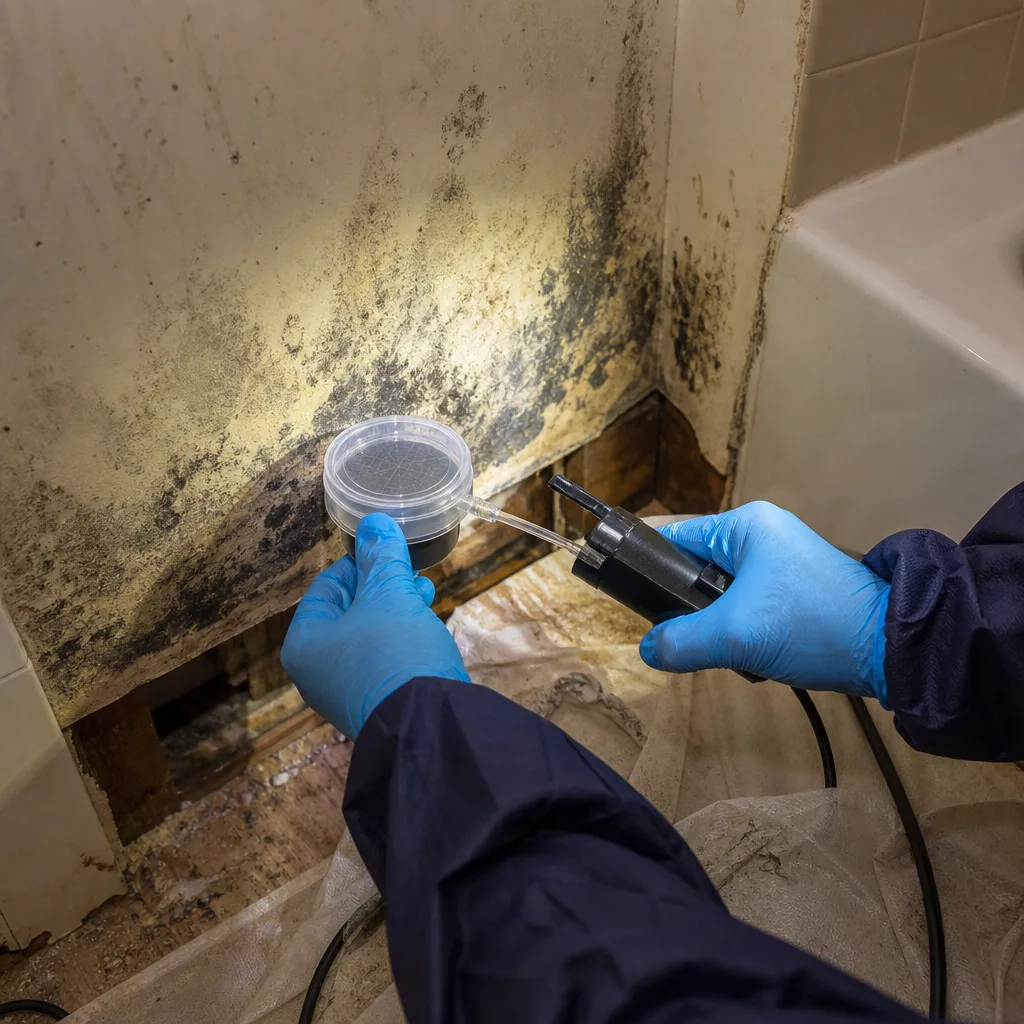
After extraction and drying comes the part of the job that actually makes your home safe to live in again. We treat all affected surfaces with an EPA-registered antimicrobial rated for sewage contamination. Porous materials that can’t be fully decontaminated get cut out. In Long Island City’s converted industrial spaces, this stage often runs up against asbestos-containing materials that change the sequence: sanitization holds while abatement completes, then we finish the job. The report we leave with you and your insurer shows exactly what was treated, what was removed, and what was rebuilt.
Crawl Space Sewage Removal
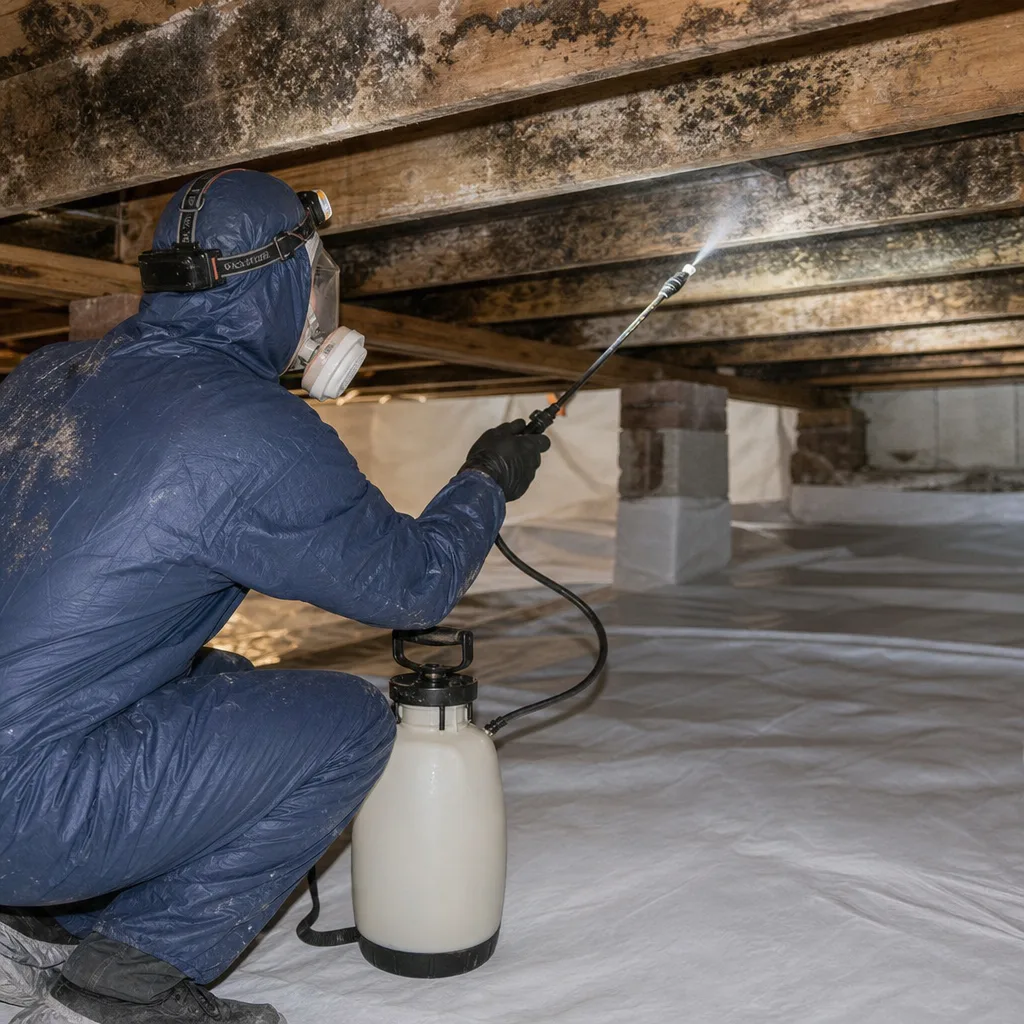
Crawl spaces in Long Island City are tight, dark, and often inaccessible to anyone without the right gear. Sewage that ends up there from a broken waste line or a basement backup will keep off-gassing into your living space long after the visible mess is gone. Our crews suit up in full PPE, extract the Category 3 water, remove contaminated soil where necessary, treat the cavity with antimicrobials, and dry it to standard. We also check what caused the sewage to reach the crawl space in the first place, because if the line isn’t fixed, you’ll be calling us back.
What happens when you call
- 1
A real person answersNo phone trees - you reach a local pro.
- 2
You get an upfront price rangeHonest numbers before anyone is dispatched.
- 3
A background-checked tech heads outLicensed & insured, dispatched right away.
- 4
You approve before work beginsNothing starts until you say go.
Sewage Cleanup Costs in Long Island City, NY
Straight numbers for Long Island City’s market. A contained toilet overflow with extraction and sanitization in a single-bathroom unit typically runs $1,800 to $3,400. A full sewage backup across a finished basement with structural drying, demolition of contaminated drywall, and antimicrobial treatment runs $6,000 to $14,000 depending on square footage and how deep the water traveled. When asbestos abatement is triggered because demolition exposed transite panels or asbestos-containing floor tiles, add $2,000 to $8,000 and a 48-hour hold, depending on the scope. Black water extraction in high-rise units with multi-floor spread starts around $8,000 and goes up with each affected unit. Most jobs are covered under homeowner’s insurance, and we bill your carrier directly. The free visual inspection is how you get a firm, written scope before any work begins. Call (716) 452-0798.
We Also Serve Cities Near Long Island City
Our crews respond to sewage emergencies across western Queens. We serve Astoria from Broadway to Ditmars, Maspeth along Grand Avenue and the industrial blocks near Newtown Creek, Jackson Heights including the historic district and Roosevelt Avenue corridor, and Elmhurst from Queens Boulevard to the LIE. Wherever the backup is, the same crew, the same equipment, the same written guarantee.
Long Island City Sewage Cleanup Questions, Answered
Does sewage cleanup in a Long Island City converted loft always require asbestos abatement?
No, it doesn’t always. But in a meaningful share of pre-1980 loft conversions we work in, demolition exposes asbestos-containing materials: transite ceiling panels, pipe insulation around the old waste lines, vinyl or asphalt floor tiles. When our techs identify suspect material, we stop work immediately, contain the area, and bring in a licensed asbestos abatement contractor before any further demolition or drying equipment placement. This hold is mandatory under New York State and New York City regulations. A crew that ignores it contaminates the entire space with both black water and friable asbestos. Not every loft triggers this, but the ones built before 1980 frequently do. We check before we cut.
How do you handle a high-rise sewage backup in one of the newer LIC towers when it affects multiple floors?
We treat it as a building-wide event, not an isolated unit loss. The same drain stack that backed up into the unit that called us often runs through bathrooms on the floors directly below. We moisture-map every unit on that stack, not just the one with visible sewage. We coordinate with building management, the super, and the board, and we document every affected unit separately so each owner’s claim is clean. In towers, the worst damage is often in the wall cavities between floors, and if we don’t find it, mold becomes the next emergency. Call (716) 452-0798 and we’ll start the mapping before the water stops moving.
What does ‘black water’ mean in the context of Long Island City’s flood zones?
Black water is Category 3 water: water contaminated with human waste, bacteria, and pathogens. In a sewage backup, it’s the water from the broken waste line or backed-up toilet. During a coastal storm or water table rise in the Hunters Point waterfront blocks, floodwater that enters a basement through the sewer system or a failed ejector pit becomes Category 3 even if it started as rain. That is because it has mixed with sewage from the municipal system or from saturated ground contaminated by aging infrastructure. The treatment and removal standards are the same: full PPE, containment, extraction, antimicrobial treatment, and structural drying. You never treat floodwater in a FEMA AE or VE zone as clean water.
Why is structural drying harder in LIC’s converted industrial basements than in newer buildings?
Two reasons. First, the materials. Converted factory and warehouse basements in Long Island City are built from mass timber, rough masonry, and fieldstone or brick foundations. These materials hold water deeper and release it slower than modern concrete and gypsum. Second, the air. Pre-war industrial basements have poor ventilation, low headroom, and a high ambient humidity driven by the nearby water table. Our Dri-Eaz and Phoenix dehumidifiers run longer and need more attention here. Daily moisture readings matter. We log them until the dry standard is met, then hand the log to you and your carrier. There is no shortcut.
My building is on the waterfront in Hunters Point. What should I do if sewage backs up into my basement after a storm?
First, don’t wade into it. Black water in a flooded basement is contaminated, and standing water near electrical panels or outlets is a shock hazard. Cut power to the basement if you can do so safely from outside the area. Then call us at (716) 452-0798. Tell the dispatcher you’re in Hunters Point and that the backup followed a storm or high tide. That cues our crew to check the ejector pit, the check valve, and the groundwater intrusion point, not just the visible sewage. In waterfront buildings, the backup you see is often the symptom of a failed or overwhelmed ejector pump. If we only address the visible mess and leave the pit full of silt, the system fails again on the next storm.
How fast can you actually get to Long Island City?
We commit to 45 minutes from the time your call ends to the time a certified crew arrives at your building in Long Island City. Our dispatchers know the neighborhood: the Queensboro Bridge approach, the Pulaski Bridge from Brooklyn, the 21st Street corridor down from Queens Plaza. The crew that takes your call is the crew that shows up. No answering service, no call center in another state. A live dispatcher, a mapped route, and a truck leaving within minutes.
Will my insurance cover sewage cleanup in Long Island City?
Most standard homeowner’s policies in New York cover sudden and accidental sewage backup, flood zone or not. The issue is almost never coverage; it’s documentation. Adjusters approve claims when the file shows what happened, what got wet, what was removed, and what it cost. We provide photos from the first hour, moisture readings, drying logs, and a line-item scope in industry format. We bill your carrier directly and talk to your adjuster so you don’t have to manage the claim while your home is torn apart. If you’re in a high-rise, we document common-area damage separately from your unit’s claim. That split matters for who pays what.
Can we stay in our home during sewage cleanup?
It depends on the spread of contamination. A contained toilet overflow in one bathroom with no water migration into living spaces may allow you to stay while we work. A full Category 3 backup that has moved into wall cavities, subfloor, or the crawl space usually means you should relocate for the duration of extraction, drying, and sanitization. Black water aerosolizes during removal and drying, and the risk of respiratory exposure is real. We give you a straight answer after the initial inspection, and we’ll document the recommendation for your insurer if additional living expenses are part of your claim.
What certifications do your sewage cleanup crews hold?
Our technicians are trained and certified to IICRC, RIA, and IFA standards. The certifications that matter for sewage work are Water Damage Restoration Technician, Applied Structural Drying, and Applied Microbial Remediation Technician. We run professional-grade equipment from Dri-Eaz and Phoenix, and every technician is background-checked and uniformed. Curt Bowman, who founded Floodline Restoration Co. in 2010, built the company so that the person reading the moisture map on day one is the same certified professional who finishes the rebuild.
What is your guarantee on sewage cleanup in Long Island City?
Every job we do comes with the 90-Day Done Right Promise, what we call the Keystone Standard. If the work is not done right, we make it right. In writing, no paperwork battles, no arguing. When we finish a sewage cleanup in a Hunters Point tower or a Dutch Kills row house, you get the guarantee in your hands alongside your drying log and completion report. We stand behind it.
The Long Island City Sewage Situation That Gets Overlooked
In Long Island City, many converted industrial lofts still run on original cast-iron waste lines that have corroded for decades against the area’s brackish water table. The pipe gives out, sewage flows, and the real problem is not the water. It’s what sits between the failed line and the surface. Original floor tiles from those factory-era years frequently contain asbestos. Original pipe insulation does too. So a sewage backup in a Hunter’s Point loft often requires cutting through asbestos-containing material to reach the failed pipe, and that triggers a mandatory abatement hold before any extraction can begin. This is not a worst-case scenario we prepare for theoretically. It is a regular Tuesday. If a restoration company doesn’t know to look for transite and asbestos floor tile before the saw comes out, they contaminate the whole space with both black water and friable asbestos. That’s the difference between a $6,000 cleanup and a six-figure environmental remediation.
In Long Island City, many converted industrial lofts still have original cast-iron waste lines that have corroded from decades of exposure to the area’s brackish water table. A sewage backup in a Hunter’s Point loft often requires cutting through asbestos-containing floor tiles to reach the failed pipe, triggering a mandatory abatement hold before any extraction can begin. Last spring, our crew responded to a sewage backup in a converted warehouse loft on 47th Avenue near the East River. After containing the Category 3 water and setting up negative air, our techs found the cast-iron soil stack had cracked behind a wall lined with transite panels. We stopped demolition, brought in a licensed asbestos abatement subcontractor on a 48-hour hold, then completed black water extraction with our Dri-Eaz truck mount, followed by structural drying and antimicrobial treatment on the original timber joists. That is the job. No shortcuts, no missed holds, and a written record your insurer accepts.
Then there is the high-rise failure mode. In a 40-story tower near Queens West, a mid-floor sewage backup is almost never isolated to one unit. The drain stack serving stacked bathrooms means Category 3 water can back up into multiple floors, and the worst contamination hides in wall cavities between units. If the crew only extracts the unit that called, the floors below keep wicking sewage and mold starts behind their walls. We moisture-map the adjacent units on the stack, coordinate with building management, and document each affected unit separately. After a coastal storm, basement sewage ejector pumps in waterfront buildings get overwhelmed by groundwater infiltration. A crew that only addresses the visible backup without checking the ejector pit for silt and debris leaves the system primed to fail again on the next high tide. We pull the pit, clear it, and confirm the pump runs before we call the job done.
Serving Long Island City, NY - Our Local Coverage Area
We’re based in the Long Island City area and know this community well. Use the map below to see our service coverage - if you’re nearby, we can almost certainly help.
What to Do in the First 30 Minutes of a Sewage Backup in Long Island City
Shut off water to the affected fixture if the backup is active. Don’t flush. Don’t run sinks. If the water is near electrical outlets or your panel, cut power to the affected area, but only if you can do it without stepping through standing water. Keep everyone out of the affected room or basement. Don’t try to vacuum it up with a shop vac: sewage aerosolizes and you’ll spread contamination through the air. Don’t pour bleach on it. Bleach does not decontaminate a porous structure, and it’ll make the air unsafe while the water keeps spreading underneath. Call (716) 452-0798. Tell the dispatcher exactly what you’re seeing and where in Long Island City you are. Give us the building type: pre-war loft, high-rise, row house. That tells our crew what to load and who to send. Then step outside and wait. The first 30 minutes are about containing the contamination. The next 30 are about getting us there.
Floodline Restoration Co. handles Sewage Cleanup from first extraction to finished rebuild in Long Island City. We work the full cycle, same certified crew, moisture log in your hands, and the 90-Day Done Right Promise in writing. If you’re dealing with a backup right now, call (716) 452-0798. A live dispatcher answers, and a crew heads your way. We’ll be there when we say.
Written by Curt Bowman, Owner at Floodline Restoration Co., serving Long Island City from the company’s New York City office.