
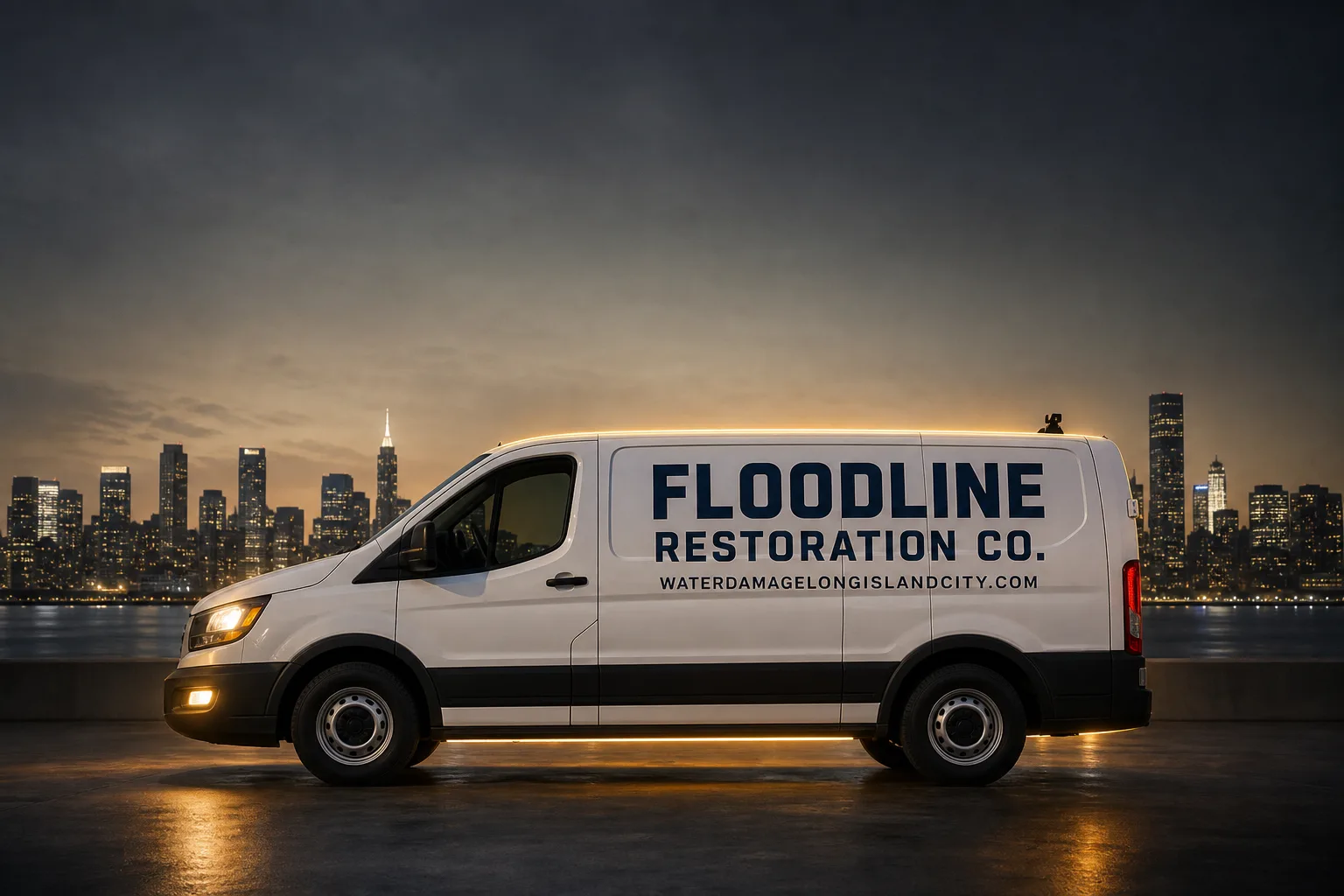
Free visual inspection and a written scope of work before any mitigation begins - photos, moisture readings, and drying logs go in your claim file
The scope we write is the scope we bill. Anything new gets shown to you, in writing, before we touch it.
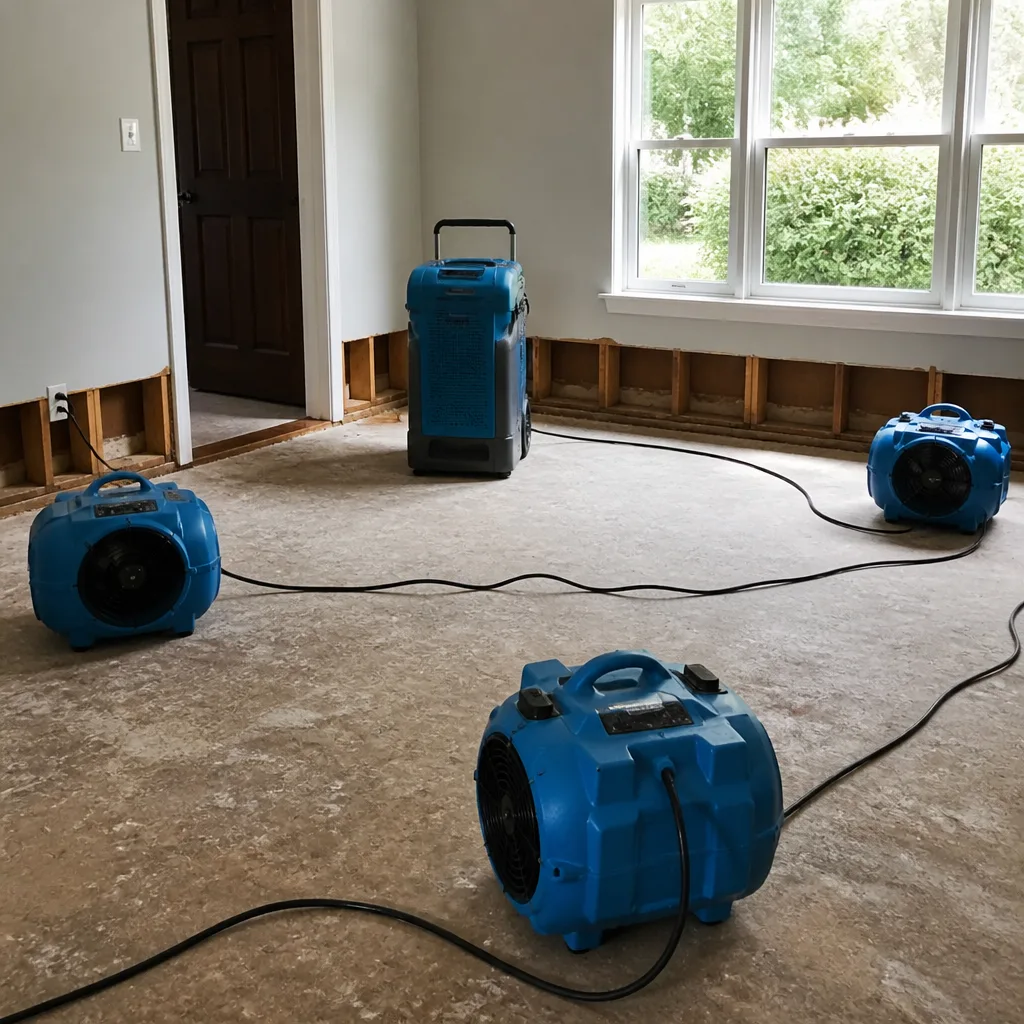
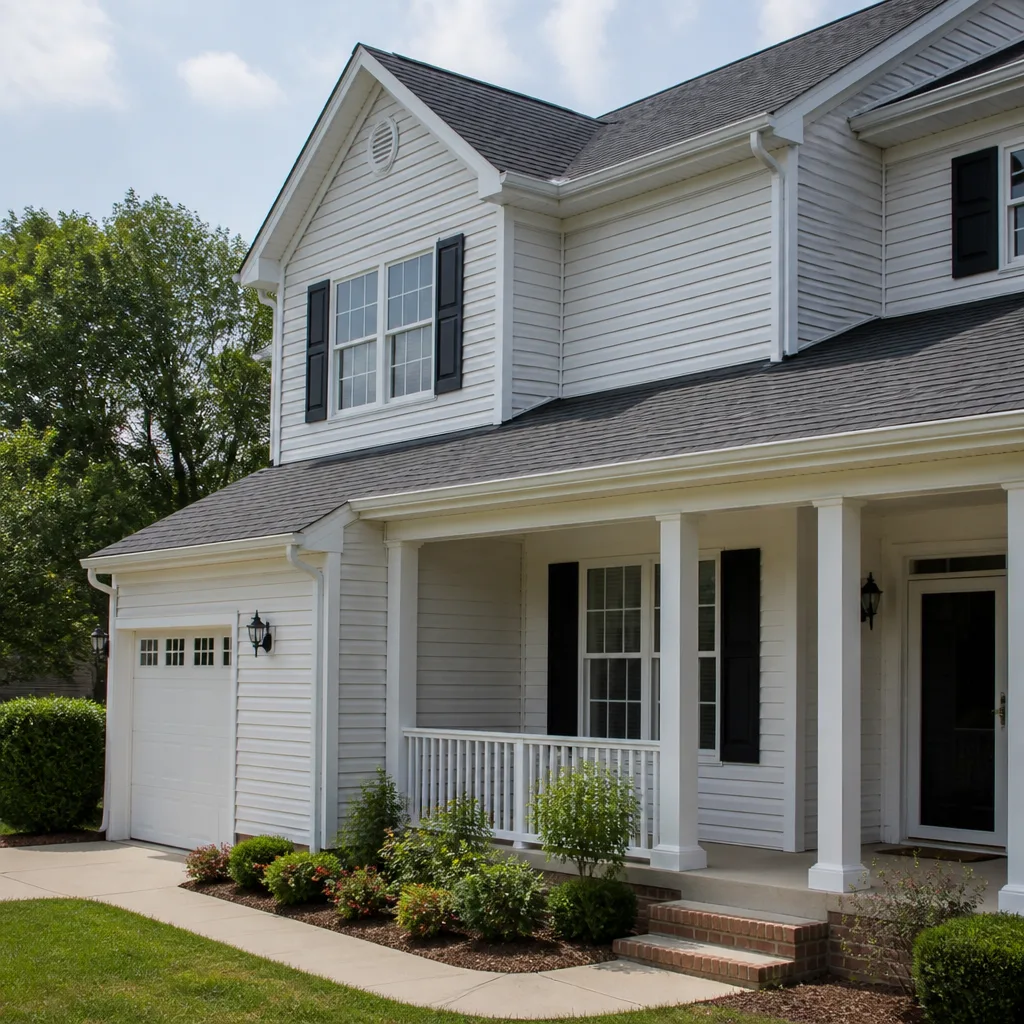
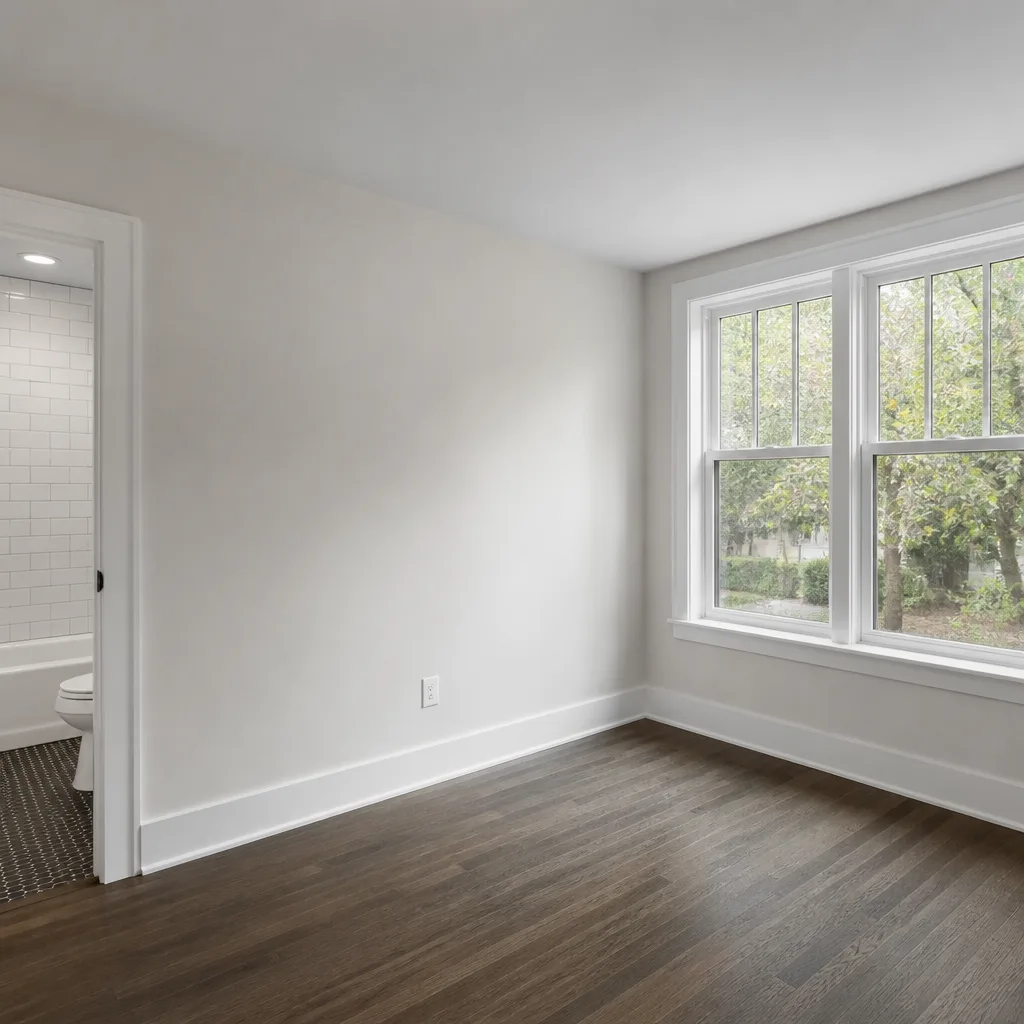
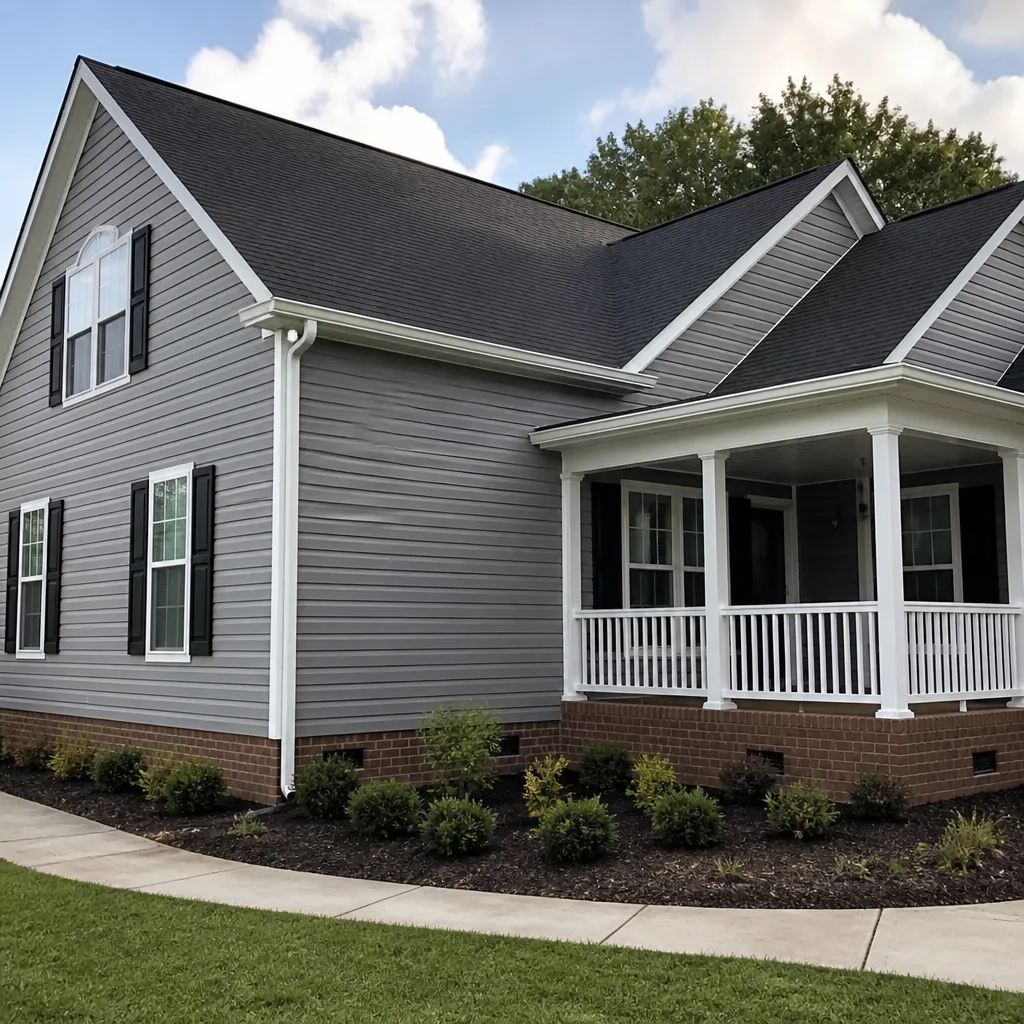
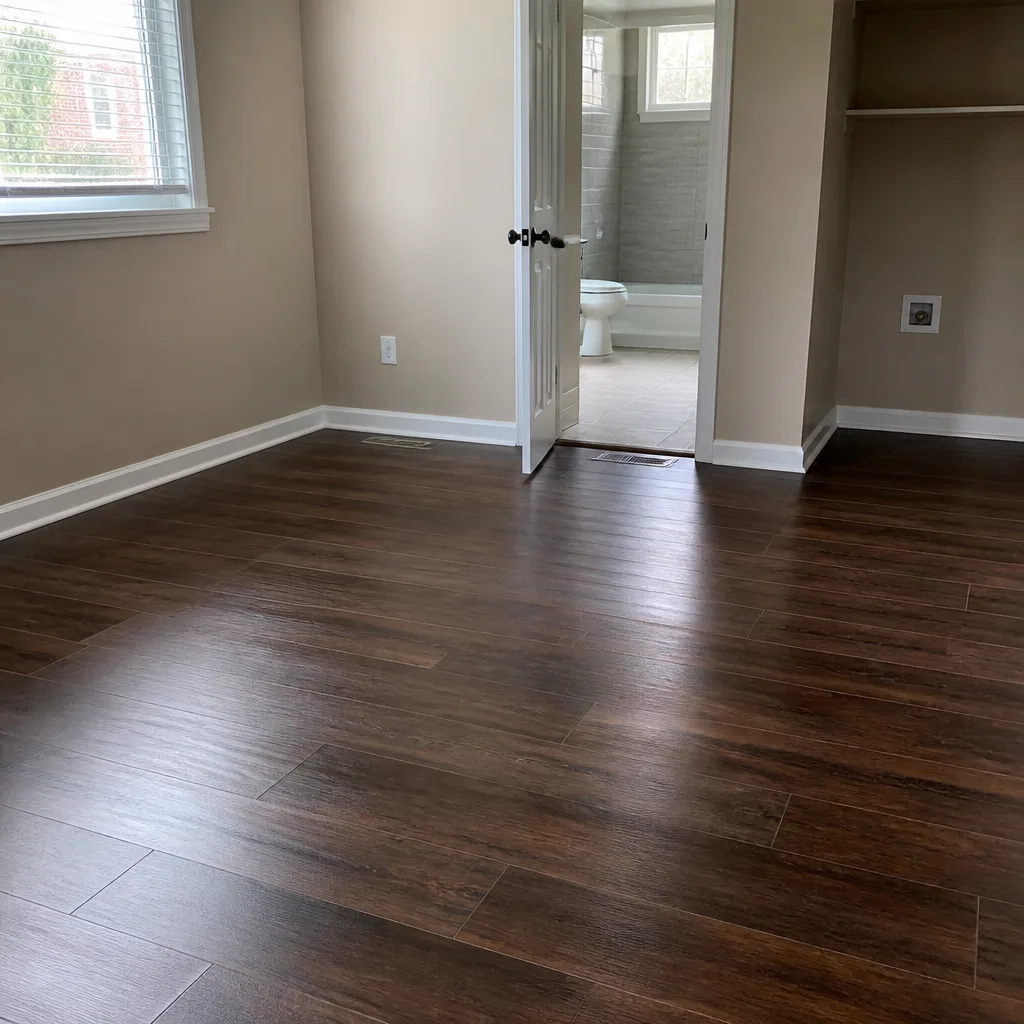
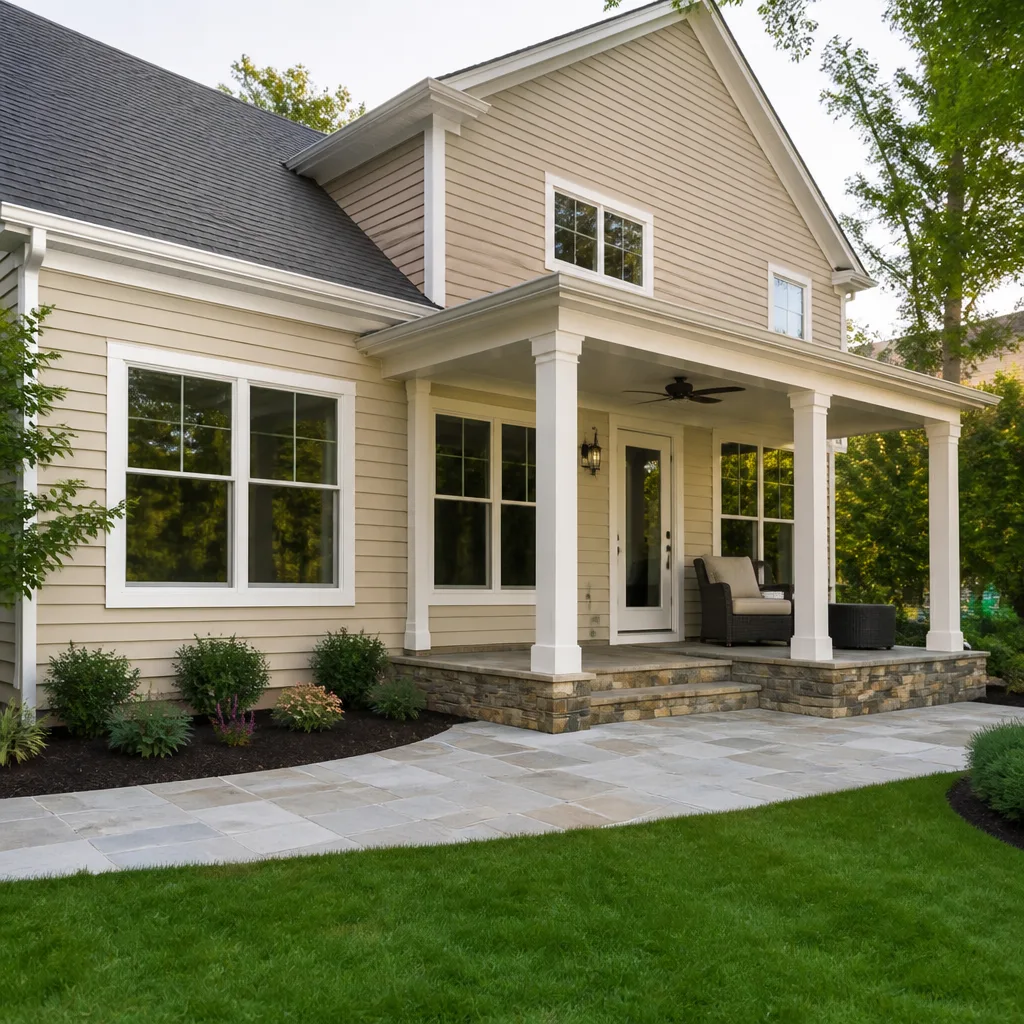
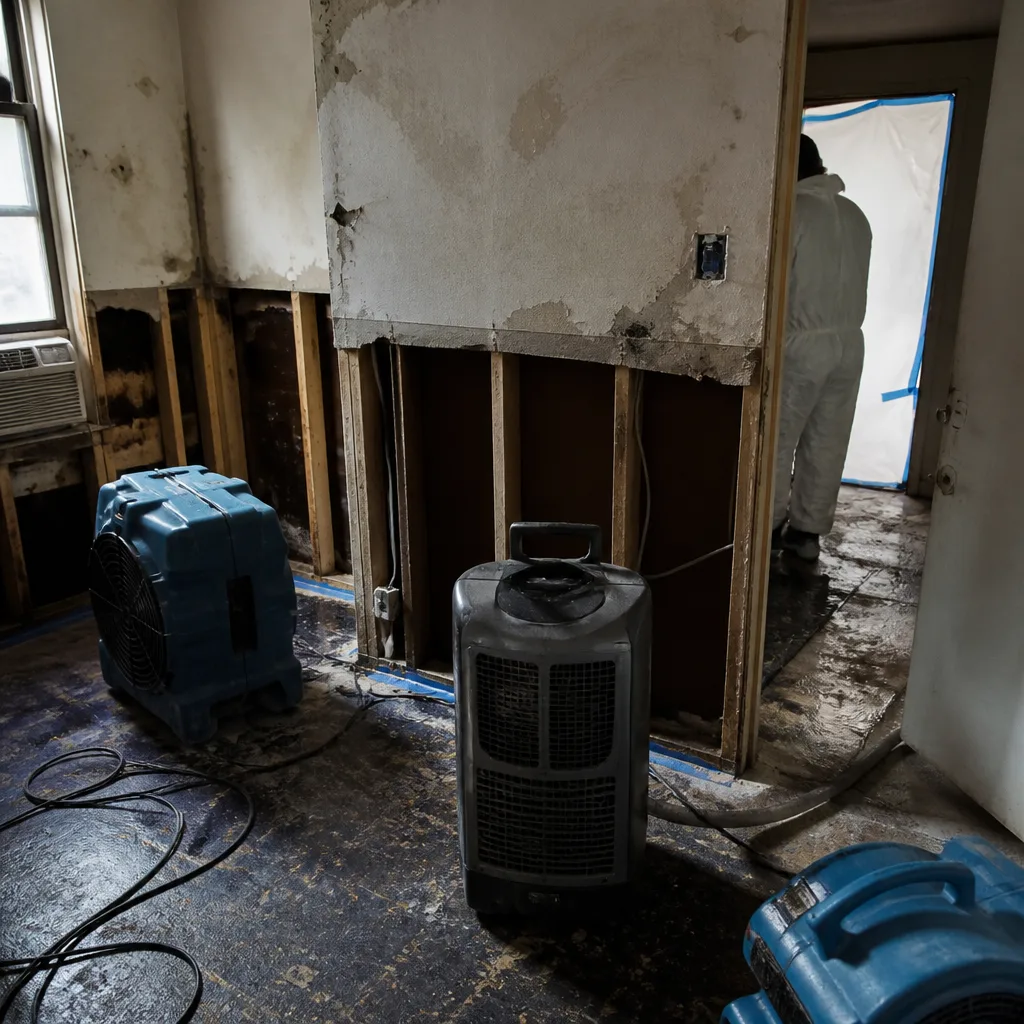 Before
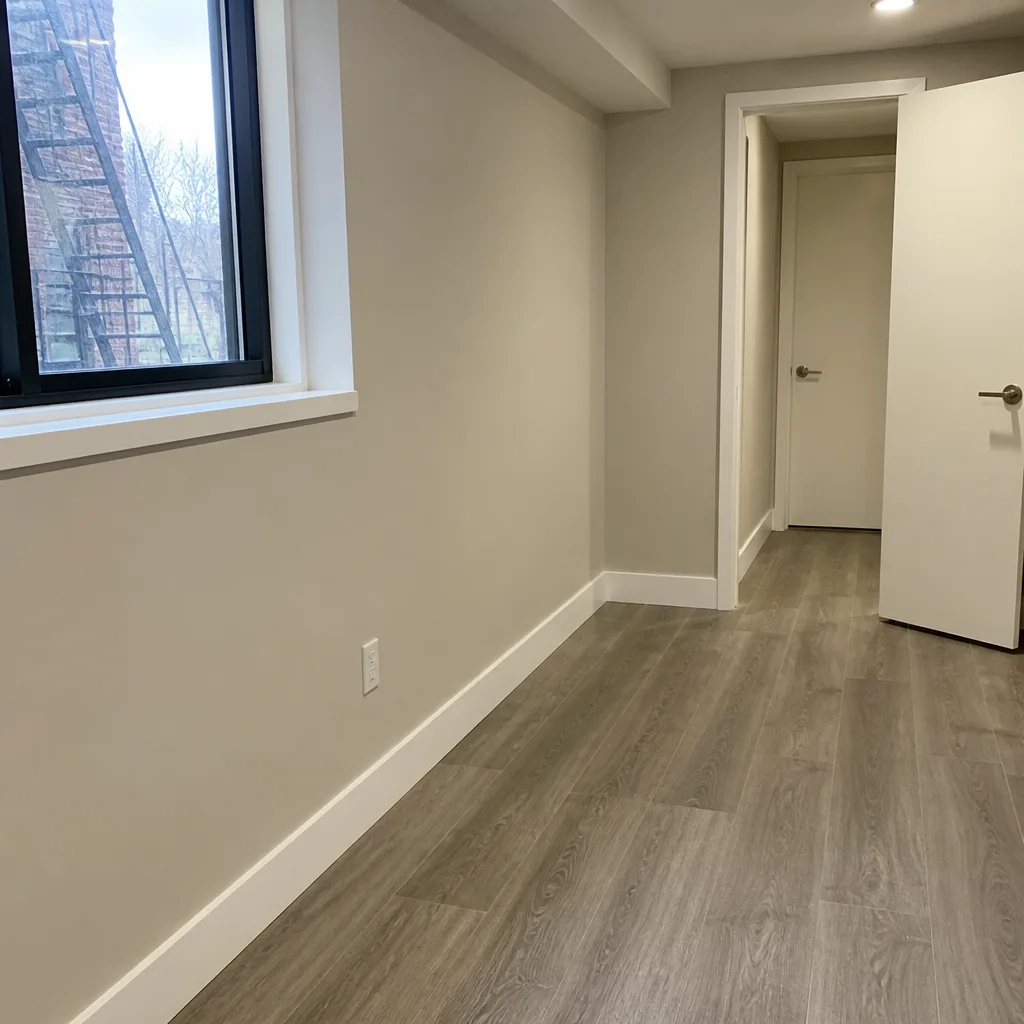 After
After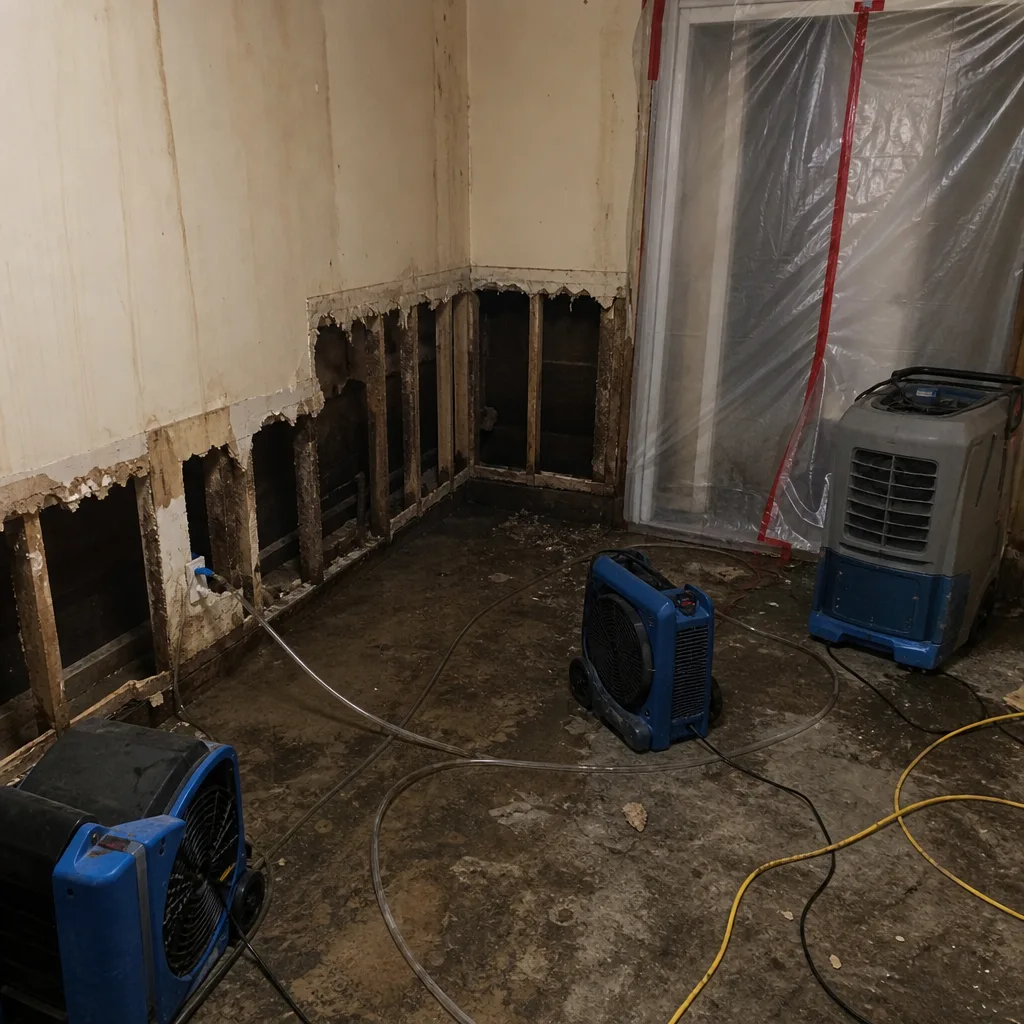 Before
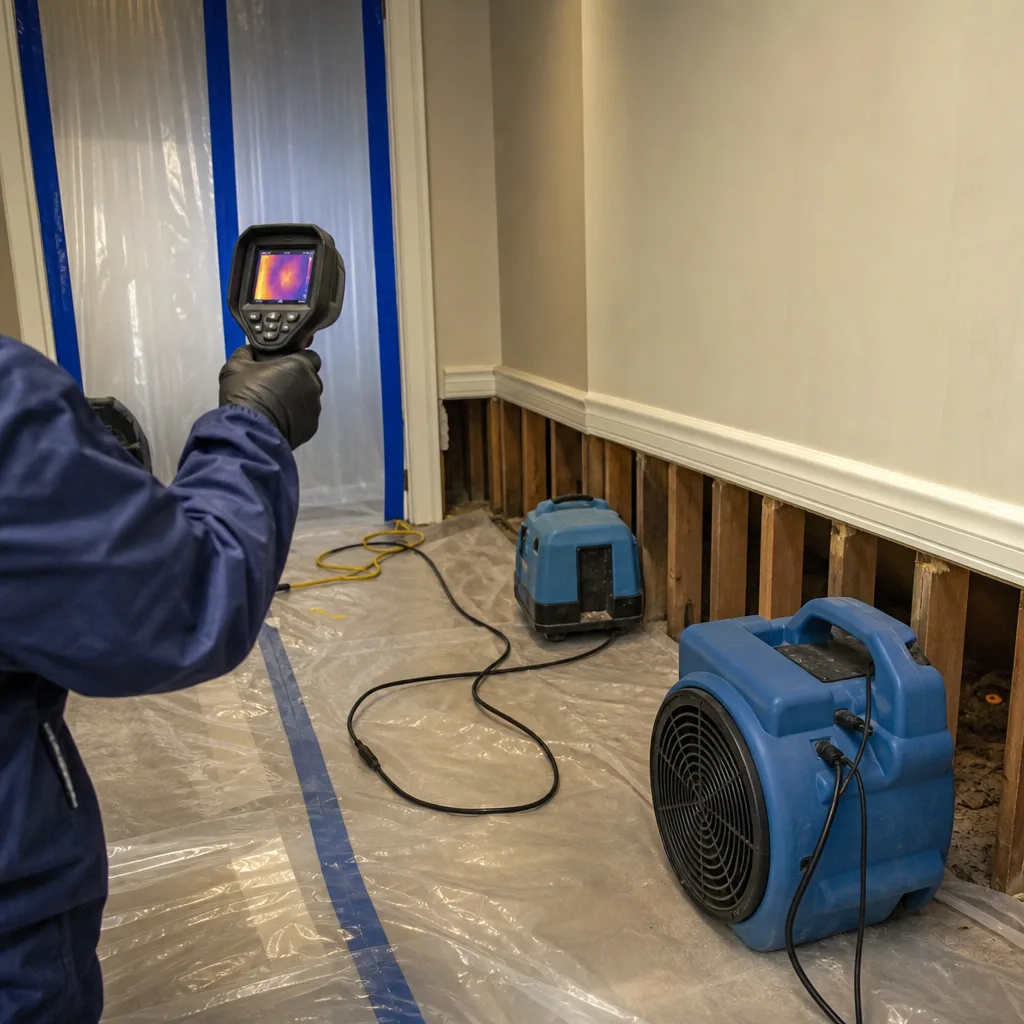 After
After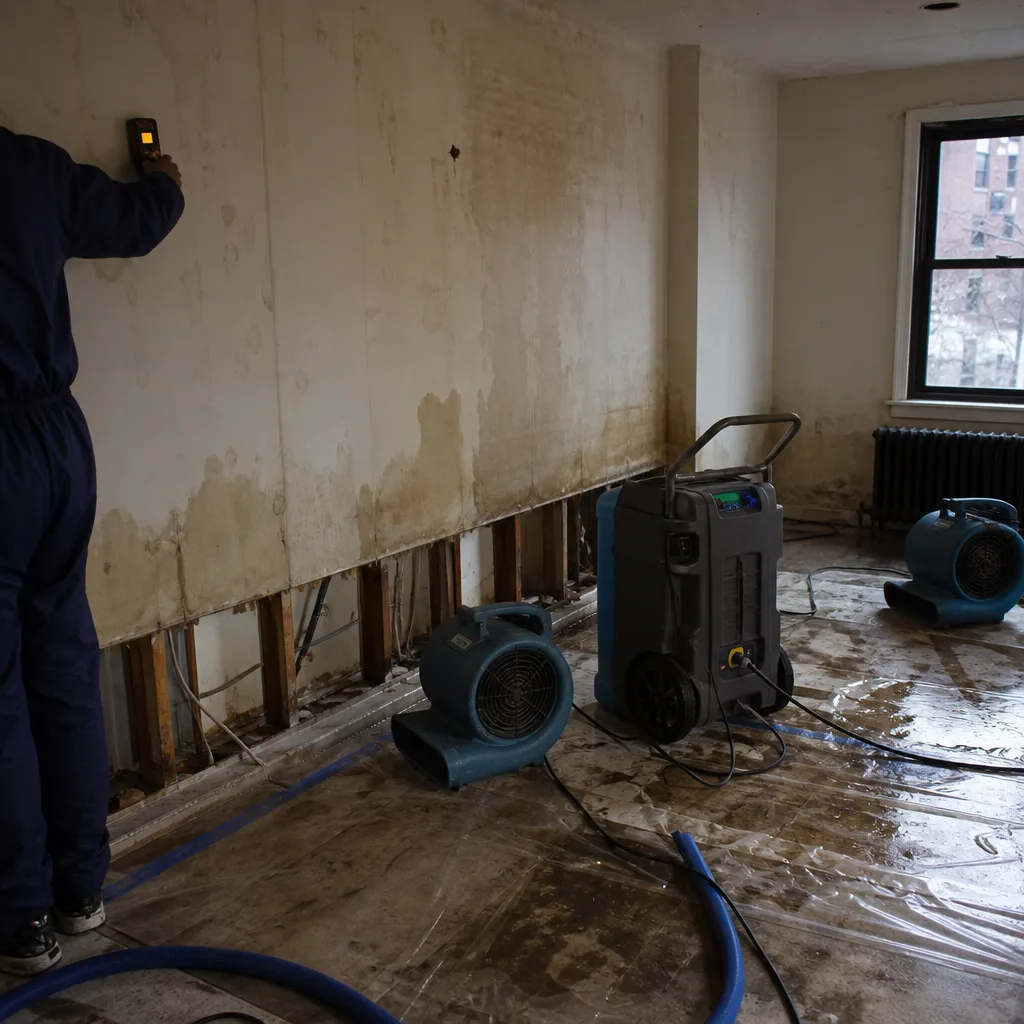 Before
 After
After24/7 Emergency Sewage Cleanup in Washington Square
When sewage backs up into a Washington Square property, the first hour matters more than any other. Category 3 water carries bacteria, viruses, and parasites that move through porous materials fast. In the English basements and cellar units of Washington Square’s rowhouses, that contaminated water soaks into 150-year-old brick subfloors and horsehair plaster within minutes, not hours. Our crews answer live at (716) 452-0798 around the clock, every day. We dispatch from our New York City office to Washington Square addresses immediately, do a free visual inspection on arrival, and start extraction the same visit. No answering service, no callback queue, no waiting until morning. A live person picks up at 2 a.m., and a certified crew reaches your block.
Understanding Sewage Cleanup Severity in Washington Square Properties
Sewage cleanup is not the same as water cleanup, and Washington Square’s building stock makes the distinction sharper than almost anywhere else in Manhattan. We categorize water damage by contamination level: Category 1 is clean water from a supply line. Category 2 carries some contaminants. Category 3, or black water, is sewage, toilet backflow, or standing water that has begun growing pathogens. In Washington Square, we treat every sewer backup as Category 3 until proven otherwise. The reason is specific to this neighborhood: Manhattan’s combined sewer system runs beneath these streets, and the original cast-iron and lead supply lines inside Washington Square’s Federal and Greek Revival rowhouses have been stressed for over a century. When the city’s sewers surge during heavy rain, the pressure differential pushes waste backward into cellar drains. The sewage itself is hazardous. Where it lands matters just as much. Original horsehair plaster wicks Category 3 water upward into wall cavities where hidden mold takes hold behind landmarked finishes. Brick subfloors absorb contamination and keep releasing moisture for weeks. That’s why moisture mapping with thermal imaging and hygrometers happens before any wall is breached, and why drying logs run daily until the structure hits dry standard.
Need Emergency Sewage Cleanup in Washington Square Now?
Crews minutes away, answering live 24 hours a day. The sooner we start, the less it costs.
Why Washington Square Property Owners Choose Floodline Restoration Co.
- 45-minute response commitment to Washington Square addresses. We dispatch from a local base and our crews know the one-way streets around the park without a map. When you call, we’re already moving.
- 24/7 live answer, never an automated system. A real dispatcher picks up at (716) 452-0798 at any hour. That’s how it’s been since Curt Bowman founded this company in 2010: a dispatch board, not a sales desk.
- IICRC-certified crews trained to WRT and ASD standards. Our technicians are background-checked, uniformed, and certified to IICRC, RIA, and IFA standards. They treat Category 3 sewage loss with the same rigor on a landmarked Washington Square North townhouse as they do in a pre-war walkup on Sullivan Street.
- Free visual inspection before any work starts. We show you exactly what we found, explain what’s contaminated and what’s salvageable, and put a written scope in your hands before we cut anything open. That’s the square deal we’ve built forty-two years of local reputation on.
- Direct insurance billing with adjuster coordination. You never play messenger between Floodline and your carrier. We document from the first hour, send the carrier our photos and moisture logs, and bill directly wherever your policy allows.
- One team from extraction through reconstruction. The same crew that sets containment and runs our Dri-Eaz extraction units also handles structural drying, sanitization, and the rebuild. No mid-job handoff to a stranger. No inherited crew with no idea what happened on day one.
Our Sewage Cleanup Process
Inspection & Assessment
We arrive, walk the affected areas, and map moisture in every wall, floor, and cavity using thermal imaging and hygrometers. In Washington Square rowhouses, we check for wicking above the visible water line before recommending any demolition. We give you a written scope and a straight explanation of what’s actually contaminated.
Extraction & Stabilization
We remove standing Category 3 water using professional-grade extraction equipment and set containment barriers to keep sewage particulates out of clean areas. On Washington Square North, that often means working around original baseboards and trim without disturbing them until we know whether LPC review will be triggered.
Drying & Dehumidification
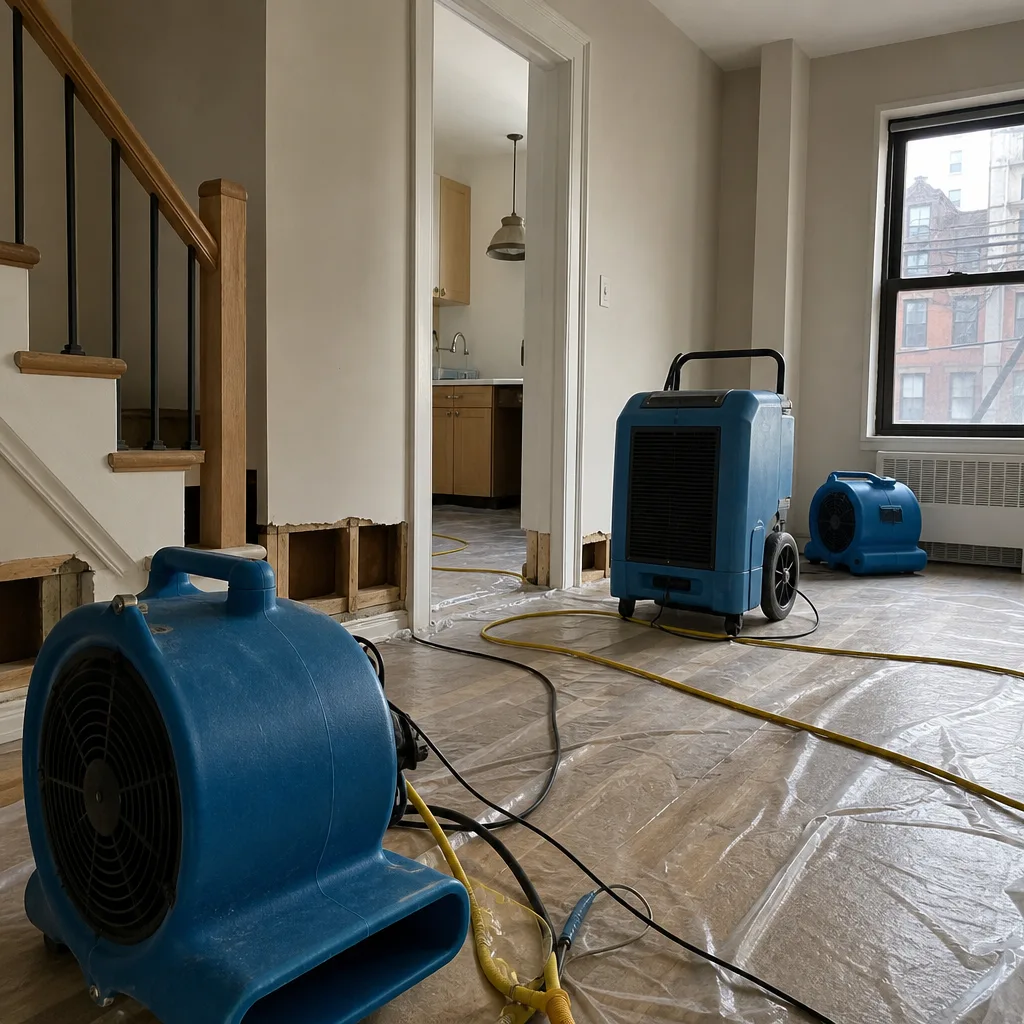
Our Dri-Eaz and Phoenix dehumidifiers and air movers run continuously, and we take daily readings against the dry standard for the specific materials involved. Brick, horsehair plaster, and old-growth timber dry differently than modern drywall, and we log every data point. Your carrier gets a copy of that log.
Cleaning & Sanitization
We apply EPA-registered antimicrobial and disinfectant products to all contaminated surfaces. Where accessibility is limited, as it often is behind landmarked plaster in Washington Square, our treatment is applied through access points cut only after we know the preservation path forward.
Specialty Treatment for Washington Square Properties
This step is different in this neighborhood than anywhere else we work. When LPC review applies, we coordinate with preservation architects before opening walls or removing historic fabric. When antique trim and baseboards must come off, we do pack-out documentation, photograph every piece, and send them to a restoration millworker when the original nails have split the wood.
Repairs & Restoration
We rebuild what needs rebuilding, matching period plaster profiles and historic millwork where required. The 90-Day Done Right Promise goes in writing when we’re done. If it’s not done right, we make it right. No arguing, no paperwork battles.
Working With Your Insurance Company
Sewage backup claims in Washington Square almost always involve the building’s age, the scope of the contamination, and whether the policy carries a specific sewer backup endorsement. We handle the documentation from the first hour. Our crew photographs every affected room, logs moisture readings daily, and produces a detailed, line-item scope of work written to the standards your adjuster expects. We speak directly with your carrier so you don’t have to translate between a restoration technician and an insurance desk. On NYU-managed buildings around the park, we’re accustomed to institutional procurement and multi-party approval chains. On private landmarked rowhouses, we can document the LPC-required steps in language that helps your claim move forward without gaps. The less you have to play messenger, the faster the loss gets resolved.
What We Provide Your Insurer
- Thorough documentation of the loss
- Photos of all damage, room by room
- Moisture readings and drying logs
- A detailed, line-item scope of work
- Direct coordination with your carrier
Built for Washington Square’s Loss Calendar
Washington Square’s sewage backup pattern follows the weather and the sewer system. Mid-winter deep freezes push temperatures low enough to stress the original cast-iron waste lines in Federal-era rowhouses, and old joints fail under thermal shock. Spring’s heavy rains flood the combined sewer mains, and the pressure sends black water up through cellar floor drains across the neighborhood. Summer thunderstorms hit hard and fast, overwhelming catch basins around the park before the system can move water out. Nor’easters in fall bring storm surge that backs up beyond the usual drainage paths, and the English basements of Washington Square North take the brunt. Add to that 200-year-old plumbing that was never designed for modern fixtures, and the loss calendar here is heavier than in almost any other Manhattan zip code. That’s why we keep crews on rotation 24/7 for this neighborhood specifically, and why our dispatchers know the difference between a Greenwich Village backflow call and one from Murray Hill. It’s not a generic dispatch. It’s local knowledge applied to a neighborhood that punishes generalists.
Sewage Cleanup Across Washington Square’s Neighborhoods
Washington Square is not one uniform housing market. Washington Square North, with its 1820s-to-1840s Greek Revival rowhouses known as The Row, is landmarked to the studs. Sewage work behind original horsehair plaster there requires LPC review before walls open, and scope writers must specify period-appropriate plaster, historic millwork profiles, and traditional masonry repairs. That adds time and cost, and it’s a requirement that doesn’t apply across Sixth Avenue in Chelsea. The blocks along Washington Square South and the NYU-owned buildings around the park bring a different layer: institutional procurement, security clearances, and insurance carriers who expect documentation at an institutional standard. East of the park, around Washington Mews and the pre-war walkups on Greene and Mercer streets, we’re typically dealing with smaller cellar mechanical rooms and older waste stacks. West toward MacDougal Street, the buildings are slightly younger but the basements are just as low, and the combined sewer mains beneath Sixth Avenue back up just as often. Each area gets the same 45-minute response window and the same written scope, but the on-site approach changes. That’s the difference between a franchise that sends a generic crew and a local team that knows exactly what kind of building stands at the address on the dispatch board.
Specialized Sewage Cleanup Services We Offer in Washington Square
Sewage Backup Cleanup
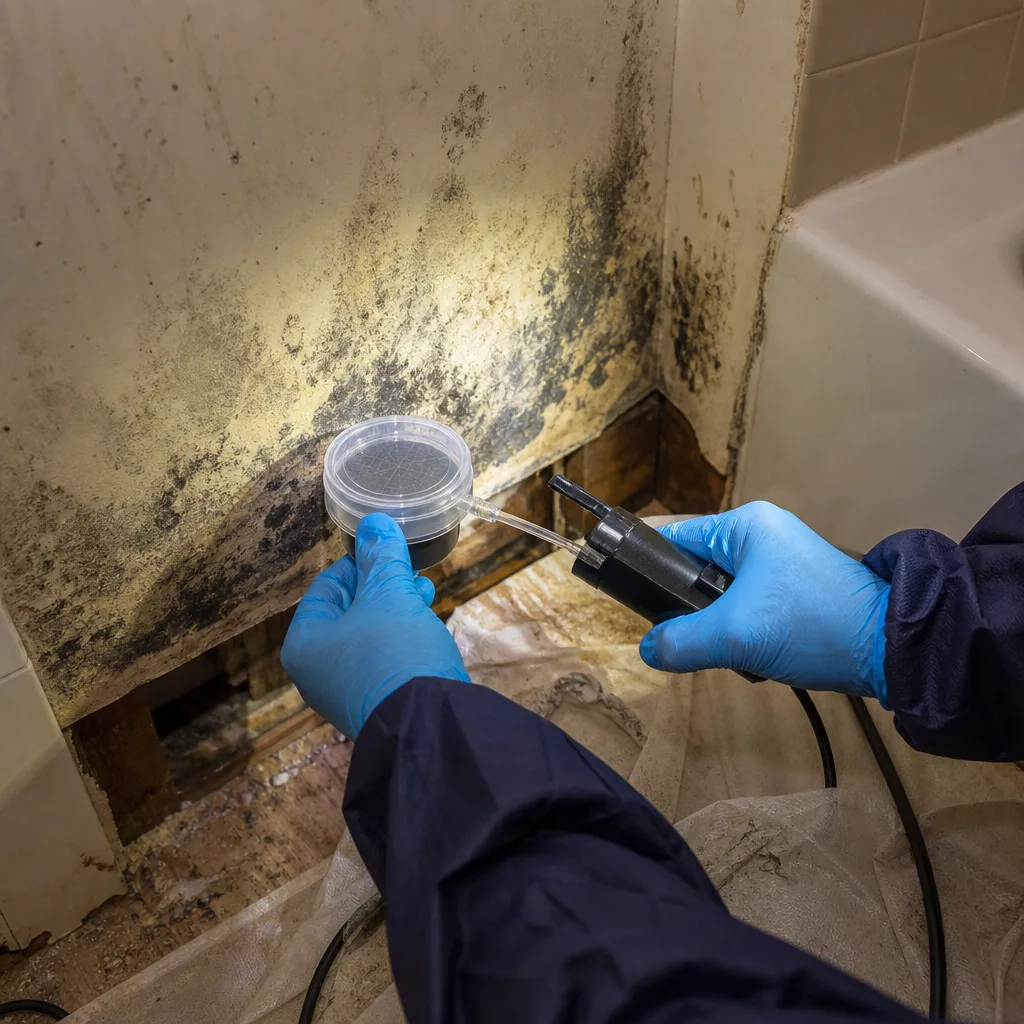
When the combined sewer system under Washington Square pushes waste back through a cellar floor drain or a lower-level toilet, we arrive, contain the area, and extract everything that’s moving. In landmarked rowhouses, our Sewage Cleanup team documents the existing condition of original finishes before touching anything. Then we map moisture, set drying equipment, and sanitize. The writeup in your hand includes what’s wet, what’s salvageable, what needs to come out, and whether LPC review applies.
Black Water Extraction
Black water in a Washington Square English basement means sewage, often with silt from the combined sewer, sitting against brick foundations and antique joists. Our Dri-Eaz extraction units pull standing water fast, and then we tackle what’s absorbed. Brick subfloors hold water for weeks without enough dehumidification. Old-growth timber wicks it upward. We track both with daily moisture readings until the structure hits the dry standard for those materials, not for a modern drywall baseline.
Sanitization & Disinfection
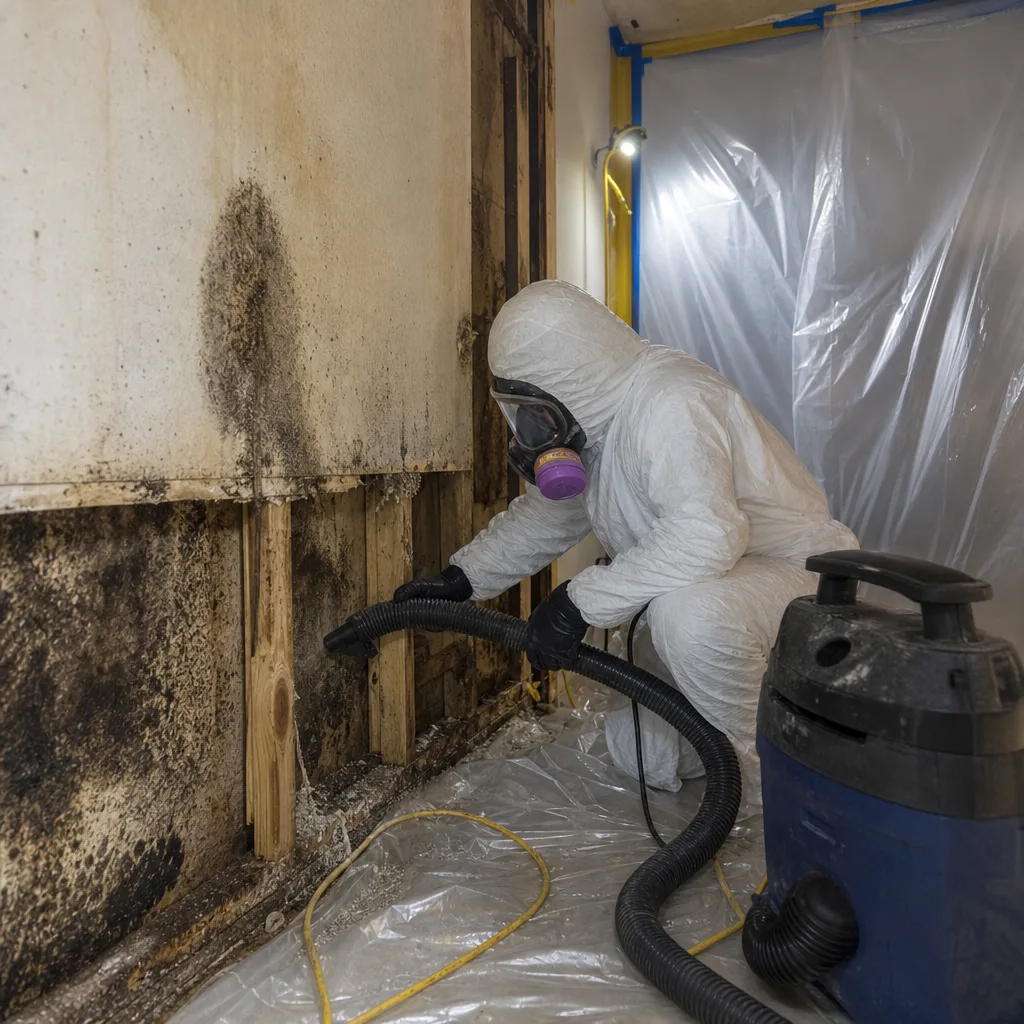
After extraction comes the step most homeowners never see: antimicrobial treatment applied to every contaminated surface, including wall cavities. In Washington Square, those cavities are behind horsehair plaster that LPC may not let us open freely. Our Sanitization & Disinfection crew uses applied access points where needed, treatment through existing openings, and EPA-registered products rated for the materials involved. We log what we applied, where, and when, and that log goes to you and your carrier.
Toilet Overflow Cleanup
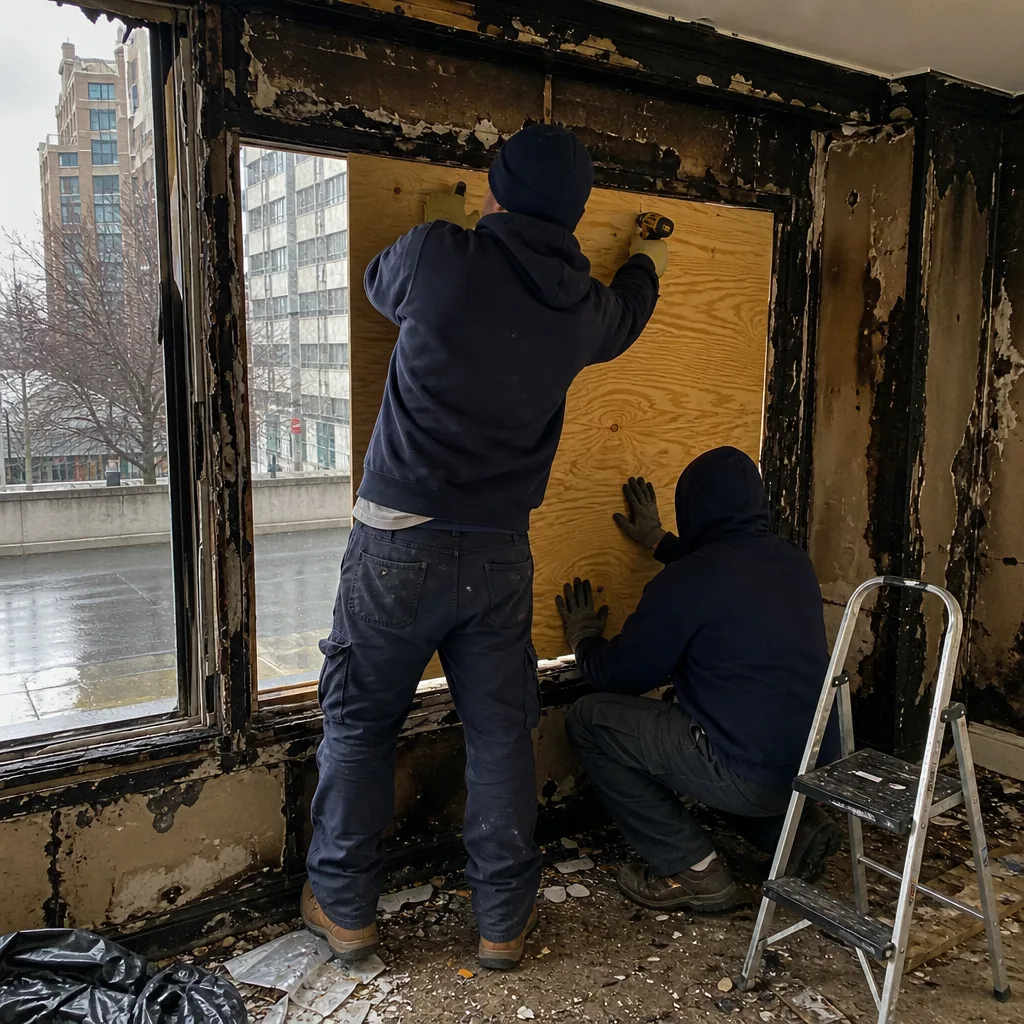
A toilet overflow in a Washington Square apartment is the smallest Category 3 loss we handle, and it’s also the one people wait longest to call about. The trap, the flange, the floor around it: sewage wicks into the subfloor faster than you expect. We extract, treat, and dry the affected area, and we check the waste line itself. In older Washington Square buildings, the overflow is often a symptom of a failing cast-iron stack, not just a clog. We’ll tell you what we see.
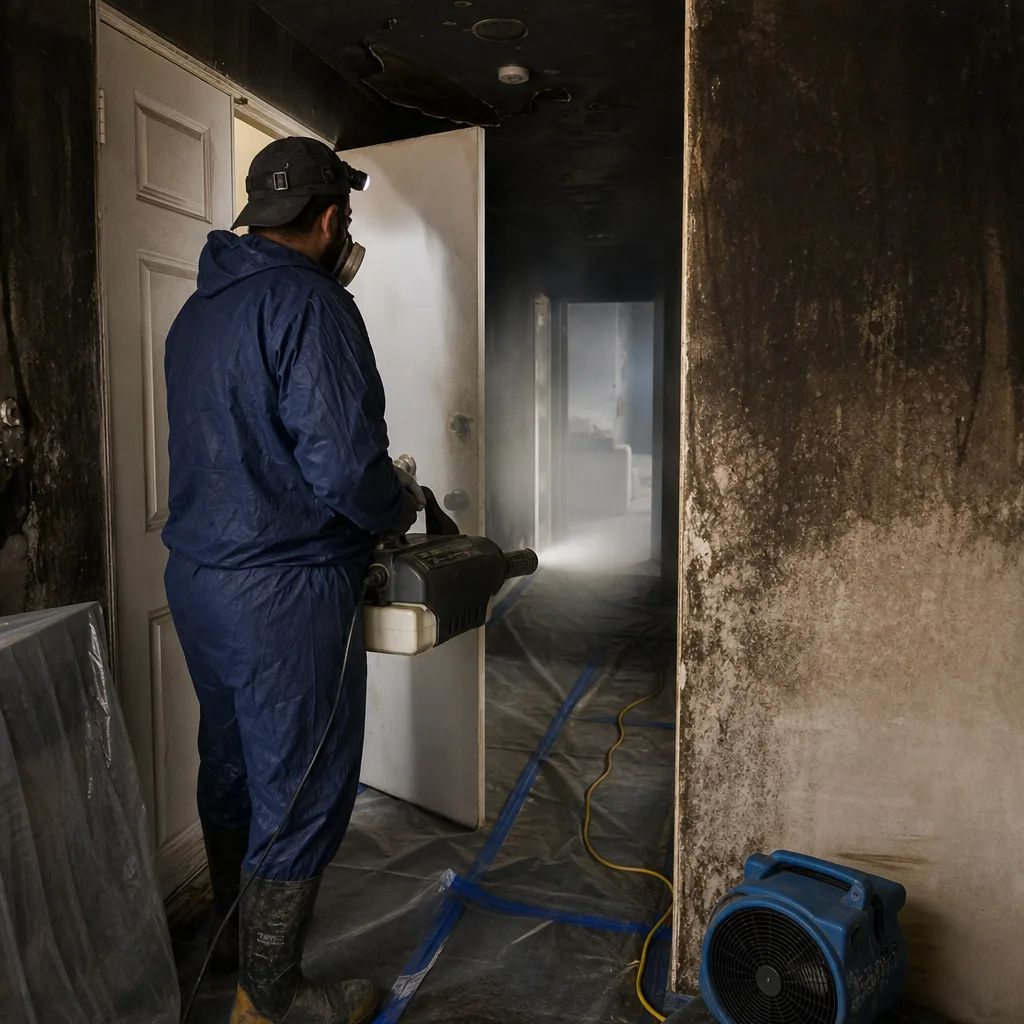
Septic Failure Cleanup
Most of Washington Square sits on city sewer, but a few older service buildings around the park’s edges still connect to private waste systems. When a septic line fails, the smell arrives first, then the wet spot in the yard or the basement wall. We handle septic failure as a Category 3 response: containment, extraction, sanitation, and soil treatment where applicable. The scope includes what the property owner can do to keep it from repeating.
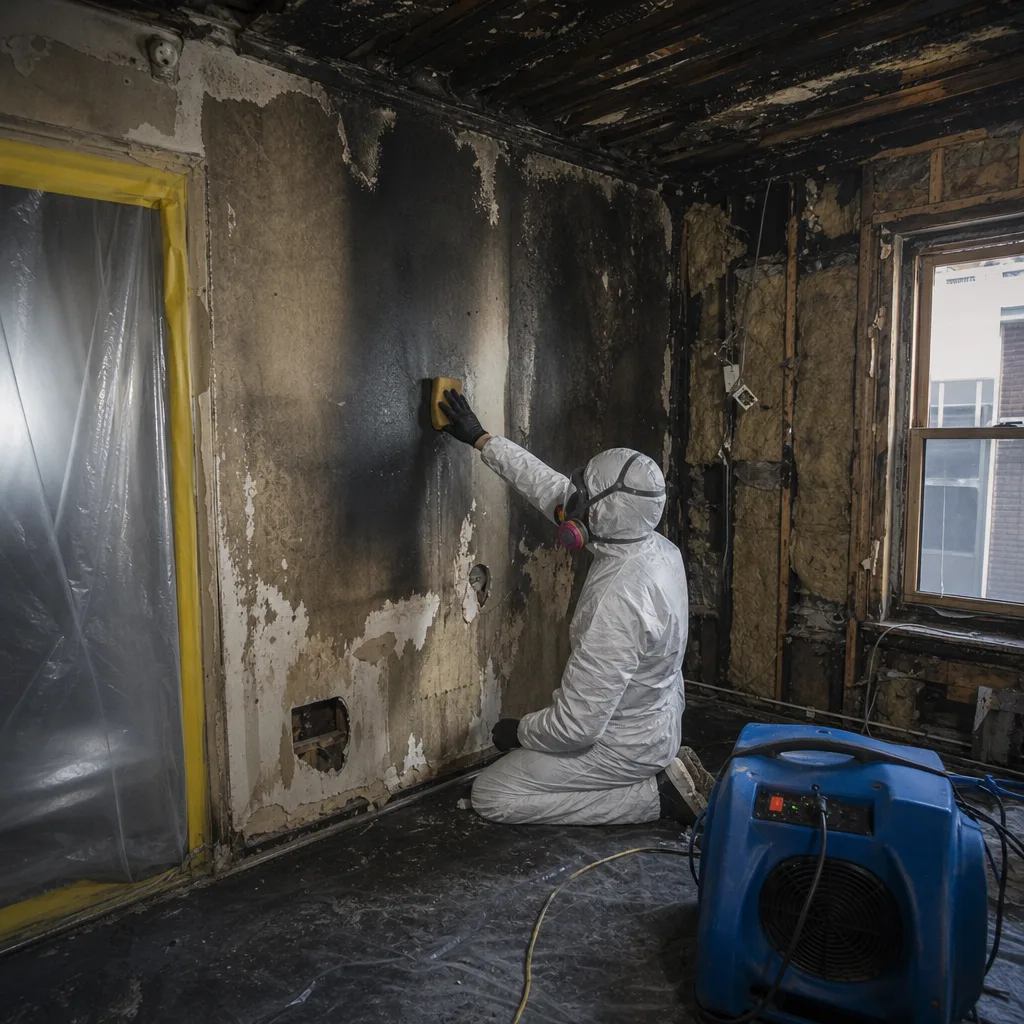
Crawl Space Sewage Removal
Low, tight crawl spaces under Washington Square rowhouses hide sewage leaks longer than anything else. By the time the odor rises through floorboards, the contamination has already soaked into joists, piers, and the dirt below. We send trained technicians into those spaces with proper PPE, extract, treat with antimicrobials, and set XPOWER air movers and dehumidifiers moving air through the tightest recesses. We’ve handled spaces under Federal-era buildings where the crawl clearance is under thirty inches. It’s brutal work, and it gets done right.
What happens when you call
- 1
A real person answersNo phone trees - you reach a local pro.
- 2
You get an upfront price rangeHonest numbers before anyone is dispatched.
- 3
A background-checked tech heads outLicensed & insured, dispatched right away.
- 4
You approve before work beginsNothing starts until you say go.
Sewage Cleanup Costs in Washington Square, NY
Sewage cleanup in Washington Square runs higher than the same job in a modern suburb, and the reason is straightforward: the buildings are older, the materials are more demanding, and LPC review adds time. A straightforward basement sewage backup cleanup with full extraction, sanitization, and drying in this neighborhood typically runs $2,800 to $6,500. A backup that requires opening landmarked plaster walls or removing LPC-protected millwork pushes the scope upward, often to $8,000 to $15,000 depending on the preservation requirements. Black water extraction alone runs $1,200 to $2,800. Sanitization and disinfection after sewage typically adds $800 to $2,200 depending on the square footage affected. Toilet overflow cleanup in a Washington Square apartment usually starts around $900 to $1,800 when caught early. Crawl space sewage removal under an older rowhouse runs $3,500 to $9,000, with additional cost if structural drying takes weeks. The fastest way to a firm number: call (716) 452-0798 for a free visual inspection. We write the scope before any work starts, so you know exactly what’s covered, what’s optional, and what your carrier is likely to approve.
We Also Serve Cities Near Washington Square
Our crews regularly respond to sewage backups in Long Island City, Greenpoint, Williamsburg, and Murray Hill. If your building sits just outside Washington Square proper, call (716) 452-0798 and we’ll route the nearest certified crew to you. The same 45-minute response commitment and the same written-scope-before-work standard applies across the entire service area.
Washington Square Sewage Cleanup Questions, Answered
How does LPC review change a sewage cleanup in a Washington Square landmarked rowhouse?
LPC review means you cannot legally open or alter protected interior fabric without the Landmarks Preservation Commission’s approval, and in Washington Square North’s 1820s-to-1840s Greek Revival rowhouses, that fabric includes the horsehair plaster walls themselves. A sewage cleanup that would be a two-day extraction-and-dry job in a non-landmarked building becomes a longer process here: our crew sets containment, extracts black water, and applies antimicrobial treatment through existing access points, but we cannot cut into the walls until a preservation architect signs off. That sign-off can take days to weeks, and during that window we run continuous drying and document everything for your carrier. We’ve done this enough times on Washington Square North that we build LPC sequencing into our scope from the first hour. Call (716) 452-0798 and we’ll walk you through what applies to your specific address.
Why do basements on Washington Square North get Category 3 water so often?
The basements on Washington Square North sit over Manhattan’s combined sewer system, which carries both stormwater and raw sewage in the same pipes. During moderate rainfall, the system surges and forces wastewater backward through the cellar floor drains and lower-level fixtures of these 150-to-200-year-old rowhouses. The English basements are the lowest point on the block, and they flood with Category 3 water that carries pathogens, not just rain. Add to that the original cast-iron waste lines inside these buildings, which have been corroding for over a century, and the result is a recurring sewage backup pattern that other neighborhoods see once a decade. It’s not bad luck. It’s infrastructure. We treat every backup here as Category 3 until testing proves otherwise.
Can you dry out a sewage-soaked horsehair plaster wall in place on Washington Square?
Sometimes, and in Washington Square, in-place drying is often the only option when LPC review blocks opening the wall. Horsehair plaster is porous and wicks water upward far higher than the visible wet line, so our moisture mapping starts with thermal imaging to find how far the contamination has traveled inside the cavity. Then we run Dri-Eaz dehumidifiers and air movers continuously, taking daily readings until the wall hits the dry standard for lime plaster and old-growth lath, which takes longer than drywall, often one to two weeks. We can apply EPA-registered antimicrobial treatment through small access points and existing openings without destroying the protected finish. If the plaster is too far gone to save, then we’re in LPC territory for a matched period-plaster replacement. We’ll tell you honestly which path your wall is on before any work starts.
What should I do with my tenant’s belongings during a sewage backup in my Washington Square apartment building?
Remove anything porous that touched Category 3 water: clothing, rugs, upholstered furniture, mattresses, cardboard boxes. Those items are contaminated beyond safe cleaning when they’ve been soaked in sewage. Non-porous items like metal, glass, and hard plastic can usually be sanitized and saved. Our crew will help you triage, photograph everything for your insurance claim, and document what was contaminated versus what was merely wet from clean water. In NYU-managed or institutional buildings around Washington Square, we work with property managers to coordinate tenant communication so nothing gets moved without a paper trail. The faster you call, the less gets ruined. (716) 452-0798, any hour.
How do you handle antique wood trim and baseboards when you need to access sewage inside a Washington Square wall?
We treat original millwork in Washington Square like evidence, not debris. Before any removal, we photograph every piece in place, label its location, and document its condition. Then we remove it with as little damage as possible, often discovering that the original cut nails holding the trim to the studs have become so brittle that the wood splits when they’re pulled. When that happens, we send the pieces to a restoration millworker who can repair, match, or replicate the profile. That pack-out and restoration cost gets included in your insurance scope, not bolted on later. On Washington Square North, where The Row’s original trim is protected, this process happens after LPC approval, not before. No shortcuts. The 90-Day Done Right Promise is in writing when we’re finished.
How fast can a sewage cleanup crew actually reach Washington Square?
Our commitment is 45 minutes from your call to arrival at a Washington Square address. The crew comes from a local base, and our dispatchers know the neighborhood’s one-way streets, the blocks around Washington Square Park, and the fastest route depending on time of day. We answer the phone live, 24/7, at (716) 452-0798. No voicemail, no answering service, no “we’ll call you back in the morning.” A real person picks up and dispatch starts immediately.
Will my insurance cover sewage backup in a Washington Square building?
Most standard homeowners policies cover sewage backup only if you carry a specific sewer backup endorsement. Without that rider, your carrier may deny the claim or cover only part of the damage. In Washington Square, where combined-sewer backups are more common than in other Manhattan neighborhoods, that endorsement matters more than average. We photograph everything from the first hour, log daily moisture readings, and send your carrier a line-item scope of work written in the language adjusters expect. We coordinate directly with your adjuster, including on NYU-institutional properties where multi-party approvals slow things down. Call us at (716) 452-0798 and we’ll review your policy situation before any work begins.
Do I really need full remediation for one sewage backup, or just a cleaning?
If the water that backed up came from a sewer line, a toilet, or a floor drain, you are dealing with Category 3 water, and a surface cleaning is not enough. Category 3 water contaminates porous materials: the plaster, the wood, the subfloor, the insulation behind the walls. If any of that material got wet, it stays contaminated after the visible water is gone. In Washington Square’s old rowhouses, that means porous horsehair plaster and antique timber absorbing sewage deep into the wall cavity. We can tell you after a free visual inspection and moisture mapping whether you’re looking at a clean-water wipe-up or a genuine Category 3 remediation. We’ll recommend the minimum necessary, not the maximum billable. That’s the square deal we’ve offered for over forty-two years.
Serving Washington Square, NY - Our Local Coverage Area
We’re based in the Washington Square area and know this community well. Use the map below to see our service coverage - if you’re nearby, we can almost certainly help.
Call Floodline Restoration Co. for Sewage Cleanup in Washington Square
A sewage backup in Washington Square is not a wait-and-see problem. The contamination spreads through old materials quickly, and the longer it sits, the more of your landmarked or pre-war interior it ruins. Call (716) 452-0798 now for a free visual inspection and a written scope before any work starts. Our crews answer live, day or night, and we serve Washington Square with the same one-team, no-handoff approach we’ve used since 2010. We’ll document everything for your insurer, deal with your adjuster directly, and put the 90-Day Done Right Promise in your hands when the job is finished. A real person answers. A certified crew comes. We stand behind it in writing.
Written by Curt Bowman, Owner at Floodline Restoration Co., serving Washington Square and the surrounding communities.