
Free visual inspection and a written scope of work before any mitigation begins - photos, moisture readings, and drying logs go in your claim file
The scope we write is the scope we bill. Anything new gets shown to you, in writing, before we touch it.
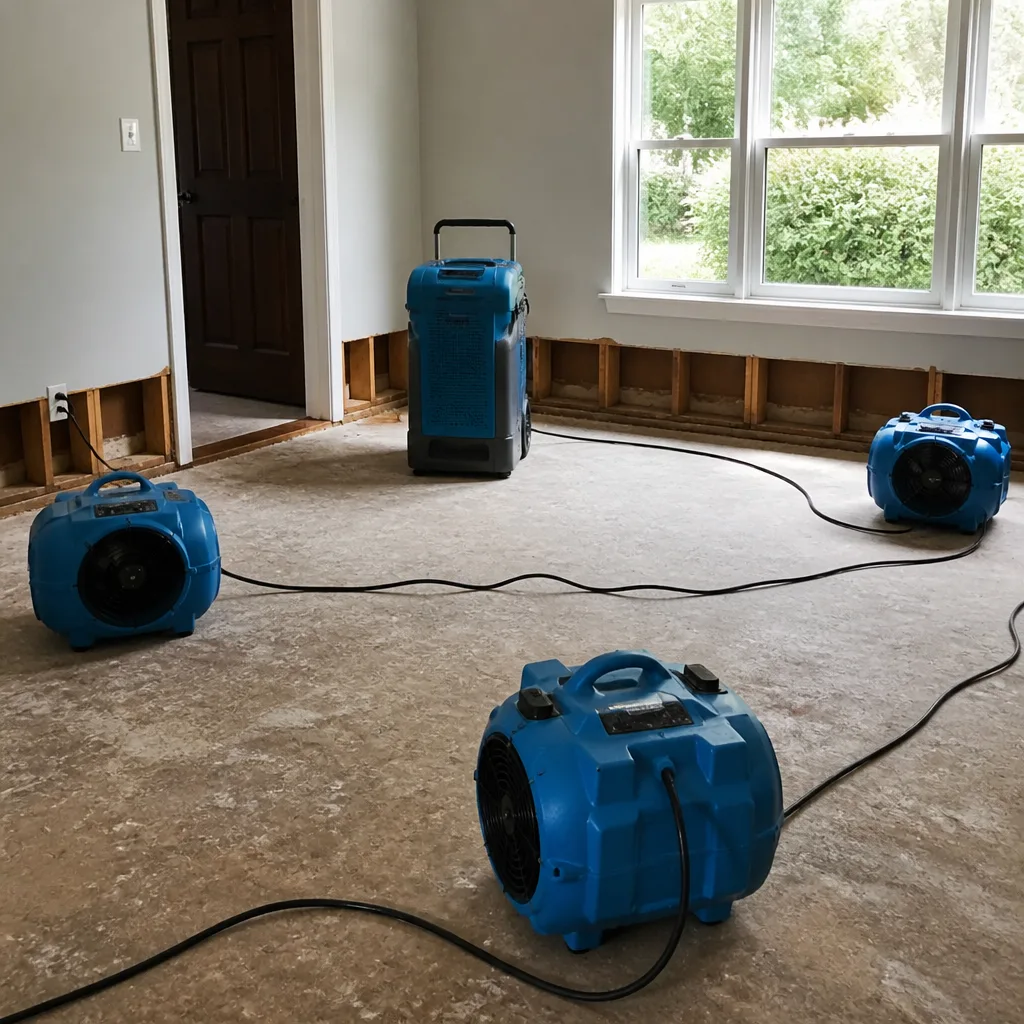
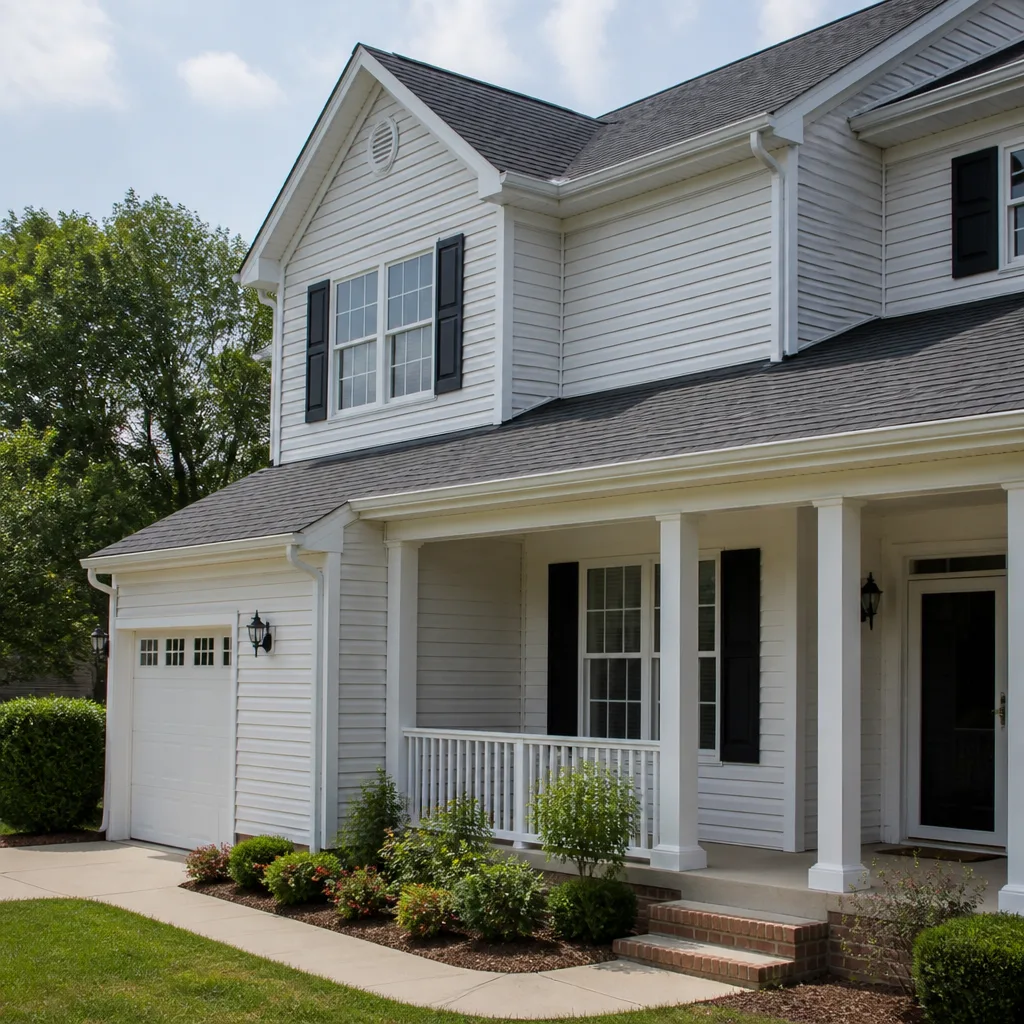
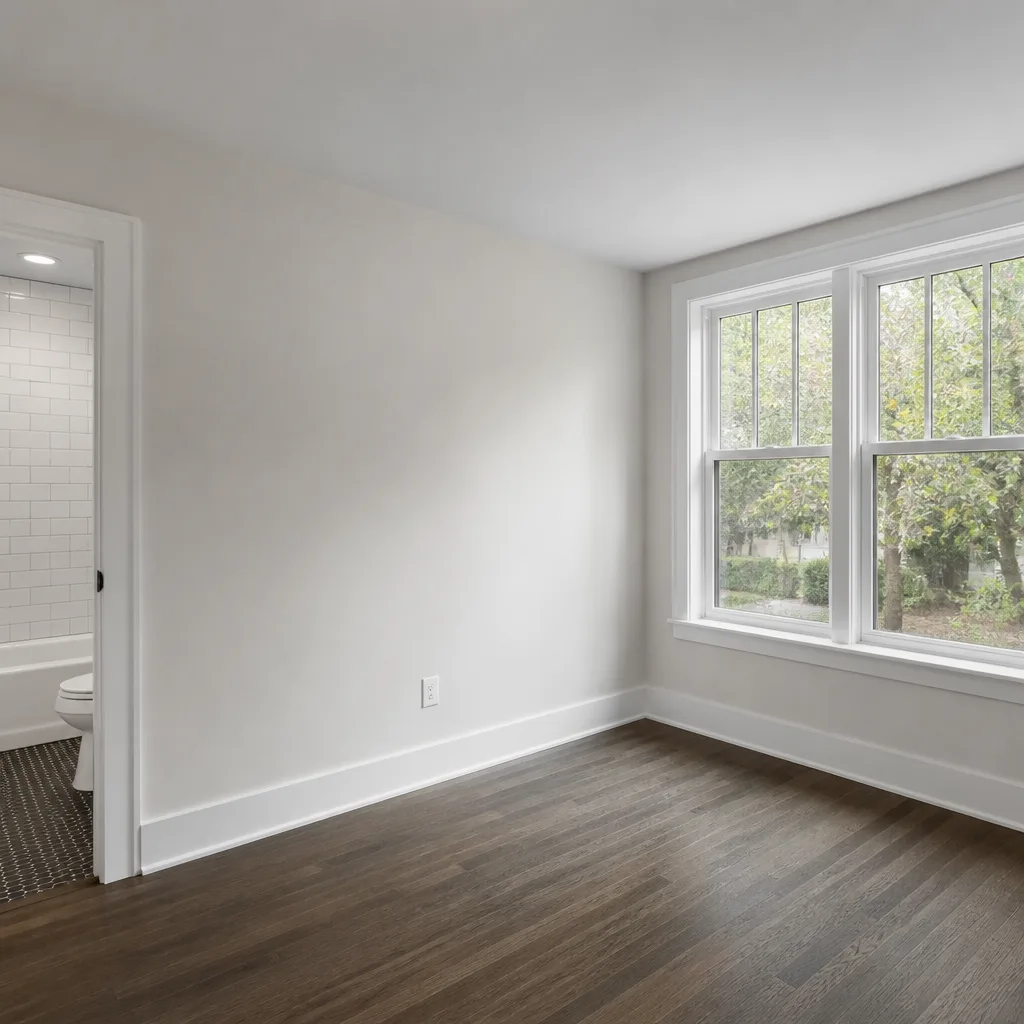
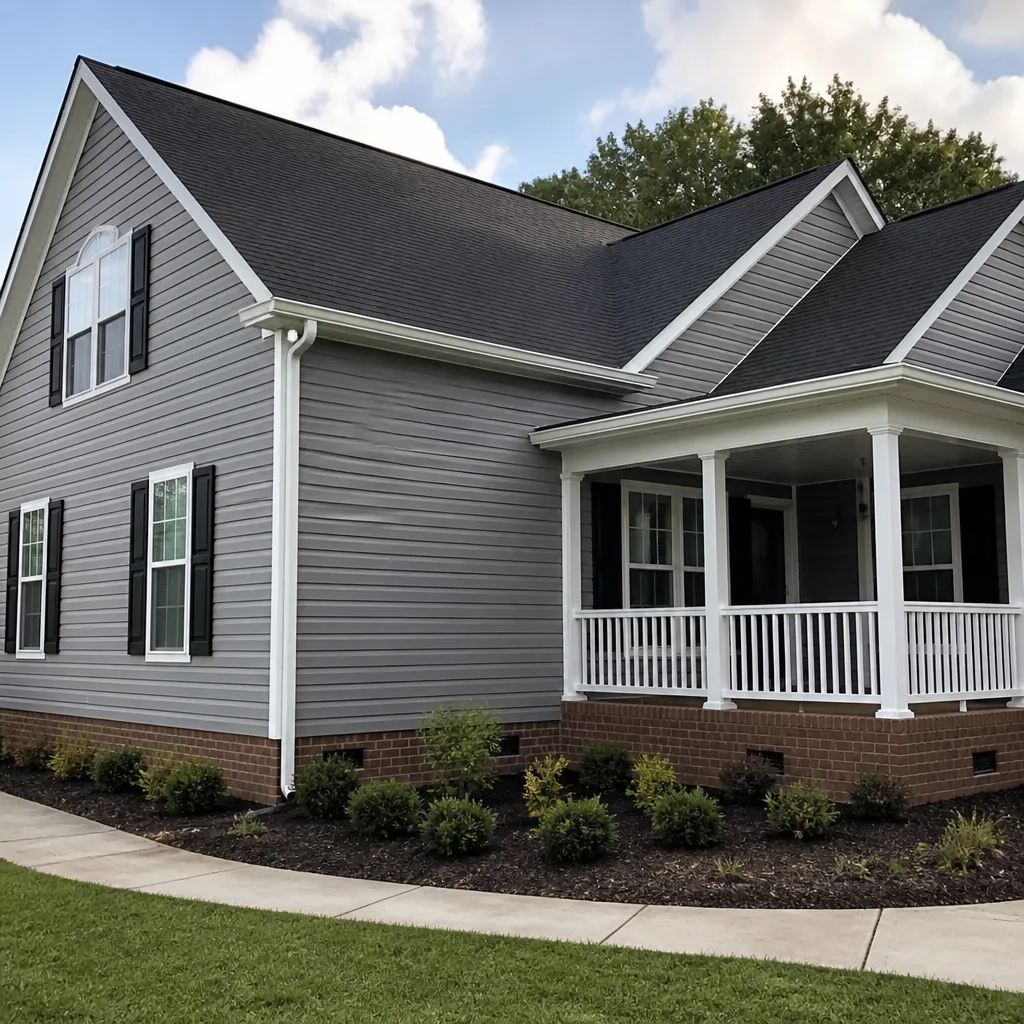
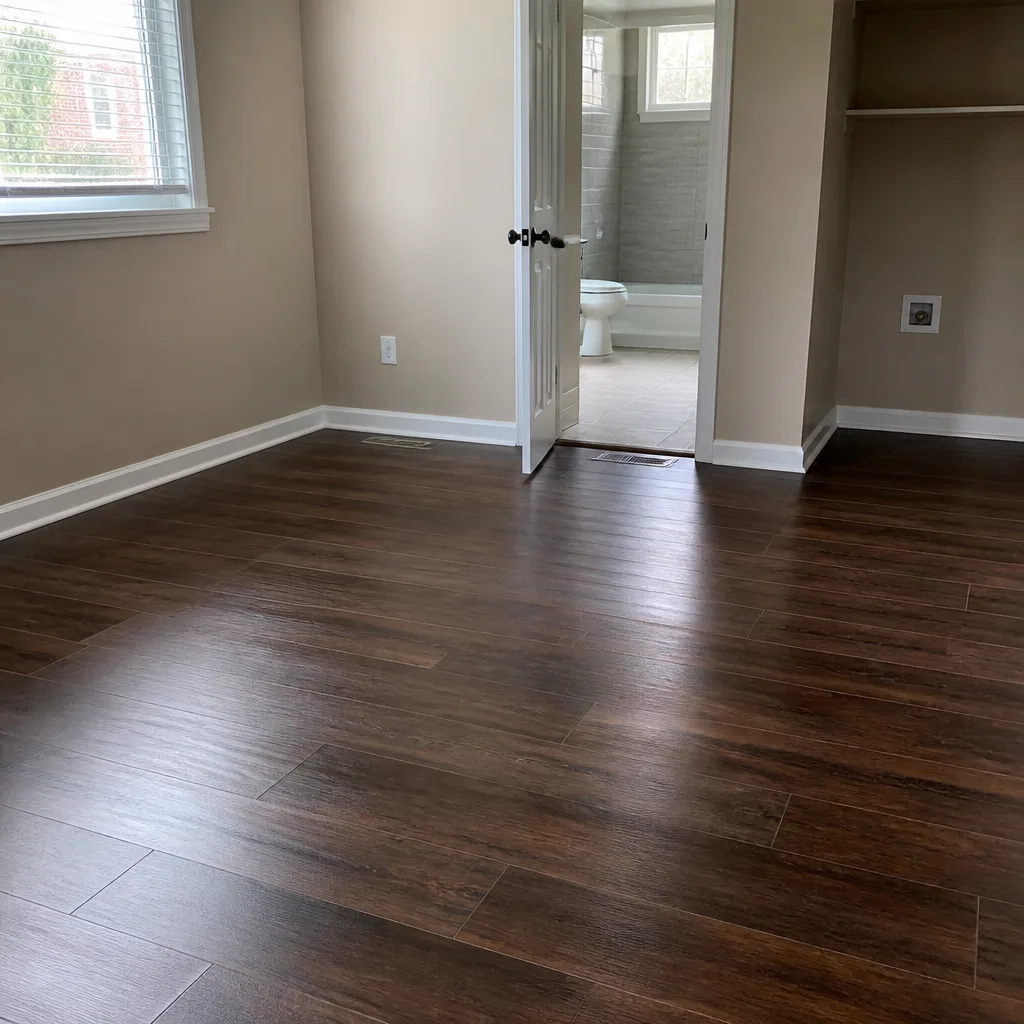

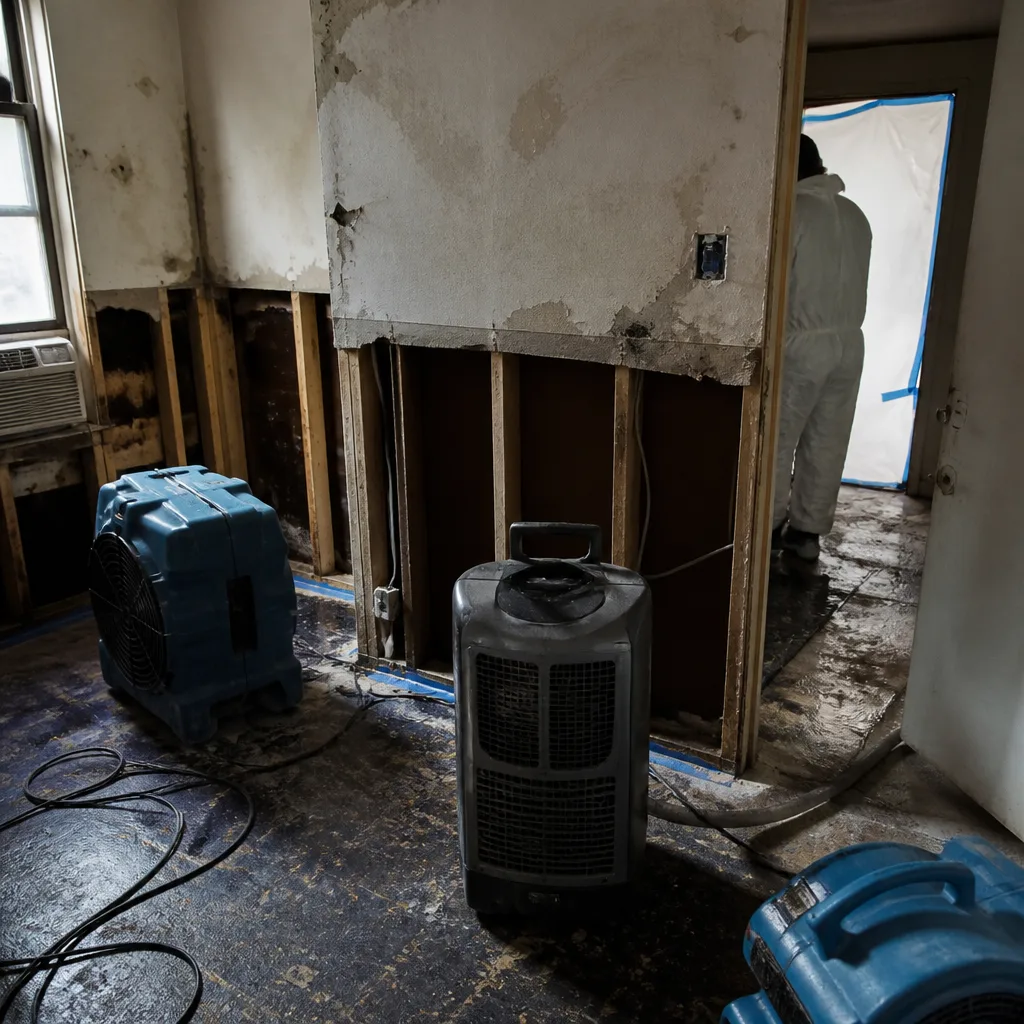 Before
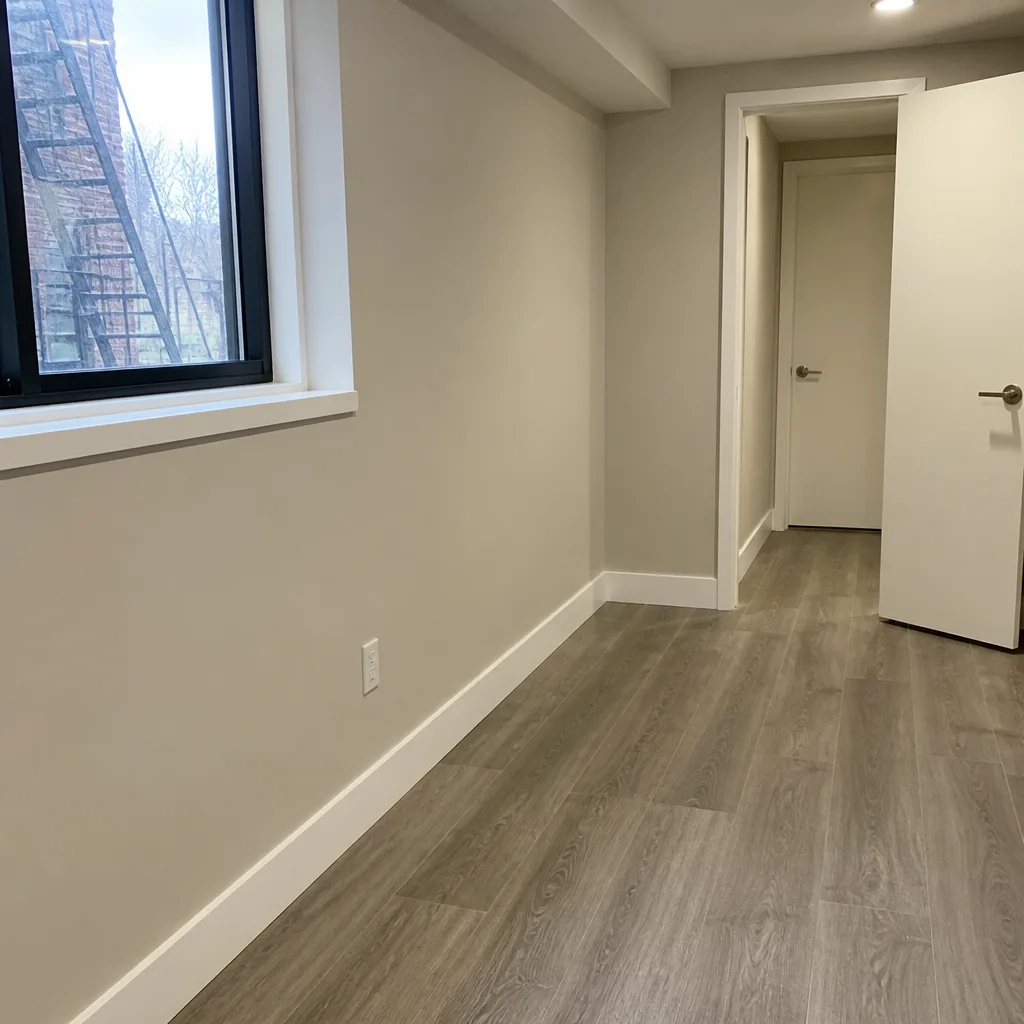 After
After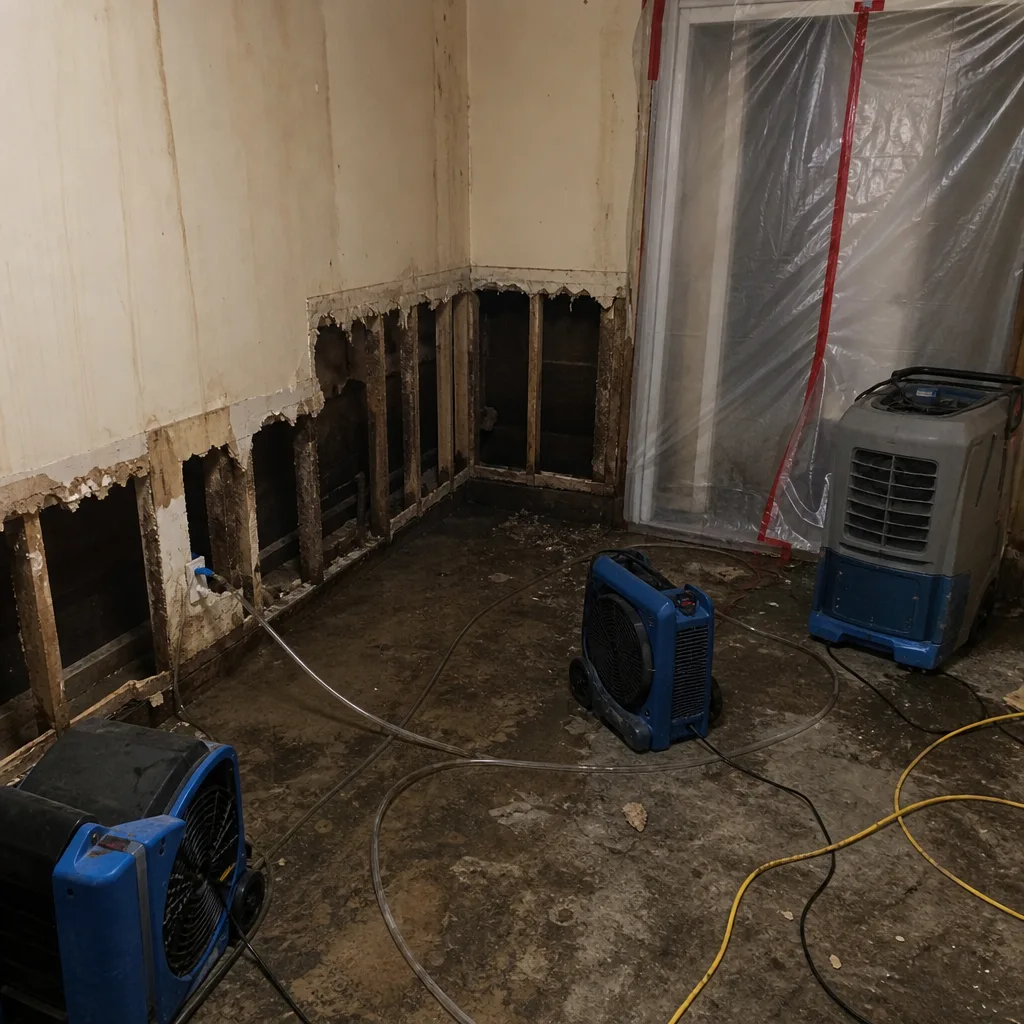 Before
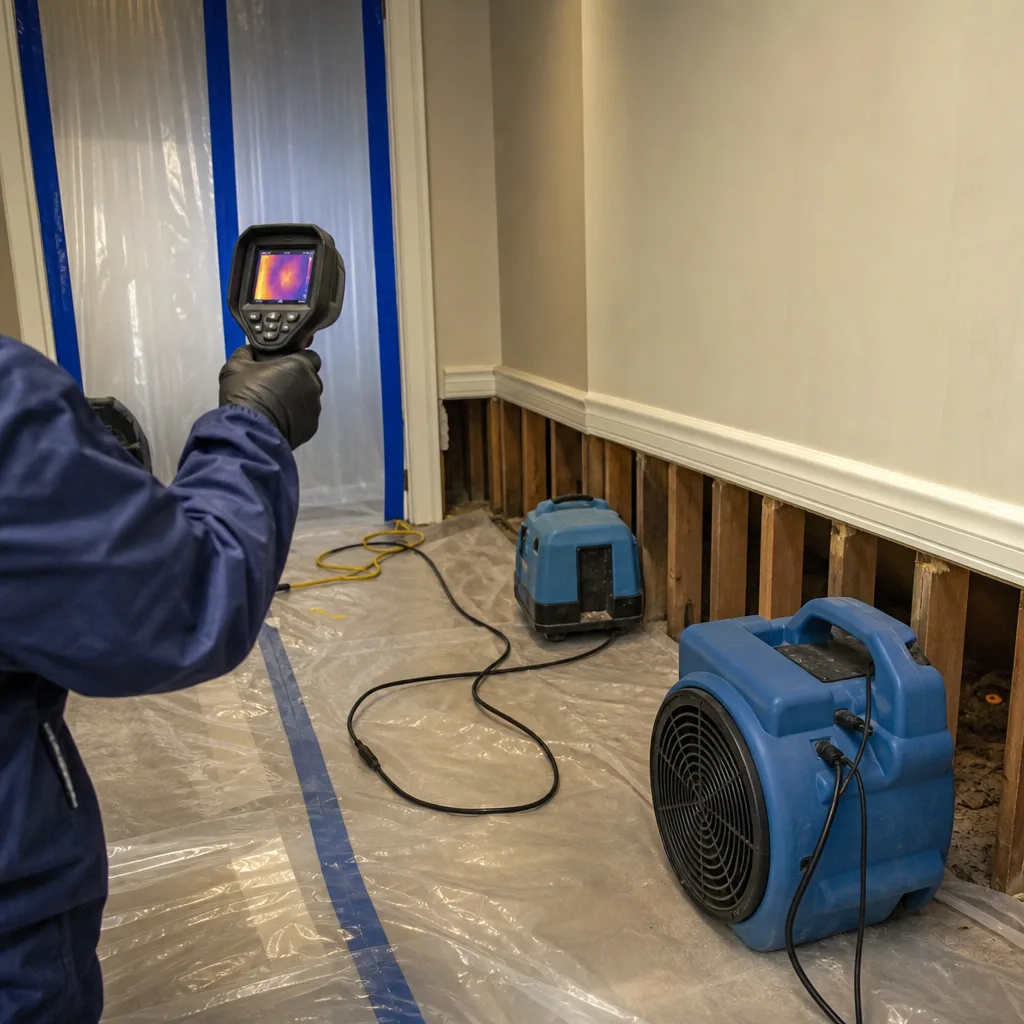 After
After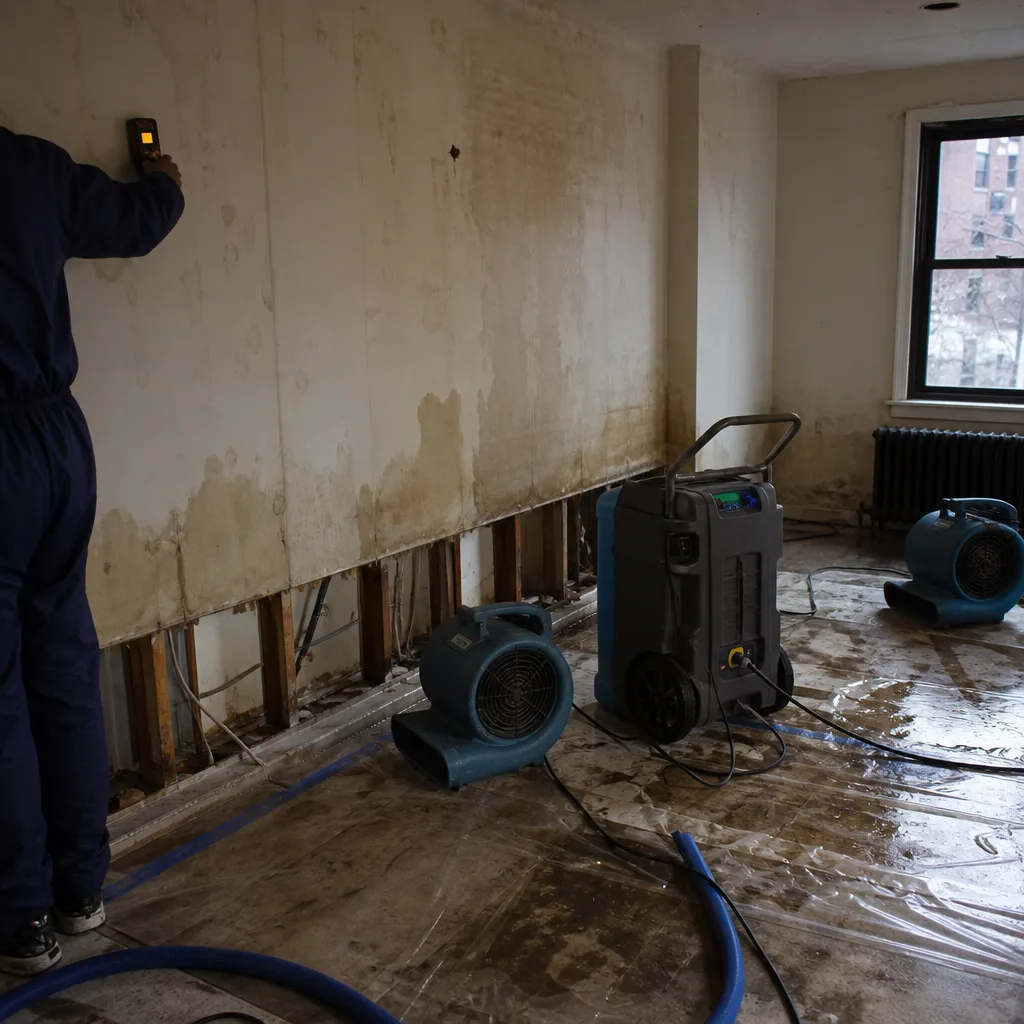 Before
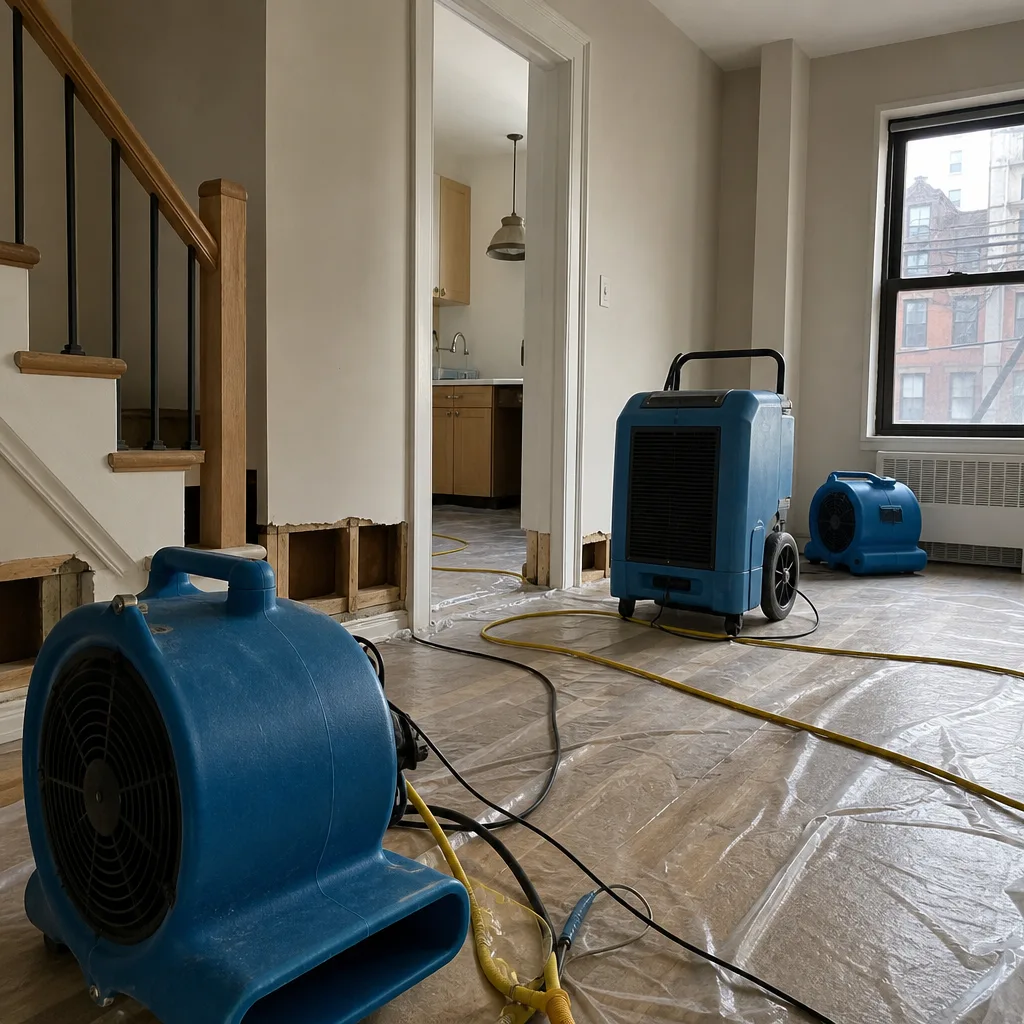 After
After24/7 Emergency Sewage Cleanup in Lower Manhattan
Sewage cleanup in Lower Manhattan typically costs $1,800-$6,500 depending on the extent of black water spread, the building type, and whether containment is required. Our crews answer live at any hour and can reach most Lower Manhattan addresses within 45 minutes of your call. Call (716) 452-0798 now. The first hour matters because category 3 water wicks into drywall, subflooring, and the porous masonry common in pre-war buildings faster than most people expect, and what starts as a two-foot backup in a finished basement can become a full gut-and-rebuild by day three.
Lower Manhattan presents a set of sewage cleanup conditions we rarely see anywhere else in the New York metro. Much of the area sits at or near sea level. Battery Park City is built on landfill. The Financial District runs on combined sewer laterals that were laid before the Civil War. When a sewage backup happens here, it’s often not a simple plumbing failure. It’s groundwater pushing up through slab penetrations, or tidal backflow forcing sewage through floor drains during a storm surge. We’ve built our Lower Manhattan sewage cleanup protocols around those specific conditions.
Understanding Sewage Cleanup Severity in Lower Manhattan Properties
We classify sewage damage using the IICRC water category system. Category 1 is clean water from a supply line. Category 2 carries contaminants from washing machines, sump pump failures, or diluted sewage. Category 3 is black water: raw sewage, floodwater that has picked up sewage, or any water that has sat long enough to support pathogen growth. Lower Manhattan sees more category 3 events than almost any other part of the city, because tidal backflow through the Financial District’s combined sewer system converts what would be a straightforward grey water backup into a full black water loss. When the East River pushes seawater up into a combined lateral, that water mixes with raw sewage and surfaces through floor drains inside occupied buildings.
The housing stock here compounds the problem. Converted pre-war lofts in Tribeca and the Financial District often have plaster-over-brick party walls. That assembly hides moisture for days before staining appears on the finished surface. Mid-century office towers being repositioned as condos have mechanical chases that run twelve or twenty floors, and sewage that enters a chase on one floor can wick down to three floors below before anyone sees it. Battery Park City’s residential towers sit on fill that stays saturated with groundwater, so sub-grade rooms take on water from below even when the weather is dry. Sewage cleanup in Lower Manhattan is not a mop-and-fan job. It requires moisture mapping across materials that hold salt and water differently than anything a suburban restoration crew typically sees.
Why Lower Manhattan Property Owners Choose Floodline Restoration Co.
- 45-minute response commitment. Our local dispatch system routes the nearest certified crew to your building. When you call about a sewage backup in Battery Park City at 2 a.m., we’re not putting you on a callback list.
- 24/7 live answer, every single day. A real dispatcher picks up the phone. Not a recording, not a third-party answering service. You tell them what’s happening and they send a crew.
- IICRC-certified crews with WRT and ASST credentials. Our technicians train to Water Damage Restoration Technician and applied structural drying standards. They carry the same certifications the big national franchises advertise, but they work for a company where the owner still reads the dispatch board.
- Free visual inspection with moisture readings. Before we put anything in writing, we show you the numbers. You deserve to see moisture maps, not just hear someone guess.
- Direct insurance billing. We document everything, bill your carrier directly, and talk to your adjuster so you don’t have to carry messages between us.
- One team from extraction to reconstruction. The same crew that extracts sewage and dries the studs is the crew that hangs new drywall and re-trims the room. No handoff, no inherited subcontractor, no pointing fingers.
Founded in 2010 by Curt Bowman, Floodline Restoration Co. has spent over 42 years combined among our senior technicians responding to water and sewage losses across the five boroughs. We back every job with the 90-Day Done Right Promise. If it isn’t done right, we make it right. In writing. No arguing, no paperwork battles. That’s the Keystone Standard, and we’ve never softened it.
Our Sewage Cleanup Process
Inspection & Assessment
We arrive, walk the affected area, and use thermal imaging and penetrating moisture meters to find water that hasn’t shown itself yet. In Lower Manhattan, that means checking slab penetrations in sub-grade rooms, probing behind plaster-over-brick walls, and tracing mechanical chases vertically.
Extraction & Stabilization
We remove standing sewage using truck-mounted extraction units for large losses and portable extractors for tight access. In Battery Park City garages and mechanical rooms, we often set up temporary sump pumping to keep groundwater from re-entering while we work.
Containment & Air Filtration
Category 3 water means containment is required, not optional. We set up negative air with HEPA air scrubbers, seal off the affected zone with plastic sheeting, and keep the contaminated air from migrating into occupied spaces.
Drying & Dehumidification
We run Dri-Eaz and Phoenix dehumidifiers with XPOWER air movers and take daily moisture readings. Salt-saturated masonry near the waterfront holds water stubbornly, so our drying targets account for the hygroscopic effect of salt crystals in brick and concrete.
Cleaning, Sanitization & Specialty Treatment
We apply EPA-registered antimicrobial treatments, perform soda blasting on salt-laden masonry where needed, and disinfect every surface that came into contact with black water. This is where Lower Manhattan jobs differ from inland work: we’re not just drying materials, we’re removing salt residue that would otherwise pull moisture back for years.
Repairs & Restoration
Once moisture readings hit the dry standard, our reconstruction crew handles the rebuild. Drywall, flooring, baseboards, paint. The same company, the same supervisor, the same 90-Day Done Right Promise on the finished work.
Need Emergency Sewage Cleanup in Lower Manhattan Now?
Crews minutes away, answering live 24 hours a day. The sooner we start, the less it costs.
Working With Your Insurance Company
Sewage backup claims in Lower Manhattan are rarely straightforward. Your carrier’s adjuster may not know that a category 2 backup in the Financial District became category 3 because tidal surge pushed brackish water through a combined sewer lateral. Our job is to make sure the claim reflects what actually happened, not what a desk reviewer assumes. We photograph everything from the first hour, log moisture readings daily, and submit a line-item scope of work that an adjuster can verify against photos and building plans. Curt Bowman’s firm has always handled direct carrier billing and direct adjuster coordination, so you’re not our courier. If your policy has a sewage backup endorsement or a flood sub-limit, we explain what it means in plain English before you commit to anything.
What We Provide Your Insurer
- Thorough documentation of the loss
- Photos of all damage, room by room
- Moisture readings and drying logs
- A detailed, line-item scope of work
- Direct coordination with your carrier
Built for Lower Manhattan’s Loss Calendar
Lower Manhattan’s sewage cleanup calendar tracks the tides and the seasons more than the thermostat. January and February bring deep freezes that burst supply lines in older buildings, but the bigger sewage risk is what happens when frozen ground thaws and shifts, cracking the aging cast-iron laterals under the Financial District. Spring brings nor’easters and coastal flooding on West Street and South Street. Even a moderate nor’easter pushes water up through combined sewers, and that water brings sewage with it. Summer thunderstorms overwhelm the same combined system: a heavy downpour in a short window sends stormwater and raw sewage through the same pipes, and the system’s relief valves open into the lowest drains in the system. That means basement-level units in pre-war loft buildings get hit first. Fall hurricane season is the annual reminder of Sandy’s lesson: Battery Park City garages begin taking groundwater through slab penetrations hours before any surface flooding. We pre-deploy crews to lower Manhattan whenever a coastal flood watch is issued, because we know what’s coming.
Sewage Cleanup Across Lower Manhattan’s Neighborhoods
Battery Park City presents the most distinctive sewage cleanup challenges in Manhattan. The fill under those residential towers was excavated during World Trade Center construction, and it sits just above the water table. Experienced building supers know this. They’ve watched sub-grade parking garages take on groundwater through slab penetrations before a storm makes landfall. When a sewage backup happens in a Battery Park City mechanical room, it’s often sewage mingling with groundwater intrusion, not a simple drain failure. Our crews treat those jobs as category 3 from the start.
The Financial District runs on combined sewer laterals laid in the 1800s. During tidal surges, the East River pushes into those laterals and sewage backs up through floor drains in converted pre-war office buildings. We’ve seen it in buildings along Water Street and Pearl Street. The pattern is predictable: high tide plus heavy rain equals sewage at the lowest drain. Building owners who’ve lived through it once call us before the tide peaks the second time.
Tribeca lofts hide moisture in plaster-over-brick walls. A sewage backup in a ground-floor retail or residential unit can wick up through the brick party wall for days before the finish surface shows anything. By the time staining appears, the damage is already done. We probe behind finishes with penetrating meters on every Tribeca job, because the visible stain is never the whole story.
Battery Park and the South Street corridor face direct storm surge. Sewage cleanup here almost always follows a flooding event, not a plumbing failure. The water that comes through the door already contains harbor water and sewage. We plan for full containment from the first truck roll.
Specialized Sewage Cleanup Services We Offer in Lower Manhattan
Black Water Extraction
Black water is category 3: sewage, harbor water that has mixed with sewage, or any floodwater from outside. In Lower Manhattan, tidal flooding events routinely produce black water even in buildings without a plumbing problem. We run truck-mounted extraction units for heavy volume and portable extractors for the tight mechanical rooms and sub-grade spaces common in converted Financial District towers. Black water extraction in Battery Park City garages often requires temporary sump setup to stay ahead of groundwater re-entry while we work.
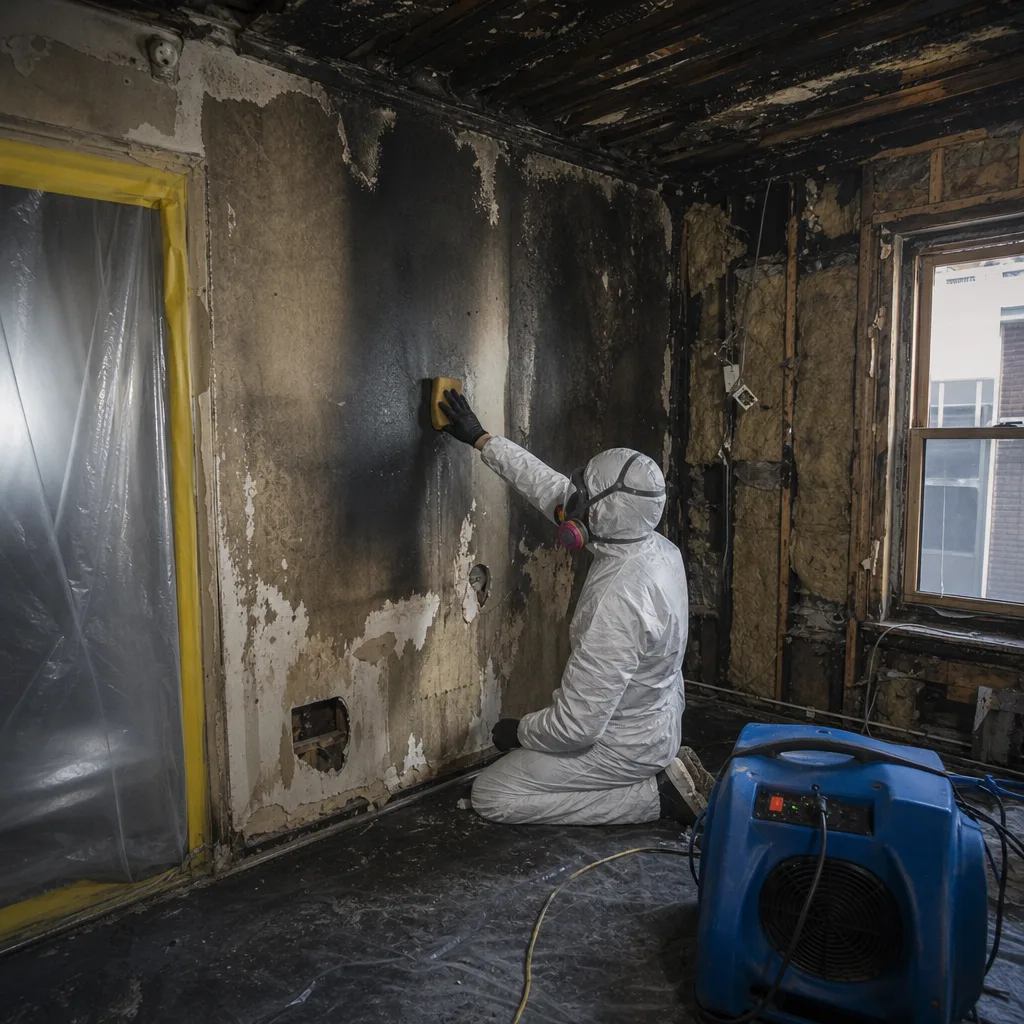
Sanitization & Disinfection
After extraction, every surface that touched black water gets treated with EPA-registered antimicrobial agents. In salt-exposed Lower Manhattan buildings, sanitization also means addressing what the salt left behind. Soda blasting removes hygroscopic salt deposits from masonry before we start structural drying. If we skip that step, the salt keeps pulling moisture back into the concrete and CMU walls for years, and your moisture readings never settle down. We didn’t invent this problem. We did develop a protocol that handles it.
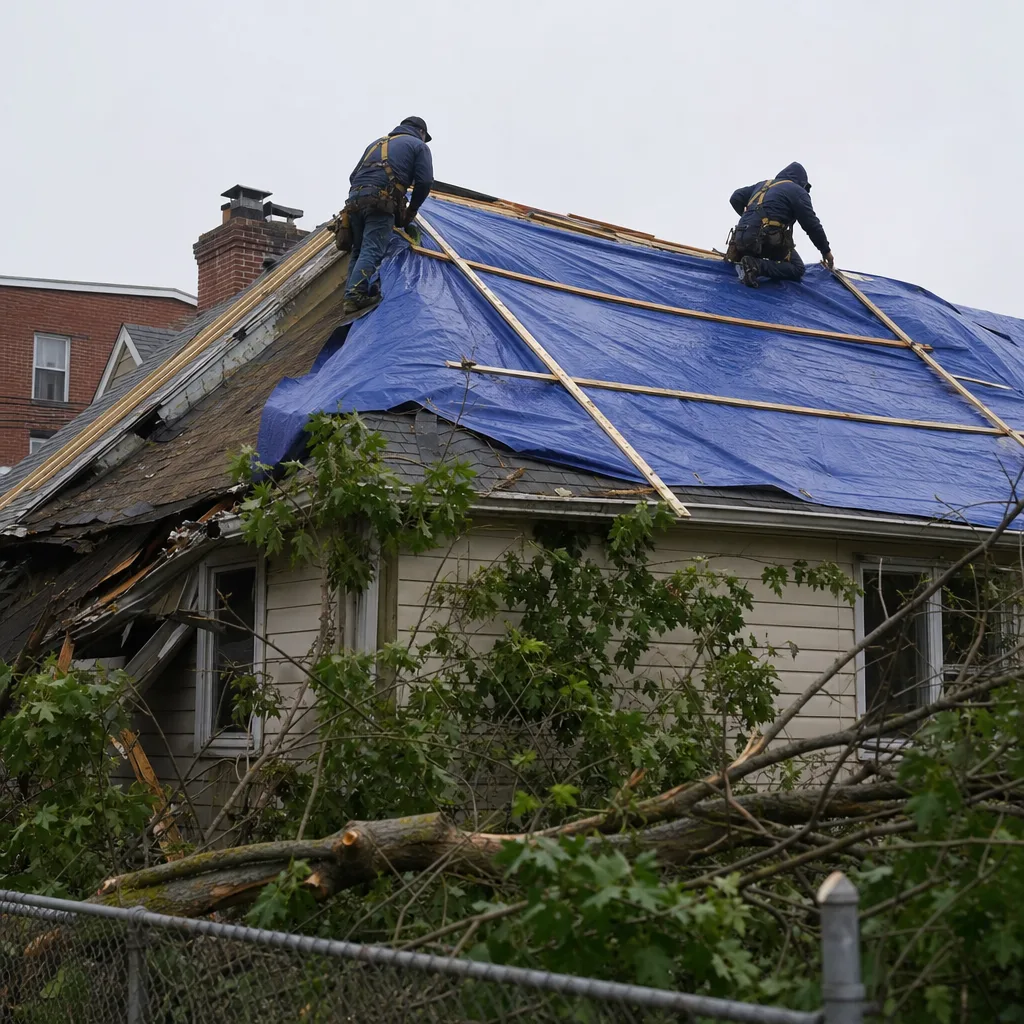
Sewage Backup Cleanup
Most Lower Manhattan sewage backups fall into two patterns: tidal backflow through combined sewers in the Financial District and South Street areas, and groundwater-driven slab penetration flooding in Battery Park City garages. Both require the same urgent first step: stop the inflow, contain the affected area, and remove solids before they spread. Then we moisture-map the surrounding materials to find what got wet that isn’t visible yet. In a pre-war loft, that means the party wall. In a converted office tower, that means the mechanical chase above and below the leak point.
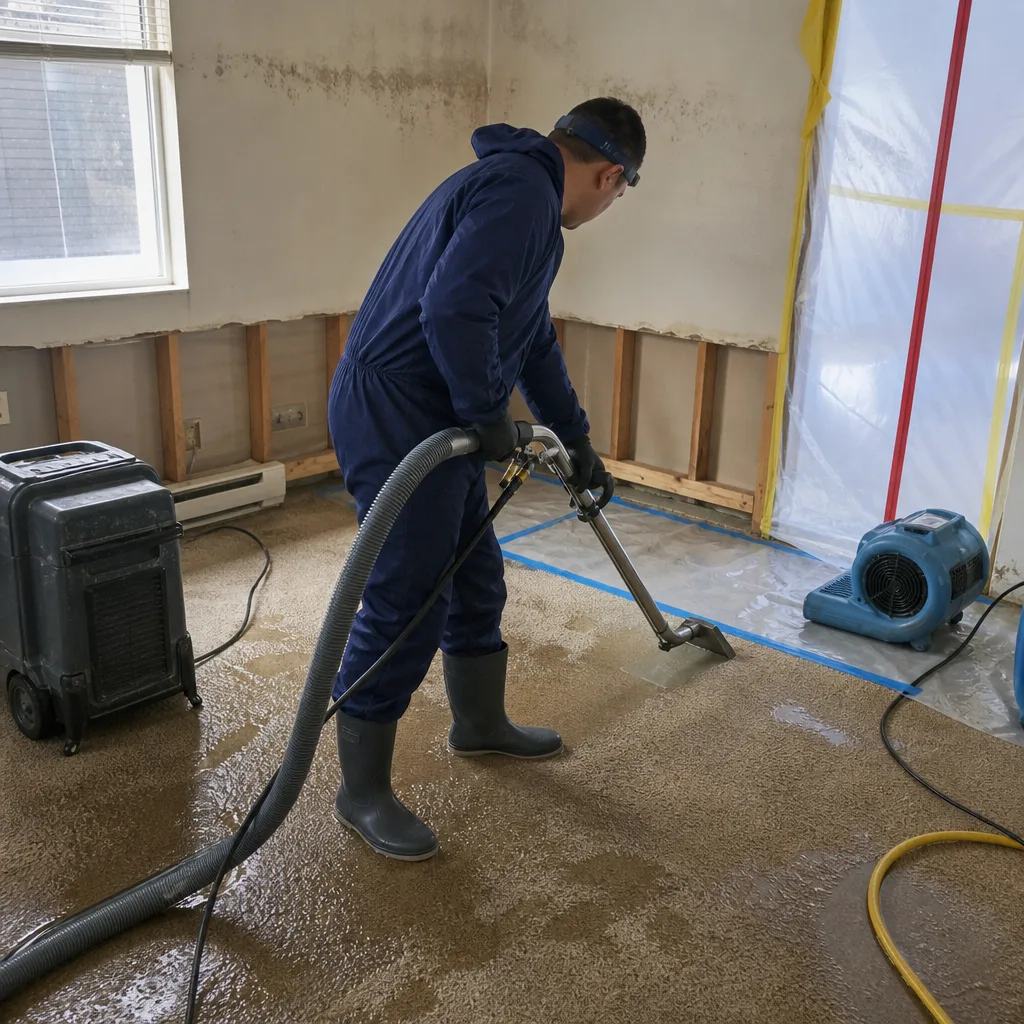
Toilet Overflow Cleanup
A toilet overflow in a Lower Manhattan apartment is rarely just a toilet overflowing. Multi-floor buildings share waste stacks. A blockage on the fourth floor sends sewage up through the fifth-floor fixture and down into the third-floor ceiling. We trace the waste stack, open the walls where moisture readings show wicking, and contain the affected floors before air movement spreads contamination through the building’s common areas.
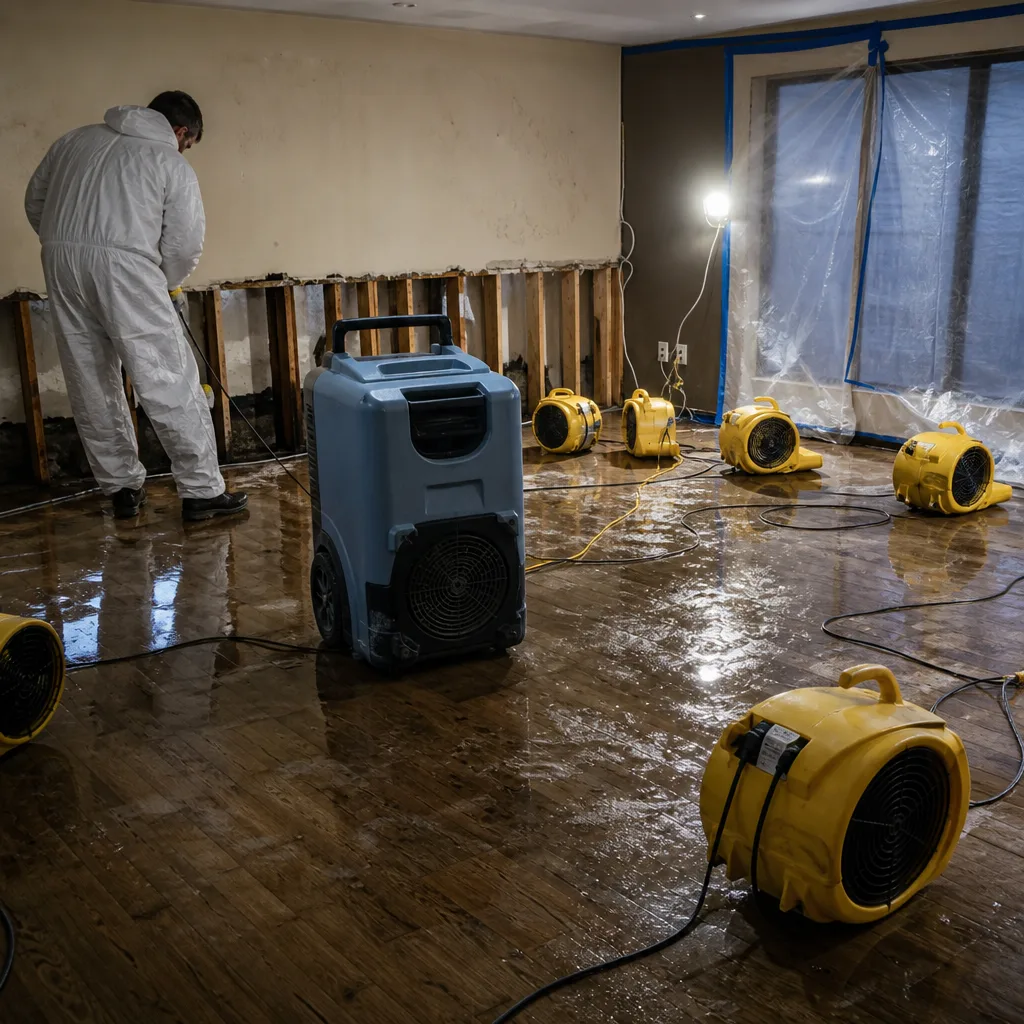
Septic Failure Cleanup
True septic systems are rare in Manhattan, but a few older structures on the island’s edges still have private wastewater systems, and when they fail the sewage tends to surface in sub-grade spaces. The contamination profile is the same as any category 3 loss. We treat it the same way: extraction, containment, antimicrobial treatment, structural drying, and a written scope of any reconstruction needed.
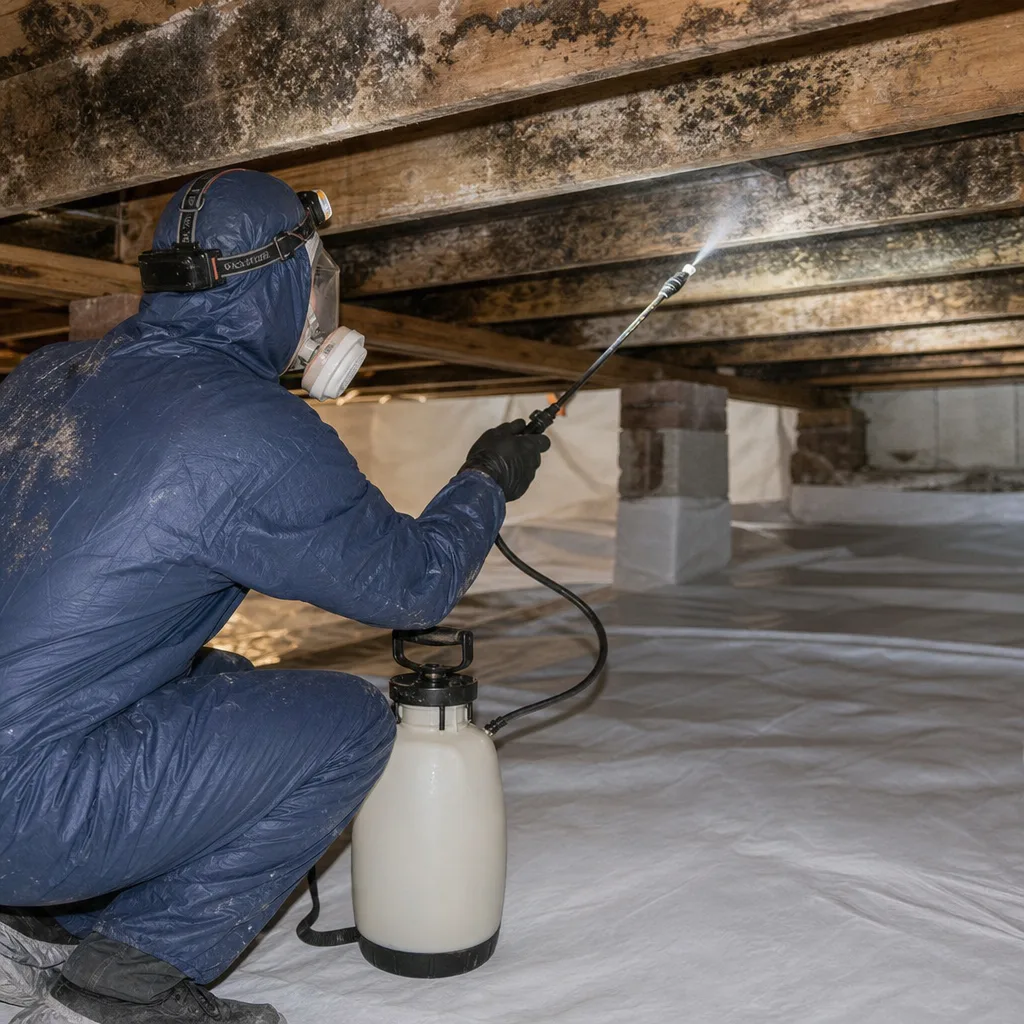
Crawl Space Sewage Removal
Crawl spaces under brownstones and low-rise buildings in Lower Manhattan can trap sewage vapor for weeks after a line break. Those spaces are dark, tight, and rarely vented properly. We send in technicians with proper PPE, remove contaminated material, install temporary ventilation, and run dehumidification until the moisture standard is met. Crawl space work isn’t glamorous, but it’s where unhealthy air gets made if you ignore it.
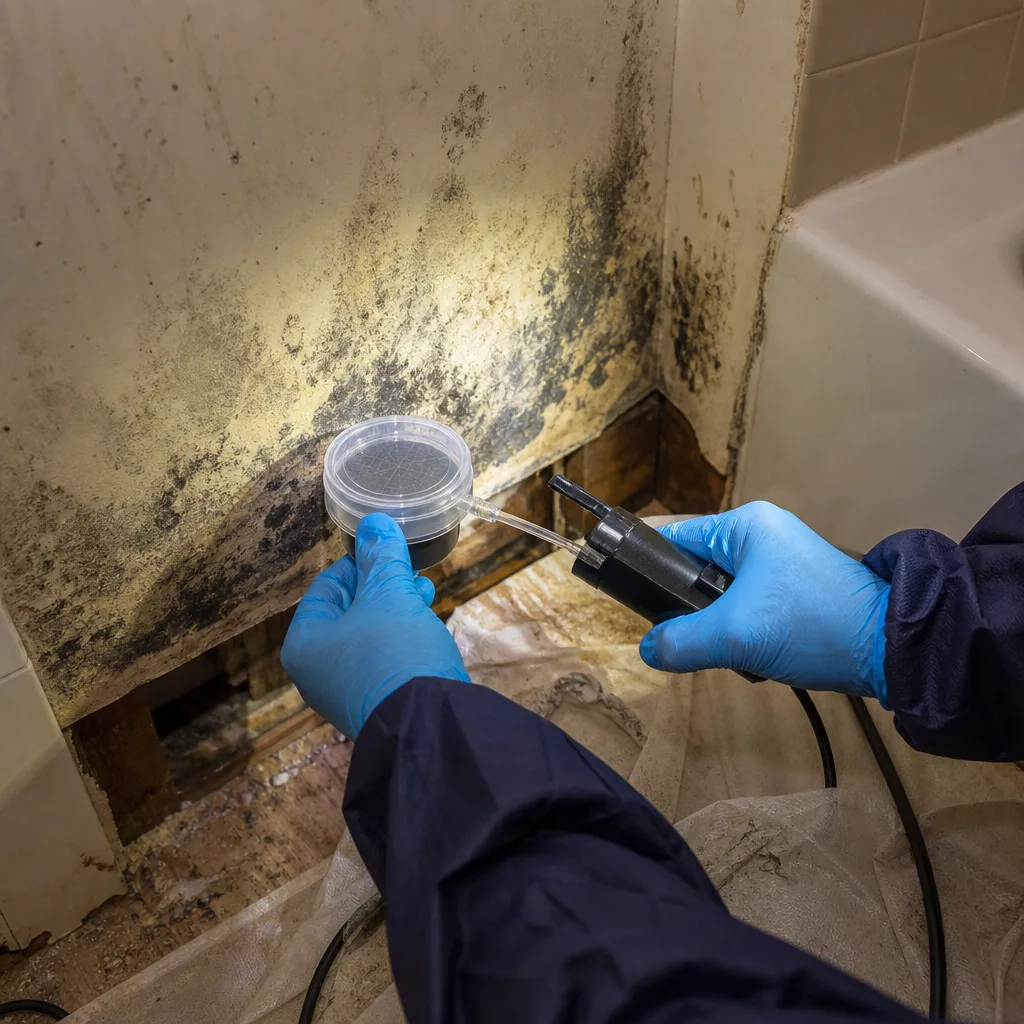
What happens when you call
- 1
A real person answersNo phone trees - you reach a local pro.
- 2
You get an upfront price rangeHonest numbers before anyone is dispatched.
- 3
A background-checked tech heads outLicensed & insured, dispatched right away.
- 4
You approve before work beginsNothing starts until you say go.
Sewage Cleanup Costs in Lower Manhattan, NY
A straightforward toilet overflow cleanup in a Lower Manhattan apartment typically runs $1,800-$3,200. A contained sewage backup in a finished basement or ground-floor unit with drywall removal, drying, and sanitization runs $3,500-$6,500. A Battery Park City sub-grade garage or mechanical room with groundwater mixing into the loss regularly ranges $6,000-$12,000 because we’re often running containment, multiple extraction units, and extended drying on salt-saturated concrete. Converted office tower chases that span multiple floors can push toward $15,000-$25,000 depending on how many floors need to be opened and dried. Your insurance policy’s sewer backup endorsement and flood coverage determine what’s covered. We’ll walk the building with you, take readings, and put a firm scope in writing before any work begins. Estimates are free.
The fastest way to get a real number is to call (716) 452-0798 and have a technician on site. We don’t quote sewer cleanup over the phone sight unseen, and you shouldn’t trust anyone who does.
We Also Serve Cities Near Lower Manhattan
Our crews respond daily to sewage and water losses across the East River and up the west side, including Sewage Cleanup in Long Island City, Greenpoint, Williamsburg, and Murray Hill. The building stock changes. The standards don’t. You’ll get the same 90-Day Done Right Promise regardless of which side of the river you’re on. And our Lower Manhattan team is focused on this neighborhood’s Lower Manhattan waterfront, fill-built garages, and combined sewer systems every day.
Serving Lower Manhattan, NY - Our Local Coverage Area
We’re based in the Lower Manhattan area and know this community well. Use the map below to see our service coverage - if you’re nearby, we can almost certainly help.
Lower Manhattan Sewage Cleanup Questions, Answered
How does saltwater intrusion from past storms affect sewage cleanup in Lower Manhattan buildings?
Saltwater that saturated brick and concrete during Sandy and later nor’easters left salt crystals lining the pores of those materials. Those crystals are hygroscopic, which means they pull moisture back into the masonry long after the original event. During sewage cleanup, we find moisture readings stay elevated in salt-saturated walls for weeks unless we remove the salt residue first. That’s why our Lower Manhattan protocol includes soda blasting masonry when readings show salt contamination. A standard drying plan without salt remediation won’t hit the dry standard. Call (716) 452-0798 to schedule an inspection with moisture and salt testing.
Why do Battery Park City garages flood with sewage before a storm even hits?
Battery Park City is built on landfill excavated during World Trade Center construction. That fill sits just above the water table. When barometric pressure drops ahead of a storm, groundwater rises and pushes up through slab penetrations in sub-grade garages and mechanical rooms, hours before any surface flooding. If the building’s sewer lateral also backs up during the storm, the groundwater and sewage mix into a category 3 loss. We’ve seen this pattern so often that we pre-deploy crews to Battery Park City buildings when a coastal flood watch is issued. The sooner containment goes up, the smaller the loss.
Can you dry out drywall after a sewage backup in a pre-war Tribeca loft?
No. Drywall that has absorbed category 3 water cannot be safely dried in place. We remove it to the flood line or to the height where moisture readings show wicking, then inspect the cavity behind it. In Tribeca lofts, that cavity is often plaster-over-brick. The plaster may keep moisture readings for weeks because the brick behind it holds sewage water. We treat the masonry, dry the cavity, and then replace the drywall. Trying to save sewage-soaked drywall means trapping pathogens inside a wall assembly that will stay damp and become a mold source. Call (716) 452-0798 and we’ll walk you through what stays and what goes.
What is your protocol for sewage cleanup in converted office towers where mechanical chases span multiple floors?
We treat a sewage loss in a multi-floor mechanical chase as a vertical containment problem, not a single-floor cleanup. That means sealing the chase at the affected floor, setting up negative air so contaminated air doesn’t migrate up or down, and taking moisture readings on the floors above and below the leak point. Sewage wicks downward through conduit and pipe insulation. We’ve opened walls three floors below a leak and found damp insulation that no one suspected. Our protocol is to verify, not assume, and to document every floor’s readings for the carrier.
How do you handle recurring sewage backups from the Financial District’s aging combined sewers during high tide?
We remove the sewage, dry the space, and document the event thoroughly enough that the building owner can pursue the city or their carrier about the underlying sewer lateral. We also install backwater valves and check valves where feasible to stop tidal backflow from re-entering through floor drains. Recurring losses mean the building’s drain system isn’t protecting the interior, and a proper mitigation includes a recommendation for the plumbing fix, not just the cleanup. Our reports are specific enough for an engineer to take action on.
How fast can someone actually get to Lower Manhattan?
In most cases, 45 minutes from your phone call. We have crews stationed across Manhattan and the near boroughs, and our dispatch board is live 24 hours a day. The time to a finished extraction varies by the size of the loss, but the first truck with a certified technician is on the way within minutes of you hanging up. Call (716) 452-0798 now and a real person will tell you exactly who’s coming and when.
Do I really need full sewage remediation, or can you just clean what’s visible?
If the water is category 3, which includes any sewage backup, a surface cleaning is not enough. Pathogens get into the materials below and behind the visible spill. In Lower Manhattan’s pre-war buildings, that means brick party walls, old pine subflooring, and plaster assemblies that hold moisture. A surface-only cleaning leaves contamination sealed into cavities where it grows mold and off-gasses sewage odor for months. The honest answer: if you want it done once and never think about it again, the affected materials need to be removed or properly disinfected and dried. That’s what our 90-Day Done Right Promise covers. We stand behind it in writing.
What should I do in the first 30 minutes before the crew arrives?
Stay out of the affected area if sewage is present. Don’t run fans or the HVAC system, because air movement spreads contaminated droplets through the building. Don’t flush toilets or run water in sinks connected to the same drain line. Shut off electricity to the affected area only if you can do so without stepping into standing water. Then call (716) 452-0798. The first 30 minutes are about not making it worse. Our crew handles the rest.
Written by Curt Bowman, Owner at Floodline Restoration Co., serving Lower Manhattan and the New York metro area.