
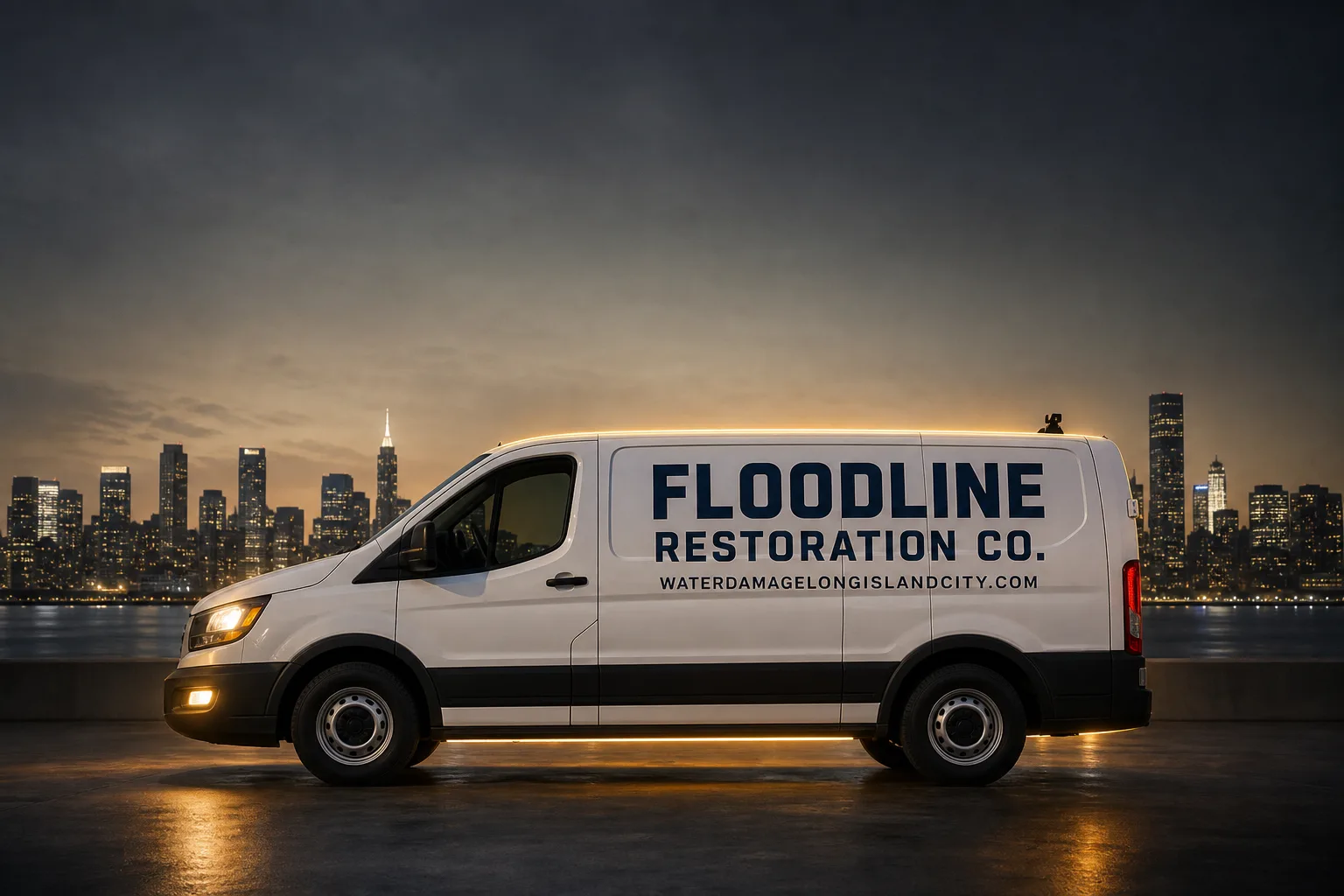
Free visual inspection and a written scope of work before any mitigation begins - photos, moisture readings, and drying logs go in your claim file
The scope we write is the scope we bill. Anything new gets shown to you, in writing, before we touch it.
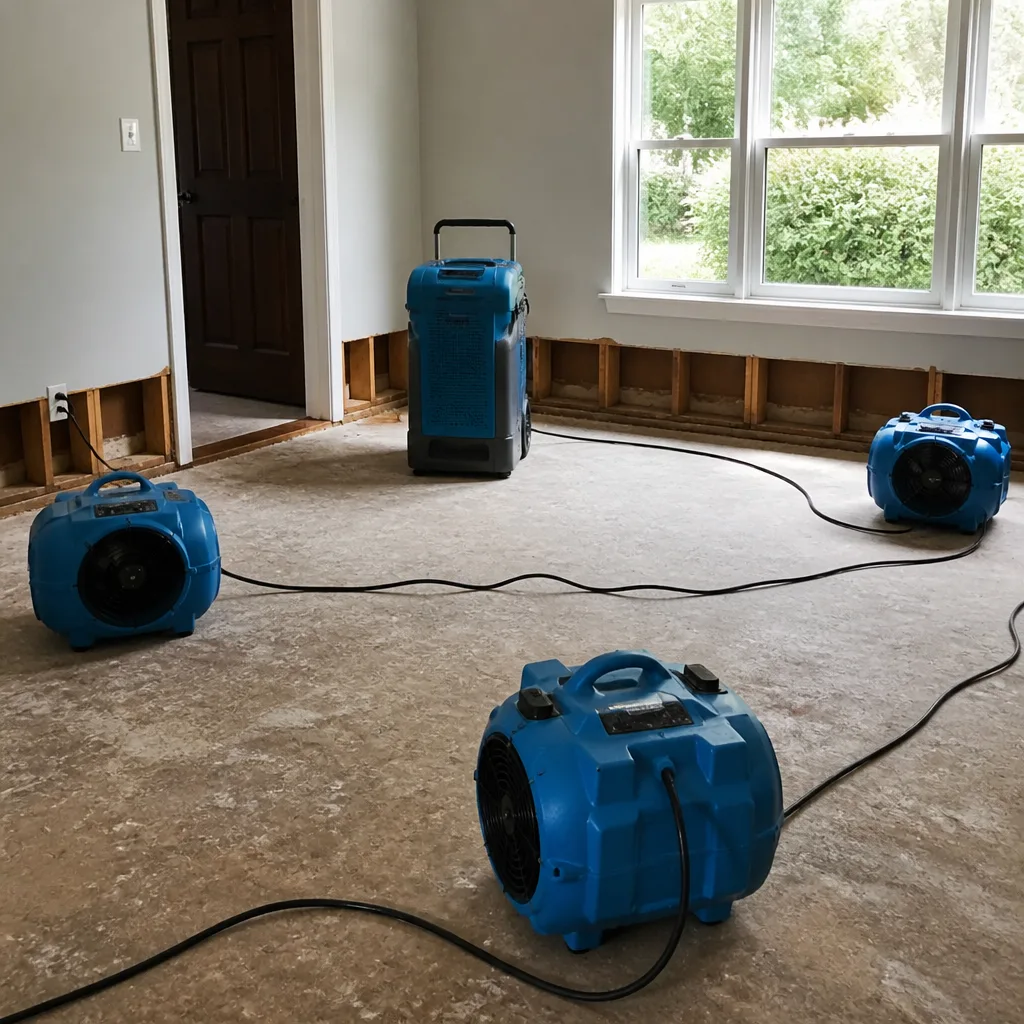
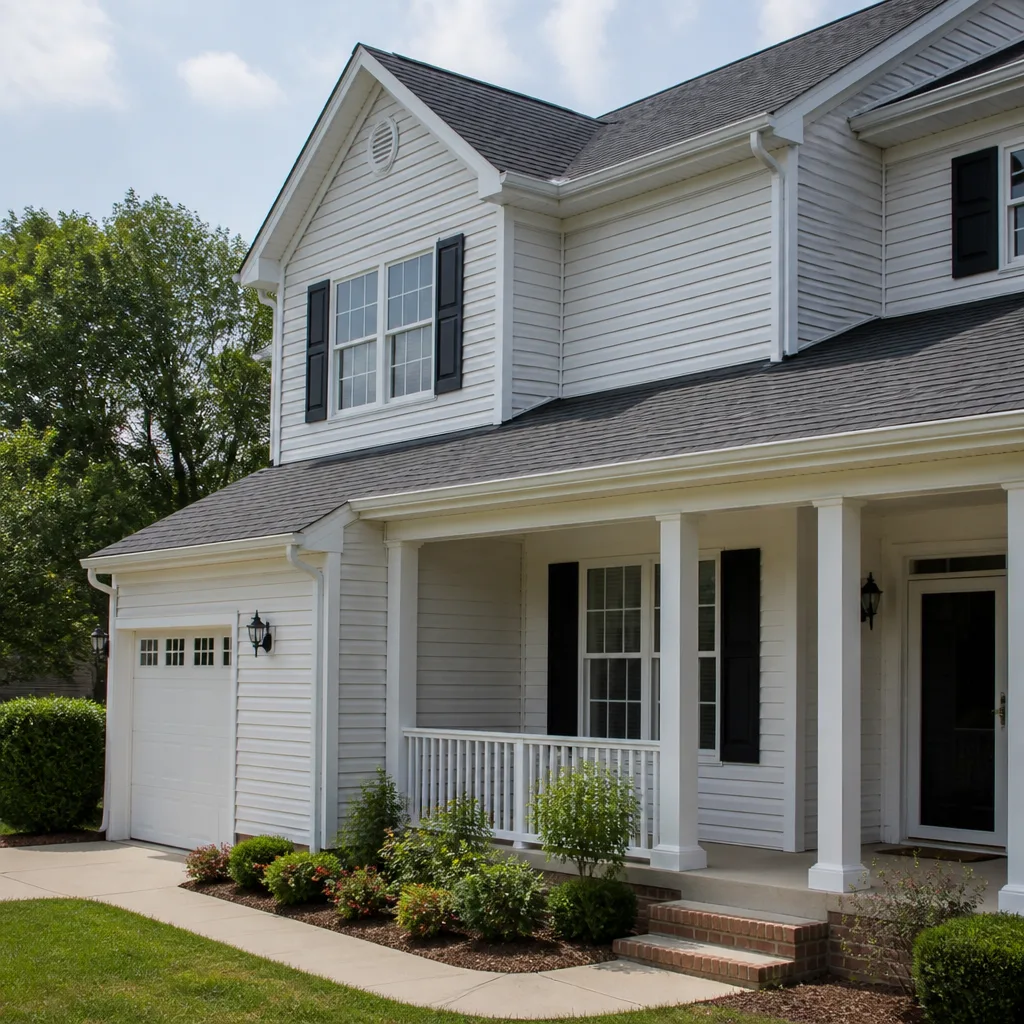
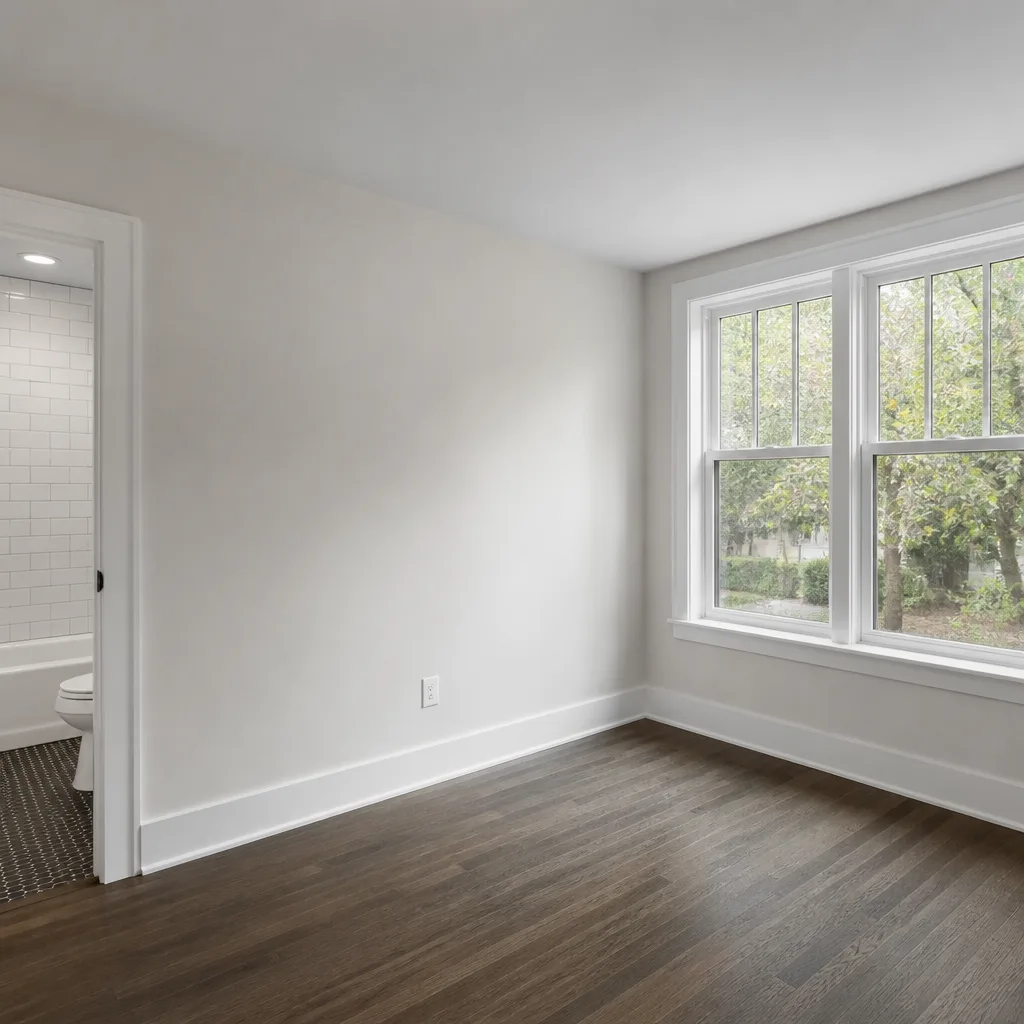
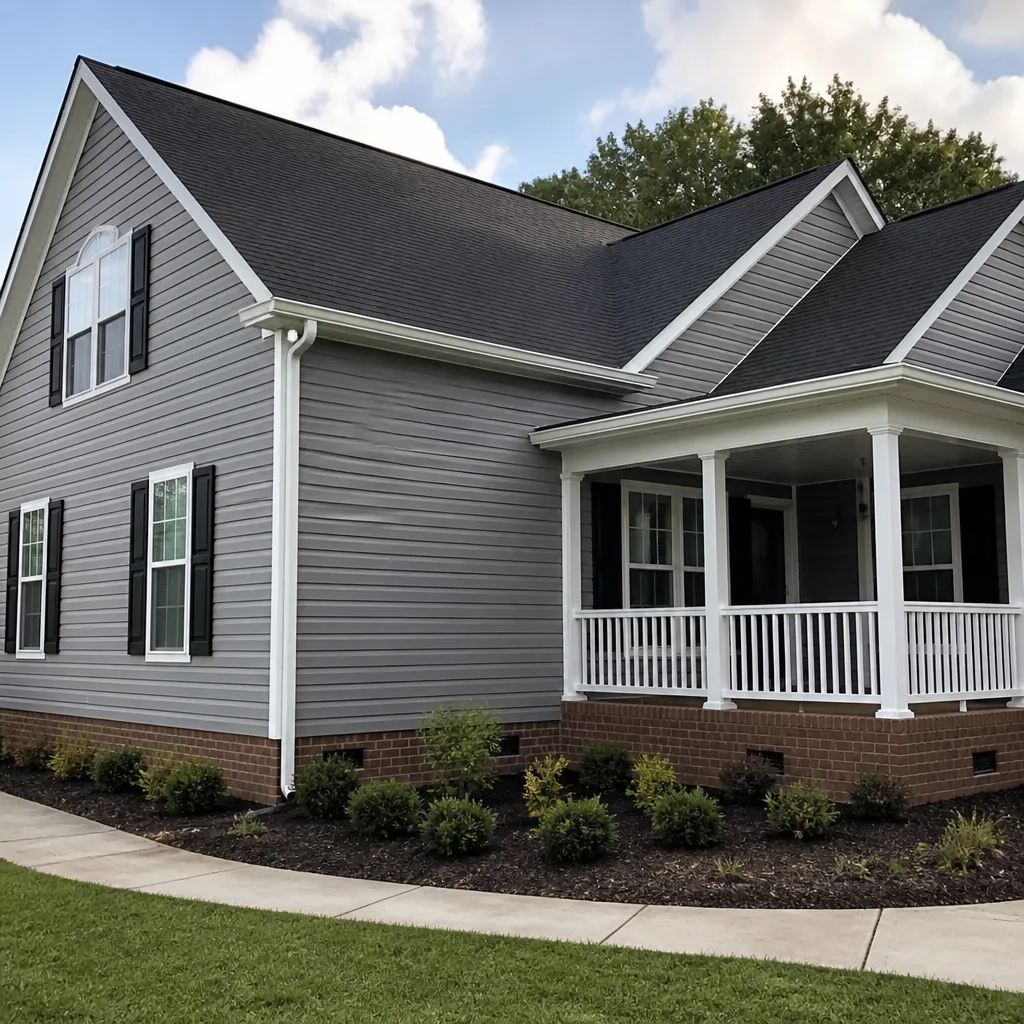
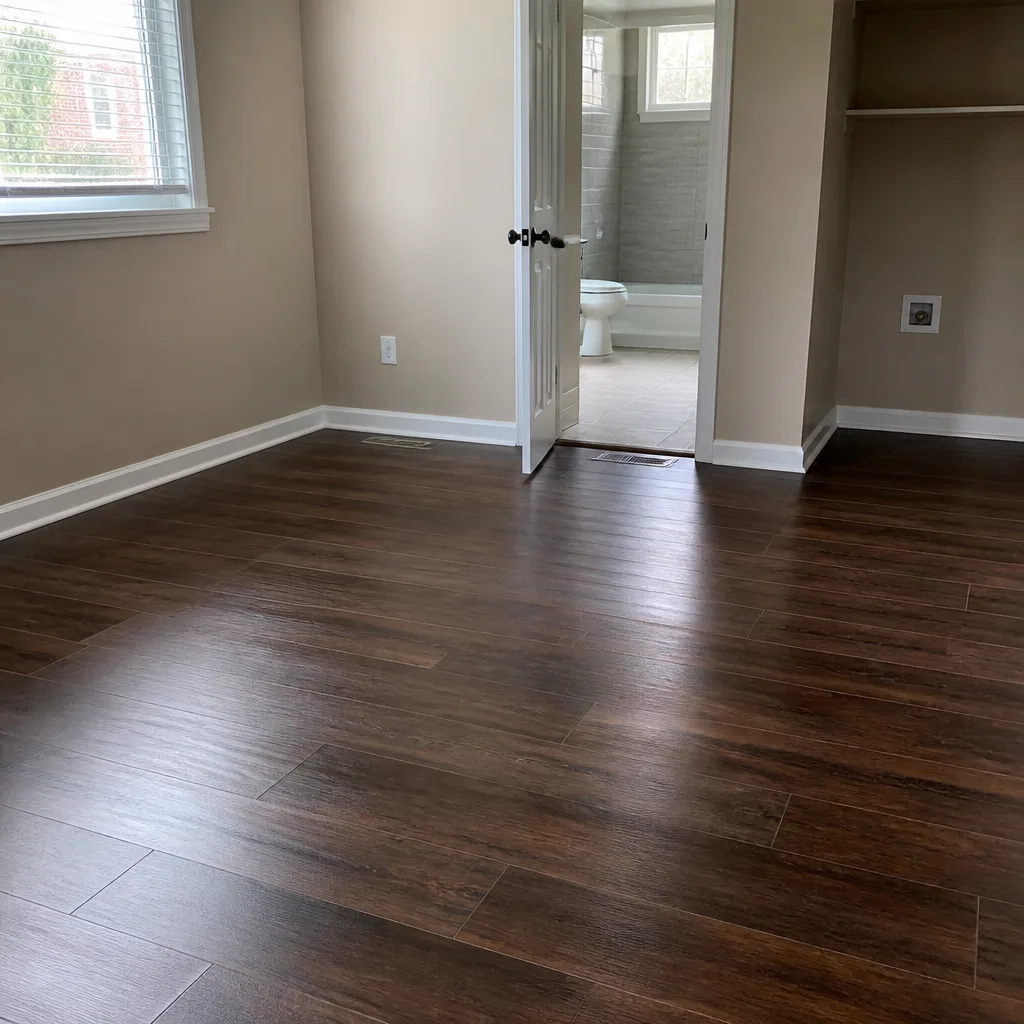
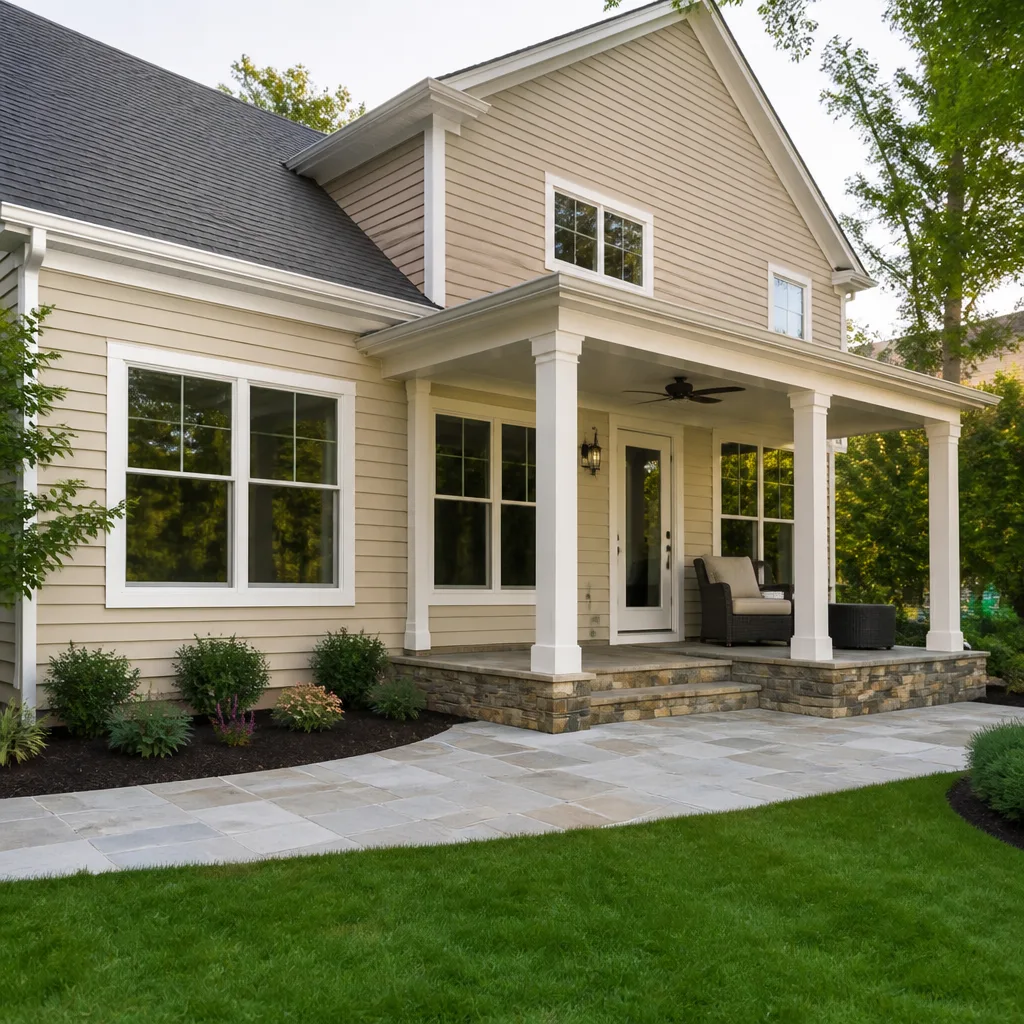
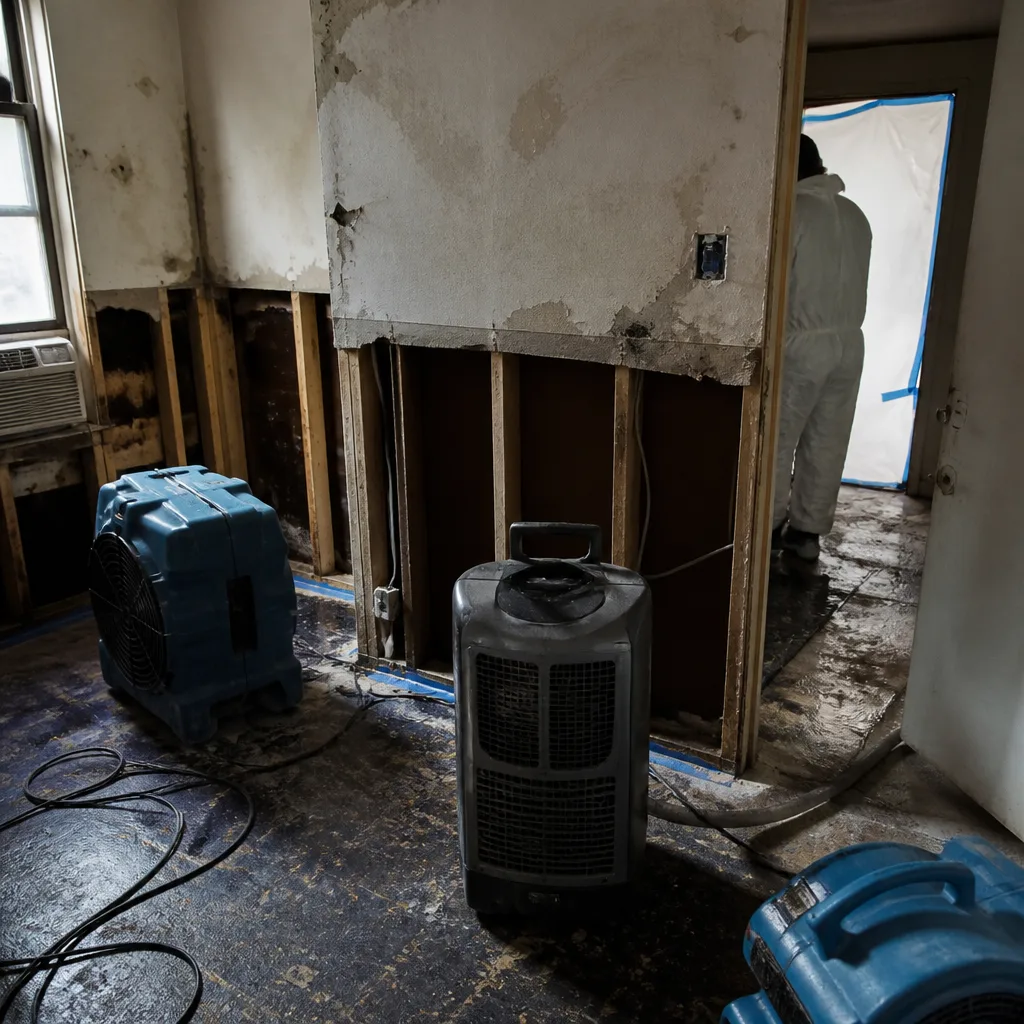 Before
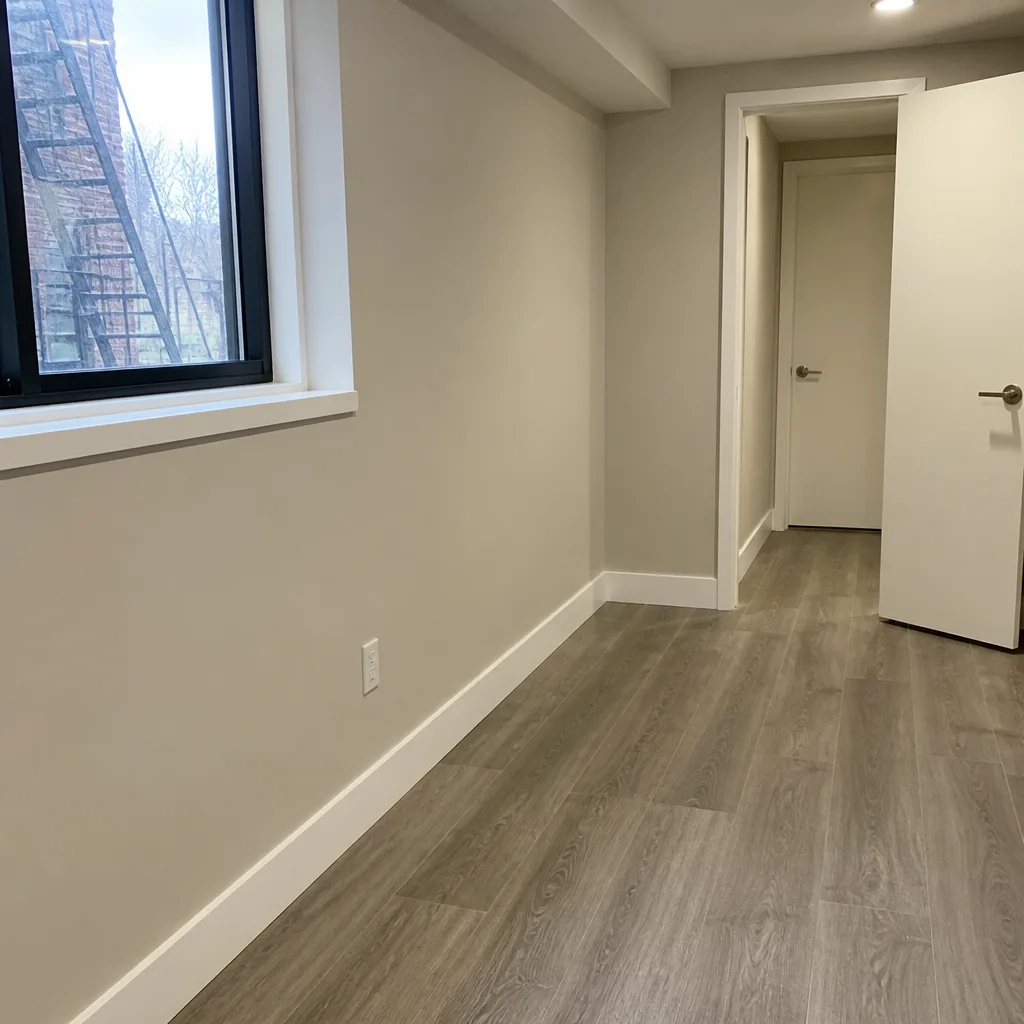 After
After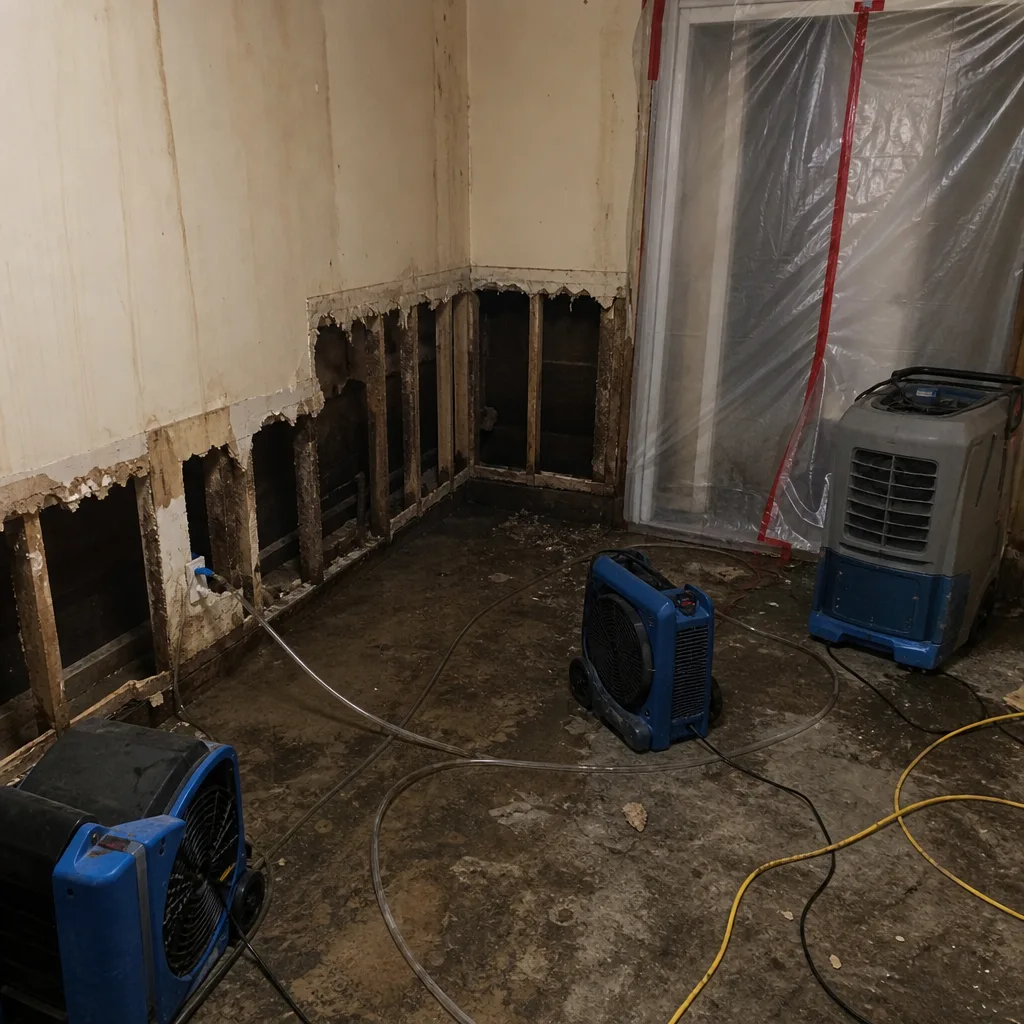 Before
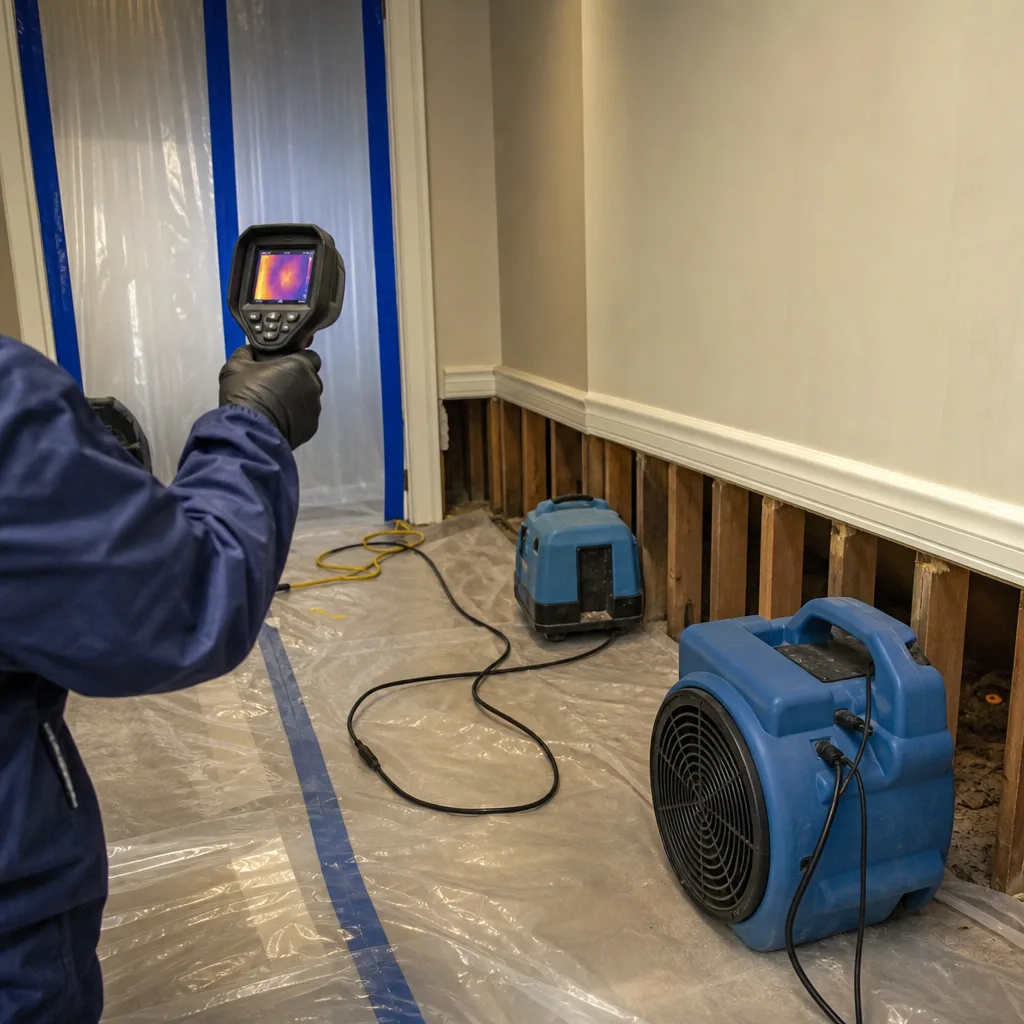 After
After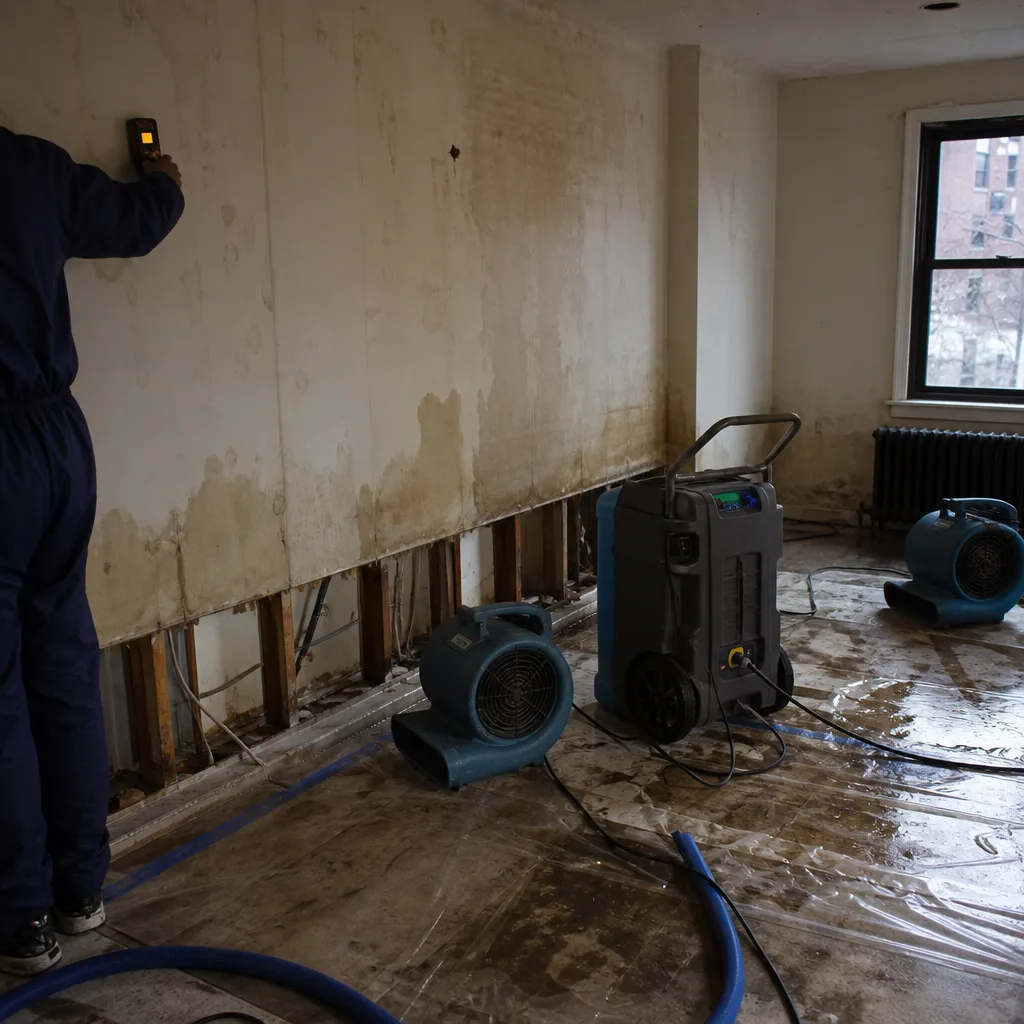 Before
 After
After24/7 Emergency Reconstruction & Cleanup in Lower Manhattan
Reconstruction and cleanup in Lower Manhattan after a flood, fire, or sewage backup typically runs $4,500-$28,000 depending on the scope, and the work can begin the same day you call. We answer the phone with a live dispatcher at any hour, including 2 a.m. when a nor’easter pushes harbor water into a Battery Park City garage or a steam pipe fails in an old Tribeca loft. A certified crew reaches your building fast, does a free visual inspection, and starts containment and extraction before the damage spreads into walls, floors, and mechanical systems. Call (716) 452-0798 now. The first hour determines whether you’re repairing drywall or rebuilding a sub-grade mechanical room.
Understanding Reconstruction & Cleanup Severity in Lower Manhattan Properties
Not all water damage is the same, and in Lower Manhattan the distinctions matter more than almost anywhere else in the city. Category 1 water comes from a clean supply line, a failed water heater in a Murray Hill condo, or a burst radiator in a pre-war co-op. Category 2 has some contamination, like an overflowing washing machine in a converted Financial District loft. Category 3 is what we deal with after tidal backflow, sewer surcharge, or harbor water intrusion: heavily contaminated water carrying bacteria, chemicals, and salt. That salt is the silent multiplier. It corrodes wiring, steel studs, and outlet boxes, and it leaves hygroscopic crystals in masonry that pull atmospheric moisture back into walls for years. Moisture mapping with thermal imaging and penetrating meters tells us what can be dried in place and what has to come out. In Battery Park City towers on landfill, sub-grade garages take on groundwater through slab penetrations before surface flooding even starts. The severity levels collide differently here than in a brownstone in Brooklyn or a mid-rise in Long Island City. We size up the building type, the water category, and the salt load before we touch a wall.
Why Lower Manhattan Property Owners Choose Floodline Restoration Co.
- 45-minute response commitment in Lower Manhattan: Our crews stage from a New York City office and know the streets, loading zones, and freight elevator booking requirements from the Seaport to South Street. We’re not racing in from another county.
- 24/7 live answer, never an automated system: A real dispatcher picks up at any hour. You’ll hear a person’s voice, not a menu tree, when you call (716) 452-0798.
- IICRC-certified crews trained to WRT, FSRT, and AMRT standards: Our techs carry the applied structural drying and applied microbial remediation certifications that matter when saltwater and sewage are in the equation. They’re background-checked and uniformed.
- Free visual inspection with a written scope: Before any work begins, you get a line-item scope of work in writing. No surprises on the bill, no upsells after the crew is inside.
- Direct insurance billing: We communicate with your adjuster directly, send PHOTO documentation and drying logs, and bill the carrier. You never play messenger between us and your insurer.
- One team from first extraction to final paint: The same certified crew that tears out salt-damaged drywall rebuilds it. No handoff to a subcontracted construction crew, no “we only do mitigation.”
Our Reconstruction & Cleanup Process
Inspection & Assessment
We arrive with moisture meters, thermal imaging cameras, and hygrometers. In Lower Manhattan, that means checking behind plaster-over-brick walls in Tribeca, under slab penetrations in Battery Park City garages, and inside mechanical chases in converted office floors. We map the full loss before we move a single piece of furniture.
Extraction & Stabilization
Using truck-mounted and portable extraction units, we remove standing water and category 3 contamination fast. We stabilize the site, cut off power to affected circuits where safe, and contain the affected area with 6-mil poly sheeting and negative air pressure.
Drying & Dehumidification
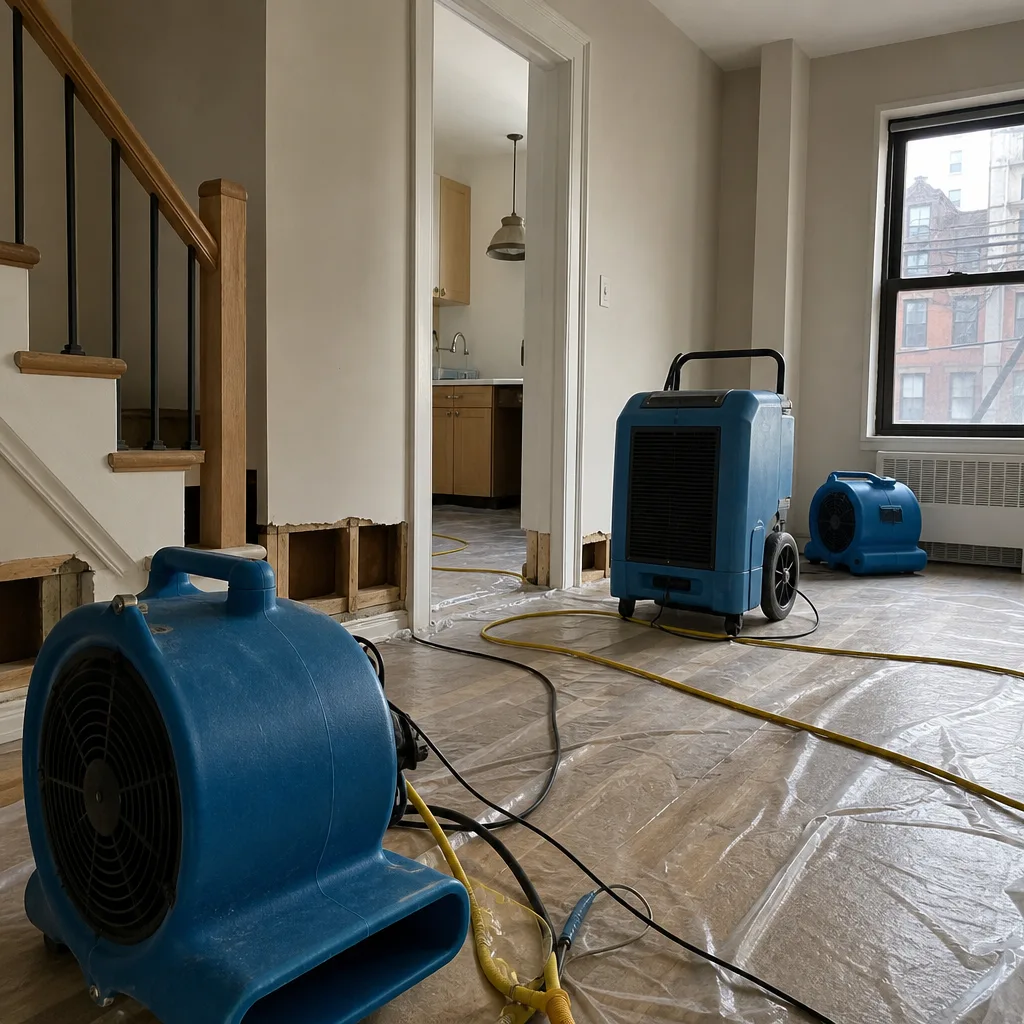
Dri-Eaz dehumidifiers and Phoenix air movers run on a calculated drying plan. In saltwater events, we use Injectidry systems for interstitial cavities behind plaster and in wall assemblies that other companies would wrongly try to dry in place. Daily moisture readings get logged until dry standard is met.
Cleaning & Sanitization
HEPA air scrubbers run continuously while we clean. We use EPA-registered antimicrobials appropriate to the contamination level, and we remove salt crystalline deposits from masonry and concrete so they stop wicking moisture back into framing and finishes.
Corrosion Treatment & Material Replacement
Anything the salt reached gets evaluated. Steel outlet boxes get replaced. Compromised wiring gets rewired with marine-grade cable in salt-exposed areas. Garage-door hardware that looks fine but has been repeatedly exposed to salt air gets a corrosion inspection before it fails under load.
Repairs & Restoration
Drywall, flooring, trim, paint, and full reconstruction happen after the drying log proves the structure is dry. The final walkthrough happens with the homeowner, and the 90-Day Done Right Promise goes in writing before we leave.
Need Emergency Reconstruction & Cleanup in Lower Manhattan Now?
Crews minutes away, answering live 24 hours a day. The sooner we start, the less it costs.
Working With Your Insurance Company
Insurance claims in Lower Manhattan come with a particular friction: high-rise condo boards, co-op insurance riders, and carrier adjusters who don’t grasp what saltwater does to a building’s bones. Curt Bowman, who founded Floodline Restoration Co. in 2010, built our claim documentation system precisely for this. We document the loss from hour one, write an industry-standard estimate in the same format carriers expect, and send a PHOTO record room by room. Our drying logs prove what was wet, how wet, and that it hit dry standard. When an adjuster pushes back, we speak their language and back it with data. You don’t chase your claim alone.
What We Provide Your Insurer
- Thorough documentation of the loss
- Photos of all damage, room by room
- Moisture readings and drying logs
- A detailed, line-item scope of work
- Direct coordination with your carrier
Built for Lower Manhattan’s Loss Calendar
Lower Manhattan’s disaster calendar doesn’t look like the rest of the five boroughs. January deep freezes burst supply lines in pre-war cast-iron buildings where decades-old plumbing runs through unheated chases. Spring brings nor’easters that push harbor water over bulkheads and send category 3 water up through combined sewer floor drains in Financial District sub-grade garages. Summer thunderstorms overwhelm the aging combined sewer system and produce flash flooding on West Street and South Street faster than pumps can keep up. September through November is the real threat: hurricane season, with the 2012 memory of Sandy’s storm surge permanently recalibrating what “vulnerable” means for Battery Park City and the waterfront. We see recurring, not once-in-a-generation, water events. And because our Reconstruction & Cleanup team is already in the neighborhood, we get there before the second wave of damage starts.
Reconstruction & Cleanup Across Lower Manhattan’s Neighborhoods
Lower Manhattan is a patchwork of building types, and the loss patterns track the architecture. In Tribeca, the converted cast-iron commercial lofts hold moisture invisibly inside plaster-over-brick demising walls; a water event in one unit quietly wicks into the masonry party wall and shows up as mold six months later. Greenwich Street loft conversions have original timber beams hidden behind drywall, and harbor-water intrusion demands Injectidry drying in those interstitial cavities before rot sets in. In the Financial District, mid-century office towers repositioned as luxury condos carry complex commercial-grade mechanical chases; water in those tight vertical shafts spreads between floors, not just through them. Battery Park City’s purpose-built residential towers are another animal entirely. Built on landfill, they sit just above the water table. Superintendents in those buildings know the parking garages begin weeping groundwater through slab penetrations before a storm even makes landfall. And on the South Street Seaport blocks, nineteenth-century mercantile structures carry original wooden floors over vulnerable basement stores. Each neighborhood requires a different playbook.
Specialized Reconstruction & Cleanup Services We Offer in Lower Manhattan
Full-Service Reconstruction
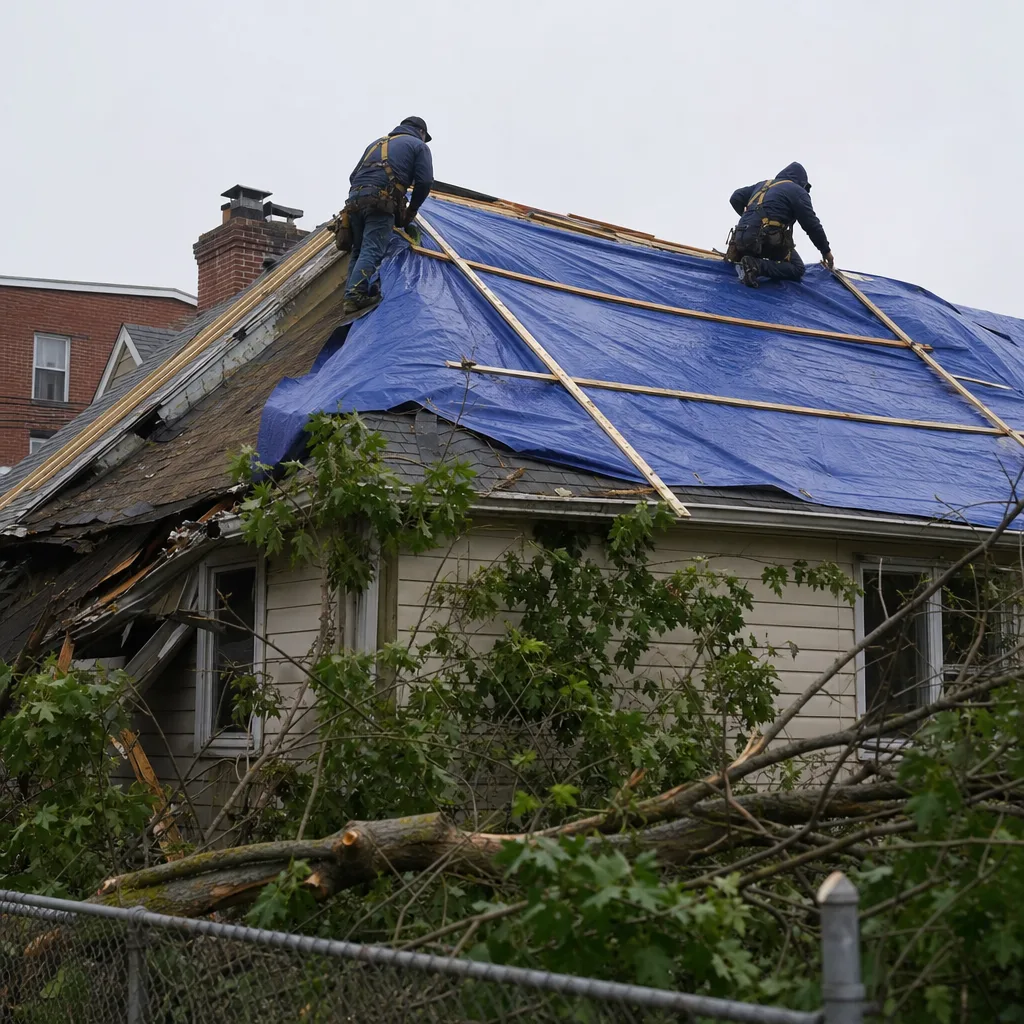
After mitigation, the rebuild begins. In Lower Manhattan that means matching pre-war plaster details in a Greenwich Village townhouse, sourcing period-appropriate crown molding in a Tribeca loft, or rebuilding a Battery Park City condo’s kitchen to its precise original dimensions. We self-perform the reconstruction with the same uniformed, background-checked crews who did the drying. No third-party handoff.
Drywall & Flooring Repair
Saltwater-saturated drywall wicks moisture and holds corrosion against studs and electrical boxes. We remove only what’s non-salvageable and dry what can be saved. For flooring, we evaluate engineered wood, tile, and subfloor integrity with moisture meters before recommending repair or replacement. In converted lofts with original plank flooring over concrete, we dry from both sides before refinishing.
Contents Restoration & Pack-Out
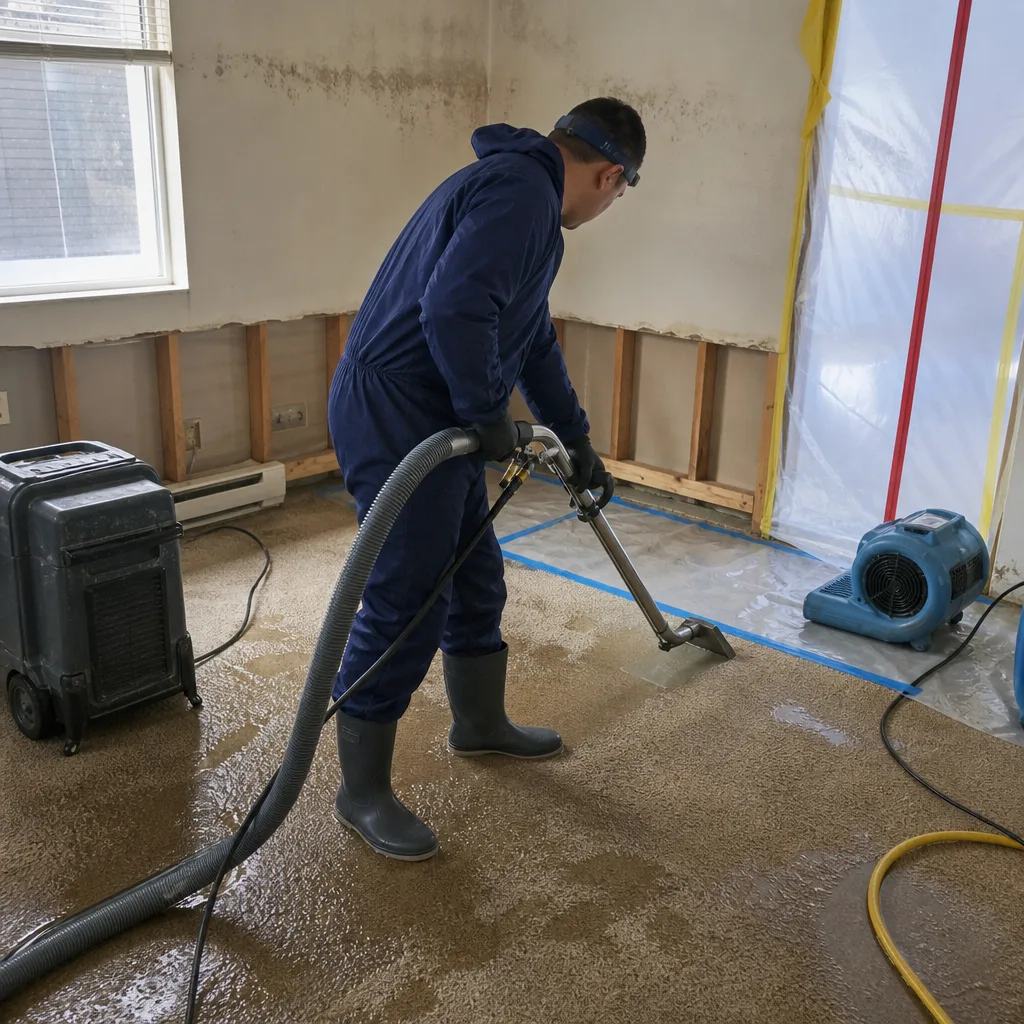
When a Lower Manhattan condo floods, contents need a safe, dry place. We do full pack-outs with a documented inventory, clean and restore salvageable items off-site, and store what you’re keeping. We coordinate with your building’s freight elevator and loading dock so the move doesn’t add another annoyance to a bad week.
Carpet & Upholstery Cleaning
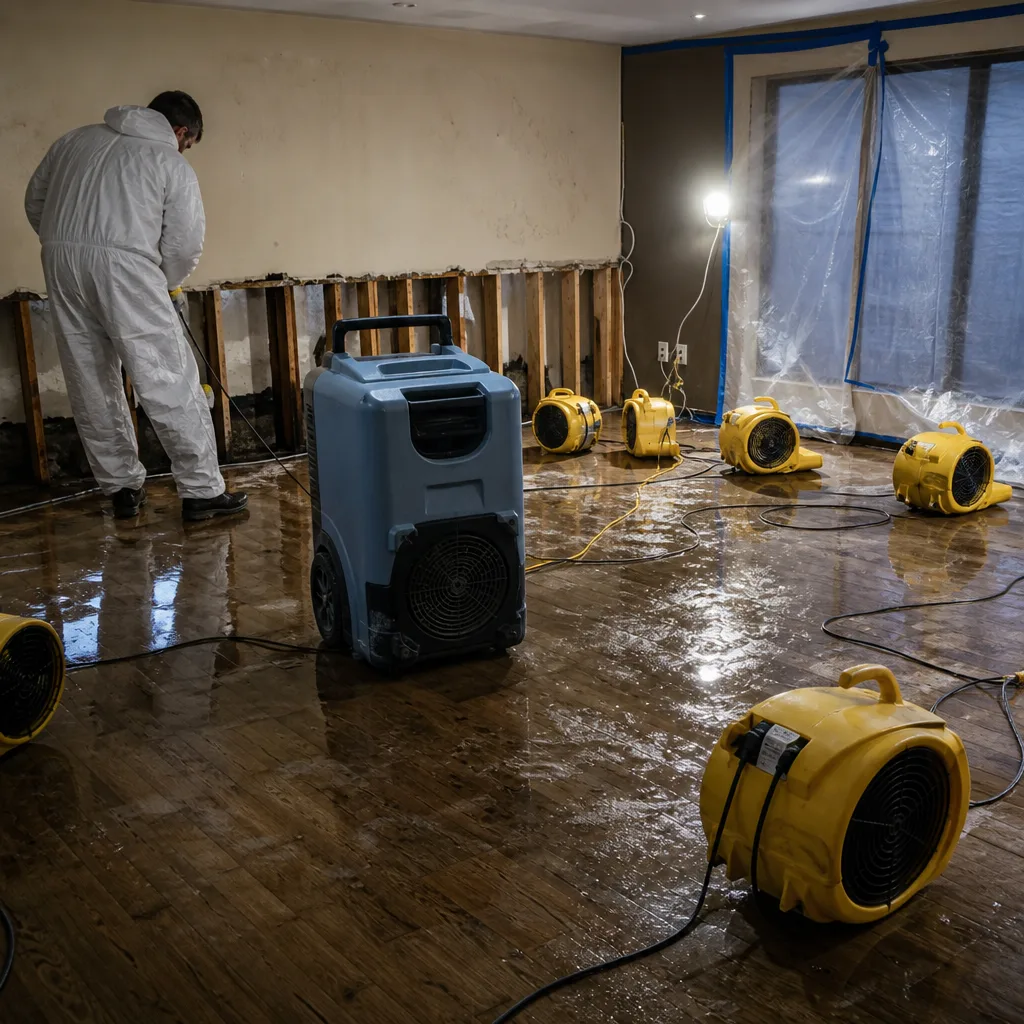
After water events, carpets and upholstered furniture hold category 1 and category 2 residue that ordinary cleaning won’t remove. We extract, clean, and deodorize with professional equipment, and we tell you honestly if carpet from a category 3 event should be replaced rather than cleaned. In Lower Manhattan’s high-end condo market, we err toward replacement when health is at stake.
Post-Construction Cleanup
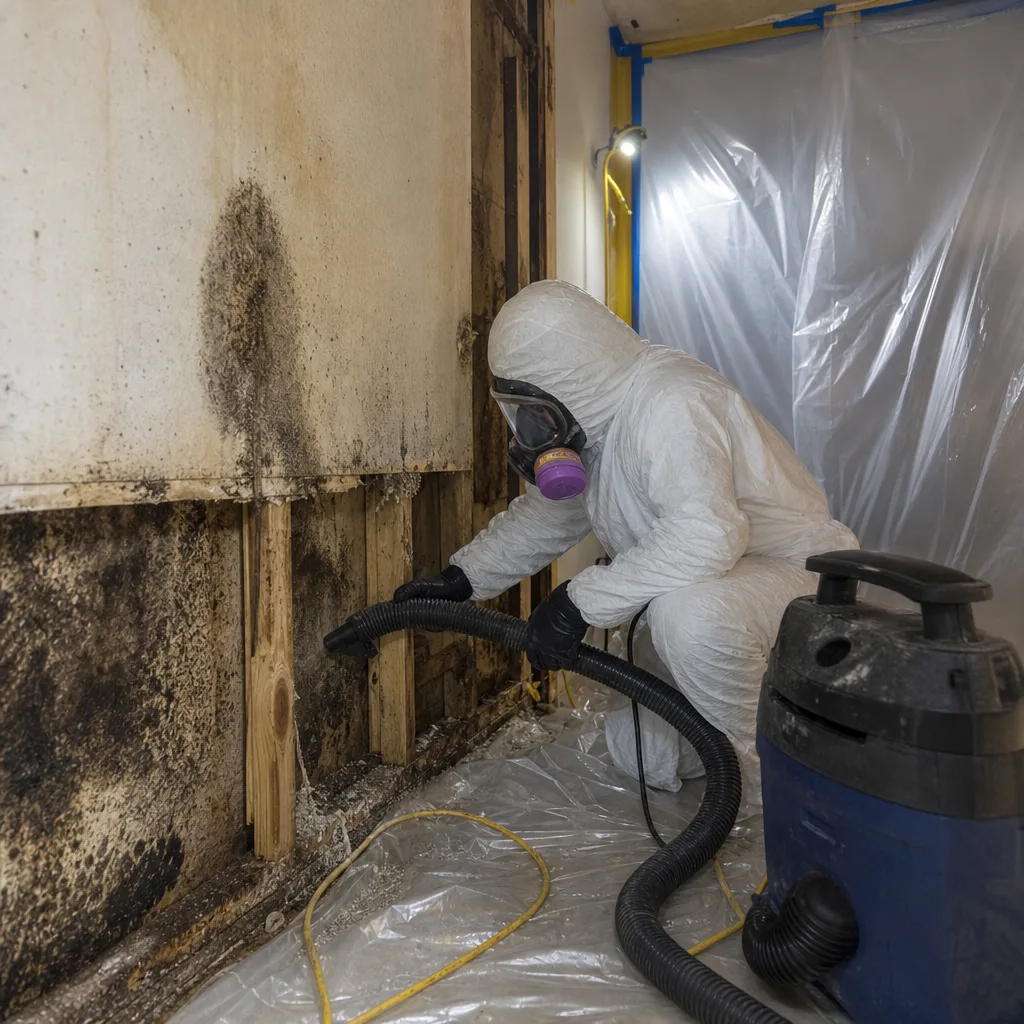
Once the rebuild is done, the dust isn’t. Sanding drywall, cutting trim, and refinishing floors leave a fine particulate layer that gets into HVAC returns, behind appliances, and onto every surface. Our post-construction cleanup crew HEPA-vacuums, wipes down surfaces, and leaves the unit move-in clean. This is standard after our own reconstruction work.
Insurance Claim Documentation
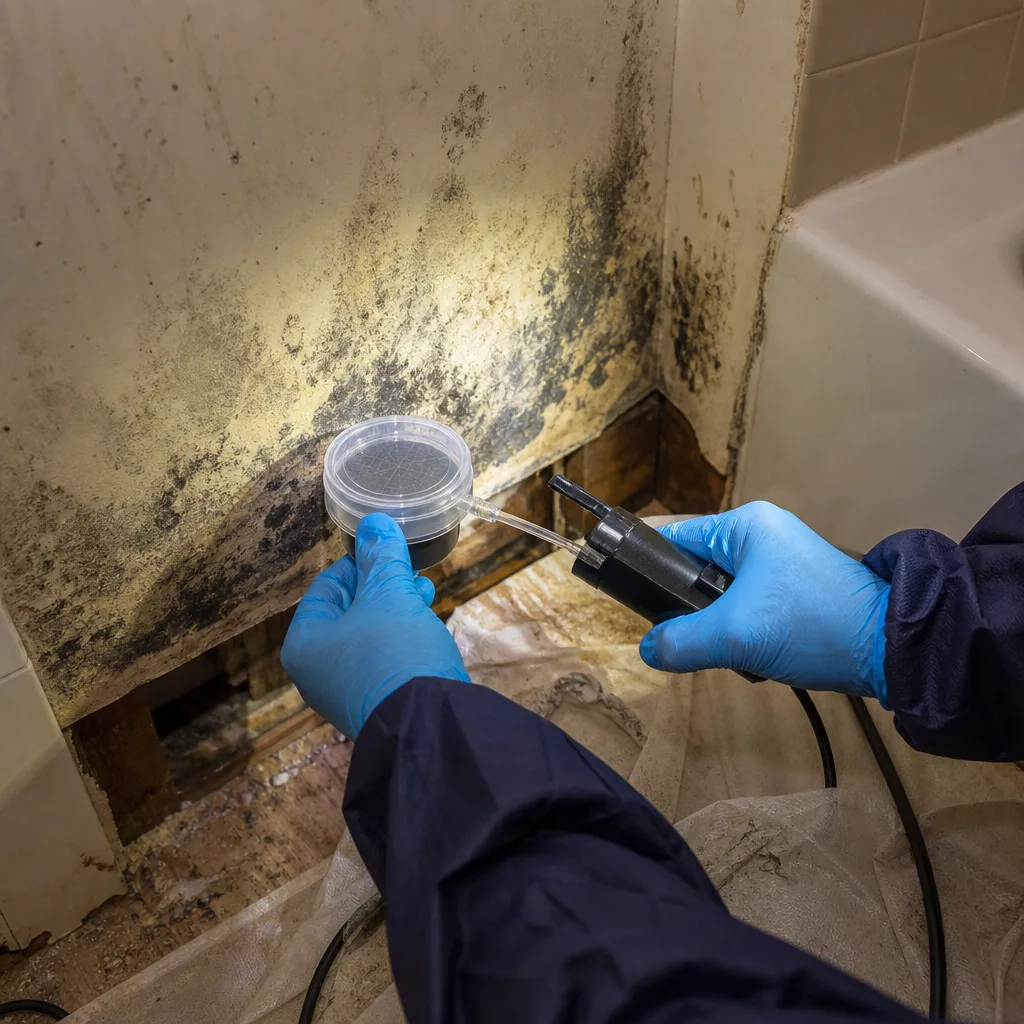
Every step of our work produces documentation your carrier can hold. In Lower Manhattan, HOA and co-op boards frequently require a particular claims paper trail. We know the format. We provide the photos, moisture logs, scope of work, and direct adjuster communication that keeps a claim moving without you having to arbitrate.
What happens when you call
- 1
A real person answersNo phone trees - you reach a local pro.
- 2
You get an upfront price rangeHonest numbers before anyone is dispatched.
- 3
A background-checked tech heads outLicensed & insured, dispatched right away.
- 4
You approve before work beginsNothing starts until you say go.
Reconstruction & Cleanup Costs in Lower Manhattan, NY
What does Reconstruction & Cleanup actually cost in Lower Manhattan? A straightforward post-construction cleanup of a two-bedroom condo runs $500-$1,200. Carpet and upholstery cleaning after a category 1 water event runs $800-$2,400. Drywall and flooring repair after a bathroom supply-line failure typically runs $2,800-$7,500. Full-service reconstruction after saltwater intrusion into a Tribeca loft’s ground floor runs $12,000-$45,000 and up, depending on material matching, electrical replacement, and structural drying scope. Battery Park City sub-grade garage mitigation starts around $9,000 for containment, extraction, drying, and decontamination. What moves the price: water category, how far up the walls the moisture wicks, whether original details must be matched, and whether the building’s freight elevator schedule adds labor hours. Insurance often covers the bulk of a covered loss; we bill carriers directly, and the free visual inspection gives you a firm scope in writing before you commit to anything. Call (716) 452-0798 for an exact number.
We Also Serve Cities Near Lower Manhattan
Our crews serve the broader downtown and waterfront area, including Reconstruction & Cleanup in Lower Manhattan and nearby communities. We regularly work in Long Island City, Greenpoint, Williamsburg, and Murray Hill. If you’re across the river or a few blocks north, the same live dispatcher answers and the same certified crews arrive.
Serving Lower Manhattan, NY - Our Local Coverage Area
We’re based in the Lower Manhattan area and know this community well. Use the map below to see our service coverage - if you’re nearby, we can almost certainly help.
Lower Manhattan Reconstruction & Cleanup Questions, Answered
Why do we need different reconstruction materials in Lower Manhattan after saltwater flooding compared to, say, Midtown?
Saltwater flooding in Lower Manhattan corrodes building materials that freshwater from a Midtown pipe burst doesn’t. The salt water attacks steel studs, outlet boxes, wiring, and garage-door hardware, leaving them weakened even after drying. In Midtown, a supply-line break dries and you replace the drywall. In Lower Manhattan, you replace the drywall and the corroded steel behind it, and you often rewire with marine-grade cable in salt-exposed areas. Call (716) 452-0798 for an exact scope for your building.
How does our crew handle groundwater entering through the slab in Battery Park City garages before a storm hits?
We deploy containment and extraction before the storm makes landfall. In Battery Park City, the landfill sits just above the water table, so groundwater pushes up through slab penetrations hours ahead of any surface flooding. Our crews stage with portable extraction units, set up containment barriers at garage entrances, and start pumping as soon as water appears. The early start prevents category 3 water from reaching columns, electrical rooms, and elevator pits.
Can we save plaster walls in a converted Tribeca loft after harbor water intrusion, or do they have to be torn out?
Plaster over brick can often be saved, but only if it’s dried correctly from the inside out. Harbor water wicks into the interstitial cavity between plaster and brick, and a surface-level fan won’t reach it. We use Injectidry systems that pull air through the wall cavity itself, drying the plaster from behind. We log daily moisture readings until the assembly reaches dry standard. If we get there fast enough and the water was category 1 or 2, the plaster stays. Category 3 contamination changes the calculus; we’ll tell you honestly when removal is the only safe option.
What does insurance claim documentation from our Reconstruction & Cleanup team include for a recurring nor’easter loss in the Financial District?
The file includes a complete PHOTO record of all damage room by room, moisture readings and daily drying logs from every affected area, a line-item scope of work in the format carriers expect, and direct correspondence with your adjuster. For recurring nor’easter losses in the Financial District, we document the full history, which strengthens a claim that a carrier might otherwise call “maintenance.” We stand behind the documentation in writing.
How do we handle post-construction cleanup after reconstructing a condo that had saltwater damage from Sandy?
Post-construction cleanup after saltwater damage includes HEPA vacuuming of all surfaces, wiping down walls and millwork, cleaning inside HVAC returns and behind appliances, and removing the fine dust that reconstruction generates. We also do a final moisture verification pass over the areas that had been salt-exposed, so you don’t finish a rebuild and find a hidden wet pocket behind a finished wall. The unit is move-in clean, and the moisture log says dry.
How fast can you actually get to a building in Lower Manhattan after I call?
Our crews stage from a New York City office and aim for a 45-minute response commitment within Lower Manhattan. A live dispatcher answers at any hour and dispatches the closest certified crew. In Battery Park City, the Financial District, or along South Street, we know the loading docks and freight elevator protocols, so arrival time is spent starting work, not figuring out access.
Will insurance cover saltwater groundwater intrusion in my Lower Manhattan building?
Coverage depends on your policy, not the water’s salt content. Many Lower Manhattan condo and HOA master policies cover named-storm surge; groundwater seepage is often a separate coverage question. We bill carriers directly and document everything, so your adjuster gets the file they need to make a determination. We never promise a coverage result, but we give your carrier no excuse for delay.
What should I do in the first 30 minutes after I notice water in my Lower Manhattan unit?
Call (716) 452-0798. Then, if it’s safe, shut off the power to the affected area at the breaker. Don’t walk through standing water, especially in sub-grade spaces where it may be energized or contaminated. Don’t try to extract saltwater yourself. Don’t open walls. The first 30 minutes decide whether you’re drying drywall or replacing structural steel.
Floodline Restoration Co. has been doing reconstruction and cleanup work since 2010, and the same principle has held the whole time: start at the floodline, finish the job, and stand behind it in writing. The 90-Day Done Right Promise goes in your hand before we leave. If it’s not done right, we make it right. No arguing, no paperwork battles. That’s the Keystone Standard.
Written by Curt Bowman, Owner at Floodline Restoration Co., serving Lower Manhattan since 2010.