
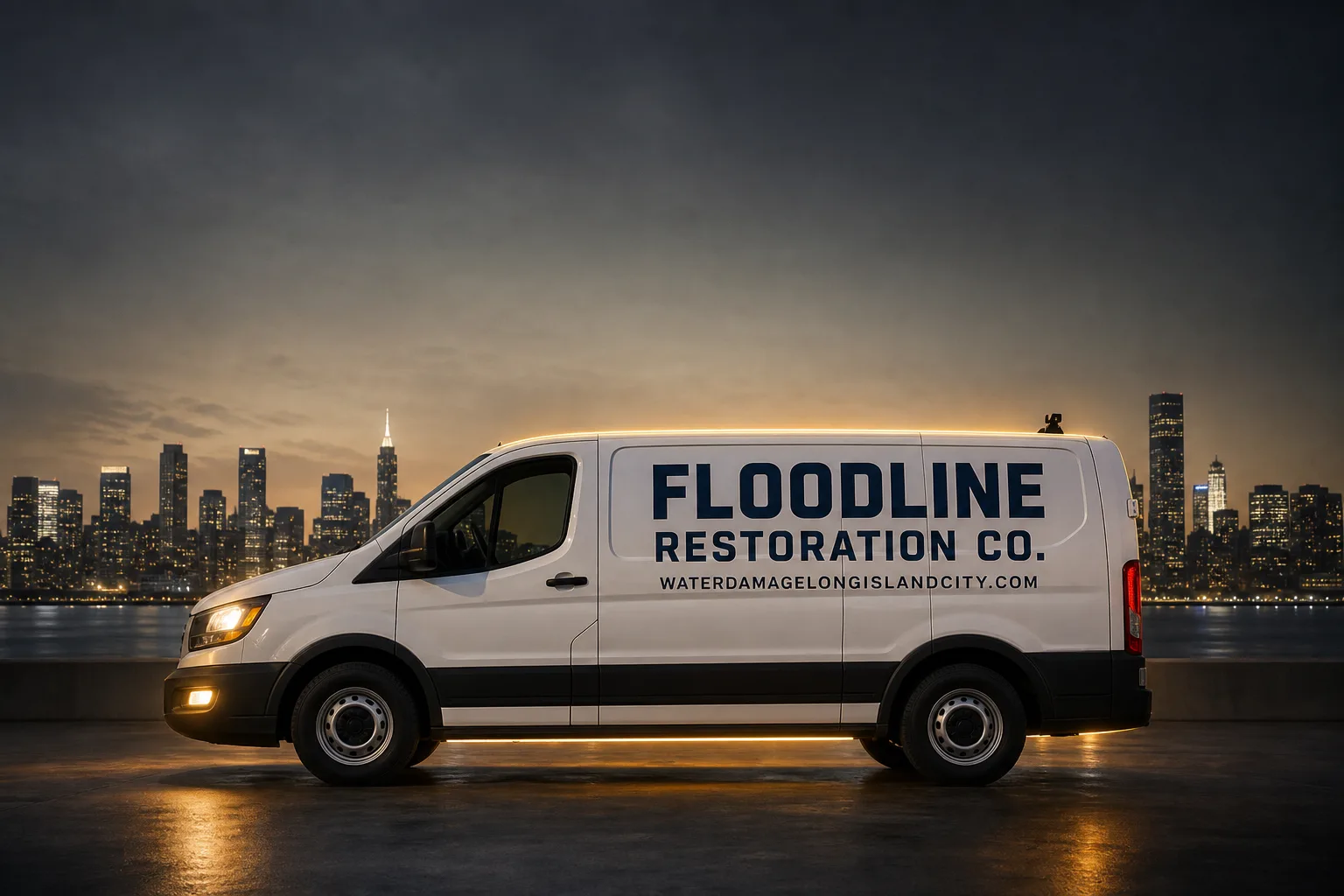
Free visual inspection and a written scope of work before any mitigation begins - photos, moisture readings, and drying logs go in your claim file
The scope we write is the scope we bill. Anything new gets shown to you, in writing, before we touch it.
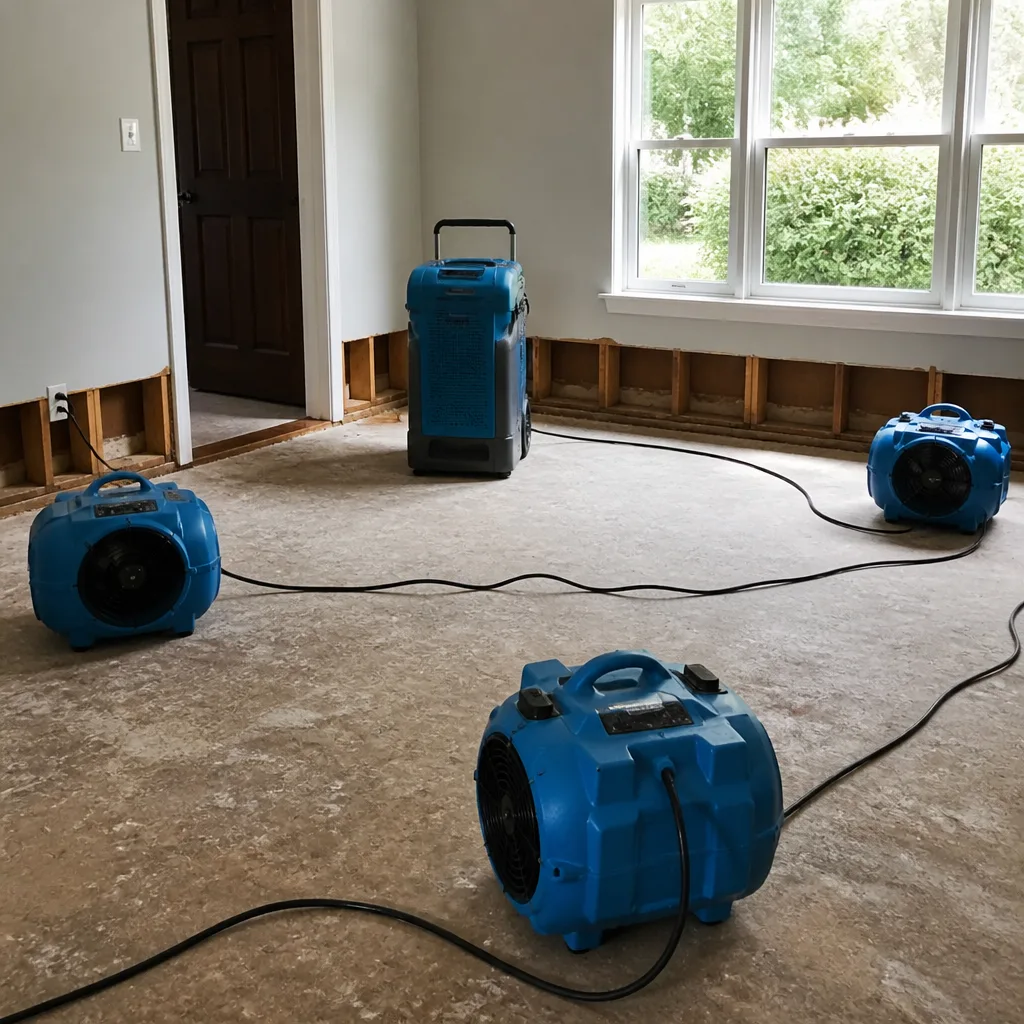
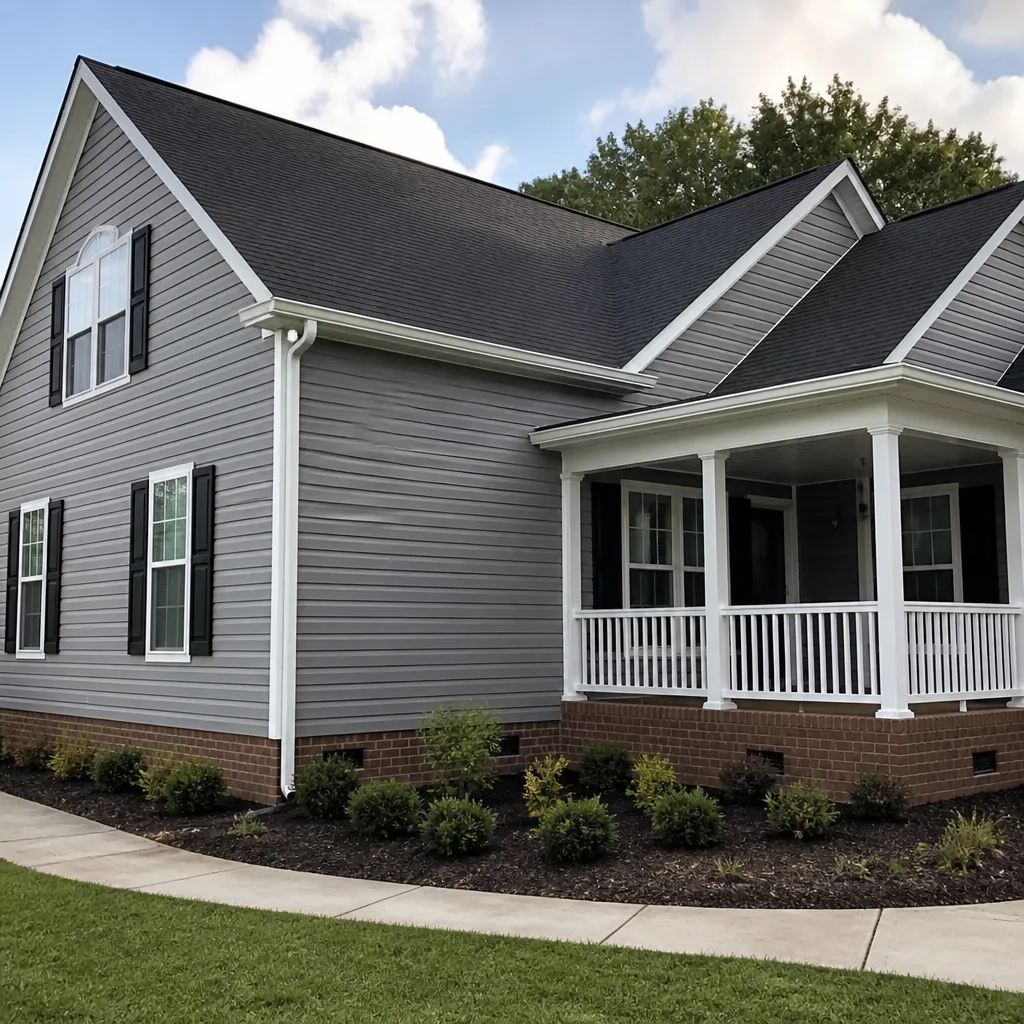
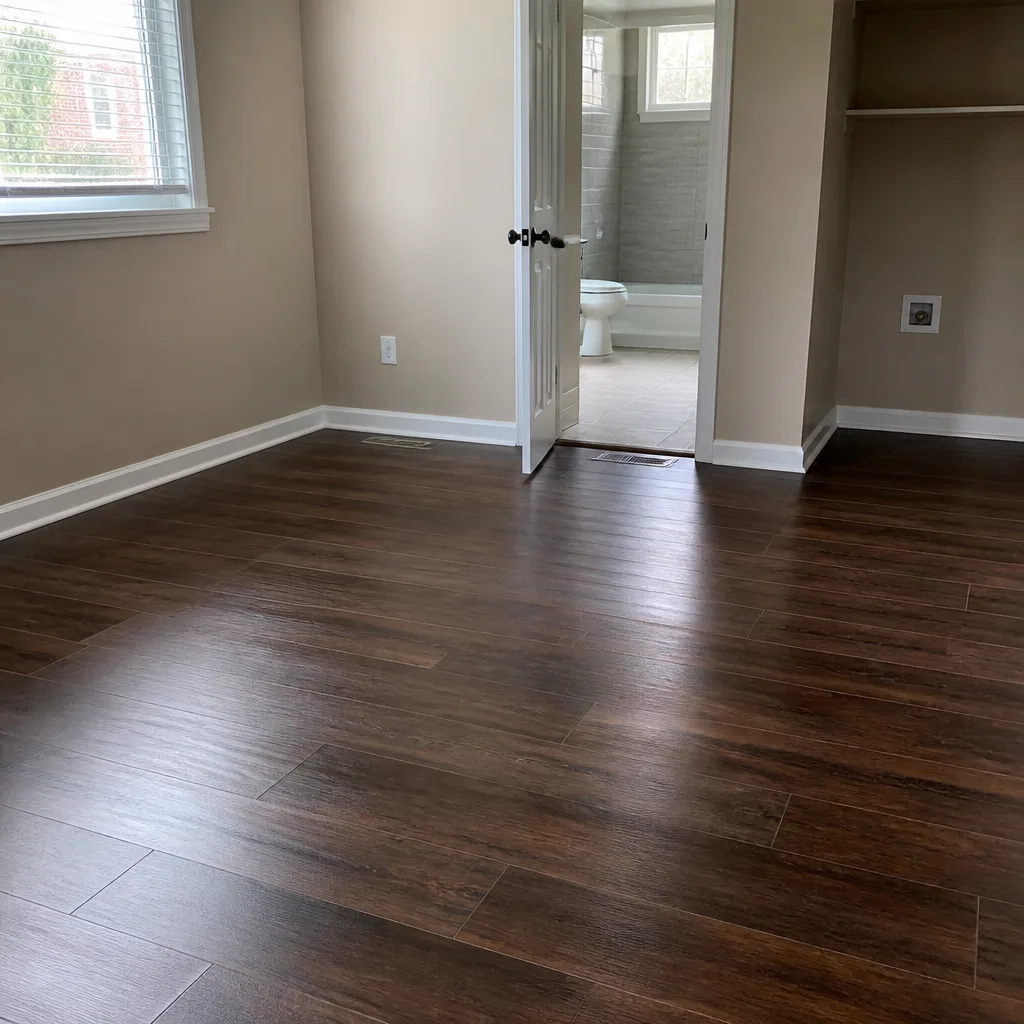
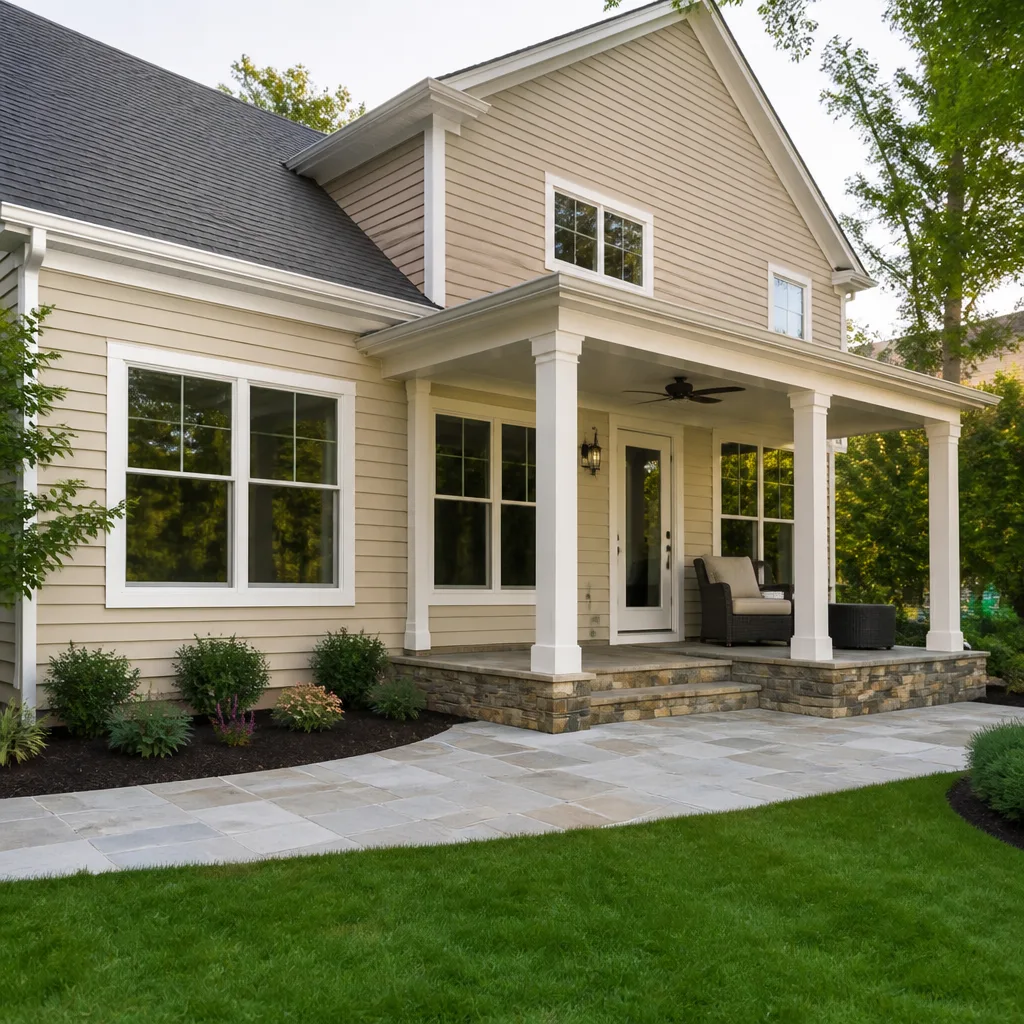
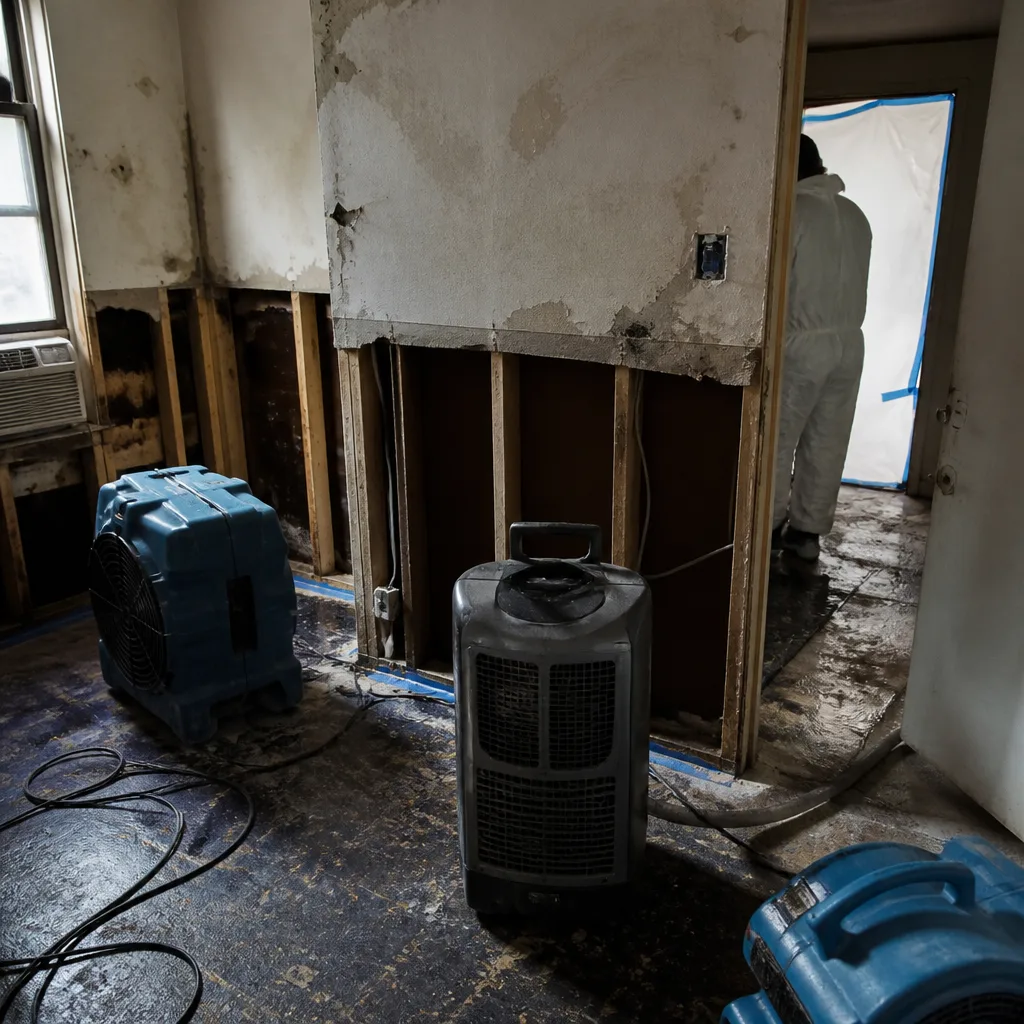 Before
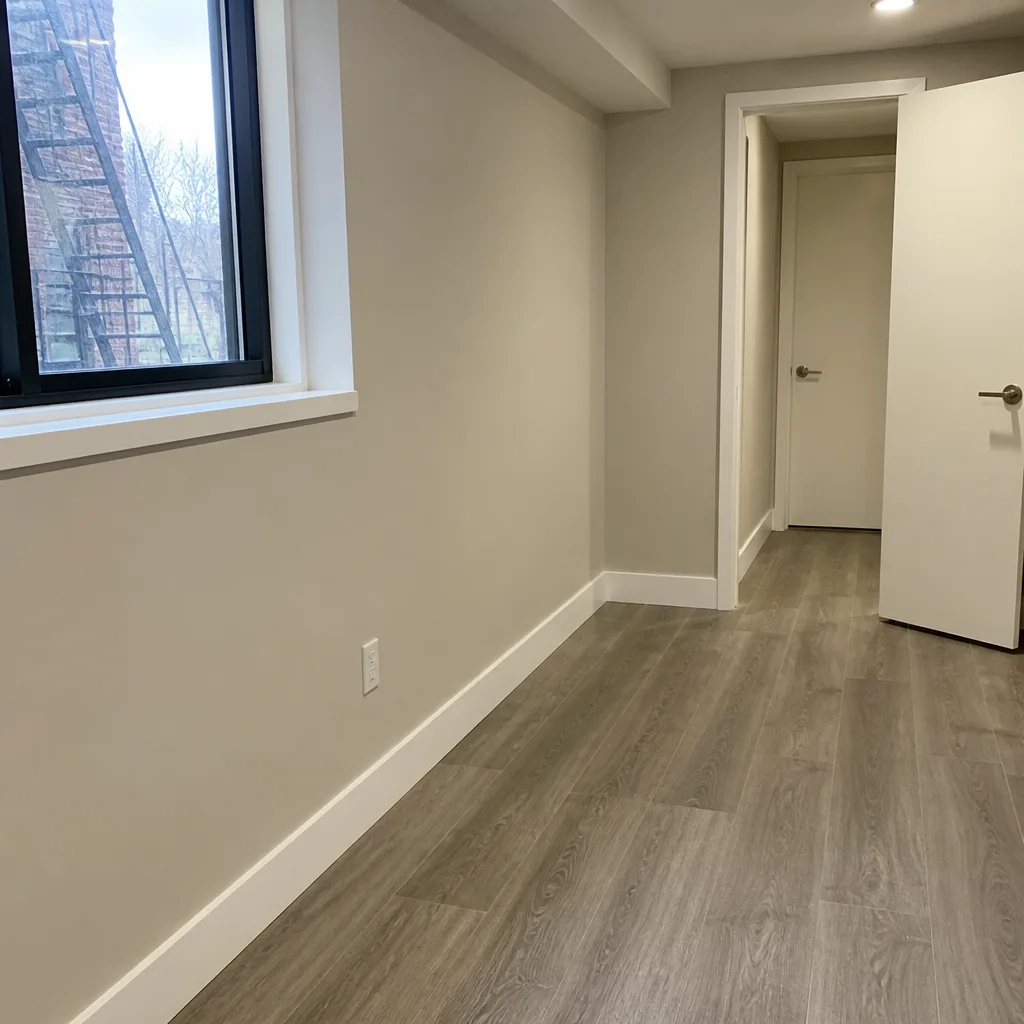 After
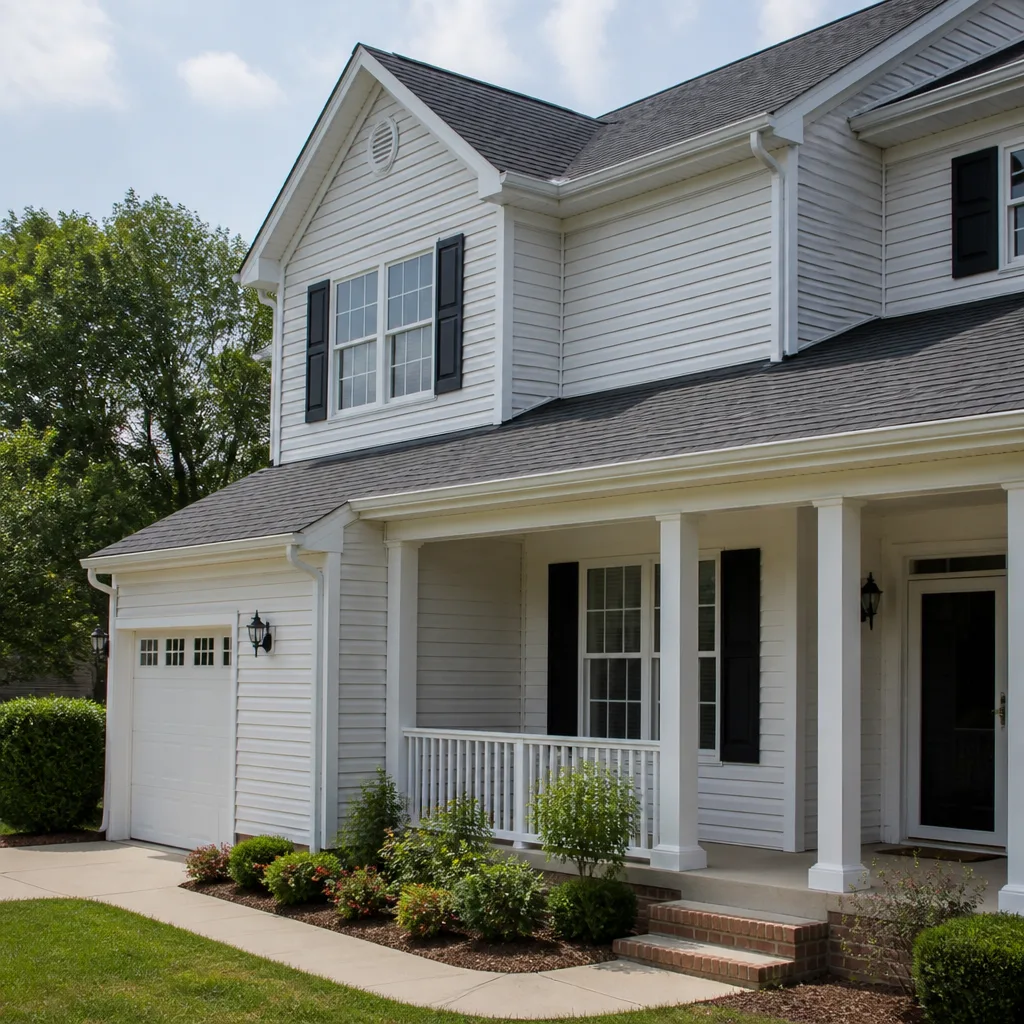
After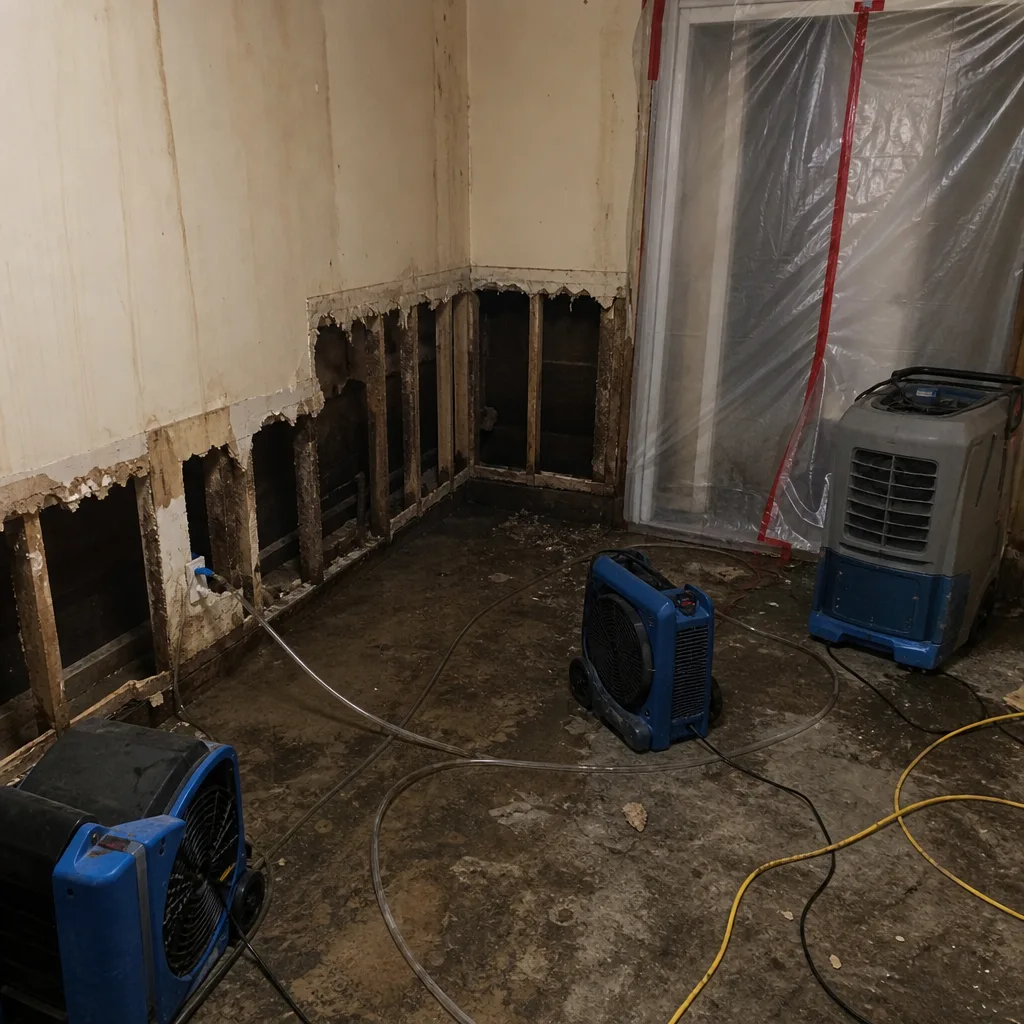 Before
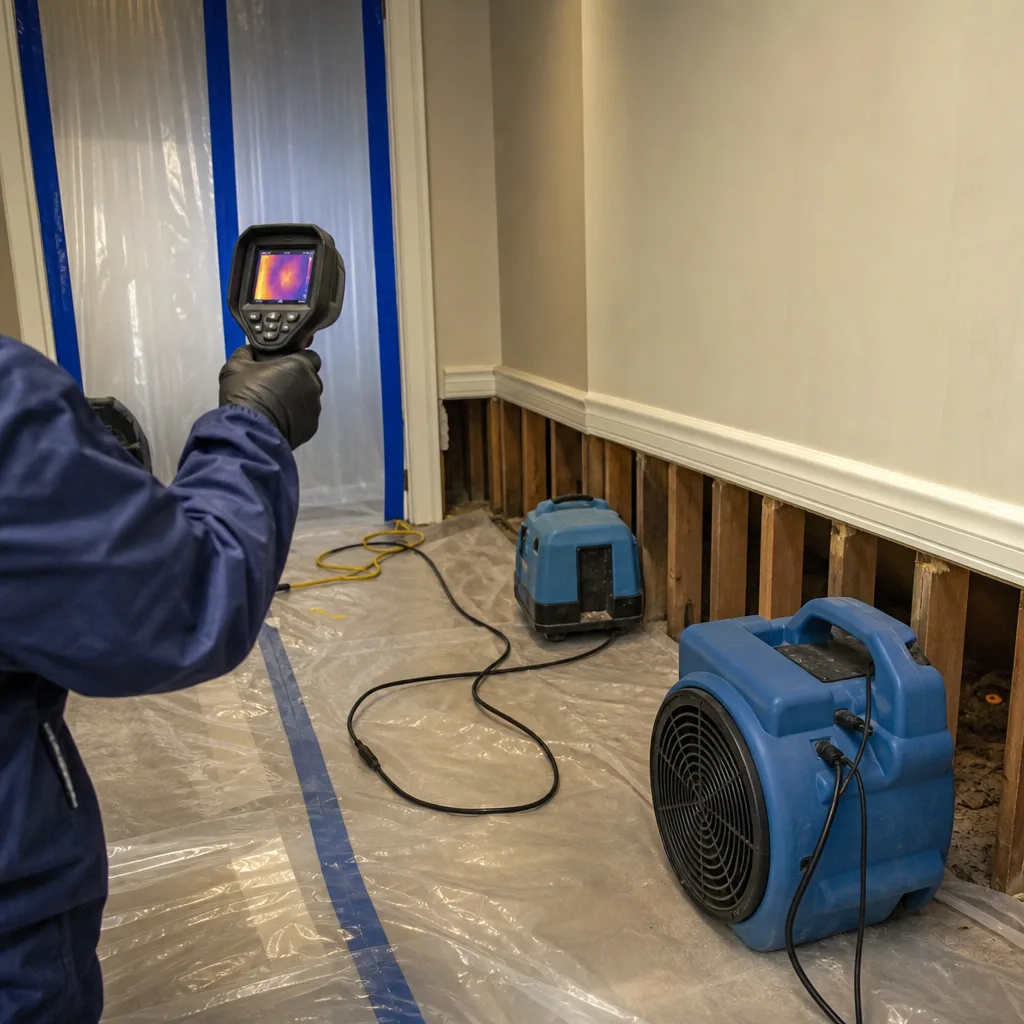 After
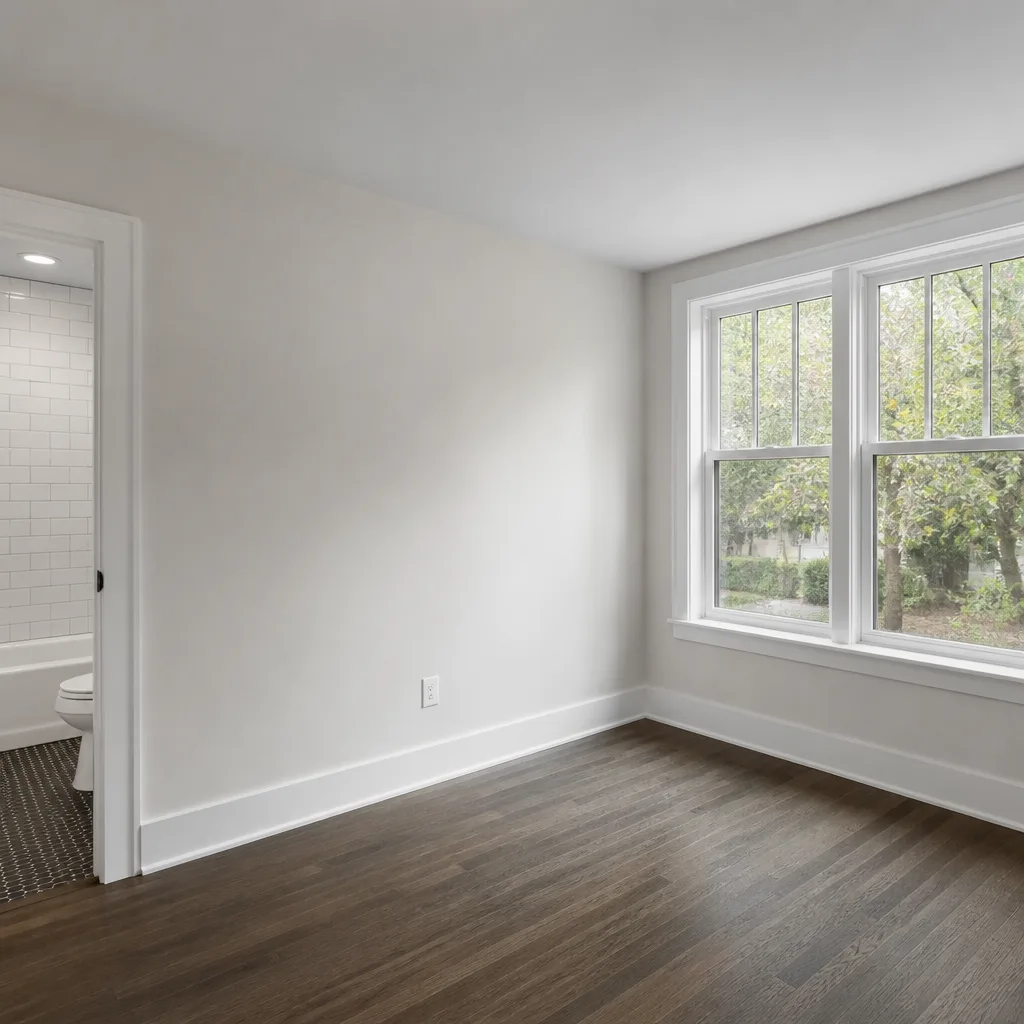
After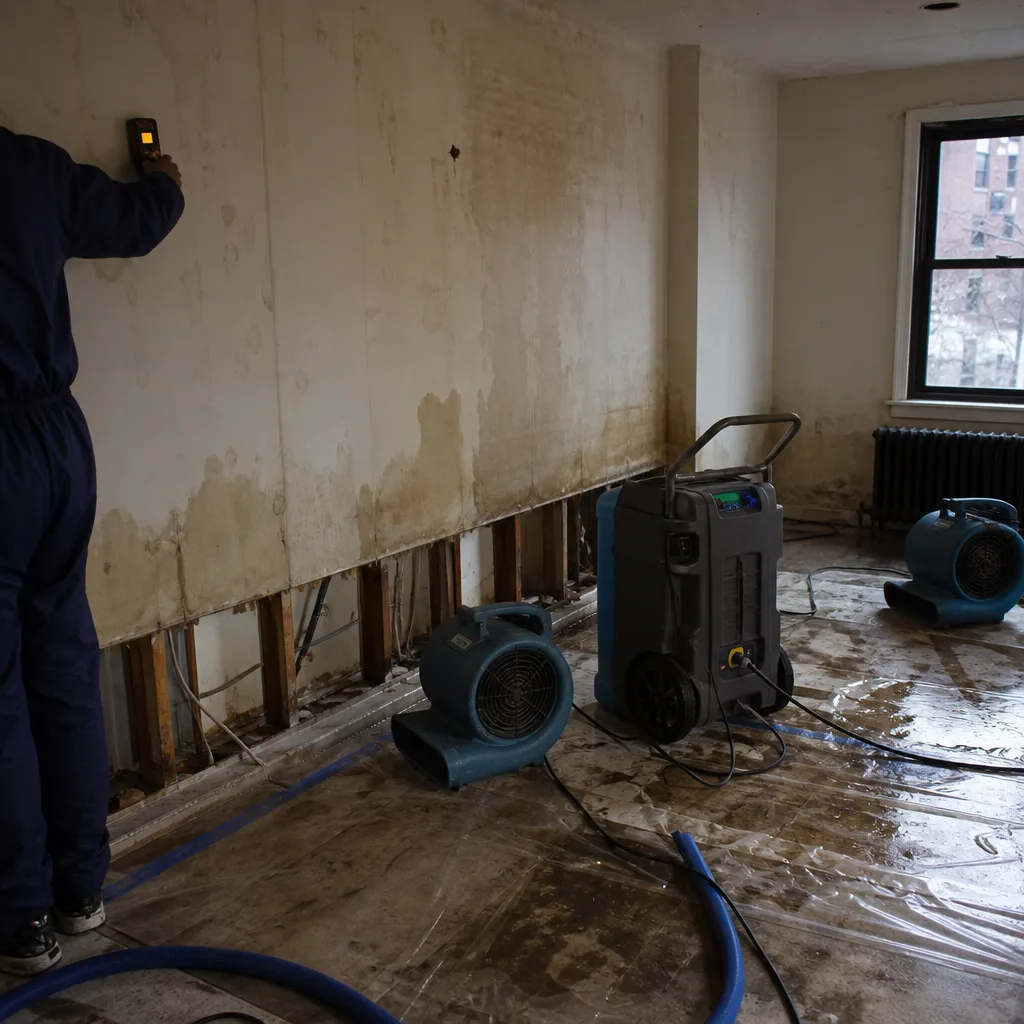 Before
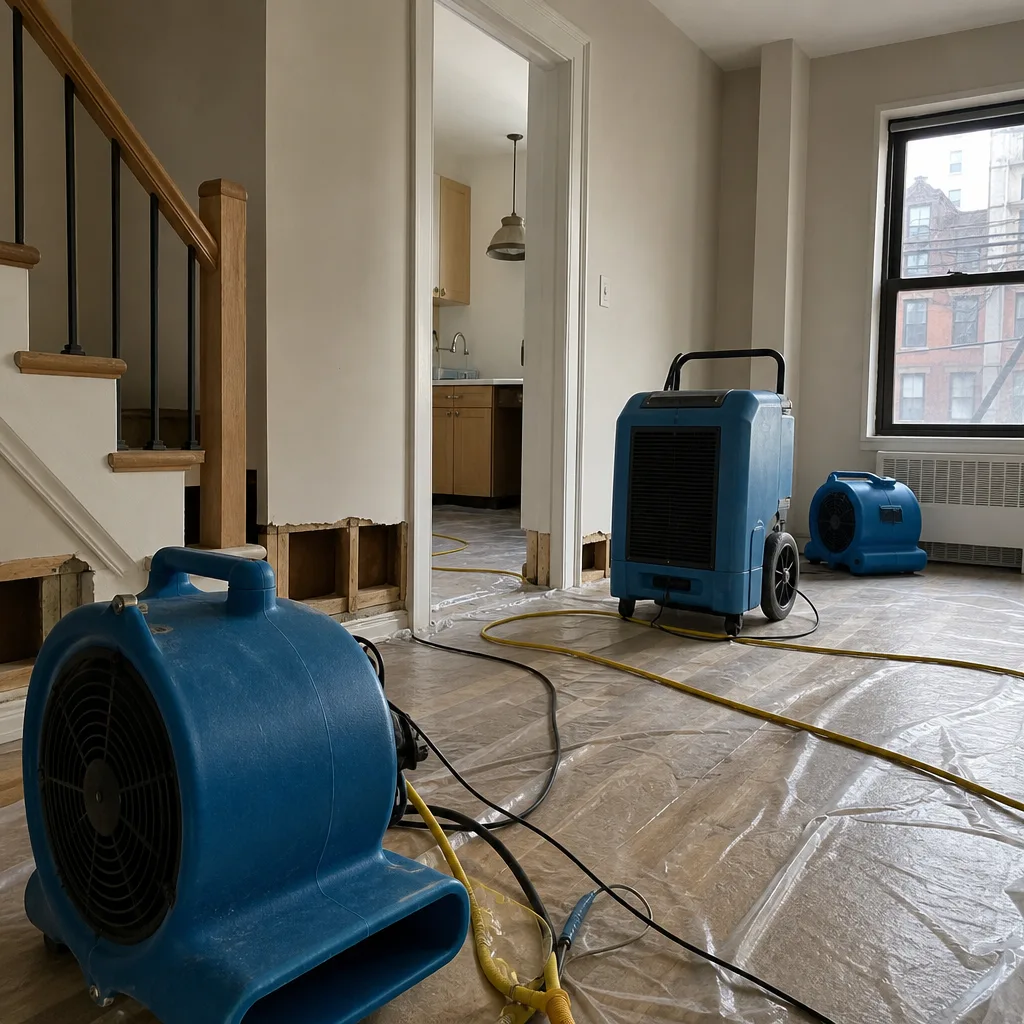 After
After24/7 Emergency Fire & Smoke Damage Restoration in Lower Manhattan
Fire and smoke damage in Lower Manhattan needs a fast response, and our crews are on call around the clock. When fire strikes a Tribeca loft, a Financial District condo, or a Battery Park City tower, the first hour determines how much can be salvaged. Smoke continues moving through open floor plates and shared mechanical chases long after the flames are out, and soot bonds to plaster, brick, and cast iron within days. Call Floodline Restoration Co. at (716) 452-0798 any hour, any day. A live dispatcher answers, and a certified crew is dispatched into Lower Manhattan immediately. Our Fire & Smoke Damage Restoration team arrives for a free visual inspection, sets containment, and starts the salvage work that same visit.
Understanding Fire & Smoke Damage Restoration Severity in Lower Manhattan Properties
Not all fire damage is equal, and Lower Manhattan’s building stock makes severity assessment more complicated than most places. We categorize soot residue by type. Dry soot from high-oxygen fires sits on surfaces and can be HEPA-vacuumed and dry-sponged. Oily or wet soot from smoldering, low-oxygen fires leaves a greasy film that smears if touched wrong and requires solvent-based cleaning. Protein residue from kitchen fires is nearly invisible but bonds to paint and produces a persistent odor. Smoke migration follows pressure differentials, not floor plans. In converted pre-war lofts, smoke travels through party walls, around poorly sealed pipe penetrations, and into shared stairwells. In Battery Park City’s purpose-built towers, it moves through common HVAC risers and corridor pressurization systems. The cast-iron structural members common in Tribeca and the northern Financial District warp under high heat faster than the steel frames in modern high-rises, so we inspect those elements early. We also account for salt-laden air near the waterfront: any exposed steel left after a fire begins corroding within days if not treated.
Why Lower Manhattan Property Owners Choose Floodline Restoration Co.
- 45-minute response commitment. When you call about fire or smoke damage, we commit to having a certified crew dispatched and moving toward your Lower Manhattan address within 45 minutes.
- 24/7 live answer, every time. A real dispatcher picks up at 2 a.m., not a recording. You’ll speak to a person who can send help immediately.
- IICRC-certified crews, FSRT and WRT codes. Our technicians hold Fire & Smoke Restoration Technician and Water Restoration Technician certifications, so fire suppression water is handled correctly alongside soot and char.
- Free visual inspection. We walk the damage before any work begins. You get a straightforward assessment of what needs doing and what doesn’t.
- Direct insurance billing. We bill your carrier directly and keep you out of the middle. No chasing paperwork, no playing messenger.
- One team from board-up to rebuild. The crew that sets containment on day one is the crew that finishes the trim work. No mid-job handoff to strangers.
Our Fire & Smoke Damage Restoration Process
Inspection & Assessment
We document every surface, take thermal imaging readings, and map smoke travel paths through your Lower Manhattan property before touching anything. You get a written scope of work with line-item pricing before we begin.
Emergency Board-Up & Stabilization
We secure openings, tarp damaged roofing, and shut off utilities where needed. In Lower Manhattan’s high-rises, we also isolate fire-damaged floors to prevent smoke migration into adjacent units.
Soot & Smoke Removal
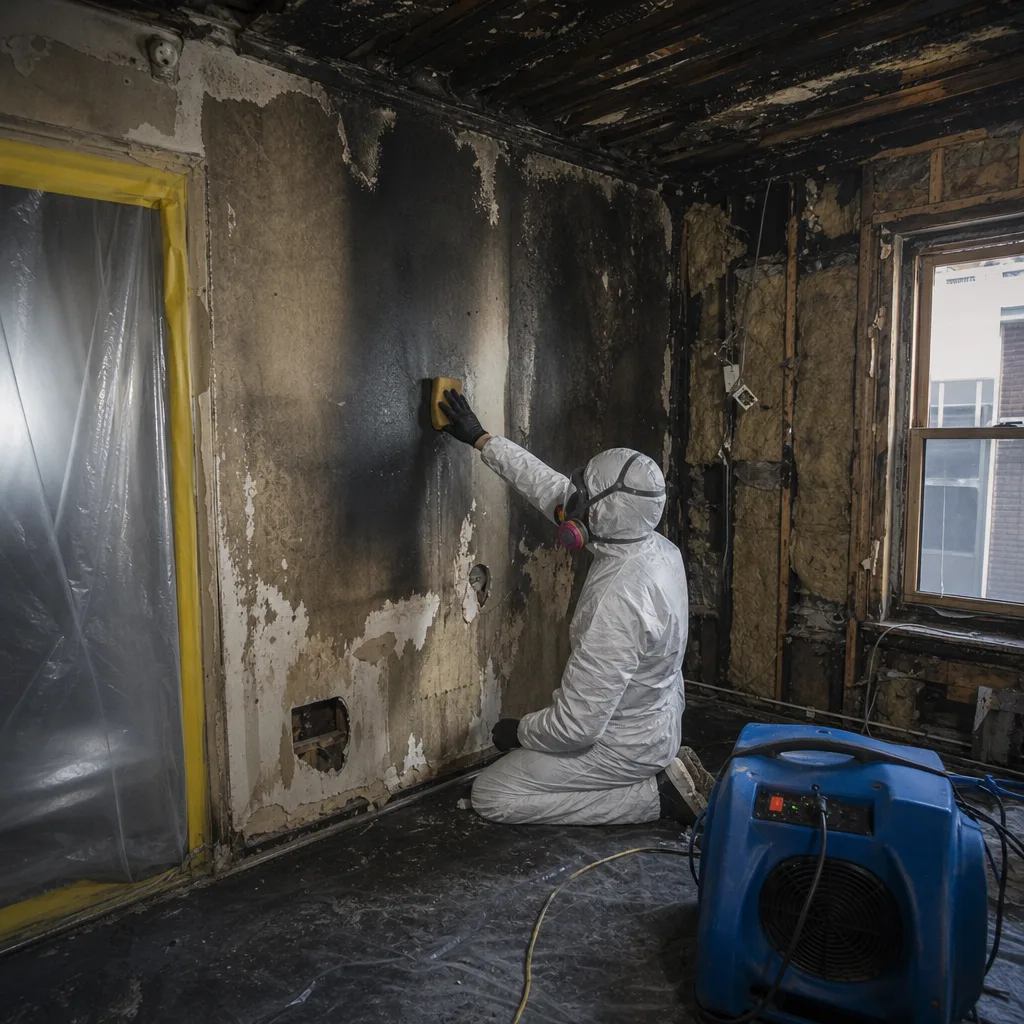
HEPA vacuums, dry sponges, and solvent-based cleaners remove soot residue from surfaces, including the plaster-over-brick walls common in pre-war buildings. XPOWER air movers with HEPA filtration capture airborne particulate while we work.
Cleaning & Sanitization
All salvageable materials are cleaned and sanitized. Antiques, electronics, textiles, and documents receive contents-specific treatment. Hard surfaces get antimicrobial treatment where fire suppression water has introduced contamination.
Odor Removal & Deodorization
We neutralize smoke odor at the source using thermal fogging, ozone treatment in sealed chambers, and smoke-blocking primers on affected plaster and wood. We never mask odors with air fresheners. Salt-air corrosion protection is applied to exposed steel at this stage.
Structural Repair & Restoration
We rebuild what needs rebuilding: drywall, plaster, flooring, cabinetry, mechanical systems, and structural members. In cast-iron buildings, that includes soda blasting and protective coating where heat exposure has compromised the metal.
Need Emergency Fire & Smoke Damage Restoration in Lower Manhattan Now?
Crews minutes away, answering live 24 hours a day. The sooner we start, the less it costs.
Working With Your Insurance Company
Fire claims are complicated, and Lower Manhattan co-op and condo boards often layer additional requirements on top of carrier expectations. We handle the documentation from the first hour so nothing gets missed. Our team photographs the damage room by room, logs moisture readings where suppression water is present, and produces a line-item scope of work in the format your adjuster expects. We speak directly with your carrier, schedule the adjuster’s visit, and walk the loss together. You don’t have to interpret policy language or defend a claim alone. And because we bill directly, you’re not fronting thousands of dollars while the carrier makes up its mind.
What We Provide Your Insurer
- Thorough documentation of the loss
- Photos of all damage, room by room
- Moisture readings and drying logs from fire suppression water
- A detailed, line-item scope of work
- Direct coordination with your carrier
Built for Lower Manhattan’s Loss Calendar
Fire damage in Lower Manhattan follows patterns that are distinct from the rest of the city. Winter brings space heater fires in pre-war buildings where central heat doesn’t reach converted office floors. January deep freezes cause electrical overloads on aging building systems from the 1920s and 30s. Summer heat stresses window AC units wired into old circuits in converted lofts. Kitchen fires peak around holidays in Battery Park City’s residential towers, where open floor plans let smoke travel through entire wings. And through every season, salt-laden air near the Hudson River and East River accelerates corrosion on any exposed steel left after a fire, from column caps in Tribeca lofts to mechanical room framing in Financial District towers. This is recurring, local knowledge, not a national template. It’s how we know what to look for when we arrive.
Fire & Smoke Damage Restoration Across Lower Manhattan’s Neighborhoods
We work throughout Lower Manhattan, and each neighborhood presents a different restoration challenge. In Tribeca, the converted cast-iron loft buildings on streets like Franklin, Hudson, and Greenwich hide plaster-over-brick party walls that soak up smoke invisibly. Soot gets behind the plaster and reappears months later if not addressed at the source. In the northern Financial District, converted office towers from the early 20th century have shared mechanical chases that carry smoke across multiple floors and into neighboring units. Containment has to be set wide or the smoke spreads back into cleaned areas. Battery Park City’s residential towers, built on landfill between the 1980s and 2000s, have floor plates where kitchen fires push smoke through common corridors quickly. The salt air near the waterfront means exposed structural steel after a fire starts rusting within days unless treated. In the South Street Seaport area, the mix of historic masonry and modern residential conversions means every job has to account for both old and new materials. That’s the reality of working here: no two buildings respond to fire the same way.
Specialized Fire & Smoke Damage Restoration Services We Offer in Lower Manhattan
Fire Damage Cleanup
We remove charred debris, clean salvageable materials, and dispose of what can’t be saved. In Lower Manhattan, that often means careful handling of original architectural details: tin ceilings, cast-iron elements, carved wood trim. We clean them rather than replace them whenever possible. The goal is preservation, not demolition.
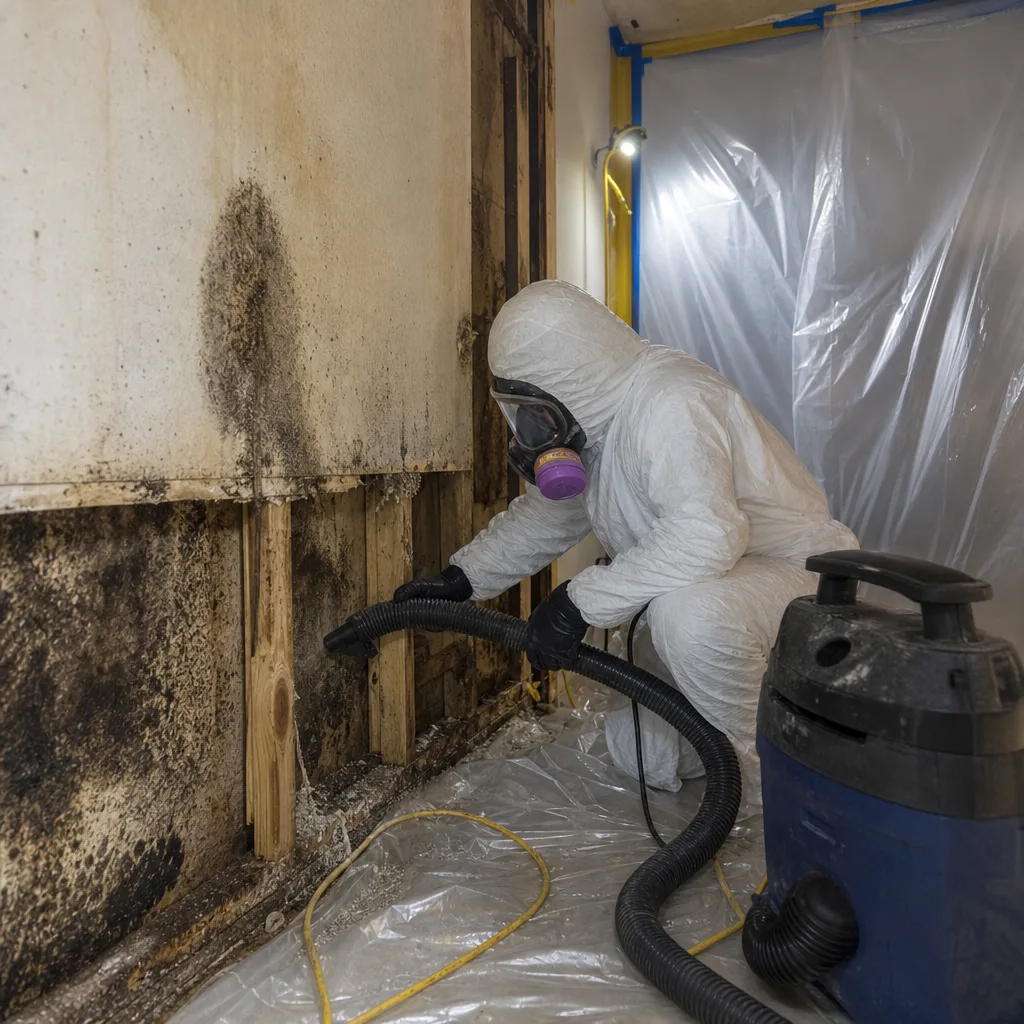
Smoke & Soot Removal
We use HEPA vacuums, dry sponges, and solvent cleaning to remove soot from every surface it touched. In converted lofts, that means getting into plaster-over-brick walls, around original window casings, and into the grain of wide-plank flooring. A surface wipe-down doesn’t get soot out of porous materials.
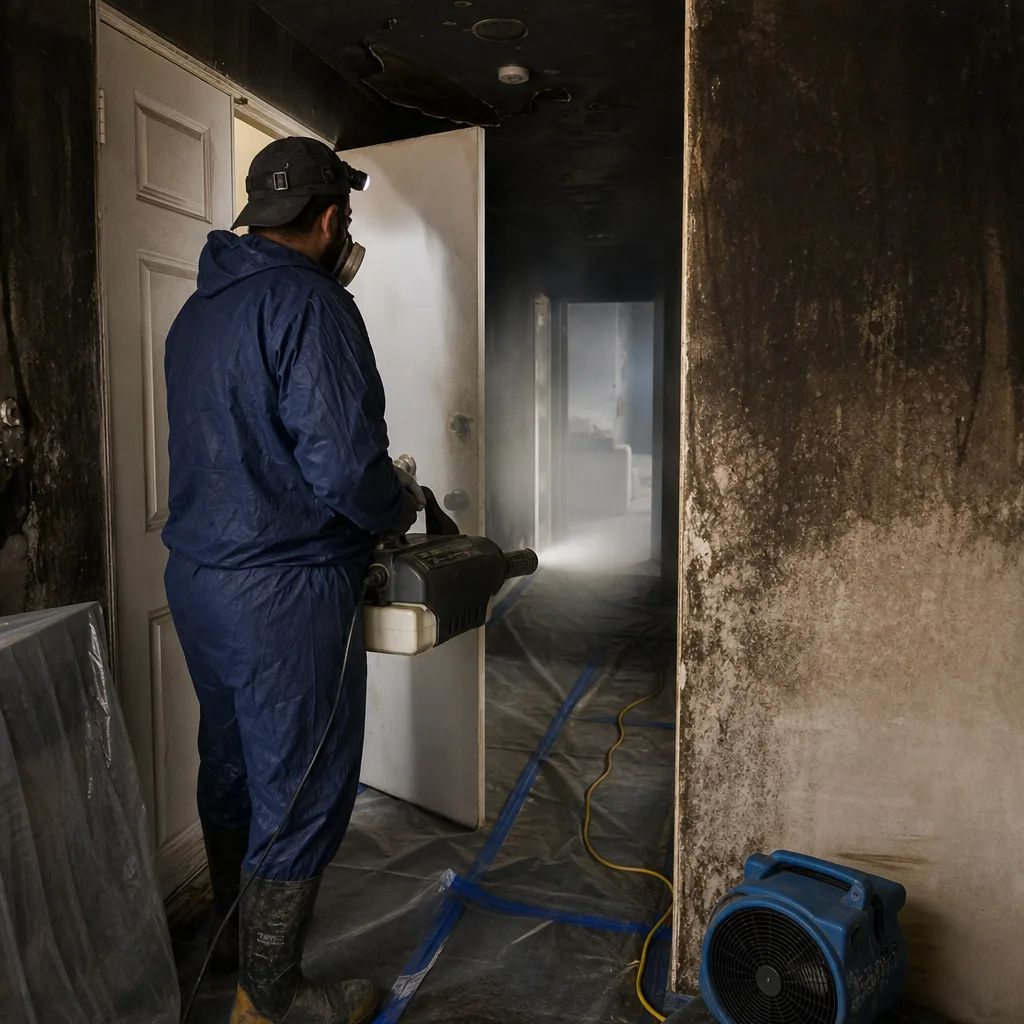
Odor Removal & Deodorization
Smoke odor embeds itself in plaster, wood, fabric, and insulation. We use thermal fogging, ozone treatment, and hydroxyl generators to neutralize it at the molecular level. In Lower Manhattan’s humid summers, oily soot residues absorb moisture and release odor again, so we don’t stop at masking the smell. We eliminate it.
Contents Cleaning & Pack-Out
When contents can be restored on site, we clean them in place. When they need specialized treatment, we pack them out to a secure facility. Clothing, electronics, artwork, paper documents, and heirlooms each get their own protocol. In Financial District co-ops and condos, we coordinate with building management for secure staging areas.
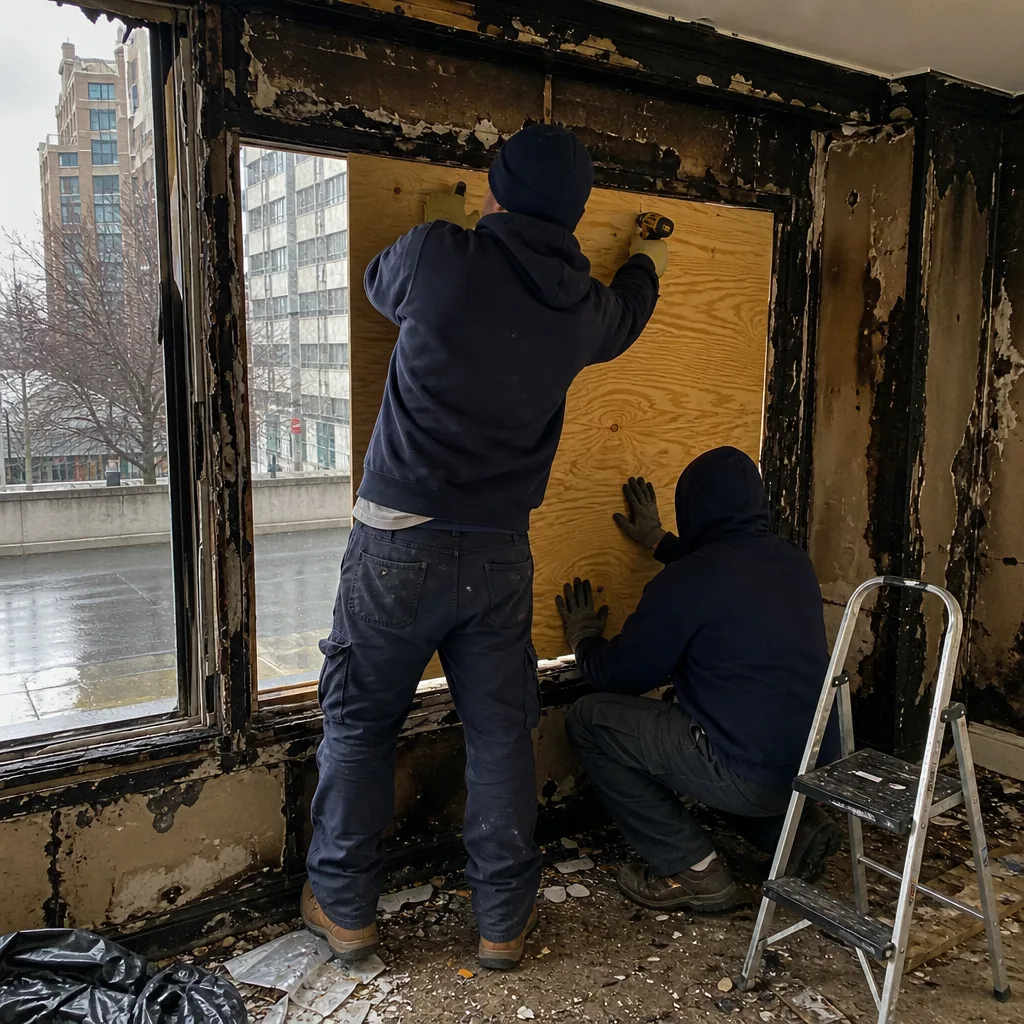
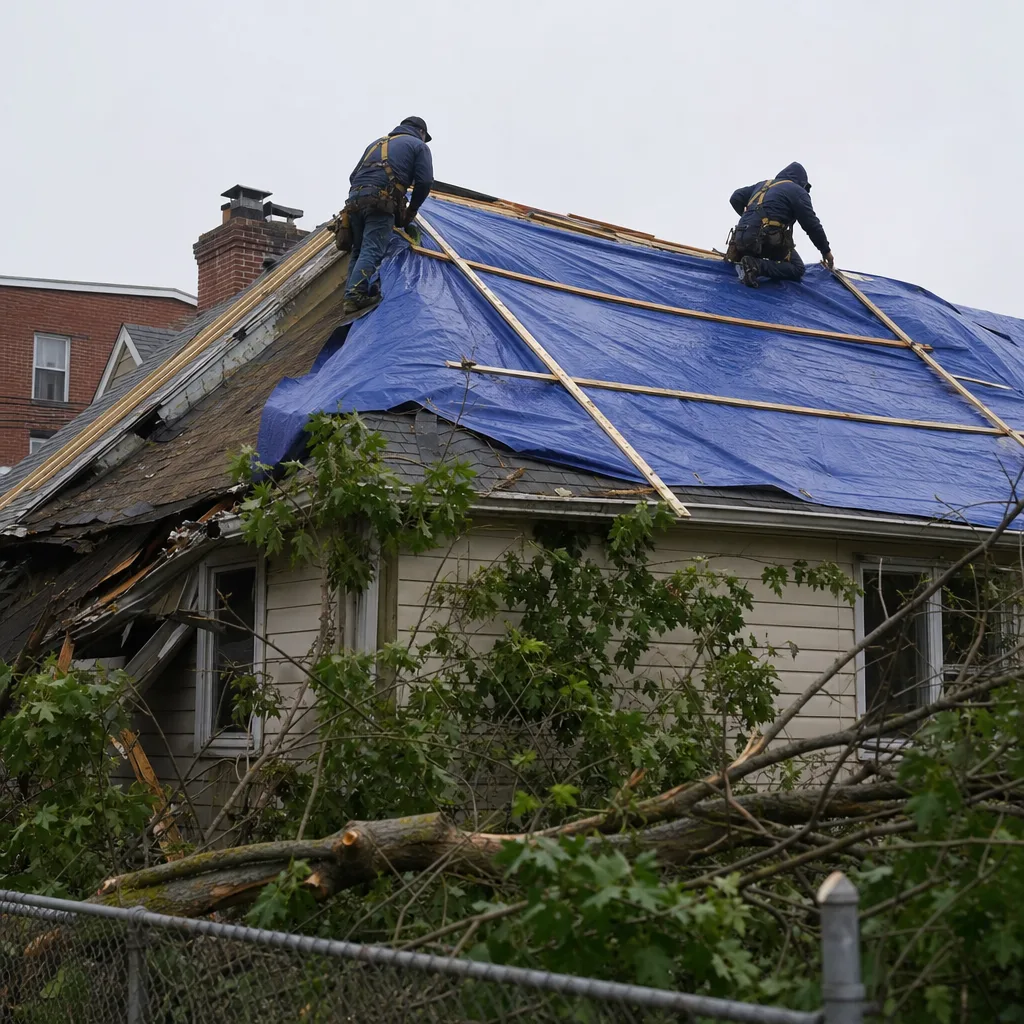
Emergency Board-Up & Tarping
After a fire, your property is exposed. We board up broken windows, tarp damaged roofs, and secure entry points the same visit. In Lower Manhattan’s active streets, security matters. We make sure no one gets in and no more weather gets in while restoration is underway.
What happens when you call
- 1
A real person answersNo phone trees - you reach a local pro.
- 2
You get an upfront price rangeHonest numbers before anyone is dispatched.
- 3
A background-checked tech heads outLicensed & insured, dispatched right away.
- 4
You approve before work beginsNothing starts until you say go.
Fire & Smoke Damage Restoration Costs in Lower Manhattan, NY
Fire and smoke restoration costs in Lower Manhattan run higher than the outer boroughs because of building conditions and access logistics. Smoke and soot cleanup in a typical one-bedroom apartment runs $2,500 to $6,000. Full content cleaning and pack-out in a converted loft adds $3,000 to $10,000 depending on volume. Odor removal using thermal fogging and ozone runs $800 to $2,500 per affected area. Structural fire repair in a cast-iron building, including soda blasting and protective coating, starts around $5,000 and goes up based on the number of members affected. Board-up and emergency stabilization runs $700 to $2,000. Most fire damage claims are covered under standard homeowners insurance, minus your deductible. We provide a free visual inspection and a line-item scope of work before any charge is finalized. Call (716) 452-0798 and a certified crew will walk the damage with you, no cost, no obligation.
We Also Serve Cities Near Lower Manhattan
Our crews regularly cross the bridges and tunnels to serve clients in Long Island City, Greenpoint, Williamsburg, and Murray Hill. If you have fire or smoke damage just outside Lower Manhattan proper, call and ask. We’re already in the area, and a live dispatcher can tell you right away if we can reach you.
Lower Manhattan Fire & Smoke Damage Restoration Questions, Answered
How does salt air near Battery Park City affect fire-damaged steel in Lower Manhattan buildings?
Salt-laden air accelerates corrosion on exposed steel after a fire, sometimes within 48 to 72 hours. That’s why we apply corrosion-inhibiting coatings to structural steel and cast iron during the restoration process, not as an afterthought. Near the waterfront, unprotected steel left after fire cleanup will start rusting quickly.
Why do smoke odors return in Tribeca lofts months after a standard cleanup?
They return because oily, hygroscopic soot residues were cleaned with freshwater-based deodorizers that never broke down the residue. When summer humidity climbs, the leftover soot absorbs moisture and releases odor again. In Lower Manhattan’s humid summers, that’s a pattern we see every year. Proper odor removal requires solvent-based cleaning and thermal fogging, not masking.
Can you restore contents from a fire in a converted Financial District office tower without pack-out?
Often yes, if the fire was contained and contents were protected from direct water. Our crews can set up a negative-pressure cleaning station in a secure staging area within the building. Electronics, documents, and clothing are cleaned on site. We only pack out when extreme soot penetration or specialty treatment requires it.
What is the timeline for structural fire repair in a Battery Park City residential tower?
Structural fire repair in a Battery Park City tower typically takes two to six weeks depending on the extent of fire exposure and the number of structural members affected. Cast iron warps faster than modern steel, so assessment happens first. Soda blasting and protective coating follow. Building management and your carrier both get the same timeline and scope in writing.
Do you need special containment for smoke work in Lower Manhattan high-rises?
Yes. High-rise smoke work requires negative-pressure containment that accounts for stack effect and shared mechanical risers. Smoke moves through HVAC chases and pressurized corridors in ways it never does in a single-family home. Undersized containment means soot re-contaminates cleaned areas, and we see that failure regularly on jobs where a less experienced contractor set up too small.
How fast can a crew actually reach my Lower Manhattan address?
We commit to a 45-minute dispatch window, with crews already staged in the Lower Manhattan area most days. Call (716) 452-0798 and a live dispatcher can tell you exactly how far out the nearest certified crew is.
Will my insurance cover fire and smoke restoration in a co-op or condo?
Most standard homeowners and condo policies cover fire and smoke damage, including soot removal, odor treatment, and structural repair. The specifics depend on your policy and the building’s master policy. We document everything your carrier needs and bill directly, so you’re not carrying the cost while the claim processes.
What should we do in the first 30 minutes after a fire in Lower Manhattan?
Get everyone out, call 911 if you haven’t, and then call us. Don’t wipe or wash soot-covered surfaces, that smears oily residue deeper into porous materials. Don’t turn on HVAC systems, that spreads smoke through the building. Don’t use electrical appliances in affected areas. Document what you can from a safe distance and let our crew start the professional assessment.
Serving Lower Manhattan, NY - Our Local Coverage Area
We’re based in the Lower Manhattan area and know this community well. Use the map below to see our service coverage - if you’re nearby, we can almost certainly help.
Contact Floodline Restoration Co. in Lower Manhattan
Fire and smoke damage gets worse every hour it sits. Soot bonds to plaster, cast iron corrodes, and odor sinks deeper into every porous surface. Our crews are trained and certified, our dispatchers answer live at all hours, and we stand behind our work with the 90-Day Done Right Promise, the Keystone Standard, in writing. Curt Bowman founded this company in 2010 on a simple idea: answer the phone, show up on time, and finish the job right. We’re the team that starts at the waterline and doesn’t leave until the rebuild is done and the last moisture reading is logged. Call (716) 452-0798 for a free visual inspection and a firm scope of work. No surprises on the bill, no arguing about the details. We’ll be there when we say.
Written by Curt Bowman, Owner at Floodline Restoration Co., serving Lower Manhattan and the surrounding area.