
Free visual inspection and a written scope of work before any mitigation begins - photos, moisture readings, and drying logs go in your claim file
The scope we write is the scope we bill. Anything new gets shown to you, in writing, before we touch it.
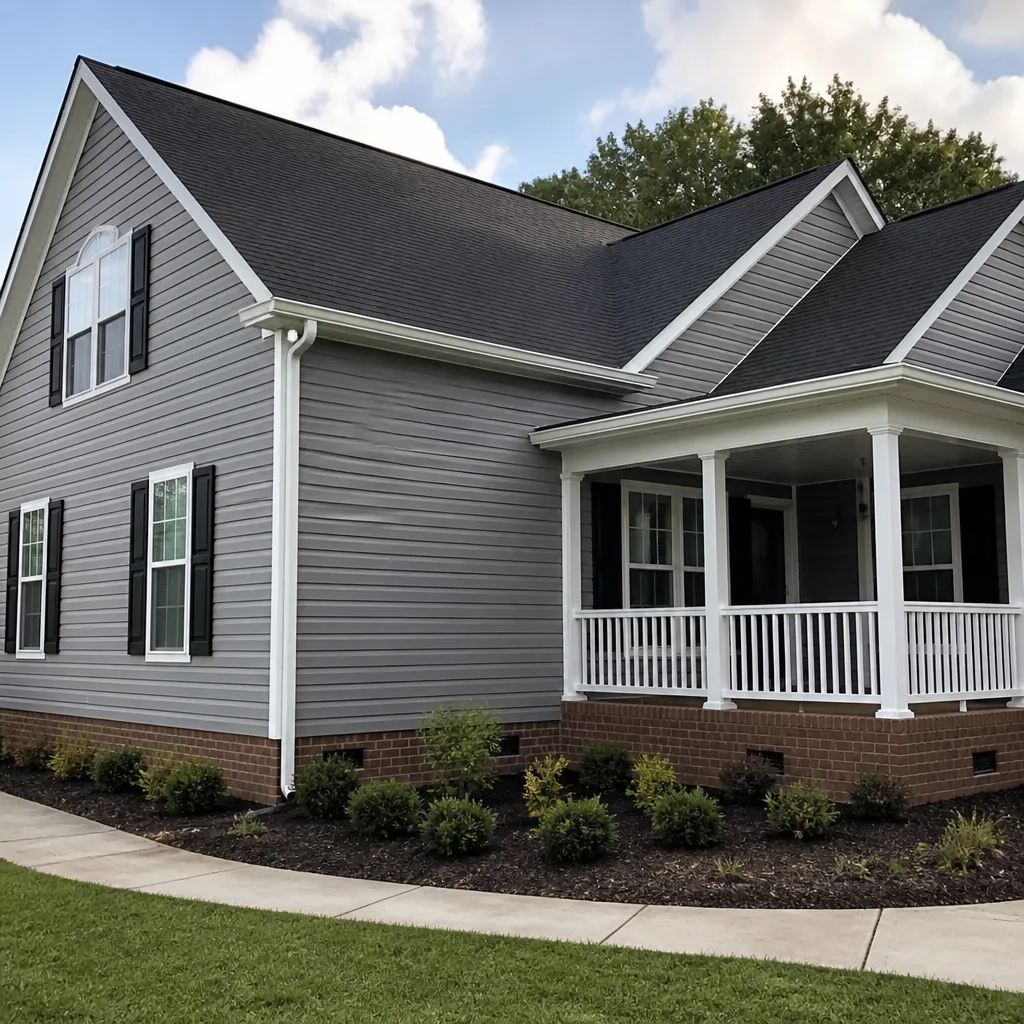
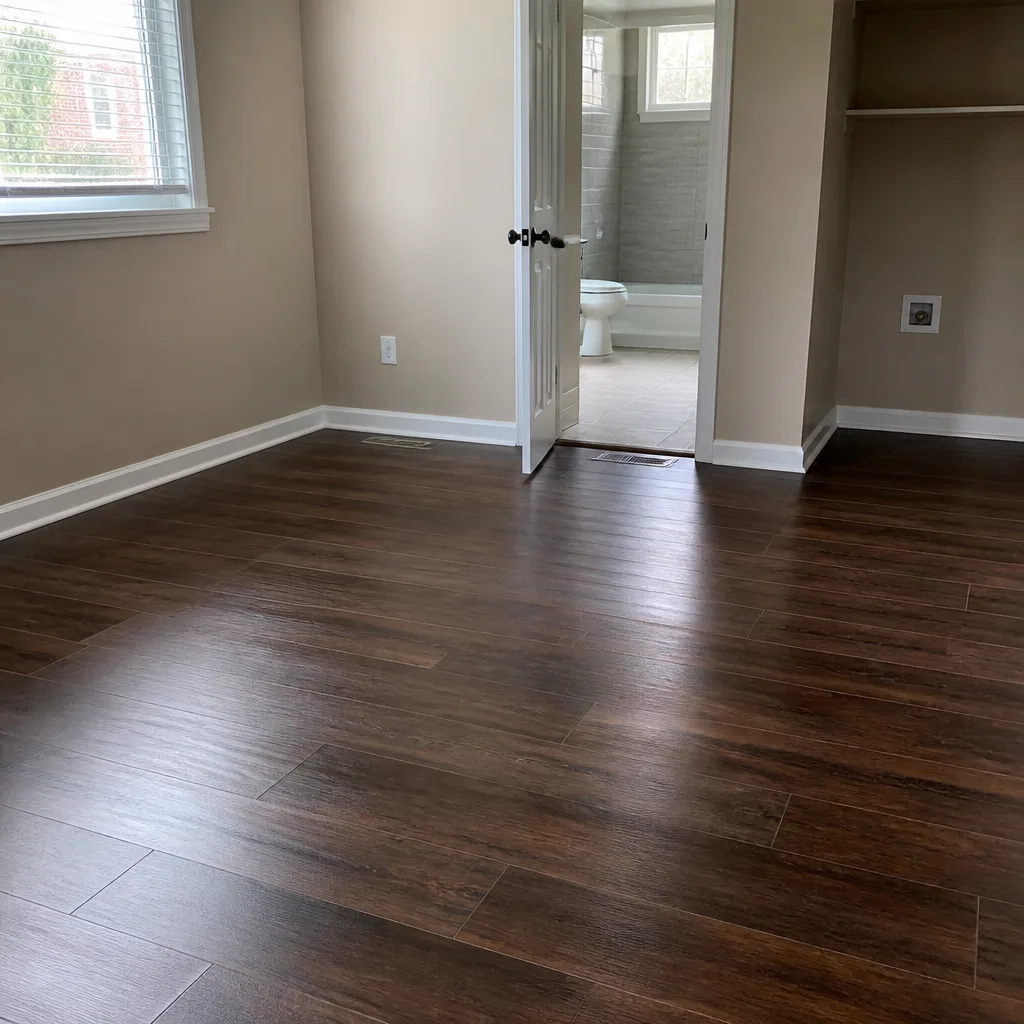
 Before
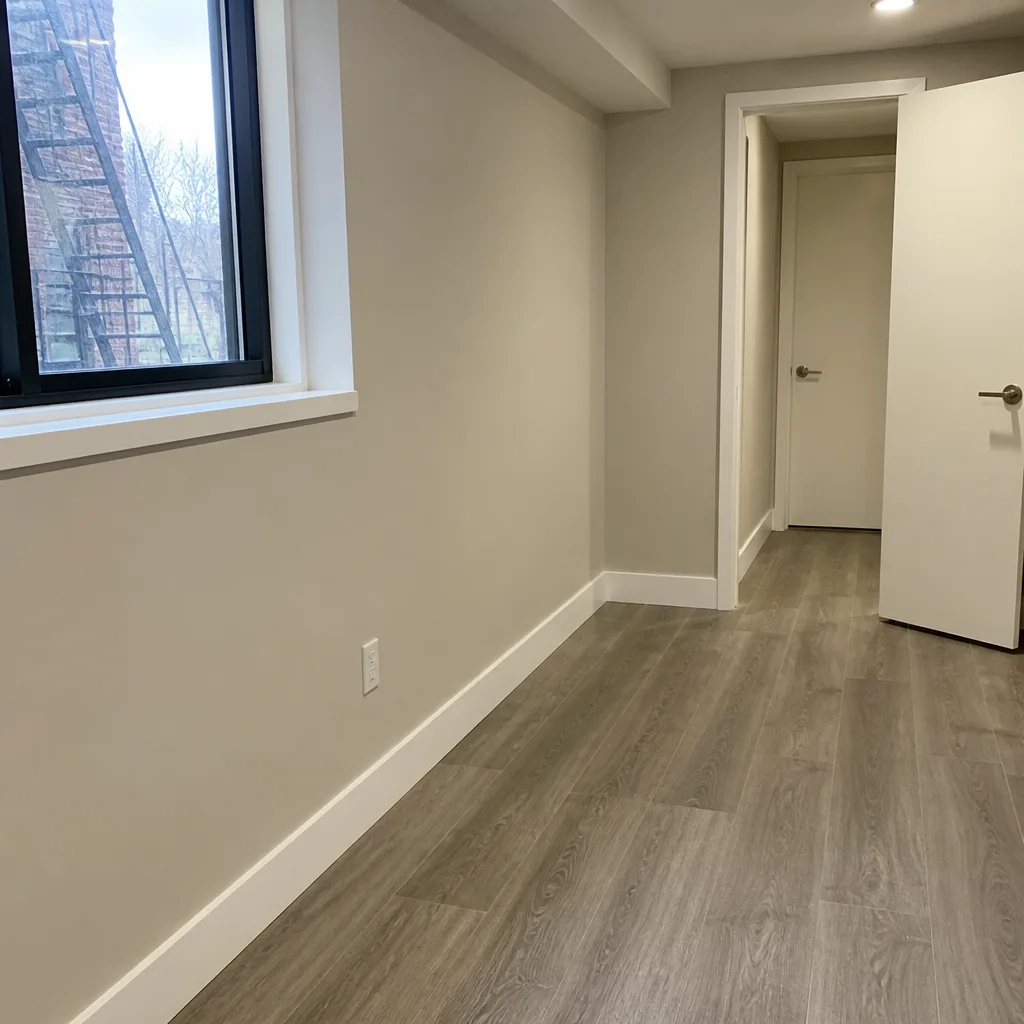 After
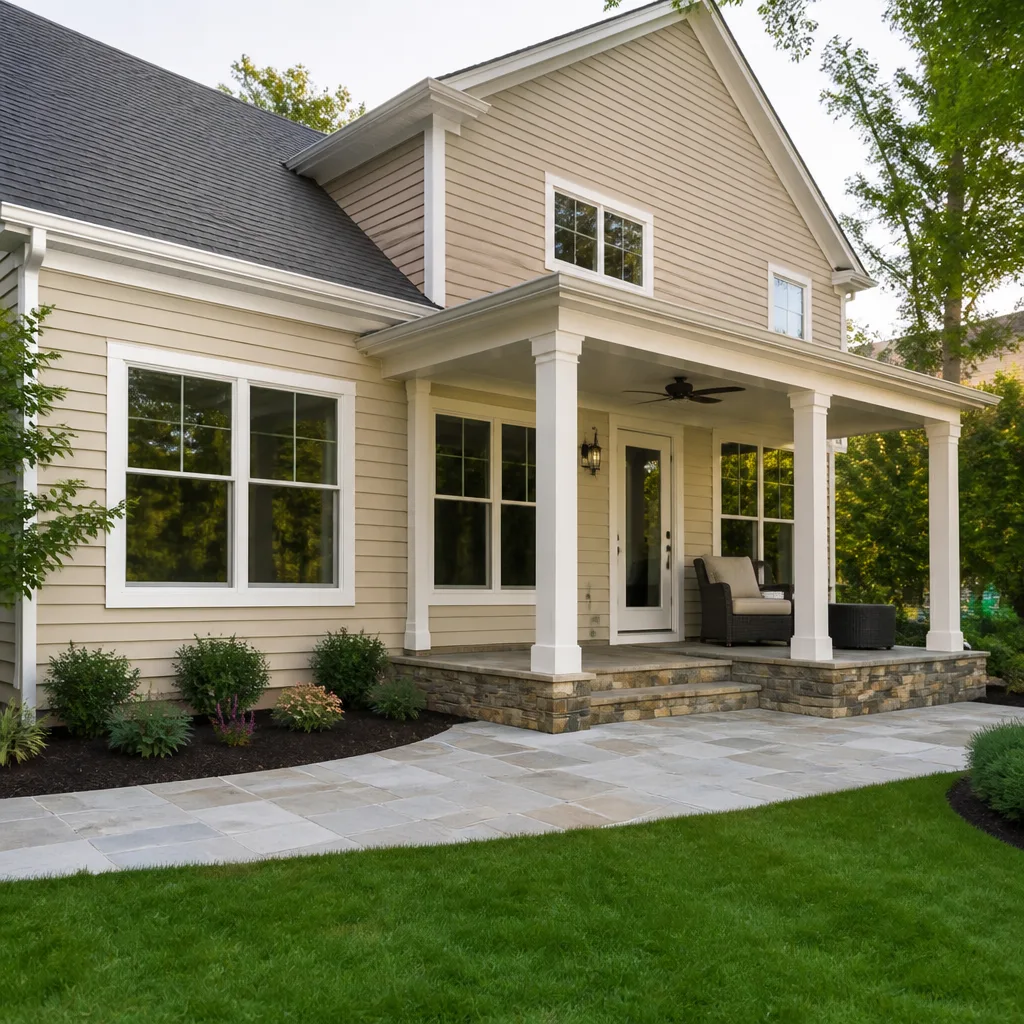
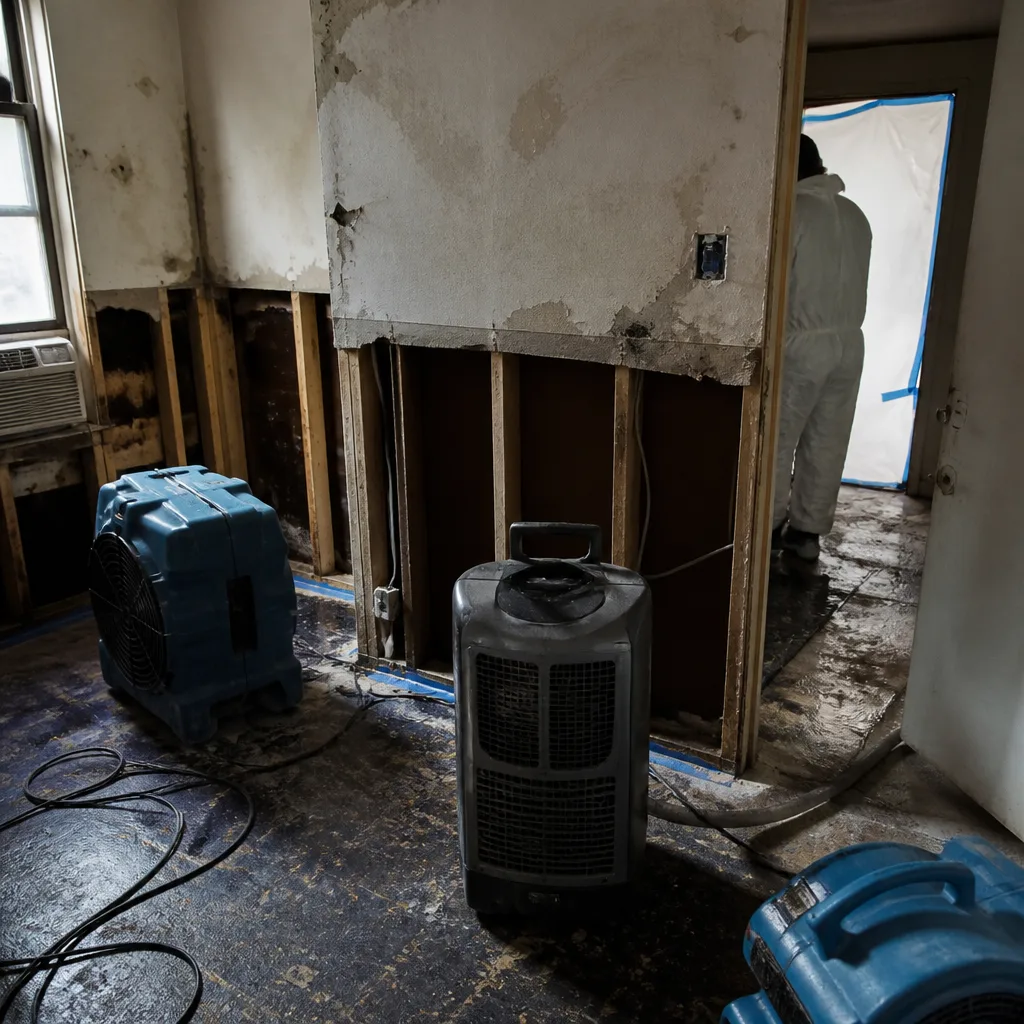
After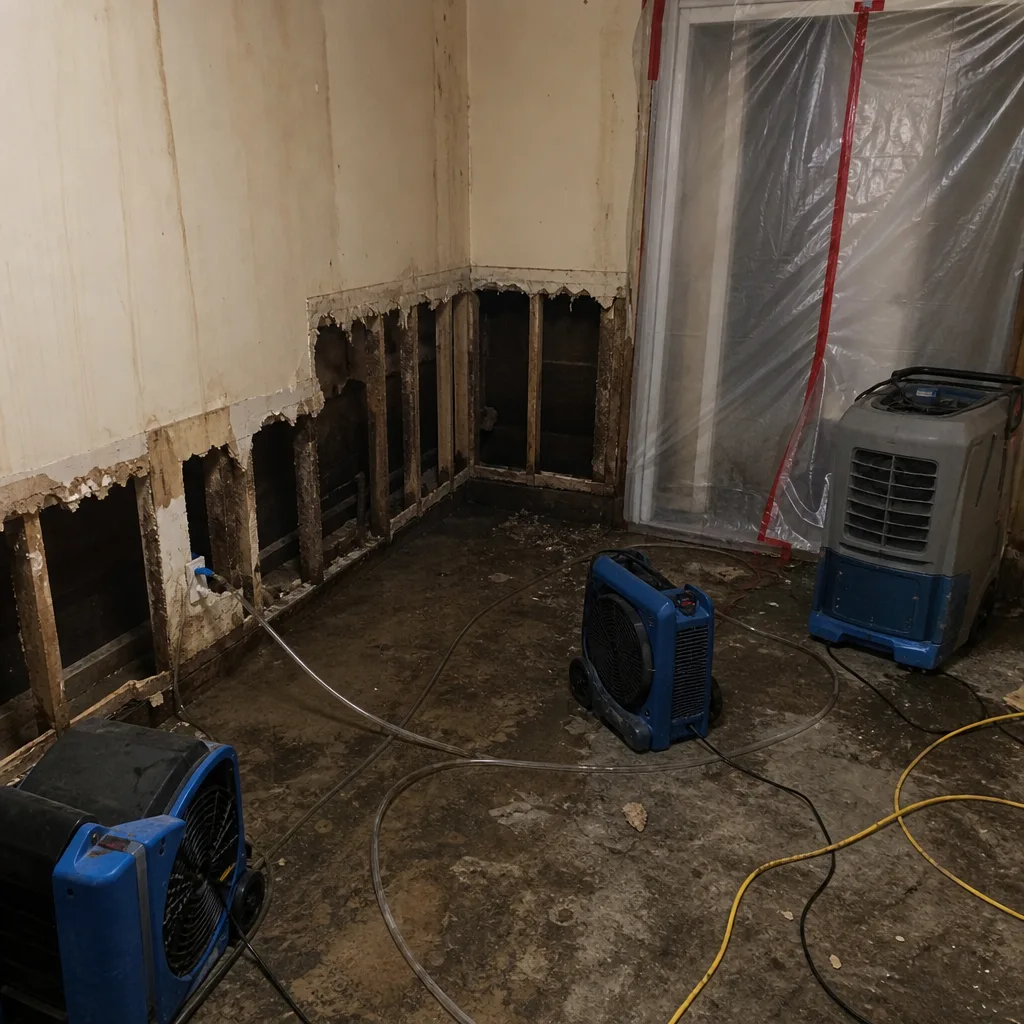 Before
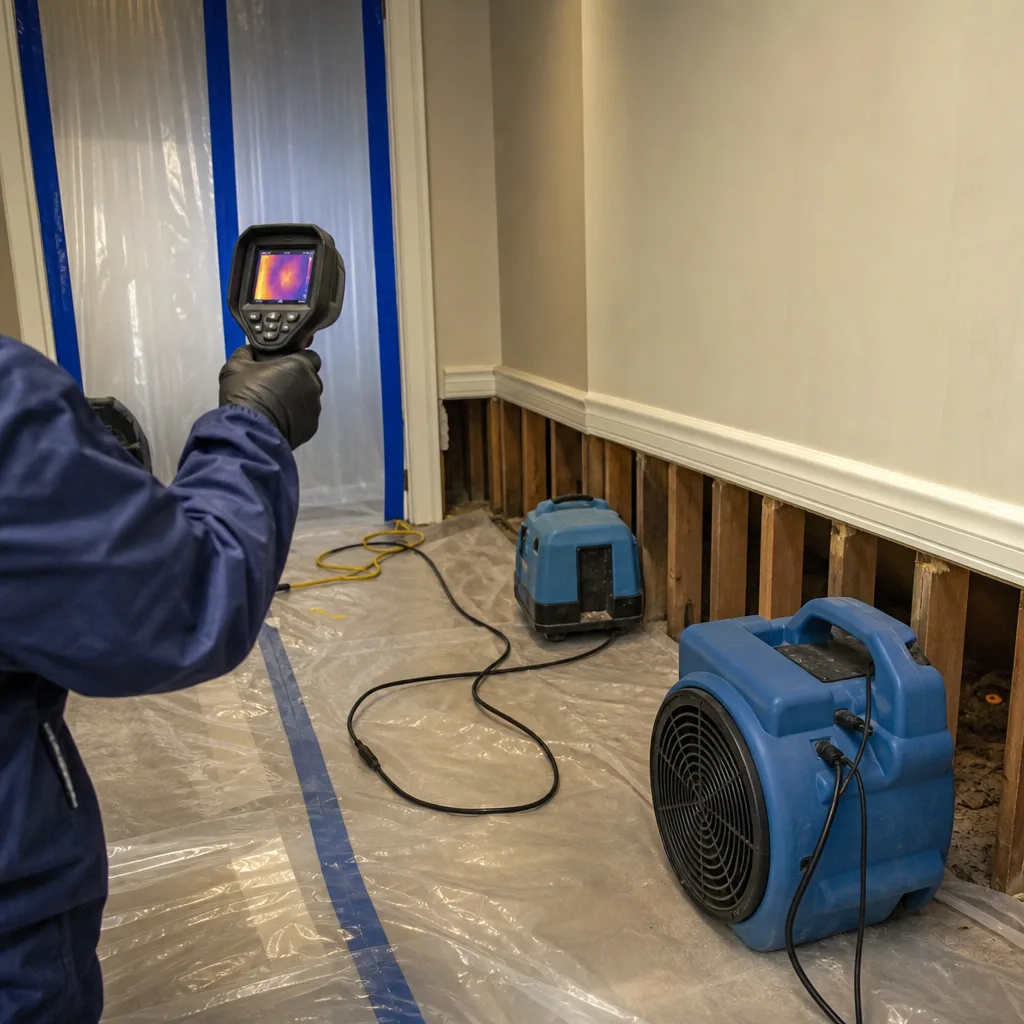 After
After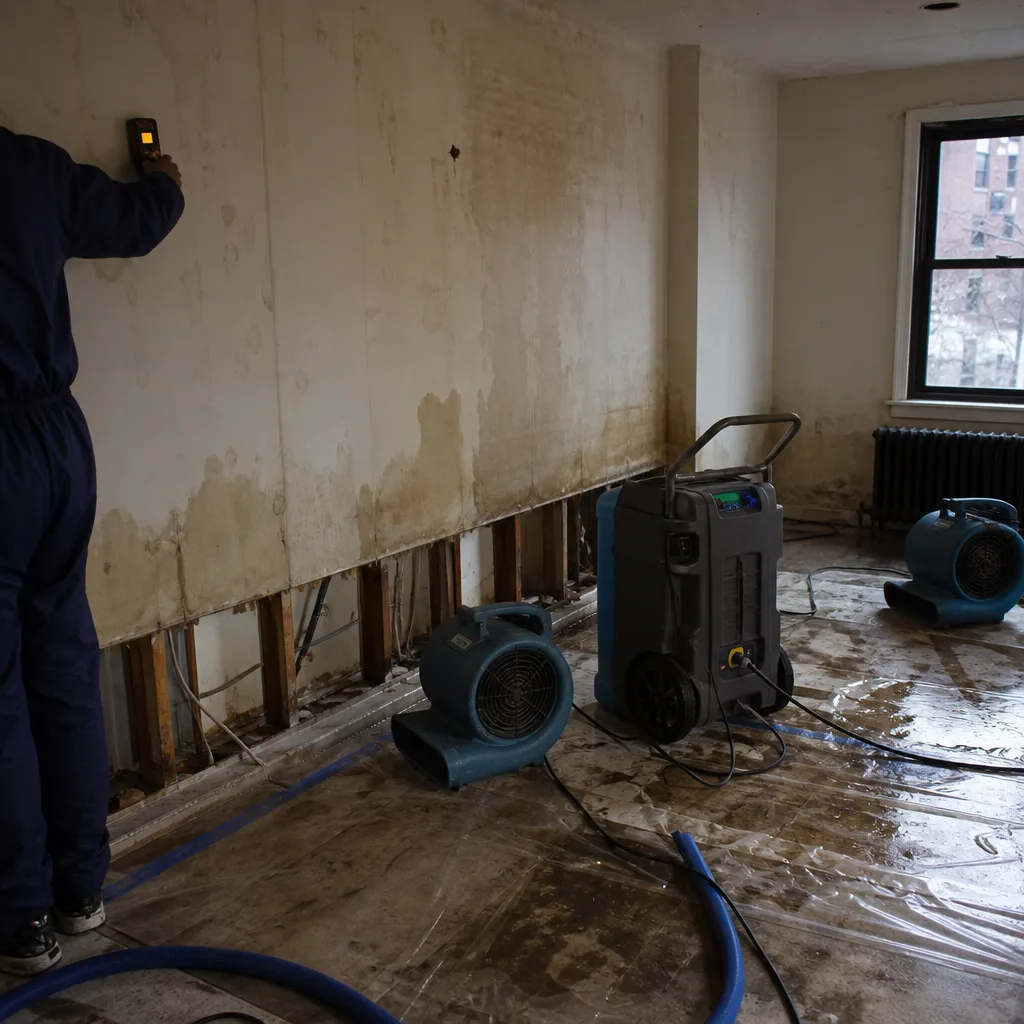 Before
 After
After24/7 Emergency Commercial Restoration in Upper Manhattan
Commercial restoration in Upper Manhattan means responding to a water line that let go at 2 a.m. above a locked retail space, or a steam riser that finally failed inside a pre-war wall after sixty years of service. We answer the phone with a live dispatcher at any hour, every day. Call (716) 452-0798 and a uniformed, background-checked crew heads toward your building immediately. The first hour after a commercial loss in Upper Manhattan decides whether you’re dealing with one damaged storefront or five floors of tenants, landlords, and insurance adjusters. Our crews are stationed to reach Washington Heights, Harlem, and Inwood fast. The inspection is free and we’ll walk you through exactly what we find before any work begins.
Understanding Commercial Restoration Severity in Upper Manhattan Properties
Upper Manhattan’s commercial spaces sit inside buildings that were mostly constructed between 1900 and 1940, and that changes how a restoration has to run. A burst supply line in a new Midtown high-rise is often a one-unit pump-out. The same break in a seven-story Washington Heights tenement with original cast-iron waste stacks can send Category 3 water, the kind carrying sewage and bacteria, down through six floors of horsehair plaster, wood lath, and occupied apartments. We classify water loss by category before touching anything. Category 1 is clean supply water. Category 2 carries contaminants from appliances or sumps. Category 3 is unsanitary, often from sewer backups or steam condensate that has sat inside walls. Moisture mapping with thermal imaging and penetrating meters tells us how far water traveled behind plaster that looks dry but isn’t. In these buildings, hidden water doesn’t stop at the ceiling line. It runs down pipe chases and wall cavities for days before anyone smells it.
Why Upper Manhattan Property Owners Choose Floodline Restoration Co.
- 45-minute response commitment from our New York City dispatch center to your Upper Manhattan address, day or night.
- A live person answers the phone 24/7. No automated tree. No voicemail. You talk to a dispatcher who starts a crew moving.
- IICRC-certified technicians trained to WRT, FSRT, and AMRT standards, with RIA and IFA certification backing the fieldwork.
- Free visual inspection with moisture mapping and a written scope before any drying or demolition starts.
- Direct insurance billing. We document the loss, send the estimate and drying logs to your carrier, and deal with the adjuster.
- One team from extraction to reconstruction. The same crew that sets containment rebuilds the wall. No mid-job handoff to a third party.
Our Commercial Restoration Process
Inspection & Assessment
We walk the property with you or your super, document every affected area, and run thermal imaging and moisture meters to find hidden water that isn’t visible yet. On pre-war Upper Manhattan buildings, we check for asbestos pipe insulation and lead plaster before any wall is opened.
Extraction & Stabilization
Standing water comes out first. We use truck-mounted extraction where access allows and portable units on upper floors. The goal is to stop the damage from spreading while we set up containment.
Drying & Dehumidification
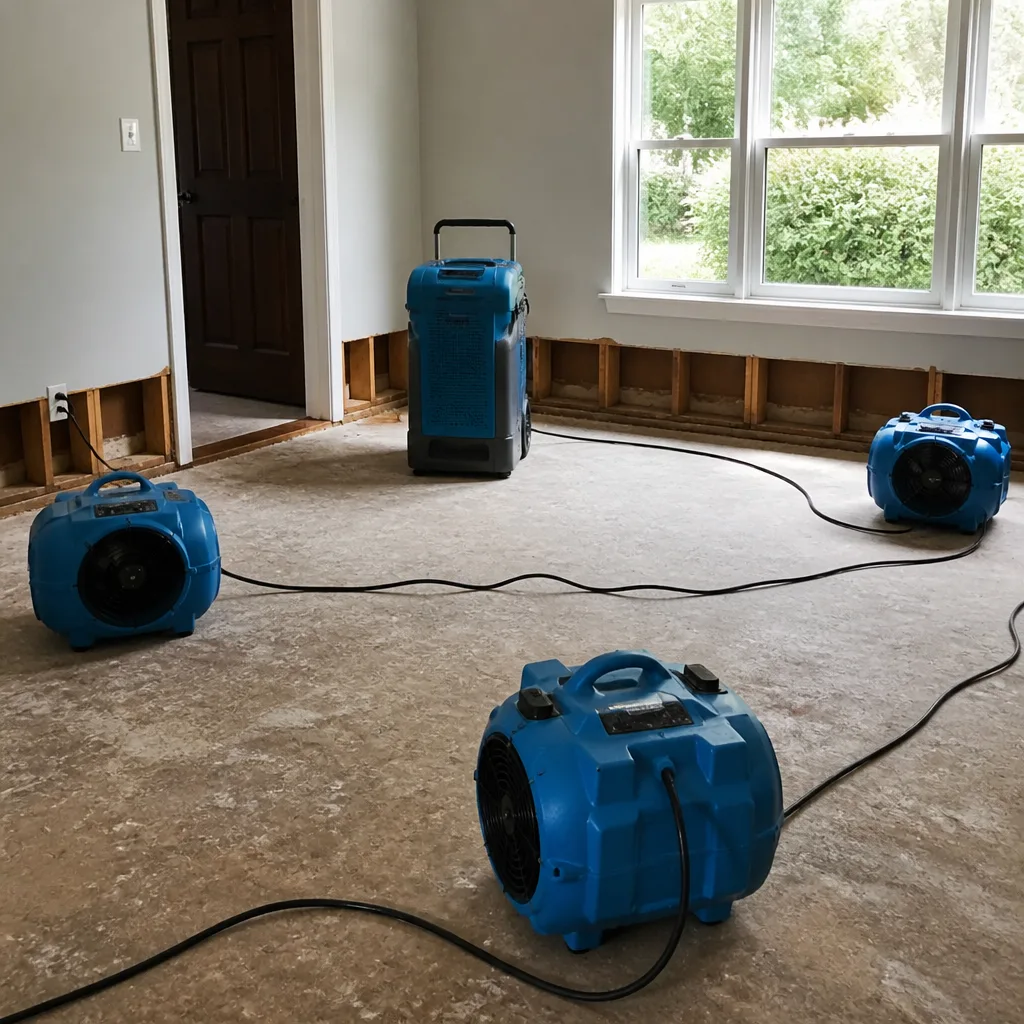
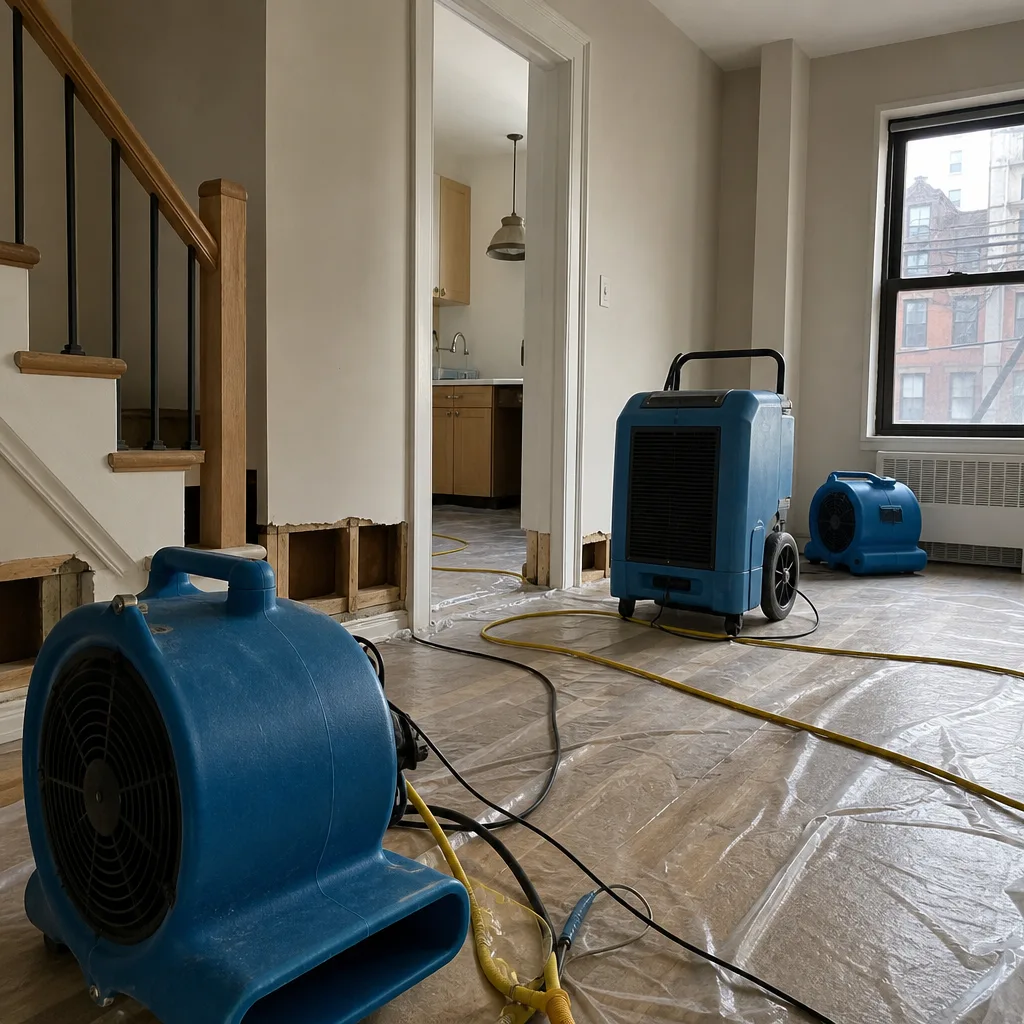
Dri-Eaz dehumidifiers and XPOWER air movers go in behind containment barriers. Daily moisture readings are logged until the dry standard is met. Your carrier and your tenants get the numbers, not a guess.
Cleaning & Sanitization
Category 2 and 3 losses get antimicrobial treatment and HEPA air scrubbing. Contents are either cleaned on site or packed out to our facility for inventory and restoration.
Specialty Treatment
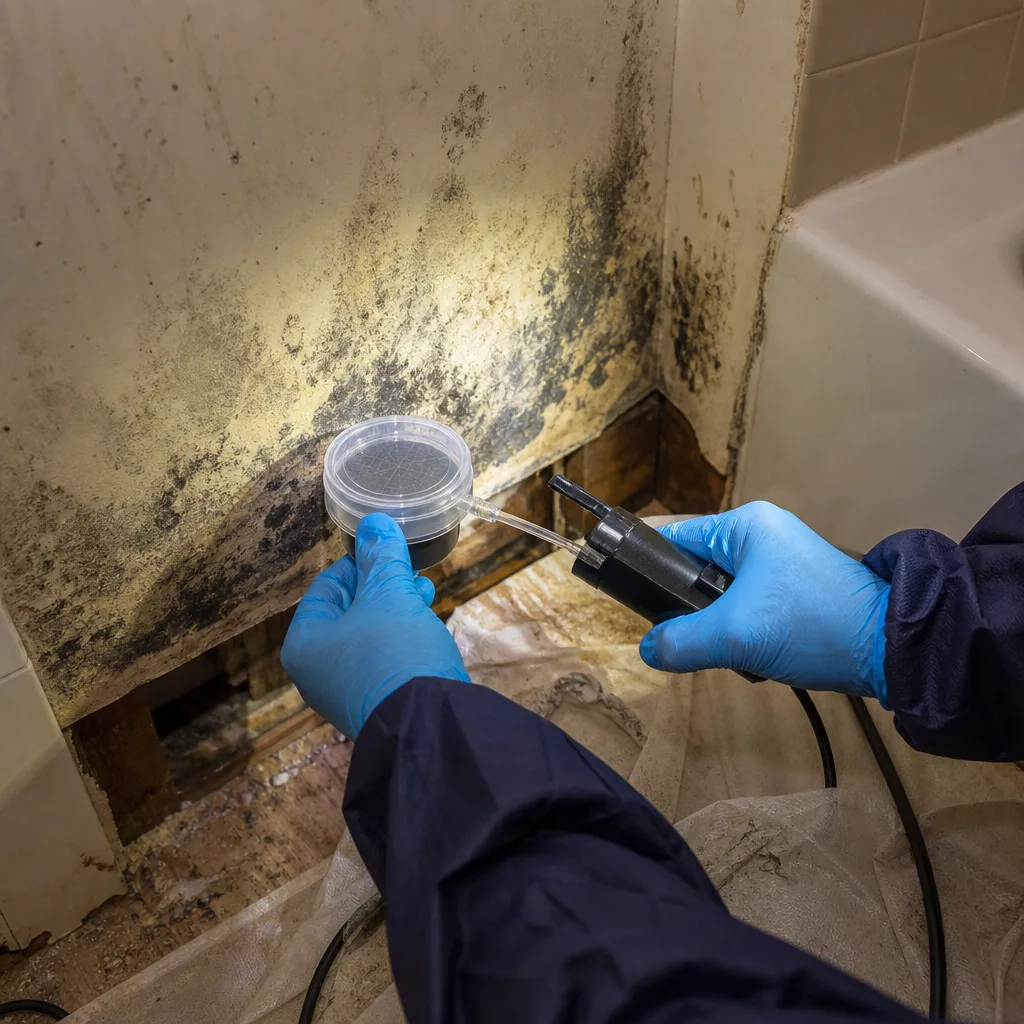
Depending on the loss, this means asbestos abatement certified under New York City rules, lead-paint-safe work practices under Local Law 1, or mold remediation with full containment and clearance testing.
Repairs & Restoration
Plaster, lath, trim, flooring, millwork, and paint. We rebuild to match the building’s original character, because in Upper Manhattan that character is part of your property’s value.
Need Emergency Commercial Restoration in Upper Manhattan Now?
Crews minutes away, answering live 24 hours a day. The sooner we start, the less it costs.
Working With Your Insurance Company
Most Upper Manhattan commercial losses involve at least two parties: you and your carrier, and often a co-op board, a landlord, or a condo association. We’ve spent 15 years handling these claims and we’ve learned that the claim goes smoother when the documentation is built from the first hour. We photograph every room before, during, and after. We keep the moisture log current and share it. Our line-item estimates use the same software carriers recognize, so the adjuster isn’t fighting a handwritten note. We talk directly to your adjuster, your broker, and your property manager. You stay informed, but you don’t have to play messenger. And every job carries the 90-Day Done Right Promise in writing. If something isn’t right, we come back and make it right. No arguing, no paperwork battle. That’s the Keystone Standard, and it’s non-negotiable on our end.
What We Provide Your Insurer
- Thorough documentation of the loss
- Photos of all damage, room by room
- Moisture readings and drying logs
- A detailed, line-item scope of work
- Direct coordination with your carrier
Built for Upper Manhattan’s Loss Calendar
Upper Manhattan’s commercial losses follow a pattern tied to the rivers and the weather. January and February bring deep freezes that crack uninsulated supply lines in brick tenement basements and burst radiator valves in storefronts. March and April thaw sends groundwater into below-grade retail spaces along Broadway and St. Nicholas Avenue, where old foundation walls leak under hydrostatic pressure. Summer convective storms drop an inch of rain in forty minutes, overwhelming flat roof drains and sending ponding water over parapet walls. Nor’easters from September through November push wind-driven rain under aging felt-and-gravel roofs, and the water takes weeks to show up as ceiling stains in top-floor units. Add to that the slow leaks, the steam lines and waste stacks that deteriorate inside walls for years before anyone calls, and you have a restoration schedule that never really quiets down. We run crews year-round because the buildings demand it.
Commercial Restoration Across Upper Manhattan’s Neighborhoods
In Harlem, the commercial corridors along 125th Street and Lenox Avenue run through mixed-use buildings where a restaurant’s kitchen fire can put smoke into apartments above and a nail salon’s water supply issue can soak the dry cleaner below. We’ve worked in Washington Heights buildings along 181st Street and Fort Washington Avenue where 1920s elevator buildings house medical offices on the ground floor and rent-stabilized apartments on the fifth. When a laundry drain backs up on the second floor, the Category 3 water follows the old pipe chases all the way to the basement deli. Inwood’s commercial strips on Dyckman Street and Broadway sit in some of the oldest continuous building stock in Manhattan, with original wood floor joists that cup and twist when they dry wrong. Hamilton Heights and Sugar Hill have Beaux-Arts rowhouses converted into offices where a leaking skylight or original copper flashing becomes a restoration project the moment plaster starts falling. Our crews know these buildings because we’ve been working in them for over a decade, and our dispatchers know the fastest routes when a call comes in.
Specialized Commercial Restoration Services We Offer in Upper Manhattan
Multi-Unit & HOA Restoration
This is the core of Upper Manhattan work. A single water event in a Washington Heights co-op or a Harlem HOA building touches tenants, shareholders, the board, the managing agent, and the commercial tenant on the ground floor. We coordinate all of it. We schedule access with supers, we keep tenants informed, we stage equipment so it doesn’t block stairwells or fire escapes, and we document everything the board and the carrier need for a clean claim. Local Law 1 compliance on lead, plus asbestos surveys on any pre-1940 building, are built into our scope from day one, not added later when a stop-work order appears.
Business Interruption Minimization
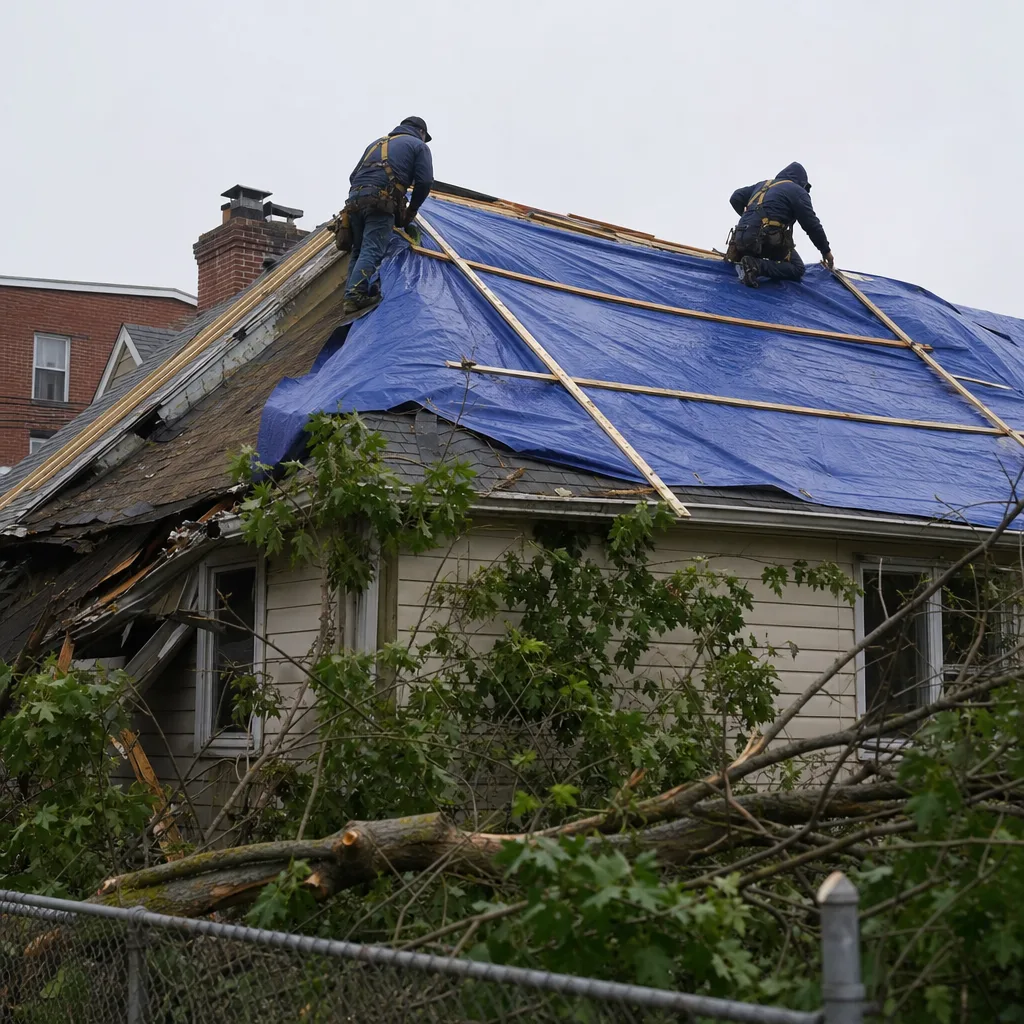
Every day a storefront is closed is revenue gone and staff sent home. In Upper Manhattan, where many businesses run on thin margins and neighborhood loyalty, the difference between a three-day drying job and a two-week demolition is whether the water was found early and mitigated correctly. We set containment so the bodega stays open while we dry the wall behind it. We run air movers on a schedule that respects your hours of operation. If a commercial kitchen is down, we bring in drying equipment sized for fast recovery. The goal is always the same: get you back open.
Large-Loss Response
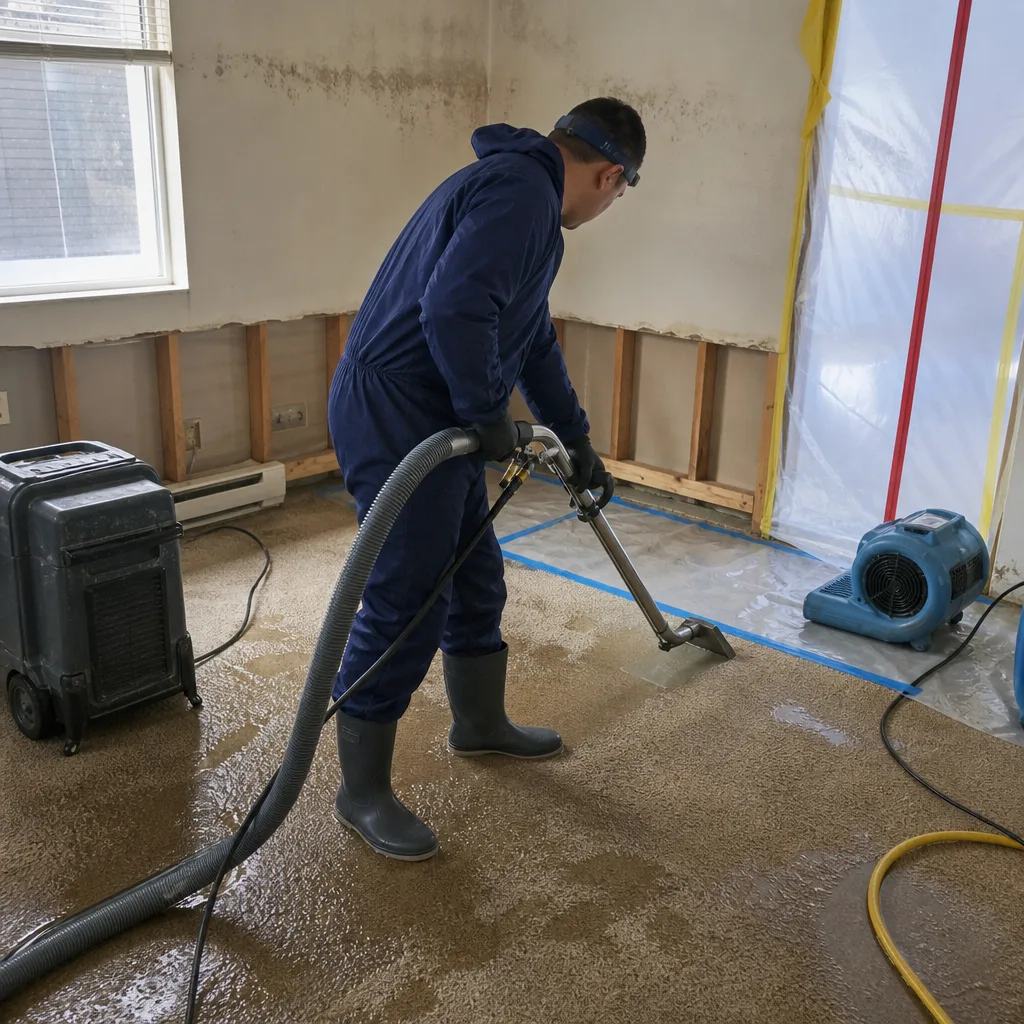
When a steam riser lets go in a seven-story Harlem building at 3 a.m., it doesn’t wait for business hours. Neither do we. Large-loss response means multiple crews, truck-mounted extraction, immediate containment on every affected floor, and a project manager who owns the whole job. We handle the asbestos, the lead, the Category 3 water, the tenant notifications, and the rebuild. One team, one plan, one written scope.
Office & Retail Restoration
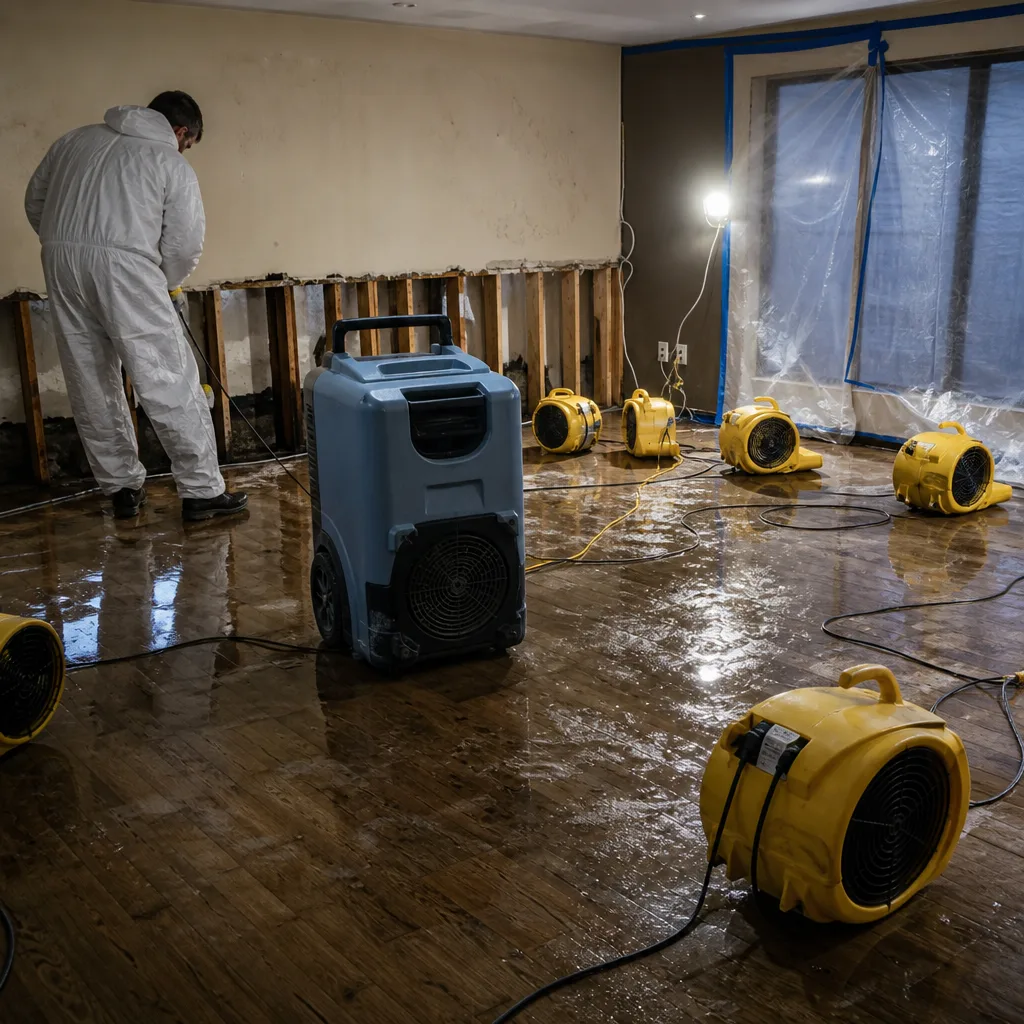
Offices above storefronts along Amsterdam Avenue or St. Nicholas Avenue deal with the same pre-war plumbing as everyone else. We dry carpets, hardwood, and plaster walls without shutting down your business. Document recovery, electronics triage, and furniture pack-out are part of the job when needed. For retail, we work around open hours and keep the storefront presentable enough to keep ringing the register.
Industrial Facility Cleanup
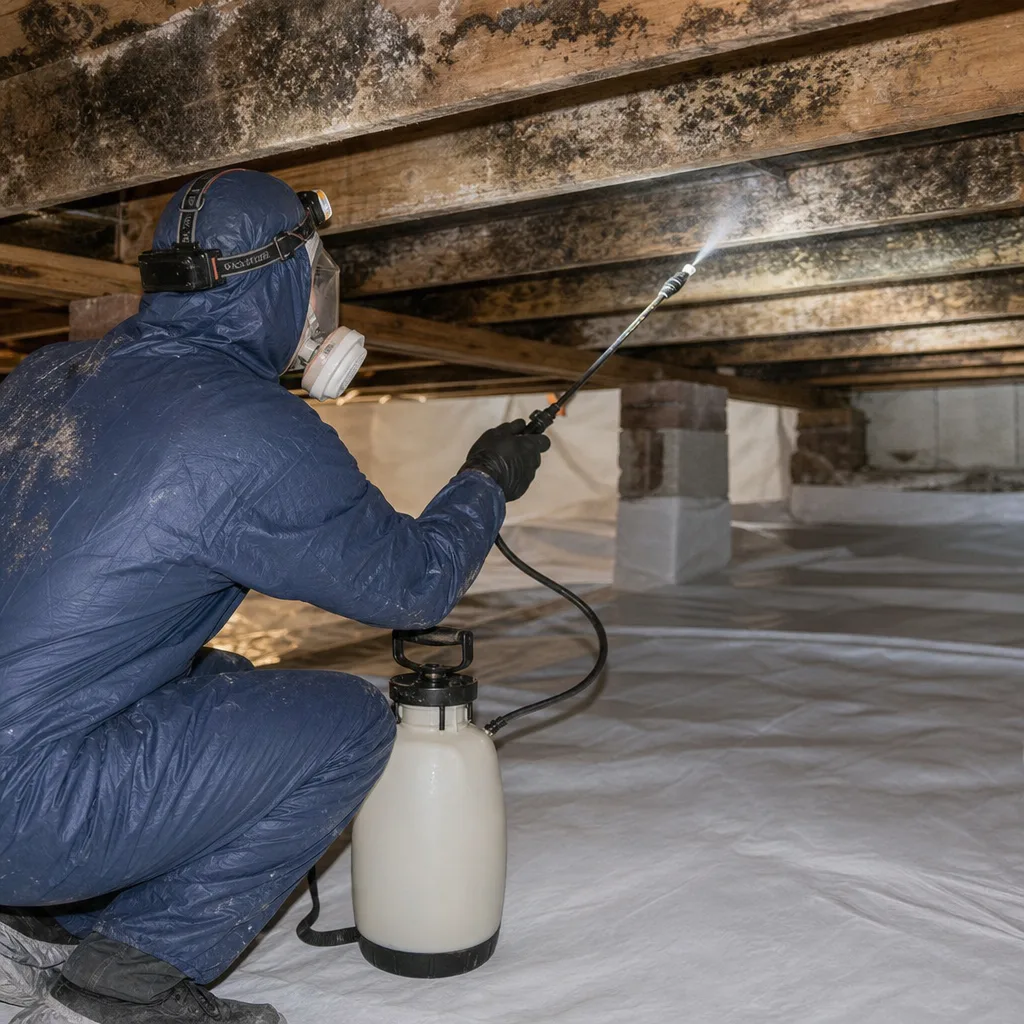
Upper Manhattan’s industrial spaces tend to be basements, warehouse conversions, and loading docks tucked under residential buildings. We have the equipment, including Phoenix and B-Air units, to dry large concrete slabs and masonry walls. And we know the local rules on asbestos and lead for these older structures, which saves you from a Department of Buildings violation down the line.
What happens when you call
- 1
A real person answersNo phone trees - you reach a local pro.
- 2
You get an upfront price rangeHonest numbers before anyone is dispatched.
- 3
A background-checked tech heads outLicensed & insured, dispatched right away.
- 4
You approve before work beginsNothing starts until you say go.
Commercial Restoration Costs in Upper Manhattan, NY
Commercial restoration pricing in Upper Manhattan is shaped by the buildings. A simple Category 1 water extraction and drying in a single retail space with modern drywall might run $3,000 to $7,000. The same loss in a pre-war building where we have to set full containment, pull out lead-painted horsehair plaster, and abate asbestos pipe insulation can hit $20,000 to $60,000 before rebuild even starts. Large-loss multi-floor events in Washington Heights or Harlem co-ops routinely range from $75,000 to $250,000 depending on the number of units affected, whether Local Law 1 lead abatement is triggered, and how much of the original plaster has to be removed. Insurance typically covers most of these costs when the loss is sudden and accidental. Our free inspection gives you a written scope with real numbers, so you know the full picture before any work begins. Call (716) 452-0798 and we’ll walk the building with you. The estimate costs nothing, and the conversation alone will tell you whether you’re looking at a cleanup or a reconstruction.
We Also Serve Cities Near Upper Manhattan
Our restoration crews cover the neighborhoods and boroughs around Upper Manhattan, including Long Island City, Greenpoint, Williamsburg, and Murray Hill. If your commercial property sits just outside our immediate response area, call (716) 452-0798 and we’ll tell you straight whether we can get a crew there fast enough to matter.
Serving Upper Manhattan, NY - Our Local Coverage Area
We’re based in the Upper Manhattan area and know this community well. Use the map below to see our service coverage - if you’re nearby, we can almost certainly help.
Upper Manhattan Commercial Restoration Questions, Answered
What does Local Law 1 mean for our commercial property in Upper Manhattan?
Local Law 1 applies to buildings built before 1960 and requires lead-safe work practices whenever lead-based paint is disturbed, which means a wet horsehair plaster wall in a Harlem storefront triggers certified lead abatement, not just patching.
Can you dry our business space in a Washington Heights tenement without shutting us down?
In most cases yes, we set containment barriers across the affected area, run drying equipment behind them, and schedule equipment checks around your hours of operation so the bodega or office keeps working while the wall dries.
How do you handle a burst drain that floods our storefront and the floors above?
We stop the source first, extract everything, map the moisture on every affected floor, and coordinate with the landlord and tenants above because in pre-war buildings the water tracks through pipe chases and wall cavities, not just straight down.
Do you need to remove original plaster walls in Harlem when they get wet?
Not always, and we save it whenever possible by drilling small openings, flushing the cavity, and running directed airflow inside the wall to dry it in place, but if the plaster is soaked with Category 3 water or hides asbestos insulation, removal with proper abatement is the honest call.
What hidden water sources in pre-war buildings cause the most commercial losses?
Steam risers and radiator lines corrode from the inside out, and they leak for months inside walls before anyone smells mold on the ground floor, so by the time we are called the hidden wet cavity often runs from the third floor to the seventh.
How fast can a crew actually get to Upper Manhattan?
We commit to 45 minutes from call to dispatch for emergency losses, and our New York City-based crews serve Washington Heights, Harlem, Inwood, and surrounding areas directly.
How long does commercial drying take in these old buildings?
Most drying takes 3 to 7 days, but pre-war horsehair plaster and masonry walls hold water longer than modern drywall, so we set expectations with daily moisture readings that show the trend rather than a fixed deadline.
What should I do in the first 30 minutes after discovering a commercial water loss?
Call us at (716) 452-0798, kill power to the affected area if water is near outlets, move stock or electronics off the floor if safe, and take photos, because what you document before we arrive helps your claim from day one.
Written by Curt Bowman, Owner at Floodline Restoration Co., serving Upper Manhattan and the surrounding New York City area since 2010.