
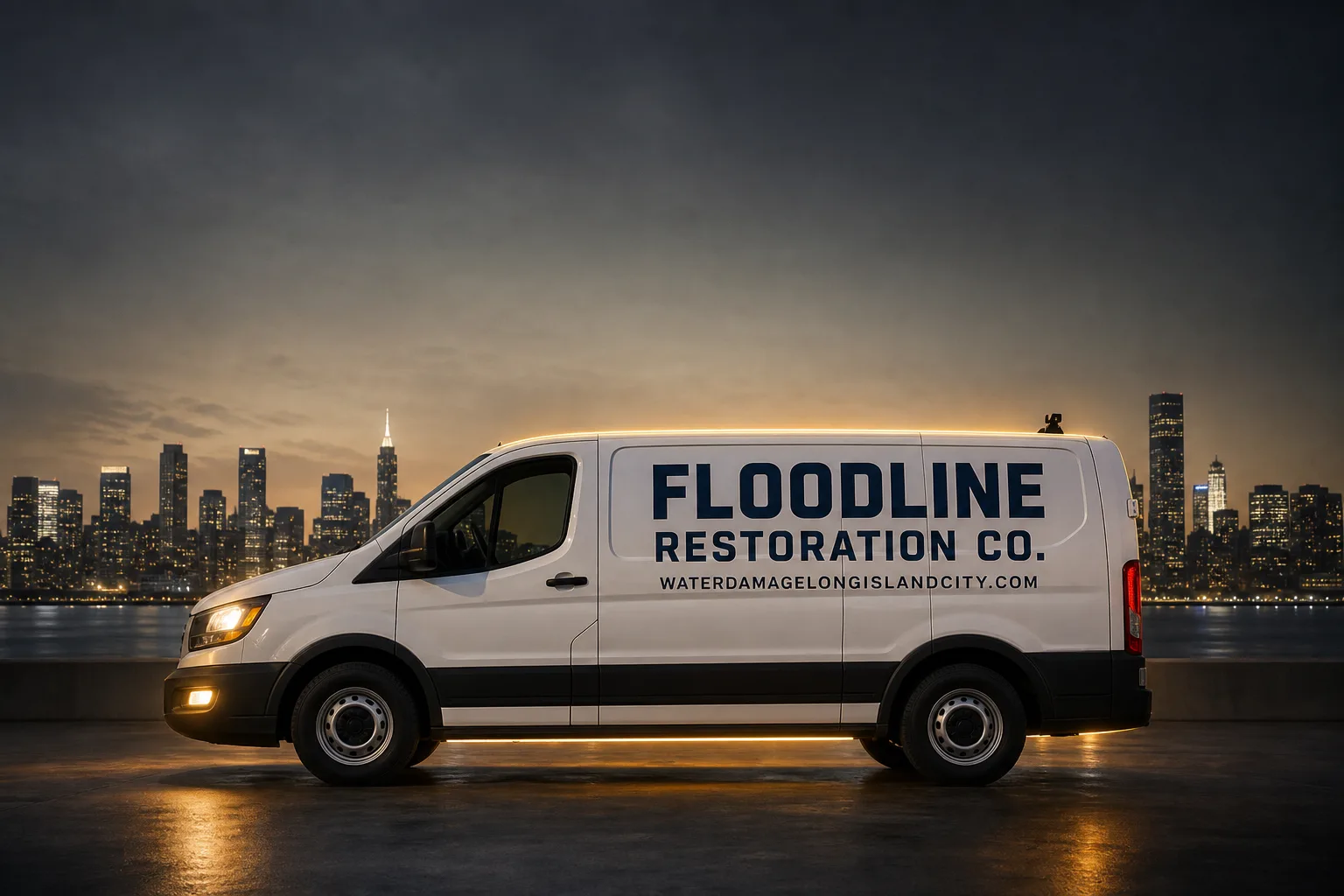
Free visual inspection and a written scope of work before any mitigation begins - photos, moisture readings, and drying logs go in your claim file
The scope we write is the scope we bill. Anything new gets shown to you, in writing, before we touch it.
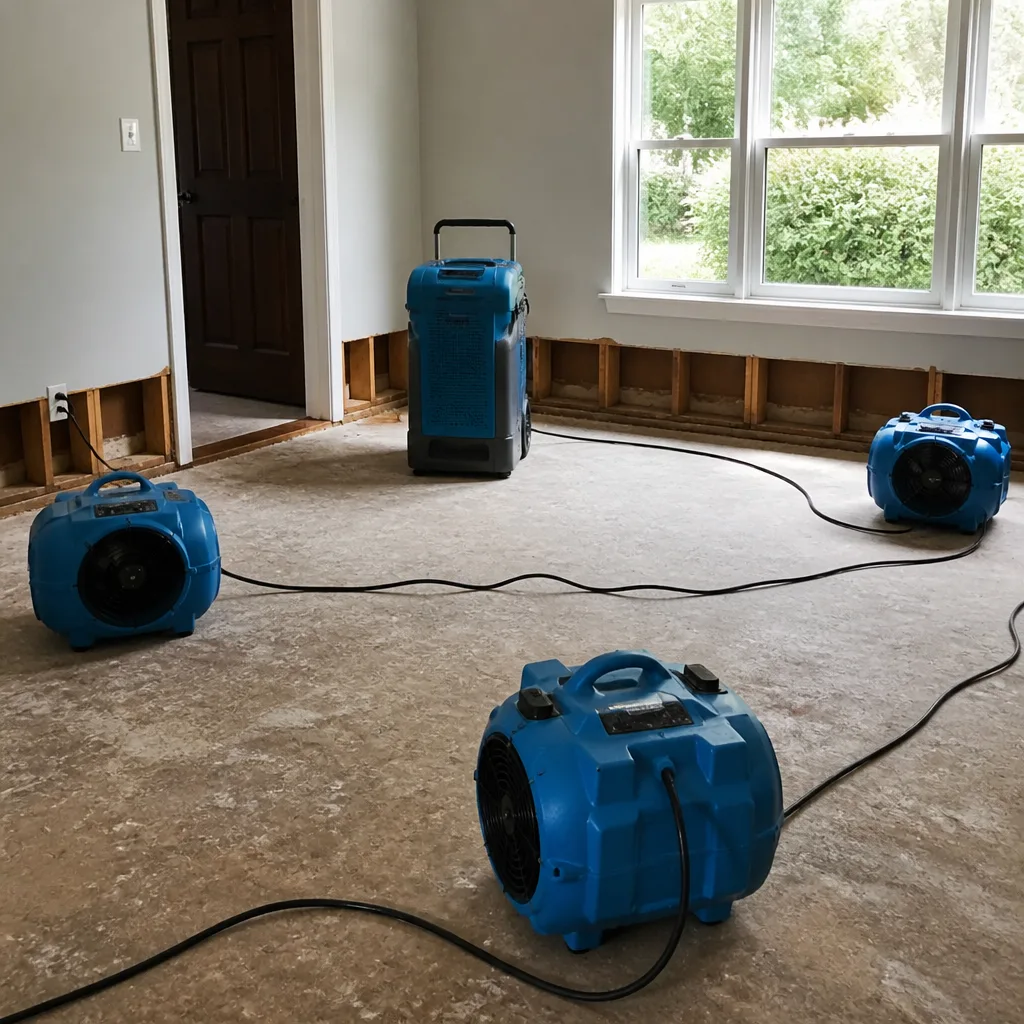
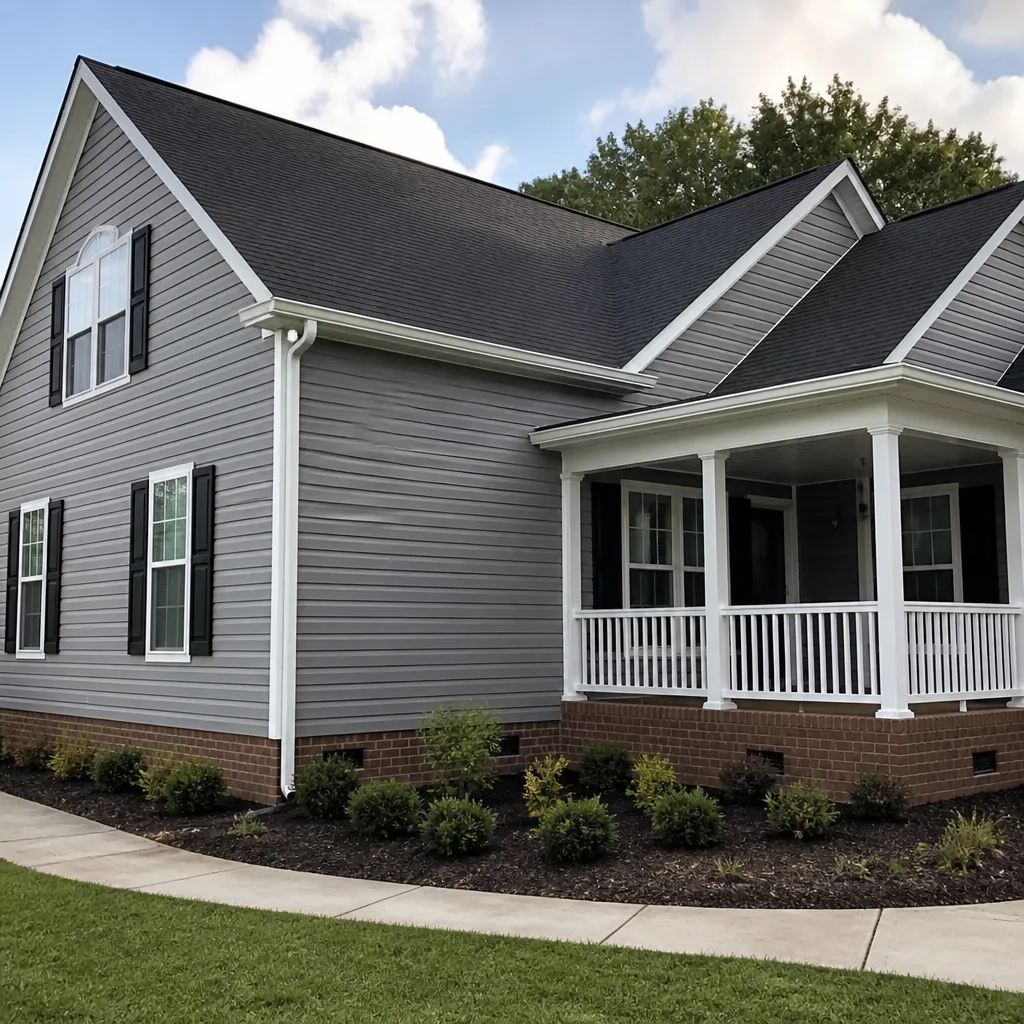
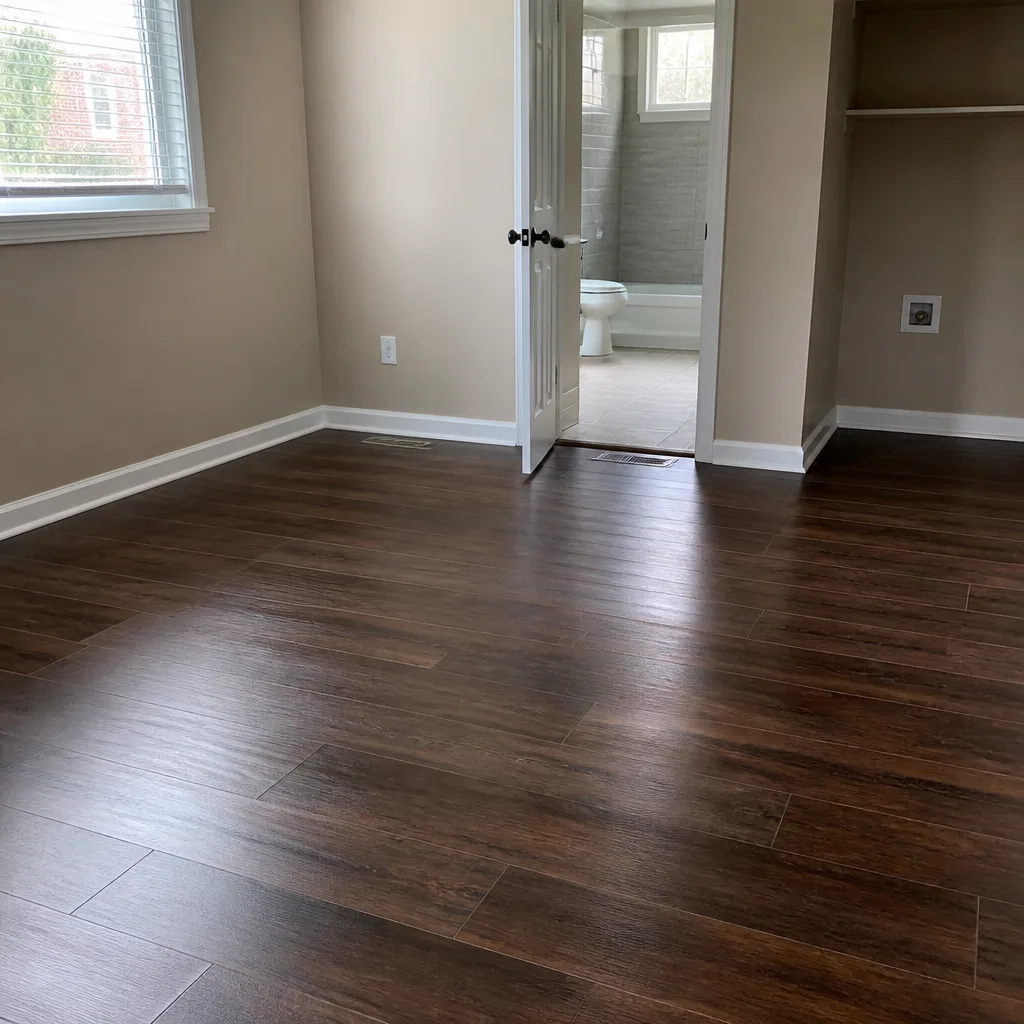
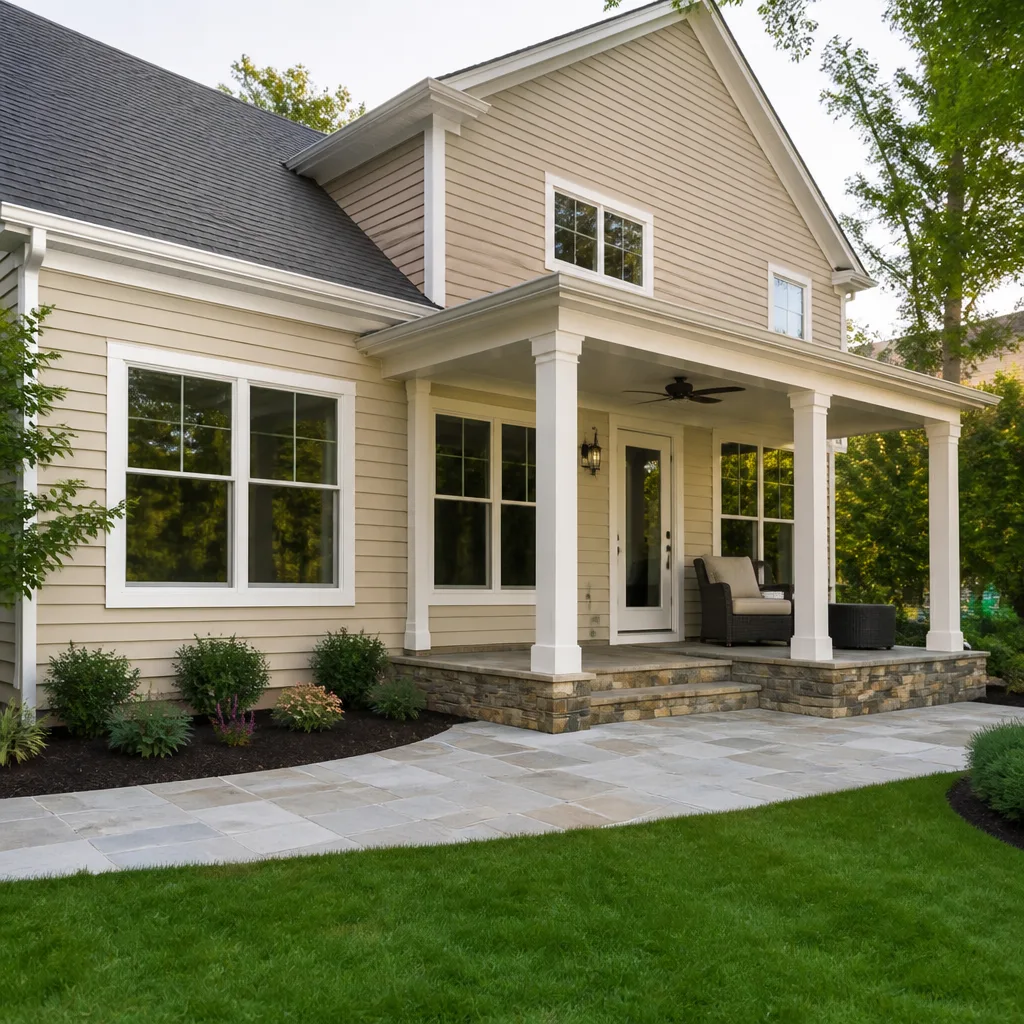
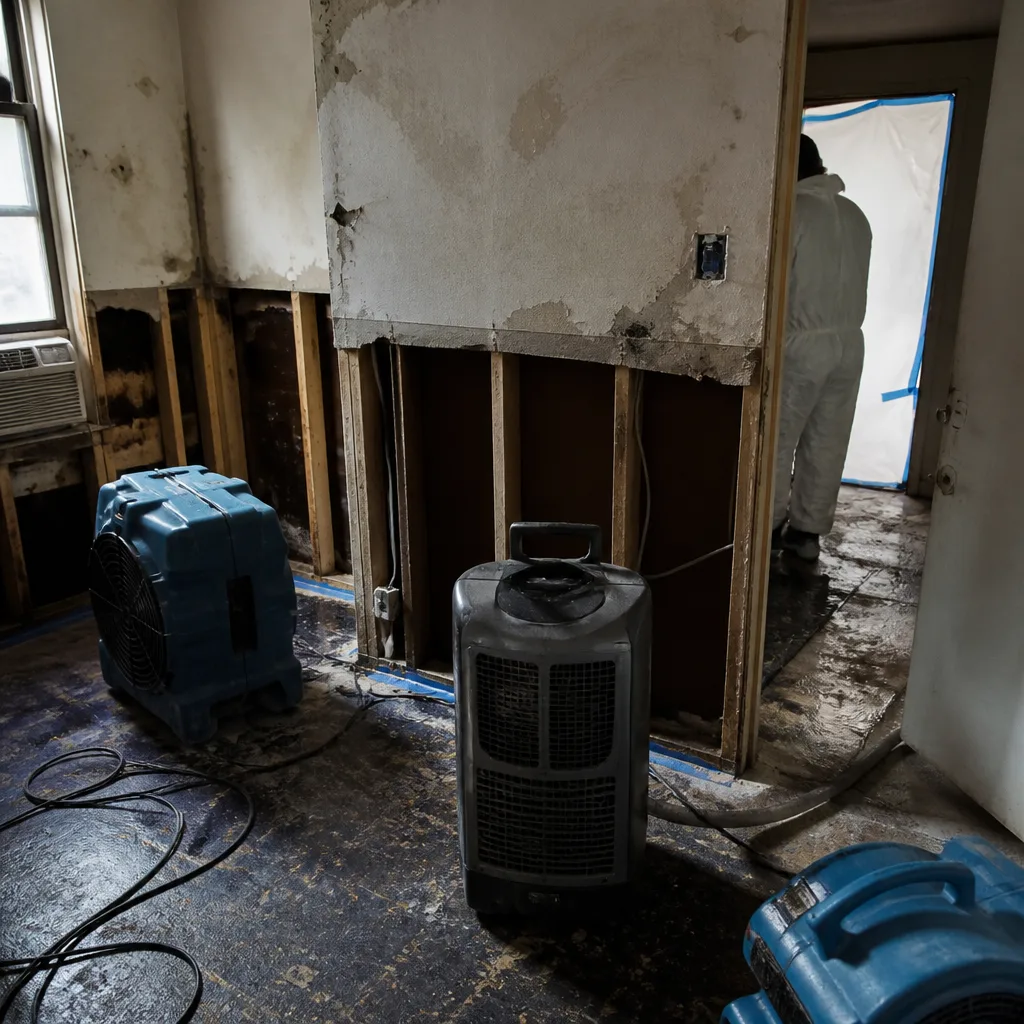 Before
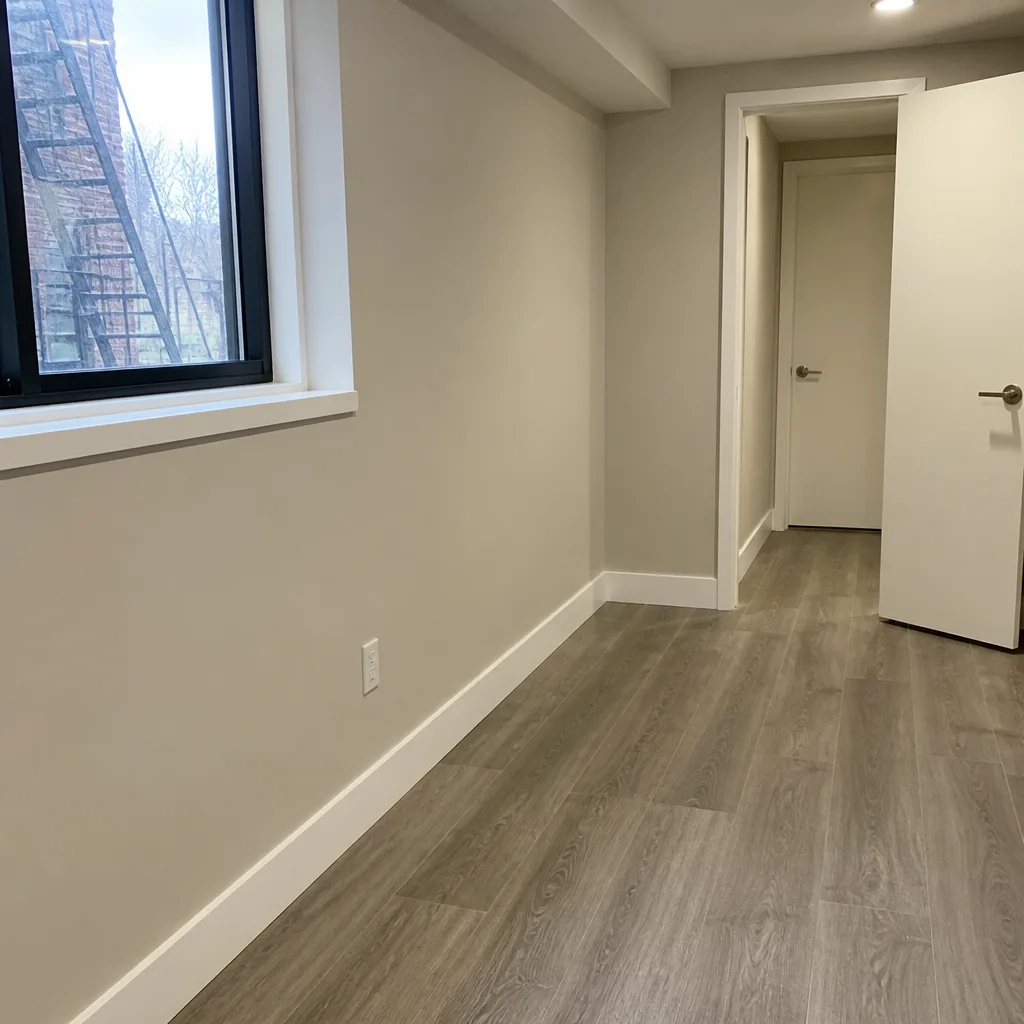 After
After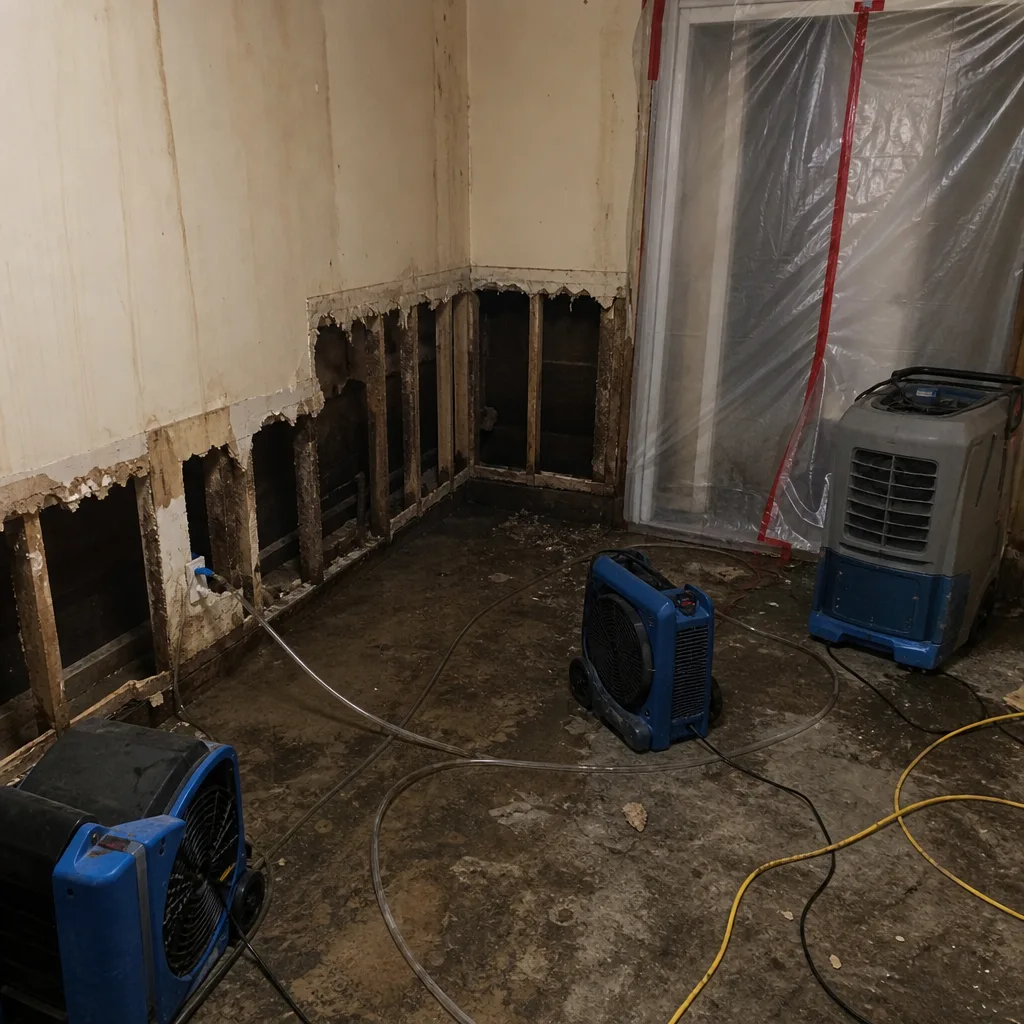 Before
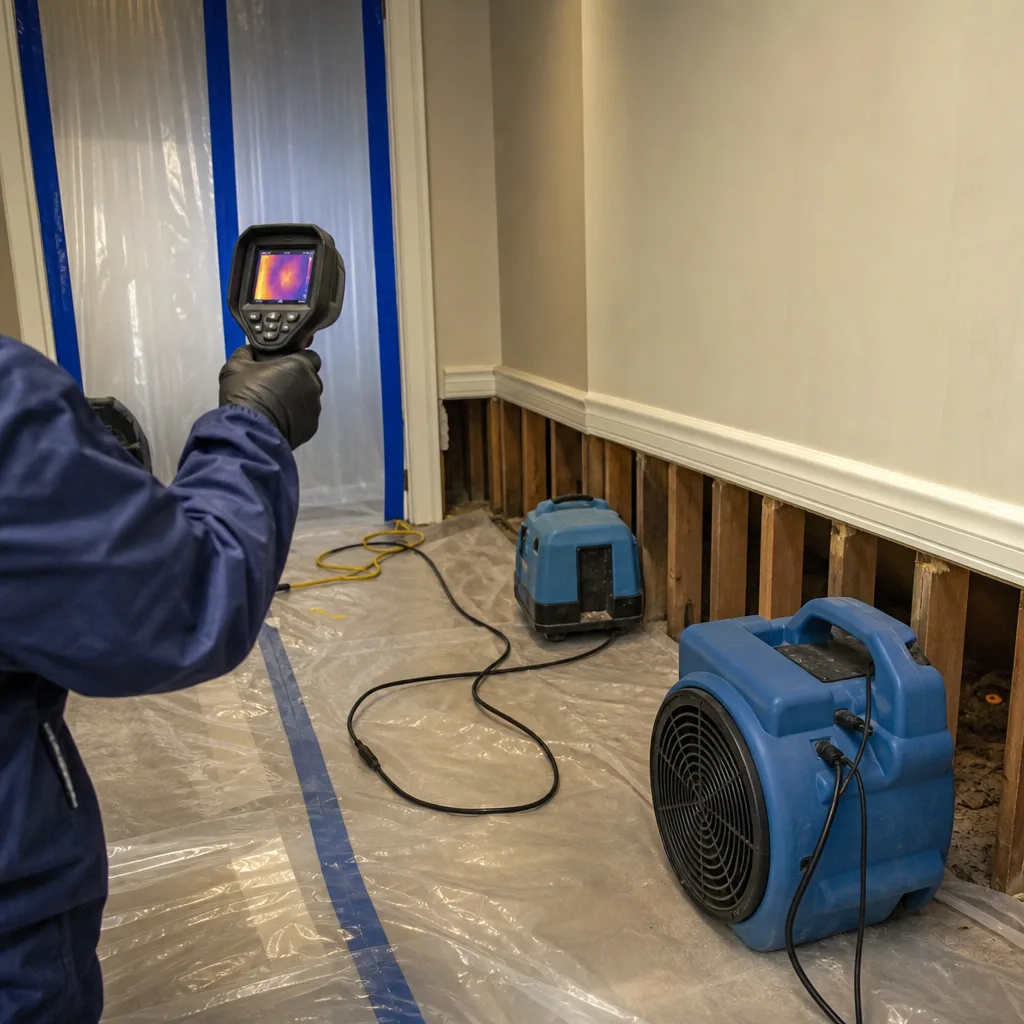 After
After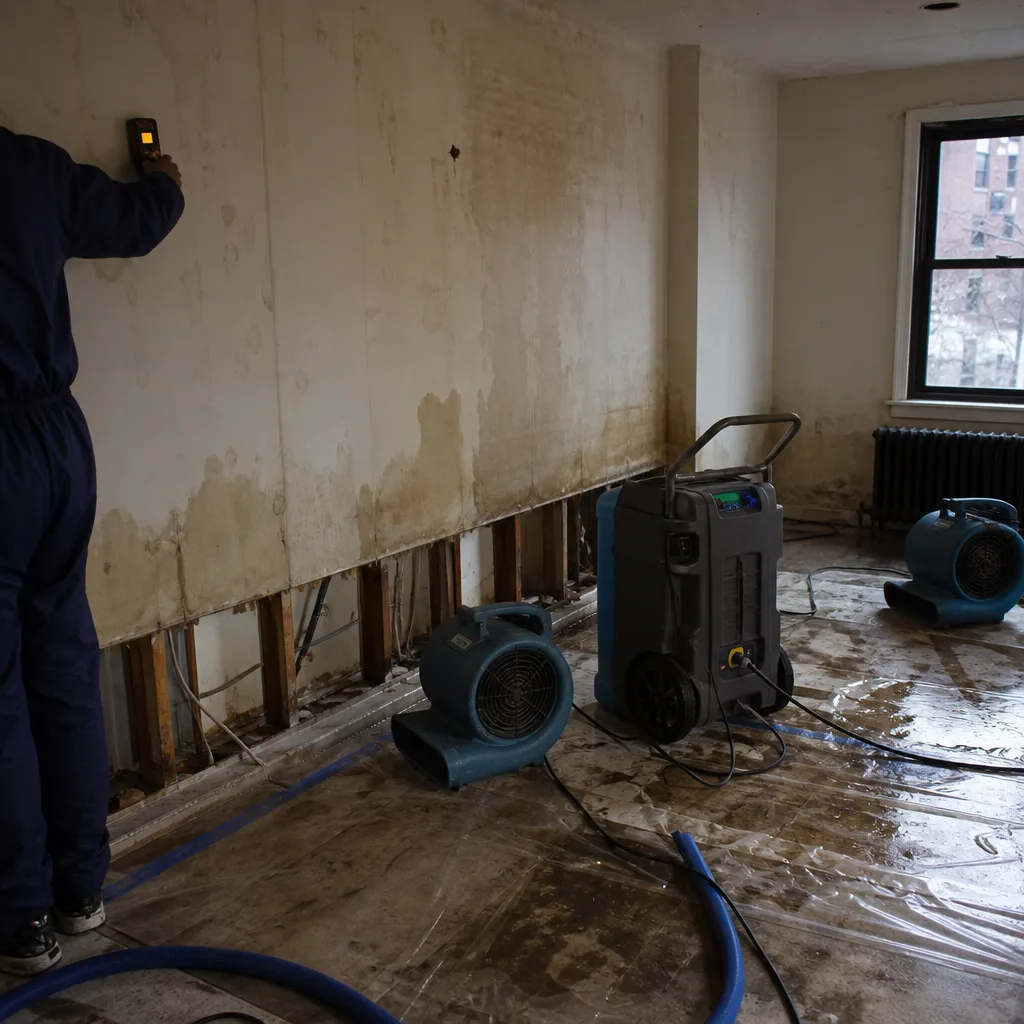 Before
 After
After24/7 Emergency Fire & Smoke Damage Restoration in Upper Manhattan
A kitchen fire in a Washington Heights co-op doesn’t stay in that kitchen. In Upper Manhattan’s pre-war buildings, smoke travels through shared cocklofts, original plaster cracks, and cast-iron riser chases, carrying soot and odor into apartments that were never on fire. That’s why we answer live at (716) 452-0798 around the clock and dispatch crews into Upper Manhattan the moment you call. The first hour after a fire determines how far soot penetrates porous surfaces like horsehair plaster and old-growth hardwood. Our Fire & Smoke Damage Restoration team arrives fast, runs containment before anything gets moved, and gives you a free visual inspection with a written scope so you know exactly what you’re facing. No recording, no callback queue. A live dispatcher picks up, and a background-checked, uniformed crew heads your way.
Understanding Fire & Smoke Damage Restoration Severity in Upper Manhattan Properties
Fires in Upper Manhattan behave differently than fires in suburban drywall houses. The building stock here is overwhelmingly pre-war: 5- to 7-story brick tenements, Beaux-Arts rowhouses, and 1920s-to-1940s elevator buildings with original cast-iron drain stacks, steam heat, and horsehair-plaster walls. When a fire burns in one of these units, the smoke residue is rarely limited to the room of origin. We classify soot by type: dry protein soot from a grease fire, oily hydrocarbon soot from burning plastics and synthetics, and wet chemical soot from fire-suppression systems. Each requires different chemistry and different equipment. Then there’s smoke migration. In a pre-war building, smoke moves laterally through the shared cockloft above top-floor ceilings, vertically through pipe chases, and through the pinhole corrosion in old 2-pipe steam risers. What looks like “a little smoke damage in 4B” is often a three-floor event involving multiple units, multiple landlords, and building-wide odor complaints within 72 hours. Severity also hinges on what burned and for how long before suppression. A smoldering electrical fire inside a plaster wall produces low-oxygen soot that bonds tightly to surfaces. A grease fire on a stove produces protein soot that looks mild but clings to every cool surface and turns rancid. In Upper Manhattan, where walls are plaster over lathe and floors are original oak, soot gets into every grain and crevice. You cannot wipe it off. It has to be chemically neutralized, HEPA-vacuumed, and sealed.
Why Upper Manhattan Property Owners Choose Floodline Restoration Co.
- 45-minute response commitment for Upper Manhattan. We stage crews near the Harlem River Drive and West Side Highway corridors so we’re moving toward your building, not just answering your call.
- A live person answers, 24/7. No automated system, no “press 1 for emergencies.” A dispatcher picks up at 2 a.m., takes your address, and starts the log.
- IICRC-certified crews, including FSRT and OCT. Fire & Smoke Restoration Technicians and Odor Control Technicians trained to the standards that matter in multi-family pre-war buildings.
- Free visual inspection with a written scope. You’ll know what we found, what it costs, and what your insurer needs before any work begins. No pressure, no upsell.
- Direct insurance billing. We deal with the adjuster, provide photo documentation and line-item estimates, and bill the carrier directly. You don’t play messenger.
- One team from first board-up to final coat of paint. No mid-job handoff to a subcontractor who never saw the loss. The same certified crew stays with the building until the last touch-up.
Our Fire & Smoke Damage Restoration Process
Inspection & Assessment
We walk the fire apartment and every adjacent unit with a thermal imaging camera, hygrometer, and soot swipe tests. We map smoke migration through the cockloft, plumbing chases, and steam risers. You get a written scope with photographs and a line-item price before we move a single piece of contents.
Emergency Board-Up & Containment
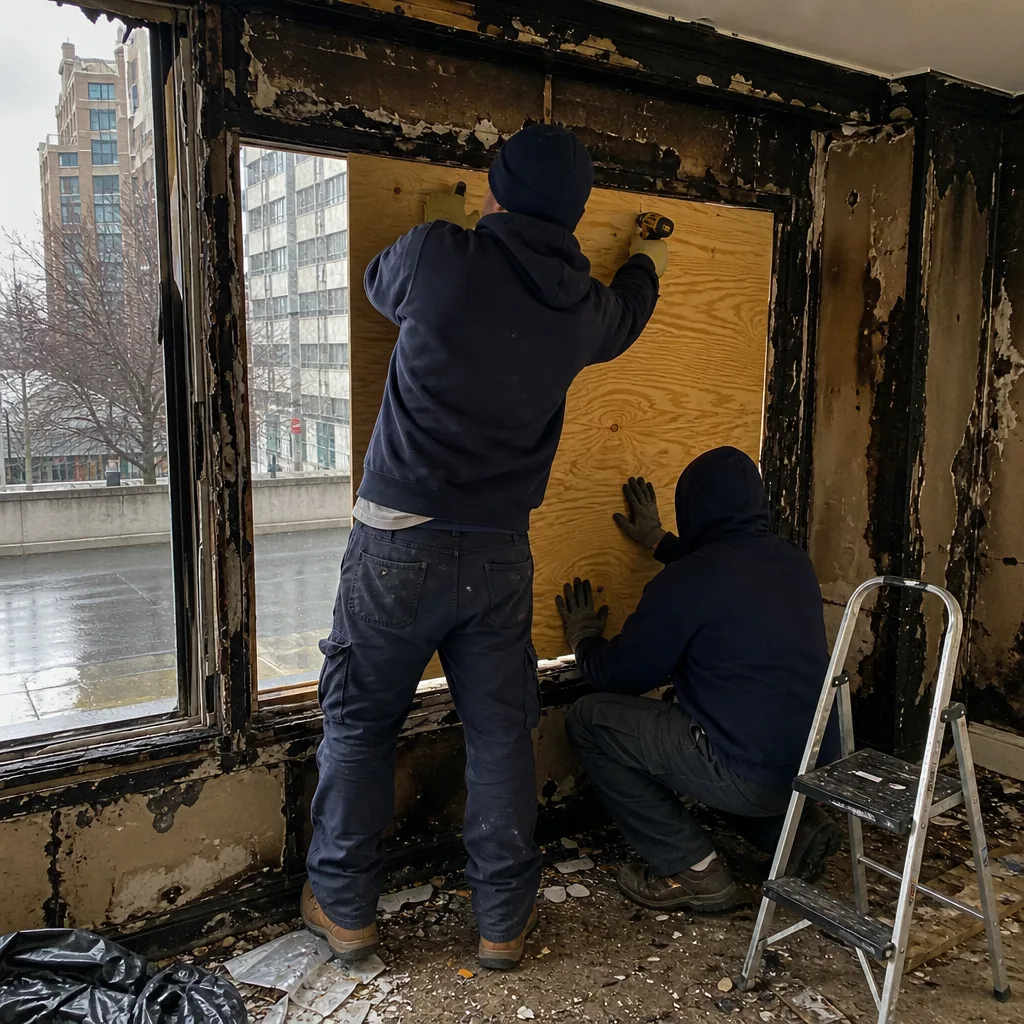
We secure broken windows, tarp the roof if the fire burned through, and run 6-mil poly containment with negative air pressure. In Upper Manhattan pre-war buildings, this step decides whether the rest of the building stays habitable.
Water Extraction & Structural Drying
Fire suppression water has gone through floors to units below. We extract with Dri-Eaz truck-mounted and portable units, then set Phoenix axial air movers and LGR dehumidifiers. Daily moisture readings are logged until the dry standard is met.
Soot & Smoke Cleaning
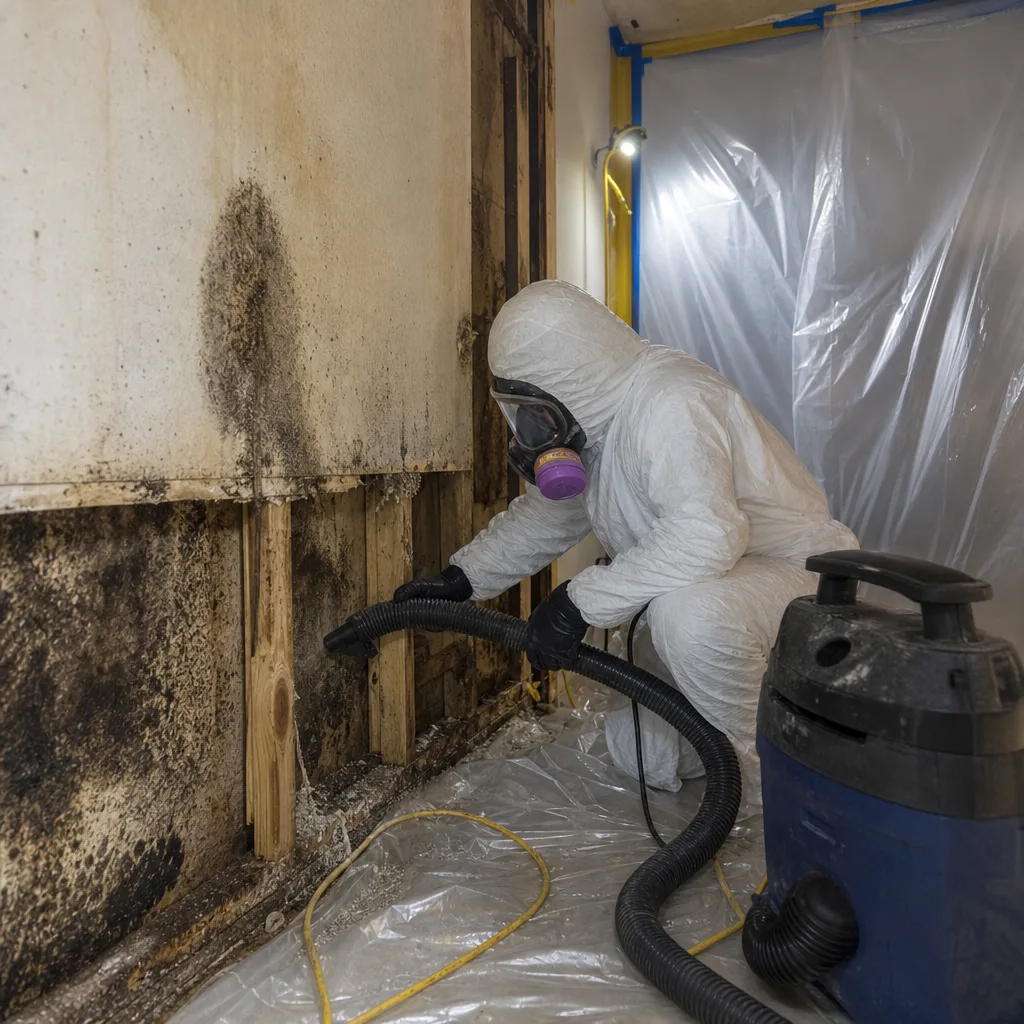
We use dry chem sponges for untreated plaster, HEPA vacuuming on all surfaces, and wet cleaning with alkaline detergents where appropriate. Lightly charred wood may be soda-blasted. Soot-caked plaster may need scraping and sealant priming.
Odor Removal & Deodorization
This is where pre-war buildings defeat lazy restorers. We run Dri-Eaz air scrubbers with carbon filtration, use thermal fogging and hydroxyl generators, and treat the shared steam risers and pipe chases, not just the fire apartment. Without that, the smell returns in weeks.
Repairs & Restoration
We rebuild the fire-damaged studs, replaster, prime with sealing primer, and paint to match. If Local Law 1 lead-paint or EPA asbestos protocols apply, our certified abatement team handles the necessary containment and clearance testing before finish work proceeds.
Need Emergency Fire & Smoke Damage Restoration in Upper Manhattan Now?
Crews minutes away, answering live 24 hours a day. The sooner we start, the less it costs.
Working With Your Insurance Company
Fire claims in Upper Manhattan multi-family buildings get complicated fast. The fire apartment may be owned by one party, the neighboring units by another, and the building itself by a co-op board or management company. The claim often involves three adjusters and two policies. We’ve handled this in Washington Heights, Harlem, and Inwood for years. Floodline Restoration Co. documents everything from the first hour: photos of the fire scene, soot migration mapping, moisture readings from every affected floor, and a line-item scope written in the format carriers expect. We talk to your adjuster directly, explain the pre-war building factors that drove the scope, and we bill the carrier. You’re never the go-between. We’re Upper Manhattan restoration professionals who know that a claim is not done until the building is dry, clean, and cleared.
What We Provide Your Insurer
- Thorough documentation of the loss
- Photos of all damage, room by room
- Moisture readings and drying logs
- A detailed, line-item scope of work
- Direct coordination with your carrier
Built for Upper Manhattan’s Loss Calendar
Upper Manhattan’s fire calendar has its own rhythm. January and February bring space-heater fires in older units with steam heat that can’t keep up, plus electrical fires from overloaded circuits in pre-war wiring. March through May, we respond to more kitchen fires as windows open, cooking moves to high heat, and forgotten pans do damage. Summer brings air-conditioner overloads and the occasional roof-deck grill fire that spreads to low-slope felt-and-gravel roofs common on Inwood and Washington Heights buildings. Nor’easters each fall knock limbs into service drops and pull at old parapet masonry, leading to water that reaches electrical panels weeks later. And every December, candle fires and holiday-light wiring in buildings with aging plaster walls and original woodwork spike. The pattern is constant: a fire in one unit rarely stays there. In buildings with shared cocklofts and open chase ways, the restoration is always building-wide. That’s the reality we plan for, and it’s why our crews run containment before they run fans.
Fire & Smoke Damage Restoration Across Upper Manhattan’s Neighborhoods
In Washington Heights, we know the pre-war co-ops on Fort Washington Avenue and Pinehurst Avenue, the 6-story elevator buildings on Cabrini Boulevard, and the hillside rowhouses off 181st Street. Fires here often burn in top-floor units and immediately enter the shared cockloft, pushing smoke into three or four apartments before FDNY even clears the scene. In Harlem, the brownstones and limestone rowhouses along Strivers’ Row and Hamilton Heights have original tin ceilings, wide-plank floors, and shared party walls where soot and smoke travel through old chimney flues and wall cavities. Inwood’s 1920s-to-1940s elevator buildings on Seaman Avenue and Vermilyea Avenue sit close to the Harlem River, and their top-floor units have low-slope roofs that take a beating in nor’easters, so fire-damaged roof decks often require tarping and structural repair before drying can even start. Sugar Hill’s grand pre-war co-ops and the apartment houses along Broadway from 155th to Dyckman all share the same restoration logic: contain first, clean second, and never treat a fire as single-unit in a multi-unit building.
Specialized Fire & Smoke Damage Restoration Services We Offer in Upper Manhattan
Smoke & Soot Removal
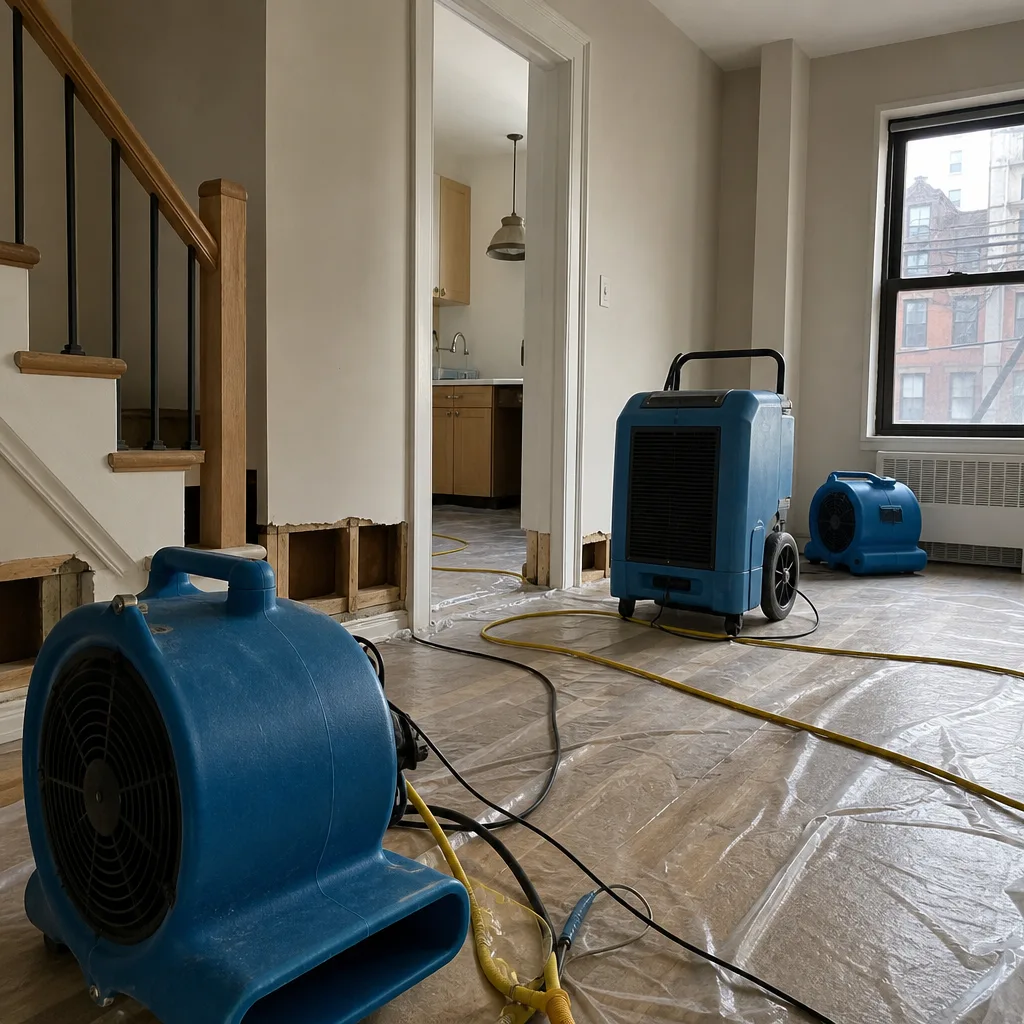
Soot in an Upper Manhattan pre-war apartment doesn’t wipe off. Caked acidic soot burning into horsehair plaster, original millwork, and hardwood floors needs chemical neutralization and physical removal. We use dry-chem sponges on untreated surfaces, HEPA vacuums on every horizontal plane, and controlled wet cleaning only where the surface can take it. In rooms with lead-based paint, all work happens under Local Law 1 containment.
Odor Removal & Deodorization
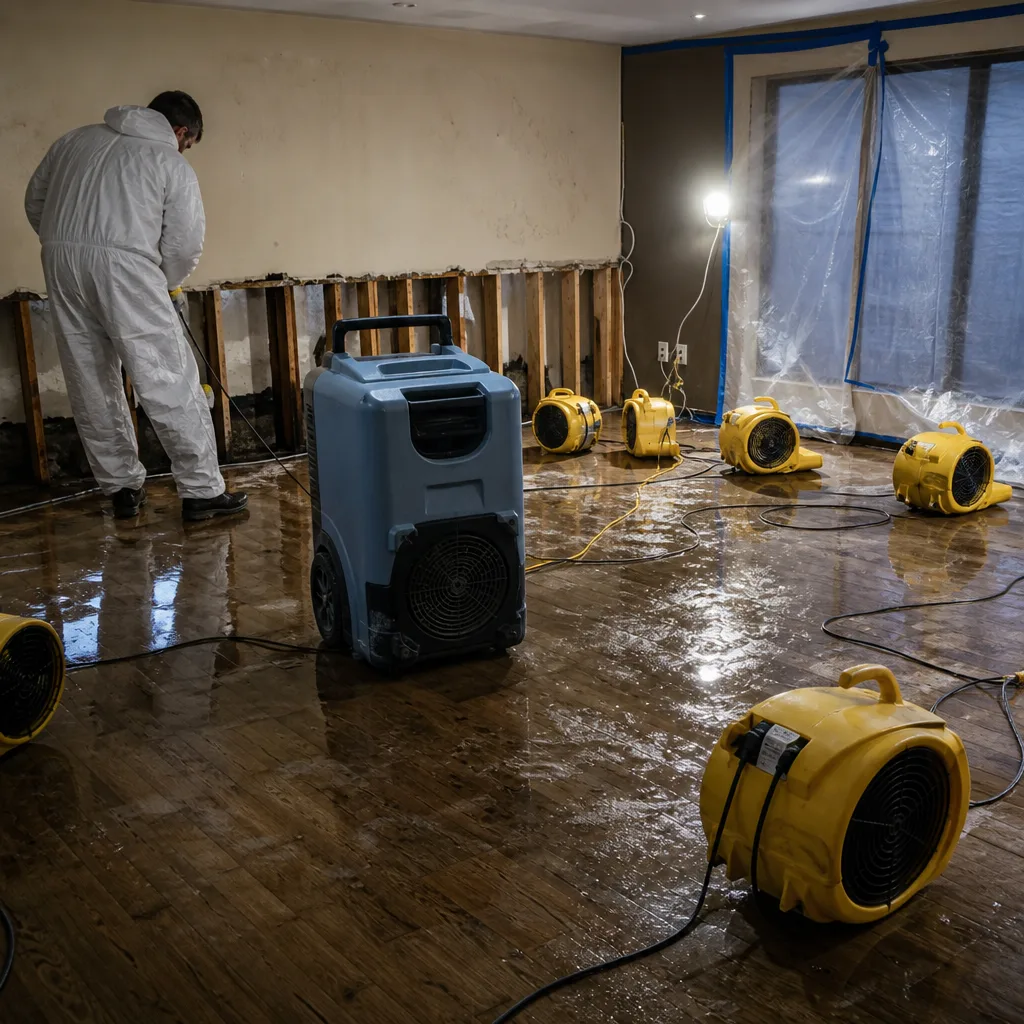
The smoke smell in a pre-war building lives in the shared spaces: the cockloft, the cast-iron steam risers, the original wood framing, the pipe chases. We treat those. Thermal fogging, hydroxyl generation, and carbon-filtered air scrubbers run until the building air reads neutral, not just the fire apartment. This is the step that separates a restoration that lasts from one that fails in six weeks.
Emergency Board-Up & Tarping
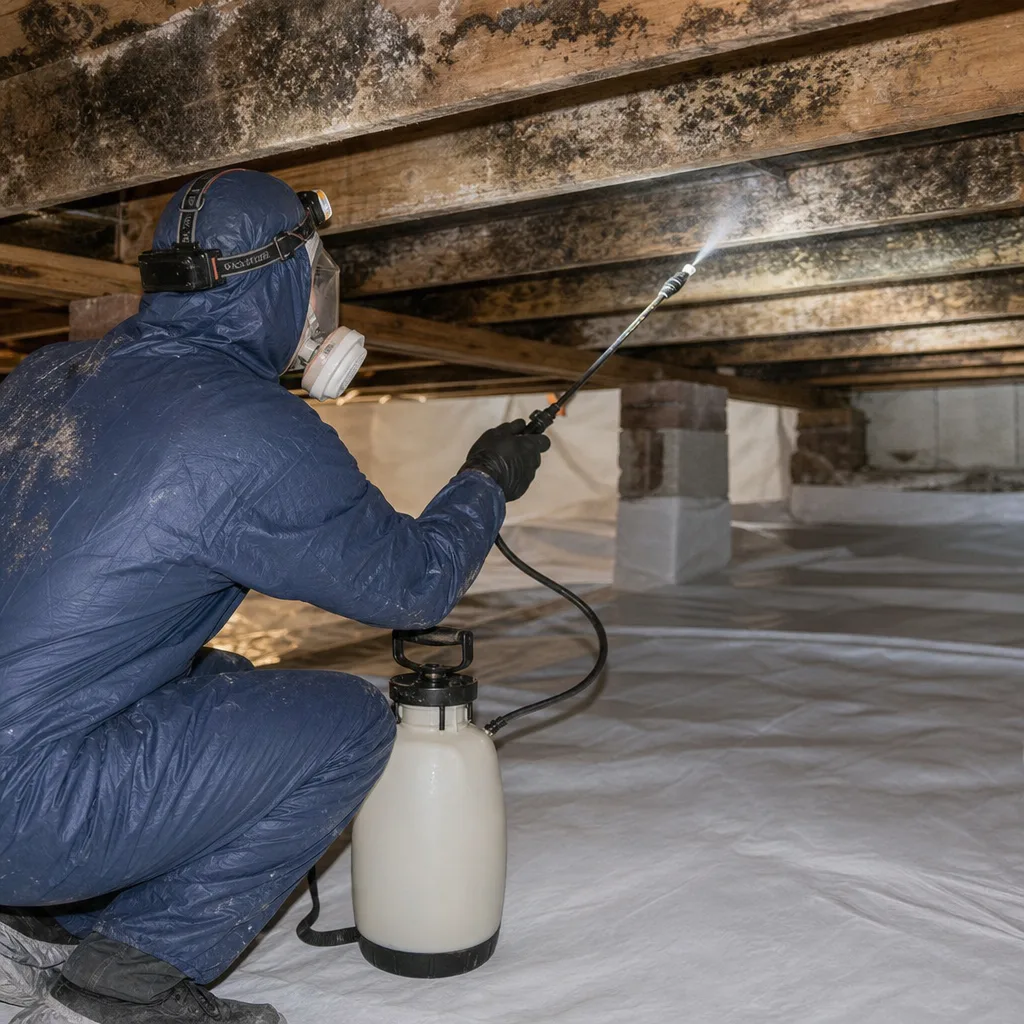
FDNY puts the fire out, but they don’t secure the building. Broken windows, a burned door, a breached roof: we board and tarp within hours so weather doesn’t add water damage to fire damage. In Upper Manhattan, where afternoon thunderstorms hit hard in summer, a fast tarp is the cheapest insurance you’ll ever buy.
Fire Damage Cleanup
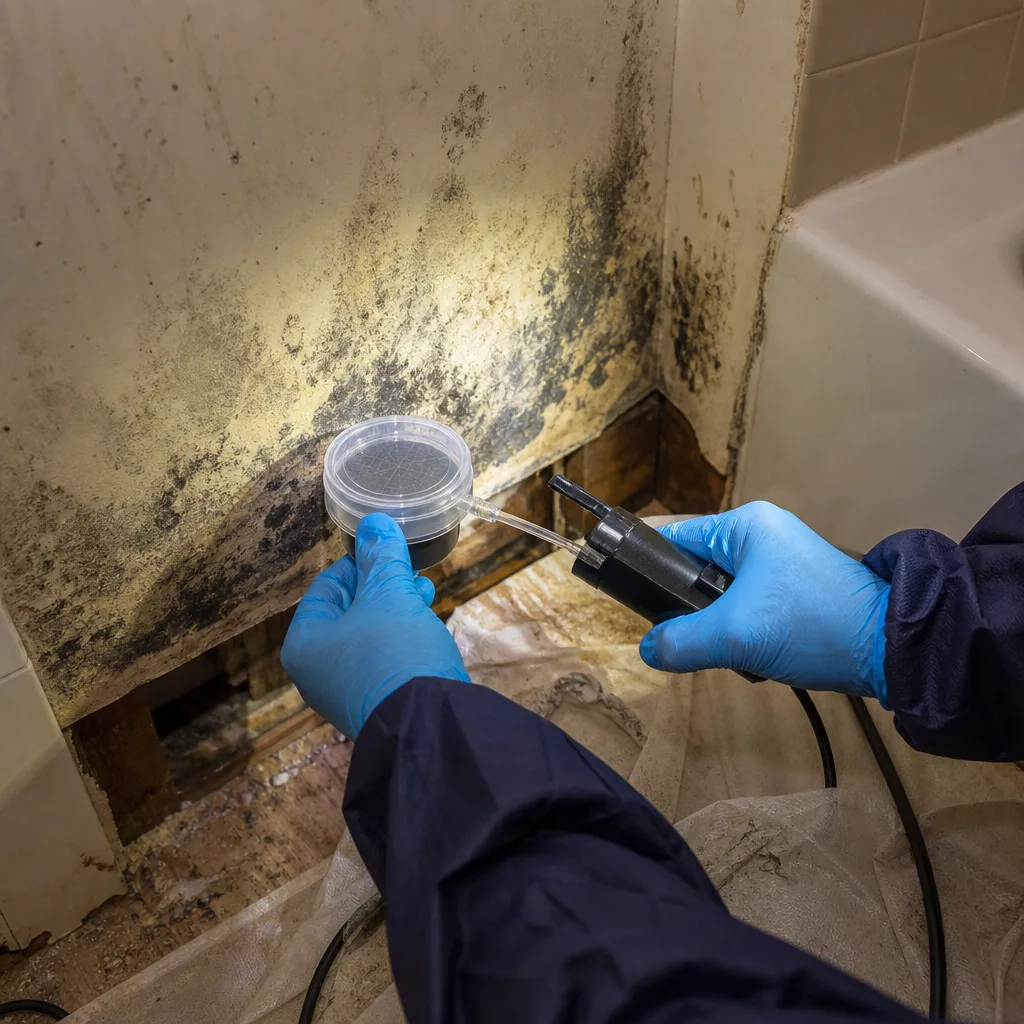
Charred debris, melted plastics, waterlogged plaster from the sprinkler discharge, and flooring swollen with suppression water. We remove it all under negative air, bag it properly, and document every step for your carrier. The goal is a clean, dry, contained work area before rebuilding starts.
Contents Cleaning & Pack-Out
We inventory, photograph, and pack out salvageable contents from the fire apartment and affected adjacent units. Clothing, upholstery, kitchenware, books, documents: everything gets assessed, cleaned where possible, and stored until the rebuild is done. In a Washington Heights co-op where one fire affected three units, that inventory is what the board and the carrier both need to settle a claim without argument.
What happens when you call
- 1
A real person answersNo phone trees - you reach a local pro.
- 2
You get an upfront price rangeHonest numbers before anyone is dispatched.
- 3
A background-checked tech heads outLicensed & insured, dispatched right away.
- 4
You approve before work beginsNothing starts until you say go.
Fire & Smoke Damage Restoration Costs in Upper Manhattan, NY
Costs here run higher than in newer-construction markets because the work is more layered. A small kitchen fire with moderate soot in a one-bedroom Upper Manhattan apartment typically runs $4,000 to $9,000 for cleanup, containment, and deodorization. When the fire reaches the cockloft and smoke migrates into adjacent units, we’re talking $15,000 to $40,000 or more depending on square footage, ceiling heights, and the extent of demolition needed. Odor removal alone in a multi-unit pre-war building with shared steam risers runs $2,500 to $7,500 per affected floor. Emergency board-up and tarping runs $500 to $1,800 on arrival, and most carriers reimburse it. If lead-paint abatement under Local Law 1 is triggered, add $3 to $8 per square foot of affected surface. You can call and get a free visual inspection, a written scope, and a firm number before anything gets demolished. That’s how this should work. Call (716) 452-0798.
We Also Serve Cities Near Upper Manhattan
Our restoration crews work across the river and up and down the island. We serve Long Island City, Greenpoint, Williamsburg, and Murray Hill with the same 24/7 live dispatch, the same certified crews, and the same written scope before any work begins. Call us at (716) 452-0798 wherever you are in the metro.
Serving Upper Manhattan, NY - Our Local Coverage Area
We’re based in the Upper Manhattan area and know this community well. Use the map below to see our service coverage - if you’re nearby, we can almost certainly help.
Upper Manhattan Fire & Smoke Damage Restoration Questions, Answered
How does smoke travel between apartments in a typical Upper Manhattan pre-war building after a fire?
Smoke moves laterally through the shared cockloft above top-floor ceilings, vertically through original plumbing chases, and horizontally through wall cavities and old chimney flues. In a 5- or 6-story pre-war building, a fire in one apartment commonly pushes soot and odor into four to six other units. Full containment and negative air pressure in the fire unit are the only ways to stop that migration.
Does Local Law 1 lead-paint abatement always apply to fire restoration work in Washington Heights or Harlem?
If the building is pre-1960 (most of Upper Manhattan), and restoration work disturbs more than two square feet of painted surfaces, Local Law 1 applies. That means containment, dust control, and certified lead-safe work practices, with clearance testing before finish work. It doesn’t always apply to simple cleaning, but any demolition, scraping, or sanding triggers it.
Why is deodorization harder in Upper Manhattan pre-war buildings than in newer construction?
Newer construction uses drywall and sealed cavities. Pre-war buildings use horsehair plaster, original wood framing, and old cast-iron risers with pinhole corrosion. Smoke odor penetrates all of that and, in shared steam lines, it circulates between floors whenever the heat cycles on. If you don’t treat the shared systems, not just the fire apartment, the smell returns within weeks.
What is the ‘cockloft problem’ in Upper Manhattan rooftop or top-floor fires?
The cockloft is the open space between the top-floor ceiling and the roof deck. In row houses and pre-war elevator buildings, it runs the length of the building with no fire stops. A fire that breaches the ceiling dumps smoke and soot into the cockloft, where it travels laterally over every top-floor unit in minutes. Restoration requires treating the cockloft itself, not just the fire apartment below.
How do restoration crews handle contents cleaning when an Upper Manhattan fire apartment is a rental with multiple landlords involved?
We inventory and photograph everything in the affected units, separate tenant belongings from building property, and get written direction from each landlord or the managing agent before packing out anything. In a typical Washington Heights fire affecting three units, that means three sets of contents paperwork, one shared building claim, and one team keeping it all straight for the carrier.
How fast can you actually get to Upper Manhattan after a fire?
We commit to 45 minutes or less for emergency response anywhere in Upper Manhattan. Our crews stage near the West Side Highway and Harlem River Drive so we’re not sitting in crosstown traffic. Call (716) 452-0798 and a live dispatcher gets the crew moving immediately.
Will my insurance cover fire and smoke damage restoration in Upper Manhattan?
Most homeowner and co-op policies cover fire and smoke damage, including adjacent-unit smoke migration, as long as it’s documented properly. We provide the photos, the containment log, the moisture readings, and the line-item scope your adjuster needs, then bill the carrier directly. You shouldn’t be left holding a claim that should have been paid. Call us for a free inspection and we’ll walk you through what your policy covers.
What should I do in the first 30 minutes after a fire in Upper Manhattan?
Do not enter the unit until FDNY says it’s safe. Once cleared, don’t touch anything. Soot smears into surfaces and sets stains. Don’t turn on fans or the HVAC, which spreads soot into other rooms. Don’t start wiping walls. Call (716) 452-0798. We’ll talk you through the immediate steps and get a crew to your block, fast.
Written by Curt Bowman, Owner at Floodline Restoration Co., providing fire and smoke damage restoration throughout Upper Manhattan with IICRC-certified crews and a written 90-Day Done Right Promise on every job.