
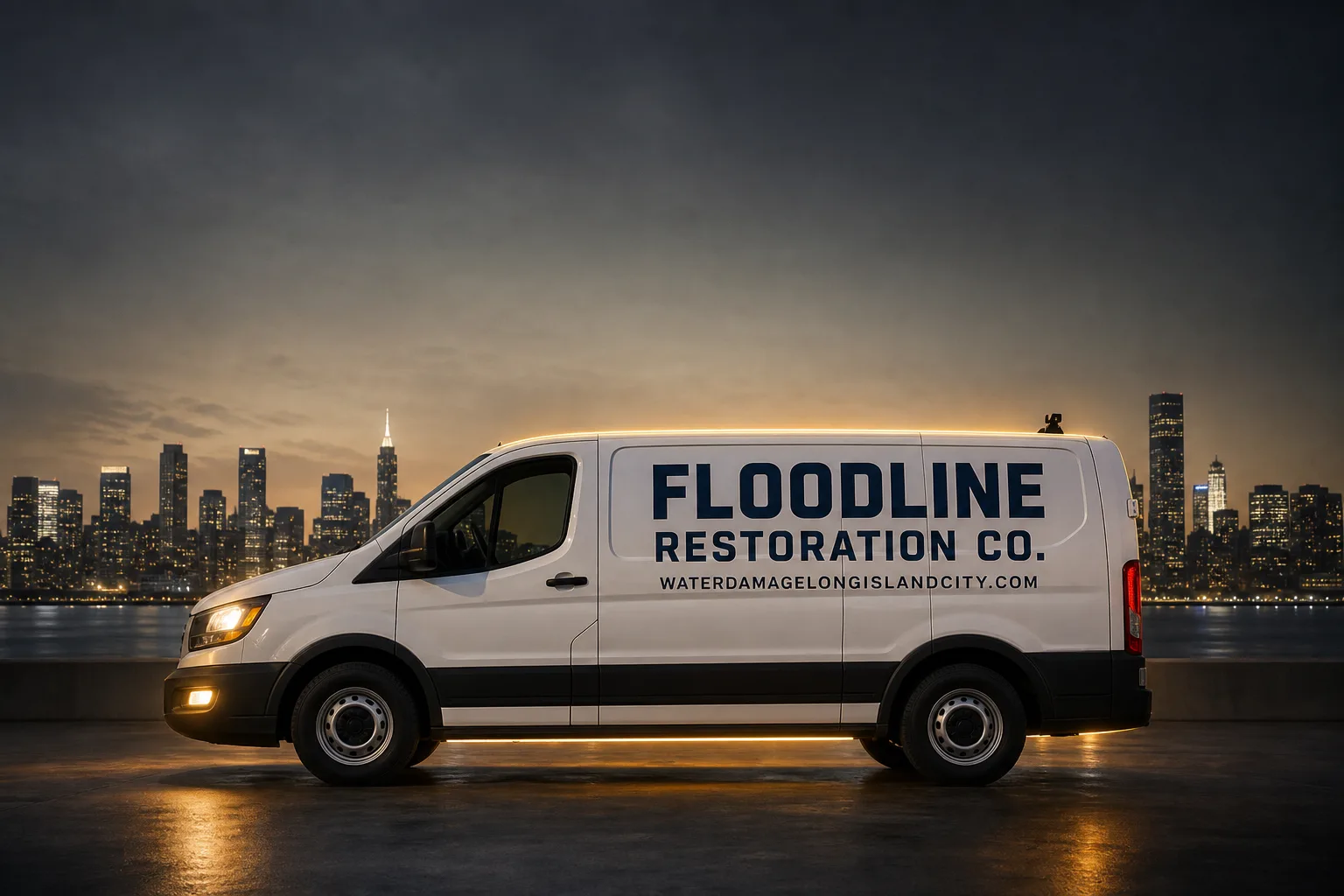
Free visual inspection and a written scope of work before any mitigation begins - photos, moisture readings, and drying logs go in your claim file
The scope we write is the scope we bill. Anything new gets shown to you, in writing, before we touch it.
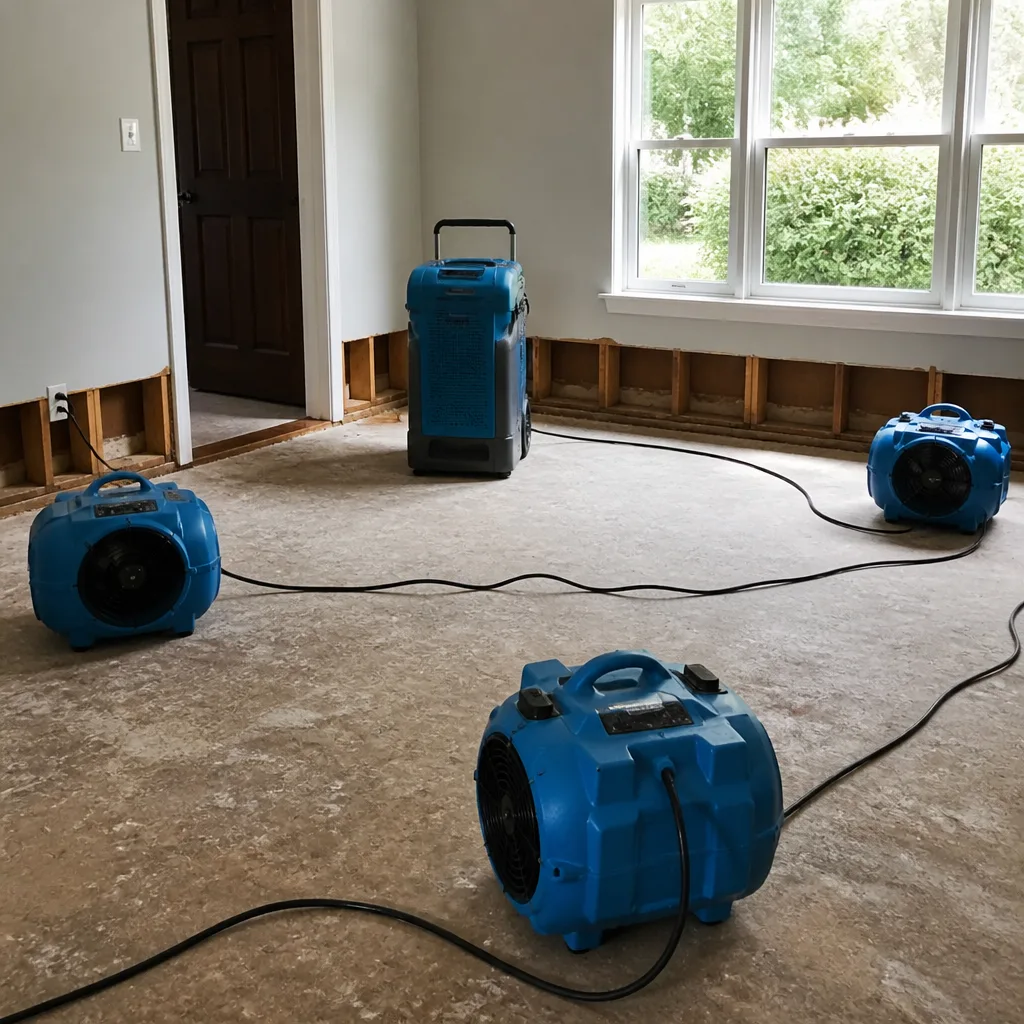
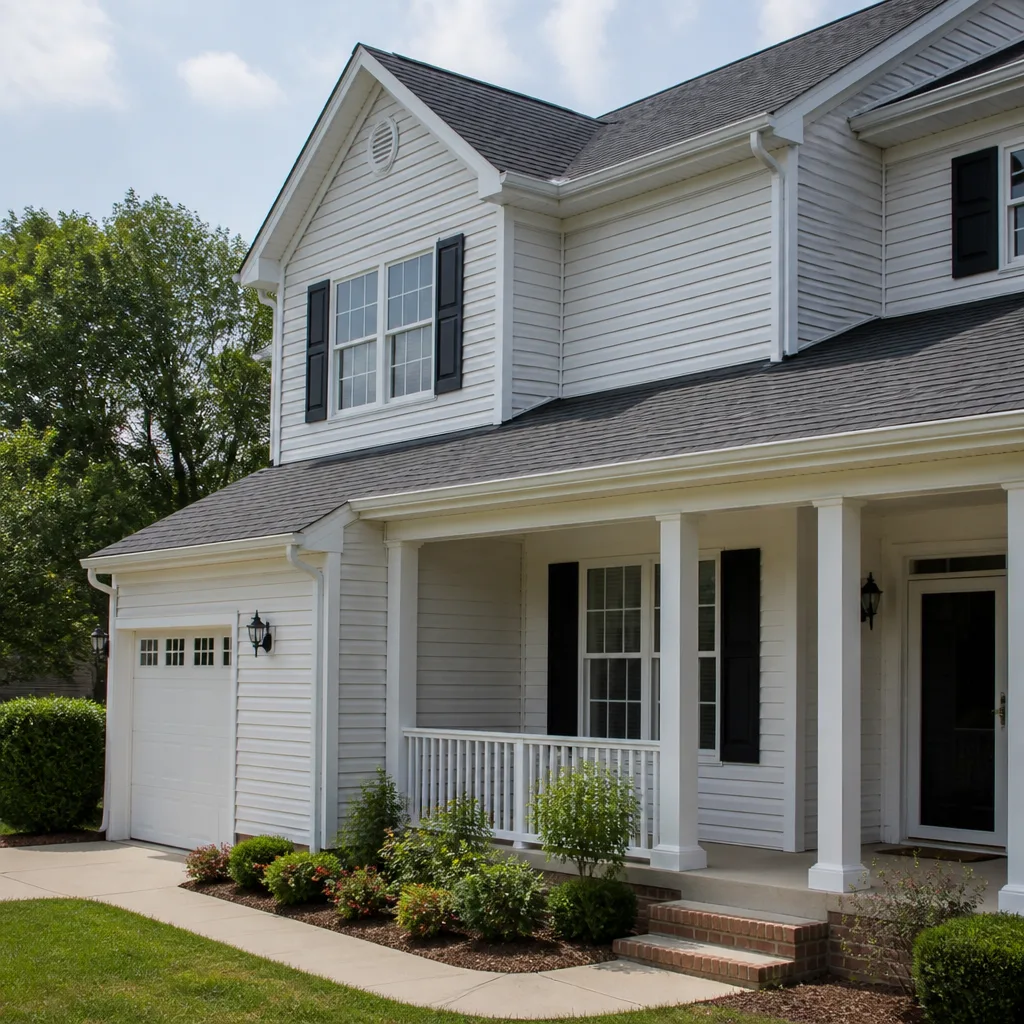
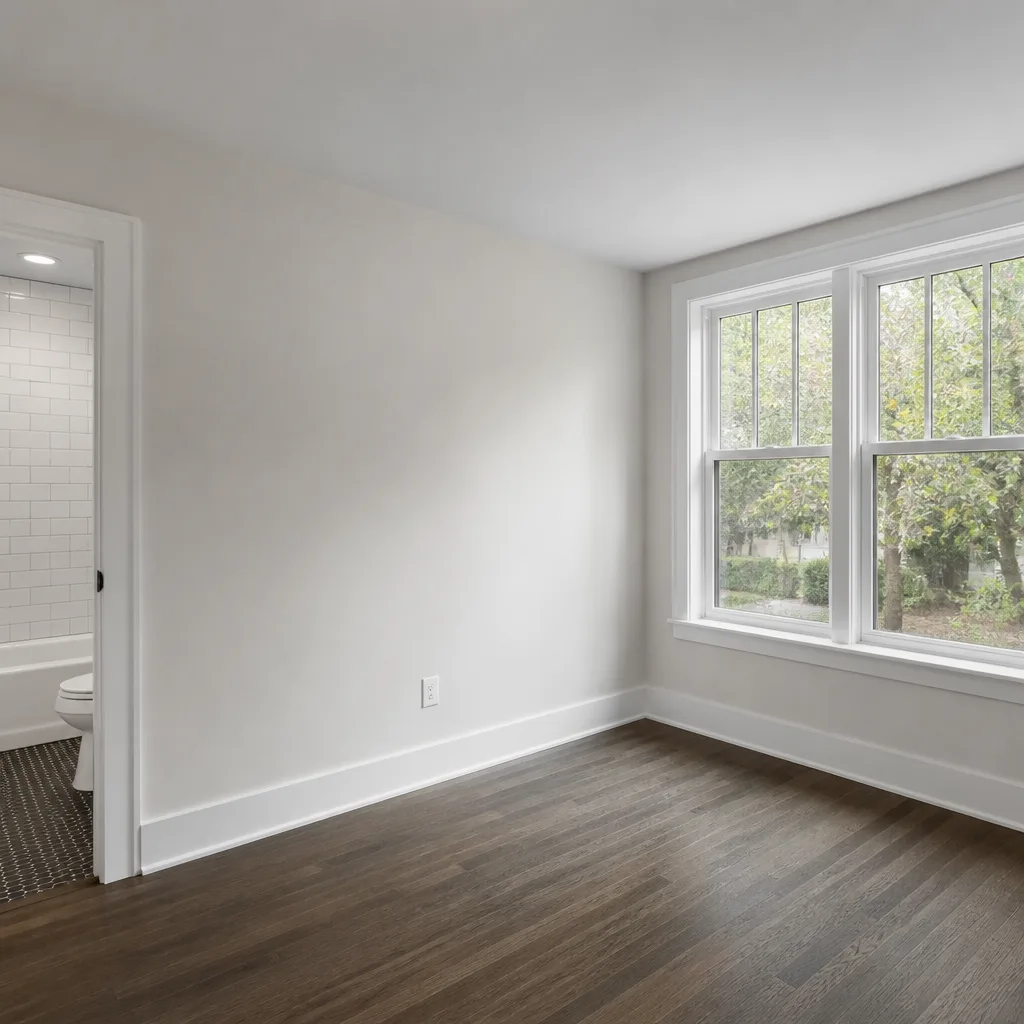
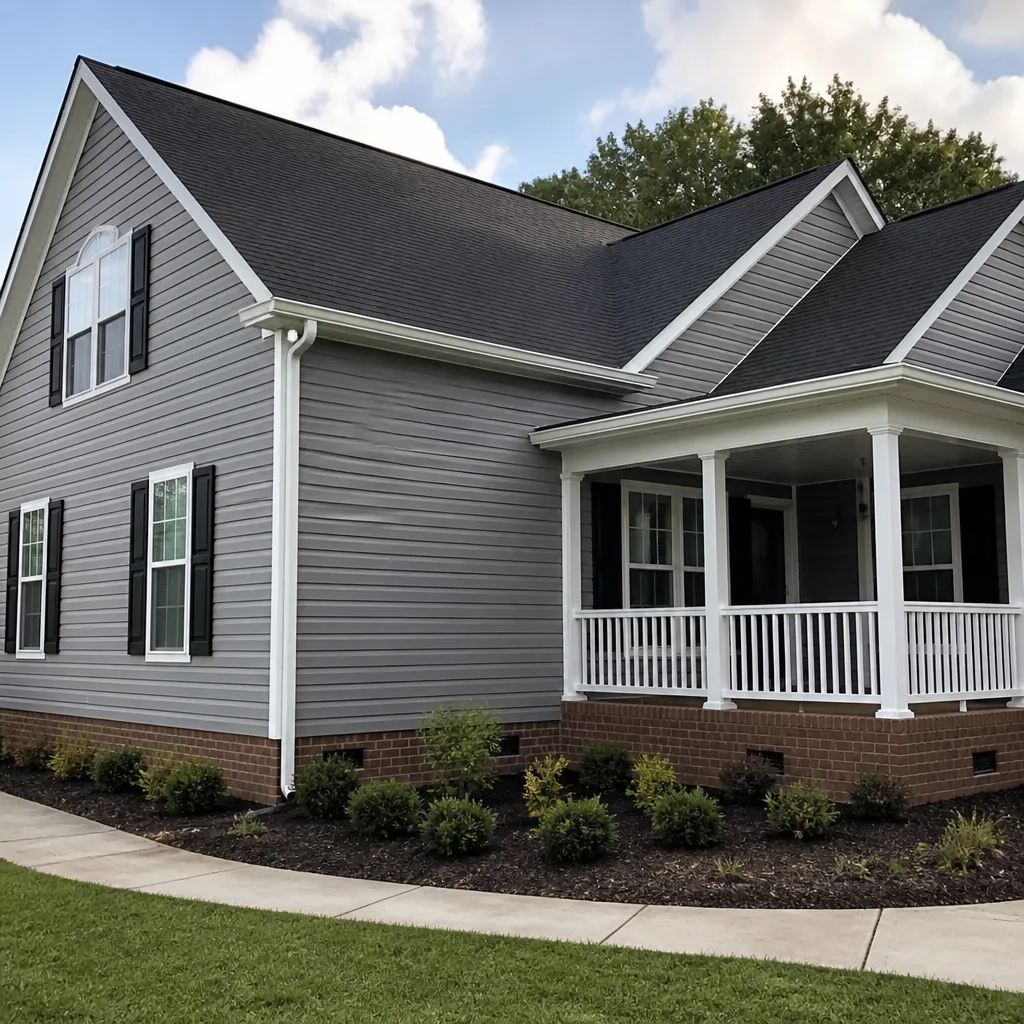
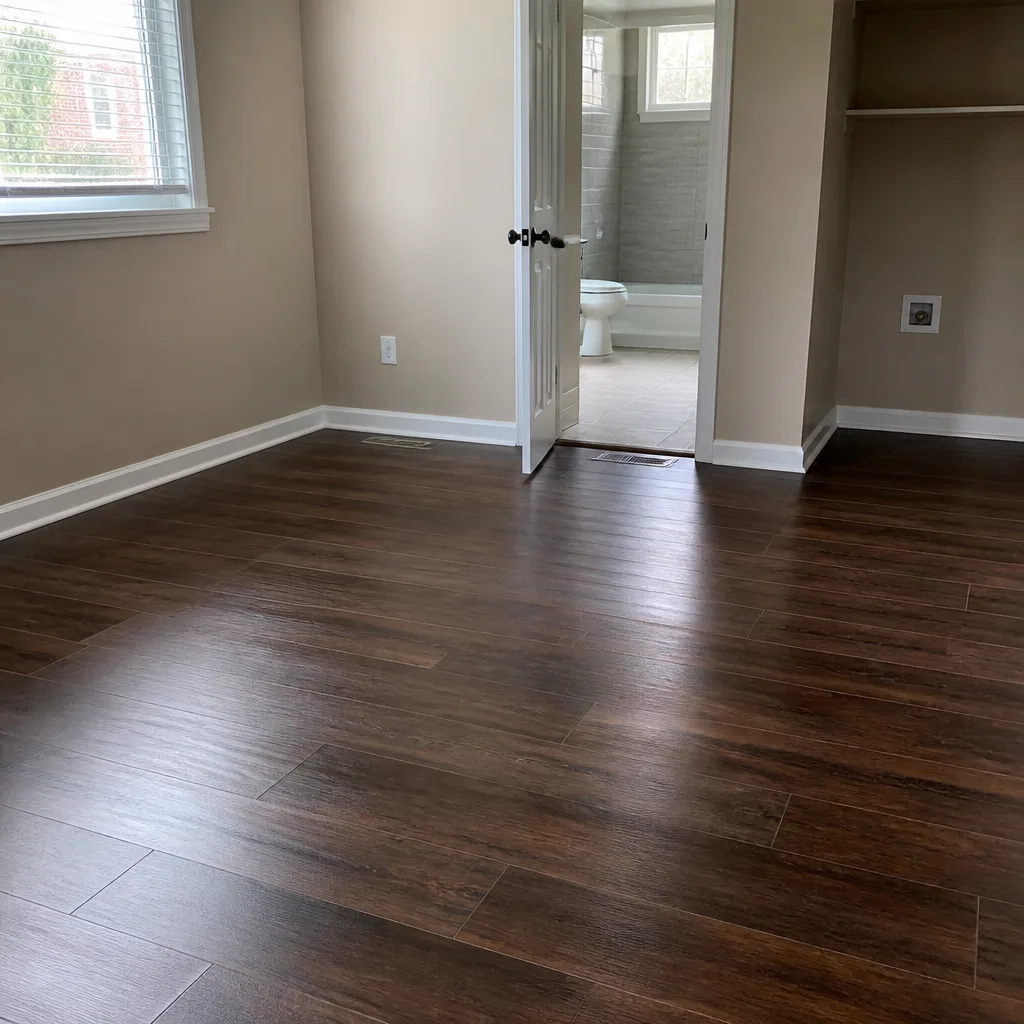
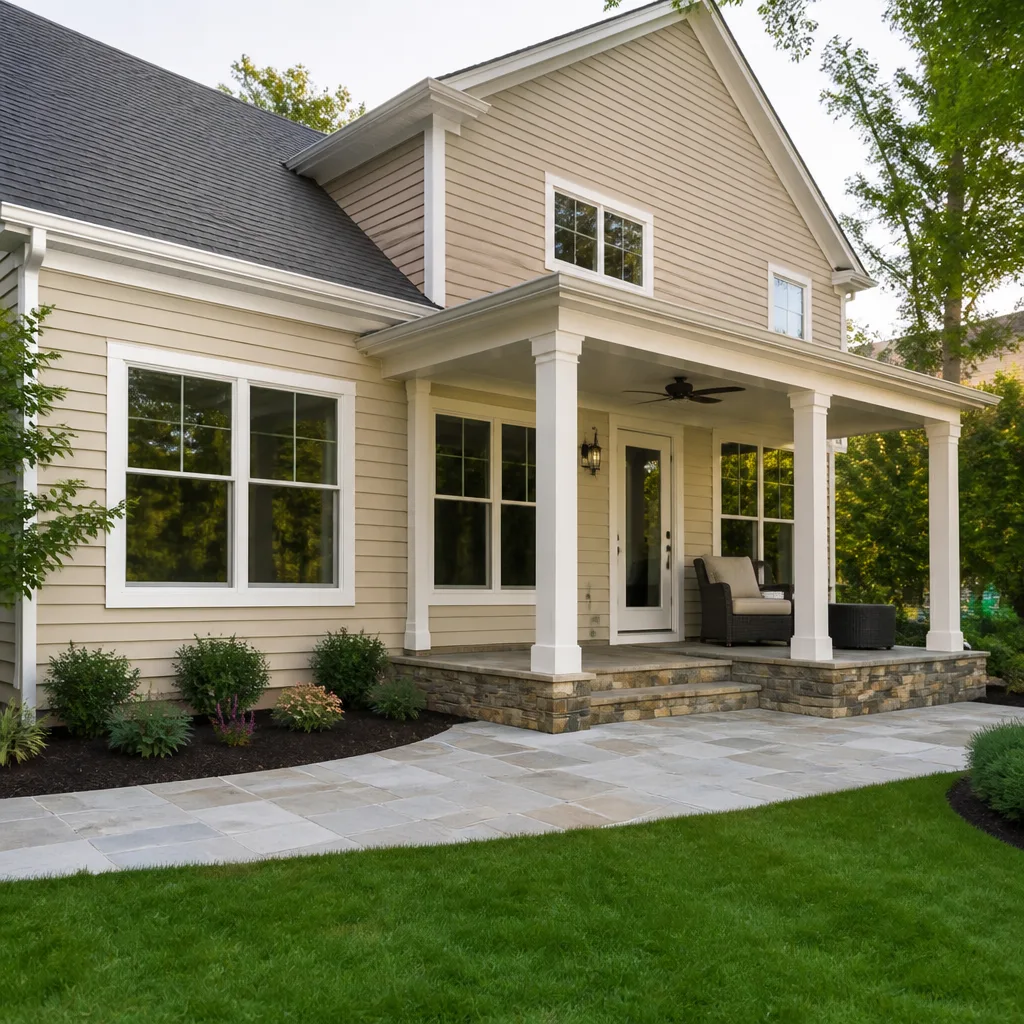
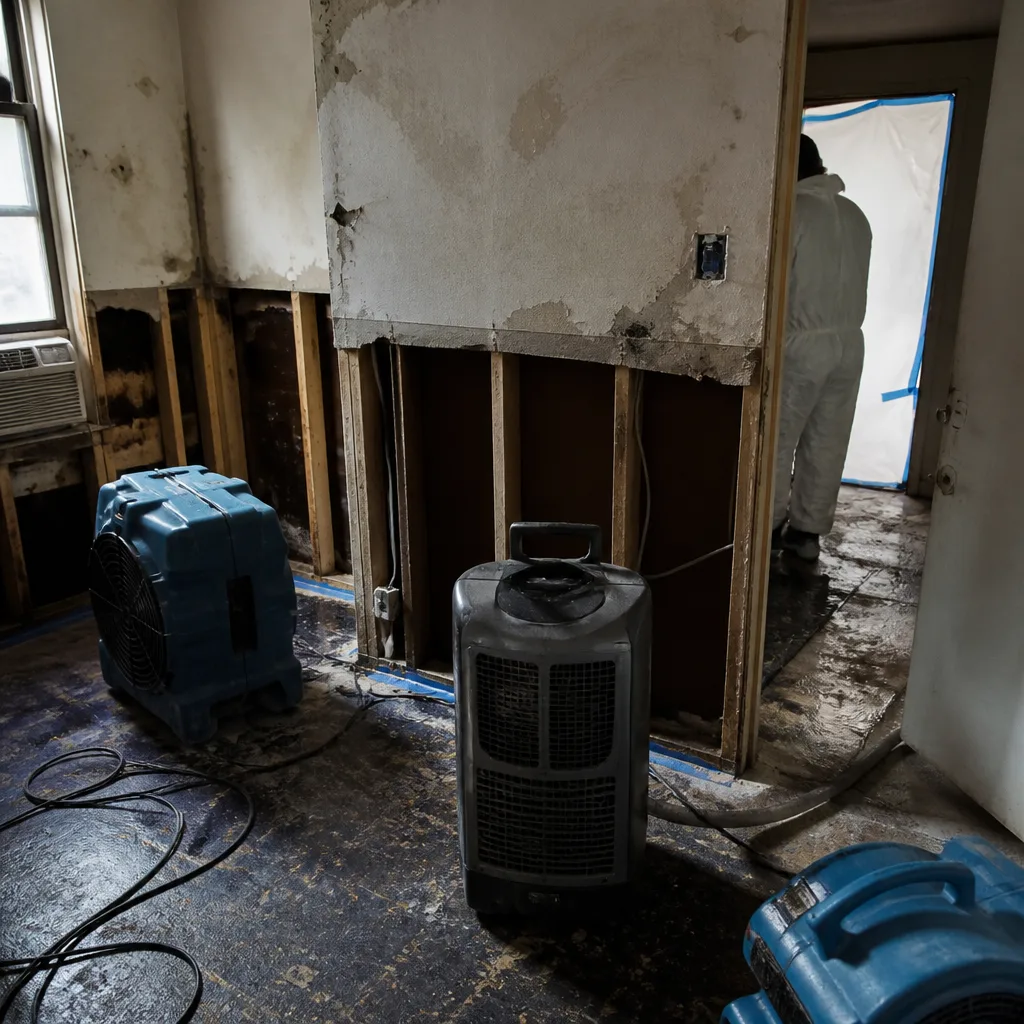 Before
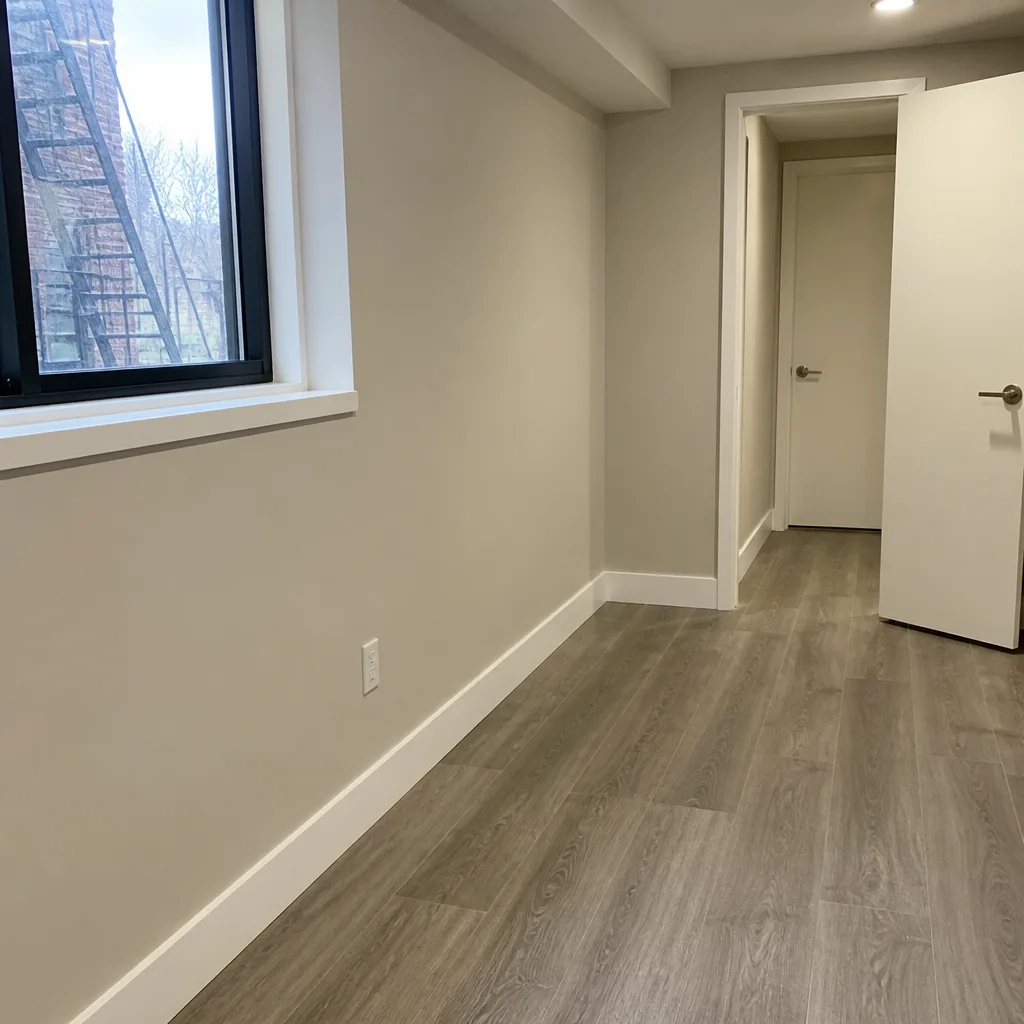 After
After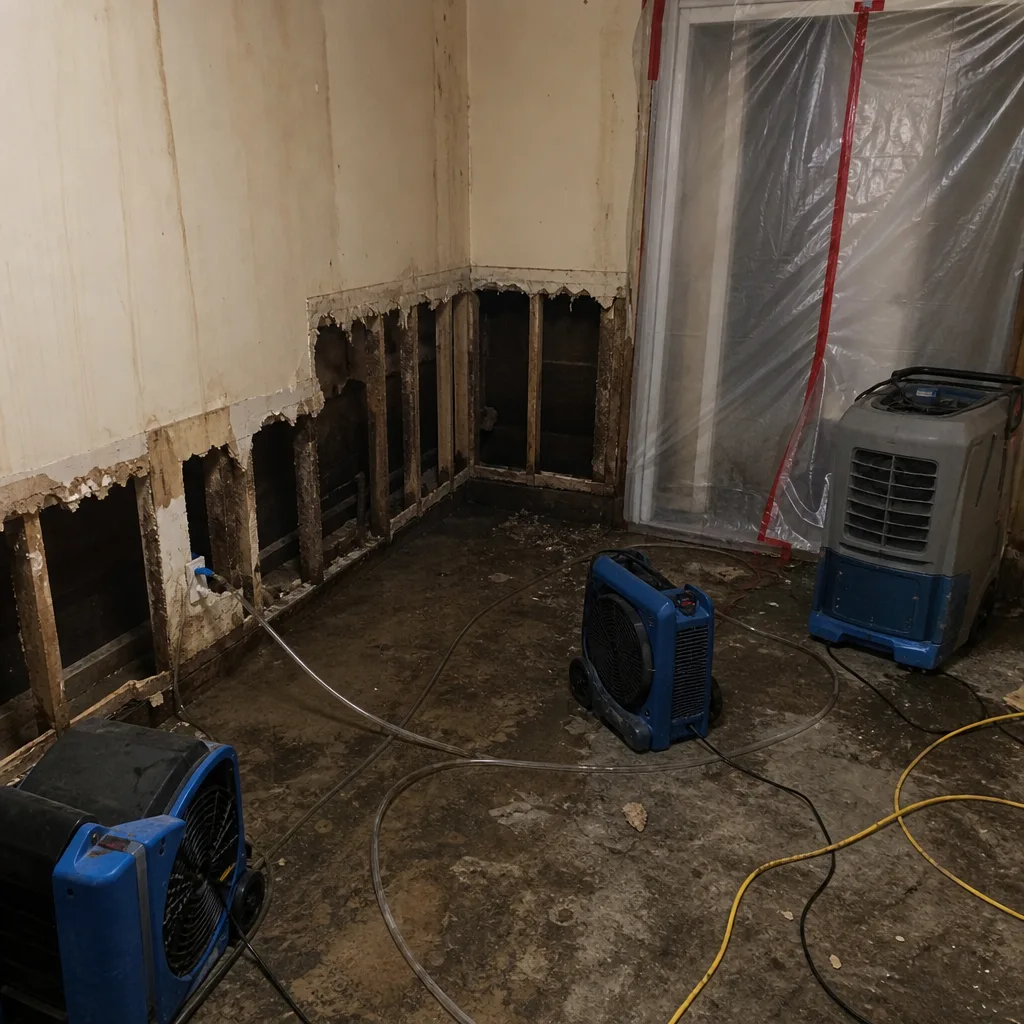 Before
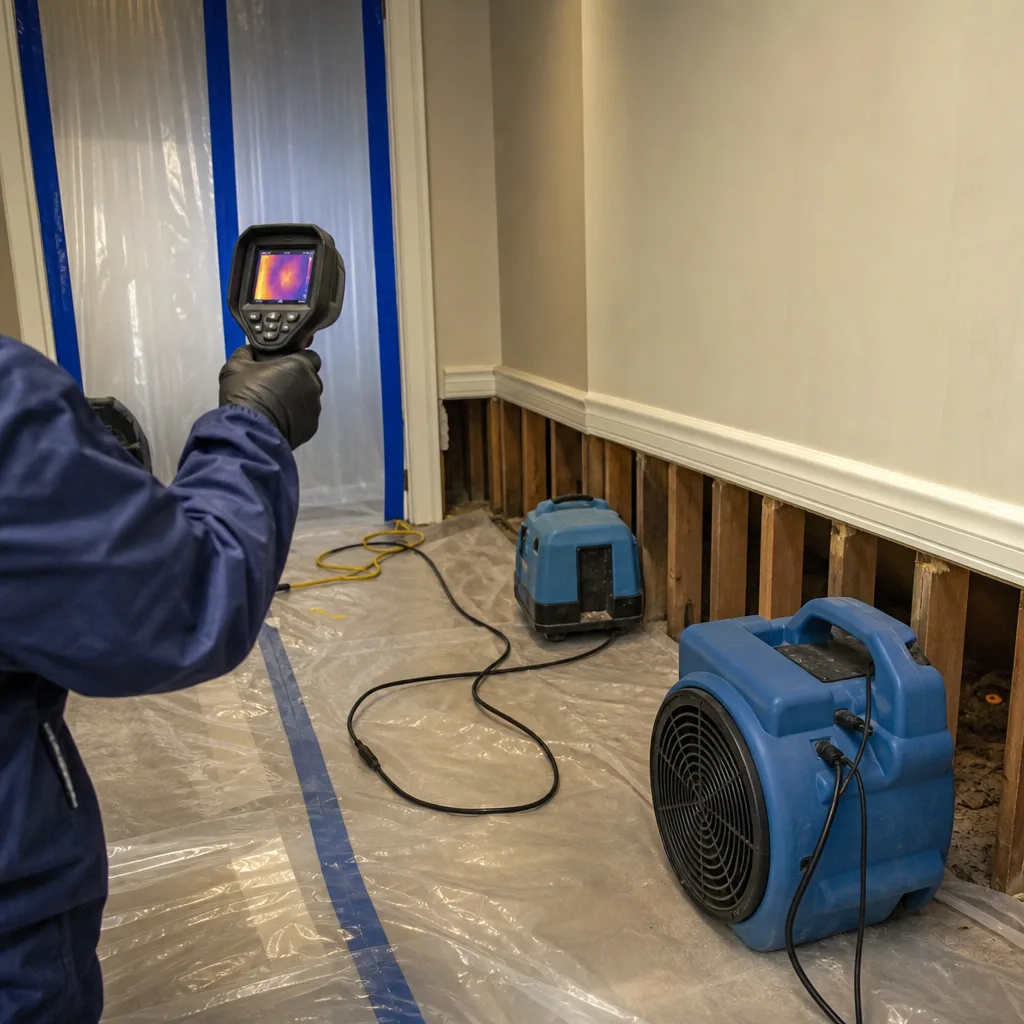 After
After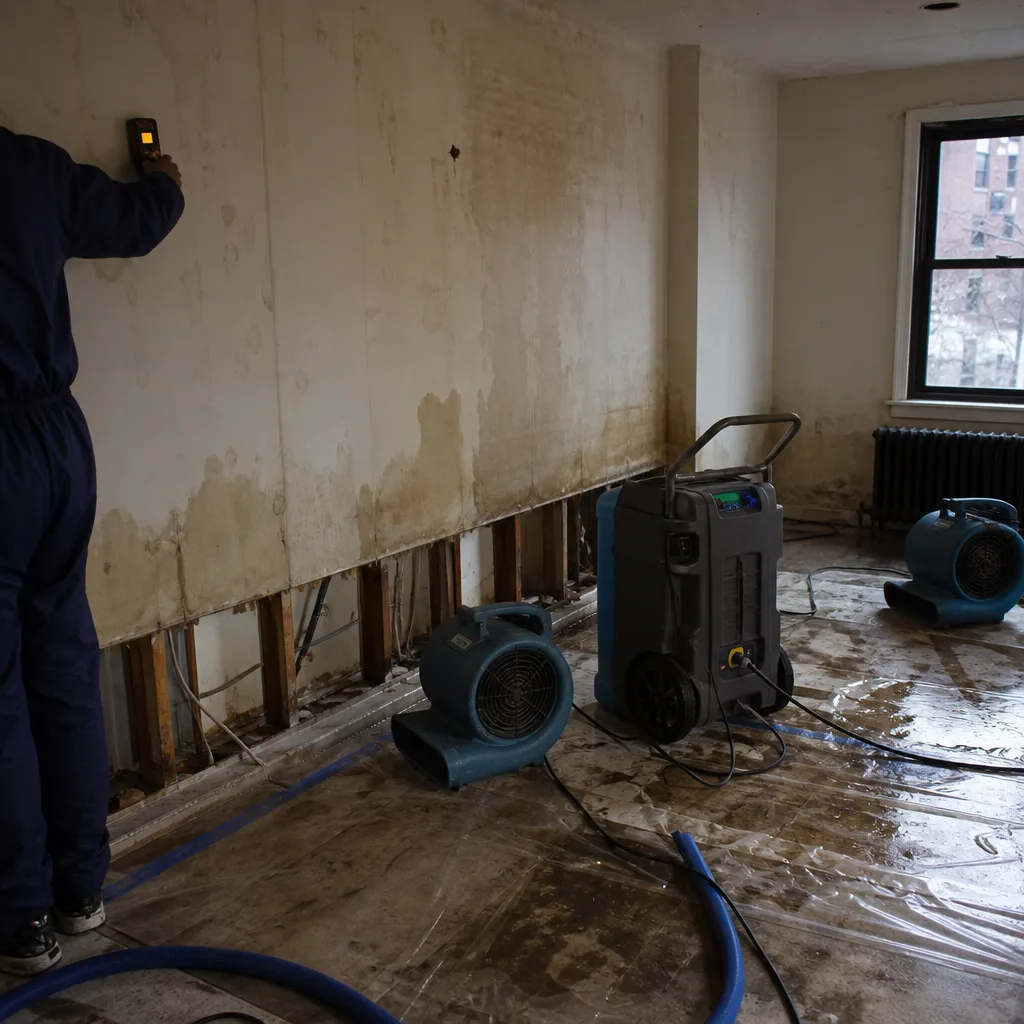 Before
 After
After24/7 Emergency Storm & Disaster Restoration in Lower Manhattan
Storm damage in Lower Manhattan moves fast, and so do we. Floodline Restoration Co. answers live at (716) 452-0798 around the clock, every day of the year, with crews dispatched into Battery Park City, Tribeca, the Financial District, and the surrounding blocks within minutes of your call. A free visual inspection tells us exactly what you’re facing before any work begins. The first hour decides whether saltwater-soaked drywall gets dried or gets torn out, and whether groundwater in a sub-grade garage stays manageable or becomes a full-scale mold problem below Madison Street. When the wind has just stopped blowing and the water line on your lobby wall is still fresh, that’s when restoration should already be running.
Understanding Storm & Disaster Restoration Severity in Lower Manhattan Properties
Not all storm water is the same, and Lower Manhattan sees the worst kind. Category 2 water, what the industry calls gray water, carries biological and chemical contaminants from combined sewer backflow, and saltwater surge from New York Harbor is even more aggressive on building materials than the freshwater flooding you’d get in Murray Hill or Long Island City. We classify what’s in your walls before we decide how to dry them. In pre-war cast-iron lofts along Hudson and Greenwich Streets, plaster-over-brick assemblies hide moisture for weeks, while saturated salt crystals left in the masonry actively pull water back into the wall cavity long after the surface reads dry. Ground-floor mechanical rooms in converted Financial District office towers present a different problem entirely. Water travels horizontally through commercial-grade chases and slab penetrations, so moisture mapping with thermal imaging and hygrometers is what tells us where the damage actually stops, not where the visible puddle ends. You can’t dry what you can’t see, and in Lower Manhattan, the unseen paths are older, deeper, and saltier than anywhere else in the five boroughs.
Why Lower Manhattan Property Owners Choose Floodline Restoration Co.
- 45-minute response commitment - We dispatch a uniformed, background-checked crew to your building within 45 minutes of your call, and we hold ourselves to that clock when the storm is still overhead.
- A live person answers, 24/7 - Never a recording. At 2 a.m. on a Tuesday when the nor’easter surge hits South Street, a dispatcher picks up, asks the right questions, and gets a crew moving.
- IICRC-certified technicians - Our crews hold current WRT (Water Damage Restoration Technician) and ASD (Applied Structural Drying) certifications, so the moisture map we hand you on day one is built to the same standard your insurer expects.
- Free visual inspection - We walk your property, show you what’s wet, what’s salvageable, and what’s not, and put it in writing before any equipment gets plugged in.
- Direct insurance billing - We coordinate with your adjuster, submit the line-item scope, and bill your carrier directly so you never play messenger between Floodline and the insurance desk.
- One crew from extraction to rebuild - The same certified team that runs extraction on day one handles daily drying readings, the final moisture log, and the reconstruction, so nothing gets handed off to a crew you’ve never met.
Our Storm & Disaster Restoration Process
Inspection & Assessment
We arrive, walk the damage, and map moisture with thermal imaging and hygrometers. You get a written assessment of what’s Category 2, what’s contaminated beyond drying, and what’s dry enough to keep.
Extraction & Stabilization
Standing water comes out first, including groundwater pushing up through sub-grade slab penetrations. We set up containment where needed so mold spores don’t travel into the rest of your building.
Drying & Dehumidification
Dri-Eaz and Phoenix dehumidifiers run against an actual dry standard, not a guess. Daily moisture readings get logged, and the log goes to you and your carrier, so everyone sees the path from wet to dry.
Cleaning & Sanitization
Category 2 water gets treated with antimicrobials and HEPA air scrubbing where needed, part of our Biohazard & Crime Scene Cleanup - Lower Manhattan protocol. This is where saltwater intrusion gets its own protocol, because freshwater cleaning leaves hygroscopic salt crystals behind.
Saltwater-Specific Treatment
Masonry and concrete surfaces exposed to harbor surge get flushed and dried beyond what standard moisture meters show. We check for salt residue in wall cavities before we ever think about closing a wall back up.
Repairs & Restoration
What needs rebuilding gets rebuilt by the same crew that dried it. The 90-Day Done Right Promise covers everything we touch, in writing, with no argument.
Need Emergency Storm & Disaster Restoration in Lower Manhattan Now?
Crews minutes away, answering live 24 hours a day. The sooner we start, the less it costs.
Working With Your Insurance Company
Our team documents from the first hour. Photos of every affected room, moisture readings taken the moment equipment goes in, and daily logs until the dry standard is met. That evidence trail is built for insurance adjusters. We prepare industry-standard estimates, submit them directly, and talk to your carrier on your behalf. If the adjuster questions whether that Financial District wall needed pack-out or whether drying could have saved it, we back our scope with the moisture data that justified it. You don’t need to translate restoration language into insurance language. We do that for you, because after 42 years of this work, we know exactly what your carrier needs to see.
What We Provide Your Insurer
- Thorough documentation of the loss
- Photos of all damage, room by room
- Moisture readings and drying logs
- A detailed, line-item scope of work
- Direct coordination with your carrier
Built for Lower Manhattan’s Loss Calendar
Lower Manhattan’s storm season runs long. January deep freezes burst supply lines in pre-war lofts along Broadway and in converted office floors where original plumbing was never built for residential use. Spring thaw and heavy rains push groundwater up through Battery Park City’s landfill sub-grade, filling parking garages before a single storm warning goes out. Summer thunderstorms dump flash rainfall on West Street and South Street faster than the aging combined sewer system can carry it away, so water backs up into ground-level lobbies and mechanical spaces. Then comes hurricane season, and the nor’easters that ride in behind it, which is when the real saltwater surge arrives at the Battery. Every season has its signature loss in this neighborhood, and we’ve run restoration on all of them. If you own property at the southern tip of Manhattan island, you’re never more than one tidal cycle away from needing Storm & Disaster Restoration, and you should never have to wait on hold to get it.
Storm & Disaster Restoration Across Lower Manhattan’s Neighborhoods
Battery Park City keeps our crews busy with groundwater. The residential towers along South End Avenue and North End Avenue were built on landfill excavated during World Trade Center construction, and that fill sits just above the water table. Sub-grade parking garages and ground-floor mechanical rooms start taking on water hours before a storm makes landfall, because saturated fill pushes water up through slab penetrations ahead of any surface flooding. We’ve run a full extraction operation in a South End Avenue tower while the nor’easter was still offshore, and the wind hadn’t yet reached West Street. In Tribeca, the pre-war cast-iron and brick loft buildings along Greenwich and Hudson Street trap moisture behind thick plaster, which means our drying protocols run longer and deeper there than anywhere else. The Financial District’s converted office towers, especially east of Broadway, have mechanical chases that carry water horizontally across entire floors, hidden behind ceiling assemblies that look dry from below. And in the narrow blocks around Fulton Street and John Street, older commercial buildings mix with residential units above, which means containment and air scrubbing have to protect both uses at once. Every neighborhood from the Battery north to City Hall has its own failure map, and after more than four decades in this work, we know them by heart.
Specialized Storm & Disaster Restoration Services We Offer in Lower Manhattan
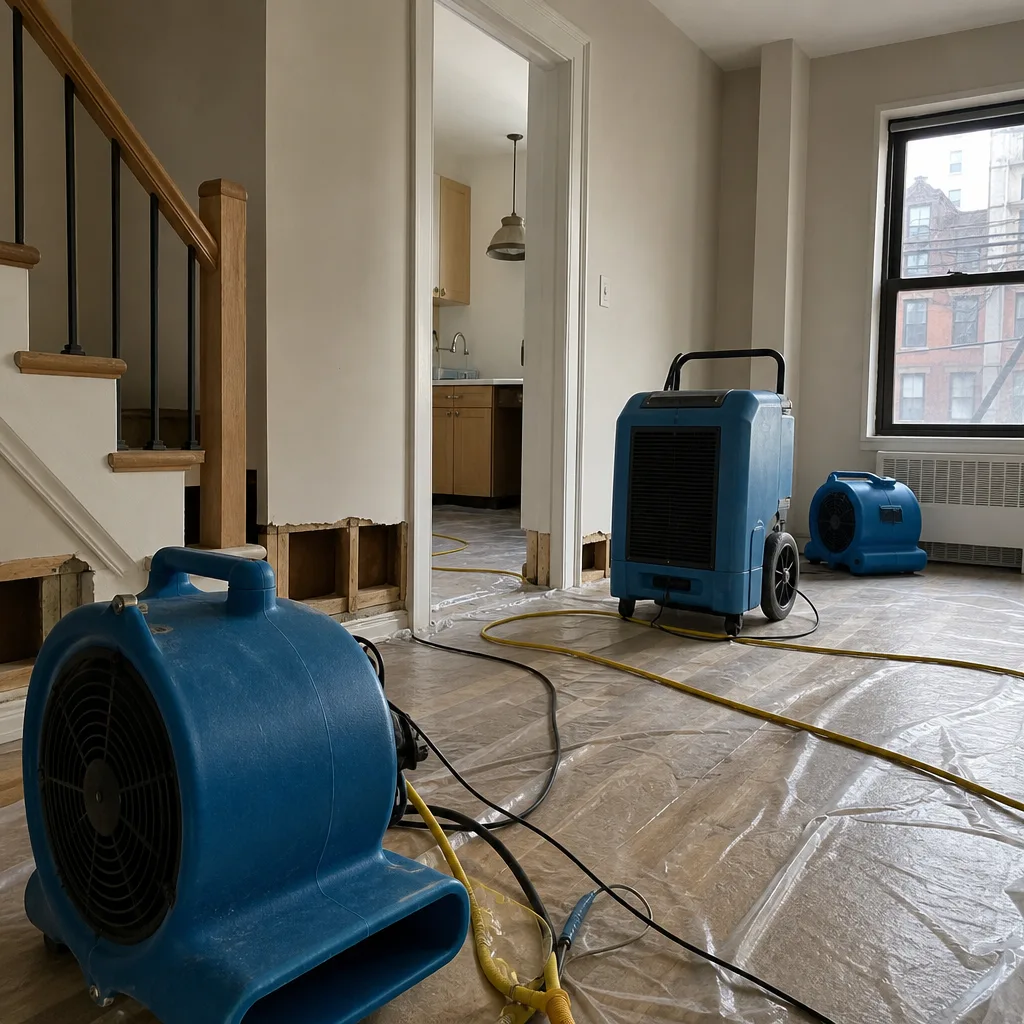
Storm Damage Cleanup
After the water recedes and the wind dies, the mess remains. We handle the full cleanup: wet contents triaged for salvage or disposal, contaminated materials removed, and surfaces prepped for drying. For Lower Manhattan buildings with ground-floor retail under residential units, we sequence the work so the building’s residents aren’t walking through a construction zone.
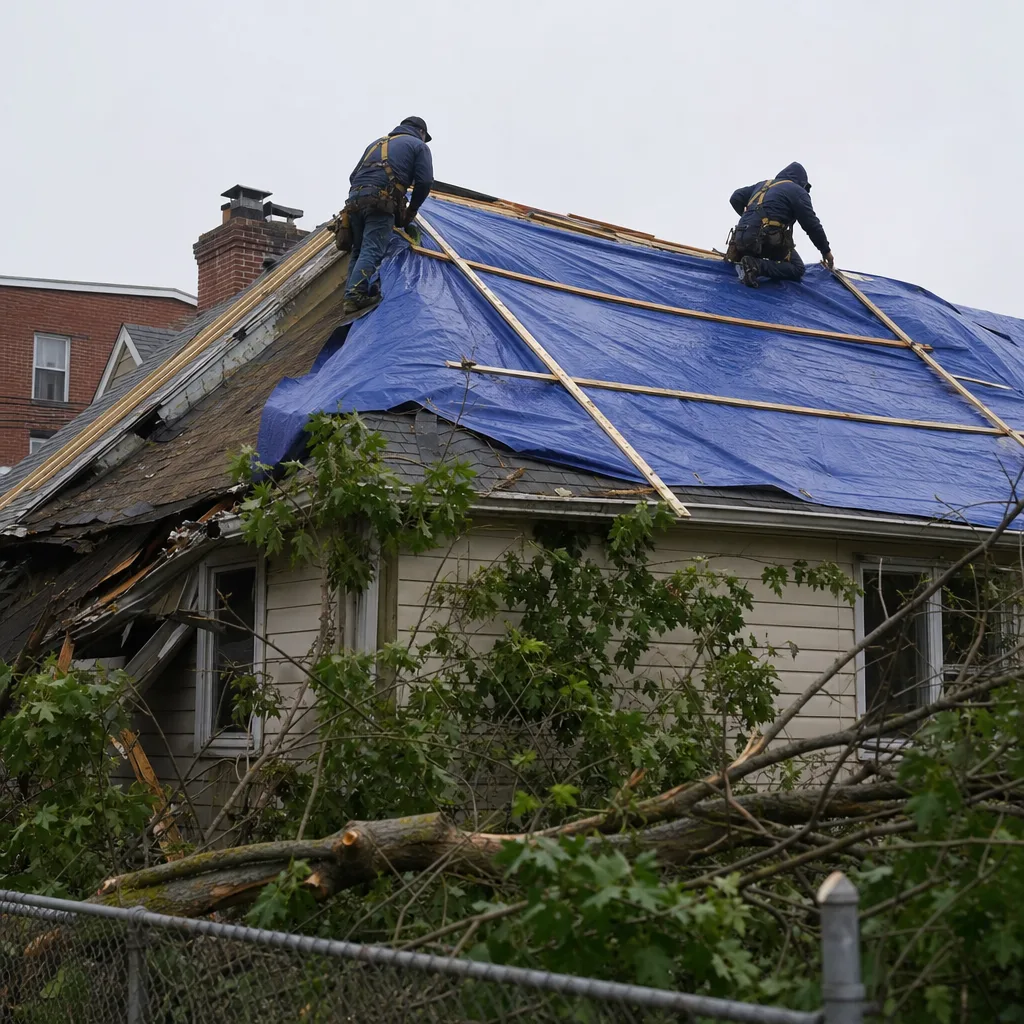
Flood Damage Restoration
Flood water in this neighborhood is rarely just rainwater. When harbor surge or combined sewer backflow carries Category 2 water into your property, the restoration protocol has to be built around contamination, not just wetness. We classify the water, contain the affected areas, and run structural drying to a logged dry standard, then verify the result with Lower Manhattan Sanitization Services documentation your carrier accepts.
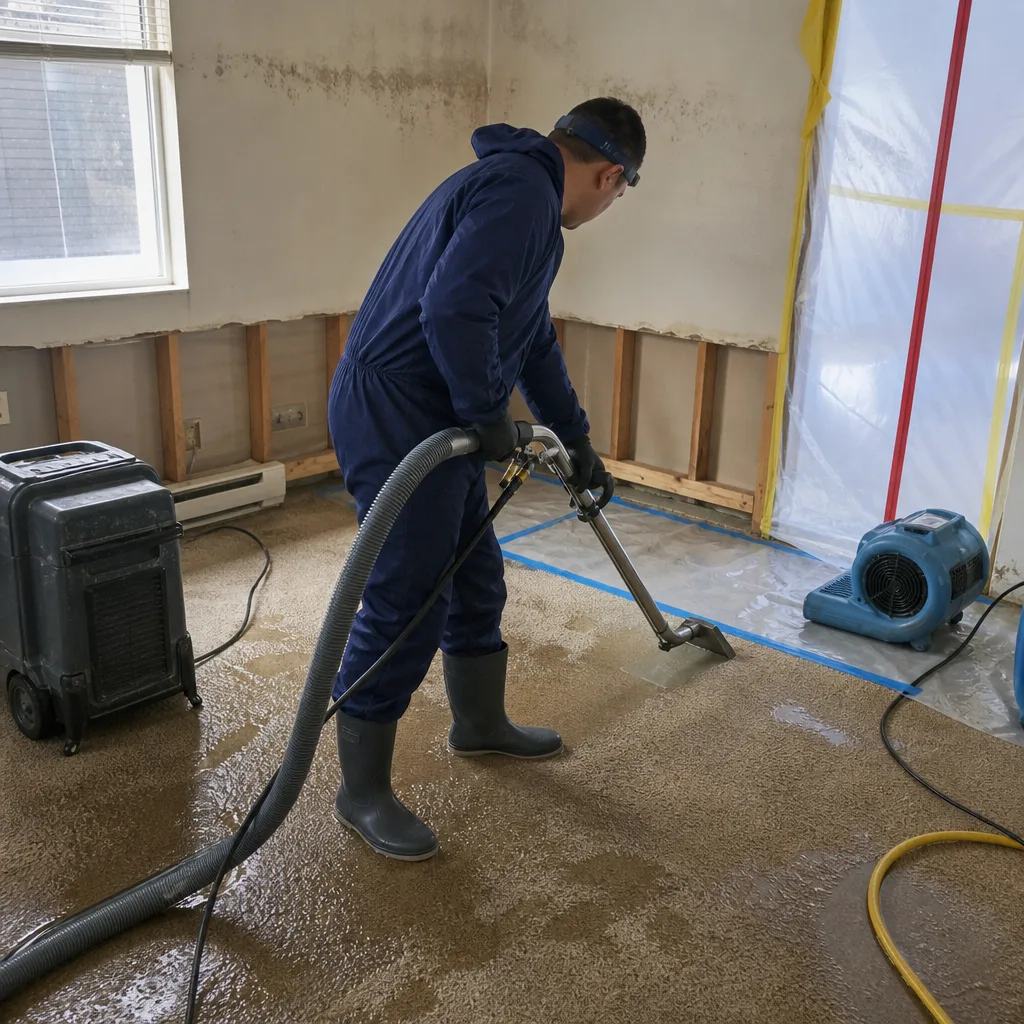
Emergency Board-Up
Broken windows and compromised entry points are a security problem and a liability problem. Our board-up service secures the building, prevents unauthorized access, and stops additional water from getting in through the breach. We’ve boarded up storefronts along Water Street and apartment windows facing the Battery, always with the understanding that temporary doesn’t mean sloppy.
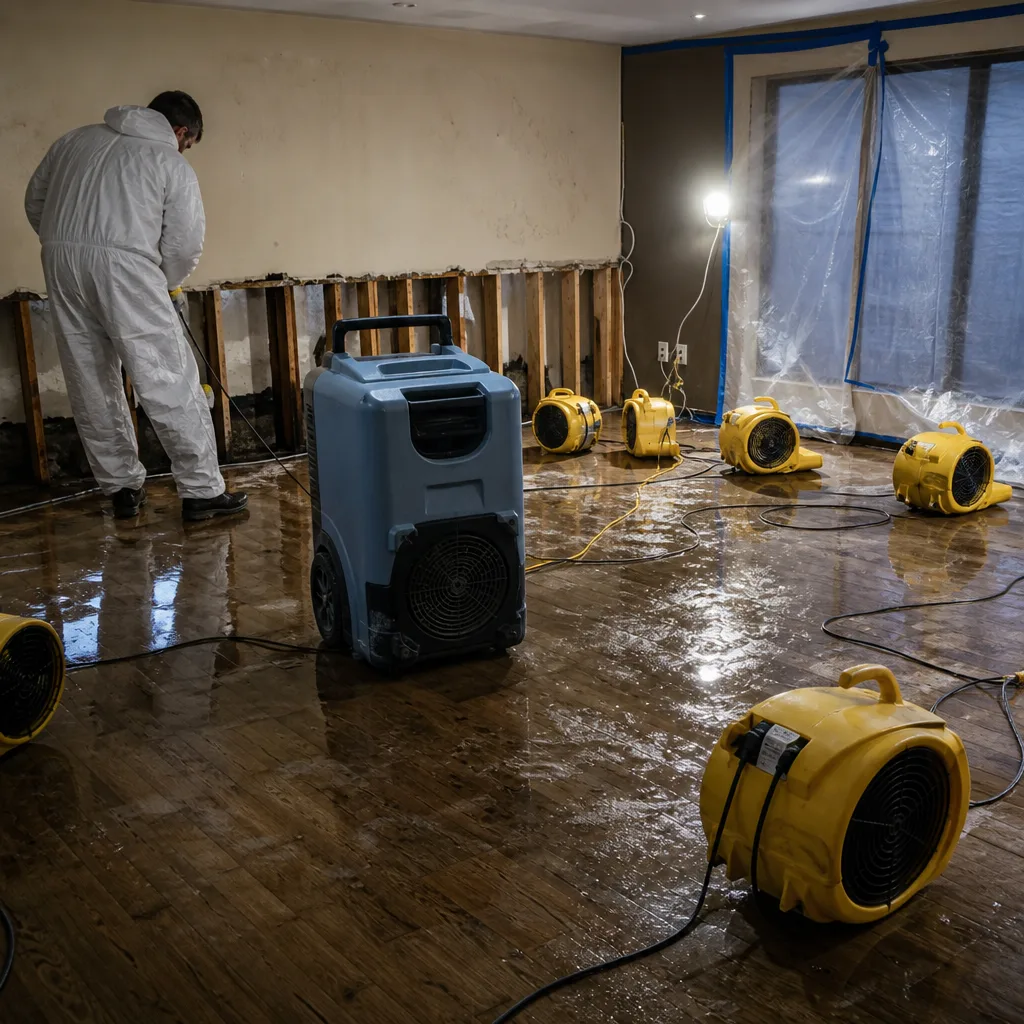
Roof Tarping
Wind damage doesn’t announce itself the way flood water does. A lifted membrane on a pre-war rowhouse roof or a punctured section over a converted loft lets water in during the next storm, which is usually days away. We tarp and secure damaged roof areas fast, using fasteners that hold up in Lower Manhattan’s wind corridors.
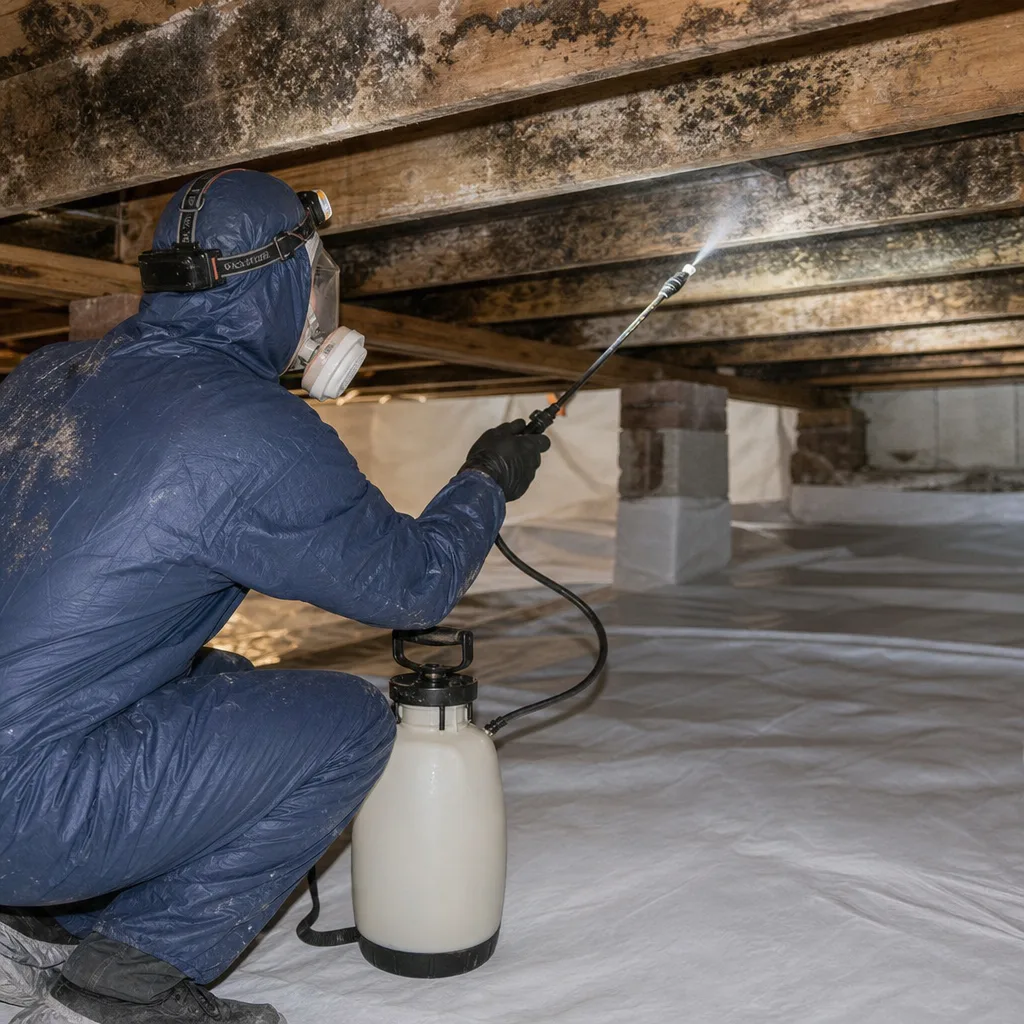
Debris Removal
Storm debris in this neighborhood is dense: broken glass from office towers, displaced taxi barriers, construction material washed out of Battery Park City’s ongoing projects, and whatever the harbor pushed up onto the lower streets. We remove, haul, and document it all so your insurance claim is complete from day one.
What happens when you call
- 1
A real person answersNo phone trees - you reach a local pro.
- 2
You get an upfront price rangeHonest numbers before anyone is dispatched.
- 3
A background-checked tech heads outLicensed & insured, dispatched right away.
- 4
You approve before work beginsNothing starts until you say go.
Storm & Disaster Restoration Costs in Lower Manhattan, NY
A straightforward water extraction and drying job in a Lower Manhattan apartment typically runs $1,800-$3,500, depending on square footage and whether we’re opening walls. Saltwater surge damage runs higher, usually $4,000-$8,000, because the salt-specific masonry treatment and containment add real costs. Groundwater intrusion in a Battery Park City sub-grade garage often runs $2,500-$6,000 just for extraction and drying, before any repairs. Emergency board-up runs $300-$900 per opening. Roof tarping runs $800-$2,000 depending on roof access and wind conditions. The biggest variable is what’s behind the walls, and that’s what the free visual inspection is for. We give you a written scope and a firm number before we start, so the number doesn’t change on the back end. For an exact quote on Storm & Disaster Restoration in your building, call (716) 452-0798.
We Also Serve Cities Near Lower Manhattan
Floodline Restoration Co. covers the full damage map around Lower Manhattan: Long Island City, Greenpoint, Williamsburg, and Murray Hill. If your building is across the East River or just north of the Battery, you’re still in our response zone, and you still get a live person on the phone.
Serving Lower Manhattan, NY - Our Local Coverage Area
We’re based in the Lower Manhattan area and know this community well. Use the map below to see our service coverage - if you’re nearby, we can almost certainly help.
Lower Manhattan Storm & Disaster Restoration Questions, Answered
How does saltwater flooding in Lower Manhattan differ from freshwater flooding in Brooklyn or Queens?
Saltwater carries dissolved salts that stay behind after the water is gone, and those salts actively pull moisture back into walls, floors, and masonry for years. Freshwater protocols simply don’t address that, which is why Lower Manhattan requires its own restoration playbook.
Do I need to worry about groundwater flooding in Battery Park City if the storm hasn’t made landfall yet?
Yes. The landfill under Battery Park City sits just above the water table, so sub-grade garages take on water through slab penetrations hours before surface flooding arrives. If you wait for water on the street, the mold clock is already running.
Can old cast-iron building mechanical chases in Financial District condos be dried without opening walls?
Sometimes, but not always. Horizontal runs behind ceiling assemblies often hold water that moisture maps initially miss. We dry what we can in place and open what we can’t, and the data tells us which is which.
What should I do if my Tribeca loft’s brick walls are still damp months after a flood?
Call us. That’s a classic salt crystal problem: the masonry isn’t actually dry, it’s wicking. We treat the wall cavity, flush the salts, and run drying until the moisture readings stay flat. The longer it waits, the worse the mold potential gets.
Is emergency board-up really necessary in Lower Manhattan after a storm, or is it just for broken windows?
It’s necessary. A missing pane on West Street lets the next storm in, and an unsecured ground-floor entry invites unauthorized access. Board-up is cheap insurance against a much bigger loss.
How fast can Floodline actually get to my Lower Manhattan building?
We commit to 45 minutes from your call. Our crews for Lower Manhattan work in this neighborhood every day, and our dispatch office is minutes away. When you call (716) 452-0798, a real person answers.
Will my insurance cover storm and flood restoration in Lower Manhattan?
Most standard policies cover storm damage, though flood insurance is separate. We document everything, bill your carrier directly, and coordinate with your adjuster so coverage questions get answered by the people whose job it is to answer them.
What should I do in the first 30 minutes after water gets into my property?
Cut power to affected areas, document what you can see, and call us at (716) 452-0798. Don’t wait for the water to settle, and don’t run household fans on standing water. The faster extraction starts, the more we can save.
Written by Curt Bowman, Owner at Floodline Restoration Co., leading full-cycle restoration and emergency response across Lower Manhattan.