
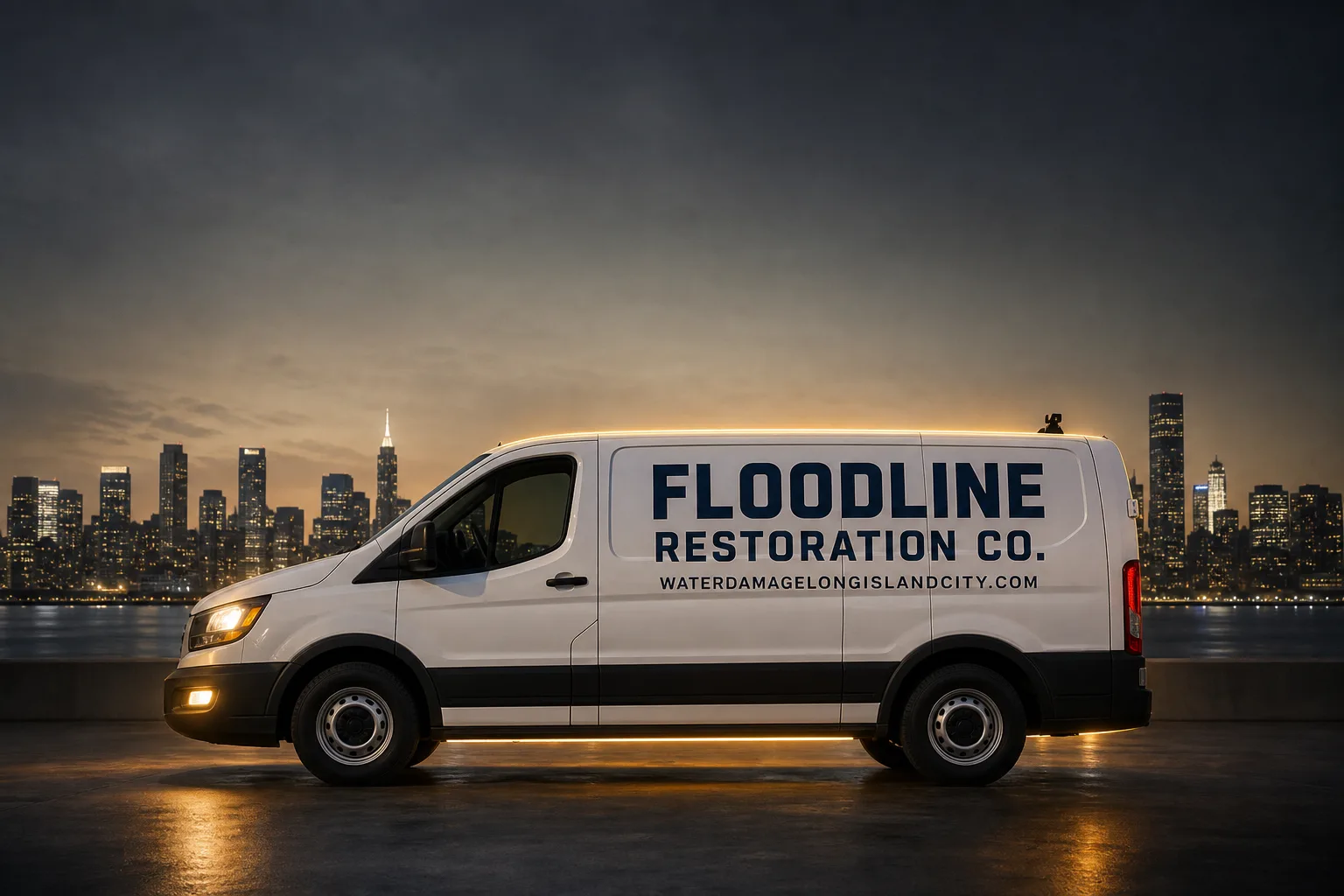
Free visual inspection and a written scope of work before any mitigation begins - photos, moisture readings, and drying logs go in your claim file
The scope we write is the scope we bill. Anything new gets shown to you, in writing, before we touch it.
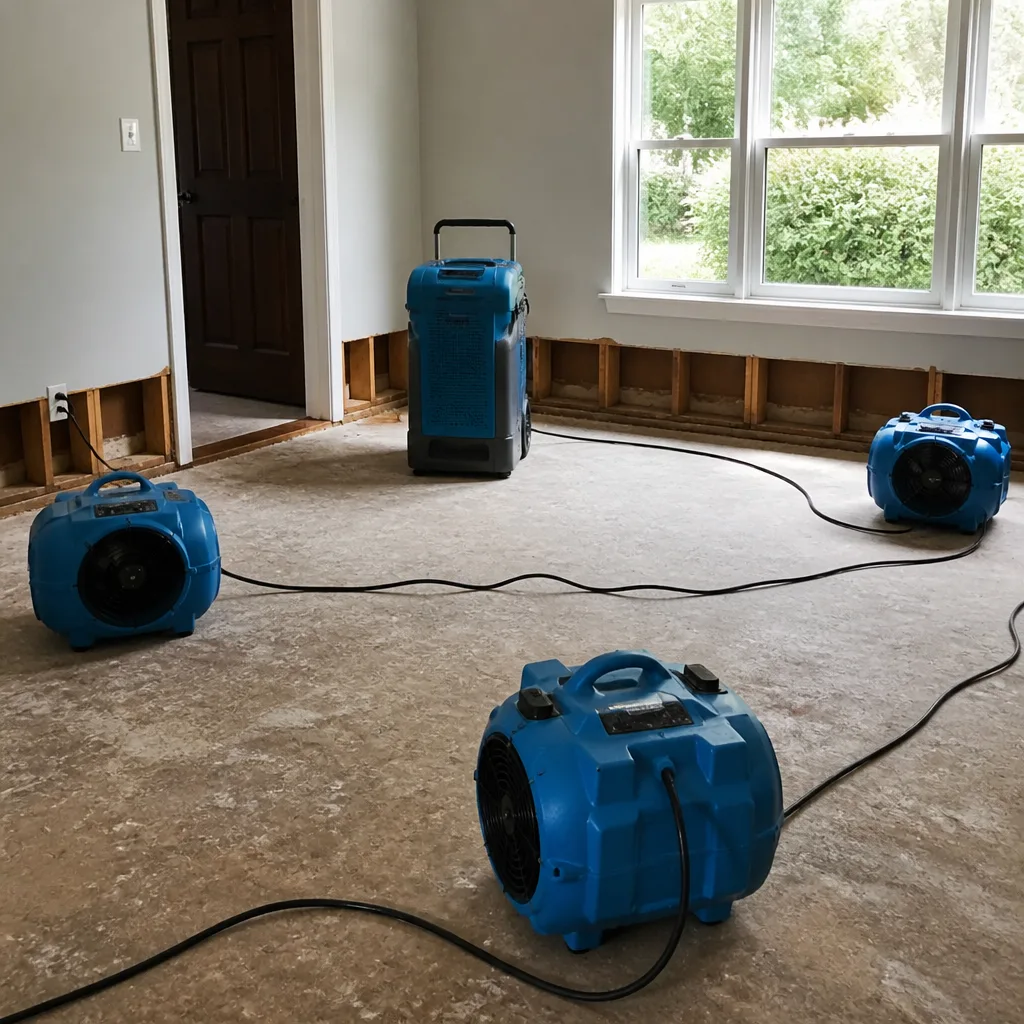
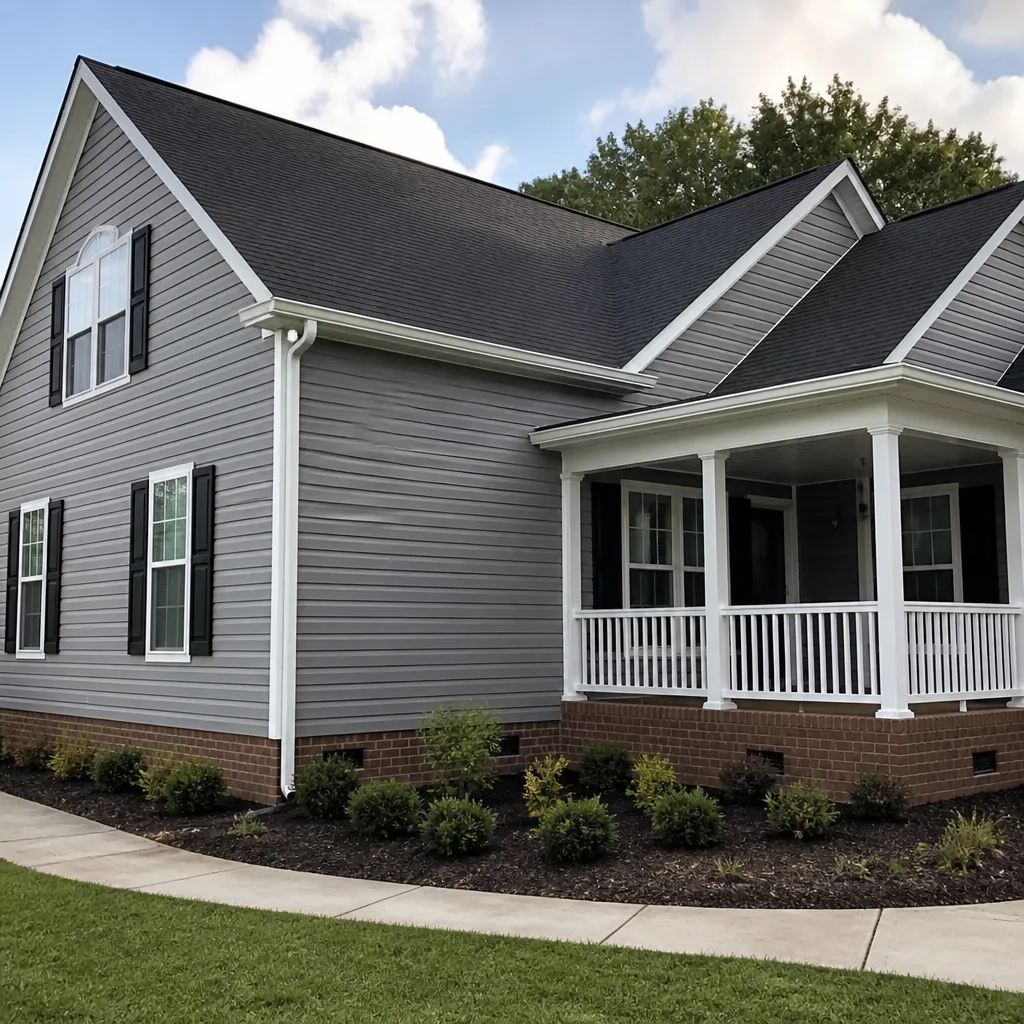
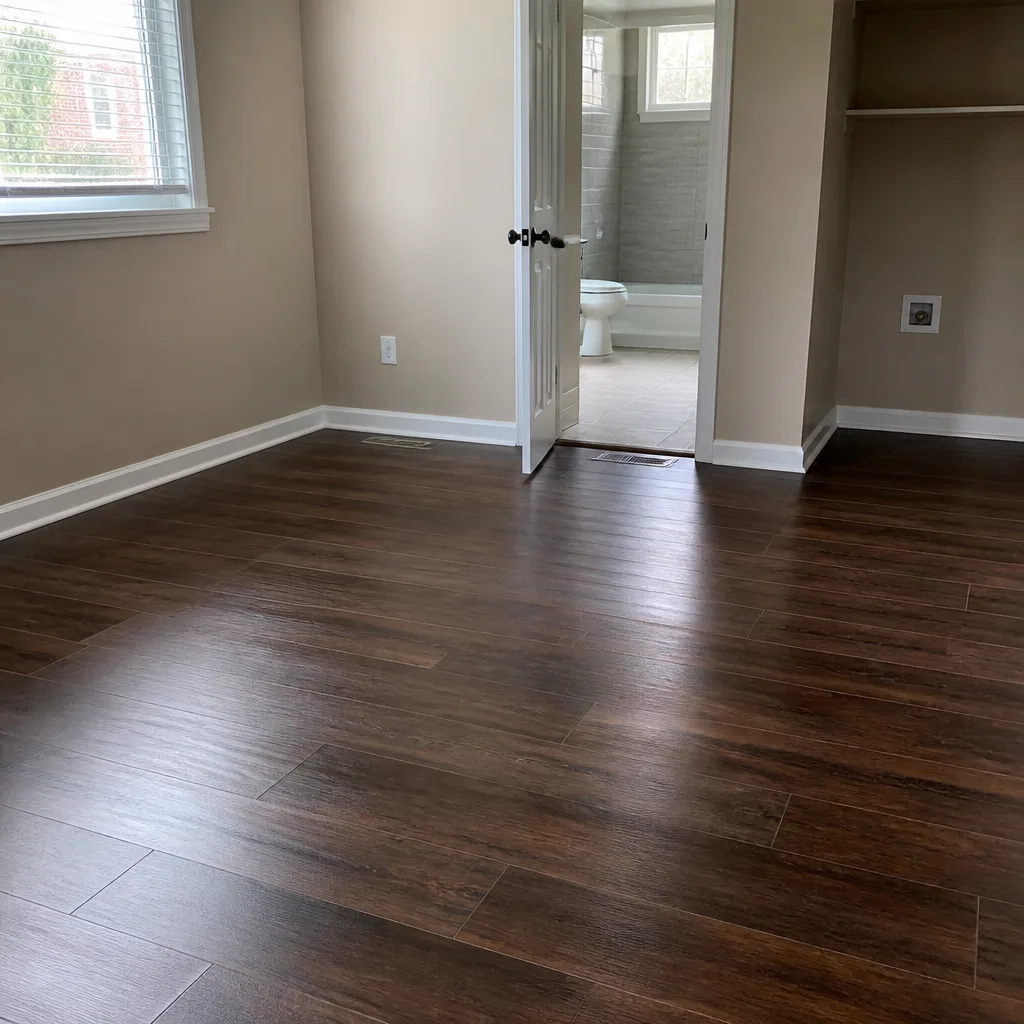
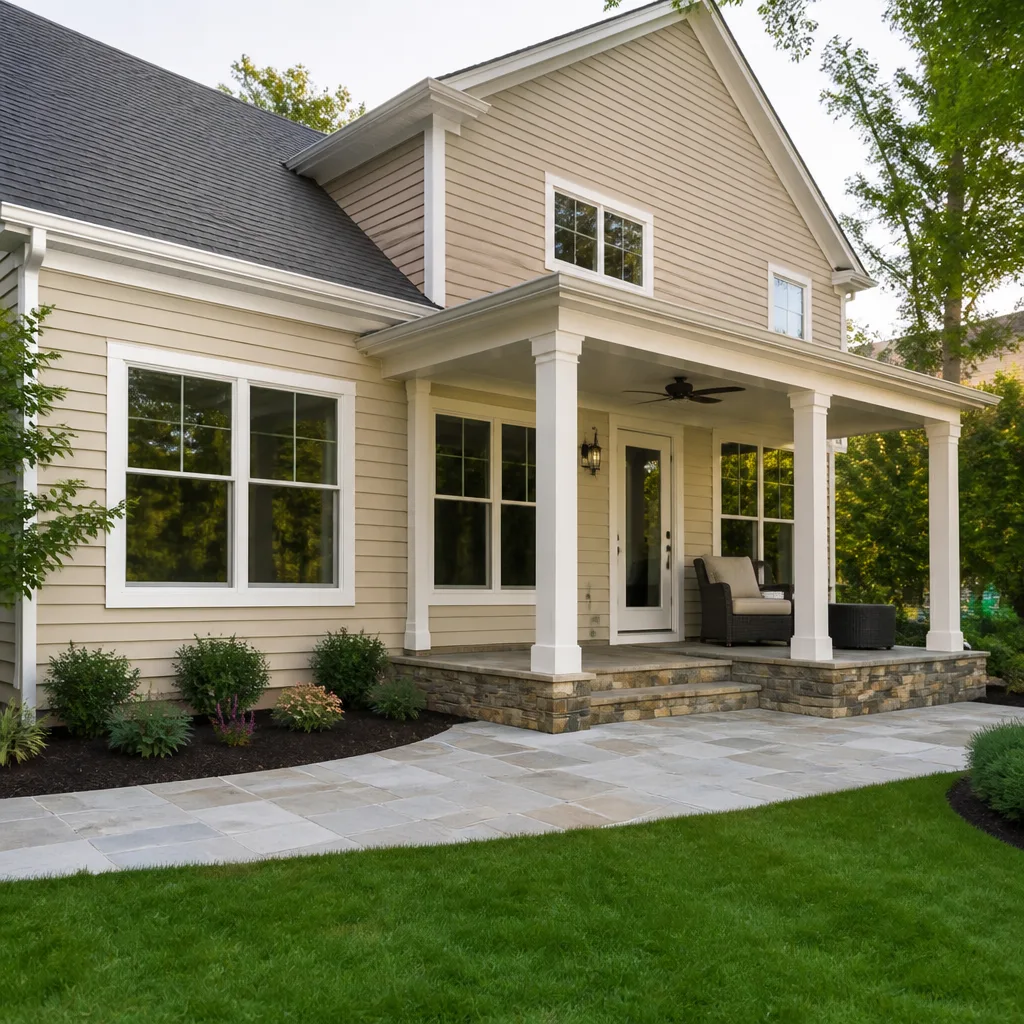
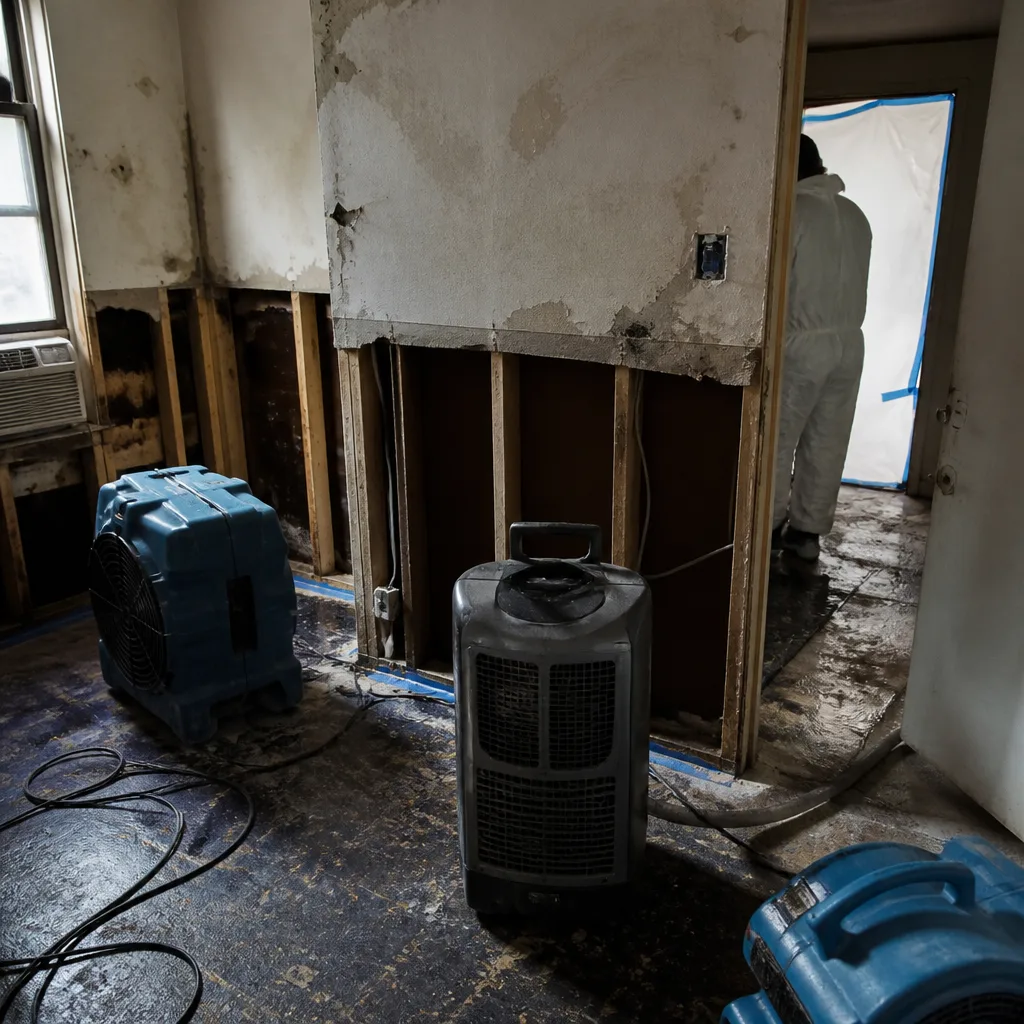 Before
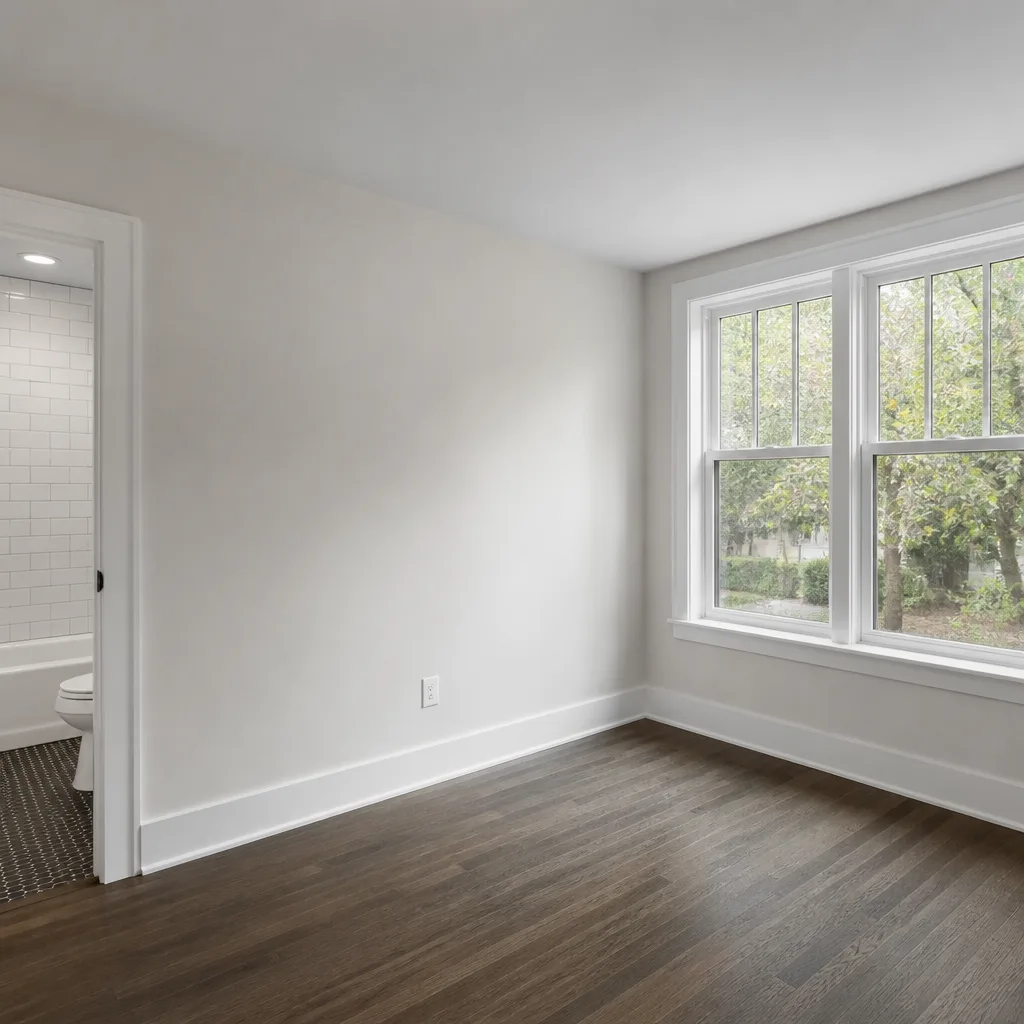
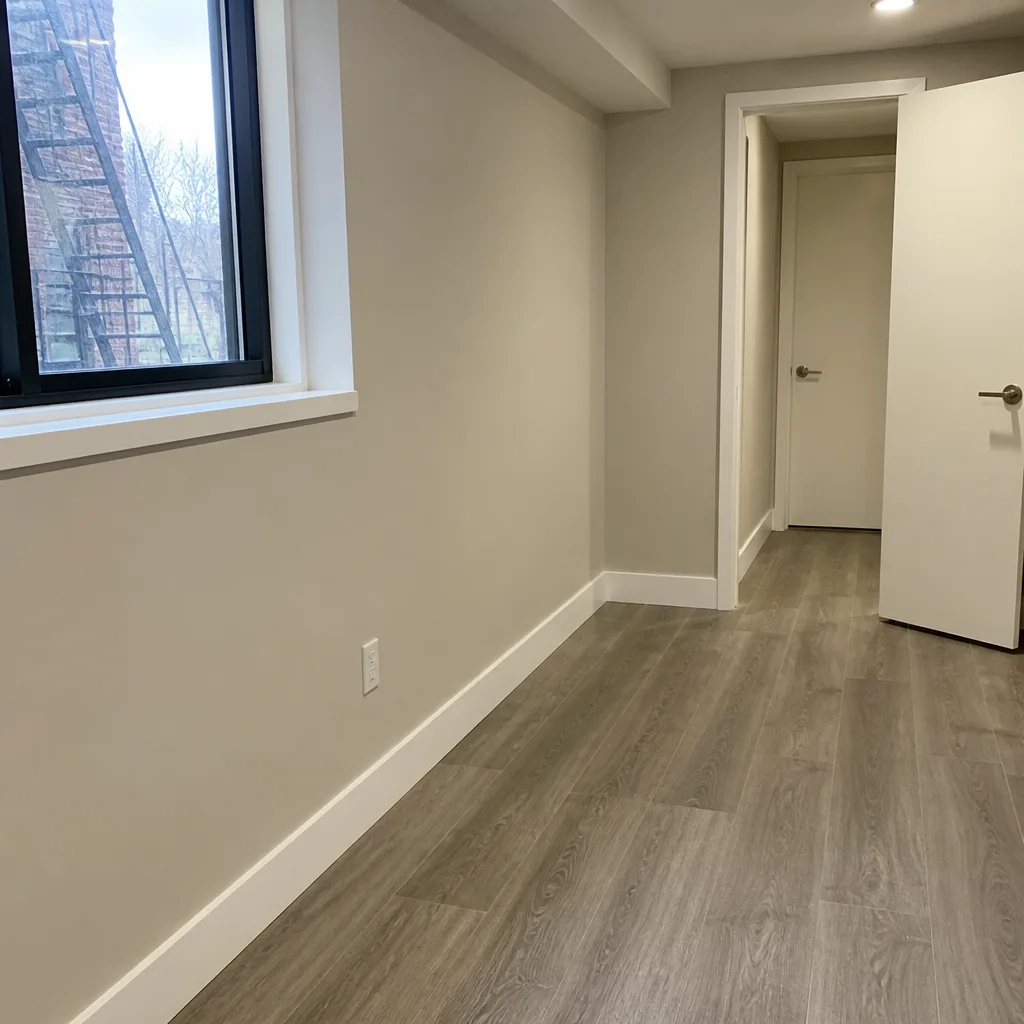 After
After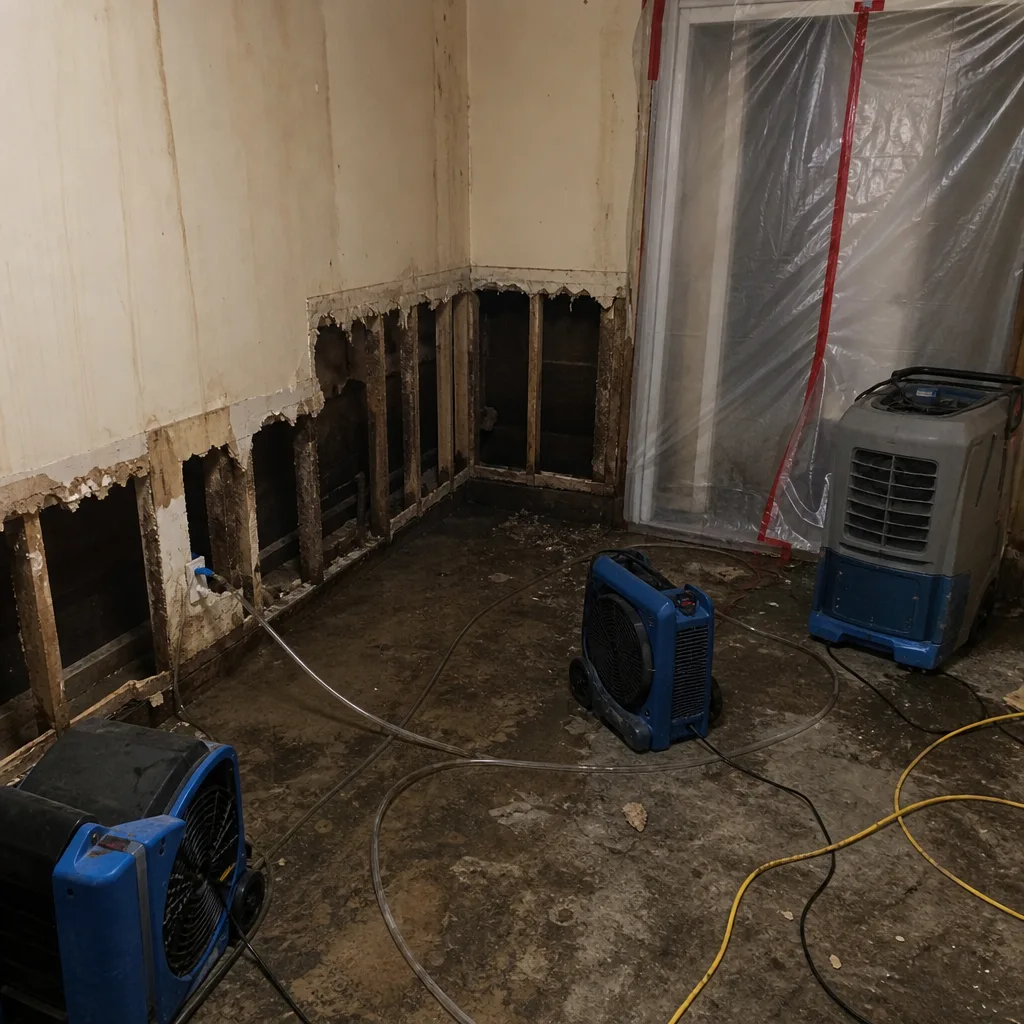 Before
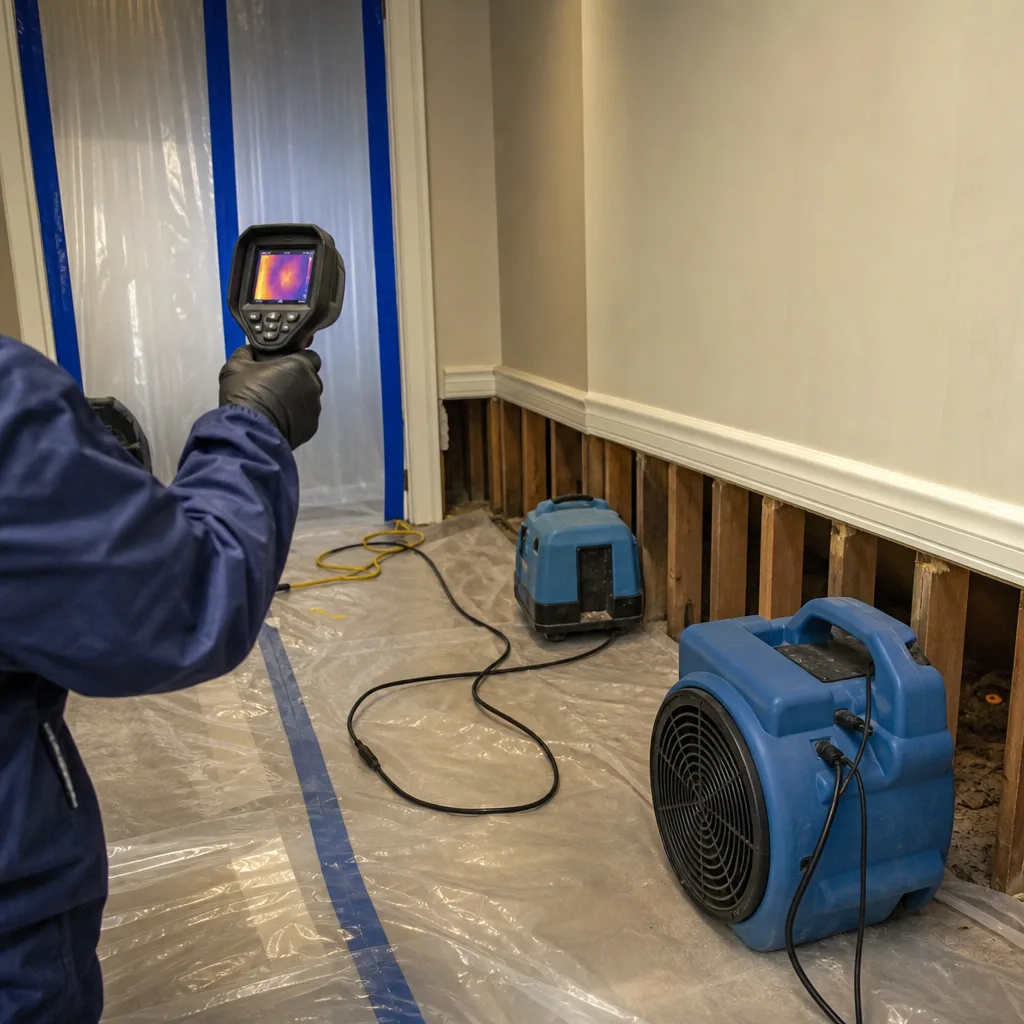 After
After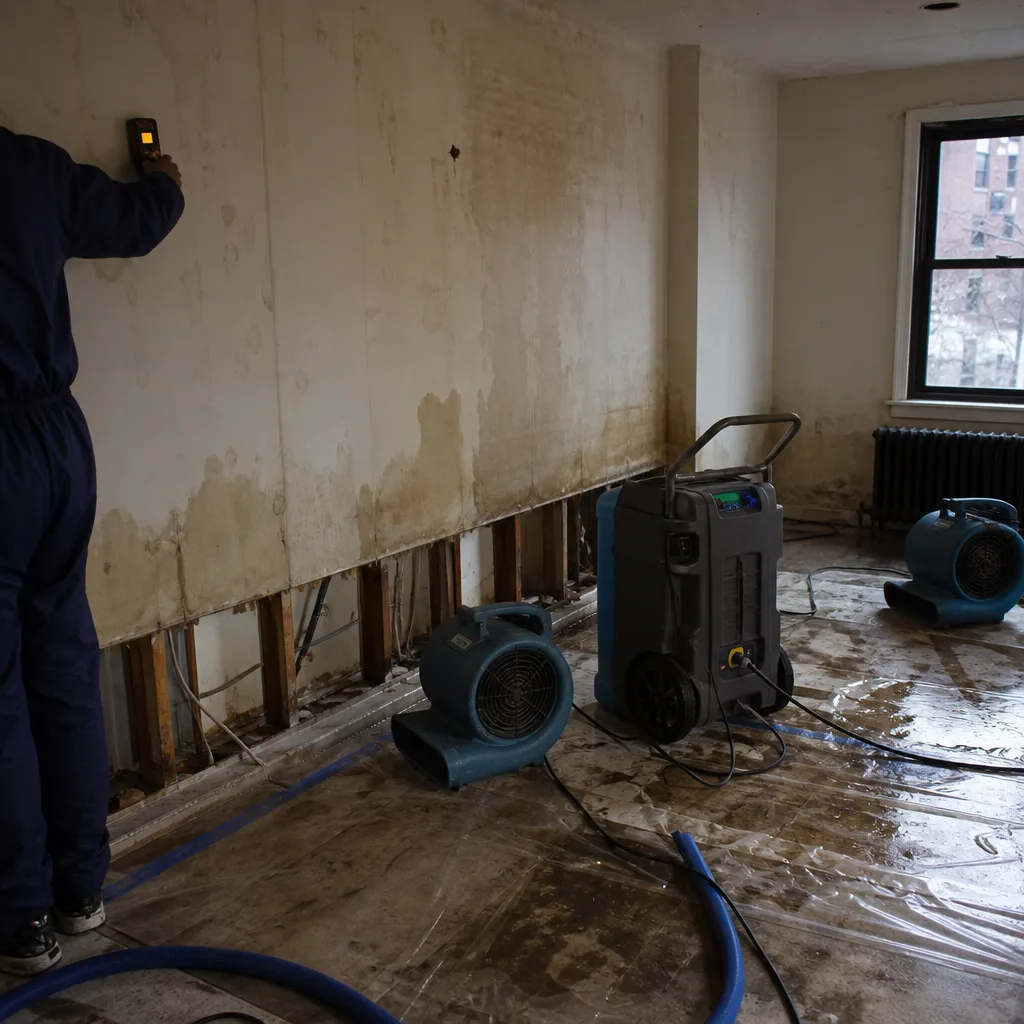 Before
 After
After24/7 Emergency Storm & Disaster Restoration in Jackson Heights
A nor’easter tears through Queens at 2 a.m. and by 2:20 your garden-level co-op unit has six inches of Category 3 water in it. That’s the call we answer. Floodline Restoration Co. has crews staged around Jackson Heights, and a live dispatcher picks up at (716) 452-0798 any hour, any day. Not a recording. A person who knows the difference between a riser failure and a window well breach, and who starts moving equipment before the phone call ends. The first hour after water enters a pre-war building matters more than the next 48, because those original plaster-over-lath walls and wooden subfloors pull moisture upward fast. Free visual inspection. Same-visit extraction whenever we reach the job. Call now and we’ll have someone standing in your living room before the water line stops climbing.
Understanding Storm & Disaster Restoration Severity in Jackson Heights Properties
Storm damage in Jackson Heights rarely stays clean. A wind-driven rain event around 34th Avenue that blows out a window and soaks drywall is one thing. A combined sewer backup that pushes sanitary waste into your basement-level unit is something else entirely: that’s Category 3 water, the most contaminated classification, and it demands full pack-out, antimicrobial treatment, and controlled demolition of saturated material. We classify every loss using IICRC S500 standards: Category 1 is clean supply water, Category 2 carries significant contamination, Category 3 is grossly unsanitary. Most post-storm losses in this neighborhood land at Category 2 or 3 because Jackson Heights sits over aging combined sewer infrastructure. Add century-old brick walls that retain moisture and shared vertical plumbing stacks that carry water between floors, and you get losses that spread invisibly behind plaster for days before anyone notices a stain. Our technicians use thermal imaging and penetrating moisture meters to map exactly where the water went, then set professional-grade Dri-Eaz dehumidifiers and XPOWER air movers to pull it back out.
Why Jackson Heights Property Owners Choose Floodline Restoration Co.
- 45-minute response commitment in the Jackson Heights area. We dispatch immediately, not after a sales call-back.
- Live answer, 24/7. A real person picks up at 2 a.m. and starts the extraction conversation right then.
- IICRC-certified crews in water (WRT), fire (FSRT), and applied microbial (AMRT) disciplines. Uniformed, background-checked.
- Free visual inspection with moisture mapping, thermal imaging, and a written scope before any work begins.
- Direct insurance billing. We coordinate with your carrier and your co-op’s carrier. You don’t play messenger.
- One team from first extraction to finished reconstruction. We don’t hand your home to a subcontractor mid-job.
Our Storm & Disaster Restoration Process
Inspection & Assessment
We walk the affected area with you and identify every surface that’s wet, hidden, or compromised. In Jackson Heights co-ops, that means checking unit-adjacent walls, pipe chases, and the apartment below or above. Thermal imaging shows us what the eye can’t.
Extraction / Stabilization
We pull standing water with truck-mounted and portable extraction units, then address structural hazards. If storm winds blew out windows or compromised the roof membrane, we board up and tarp immediately. Stabilization stops the damage from spreading while assessment continues.
Drying & Dehumidification
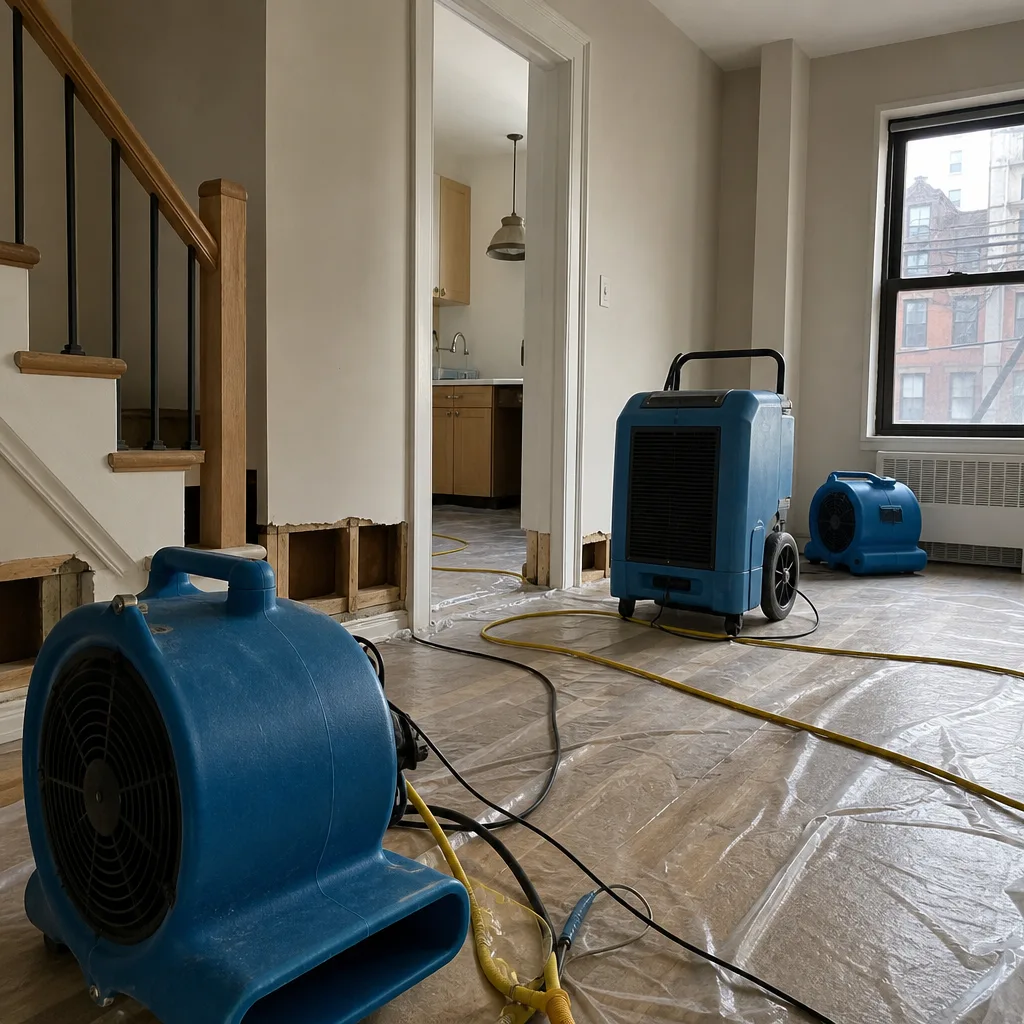
Commercial dehumidifiers and high-velocity air movers go in once extraction is complete. For garden-level and basement units in the historic district, we add Injectidry systems to pull water from wall cavities without removing period plaster unnecessarily. Daily moisture readings are logged until the dry standard is hit.
Cleaning & Sanitization
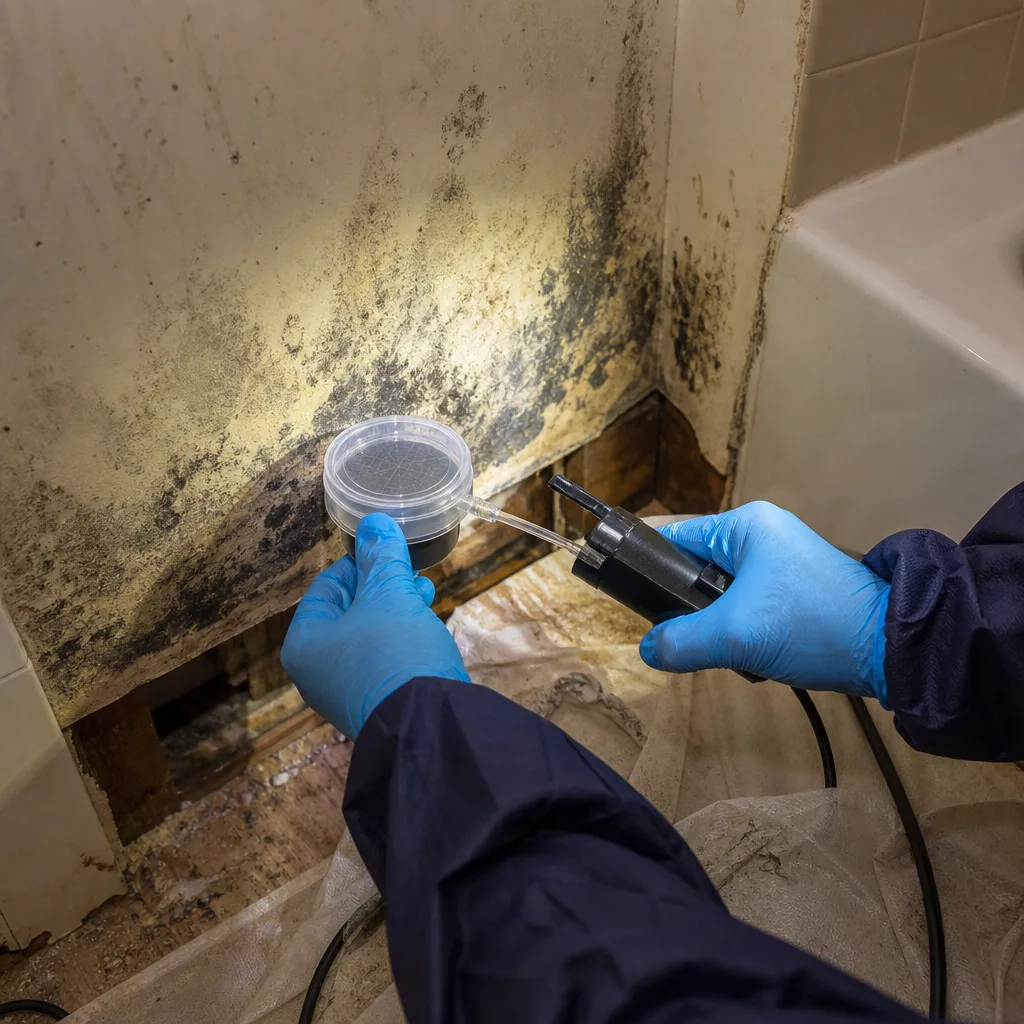
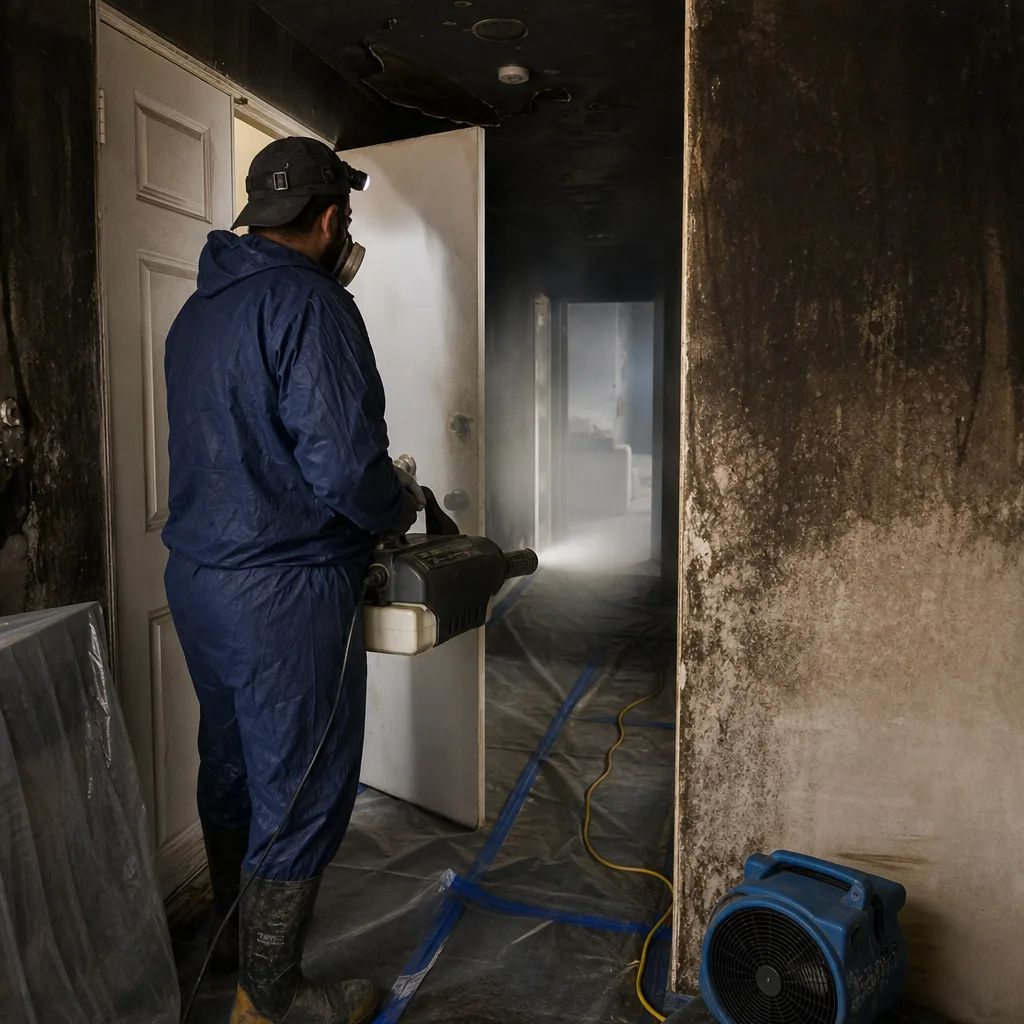
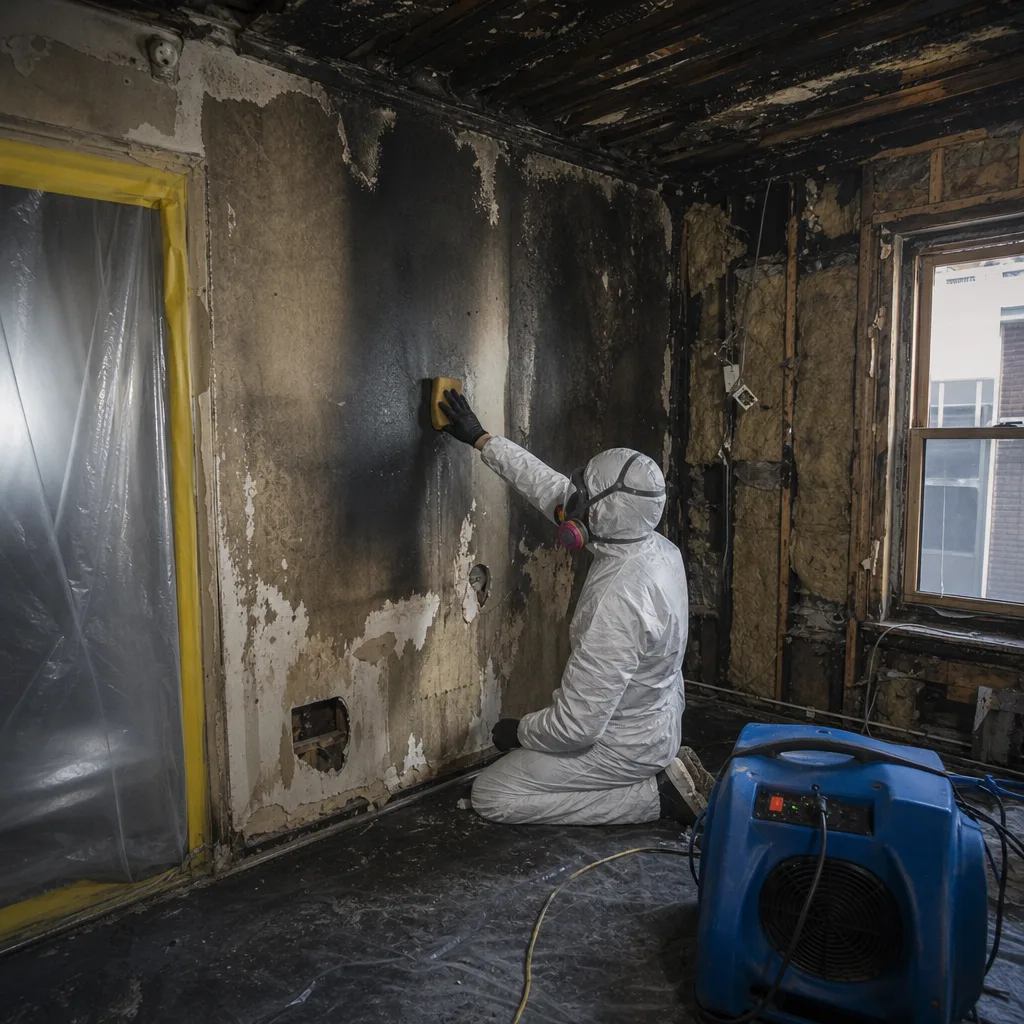
Storm water and sewer backup both leave behind contaminants. We run HEPA air scrubbers during the entire process and apply EPA-registered antimicrobials to any affected framing or subfloor. Every step follows IICRC protocols.
Specialty Treatment
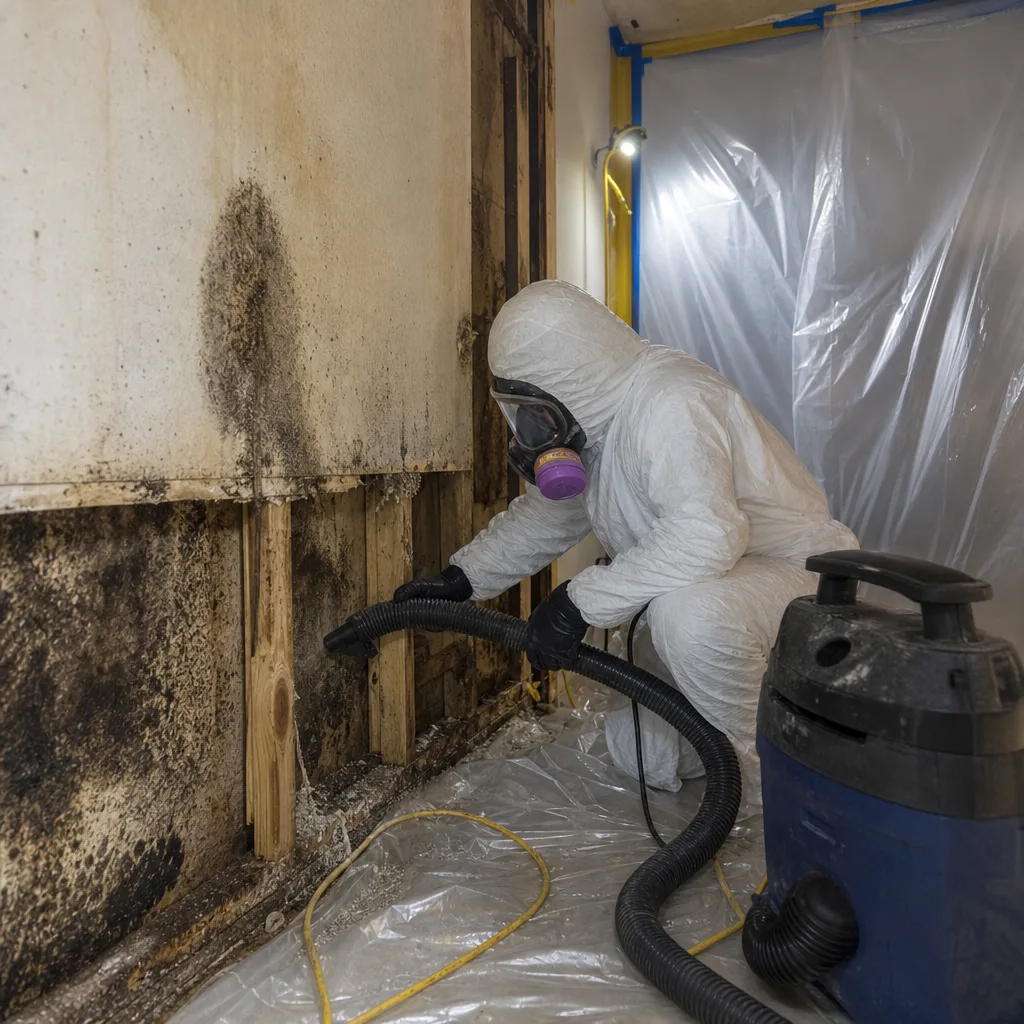
For Category 3 losses, we manage contaminated material removal with proper containment. For co-op buildings with LPC oversight, we document every removal with photos and material tags so the board can approve replacement materials in one review rather than three.
Repairs & Restoration
We rebuild. The same crew that extracted the water now replaces drywall, matches plaster texture, repairs hardwood or tile, and repaints. No handoff. The 90-Day Done Right Promise covers the entire job, from first response to final walkthrough.
Need Emergency Storm & Disaster Restoration in Jackson Heights Now?
Crews minutes away, answering live 24 hours a day. The sooner we start, the less it costs.
Working With Your Insurance Company
Storm damage claims in Jackson Heights get complicated fast. One nor’easter loss might touch six co-op units, three personal policies, and the building’s master carrier. We handle the documentation from hour one, the same way we’ve done it since Curt Bowman founded Floodline Restoration Co. in 2010: photos before we move anything, moisture readings taken at every stage, and a line-item scope that the carrier can read without calling a translator. We talk directly to your adjuster. We sit with them at the property when needed. And we bill your carrier directly, so you aren’t floating five figures while the building board debates risk mitigation.
What We Provide Your Insurer
- Thorough documentation of the loss
- Photos of all damage, room by room
- Moisture readings and drying logs
- A detailed, line-item scope of work
- Direct coordination with your carrier
Built for Jackson Heights’s Loss Calendar
Jackson Heights sees storm losses on a schedule. January and February bring deep freezes that rupture uninsulated supply lines in pre-war pipe chases, sending clean water through four floors of a six-story brick building before anyone notices. March through May, the thaw saturates already-strained masonry and three inches of rain can seep into garden units. July and August thunderstorms drop water faster than aging combined sewers can carry it, causing sanitary backups into basements and ground-level apartments. Fall is the nor’easter window: wind damage along Roosevelt Avenue and 37th Avenue corridors, plus roof membrane tears that let water travel two rooms away from the actual breach. Every one of these events hits denser in the historic district because a hundred-year-old building has a hundred years of patches, and the weakest patch fails first. We schedule our Jackson Heights crews around this calendar on purpose.
Storm & Disaster Restoration Across Jackson Heights’s Neighborhoods
Response time in Jackson Heights depends on where you are, and we know the streets well enough to route around a flooded Roosevelt Avenue or a de-energized block above the subway line. The historic district core along 34th and 35th Avenues is our most frequent call area: six-story elevator co-ops with central courtyards, and rooftop access that’s tight enough to make tarping a two-man ladder job rather than a lift. North toward Northern Boulevard, the attached row houses present different challenges: shared party walls mean a wind-driven leak in one house can affect both sides, and access to the rear yard is often only through the building interior. The garden apartments near Travers Park sit low and absorb water from the surrounding blocks during heavy rain. And the 11372 ZIP’s southern edge, close to the Brooklyn-Queens line, mixes co-ops and smaller brick walk-ups where rooftop equipment access runs through narrow interior stairwells. We know which buildings have replacement windows that can come out for extraction, and which have fixed historic steel casements where every piece of equipment goes up the service elevator.
Specialized Storm & Disaster Restoration Services We Offer in Jackson Heights
We don’t do one-size storm response. In the historic district’s co-op buildings, what looks like a simple cleanup often requires material documentation and board coordination that ordinary storm crews aren’t prepared for. Our Storm & Disaster Restoration team in Jackson Heights handles the full range, from the emergency call to the final paint touch-up.
Storm Damage Cleanup
After wind or water compromises a Jackson Heights building, we remove saturated or wind-blown material fast. That means bagging and disposing of wet carpet, pad, drywall, and insulation within hours of reaching the site. For landmark buildings, we photograph and inventory every removed material first. Your co-op board and the LPC will have a complete record before a bag leaves the building.
Flood Damage Restoration
Flooding in Jackson Heights isn’t a singular event. It’s a downpour overwhelming the sewer, a riser letting go in apartment 2B, or a courtyard drain clogging and sending water under the door of a basement unit. Our flood extraction includes thorough structural drying with Dri-Eaz and XPOWER equipment, and we hold daily moisture readings until the dry standard is hit. In Category 3 events, we manage containment and safe disposal while the building’s other residents continue living above.
Emergency Board-Up
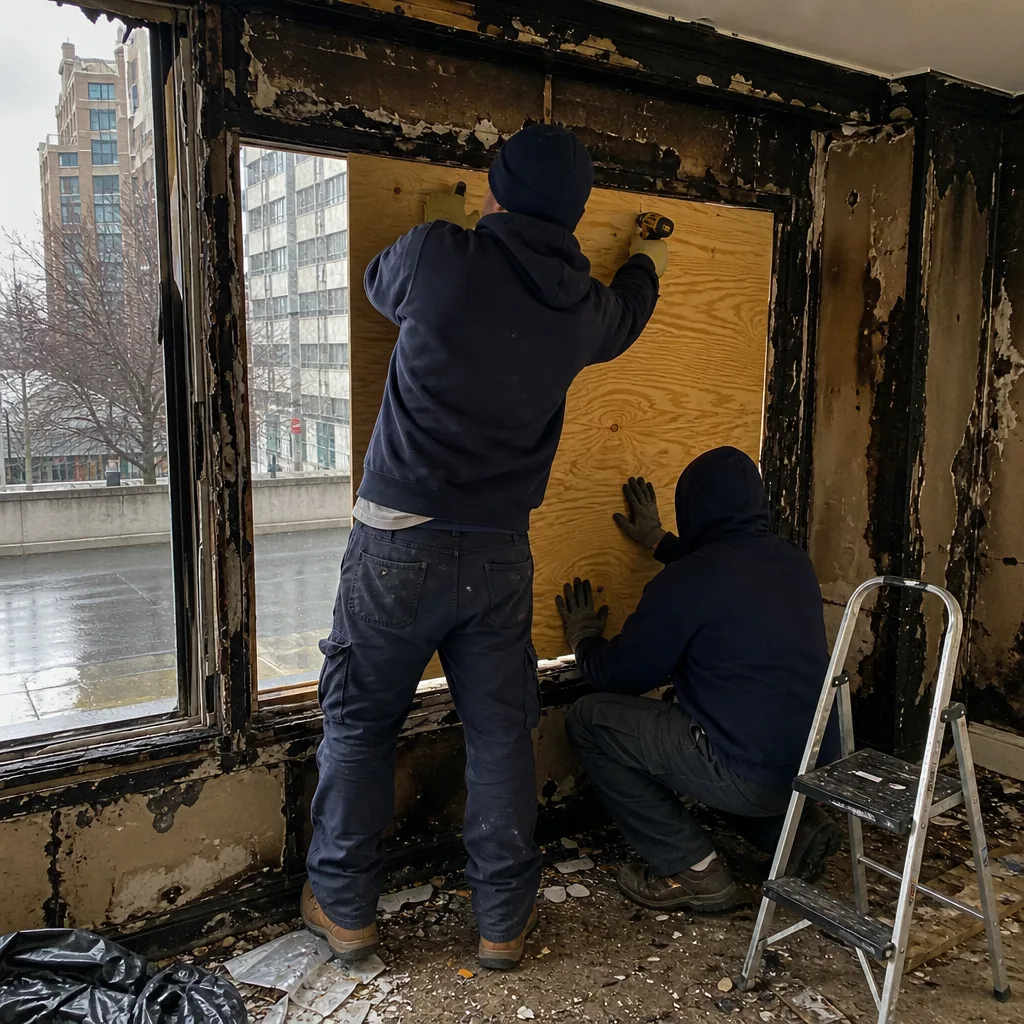
Wind-driven debris in a serious nor’easter can blow out a garden apartment’s only patio door, or a co-op’s hallway window. Board-up is the fastest way to keep out weather, animals, and uninvited visitors. We install fire-retardant plywood with fasteners that won’t further damage the masonry, and in LPC-governed buildings we use temporary methods that the board can review without penalty. Board-up also stops an insurance claim from growing: an open window inviting another storm into your unit is a second claim, not the first one continuing.
Roof Tarping
A torn roof membrane doesn’t announce itself until the ceiling in a top-floor unit starts bowing. We run tarping across Jackson Heights rooftops with proper anchoring, not bricks and hope. The tarps are heavy-duty and installed to hold through another blow before permanent repair begins. For flat-roof co-op buildings, the tarp needs to shed water into working drains. We inspect the drainage path as part of every tarp job.
Debris Removal
Storm debris in Jackson Heights means downed branches, construction material from a neighboring roof, or blown-out window glass across a third-floor stairwell. We remove it safely, with appropriate containers and a clear path to the street. In co-op buildings, we coordinate with the super to avoid blocking the service entrance or violating building staging rules. Debris removal often gets bundled with board-up and tarping on the same emergency call, so you’re not managing three separate crews.
What happens when you call
- 1
A real person answersNo phone trees - you reach a local pro.
- 2
You get an upfront price rangeHonest numbers before anyone is dispatched.
- 3
A background-checked tech heads outLicensed & insured, dispatched right away.
- 4
You approve before work beginsNothing starts until you say go.
Storm & Disaster Restoration Costs in Jackson Heights, NY
What does storm restoration actually cost in 11372? A standard storm damage cleanup with board-up and debris removal on a single unit in Jackson Heights typically runs $1,800 to $4,200. A basement flood from a combined sewer backup, involving Category 3 water, full pack-out, antimicrobial treatment, and drying, usually lands between $6,500 and $18,000 depending on square footage and how far the water climbed the walls. Full reconstruction after a wind and rain loss, including plaster repair and repainting to match period textures, can run $12,000 to $35,000 in the historic district. The factors that move the price: how many units are affected, whether LPC material review is required, whether the building has a service elevator for equipment, and how fast the board approves access. Free visual inspection means we look at what happened and hand you a written scope with real numbers before any work is authorized. Call (716) 452-0798 and we’ll come read the water line ourselves.
We Also Serve Cities Near Jackson Heights
Floodline Restoration Co. crews cover Jackson Heights and the surrounding Queens neighborhoods daily. If your building sits just over the neighborhood line, we also serve Jackson Heights neighbors in Elmhurst, Maspeth, Astoria, and Long Island City. Same response commitment, same live dispatch, same written guarantee.
Serving Jackson Heights, NY - Our Local Coverage Area
We’re based in the Jackson Heights area and know this community well. Use the map below to see our service coverage - if you’re nearby, we can almost certainly help.
Jackson Heights Storm & Disaster Restoration Questions, Answered
What should I do in the first 30 minutes after storm water enters my Jackson Heights unit?
Call (716) 452-0798 first. Then, if it’s safe to do so, unplug electronics and lift small furniture onto blocks or move it out of the wet area. Do not wade into standing water in a basement-level unit, because storm water in Jackson Heights is often Category 3 sewage backup. The first extraction starts as soon as our crew arrives, and every minute matters for the plaster walls and wood floors in these pre-war buildings.
How fast can you actually get to Jackson Heights?
Our response commitment is 45 minutes inside the Jackson Heights area. A live dispatcher takes the call, confirms your cross street, and a crew rolls immediately. In severe weather when every company is busy, the fact that we stage crews year-round in Queens means we’re often on scene before other firms finish returning phone calls.
How does Jackson Heights’s Landmarks Preservation Commission oversight change what our Storm & Disaster Restoration crew can do?
In the LPC-designated historic district, replacement materials and finishes must be period-appropriate, which means we can’t simply swap damaged wood or plaster for cheaper modern equivalents. We document what’s removed, source matching material before we cut anything out, and provide photo records your board can submit for approval. This adds days to some jobs, which is exactly why fast drying matters so much here.
What happens when a nor’easter floods our basement-level unit in a Jackson Heights co-op with sewage backup?
That’s a Category 3 loss, the most contaminated classification. We contain the affected area with polyethylene sheeting, run HEPA air scrubbers, remove all saturated porous material including carpet, pad, drywall, and insulation, then apply antimicrobial treatment to the framing. In a co-op, we also coordinate access with the building super and ensure disposal doesn’t block the service entrance. This is not a cleaning job; it’s a controlled removal and rebuild.
Why does Storm & Disaster Restoration in Jackson Heights often take longer than in other Queens neighborhoods?
Two compounding reasons: co-op board approvals and LPC material restrictions. In Elmhurst or Corona, a single-family homeowner can authorize mitigation immediately. In a Jackson Heights co-op, even emergency access to multiple units can require board votes and management company sign-off. Our crew recently coordinated access across six units and three insurance carriers on 34th Avenue, and that meant two weeks of moisture climbing through original plaster walls before we could set dehumidifiers. We work that system daily; most restoration companies do not.
Can you match original plaster and period molding in Jackson Heights landmark co-ops?
Yes. Our reconstruction technicians have extensive experience replicating original plaster texture, crown molding profiles, and baseboard details in 1914-1940 buildings. We cast from existing sections where possible and source period-appropriate material when replacement is required. The goal is a unit that looks like the storm never happened, not a hallway of mismatched drywall patches.
Is Emergency Board-Up necessary in Jackson Heights historic district after wind damage?
Almost always, if a window or door is breached. Even a few hours of open exposure lets another band of rain soak the same unit again, compounding the loss. Board-up also prevents opportunistic access. We use temporary fastening that does not damage the masonry or violate LPC review standards, and we remove it cleanly when permanent repair is scheduled.
Will my insurance cover storm damage restoration in my Jackson Heights co-op?
Typically yes, but coverage depends on where the damage originated and which policy applies. A pipe failure inside your unit’s walls is usually your personal policy. A failure of a shared riser or the building envelope is often the co-op’s master policy. Sewer backup may require a specific rider. We coordinate directly with any carrier, document everything the way adjusters need it, and bill directly so you’re not out-of-pocket while the claim settles. Call (716) 452-0798 for a free inspection and a written scope your carrier can act on.
Written by Curt Bowman, Owner at Floodline Restoration Co., serving Jackson Heights and greater Queens since 2010.
If storm water is in your Jackson Heights unit right now, stop reading and call (716) 452-0798. A live person answers. You’ll speak with someone who understands this neighborhood’s buildings, its board processes, and exactly what needs to happen next. Free visual inspection. Written scope before work begins. The 90-Day Done Right Promise in your hands when it’s finished. We’ll be there when we say.