
Free visual inspection and a written scope of work before any mitigation begins - photos, moisture readings, and drying logs go in your claim file
The scope we write is the scope we bill. Anything new gets shown to you, in writing, before we touch it.
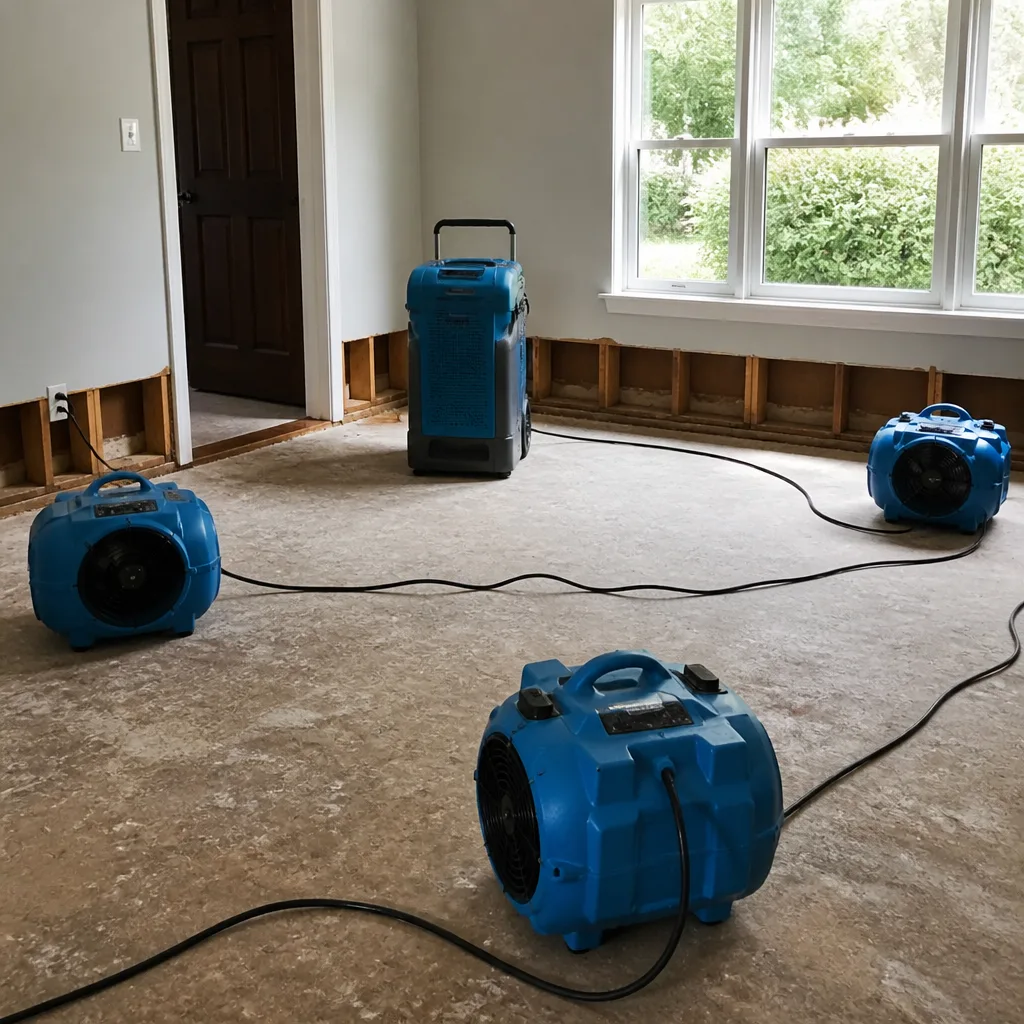
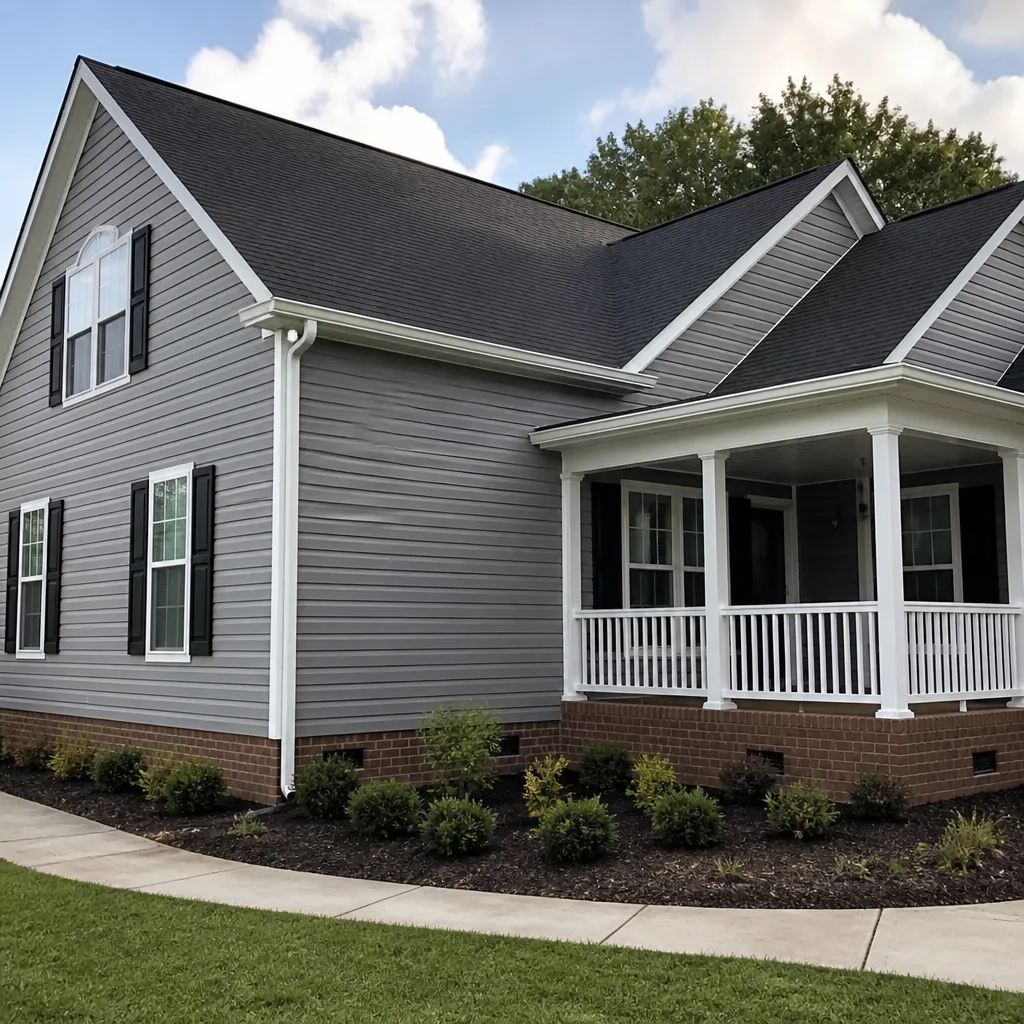
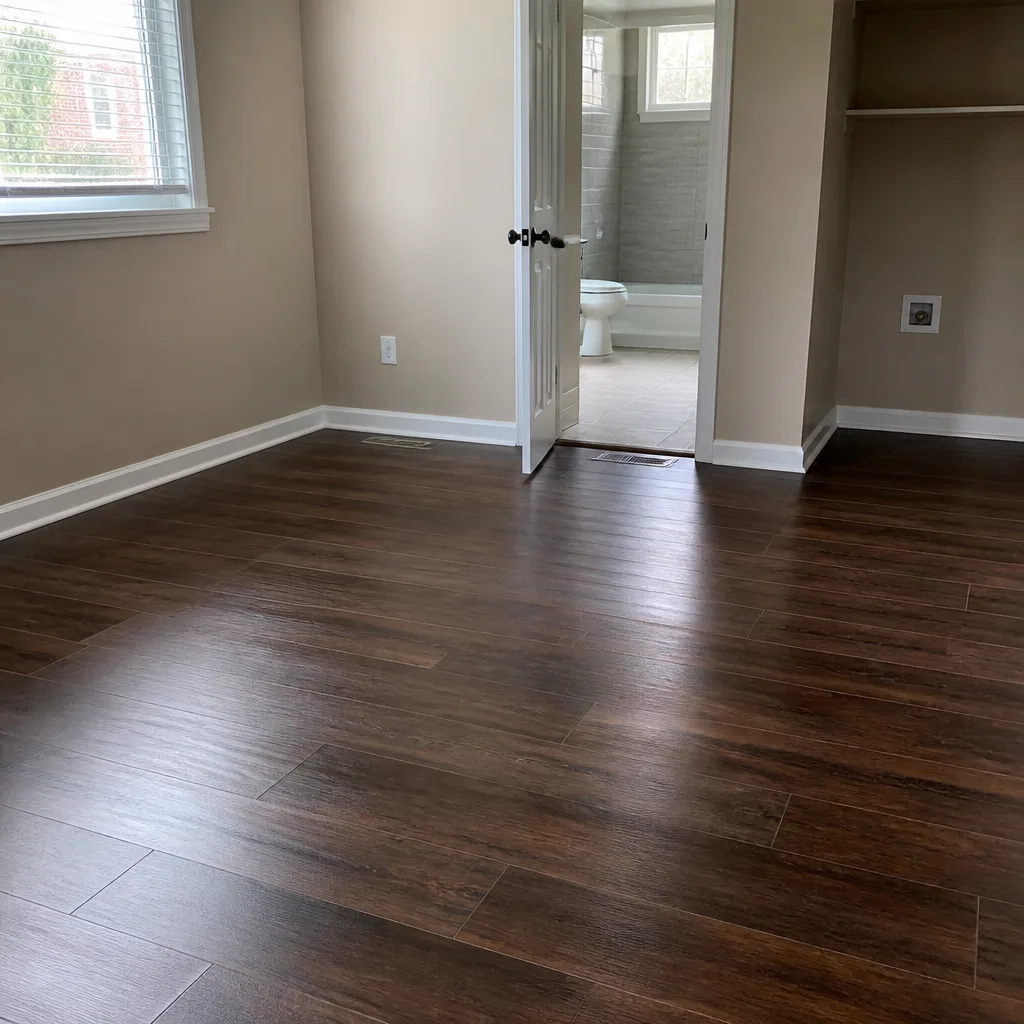
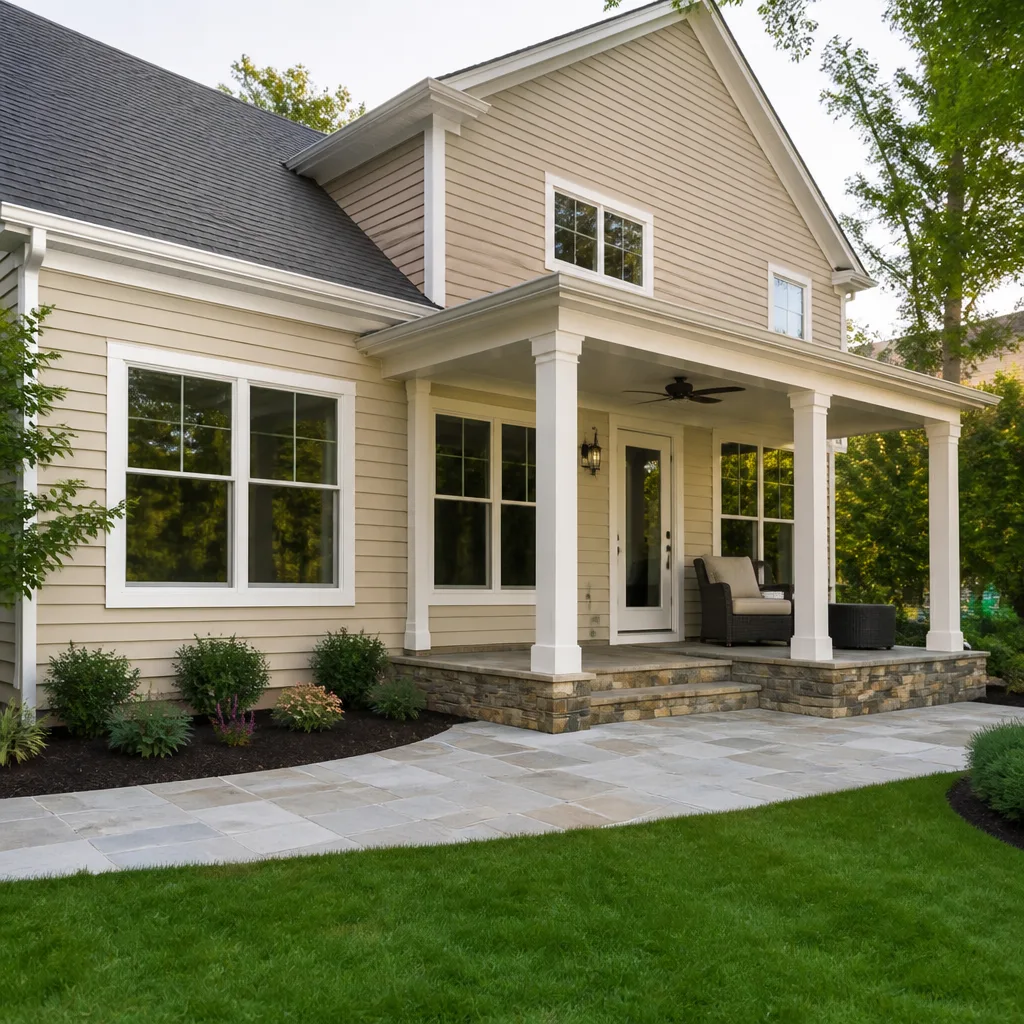
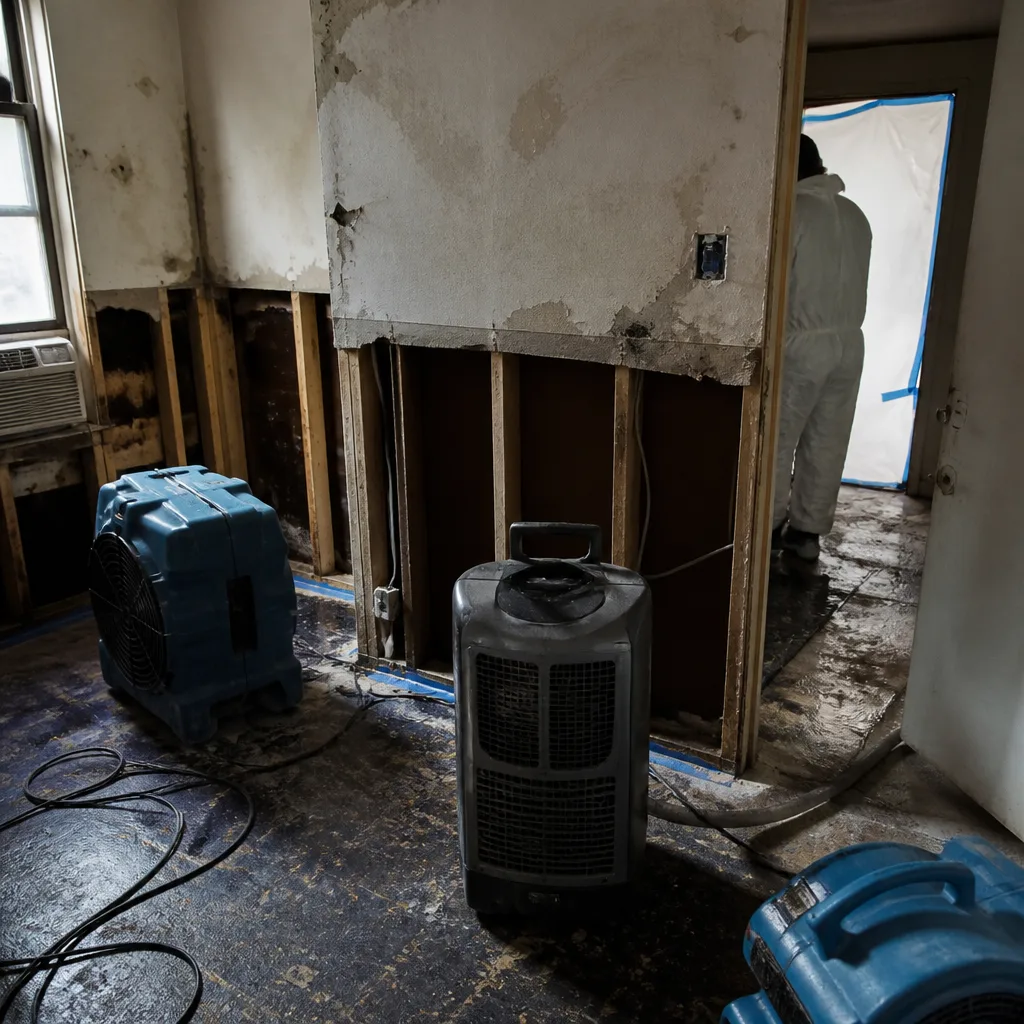 Before
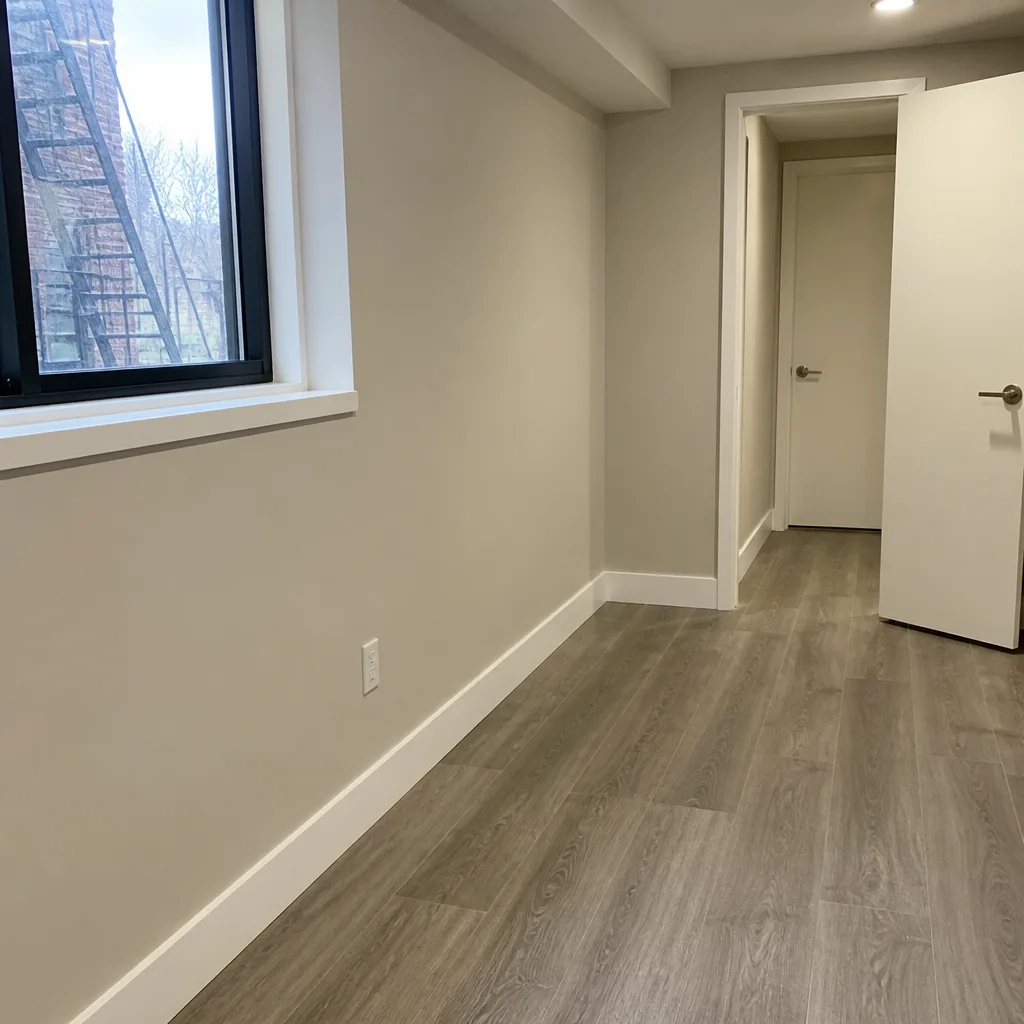 After
After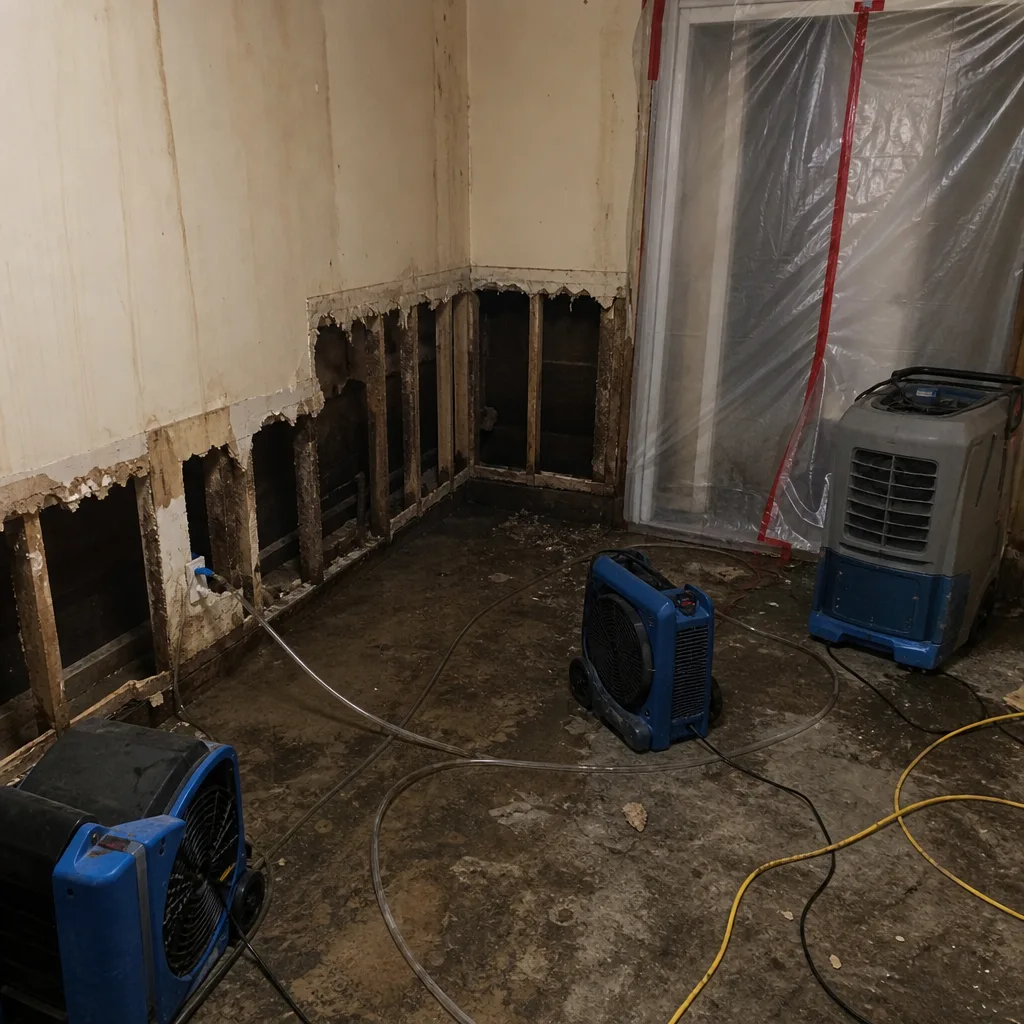 Before
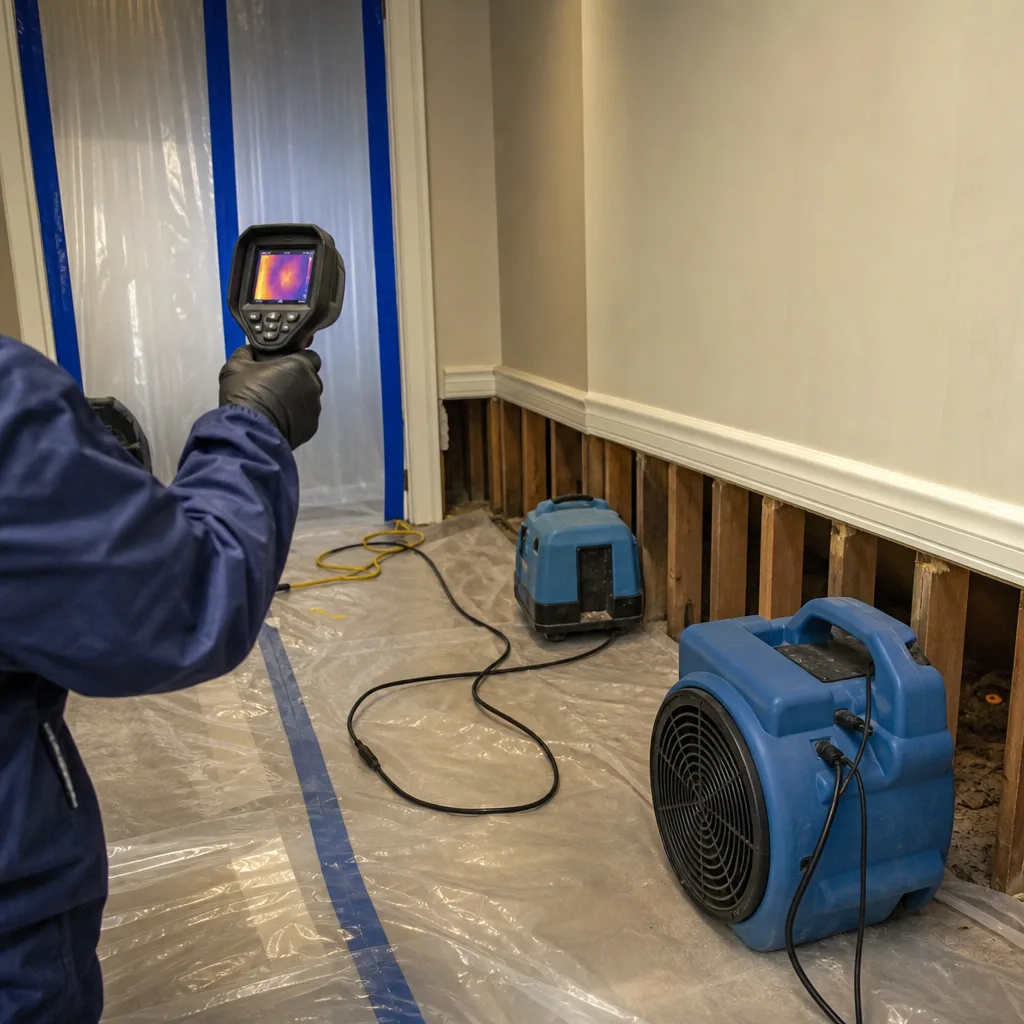 After
After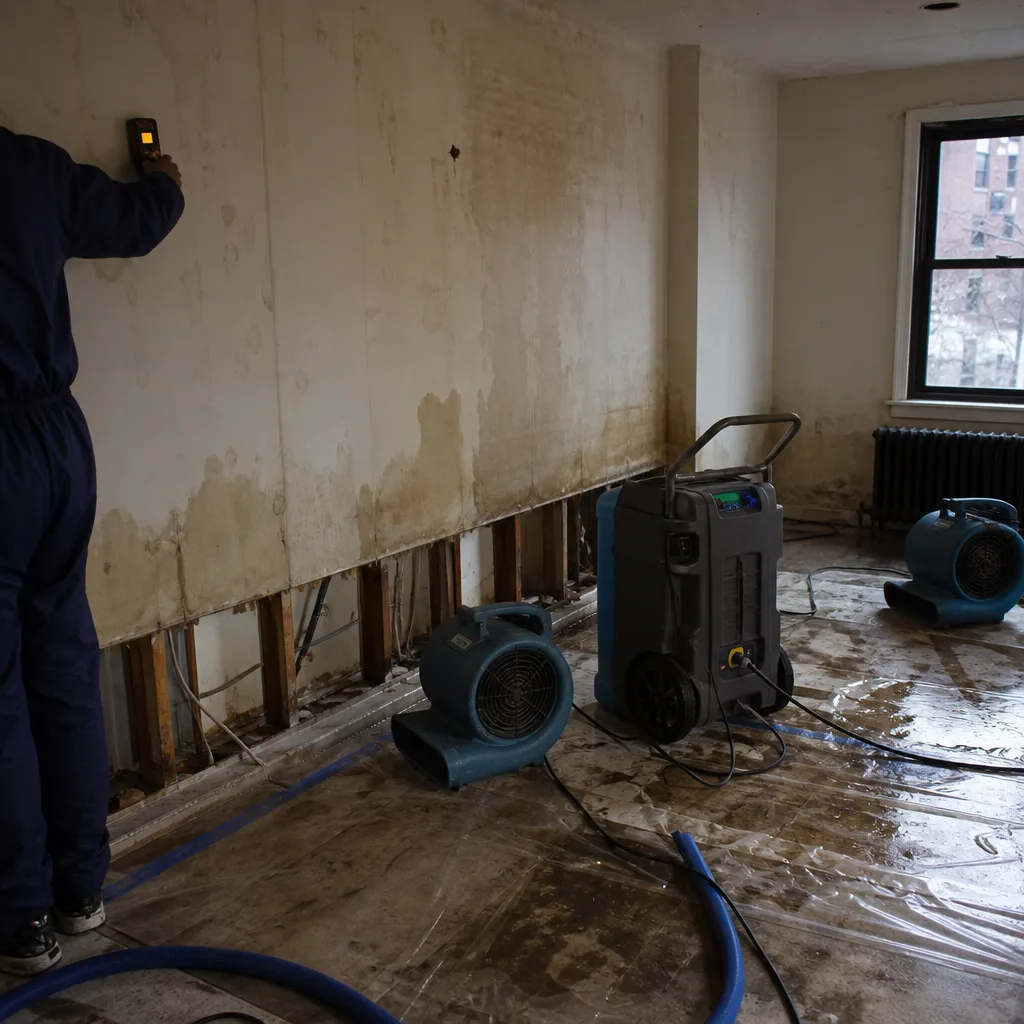 Before
 After
After24/7 Emergency Storm & Disaster Restoration in Astoria
Storm damage in Astoria doesn’t wait for business hours, and neither do we. Floodline Restoration Co. answers the phone with a live person at 2 a.m., and we dispatch certified crews into Astoria within 45 minutes of your call. The first hour after a storm matters more than most homeowners realize: water from a wind-blown roof breach or failed flat-roof membrane moves through a 1920s brick row house fast, saturating plaster, flooring, and the apartment below before you’ve finished assessing the outside damage. Call (716) 452-0798 the moment you see water, a missing panel, or a sagging ceiling. Our emergency board-up and roof tarping crews stabilize your property the same visit, and every job starts with a free visual inspection and a written scope of work before we touch anything.
Understanding Storm & Disaster Restoration Severity in Astoria Properties
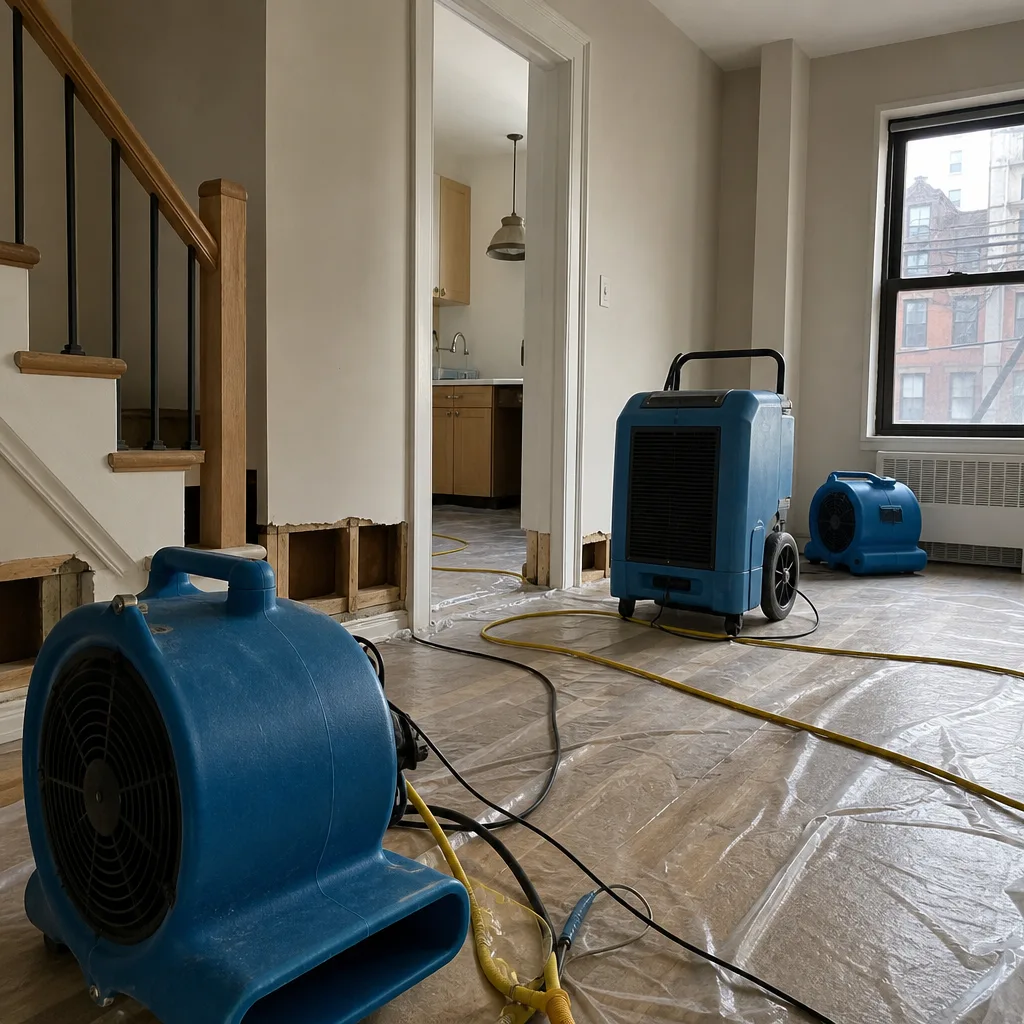
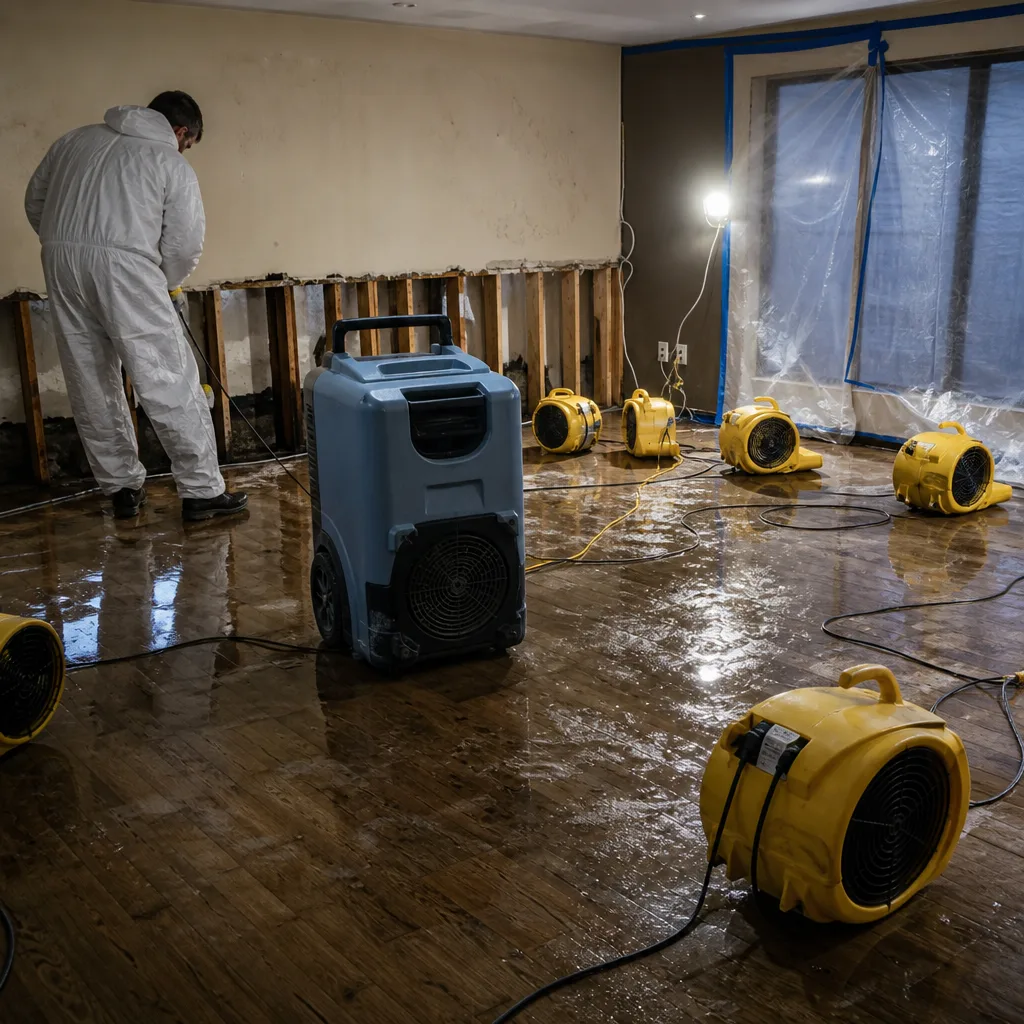
Not every water-damage call is the same, and the difference comes down to water category. Category 1 water is clean supply-line water from a burst pipe. Category 2 carries some contamination, like roof water that’s collected debris. Category 3 is grossly contaminated: storm surge from the East River, sewer backups, and street-level floodwater that’s swept through Astoria’s mixed-use corridors. In a densely packed pre-war building with original cast-iron plumbing and steam-heat distribution systems, what starts as a Category 1 leak from a wind-damaged roof edge can degrade to Category 3 within 48 hours as water sits, bacteria grows, and tenants track contamination through common stairwells. Structural drying in Astoria’s attached brick buildings isn’t a one-room problem either. Moisture moves laterally through shared masonry party walls, across floor joists, and down into finished basement apartments in minutes. We moisture-map the entire affected envelope with thermal imaging and hygrometers, then run professional-grade Dri-Eaz and Phoenix air movers and dehumidifiers until daily readings prove the dry standard has been met. The 90-Day Done Right Promise covers that standard in writing.
Why Astoria Property Owners Choose Floodline Restoration Co.
- 45-minute response commitment for Astoria properties, with crews dispatched from metro dispatch the moment you call, not after a callback.
- Live answer, 24/7. A real dispatcher picks up at any hour, every day. No recordings, no answering service delay.
- IICRC-certified technicians trained to WRT and FSRT standards, background-checked and uniformed, carrying Floodline ID.
- Free visual inspection with a written scope and line-item estimate before work begins, so you know the number before the first tool comes off the truck.
- Direct insurance billing. We coordinate with your adjuster, document the loss, and bill the carrier directly. You don’t play messenger.
- One crew from extraction to reconstruction. The same team that tarps your roof and dries your joists is the team that rebuilds the wall. No handoffs, no inherited subcontractors.
Our Storm & Disaster Restoration Process
Inspection & Assessment
We walk the full envelope: roof, parapets, windows, doors, and interior. Thermal imaging catches moisture behind 1920s plaster and inside masonry walls before it shows as a stain. You get a written scope with dollar figures before we proceed.
Extraction & Stabilization
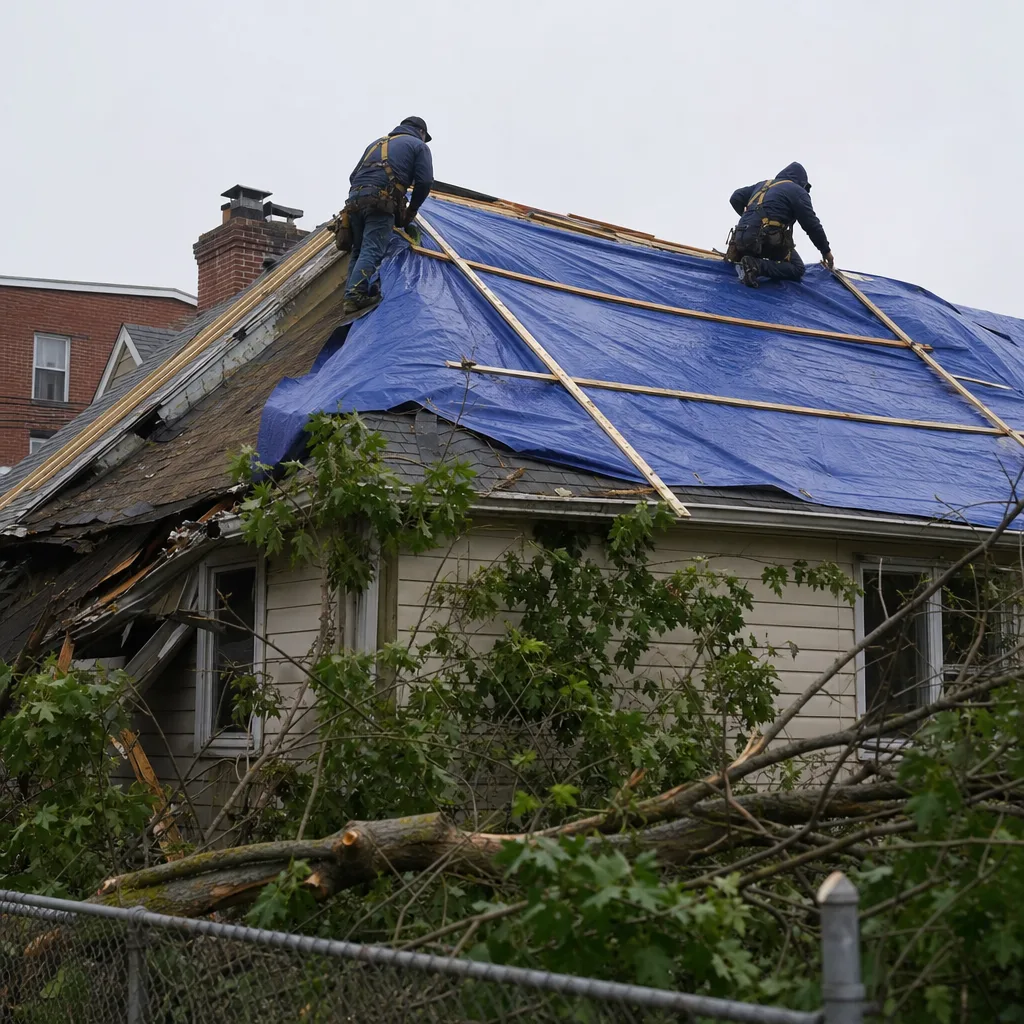
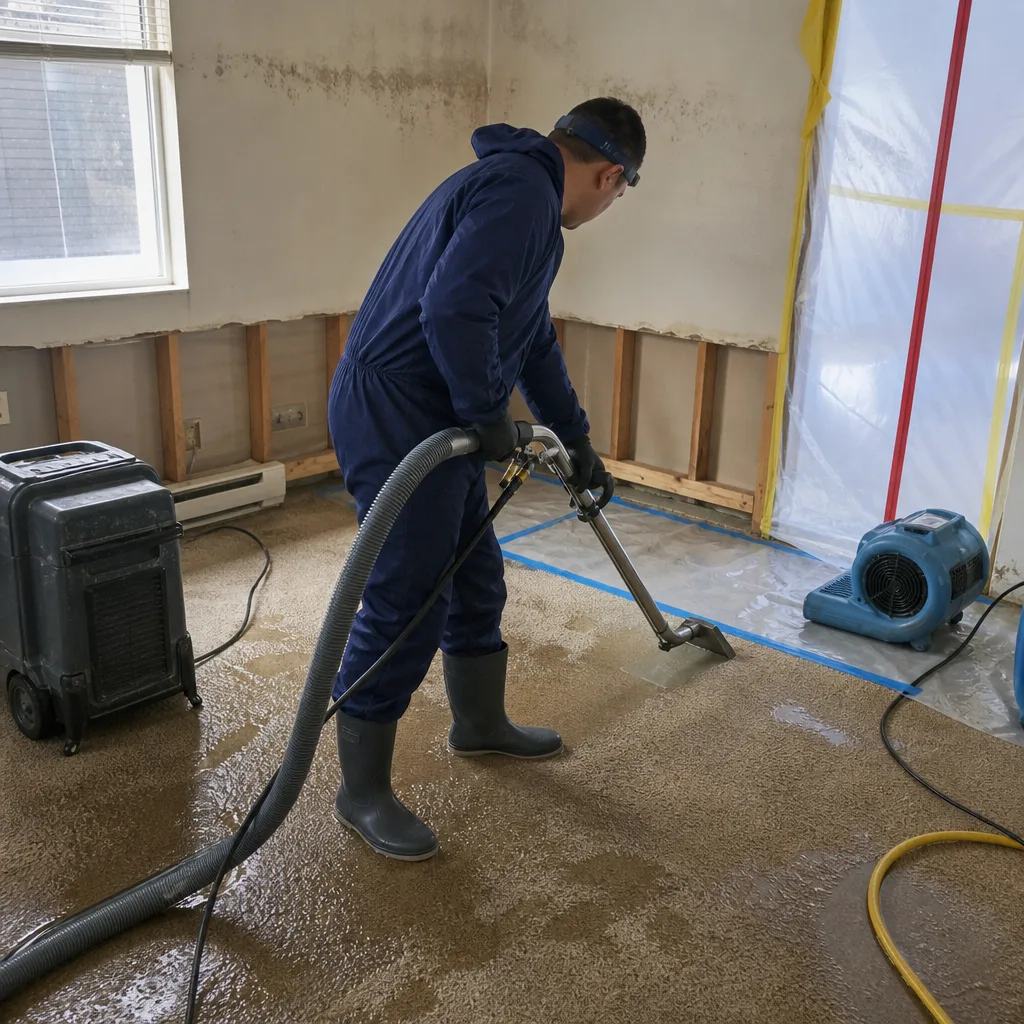
For flood-type damage we run truck-mounted extraction within the same visit. For storm damage we board up broken glazing, tarp breached roof sections, and remove wind-blown debris so no additional water enters overnight. Stabilization stops the bleeding; extraction starts the drying.
Drying & Dehumidification
Phoenix and Dri-Eaz air movers and low-grain dehumidifiers run continuously, sized to the cubic footage and moisture load of the affected space. In Astoria’s attached buildings we set containment to isolate wet areas from dry ones, including shared hallways and stairwells.
Cleaning & Sanitization
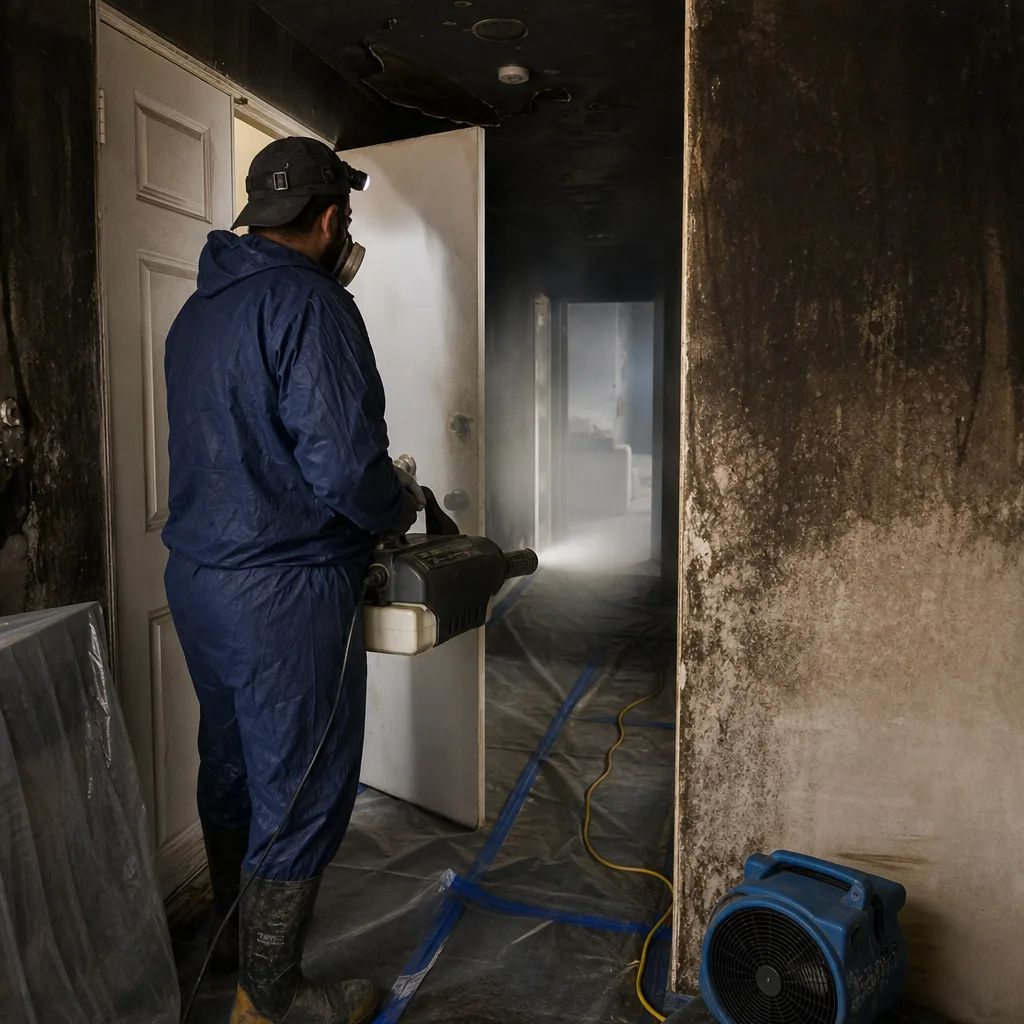
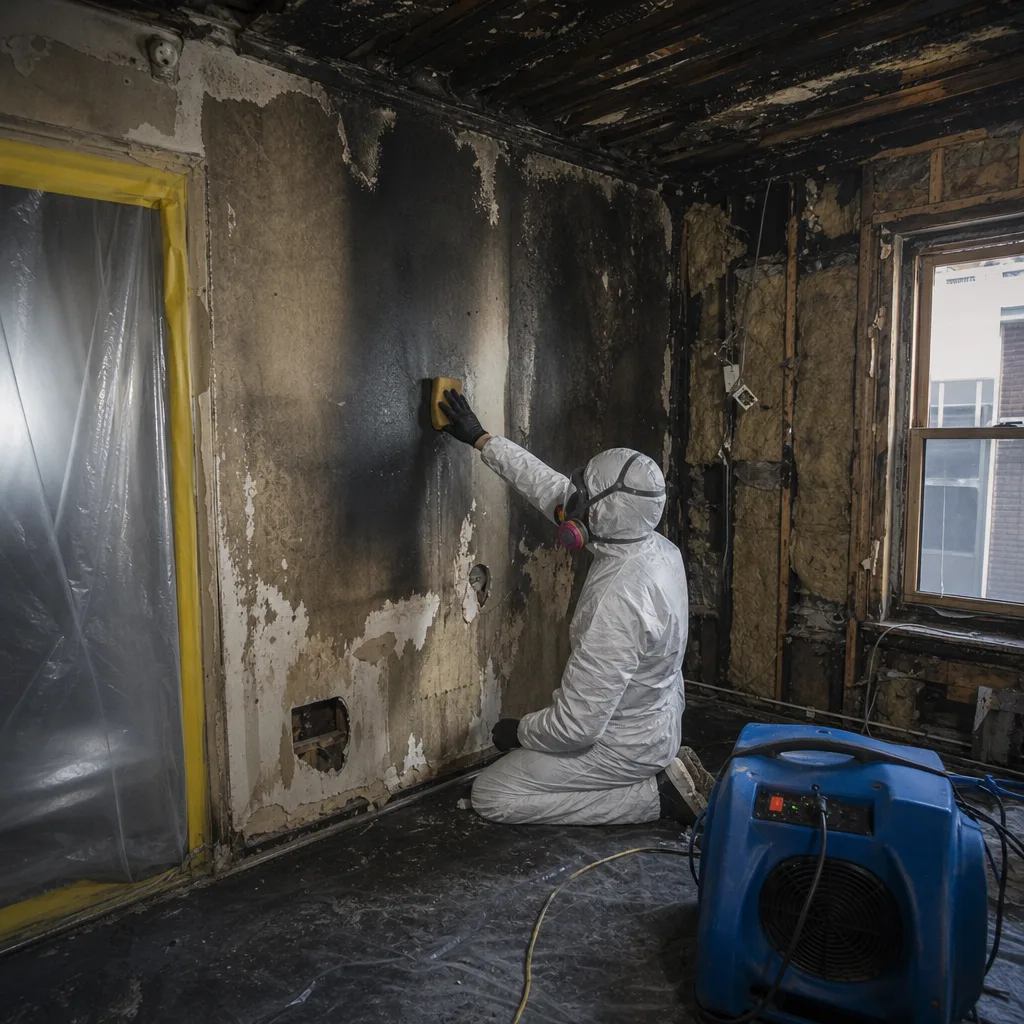
Surfaces are cleaned and treated according to the water category. Category 3 loss means removing all porous material and applying antimicrobial treatment to studs and subfloor. HEPA air scrubbers run during and after this phase to control airborne particulate.
Specialty Wind & Storm Treatment
We assess wind-rated doors and impact glazing, repair or replace storefront door panels on Steinway Street and Ditmars Boulevard, reset parapet flashing on flat built-up roofs, and document all wind-load deficiencies for your insurer.
Repairs & Restoration
Reconstruction is done by the same certified crew that started the job. Plaster repair, millwork, flooring, paint, and door replacement happen to the pre-loss standard, with the original condition as our benchmark. The 90-Day Done Right Promise applies to every phase.
Need Emergency Storm & Disaster Restoration in Astoria Now?
Crews minutes away, answering live 24 hours a day. The sooner we start, the less it costs.
Working With Your Insurance Company
Storm and disaster claims in Astoria get complicated fast, and that’s before you add a ground-floor commercial tenant with a separate policy. We handle the paperwork so you don’t have to. From the first hour on site, we photograph every damaged surface, log moisture readings daily, and build a line-item scope of work that matches what your carrier’s adjuster expects to see. Our project managers talk directly to your adjuster, answer their questions, and push for approval on the work that needs to happen now, not after three rounds of review. You get a copy of everything. We bill the carrier directly for covered work, and anything out-of-pocket is agreed in writing before it’s ordered. That’s the square deal: no surprises on the bill, and no homeowner stuck in the middle.
What We Provide Your Insurer
- Thorough documentation of the loss
- Photos of all damage, room by room
- Moisture readings and drying logs
- A detailed, line-item scope of work
- Direct coordination with your carrier
Built for Astoria’s Loss Calendar
Astoria doesn’t have one storm season; it has four loss triggers, and they rotate all year. January and February bring deep freezes that burst supply lines in uninsulated 1920s walls and crack flat-roof membranes at the parapet. Late winter is our busiest water-extraction season, especially in pre-war brick row houses along 28th and 30th Avenues. Spring thaw saturates the ground and pushes water into finished basement apartments through foundation cracks and floor drains. Summer brings the Nor’easters and tropical systems: the blocks west of 21st Street and near the East River sit low, and storm surge at Hell Gate has backed up drains into basements that never saw water before. Autumn’s high winds test every flat built-up roof in Astoria, lifting membrane corners and peeling back flashing. Whatever the season, the same pattern holds: one wind event, one roof breach, and a multi-floor cascade that spreads through occupied apartments and shared walls in hours. Our Storm & Disaster Restoration team plans for this calendar because the calendar doesn’t stop.
Storm & Disaster Restoration Across Astoria’s Neighborhoods
Response routing in Astoria follows the building stock. The blocks around Astoria Park in the 11105 and 11102 zips are among the oldest in the neighborhood, with 1920s brick row houses whose flat roofs sit exposed to wind coming off the East River. When a nor’easter hits, those rooftops take the brunt, and water entry there usually travels down through multiple floors before it’s caught. Ditmars Boulevard and Steinway Street are different: they’re mixed-use corridors where a storm-damaged storefront door or a roof leak above a salon or restaurant becomes two separate insurance claims at once, one for the commercial tenant and one for the residential landlord above. The 11103 zip, south toward Broadway and 34th Avenue, has a dense concentration of two- and three-family homes with finished basement units, and those basements are flood vectors during heavy rains and main-line backups. On 28th Avenue, 30th Avenue, and the blocks between, the repeat call is wind-driven roof membrane failure pouring water into occupied second and third floors. We know these streets, and we know which building types fail first.
Specialized Storm & Disaster Restoration Services We Offer in Astoria
Emergency Board-Up
When a wind storm takes out a storefront door panel on Steinway Street or a window on an Astoria Boulevard ground floor, the board-up has to happen within hours, not days. We board up, secure the opening, and document the loss for the insurer. A missing panel left overnight is an open invitation for water, pests, and liability, and a $300 glass replacement becomes a full commercial pack-out and mold remediation before the 48-hour window closes.
Roof Tarping
Flat built-up roofing on Astoria’s pre-war row houses pond water and lift at the corners when the wind comes off the East River. We tarp breaches same-day, but we also check the parapet flashing and membrane seams at the corners, because the next wind event always goes for the weak edge. A tarp is stabilization; the flashing check is what keeps it from failing twice.
Wind Damage Repair
After the board-up and tarp, the real repair work starts: replacing wind-rated doors, resetting door frames, repairing membrane lifts, and restoring damaged millwork. On a brick row house near Astoria Park, we match the pre-loss condition: original 1930s moldings, plaster profiles, and door casings are the benchmark for the scope. The same crew that dried the walls rebuilds them.
Flood Damage Restoration
Street-level and basement flooding in Astoria’s 11102 and 11105 zips is a recurring pattern, especially in finished basement apartments. We extract, contain, dry, and sanitize according to the water category, and we document every reading for your carrier. If the water came up from a shared city main, the classification matters, and we make sure it’s classified correctly from day one.
Debris Removal
Wind-blown debris clogs Astoria’s flat-roof drains and downspouts, and that trapped water finds its way inside. We clear debris as part of the storm response, including rooftop debris that’s blocking drainage, and we photograph the condition so the insurer understands why the water went where it went.
What happens when you call
- 1
A real person answersNo phone trees - you reach a local pro.
- 2
You get an upfront price rangeHonest numbers before anyone is dispatched.
- 3
A background-checked tech heads outLicensed & insured, dispatched right away.
- 4
You approve before work beginsNothing starts until you say go.
Storm & Disaster Restoration Costs in Astoria, NY
Storm restoration pricing in Astoria runs on a wide band, and the honest way to talk about it is with real numbers. Emergency board-up for a single storefront opening or window typically runs $300 to $800 in Astoria. Roof tarping on a flat built-up row house roof usually lands between $450 and $1,200 depending on the size of the breach and access from the street. Water extraction and structural drying for a single-floor flood in a two-family Astoria home runs $1,800 to $4,500; a multi-floor cascade through three occupied apartments can reach $8,000 to $15,000 or more when containment, demolition, drying, and reconstruction are all in scope. Wind damage repair for a commercial door on Ditmars or Steinway runs $800 to $3,500 depending on glazing, frame condition, and wind-rating requirements. Most storm losses are covered under property insurance, and we bill the carrier directly. For anything out-of-pocket, you get a written line item before work starts, and the free visual inspection is how you find out what the real scope is. Call (716) 452-0798 for a firm number on your exact situation.
We Also Serve Cities Near Astoria
Our teams regularly cross the neighborhood lines into Astoria‘s Queens neighbors. We serve Long Island City, where new residential towers meet old industrial stock, Jackson Heights with its co-op buildings and garden apartments, Elmhurst with its dense multi-family blocks, and Maspeth with its attached frame homes and commercial corridors. Same live dispatch, same 45-minute response commitment.
Serving Astoria, NY - Our Local Coverage Area
We’re based in the Astoria area and know this community well. Use the map below to see our service coverage - if you’re nearby, we can almost certainly help.
Astoria Storm & Disaster Restoration Questions, Answered
How quickly should I board up a broken window on Astoria Boulevard after a wind storm?
Board up the same hour if you can. A broken window on a ground-floor commercial space or a residential street-level unit is an open entry point for rain, wind-driven debris, and people. Water intrusion through a single broken window in Astoria’s attached buildings can soak a shared wall and compromise the neighboring unit within 24 hours. If you can’t board it immediately, we can. Our Astoria crews respond within 45 minutes and stabilize the opening the same visit. Call (716) 452-0798 for emergency board-up.
What wind rating should my new door have if I live in a 1920s brick row house near Astoria Park?
For a door on a pre-war brick row house near the East River, we recommend a wind-load rating that meets current NYC building code for your exposure zone, which typically means a door rated for at least 90 to 110 mph wind gusts depending on the exact location and height of the building. Original 1920s doors were never rated for anything close to that. When we replace a storm-damaged door, we specify a label and rating that satisfies the Department of Buildings and your insurer, and we document the rating on the scope of work so the replacement is self-evident. The exact rating for your specific address depends on the exposure classification, and that’s something we determine during the free inspection.
Do I need a permit to replace a storm-damaged door on a multi-family walk-up in the 11102 zip?
Usually yes, though the permit path through the Department of Buildings depends on whether it’s a like-for-like replacement or a change to the opening size, the door rating, or the frame. A straightforward damaged-panel swap on an existing frame may not require a full permit, but a wind-rated door upgrade on a multi-family walk-up often does, especially if the building is landmarked or within a historic district. We pull the permits when they’re needed, and we close the permit when the work is done. You don’t run the paperwork yourself; we manage it as part of the job.
After a storm, how do you tell if water in my ground-floor salon on Steinway Street is Category 1 or Category 3?
Category 1 comes from a clean source: a supply line, a roof leak that hasn’t run through debris or building materials, rainwater that entered the space directly. Category 3 is contaminated: storm surge, sewer backup, street water that ran across the sidewalk and into the space, or water that sat long enough to grow bacteria. In a ground-floor commercial space on Steinway Street after a wind storm, if the water entered from above through a roof breach and ran down through walls and ceiling material, we still treat it as Category 2 until testing confirms otherwise. If it came up from the floor, the drain, or the street, it’s Category 3. The classification drives the entire scope: Category 1 dries; Category 3 requires removing every porous surface. We classify on site and document the reasoning for your adjuster.
What does a flat-roof blowout during a nor’easter mean for the tenants below on 30th Avenue?
It means water enters at the top and travels down through occupancy. In a three-family brick row house on 30th Avenue, a flat-roof blowout above the top floor sends water through the ceiling, into the floor joists, and down into the apartment below. Ceilings sag, plaster fails, floors cup, and if the tenants walk through it or it sits overnight, the Category 1 roof water becomes Category 2. The landlord’s policy, the tenants’ renter’s policies, and sometimes a commercial policy below all come into play. We run one extraction, one drying plan, and coordinate with each adjuster separately. Multiple policies, one scope of work, one team, and the landlord knows every number before we cut anything.
How fast can you actually get to an Astoria storm-damage call?
Our commitment is 45 minutes from the moment you call (716) 452-0798, and it’s a live dispatcher on the phone, not a voicemail. Astoria’s density works in our favor: we’re not coming from another county. During a major nor’easter, response times can stretch as call volume spikes across the borough, but we prioritize active water intrusion and open building envelopes first because those losses get exponentially worse every hour. A boarded storefront and a tarped roof by midnight is better than a dry crew by noon tomorrow.
Will my insurance cover storm damage and the board-up work?
Most standard property policies in New York cover wind damage, storm-related water damage, and the emergency mitigation work required to prevent further loss, including board-up and tarping, subject to your deductible and policy limits. The key is documentation: we photograph everything from the first visit, log the pre-existing condition of the building and the fixtures, and submit a line-item scope that matches what your carrier expects. We bill the carrier directly for covered work. Whatever isn’t covered, you’ll know the number in writing before it’s ordered. No surprises.
What should I do in the first 30 minutes after a storm damages my Astoria building?
First, get people to safety and shut off power if water has reached outlets or the electrical panel. Then call us at (716) 452-0798. Do not walk through standing water in a finished basement, because if it’s Category 3, you’re spreading contamination. Take photos of visible damage from safe positions before moving anything. If a window is broken or a roof section is liftings, close interior doors to the affected area and place buckets where it’s safe to do so. Don’t attempt roof work yourself: flat Astoria roofs are slippery, windy, and often have hidden soft spots. A trained roofer with fall protection needs to make that assessment. Your job in the first 30 minutes is call, document, and stay out of rooms that are actively taking on water.
Storm Damage in Astoria Won’t Wait. Neither Should You.
Live dispatch, 45-minute response, written scope before work starts.
Storm restoration in Astoria is different from anywhere else, and the difference is structural. The building stock is dense, attached, pre-war brick. The roofs are flat and wind-exposed. The basements are finished and flood-prone. And under every residential floor there’s often a commercial tenant with a separate policy. One wind event can mean three insurance claims, two adjusters, and a single job that has to move through all of them without stalling. We’ve run that job more times than we can count. We run it with one crew, one scope, and one written promise: the 90-Day Done Right Promise, the Keystone Standard, in your hands before we leave. If it’s not done right, we make it right. No arguing, no paperwork battles. That’s the only way we know how to work in Astoria, and it’s the reason people here keep our number.
Written by Curt Bowman, Owner at Floodline Restoration Co., serving Astoria, NY with storm and disaster restoration since 2010.