
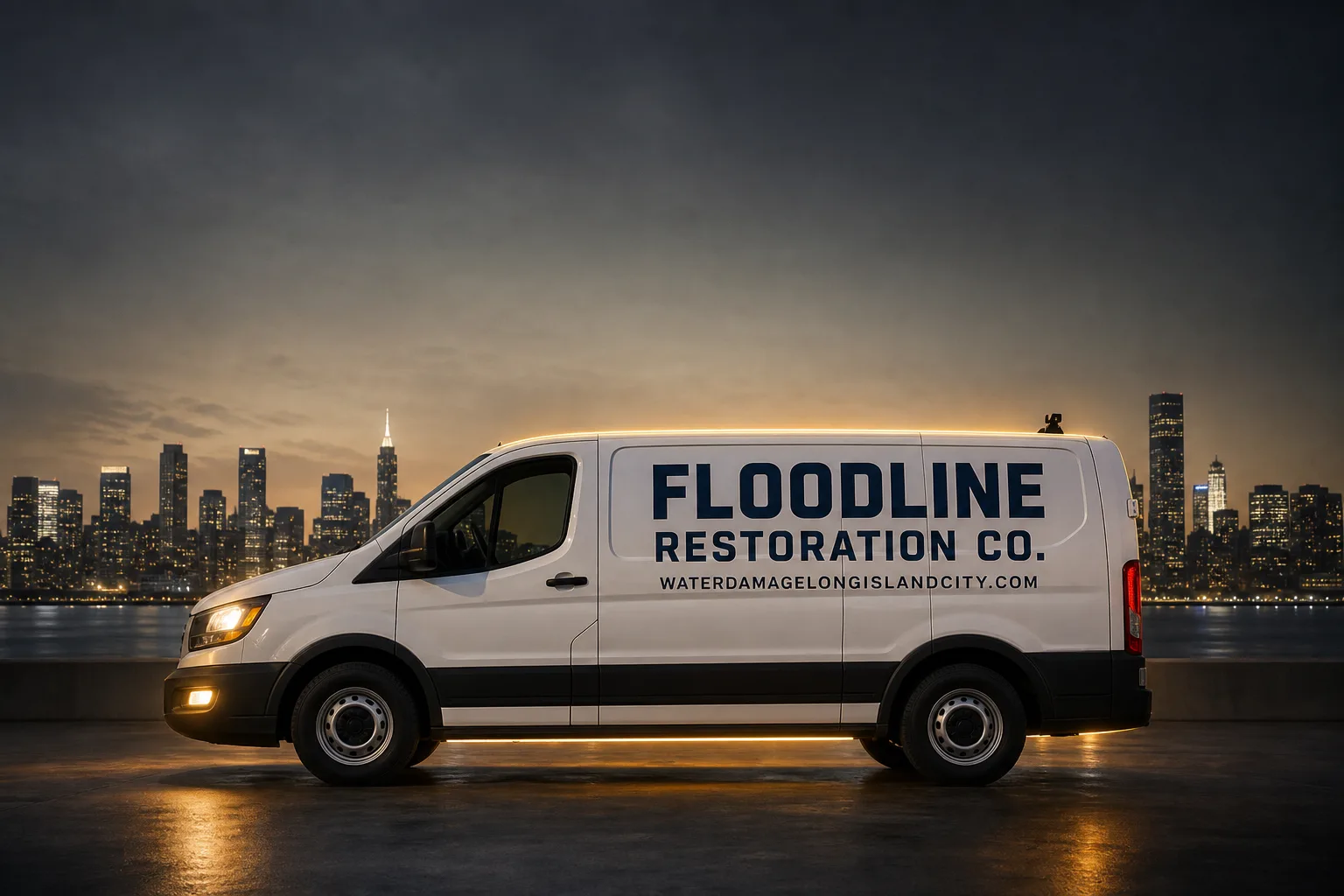
Free visual inspection and a written scope of work before any mitigation begins - photos, moisture readings, and drying logs go in your claim file
The scope we write is the scope we bill. Anything new gets shown to you, in writing, before we touch it.
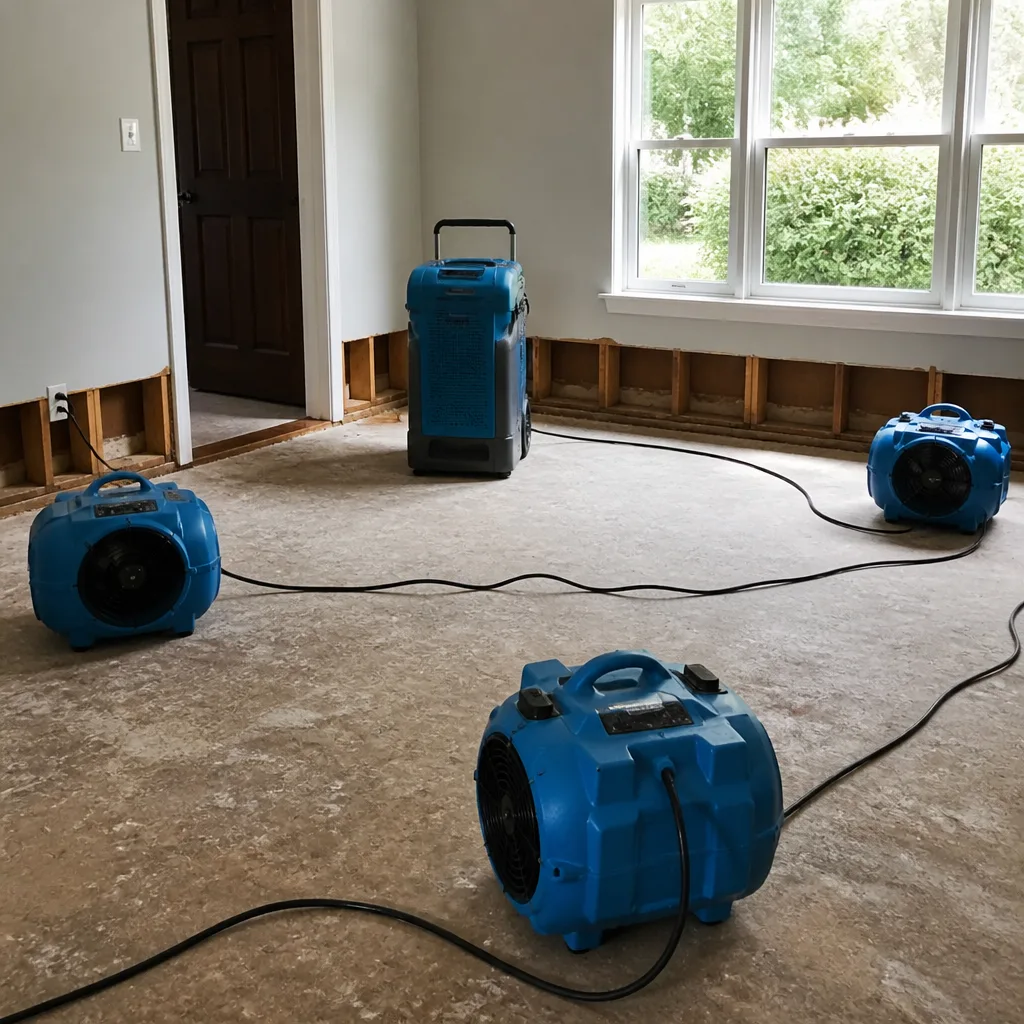

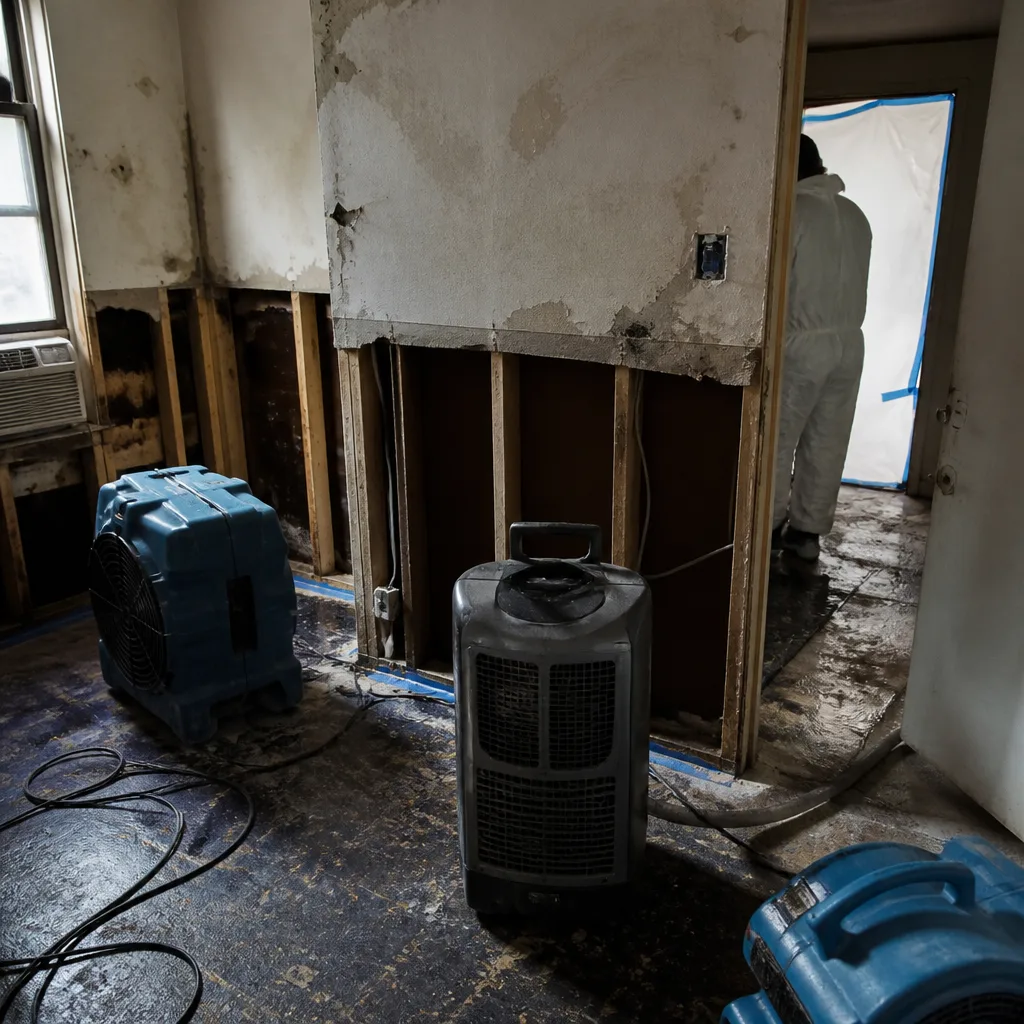 Before
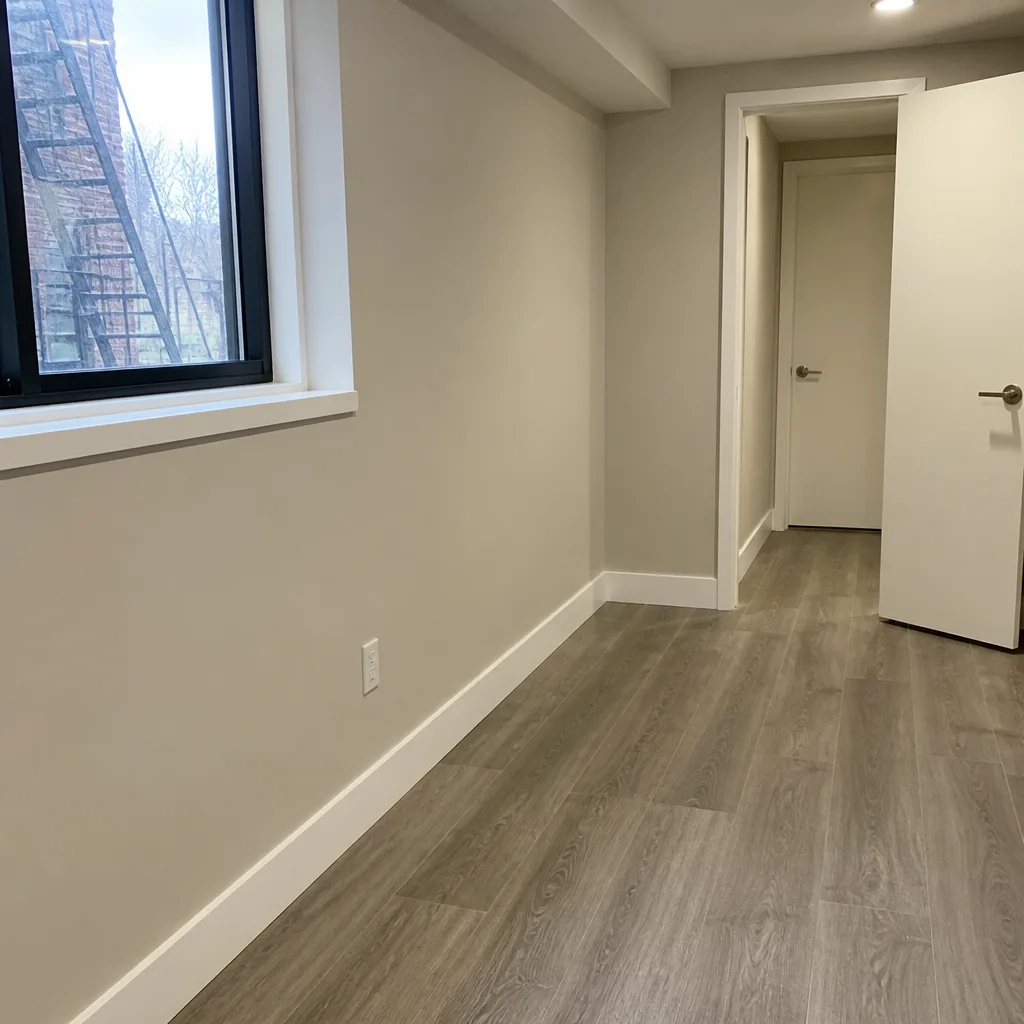 After
After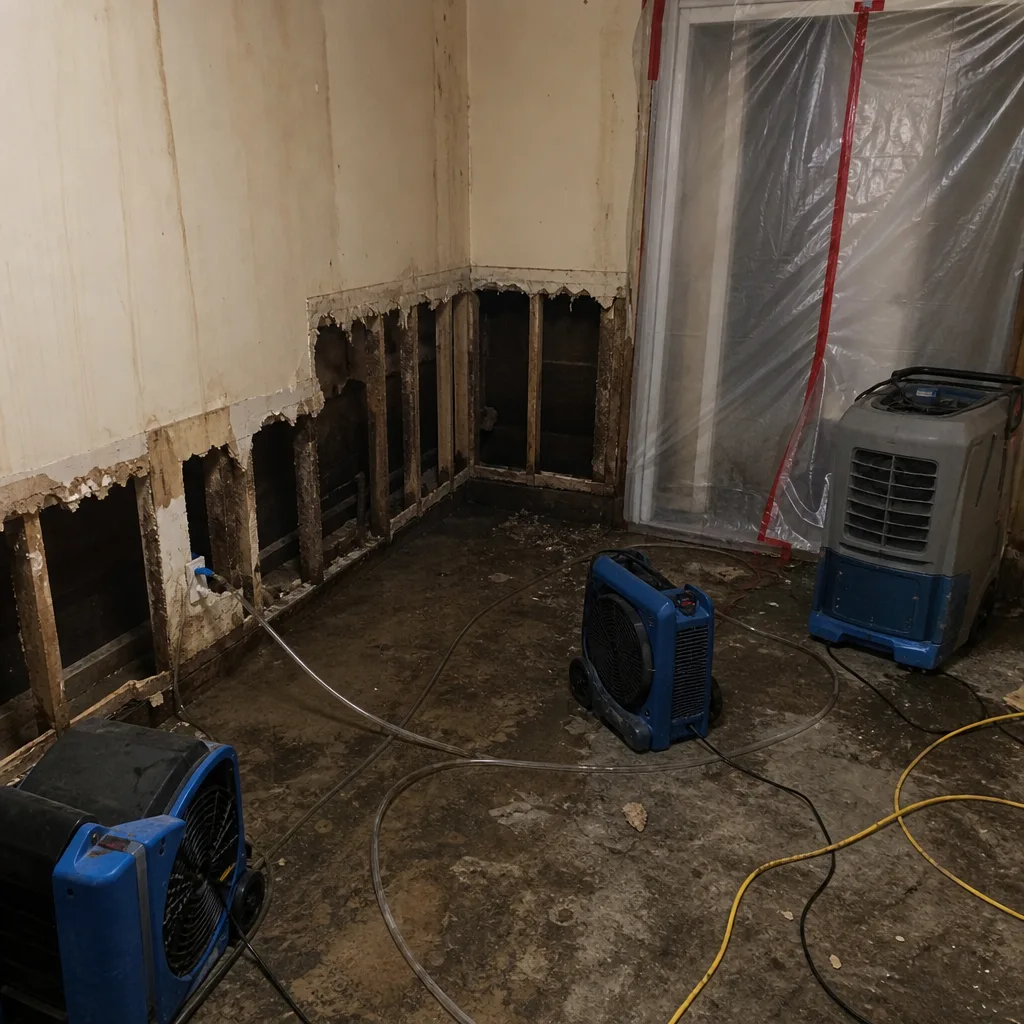 Before
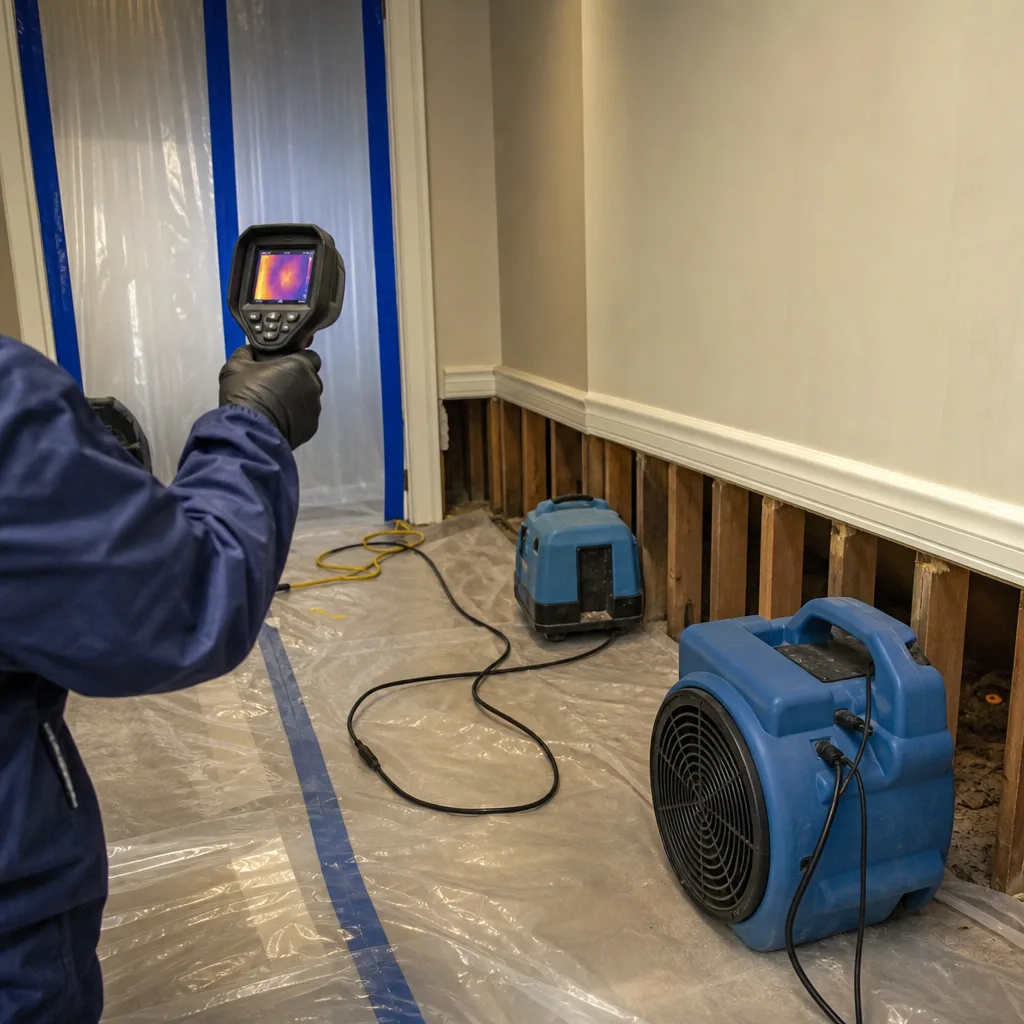 After
After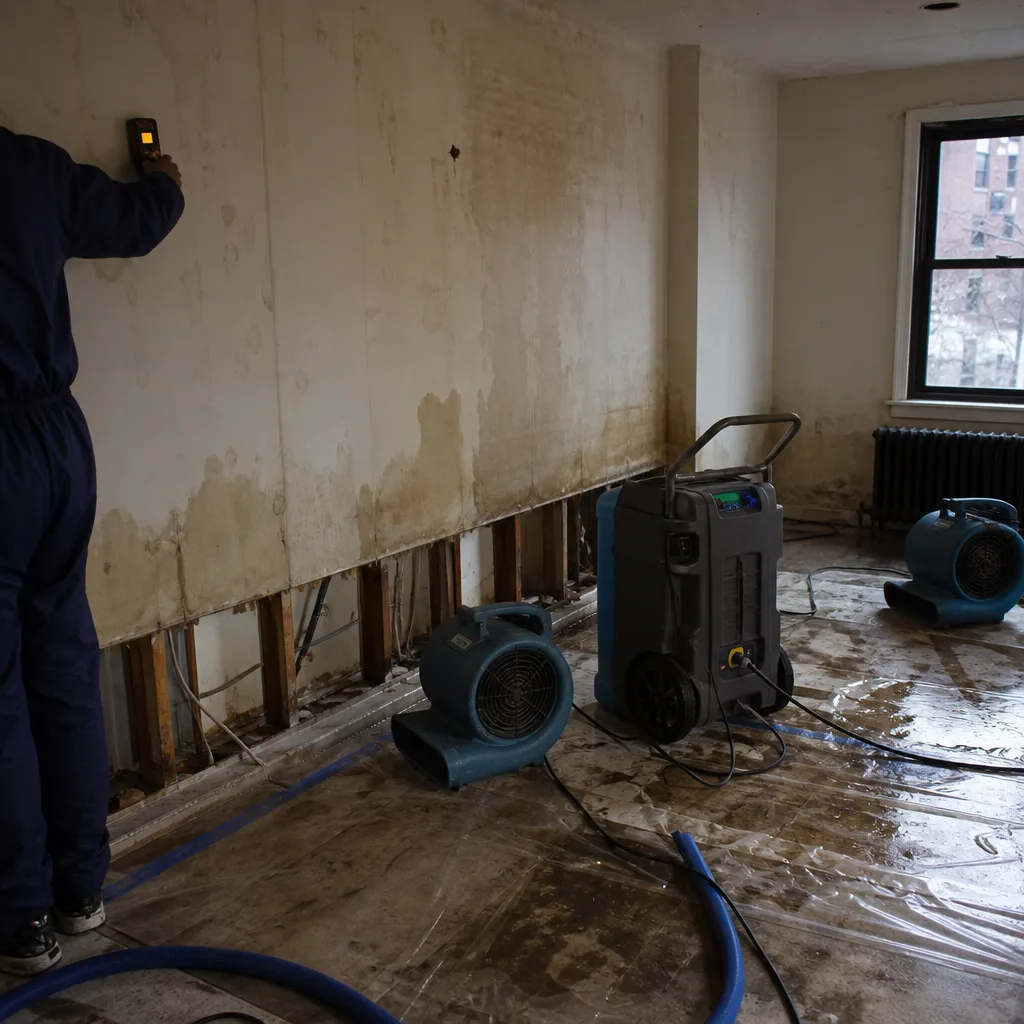 Before
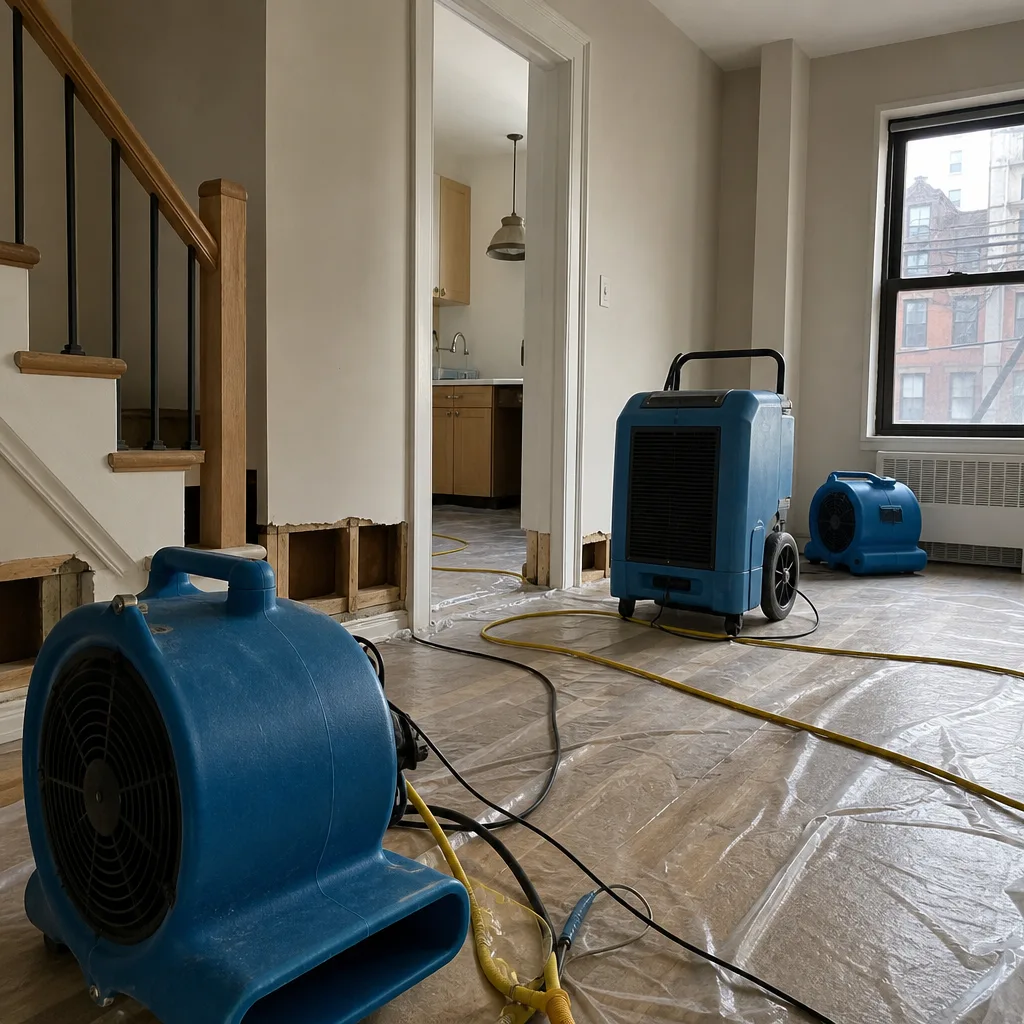 After
After24/7 Emergency Sewage Cleanup in Williamsburg
Sewage backing up into a Williamsburg home or loft is a category 3 water emergency, and the first hour determines whether you’re dealing with a contained cleanup or a full gut-and-rebuild. Our crews are dispatched inside the Williamsburg area around the clock, and a live person answers at (716) 452-0798 at 2 a.m., not a recording. We arrive with moisture meters, containment, and extraction equipment running the same visit. The free visual inspection tells us how far the contamination has traveled, and we give you a written scope before any work begins. Waiting on a sewage backup lets bacteria move through porous materials fast; in Williamsburg’s older buildings, that means wicking into horsehair plaster, uninsulated slabs, and shared chase walls within hours.
Understanding Sewage Cleanup Severity in Williamsburg Properties
Not every sewage event is the same, and Williamsburg’s building stock makes severity harder to read than in most of Brooklyn. A toilet overflow that stays on tile is a localized category 2 or 3 cleanup. A backed-up ejector pump in a converted factory loft on Kent Avenue can push category 3 water across an open polished concrete slab with no drainage cavity to stop it. We classify water by contamination level: category 1 is clean supply water, category 2 carries significant biological or chemical load, and category 3, what we call black water, contains raw sewage, fecal matter, and pathogens that require full containment, disposal of saturated porous materials, and antimicrobial treatment. In Williamsburg’s pre-war tenements with original cast-iron waste lines and horsehair plaster walls, sewage can sit behind walls for weeks without visible staining, which is why moisture mapping and thermal imaging matter more than what you see on the surface. Open-plan lofts hide damage differently: water travels laterally across concrete before a single tenant notices, saturating built-ins and wall cavities minutes after a failure.
Why Williamsburg Property Owners Choose Floodline Restoration Co.
- 45-minute response commitment – We dispatch crews from within the Williamsburg area and commit to having someone on-site fast, because category 3 water spreads and soaking time drives the bill.
- 24/7 live answer, always a person – Call (716) 452-0798 at any hour. A live dispatcher picks up, not an automated tree. You’ll speak to someone who can send a certified crew immediately.
- IICRC-certified crews trained to WRT and ASD standards – Our technicians hold Water Restoration Technician and Applied Structural Drying certifications, plus RIA and IFA training, so the person reading your moisture map knows what the numbers mean.
- Free visual inspection and written scope – Before we touch a surface, you get a line-item scope and firm pricing. No one starts work without your sign-off, and no surprise charges appear later.
- Direct insurance billing – We bill your carrier directly and handle adjuster communication, so you’re not the messenger between us and the insurance company. Photo documentation starts in the first hour.
- One team from extraction to reconstruction – The same Floodline crew that sets containment and extracts black water handles drying, sanitization, and any rebuild work. You never face a mid-job handoff.
Our Sewage Cleanup Process
Inspection & Assessment
We walk the property with thermal imaging cameras and penetrating moisture meters, mapping how far category 3 water has traveled. In Williamsburg lofts, that often means meters across slab floors; in tenements, readings inside walls and under flooring. You get a written scope with firm numbers before work starts.
Extraction & Stabilization
We extract standing black water with truck-mounted and portable extraction units, then remove saturated porous materials: carpet, pad, drywall, base cabinetry, vinyl flooring. In crawl spaces common under Williamsburg row houses, we pull sewage and contaminated soil by hand where hoses can’t reach.
Drying & Dehumidification
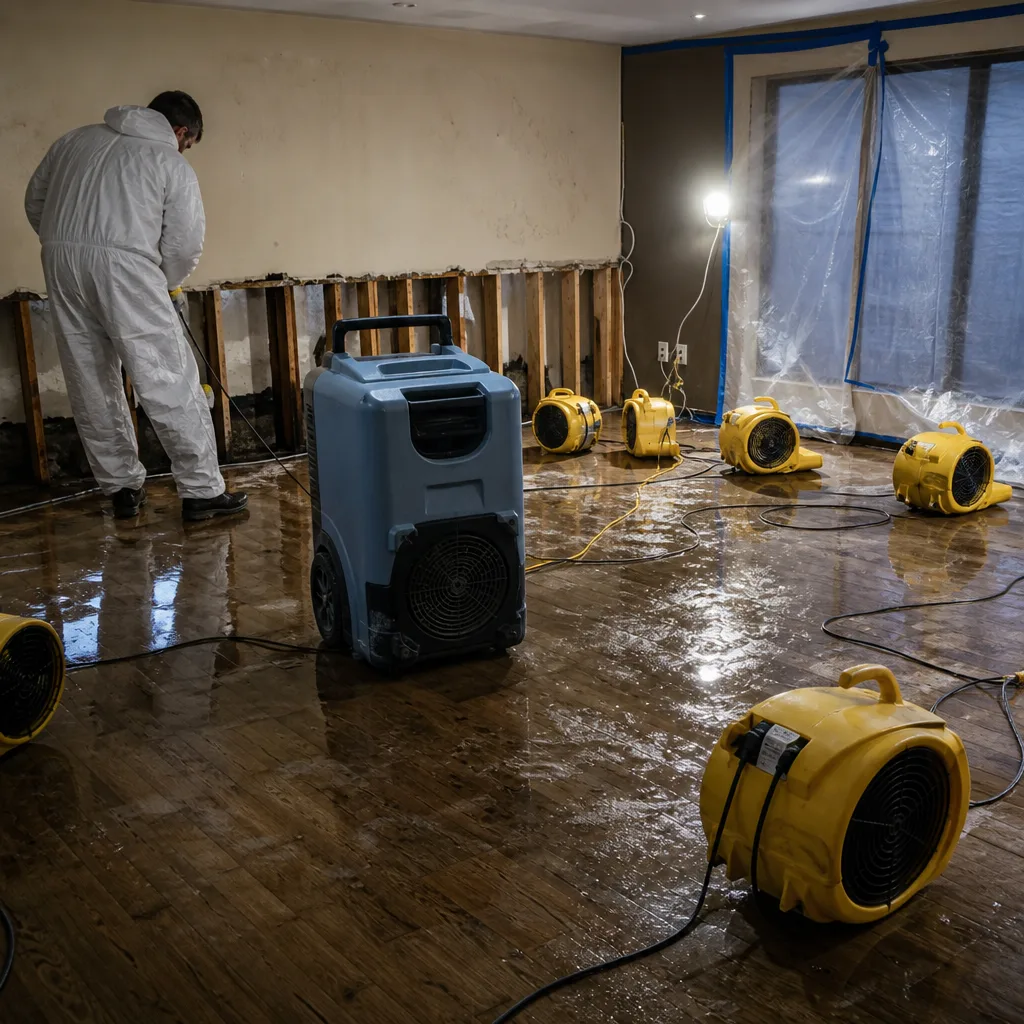
Dri-Eaz and Phoenix dehumidifiers plus XPOWER air movers go in immediately, with daily moisture readings logged until the dry standard is met. You get the moisture log, and so does your carrier. We don’t declare a job dry because it feels dry; we prove it with numbers.
Cleaning & Sanitization
Every affected surface gets antimicrobial treatment appropriate for category 3 water. Hard surfaces are cleaned and disinfected; salvageable contents are treated or disposed of per IICRC standards. We set containment to prevent cross-contamination of unaffected areas.
HEPA Air Scrubbing
Sewage backups aerosolize pathogens, especially inside closed loft spaces and basement mechanical rooms. We run HEPA air scrubbers to capture airborne bacteria and particulates, and we take air samples where clearance testing is warranted before we call the space clean.
Repairs & Restoration
The same crew that dried your Williamsburg property rebuilds what was removed: baseboards, drywall, cabinetry, flooring, and any plumbing repair needed to stop the source. We don’t hand you off to a different company. The 90-Day Done Right Promise covers the finished work in writing.
Need Emergency Sewage Cleanup in Williamsburg Now?
Crews minutes away, answering live 24 hours a day. The sooner we start, the less it costs.
Working With Your Insurance Company
Sewage backup claims in Williamsburg get complicated fast, especially in FEMA Zone AE waterfront buildings where flood-specific standards may apply. We’ve handled enough of them to know what carriers need and when. Documentation starts the first hour: photos of every affected room before we move anything, moisture readings at first visit and every day after, and a line-item scope built to industry-standard estimating software so your adjuster can process it without back-and-forth. Our team communicates directly with your carrier. You shouldn’t have to explain category 3 water or drying logs to an adjuster; that’s our job. If a dispute comes up, we provide the documentation to support the claim. In many Williamsburg loft buildings, the building’s master policy and your unit policy both come into play, and we help sort out who covers what.
What We Provide Your Insurer
- Thorough documentation of the loss
- Photos of all damage, room by room
- Moisture readings and drying logs
- A detailed, line-item scope of work
- Direct coordination with your carrier
Built for Williamsburg’s Loss Calendar
Williamsburg’s sewage backup season runs hot in late winter and early spring, when freeze-thaw cycles stress the aging cast-iron waste lines under pre-war tenements and row houses. January deep freezes crack old galvanized supply lines; when that water forced through backed-up basement drains and into uninsulated slab floors, it becomes a category 3 problem quickly due to the sewage already present in the lines. Spring thaw brings a second wave of failures, where saturated ground around older foundations pushes groundwater into basement drains already carrying root-intruded waste lines. Summer brings the flash-thunderstorm surges that overwhelm the East River waterfront’s combined sewer system, sending sewage back through floor drains in low-lying ground-level units along Kent Avenue and Berry Street. Fall nor’easters stress the same systems. Across all seasons, Williamsburg’s split between 1880-1920 brick construction and post-2000s converted lofts means the same weather event produces entirely different loss patterns a block apart, and our crews read both.
Sewage Cleanup Across Williamsburg’s Neighborhoods
A sewage backup on North 11th in a converted factory loft doesn’t behave like one on Grand Street in a pre-war walk-up. Along the Kent Avenue and Berry Street corridors, we’re working in post-2000s conversions where open concrete slabs have no subfloor drainage cavity, and a single failed ejector pump can flood thousands of square feet before anyone notices. Crest Hardware and the surrounding Northside blocks are mostly pre-war brick tenements and row houses carrying original cast-iron waste lines; there, sewage failures come from cracked hubs and hide behind horsehair plaster walls that stay damp for weeks without visible staining. Around McCarren Park, the mix of gut-renovated townhouses and older multifamily buildings means we see both modern PVC retrofits alongside original galvanized supply lines. Down toward the East River waterfront in Zone AE, every sewage backup carries an extra layer of flood-zone compliance and elevation certificate questions that don’t apply a mile inland.
Specialized Sewage Cleanup Services We Offer in Williamsburg
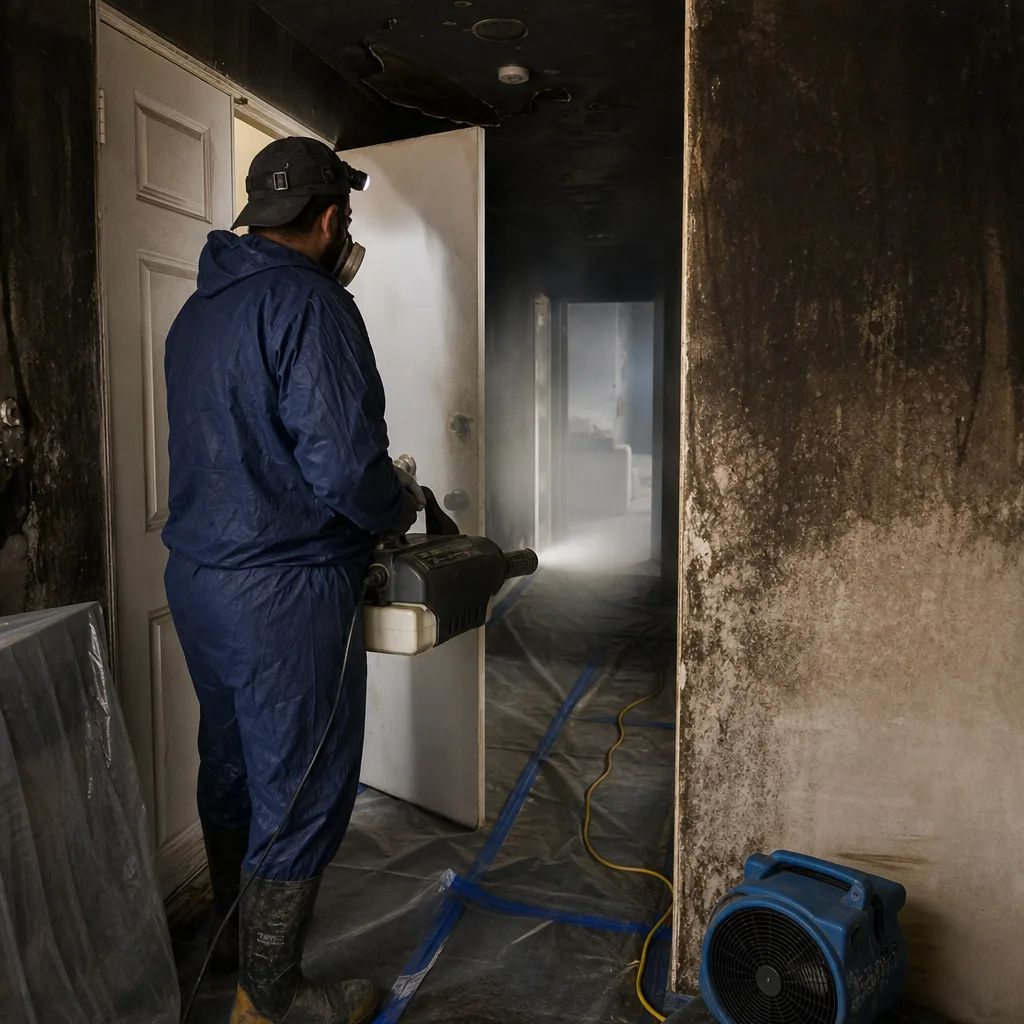
Black Water Extraction
Category 3 water demands immediate extraction and removal of saturated porous materials. In Williamsburg’s converted lofts, that often means pulling water from open floor plates with no drainage cavity; in older homes, it means cutting into uninsulated basement slabs where sewage has wicked underneath vinyl tile and kept moisture trapped. We get the black water out and begin drying the same visit.
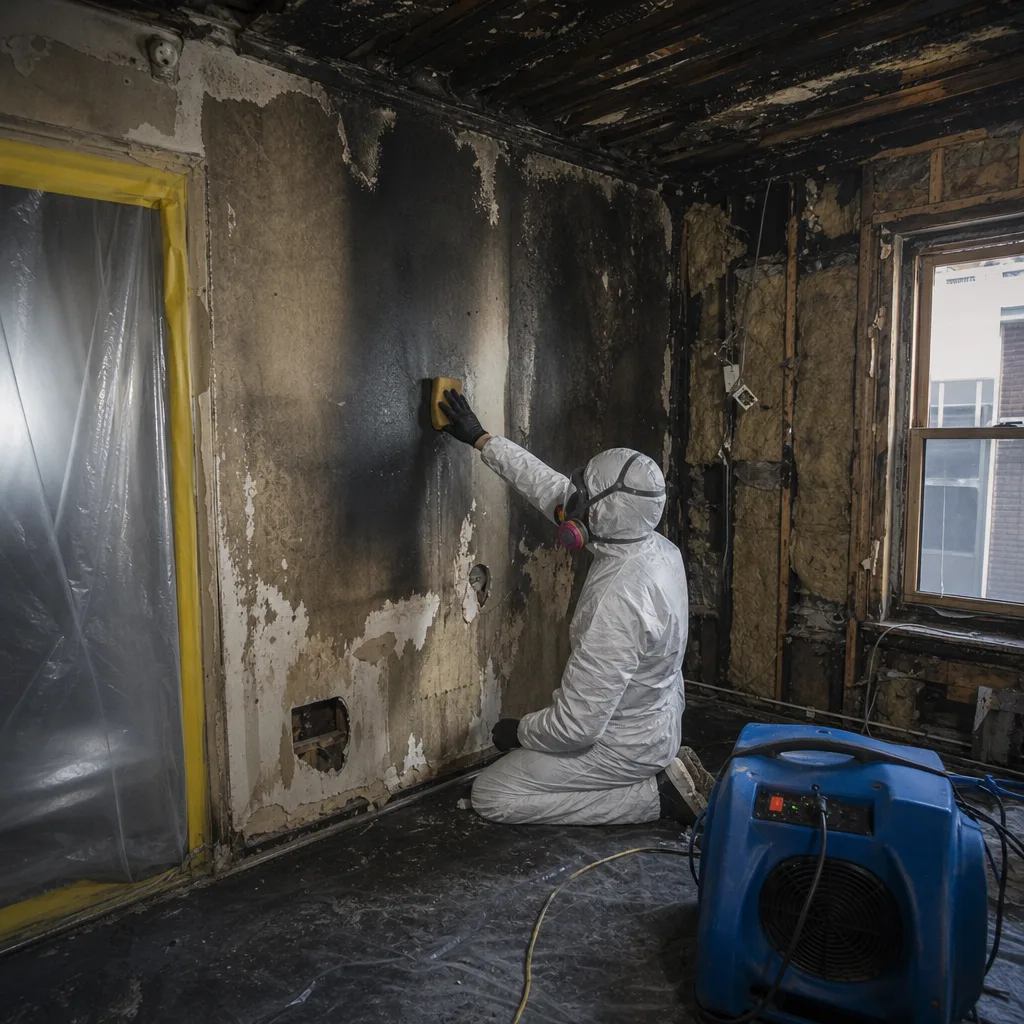
Crawl Space Sewage Removal
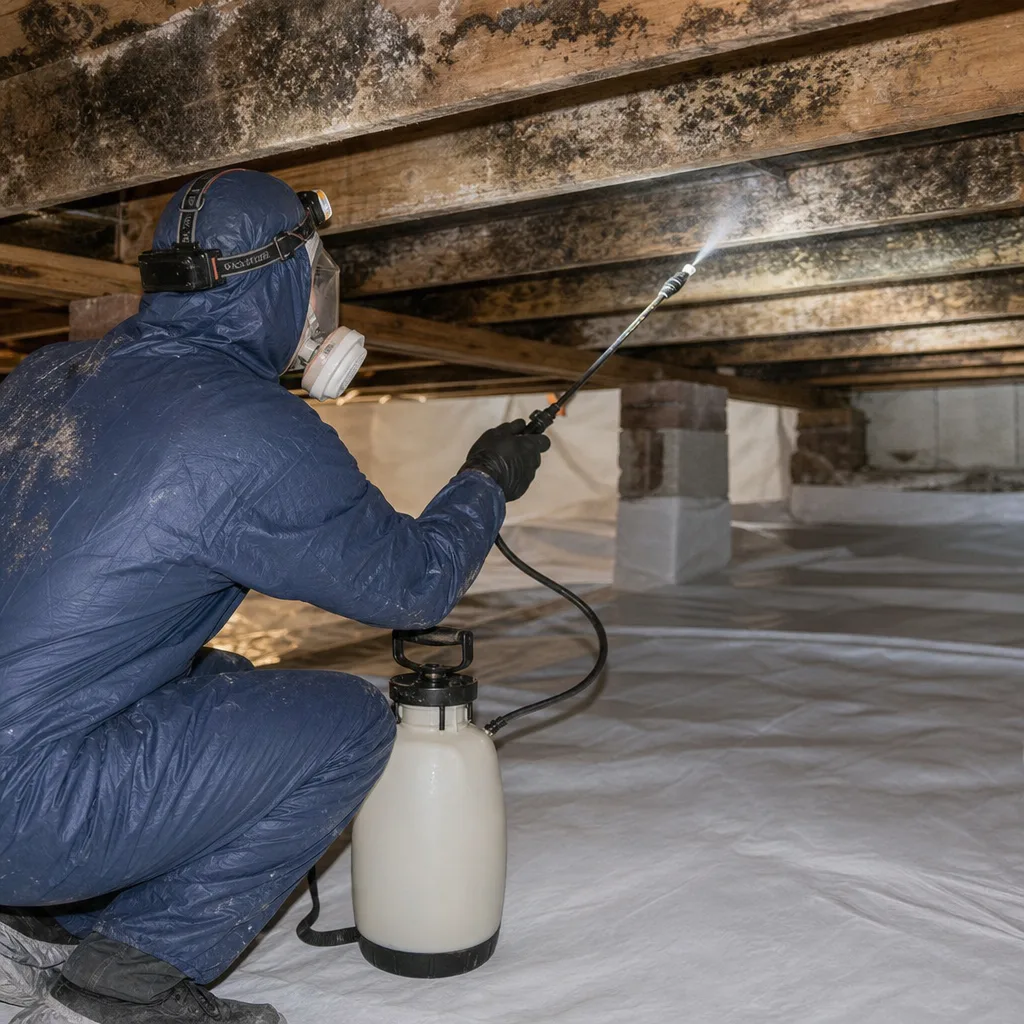
Many Williamsburg row houses have shallow, dirt-floored crawl spaces that collect sewage when basement drains back up. These spaces hold moisture longer than any other area of the home, and they’re one of the first places mold takes hold after a category 3 event. We remove contaminated soil and sewage by hand, treat the remaining surfaces, and dry the space to standard before closing it back up.
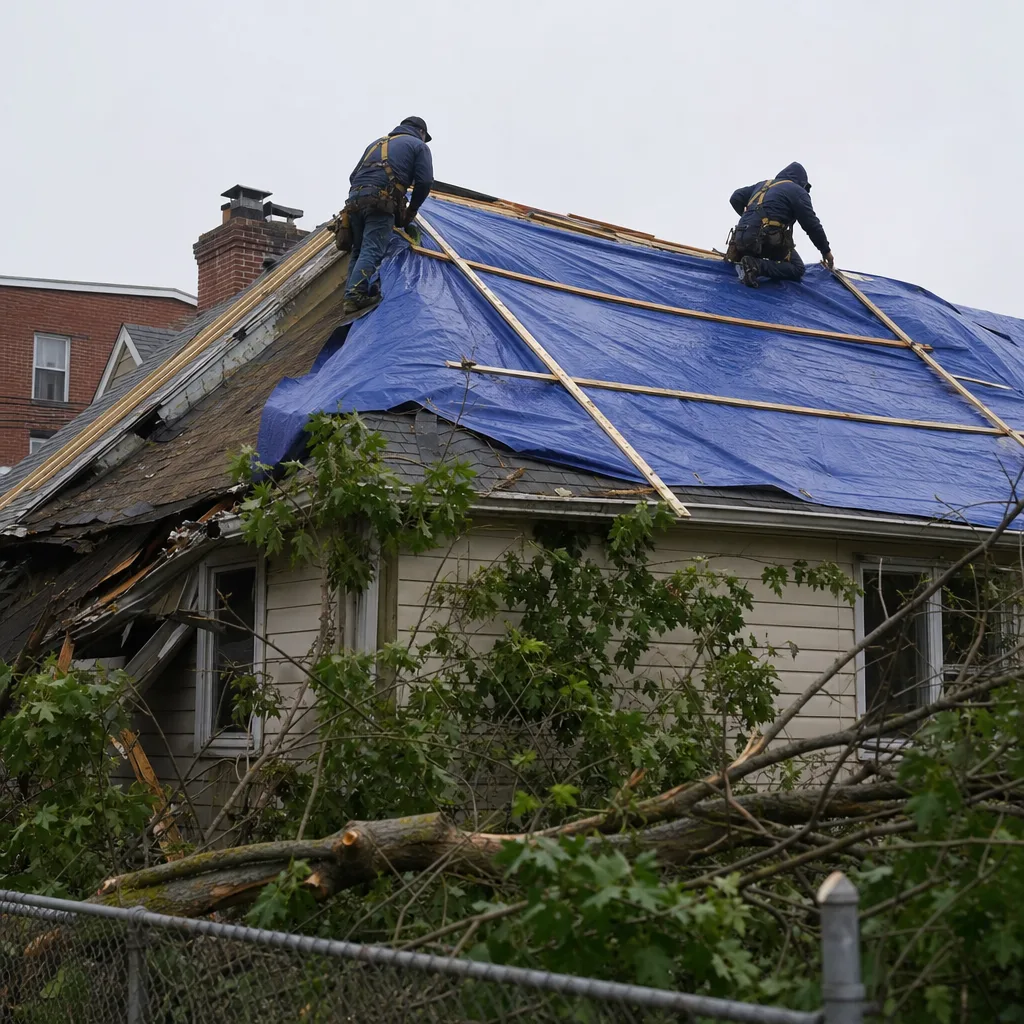
Sanitization & Disinfection
Every sewage job ends with antimicrobial treatment applied to all affected surfaces, and we take air samples where clearance testing is warranted. In a Williamsburg loft with open duct runs and polished concrete, the sanitization step also includes cleaning mechanical chases and HVAC surfaces that might have been exposed during the event. We don’t leave a space that smells clean but isn’t actually disinfected.
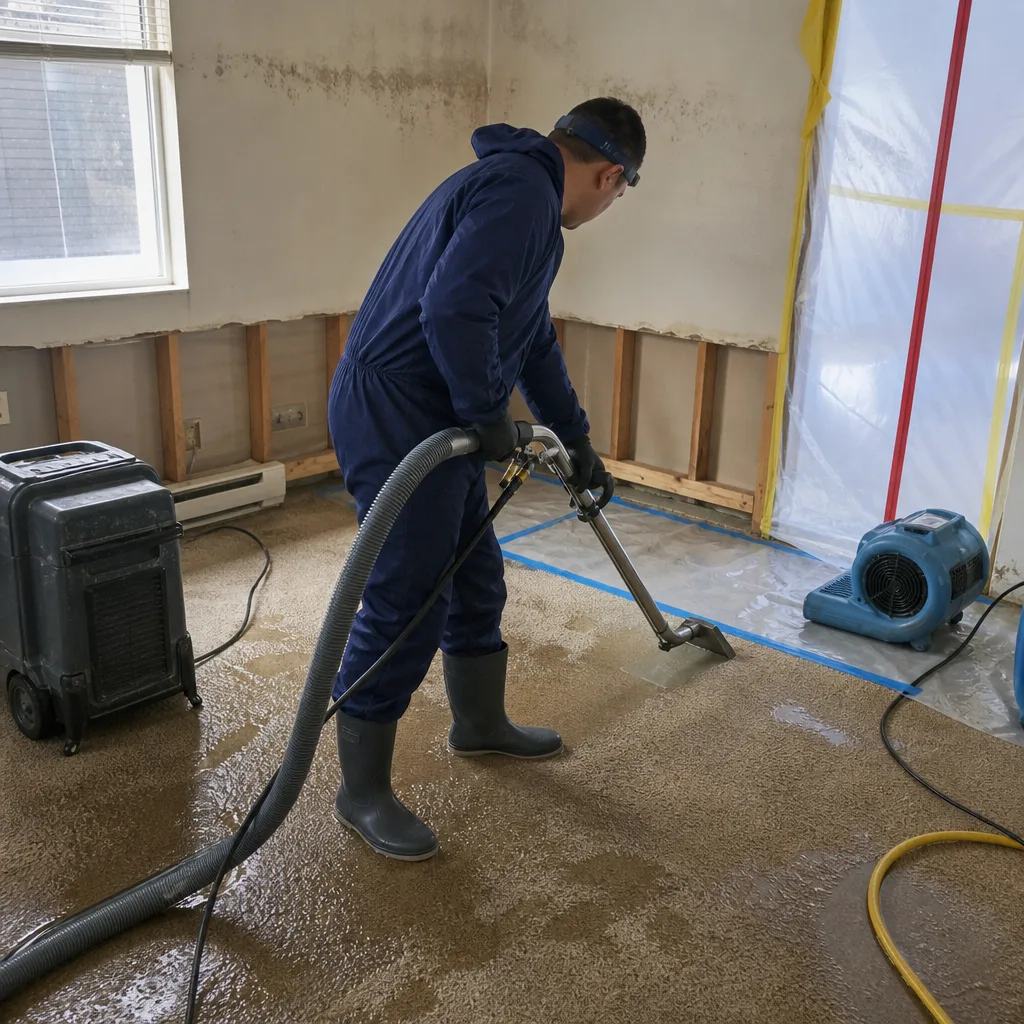
Sewage Backup Cleanup
When a Williamsburg property’s waste line backs up through a floor drain, toilet, or tub, the source has to be identified before cleanup can begin. We coordinate with your plumber or bring in the licensed plumber we work with regularly, because fixing the blockage is step one, and cleaning the category 3 water it left behind is step two.
Toilet Overflow Cleanup
A toilet overflow that stays on tile is a manageable category 2 cleanup. One that soaks into the subfloor, runs into a chase wall, or spreads into a neighbor’s unit in a Williamsburg walk-up becomes a category 3 event requiring containment and full extraction. We map the moisture before we decide what gets removed, so you’re not paying for demo that wasn’t necessary.
Septic Failure Cleanup
Though fewer Williamsburg properties are on septic than in outer-borough and upstate areas, some older row houses and standalone homes still rely on private waste systems. A septic failure usually surfaces as sewage pooling in a yard or seeping into a basement or crawl space. We handle the cleanup side fully, coordinating with a septic contractor for the system repair itself.
What happens when you call
- 1
A real person answersNo phone trees - you reach a local pro.
- 2
You get an upfront price rangeHonest numbers before anyone is dispatched.
- 3
A background-checked tech heads outLicensed & insured, dispatched right away.
- 4
You approve before work beginsNothing starts until you say go.
Sewage Cleanup Costs in Williamsburg, NY
Sewage cleanup in Williamsburg typically runs $2,500 to $9,000 depending on how far category 3 water has traveled and what materials are porous enough to require removal. A contained toilet overflow in a bathroom with tile floors often lands between $800 and $1,800. A slab-wide black water event in a converted loft on Kent Avenue or Berry Street, where cabinetry, baseboards, and drywall get saturated, regularly runs $6,000 to $14,000. Crawl space sewage removal in a Williamsburg row house generally falls between $2,000 and $5,000, depending on how much contaminated soil has to be pulled and whether insulation and vapor barrier require replacement. The free visual inspection gives you a firm, written scope before any work starts, so you know your number going in. Call (716) 452-0798 to schedule the inspection; we’ll give you a straight answer and a square deal.
We Also Serve Cities Near Williamsburg
Our crews handle emergency sewage cleanup across the Williamsburg area and into Long Island City, Greenpoint, Murray Hill, and Upper Manhattan. If you’re just outside the neighborhood and water is rising, call (716) 452-0798 and we’ll tell you honestly how fast we can reach you.
Serving Williamsburg, NY - Our Local Coverage Area
We’re based in the Williamsburg area and know this community well. Use the map below to see our service coverage - if you’re nearby, we can almost certainly help.
Williamsburg Sewage Cleanup Questions, Answered
How does sewage cleanup differ in Williamsburg’s converted factory lofts versus its pre-war tenements?
In converted factory lofts, open concrete slab floors with no drainage cavity let category 3 water travel laterally across thousands of square feet before you notice, while pre-war tenements have compartmentalized rooms and horsehair plaster walls that hide sewage behind them for weeks without visible staining. Our moisture mapping approach is different for each: we sweep wide across loft slabs with penetrating meters, and we probe wall cavities carefully in tenements where contamination may be trapped but invisible.
What should I do if sewage backs up into a ground-floor unit in a Kent Avenue loft building?
Shut off water to the unit if you can do so safely, keep everyone out of the affected area, and call us at (716) 452-0798 immediately. Don’t run fans or try to clean it yourself; that spreads bacteria and pushes moisture deeper into the slab. In Kent Avenue converted factory buildings, ground-floor units often share mechanical chases with upper floors, so the backup may affect more area than you can see.
How do Williamsburg’s post-Sandy flood zone rules affect sewage cleanup insurance claims?
Properties in FEMA Zone AE along Williamsburg’s East River waterfront may trigger flood-specific remediation standards and elevation certificate requirements on a sewage claim, which changes what your carrier expects in documentation. We know what those standards require because we’ve worked in these buildings since Sandy. We provide moisture logs, material disposal records, and antimicrobial treatment documentation built to the flood-zone standard, and we communicate directly with your adjuster.
Can a sewage backup in a Williamsburg pre-war building damage masonry or brickwork?
Sewage that sits behind horsehair plaster in a pre-war Williamsburg building can work its way into the brick behind the plaster, where trapped moisture and organic matter accelerate deterioration of lime mortar joints. The damage may not show for months. We check masonry with moisture meters on category 3 jobs and address any trapped moisture before reconstruction, because repairing plaster without drying the brick behind it sets up a future mold problem.
How quickly does a sewage backup need to be addressed in a Williamsburg loft to prevent mold?
Mold can start in 24 to 48 hours when category 3 water sits in the warm, closed environment of a Williamsburg loft. In practice, the window is often shorter on Kent Avenue and Berry Street conversions because open slabs and shared mechanical runs spread contamination fast and hidden. That’s why our 45-minute response commitment matters on these jobs; the difference between same-day extraction and a next-day call is often thousands of dollars in demolition and replacement.
How fast can you reach a sewage backup in Williamsburg?
We commit to 45-minute response in the Williamsburg area, with crews stationed locally and live dispatch at all hours. Call (716) 452-0798 and a person answers immediately; you’ll know exactly when the crew arrives before you hang up.
Does insurance cover sewage cleanup in Williamsburg?
Most homeowners policies cover sudden and accidental sewage backup damage, but coverage depends on your specific policy and whether the property sits in a FEMA flood zone that triggers additional standards. We document everything from the first hour and bill your carrier directly. If you’re not sure what your policy covers, call us and we’ll walk through the likely scenario based on how your Williamsburg building is classified.
Can we stay in our Williamsburg home during sewage cleanup?
Usually not in the affected area during the first 24 to 48 hours, when containment and extraction are running. Sewage aerosols and category 3 contamination are health hazards, and we set negative-air containment to protect the rest of the property. In a loft with an open floor plan, separating affected from unaffected space is often impossible until containment walls go up, so we’ll tell you honestly whether to stay elsewhere for a night or two. For a smaller, contained bathroom backup, you may be able to remain in another part of the unit.
When sewage backs up in Williamsburg, the right first call saves you money, time, and an argument with your insurer. Our team answers live at (716) 452-0798. We’ll walk you through the first steps, get a certified crew to your door fast, and give you a written scope before any work starts, because a square deal means you always know what you’re paying for. The 90-Day Done Right Promise backs every job, including the dry-out, the sanitization, and any rebuild we do. That’s how we’ve built our name in this neighborhood: one job, one team, done right, and backed in writing.
Written by Curt Bowman, Owner at Floodline Restoration Co., serving Williamsburg and the surrounding communities since 2010.