
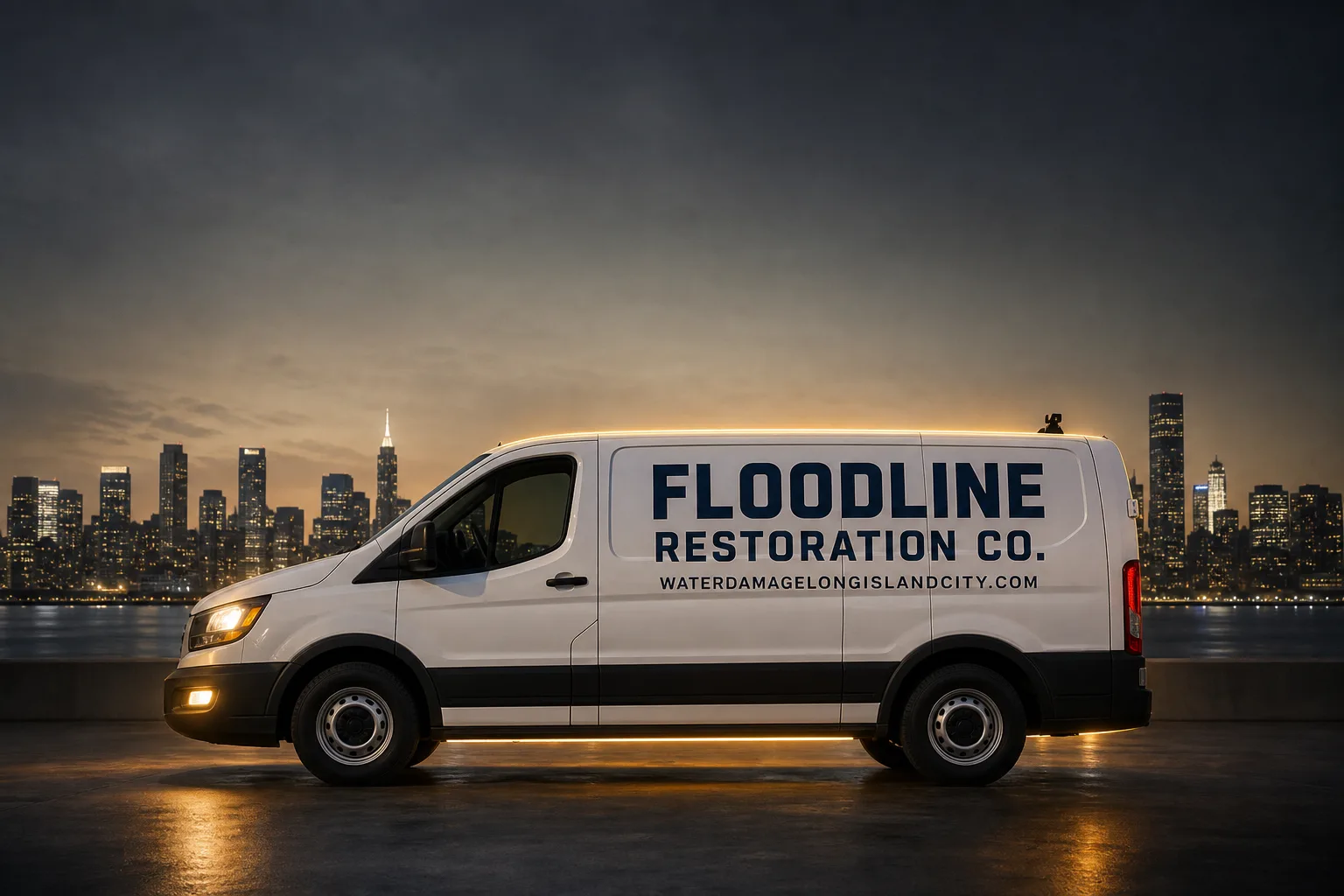
Free visual inspection and a written scope of work before any mitigation begins - photos, moisture readings, and drying logs go in your claim file
The scope we write is the scope we bill. Anything new gets shown to you, in writing, before we touch it.
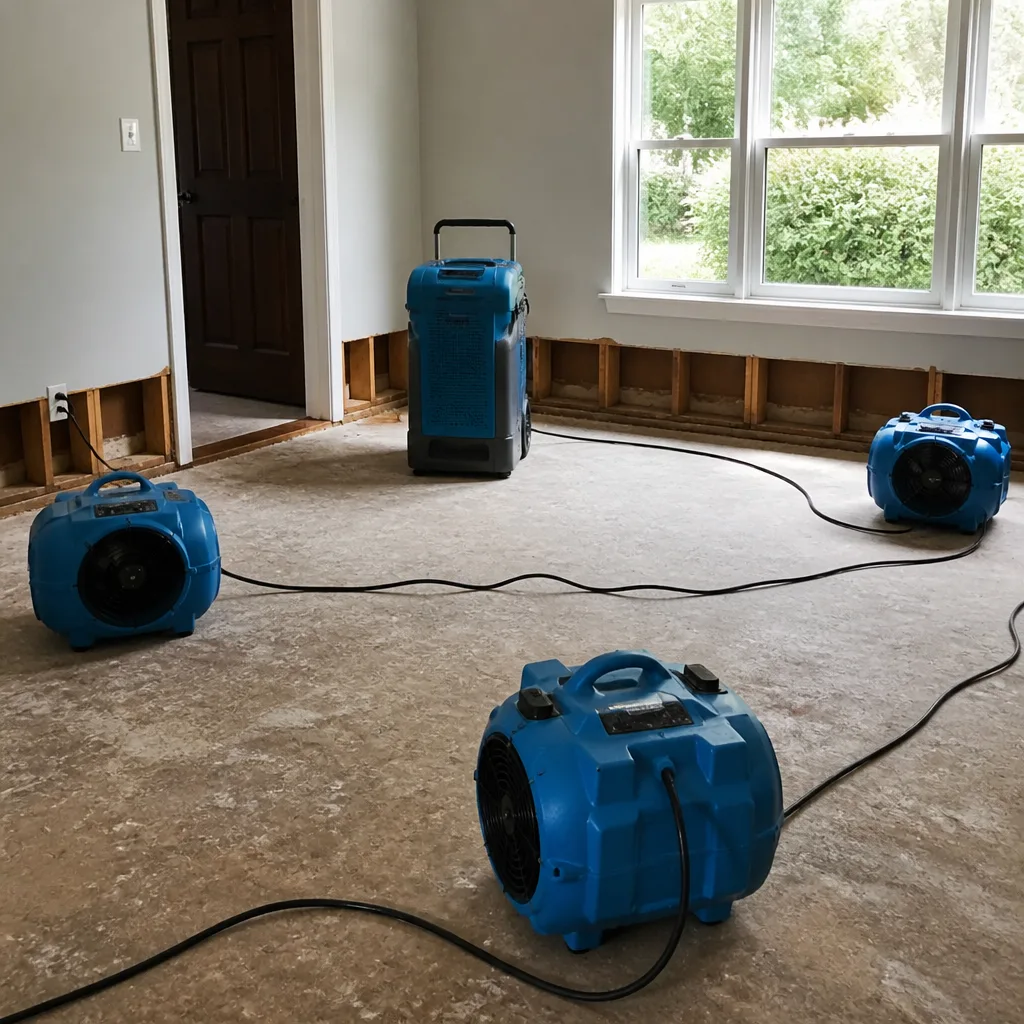
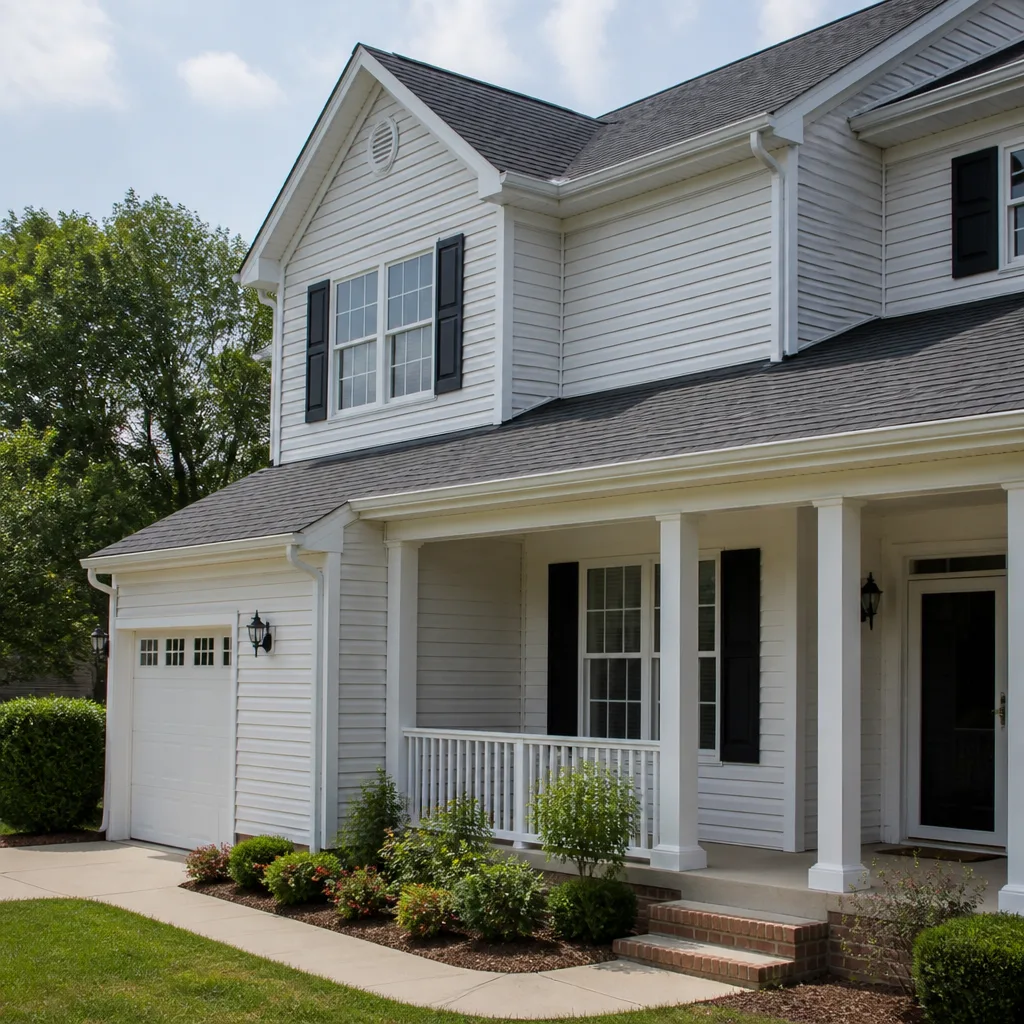
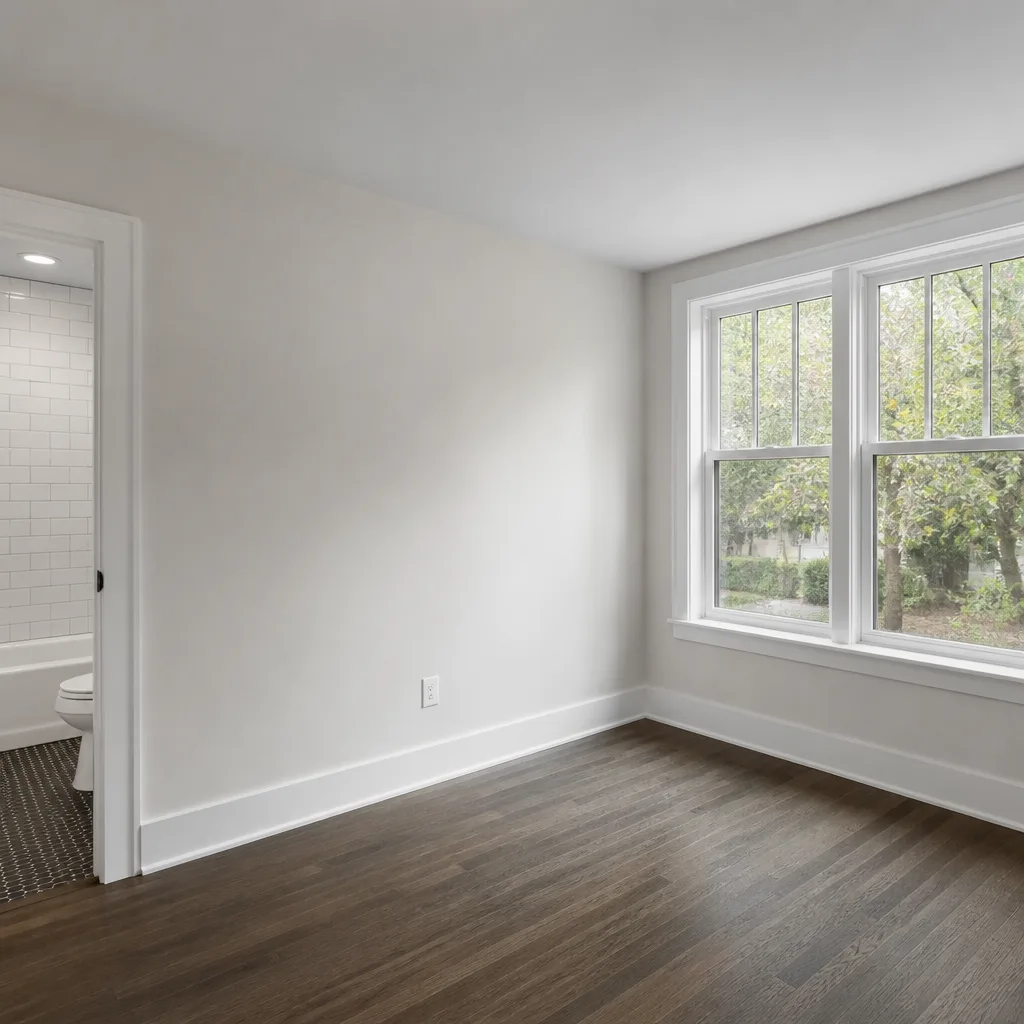
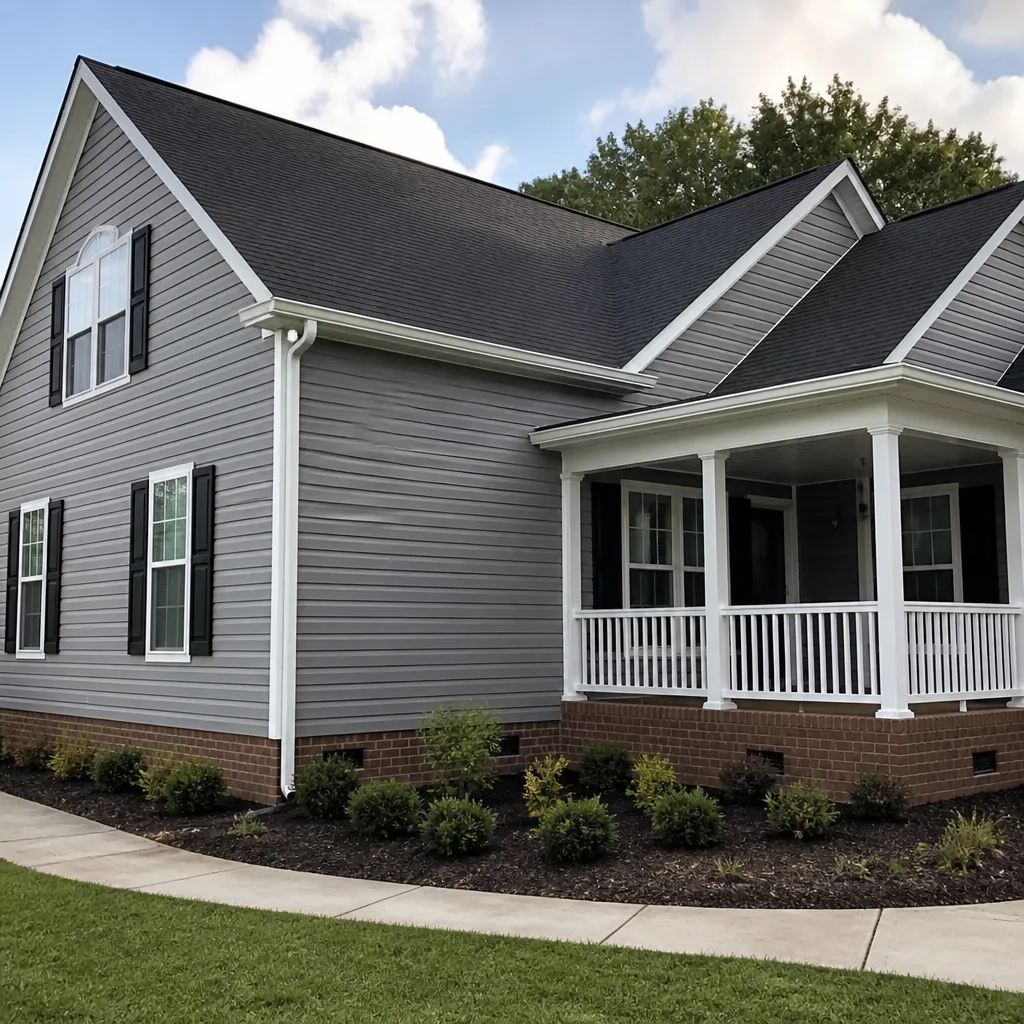
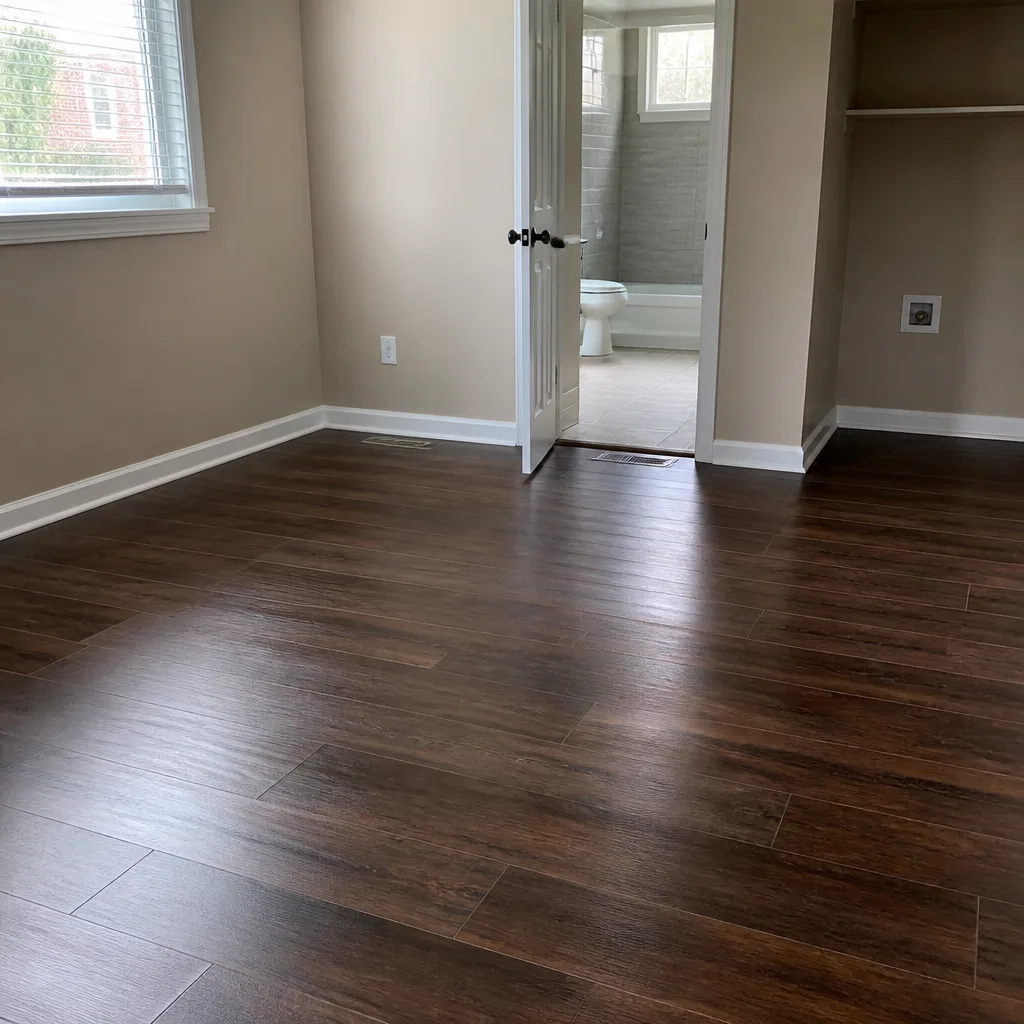
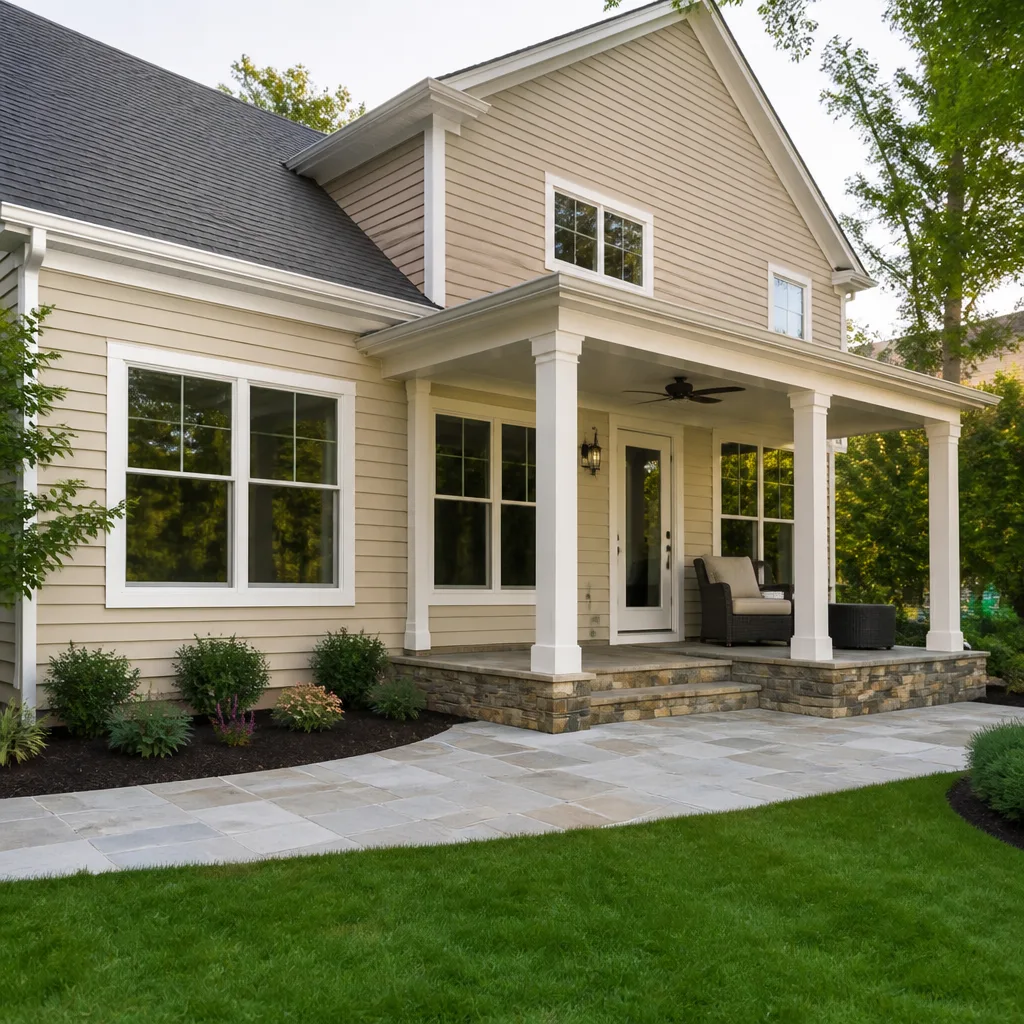
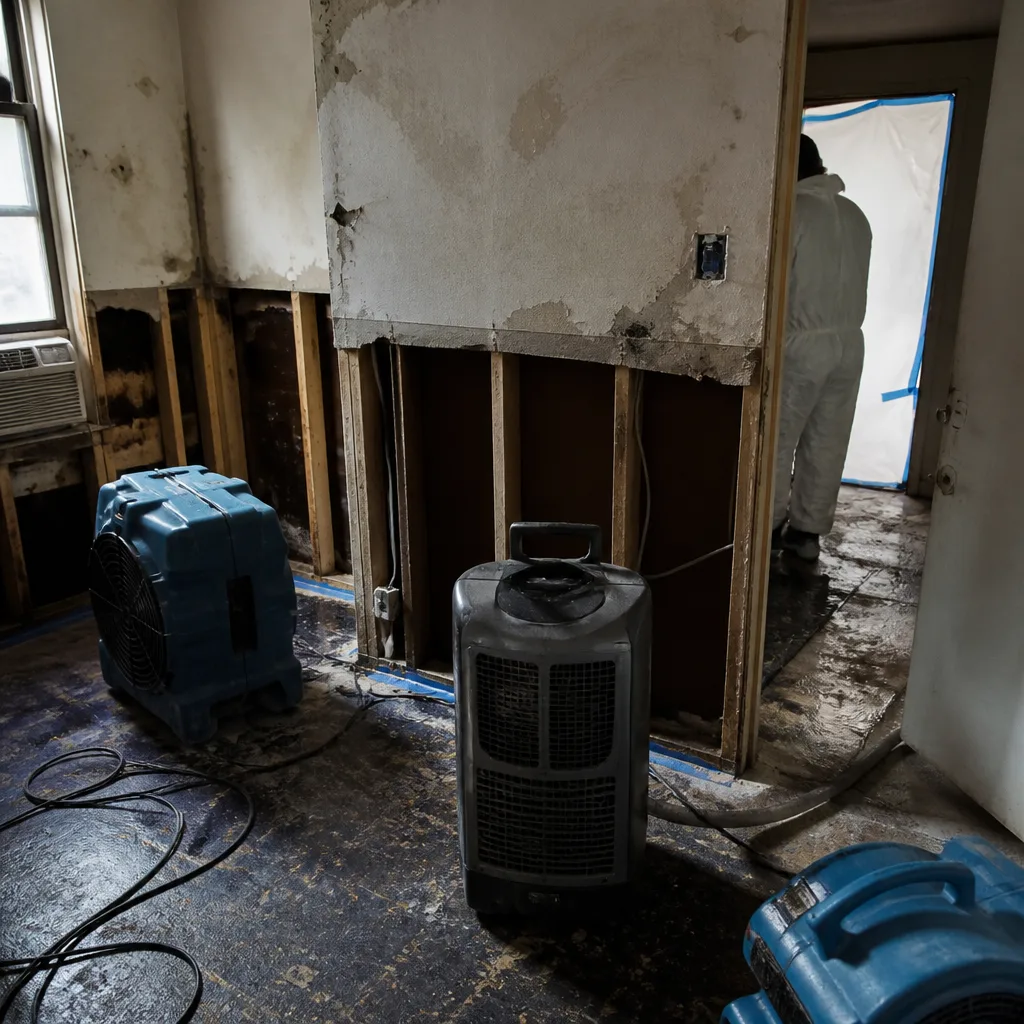 Before
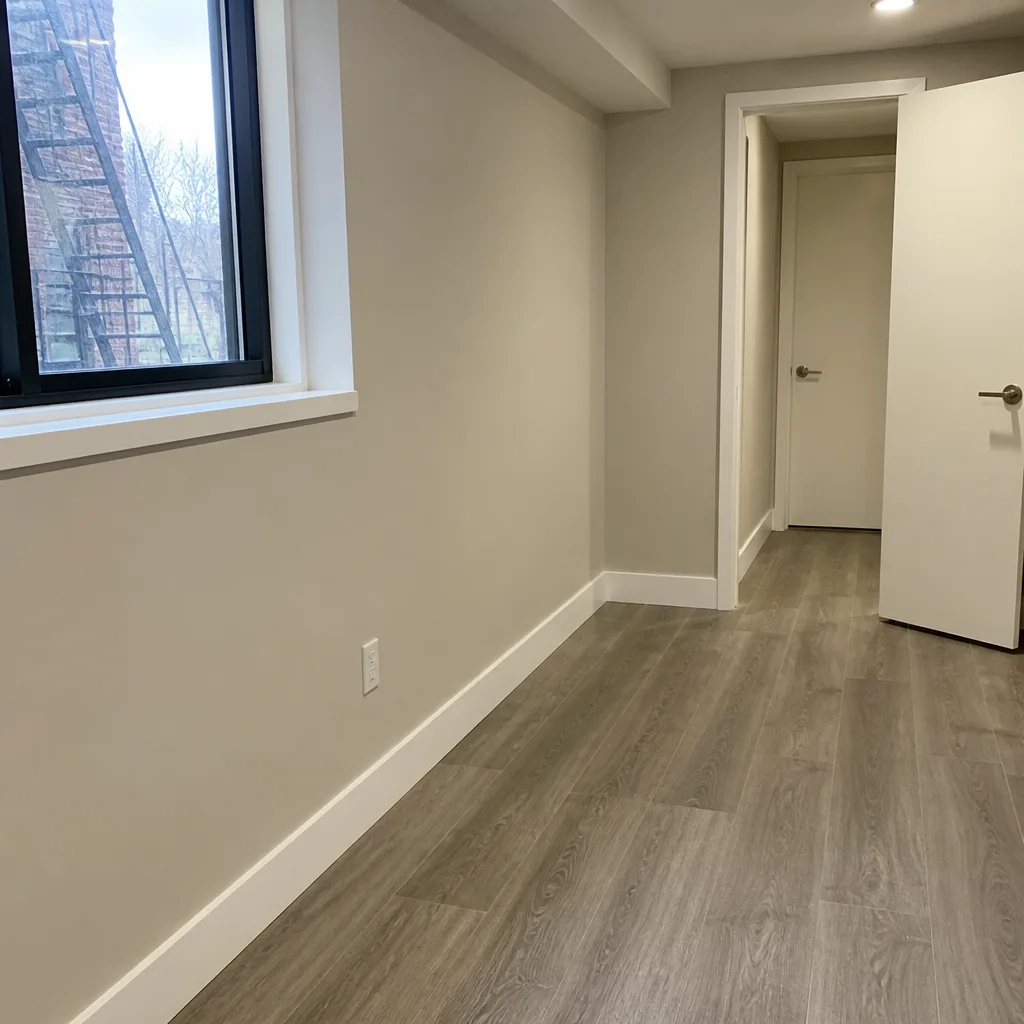 After
After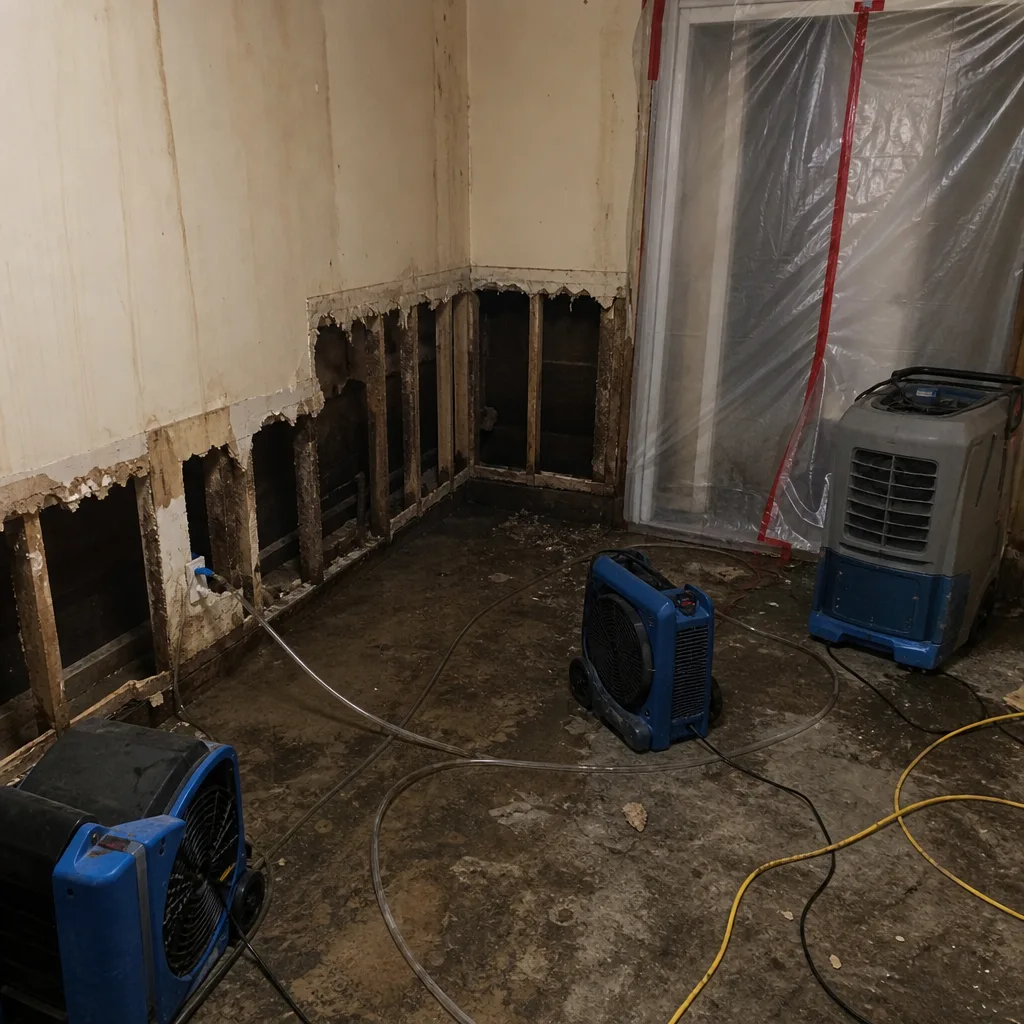 Before
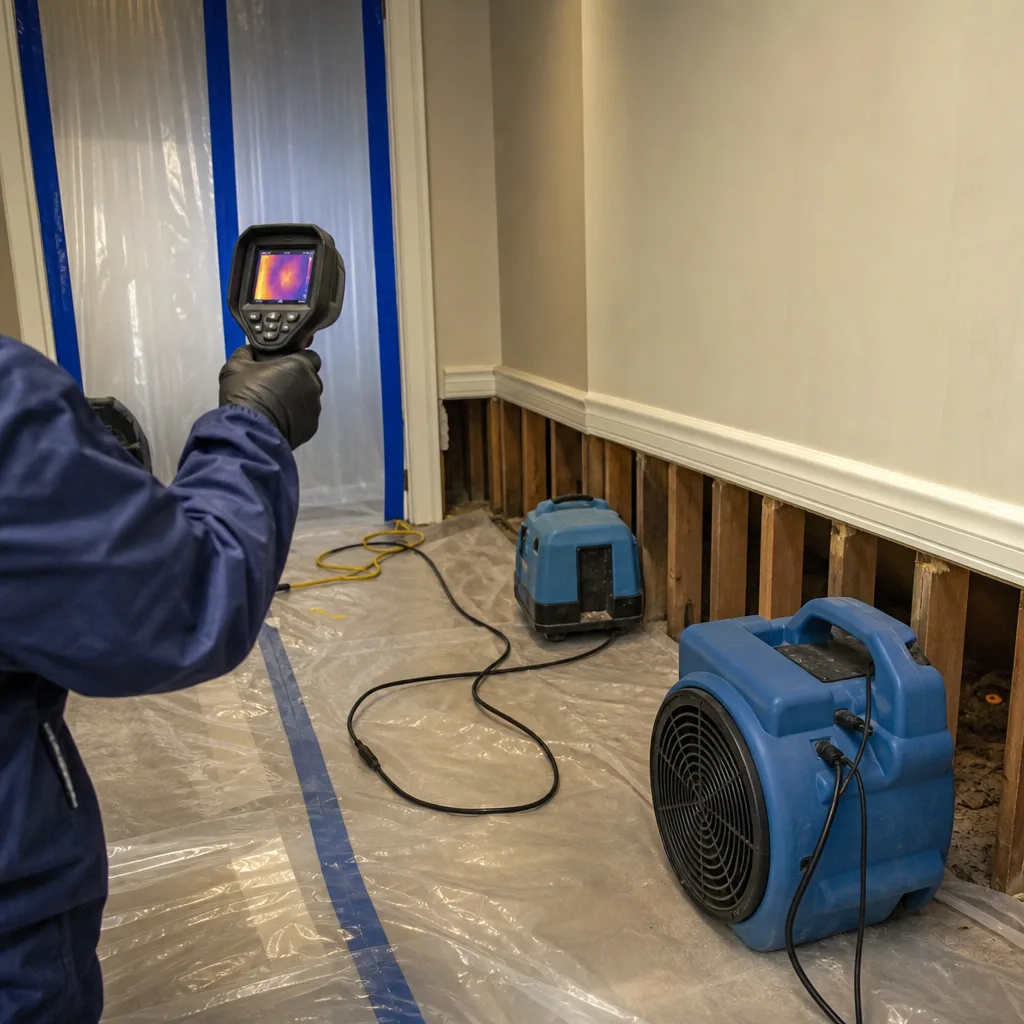 After
After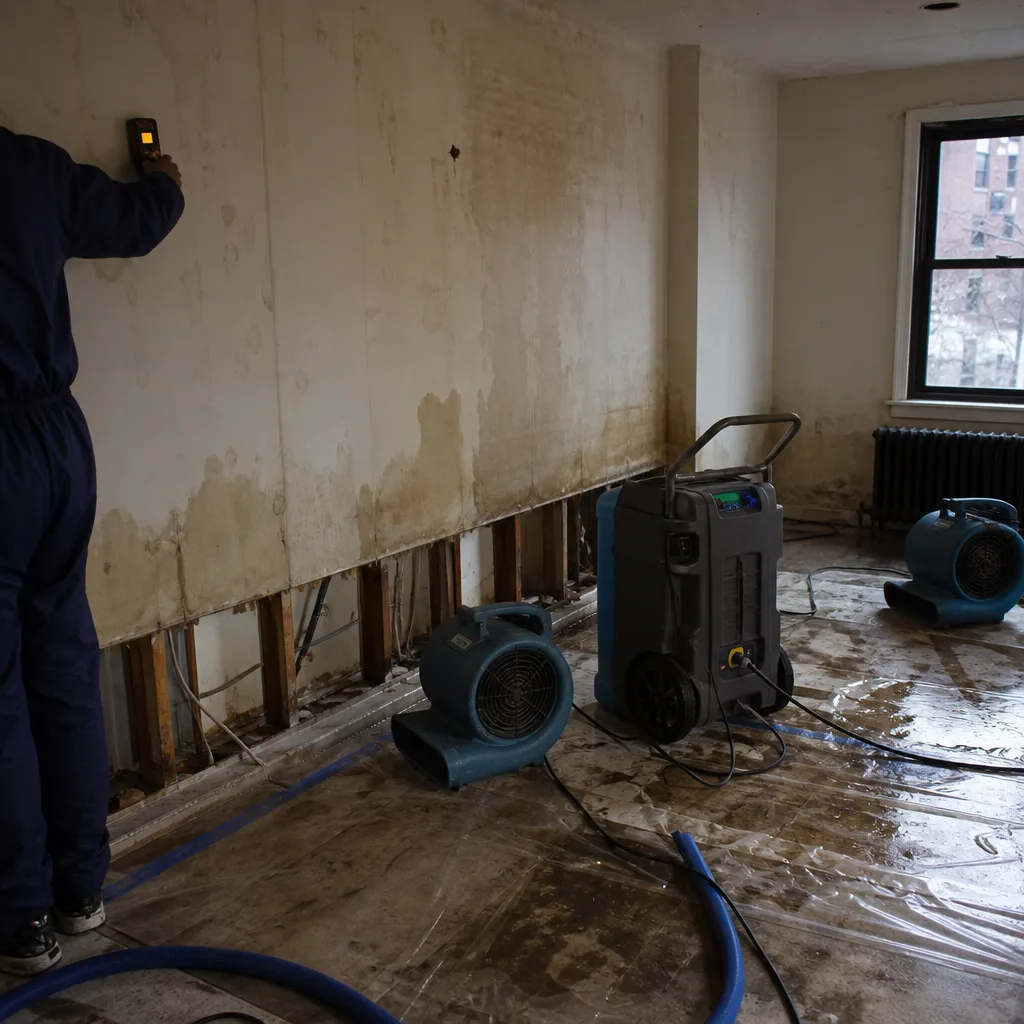 Before
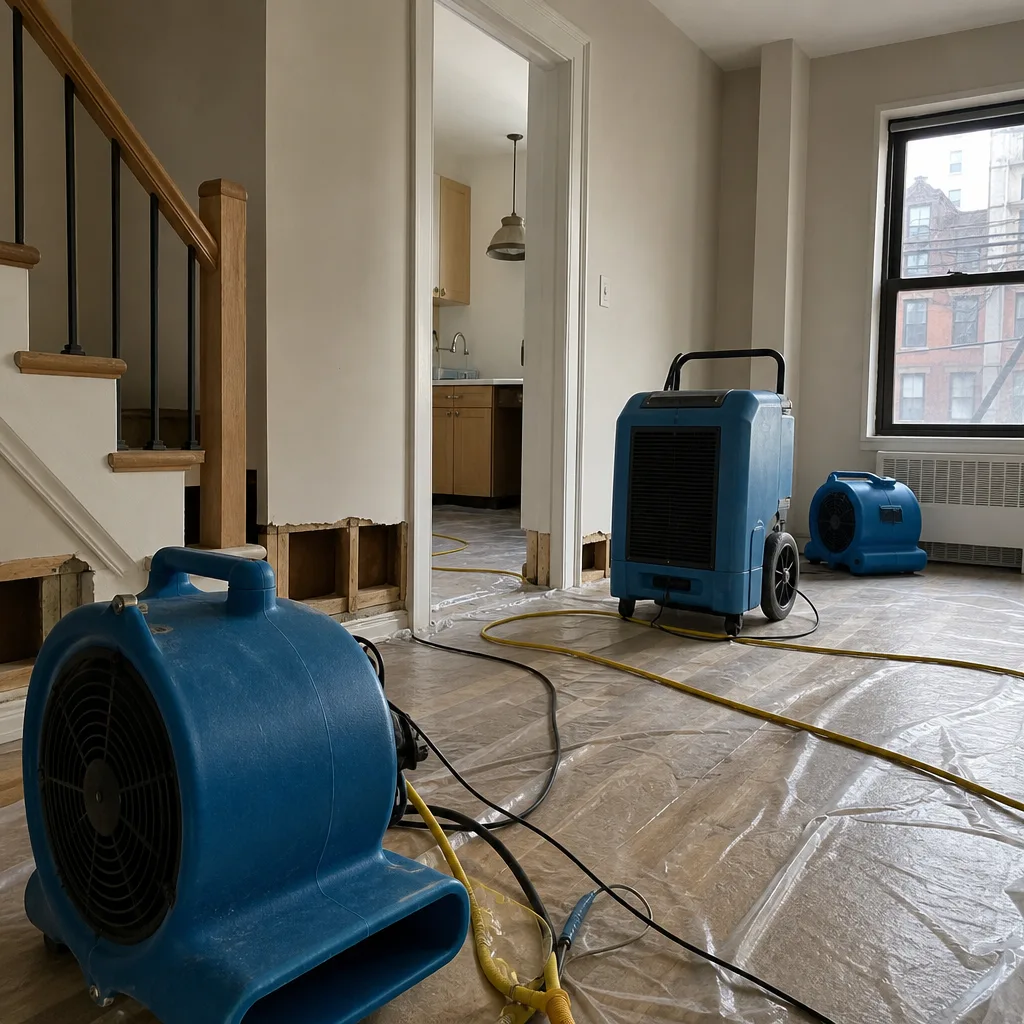 After
After24/7 Emergency Reconstruction & Cleanup in Long Island City
When water, fire, or storm damage hits a Long Island City property, the first call should produce a live person and a crew that actually shows up. We answer the phone at (716) 452-0798 around the clock, every day of the year. A dispatcher, not a recording, takes your call and gets a certified crew moving toward your building. The first hour matters because water from a burst supply line or storm surge keeps traveling through drywall, subflooring, and electrical chases until someone stops it. Our teams serve all of Long Island City, including Hunters Point, Court Square, Dutch Kills, and Queens Plaza, and we arrive ready to extract, contain, and start the scope of work that becomes full Reconstruction & Cleanup. Call now and we’ll be there when we say.
Understanding Reconstruction & Cleanup Severity in Long Island City Properties
Reconstruction & Cleanup work in Long Island City splits into two very different property types, and the severity of any loss follows that split. In converted pre-war lofts and factory warehouses, water damage often saturates century-old wood framing, original hardwood, and lath-and-plaster assemblies that hold moisture far longer than modern gypsum board. We use thermal imaging and moisture meters to map how far water has wicked, because in these buildings it travels laterally through structural timber and hidden cavities. High-rise towers built since 2010 present the opposite problem: a single failed HVAC condensate line or supply pipe on an upper floor sends Category 1 water cascading through stacked units, saturating ceiling assemblies and wall cavities across multiple floors before building management can isolate the riser. Severity in LIC also involves what’s buried: pre-1980 industrial construction frequently contains asbestos pipe insulation, transite panels, and lead-painted surfaces that turn a straightforward dry-out into a regulated abatement job. We identify these conditions early, because finding them after demolition starts is what turns a two-week reconstruction into a two-month hold.
Why Long Island City Property Owners Choose Floodline Restoration Co.
- 45-minute response commitment: When you call (716) 452-0798, we commit to having a crew on the way within 45 minutes for emergency calls anywhere in Long Island City.
- 24/7 live answer: A real person picks up the phone at 2 a.m. Not a recording. Not a callback service.
- IICRC-certified crews: Our technicians hold WRT, FSRT, and AMRT certifications, are background-checked, and arrive in uniform.
- Free visual inspection: Before any work begins, we walk the entire loss area with you and explain what we’re seeing in plain language.
- Direct insurance billing: We document everything from the first hour, bill your carrier directly, and talk to your adjuster so you don’t have to play messenger.
- One team from extraction to reconstruction: The same crew that sets drying equipment is the crew that rebuilds your walls, floors, and finishes. No mid-job handoff, no inherited crew that never saw the original damage.
Our Reconstruction & Cleanup Process
Inspection & Assessment
We start with a full walk-through and moisture mapping using thermal imaging and hygrometers. In LIC’s older buildings, this includes checking for asbestos-containing materials before any wall or floor comes open. You get a written scope, not a verbal estimate.
Extraction & Stabilization
Standing water comes out first, using truck-mounted and portable extraction units. We stabilize the structure by removing saturated materials that cannot be dried and isolating affected areas with containment barriers.
Drying & Dehumidification
We set Dri-Eaz dehumidifiers and XPOWER air movers in a calculated layout based on the moisture map from day one. Daily readings are logged and shared with you and your insurer until the dry standard is met.
Cleaning & Sanitization
Affected surfaces are cleaned and sanitized with professional-grade antimicrobials appropriate to the Category of Water involved. HEPA air scrubbers run where needed to capture airborne particulates.
Contents Restoration & Pack-Out
Furniture, rugs, clothing, and documents are inventoried, packed out where necessary, cleaned, and stored off-site or in a secure on-site container. We work from a photo-documented inventory so nothing goes missing.
Repairs & Restoration
Drywall, flooring, trim, paint, and cabinetry are rebuilt to pre-loss condition or better. In converted lofts, this includes matching historic plaster profiles and hardwood species where possible. Final moisture readings confirm the job is done before we hand you the log.
Need Emergency Reconstruction & Cleanup in Long Island City Now?
Crews minutes away, answering live 24 hours a day. The sooner we start, the less it costs.
Working With Your Insurance Company
Insurance claims in Long Island City involve a specific set of questions: what Category of Water is involved, whether asbestos abatement is required, whether wind-ratings apply to a door replacement, and what the building’s master policy covers versus your unit policy. We handle that conversation directly. From the first hour, we photograph every affected area room by room, log moisture readings daily, and build a line-item scope using industry-standard estimating software that adjusters recognize. We send documentation straight to your carrier and speak with your adjuster ourselves, so you’re not the one translating a drying log over the phone. For condo and co-op owners in LIC’s high-rises, we coordinate with building management and the building’s insurer as well, because a pipe break on the 25th floor is rarely a one-unit claim.
What We Provide Your Insurer
- Thorough documentation of the loss
- Photos of all damage, room by room
- Moisture readings and drying logs
- A detailed, line-item scope of work
- Direct coordination with your carrier
Built for Long Island City’s Loss Calendar
Long Island City’s position on the East River waterfront shapes its entire loss calendar. From November through March, hard freezes burst supply lines in older buildings along Vernon Boulevard and 44th Drive where original piping runs through uninsulated exterior walls. The spring thaw brings basement seepage to the low-lying blocks near Newtown Creek and the Hunters Point waterfront, where a high water table pushes groundwater through foundation cracks and cove joints. Summer brings convective thunderstorms that overwhelm rooftop drains on converted factory buildings, sending water down through multiple floors in minutes. And hurricane season through late fall delivers the storm-surge risk that made Sandy a defining event for this neighborhood, when East River water pushed inland and filled basements and ground-floor spaces across the flood zone. Every one of these events lands as a Reconstruction & Cleanup in Long Island City job, and every one is easier to handle when the response starts the same day.
Reconstruction & Cleanup Across Long Island City’s Neighborhoods
Hunters Point, the waterfront corridor from approximately 44th Drive north to 50th Avenue, carries the neighborhood’s highest concentration of converted pre-war lofts and new condo towers. We respond to supply-line breaks and storm-surge flooding here, where basement parking garages and ground-floor commercial spaces sit at or below the East River’s flood elevation. Court Square, centered around the 7 train station and the old Long Island Savings Bank tower, mixes century-old office conversions with newer residential high-rises, and its losses tend to be HVAC condensate failures and riser leaks that track through stacked units. Dutch Kills, the northern section approaching the Sunnyside Yards and Newtown Creek, holds some of the oldest industrial stock in the neighborhood, where we routinely encounter asbestos transite panels and pipe insulation behind water-damaged walls. Queens Plaza, the busy transit hub around the Queensboro Bridge approach, brings a different set of losses: water intrusion into below-grade commercial spaces and post-construction cleanup after interior build-outs. Each area has its own building DNA, and our crews know what they’ll find before they open a wall.
Specialized Reconstruction & Cleanup Services We Offer in Long Island City
Full-Service Reconstruction
We rebuild what water, fire, or storm damage destroys, from structural framing to finish paint. In LIC’s converted lofts, that means matching old-growth hardwood, replicating plaster wall profiles, and respecting original architectural details. In newer towers, it means working within building management requirements for noise, freight elevator bookings, and insurance certificates. One crew, one scope, one written guarantee.
Contents Restoration & Pack-Out
When a Hunters Point loft floods, the contents are often as valuable as the walls around them. We inventory everything, photograph it, pack out what needs off-site cleaning, and restore furniture, rugs, artwork, and documents. In a high-rise cascade, we coordinate pack-out across multiple affected units so building management knows exactly what left each apartment and when it comes back.
Drywall & Flooring Repair
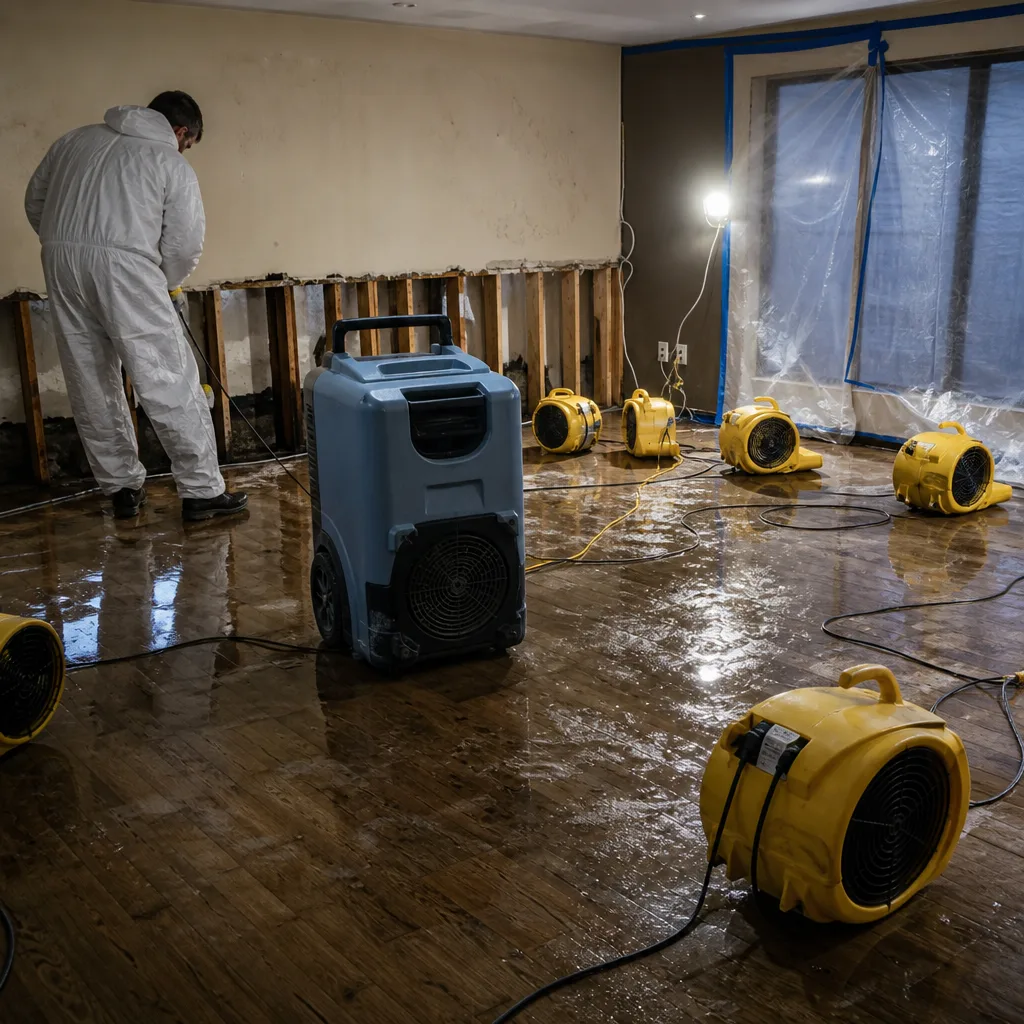
Saturated drywall and buckled hardwood don’t fix themselves, and in LIC’s older buildings they often conceal asbestos tile or transite beneath. We handle the abatement hold, the demolition, the subfloor drying, and the replacement flooring, all under one scope and one warranty. No separate abatement contractor, no separate flooring crew.
Carpet & Upholstery Cleaning
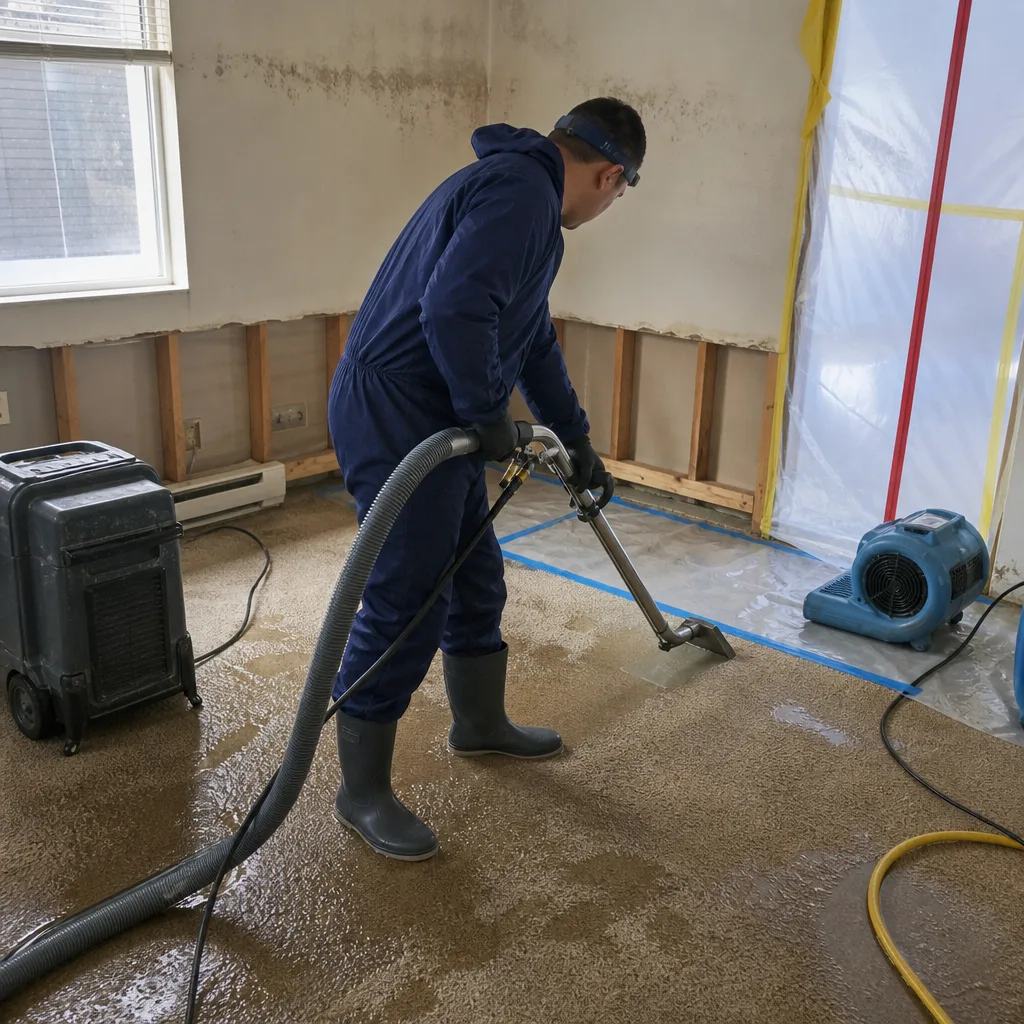
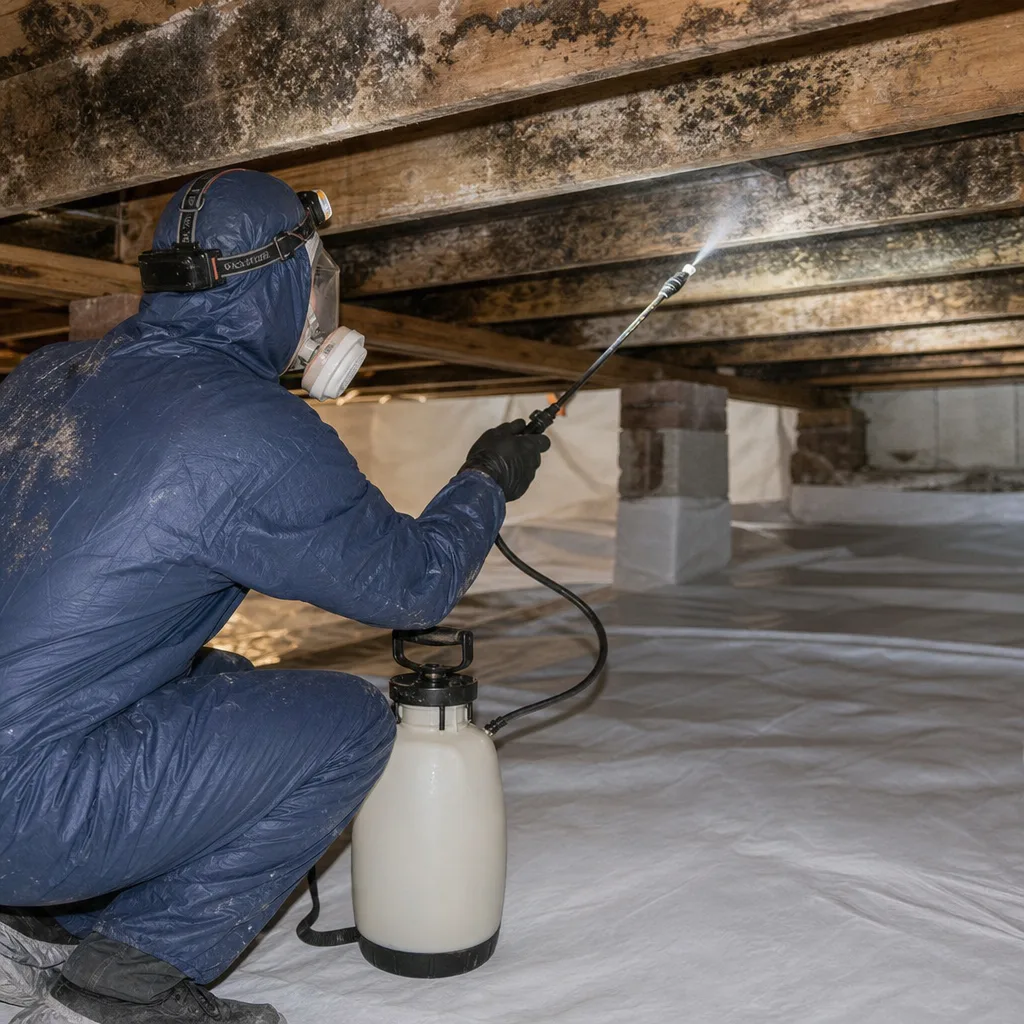
Post-loss carpeting and upholstery need professional-grade cleaning when they’re salvageable at all. We use hot-water extraction and appropriate antimicrobial treatments, and we tell you honestly when a carpet isn’t worth saving. No upsell, just a square deal.
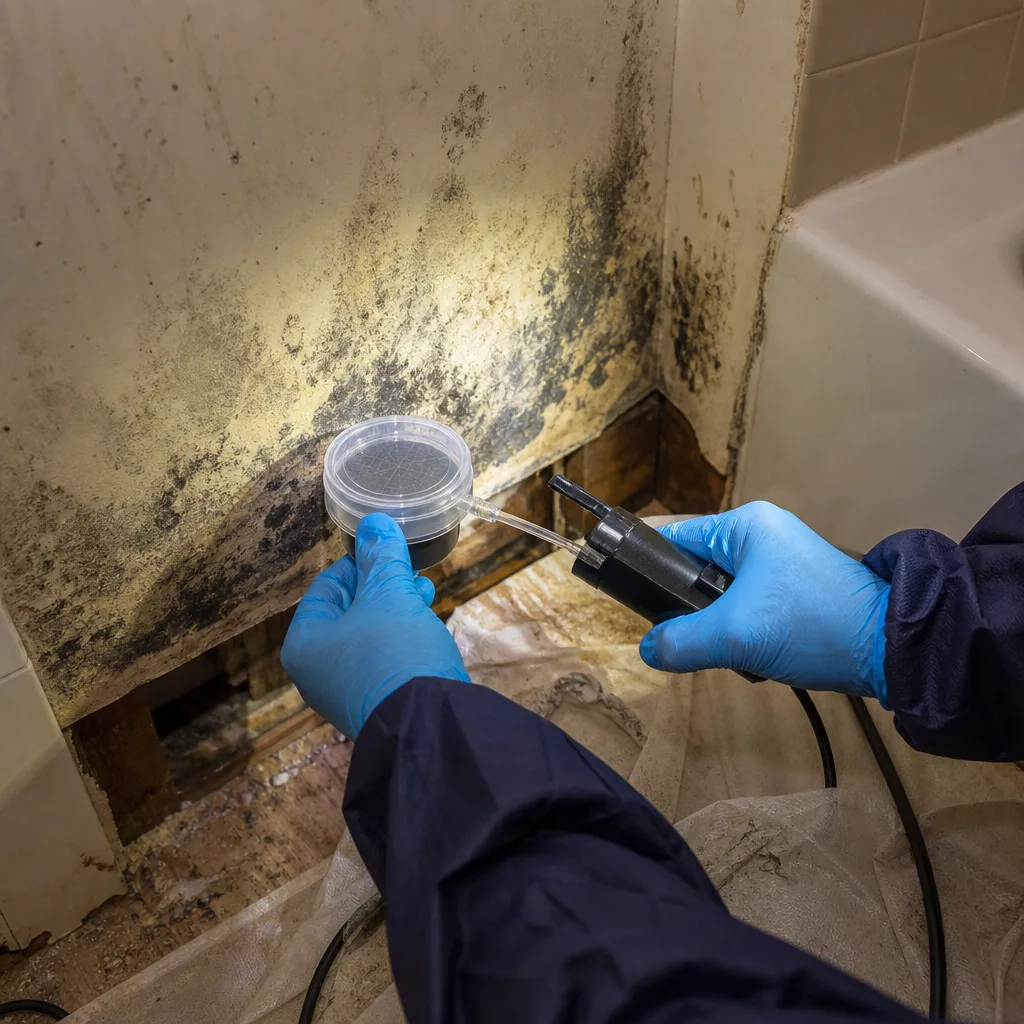
Post-Construction Cleanup
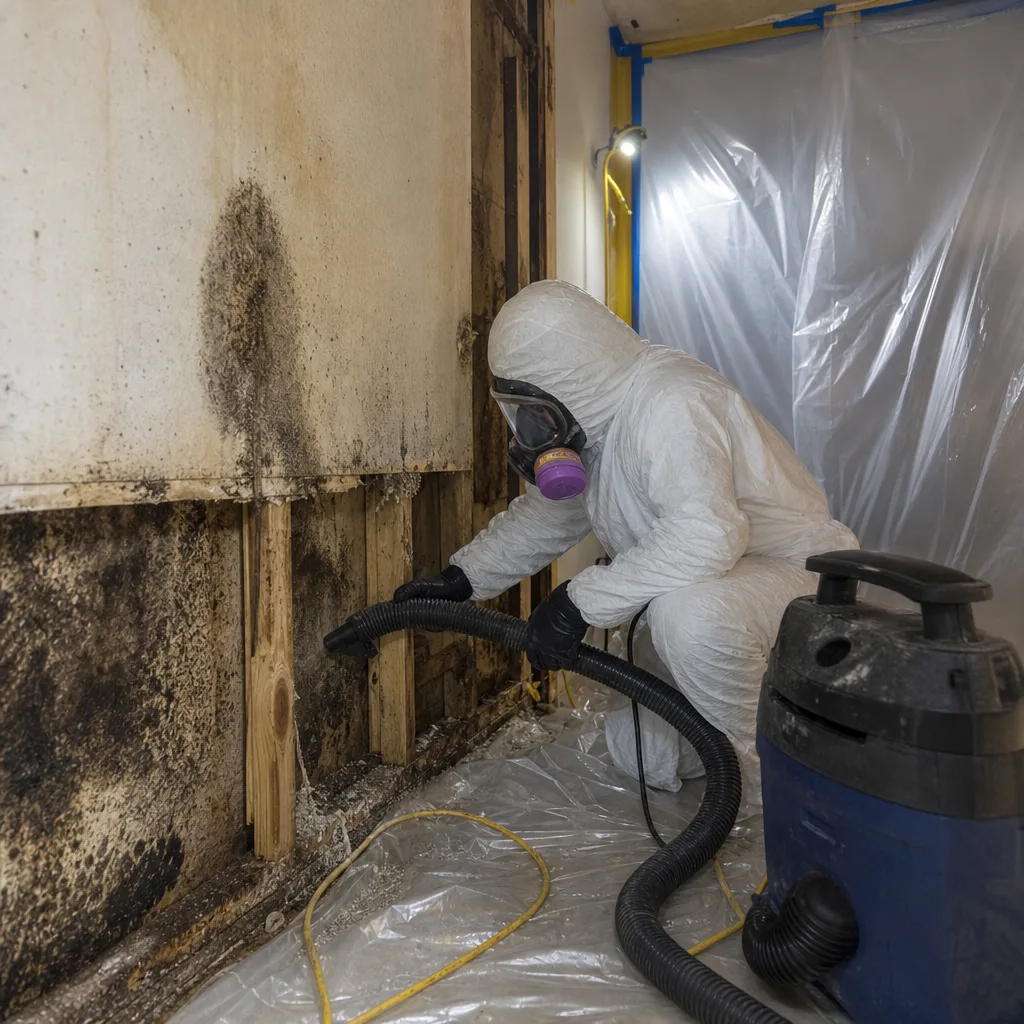
After reconstruction, the dust and debris that remain inside ductwork, behind trim, and on every surface is a job of its own. We run HEPA air scrubbers, wipe every surface, and leave the property ready to live in, not “almost done.” This is the final phase of a job done right.
What happens when you call
- 1
A real person answersNo phone trees - you reach a local pro.
- 2
You get an upfront price rangeHonest numbers before anyone is dispatched.
- 3
A background-checked tech heads outLicensed & insured, dispatched right away.
- 4
You approve before work beginsNothing starts until you say go.
Reconstruction & Cleanup Costs in Long Island City, NY
Reconstruction & Cleanup pricing in Long Island City runs higher than the Queens average, and there’s a direct reason: the neighborhood’s building stock. A straightforward Category 1 dry-out in a modern tower unit typically runs $2,500-$6,000 for extraction, drying, and minor repairs. Add walls and flooring in a converted loft and you’re realistically at $12,000-$35,000. The wild card is asbestos: if demolition uncovers asbestos-containing tile or transite, the abatement hold adds $3,000-$12,000 and several days of schedule before drying equipment can even run. High-rise cascade losses vary enormously depending on how many units and common areas are involved; a multi-floor HVAC leak can reach $50,000-$150,000 once common-area reconstruction and building-system repairs are factored in. Insurance covers the vast majority of these costs when the loss is sudden and accidental. The free inspection is how you find out which path you’re on before committing to anything. Call (716) 452-0798 and we’ll tell you straight.
We Also Serve Cities Near Long Island City
Our crews respond daily across western Queens, including Astoria, Maspeth, Jackson Heights, and Elmhurst. The same 45-minute response commitment and 90-Day Done Right Promise apply everywhere we go.
Serving Long Island City, NY - Our Local Coverage Area
We’re based in the Long Island City area and know this community well. Use the map below to see our service coverage - if you’re nearby, we can almost certainly help.
Long Island City Reconstruction & Cleanup Questions, Answered
Why does reconstruction in a Long Island City converted loft often stop before drying equipment is set?
Because demolition frequently uncovers asbestos-containing floor tiles, transite ceiling panels, or pipe insulation from the building’s industrial era. When our crews find these materials, work pauses for a licensed abatement hold before any air movers or dehumidifiers go in. That’s not a delay we create; it’s a legal and safety requirement for pre-1980 construction, and it’s exactly why we run a hazmat survey before opening walls whenever the building’s age suggests possible asbestos. Call (716) 452-0798 if you suspect your loft has these conditions.
What wind-rating should I require for a replacement door in Hunters Point, Long Island City?
Hunters Point sits inside FEMA’s high-risk flood zones along the East River, and replacement doors on ground-level and below-grade entries should meet wind-load ratings of at least 90 mph, with impact-rated glazing where required by the New York City Building Code. We specify and install doors that satisfy both the current code and your building’s insurance requirements. A standard residential door from a home center won’t pass review in this neighborhood.
My upstairs neighbor’s pipe burst in a high-rise LIC tower. How do you stop water from damaging my unit too?
A single supply-line or HVAC failure in a 30-to-50-story tower sends water through floor assemblies, wall cavities, and electrical chases into the units below. We coordinate with building management to shut the riser, then set containment and drying equipment across every affected floor, not just the unit where the leak started. Daily moisture readings across stacked units tell us when the migration has actually stopped. If you’re seeing water from above, call us immediately at (716) 452-0798.
Does my insurance claim for a flooded Hunters Point basement need a Category of Water determination?
Yes. A Category of Water determination, made using the IICRC’s classification system, tells your carrier whether the water is clean (Category 1), contaminated (Category 2), or grossly unsanitary (Category 3). Coastal surge water from the East River is Category 3, and that changes the entire scope: more demolition, more antimicrobial treatment, and more documentation. We provide the written determination as part of our claim package.
Can you pack out and restore contents from a flooded Court Square loft without removing them from the building?
In many cases, yes. We secure an on-site container or a dedicated room inside the building, establish a monitored contents-restoration area, and process furniture, rugs, clothing, and documents there. Off-site storage and cleaning only becomes necessary when the building has no secure space or when large furnishing inventory requires climate-controlled processing. We’ll tell you which path applies after the walk-through.
How fast can you actually get to Long Island City for a reconstruction emergency?
We commit to having a crew dispatched within 45 minutes of your call, and in LIC that typically means on-site within the hour. Our dispatch serves the neighborhood directly, and a live person is on the phone at any hour of any day. Call (716) 452-0798 and you’ll hear a human voice, not a menu.
What’s the difference between cleanup and full reconstruction?
Cleanup removes water, debris, and contamination and returns the structure to a stable, dry condition. Reconstruction rebuilds what had to come out: walls, floors, ceilings, trim, paint, and cabinetry. In Long Island City, the two phases are inseparable because the same crew should handle both; a separate demolition contractor who hands off to a separate builder is how scopes get lost and bills get padded. We do both under one written scope.
What should I do in the first 30 minutes after water damage in my Long Island City property?
Shut off the water source if you can locate it safely, kill power to affected areas, and call us at (716) 452-0798. Move small valuables and papers to a dry area, but don’t attempt to pull up carpet or cut into walls yourself, especially in LIC’s older buildings where asbestos may be present. Take photos for your insurer, then let our crew take over.
Written by Curt Bowman, Owner at Floodline Restoration Co., serving Long Island City and the surrounding Queens waterfront communities. Floodline handles extraction, drying, and rebuild with one certified crew and a 90-Day Done Right Promise in writing.