
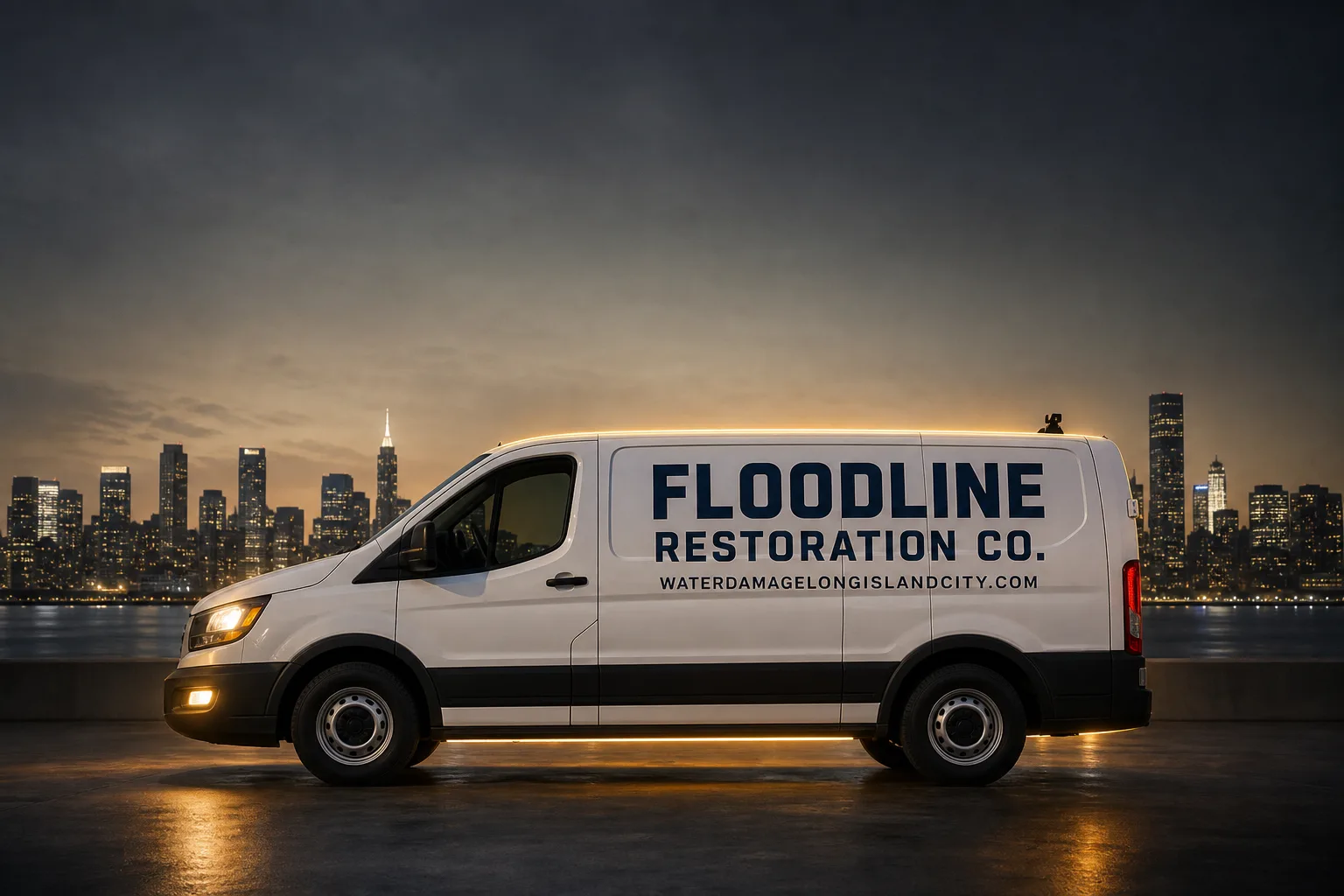
Free visual inspection and a written scope of work before any mitigation begins - photos, moisture readings, and drying logs go in your claim file
The scope we write is the scope we bill. Anything new gets shown to you, in writing, before we touch it.
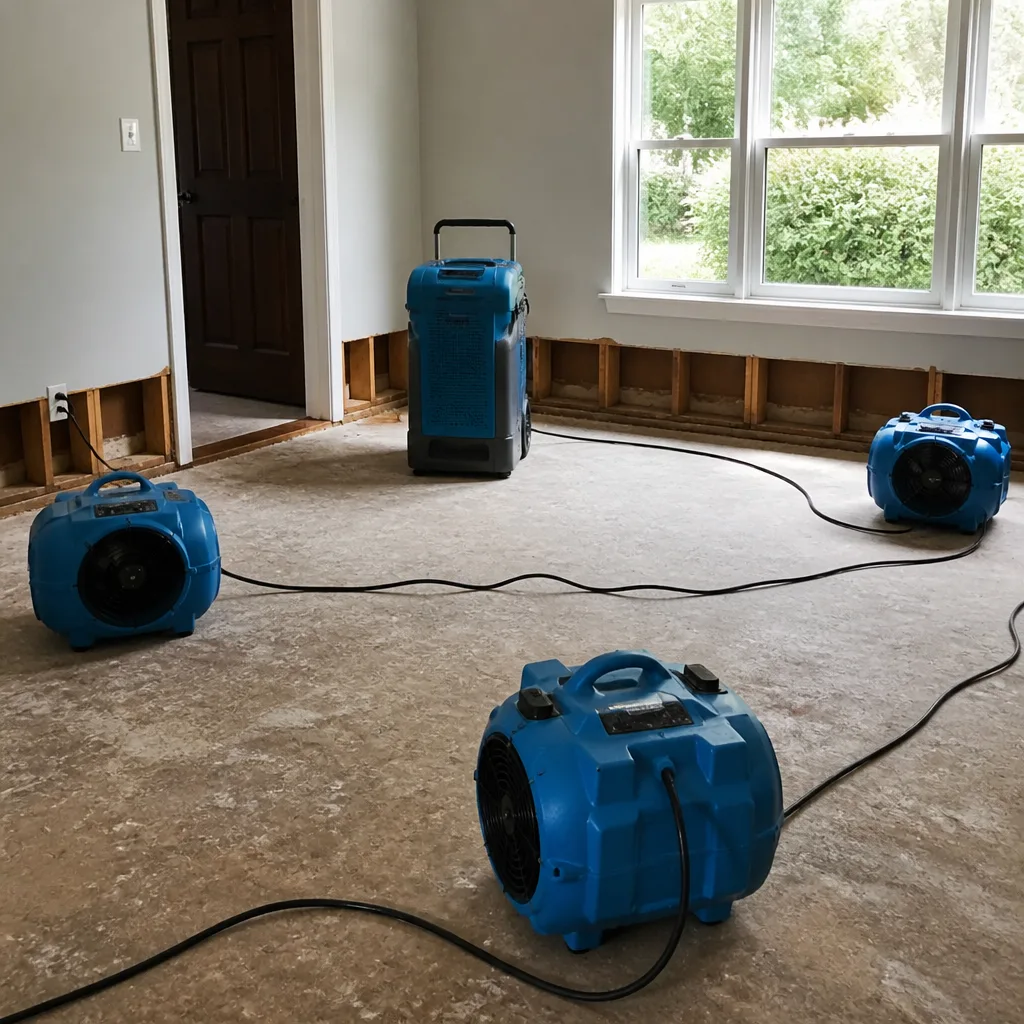
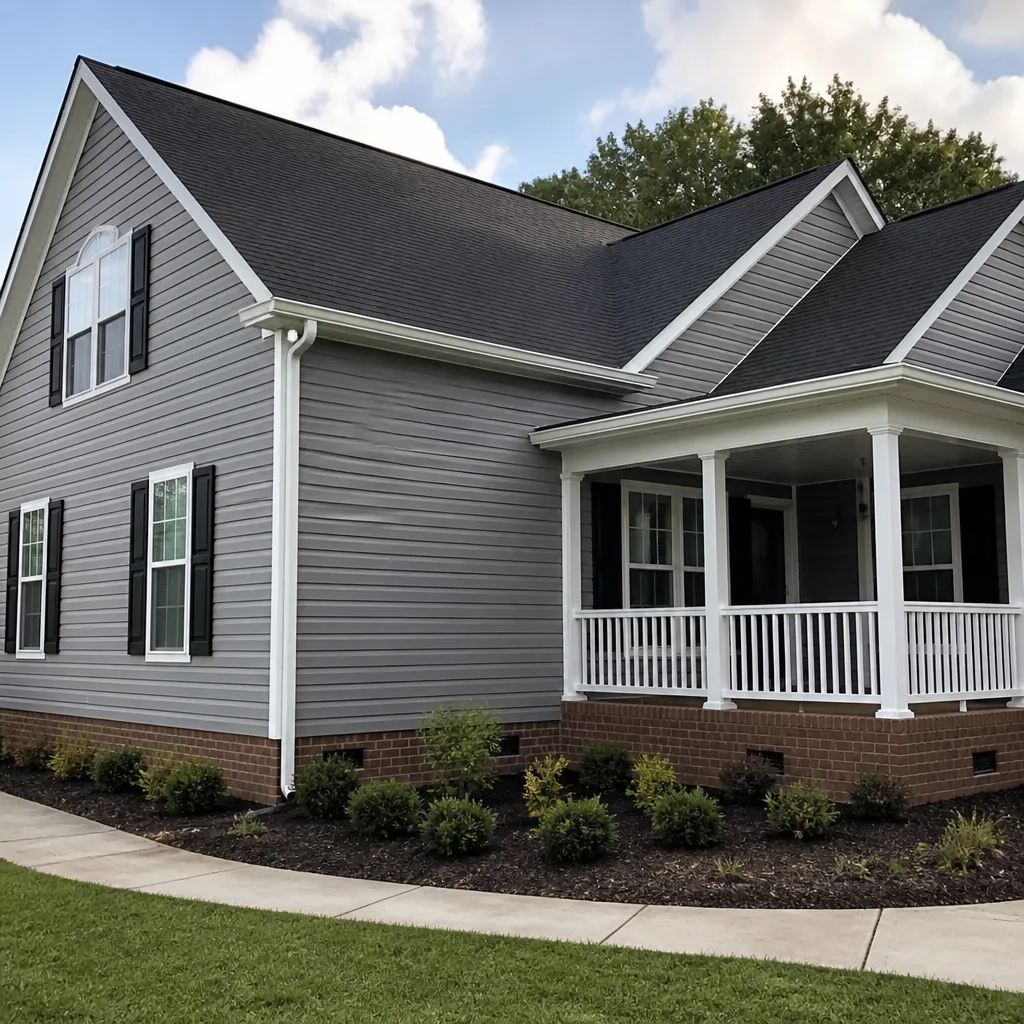
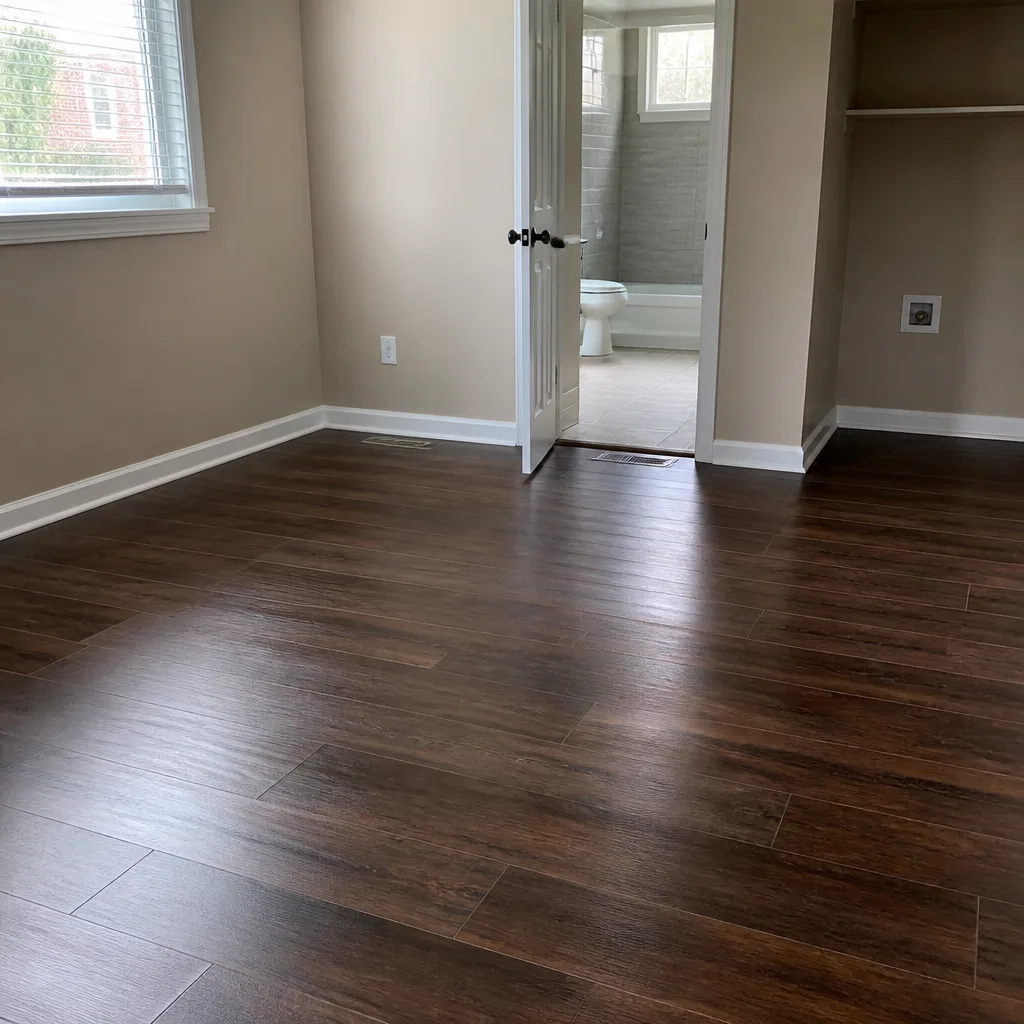
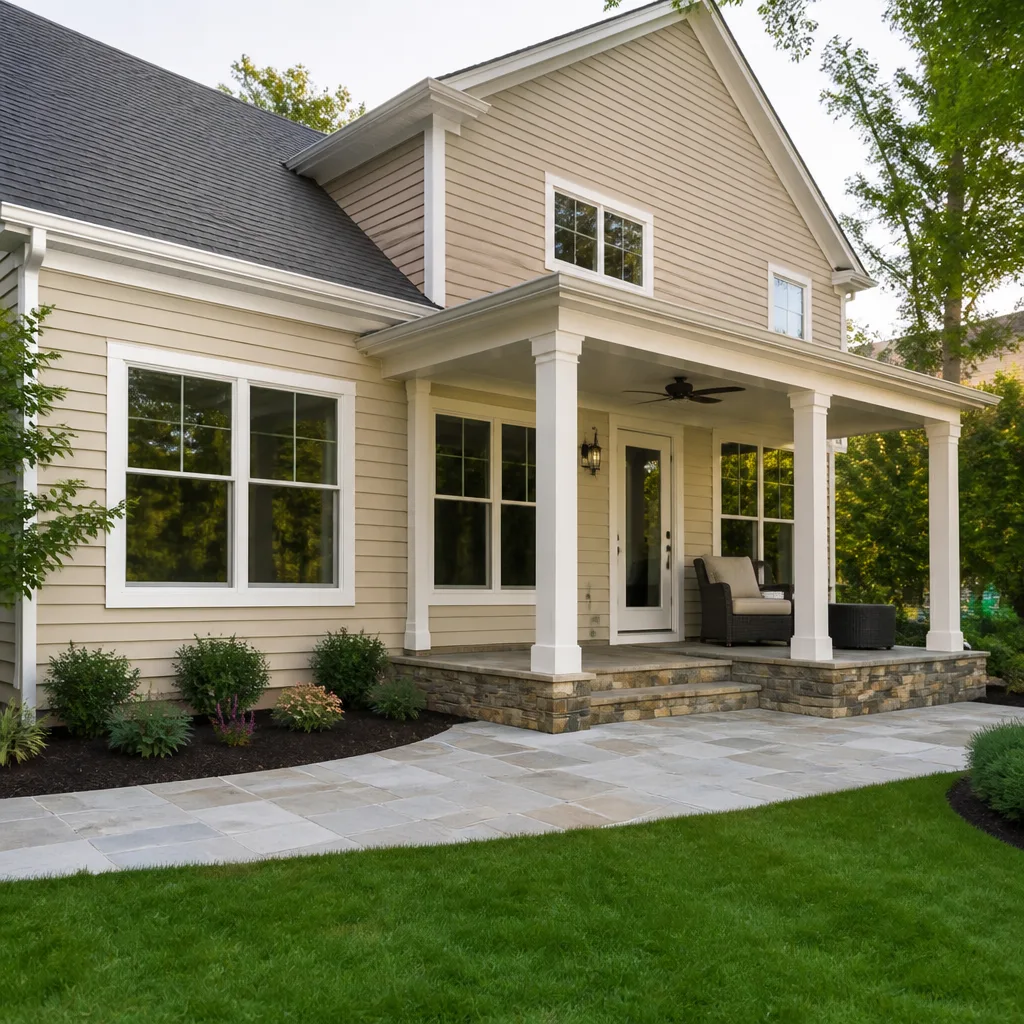
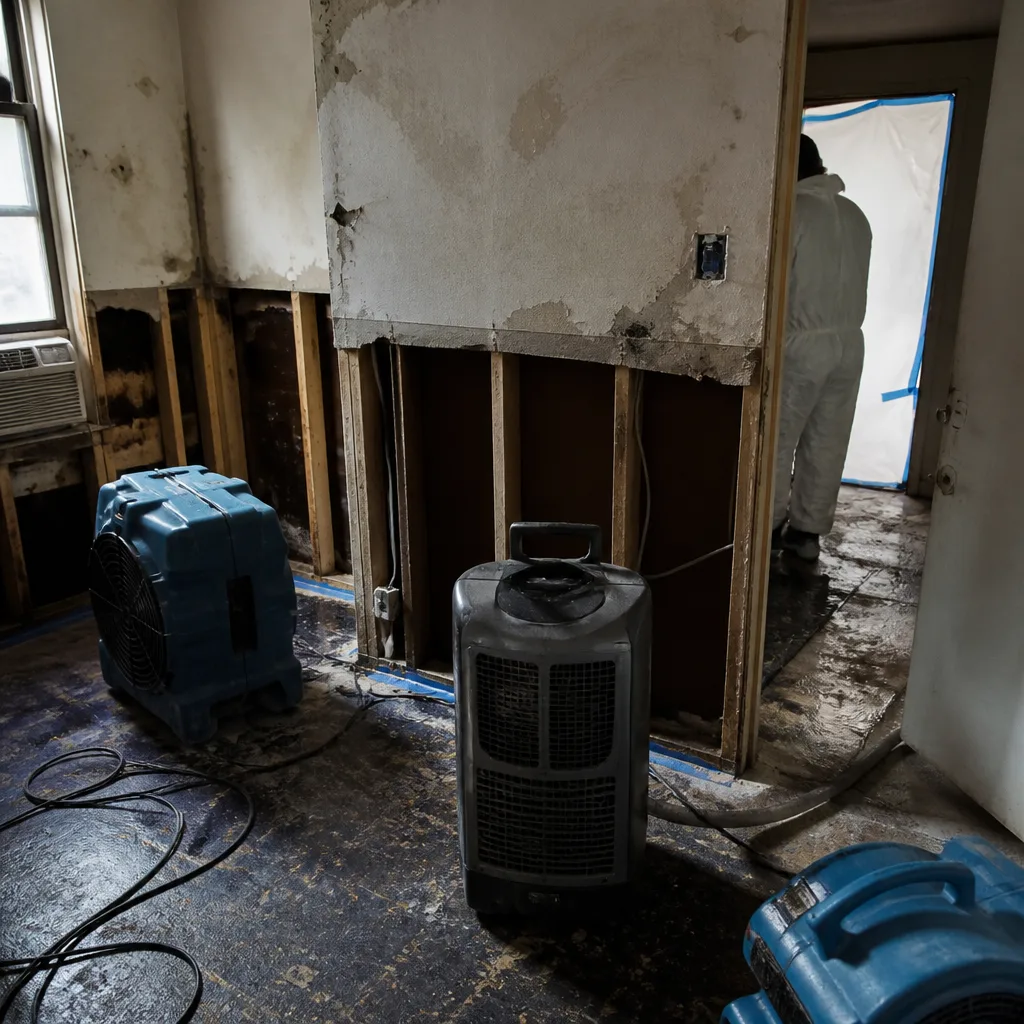 Before
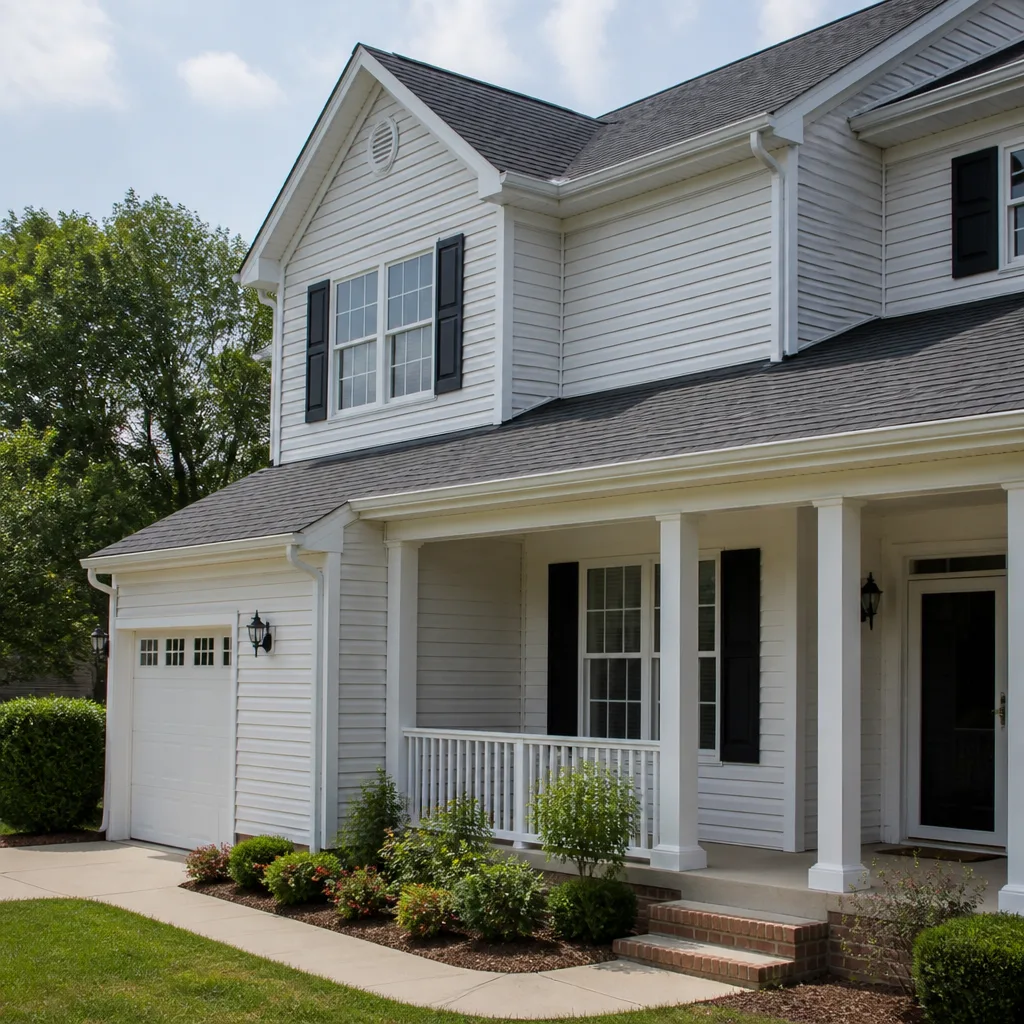
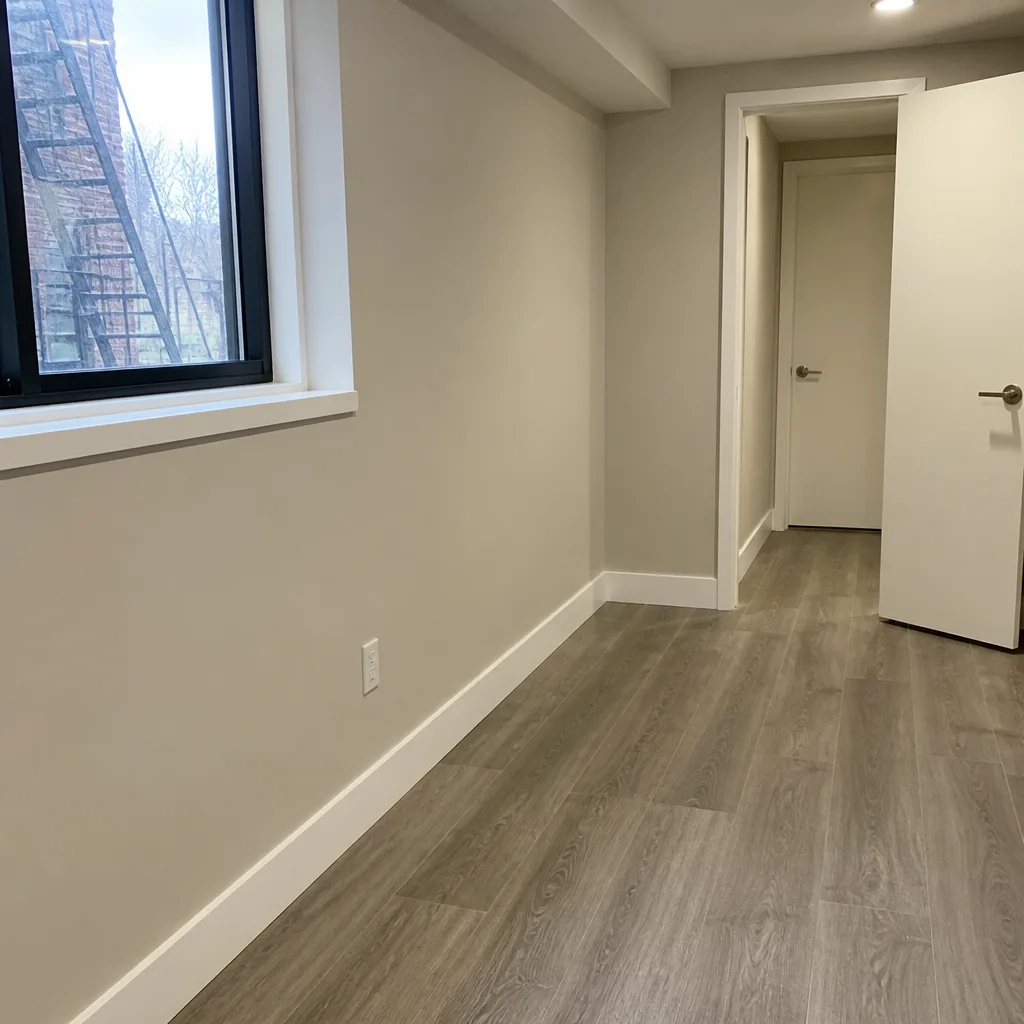 After
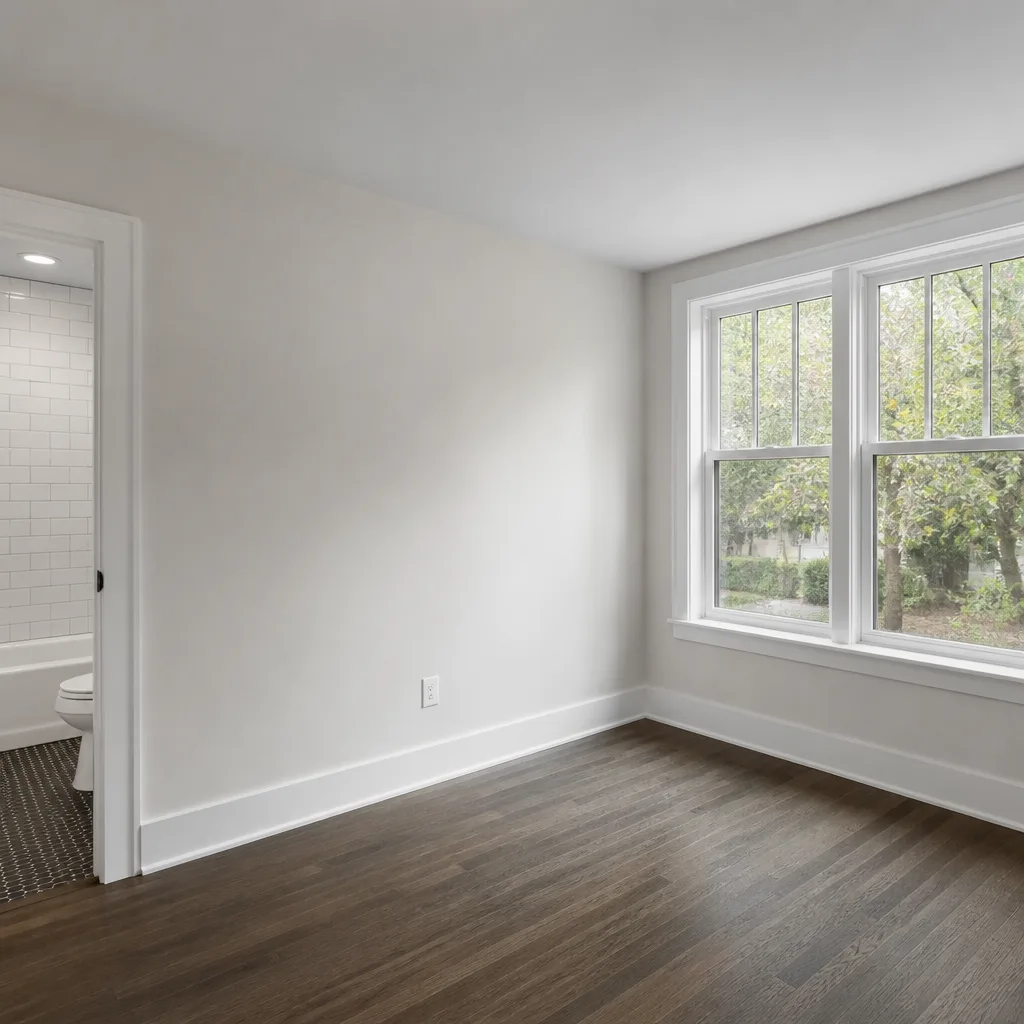
After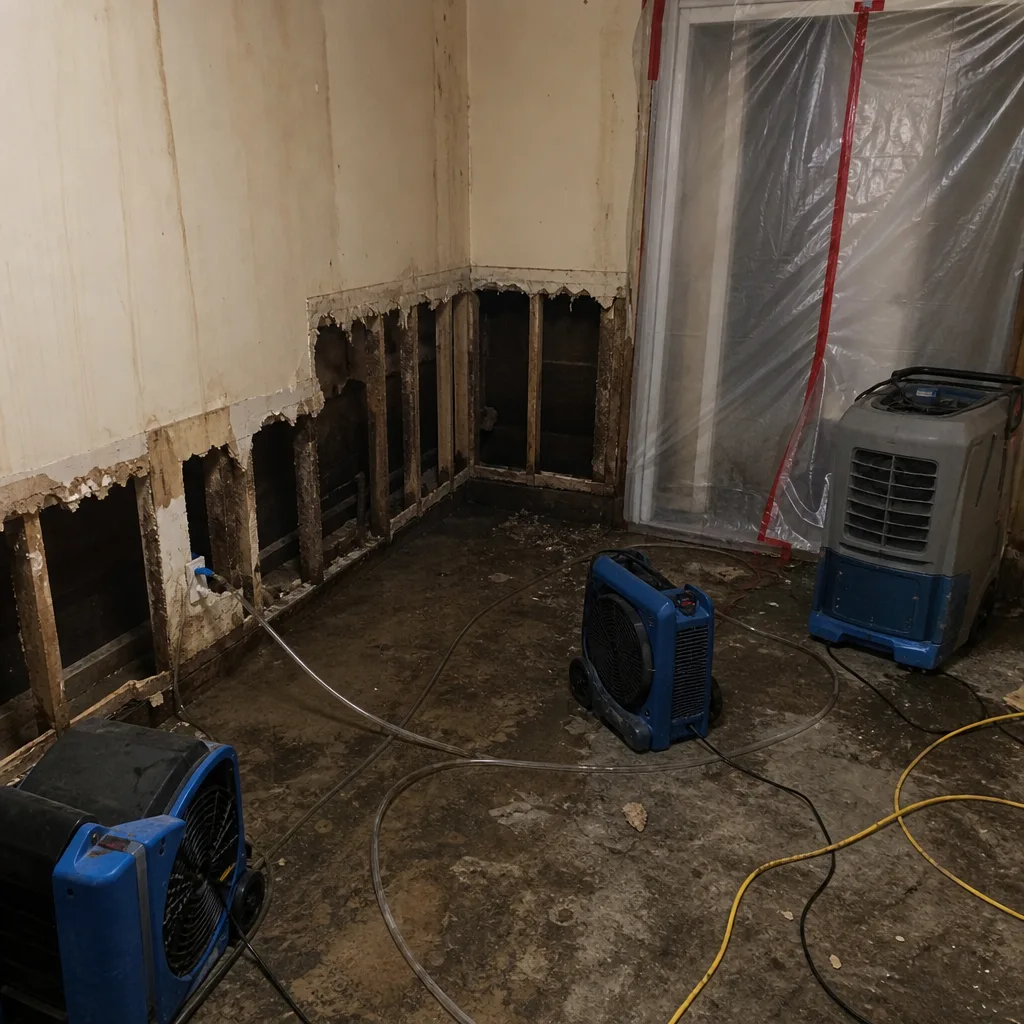 Before
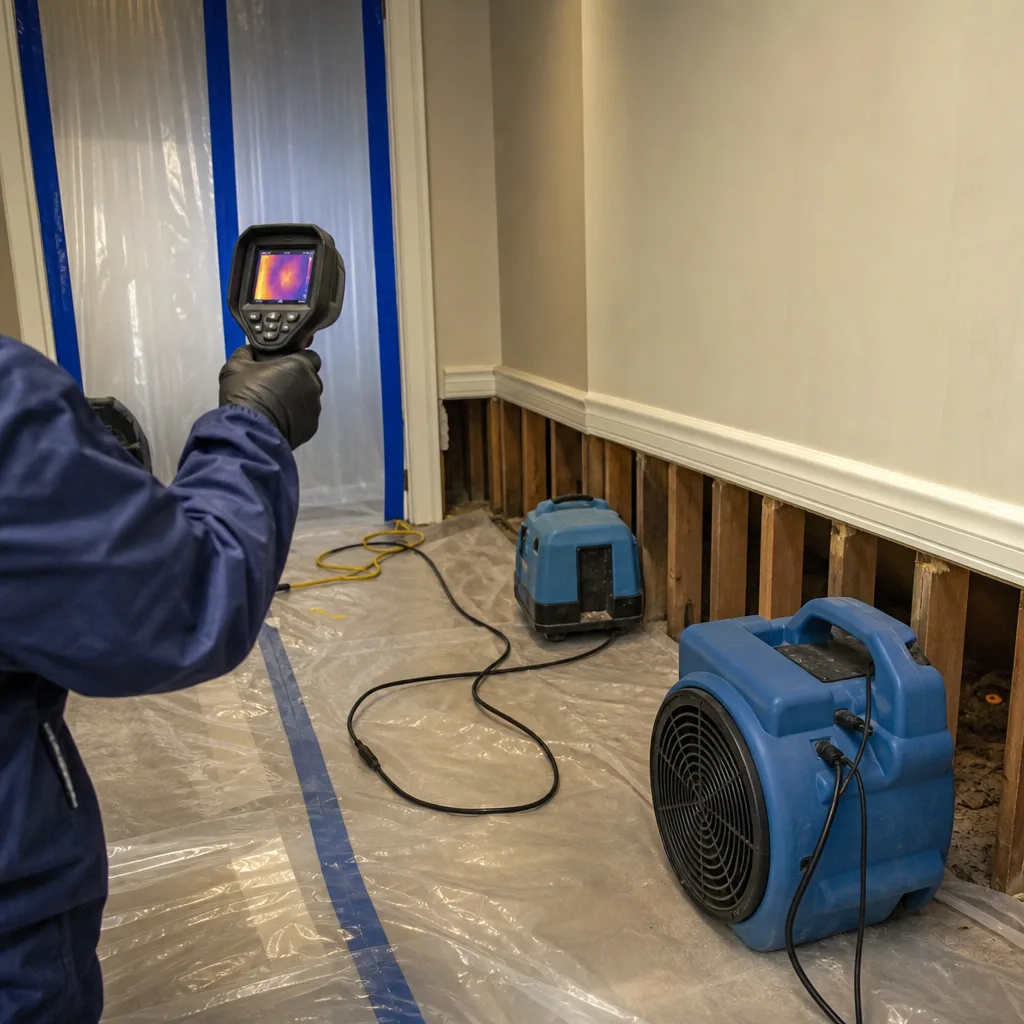 After
After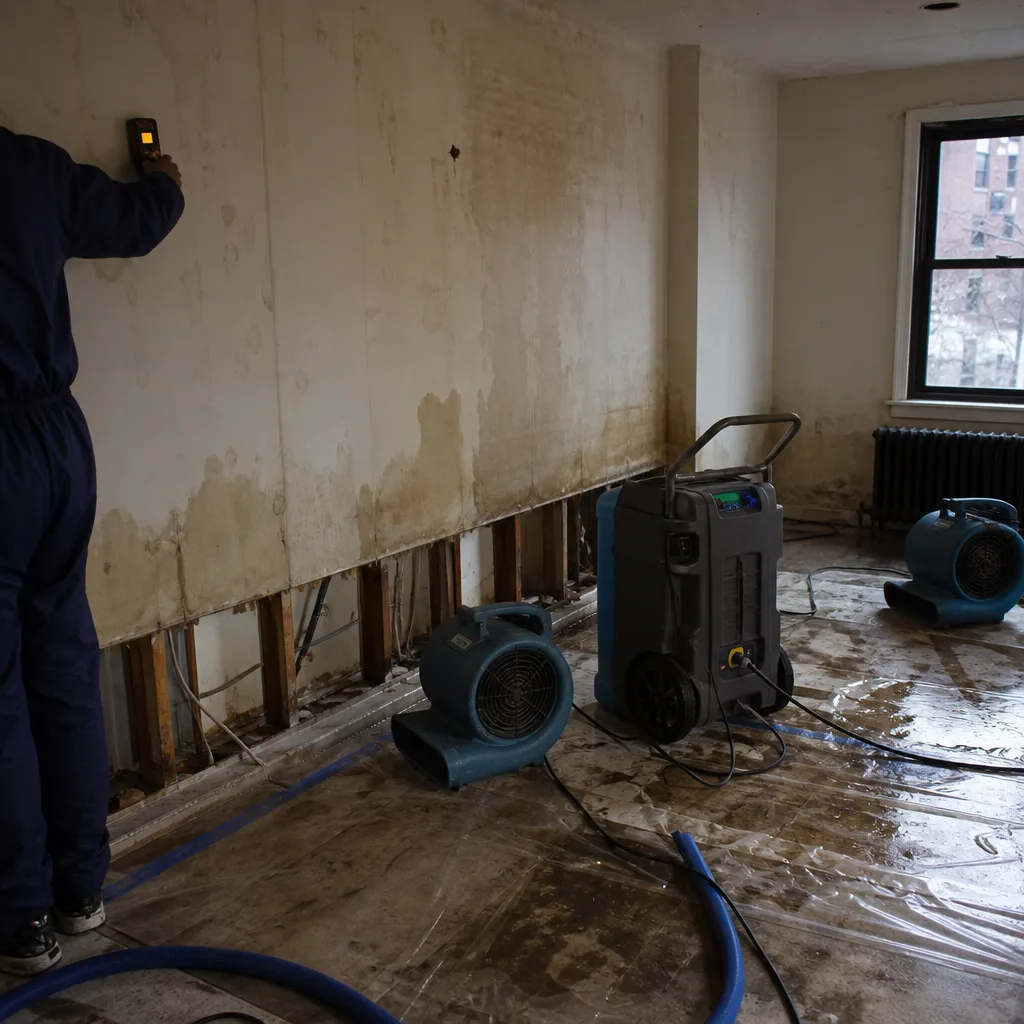 Before
 After
After24/7 Emergency Reconstruction & Cleanup in Upper East Side
A burst steam riser in a 1920s Park Avenue co-op can put Category 2 water through three floors of original plaster before the building super even gets the valve shut. When that happens in Upper East Side, you need a crew that understands prewar construction, co-op board requirements, and the difference between a patch job and a restoration that gets approved. Floodline Restoration Co. answers live 24 hours a day, every day. Call (716) 452-0798 and a real dispatcher picks up, not a recording. We’ll have a certified crew at your Upper East Side address the same visit, starting extraction before the water migrates any further into the plaster-and-lath walls.
Understanding Reconstruction & Cleanup Severity in Upper East Side Properties
Reconstruction & Cleanup on the Upper East Side is not a drywall-and-paint job. It is a matching-and-approval job. Every project from a small kitchen leak to a full floor remediation in a 10-to-20-story prewar limestone or brick co-op tower involves three things that contractors from other boroughs routinely underestimate. First, Category 2 and Category 3 water events in cast iron drain stacks and aging steam-heat distribution lines move fast through plaster-and-lath assemblies and settle into subfloor voids. Second, moisture mapping and structural drying must be documented to the dry standard with daily hygrometer readings, because co-op boards and carriers both demand a paper trail before any rebuild begins. Third, the finish work is the slow part. Matching egg-and-dart cornice, plaster ceiling medallions, hand-laid herringbone parquet, and custom millwork requires specialty tradespeople who work on this housing stock.
We see this every week in Upper East Side. A garden apartment in Yorkville backs up from the cast iron sewer line. A steam riser fails on the 14th floor and cascades through original horsehair plaster ceilings. A 1920s townhouse on a side street takes groundwater through a basement party wall during a spring thaw. The severity is rarely about how much water hit the floor. It is about how many original finishes it touched, how many units share liability, and how long the co-op board approval process takes before a wall can legally be opened.
Why Upper East Side Property Owners Choose Floodline Restoration Co.
Most of our Upper East Side work comes from referrals between co-op owners, board presidents, and building supers. That word-of-mouth trust matters to us, and it is earned one job at a time. Here is what you get when you call:
- 45-minute response commitment for emergencies. We dispatch immediately after your call, and a live person tracks that crew until they reach your Upper East Side door.
- 24/7 live answer, every time. No answering service, no callback queue. At 2 a.m. a real dispatcher picks up the phone and starts the process.
- IICRC-certified crews. Our technicians hold WRT, FSRT, and AMRT certifications and have worked inside UES prewar buildings, not just newer construction.
- Free visual inspection with a written scope before work starts. You and your co-op board see exactly what we are doing, in what order, and for how much. No surprises, no unapproved demolition.
- Direct insurance billing. We bill the carrier directly and document everything from the first moisture map to the final line item so you are not stuck playing courier.
- One team from extraction to final coat of paint. No mid-job handoff, no inherited crew that never saw the original damage. The same Floodline crew that reads the moisture map on day one rebuilds what needs rebuilding.
Our Reconstruction & Cleanup Process
Inspection & Assessment
We inspect the source of the loss, map the affected area, and identify what is original finish material versus what has been previously repaired or replaced. In Upper East Side co-ops this step includes documenting what needs board review before any wall or floor is touched.
Extraction & Stabilization
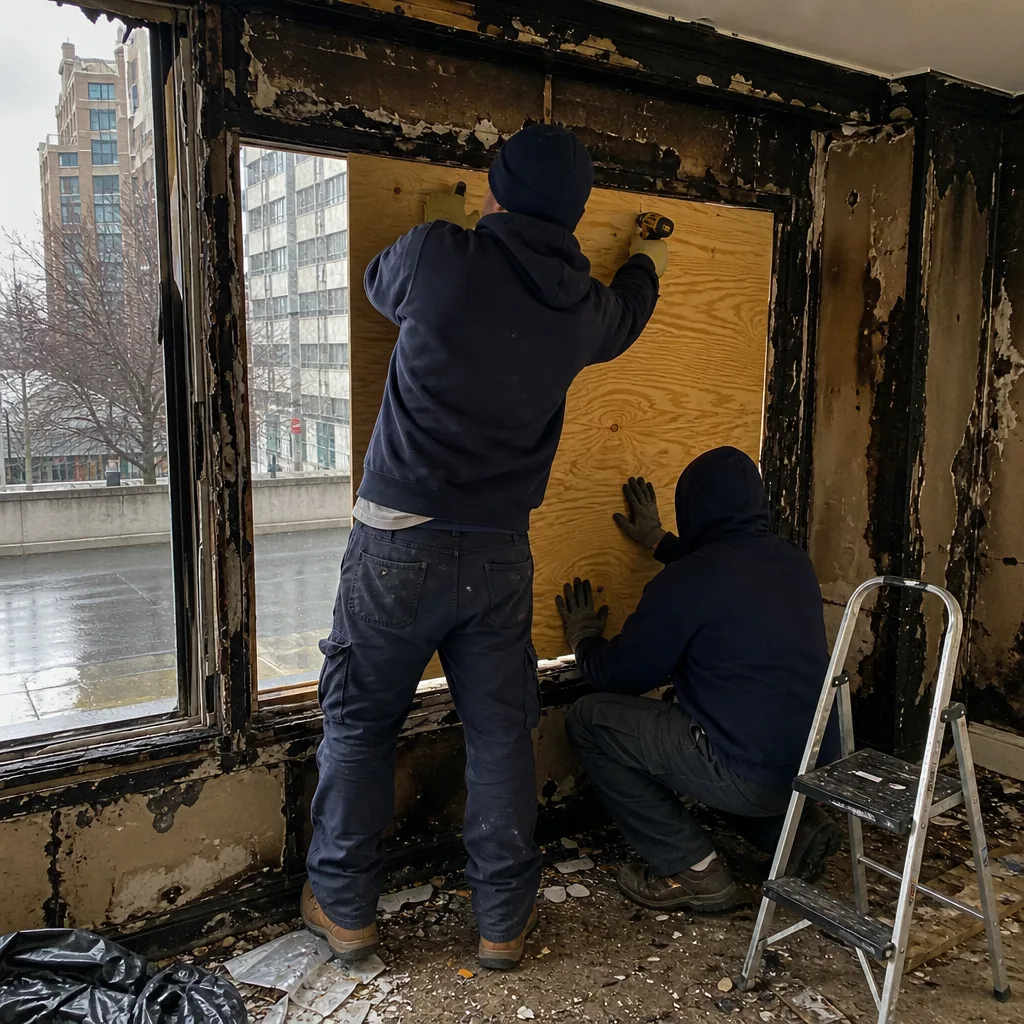
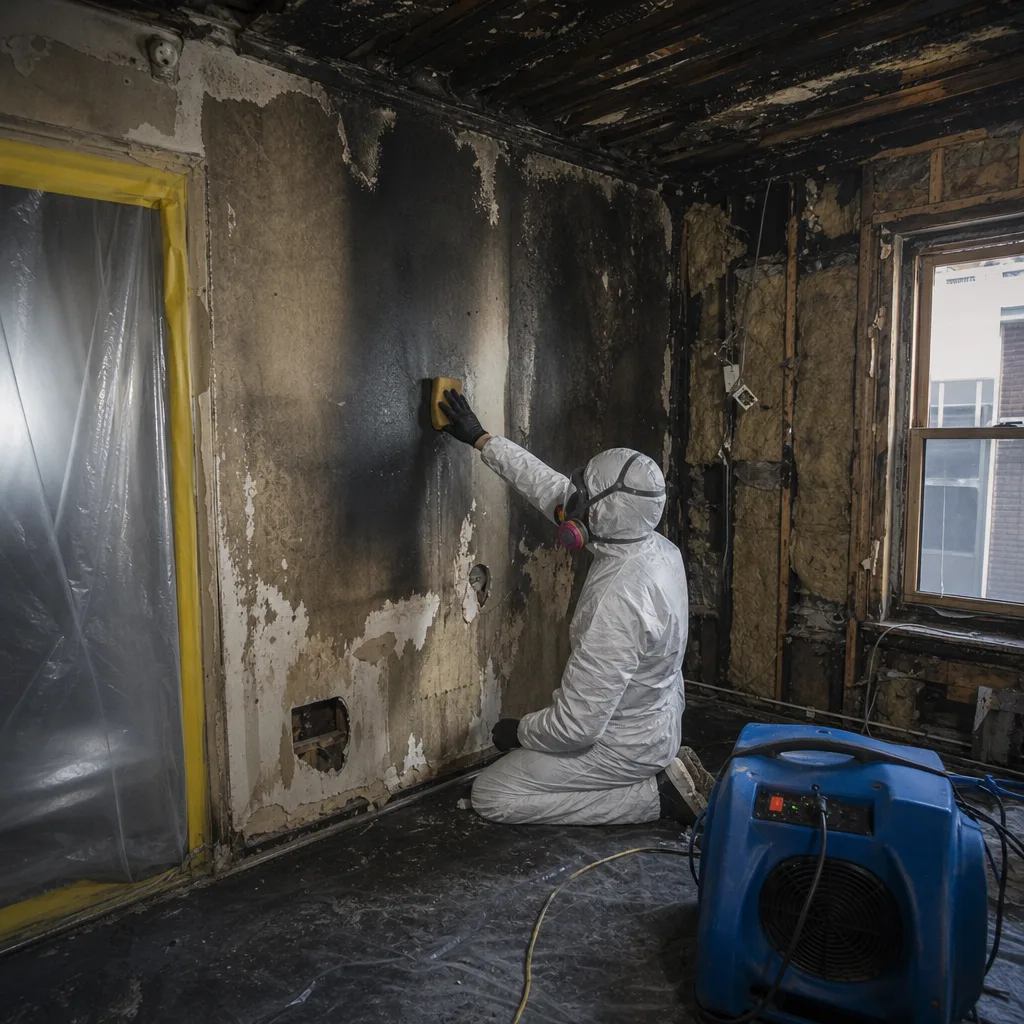
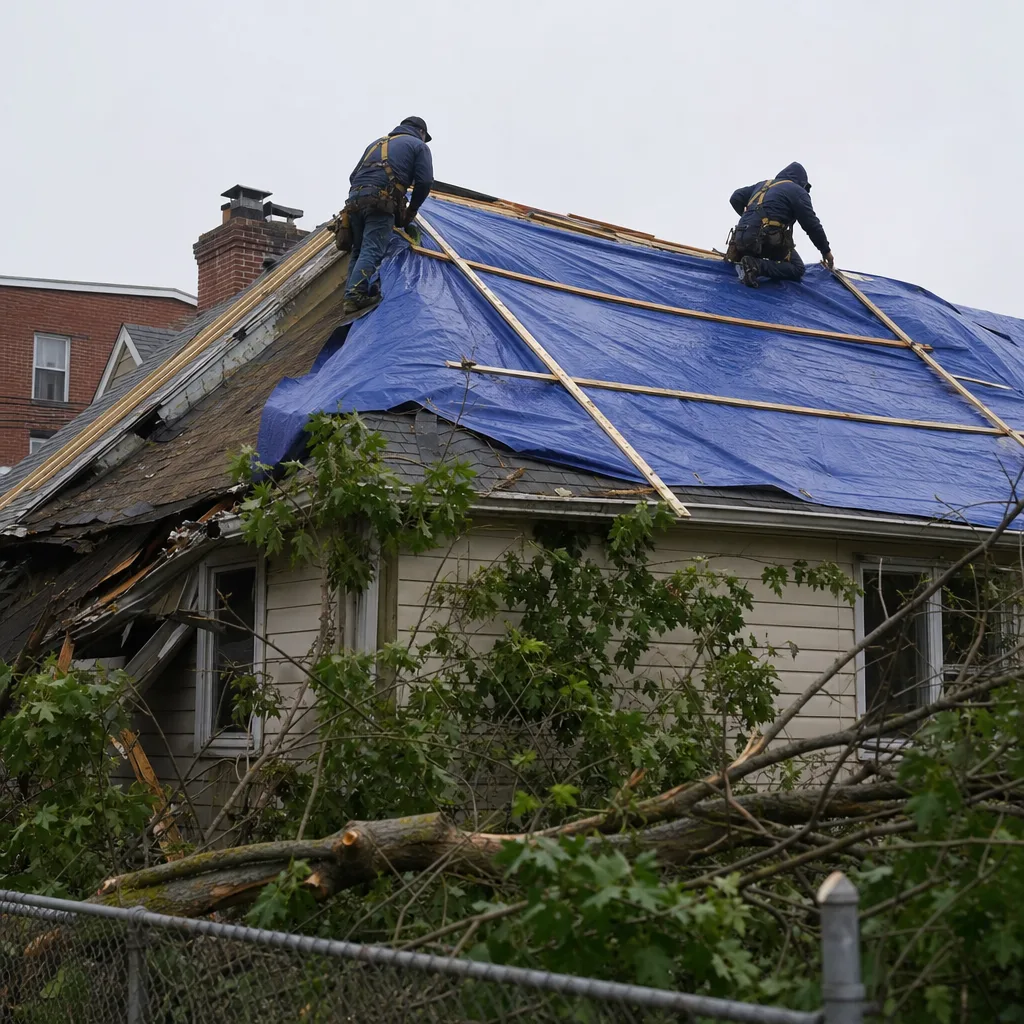
After water extraction with professional-grade equipment, we stabilize the affected area. For fire and smoke losses, we secure openings and begin soot containment with HEPA air scrubbers. For water, we remove saturated materials only as far as needed to stop migration.
Drying & Dehumidification
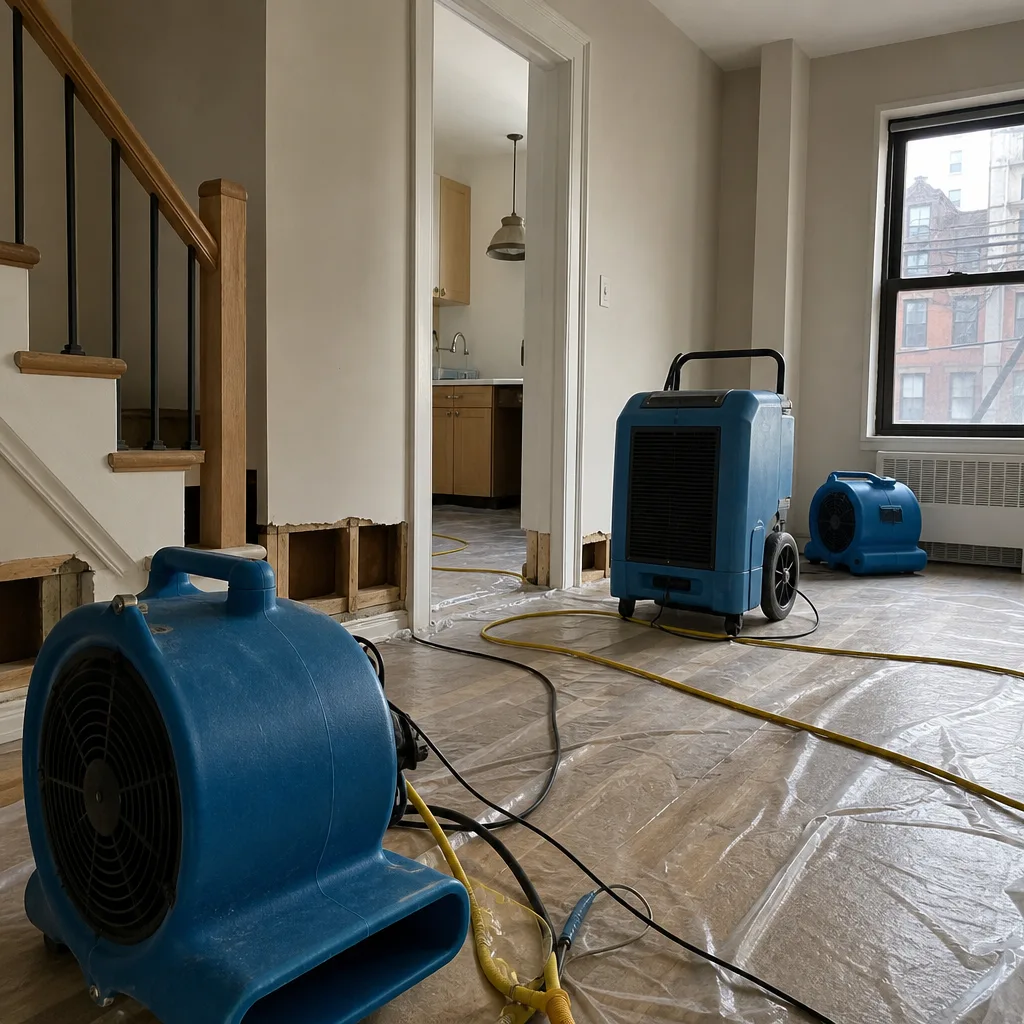
We set up Dri-Eaz dehumidifiers and air movers positioned for the actual airflow in your unit, not a formula off a chart. Daily moisture readings are logged and shared with you and your carrier until the dry standard is met.
Cleaning & Sanitization
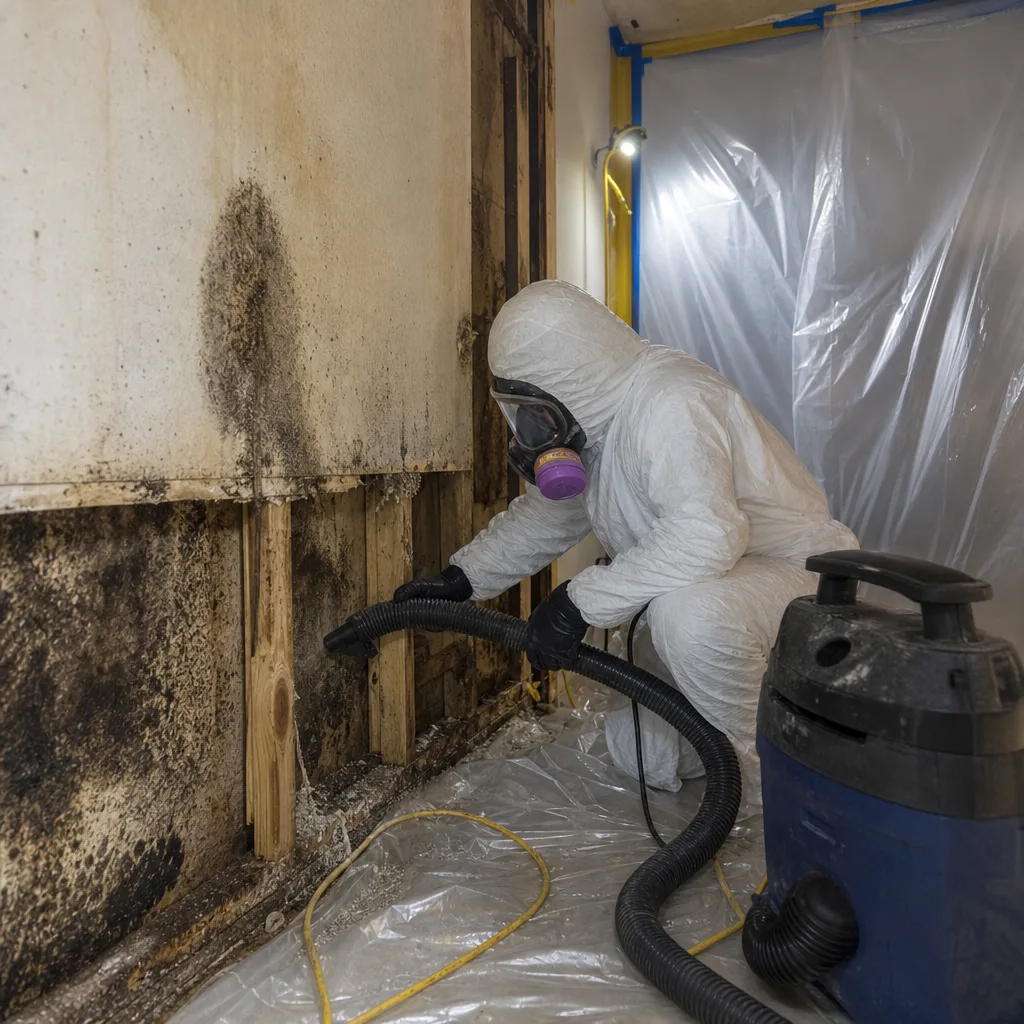
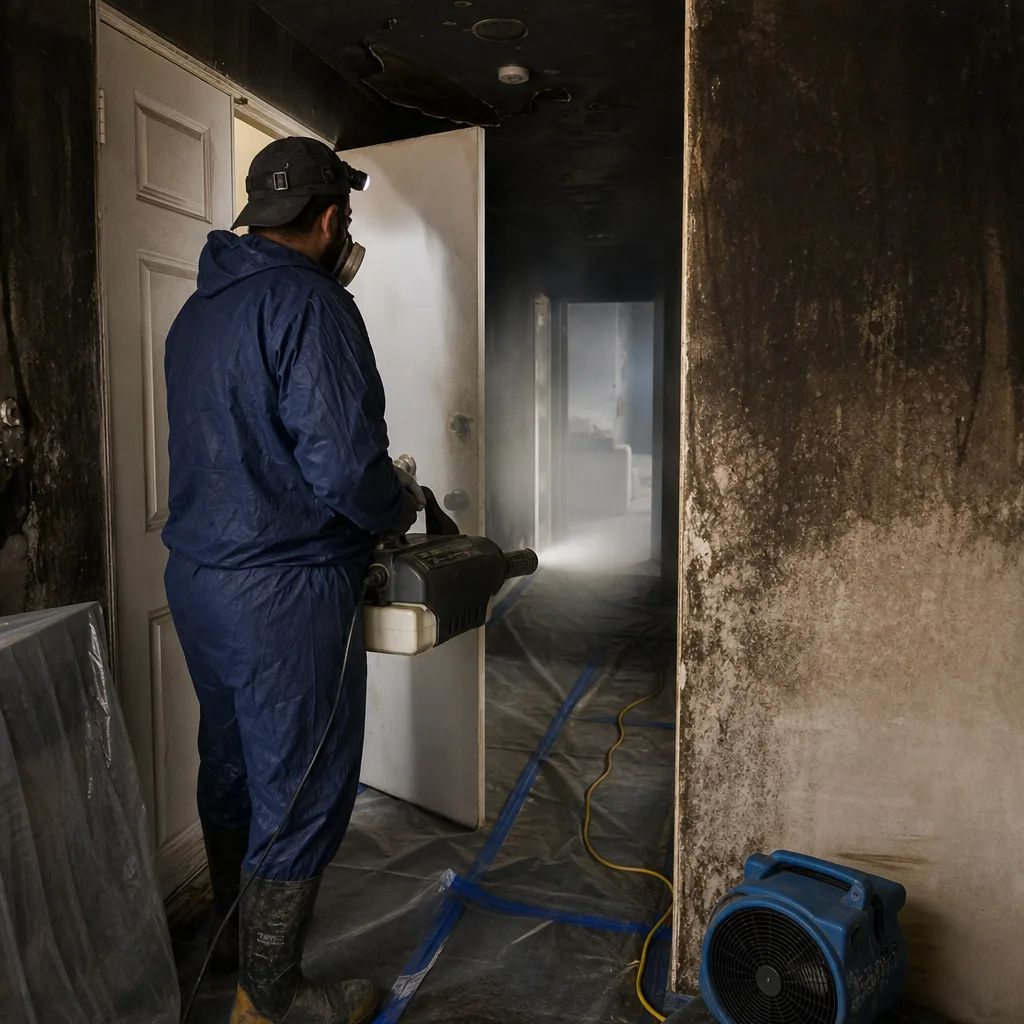
After drying, all affected surfaces are cleaned and sanitized. For smoke we use appropriate soot-removal methods matched to the residue type. For water, we apply antimicrobial treatments where called for and dry-clean or launder affected textiles.
Specialty Matching & Reconstruction Planning
This is the step most contractors skip entirely. We identify every original finish that must be matched to co-op spec: plaster medallions, cornice profiles, herringbone parquet, millwork, paint sheen. We submit the written scope to your board for approval, with our crew coordinating directly with the board’s architect when one is involved.
Repairs & Restoration
Only after approval do we rebuild. Drywall, flooring, plaster, paint, and trim are all completed by our team or by specialty plasterers and parquet installers we have vetted on previous UES jobs. Final inspection includes a written sign-off and the 90-Day Done Right Promise in your hands.
Need Emergency Reconstruction & Cleanup in Upper East Side Now?
Crews minutes away, answering live 24 hours a day. The sooner we start, the less it costs.
Working With Your Insurance Company
Upper East Side properties carry some of the highest-valued contents and finishes in the city, and insurers do not write blank checks. The claim is won or lost on documentation. We provide that documentation from the first hour. Our technicians photograph every room before work starts, log moisture readings daily, and write a line-item scope that matches what your carrier expects to see. When a co-op board is involved, we coordinate with the building’s master policy carrier as well as your individual policy. You do not play messenger. We speak directly to adjusters in their language, and we support every line item with photos, logs, and written reasoning for why a particular plaster cornice cannot simply be replaced with stock drywall.
What We Provide Your Insurer
- Thorough documentation of the loss
- Photos of all damage, room by room
- Moisture readings and drying logs
- A detailed, line-item scope of work
- Direct coordination with your carrier
Built for Upper East Side’s Loss Calendar
The Upper East Side’s loss pattern is a Manhattan pattern, but it is sharper here because the housing stock is older and the stakes are higher. January deep freezes burst the aging galvanized supply lines and freeze points in uninsulated exterior walls of prewar buildings. Steam heat distribution pipes, some of them original to the 1920s, fail under pressure and send water through plaster ceilings in minutes. Spring thaw brings groundwater intrusion to garden apartments and basement-level units in Federal and Beaux-Arts townhouses on the side streets off Lexington and Third. Summer thunderstorms overwhelm the combined storm and sewer drains, backing sewage into cellar units near the East River floodplain. Nor’easters drive wind-driven rain through parapet walls and roof leaders. And the Yorkville corridor below East 96th Street still carries documented storm-surge vulnerability from Hurricane Sandy for buildings below the 10-foot elevation contour near the FDR Drive. The calendar does not change much year to year. What changes is whether the response moves fast enough to protect the original finishes.
Reconstruction & Cleanup Across Upper East Side’s Neighborhoods
Our crews work the full length of the Upper East Side, and the buildings change character block by block. In Yorkville, we respond to a disproportionate share of garden-level and cellar sewage backups, particularly in the older walk-ups and townhouses east of First Avenue where the combined sewer lines back up during summer storms. Lenox Hill keeps us busy in the prewar co-op towers along Park and Madison where steam riser failures travel floor to floor and board approval is strict. In Carnegie Hill, we see more roof leaks and parapet-driven water damage in the limestone townhouses along Fifth Avenue and the side streets. The East 70s and 80s corridors run heavy to classic six- and seven-story masonry co-ops where cast iron drain stacks have reached the end of their service life and fail without warning. Each of these areas has the same underlying rule: the building was built before drywall existed, and the finishes are the point. Our Reconstruction & Cleanup team knows that before we ever open a wall.
Specialized Reconstruction & Cleanup Services We Offer in Upper East Side
Every Reconstruction & Cleanup job in Upper East Side draws on the same core services, but the local context changes how each one is done. Here is how we approach the major sub-services on this page.
Full-Service Reconstruction
We do not hand the job to a third-party general contractor after the water is pumped out. The same certified crew that handles the emergency carries the project through framing, drywall, plaster, millwork, paint, and finish. In UES co-ops that means submitting a complete written scope for board review and not touching a wall until it is approved. It also means protecting common areas with floor runners, dust barriers, and elevator pads because your neighbors are watching, and the board is too.
Drywall & Flooring Repair
Drywall is only part of the story here. When original plaster survives the event, we repair it rather than rip it out. When drywall is the right call, we match the existing texture and paint sheen so a repaired ceiling does not announce itself from across the room. Flooring is the same discipline. Herringbone and chevron parquet in a prewar co-op cannot be replaced with a floating plank floor, and we will not do it. Specialty parquet installers remove the damaged boards, kiln-dry the subfloor, and weave in new boards cut to match the original pattern and species.
Contents Restoration & Pack-Out
When a UES apartment floods or burns, the contents are often worth more than the repair. We inventory, photograph, and pack out your belongings, then clean and store them off-site or in a secure on-site container depending on the job. Antique furniture, Oriental rugs, art, and clothing are cleaned and restored by specialists we work with regularly. Every item is logged with its photo, condition, and cleaning method so your contents claim is document-ready.
Carpet & Upholstery Cleaning
After a water event or smoke migration, carpets and upholstery trap moisture and odor. We deep-clean professionally using commercial extraction equipment, treating for odor and finishing with rapid drying so your unit is not left damp for mold to colonize. For co-op owners this step is often invisible on the invoice but crucial for passing a board’s post-remediation clearance.
Post-Construction Cleanup
This is the difference between a job that looks done and a job that is done. After reconstruction we remove debris, vacuum with HEPA filtration, wipe down every surface, and dust the high corners and millwork that catch drywall dust. Your unit is returned to you livable, not as a construction zone with fresh paint and a film of dust on the radiators.
We also carry the full service line: Water Damage Restoration, Mold Remediation, Fire & Smoke Damage Restoration, Storm & Disaster Restoration, Sewage Cleanup, and Biohazard & Crime Scene Cleanup. Every job is backed by the 90-Day Done Right Promise, in writing.
What happens when you call
- 1
A real person answersNo phone trees - you reach a local pro.
- 2
You get an upfront price rangeHonest numbers before anyone is dispatched.
- 3
A background-checked tech heads outLicensed & insured, dispatched right away.
- 4
You approve before work beginsNothing starts until you say go.
Reconstruction & Cleanup Costs in Upper East Side, NY
Reconstruction & Cleanup costs in Upper East Side run higher than almost anywhere else in the borough because the finishes are original and the hoops are real. A contained water extraction and drying job in a 1-bedroom co-op might run $2,800 to $5,500 when the water stayed in one room and the plaster is repairable. A multi-room water event with a failed steam riser cascading through multiple floors runs $12,000 to $40,000 and up, with the final number driven by how much original plaster, millwork, and flooring must be matched rather than replaced. Fire and smoke reconstruction starts around $15,000 for a contained kitchen fire with soot remediation and climbs from there with every room of smoke migration. Contents pack-out and cleaning for a full apartment typically adds $3,500 to $9,000 depending on volume and specialty items. The fastest way to a firm number is the free visual inspection, where we write the scope and you approve it before any work begins. A square deal: no surprises on the bill.
We Also Serve Cities Near Upper East Side
Our crews regularly work the neighborhoods around Upper East Side, including Long Island City, Greenpoint, Williamsburg, and Murray Hill. If you own property in any of these areas, the same certified teams, equipment, and written guarantee apply.
Serving Upper East Side, NY - Our Local Coverage Area
We’re based in the Upper East Side area and know this community well. Use the map below to see our service coverage - if you’re nearby, we can almost certainly help.
Upper East Side Reconstruction & Cleanup Questions, Answered
How long does co-op board approval add to a Reconstruction & Cleanup timeline on the Upper East Side?
Co-op board approval typically adds one to three weeks to a UES Reconstruction & Cleanup timeline, and sometimes more when the board’s architect requires additional documentation or a specialty finish match. We build this time into the scope from day one so you are not living in a stripped apartment with no end date. The fastest path through the process is a written, photograph-supported scope submitted the same week as the loss, which is exactly what we produce.
Can you match original horsehair plaster and herringbone parquet in a 1910-1945 UES co-op?
Yes, and we have done it repeatedly in this exact housing stock. Horsehair plaster is repaired or replicated by specialty plasterers who still work in lime and gypsum plaster, not drywall compound. Herringbone parquet is matched by flooring installers who remove individual damaged boards and weave in new stock cut to the original species, thickness, and pattern. This work costs more and takes longer, but board-mandated redo at contractor’s cost is worse if the match is wrong.
Do you handle Category 3 water from a backed-up cast iron sewer line in a Yorkville garden apartment?
Yes, this is regular work for us in the garden-level and cellar units east of First Avenue. Category 3 water carries sewage and requires full containment, removal of affected porous materials, and antimicrobial treatment under IICRC protocol. Our crews are certified for this level of contamination and we document every step for the insurance carrier and the co-op board.
What happens to my contents during a Reconstruction & Cleanup job in a 10-story prewar co-op?
We inventory, photograph, and pack out your contents before demolition begins. Items are cleaned by specialty partners as appropriate and stored off-site or in a secured container coordinated with your building management. Every item is logged with a photo and condition note, so your contents claim is document-ready and your co-op board sees a professional process.
My co-op board requires proof that mold remediation was completed to IICRC standards. Can you provide that?
Yes. Our technicians are IICRC-certified in water restoration, fire and smoke restoration, and applied microbial remediation. After containment, air scrubbing, and clearance testing, we provide written documentation of the remediation process along with drying logs and clearance testing results. This documentation meets the standard UES boards typically require before reconstruction can proceed.
How fast can Floodline Restoration Co. get to my Upper East Side apartment?
For emergencies we commit to 45-minute dispatch response, and crews are already working in the UES on most days. Call (716) 452-0798 and a live dispatcher starts the process immediately. The first priority is stopping the water or smoke migration. The second is assessing the damage and writing a plan that your board will approve.
Will my insurance cover Reconstruction & Cleanup in an Upper East Side co-op?
Most UES co-op owners carry individual unit policies that cover interior damage and contents, while the building’s master policy covers the structure and common areas. The interaction between the two policies is where claims get complicated. We document everything to the standard both carriers expect and speak to adjusters directly. We bill the carrier directly whenever possible.
What should I do in the first 30 minutes after a pipe burst or sewage backup on the Upper East Side?
Call the building super if you are in a co-op or condo, because shutting off the water or steam may require building-wide access. Then call us at (716) 452-0798. Do not open walls or lift carpet yourself. The first 30 minutes matter most for stopping water migration through plaster and subfloor voids, and anything you move can complicate the insurance documentation.
Written by Curt Bowman, Owner at Floodline Restoration Co., serving Upper East Side with full-cycle restoration and reconstruction since 2010.