
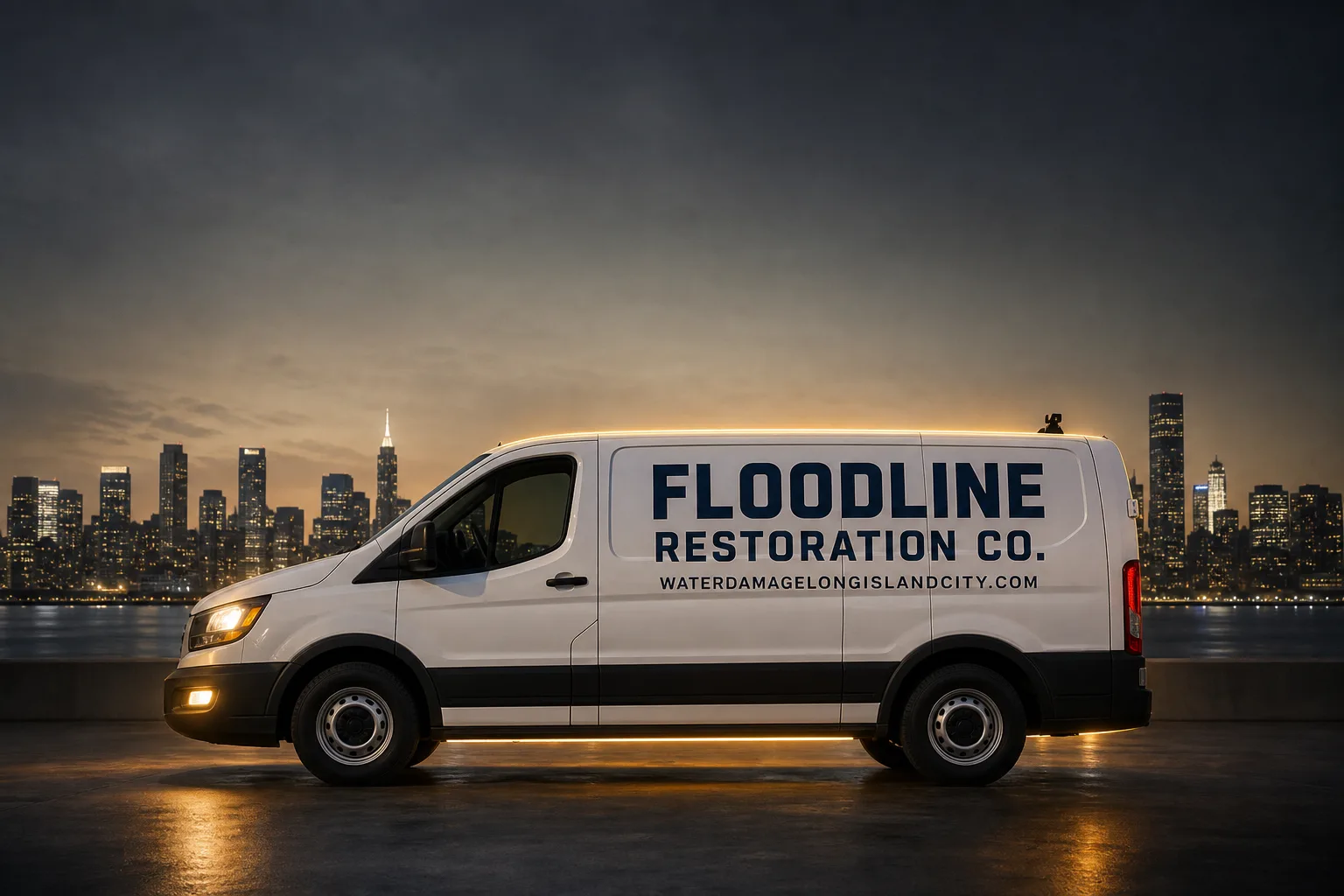
Free visual inspection and a written scope of work before any mitigation begins - photos, moisture readings, and drying logs go in your claim file
The scope we write is the scope we bill. Anything new gets shown to you, in writing, before we touch it.
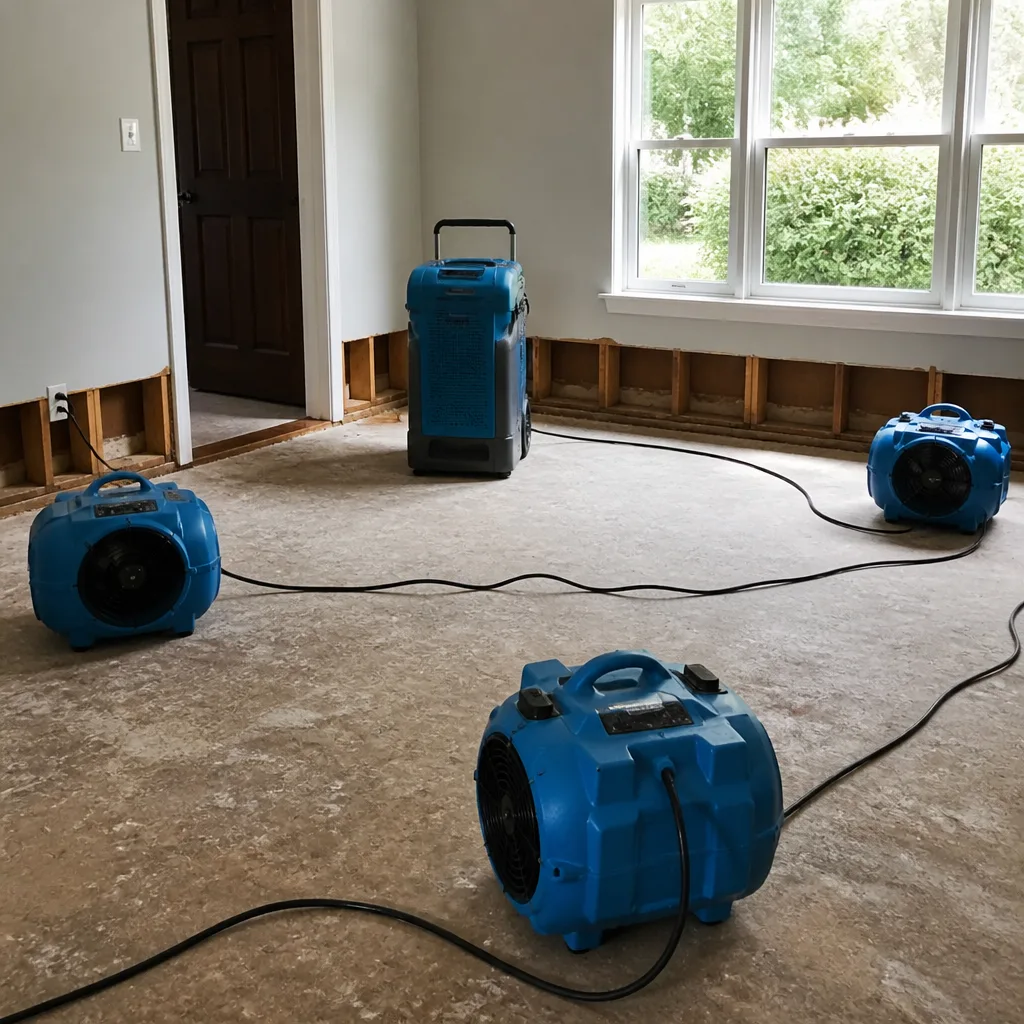
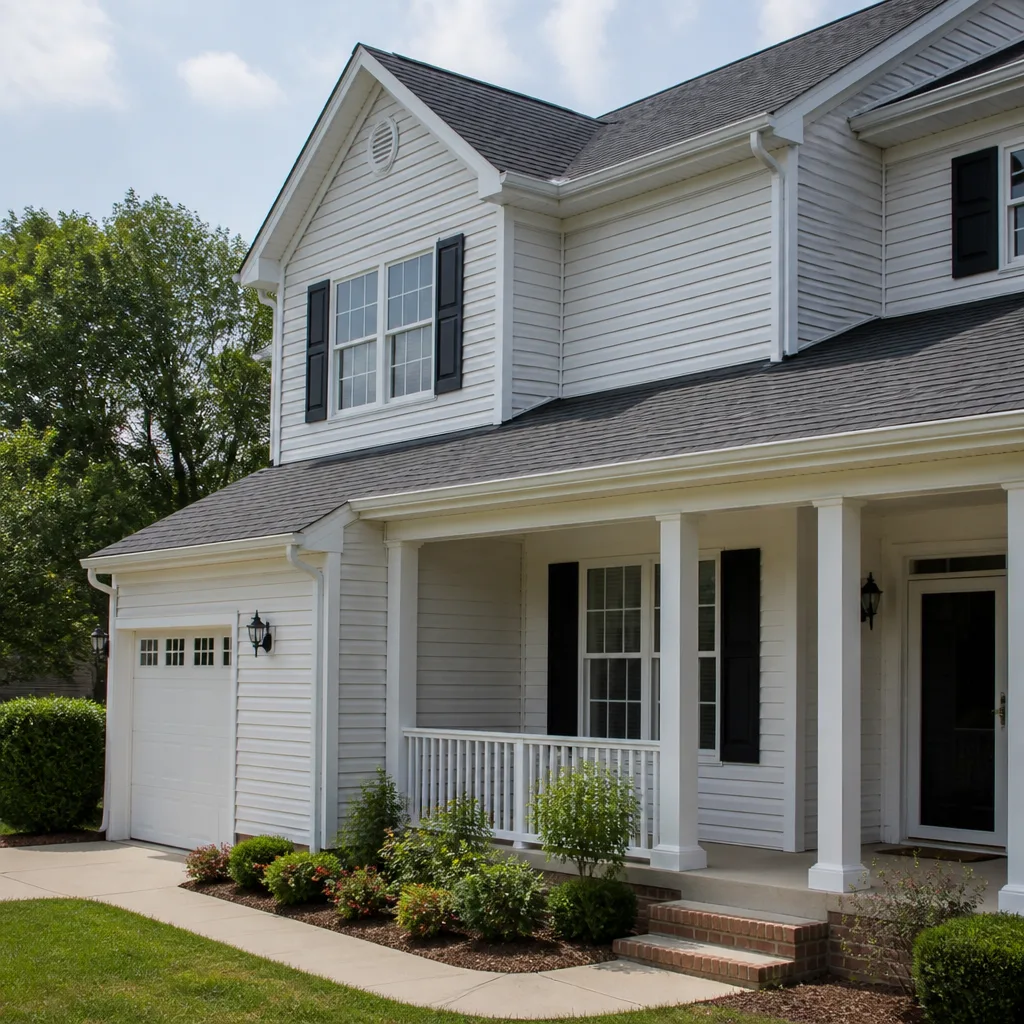
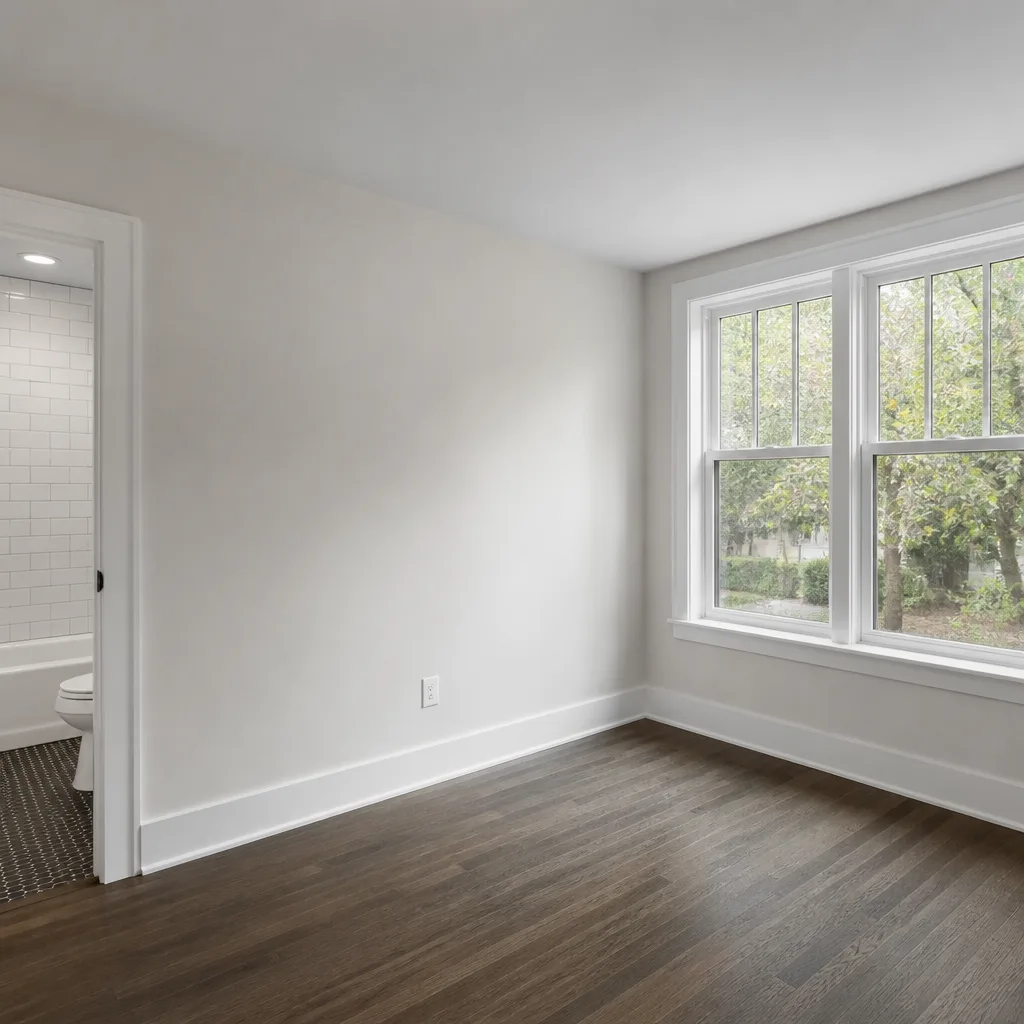
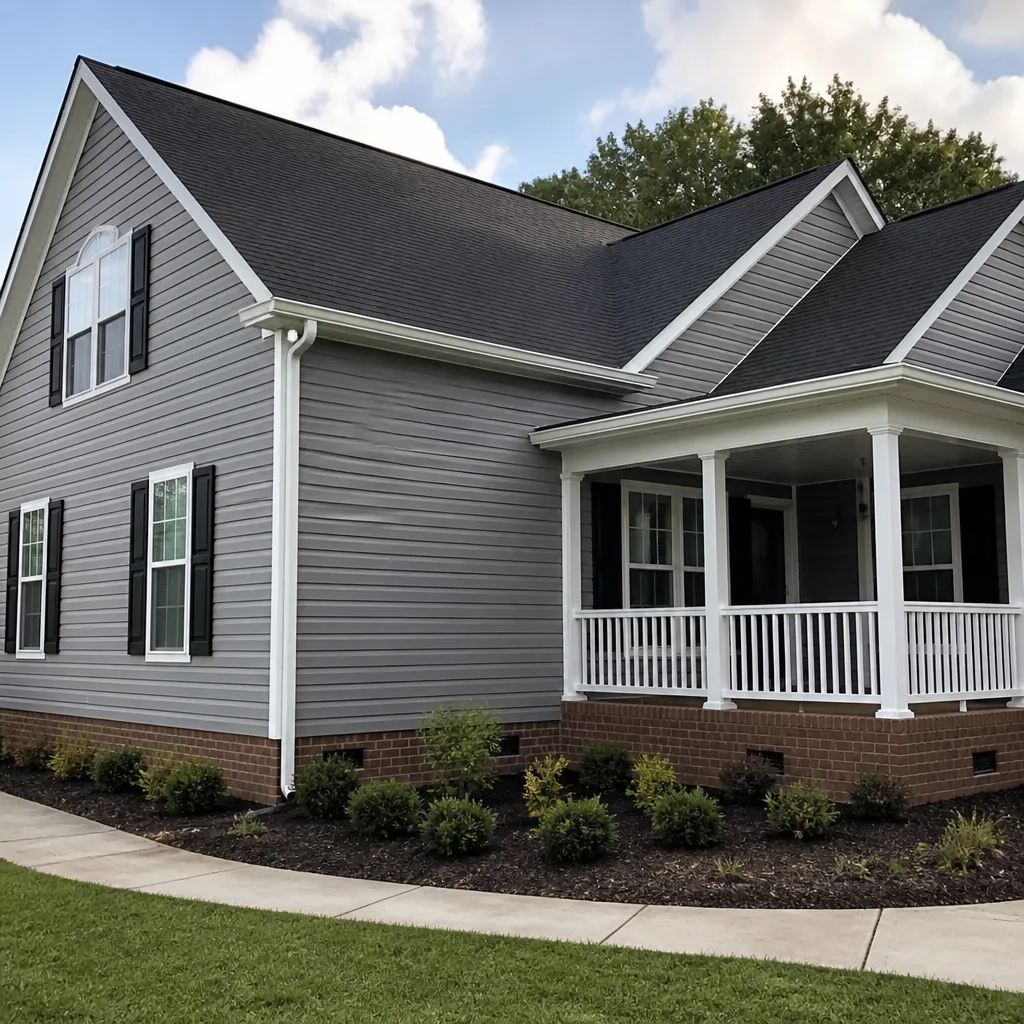
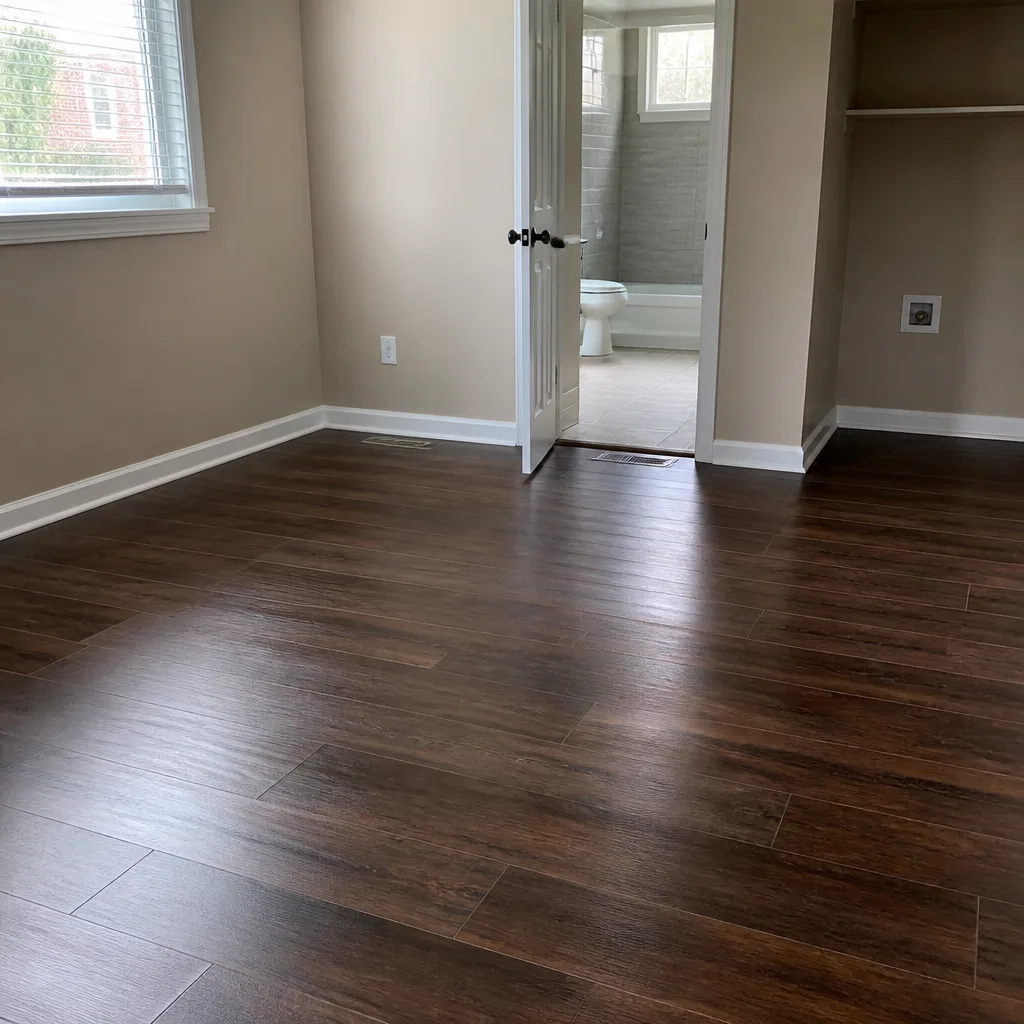
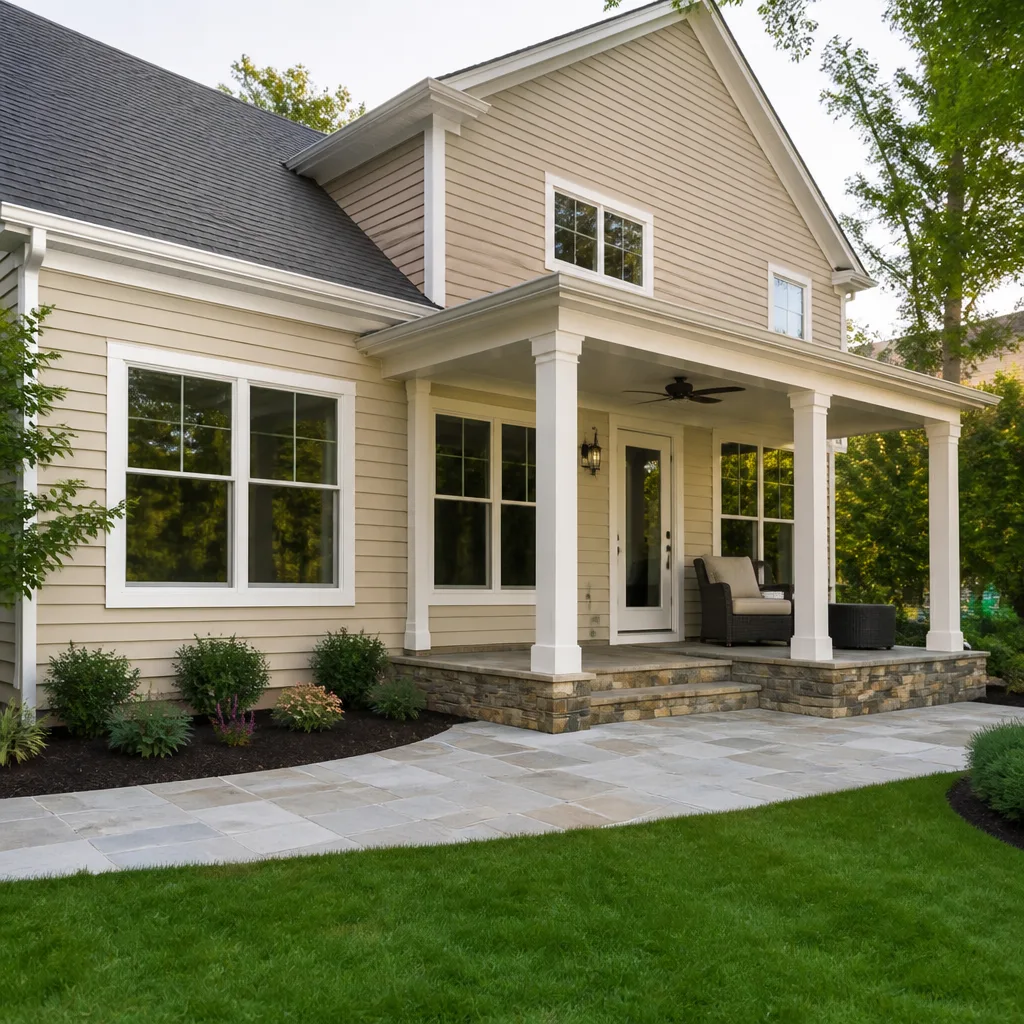
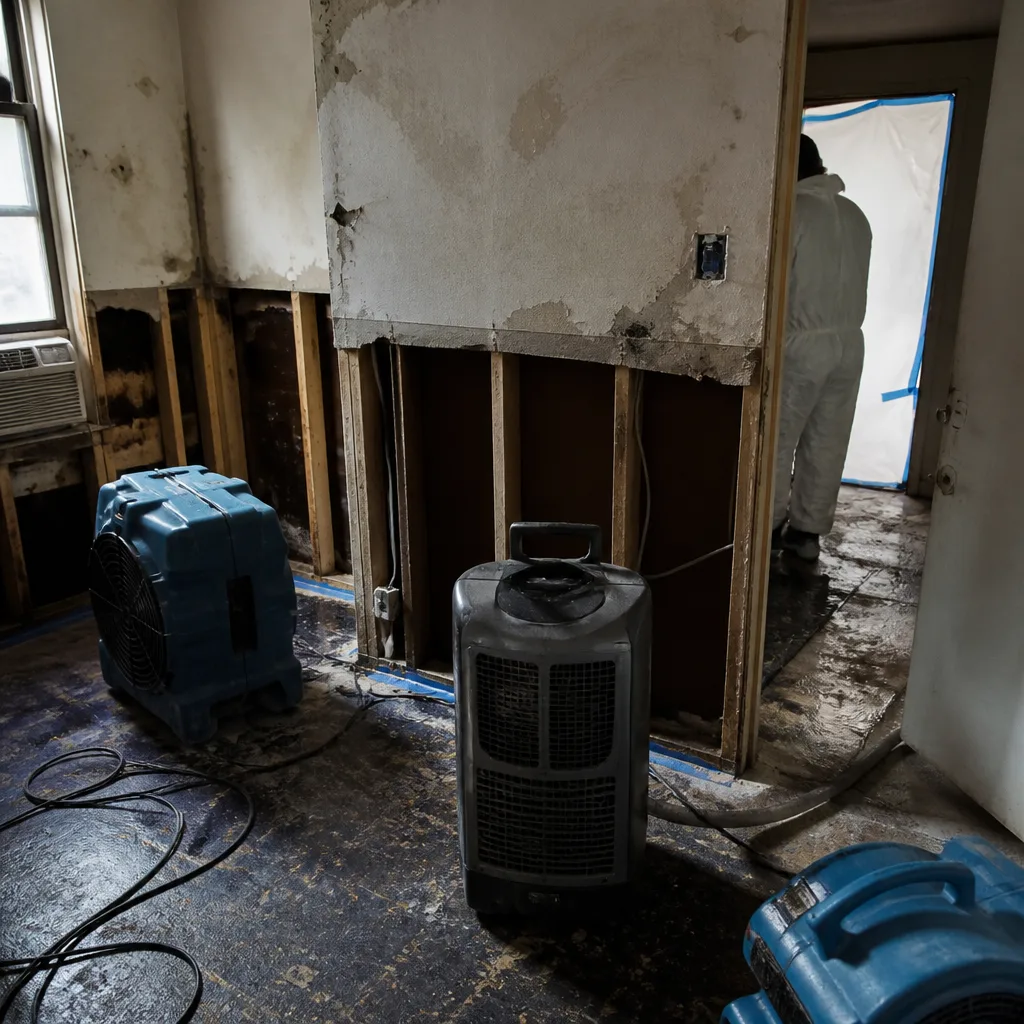 Before
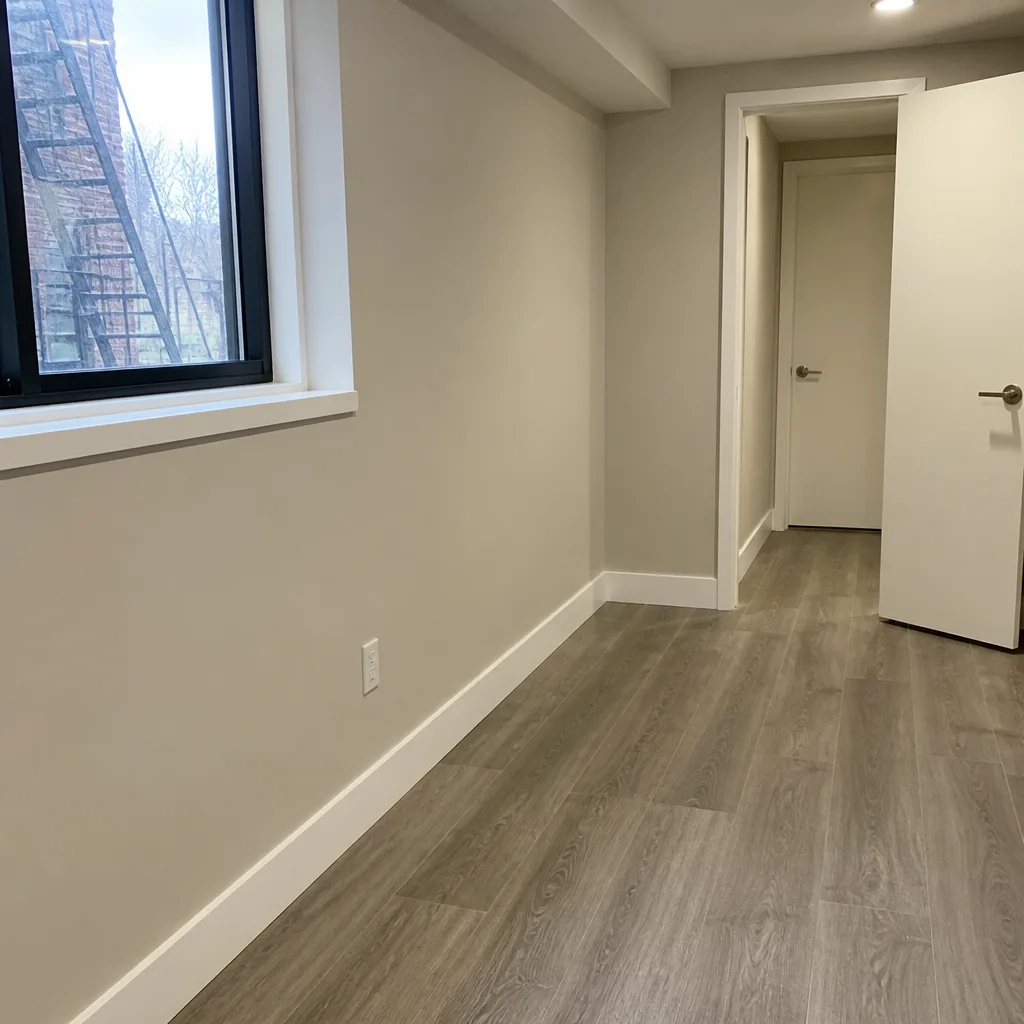 After
After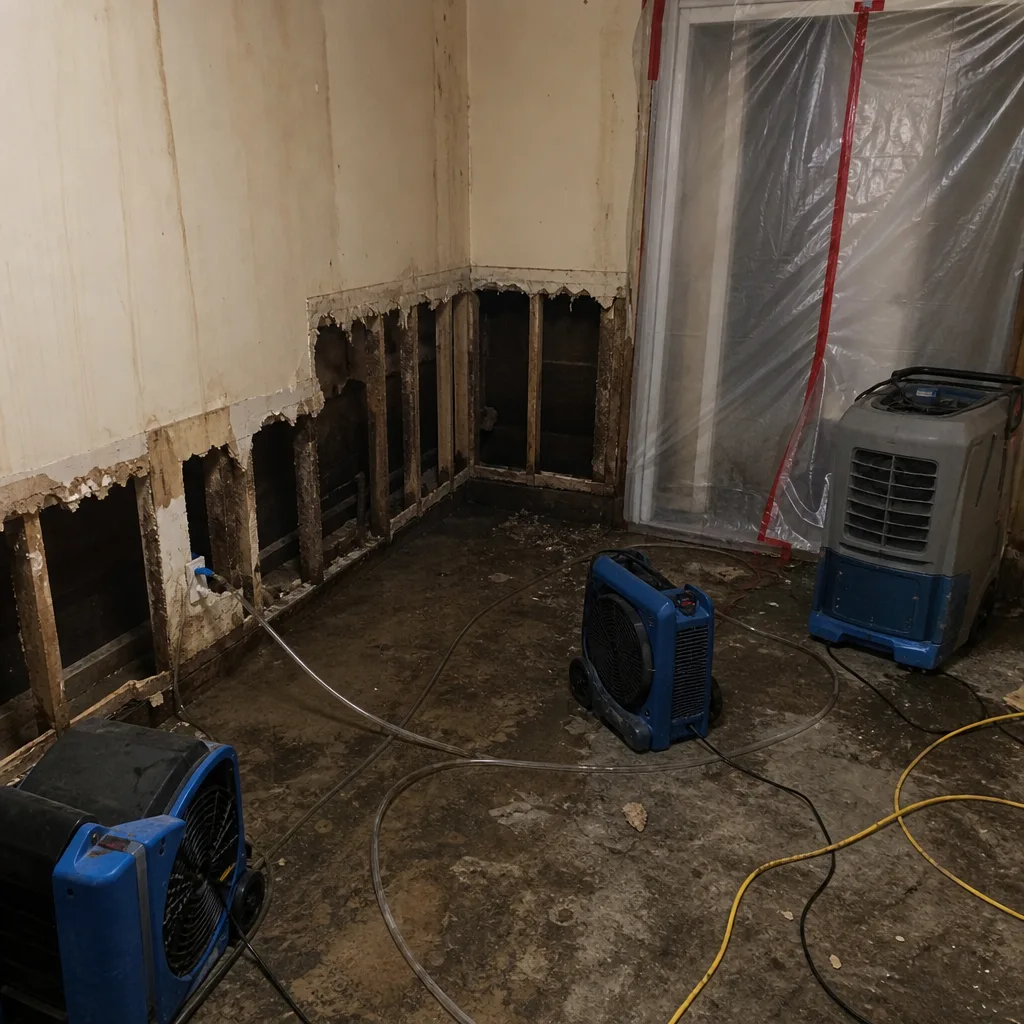 Before
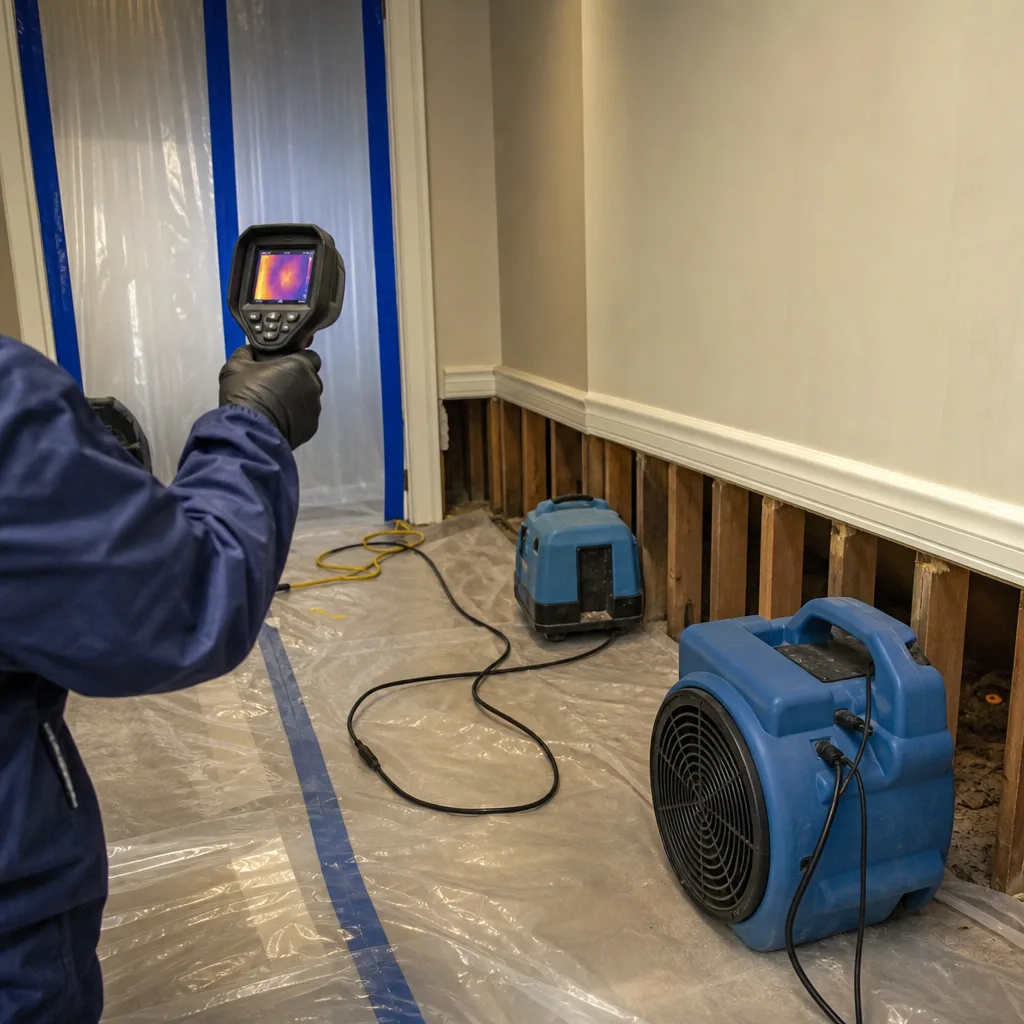 After
After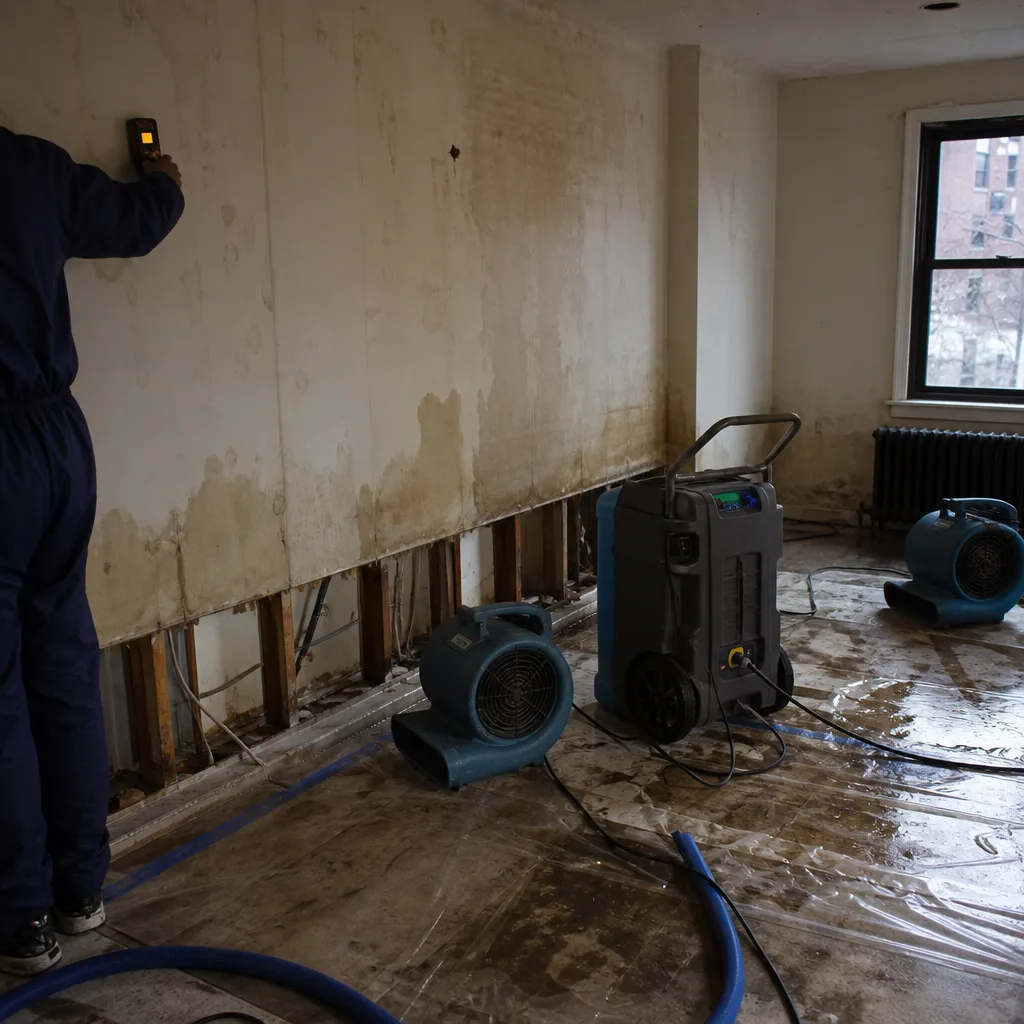 Before
 After
After24/7 Emergency Reconstruction & Cleanup in Greenpoint
Reconstruction and cleanup in Greenpoint after a water or fire loss typically runs $4,500 to $28,000 depending on square footage, materials, and whether the home has older plaster-and-lath walls or modern drywall. For a flooded basement in a Franklin Street row house, you’re usually looking at $8,000 to $22,000 once extraction, drying, and drywall replacement are accounted for. A live dispatcher answers at (716) 452-0798 around the clock, and a crew can reach most Greenpoint blocks within 45 minutes. The faster water stops moving through old-growth floor systems, the less we have to cut out and rebuild.
Greenpoint is not a simple place to dry out. The housing stock is overwhelmingly late-19th and early-20th century brick, and the neighborhood sits on top of one of the largest urban petroleum contamination plumes in U.S. history. Those two facts reshape nearly every Reconstruction & Cleanup job here. We’re not just pulling water. We’re checking what’s in that water, and making sure old plaster walls and party-wall framing are stabilized before we rebuild.
Every job starts with a free visual inspection and a written scope agreed before work begins. No surprises on the bill, and the 90-Day Done Right Promise in your hands before we cut anything open.
Understanding Reconstruction & Cleanup Severity in Greenpoint Properties
Most Greenpoint losses fall into three buckets. Category 1 water comes from a clean source like a burst supply line; it soaks fast but is generally recoverable if extraction starts within hours. Category 2 water carries detergent, soil, or sump overflow from the Newtown Creek side of the neighborhood, where groundwater pressure and high water tables push contaminated water into basements. Category 3 water is grossly contaminated: sewage, creek surge, or stormwater that has picked up petroleum from the soil surrounding the Greenpoint oil spill. That last category changes everything. What begins as a standard wet basement becomes a hazmat-adjacent job requiring DEC notification, specialized disposal, and antimicrobial treatment before any drywall goes back up.
The structure matters as much as the water. Greenpoint’s brick tenements and row houses from the 1880s to 1930s often have horsehair plaster over wood lath, old-growth timber floor joists, and pre-1980 pipe insulation. Cutting into those materials without asbestos and lead screening is against the law and dangerous. We screen before we open anything. Moisture mapping with thermal imaging also matters more here than in newer construction because water moves through party walls into attached neighbors quickly. A slow leak in one unit can read as elevated moisture three floors up in an adjacent building.
Drying is not guesswork. We set structural drying targets based on the dry standard for each material: wood flooring, plaster, brick, and modern gypsum each release moisture at different rates. Daily readings get logged, given to you and your carrier, and kept until the space reads dry to an independent standard.
Why Greenpoint Property Owners Choose Floodline Restoration Co.
Floodline Restoration Co. was founded in 2010 by Curt Bowman, and the company has been built around a dispatch board, not a sales desk. Here’s what that means in Greenpoint:
- 45-minute response commitment for Greenpoint calls. Our crews stage near the neighborhood so a certified technician can be on-site within 45 minutes of your call, day or night.
- 24/7 live answer, always a person. A live dispatcher picks up at 2 a.m. Not a recording. Not a callback queue. You tell us what happened and a crew moves.
- IICRC-certified technicians (WRT, FSRT, AMRT). Every technician is background-checked, uniformed, and trained to IICRC, RIA, and IFA standards. The certifications are real, not a promise.
- Free visual inspection with a written scope. We look at the damage, tell you what needs to happen, and hand you a line-item scope before you pay anything. You decide.
- Direct insurance billing. We document the loss, talk to your adjuster, and bill the carrier directly. You’re not the messenger.
- One team from first extraction to final paint. The same certified crew handles water removal, drying, demolition, and reconstruction. No mid-job handoff to an unknown subcontractor.
Our Reconstruction & Cleanup Process
Inspection & Assessment
We walk the property room by room, looking at how the loss started, where water or soot moved, and what the structural conditions are. In Greenpoint, this includes assessing party-wall involvement and checking for any hydrocarbon sheen in basement water before extraction begins.
Extraction / Stabilization
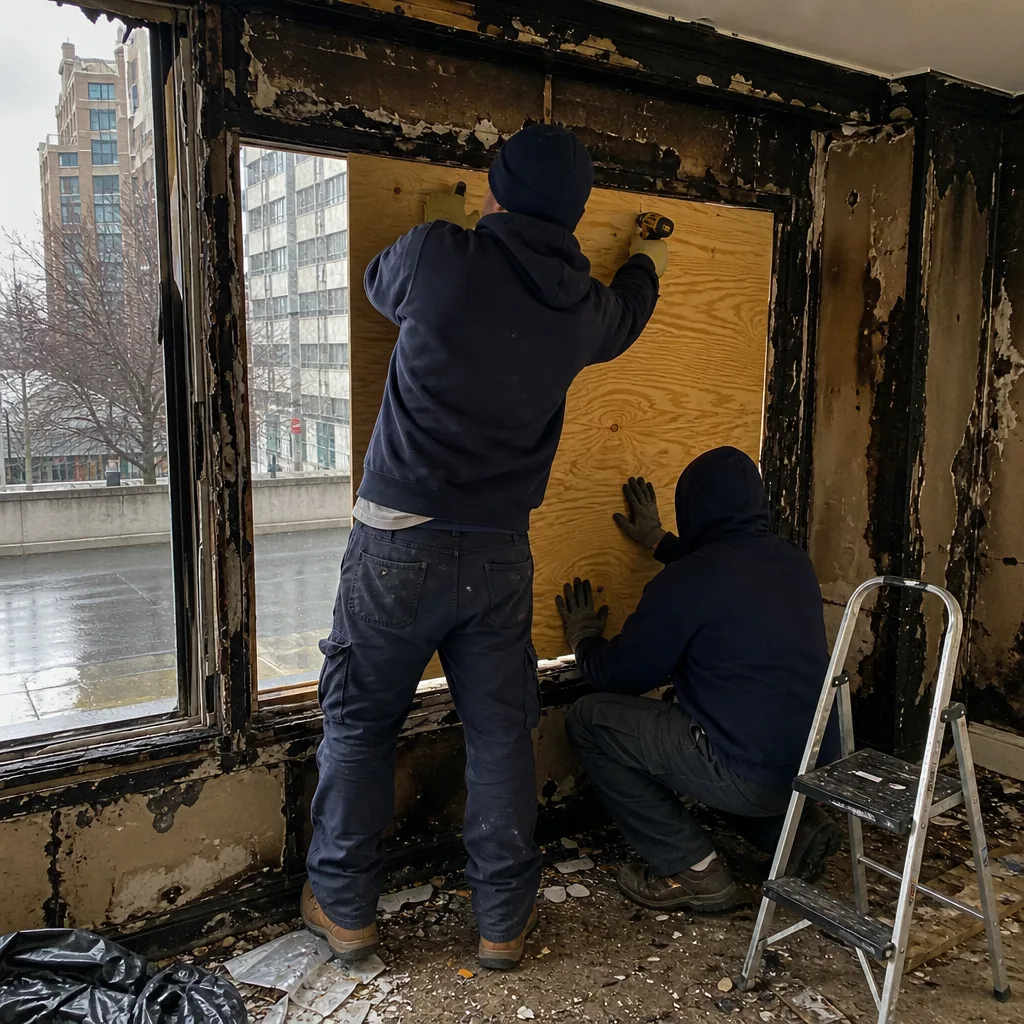
For water losses, we use truck-mounted and portable extraction units to pull standing water out of floors, baseboards, and cavities. If the water is petroleum-impacted, work pauses while we notify the NYS DEC and establish a disposal path. Fire losses get emergency board-up and soot stabilization first.
Drying & Dehumidification
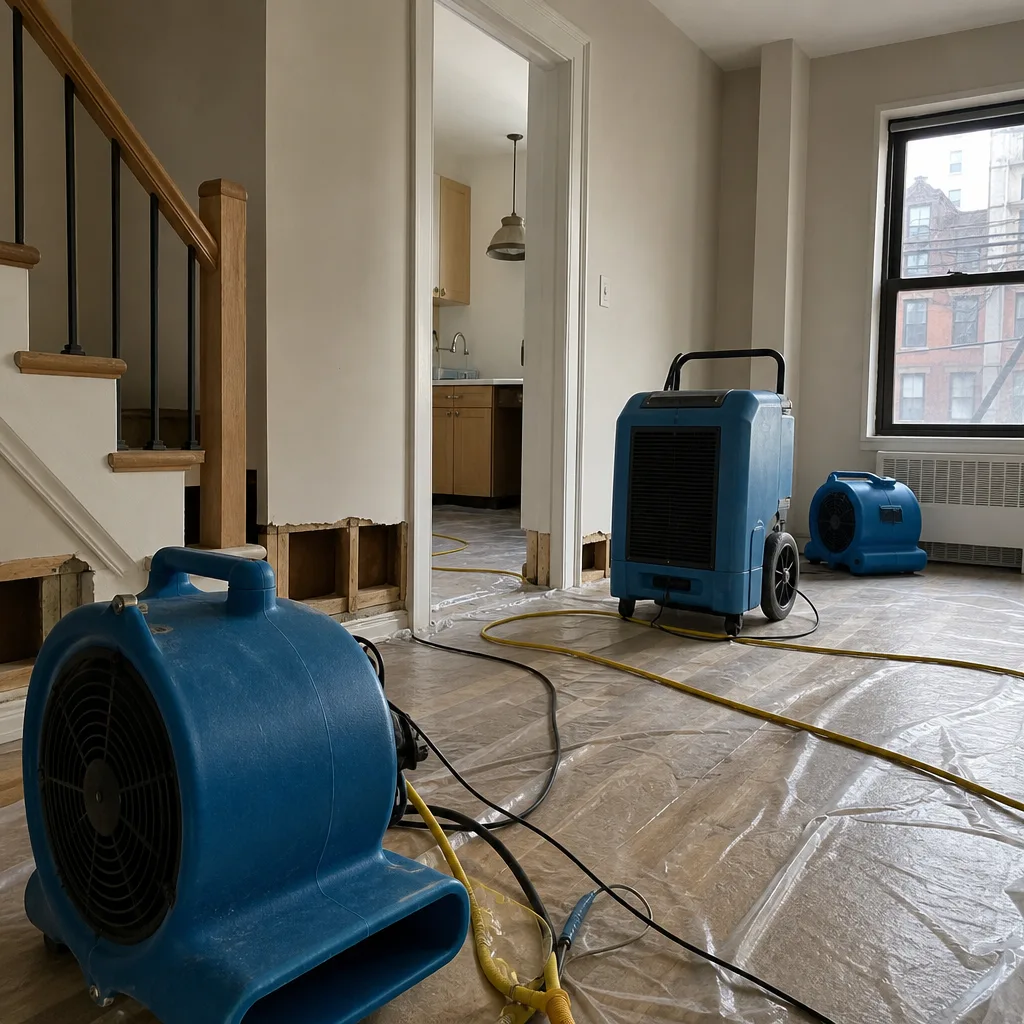
Dri-Eaz air movers and LGR dehumidifiers placed through the affected area, including inside wall cavities and underneath cabinetry. We map moisture daily with hygrometers and thermal imaging. The log goes to you and your insurer until every material reads dry.
Cleaning & Sanitization
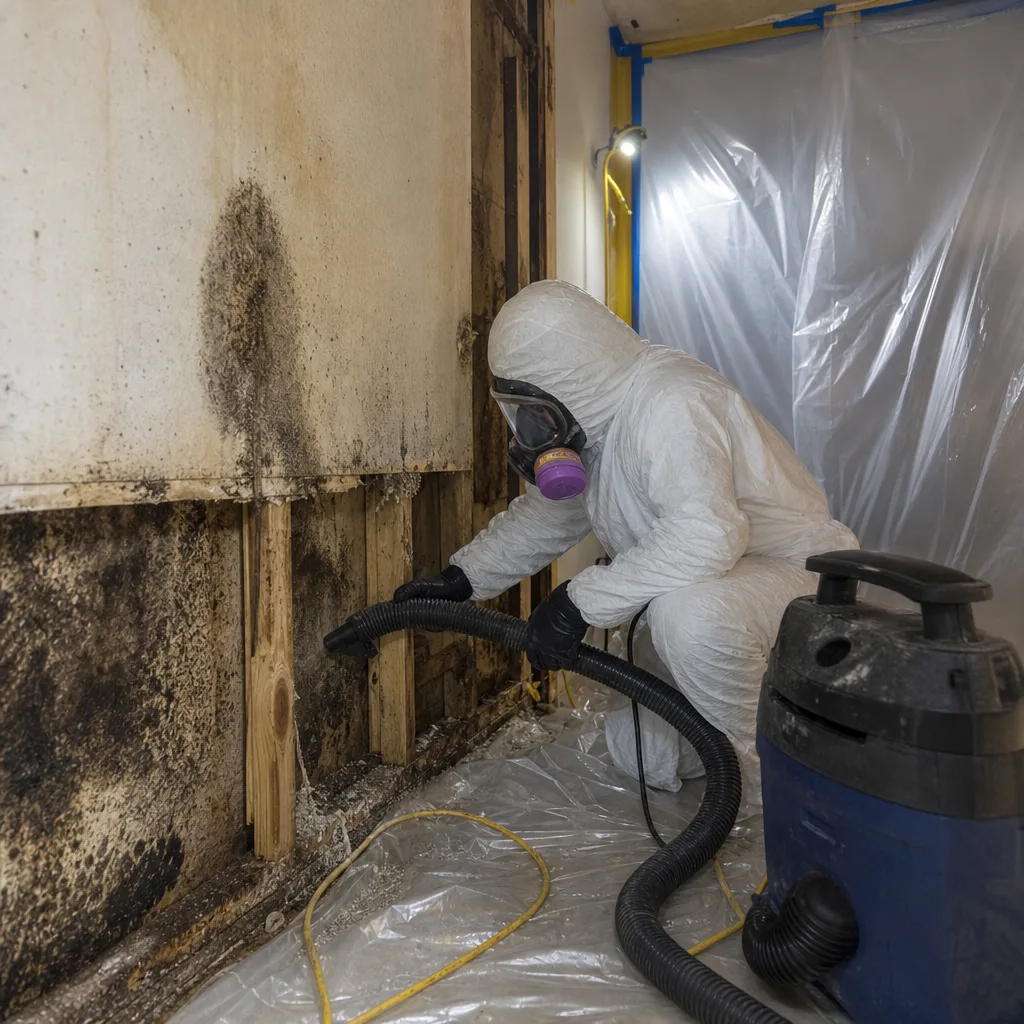
HEPA air scrubbers run during and after demolition to control dust from old plaster and potential asbestos-containing materials. Antimicrobial treatment applied to affected framing. All contents cleaned, packed out, or disposed of according to the scope.
Specialty Treatment for Greenpoint Conditions
Petroleum-impacted water disposal, asbestos and lead coordination, party-wall containment, and post-drying clearance verification are handled here. This is where Greenpoint jobs differ from every other neighborhood we serve.
Repairs & Restoration
Full-service reconstruction on site by our own carpenters: drywall, trim, flooring, paint, and finish work. The same crew that managed water extraction hangs the new drywall and matches the existing trim profile in your row house. The job is not done until the space reads dry and the repairs meet our 90-Day Done Right Promise.
Need Emergency Reconstruction & Cleanup in Greenpoint Now?
Crews minutes away, answering live 24 hours a day. The sooner we start, the less it costs.
Working With Your Insurance Company
Most Greenpoint homeowners have never filed a large claim for water or fire damage in a pre-war row house. It gets complicated fast. We handle the documentation from the first hour so the adjuster sees the full picture: what was damaged, how the water or soot moved through the structure, and what the repair scope looks like in line items. You shouldn’t have to translate contractor language into insurance language at 11 p.m. while your kitchen floor is gone. We talk to the carrier directly. If your Greenpoint basement flood crosses into the oil plume and requires NYS DEC coordination, that extra scope gets documented and submitted to the carrier too, not buried as a surprise.
What We Provide Your Insurer
- Thorough documentation of the loss
- Photos of all damage, room by room
- Moisture readings and drying logs
- A detailed, line-item scope of work
- Direct coordination with your carrier
Built for Greenpoint’s Loss Calendar
Greenpoint’s losses follow a predictable calendar, and so do our crews. January and February bring deep freezes that burst supply lines in uninsulated exterior walls and long-unheated basement risers in brick tenements. When a pipe lets go at night in a 120-year-old building, water runs through old joist bays and into the neighbor’s cellar long before anyone notices. Spring increases groundwater pressure along the Newtown Creek corridor, pushing seepage through lime mortar foundations and flooding basements with water that often carries the marker of the Greenpoint oil plume. Summer brings sudden thunderstorms that overwhelm the combined sewer system, and because Greenpoint is low-lying and pinched between the East River and the creek, flash flooding along West Street and Franklin Street works like clockwork. Nor’easters in fall and winter drive storm surge through waterfront blocks and into basements all the way up to Greenpoint Avenue. We dispatch for these events in advance, staging equipment near the neighborhood when a named storm is forecast.
Reconstruction & Cleanup Across Greenpoint’s Neighborhoods
Greenpoint is not one uniform block. The Franklin Street corridor runs dense with brick row houses and ground-floor commercial storefronts, many with occupied apartments above. A burst pipe in one of those upstairs apartments sends water down through floor systems and into the storefront below. The waterfront blocks near West Street are first to take storm surge and creek overflow during nor’easters, and basement losses there often require petroleum screening before extraction. The Garden Spot district east of McGuinness Boulevard has some of the oldest housing stock in the neighborhood, with shallow basements, legacy plumbing, and shared service lines that make a single freeze event a multi-unit problem. Up around Greenpoint Avenue and the Newtown Creek industrial edge, conversions of former warehouses into residential lofts leave large open floor plates that dry unevenly unless the drying plan accounts for high ceilings and exposed timber framing. Each area needs a different type of crew experience, and we route accordingly.
Specialized Reconstruction & Cleanup Services We Offer in Greenpoint
Full-Service Reconstruction
We rebuild what the water or fire took. That means structural drying first, then selective demolition, then reconstruction in house: framing, drywall, trim, cabinetry, flooring, and paint. Greenpoint row houses often have non-standard trim profiles and custom millwork that big-box replacement material won’t match. Our carpenters match what’s there, not what’s convenient to order. The same crew handles daily moisture readings and the rebuild, so no one inherits a half-finished job.
Drywall & Flooring Repair
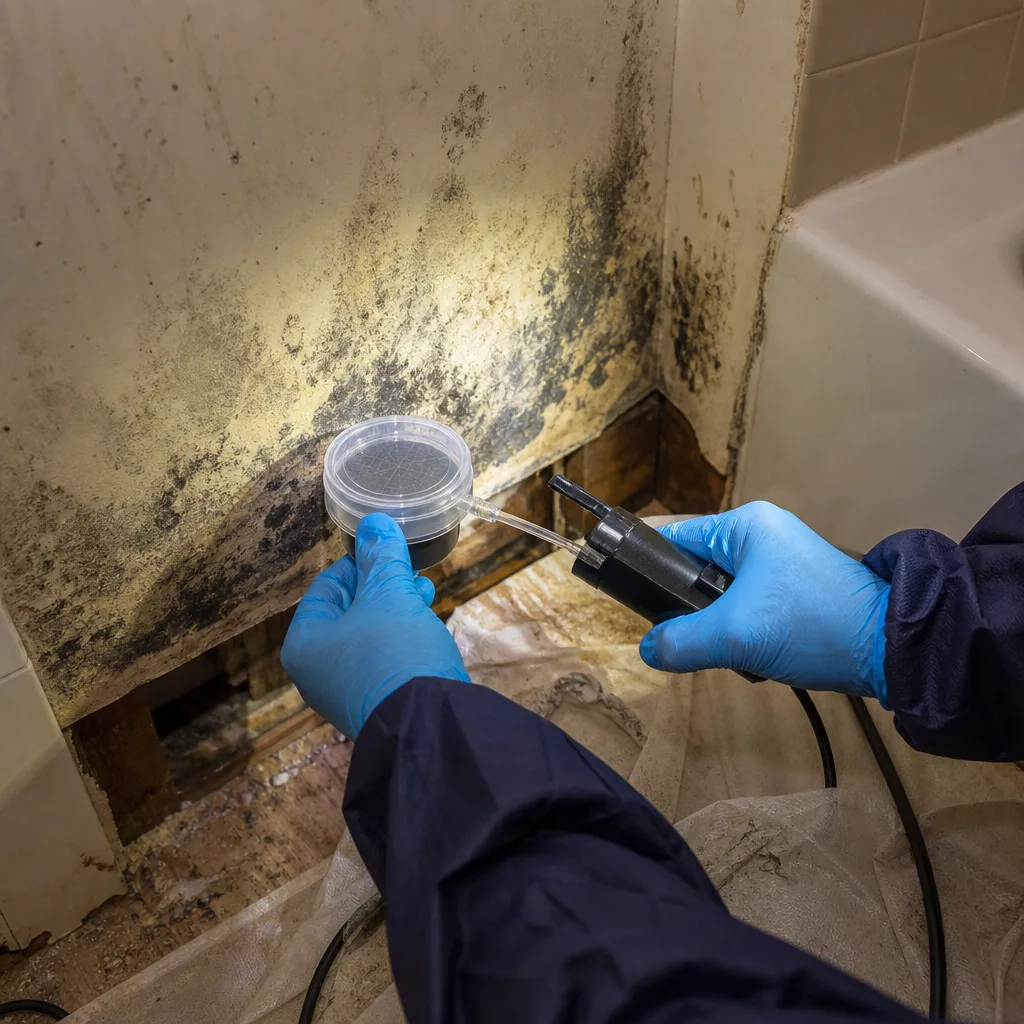
Once old horsehair plaster walls are opened, the repair path is a decision, not an automatic replacement. We can often save original plaster by drying behind it and patching with compatible materials rather than opening entire walls. Where walls must be replaced, we hang new drywall to match the existing plane and finish. For floors, old-growth hardwood in Greenpoint can frequently be saved with in-place drying and light sanding. When it can’t, we replace with matched material and document everything for your carrier.
Contents Restoration & Pack-Out
Furniture, rugs, clothing, and paper goods that got wet or smoke-damaged get inventoried, cleaned, and either returned or stored off-site while the structure dries. We photograph every item before it moves. For Greenpoint homeowners with decades of belongings in a basement apartment or first-floor unit, this is often the most emotionally difficult part. We treat it methodically and without drama.
Carpet & Upholstery Cleaning
Not every loss requires replacement. Category 1 water from a clean supply line often allows carpet and upholstery to be extracted, cleaned, and dried in place. We use truck-mounted hot water extraction and professional air movers to return the material to pre-loss condition. If the water was Category 3, the carpet goes. We’ll tell you which one you’re dealing with before we start.
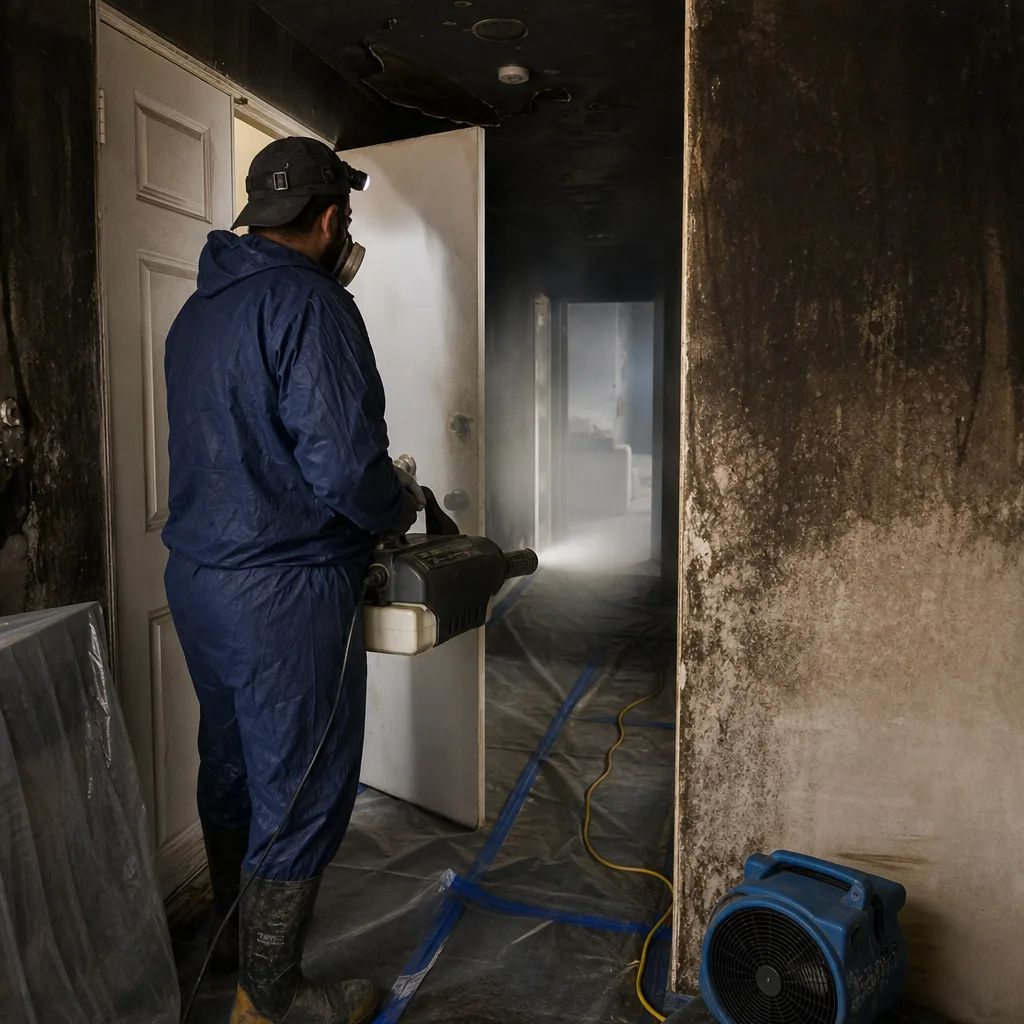
Post-Construction Cleanup
After any rebuild, dust from old plaster, drywall compound, and demolition debris settles everywhere. We run HEPA air scrubbers during the work, then do a full post-construction clean: floors, fixtures, trim, and duct surfaces. When we leave, the space is ready to live in, not just ready to inspect.
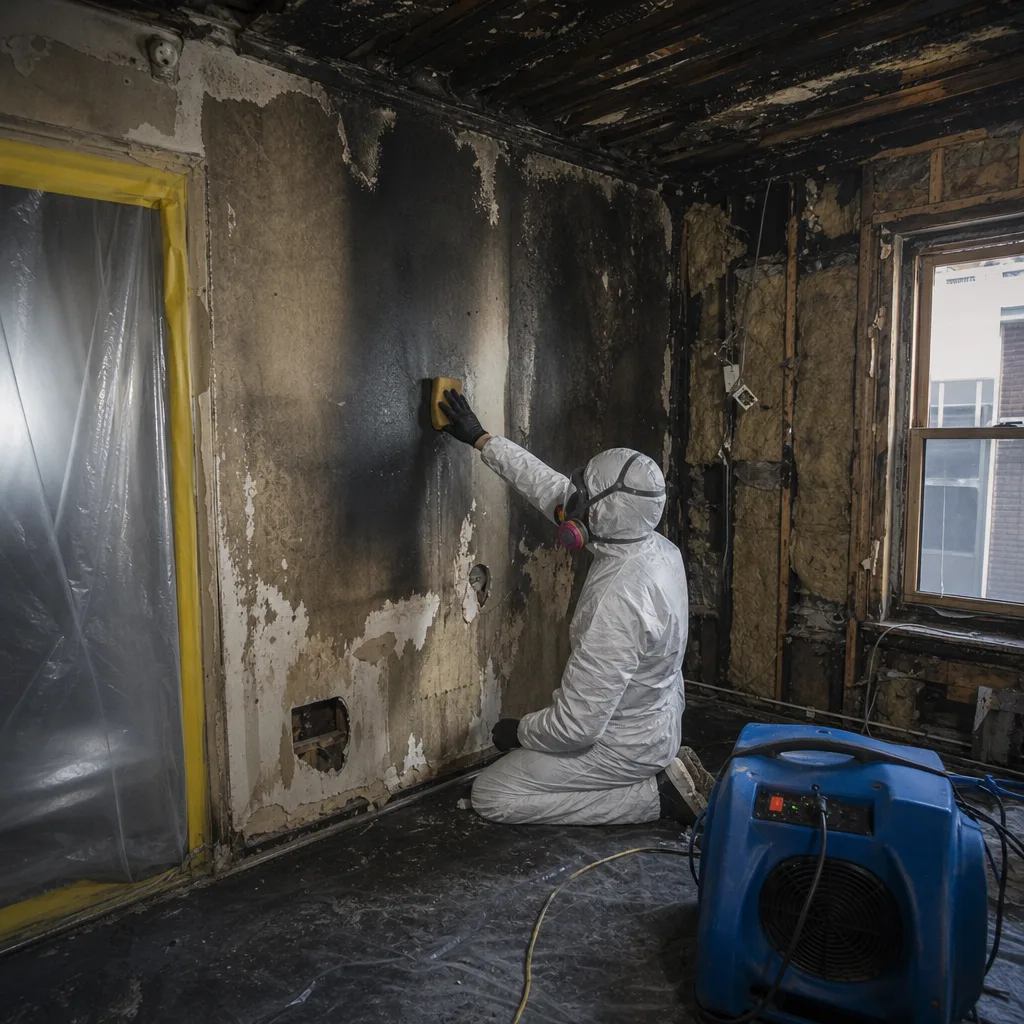
Insurance Claim Documentation
This is where many Greenpoint homeowners lose money without knowing it. We photograph every room before work starts, log moisture readings daily, write line-item scopes, and submit everything to your carrier. When the claim includes petroleum-impacted water disposal or asbestos coordination from older building materials, we make sure those costs are itemized and supported. You get a complete file, and your adjuster gets a complete file.
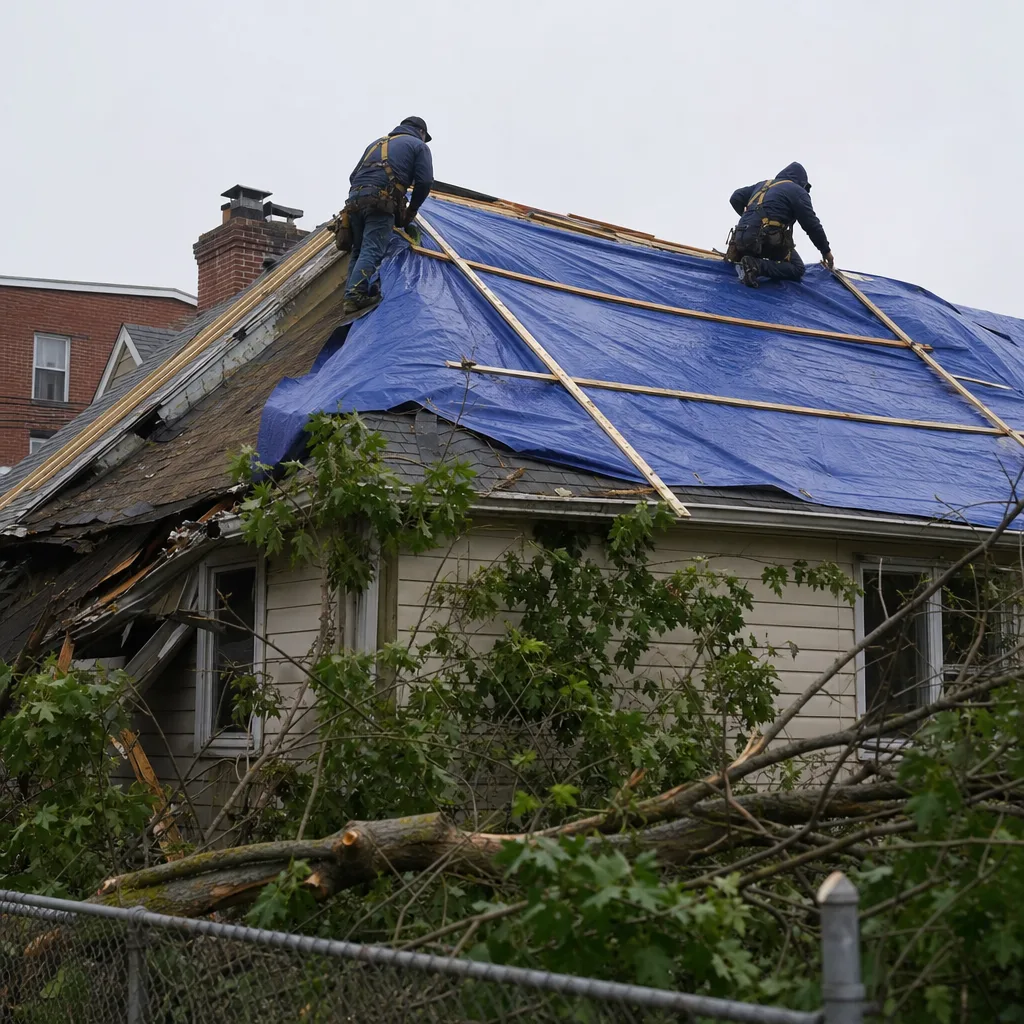
What happens when you call
- 1
A real person answersNo phone trees - you reach a local pro.
- 2
You get an upfront price rangeHonest numbers before anyone is dispatched.
- 3
A background-checked tech heads outLicensed & insured, dispatched right away.
- 4
You approve before work beginsNothing starts until you say go.
Reconstruction & Cleanup Costs in Greenpoint, NY
Here’s what we see in Greenpoint, line by line. Basement water extraction and drying in a typical row house basement runs $3,800 to $8,500. If petroleum screening and DEC coordination are required, add $1,500 to $4,000 for disposal and documentation. Drywall replacement in one or two rooms of a plaster-walled Greenpoint apartment runs $4,000 to $11,000, depending on whether asbestos abatement is triggered. Full-service reconstruction after a fire or major flood runs $18,000 to $45,000+ for a full floor in a brick row house. Hardwood floor drying in place runs $800 to $2,500 per room; replacing old-growth flooring runs $12 to $22 per square foot if the material is saved. Carpet and upholstery cleaning runs $300 to $900 per room. The free inspection is how you get a firm number. Estimates are free, and the scope you agree to is the scope you pay for.
We Also Serve Cities Near Greenpoint
Our Greenpoint crews also serve Reconstruction & Cleanup in Greenpoint neighbors in Long Island City, Williamsburg, Murray Hill, and Upper Manhattan. If your building is outside Greenpoint proper, call and we’ll route the nearest available certified team.
Serving Greenpoint, NY - Our Local Coverage Area
We’re based in the Greenpoint area and know this community well. Use the map below to see our service coverage - if you’re nearby, we can almost certainly help.
Greenpoint Reconstruction & Cleanup Questions, Answered
What happens if our Greenpoint basement flood contains oil from the underground plume?
We stop extraction immediately, notify the NYS DEC, and set up a disposal path for petroleum-impacted water before any equipment runs. This is not optional, and any contractor who skips it is creating an illegal discharge and a much larger insurance problem. We document the finding, adjust the scope, and keep drying.
Do I need asbestos testing before you open up a water-damaged wall in my Greenpoint brownstone?
Yes, if the building was constructed or renovated before 1980. Plaster, pipe insulation, and old flooring can contain asbestos. We screen before any cutting or demolition. If a material tests positive, we bring in a licensed abatement contractor and coordinate that work with your insurer.
Can you dry out hardwood floors in an old Greenpoint row house, or do they need to be replaced?
Old-growth hardwood can often be saved with in-place drying if the water is Category 1 or clean Category 2 and the flooding was caught early. We place air movers and LGR dehumidifiers under and above the flooring, monitor daily with moisture meters, and let the wood tell us when it’s dry. If cupping or warping is too advanced, replacement is the only sound option, but we never recommend replacement just to raise the job size.
How do you handle water damage that started in my neighbor’s unit but wicked through the party wall into mine?
We treat the party wall as a shared drying zone. Moisture mapping identifies how far the water has traveled into your unit, we set drying equipment on both sides, and we document findings for both carriers. In attached Greenpoint row houses, this is the most common type of multi-unit loss we see.
Will my insurance pay for the extra cost of the Greenpoint oil plume screening?
In most cases, yes. The screening, DEC coordination, and specialty disposal are all part of mitigating a covered loss. We document everything in the file for your carrier. If a claim was already paid without this scope, we can submit a supplement. Call (716) 452-0798 and we’ll walk through what your policy language says.
How fast can you actually get to a Greenpoint address?
Most Greenpoint calls are answered live within seconds and a crew reaches the property in 45 minutes or less. For flooding or a broken pipe actively running, that speed is what protects your structure from a bigger rebuild later.
Do we need to move out while you dry and rebuild?
Depends on the loss. Small water jobs can be dried while you stay. Full flood or fire reconstruction may require temporary relocation, especially in attached row houses where containment must stay sealed. We’ll tell you up front, before the scope is signed.
What certifications do your Greenpoint crews hold?
Our technicians are background-checked, uniformed, and certified to IICRC, RIA, and IFA standards, including water, fire, and applied microbial remediation certifications. We use Dri-Eaz, Phoenix, XPOWER, B-Air, and Injectidry equipment, and we log every moisture reading daily.
Written by Curt Bowman, Owner at Floodline Restoration Co., serving Greenpoint and the surrounding boroughs since 2010.