
Free visual inspection and a written scope of work before any mitigation begins - photos, moisture readings, and drying logs go in your claim file
The scope we write is the scope we bill. Anything new gets shown to you, in writing, before we touch it.
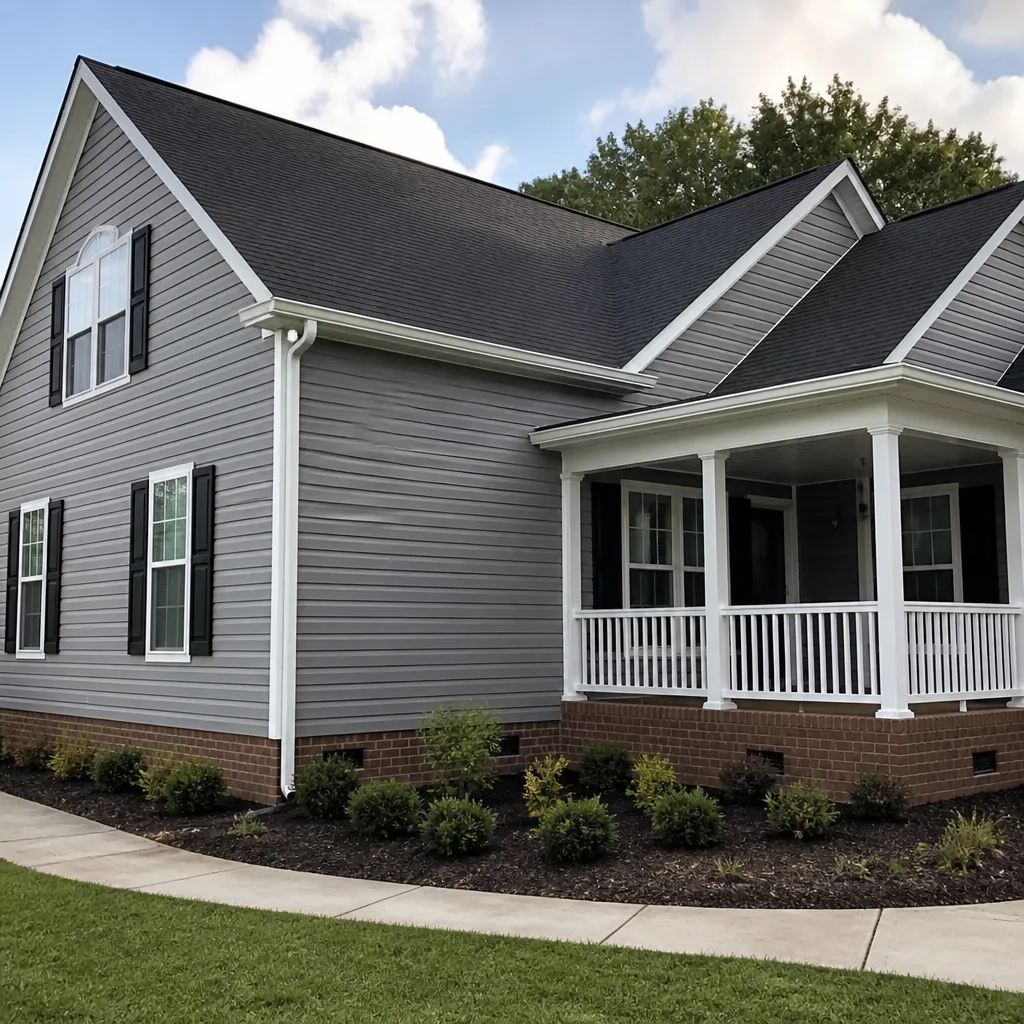
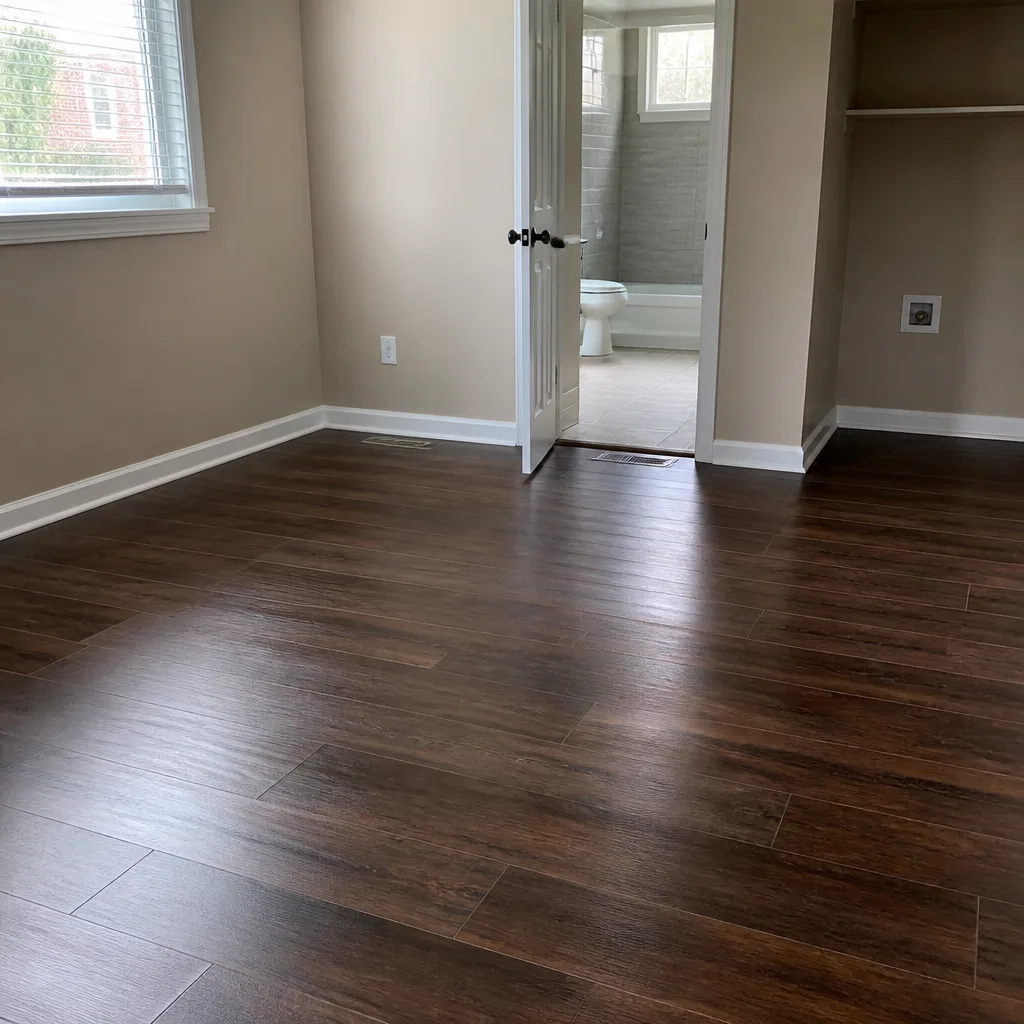
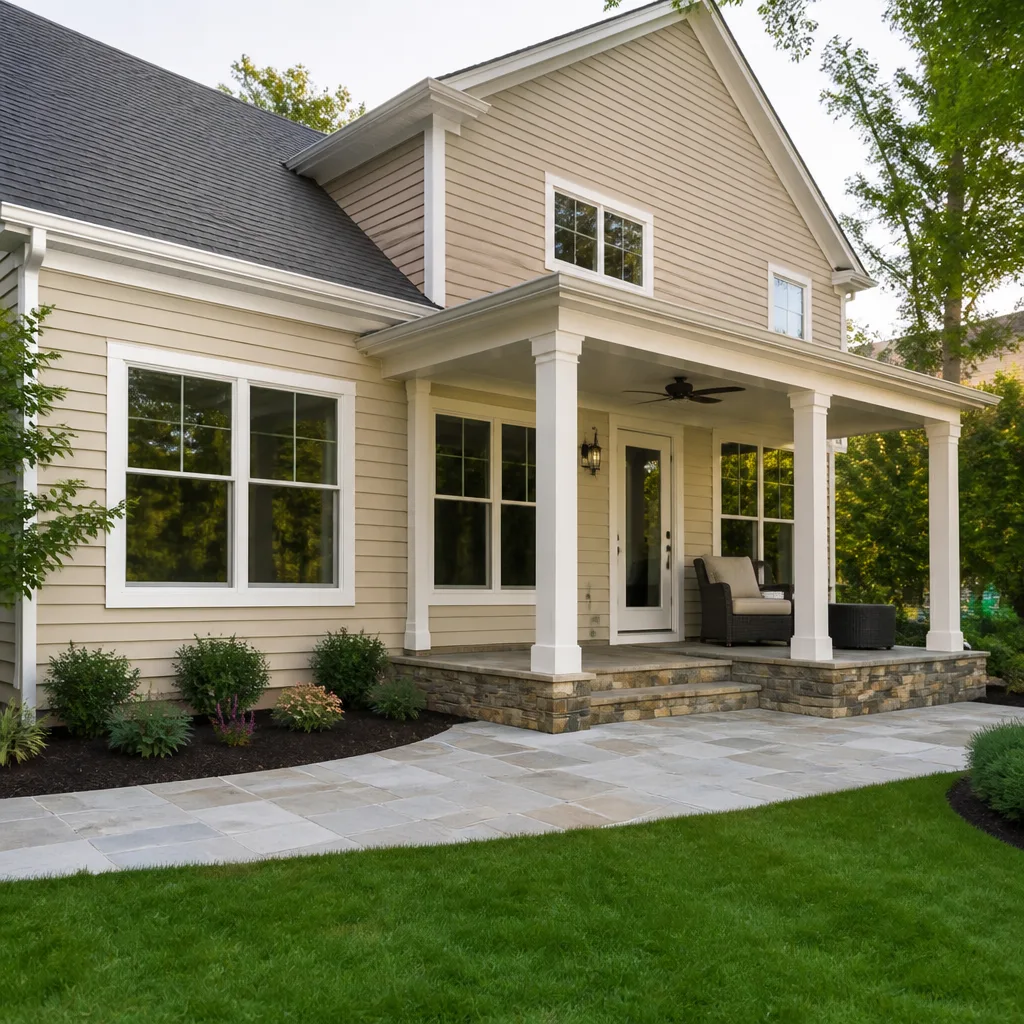
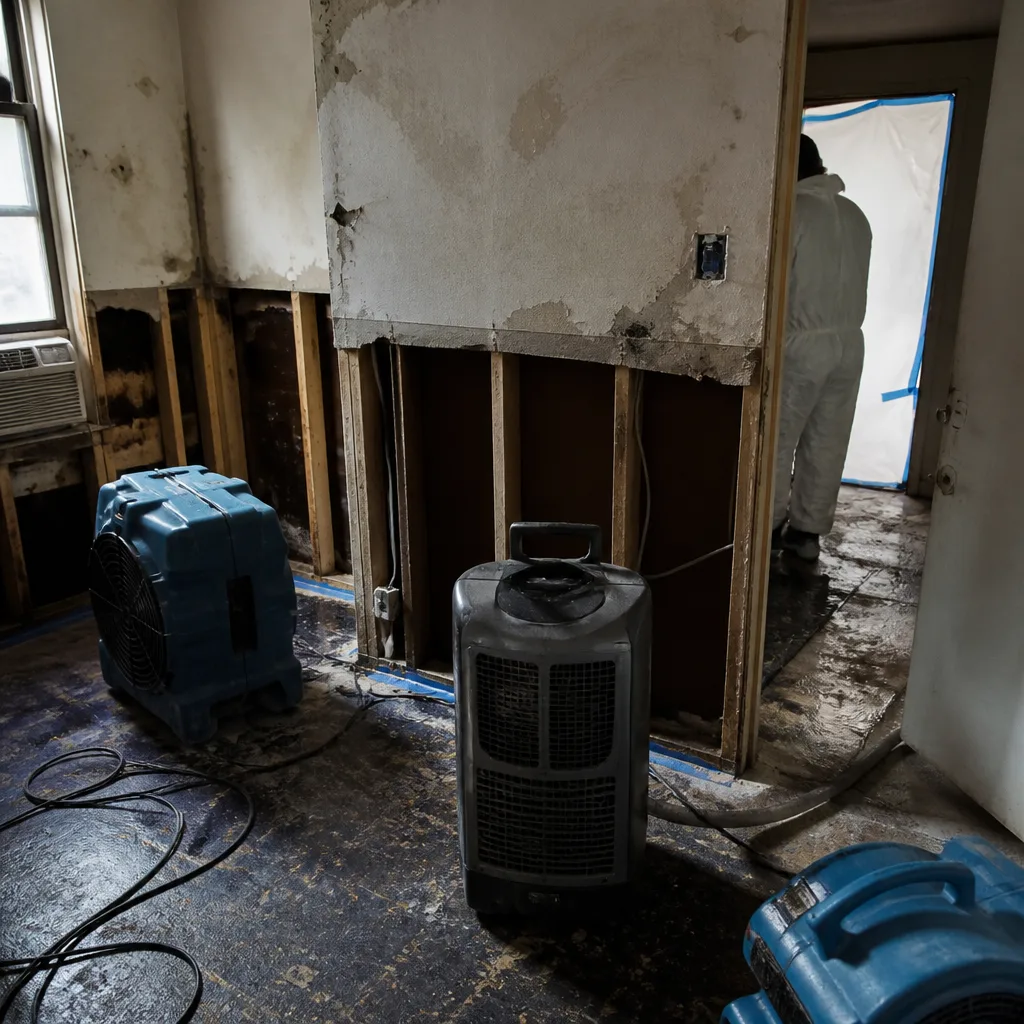 Before
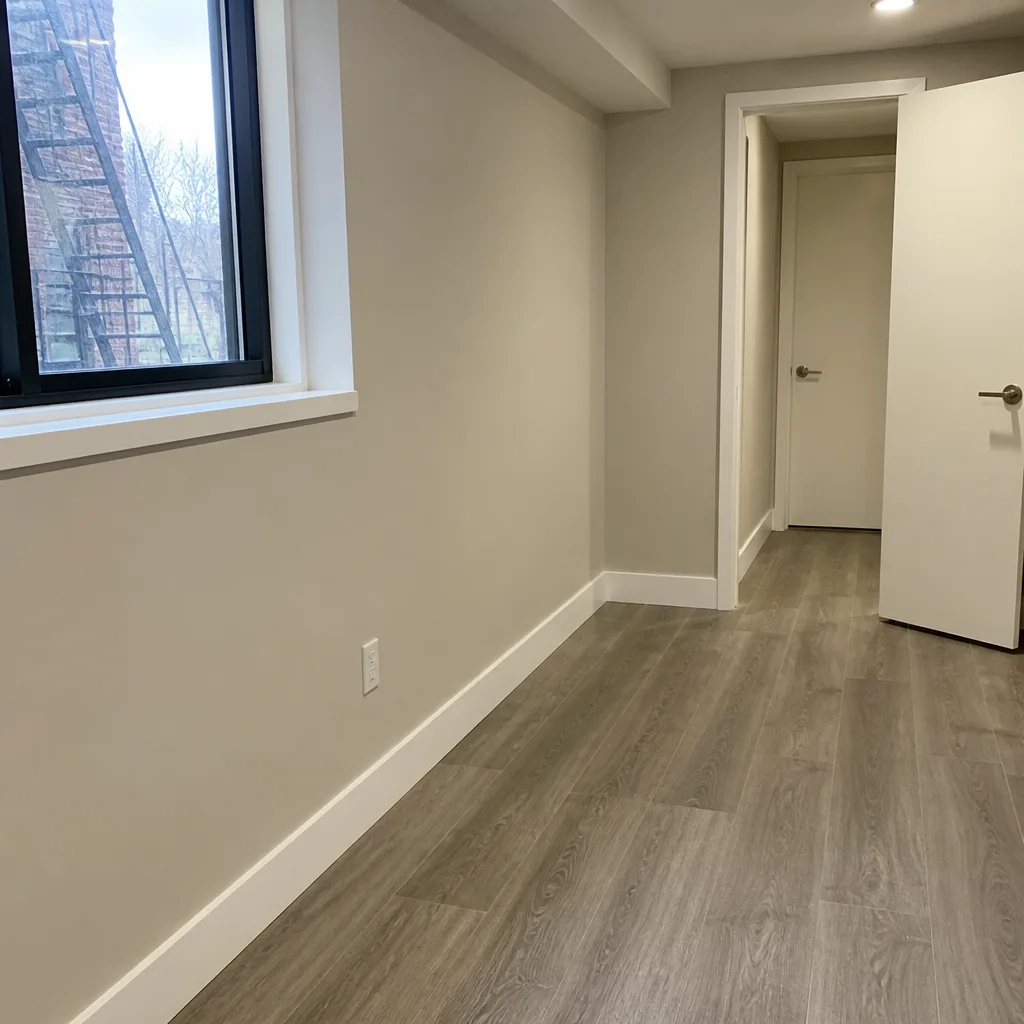 After
After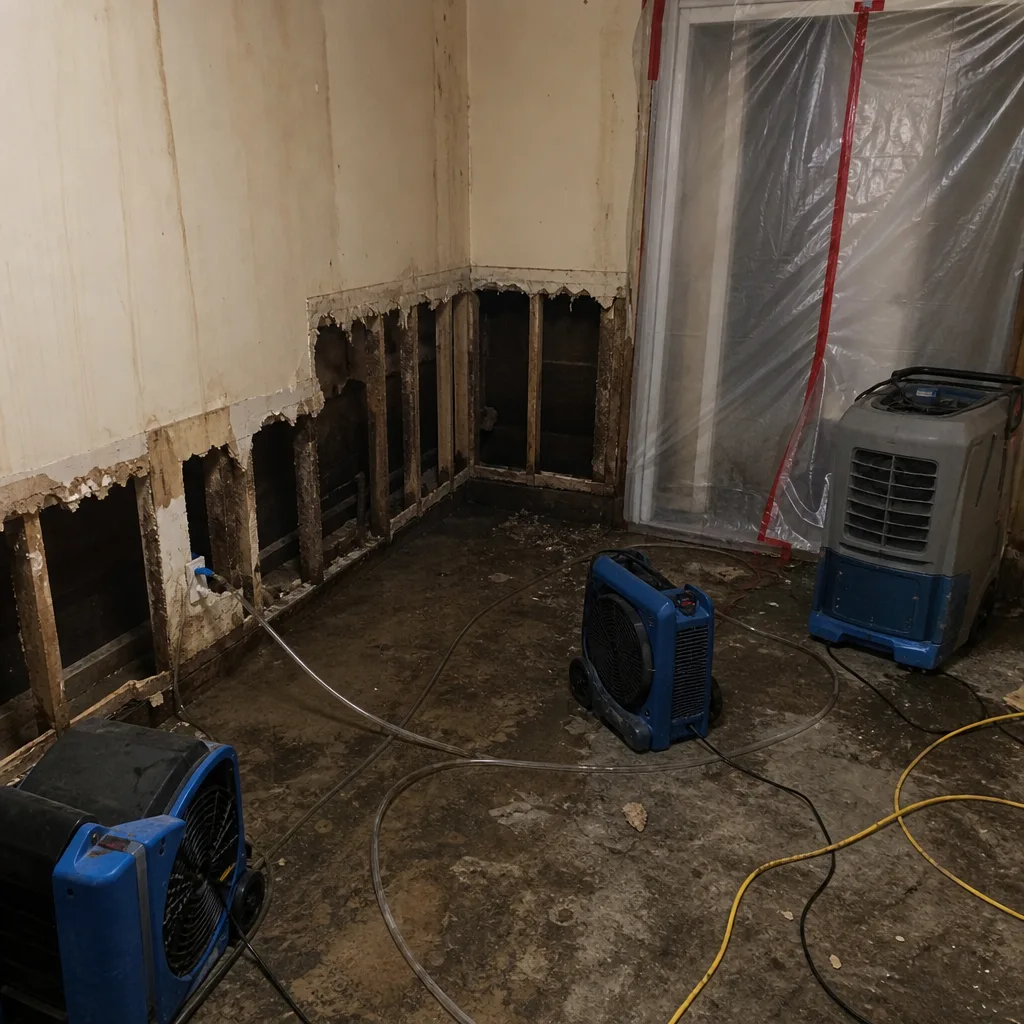 Before
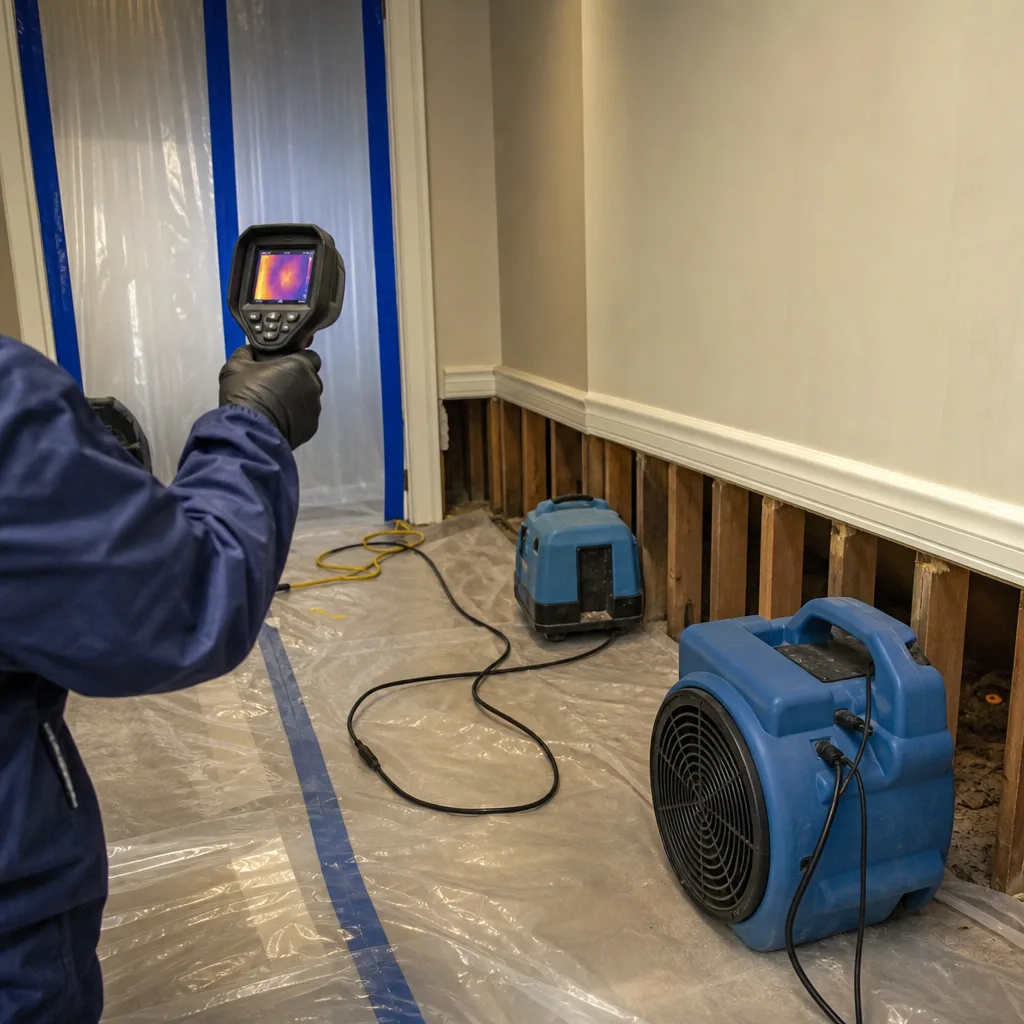 After
After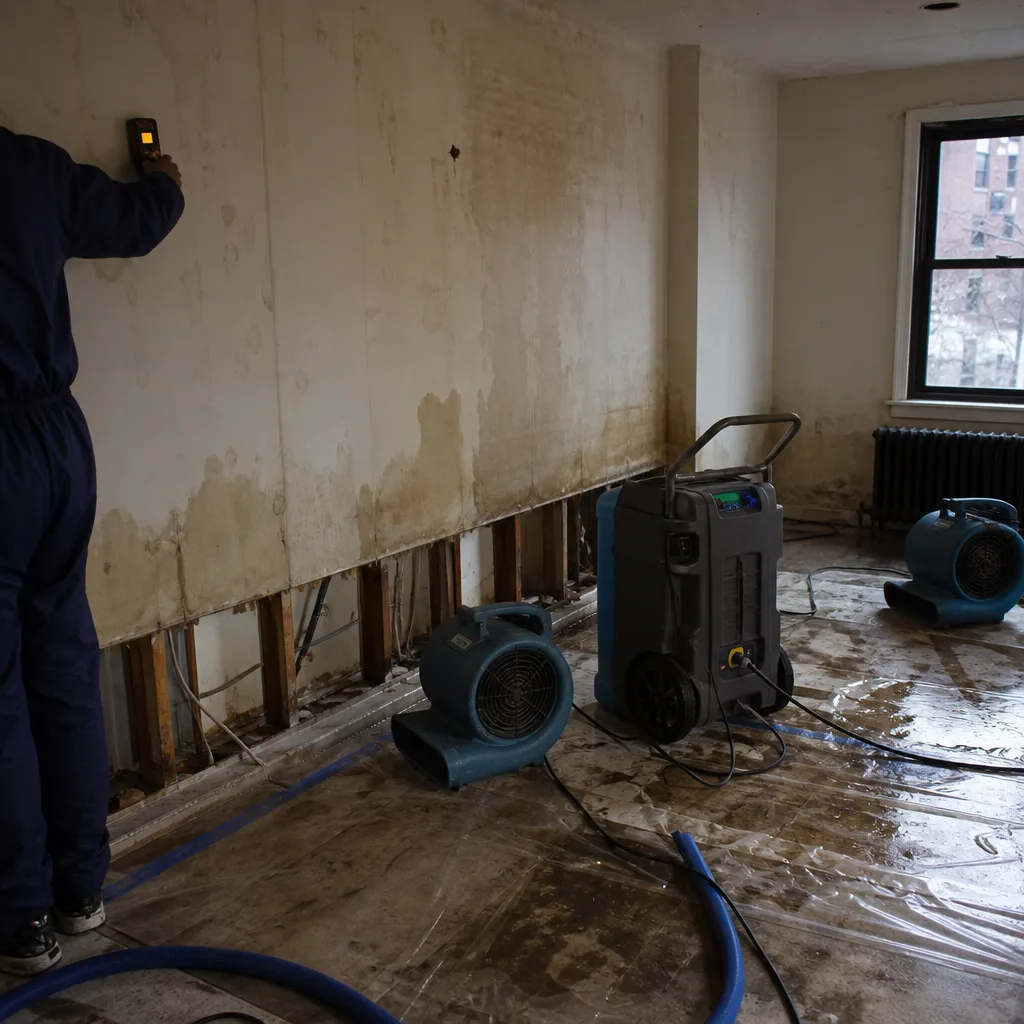 Before
 After
After24/7 Emergency Commercial Restoration in Astoria
Commercial restoration in Astoria means something specific: a pipe lets go at 2 a.m. in a pre-war walk-up on 30th Avenue, and within twenty minutes it’s raining inside the corner deli below. We answer the phone at that hour with a live dispatcher, not a recording. A Floodline Restoration Co. crew can be on site inside the Astoria ZIP codes of 11102, 11103, and 11105 within the hour, extracting water and setting up containment before the damage spreads into shared walls and neighboring units. Call (716) 452-0798 the moment you see water where it shouldn’t be. The first hour determines whether you’re drying drywall or replacing it, and with attached brick construction, the difference compounds fast.
Understanding Commercial Restoration Severity in Astoria Properties
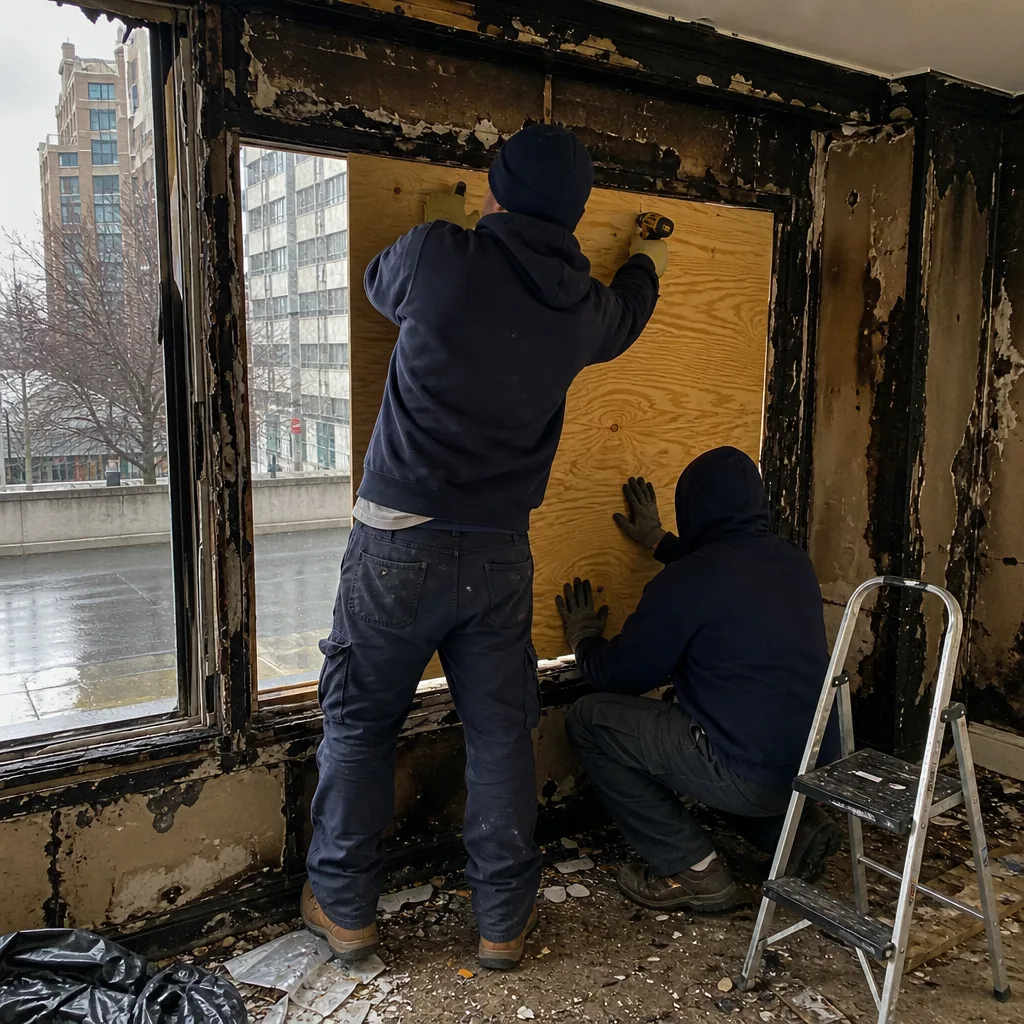
Not all water damage is equal. The restoration industry classifies water by contamination level. Category 1 is clean supply water. Category 2 carries significant contamination. Category 3, what we deal with most often in flooded Astoria basements and sewer backups, is grossly contaminated, carrying pathogens and requiring full containment, antimicrobial treatment, and disposal of affected porous materials. In the attached brick row houses and mixed-use buildings that dominate Astoria, severity isn’t just about water class. It’s about migration path. Water from a second-floor steam pipe failure in a 1920s walk-up on Steinway Street runs down inside partition walls, collects above the finished basement ceiling, and pools in the stockroom of the storefront below. By the time you see it, it has been moving for hours. Our crews use thermal imaging and moisture meters to map what’s hidden, then dry to the standard, not to a guess. For fire and smoke losses, we assess soot type and migration through shared attic spaces that often connect adjoining row houses, which is exactly why containment before demolition matters so much here.
Why Astoria Property Owners Choose Floodline Restoration Co.
- 45-minute response commitment for emergency calls inside Astoria, backed by live dispatch that routes the nearest crew, not the next available slot on a call sheet.
- 24/7 live answer, always a person. At 2 a.m. you get a dispatcher who speaks restoration, asks the right questions, and starts a crew moving.
- IICRC-certified crews trained to WRT (Water Damage Restoration Technician) and FSRT (Fire & Smoke Restoration Technician) standards, background-checked and uniformed.
- Free visual inspection before any work is authorized. You see what we see, with photos and a written scope, before a single piece of equipment is unloaded.
- Direct insurance billing. We document, we communicate with adjusters, and we bill the carrier directly. You’re not the messenger.
- One team from first extraction to final rebuild. The crew that maps the moisture on day one hands you the drying log on the last day and rebuilds the wall that has to come out.
Our Commercial Restoration Process
1. Inspection & Assessment
We start with visual inspection, thermal imaging, and moisture mapping. In Astoria’s attached buildings, we check shared walls, floor cavities, and the unit below. You get a written scope with photos before work begins.
2. Extraction & Stabilization
Truck-mounted extraction pulls standing water fast. In finished basement apartments and commercial stockrooms, speed here determines whether inventory, flooring, and drywall survive. Stabilization stops active water movement.
3. Drying & Dehumidification
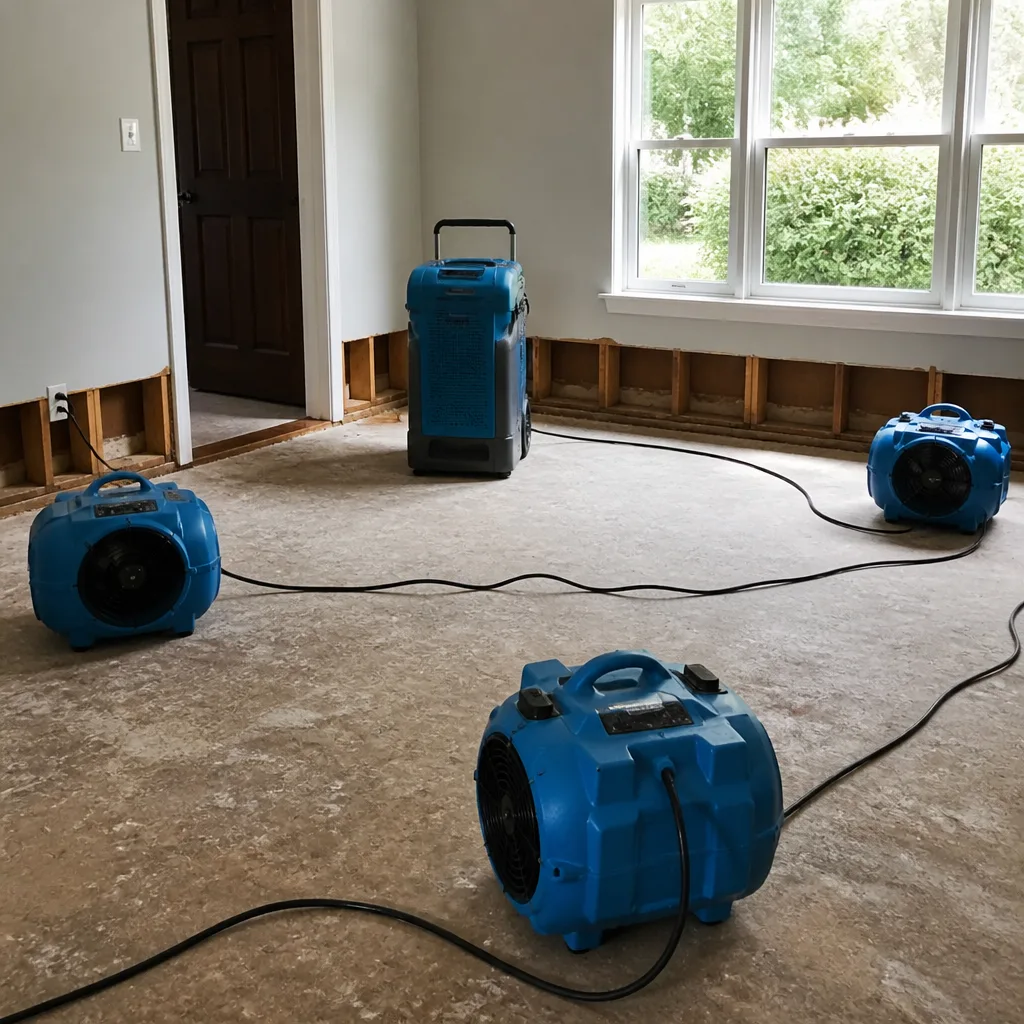
Professional-grade Dri-Eaz dehumidifiers and Phoenix air movers run on a calculated layout, with daily moisture readings. In pre-war brick buildings with original plaster and lath, controlled drying beats demolition. The log goes to you and your carrier.
4. Cleaning & Sanitization
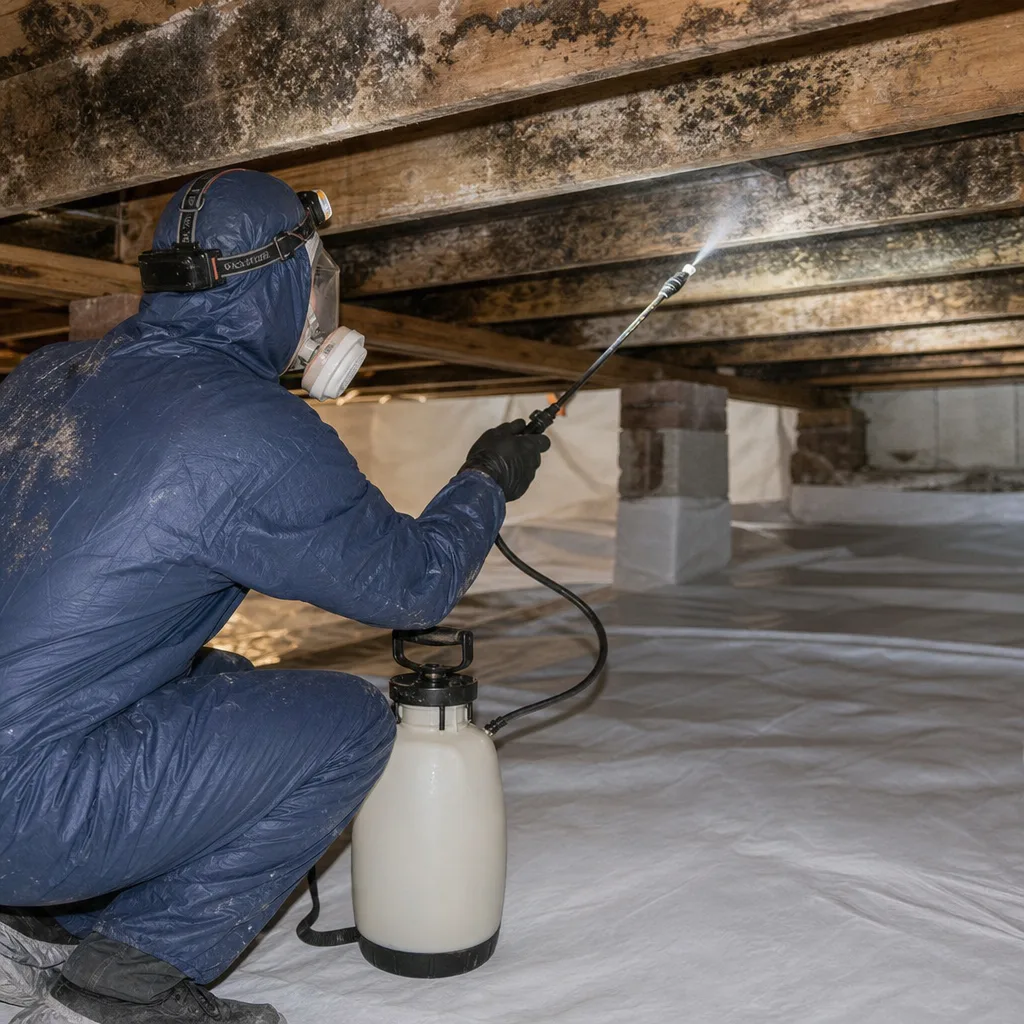
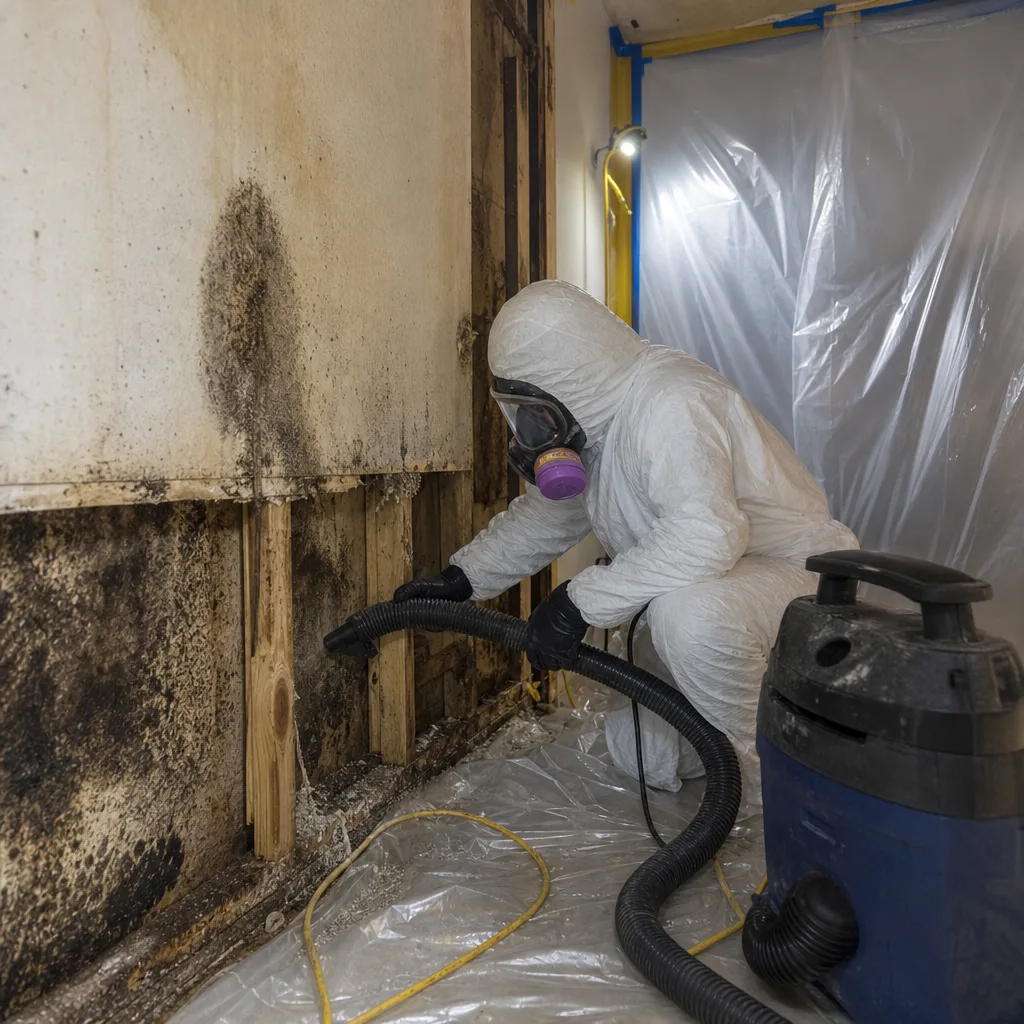
For category 2 and 3 water, antimicrobial application is standard, not optional. We clean surfaces, treat affected framing, and run HEPA air scrubbers where mold spores or soot are present so you’re not trading water damage for an air quality problem.
5. Specialty Treatment for Commercial Spaces
This is where commercial restoration differs from residential. Document recovery for waterlogged files. Inventory triage for retail stock. Containment that lets the business next door keep operating. We match the treatment to what the business physically holds, not just the structure.
6. Repairs & Restoration
The same crew that dried the space handles the rebuild: drywall, trim, flooring, paint, storefront fixtures. No handoff to an unknown subcontractor. You get the 90-Day Done Right Promise in writing when we sign off.
Need Emergency Commercial Restoration in Astoria Now?
Crews minutes away, answering live 24 hours a day. The sooner we start, the less it costs.
Working With Your Insurance Company
Insurance is part of nearly every commercial loss we handle in Astoria, and the first 72 hours determine how smoothly the claim goes. We document from the moment we arrive: photos of standing water, thermal images of hidden moisture, itemized lists of affected inventory and documents. Our line-item scopes follow the same estimating software your adjuster uses. When there are two carriers involved, which happens constantly on mixed-use corridors like Steinway Street where a residential leak above a storefront creates two claims, we coordinate with both adjusters directly. You don’t play messenger. You don’t argue line items. You get your business back.
What We Provide Your Insurer
- Thorough documentation of the loss from the first hour
- Photos of all damage, room by room and floor by floor
- Moisture readings and drying logs, updated daily until the standard is met
- A detailed, line-item scope of work in industry-standard estimating format
- Direct coordination with your carrier, including dual-adjuster situations on mixed-use buildings
Built for Astoria’s Loss Calendar
Astoria has a loss pattern you can set a calendar by. January and February bring deep freezes that split supply pipes in century-old cold-water flats where insulation was never in the walls. The freeze-thaw cycle hammers flat built-up roofs on pre-war walk-ups, opening cracks that leak during the next rain. Spring thaw pushes water into finished basement apartments through foundation seams that haven’t been touched since the building went up in the 1930s. Summer thunderstorms overwhelm combined storm-and-sanitary lines, sending category 3 water up through floor drains in basement retail spaces. And nor’easters, especially those that line up with the tidal flows at Hell Gate where the East River and Harlem River meet, push storm surge into low-lying blocks near the waterfront. We’ve seen the same buildings at the same addresses across multiple events. That’s the point: we know these buildings. We know where Astoria fails, and when, and we show up ready for that specific failure, not a generic one.
Commercial Restoration Across Astoria’s Neighborhoods
Ditmars Boulevard runs through Astoria’s northern commercial spine, where three-story walk-ups sit above storefronts for blocks. Water from a second-floor bathroom supply line above a Ditmars bakery means the baker’s mixer, flour inventory, and refrigeration all sit under active water while the tenant upstairs has a puddle in the hallway. Two policies, two adjusters, one building. Around 30th Avenue, the buildings are denser, the alley access tighter, and the basement retail spaces are older, with lower ceiling clearances and older electrical. Along Steinway Street, the mixed-use pattern is at its most intense: furniture stores, pharmacies, and restaurants at street level with apartments above, all sharing a common building envelope. In the blocks near Astoria Park and the East River waterfront, especially in 11102 and parts of 11105, nor’easter surge is the recurring threat, and crawl spaces and below-grade mechanical rooms are the first to take water. Each of these areas has the same underlying reality: attached buildings, shared walls, multiple occupants, and a restoration job that cannot be treated as a single-room cleanup.
Specialized Commercial Restoration Services We Offer in Astoria
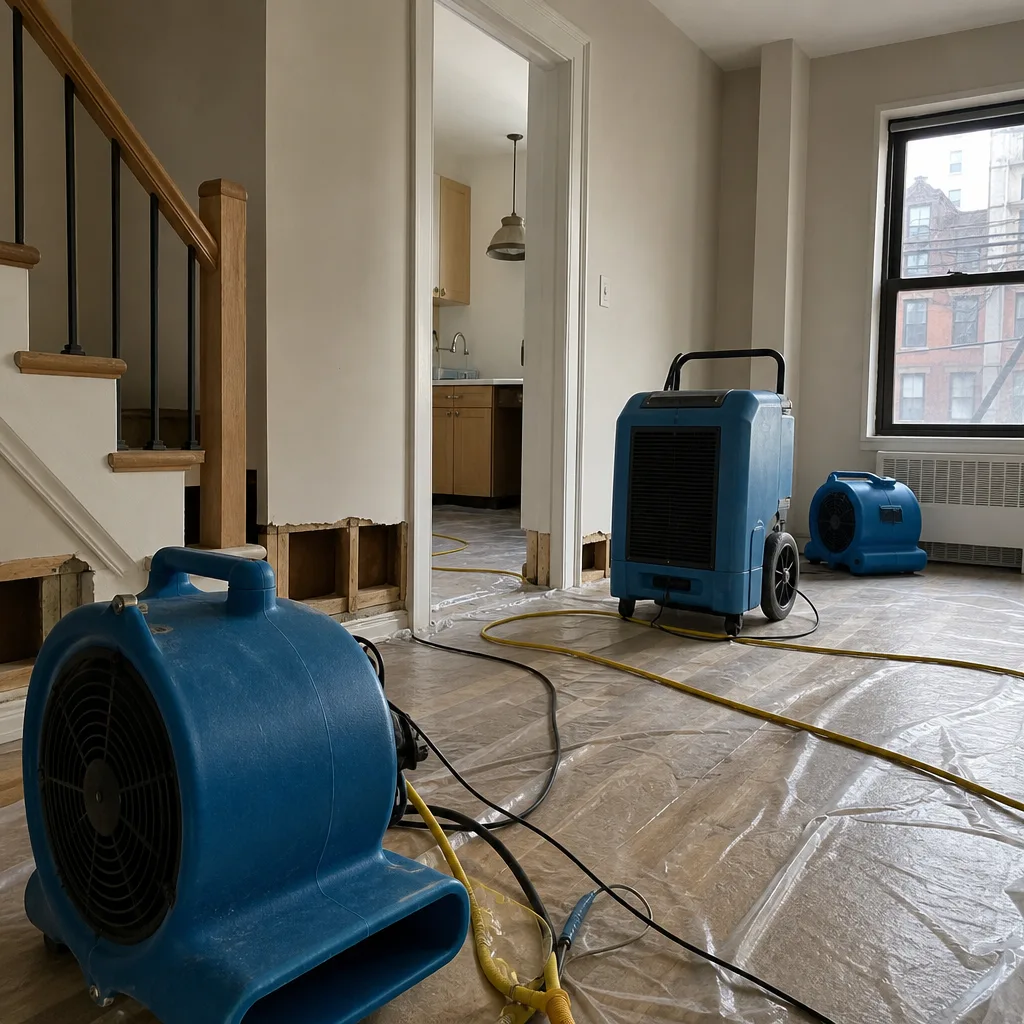
Office & Retail Restoration
A flooded office on Broadway isn’t just drywall. It’s server closets, electronic point-of-sale systems, paper files, and the need to reopen for customers who walk by the shuttered storefront every day. We extract, dry, and clean in a way that gets you back to selling.
Multi-Unit & HOA Restoration
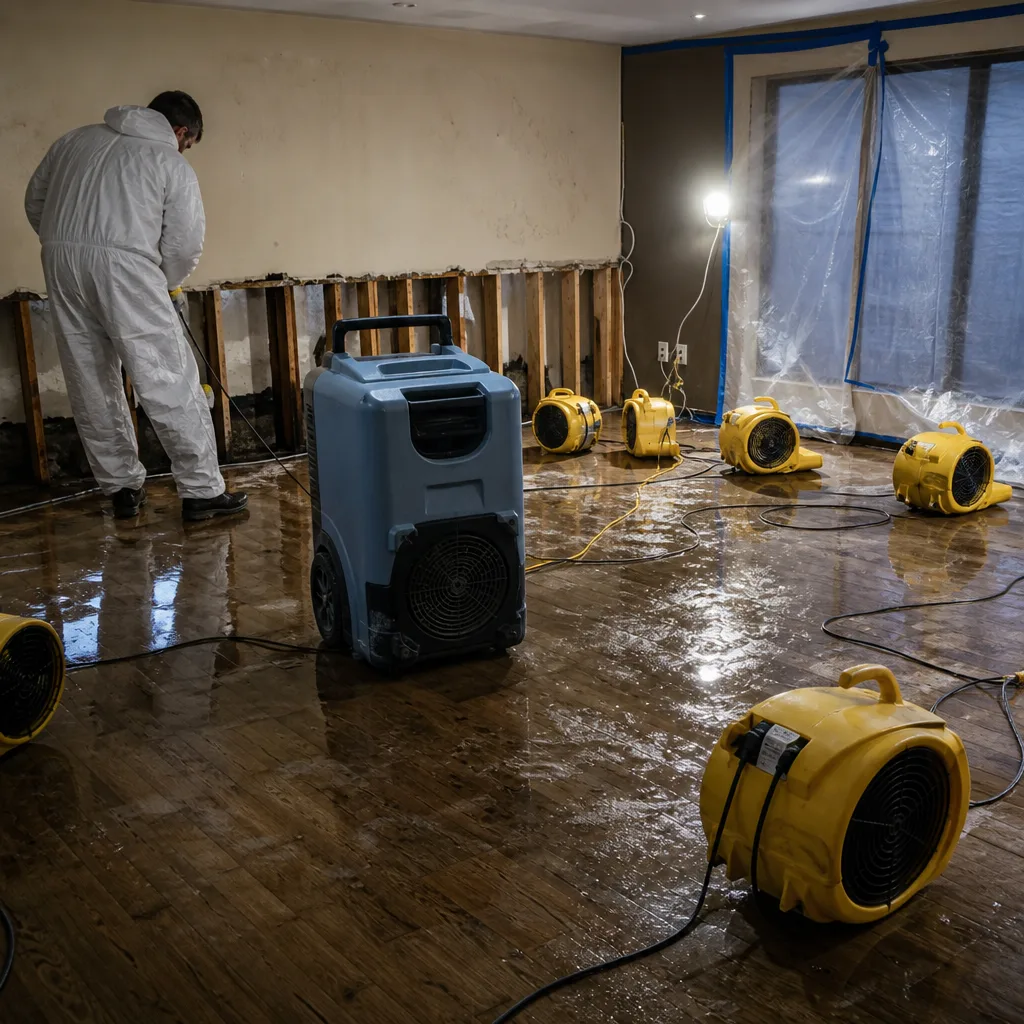
This is Astoria’s default restoration job. A pipe fails in unit 2, water moves into unit 1, and the HOA’s common-area policy intersects with two separate unit-owner policies. We manage containment, drying, and documentation across every affected space and every affected owner. One crew, one moisture log, zero finger-pointing.
Industrial Facility Cleanup
Astoria has active industrial and warehouse stretches, particularly near the northern waterfront and along the rail lines. Water or fire in an industrial space means racking, inventory, and equipment. We bring the same certified crew and professional-grade drying equipment, scaled to square footage.
Large-Loss Response
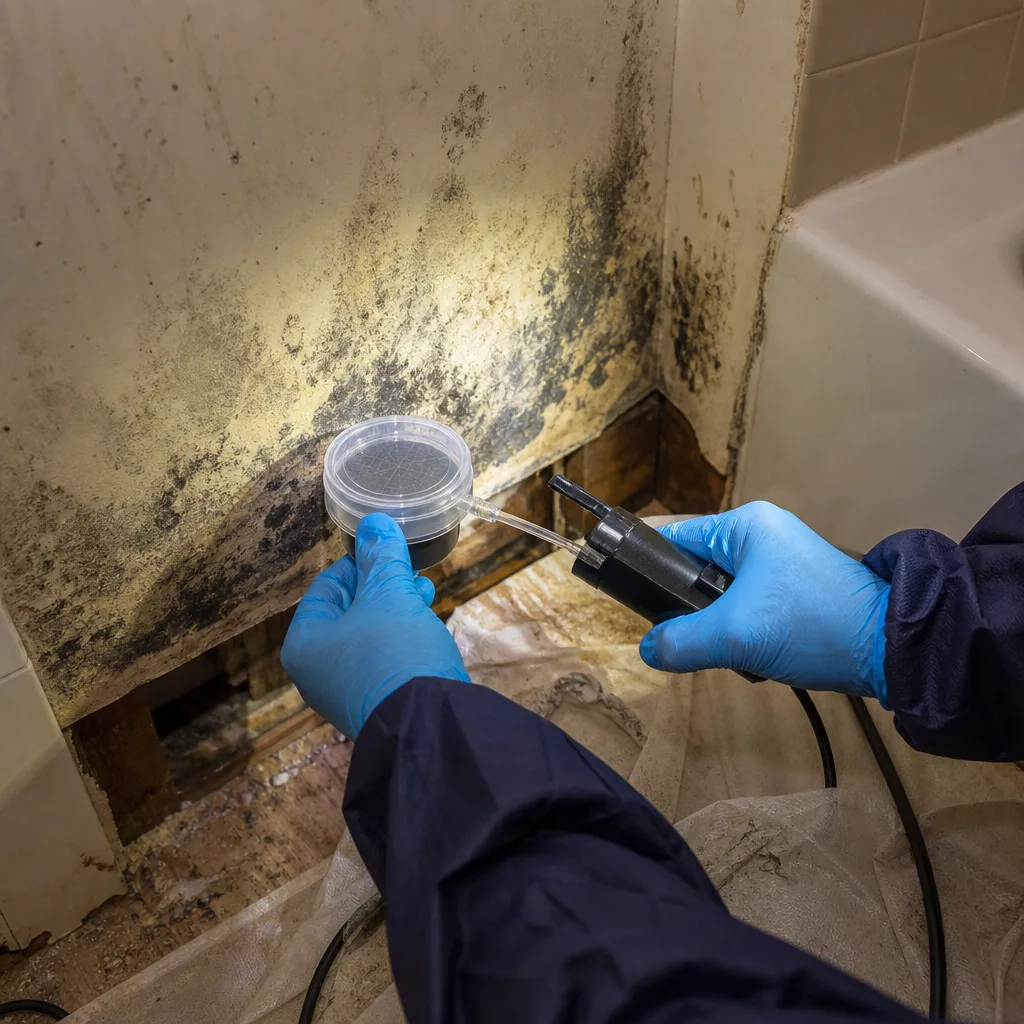
A nor’easter surge that floods a whole block of Ditmars Boulevard stores is not a normal call. It’s a large-loss event. We mobilize multiple crews, set up a staging plan for debris and equipment, and coordinate with the broader recovery effort while keeping each business owner’s claim separate and documented.
Business Interruption Minimization
Every day a Steinway Street restaurant sits dark is a day of lost revenue that insurance may only partially touch. We prioritize containment and targeted drying so the affected area is cordoned while the rest of the business keeps operating where safety allows. We’ve had delis back open in 48 hours while a single back stockroom stayed contained and dried.
What happens when you call
- 1
A real person answersNo phone trees - you reach a local pro.
- 2
You get an upfront price rangeHonest numbers before anyone is dispatched.
- 3
A background-checked tech heads outLicensed & insured, dispatched right away.
- 4
You approve before work beginsNothing starts until you say go.
Commercial Restoration Costs in Astoria, NY
Costs in Astoria track the density of the buildings, not just the square footage. A typical category 1 water extraction and drying for a single commercial storefront in Astoria runs between $2,500 and $7,500. Category 3 sewage or storm-surge water in a mixed-use basement pushes that to $7,000 to $20,000, because containment, antimicrobial treatment, and disposal of contaminated porous materials are all mandatory. Fire and smoke restoration for a commercial unit in Astoria ranges from $4,000 for a contained kitchen fire to $50,000 and beyond for smoke migration through shared attic spaces across multiple units. Multi-floor, multi-unit losses along Ditmars Boulevard or Steinway Street routinely exceed $30,000 when three floors and a storefront all need structural drying and rebuild. What moves the number: the category of water, how many units the water touched, how much demo is required on original plaster and lath, and access constraints on Astoria’s narrow alleys and sidestreets. Call (716) 452-0798 for a free visual inspection and a written scope. That’s how you get from a range to a firm number.
When a burst steam pipe in a pre-war attached row house on 31st Avenue sent water cascading through three occupied floors and into the ground-floor salon beneath, our crew arrived within the hour. We set up containment and structural drying on all three residential levels, coordinated category 3 water extraction from the salon’s finished basement, and worked with two separate insurance adjusters to document moisture readings and drying logs, all while navigating tight alley-load access and a narrow townhome door.
Flat-Roof Failures, Steam Pipes, and the Hell Gate Exposure
Astoria sits along the East River near Hell Gate, the tidal confluence where the East River, Harlem River, and Long Island Sound meet with notoriously violent currents. That exposure means low-lying blocks near the waterfront take storm-surge flooding during nor’easters that inland Queens neighborhoods largely avoid. For commercial restoration, the practical effect is this: a heavy winter storm can put water into basement mechanical rooms and stockrooms on 34th Avenue while a restaurant four blocks away on 30th Avenue stays dry. Then the freeze-thaw cycle hits the flat built-up roofs on the same pre-war walk-ups, cracking membranes that have been patched for decades. The steam heat distribution systems in these 1920s and 1930s buildings run cast iron and galvanized pipe that corrodes from the inside. When a steam pipe lets go on the fourth floor, water and steam move through every floor cavity on the way down. We’ve done enough of these in Astoria to know the building tells you where the water went if you know how to read it. The line the water left is where we start.
Along mixed-use corridors like Steinway Street and Ditmars Boulevard, ground-floor restaurants, salons, and groceries sit directly beneath residential apartments, so a plumbing failure or roof leak above instantly becomes a simultaneous residential-and-commercial insurance claim, a dual-policy, dual-adjuster complication that restoration contractors in purely residential suburbs almost never encounter.
We Also Serve Cities Near Astoria
Our crews regularly run calls in Long Island City, Jackson Heights, Elmhurst, and Maspeth. If your building is on the Astoria border and you’re not sure whether you’re in our service area, call and ask. Dispatch is live, and we’ll tell you straight.
Serving Astoria, NY - Our Local Coverage Area
We’re based in the Astoria area and know this community well. Use the map below to see our service coverage - if you’re nearby, we can almost certainly help.
Astoria Commercial Restoration Questions, Answered
How do you handle restoration in Astoria’s attached brick row houses without affecting neighboring commercial tenants?
We set up containment before any demolition starts, not after. In attached brick row houses, shared walls and crawl spaces mean airborne mold spores and demolition dust move sideways as easily as they move up. Our crews run HEPA air scrubbers on negative pressure, seal the work area, and monitor air quality through completion. The neighboring business doesn’t even have to close. That’s the standard we bring to every Astoria job, because a cross-contamination complaint from the tenant next door is the kind of problem that doesn’t show up on an initial estimate but costs more than the drying itself. Call (716) 452-0798 to talk through your building’s layout.
What does business interruption minimization actually look like for a Steinway Street restaurant with water damage from an apartment above?
Containment first, then targeted drying. We split the space into the affected zone and the operating zone. The affected zone gets sealed, dried, and monitored. The operating zone gets clearance to stay open where safety and code allow. We’ve had Steinway Street food businesses running lunch service while we dried a back stockroom. It requires aggressive extraction within the first hour and a drying layout that doesn’t block the kitchen or the service path. The goal is keeping the revenue coming while the insurance claim proceeds. Call (716) 452-0798 the moment you see water.
Can you restore documents and inventory in a flooded Astoria basement that serves as both storage and a retail stockroom?
Yes, but time matters more than anything. After extraction, we triage inventory: what can be dried and returned to sale, what’s a total loss, what needs document freezing or content cleaning. Paper files from a category 3 flood can often be saved if we get to them within 48 hours, using freeze-drying or desiccant drying. Retail stock in cardboard packaging rarely survives saturation, but metal, plastic, and sealed goods often do. We itemize everything for your claim, with photos and a written inventory, so the adjuster sees exactly what was lost and what was salvaged. Call (716) 452-0798 for a free inspection.
How do you handle flat-roof failures on Astoria’s pre-war walk-ups that leak into multiple commercial units below?
Flat built-up roofs on 1920s and 1930s walk-ups fail slowly, then suddenly. By the time water shows up in a storefront ceiling, it has usually saturated insulation and moved through the roof assembly and down into wall cavities. We start with thermal imaging to map the full wet path across every affected unit, then dry each unit on its own schedule. These are multi-unit losses with multiple stakeholders, so documentation goes to each tenant, each owner, and each carrier. The roof itself may need a separate contractor, but we’ll tell you that straight and make sure the drying isn’t wasted while the roof is still open. Call (716) 452-0798 to get eyes on the roof before the next rain.
What is your large-loss response protocol for a nor’easter surge that floods a whole block of Ditmars Boulevard stores?
Large-loss response means we mobilize multiple crews at once, stage equipment in a single coordinated site plan, and assign a project manager who owns the whole block. Each storefront still gets its own extraction, its own moisture log, and its own claim file. The difference is scale and coordination: one call handles the block, and our project manager communicates with all the adjusters, all the landlords, and all the shop owners. We carry the professional-grade equipment to run many dryers and dehumidifiers simultaneously without waiting on a rental house. If you’re looking at water in your store right now, call (716) 452-0798 and we’ll start the dispatch while you’re still on the line.
How fast can you actually get to an Astoria commercial property in an emergency?
Our commitment is 45 minutes or less for emergency calls inside Astoria. That’s a live dispatcher taking your call at any hour, routing the nearest available crew, and sending a text with the crew’s ETA. In practice, we’re usually faster for the central Astoria ZIP codes of 11102, 11103, and 11105. For anything involving active water, category 3 contamination, or fire, the first hour changes the scope of the entire job. Call (716) 452-0798 and ask for dispatch.
Do I really need full restoration for a commercial water loss, or just a cleaning?
That depends on the category of water and where it went. Clean supply water that’s caught immediately on a tile floor may only need extraction and drying. Anything that touched a contaminated source, like a waste line or a sewer backup, or anything that sat behind baseboards or under flooring for more than 24 hours, almost always needs full structural drying and antimicrobial treatment. The honest answer comes from moisture readings, not a sales pitch. We’ll show you the meter readings and the thermal images, and you’ll see exactly what needs what. The free inspection is how we prove it. Call (716) 452-0798 to schedule one.
What should I do in the first 30 minutes after discovering water in my Astoria business?
Stop the source if you can do it safely. Shut off the water supply or the main valve. Kill power to the affected area at the breaker if water is near outlets, panels, or equipment. Move what you can to dry ground. Take photos of everything for your claim. Then call (716) 452-0798. Do not open walls, do not run consumer fans, and do not wait until morning. The water is already moving through the building. Call now, and we’ll be there when we say.
Floodline Restoration Co. | Commercial Restoration in Astoria
Our Commercial Restoration team is built around the buildings Astoria actually has: pre-war attached brick, mixed-use corridors, flat roofs, finished basements, and the multi-unit, multi-owner reality that defines this borough. If you own or manage commercial property in Astoria, you already know a single plumbing failure can become a four-policy insurance event before noon. We’ll be there when we say, we’ll document everything the moment we arrive, and we’ll stand behind the result in writing. Done right, and backed in writing. That’s the Keystone Standard, and it applies to every job we take.
Call (716) 452-0798 for a free estimate. Live dispatch, 24 hours a day, every day.