
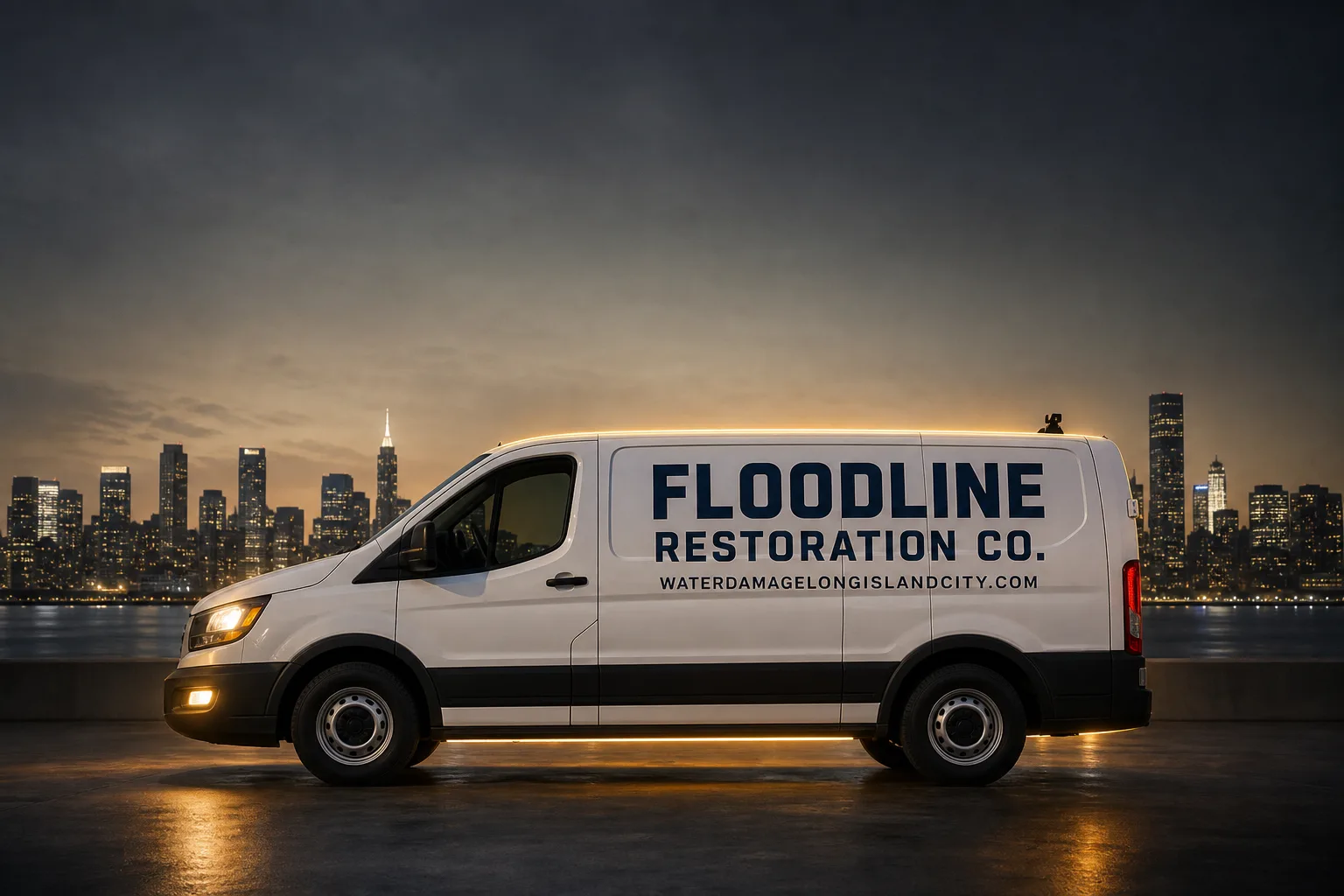
Free visual inspection and a written scope of work before any mitigation begins - photos, moisture readings, and drying logs go in your claim file
The scope we write is the scope we bill. Anything new gets shown to you, in writing, before we touch it.
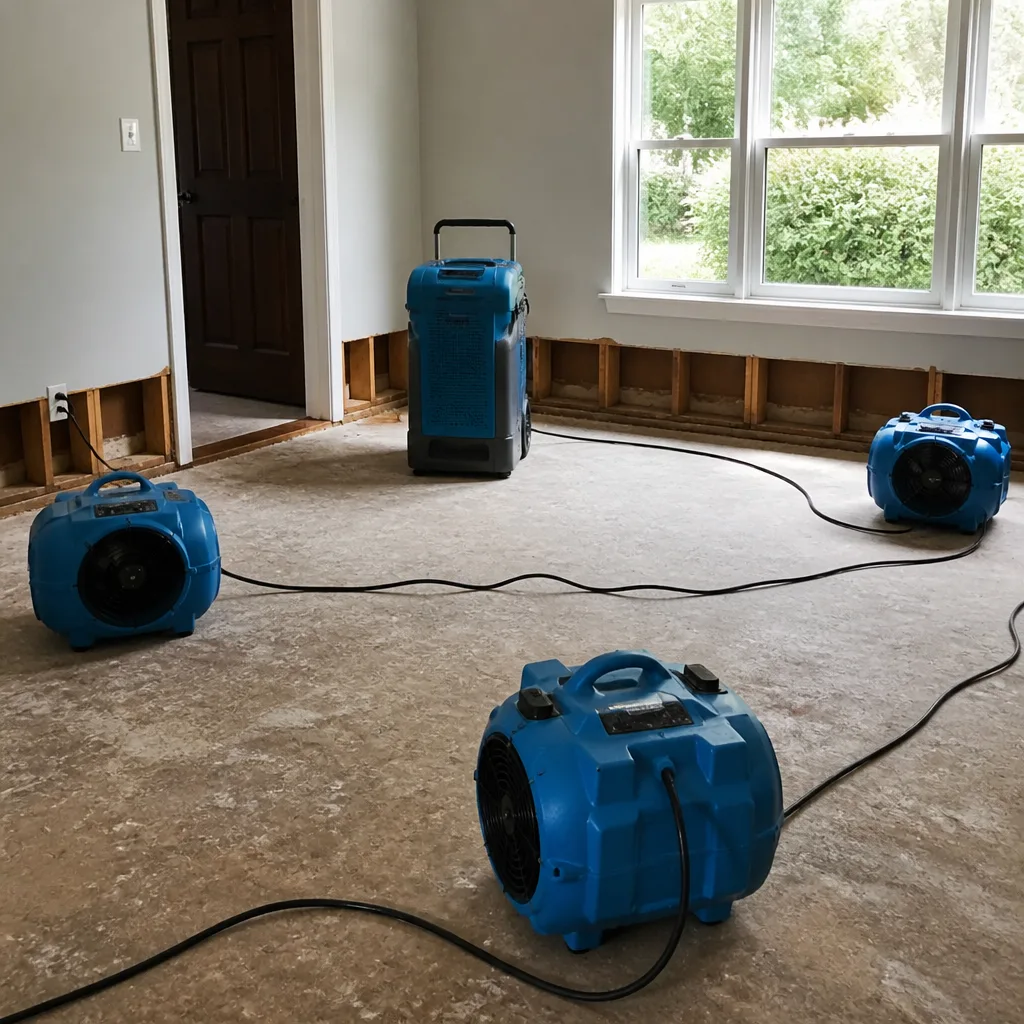
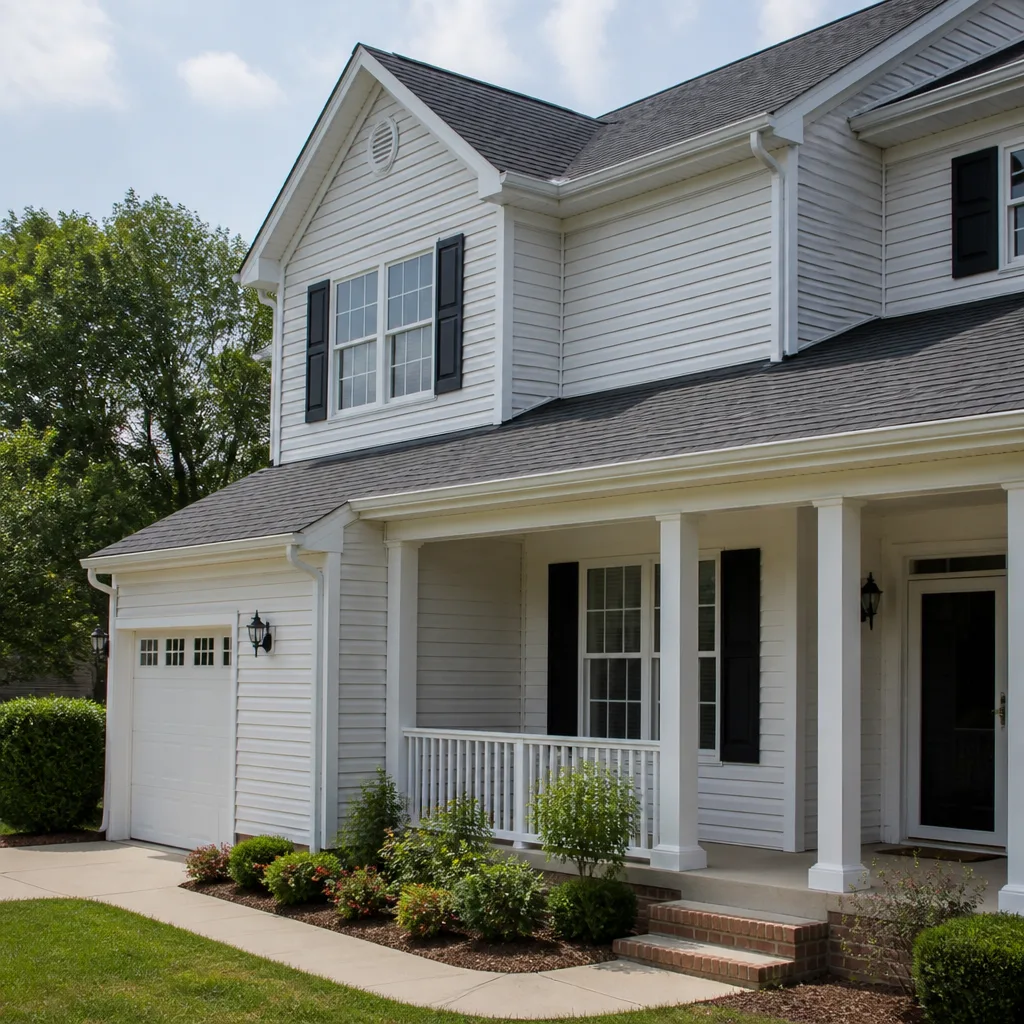
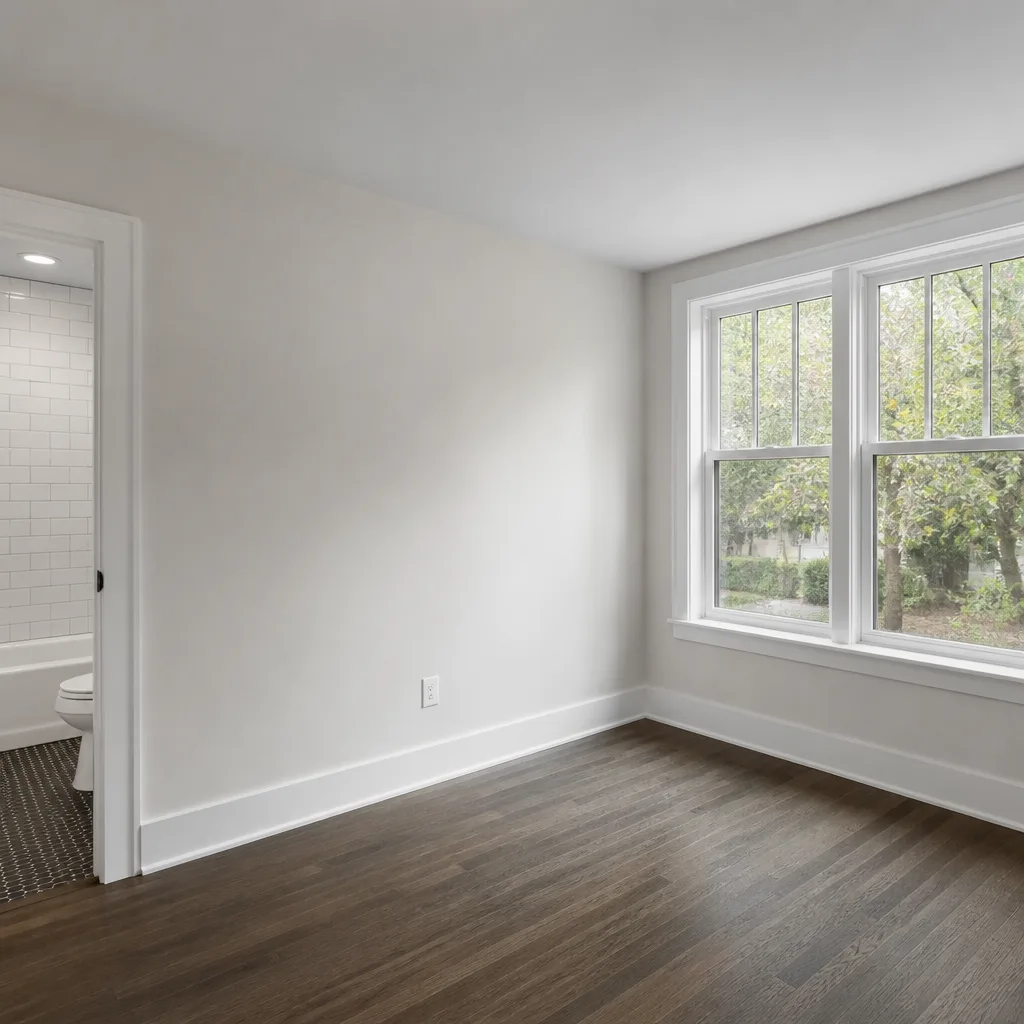
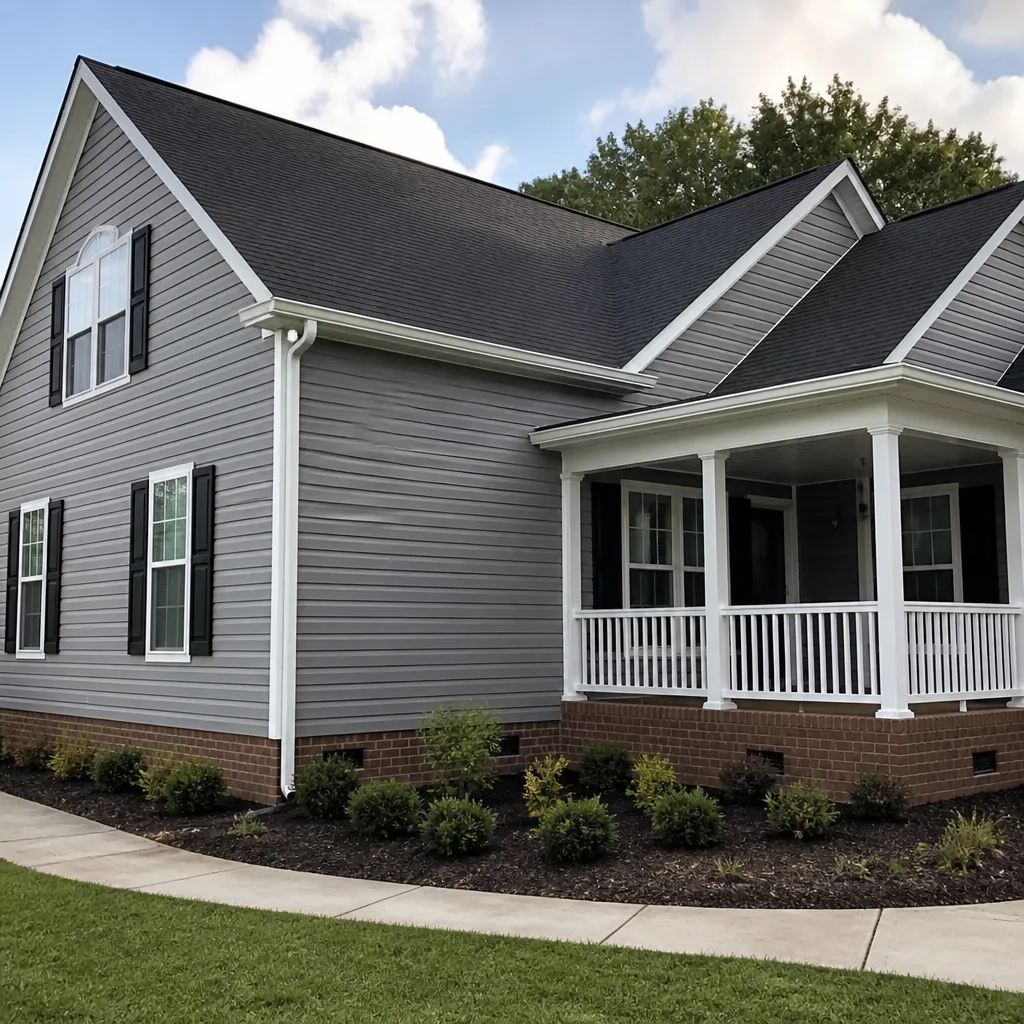
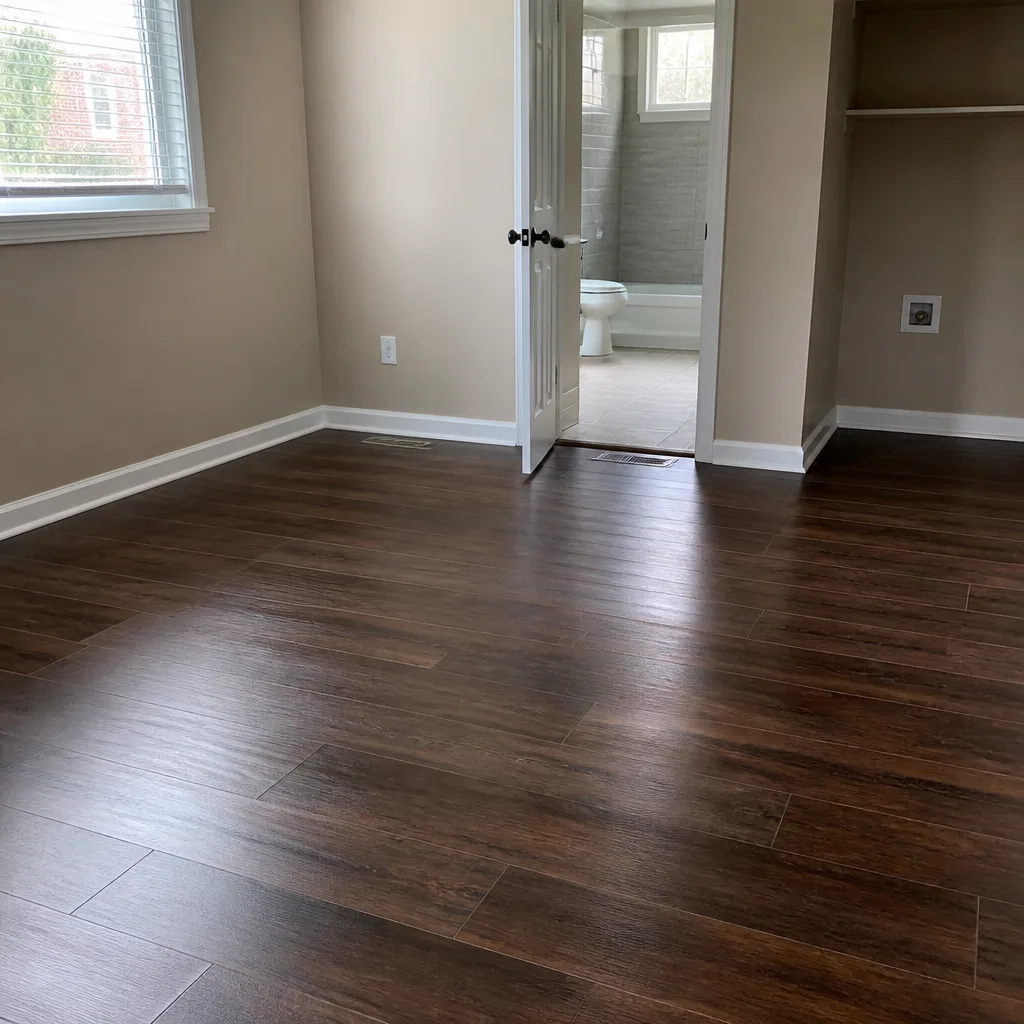

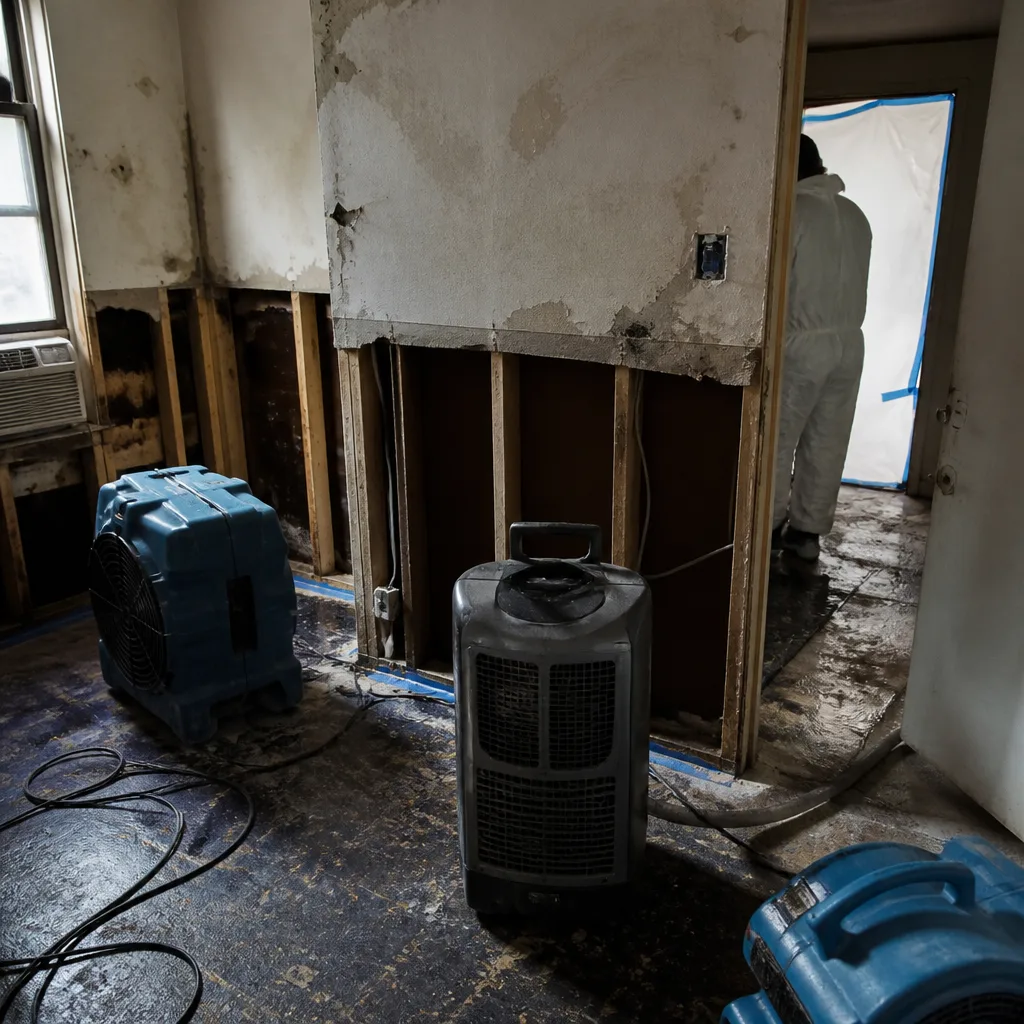 Before
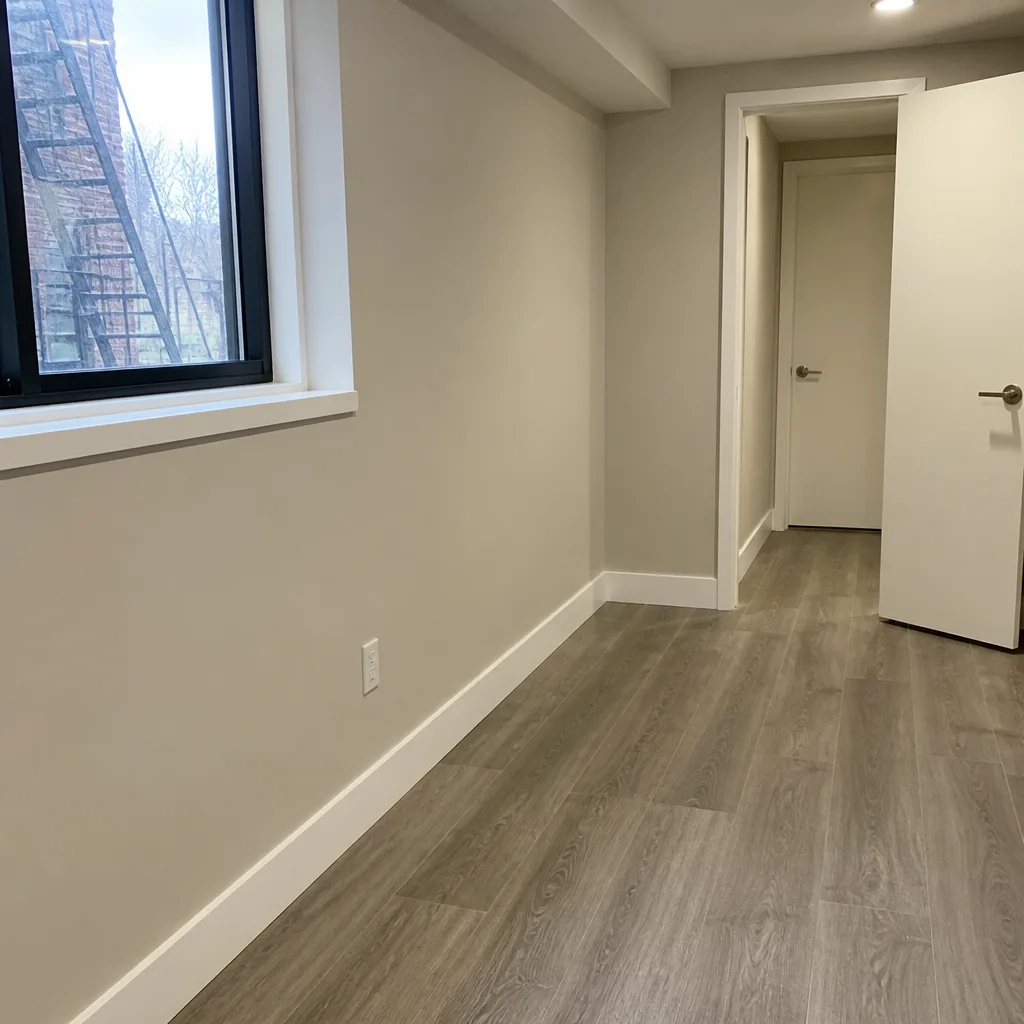 After
After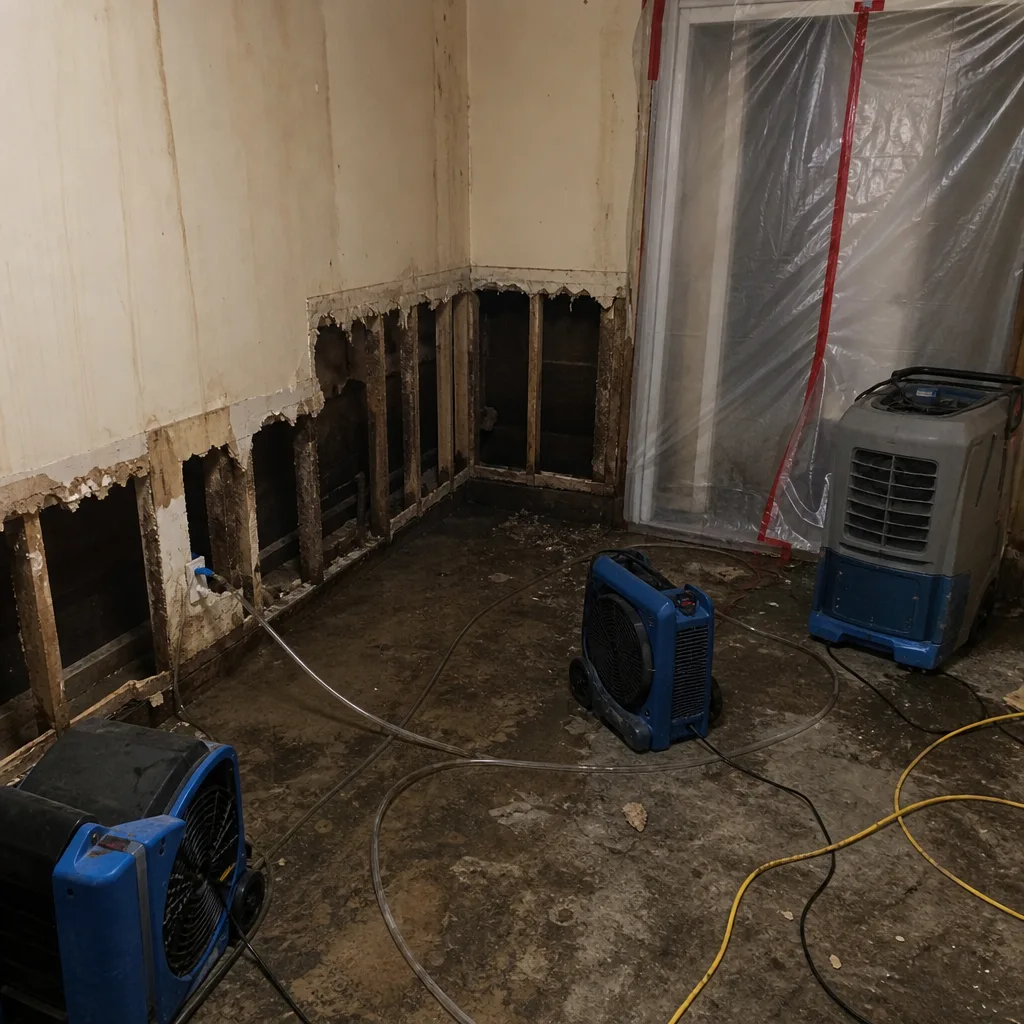 Before
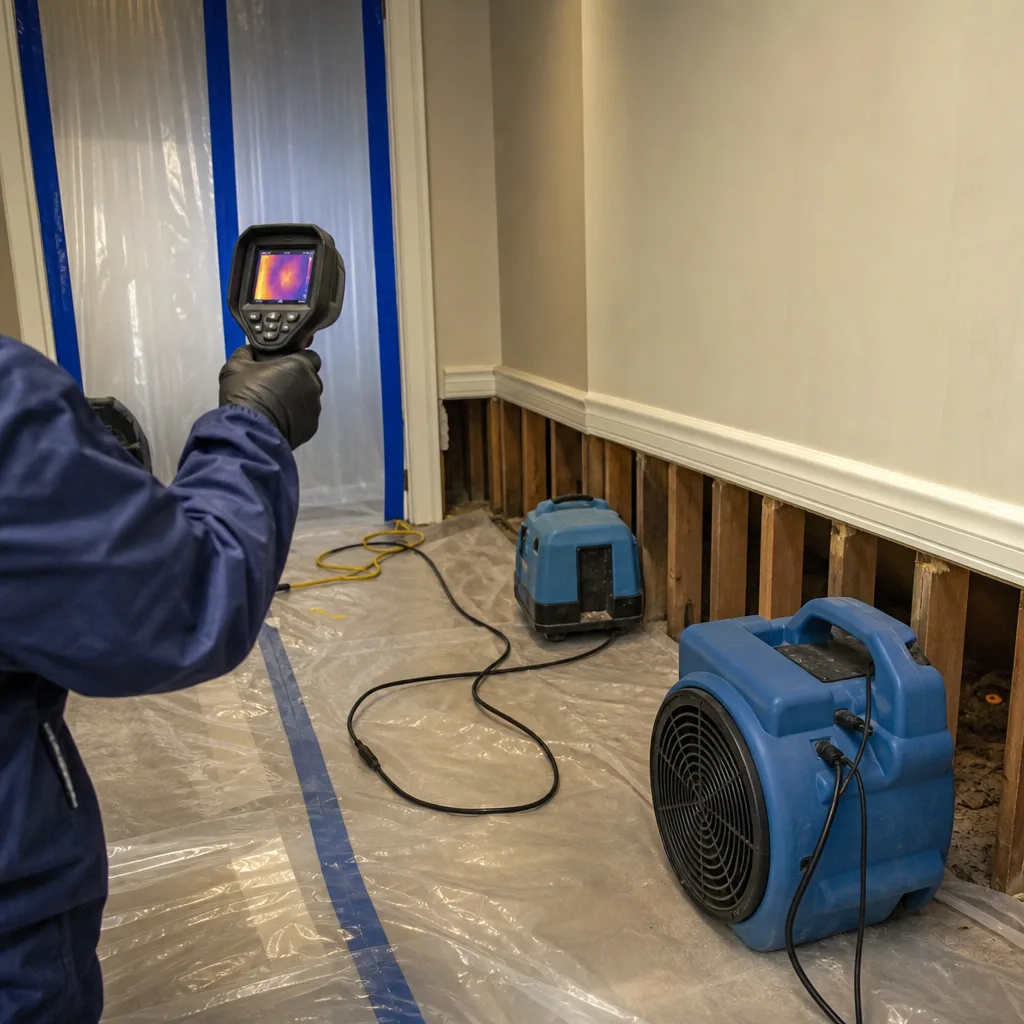 After
After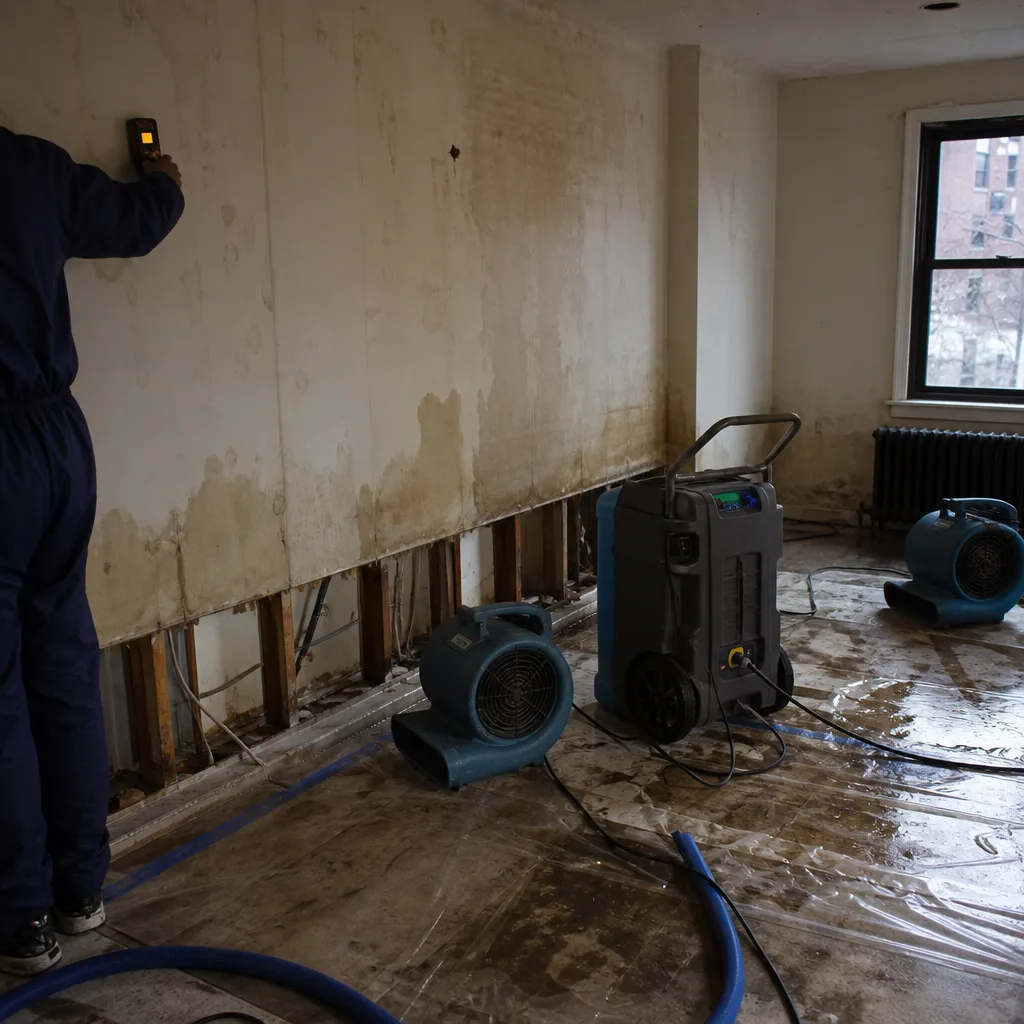 Before
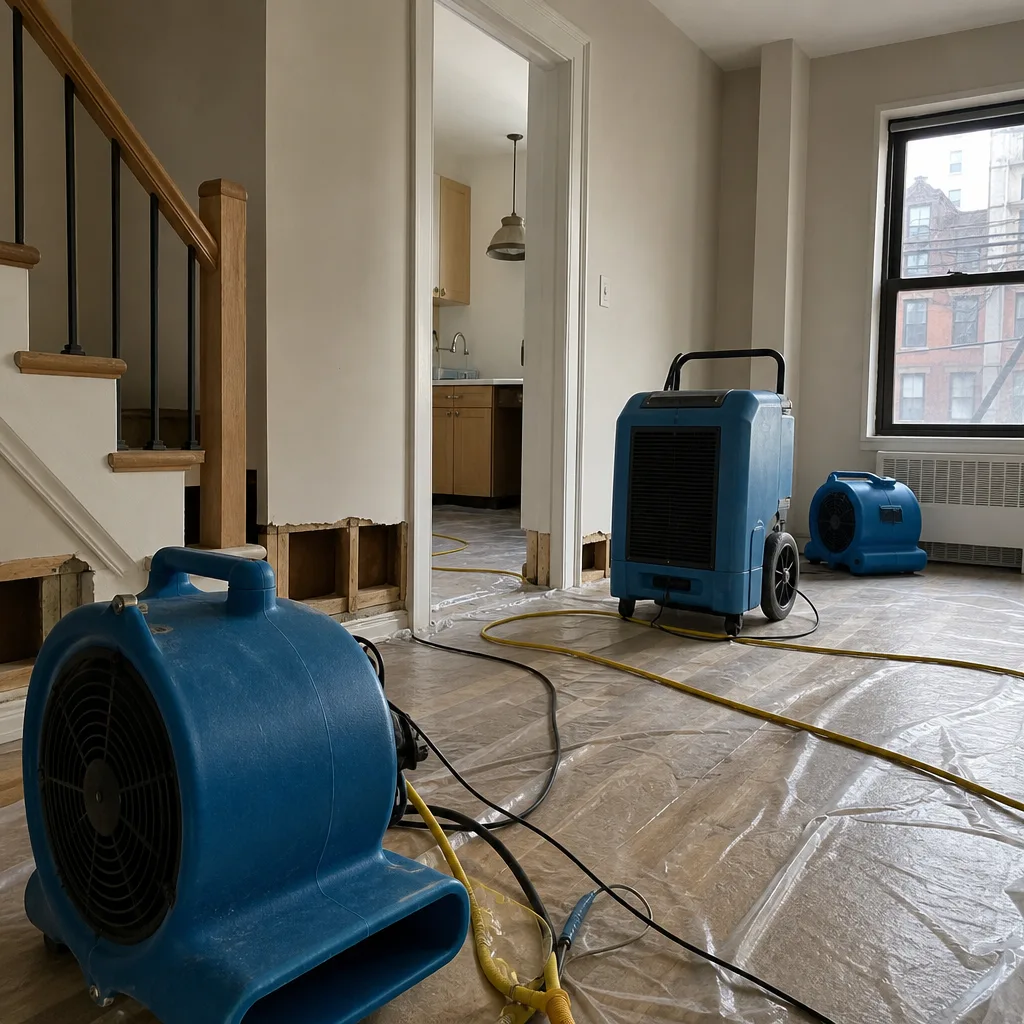 After
AfterTrusted Biohazard & Crime Scene Cleanup for Long Island City Homeowners
24 Hour Biohazard & Crime Scene Cleanup in Long Island City, NY typically costs $1,500-$5,000 for a standard single-room remediation and we can usually have a certified crew on site within hours of your call. Floodline Restoration Co. has handled trauma scenes, unattended deaths, hoarding conditions, and infectious disease disinfection across Queens and western Long Island for over 42 years, and every job is completed by background-checked, uniformed technicians who document their work for your insurance carrier. If you’re facing a scene that no family member or building super should have to touch, call (716) 452-0798 right now and a live dispatcher will answer, day or night.
We know Long Island City. We know the converted loft buildings near the Pulaski Bridge, the older brick walk-ups off Vernon Boulevard, the high-rise co-ops along Center Boulevard, and the mixed commercial-residential blocks in Dutch Kills where a biohazard event in one unit affects neighbors fast. We also know that in a dense vertical borough, containment and discretion matter as much as the cleaning itself. Our crews arrive in unmarked vehicles, work in plain uniforms, and never announce to the building what happened behind the door.
What Our Biohazard & Crime Scene Cleanup Service Includes
Biohazard cleanup is not janitorial work. Blood, bodily fluids, decomposition residue, and chemical contaminants carry pathogens that ordinary household cleaners cannot address. Floodline Restoration Co. follows IICRC, RIA, and IFA protocols for containment, removal, disinfection, and disposal, and we handle every phase ourselves so no outside vendor ever walks through your door mid-job.
Crime Scene Cleanup
When law enforcement releases a scene after a violent incident, the property owner is legally responsible for restoring it to a safe condition. That responsibility falls on you at the worst possible moment. Our crew arrives after the authorities clear the scene, removes all biohazardous material, disinfects affected surfaces with hospital-grade agents, and verifies the space is safe with ATP surface testing. We coordinate directly with your insurance carrier, including photographing the scene before we disturb anything, and we bill them directly so you don’t carry the financial weight while you process what happened.
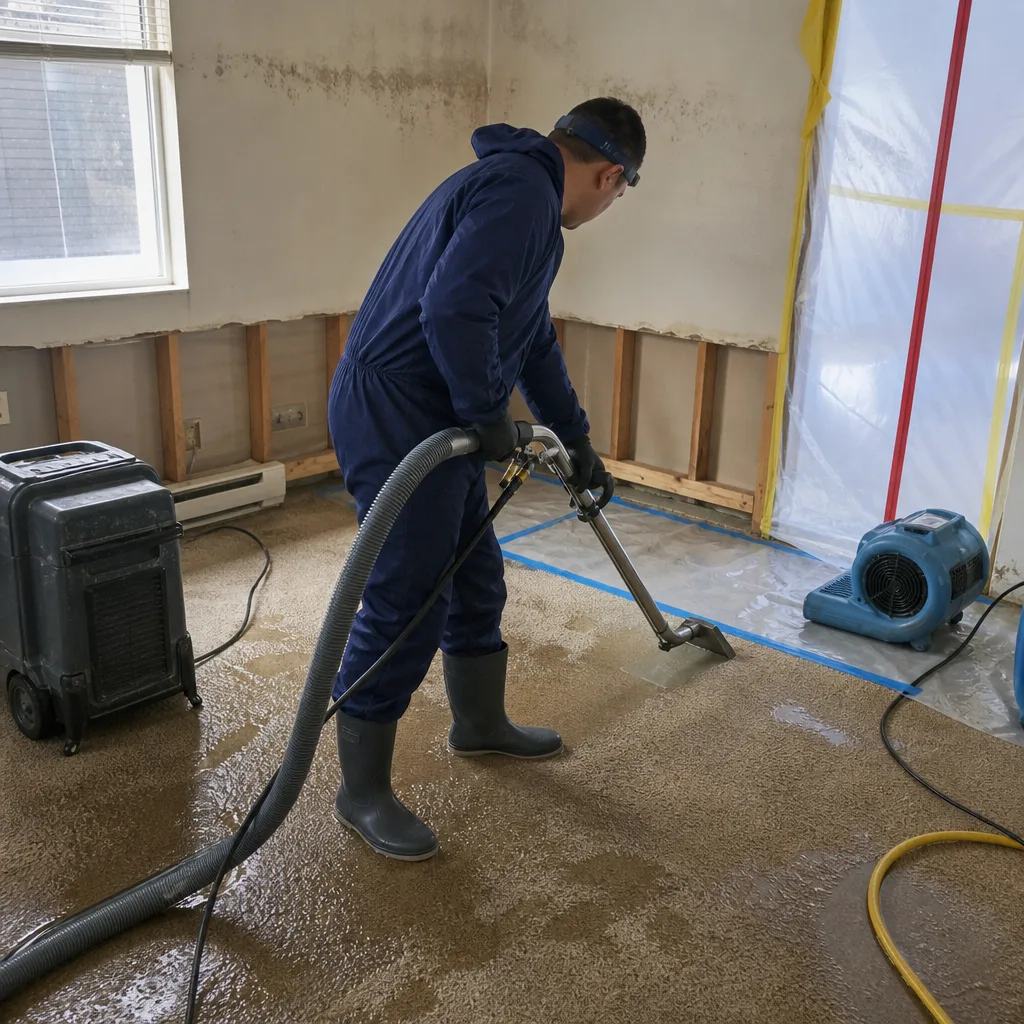
Trauma & Unattended Death Cleanup
An unattended death, whether discovered days or weeks later, introduces decomposition fluids that seep into flooring, baseboards, drywall, and subfloor material. Surface cleaning does not address what has wicked into the structure. We locate the full extent of contamination, remove affected materials to code, and treat the remaining structure with professional-grade disinfectants like those used in hospital settings. This work is emotionally heavy, and our technicians are trained to do it quietly, respectfully, and without requiring you to be present for the removal.
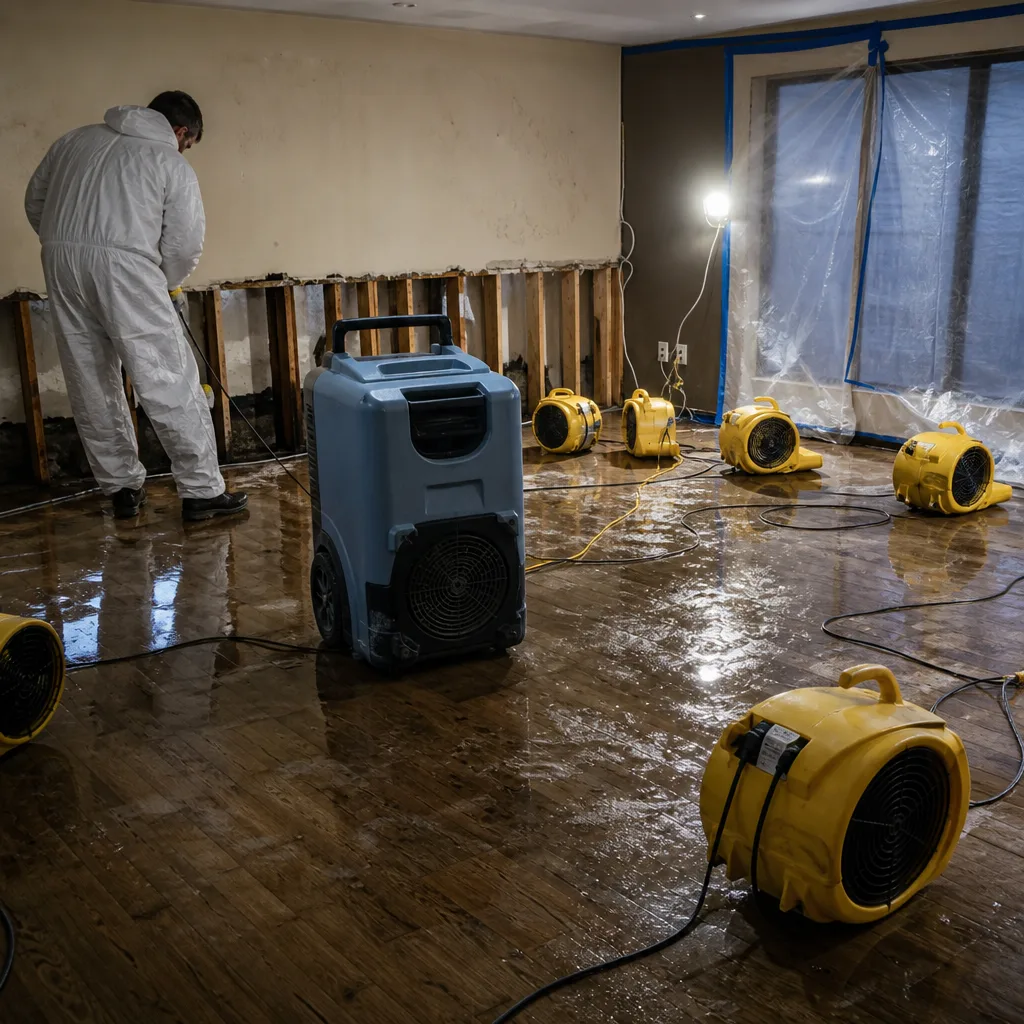
Hoarding Cleanup
Hoarding conditions create layered hazards: biological waste, mold growth, structural stress, pest activity, and, in many cases, expired medications or sharps. Floodline Restoration Co. works with family members and, when involved, social workers or case managers to clear the property methodically. We sort salvageable documents and valuables before disposal, remove all biohazardous material, and coordinate dumpster placement that does not advertise to the whole block what is happening inside. In Long Island City’s older buildings, we also watch for load-bearing concerns when heavy accumulation has sat on floors for years.
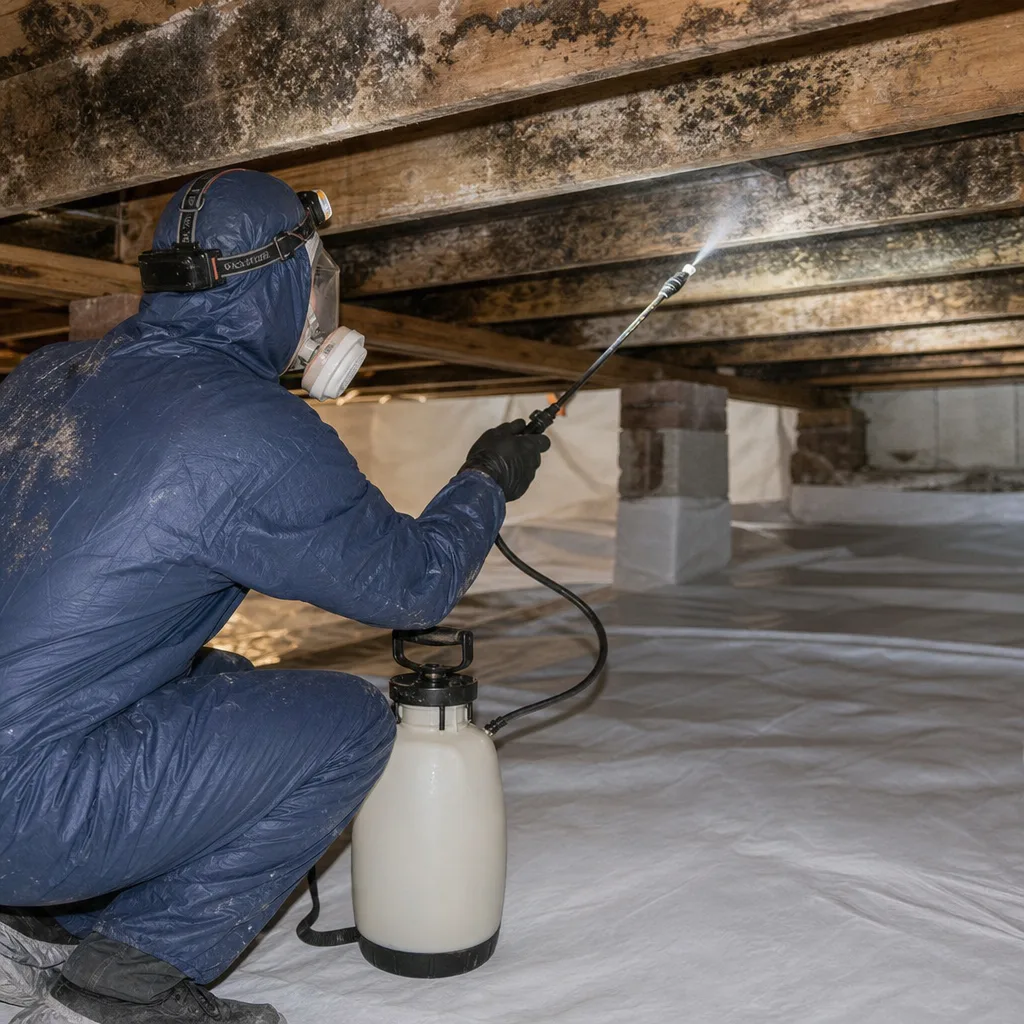
Blood & Bodily Fluid Cleanup
Blood and bodily fluids can transmit hepatitis B, hepatitis C, HIV, and other bloodborne pathogens, and OSHA requires specific training and personal protective equipment for anyone handling them. Floodline Restoration Co. technicians wear full PPE, use containment barriers to prevent cross-contamination, and dispose of all waste through licensed medical waste channels. We do not cut corners on disposal, because an improperly sealed biohazard bag in a Long Island City trash room is a liability for the entire building.
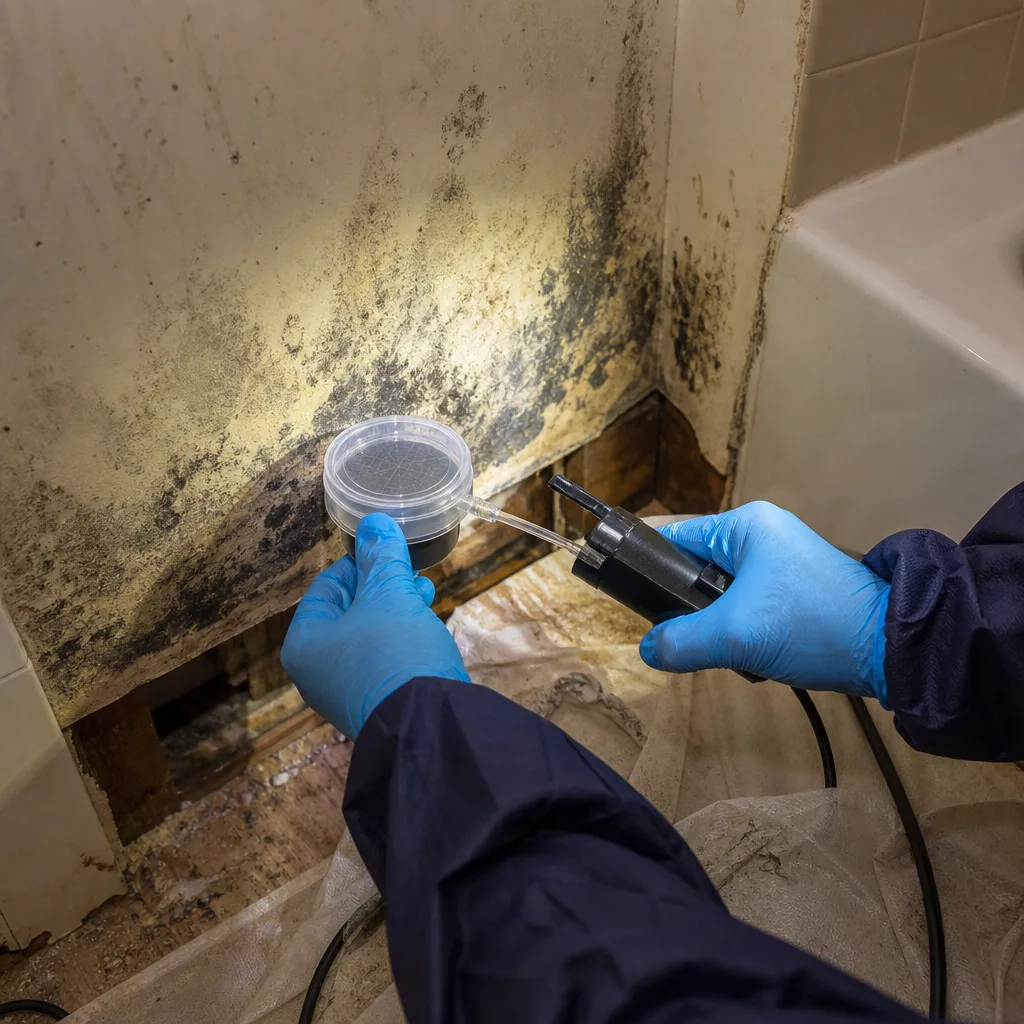
Infectious Disease Disinfection
After a confirmed case of MRSA, C. diff, COVID-19, or another infectious disease in a home or commercial space, the goal is to make the space safe for re-entry. We use EPA-registered disinfectants with appropriate dwell times, and we treat high-touch surfaces, soft goods where appropriate, and the HVAC system if the property has forced air. This service is common in Long Island City’s residential towers and commercial buildings, where shared systems and entryways mean one contaminated unit can compromise a floor.
Tear Gas & Chemical Cleanup
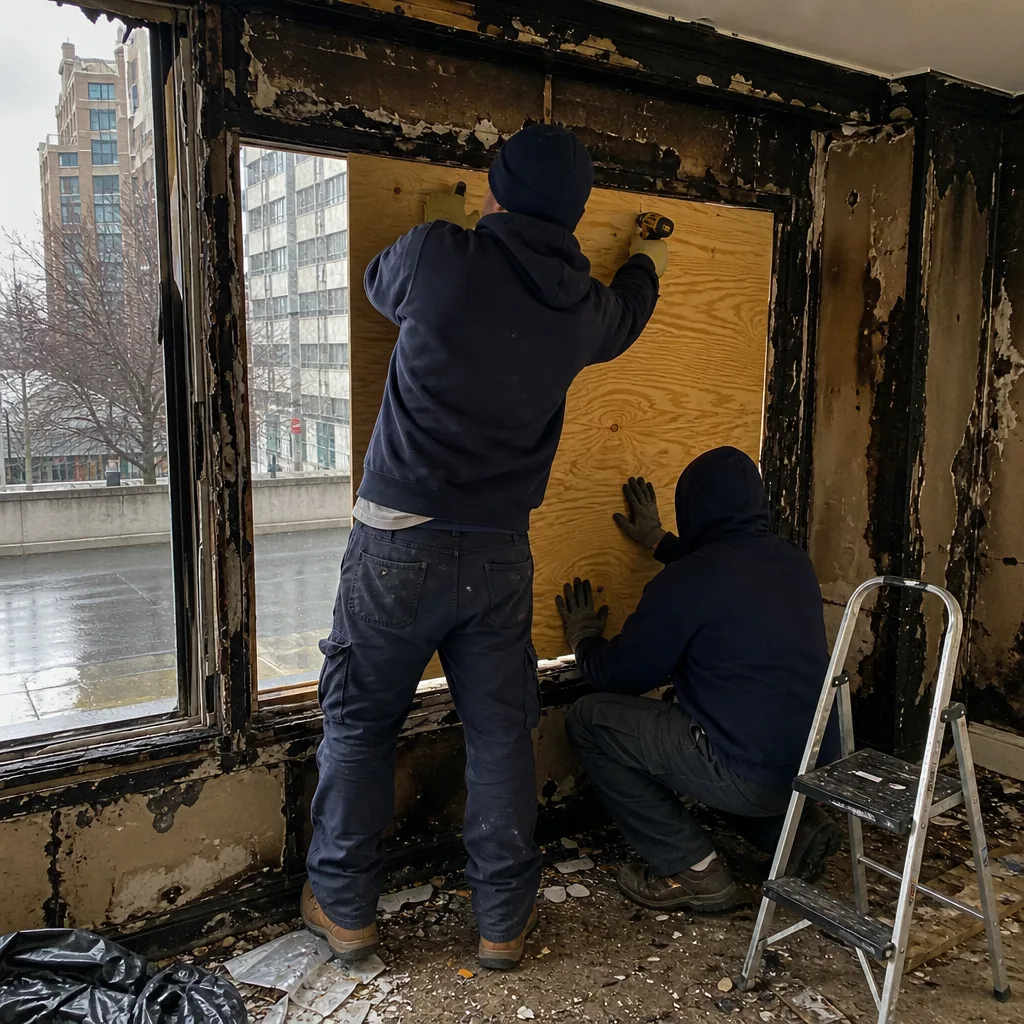
Tear gas and chemical agents leave fine particulate residue that, once disturbed, reactivates and causes eye, throat, and respiratory irritation for weeks if not properly removed. Standard mopping spreads the particulate into cracks and ventilation systems. Floodline Restoration Co. uses HEPA-filtered air scrubbers and chemical-specific neutralization agents to remove tear gas residue from walls, flooring, and HVAC ductwork. We have handled tear gas contamination in both residential and storefront settings in Queens and northern Brooklyn.
What happens when you call
- 1
A real person answersNo phone trees - you reach a local pro.
- 2
You get an upfront price rangeHonest numbers before anyone is dispatched.
- 3
A background-checked tech heads outLicensed & insured, dispatched right away.
- 4
You approve before work beginsNothing starts until you say go.
Brands We Service for Biohazard & Crime Scene Cleanup
Our technicians train to RIA and IFA standards, which means the protocols we follow are the same ones used by facility managers at hospitals, schools, and transit systems across the five boroughs. We do not substitute hardware-store chemicals for professional-grade agents. On biohazard jobs, the equipment that matters most is containment: HEPA-negative air machines, critical barriers, and proper PPE, and we run Dri-Eaz and Phoenix air scrubbers on every job that involves airborne particulate or odor.
Whether you own a pre-war co-op off Queens Plaza, a rental in a new Hunter’s Point tower, or need Astoria Biohazard & Crime Scene Cleanup in Dutch Kills, we tailor the approach to your building’s age, ventilation system, and occupancy. The brand of building matters less than the brand of testing we do afterward: we verify with ATP meters that biological contamination is gone, not masked.
Signs You Need Biohazard & Crime Scene Cleanup Right Now
- Blood or bodily fluid on porous surfaces. Blood that has soaked into carpet, unsealed wood, drywall, or upholstery cannot be disinfected with household cleaners. If the material cannot be fully decontaminated, it must be removed and disposed of as regulated medical waste. Waiting allows pathogens to multiply and the stain to set permanently.
- Odor that persists after surface cleaning. A smell that survives cleaning usually means the source is beneath the surface, behind a baseboard, or inside a wall cavity. Decomposition fluids travel downward and outward. We have found contamination four feet from the visible scene in Long Island City apartments with tile-over-concrete floors, where fluids ran into the expansion gaps.
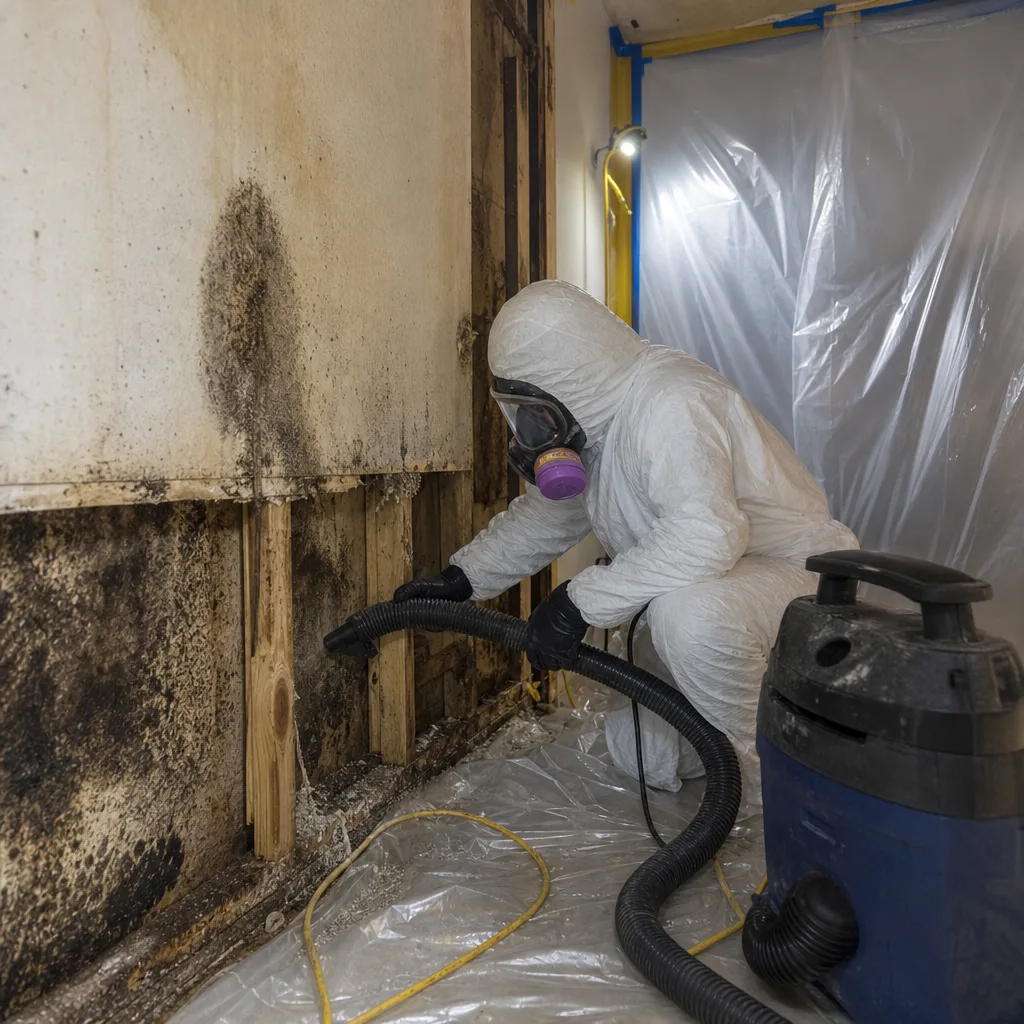
- Visible mold growth after a water or sewage event. Mold that appears within days of water damage or sewage backup may be growing on contaminated organic material. If the water source was a toilet overflow or a backed-up floor drain in an older LIC building, the mold is a biohazard, not a cosmetic issue.
- Rodent or pest infestation with droppings. Rodent droppings and nesting material can carry hantavirus and other airborne pathogens. If droppings are concentrated in a kitchen, behind appliances, or inside cabinets, the cleanup must include containment, HEPA vacuuming, and disinfection, not just sweeping. Sweeping aerosolizes the particles and makes the hazard worse.
- Law enforcement or a property manager has posted the unit. If the NYPD, the Department of Health, or your building management has ordered a unit cleaned or vacated, do not attempt the cleanup yourself. The work must be documented to meet legal and insurance standards. Floodline Restoration Co. provides the paperwork, photos, and disposal manifests your carrier and your building will require.
Our Biohazard & Crime Scene Cleanup Process - Step by Step
Every biohazard job in Long Island City follows the same written process. We hand you a scope before work starts, and we document each step so your insurance adjuster can see exactly what was done and why.
- 1
Assessment and containment. We walk the property, identify the full extent of contamination, and establish containment zones using plastic sheeting and negative air pressure. This step prevents cross-contamination to unaffected rooms. We also photograph everything for the insurance file before we touch anything.
- 2
Removal of contaminated materials. Carpet, padding, drywall, baseboards, upholstery, and any porous material that absorbed biological fluid is cut out and sealed in biohazard bags. In Long Island City buildings with freight elevators, we coordinate with building management for discreet removal; where there is no freight elevator, we schedule off-peak times to minimize neighbor contact.
- 3
Disinfection and odor neutralization. We apply EPA-registered disinfectants with the correct dwell times, then run HEPA air scrubbers and hydroxyl or ozone generators (where appropriate and safe) to address airborne particulate and residual odor. ATP surface testing confirms that biological contamination has been eliminated, not just visually removed.
- 4
Clearance testing and documentation. We hand you a written report showing what was removed, what was treated, disposal manifests, and ATP readings. This is the paper trail that gets your insurance claim approved and satisfies your building management or co-op board. The report is yours; your adjuster gets a copy directly from us.
- 5
Restoration and rebuild. Because Floodline Restoration Co. is a full-cycle restoration company, we do not hand you off to a separate contractor to replace the drywall, refinish the flooring, or repaint. The same certified crew that cleaned the space can rebuild it, and every inch of that work is covered under our 90-Day Done Right Promise in writing.
How Much Does Biohazard & Crime Scene Cleanup Cost in Long Island City?
A standard single-room blood cleanup in Long Island City typically runs $1,500-$3,000. Trauma and unattended death cleanup, where decomposition has penetrated flooring and framing, generally falls between $3,000 and $7,000 depending on how many layers of material must be removed and the condition of the subfloor. Hoarding cleanup typically runs $2,500-$10,000 or more based on volume, structural issues, and whether pests or mold are present. Here is how those numbers break down across common scenarios:
- Blood cleanup (single room): $1,500-$3,000 for containment, removal, disinfection, and ATP verification.
- Unattended death (apartment unit): $3,000-$7,000 depending on decomposition stage, flooring material, and structural penetration.
- Hoarding cleanup (whole unit): $2,500-$10,000+ depending on accumulation volume, biohazard presence, and disposal needs.
- Infectious disease disinfection: $800-$2,500 depending on square footage, surface types, and the pathogen involved.
- Tear gas or chemical cleanup: $2,000-$6,000 depending on affected square footage and whether ductwork is contaminated.
What moves the price in Long Island City is building access. A fifth-floor walk-up unit on 45th Avenue with no elevator costs more in labor than a street-level or elevator building because every bag of contaminated material must be carried out. Pre-war buildings with lath-and-plaster walls often require more cutting than newer drywall construction. And if the contamination has reached a common hallway or shared ventilation, multiple containment zones are required. You avoid overpaying by choosing a firm that gives you a written scope before work starts, does not charge separately for the assessment, and bills your carrier directly. Floodline Restoration Co. does all three. Call (716) 452-0798 and we will walk the property and put the number in writing, free.
Biohazard & Crime Scene Cleanup Near Long Island City - Our Service Area
Floodline Restoration Co. responds to biohazard and crime scene calls throughout Long Island City, including Court Square, Hunters Point, Dutch Kills, Queens Plaza, and Ravenswood. We also serve the surrounding neighborhoods: Biohazard & Crime Scene Cleanup in Greenpoint, Biohazard & Crime Scene Cleanup in Williamsburg, Astoria, Maspeth, Murray Hill, and across the bridges into Midtown Manhattan and the Upper East Side. Most Long Island City jobs see a crew on site within 2 to 4 hours of the first call.
Serving Long Island City, NY - Our Local Coverage Area
We’re based in the Long Island City area and know this community well. Use the map below to see our service coverage - if you’re nearby, we can almost certainly help.
Frequently Asked Questions - Biohazard & Crime Scene Cleanup in Long Island City
Best Biohazard & Crime Scene Cleanup in Long Island City, NY is the professional removal, disinfection, and disposal of blood, bodily fluids, decomposition residue, chemical agents, and other biological contaminants from a property. The work follows OSHA bloodborne pathogen standards and IICRC, RIA, and IFA protocols. Floodline Restoration Co. handles removal, disinfection, clearance testing, disposal, and reconstruction so you deal with one company from start to finish.
A standard single-room blood cleanup usually takes 4 to 8 hours, including containment, removal, disinfection, and clearance testing. Unattended death scenes often require one to two full days because flooring, drywall, and framing must be removed in layers. Hoarding cleanups can run three to seven days depending on volume. We give you a written time estimate after the on-site assessment, and we do not leave the job until ATP testing confirms the space is safe. Call (716) 452-0798 for a free assessment and a straight answer on timing.
Plan on $1,500-$3,000 for a single-room blood cleanup, $3,000-$7,000 for an unattended death with structural penetration, and $2,500-$10,000+ for a hoarding condition. Factors include building access, wall and floor construction, square footage affected, and whether HVAC ductwork is involved. Floodline Restoration Co. gives you a written scope before work starts and bills your insurance carrier directly, so the price is settled before the first bag leaves the apartment.
Yes. We work regularly in Long Island City co-ops and condos, including the towers along Center Boulevard and the pre-war buildings near Court Square. We coordinate with building management on freight elevator access, off-hours work, and any board notification requirements. Our crews arrive in unmarked vehicles and do not wear company-branded clothing in common areas, because discretion is part of the job.
Yes. Floodline Restoration Co. operates 24 hours a day, 7 days a week, and a live person answers the phone at any hour. For biohazard calls in Long Island City, a certified crew is typically on site within 2 to 4 hours. If the situation is active, such as a tenant living amid a sewage backup or a trauma scene that needs immediate containment, we prioritize those calls. The phone number is (716) 452-0798, and it is answered by a human, not a recording.
Every job is backed by the 90-Day Done Right Promise, which we call the Keystone Standard. If anything is not done right, we make it right in writing, with no arguing and no paperwork battles. That guarantee covers the cleanup itself and any restoration or rebuild work we perform. We put it in writing because we have spent over 42 years earning a reputation in Queens, and we plan to be here answering the phone in thirty more.
Do not touch or disturb the affected area. Do not attempt to clean blood, bodily fluids, or decomposition residue yourself; doing so spreads contamination and may violate your insurance policy’s conditions. Keep people and pets out of the space, and close the door but do not lock it unless you will be present to let us in. If the scene involves law enforcement, wait for the official release from the authorities. Everything else, including documentation, containment, and disposal, is our job.
Schedule Your Biohazard & Crime Scene Cleanup Service in Long Island City Today
This is not a job to put off, and it is not a job to do yourself. Call Floodline Restoration Co. at (716) 452-0798 and you will get a live dispatcher, a same-day visit in Long Island City, a written scope before any work begins, and a 90-Day Done Right Promise in your hands. There is no obligation and no charge for the estimate. The hardest thing to do is dial; after that, it is our job and we do it right.
Written by Curt Bowman, Owner at Floodline Restoration Co., serving Long Island City since 2010 with over 42 years of restoration heritage across Queens and the five boroughs.