

Free visual inspection and a written scope of work before any mitigation begins - photos, moisture readings, and drying logs go in your claim file
The scope we write is the scope we bill. Anything new gets shown to you, in writing, before we touch it.
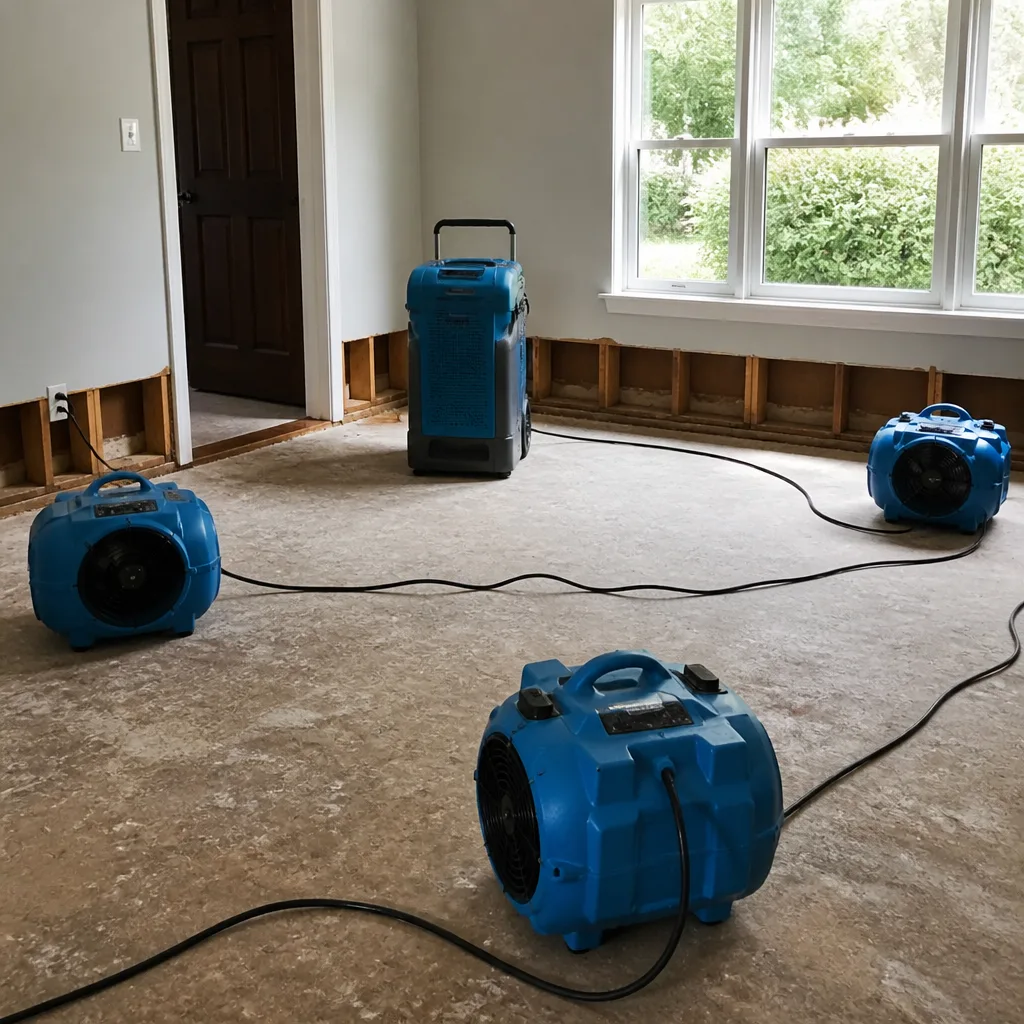
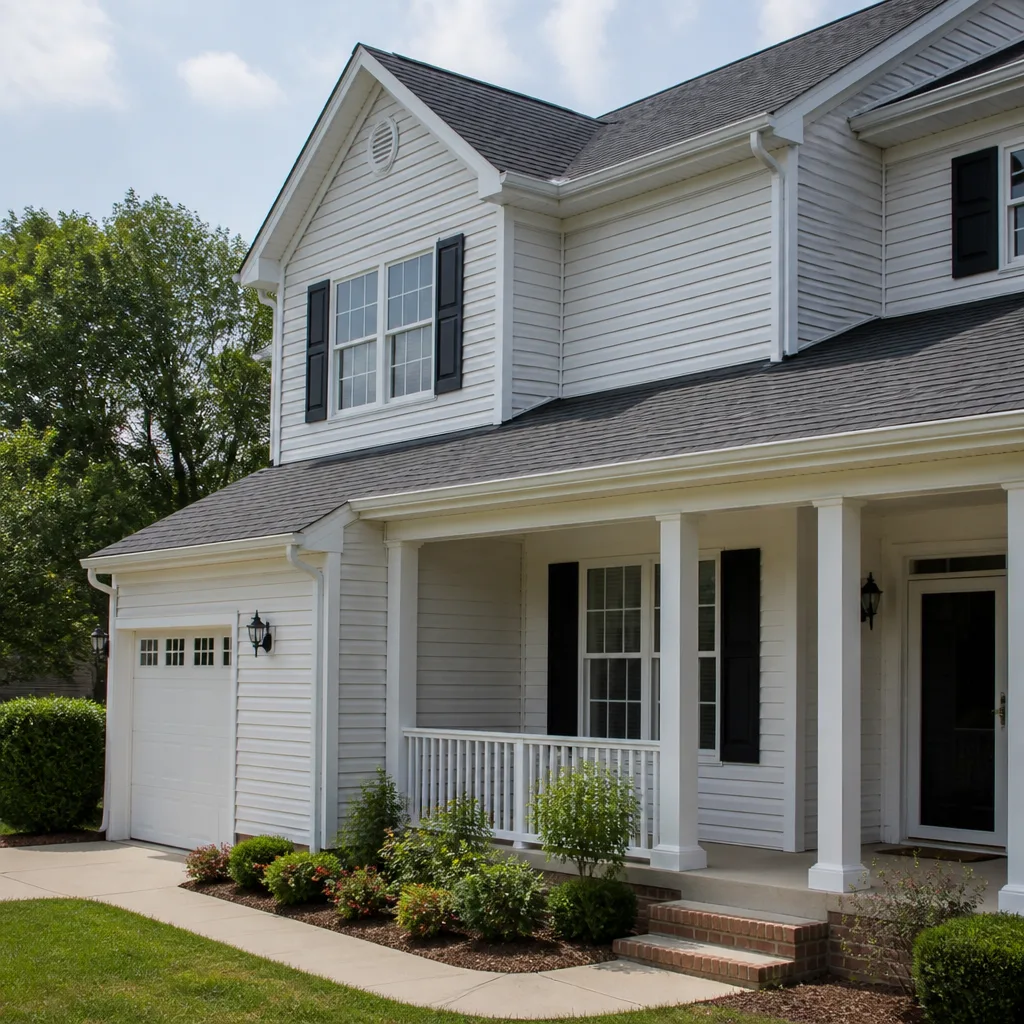
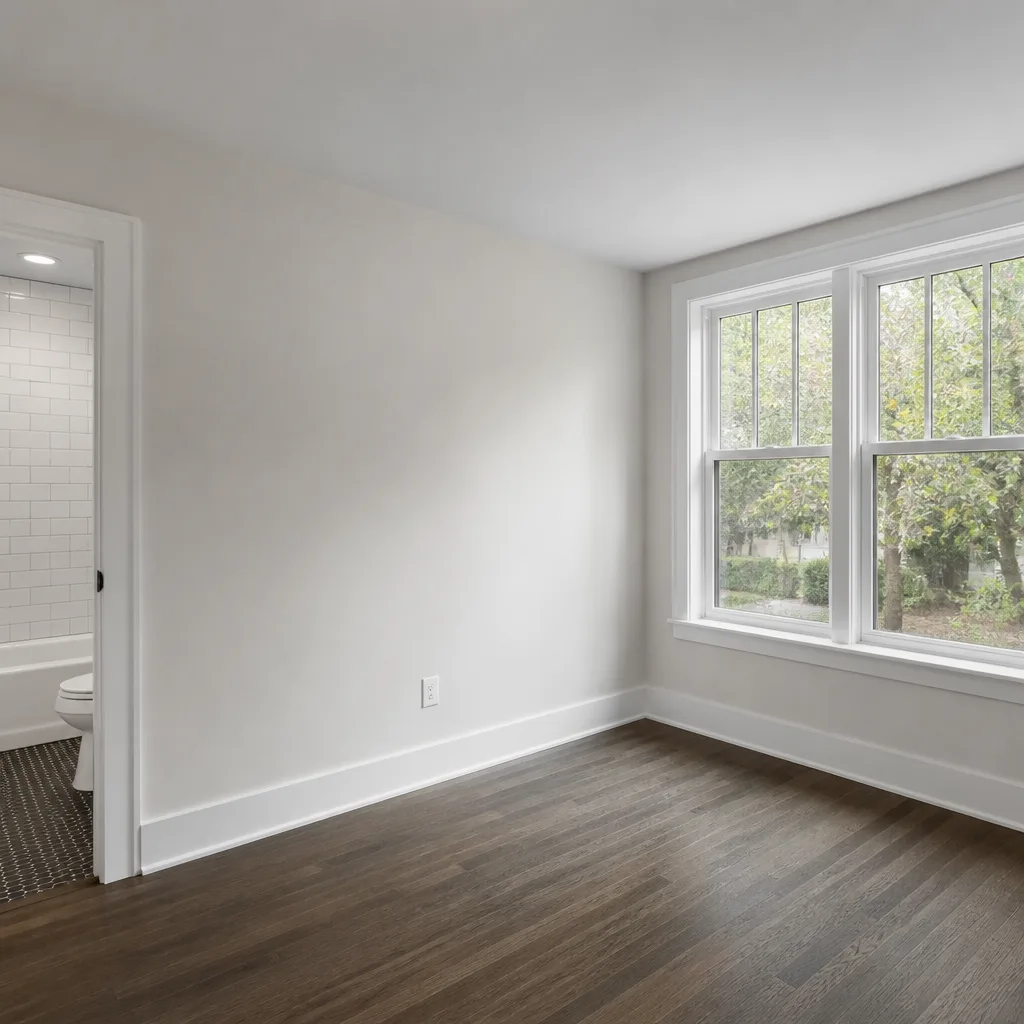
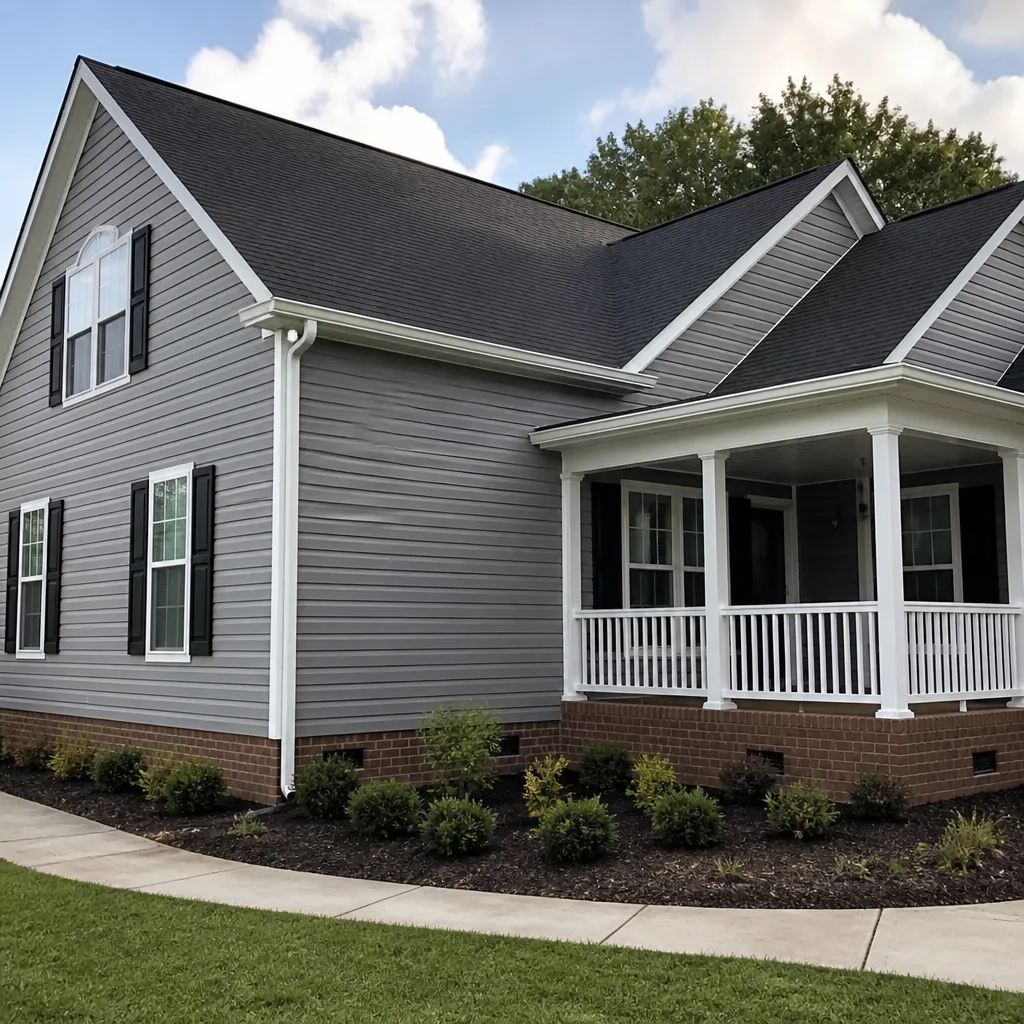
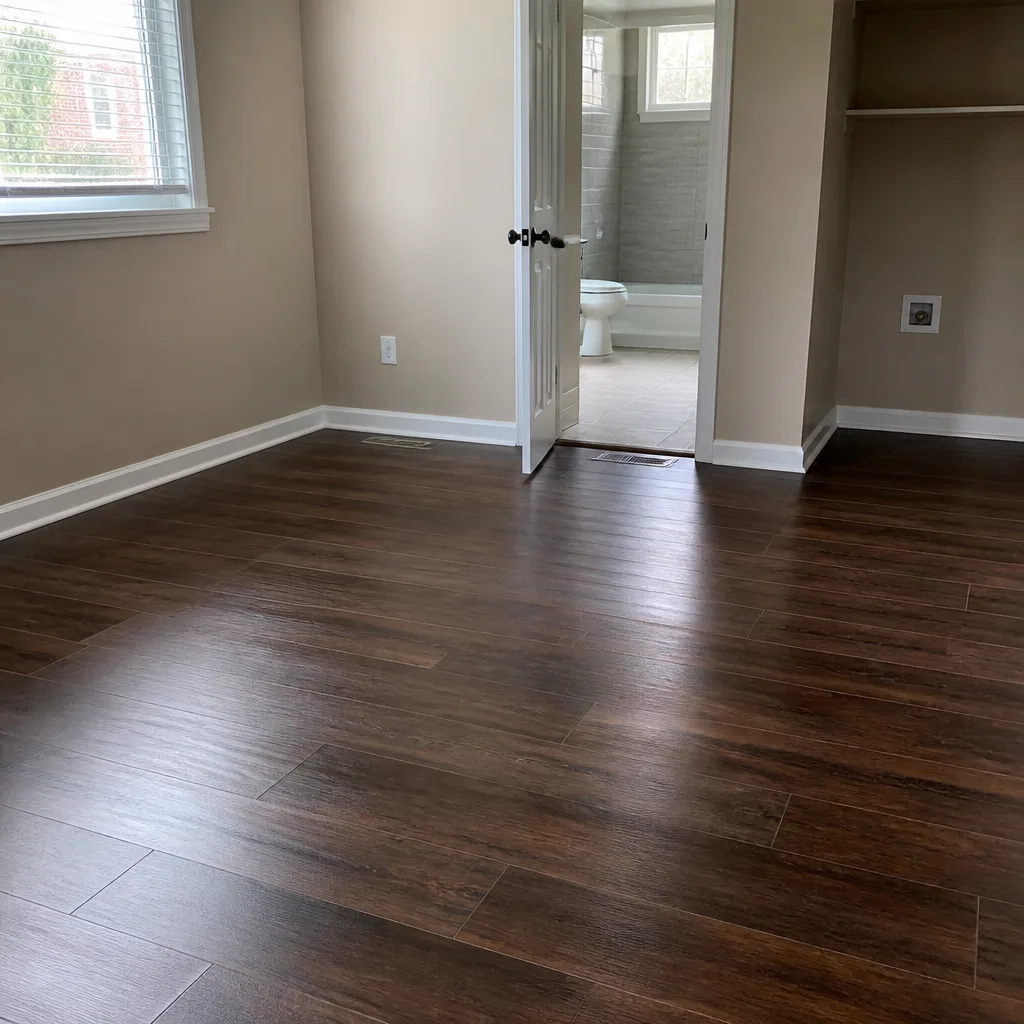

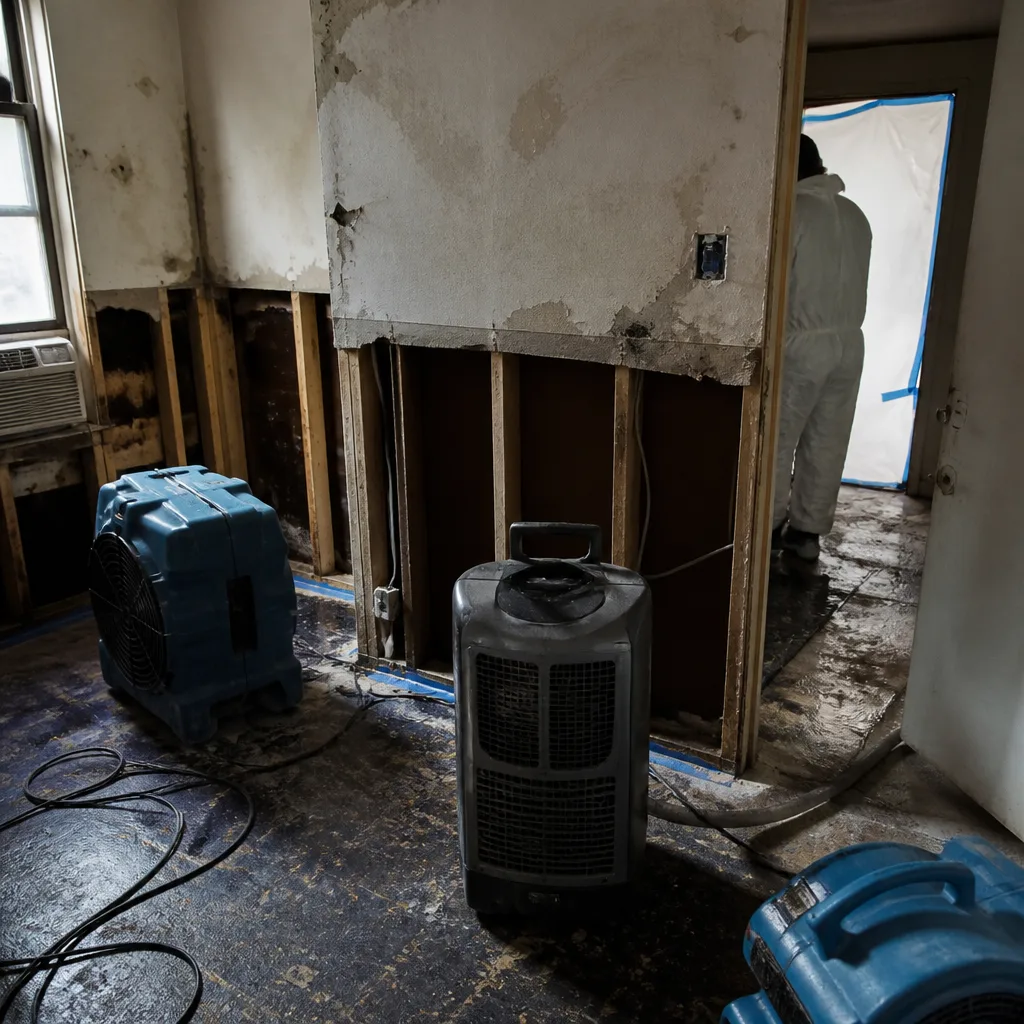 Before
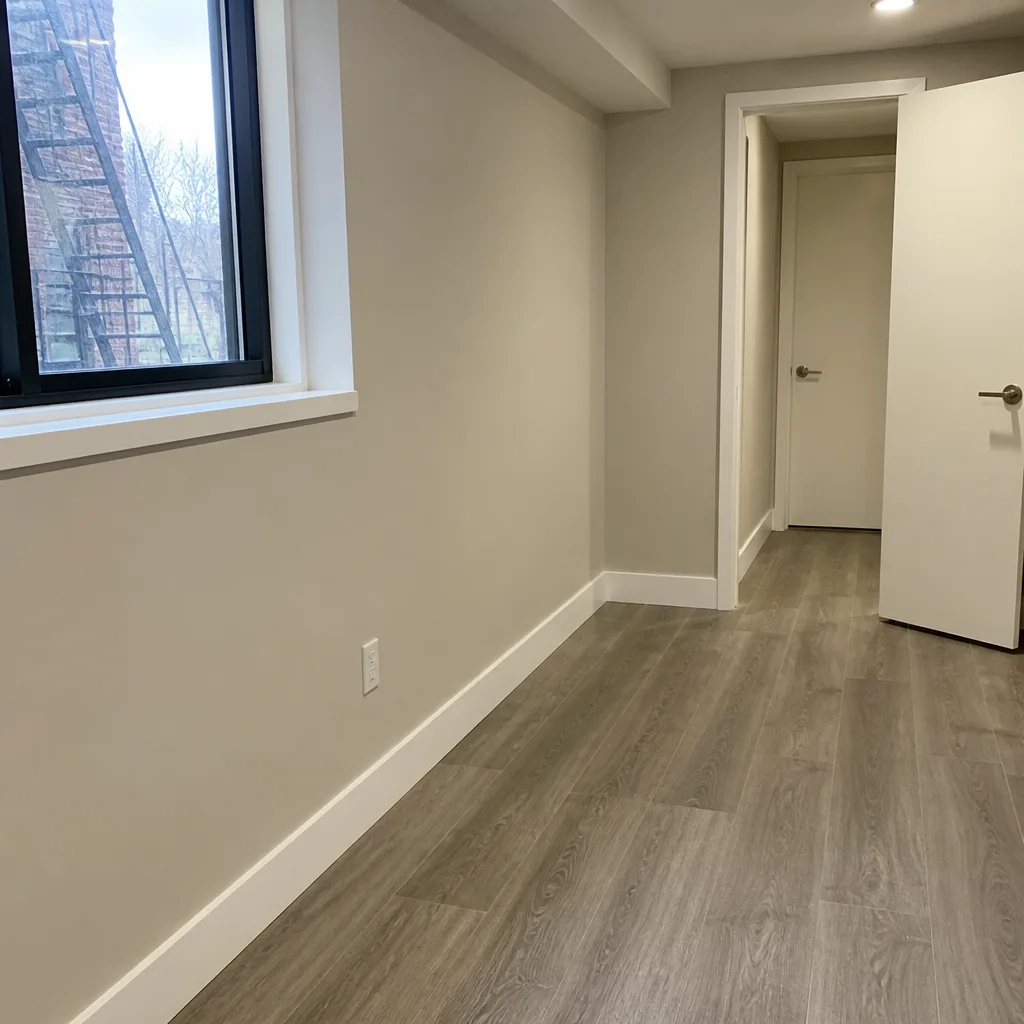 After
After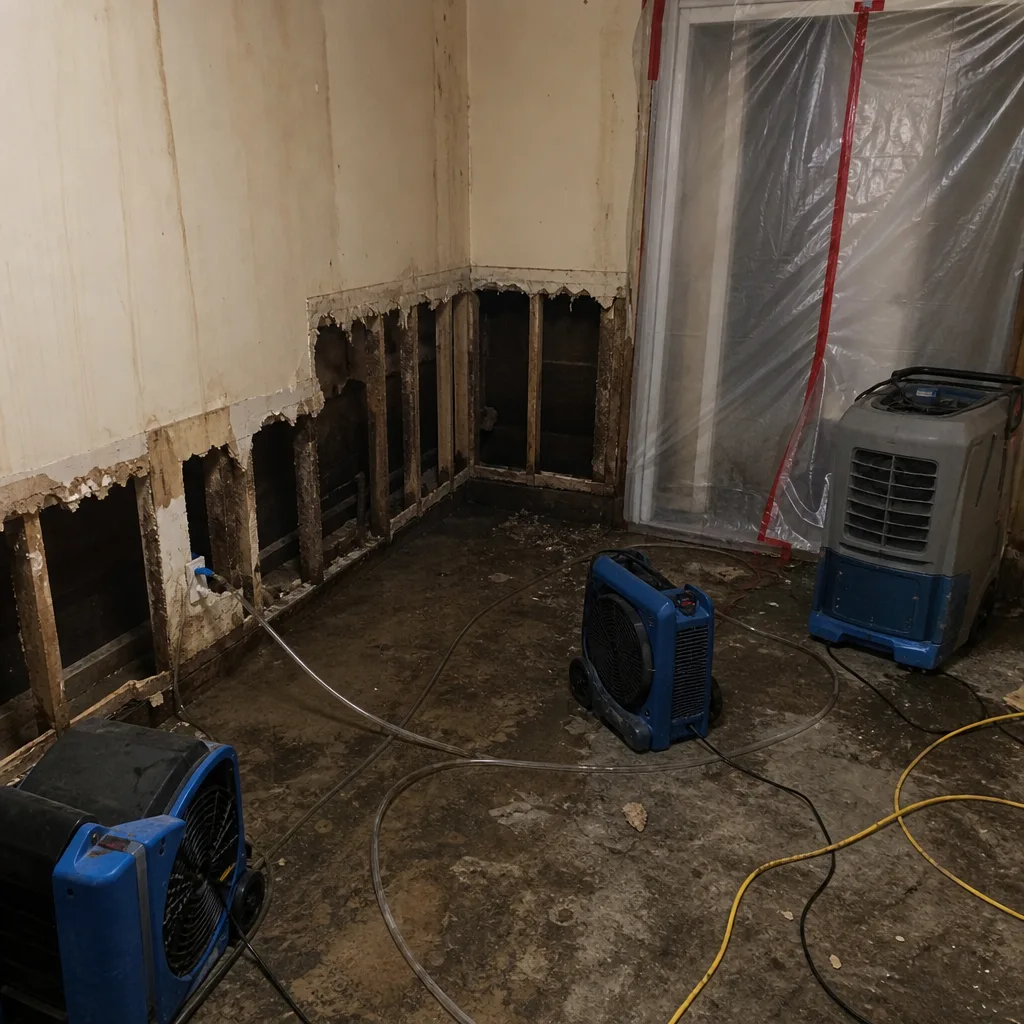 Before
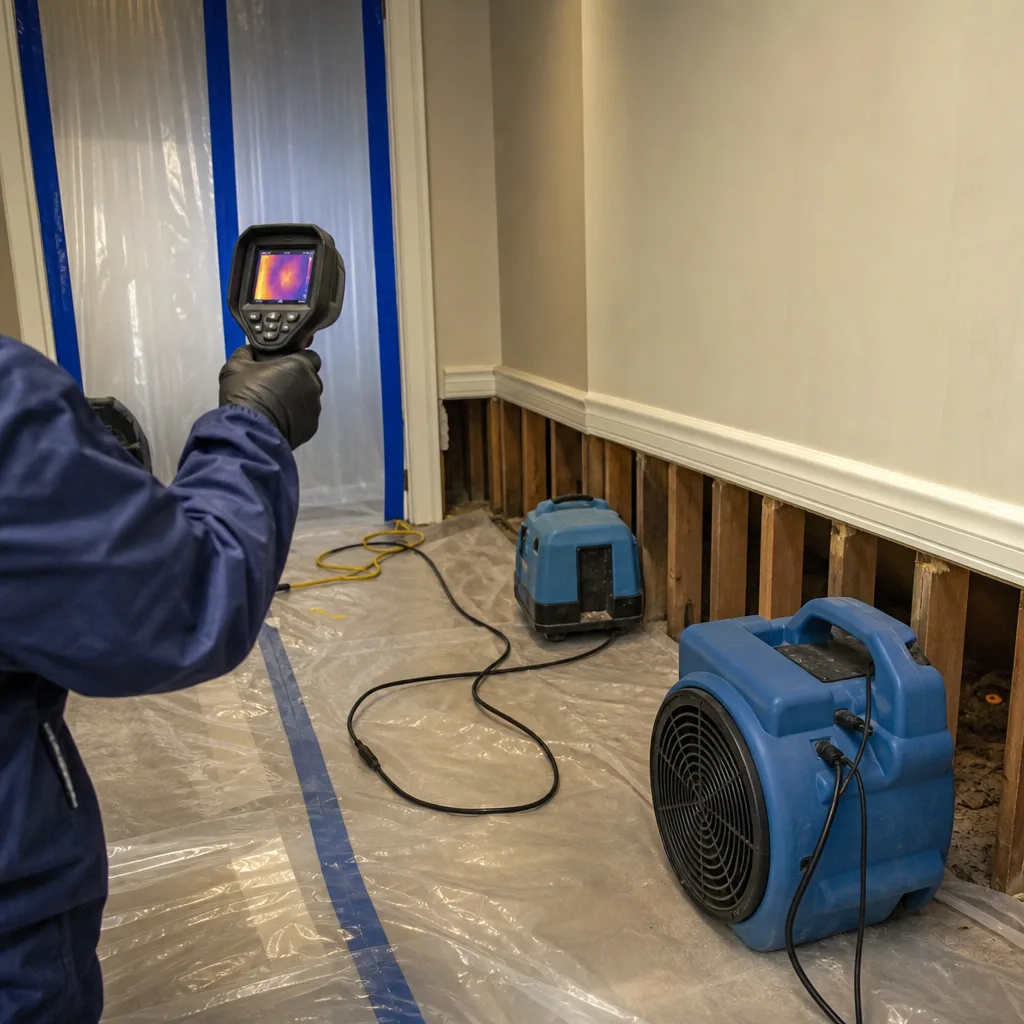 After
After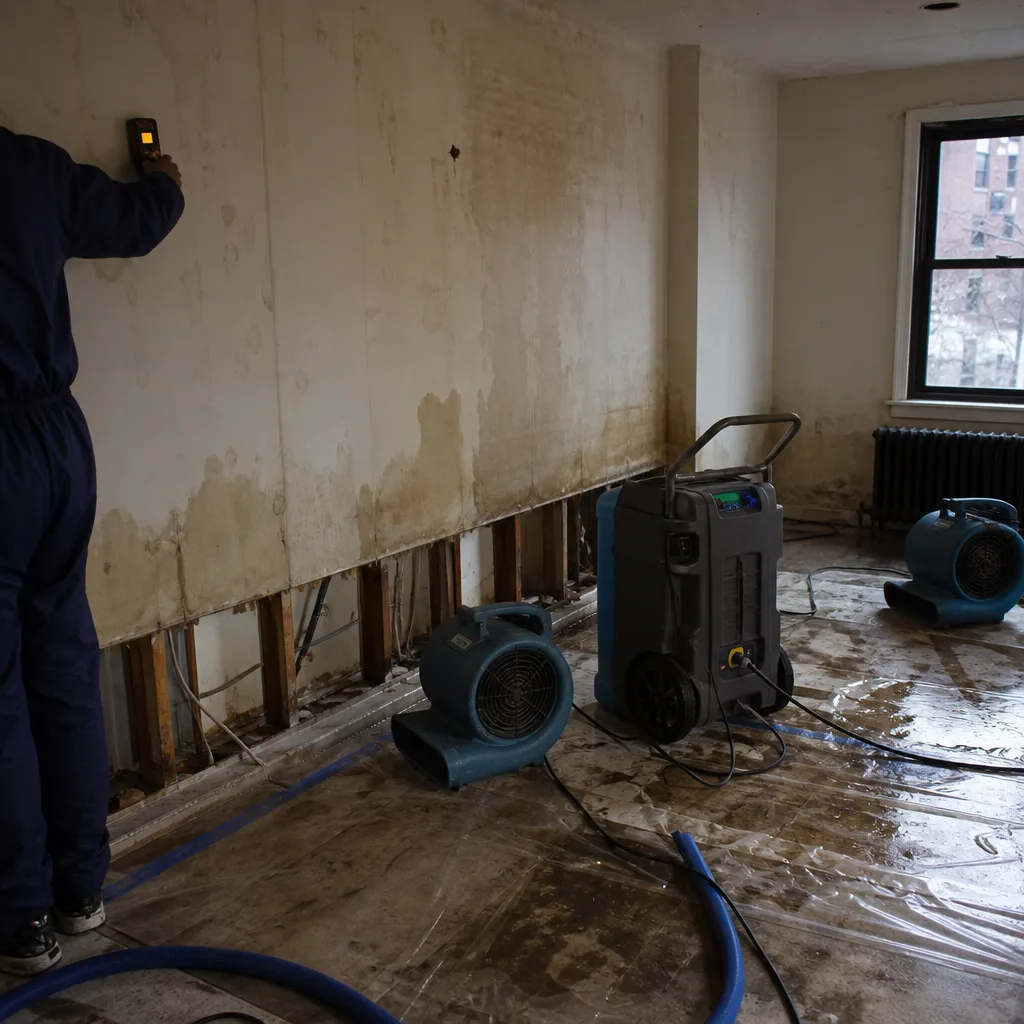 Before
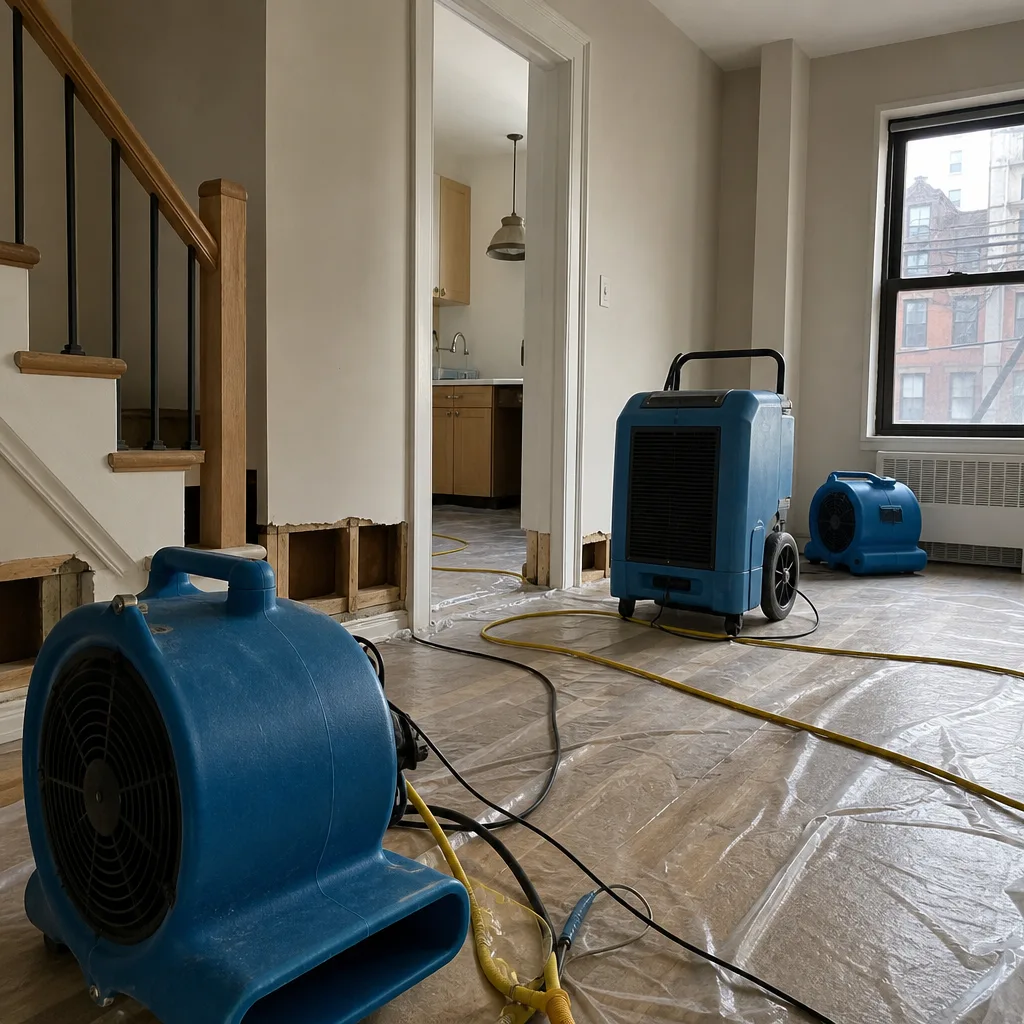 After
After24/7 Emergency Biohazard & Crime Scene Cleanup in Long Island City
Biohazard and crime scene cleanup in Long Island City requires immediate, discreet, and medically sound response. A live dispatcher answers at (716) 452-0798 any hour, any day, and our uniformed crews are staged to reach Long Island City addresses fast. The first hour after a trauma, unattended death, or blood spill matters because biological fluids seep into porous surfaces quickly, and odors set into drywall, subfloor, and grout if left untreated. Call us now, and we’ll walk you through the first steps while a crew is already moving toward your building. We never ask you to leave a message.
Understanding Biohazard & Crime Scene Cleanup Severity in Long Island City Properties
Biohazard work in Long Island City is never one-size-fits-all. The severity of contamination depends on the type of biological material, how long it sat, and what kind of building it settled into. In a Hunters Point loft with original plaster walls and wide-plank wood floors, blood or bodily fluid can wick into subfloor before anyone notices. In a Court Square high-rise, a trauma scene on the 18th floor means coordinating elevator access, protecting common corridors, and containing airborne pathogens so they don’t drift through stacked HVAC risers. Our technicians use hospital-grade disinfectants registered with the EPA, HEPA-filtered air scrubbers, and negative air pressure containment to trap and remove infectious material. We don’t deodorize over a problem. We remove the material that causes it. That distinction matters in a neighborhood where buildings from 1910 and 2020 sit on the same block, and the same protocol cannot serve both.
Why Long Island City Property Owners Choose Floodline Restoration Co.
- 45-minute response commitment for Long Island City biohazard calls, with a crew dispatched from our New York City office, not a call center across the country.
- 24/7 live answer. A real dispatcher picks up at 2 a.m., takes the address, and sends a background-checked, uniformed crew. No recordings, no ticket queues.
- IICRC-certified technicians trained to biohazard and water restoration standards, including AMRT and FSRT protocols. We don’t send apprentices alone into a trauma scene.
- Free visual inspection with a written scope before any work starts, so you know exactly what we found and what it costs. No surprises on the bill.
- Direct insurance billing. We document everything, photograph everything, and talk to your adjuster so you don’t have to translate a remediation plan into insurance language.
- One team from containment to repair. The same crew that removes the biohazard also handles the structural drying and any reconstruction, so there’s no mid-job handoff and no stranger showing up at the door.
Our Biohazard & Crime Scene Cleanup Process
Inspection & Assessment
We walk the scene in Long Island City, map the affected area, and document everything with photos and written notes. This includes checking adjacent rooms and cavities, because biological material travels farther than most people think.
Containment & Stabilization
We set containment barriers and run negative air pressure so pathogens don’t spread to unaffected parts of the apartment, hallway, or building. In converted lofts, this step often reveals what’s behind original walls before we touch anything else.
Removal of Contaminated Material
Blood, bodily fluid, and affected porous materials like drywall, carpet, and upholstery are removed, bagged, and disposed of under regulated biohazard waste rules. We work methodically, not frantically.
Cleaning & Disinfection
Non-porous surfaces are cleaned and disinfected with EPA-registered hospital-grade products. We use Dri-Eaz LGR dehumidifiers and Phoenix air movers where moisture from bodily fluids or leaked water has entered the structure.
Deodorization & Air Scrubbing
HEPA air scrubbers and XPOWER negative air machines run continuously to pull airborne pathogens and odor particles from the space. We monitor air quality before we call a room clear.
Repairs & Restoration
Once the space is sanitized and dry, we rebuild what was removed: drywall, flooring, paint, baseboards. The goal is that you’d never know anything happened there.
Need Emergency Biohazard & Crime Scene Cleanup in Long Island City Now?
Crews minutes away, answering live 24 hours a day. The sooner we start, the less it costs.
Working With Your Insurance Company
Most Long Island City condo and co-op owners don’t realize their property insurance may cover biohazard cleanup. It depends on the cause: a crime scene, an unattended death, a sewage backup, a burst pipe. We don’t make you guess. From the first hour, our team documents the scene, logs moisture readings, photographs every affected surface, and writes a line-item scope using the same standards adjusters recognize. That means your claim moves faster and your out-of-pocket stays as small as it should be. If your building’s master policy is involved, we coordinate with both carriers so you’re not relaying messages.
What We Provide Your Insurer
- Thorough documentation of the loss
- Photos of all damage, room by room
- Moisture readings and drying logs
- A detailed, line-item scope of work
- Direct coordination with your carrier
Built for Long Island City’s Loss Calendar
Long Island City’s calendar of biohazard risks tracks the neighborhood’s two building generations. In the pre-war converted lofts of Hunters Point and Court Square, aging cast-iron plumbing and original waste lines fail in cold snaps. A January freeze two degrees below average can crack a soil stack behind a 1908 brick wall, sending Category 2 or 3 water into the unit below, and if a resident was already gone for weeks, you now have a water loss and an unattended death scene in the same room. In the 30-to-50-story towers along the East River waterfront, the same freeze bursts supply lines on upper floors, and the cascade runs down through stacked units, waking neighbors three floors below to water coming through their light fixtures. That water mixes with whatever biological material was already present. Spring brings basement seepage in the flood-zone blocks near Newtown Creek, and summer thunderstorms push surface water into sub-grade mechanical rooms. Our crews run Dri-Eaz and Phoenix equipment through every season, and we know which Long Island City buildings are vulnerable before we pull up.
Biohazard & Crime Scene Cleanup Across Long Island City’s Neighborhoods
Response routes through Long Island City are short in miles but long in building type. From the Hunters Point waterfront along Center Boulevard, where glass towers overlook the East River, to the converted brick warehouses along 44th Drive approaching Court Square, we move equipment through freight elevators, narrow service corridors, and loading docks. The Jackson Avenue corridor near Queens Plaza mixes pre-war factory lofts with high-rise rentals, and each building has different access rules for biohazard transport. In the blocks approaching Newtown Creek to the north, ground-floor industrial spaces and converted artist lofts sit near the water table, which means basement biohazard jobs often come with the added complication of groundwater seepage. Over near Vernon Boulevard, co-op boards and building managers often require our crews to work after-hours or use service elevators only. We know the drill ahead of time, which keeps a bad situation from becoming a building-wide disruption.
One thing you learn working biohazard cleanup in Long Island City is that the neighborhood’s split personality shows up in every job. A converted pre-war loft may have original plaster walls, wide pine floors, and decades of layered finishes, all of which absorb biological material differently than the drywall and engineered flooring in a 2018 tower on the same block. Hunters Point’s industrial conversion buildings frequently have hidden materials behind those walls: transite ceiling panels, asbestos pipe insulation, and lead paint. When our Biohazard & Crime Scene Cleanup team sets containment and begins removal, finding these materials triggers a mandatory abatement hold. The luxury tower half a block away has none of that. It’s the reason one Long Island City biohazard job can take two days and the next one takes ten, and why we always carry the contingency for it before we start cutting.
Specialized Biohazard & Crime Scene Cleanup Services We Offer in Long Island City
Crime Scene Cleanup
When a violent event happens in a Long Island City apartment or commercial space, police and emergency crews leave, and the property owner is left with a scene that is both dangerous and deeply personal. We remove blood and other biological material, disinfect every affected surface, and restore the space to a condition you can live or work in. In LIC’s luxury towers, we coordinate with building management for discreet service-elevator access, so crews arrive and leave without walking equipment through the lobby.
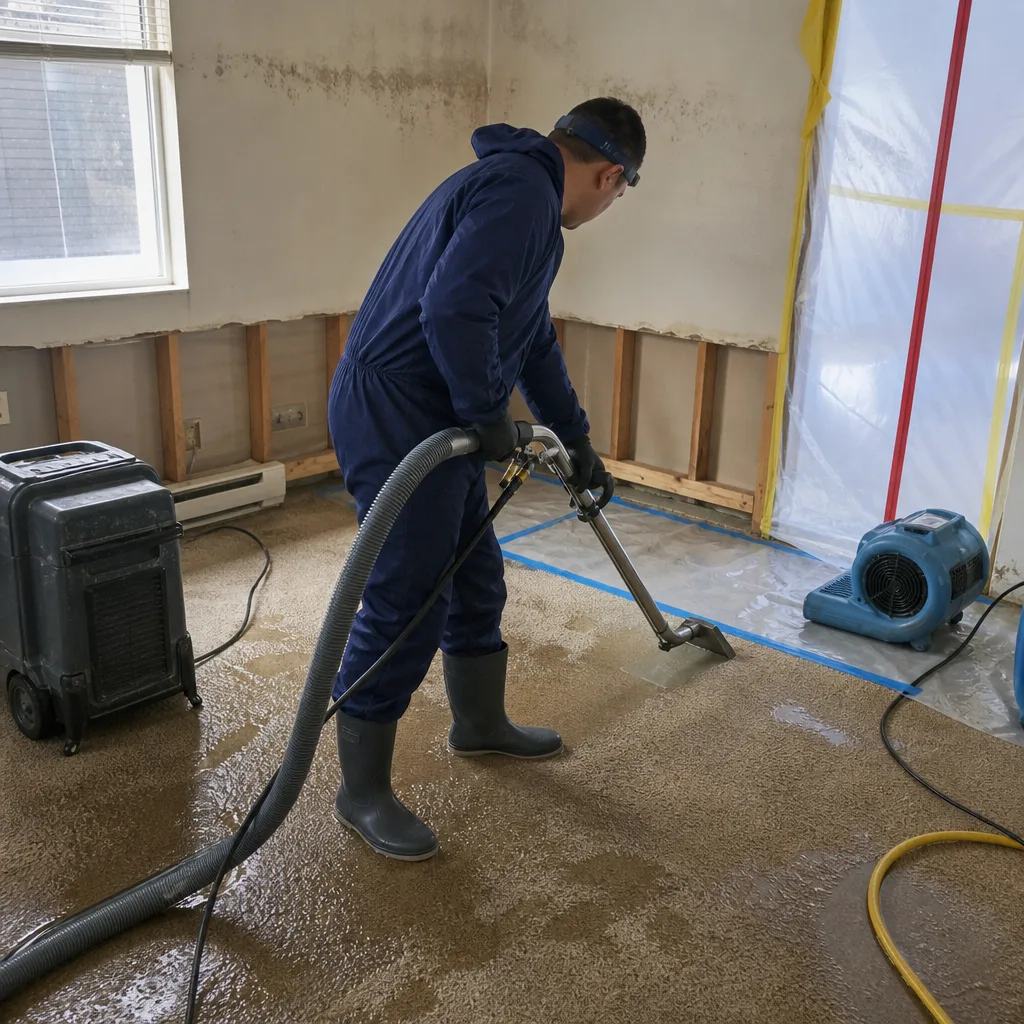
Trauma & Unattended Death Cleanup
An unattended death in a Hunters Point loft or a Queens Plaza rental often goes undiscovered for days. By the time we arrive, decomposition fluids have soaked into flooring, subfloor, and sometimes the ceiling below. We remove all affected material, run negative air pressure to keep odors and pathogens contained, and dry the structure completely. If water from a burst pipe or a leaking fixture played a role, that’s handled in the same job by the same certified crew.
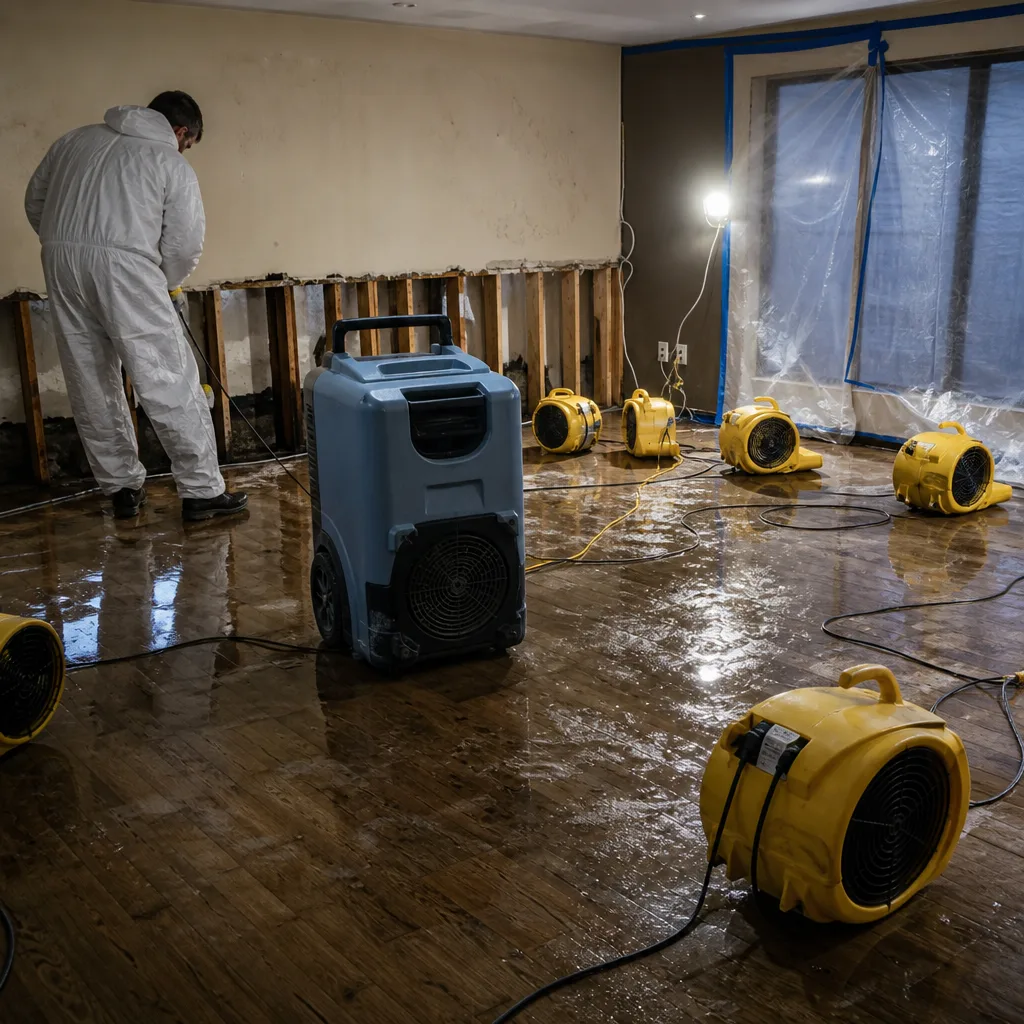
Infectious Disease Disinfection
When a resident or employee in a Long Island City building is diagnosed with a serious infectious illness, the space needs more than a surface wipe. We use EPA-registered disinfectants, full PPE, and HEPA air scrubbing to reduce pathogen load on hard surfaces, soft goods, and in the air. This is common work in LIC’s high-density towers, where shared hallways, elevator cabs, and common laundry rooms mean one unit’s issue can affect a whole floor if not handled quickly.
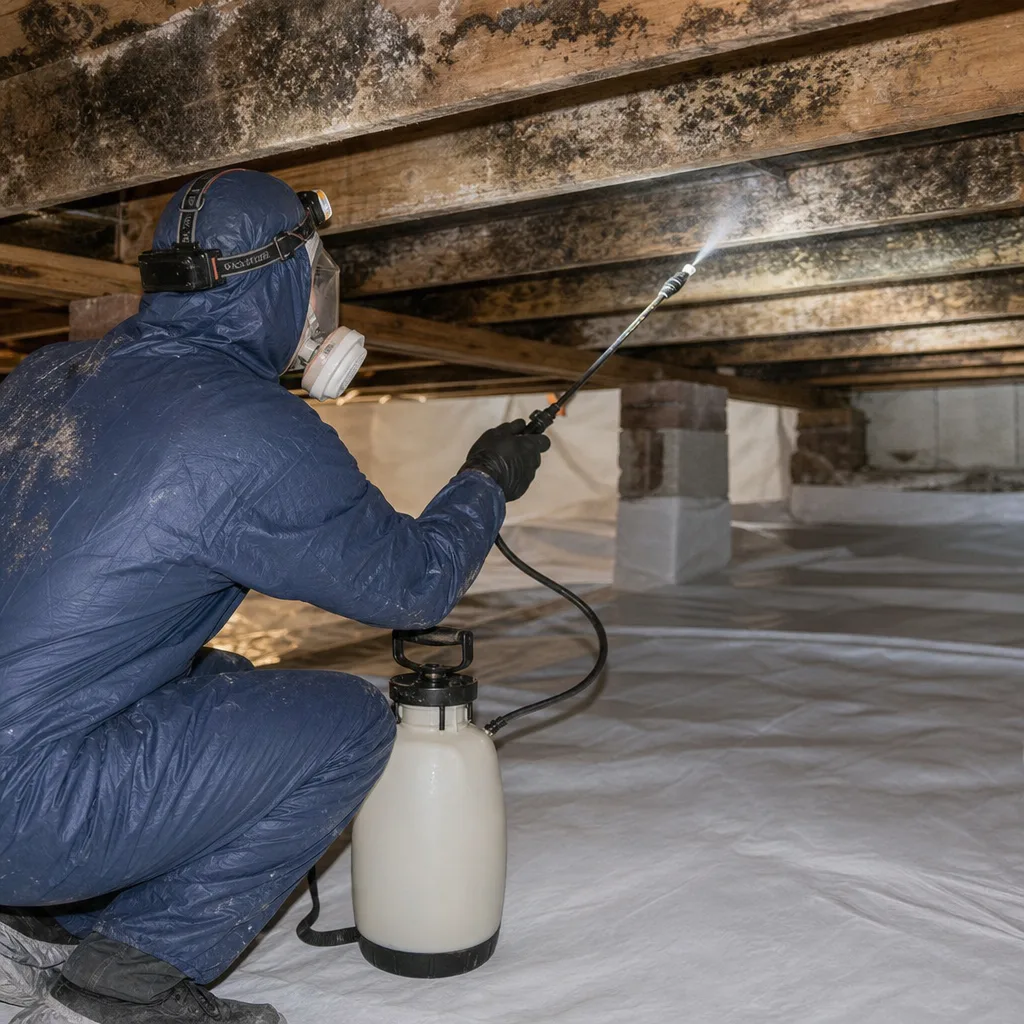
Hoarding Cleanup
Hoarding situations in Long Island City’s older buildings often reveal structural damage underneath the clutter: water-damaged subfloor, mold, rodent waste, and even exposed asbestos in pre-1980 lofts. Our team works methodically through the space, sorts what can be salvaged, removes biohazard material, and leaves the unit clean and dry. We treat this work with patience and zero judgment, because the person involved is usually overwhelmed, not unwilling.
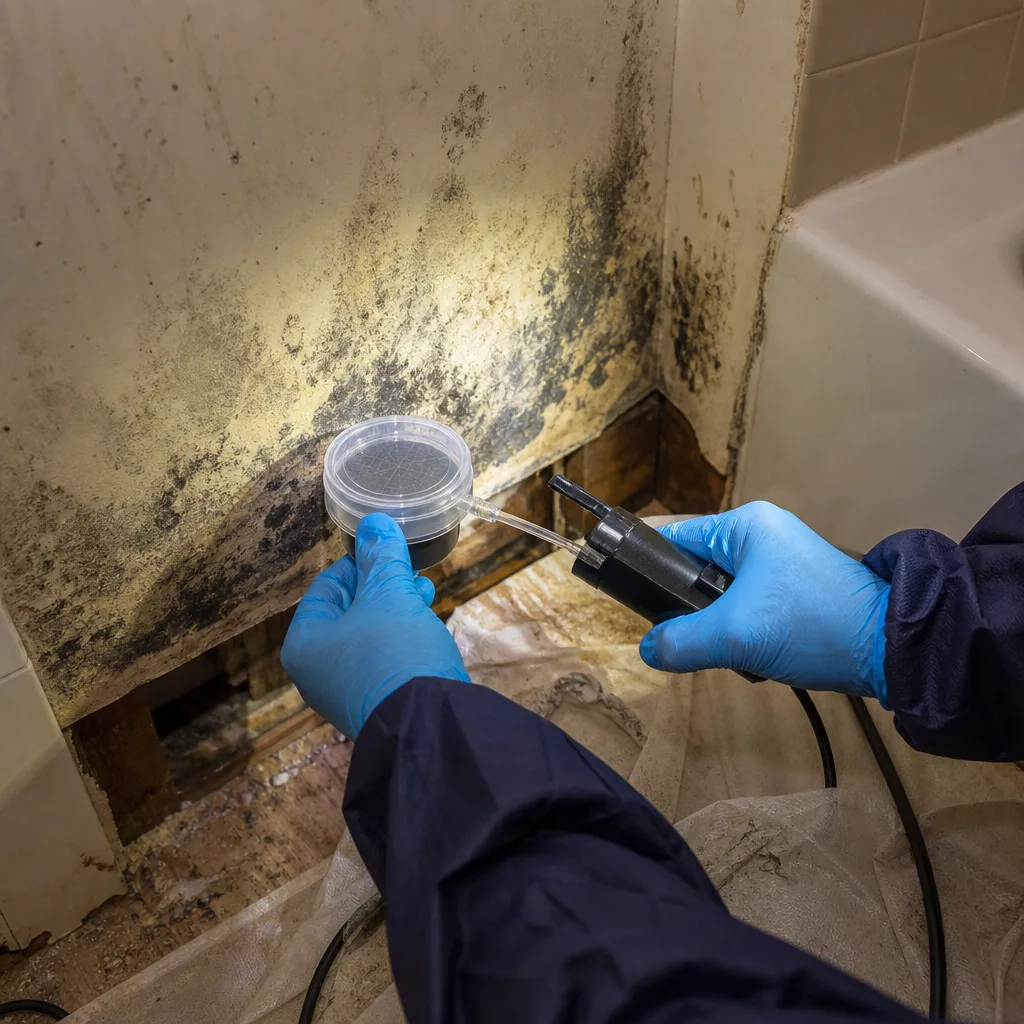
Blood & Bodily Fluid Cleanup
Blood spills in a Long Island City rental, condo, or commercial space create risks for anyone who enters without proper PPE. Bloodborne pathogens survive on surfaces longer than most people realize. We remove affected material, disinfect surfaces thoroughly, and test the space before we call it done. This service often pairs with crime scene cleanup, but it also applies to medical emergencies at home, workplace injuries, and accidents in common areas.
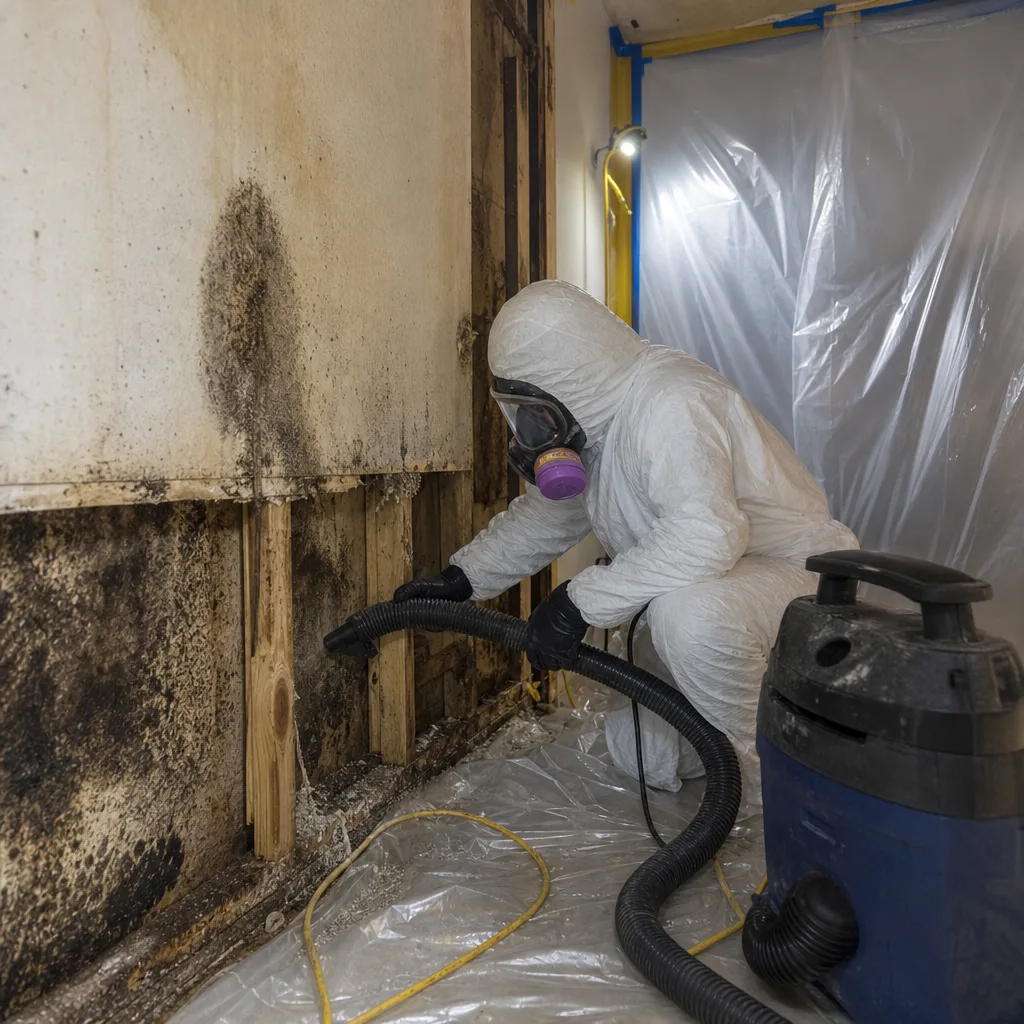
What happens when you call
- 1
A real person answersNo phone trees - you reach a local pro.
- 2
You get an upfront price rangeHonest numbers before anyone is dispatched.
- 3
A background-checked tech heads outLicensed & insured, dispatched right away.
- 4
You approve before work beginsNothing starts until you say go.
Biohazard & Crime Scene Cleanup Costs in Long Island City, NY
A typical biohazard cleanup in Long Island City runs $1,500 to $5,000 for a contained scene with moderate contamination. Unattended death cleanup usually lands between $3,000 and $8,000, depending on how long the scene sat and what materials absorbed fluids. Crime scene cleanup in LIC averages $2,500 to $7,000. Hoarding cleanup is the widest range, often $2,000 to $10,000 or more when structural damage is uncovered. What moves the price in this neighborhood specifically: whether we’re working in a pre-war loft where a full asbestos abatement hold is triggered, or in a post-2010 tower with straightforward drywall removal. Both outcomes happen within blocks of each other. Your insurance may cover most or all of the cost, depending on cause, and we bill directly to your carrier. The free visual inspection gives you a written scope before any work starts, so you’re never committed to an open-ended number.
We Also Serve Cities Near Long Island City
Floodline Restoration Co. runs biohazard and crime scene cleanup crews to Long Island City and the surrounding Queens neighborhoods. We respond to calls in Astoria, Maspeth, Jackson Heights, and Elmhurst with the same 24/7 live dispatch and the same certified crews. If you’re a few blocks over the LIC line, call us, and we’ll get someone to you just as fast.
Serving Long Island City, NY - Our Local Coverage Area
We’re based in the Long Island City area and know this community well. Use the map below to see our service coverage - if you’re nearby, we can almost certainly help.
Long Island City Biohazard & Crime Scene Cleanup Questions, Answered
Does Long Island City’s FEMA flood zone affect biohazard cleanup in basement units?
Yes. Basement and ground-floor units in the Hunters Point waterfront blocks and near Newtown Creek sit in AE and VE flood zones with high water tables, which means groundwater can enter during storms or high tides. If a biohazard scene exists in one of these basements and stormwater has also entered, the cleanup scope expands to include Category 3 water extraction and structural drying before disinfection can be complete. Call (716) 452-0798 and we’ll assess both problems together.
Why did our LIC loft biohazard job require an asbestos hold before drying equipment was set?
Long Island City’s converted pre-war lofts often contain asbestos in transite ceiling panels, pipe insulation, and floor tiles from the buildings’ industrial era. When demolition during biohazard cleanup reveals these materials, New York regulations require a licensed abatement hold before any drying or reconstruction equipment can be set. This doesn’t happen in LIC’s post-2010 towers, which is why the same job a block apart can have very different timelines and costs.
Can a burst pipe in an upper floor of a Long Island City high-rise create a biohazard below?
Absolutely. A supply line break on, say, the 24th floor of a Center Boulevard tower sends water cascading through stacked units, and that water picks up whatever it passes through on the way down. If it meets an existing biohazard, a sewage backup, or a long-unattended unit, the contamination spreads with the water. We handle the water extraction and the biohazard as one job, not two separate contracts.
How does salt air affect your biohazard cleanup equipment on Long Island City waterfront jobs?
Salt air near the East River accelerates corrosion on exposed metal parts, including the bearings, motors, and fasteners on HEPA air scrubbers and negative air machines. On long containment jobs in waterfront buildings, that means our equipment needs more frequent inspection and maintenance than the same gear running inland. We plan for it, and we carry spare units so a failed bearing doesn’t pause a containment job.
Do LIC’s converted lofts require different hoarding cleanup procedures than the new towers?
They do. In a pre-war loft, hoarding cleanup often uncovers water-damaged subfloor, rodent waste, and hidden asbestos in original building materials, all of which require different containment and disposal rules than a newer tower. In a post-2010 high-rise, hoarding cleanup usually stays contained to the unit itself, with less structural surprise. Our crews carry the full range of equipment and certifications for both building types.
How fast can you get to a Long Island City address?
We commit to a 45-minute response for biohazard and crime scene calls in Long Island City, and most jobs get a crew on site even faster. Dispatch is live around the clock, so the call you make at 3 a.m. is answered by a person who can route a crew to you immediately. The sooner containment starts, the less material has to be removed.
Will insurance cover biohazard cleanup in Long Island City?
Often, yes, but it depends on the cause of the loss and your specific policy. Unattended death, crime scene cleanup, sewage backup, and water damage from burst pipes are frequently covered. We photograph everything, write a line-item scope, and communicate directly with your adjuster. You never play messenger. Call (716) 452-0798 and we’ll help you understand what your policy covers before you commit to anything.
Can we stay in the unit during biohazard cleanup?
In most cases, no. Biohazard cleanup requires containment, negative air pressure, and restricted access for safety. The length of displacement depends on the scene and the building. In a Long Island City condo with a contained bathroom scene, you might be back in a day. In a whole-unit crime scene or unattended death, plan for longer. We’ll tell you upfront, not after you’ve packed a bag.
If you’re facing a biohazard or crime scene cleanup in Long Island City, don’t wait for it to get worse. Call Floodline Restoration Co. at (716) 452-0798 for a free visual inspection and a written scope. Live answer, 24 hours a day. Done right, and backed in writing.
Written by Curt Bowman, Owner at Floodline Restoration Co., serving Long Island City with certified biohazard and restoration crews.