
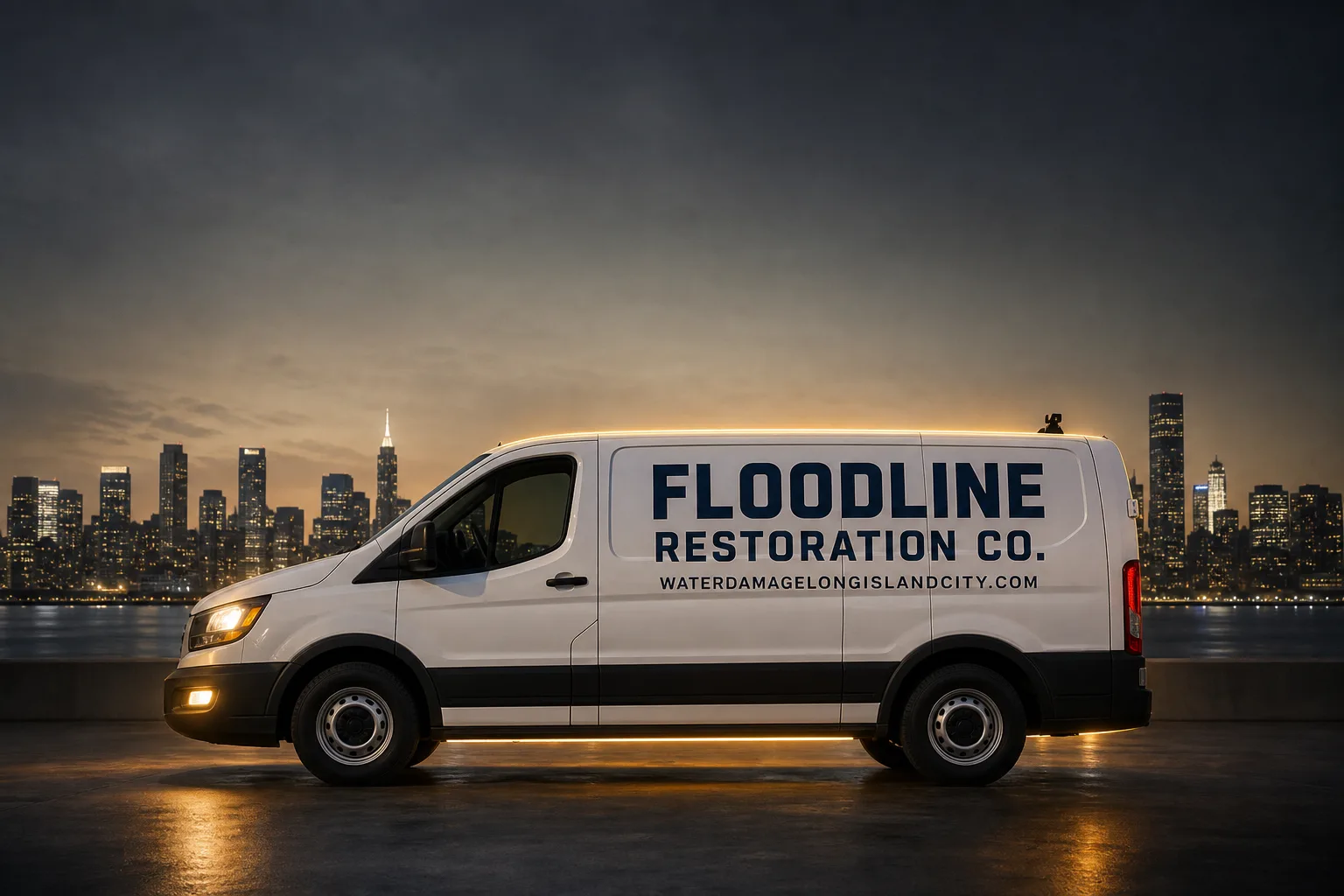
Free visual inspection and a written scope of work before any mitigation begins - photos, moisture readings, and drying logs go in your claim file
The scope we write is the scope we bill. Anything new gets shown to you, in writing, before we touch it.
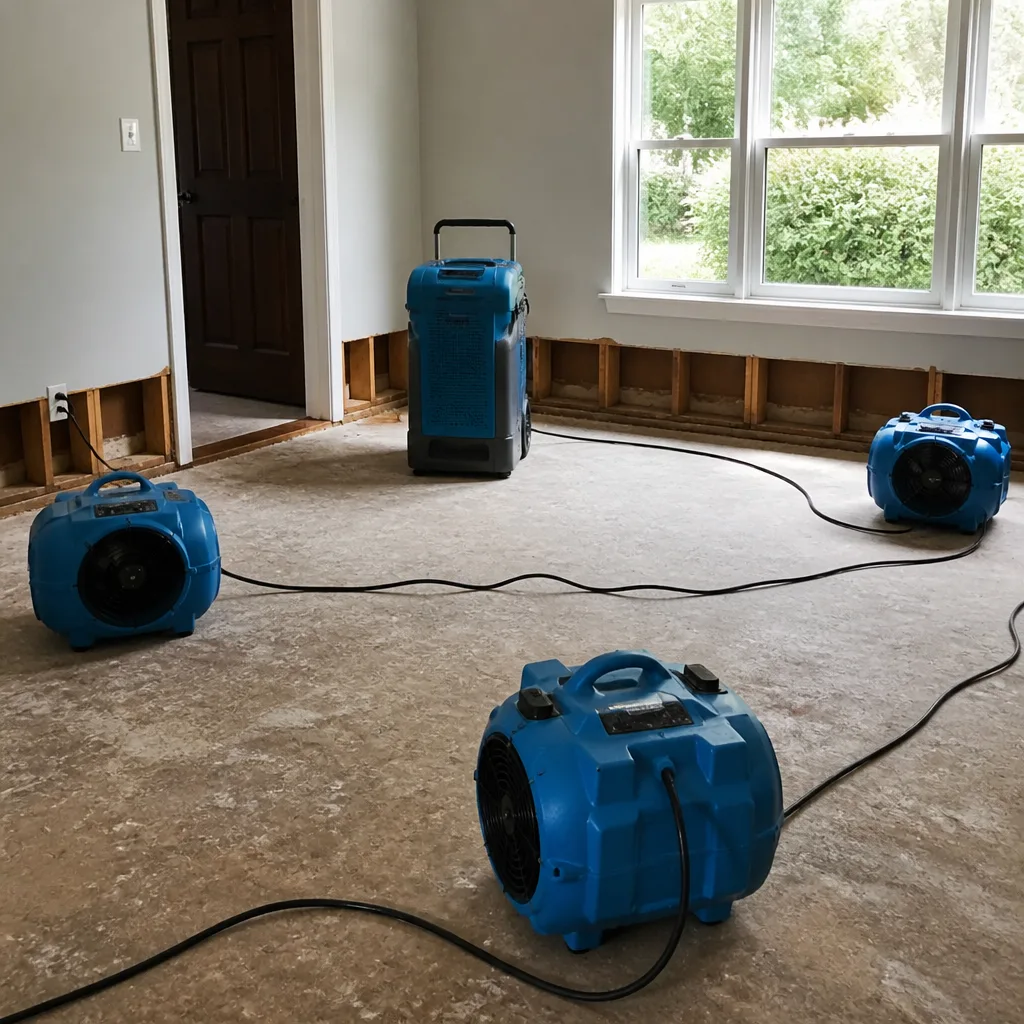
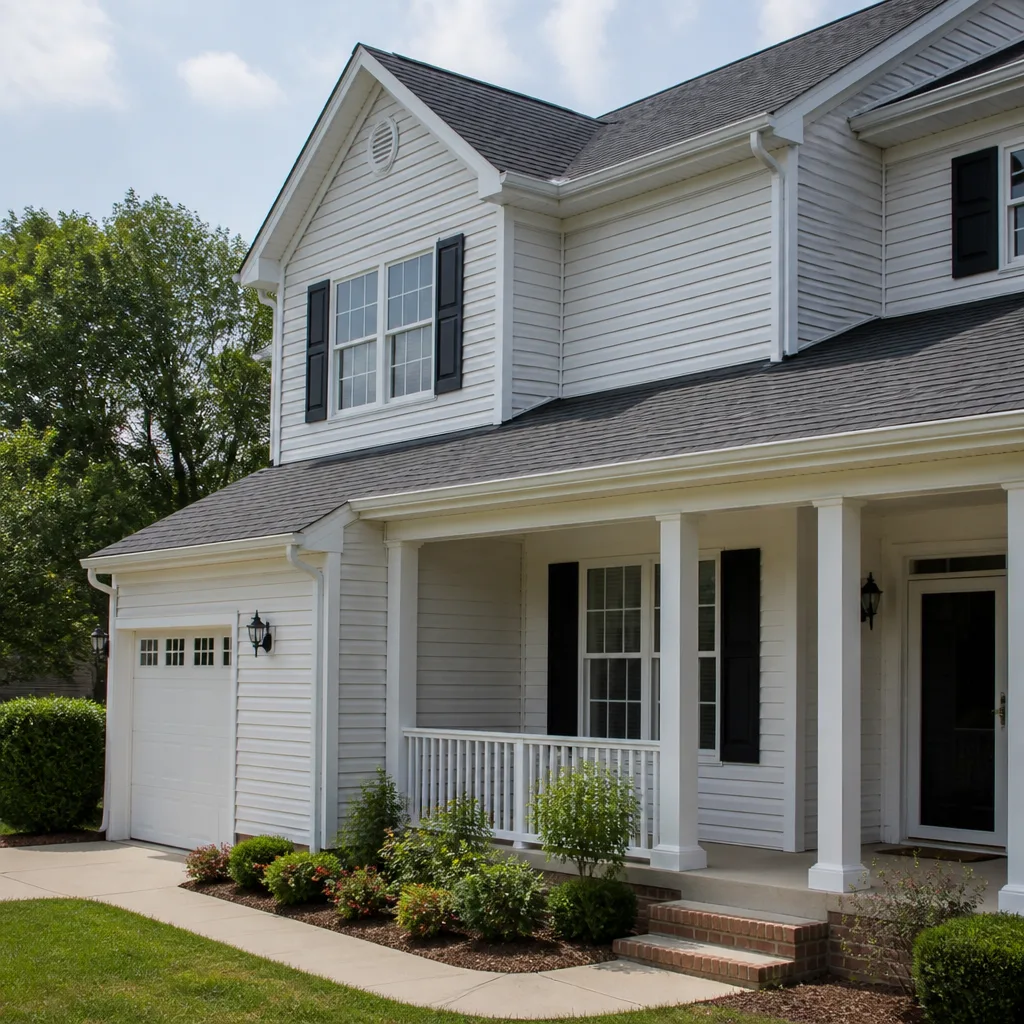
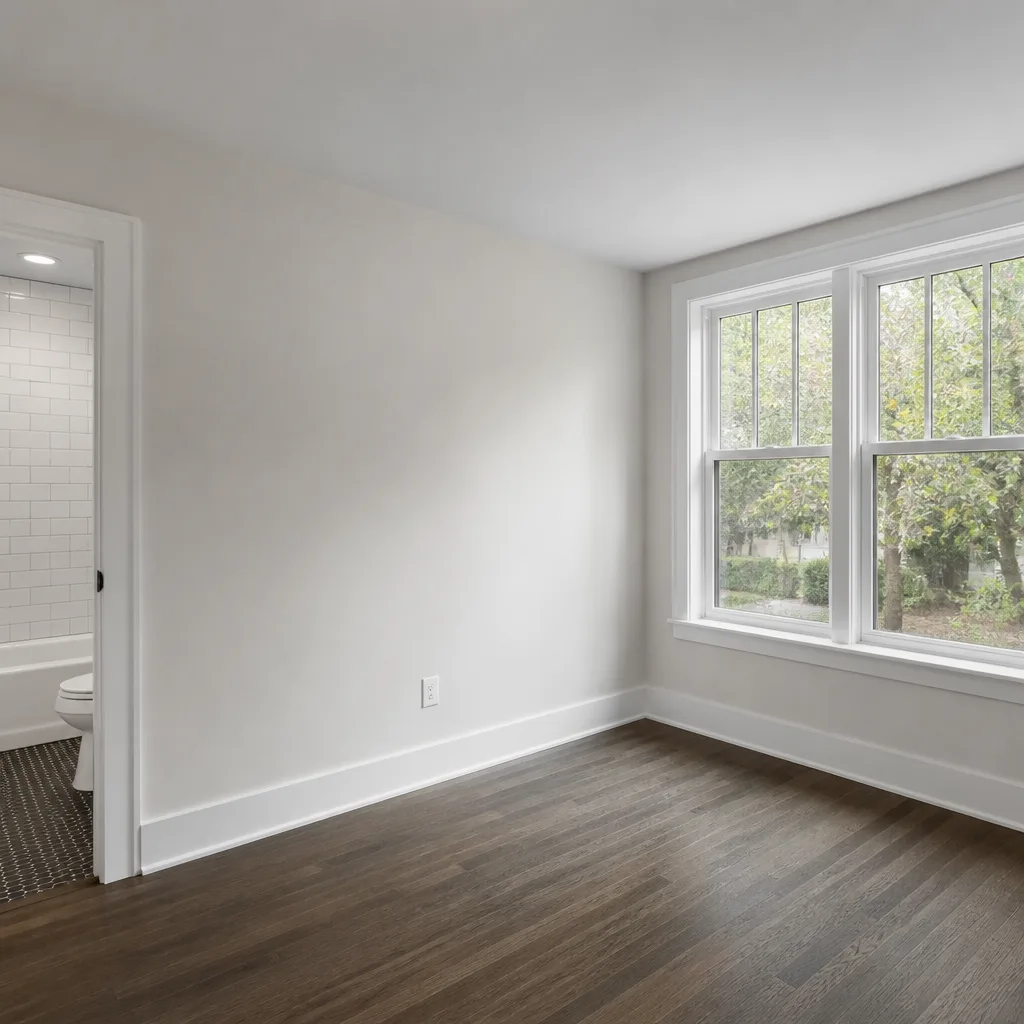
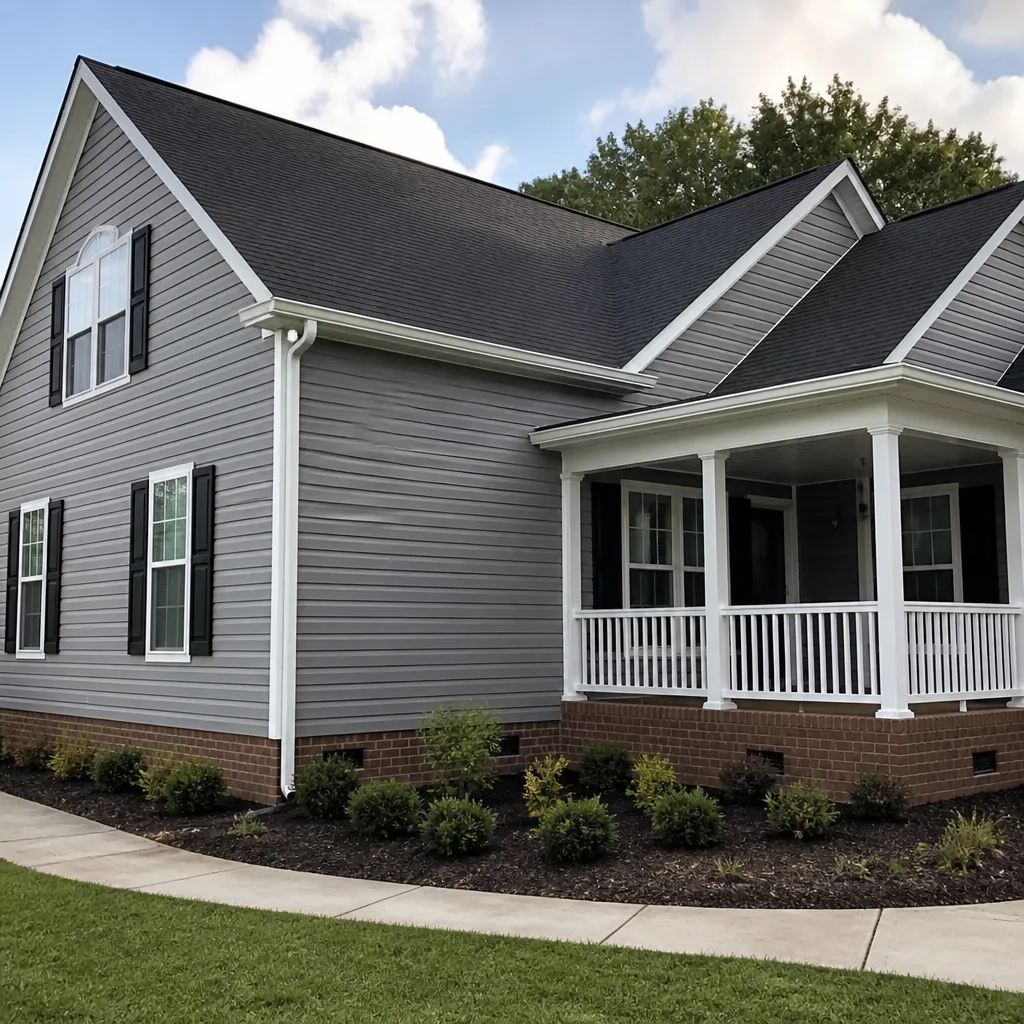
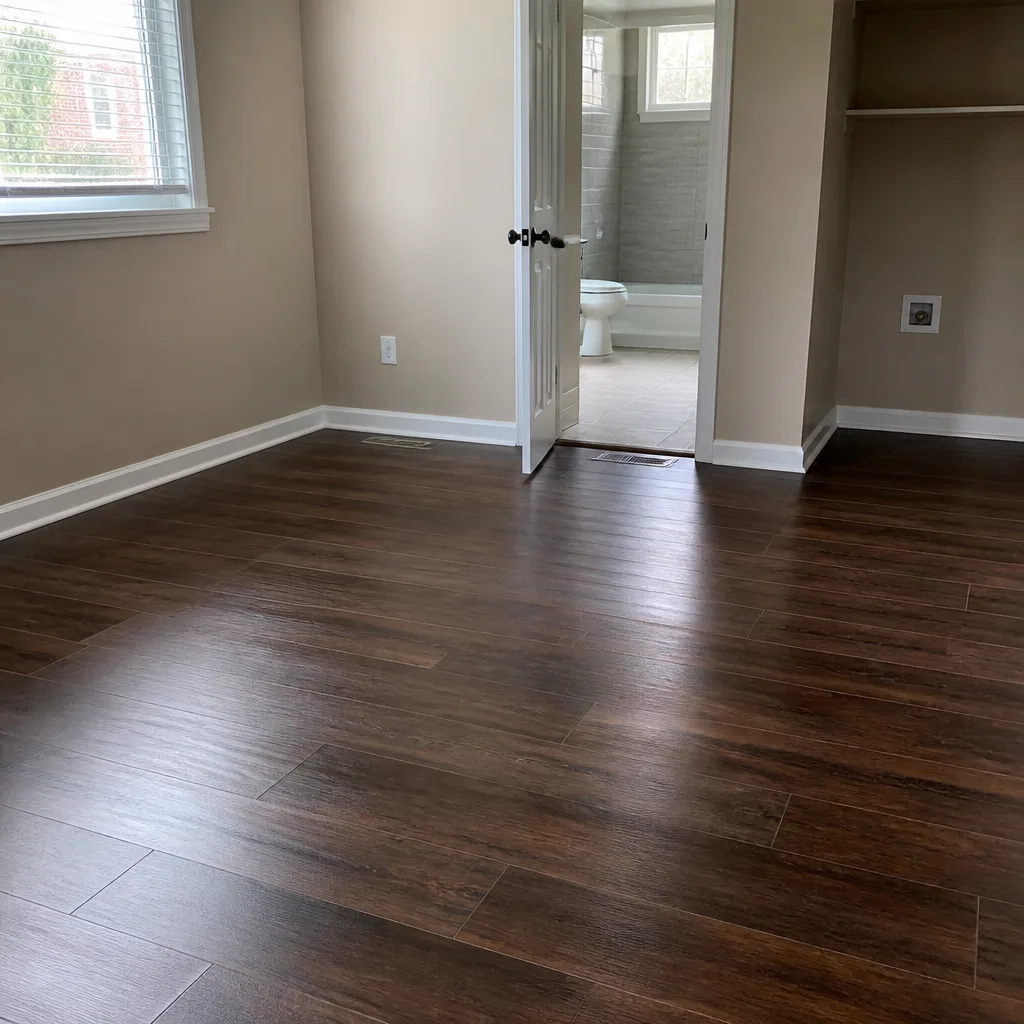
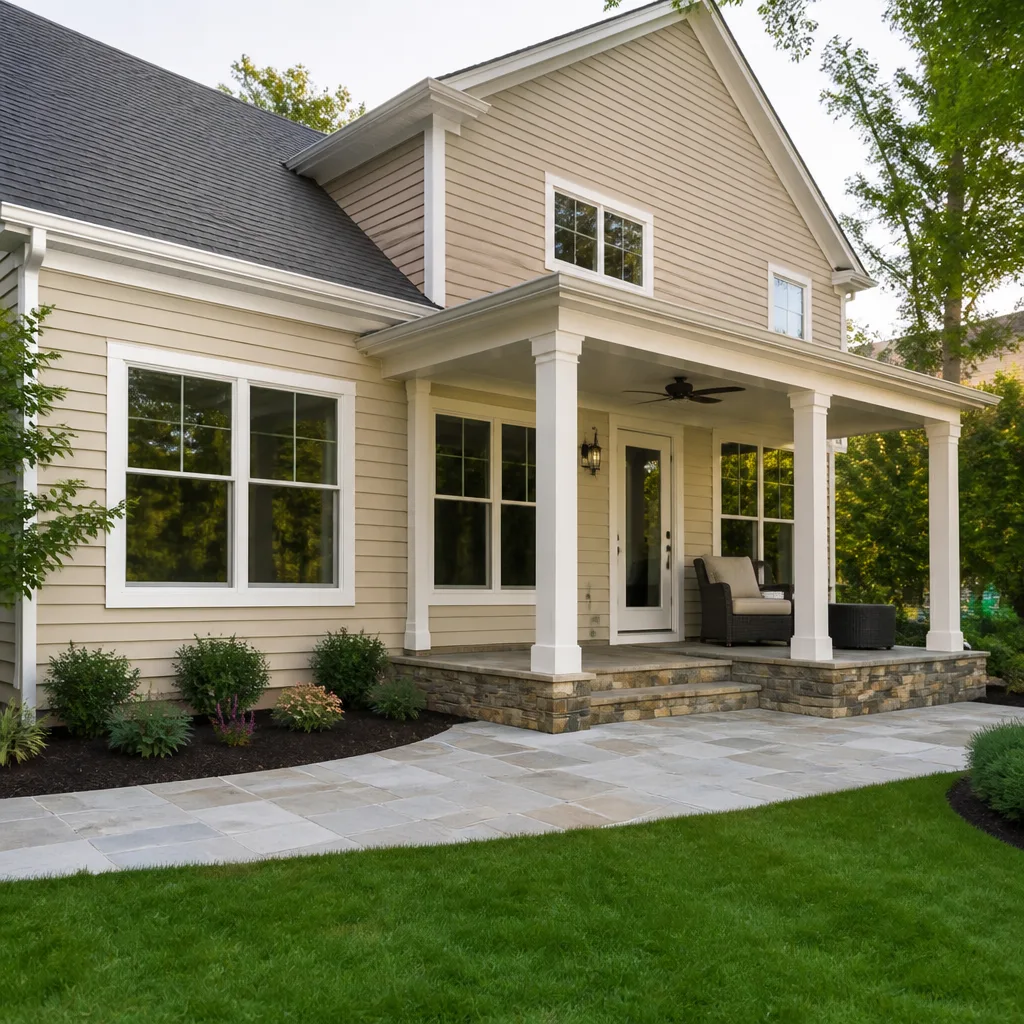
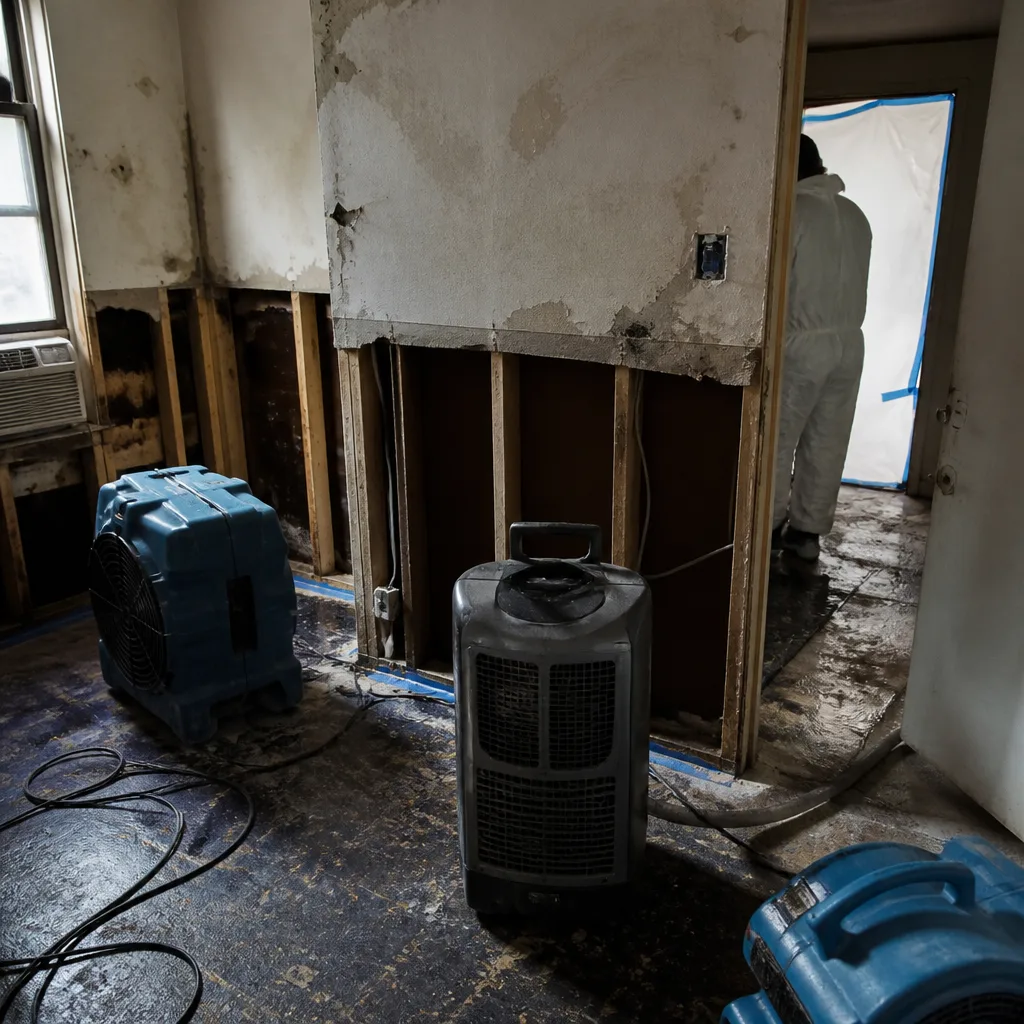 Before
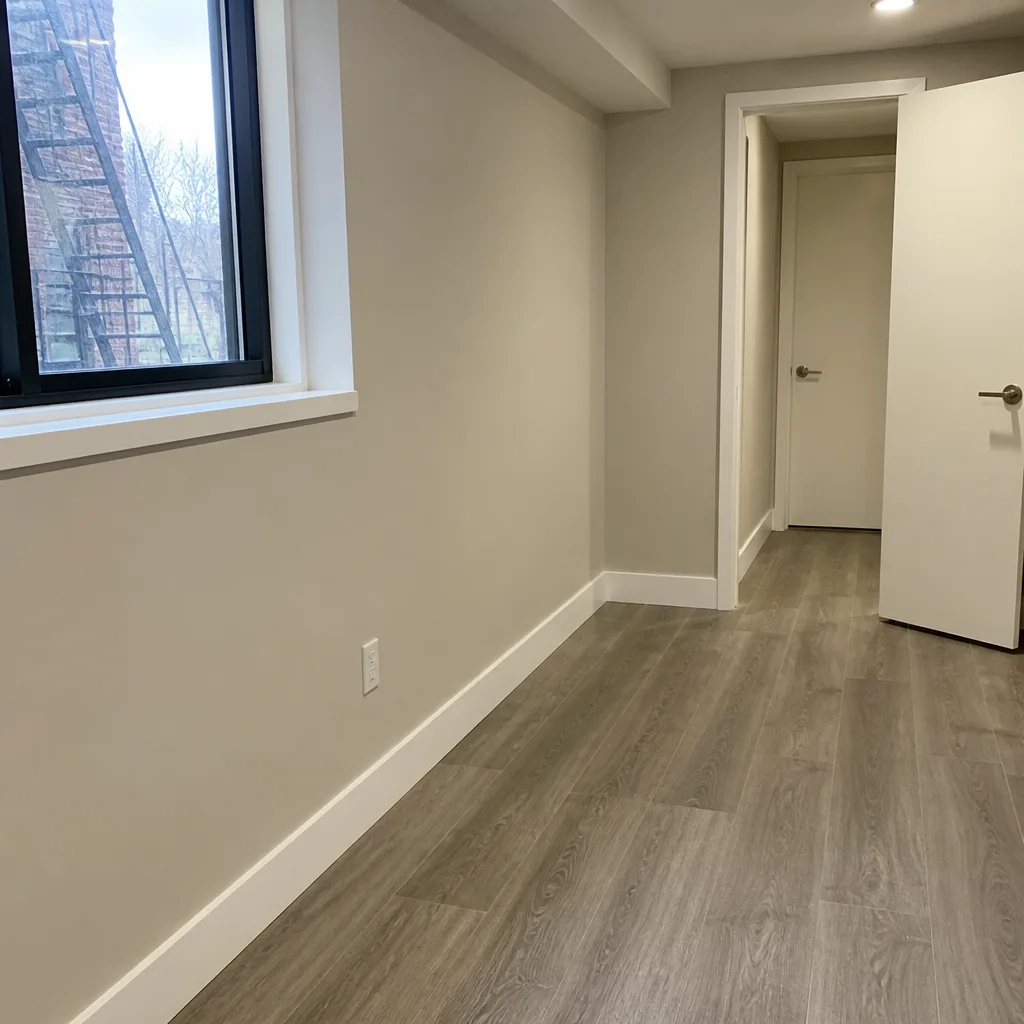 After
After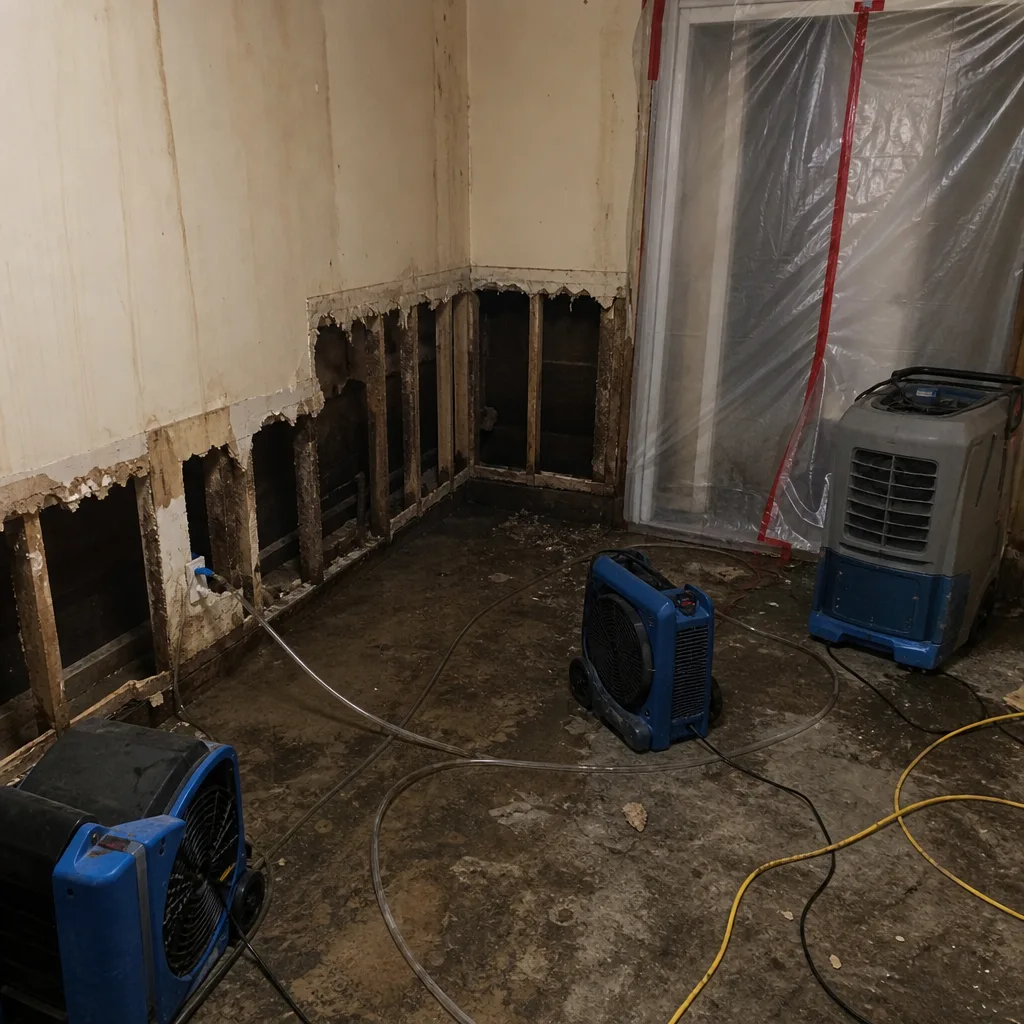 Before
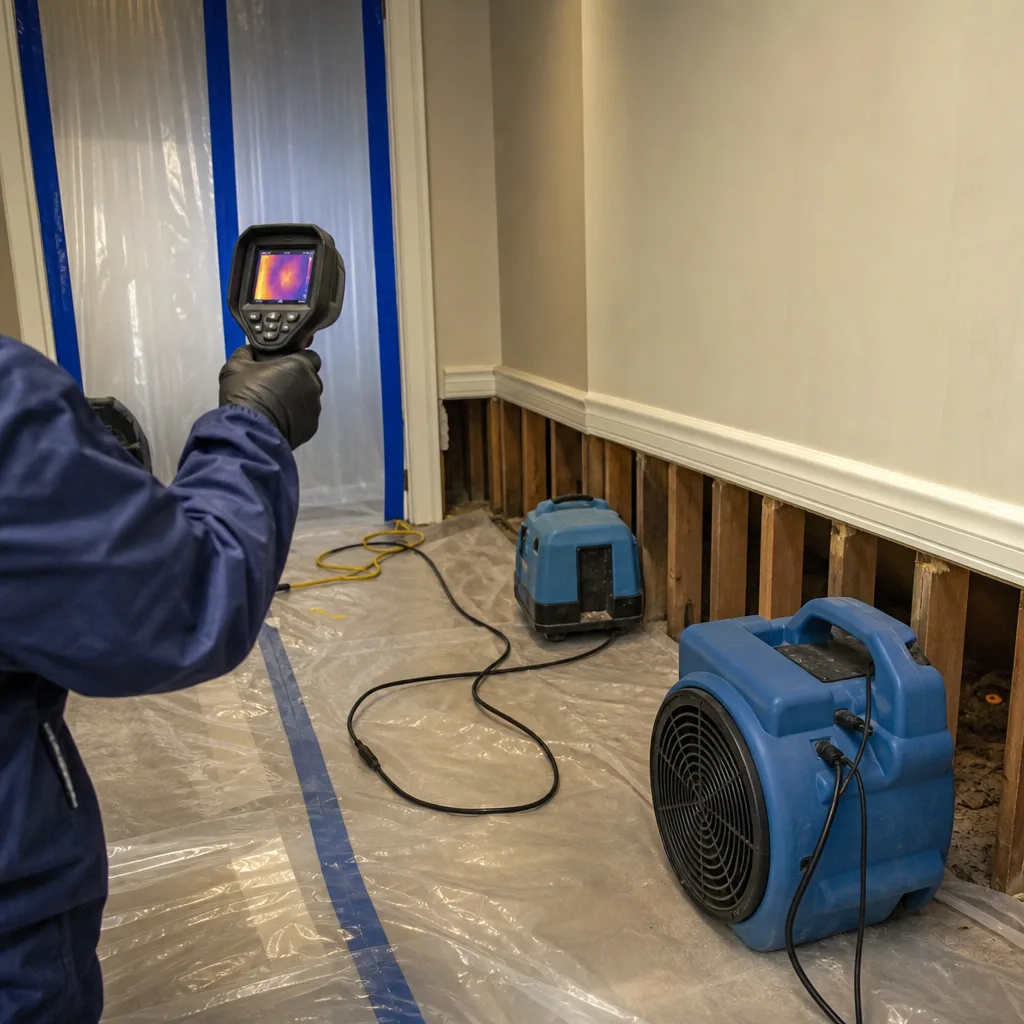 After
After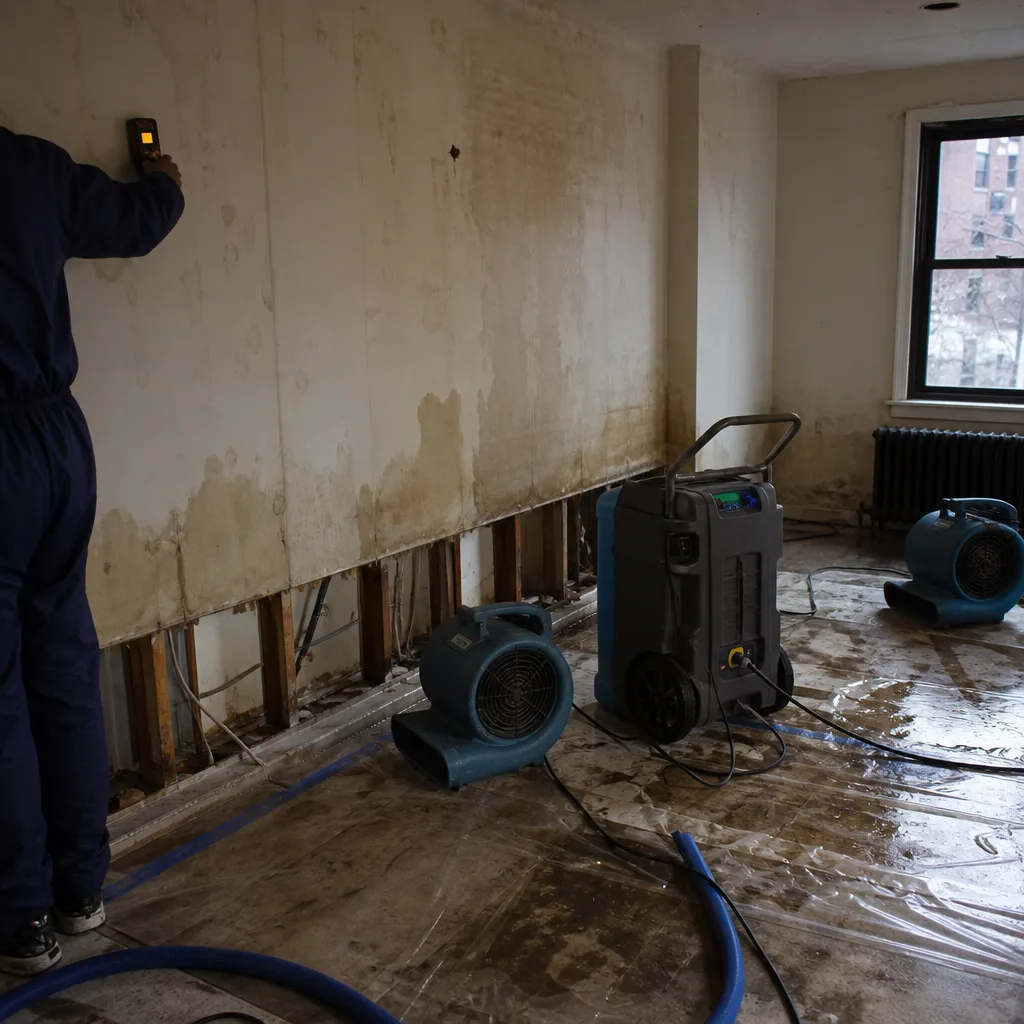 Before
 After
After24/7 Emergency Water Damage Restoration in Astoria
Water damage restoration in Astoria typically costs $1,800 to $6,400 for a single-unit incident, but the multi-floor cascade common in this borough’s attached housing can push scope and price well above that. When a pipe splits on the third floor of a pre-war walk-up, the water doesn’t stay on that floor. It finds the path of least resistance through floor cavities, party walls, and ceiling bays until it pools in finished basement apartments two or three stories down. We answer live at (716) 452-0798 no matter the hour, and we dispatch crews to Astoria’s 11102, 11103, and 11105 zip codes with extraction equipment running the same visit. The first hour determines whether you’re drying wall cavities or tearing them out, and the sooner our moisture meters hit the affected rooms, the smaller the final invoice.
Call (716) 452-0798 and a real person at our dispatch desk picks up. Not a recording, not a callback queue. A person who can have a crew rolling toward Astoria while you’re still on the line.
Understanding Water Damage Restoration Severity in Astoria Properties
We classify water by its source and contamination level, because that classification drives every decision after we arrive. Category 1 water comes from a clean supply line, a burst pipe, or an overflowing tub. It’s water that was safe to drink before it left the pipe. Category 2 carries some contamination, like dirty aquarium water or a failed sump pump. Category 3 is the one that matters most to Astoria’s building stock: whether from sewer backups or the East River’s storm surge near the Hell Gate confluence, Category 3 water requires full antimicrobial treatment, containment, and often controlled demolition of affected drywall and insulation. If you’re dealing with a sewage backup, our Sewage Cleanup - Astoria team follows the same rigorous protocol.
In a 1920s brick row house with original plaster over wire lath, water behaves differently than in a sheetrock subdivision built in 2005. Plaster absorbs water slowly, but it holds it for weeks. The cast-iron waste lines and galvanized supply pipes in Astoria’s pre-war attached homes corrode from both ends: inside from age, outside from brick masonry that never truly dries after a nor’easter. What starts as a ceiling stain on a ground-floor unit near Ditmars Boulevard is frequently the trailing edge of a pipe failure two floors up. Severity in Astoria isn’t measured by square footage alone. It’s measured by how many units the water crossed before someone noticed the stain.
Why Astoria Property Owners Choose Floodline Restoration Co.
- 45-minute response commitment: From the moment you hang up with our dispatcher, a crew is routed toward your Astoria address. We prioritize occupied multi-family buildings first, because an unattended leak in a shared-wall rowhouse becomes the neighbor’s problem within hours.
- 24/7 live answer, every single call: A live dispatcher answers at (716) 452-0798 at 2 a.m. on a holiday. Curt Bowman built this company around a dispatch board, not a sales desk, and that’s still how it runs. No automated triage, no “press 2 for emergencies.”
- IICRC-certified crews, trained to WRT and ASD standards: Every uniformed, background-checked technician carries Water Restoration Technician certification and Applied Structural Drying training. That matters when daily moisture readings have to stand up to an adjuster’s scrutiny in a three-policy claim near Steinway Street.
- Free visual inspection, no obligation: We’ll walk the affected units, run moisture meters across the perimeter, and tell you plainly what needs to happen. If the damage is minor and you can handle it with a towel and a fan, we’ll say so.
- Direct insurance billing with photo documentation: We communicate directly with your adjuster, provide line-item scope documents, and coordinate dual-policy claims where one building has separate owners and separate carriers. You’re never the messenger.
- One team from extraction to reconstruction: The crew that runs the Dri-Eaz air movers on day one is the same crew that hangs new drywall when the structure hits dry standard. No handoff to an unfamiliar subcontractor, no inherited crew with a different set of standards.
Our Water Damage Restoration Process
Inspection & Assessment
We arrive, map the water’s path with thermal imaging and moisture meters, and classify every affected area by water category. In an Astoria walk-up where water has crossed three floors, we inspect adjacent units on every level, not just the unit that called us. The written scope you receive is based on measured moisture, not guesswork.
Extraction & Stabilization
Standing water comes out first, using truck-mounted extraction units and high-capacity XPOWER submersibles in finished basements. We cut off the water source if it’s still active, kill power to affected circuits where needed, and set containment barriers at stairwells to keep contaminated air and debris from spreading through shared hallways.
Drying & Dehumidification
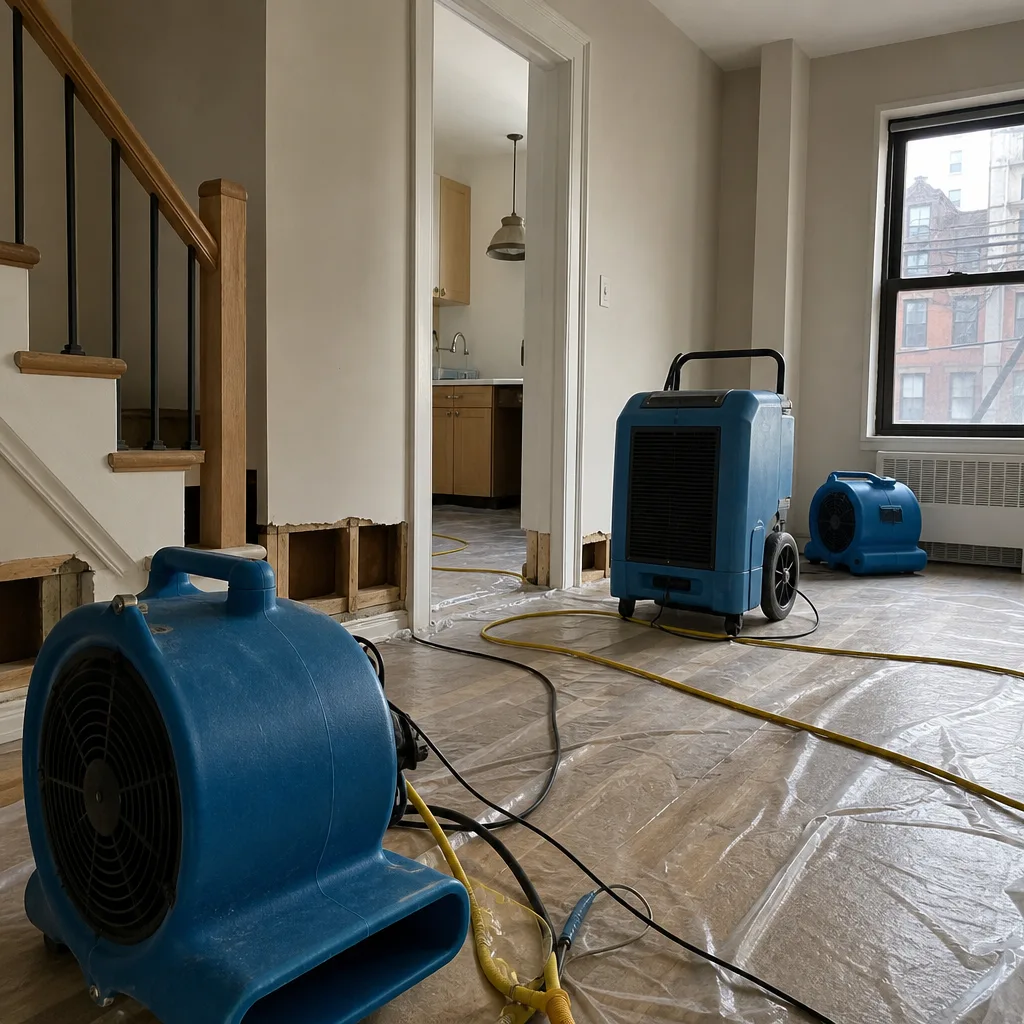
Dri-Eaz and Phoenix air movers go down in a calculated layout, matched with low-grain refrigerant dehumidifiers. In dense attached brick buildings, we also place desiccant units in windowless interior rooms where humidity can’t escape through exterior walls. Daily moisture readings are logged and shared with you and your carrier until every affected material meets dry standard.
Cleaning & Sanitization
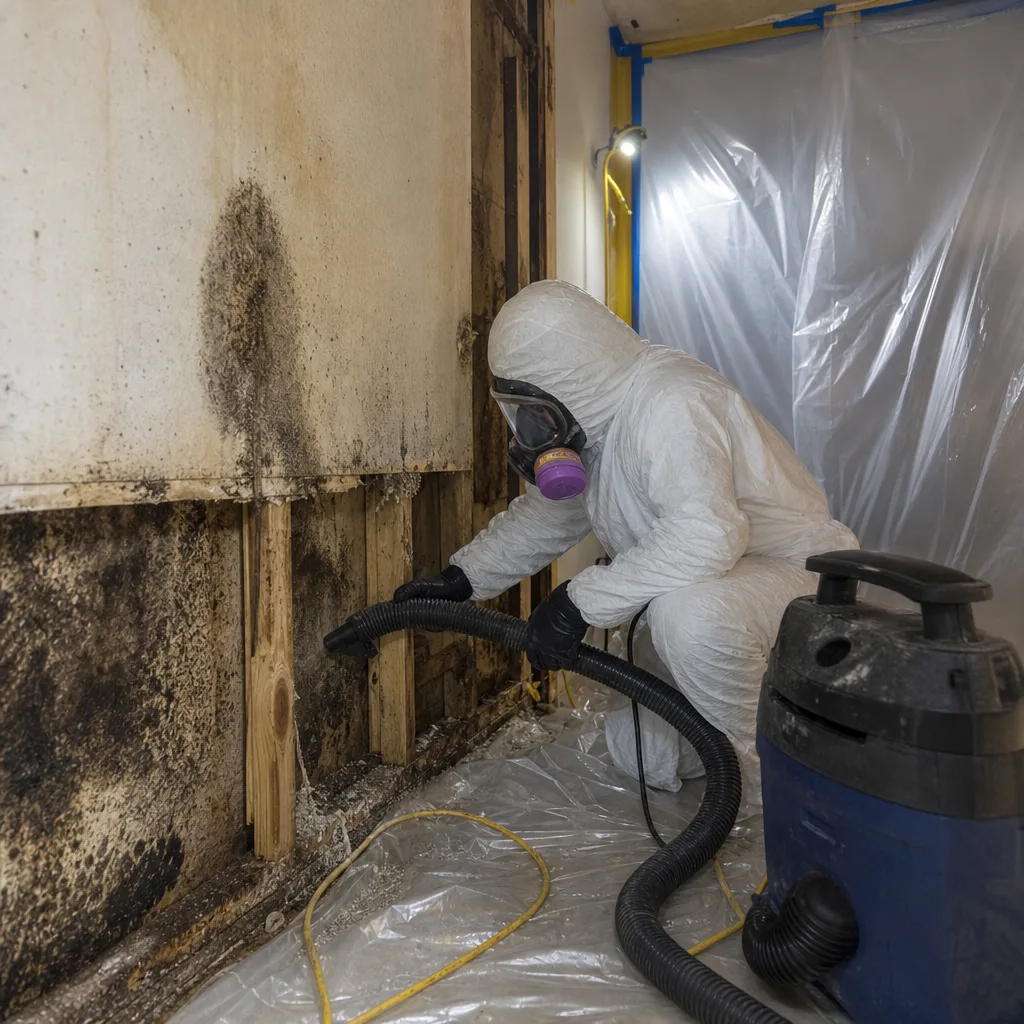
Category 3 water in Astoria basements near the East River gets full antimicrobial treatment. We clean and disinfect salvageable surfaces, remove and bag contaminated materials for disposal, and run HEPA air scrubbers in occupied units to keep airborne particles from settling back into drying materials.
Ceiling and Cavity Treatment
Water trapped in the cavities between Astoria’s plaster and brick gets special attention. We drill small inspection points at the base of affected walls and inject airflow into floor bays and party-wall cavities, because hidden moisture here is how a $2,000 extraction becomes a $20,000 mold claim 90 days later.
Repairs & Restoration
Once the moisture log shows dry standard, we rebuild what we removed: drywall, baseboards, insulation, flooring, and paint. The same uniformed crew that did the extraction does the restoration, and the 90-Day Done Right Promise covers the result in writing.
Need Emergency Water Damage Restoration in Astoria Now?
Crews minutes away, answering live 24 hours a day. The sooner we start, the less it costs.
Working With Your Insurance Company
We’ve handled hundreds of water damage claims in Astoria’s multi-family buildings, and the ones that go smoothly share one thing: documentation that starts in the first hour and never stops. We photograph every affected room before we move a single piece of furniture, run moisture readings into a running log, and write scopes of work in the estimating format adjusters already use. When a single pipe break crosses three policies, one for the landlord and two for separate basement tenants near 28th Avenue, we keep separate documentation for each carrier. You deal with one crew, one set of paperwork, and one phone call. We deal with the adjusters directly, on your behalf.
What We Provide Your Insurer
- Thorough documentation of the loss
- Photos of all damage, room by room
- Moisture readings and drying logs
- A detailed, line-item scope of work
- Direct coordination with your carrier
Built for Astoria’s Loss Calendar
Astoria’s water damage season has a rhythm, and if you’ve lived here long enough, you’ve probably heard it through the walls. January and February bring the deep-freeze events that split uninsulated supply lines running through the exterior brick walls of pre-war buildings on streets like 36th Avenue and 31st Street. When a pipe splits on the top floor of a three-family house, the water runs down interior wall cavities and pools in the basement below; the upstairs owners sometimes don’t notice until the basement tenant knocks on the door with a wet ceiling.
March is thaw season, when soil around Astoria’s old foundations expands and contracts enough to stress already-fragile cast-iron waste lines. April through June bring nor’easters and wind-driven rain that explodes seams in the flat built-up roofs covering nearly every row house between Astoria Boulevard and Ditmars. August thunderstorms can dump two inches in an hour, overwhelming storm drains near the low-lying blocks west of 21st Street where the land slopes down toward the Hell Gate confluence. When coastal surge and severe weather combine, our Storm & Disaster Restoration in Astoria scales to match the scope. Each season creates its own pattern, and we track them because knowing what failed in the building next door last year tells us where to look in yours this year.
Water Damage Restoration Across Astoria’s Neighborhoods
We run crews through every corner of Astoria, and each area has its own failure profile. Around Ditmars Boulevard, the ground-floor commercial spaces, salons, restaurants, and groceries, sit directly beneath residential units, so a roof membrane puncture above the third floor becomes a business interruption claim in the shop below and a wet-ceiling claim in the apartment above it, two policies, two adjusters, one water source. Along Steinway Street, the mixed-use buildings from the 1920s have a particular problem: original plumbing routed through shared vertical chases that were never designed for repair access. When a waste line fails on the fourth floor, we often have to open drywall in a second-floor commercial unit just to reach the damaged section. The streets off 30th Avenue and Broadway are dense rows of two and three family brick houses where finished basement apartments are ubiquitous; those below-grade units are the first to flood during main-line backups and heavy rain events, and they’re where we do some of our most careful Category 3 work. Owners in the blocks near Astoria Park and the waterfront east of 21st Street deal with a different beast entirely: storm-surge flooding during coastal systems that pushes river water, and everything in it, through foundation cracks and floor drains.
Response routing matters here. A crew dispatched to a walk-up on 34th Avenue near the Kaufman Arts District has to bring equipment up narrow stairwells, often without elevator access. A row house on 28th Avenue near Steinway Street might allow ground-floor staging through the back yard. We plan for the building type, not just the address.
Specialized Water Damage Restoration Services We Offer in Astoria
Emergency Water Extraction
When water is actively pooling in a finished basement off Ditmars Boulevard or running through a ceiling on 31st Street, we extract first and ask questions after. Truck-mounted extraction units pull hundreds of gallons per hour, and we bring in the submersible pumps and wet vacuums for the tight spots where hoses can’t reach. The goal is simple: get every gallon of standing water out before it migrates into walls, baseboards, and the wooden joists that hold up your neighbor’s apartment.
Structural Drying & Dehumidification
Astoria’s dense building stock means we often can’t open windows and set a few fans like a suburban crew might. We bring Dri-Eaz and Phoenix air movers into windowless basement units, set desiccant dehumidifiers in shared hallways and stairwells, and run Injectidry mat systems in the wall cavities of pre-war brick walls where water got in but can’t get out. We take daily readings until every affected surface meets dry standard, and we hand you the log. No one gets a “call us if it feels dry” from Floodline.
Flood Cleanup
When the East River pushes storm surge into Astoria’s low-lying streets or a nor’easter sends a foot of water into a basement apartment near Astoria Park, the cleanup isn’t just removal. If the flooding was caused by fire suppression or a fire-related event, we coordinate with Fire & Smoke Damage Restoration - Astoria to handle the full scope. It’s decontamination. Flood water from coastal events is Category 3 by definition. We remove affected drywall and insulation, treat the framing with antimicrobial, and run HEPA air scrubbers during the entire process so the air you breathe during restoration is cleaner than the air outside.
Burst Pipe Restoration
A frozen supply line over a poorly insulated brick wall is the single most common emergency call we get in Astoria between December and March. The technical trigger is simple: water in the pipe expands as it freezes, splitting the galvanized or copper line. The damage path is not simple. In a three-story row house, a second-floor split sends water down through the first-floor ceiling and into the basement. We trace the full path with moisture mapping, not just the visible wet spot, and we repair all of it before the walls go back up.
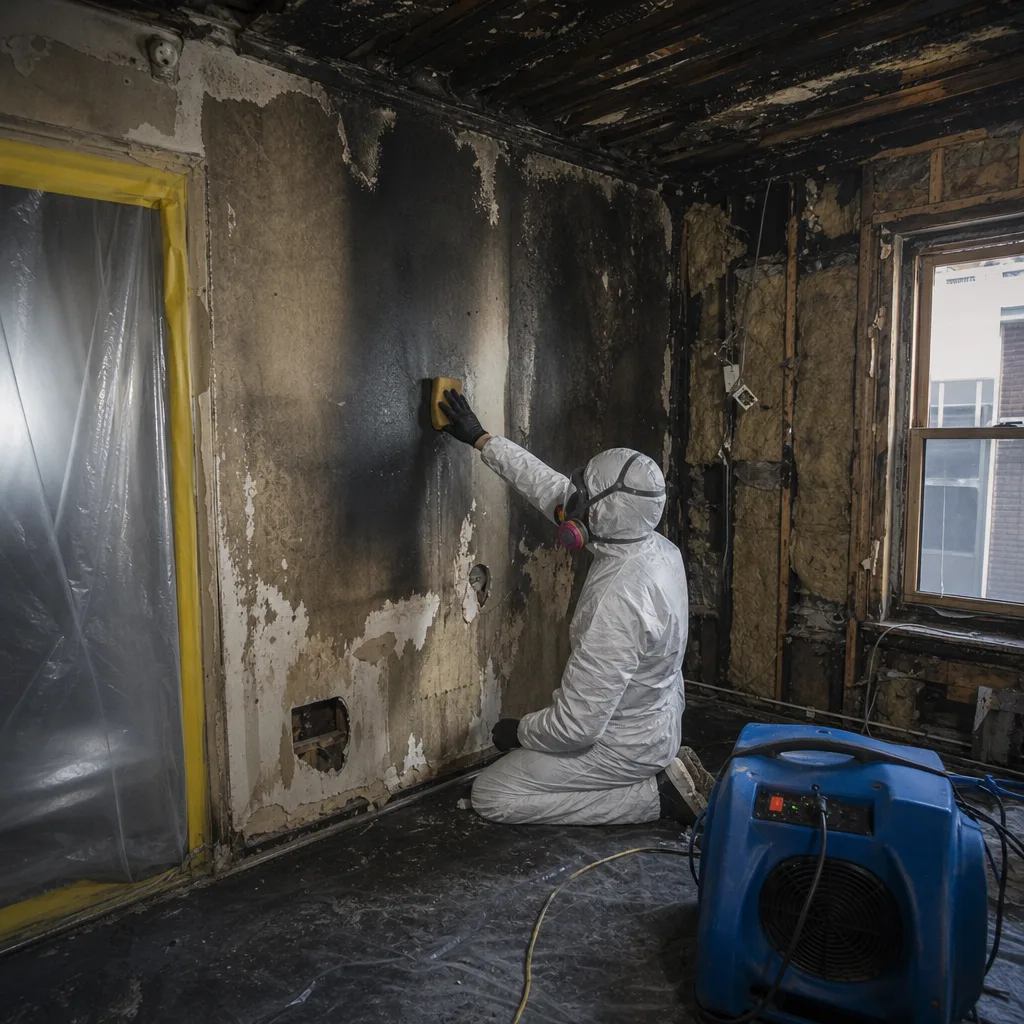
Basement Water Removal
Astoria’s finished basement apartments flood from two directions: above-ground water that finds its way in through foundation cracks and stairwell drains, and below-ground water forced up through floor drains when the municipal sewer main backs up. The treatment differs. Clean rain water gets extracted and dried. Sewer backups get full Category 3 protocol: containment, controlled demo, antimicrobial, HEPA scrubbing. We’ll tell you which one you have before we start, and we’ll document it for your insurer.
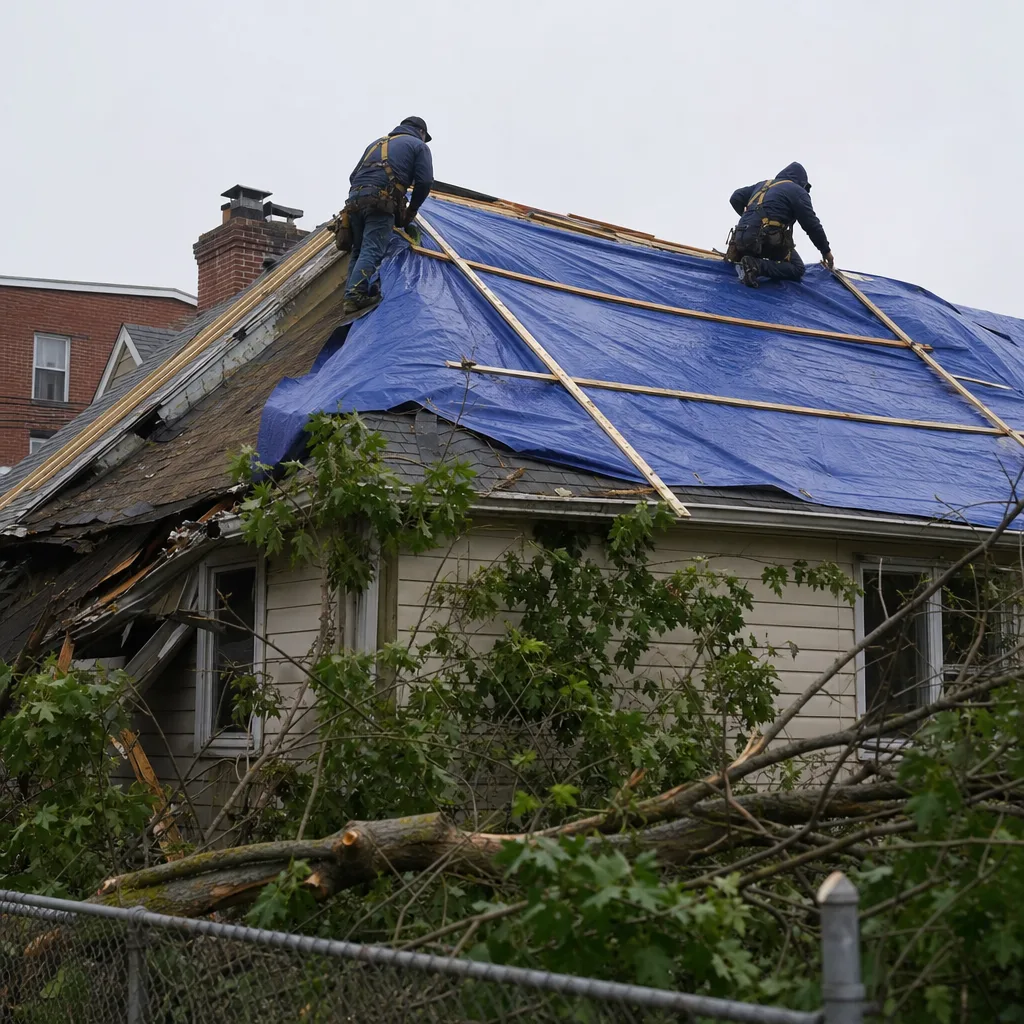
Ceiling & Roof Leak Water Damage
Astoria’s flat roofs, mostly built-up tar and gravel membranes on buildings from the 1920s to the 1940s, fail in a particular way. Water ponds in low spots, works its way through a tiny puncture, and saturates the insulation board below before anyone sees a ceiling stain. By the time the stain appears in a top-floor apartment, the water has usually been traveling through the roof assembly for weeks. We remove the affected ceiling, dry the structural joists, trace the leak path up through the roof assembly, and coordinate with a roofing contractor so the repair doesn’t become a repeat event. The water damage is ours; the leak source has to be stopped before we finish drying, or we’ll be back.
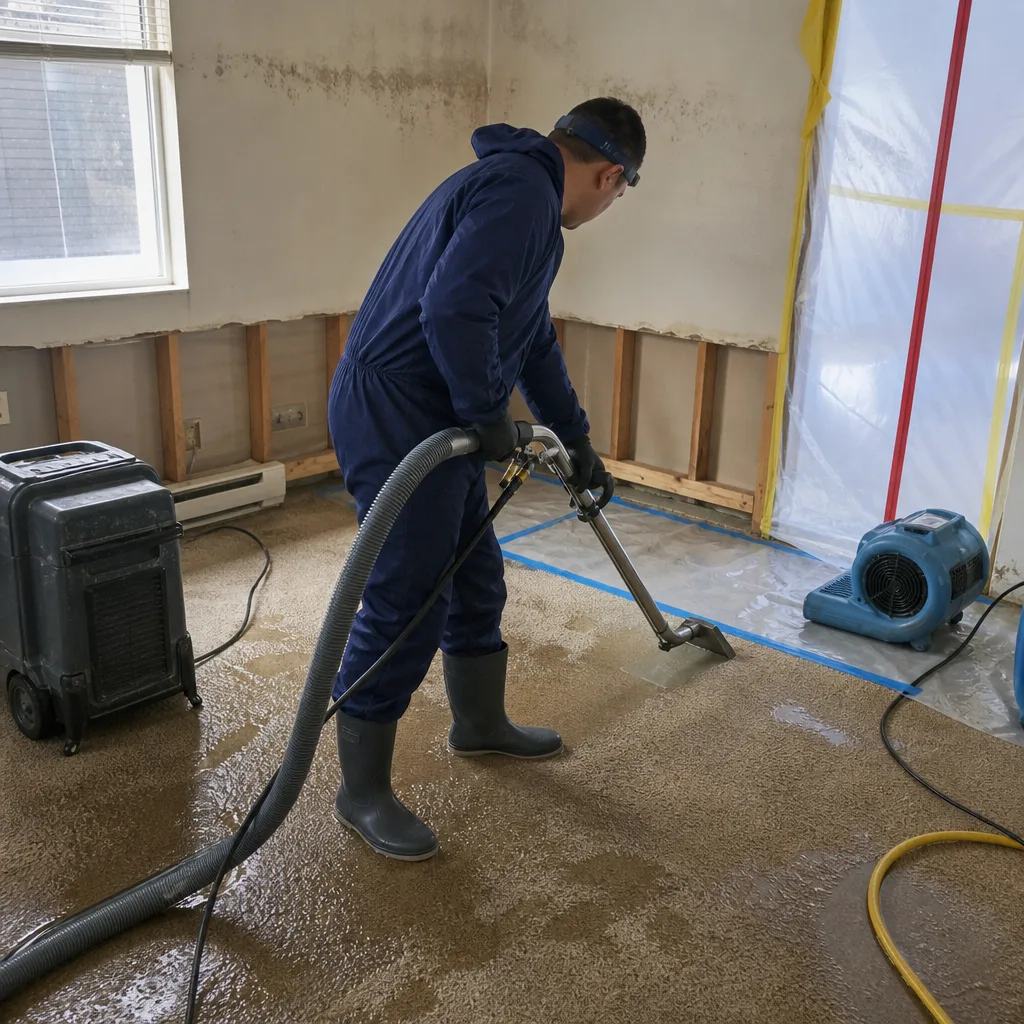
What happens when you call
- 1
A real person answersNo phone trees - you reach a local pro.
- 2
You get an upfront price rangeHonest numbers before anyone is dispatched.
- 3
A background-checked tech heads outLicensed & insured, dispatched right away.
- 4
You approve before work beginsNothing starts until you say go.
Water Damage Restoration Costs in Astoria, NY
Astoria’s water damage restoration costs run higher than nearby suburban Queens for one structural reason: multi-unit attached housing means Water Damage Restoration projects frequently cross unit lines, requiring containment, multiple access points, and separate documentation for separate policies. Here’s what we actually see for water damage work in this market:
- Single-room ceiling leak from a flat roof: $900-$1,800, including extraction, drying, and drywall repair.
- Burst pipe on one floor of a row house: $2,400-$4,800, depending on how far the water traveled before discovery.
- Finished basement flood, Category 3: $3,500-$7,200, including controlled demo, antimicrobial treatment, and rebuild of gypsum and flooring.
- Multi-floor cascade in an attached building: $8,000-$18,000, driven by containment across multiple units, extended drying time, and coordinated scopes for separate carriers.
These are real ranges from jobs we’ve completed in zip codes 11102, 11103, and 11105. Your cost moves on four variables: how long the water ran before we arrived, what category the water is, how many units it crossed, and what materials need replacement. Call (716) 452-0798 for a free visual inspection and we’ll give you a firm, written scope before work begins. No surprises on the bill, ever.
We Also Serve Cities Near Astoria
Our crews cover the neighborhoods just beyond Astoria’s borders, including Water Damage Restoration in Astoria plus Long Island City, Jackson Heights, Elmhurst, and Maspeth. Same 45-minute response commitment, same live dispatch, same written guarantee.
Astoria Water Damage Restoration Questions, Answered
How fast can you get a crew to a flooded basement apartment in Astoria after a nor’easter?
We commit to 45 minutes from your call to wheels rolling toward your address, and we answer live at (716) 452-0798 at any hour. During nor’easters, we stage extra crews near Astoria’s low-lying blocks west of 21st Street, because coastal surge doesn’t wait for a callback.
What happens when water from my Astoria upstairs neighbor’s burst pipe floods my ceiling and walls?
We’ve handled this exact situation in Astoria’s attached brick buildings many times, and the first step is always notification. Your upstairs neighbor’s water source gets addressed immediately, then we map the migration path through floor cavities and party walls into your unit. Both units get inspected, both policies get documented separately, and we coordinate directly with each adjuster. If the neighbor’s insurance is slow to respond, we can begin mitigation in your unit and bill accordingly. The water doesn’t care who owns the floor above; neither do our drying logs.
Do you handle flat-roof leaks in Astoria’s pre-war row houses differently than pitched roofs?
Yes, and the difference is in the roof assembly. Flat built-up roofs hold water in low spots, which means a leak often saturates the insulation board and structural joists for weeks before a ceiling stain appears. We dry the ceiling bay from below with Injectidry mat systems, trace the leak path upward through the roof assembly, and coordinate the actual roof repair with a qualified roofer so we’re not drying into a still-active leak. On pitched roofs, water typically moves faster and the damage is more localized, so extraction and drying usually complete more quickly.
Can you dry my finished basement after a sewer backup without ripping out all the drywall?
If there’s drywall that wicked sewage water, the honest answer is usually no. Category 3 water saturates gypsum and insulation in a way that drying alone can’t make safe. We demo only what’s demonstrably contaminated, not the whole room, and we show you the moisture readings that justify each cut before we make it. In many Astoria basements with finished walls over concrete, that means cutting the bottom 2 feet of gypsum and treating the framing behind it, then replacing with new board. What we can often save: wood paneling in good condition, concrete flooring, and any material that didn’t directly absorb sewage water. The antimicrobial treatment goes further than drying can, which is the whole point.
How do you prevent your drying equipment from disturbing other tenants in my Astoria walk-up?
We run our equipment on a schedule that respects the building. In shared stairwells and hallways, we use low-profile air movers that move air without the roar. In units where tenants are still occupying, we coordinate daily monitoring visits at agreed times and secure equipment so it doesn’t become a trip hazard in common areas. Dinner hours and overnight hours get reduced fan speeds in occupied buildings whenever possible. The drying takes a few extra days sometimes; losing sleep doesn’t have to be part of the process.
Will my insurance cover water damage from a burst pipe in my Astoria apartment?
Most standard homeowners and condo policies cover sudden and accidental water damage from a burst supply line, which is the most common pipe failure we see in Astoria’s pre-war buildings during freeze-thaw cycles. What they typically won’t cover is slow, ongoing seepage that’s been leaking for months without attention, like a failed roof membrane that finally soaked through a ceiling after weeks of rain. We help you determine which category your loss falls into during the free inspection, and we document everything for your adjuster. The direct billing means you’re not floating a big invoice while the claim processes.
Are your technicians certified for water damage restoration work?
Every Floodline Restoration Co. technician is background-checked and uniformed, and carries IICRC Water Restoration Technician (WRT) and Applied Structural Drying (ASD) certifications as standard. Many of our lead technicians also hold certifications in mold remediation and applied microbial remediation. We train to IICRC, RIA, and IFA standards, and we’re inspected on those standards daily by the moisture logs we hand you. No subcontractors, no temp labor, no one in your building who hasn’t passed our background check.
What should I do in the first 30 minutes after I discover water damage in my Astoria home?
Call (716) 452-0798 first, because the extraction clock is already running. While you’re waiting, shut off the water supply to the affected fixture if you know where the valve is, and shut off power to the affected room at the breaker if water is near outlets or appliances. Don’t use a wet/dry vacuum on sewage water, and don’t run ceiling fans in a wet room, it just spreads contaminated moisture. Move small valuables and electronics to dry ground. Then let our crew handle the rest, with a written scope in hand before we start any work.
Serving Astoria, NY - Our Local Coverage Area
We’re based in the Astoria area and know this community well. Use the map below to see our service coverage - if you’re nearby, we can almost certainly help.
Water Damage Restoration That Starts at the Floodline and Ends With a Written Guarantee
Last March, our crew was called to a 1920s three-family brick row house on 28th Avenue near Steinway Street after a supply line in a second-floor kitchen froze and split. Category 1 water had run down the walls into two finished basement apartments below, and it had also seeped through the party wall into the adjoining building. We set containment at both stairwells, extracted standing water from all three occupied floors with truck-mounted units and Dri-Eaz air movers, and used moisture mapping to track the migration into the shared brick masonry. Because the basement tenants and the upstairs owners had separate policies with different adjusters, our scope of work had to be split three ways; drying logs and pre-loss condition notes were kept for each unit, and antimicrobial treatment was applied before the drywall was restored.
That’s the work Water Damage Restoration in Astoria actually is: multi-owner coordination, hidden cavities, old brick, and a written promise that the job was done right. The 90-Day Done Right Promise stands behind every job we complete, in writing, with no argument. If it’s not done right, we make it right. That’s the Keystone Standard, and it’s been ours since Curt Bowman founded this company in 2010.
Call (716) 452-0798 now. A live person answers, a certified crew follows, and the line the water left on your wall is where we start.
Written by Curt Bowman, Owner at Floodline Restoration Co., serving Astoria, NY with water damage restoration since 2010.