
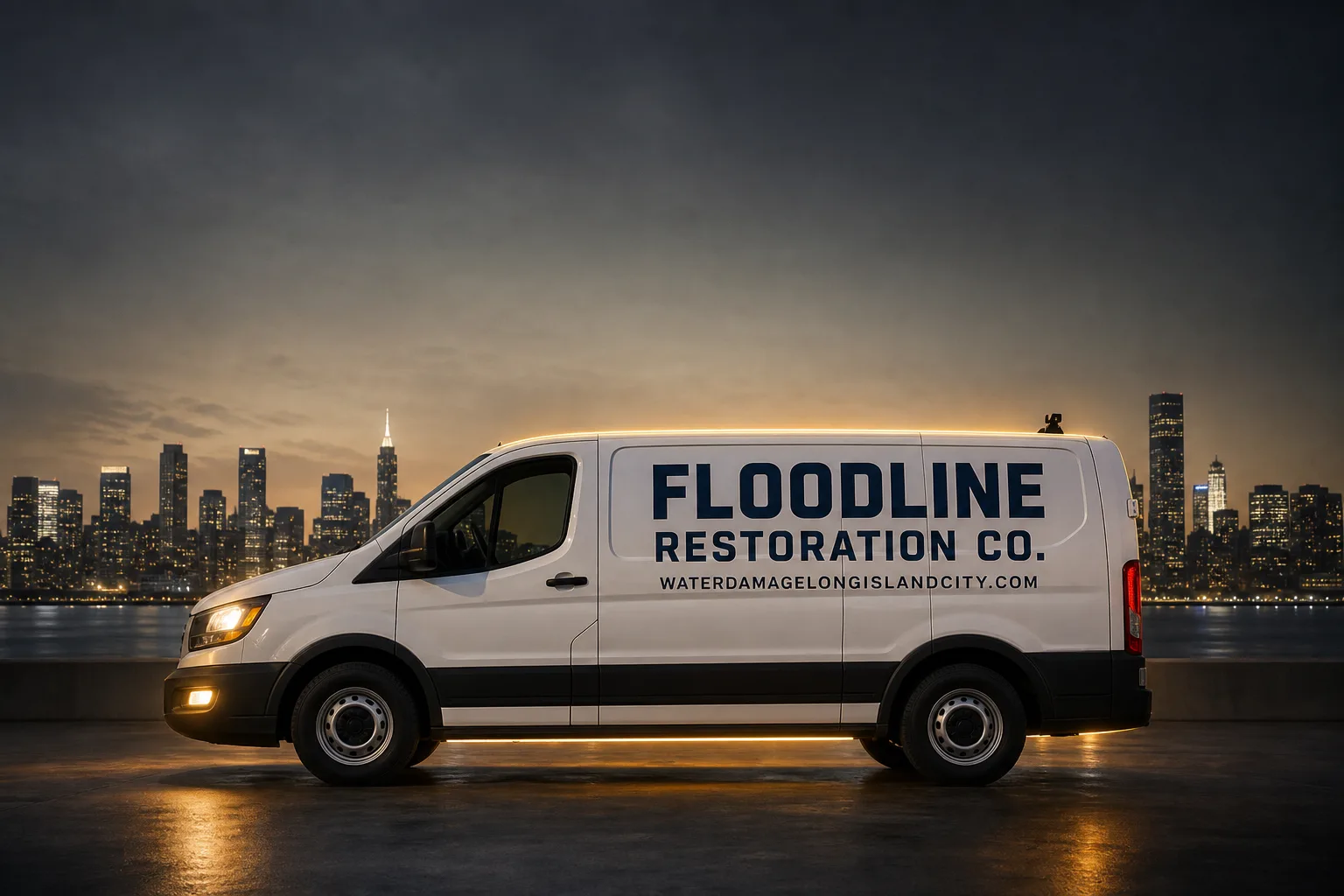
Free visual inspection and a written scope of work before any mitigation begins - photos, moisture readings, and drying logs go in your claim file
The scope we write is the scope we bill. Anything new gets shown to you, in writing, before we touch it.
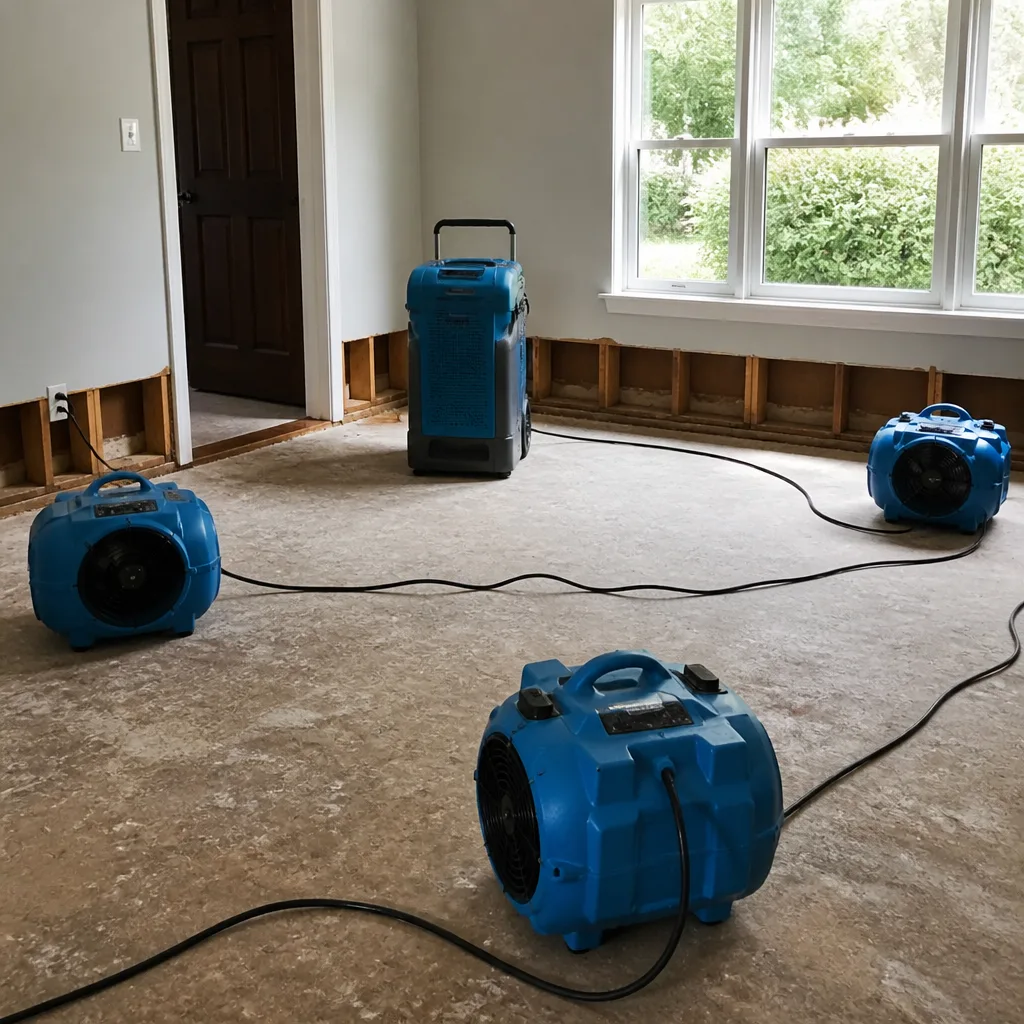
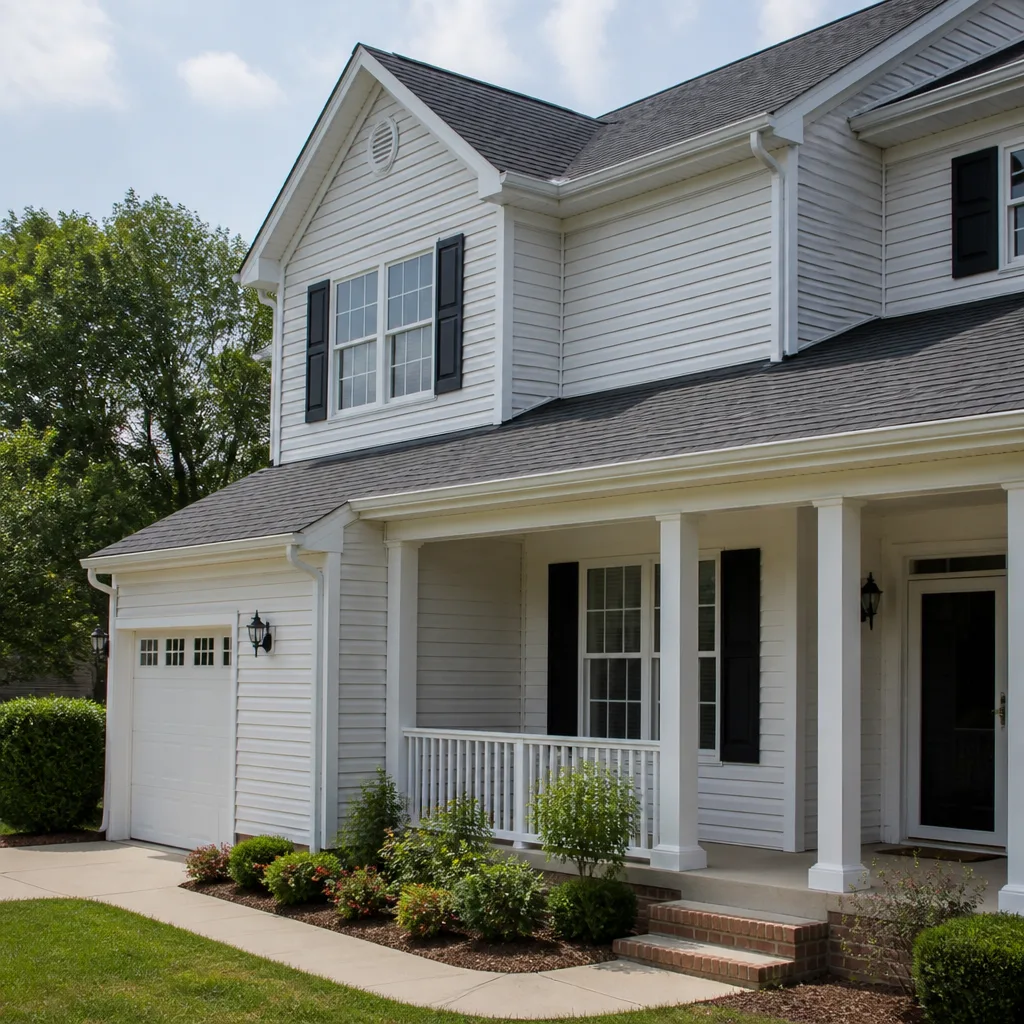
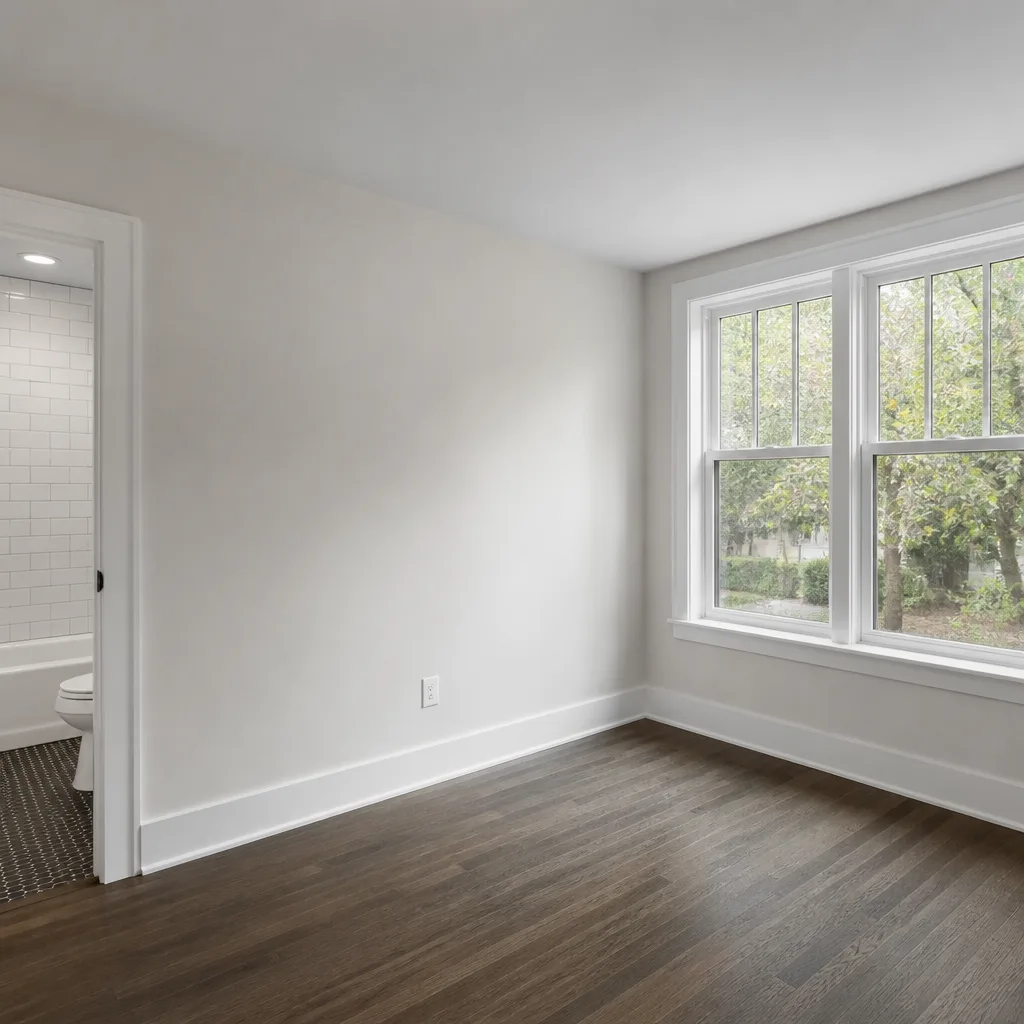
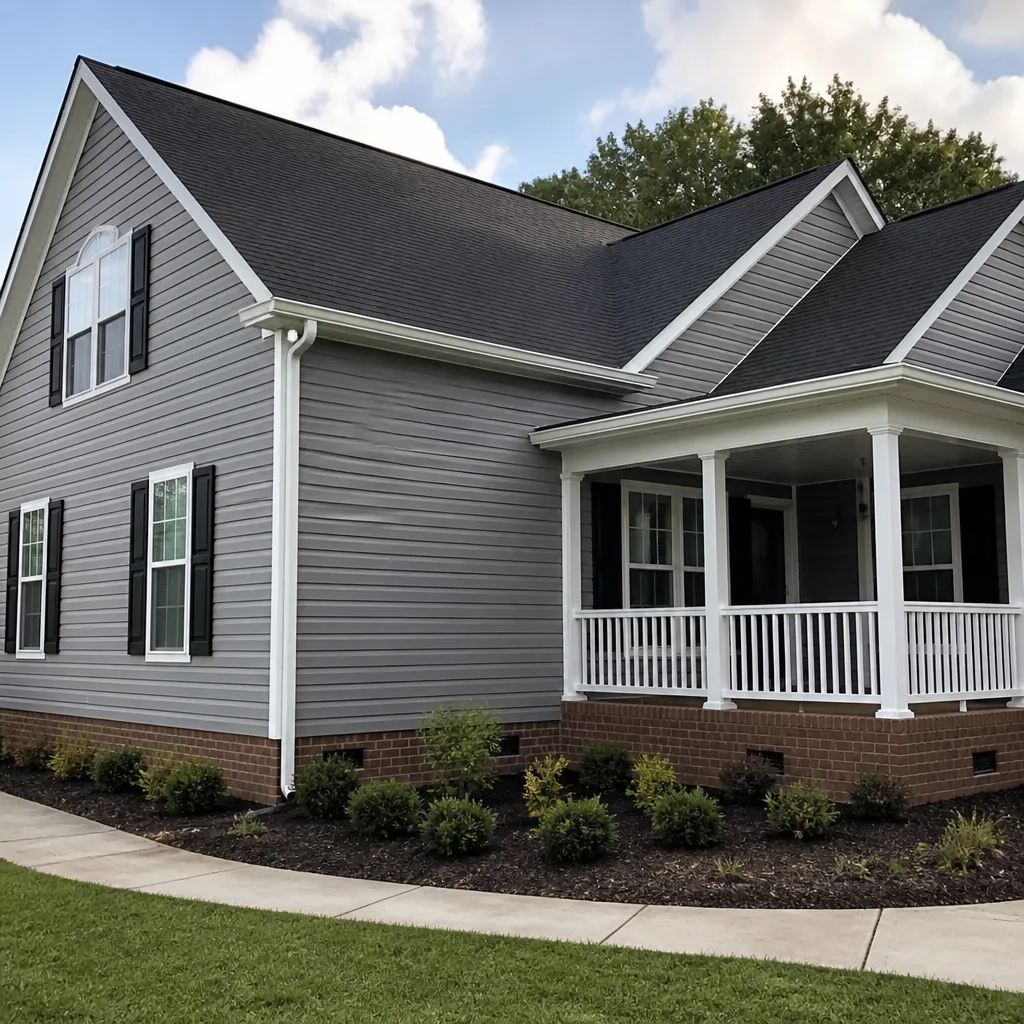
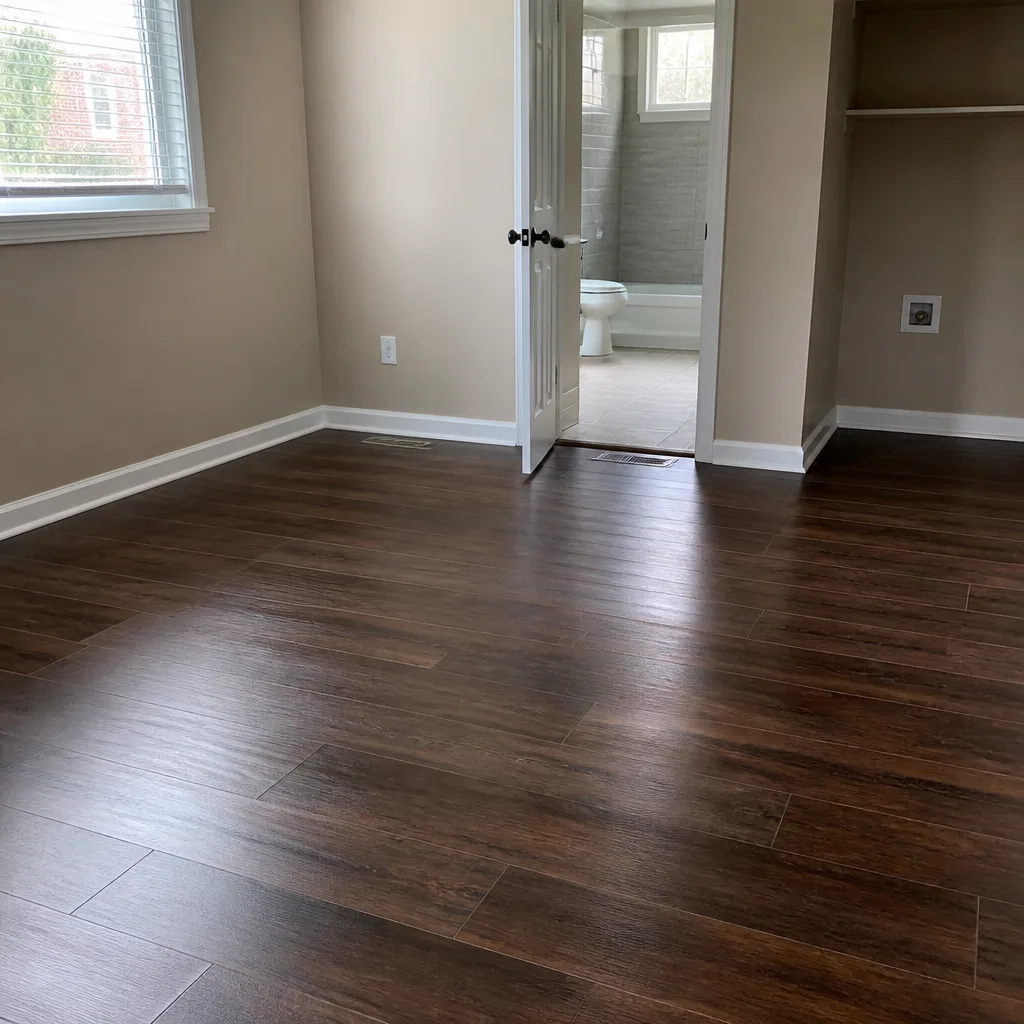
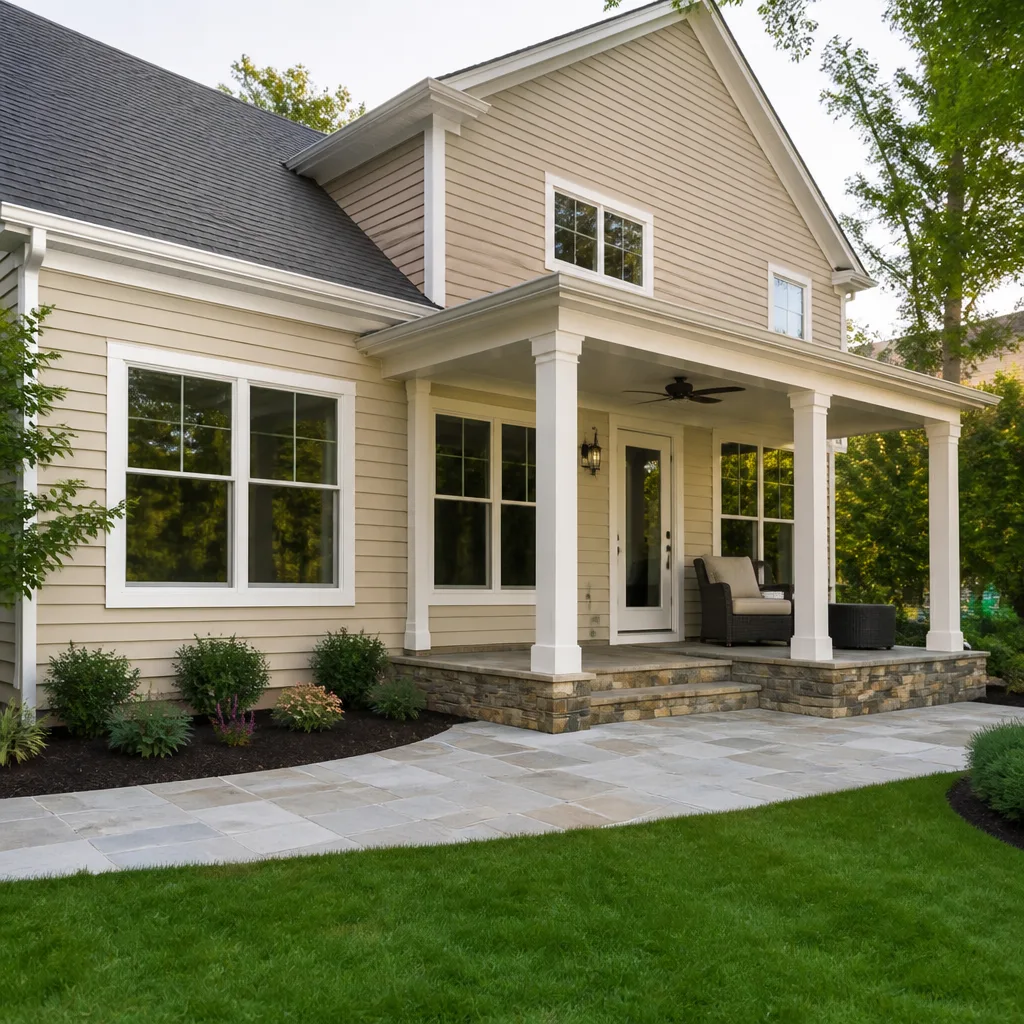
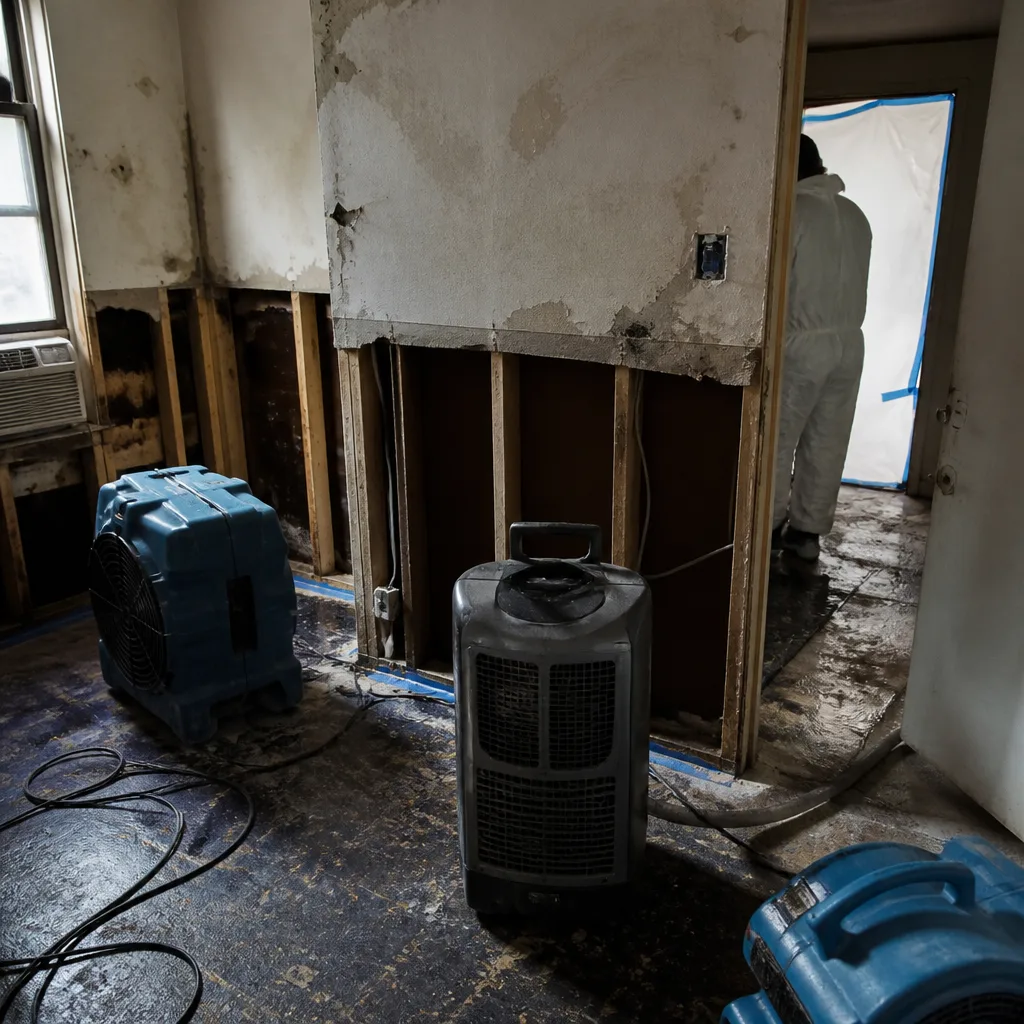 Before
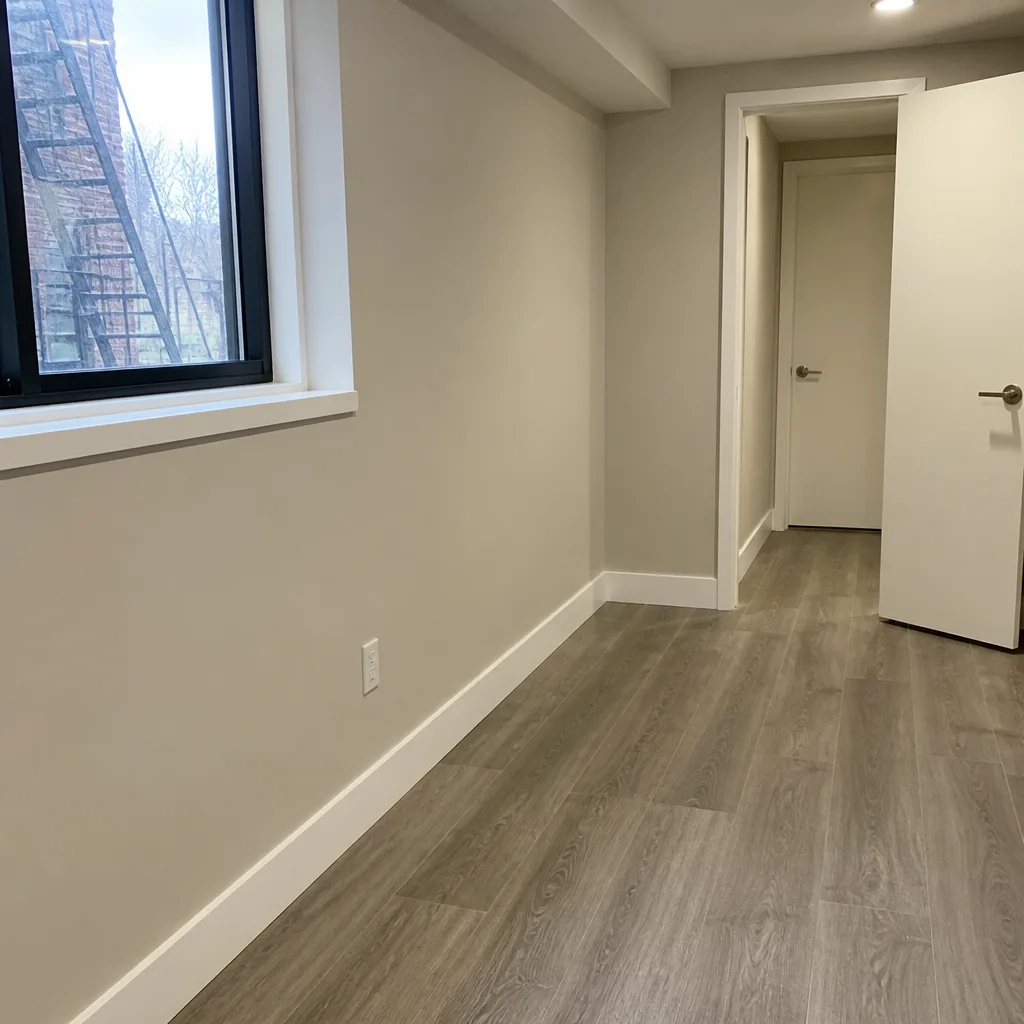 After
After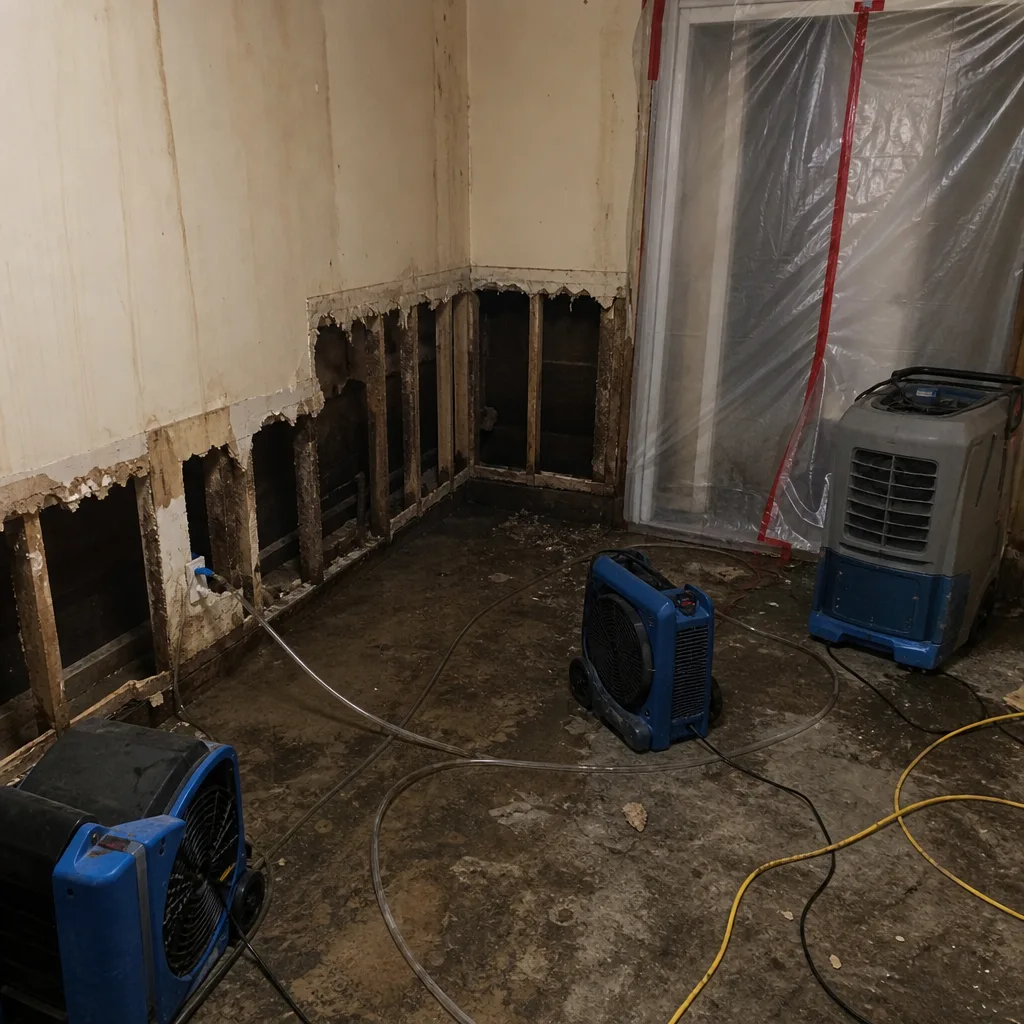 Before
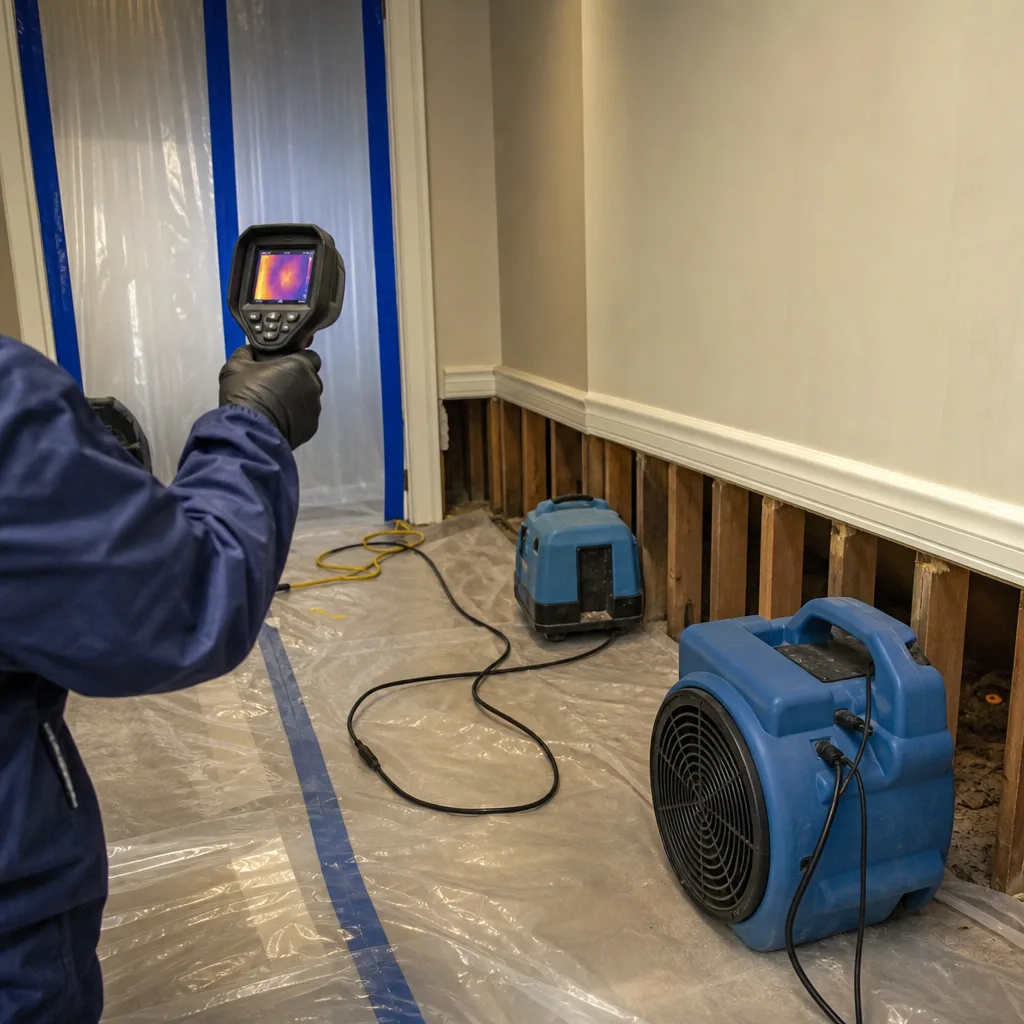 After
After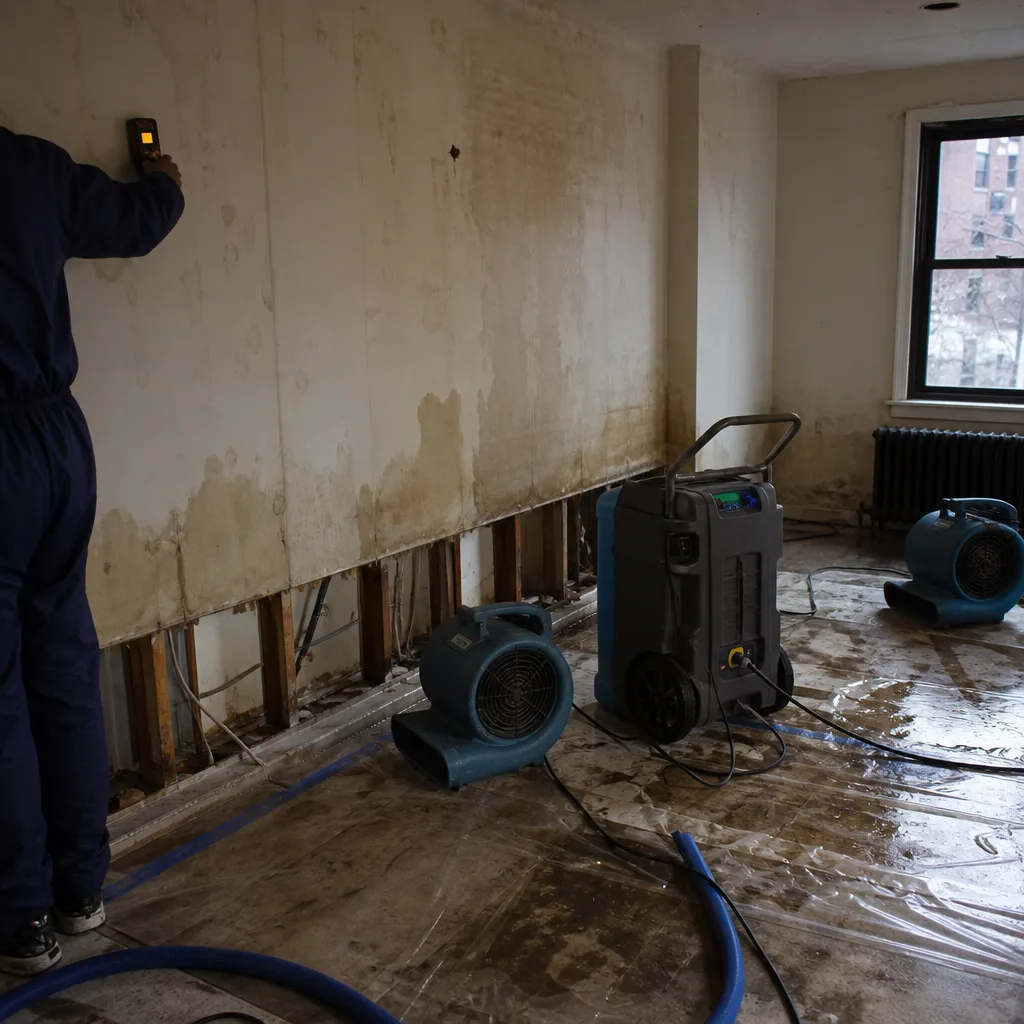 Before
 After
After24/7 Emergency Reconstruction & Cleanup in Central Harlem
When a steam riser lets go inside a pre-war brownstone wall or a roof breach sends water through four floors of a Lenox Avenue tenement, you need a crew that understands Central Harlem’s buildings before they open the first wall. Floodline Restoration Co. answers live at (716) 452-0798 around the clock, with certified technicians who know brownstone plaster, tin ceilings, and the lead-paint and asbestos protocols these jobs trigger. The first hour matters because water migrating through original plaster-on-lath spreads fast, and every hour it sits raises the rebuild cost and the mold risk. We dispatch inside Central Harlem, do a free visual inspection, and start extraction the same visit.
Understanding Reconstruction & Cleanup Severity in Central Harlem Properties
Reconstruction & Cleanup here is not a drywall-and-paint job. Central Harlem’s housing stock runs from 1890s brownstone row houses to 1920s tenement walk-ups, and most of it predates 1978, which changes the legal and practical baseline on every project. Before we disturb any plaster wall, we have to determine whether lead paint or asbestos is present, because New York City law and EPA rules require abatement protocols before demolition begins. Skipping that step is not a shortcut; it is a violation that stalls the permit, endangers tenants, and can get the job red-tagged. On top of that, steam radiator systems still heat many of these buildings, and a corroded riser inside a wall cavity can saturate original plaster ceilings on every floor below without anyone seeing a puddle. Severity is measured by moisture mapping and thermal imaging, not by what is visible from the hallway. Category 2 and 3 water from radiator condensate or sewage backups requires containment, air scrubbing, and clearance testing before reconstruction starts.
Why Central Harlem Property Owners Choose Floodline Restoration Co.
- 45-minute response commitment: When you call about a water loss in a Central Harlem brownstone, our nearest crew heads your way with a live ETA. We have been doing this for over 42 years, and we still answer the phone with a person.
- Live answer, 24/7: A dispatcher picks up at two in the morning. Not a recording. Not a call center that promises a callback. A person who can schedule a certified crew to your building.
- IICRC-certified crews: Our technicians carry WRT, FSRT, and AMRT certifications and are trained to RIA and IFA standards, so structural drying and fire or mold work is done to the current industry standard.
- Free visual inspection: We walk the property, map the damage, and give you a written scope before any work begins. No pressure, no surprise line items.
- Direct insurance billing: We bill your carrier directly and talk to the adjuster ourselves, so you are not playing messenger between us and the insurance company.
- One team from extraction to reconstruction: The same certified crew that reads the moisture map on day one handles daily readings, hands the log to you and your carrier, and rebuilds what needs rebuilding. No mid-job handoff.
Our Reconstruction & Cleanup Process
Inspection & Assessment
We start with a full property walk, moisture mapping where water is involved, and a documented pre-loss condition report. In Central Harlem, that includes checking for lead paint and asbestos before any wall is opened, because the building’s age dictates the abatement path.
Extraction / Stabilization
If water is present, we extract with professional-grade Dri-Eaz and Phoenix equipment before demolition begins. We stabilize the structure so the damage stops spreading while we set up containment zones floor by floor.
Drying & Dehumidification
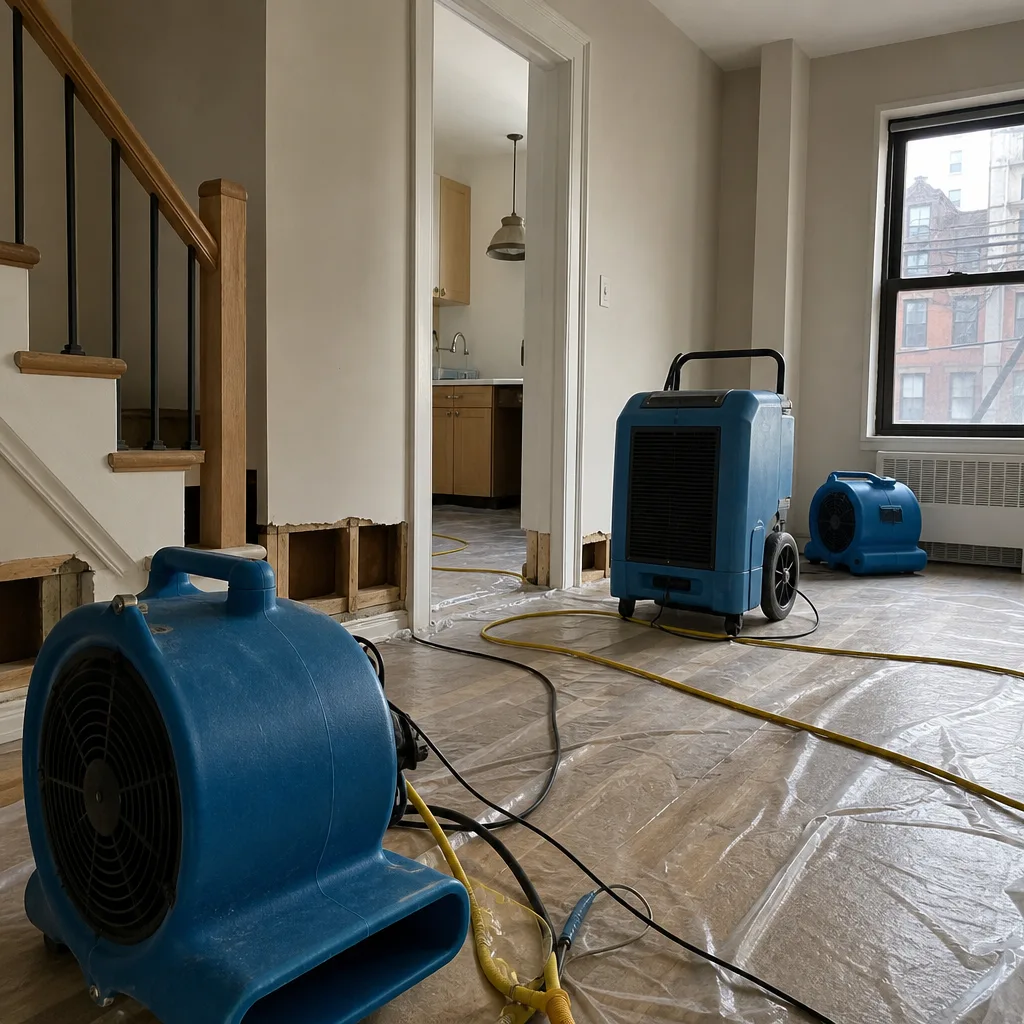
Structural drying in a brownstone means understanding how moisture travels through plaster on lath, not just through drywall. We place air movers and dehumidifiers based on hygrometer readings, log every reading daily, and keep drying until the moisture meter says the structure hits the dry standard.
Cleaning & Sanitization
After extraction and drying, we clean and sanitize affected surfaces, run HEPA air scrubbers where needed, and remove soot, debris, or contaminated materials. In older Harlem buildings, we are careful to preserve surfaces that can be saved rather than gutting to the studs by default.
Specialty Treatment: Historic Plaster, Tin & Cornices
Original tin ceilings, plaster cornices, and plaster-on-lath walls need restorers, not just repairmen. We coordinate with the NYC Landmarks Preservation Commission when the building is in a designated historic district and rebuild cornice profiles to match the original.
Repairs & Restoration
The final phase is rebuild: drywall or plaster replacement, flooring, trim, painting, and any required lead or asbestos abatement. We hand you a moisture log, a written scope, and the 90-Day Done Right Promise in writing when we finish.
Need Emergency Reconstruction & Cleanup in Central Harlem Now?
Crews minutes away, answering live 24 hours a day. The sooner we start, the less it costs.
Working With Your Insurance Company
Insurance on a Central Harlem reconstruction job is different from a suburban single-family claim, because one loss often touches multiple apartments and multiple policies. Floodline Restoration Co. documents the loss from the first hour, writes estimates in the format carriers expect, and talks directly with the adjuster so you do not have to. We do not make you the messenger between our crew and your carrier. If the adjuster needs to talk to someone about why three floors of plaster ceilings are saturated from one radiator riser, we explain it with moisture readings and photos, not phone tag. Curt Bowman has built this company around direct, honest claim handling, and every Reconstruction & Cleanup job starts with documentation that holds up.
What We Provide Your Insurer
- Thorough documentation of the loss
- Photos of all damage, room by room
- Moisture readings and drying logs
- A detailed, line-item scope of work
- Direct coordination with your carrier
Built for Central Harlem’s Loss Calendar
Central Harlem’s damage season tracks the weather and the buildings. January and February bring deep freezes that burst the old cast-iron and galvanized supply lines inside uninsulated exterior walls, and a burst line in a fifth-floor tenement unit becomes a four-floor waterfall by morning. March and April thaw the brick and lime mortar on those century-old facades, and freeze-thaw cycles push water through spalled brick and open joints into the plaster behind the walls, which is how you get mold you never saw coming. Summer thunderstorms overwhelm flat tar roofs that were installed decades ago, and nor’easters in the fall find every weak flashing point on a brownstone parapet. The steam radiators run from October through April, so their riser failures cluster in the heating season, when nobody notices the humid smell until a ceiling sags. Our crews know which failure is likely in which month because we have worked this loss calendar for years. Reconstruction & Cleanup in Central Harlem means being ready for all of it.
Reconstruction & Cleanup Across Central Harlem’s Neighborhoods
Central Harlem stretches from 110th Street north to 155th, and the building stock shifts as you move through it. Along Strivers’ Row on West 138th and 139th Streets, the brownstones are landmarked and architecturally significant, which means any reconstruction work has to respect the original fabric and often requires early coordination with the Landmarks Preservation Commission. Around the Lenox Avenue corridor, the five- and six-story walk-up tenements stack renters and condo owners together, so a single pipe failure becomes a multi-policy claim with four or five affected units. Up by the 145th Street and St. Nicholas Avenue area, the pre-war buildings face the same freeze-thaw stress, but many have been renovated in waves over the last twenty years, hiding original plaster behind newer surface work. East of Adam Clayton Powell Jr. Boulevard toward 5th Avenue, the row houses run narrow and deep, which means drying times stretch when air movement is restricted in long hallways and tight rooms. Our dispatchers know these routes, and our crews know what to expect when they pull up on any of these blocks.
Specialized Reconstruction & Cleanup Services We Offer in Central Harlem
Full-Service Reconstruction
We rebuild from the framing up: walls, ceilings, flooring, trim, kitchens, baths, and anything the loss took out. In Central Harlem that frequently means matching new work to existing 1920s proportions, ceiling heights, and door casing profiles so the repair does not look like a patch.
Drywall & Flooring Repair
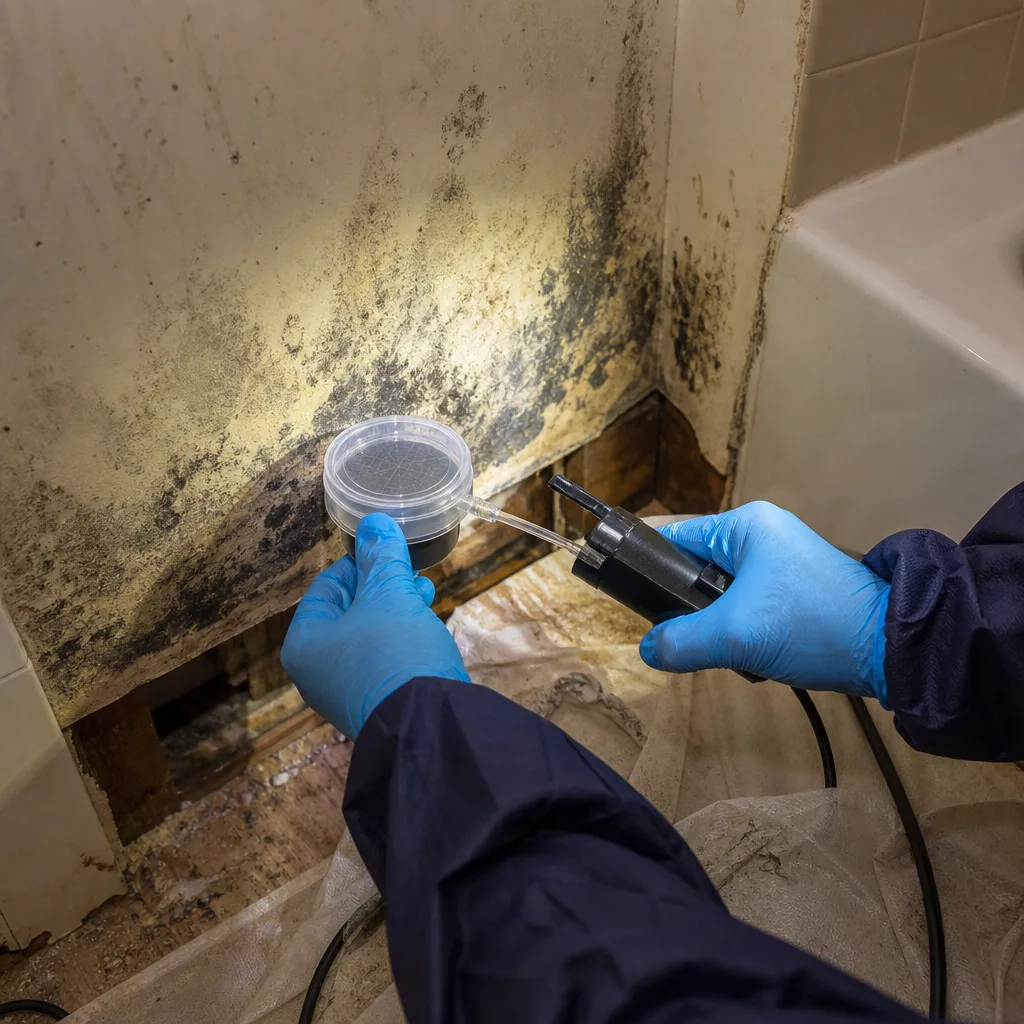
Where modern drywall exists in Harlem buildings, we replace and finish it to a smooth, paint-ready surface. Where the building has original plaster on lath, we repair instead of tearing out, because the lath is part of the building’s structural history and the thickness of the wall is part of its sound isolation. Flooring repair covers hardwood from the 1900s as often as it covers vinyl plank from the 2010s.
Contents Restoration & Pack-Out
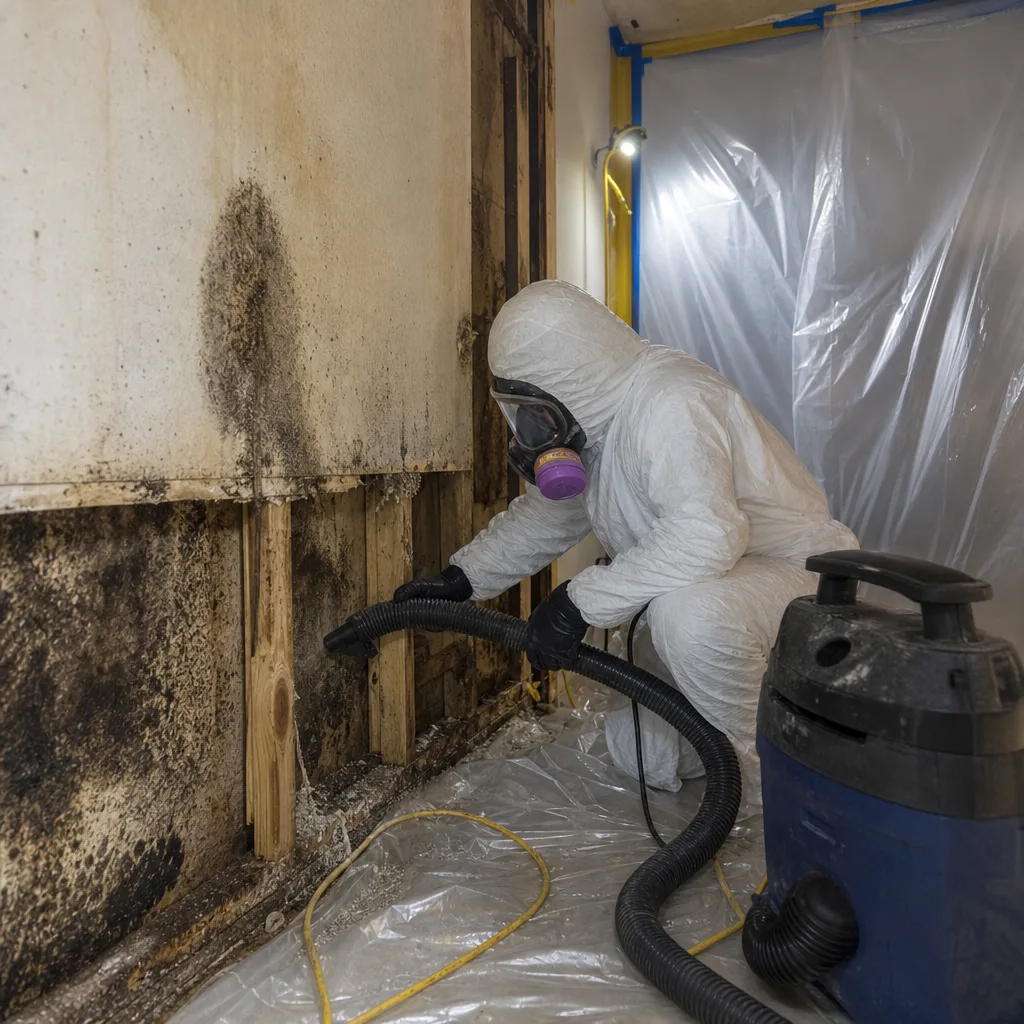
When a unit is too damaged to keep furniture in place, we pack out and inventory the contents using photo documentation, store them in a climate-controlled facility, and clean or restore what can be saved. For Harlem families who have lived in a building for decades, contents restoration is not a line item; it is the family photos, the heirloom furniture, and the books.
Carpet & Upholstery Cleaning
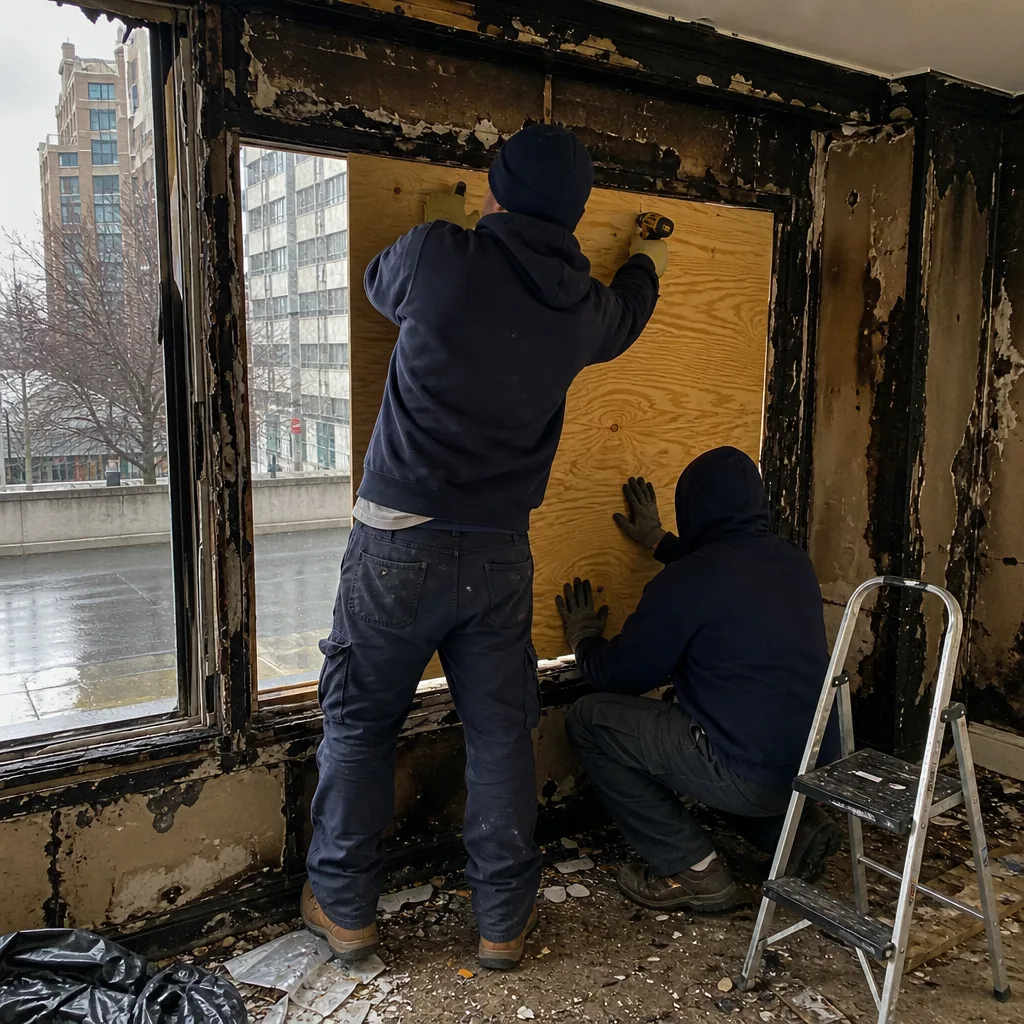
Post-loss cleaning for carpets and upholstery uses professional-grade extraction and drying equipment, including Injectidry systems when we need to dry carpet in place rather than pulling it up. Soot, odors, and Category 2 water contamination do not belong in fabric that stays in the home.
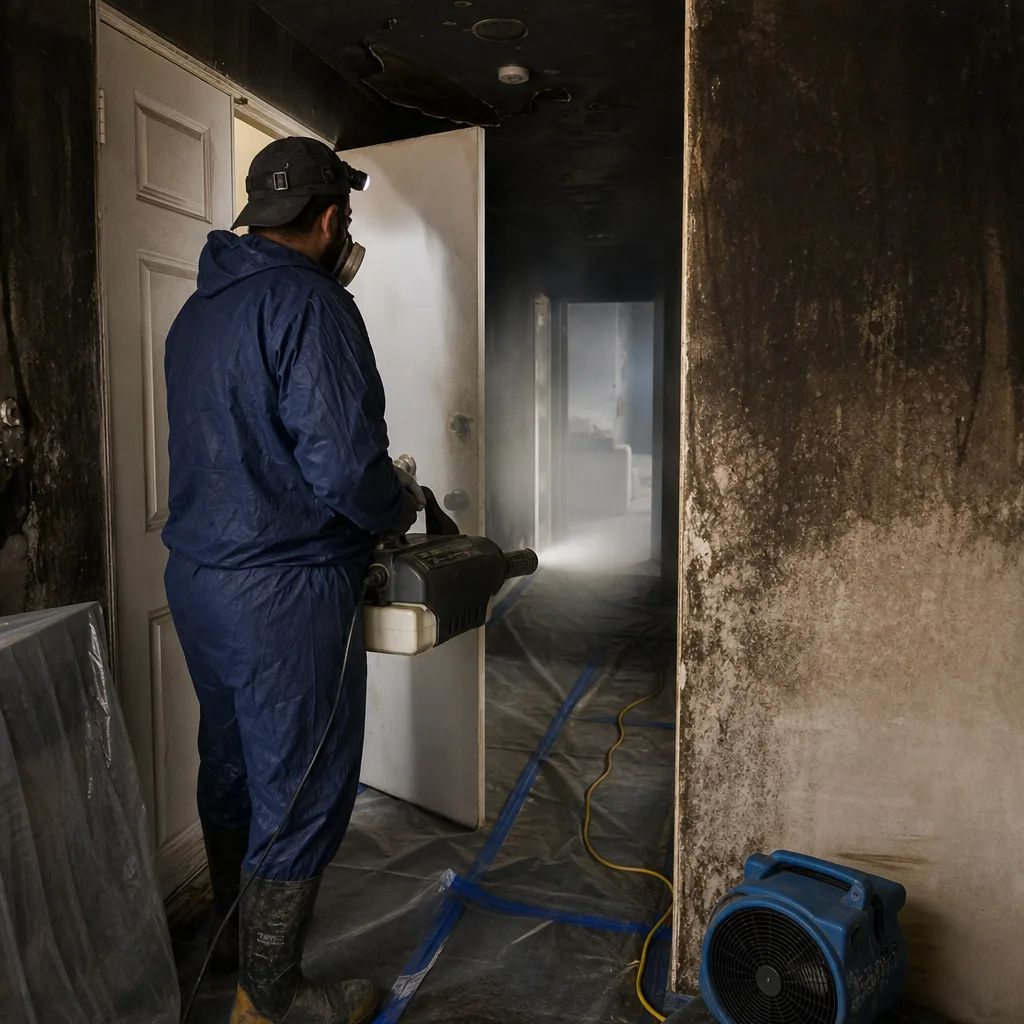
Post-Construction Cleanup
After reconstruction finishes, the dust and debris have to go. We clean the unit to a move-back standard: HEPA vacuuming, surface wiping, air scrubbing, and floor cleaning. No homeowner should have to move back into a rebuild dust haze.
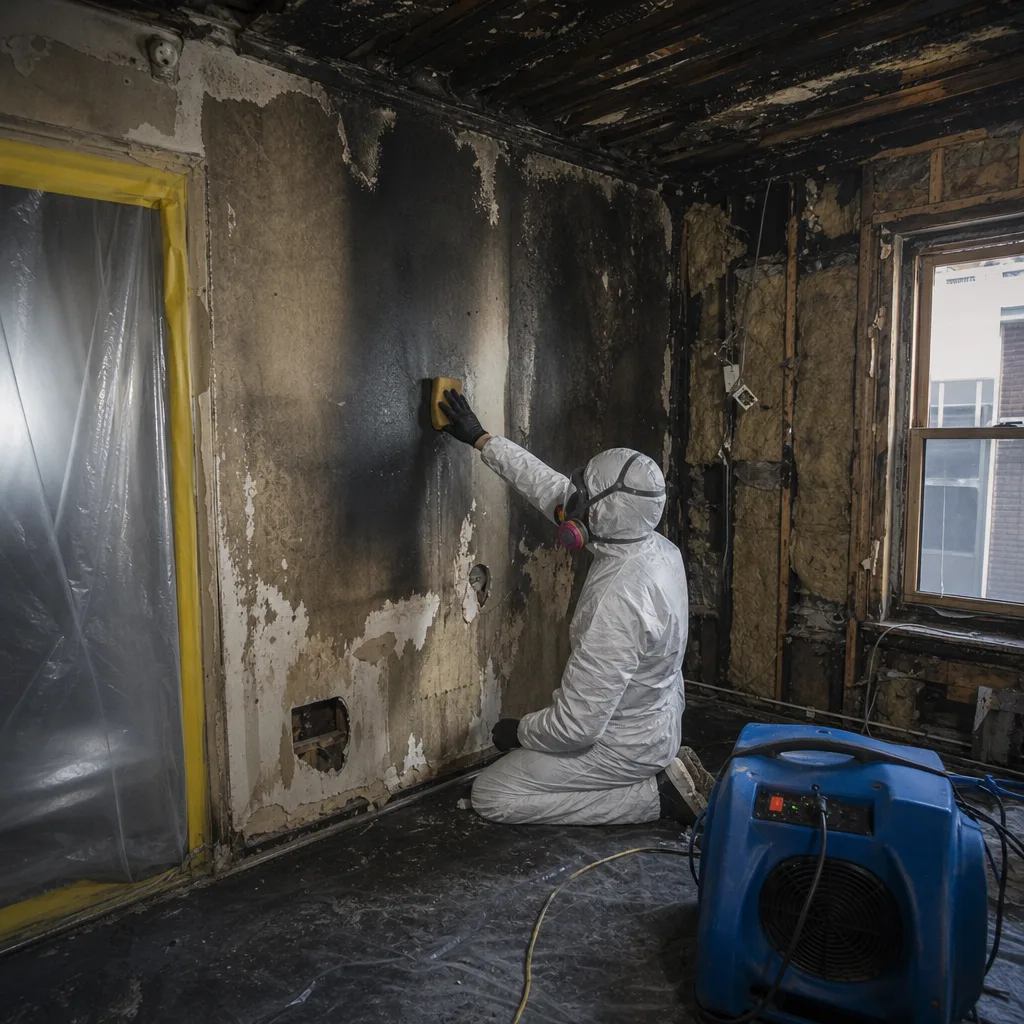
What happens when you call
- 1
A real person answersNo phone trees - you reach a local pro.
- 2
You get an upfront price rangeHonest numbers before anyone is dispatched.
- 3
A background-checked tech heads outLicensed & insured, dispatched right away.
- 4
You approve before work beginsNothing starts until you say go.
Reconstruction & Cleanup Costs in Central Harlem, NY
A typical water-damage reconstruction in a Central Harlem brownstone or tenement unit runs between $4,500 and $22,000 depending on the number of floors affected, whether lead or asbestos abatement is triggered, and whether original plaster or tin ceilings have to be restored. Post-construction cleanup alone runs $350 to $900 for a one-bedroom unit and $900 to $2,500 for a full-floor rebuild in a walk-up. Drywall and flooring repair after a moderate loss typically runs $1,800 to $7,500. The biggest cost movers in Central Harlem are pre-1978 abatement requirements, landmarked-building coordination, and multi-floor water migration. Insurance-covered losses follow a different path: we bill your carrier directly, and you owe your deductible, not our rate sheet. The free visual inspection is the path to a firm, written scope with no surprises.
We Also Serve Cities Near Central Harlem
Our crews cover Central Harlem plus the surrounding borough and metro areas: Long Island City, Greenpoint, Williamsburg, and Murray Hill. If your building is in one of those neighborhoods, the same certified crews, the same equipment, and the same 90-Day Done Right Promise apply.
Serving Central Harlem, NY - Our Local Coverage Area
We’re based in the Central Harlem area and know this community well. Use the map below to see our service coverage - if you’re nearby, we can almost certainly help.
Central Harlem Reconstruction & Cleanup Questions, Answered
Does every Reconstruction & Cleanup job in Central Harlem require lead-paint and asbestos testing?
Yes, if the building predates 1978 and the work will disturb painted surfaces or suspect materials like pipe insulation or old floor tiles. New York City law and EPA rules require testing before demolition begins, and our crews conduct that testing as part of the initial assessment, not as an afterthought. Call (716) 452-0798 and we will walk you through what applies to your building.
How do you handle water damage that started from a steam radiator riser inside a Central Harlem brownstone wall?
We treat steam riser failures as hidden, multi-floor water losses until proven otherwise. We moisture-map every floor below the suspected point of failure, open only what needs opening, and set up containment floor by floor. Structural drying with Dri-Eaz air movers and dehumidifiers continues until daily readings show the structure hit the dry standard.
Can you restore original tin ceilings and plaster cornices in a Harlem landmarked building?
Yes. We work with the NYC Landmarks Preservation Commission when a building sits in a designated historic district, document pre-loss condition, and rebuild cornices and tin ceilings to match the original profile. Curt Bowman’s crews have restored original plaster and tin work in multiple Harlem brownstones without losing the historic detail.
What happens if a roof leak in a Harlem tenement has damaged multiple apartments below?
We treat it as one loss with multiple affected units. That means containment on each floor, separate drying logs for each unit, and separate documentation for each affected policy. We coordinate with the building owner’s carrier and the individual unit owners or renters so no one is left holding an incomplete claim.
Do you provide documentation for insurance claims on Central Harlem reconstruction jobs?
Yes, from the first hour. We photograph the damage room by room, log moisture readings daily, write a line-item scope in industry-standard format, and communicate directly with your adjuster. You get the same documentation your carrier gets, in writing, before work begins.
How fast can a crew actually get to Central Harlem in an emergency?
Our response commitment is 45 minutes to dispatch once you call, and extraction is running the same visit in most cases. We do not schedule a next-day callback for water actively moving through a building. Call (716) 452-0798 and a live dispatcher gives you a real ETA.
Will my insurance cover reconstruction, or is this out of pocket?
Most sudden water losses, fire damage, and storm-related damage in Central Harlem are covered under standard homeowners or condo policies, subject to your deductible. We bill your carrier directly and handle the adjuster communication, so you are not paying our full rate sheet out of pocket while the claim sits. The free inspection gives you a written scope you can take to your carrier.
Should I stay in the unit during reconstruction, or move out temporarily?
That depends on the scope. A single-room drywall repair does not force you out. A multi-floor water loss with drying equipment running for multiple days in a pre-war tenement usually does, because air movers are loud, humidity rises, and containment zones limit movement. We tell you at the inspection, in writing, whether your unit is habitable during the work.
Written by Curt Bowman, Owner at Floodline Restoration Co., serving Central Harlem with 24/7 live dispatch and the 90-Day Done Right Promise.