
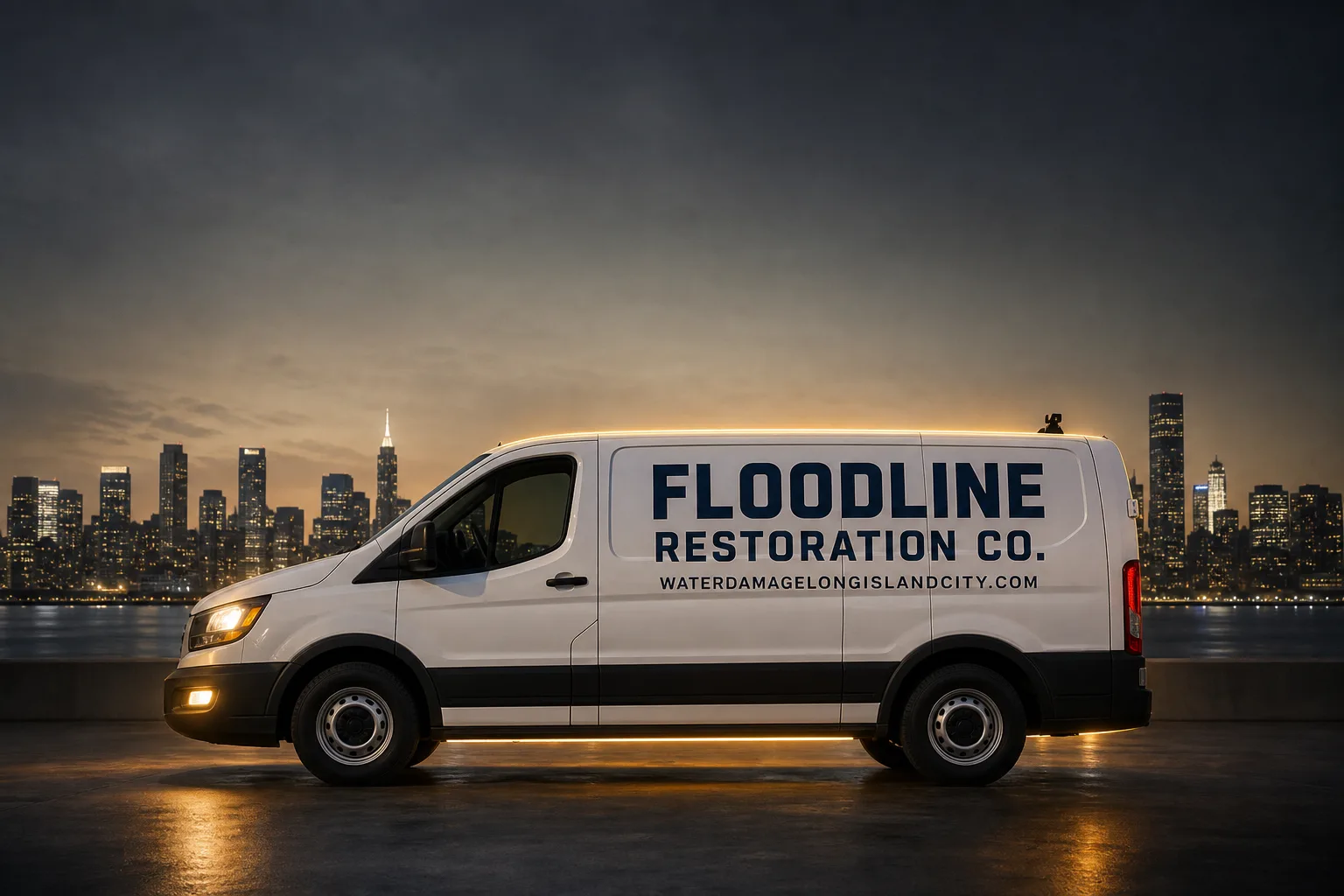
Free visual inspection and a written scope of work before any mitigation begins - photos, moisture readings, and drying logs go in your claim file
The scope we write is the scope we bill. Anything new gets shown to you, in writing, before we touch it.
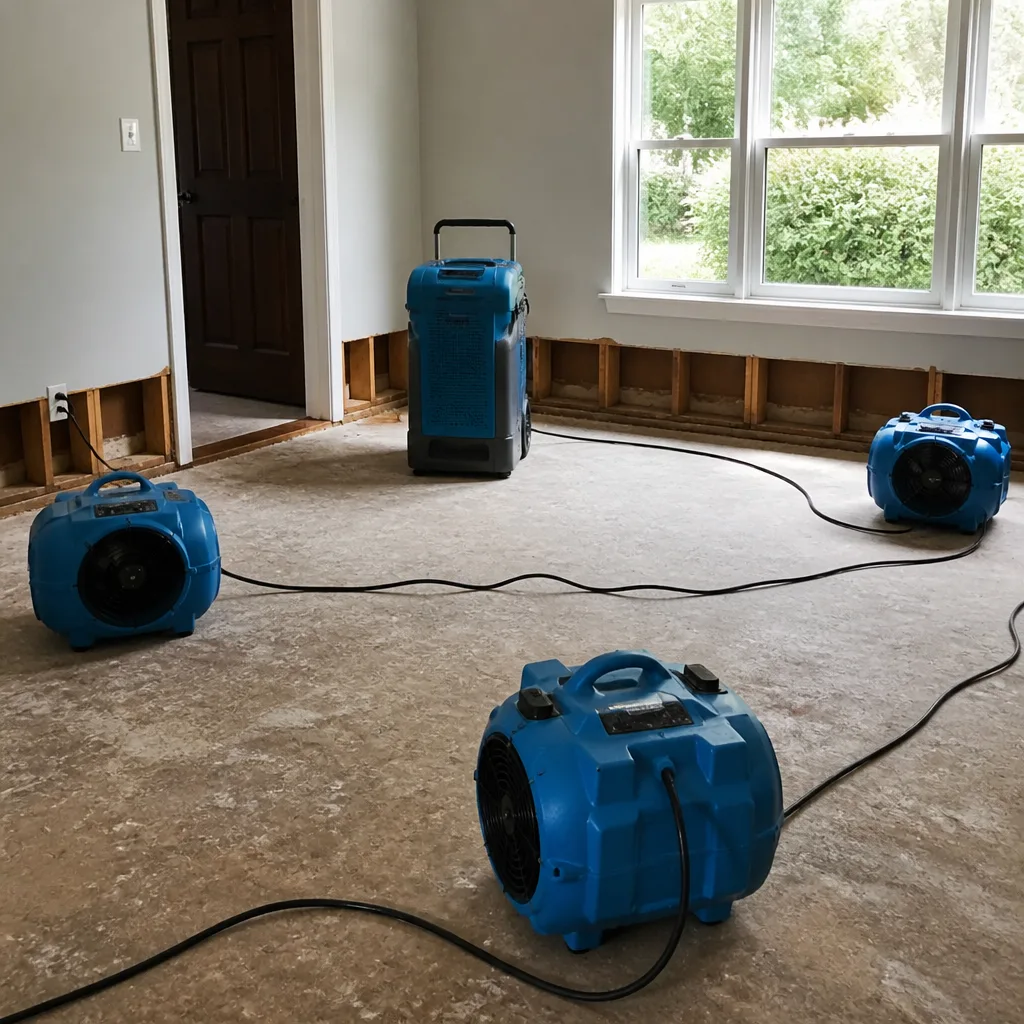
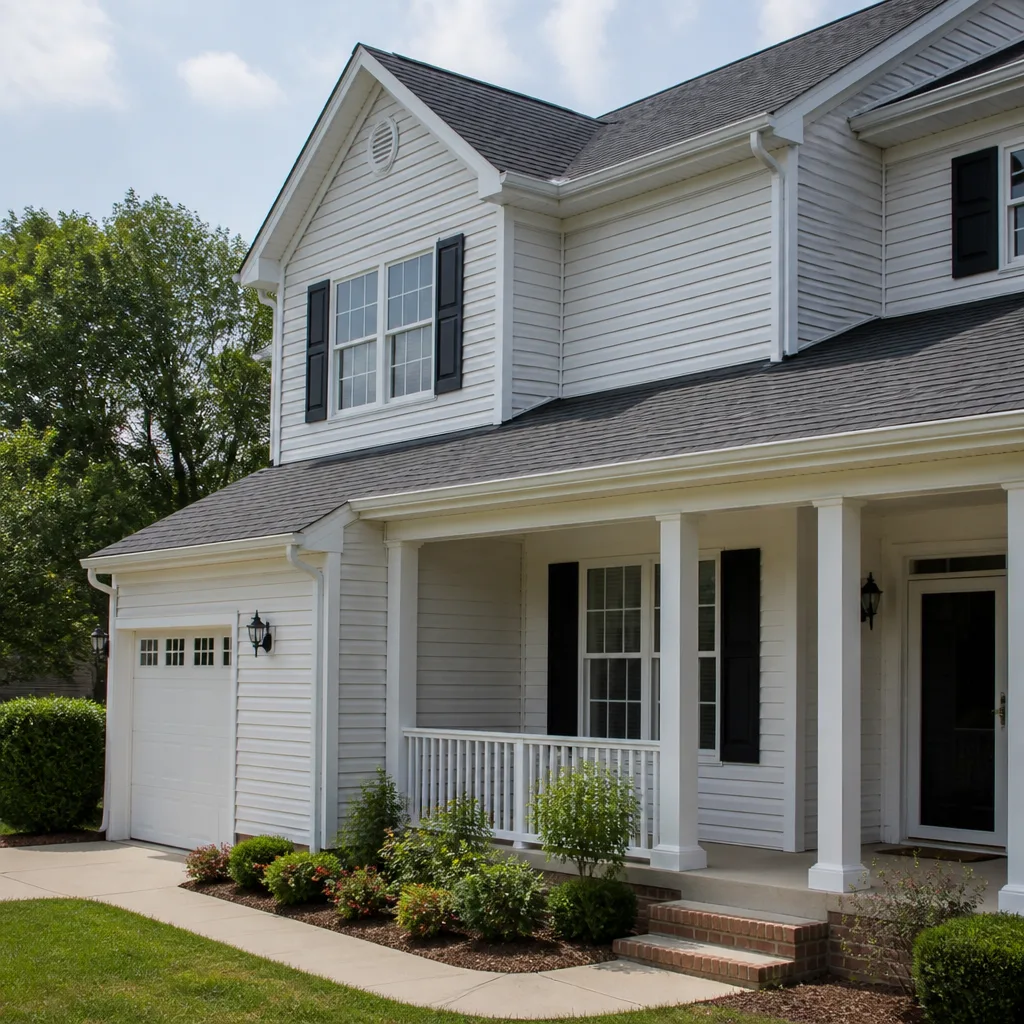
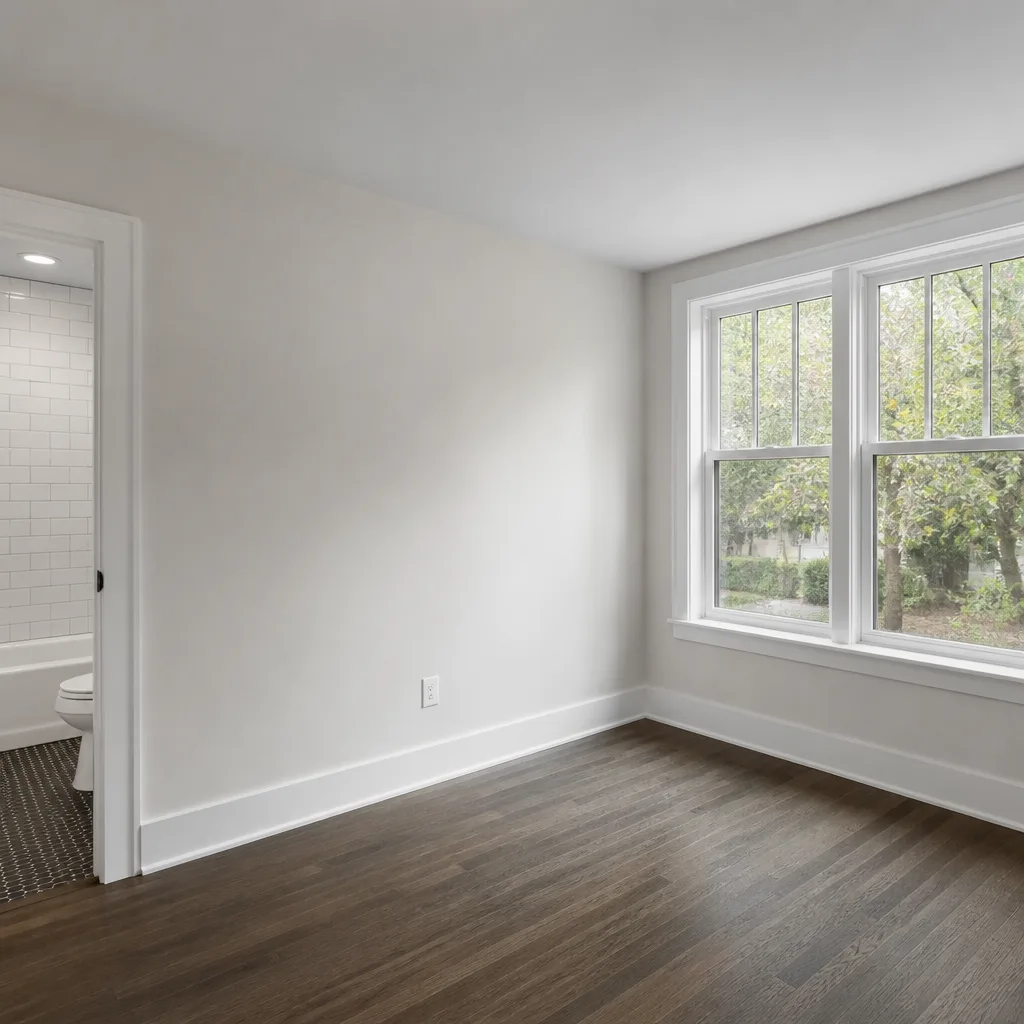
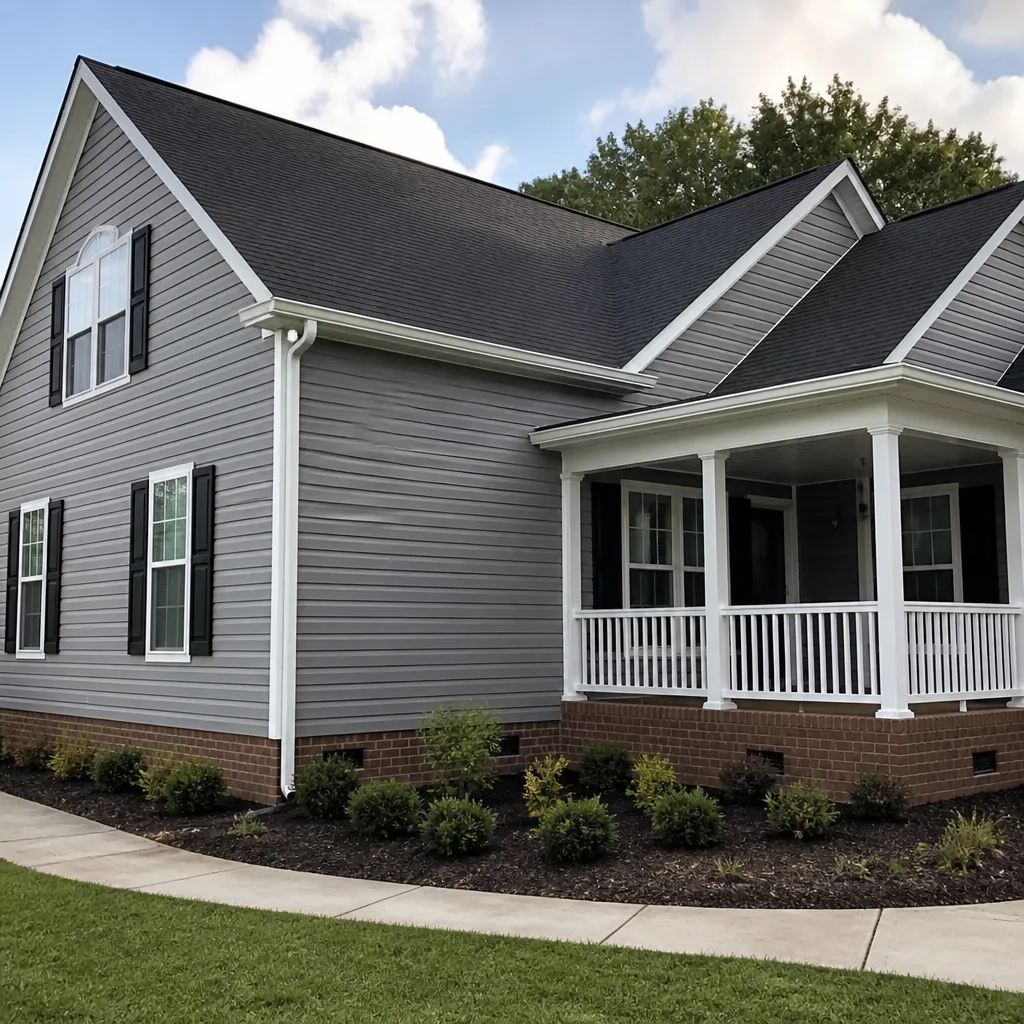
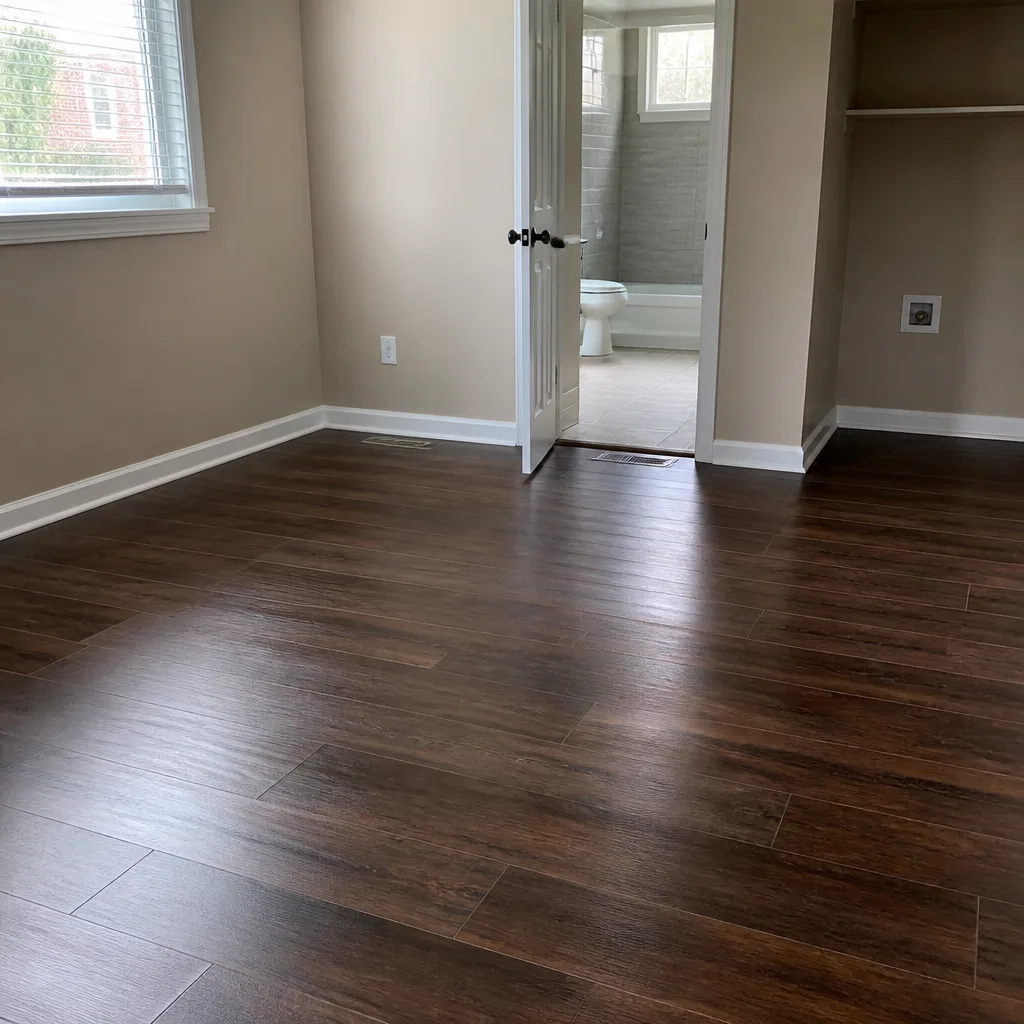
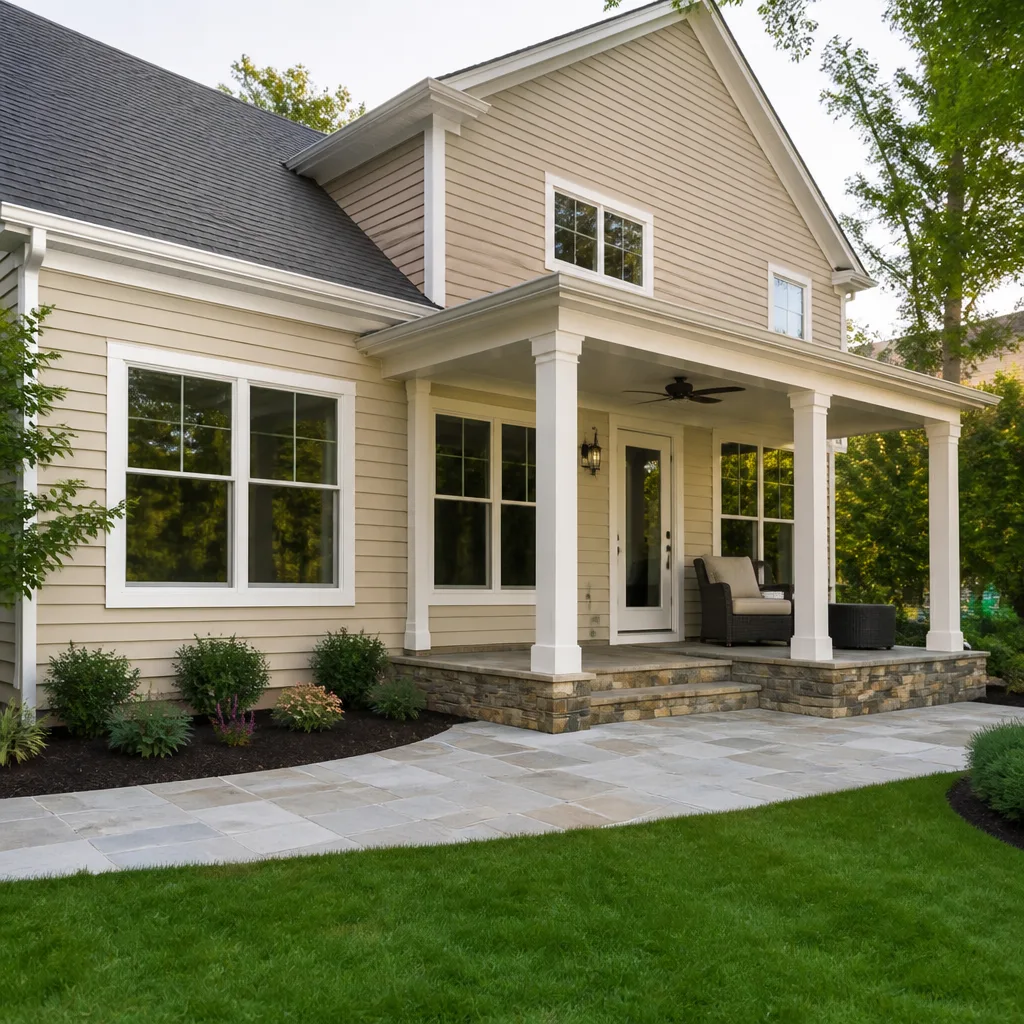
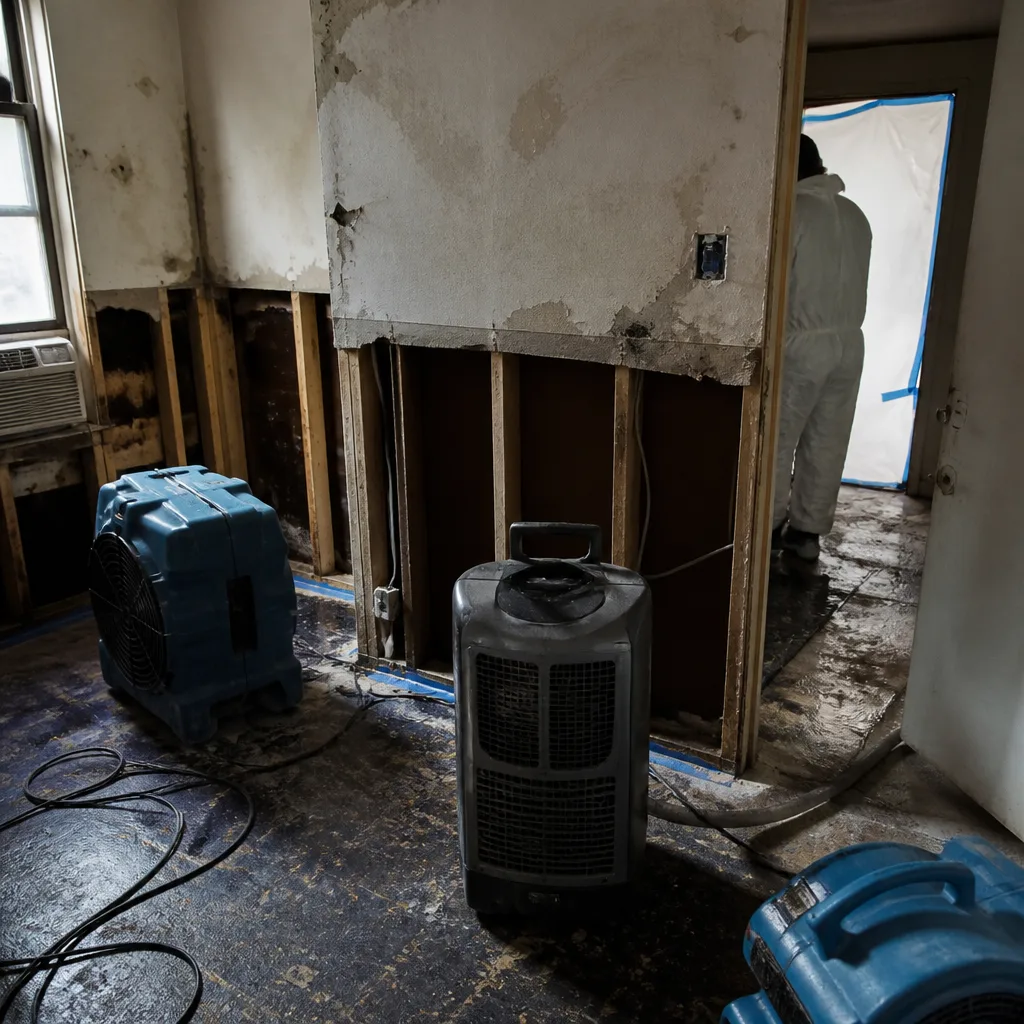 Before
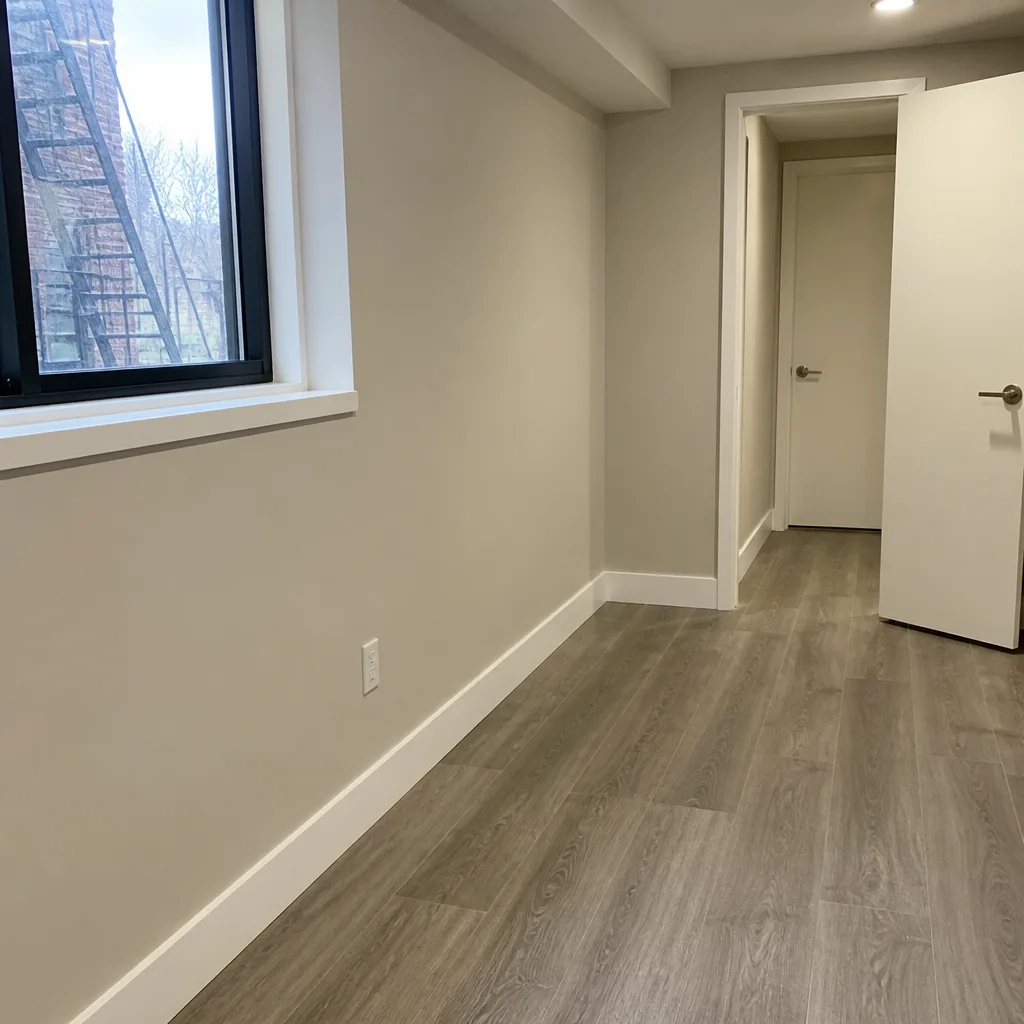 After
After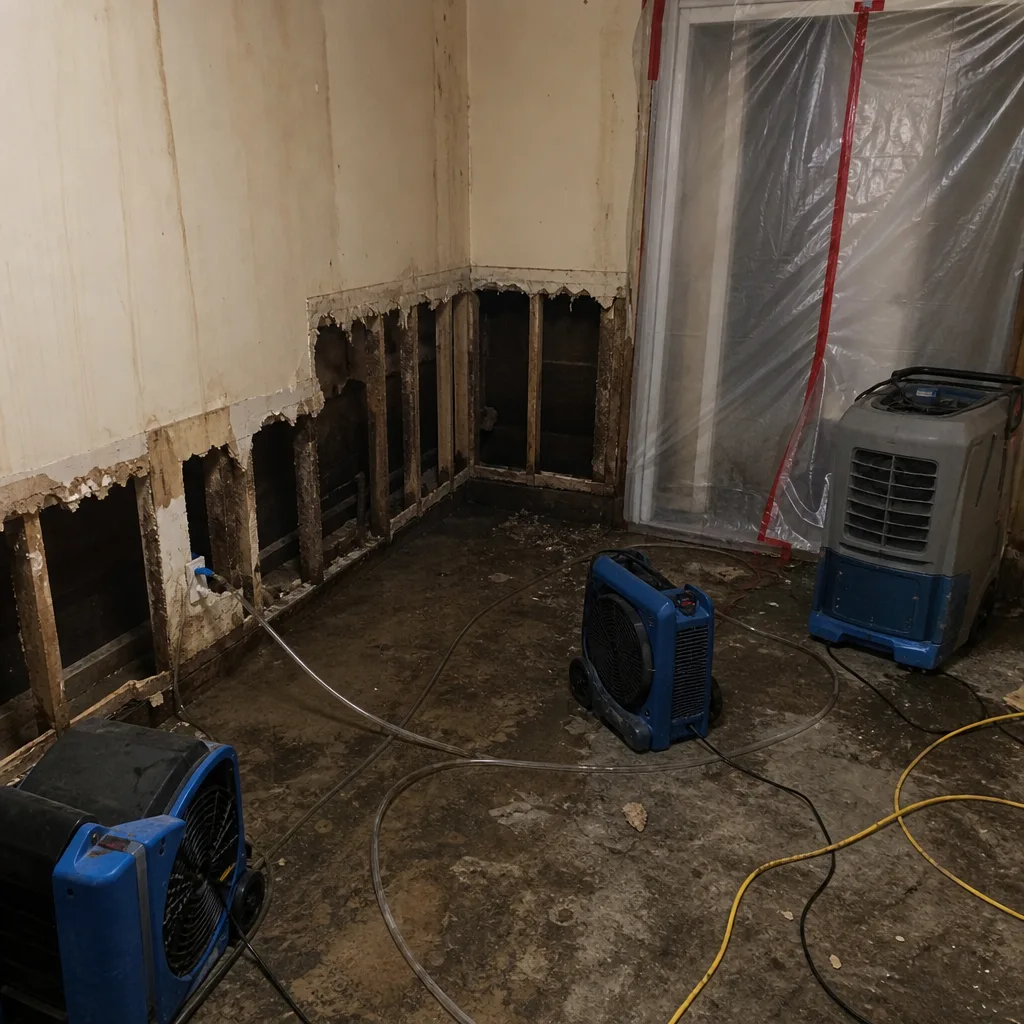 Before
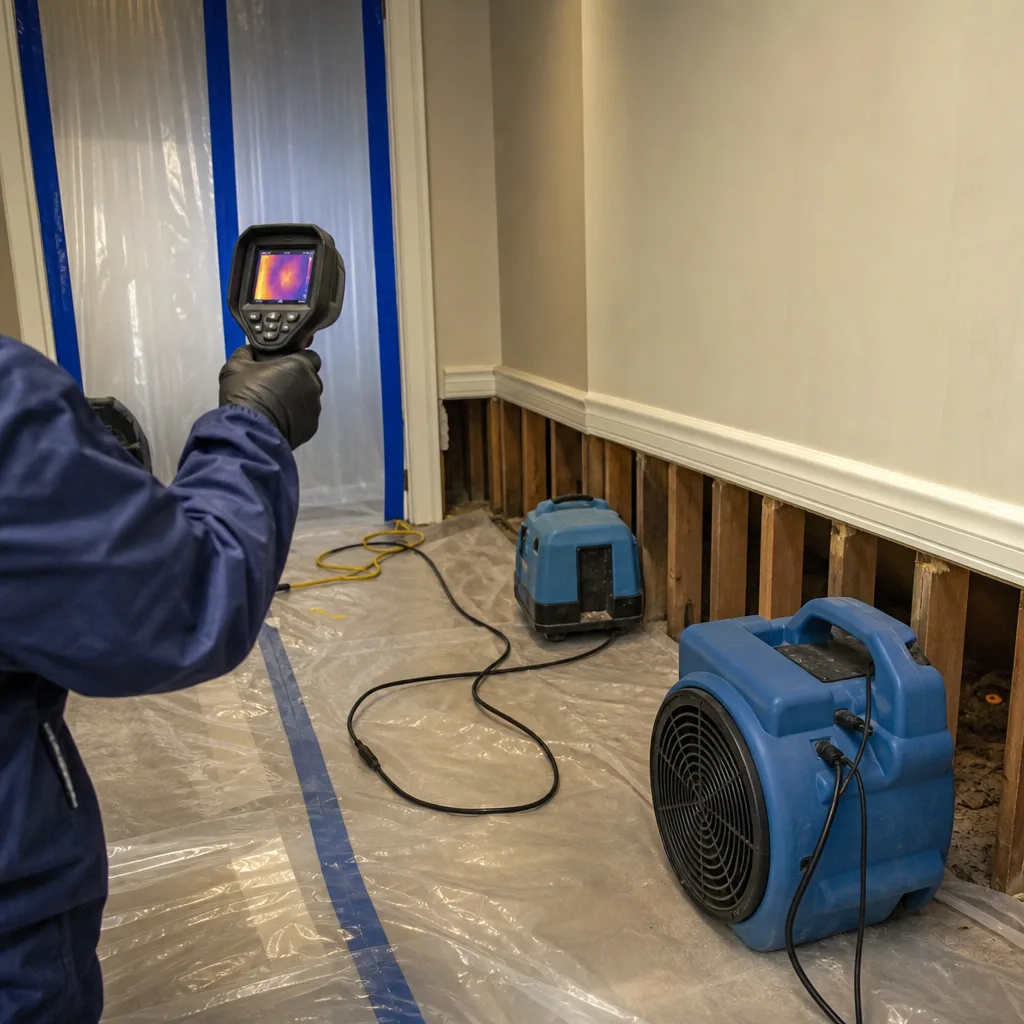 After
After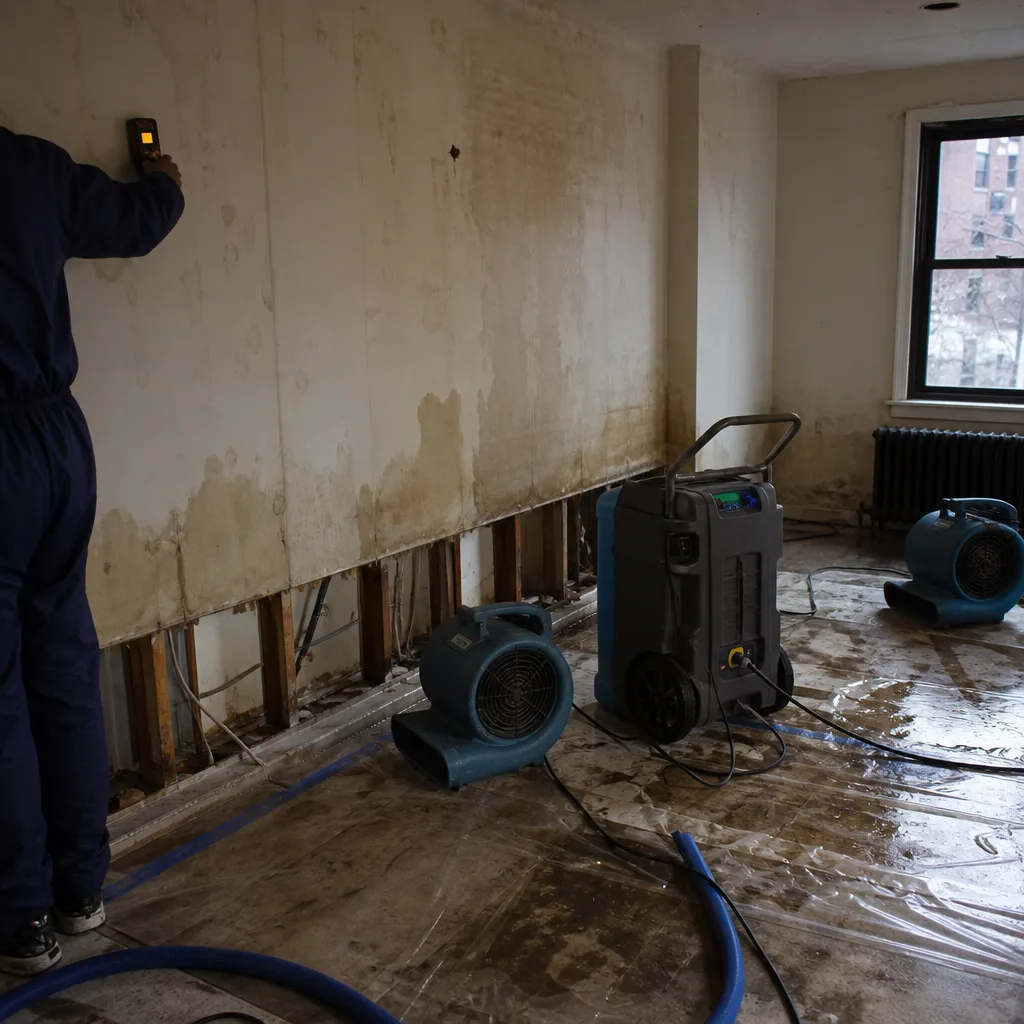 Before
 After
After24/7 Emergency Mold Remediation in Jackson Heights
Mold remediation in Jackson Heights typically runs $1,800-$6,500 depending on how far the growth has spread and whether it’s tied to a Category 3 water loss. In the six-story brick co-ops that define this neighborhood, a failed plumbing riser can push contaminated water through four to eight units in under an hour. If you’ve spotted black staining on plaster walls, a musty smell that won’t air out, or water damage that’s more than 48 hours old, call (716) 452-0798 right now. Our live dispatcher answers at 2 a.m. the same way she answers at 2 p.m., and a Floodline Restoration Co. crew can be at your building within 45 minutes for a free visual inspection.
Understanding Mold Remediation Severity in Jackson Heights Properties
Mold remediation in Jackson Heights rarely looks like the one-room job homeowners expect. The neighborhood’s defining housing stock, six-story brick elevator garden apartments and attached row homes built between 1914 and 1940, means moisture moves through original terra-cotta tile and plaster-over-lath walls in ways modern drywall construction doesn’t. A mold inspection that maps only one unit misses what’s happening in the shares behind it. When we run containment and air scrubbing in a co-op, we’re often finding that mold from a single stack failure has colonized wall cavities in two or three adjacent apartments. That’s the difference between a $1,800 surface treatment and a $6,500 full-containment remediation with clearance testing. Severity here isn’t just about square footage. It’s about building age, shared wall assemblies, and how many owners are involved before equipment can even be staged.
Why Jackson Heights Property Owners Choose Floodline Restoration Co.
- 45-minute response commitment: We dispatch from a New York City office with crews staged to reach Jackson Heights fast. Water and mold wait for no one, and neither do we.
- 24/7 live answer, never an answering machine: A real person picks up at (716) 452-0798 every hour of every day. You’ll talk to a dispatcher who can actually send someone, not take a message.
- IICRC-certified crews, trained to WRT, FSRT, and AMRT standards: Our techs hold water restoration, fire and smoke restoration, and applied microbial remediation certifications. That training matters when we’re reading moisture maps in the 11372 zip code’s pre-war buildings.
- Free visual inspection: We walk the affected areas, take moisture readings, and tell you honestly whether you need full remediation or just targeted cleaning. No fee, no pressure.
- Direct insurance billing: We bill your carrier directly and coordinate with your adjuster. When a co-op board and three insurers are involved in the same loss, that coordination is what moves the job forward.
- One team from extraction to reconstruction: The same certified crew that reads the moisture map on day one handles daily drying logs, pack-out, remediation, and the rebuild. You never get handed off to a stranger.
Our Mold Remediation Process
Step 1: Inspection & Assessment
We start with thermal imaging and hygrometer readings to map moisture in walls, floors, and ceiling cavities. In Jackson Heights’s plaster-over-lath construction, surface testing alone tells you nothing. We look for what’s hidden behind the walls, including growth in adjacent co-op shares.
Step 2: Containment & Staging
Before any material comes out, we seal affected areas with full containment using HEPA-filtered negative air pressure. For co-op buildings, we stage equipment in approved common areas only after board sign-off. The containment protects unaffected units from cross-contamination.
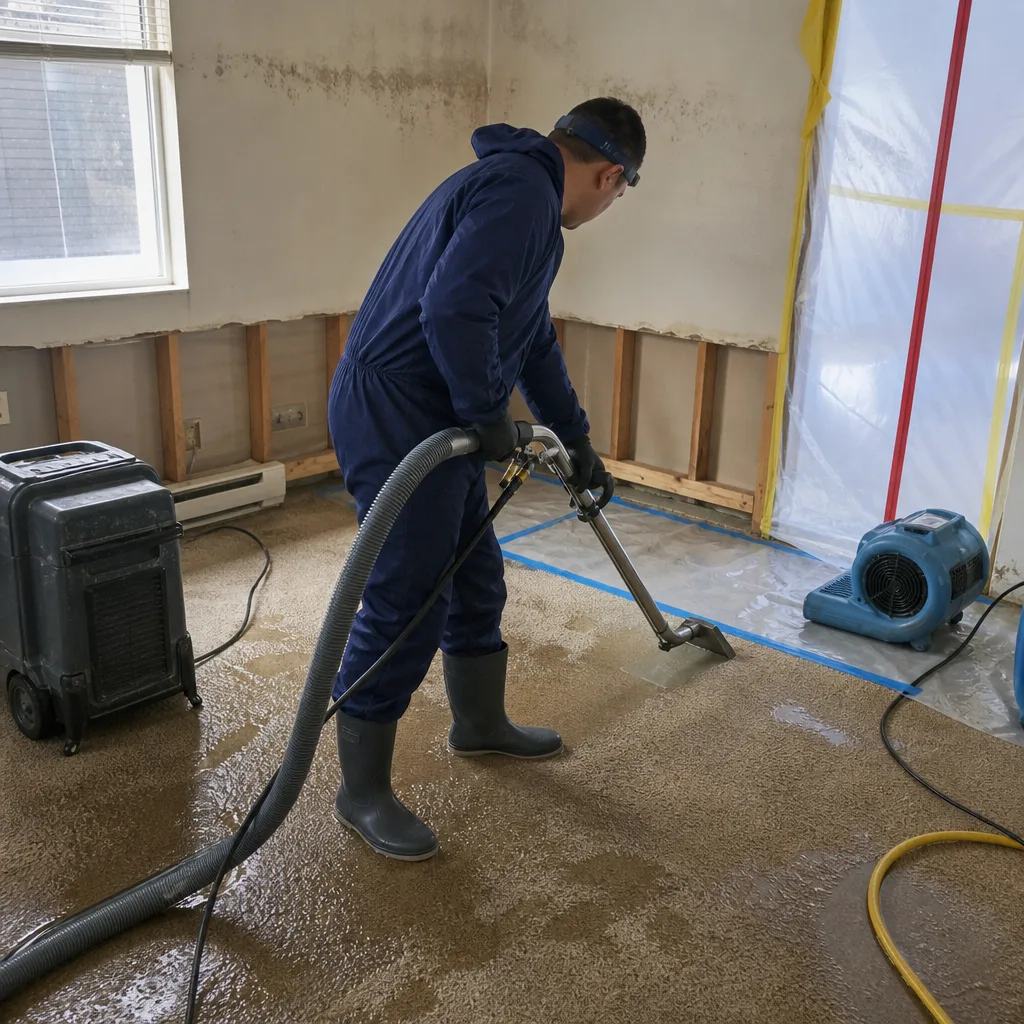
Step 3: Moisture Extraction & Drying
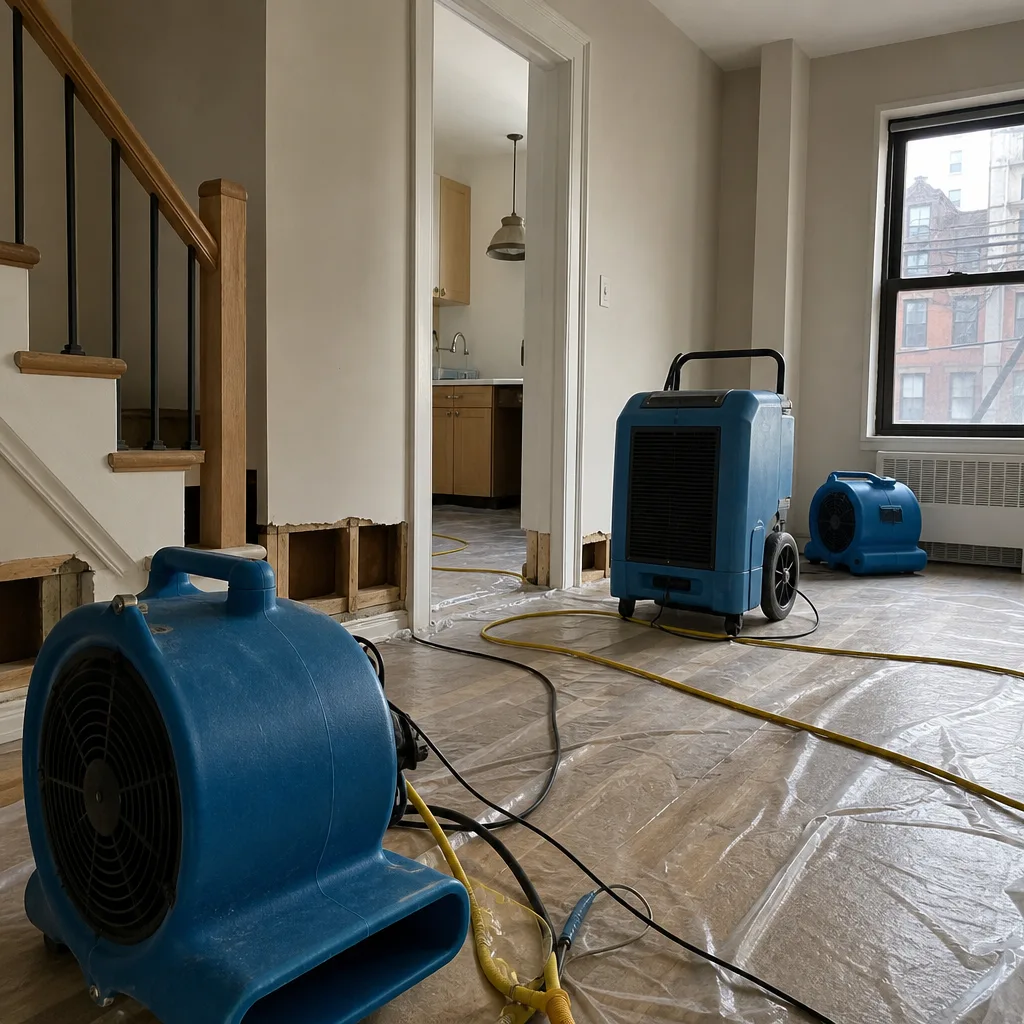
We run professional-grade Dri-Eaz dehumidifiers and XPOWER air movers to pull moisture from plaster, wood lath, and tile assemblies. Daily readings are logged in writing until the dry standard is met. In brick garden apartments, this often takes 4 to 7 days because walls are thick and drying air doesn’t move through them the way it does through drywall.
Step 4: Removal & Controlled Demo
Mold-damaged plaster, lath, and finishes come out under containment. In the Jackson Heights Historic District, we inventory all materials removed so LPC-compatible replacements can be specified. Nothing gets torn out without a written scope you’ve already approved.
Step 5: Cleaning, Sanitization & Specialty Treatment
We clean remaining surfaces with antimicrobial treatments and run HEPA air scrubbing to capture spores. For black mold in wall cavities, we use targeted treatments that penetrate porous plaster. Every treatment is logged and documented for your carrier.
Step 6: Repairs & Restoration
We repair with historically compatible materials where LPC rules apply, rebuild affected walls and finishes, and hand you a moisture log and 90-Day Done Right Promise in writing. Our team finishes what it started.
Need Emergency Mold Remediation in Jackson Heights Now?
Crews minutes away, answering live 24 hours a day. The sooner we start, the less it costs.
Working With Your Insurance Company
Most Jackson Heights mold claims start as water claims, and we document from the first hour so your carrier sees exactly what happened. We provide industry-standard estimates built on line-item scopes, not lump sums. Our team coordinates directly with your adjuster, so you don’t play messenger between us and the insurance company. When a co-op board needs documentation to approve work in common areas, we prepare that file too. The paper trail is part of the job, and we treat it that way. If your claim involves multiple affected units, each with its own carrier, we manage claim correspondence across all of them. That’s not extra service. It’s the only way multi-unit mold remediation in Jackson Heights actually gets done.
What We Provide Your Insurer
- Thorough documentation of the loss
- Photos of all damage, room by room
- Moisture readings and drying logs
- A detailed, line-item scope of work
- Direct coordination with your carrier
Built for Jackson Heights’s Loss Calendar
In Jackson Heights, mold losses follow a pattern older than every resident in the building. Winter freeze-thaw cycles stress the masonry envelope and any uninsulated pipe chases in pre-war construction. A January deep freeze can split a supply line inside a wall and saturate plaster for days before anyone notices. Spring thaw brings basement seepage through aging foundation walls, especially in garden-level units on the lower floors of the six-story co-ops. Summer thunderstorms overwhelm the combined sewer infrastructure common to this part of Queens, sending sanitary backups into basement and garden-level apartments. That’s Category 3 water, the kind IICRC standards treat as biohazard. And in the fall, nor’easters push wind-driven rain into brick facades, soaking wall cavities behind stucco and terra-cotta. Every one of these events has the same 24-to-48-hour countdown before mold colonization begins, especially in plaster walls that hold moisture for weeks without proper drying.
Mold Remediation Across Jackson Heights’s Neighborhoods
The co-op buildings along 34th and 35th Avenues, the heart of the Jackson Heights Historic District, present a specific set of challenges. Shared plumbing risers and LPC oversight mean our crews coordinate with boards before staging equipment in common areas. Over near Northern Boulevard, the housing shifts to attached row homes with shared party walls. A leak in one rowhouse can quietly moisten the neighboring wall assembly for weeks before anyone sees staining. Around 37th Avenue’s commercial corridors, mixed-use buildings put apartment units above storefronts, where a roof drain failure or restaurant plumbing issue above can migrate down through multiple floors. And on Roosevelt Avenue, elevated train line vibrations can crack old plaster and create openings where humidity enters wall cavities during wet seasons. We route crews through these corridors daily, and we know which buildings run cast-iron stacks, which have already been partially repiped, and which co-op boards want multiple bids before they’ll even open the equipment room. That local knowledge shortens the time between your call and the start of actual drying.
Specialized Mold Remediation Services We Offer in Jackson Heights
Mold Inspection & Testing
In Jackson Heights co-ops, we inspect beyond the unit with visible growth. Because terra-cotta tile walls transmit moisture laterally, we map adjacent shares and common areas. The report you get is detailed enough to present to your co-op board and your carrier, with the findings explained in plain English.
Mold Removal
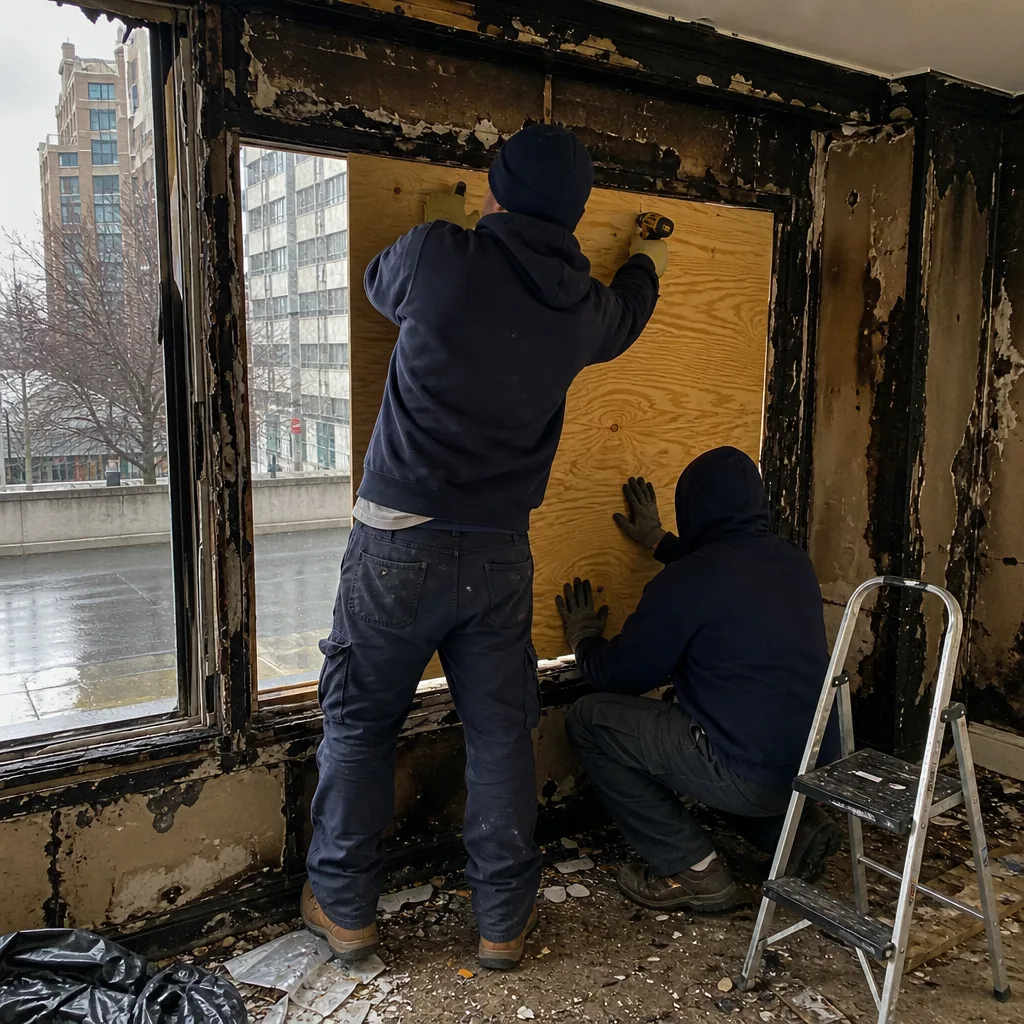
We physically remove mold-damaged plaster, lath, and finishes under full containment. The goal is removal, not encapsulation. After clearance testing passes, we rebuild with materials that meet current code and, in the Historic District, Landmarks Preservation Commission standards.
Black Mold Remediation
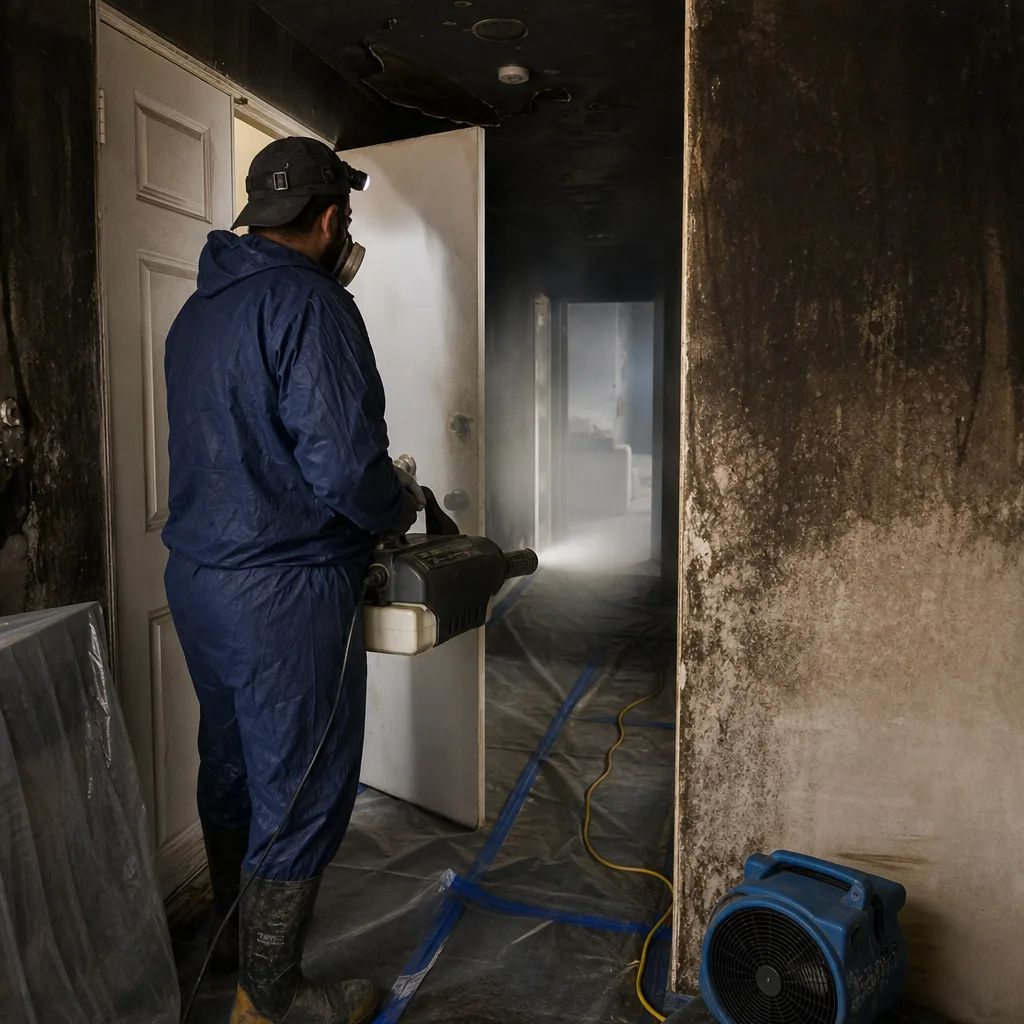
Black mold in pre-war buildings typically follows a Category 2 or Category 3 water event and hides in wall cavities behind intact plaster. We contain the affected area, run HEPA air scrubbing, and remove contaminated materials down to sound substrate. Daily moisture readings document the dry-out until we can prove the cavity is dry.
Air Quality Restoration
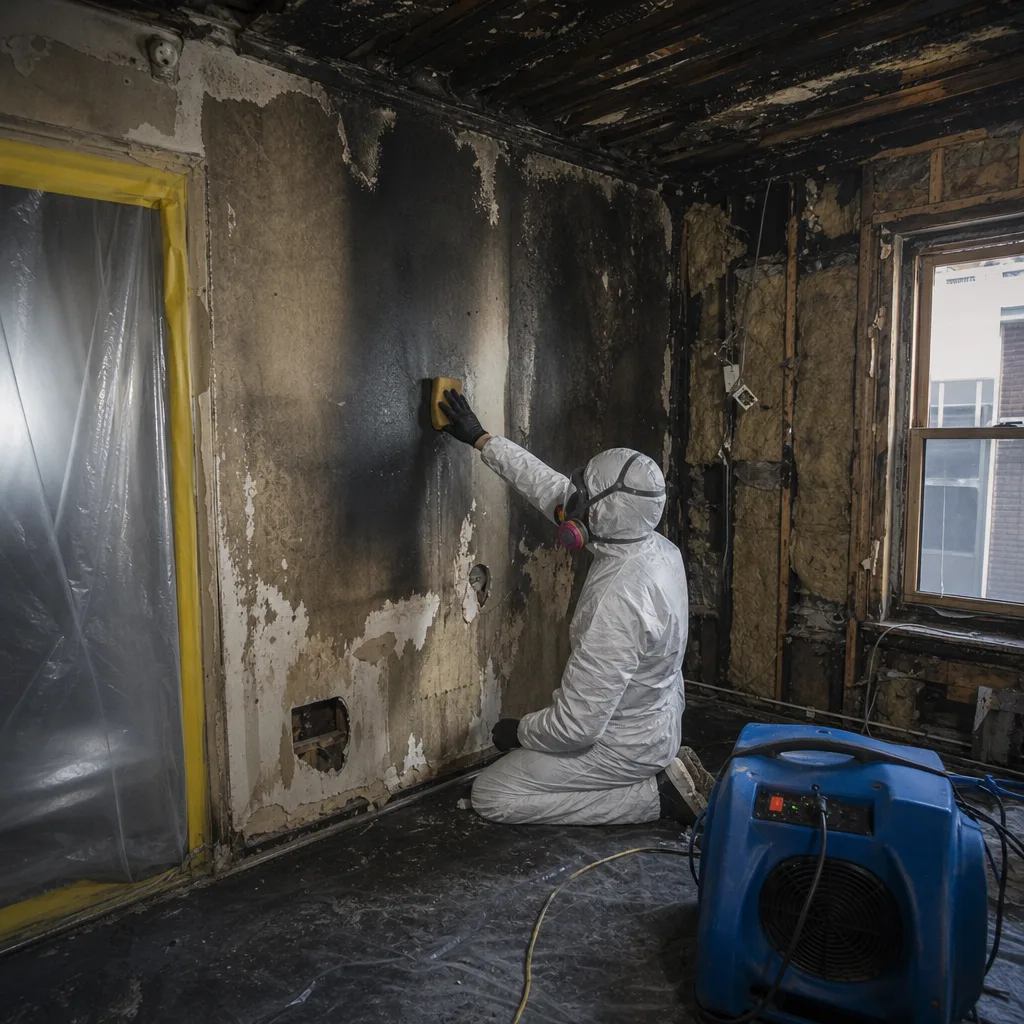
After remediation, we run HEPA air scrubbers to pull spores from the air and clean surfaces with antimicrobial treatments. In buildings with original plaster and decades of accumulated dust, this step makes the difference between a unit that smells clean and one that doesn’t. Clearance air sampling is available through licensed third parties.
Crawl Space Treatment
In attached row homes and garden apartments with crawl spaces, we treat the framing and substrate where moisture has driven humidity upward into living areas. We install or recommend vapor barriers where needed and treat surfaces to prevent recurrence. The goal is to stop the moisture engine, not just mop up its exhaust.
What happens when you call
- 1
A real person answersNo phone trees - you reach a local pro.
- 2
You get an upfront price rangeHonest numbers before anyone is dispatched.
- 3
A background-checked tech heads outLicensed & insured, dispatched right away.
- 4
You approve before work beginsNothing starts until you say go.
Mold Remediation Costs in Jackson Heights, NY
Mold inspection and testing alone in Jackson Heights typically runs $350-$800 when performed by a certified tech with air sampling. A contained mold removal on a single bathroom or small wall section runs $1,800-$3,500. A full black mold remediation with pack-out, containment, drying logs, and rebuild across multiple rooms runs $4,000-$6,500. In LPC-constrained co-op buildings, expect historic-compatible plaster and finish work to add 15-25% over standard drywall pricing, because the approved materials cost more and install slower. Insurance covers mold remediation when it’s tied to a covered water loss and the claim was filed promptly. If the mold predates the current policy period or resulted from deferred maintenance, you may be looking at out-of-pocket costs, which is where our written scope and no-hassle pricing keep the number honest. Call (716) 452-0798 for a free visual inspection and a firm number before any work starts.
We Also Serve Cities Near Jackson Heights
Our crews take calls across the surrounding area. We provide Mold Remediation in Elmhurst, Maspeth, Astoria, and Long Island City, with the same live dispatch and the same written guarantee. If your building is anywhere near Jackson Heights, call us. We answer and we come.
Jackson Heights Mold Remediation Questions, Answered
How do co-op board approvals in Jackson Heights’s historic district affect mold remediation timelines?
Co-op board approvals routinely add one to three weeks before remediation equipment can be staged in Jackson Heights’s historic district. The board must approve any work in common areas before we can set up containment or run air movers in hallways. That delay pushes past the 24-to-48-hour window when mold spores colonize damp plaster, which means we often recommend documenting the delay in writing and filing the approval request the same day the water loss is discovered. Call (716) 452-0798 if you need help preparing the board package, we do it regularly.
Can mold spread between co-op units through the original terra-cotta tile walls?
Yes, terra-cotta tile construction allows moisture to migrate laterally between adjacent co-op units. A leak in one apartment can dampen the shared wall assembly and grow mold in the neighbor’s wall cavity without visible staining on either face. Our Mold Remediation in Jackson Heights inspections map adjacent shares for exactly this reason. A one-unit inspection can miss hidden growth that comes back months later.
What does Category 3 water from a failed plumbing riser mean for mold remediation in our co-op?
Category 3 water is grossly contaminated, carrying sewage, soil bacteria, or standing water that has been stagnant long enough to breed pathogens. When a cast-iron riser fails in a Jackson Heights co-op, the water that saturates multiple floors below is Category 3, and IICRC standards require full containment, antimicrobial treatment, and removal of saturated porous materials. Mold remediated without that protocol is a recurrence waiting to happen. We treat every failed riser as a biohazard event from the first assessment.
Why do mold inspections in Jackson Heights’s historic district cost more than in neighboring Queens neighborhoods?
Inspections in the historic district cost more because they take longer and require more expertise. LPC rules mean we inventory every building material before removal, document what’s behind the plaster, and coordinate with multiple unit owners and boards before any testing holes are cut. A standard inspection in Elmhurst might take an hour. In a landmarked Jackson Heights co-op, the same job often takes half a day, and the report has to satisfy a board, multiple insurers, and sometimes an LPC reviewer. You’re paying for documentation, not drama.
Does your mold remediation in Jackson Heights comply with Landmarks Preservation Commission rules?
Yes, our restorers work to LPC-compliant replacement standards in the Jackson Heights Historic District. We specify historically compatible plaster, wood lath, and finishes where LPC approval is required, and we document every material removed and every replacement proposed. We coordinate with the board and, when needed, the LPC so the remediation doesn’t stall because a finish detail was overlooked.
How quickly can you actually get to a Jackson Heights co-op for mold?
We commit to a 45-minute response for a free visual inspection anywhere in Jackson Heights, including the 11372 zip code. If the situation is urgent and the board has already approved access, we can often start containment the same day. A live dispatcher answers at (716) 452-0798 around the clock, so you’ll know exactly when to expect the crew.
Does my co-op’s insurance cover mold remediation, or is it on me?
Coverage depends on the source of the water and your policy’s mold endorsement. If the mold resulted from a sudden, covered water event, like a burst riser, your carrier typically covers remediation up to the policy limit, but co-op master policies often cover common areas while unit owners cover interiors. We bill directly to the correct carrier and coordinate with all insurers involved, including the board’s carrier. The documentation we provide from day one is what makes the claim hold.
Can we stay in our unit during mold remediation?
For contained remediation of a small area, like one bathroom or a single wall cavity, you can often remain in the unit. For black mold spanning multiple rooms or Category 3 water losses with sewage contamination, we recommend relocating during the active removal and air scrubbing phase. We’ll tell you honestly after the initial inspection, which is free. The decision is yours, but we give you the straight answer.
Serving Jackson Heights, NY - Our Local Coverage Area
We’re based in the Jackson Heights area and know this community well. Use the map below to see our service coverage - if you’re nearby, we can almost certainly help.
Local Context: What Jackson Heights Homeowners Actually Deal With
Here’s what we see on 35th Avenue, on 34th Avenue, and up and down the numbered streets between them. A cast-iron stack in a six-story co-op lets go between the third and fourth floors. Water runs down inside a wall chase for six hours before anyone notices the ceiling staining below. By the time a board member unlocks the common area, three apartments are saturated and a fourth has moisture readings high enough to grow mold behind plaster. The board needs three bids. The LPC wants matching plaster details. Three insurance carriers want reports from three different adjusters. And the mold is growing the entire time. We once contained a black mold outbreak in a sixth-floor unit on 35th Avenue after a cast-iron stack failure soaked four apartments below. Using Dri-Eaz dehumidifiers and XPOWER air movers behind full containment, our techs logged moisture readings across all affected units and coordinated pack-out with three separate insurance carriers before the co-op board approved our scope of work. The remediation took eleven days start to finish, but because we documented every reading and every material removal, the board, the carriers, and the LPC all signed off without a single challenge. That’s what we mean by Mold Remediation done right in Jackson Heights. The line the water left is where we start, and we don’t hand the job off until the 90-Day Done Right Promise is in your hands, in writing, signed by a name you can hold accountable.
Written by Curt Bowman, Owner at Floodline Restoration Co., serving Jackson Heights and surrounding Queens neighborhoods. Contact us at (716) 452-0798 for a free visual mold inspection, day or night.