

Free visual inspection and a written scope of work before any mitigation begins - photos, moisture readings, and drying logs go in your claim file
The scope we write is the scope we bill. Anything new gets shown to you, in writing, before we touch it.
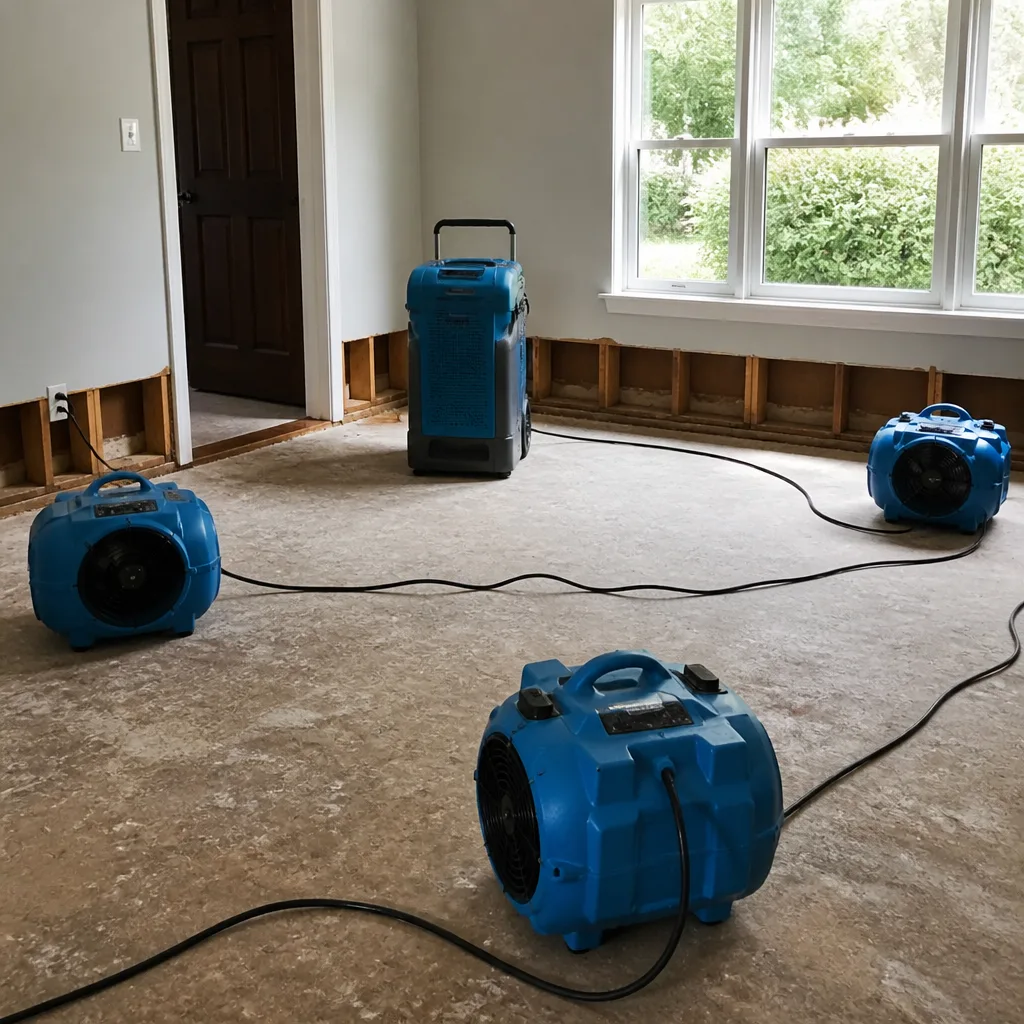
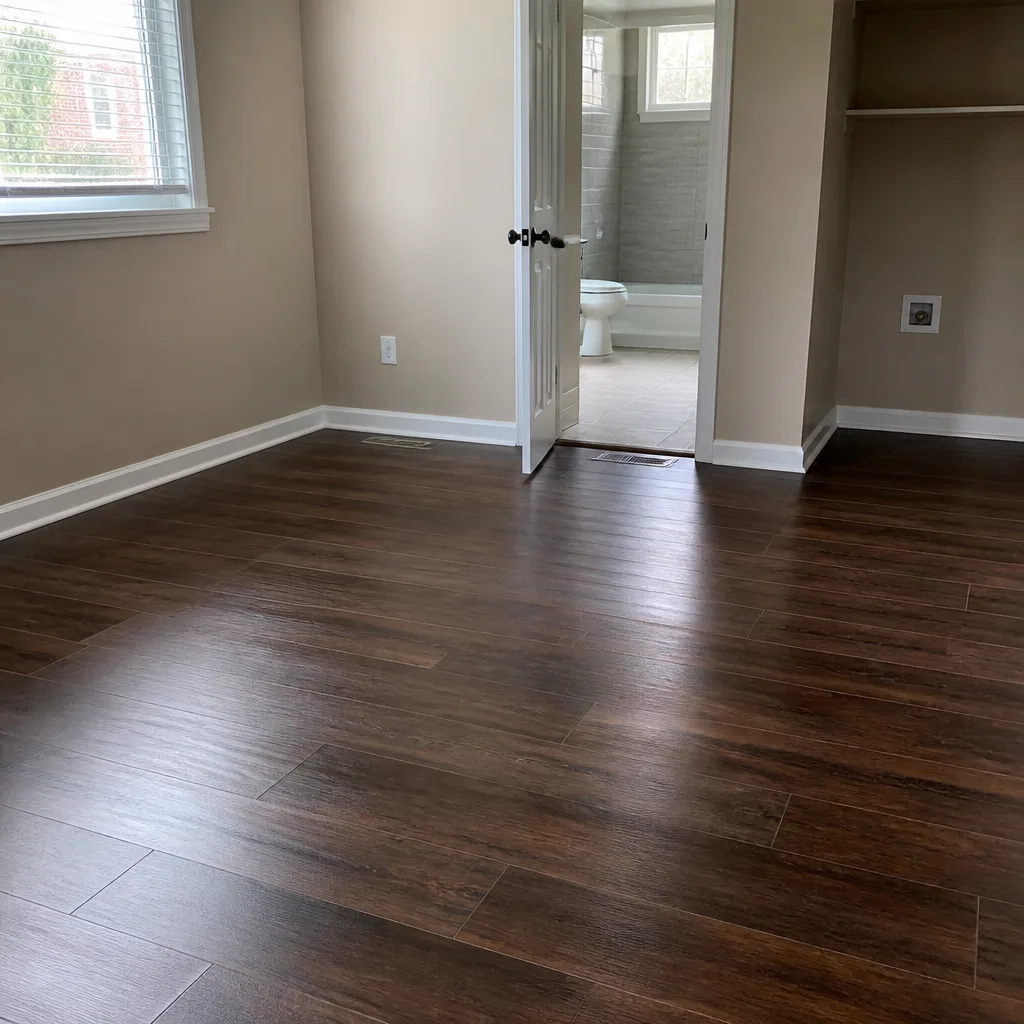
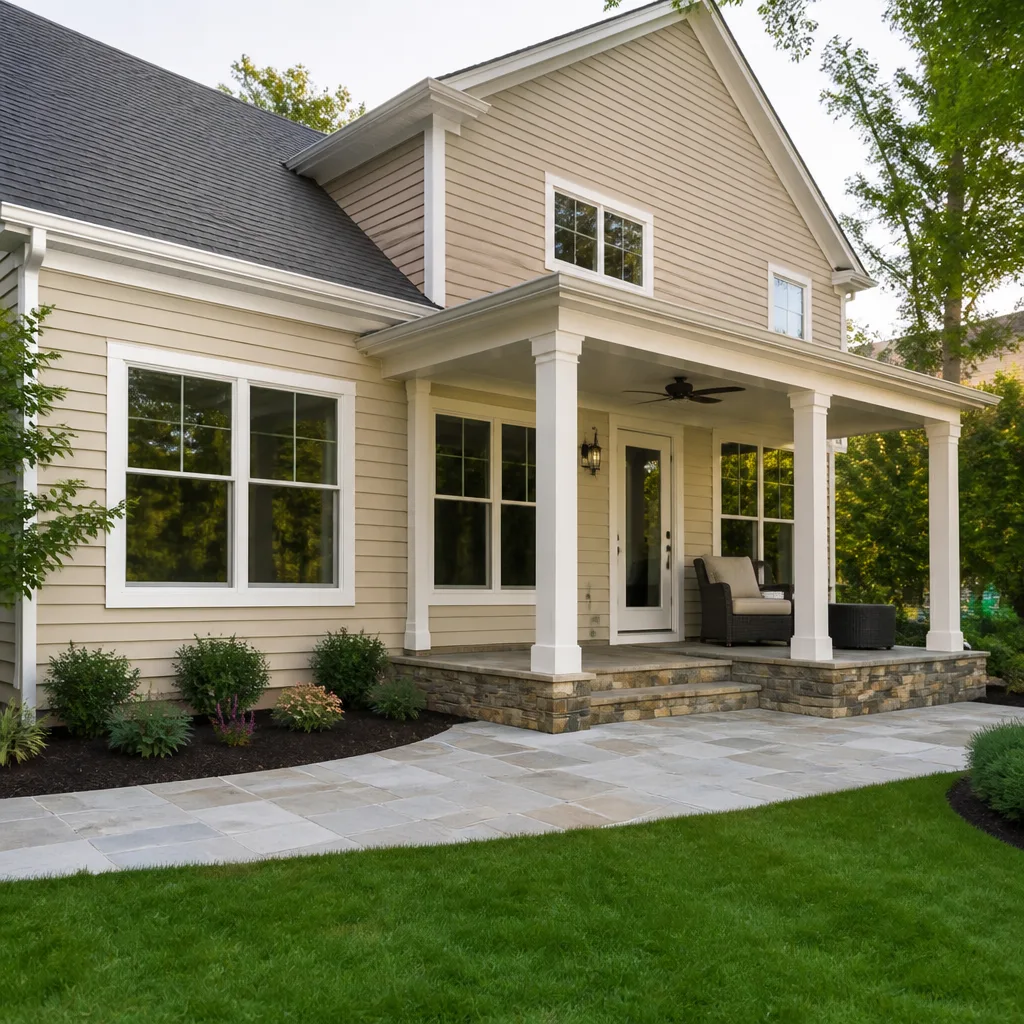
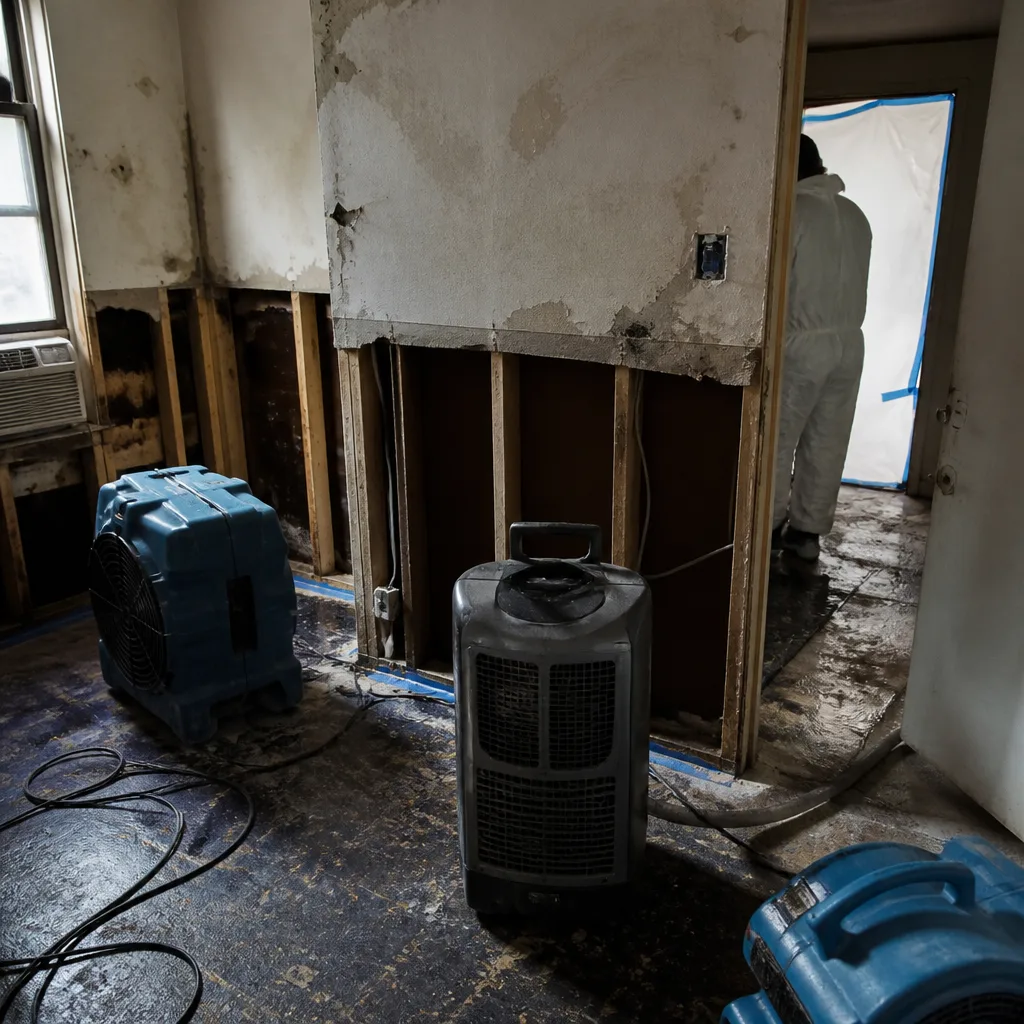 Before
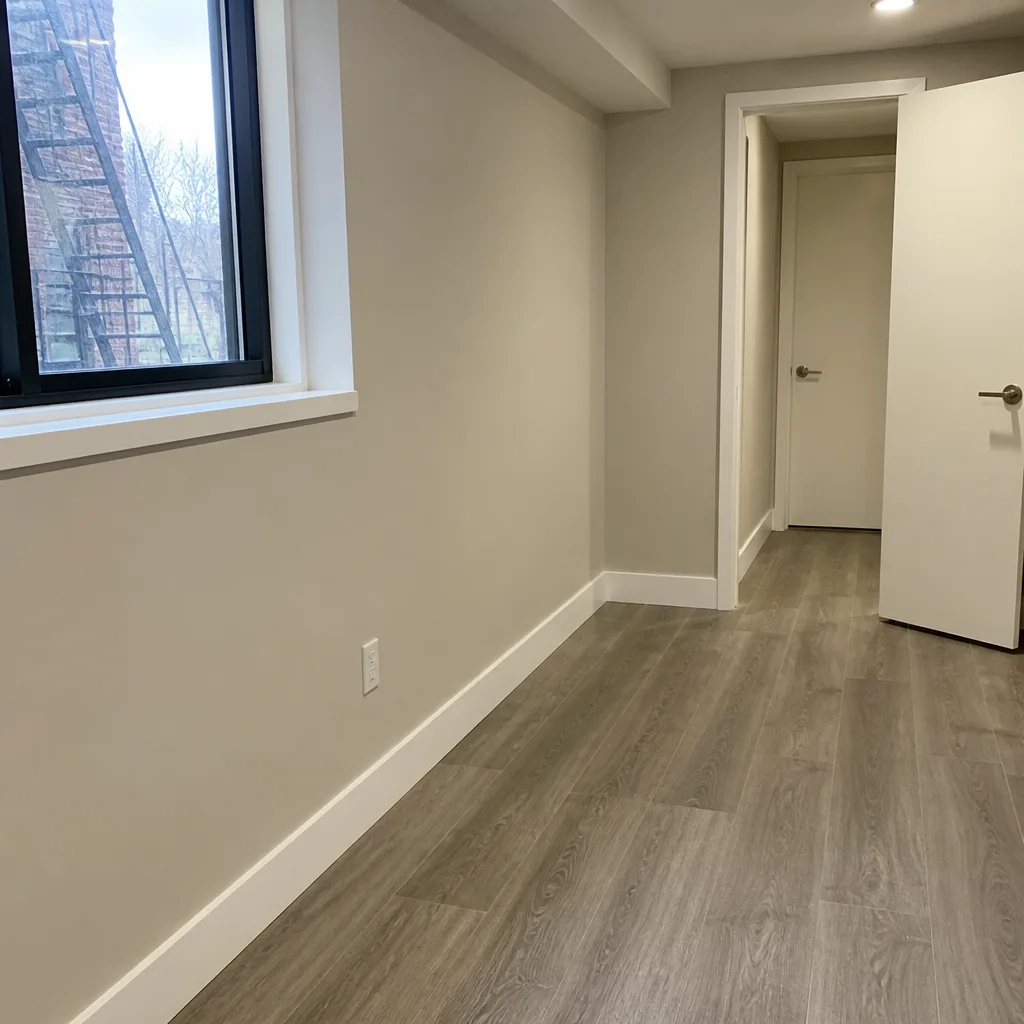 After
After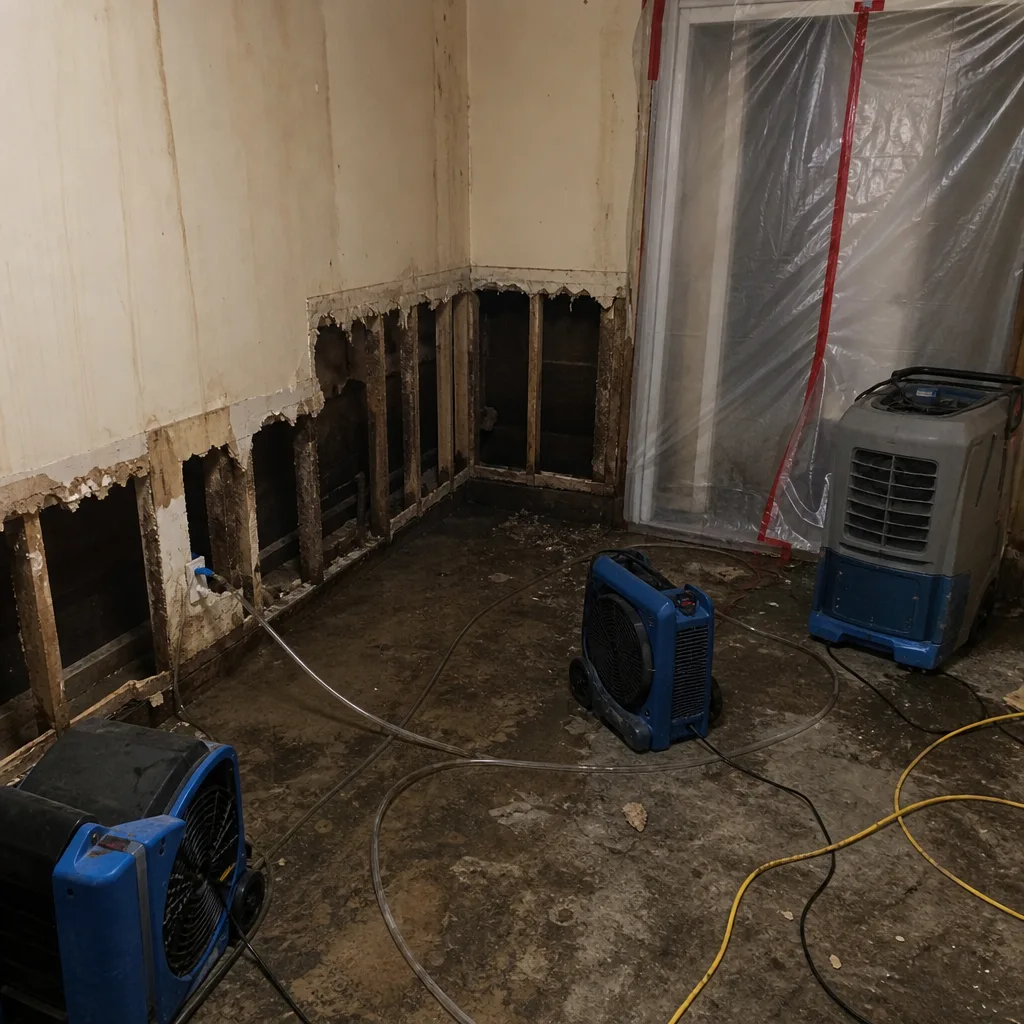 Before
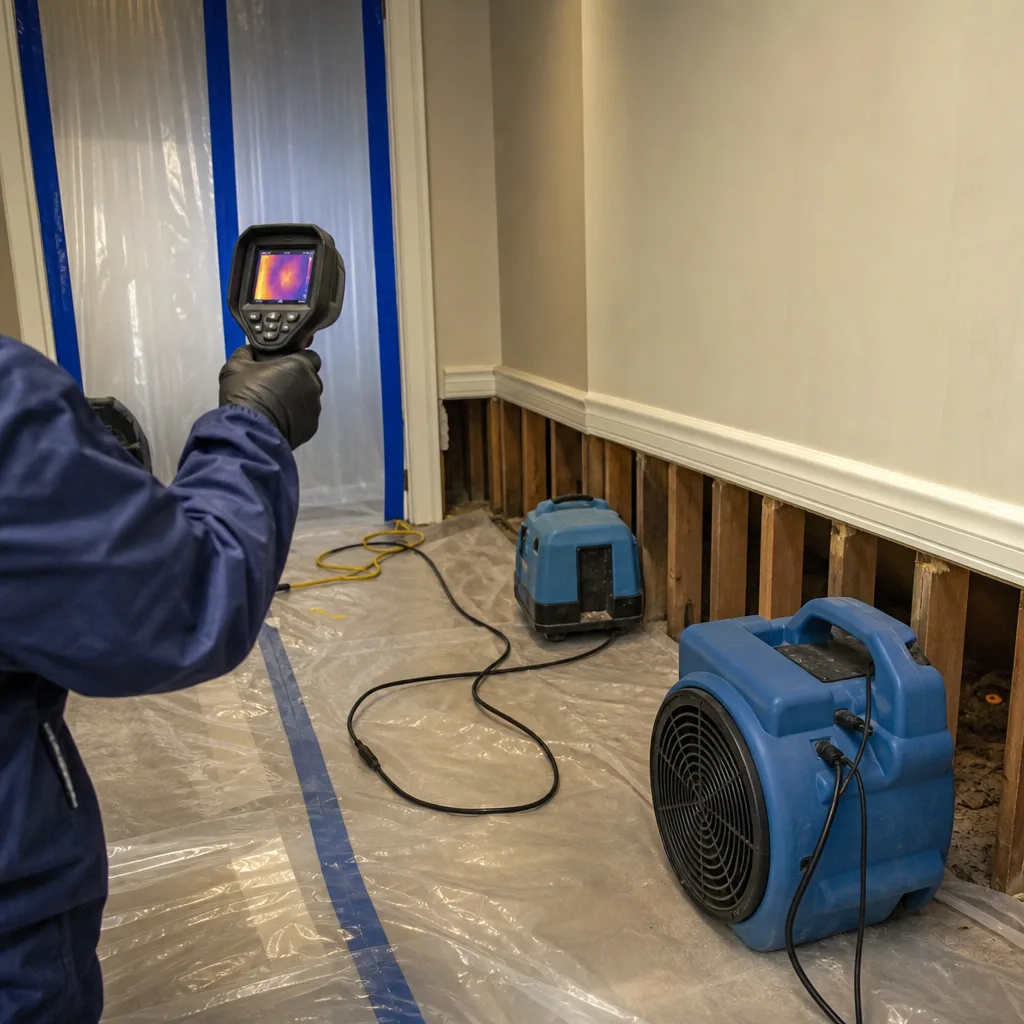 After
After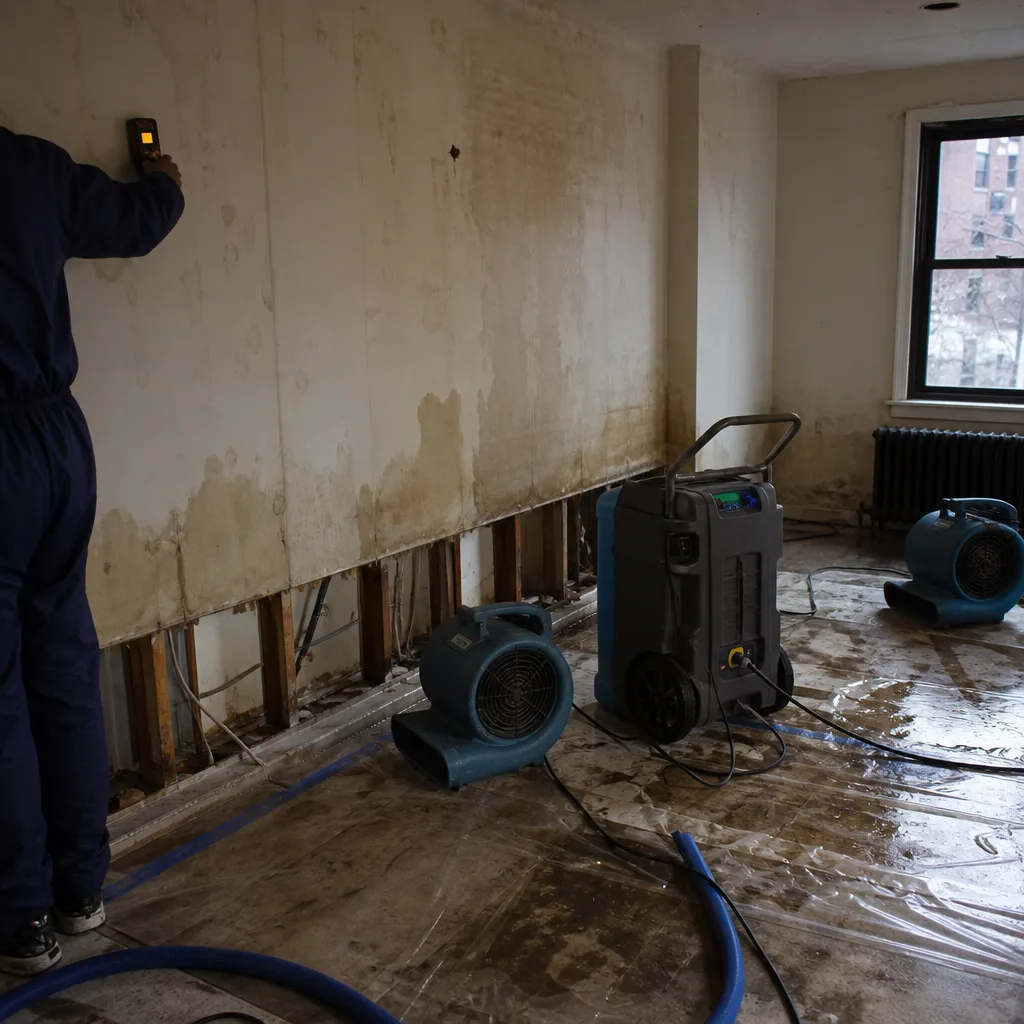 Before
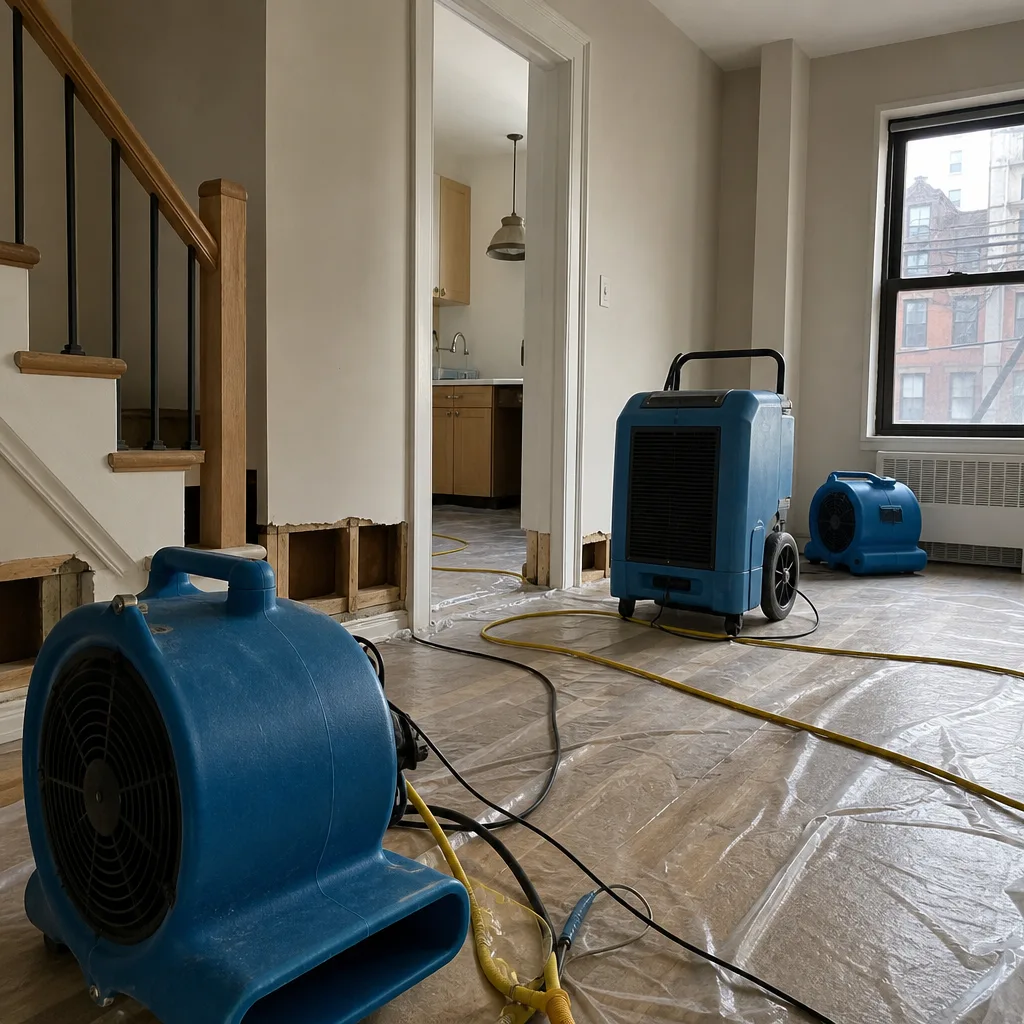 After
After24/7 Emergency Mold Remediation in Central Harlem
Mold remediation in Central Harlem typically runs $3,500-$8,400 for a single contained area in a brownstone or walk-up, with whole-floor jobs in multi-unit buildings running $12,000-$28,000 depending on how far the moisture traveled through plaster ceilings and wall cavities. We answer the phone live at (716) 452-0798 around the clock and a crew can be at your building in under an hour most days. The first call is the difference between a contained wall cavity and mold that has moved through four floors of original lath and plaster.
In Central Harlem’s pre-war housing stock, mold does not sit still. A steam riser leak behind a third-floor wall in an 1890s brownstone is saturating the ceilings below it within 48 hours. We get the call, we get containment up, and we start mapping moisture the same visit. A real person answers the phone at two in the morning. That is not a slogan. It is how we dispatch.
Understanding Mold Remediation Severity in Central Harlem Properties
We classify mold work by three things: how much moisture is present, what the water source was, and what the spores have colonized. Category 1 water is clean supply-line water. Category 3 is sewage or standing water that has been sitting. In Central Harlem’s 1890s-1920s brownstones and tenement walk-ups, a failed steam trap or rotted galvanized riser inside a wall cavity often produces what we call a slow Category 2 event: warm, contaminated water that feeds mold for days or weeks before anyone notices a stain on a ceiling.
Here is what matters in Central Harlem specifically. Most of this neighborhood was built between 1890 and 1920 using plaster-on-lath over original wood framing, with tin ceilings and ornate cornice plaster in many of the better brownstones. Mold does not just sit on the surface of these materials. It roots into the brown coat, the lime mortar, and the wood lath behind it. That means a remediation job here is not a spray-and-wipe situation. It requires HEPA air scrubbing, negative air containment, and after clearance testing, a repair plan that respects the original construction. Drywall replacement is not the standard response. Historical material preservation is.
We also see a pattern across Harlem floors. Water from a failed riser on the fourth floor travels down through wall cavities and soaks the original ceilings on the third, second, and sometimes first floors. The first visible mold is almost never the only mold. Our moisture mapping accounts for that cascade because we know to look for it here.
Why Central Harlem Property Owners Choose Floodline Restoration Co.
- 45-minute response commitment to Central Harlem. We keep a local dispatch desk and crews staged for the neighborhood. A live person confirms your address and a crew rolls, not a call-back service asking you to leave a message.
- 24/7 live answer, every single call. You get a human dispatcher at any hour. That means a certified crew can be on site the same visit, even at 3 a.m. after a riser lets go.
- IICRC-certified remediation teams. Our technicians carry AMRT (Applied Microbial Remediation Technician) and WRT (Water Restoration Technician) certifications, trained to the standards this neighborhood’s building stock demands.
- Free visual inspection before any work is quoted. We look at the mold, the moisture source, and the surrounding structure, then give you a written scope. No charge for the inspection.
- Direct insurance billing with adjuster coordination. We document everything, we speak with your carrier, and we do not make you run messenger between us and a claims desk.
- One team from first assessment to final rebuild. Floodline Restoration Co. handles the full cycle: containment, drying, demolition of unsalvageable material, antimicrobial treatment, and the reconstruction of original plaster and trim where possible. No mid-job handoff to a crew you never met.
Our Mold Remediation Process
Inspection & Assessment
We begin with thermal imaging and moisture mapping using delmhorst-style pin and pinless meters, plus a visual survey of all affected and adjacent areas. In Central Harlem buildings we specifically probe around steam risers, radiator traps, and bathroom stacks because those are the failure points we see most. If lead or asbestos is suspected, we flag it before any demolition begins.
Containment & Source Control
We put up 6-mil poly containment with negative air pressure to stop cross-contamination into clean units and shared stairwells. The water source is isolated at the same time: a shut valve on a riser, a capped supply line, or a patched roof drain. Mold work in multi-unit buildings requires keeping spores out of neighboring apartments, and we set up as if those neighbors are already watching.
Drying & Dehumidification
We run professional-grade Phoenix and Dri-Eaz dehumidifiers with XPOWER air movers, placed according to a psychrometric reading of the room. Daily moisture readings get logged and shared with you and your carrier. Dry standard is reached when the plaster, lath, and framing read at or below the dry standard for that material. Not before.
Cleaning & Sanitization
HEPA air scrubbers run throughout the job, and affected surfaces are HEPA-sandwiched, vacuumed, and wiped with an EPA-registered antimicrobial. For original unpainted plaster, we use the least aggressive method that achieves clearance, because this building stock deserves preservation, not demolition.
Specialty Treatment for Central Harlem Building Stock
Here is where our local knowledge shows. We treat backside-of-lath cavities with borate-based antimicrobials, coordinate lead-paint stabilization on walls we have to open, and work with limestone and lime-mortar masonry in ways that do not trap moisture the way a vapor barrier retrofit would. In landmarked buildings, we coordinate with the NYC Landmarks Preservation Commission before altering any protected surface.
Repairs & Restoration
After clearance testing, we rebuild what was removed. That often means three-coat plaster, tin-ceiling restoration, baseboard reproduction, and repainting. The same crew that contained the mold finishes the job. One team, one standard, one written guarantee.
Need Emergency Mold Remediation in Central Harlem Now?
Crews minutes away, answering live 24 hours a day. The sooner we start, the less it costs.
Working With Your Insurance Company
Mold claims in Central Harlem are rarely simple. The mold itself is often excluded, but the water event that caused it may be covered. What matters is what we can prove. We document from the first hour: thermal images before any surface is touched, moisture readings from every affected floor, photos room by room, and a line-item scope that separates water damage from mold remediation. That separation is what carriers look for. We speak directly with your adjuster, walk them through the reading if they ask, and handle the paperwork on our end. You should not have to broker a three-way conversation between your insurer, your co-op board, and your upstairs neighbor.
What We Provide Your Insurer
- Thorough documentation of the loss
- Photos of all damage, room by room
- Moisture readings and drying logs
- A detailed, line-item scope of work
- Direct coordination with your carrier
Built for Central Harlem’s Loss Calendar
Central Harlem’s mold season follows the building, not just the weather. January and February bring the deep freezes that split poorly insulated supply lines and steam risers in the exposed party walls of 1890s brownstones. A frozen riser can let go inside a wall cavity on the fourth floor and the first sign is a stained ceiling in the parlor three days later. Spring thaw pushes groundwater into shallow basement and garden-level units along West 116th through West 145th, where original fieldstone and brick foundations are not waterproofed by any modern standard. Summer brings the flash thunderstorms that back up old combined sewers and push water through cellar windows and rotted bulkheads. Nor’easters in the fall drive rain through spalled brick and open lime mortar joints on Harlem’s century-old facades, feeding slow mold growth behind plaster that never dried out. And every month of the year, the steam-heat riser system is aging. When a corroded trap lets go, it is a multi-floor event in any walk-up. We plan for that calendar because we have worked it for years.
Mold Remediation Across Central Harlem’s Neighborhoods
Central Harlem is not one housing market. Strivers’ Row on West 138th and 139th Streets between Adam Clayton Powell Jr. Boulevard and Frederick Douglass Boulevard is a pair of landmarked blocks of 1890s brownstones with ornate facades and original interiors. Work there means early LPC coordination and exacting plaster restoration standards. The Mount Morris Park Historic District, centered on Marcus Garvey Park, has some of the finest 1880s and 1890s limestone and brownstone rows in the city; we treat the lime mortar and unpainted plaster there with preservation-grade methods. The blocks around the 125th Street corridor hide five- and six-story walk-up tenements with original cast-iron and galvanized supply lines that are now past ninety years old and fail inside walls where no one sees them until mold appears on the ceiling below. Sugar Hill, in the 140s and 150s west of Edgecombe Avenue, holds larger pre-war apartment buildings where a single riser failure can affect six floors and multiple owners, so we set up containment per floor and document per unit. Response routes in Central Harlem follow the avenues and the building types: a garden-level basement on Strivers’ Row is a different job from a top-floor steam leak in a Sugar Hill walk-up. We know both.
One more thing Central Harlem-specific. We were called to a five-story 1908 walk-up on West 138th Street after a corroded steam riser let go inside a third-floor wall cavity. Our containment and air movers went up first, but the job really turned on moisture mapping that showed category 3 water from the failed trap had soaked original plaster ceilings on two floors below; we coordinated asbestos sampling on the tin-ceiling backing and lead-paint stabilization before structural drying could even begin, then packed out saturated lath and set antimicrobial treatment behind every affected baseboard. That sequencing is not something a national franchise running a template will get right. It is how we work every job here.
Specialized Mold Remediation Services We Offer in Central Harlem
Mold Inspection & Testing
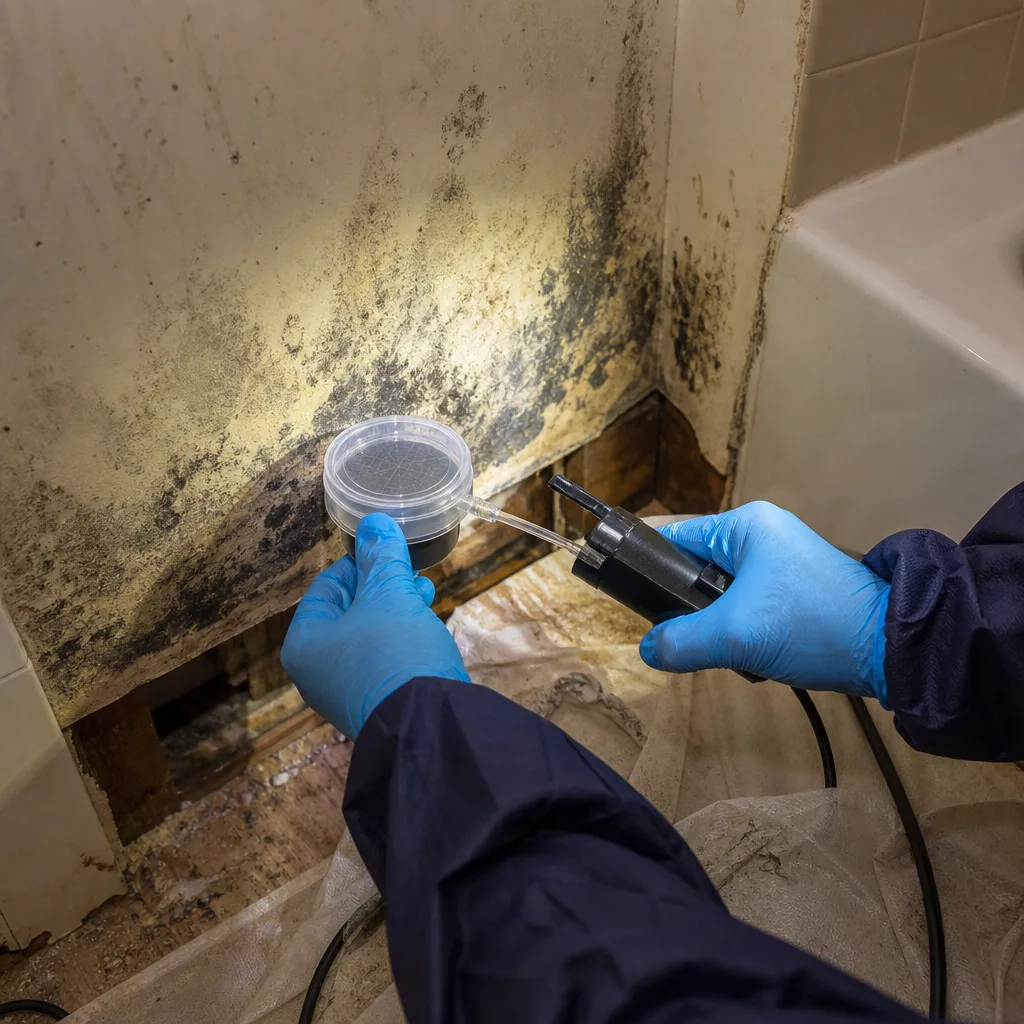
A mold inspection in Central Harlem should start with the building systems, not just the visible stain. We check steam risers, trap connections, bathroom stacks, and cellar walls, then sample the air and surfaces where warranted. In a pre-1978 building, the inspection also flags whether suspected mold is sitting behind painted surfaces likely to contain lead, because that fact changes the remediation sequence entirely.
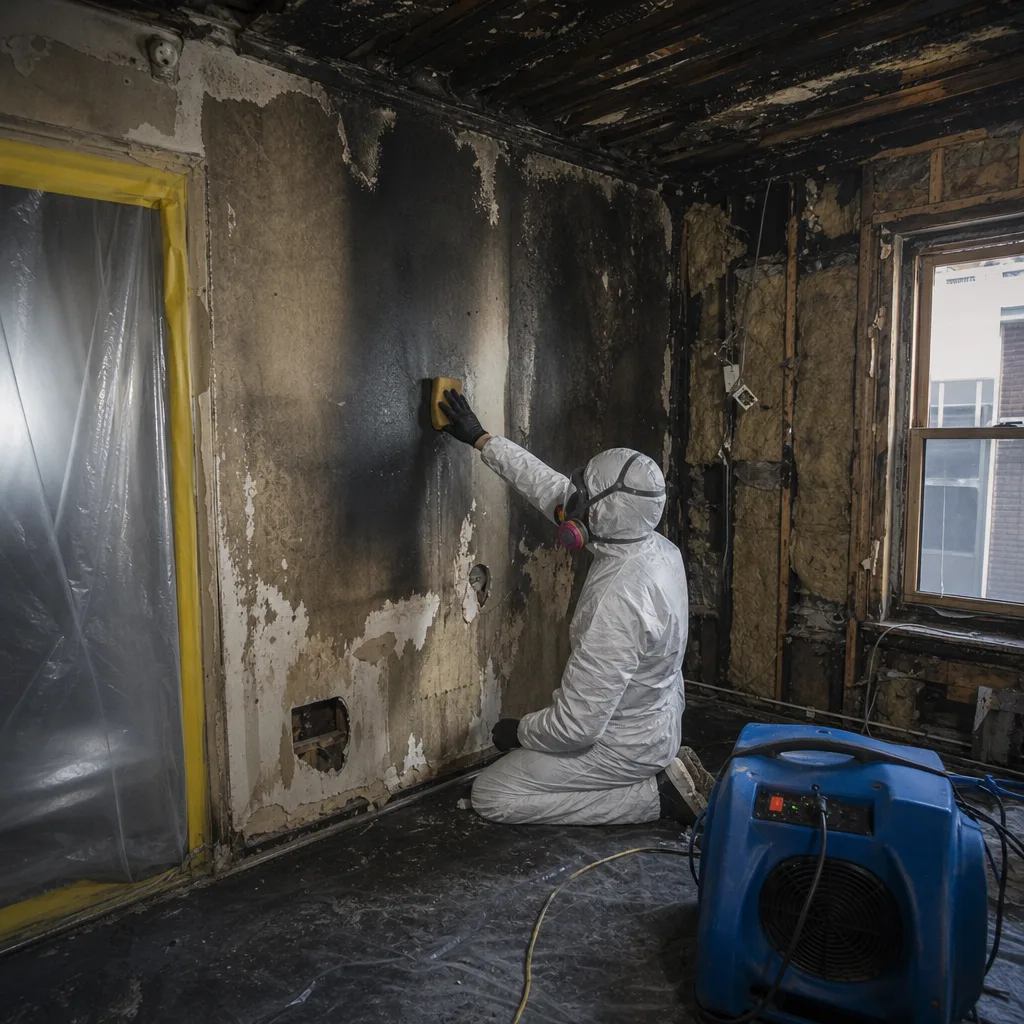
Mold Removal
Removal in Central Harlem means physically taking out material that cannot be salvaged: saturated lath, rotted baseboards, mold-rooted plaster brown coat. Surface wiping alone will not clear a wall cavity that has been fed by a slow riser leak for weeks. We remove what must go, treat what can stay, and document the destruction for your carrier as part of the written scope.
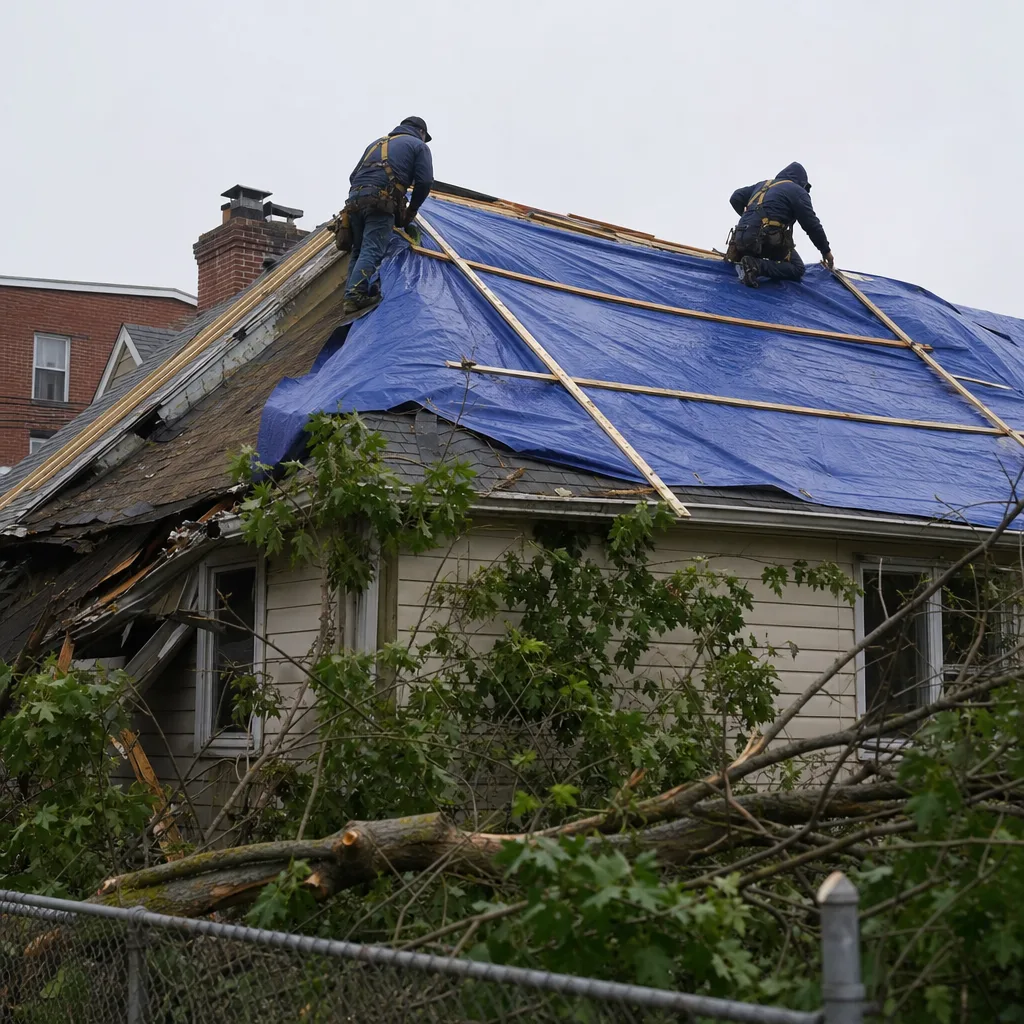
Black Mold Remediation
Stachybotrys, or black mold, grows on materials that have been wet for extended periods: the paper face of old gypsum, the wood lath behind plaster, the underside of original hardwood floors. In Harlem walk-ups, we see it most in concealed spaces fed by slow steam-trap or supply-line drips. Full containment, HEPA scrubbing, and post-remediation clearance testing are non-negotiable on these jobs. We do not do shortcuts on black mold. Period.
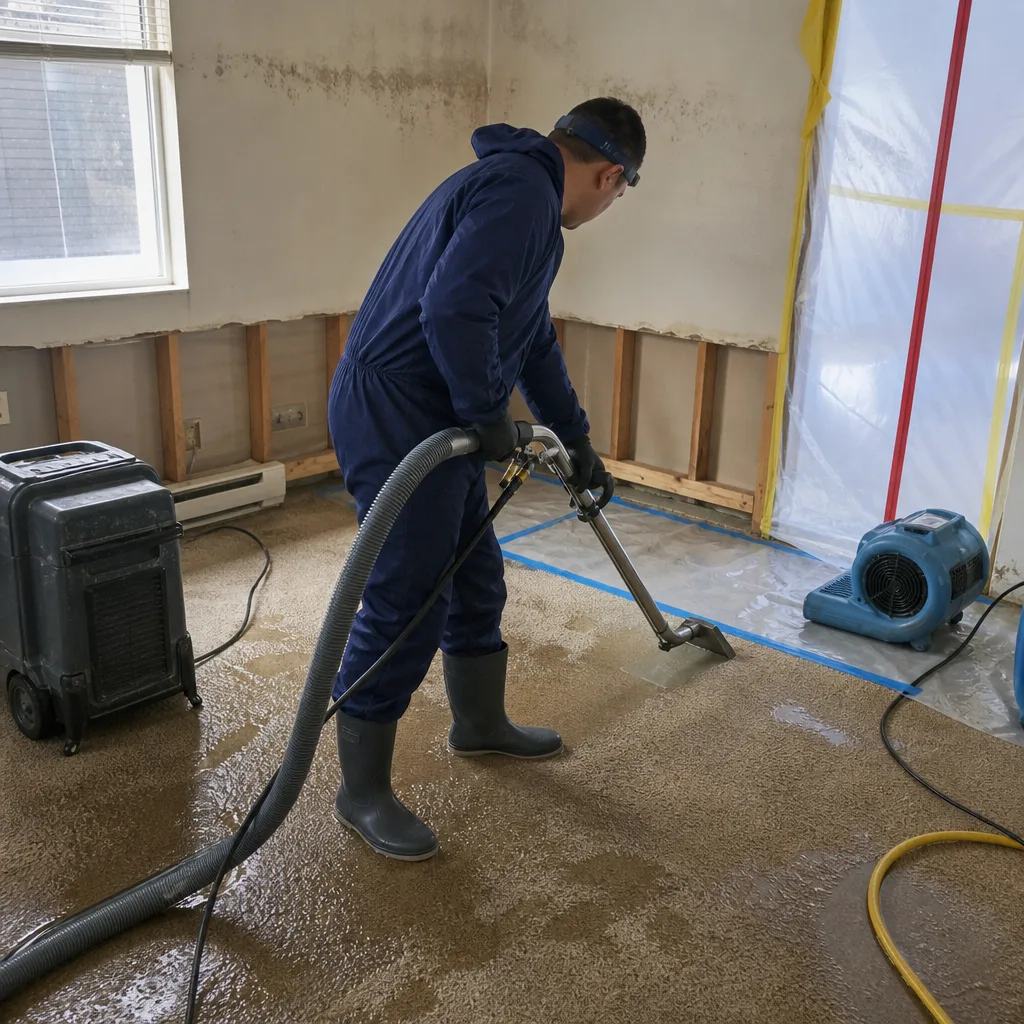
Air Quality Restoration
After physical removal, the air in a pre-war apartment still holds spores, mycotoxins, and fine plaster dust. We run HEPA air scrubbers for the duration of the job and perform post-remediation verification so you are not guessing. In multi-unit buildings, we also check that negative pressure held so nothing drifted into a neighbor’s unit through a shared stairwell or a forgotten chase.
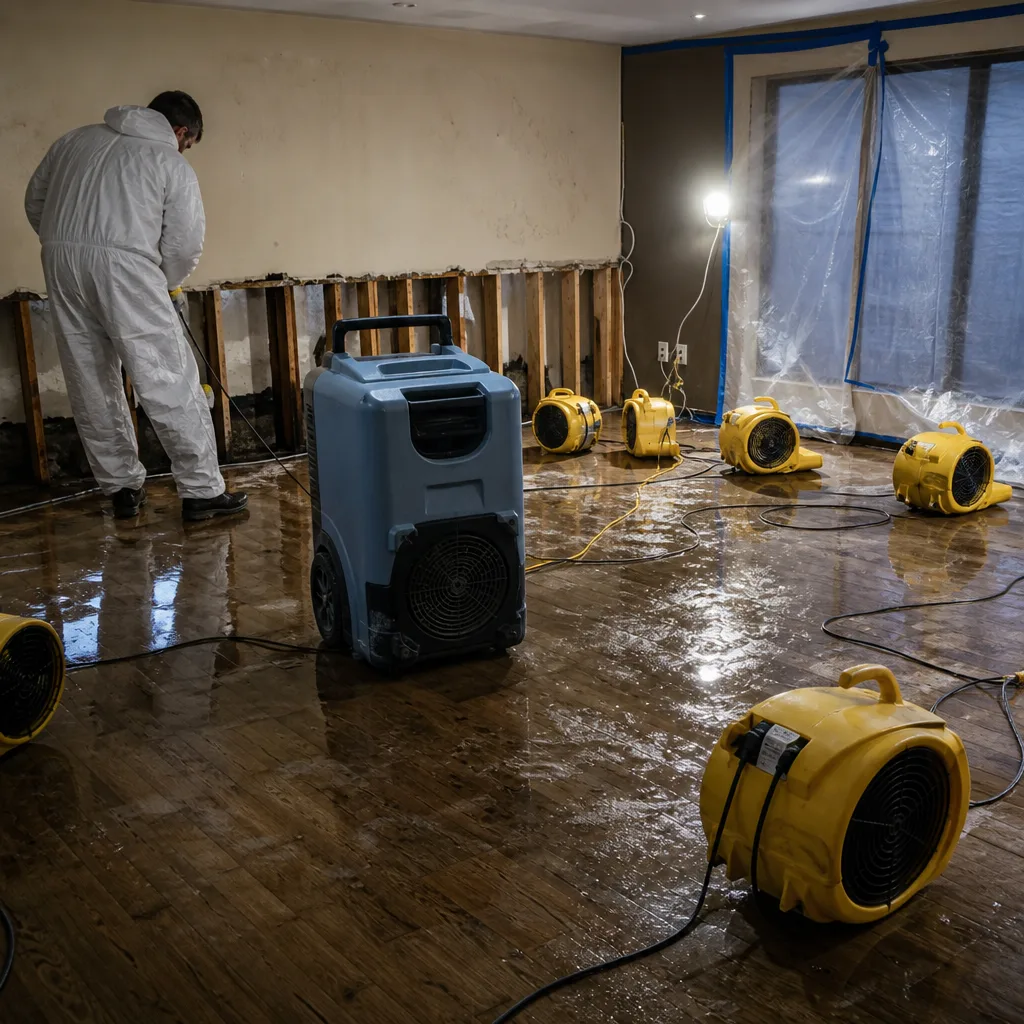
Crawl Space Treatment
Some Central Harlem brownstones have shallow crawl spaces under the parlor floor, original to the building and nearly impossible to access without cutting. When mold is feeding down there, it sends musty air up through floorboards for years. We access, dry, treat, and seal these spaces using a moisture control approach that does not trap humidity in century-old masonry.
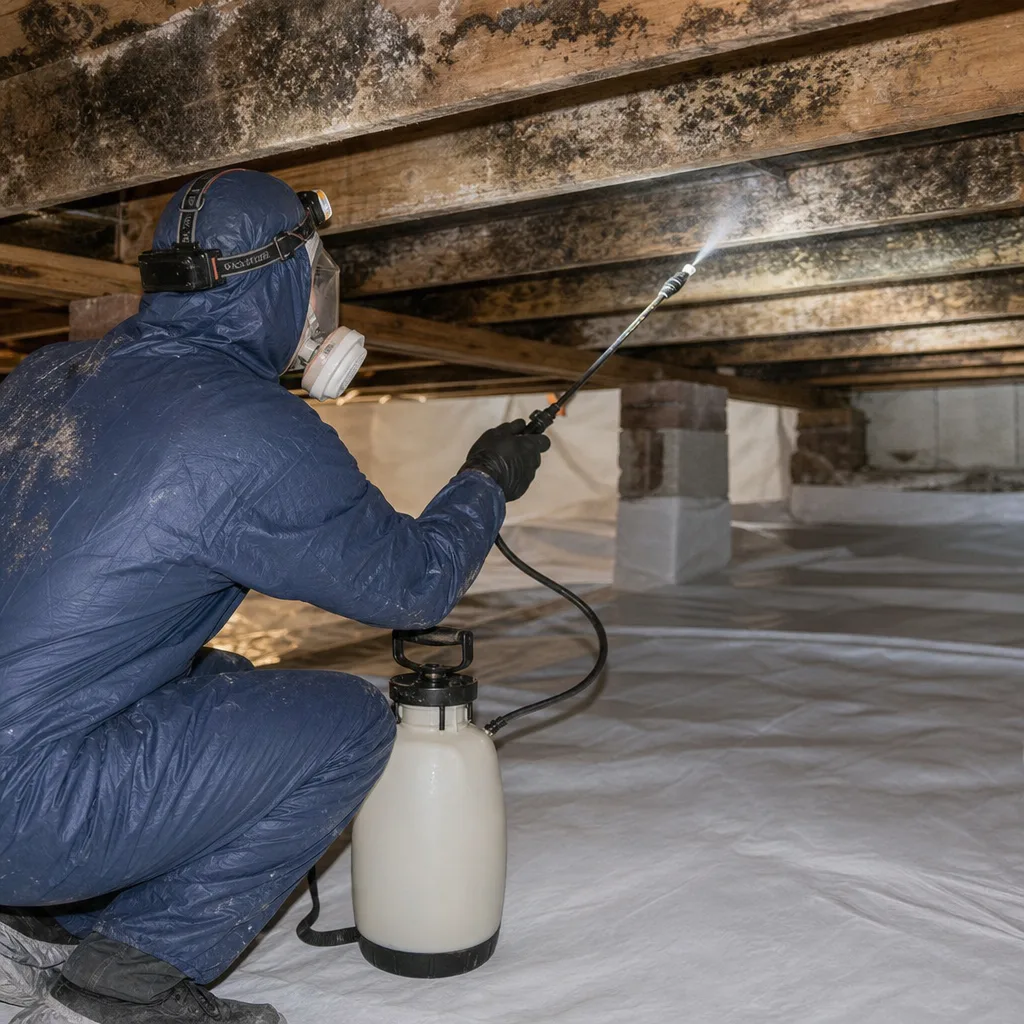
Moisture & Humidity Control
Mold comes back when moisture does. In Central Harlem’s steam-heated buildings, the humidity source is often a hidden one: a slow trap leak, a rotted riser, or exterior spalled brick wicking rain into a party wall. We identify and correct the moisture source, not just the mold. That is the difference between remediation and repeat visits.
Our Mold Remediation team handles every one of these services in Central Harlem with the same standard: written scope, certified crew, clearance testing, and a 90-Day Done Right Promise in your hands at the end.
What happens when you call
- 1
A real person answersNo phone trees - you reach a local pro.
- 2
You get an upfront price rangeHonest numbers before anyone is dispatched.
- 3
A background-checked tech heads outLicensed & insured, dispatched right away.
- 4
You approve before work beginsNothing starts until you say go.
Mold Remediation Costs in Central Harlem, NY
Mold inspection and testing in Central Harlem runs $350-$650 for a single unit with basic air and surface sampling; a full multi-floor building inspection with lab analysis falls between $900 and $1,800. Mold removal for a contained closet or bathroom wall typically lands at $2,800-$6,000. A full brownstone parlor-floor remediation with original plaster work runs $8,000-$18,000. A whole building multi-unit job, which is common here when a riser fails, runs $20,000-$55,000 and up depending on the number of floors affected and whether lead or asbestos abatement is triggered. What moves the price: whether the mold is confined to one wall cavity or has traveled through plaster ceilings, whether lead-paint stabilization or asbestos survey is required before demolition, and whether original plaster and tin ceilings must be preserved versus replaced. Insurance may cover the water event and some demolition; the mold remediation portion is often a separate line. The free inspection is the path to a firm number. We write the scope, you see every line item, and nothing starts until you approve it.
We serve all of Central Harlem and the surrounding neighborhoods. If you live here, we work here, and we know what your building is made of.
We Also Serve Cities Near Central Harlem
In addition to Central Harlem, Floodline Restoration Co. handles mold remediation jobs in nearby Long Island City, Greenpoint, Williamsburg, and Murray Hill. Each of those neighborhoods has its own building stock and moisture patterns, and we dispatch to all of them with the same live 24/7 answer and certified crews.
Serving Central Harlem, NY - Our Local Coverage Area
We’re based in the Central Harlem area and know this community well. Use the map below to see our service coverage - if you’re nearby, we can almost certainly help.
Central Harlem Mold Remediation Questions, Answered
Does every mold remediation job in Central Harlem require lead and asbestos abatement first?
Not every job, but nearly every one in a pre-1978 brownstone or walk-up triggers a lead-paint and asbestos survey before we can open any wall or remove plaster, and many jobs then require stabilization or abatement as a precondition to mold work. In practice, if your building was constructed before 1978 and we are cutting into painted plaster or disturbing suspect ceiling backing, the answer is almost always yes, and we sequence that survey into the front of the job so you are not stopped mid-project. Call (716) 452-0798 and we will tell you what your building specific situation requires.
Why do steam radiators cause so many hidden mold problems in Harlem walk-ups?
Steam heat moves through cast-iron risers and traps that have been running since the building went up. When a riser corrodes or a trap fails, it leaks inside a wall or floor cavity at temperatures that feed rapid mold growth, and because the leak is concealed, it can run for days or weeks before anyone sees a stain. By then it has usually saturated the plaster ceilings on every floor below. We always probe around risers and traps on any Harlem mold job, even if the call came in for something else.
Can you dry moldy original plaster in a landmarked Central Harlem brownstone, or does it have to be removed?
It depends on how saturated the plaster is and how deep the mold has rooted. Surface mold on unpainted plaster can often be HEPA-cleaned and treated, preserving the original surface. Mold that has rooted into the brown coat or the lath behind it cannot be reliably cleaned, and that material has to be removed and rebuilt to match. In landmarked districts, we coordinate that work with LPC before we touch anything, and we rebuild in kind: three-coat plaster, matching cornice profiles, period-appropriate finishes.
What’s different about mold from spalled brick and open mortar joints in Central Harlem versus a leaky roof?
A roof leak usually announces itself with a ceiling stain after a storm. Spalled brick and open lime mortar wick moisture into a wall slowly, season after season, so the mold grows behind plaster where no one sees it until odor or flaking paint gives it away. The source is the building’s exterior masonry, not the roof, so fixing the mold without repointing the brick means the problem comes back. We identify that source on inspection and include it in the written scope so you are not paying for remediation twice.
How do you handle mold in a Central Harlem walk-up where the leak affected multiple floors and multiple owners?
We set up containment per floor, document per unit, and coordinate with the individual owners, the board, and the insurance carriers separately. A fourth-floor riser leak in Central Harlem commonly means water on three floors and multiple policies in play, so we produce unit-by-unit scopes and drying logs that each carrier can read independently. We speak directly with adjusters and do not ask any owner to translate technical details to their own insurer. It is the only way these jobs stay orderly.
How fast can you actually get to a mold job in Central Harlem?
We commit to a 45-minute response for emergency mold work in Central Harlem, which means a live dispatcher takes your call and a crew is rolling immediately if the job warrants. For non-emergency inspections, we schedule within 24 hours in most cases. The sooner you call, the less mold spreads through original plaster ceilings and the less it costs to fix. (716) 452-0798 is the number, and a person answers it.
Will my insurance cover mold remediation in a Central Harlem brownstone?
Coverage depends on your policy and the water event that caused the mold. Sudden and accidental water events are often covered, including the resulting demolition and repair, while the mold remediation itself may be a limited or excluded line. What matters is documentation: we photograph every stage, log moisture readings daily, and write a line-item scope that separates water damage from mold work so your carrier sees exactly what happened and when. Our direct billing and adjuster coordination removes you from the middle.
Can we stay in the apartment during mold remediation?
It depends on the size of the affected area, the type of mold, and whether containment can be isolated from the living space. For small contained jobs, often yes. For black mold or any job where we are running negative air and HEPA scrubbers through shared hallways, we usually recommend alternative arrangements during the active phase, which typically lasts one to four days. We will tell you straight at the inspection what your situation requires, and we will not downplay the risk.
The honest take. Central Harlem’s mold problems are older buildings, steam heat, and slow leaks that hide for years. The fix is not a spray bottle. It is a certified team that knows this building stock, sequences lead and asbestos correctly, preserves what is worth preserving, and writes you a written guarantee with their name on it. Curt Bowman founded Floodline Restoration Co. in 2010 around a dispatch board, not a sales desk, and the company has been answering live in the New York City metro ever since. If you have mold in Central Harlem, call (716) 452-0798. We will be there, we will find the source, and we will give you a written price before any work begins. Done right, and backed in writing.
Written by Curt Bowman, Owner at Floodline Restoration Co., serving Central Harlem and the greater New York City area. The line the water left is where we start.