
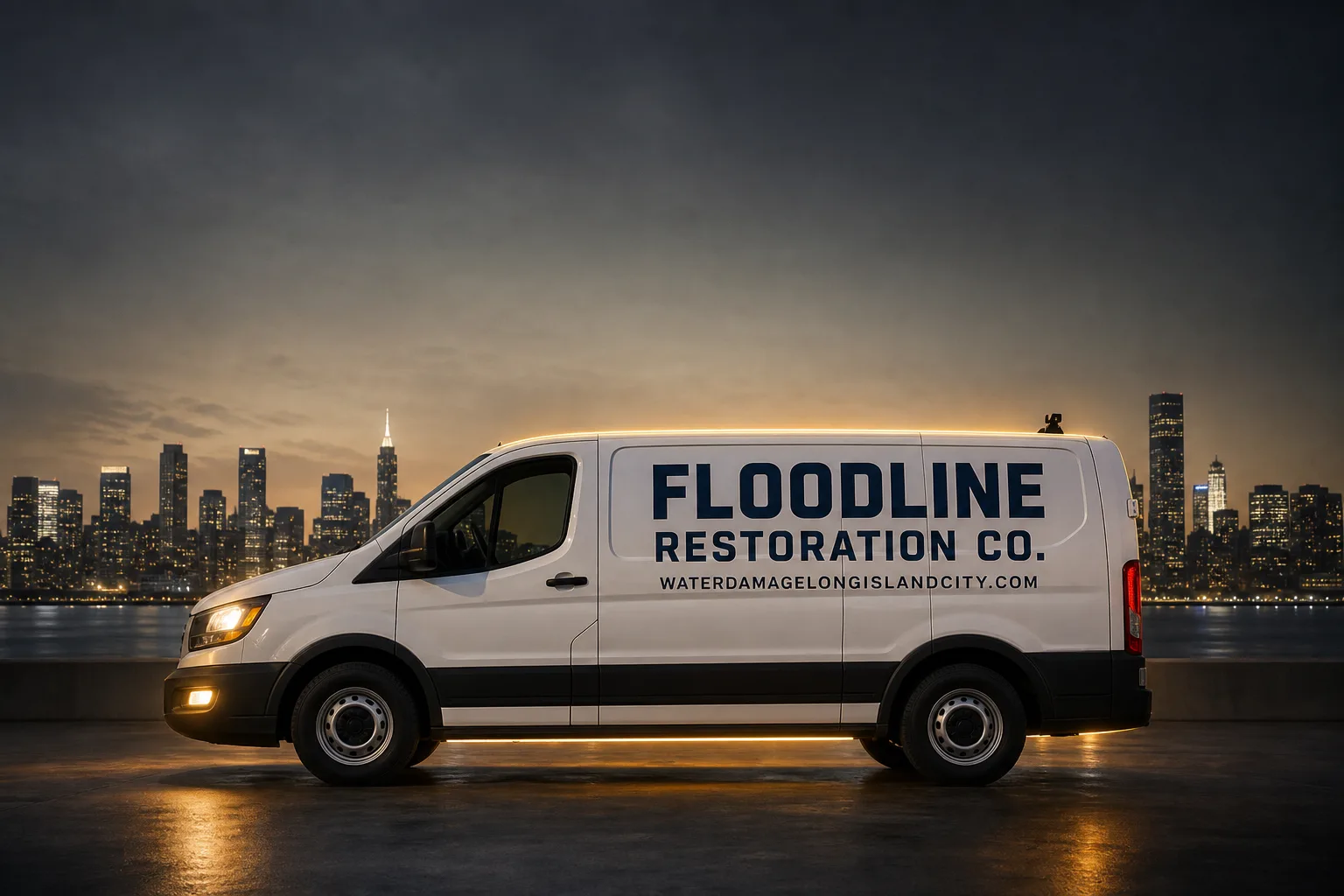
Free visual inspection and a written scope of work before any mitigation begins - photos, moisture readings, and drying logs go in your claim file
The scope we write is the scope we bill. Anything new gets shown to you, in writing, before we touch it.
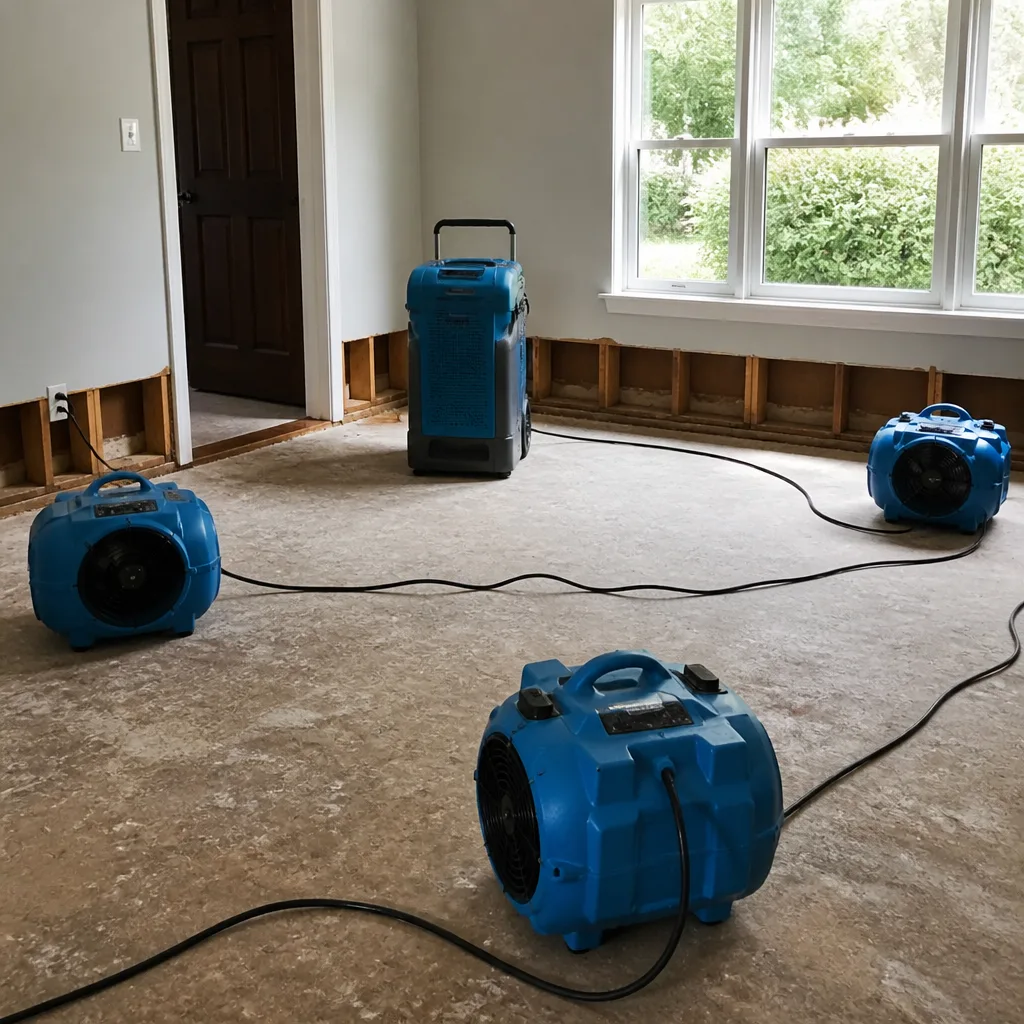
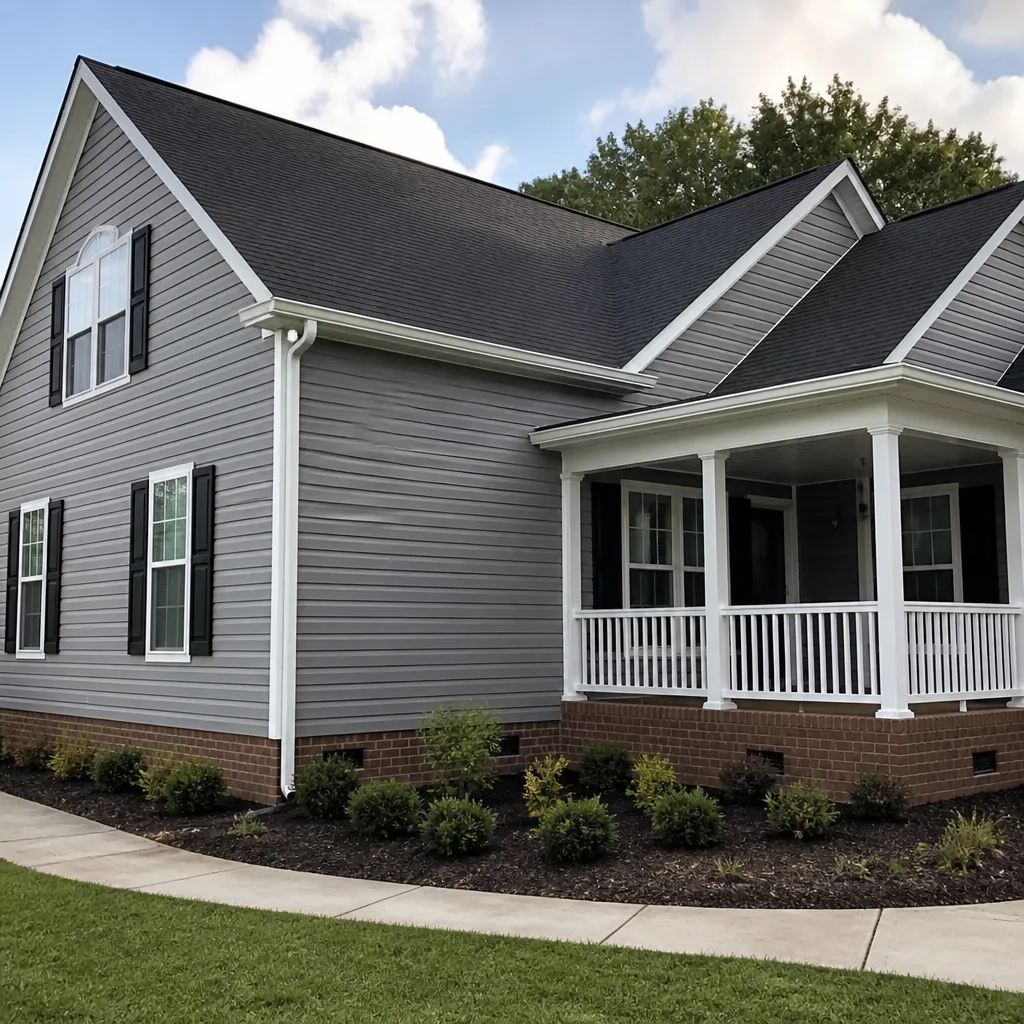
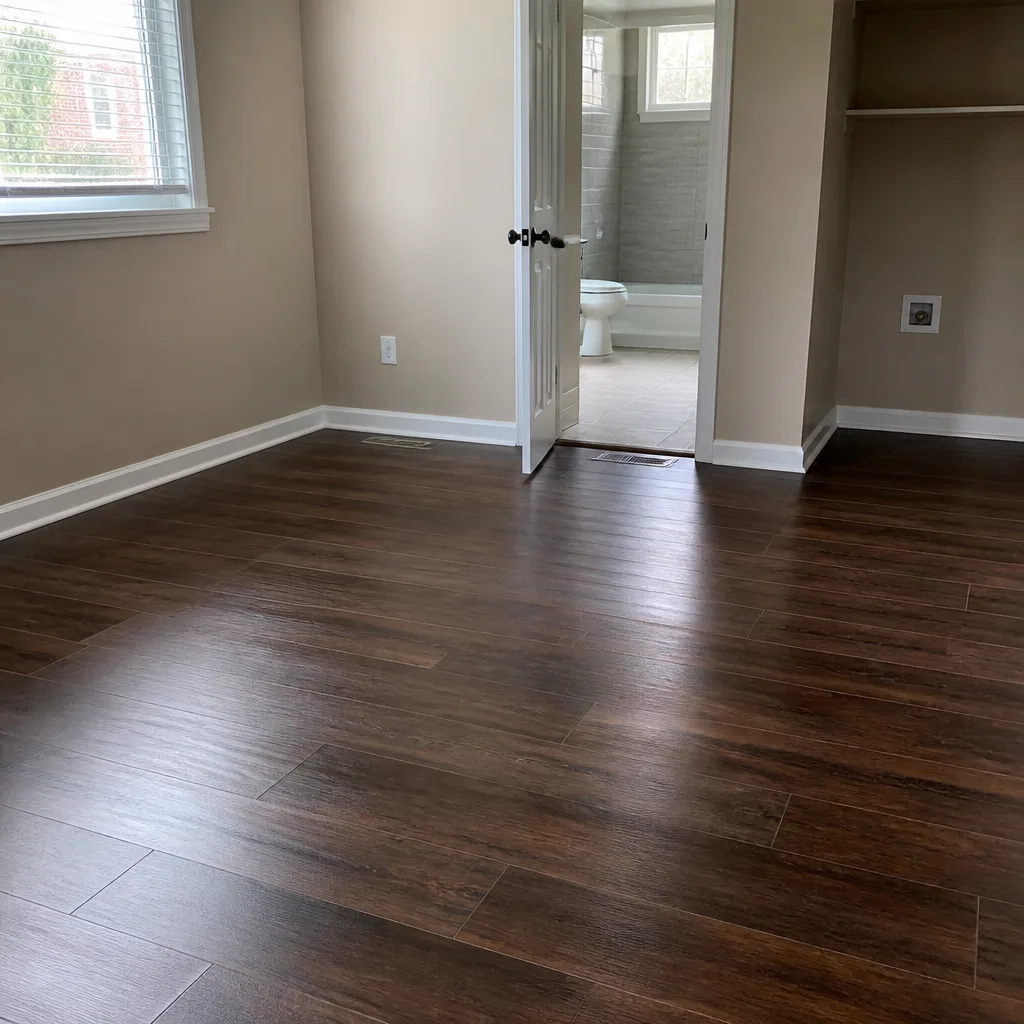
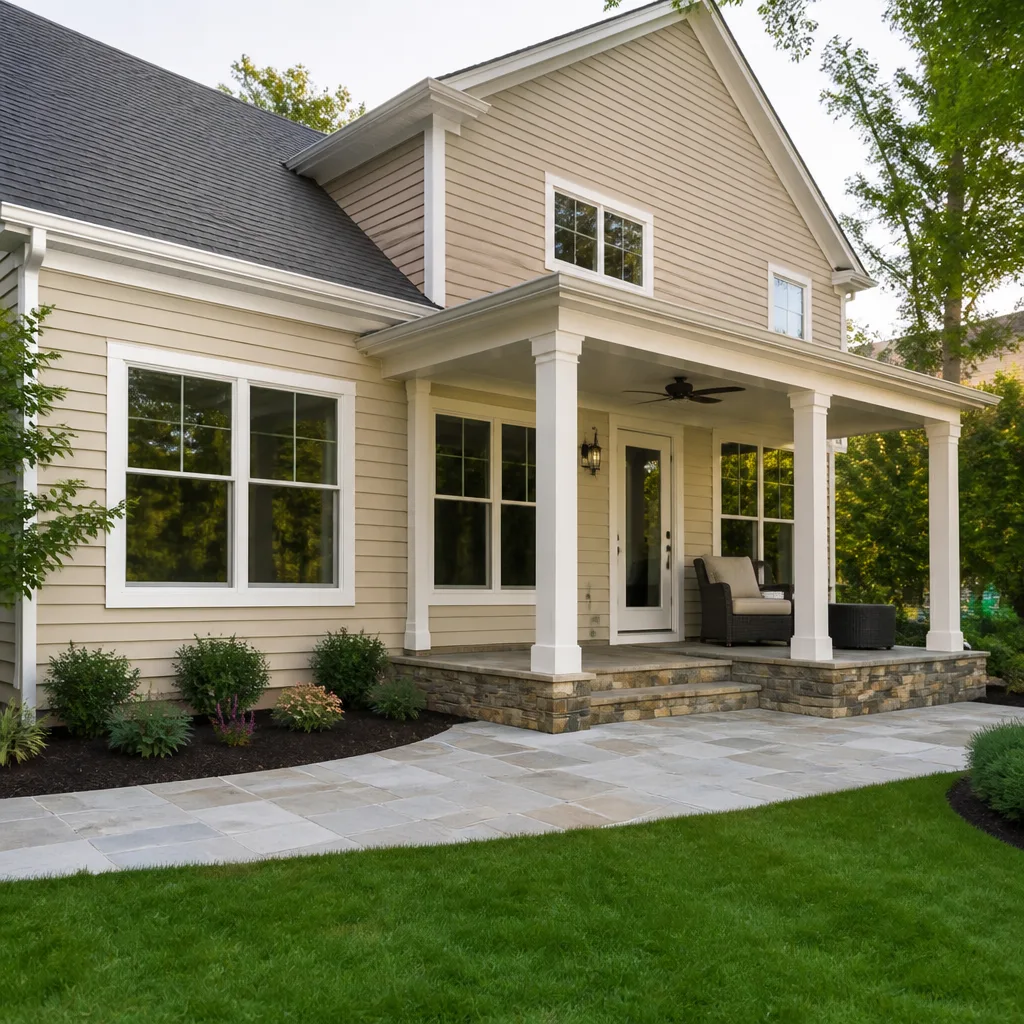
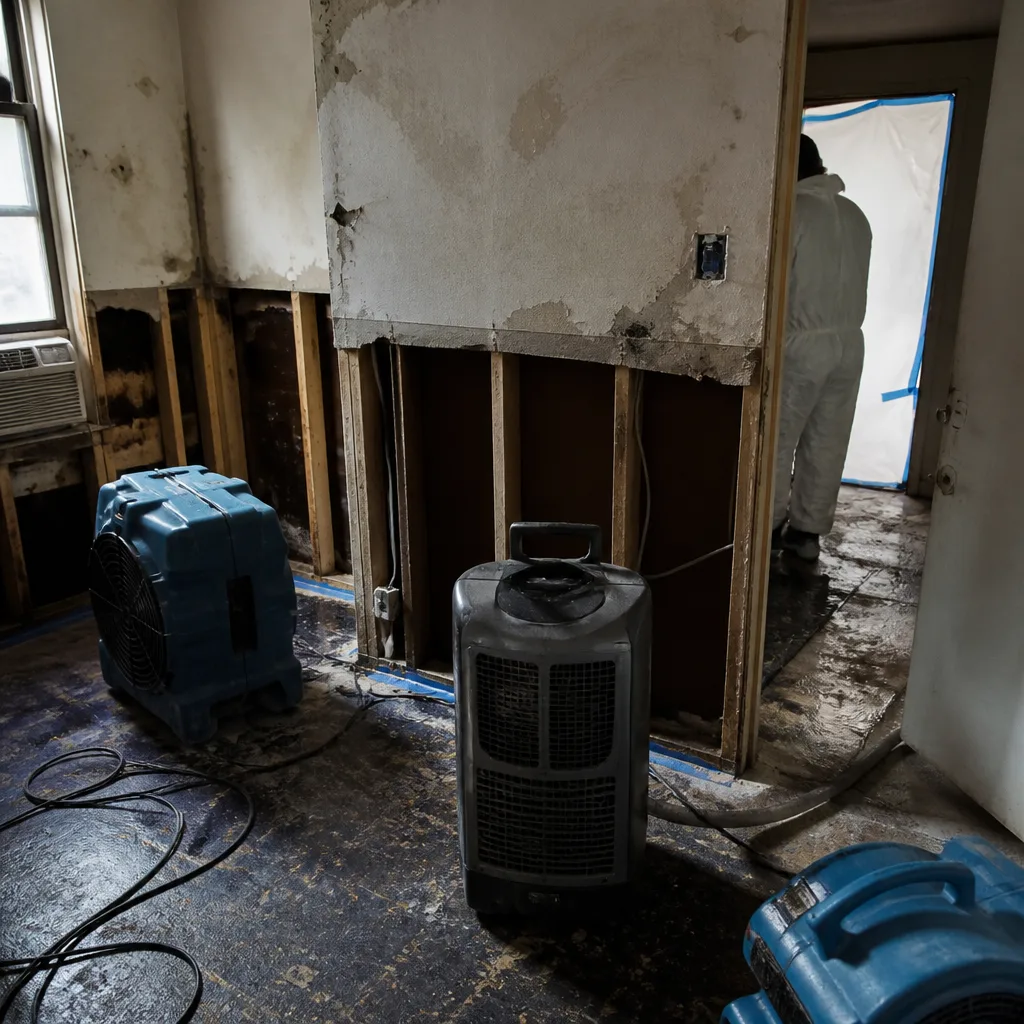 Before
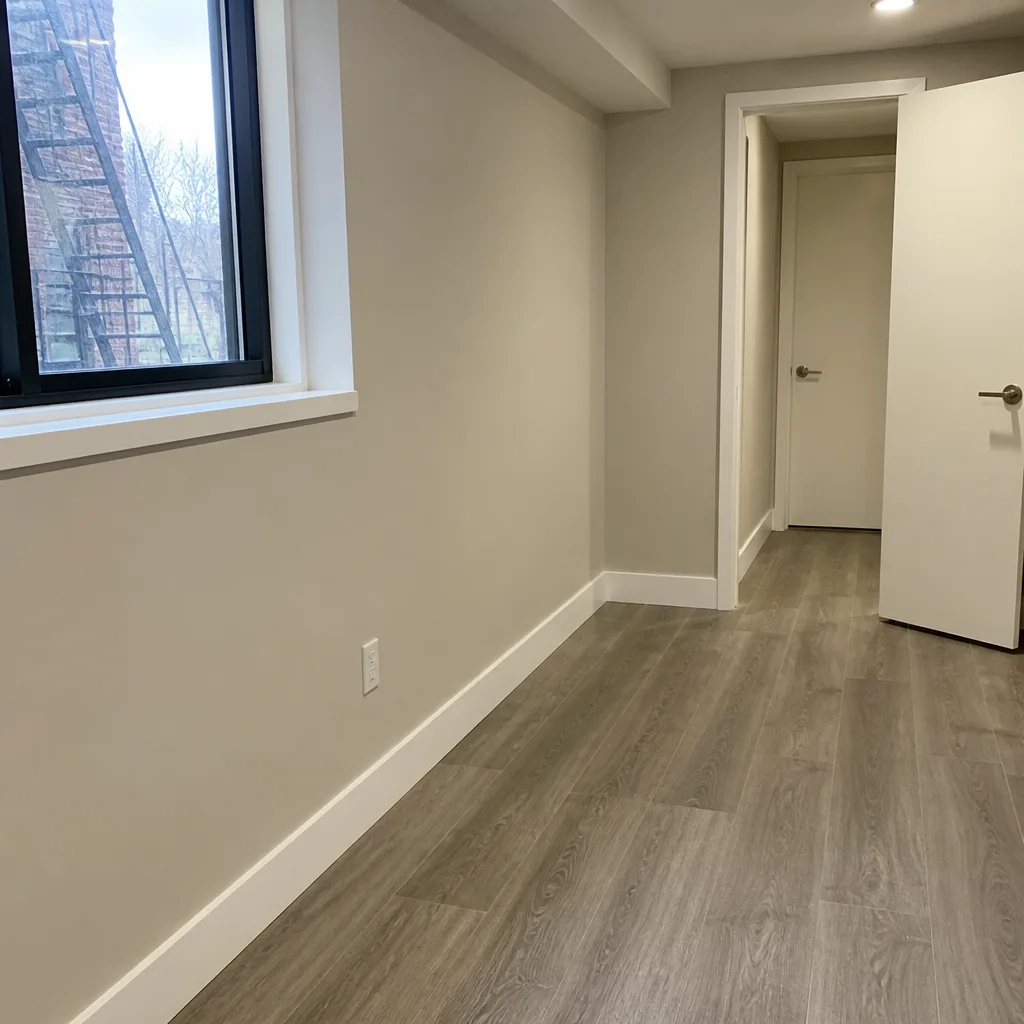 After
After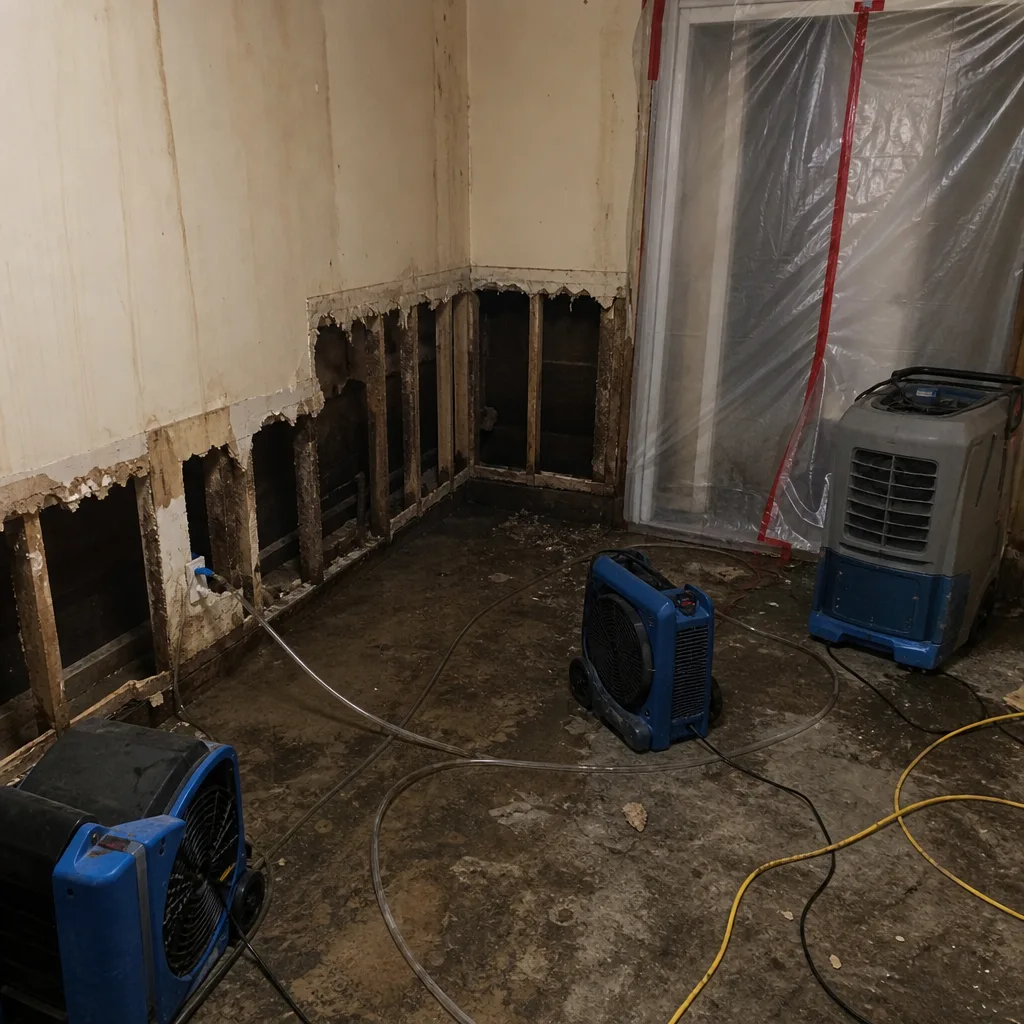 Before
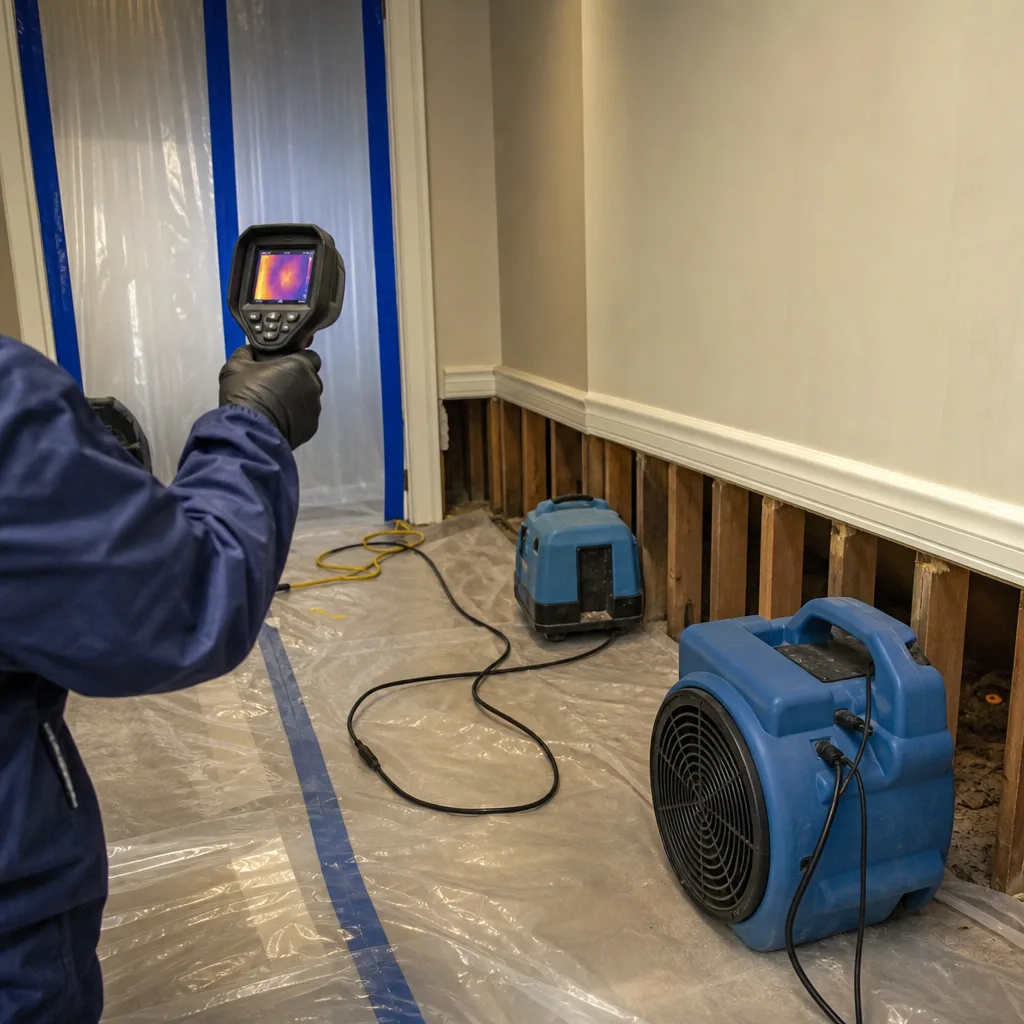 After
After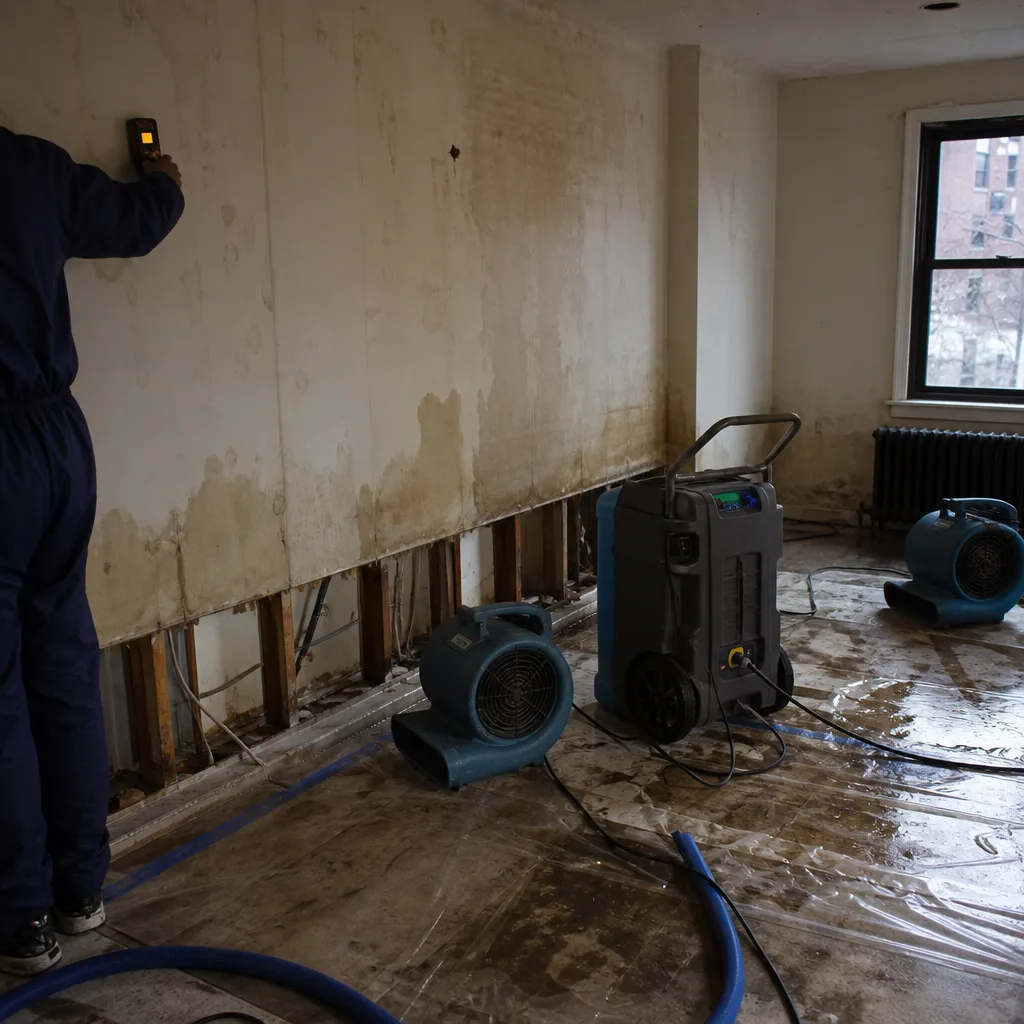 Before
 After
After24/7 Emergency Storm & Disaster Restoration in Central Harlem
Storm and disaster restoration in Central Harlem means we answer the phone at 2 a.m. with a live dispatcher, not a recording. Water, wind, and roof failures wait for no one, and the difference between a contained cleanup and a full gut renovation is often measured in the first few hours. If you’re standing in a flooded apartment on Frederick Douglass Boulevard or watching plaster fall from a ceiling on West 135th Street, call (716) 452-0798 right now. A certified Floodline Restoration Co. crew serving Central Harlem will reach your building, stabilize the damage, and start extraction the same visit. Our Storm & Disaster Restoration team handles everything from emergency board-up to full structural drying, and we arrive with a written scope, not a sales pitch.
Understanding Storm & Disaster Restoration Severity in Central Harlem Properties
Severity in Central Harlem is rarely about the storm alone. It is about what the storm hits. Most buildings here went up between 1890 and 1930: brownstone row houses and five- to six-story walk-up tenements with original plaster-on-lath walls, tin ceilings, and steam radiators that have been heating the same rooms for a century. When a nor’easter drives rain through worn brick pointing or a thaw-cycle splits a frozen riser behind a wall, the resulting water intrusion often crosses from Category 1 (clean supply water) into Category 2 or 3 within 48 hours as it picks up dust, plaster residue, and whatever has accumulated inside a 100-year-old wall cavity. We moisture-map every affected surface, read the spread across floors and party walls, and set drying targets based on the actual building materials, not a generic square-footage chart. In Central Harlem, that means we are working with lime plaster, hardwood over wood joists, and original tin, which dry differently than sheetrock over steel studs. Miss that distinction and you get a building that looks dry and smells damp six months later.
Why Central Harlem Property Owners Choose Floodline Restoration Co.
- A live answer, every hour, every day. Our dispatchers are actual employees who pick up the phone at 3 a.m. and know how to route a crew to Central Harlem without a callback delay.
- Certified to the standards that matter. Our techs carry IICRC WRT, FSRT, and AMRT certifications, plus RIA and IFA training, and they are background-checked and uniformed before they step into your building.
- A free visual inspection with a written scope. We tell you what needs to happen, what it will cost, and what can wait. No verbal estimates that inflate after demolition starts.
- Direct insurance billing, handled by us. We bill your carrier directly, send the adjuster our documentation, and you do not play messenger between a carrier desk and a crew lead.
- One team from extraction to rebuild. The same Floodline crew that sets the containment and runs the dehumidifiers is the crew that replaces the plaster and repaints. No mid-job handoff to a subcontractor you have never met.
- Professional-grade drying equipment on every job. Dri-Eaz dehumidifiers, Phoenix air movers, XPOWER fans, and B-Air equipment with daily moisture logs until the dry standard is met.
Our Storm & Disaster Restoration Process
Inspection & Assessment
We walk the affected floors, the floors above, and the floors below. Thermal imaging finds water that visual inspection misses, especially inside Central Harlem’s plaster walls where a hidden steam-riser leak can travel three or four floors before it shows. You get a written damage map and a firm next step, not a vague “we’ll see what we find.”
Extraction & Stabilization
Submersible pumps and truck-mounted extractors pull standing water from floors and wall cavities. If a roofer has opened your building to the weather, we install emergency board-up and roof tarping the same visit. Stabilization stops the loss from growing.
Drying & Dehumidification
We place Dri-Eaz and Phoenix dehumidifiers with XPOWER air movers in a calculated drying layout based on your building’s plaster density and joist depth. Daily hygrometer readings track progress against a dry standard specific to the materials, not just the air. We hand you and your carrier the log.
Cleaning & Sanitization
After drying, we clean affected surfaces with antimicrobial agents and our Sanitization Services in Central Harlem, chosen for the water category. In pre-1978 buildings, that step happens only after we have tested for lead paint and asbestos and documented that any required abatement is in place.
Storm-Specific Treatment
Storm damage in Central Harlem often means brick facade leaks, wind-driven rain through original windows, and debris that has carried contaminants into living spaces. We treat the specific exposure: HEPA air scrubbing where mold spores are present, targeted masonry drying where open mortar joints have soaked through, and structural inspection where wind has stressed lintels or cornices.
Repairs & Restoration
This is where Reconstruction & Cleanup in Central Harlem begins with the same crew: historic plaster repair, lath replacement where needed, refinishing tin ceilings, repainting to match. We do not stop at dry. We return the room to the condition it was in before the loss, and we stand behind the work with the 90-Day Done Right Promise in writing.
Need Emergency Storm & Disaster Restoration in Central Harlem Now?
Crews minutes away, answering live 24 hours a day. The sooner we start, the less it costs.
Working With Your Insurance Company
We have handled storm and disaster claims in Central Harlem long enough to know that a carrier pays faster and more fairly when the loss is documented like a medical record. From the first hour, we photograph every affected room, log every moisture reading, and write a line-item scope that matches the carrier’s own estimating format. We talk to your adjuster directly, explain why certain materials cannot be swapped for cheaper modern equivalents in a historic building, and we provide photo evidence when an original tin ceiling must be restored rather than discarded. You are copied on the documentation, not asked to translate between us and the carrier. Curt Bowman built Floodline Restoration Co. on direct insurance billing, and we have never asked a Central Harlem homeowner to manage a claim alone.
What We Provide Your Insurer
- Thorough documentation of the loss
- Photos of all damage, room by room
- Moisture readings and drying logs
- A detailed, line-item scope of work
- Direct coordination with your carrier
Built for Central Harlem’s Loss Calendar
Central Harlem’s property losses follow the seasons, and the building stock makes certain months more dangerous than others. January and February bring deep-freeze cycles that burst the cast-iron and galvanized supply lines still running through uninsulated exterior walls in the neighborhood’s tenement walk-ups. When a fourth-floor riser freezes and splits, water drops through four floors before anyone notices; that is not a storm problem, it is a building-stock problem. Spring thaw drives ground-level seepage into century-old cellar foundations, and the same lime mortar that has held brick facades since the 1890s starts to spall after a season of freeze-thaw stress. Summer thunderstorms overload the flat-roof drains on many Harlem apartment buildings, backing water up under roof membranes. Autumn brings nor’easter season, the time when wind-driven rain finds every open mortar joint, every failed window seal, every loose cornice on the pre-war housing stock. We plan our dispatch and our training around this calendar because the building ages demand it.
Storm & Disaster Restoration Across Central Harlem’s Neighborhoods
Central Harlem is not one housing stock. It is a patchwork, and the restoration approach changes block by block. Along Strivers’ Row, the landmarked 1890s brownstones north of West 138th Street have original ornamental plaster and mahogany interior trim; restoration there often requires Landmarks Preservation Commission coordination before any wall or cornice work can proceed. Around the West 135th Street corridor, five-story tenements with interior stairwells and shared risers mean one upper-floor leak becomes four simultaneous apartment claims, and our drying plan has to account for occupied units below. East of Lenox Avenue, the side streets between 125th and 120th have walk-ups with shallow roof pitches and long parapet walls that catch nor’easter wind. Near Marcus Garvey Park, some brownstones sit on shallow bedrock with cellar floors below grade, so a storm flooding the street is also flooding the front vaults and boiler rooms. Knowing the block we are responding to changes where we look first and how we stage the equipment.
Specialized Storm & Disaster Restoration Services We Offer in Central Harlem
Flood Damage Restoration
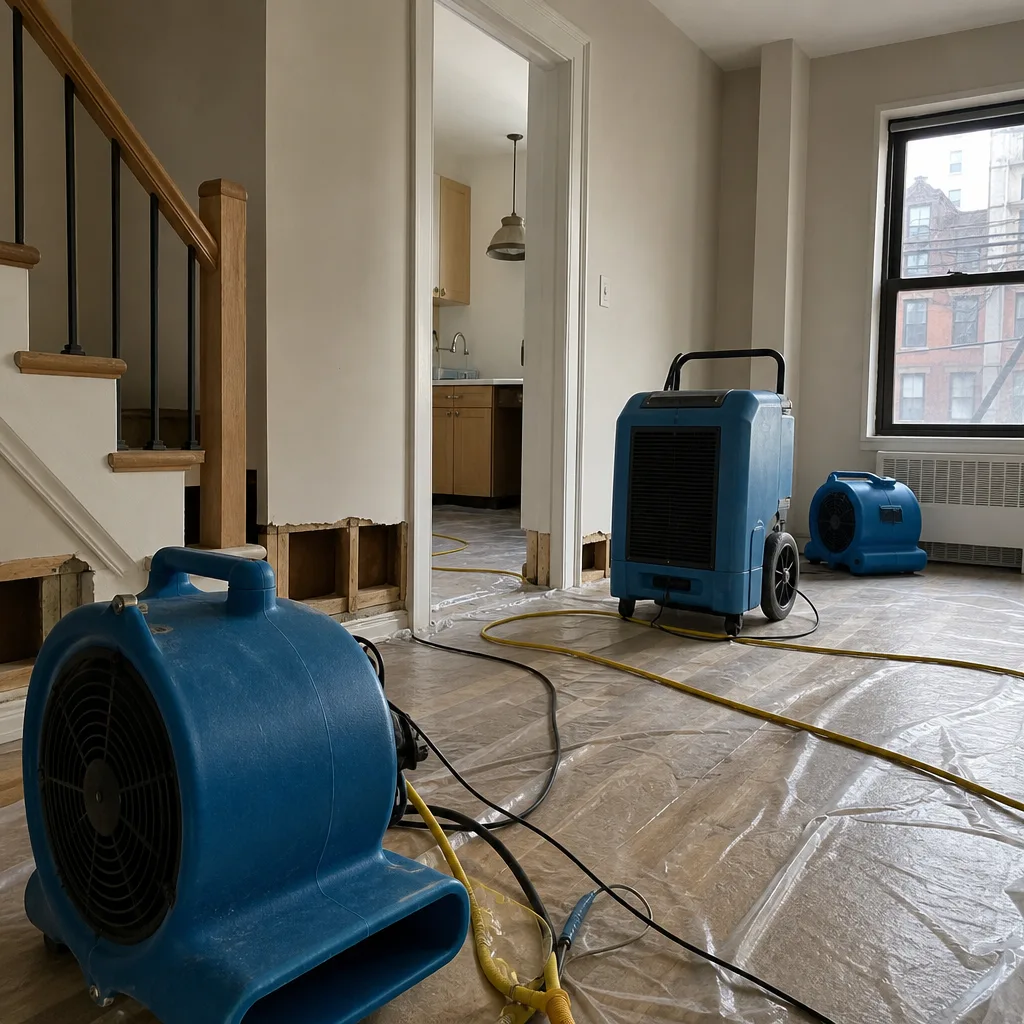
Flood water in Central Harlem enters through roofs, windows, utility penetrations, and sewer backups. In pre-1978 buildings, we treat every flood as a potential lead and asbestos exposure event until testing says otherwise. We extract, contain, dry, and rebuild, with air scrubbing throughout the drying phase. A full flood restoration in a Harlem brownstone typically runs $4,200 to $14,500 depending on the number of floors affected and whether original plaster must be repaired rather than replaced.
Water Extraction
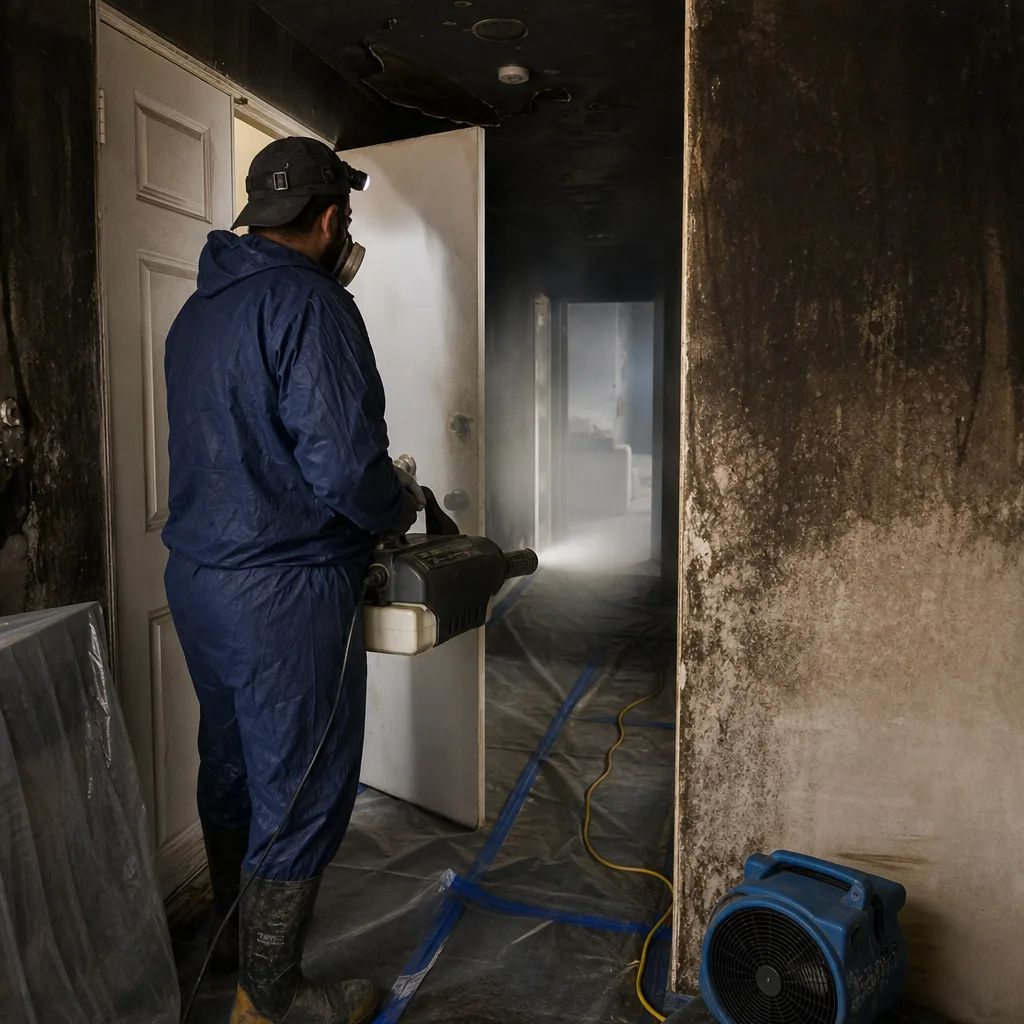
Standing water pulls into wood, wicks up plaster, and saturates the dead space between joists within hours. Our extraction teams run truck-mounted pumps and portable extractors on the first visit, and we cut drainage openings in plaster only where the cavity mapping says water is trapped. For steam-radiator leaks, extraction often means opening a small chase in the wall at the riser location, not tearing out entire ceilings. Water extraction alone in Central Harlem, before drying, usually runs $2,800 to $7,000 depending on square footage and the number of rooms involved.
Emergency Board-Up
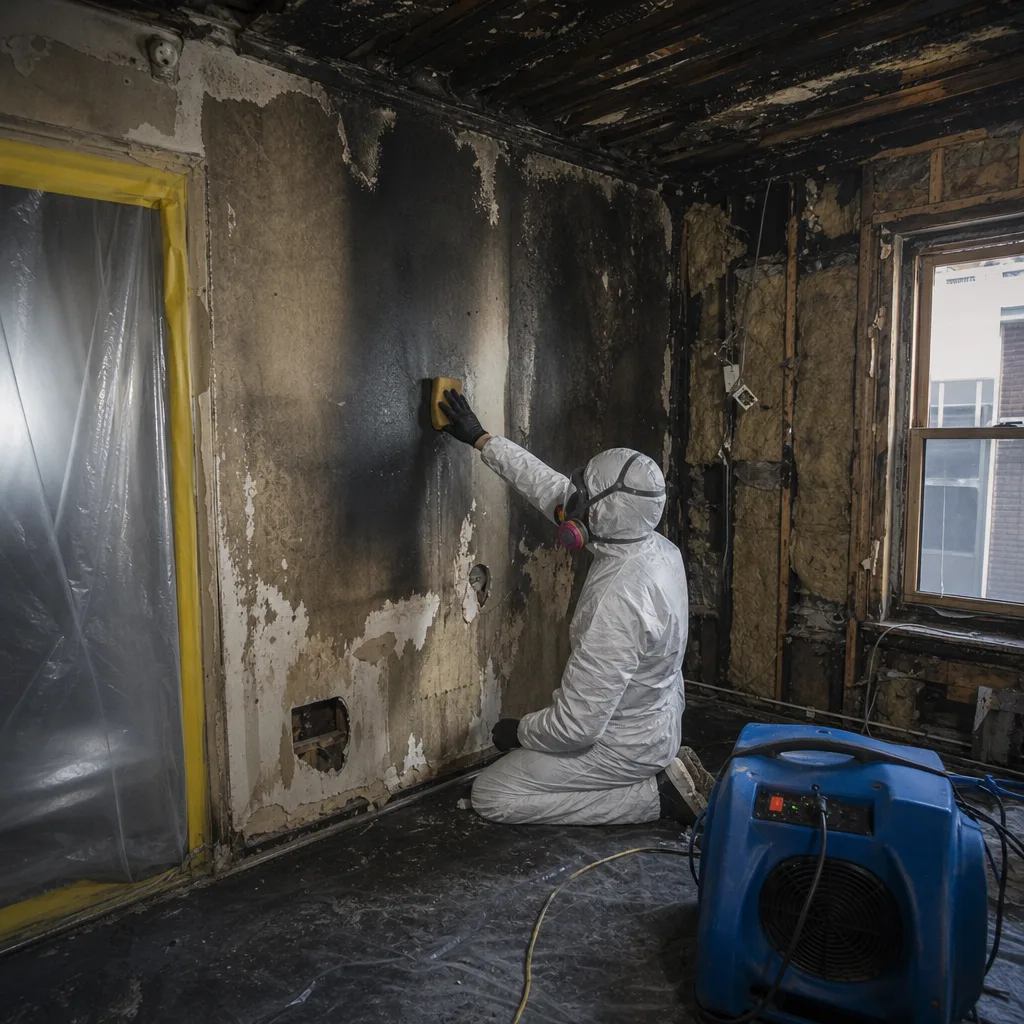
When wind rips a window frame out on a Lenox Avenue walk-up or a collapse opens a top-floor wall to the rain, we board and tarp the same night. Emergency board-up and roof tarping in Central Harlem typically runs $850 to $2,400, and we document every penetration with time-stamped photos for your claim. The goal is simple: stop the weather from making a bad loss worse.
Structural Drying
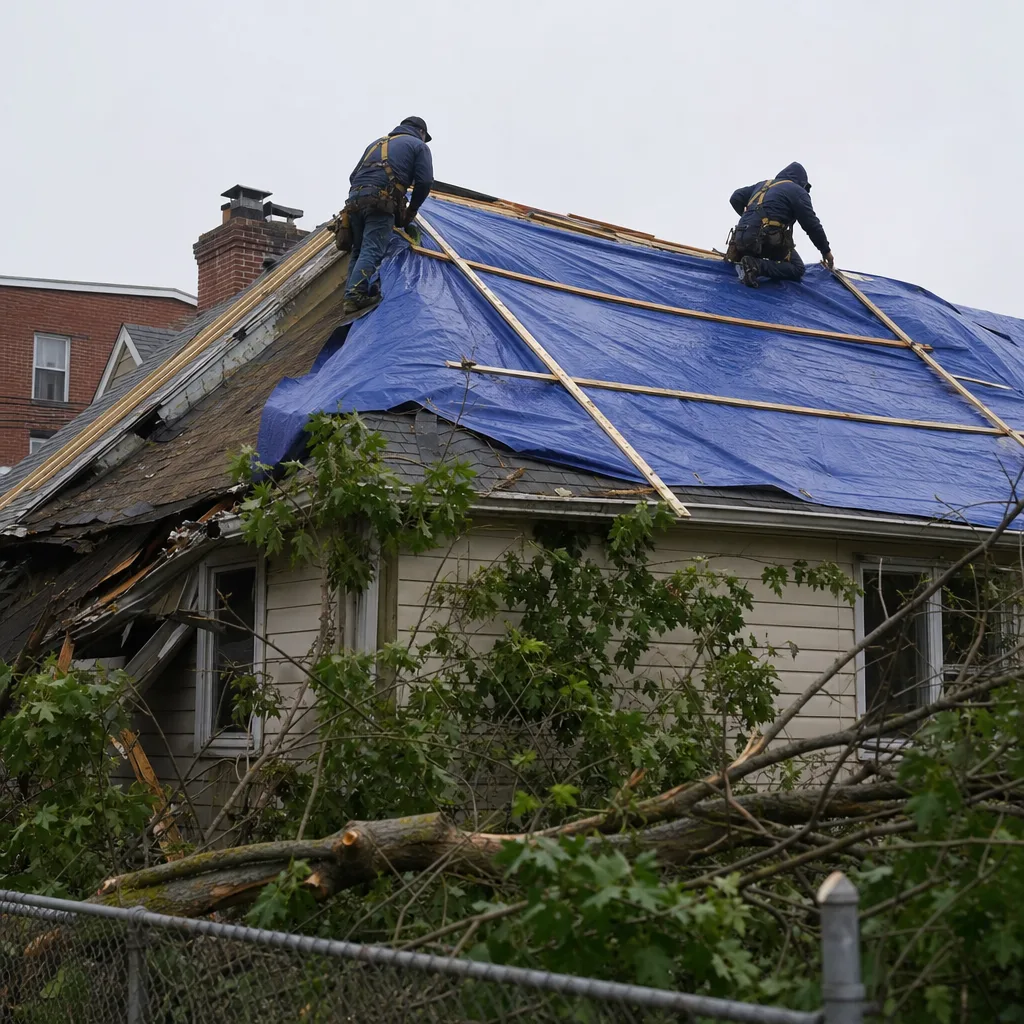
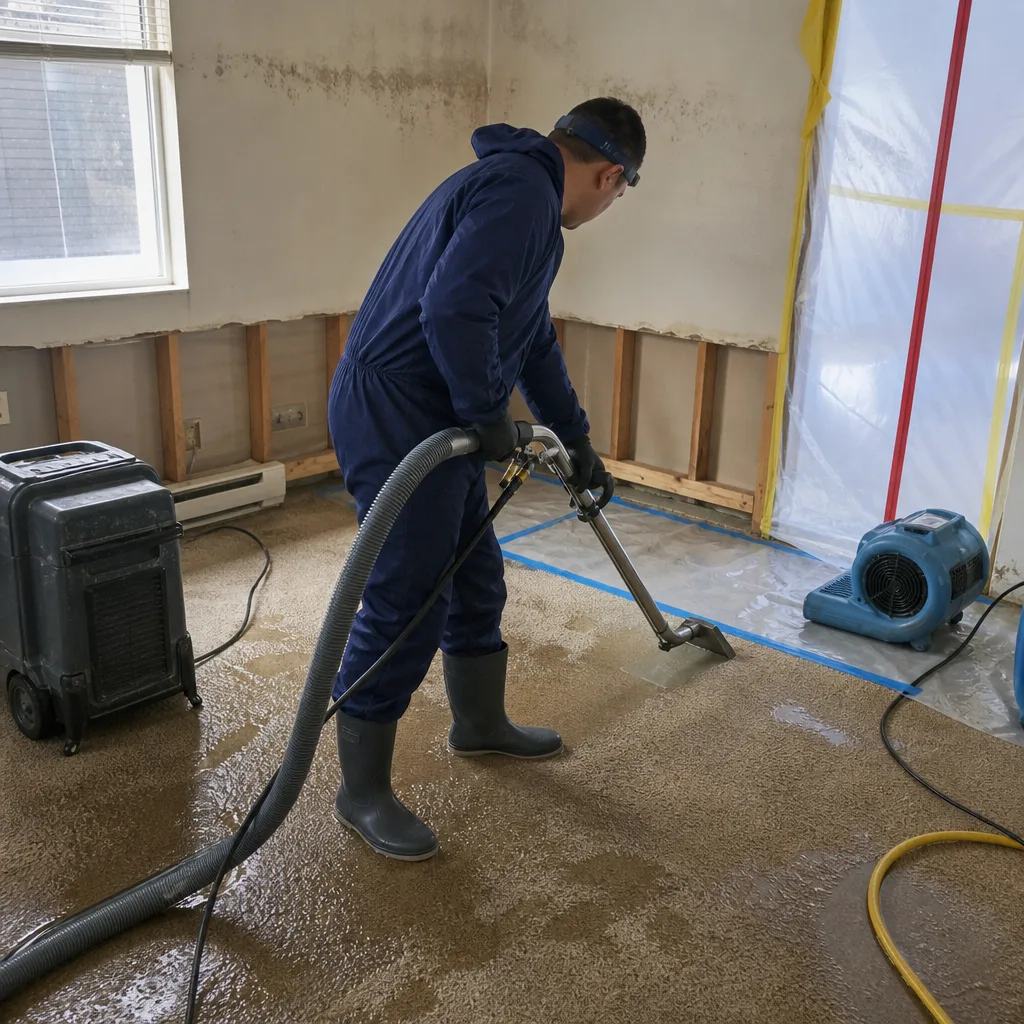
Structural drying in a Central Harlem brownstone is a different job than in a 2005 drywall building. Original plaster holds water and releases it slowly. Wood joists that have been in place since 1910 take longer to hit the dry standard. We use Dri-Eaz dehumidifiers and Phoenix air movers in staged arrays, with daily moisture readings written into a log that you and your insurance company can read. Structural drying after a multi-floor leak typically runs $3,500 to $9,000 and takes four to nine days in older Harlem buildings.
Debris Removal & Wind Damage Repair
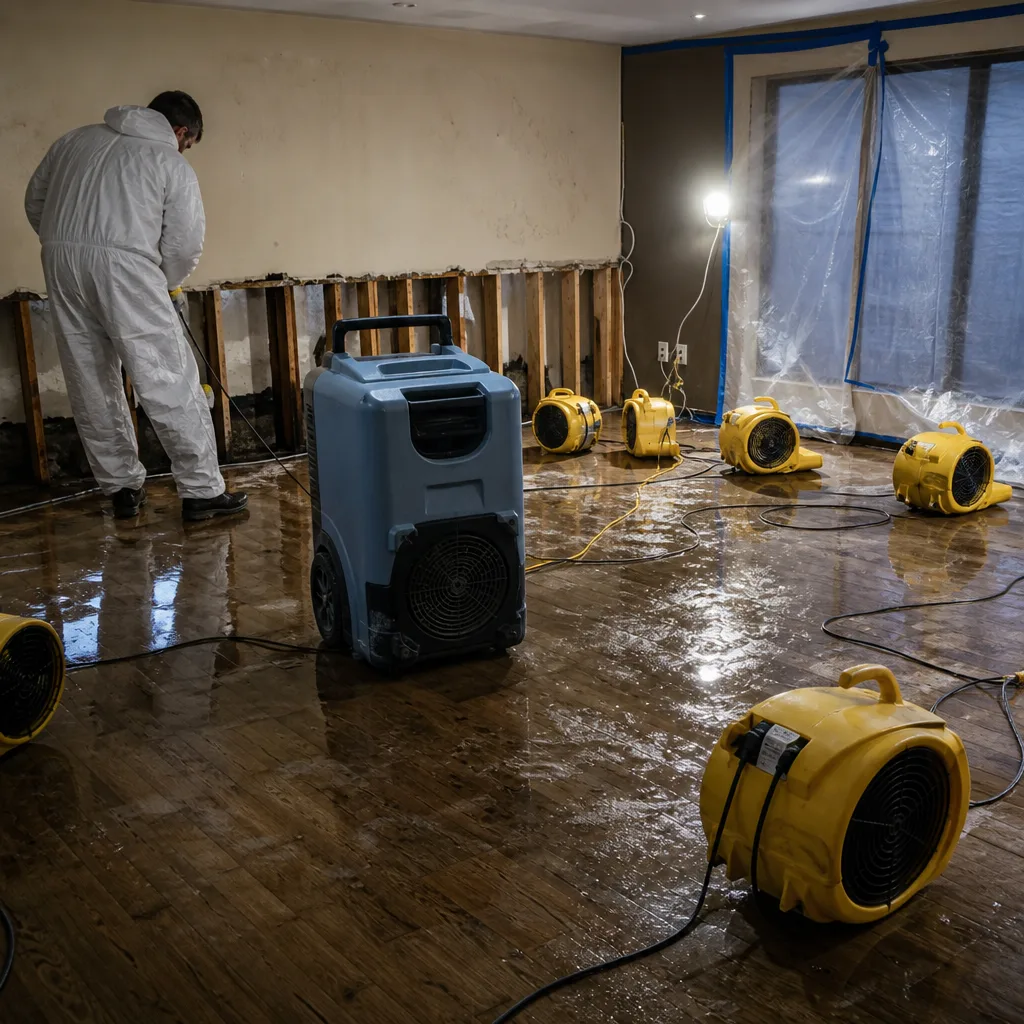
Nor’easters and summer microbursts tear flat-roof gravel loose on Harlem roofs, snap branches onto parapets, and push debris into areaways and stairwells. We haul debris, inspect the underlying structure, and repair the actual wind damage to windows, doors, and roof edges. Debris removal and wind repairs in Central Harlem generally run $900 to $4,800 depending on extent, and your carrier can see exactly what was removed versus what was rebuilt.
What happens when you call
- 1
A real person answersNo phone trees - you reach a local pro.
- 2
You get an upfront price rangeHonest numbers before anyone is dispatched.
- 3
A background-checked tech heads outLicensed & insured, dispatched right away.
- 4
You approve before work beginsNothing starts until you say go.
Storm & Disaster Restoration Costs in Central Harlem, NY
You should know what this is going to cost before we put a ladder on your building. For a single-floor water loss from a failed steam riser or roof leak in Central Harlem, expect $4,000 to $9,000 all-in, including extraction, drying, and plaster repair. A multi-floor cascade through a tenement walk-up runs $14,000 to $38,000 because you are drying four or five occupied units and restoring historic finishes in each. Roof tarping and board-up after a wind event runs $850 to $2,400. Lead and asbestos testing on pre-1978 surfaces adds $600 to $1,800, and it is non-negotiable on any job where we break into walls or ceilings. Most storm and water losses in Harlem are covered by insurance, with the deductible as the main out-of-pocket. We do not guess. The free visual inspection produces a written scope and a firm number before demolition begins. Call (716) 452-0798 and we will walk the loss with you.
We Also Serve Cities Near Central Harlem
Our crews serving Central Harlem also cover Storm & Disaster Restoration in Central Harlem customers in Long Island City, Greenpoint, Williamsburg, and Murray Hill. The same live dispatch, the same certified technicians, the same 90-Day Done Right Promise.
Central Harlem Storm & Disaster Restoration Questions, Answered
Do I really need lead and asbestos testing before you tear out water-damaged plaster in my Central Harlem brownstone?
Yes, and the answer is not optional under local and federal rules. Nearly every brownstone and walk-up in Central Harlem predates 1978, which means lead paint and asbestos in plaster or insulation are legally presumed present until sampling proves otherwise. Any contractor who skips that step is not saving you money; they are creating a larger liability for you and the building. Floodline tests, documents, and contains before we open walls or ceilings. Call (716) 452-0798 for a restoration estimate that includes the required testing.
A radiator pipe burst on the fourth floor of my walk-up. Why are you checking ceilings on the first floor?
Because steam-riser water follows the path of least resistance, which in a pre-war Central Harlem walk-up is straight down through the joist bays, lath gaps, and original plaster. A fourth-floor riser failure can saturate the ceiling assemblies on floors three, two, and one, and the water often shows up as a stain on a lower floor before you ever see a leak at the source. Our assessment includes a floor-by-floor moisture map so we dry the entire path, not just the first visible stain. That is how we keep a four-floor job from becoming a six-floor mold claim.
My building has original tin ceilings and ornate plaster cornices. Can you dry them without ripping them out?
Usually, yes. Tin ceilings dry in place when the water exposure is moderate and we can establish airflow in the cavity above. Plaster cornices are the more sensitive call: we dry them in place with controlled dehumidification and low-humidity air movement rather than demolition, because reproducing the profile of a 1915 cornice costs multiples of what careful drying costs. We have done this repeatedly in the landmarked sections of Central Harlem near Strivers’ Row. The drying log tells us when the material has hit the dry standard, and we stop then, not sooner, not later. Call (716) 452-0798 for a free inspection.
The brick facade of my Harlem row house leaks every time it snows and thaws. Is that a restoration job or a masonry problem?
Both, and in Central Harlem the two are often inseparable. Freeze-thaw spalling opens mortar joints, then rain or snowmelt enters through the brick, soaks into the interior plaster or wood framing, and creates a water-damage claim inside your home. You can patch the interior 20 times, but until a mason repoints the exposed brick, the water comes back. Our crews can do the interior drying and plaster repair, and we coordinate directly with a qualified mason for the repointing work, with one written scope and one person accountable for the whole job.
How fast do you have to respond after a storm blows a hole in my roof over a top-floor apartment in Central Harlem?
The honest answer: within hours, not days. A hole in a flat roof or a missing section of cornice lets water into the top-floor apartment, then downward through multiple floors of a Central Harlem tenement. Every hour of exposure means more plaster saturation, more movement through the joists, and a bigger claim. We answer live 24/7 and dispatch a board-up and tarping crew the same night, then start extraction the next morning. Call (716) 452-0798 as soon as you see the hole.
How long does structural drying take in a Central Harlem brownstone?
Four to nine days, and sometimes longer in the dead of winter when exterior walls run cold. Original plaster, deep joist cavities, and the density of 1890s masonry all slow the drying curve compared to a modern drywall unit. We set the dry standard based on the actual materials, then log daily readings until the structure holds that standard for multiple consecutive days. We do not pull dryers early to start the next job, and we can show you and your insurer the log that proves the building is actually dry.
Can we stay in our apartment while you dry and restore the damaged rooms?
Often yes, but it depends on the water category and the containment layout. If the water was clean supply water from a riser pipe and we can seal the work area with proper containment, you can typically remain in other rooms. If the water was Category 3, black water from a sewer backup or storm surge, or if mold is present, we will recommend vacating the affected unit until Biohazard & Crime Scene Cleanup - Central Harlem protocols, air scrubbing, and clearance testing are complete. We tell you which situation you are in on the first visit, in writing.
What certifications do your crews carry for storm restoration in Central Harlem?
Our technicians carry IICRC WRT (Water Damage Restoration Technician), FSRT (Fire & Smoke Restoration Technician), and AMRT (Applied Microbial Remediation Technician) certifications, plus RIA and IFA training. They are background-checked, uniformed, and employed by Floodline Restoration Co., not day labor. Curt Bowman’s standard is that the crew on your job can explain the moisture map to your adjuster without a script.
Serving Central Harlem, NY - Our Local Coverage Area
We’re based in the Central Harlem area and know this community well. Use the map below to see our service coverage - if you’re nearby, we can almost certainly help.
We Are Here Now
Storm damage in Central Harlem does not wait for bankers’ hours, and neither do we. A live dispatcher answers at (716) 452-0798, 24 hours a day, every day. We will walk your loss, write the scope, bill your carrier directly, and stand behind the work with the 90-Day Done Right Promise. Floodline Restoration Co. has been doing this for over 42 years. Done right, and backed in writing.
Written by Curt Bowman, Owner at Floodline Restoration Co.