
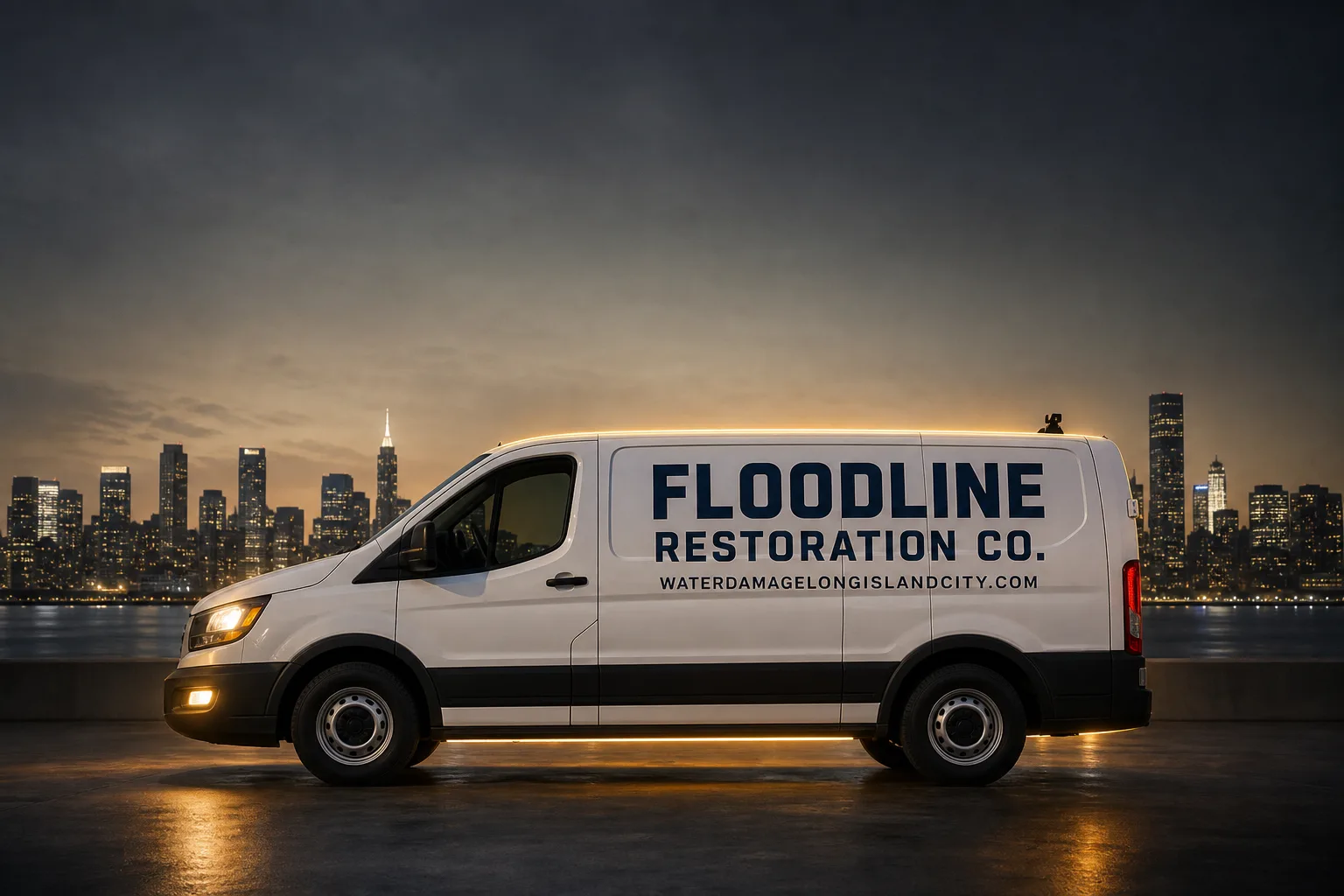
Free visual inspection and a written scope of work before any mitigation begins - photos, moisture readings, and drying logs go in your claim file
The scope we write is the scope we bill. Anything new gets shown to you, in writing, before we touch it.
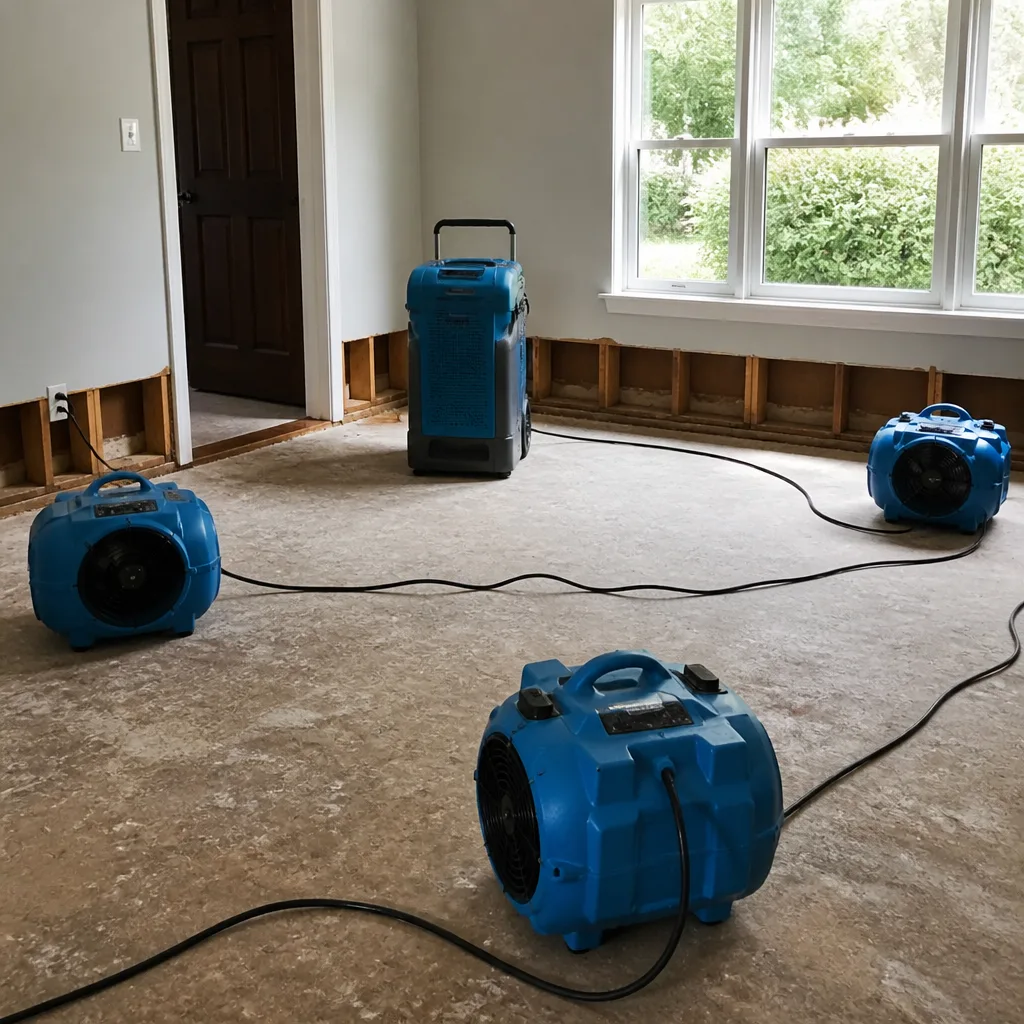
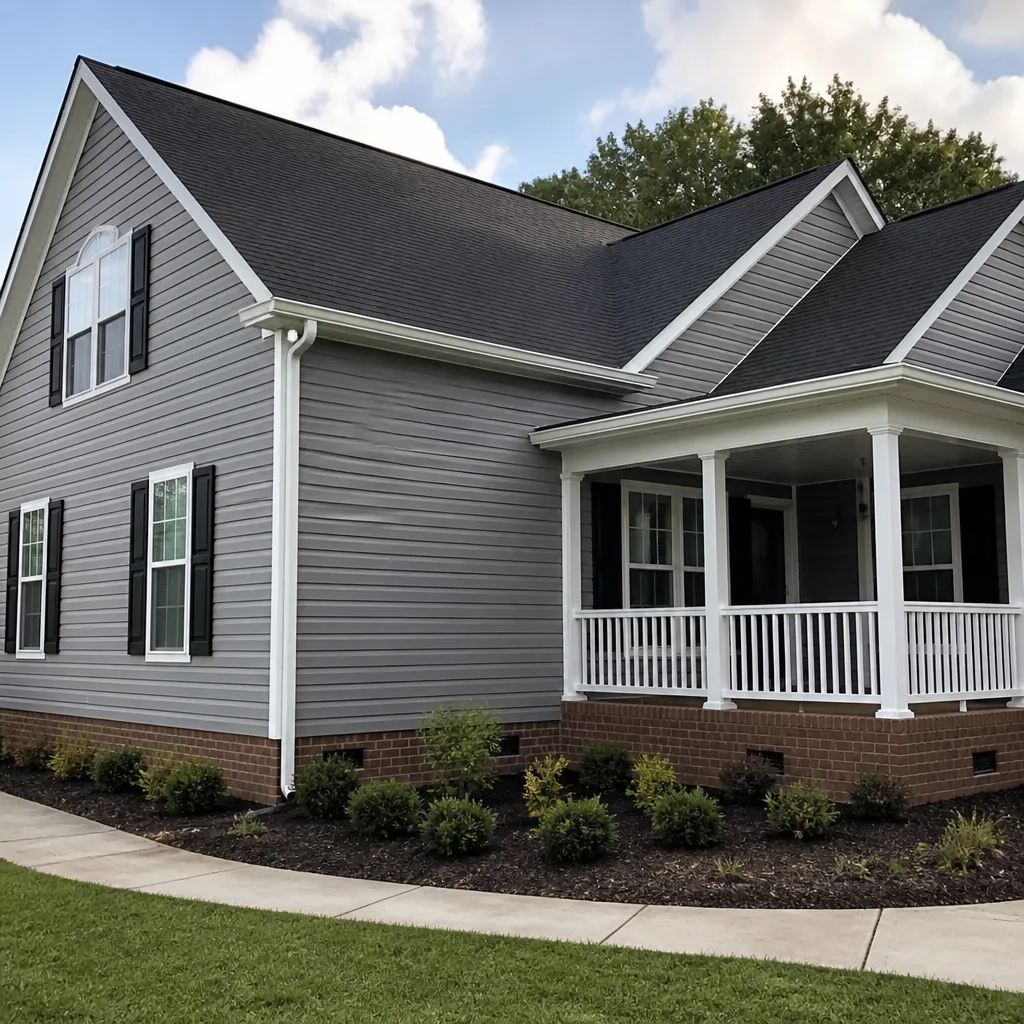
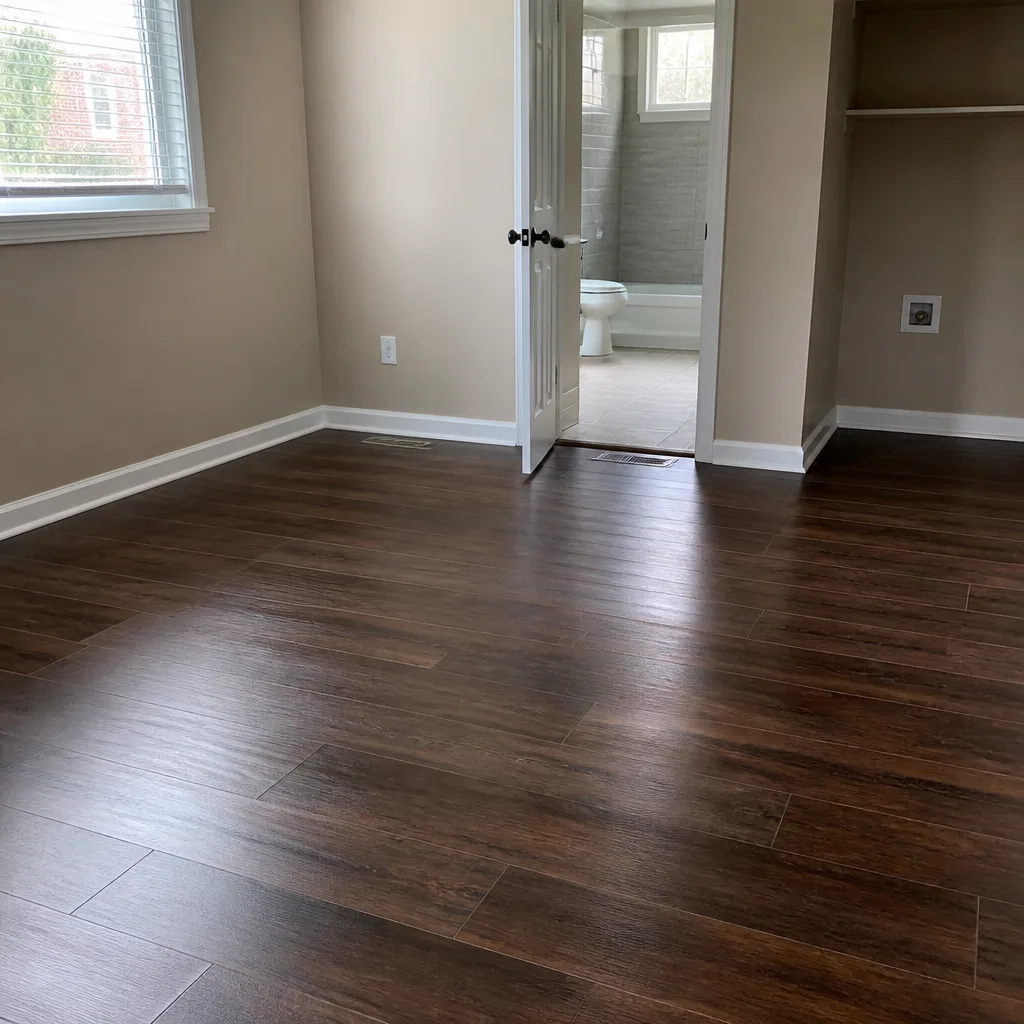
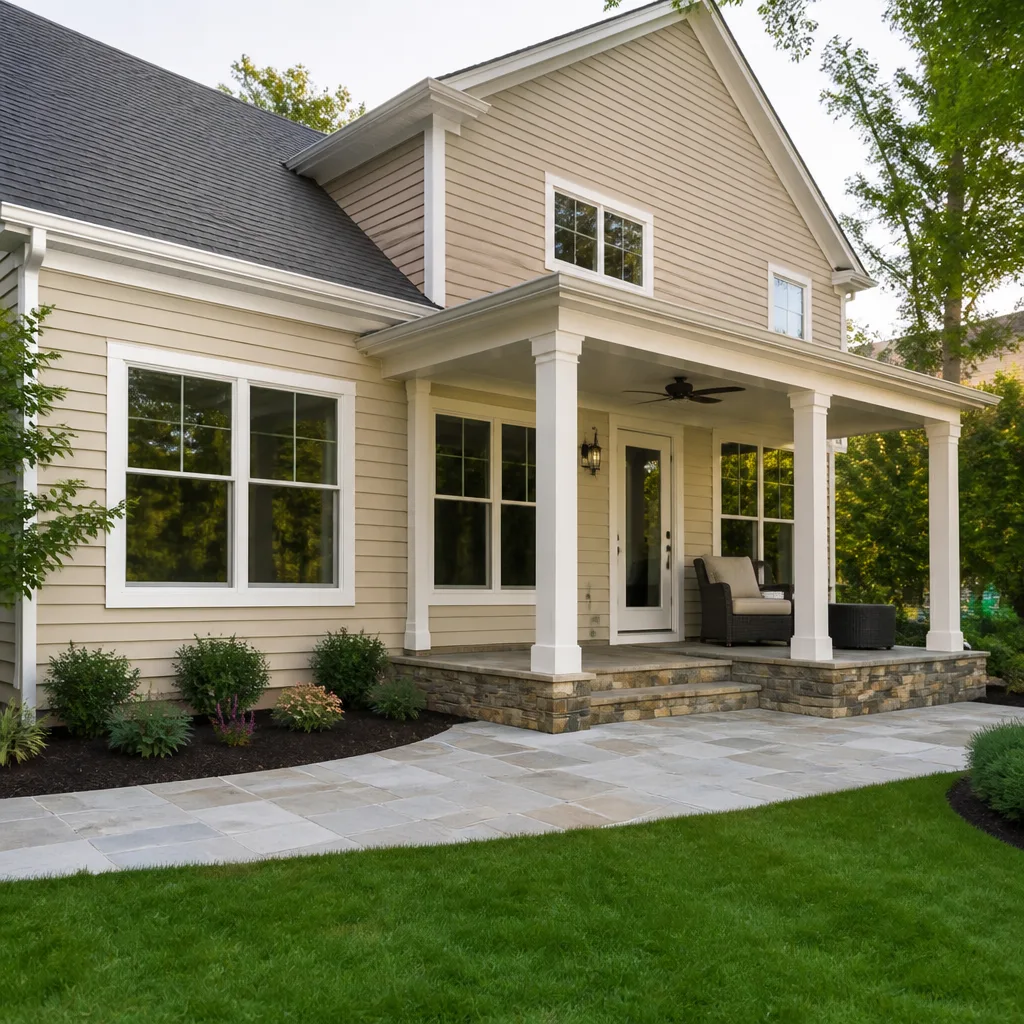
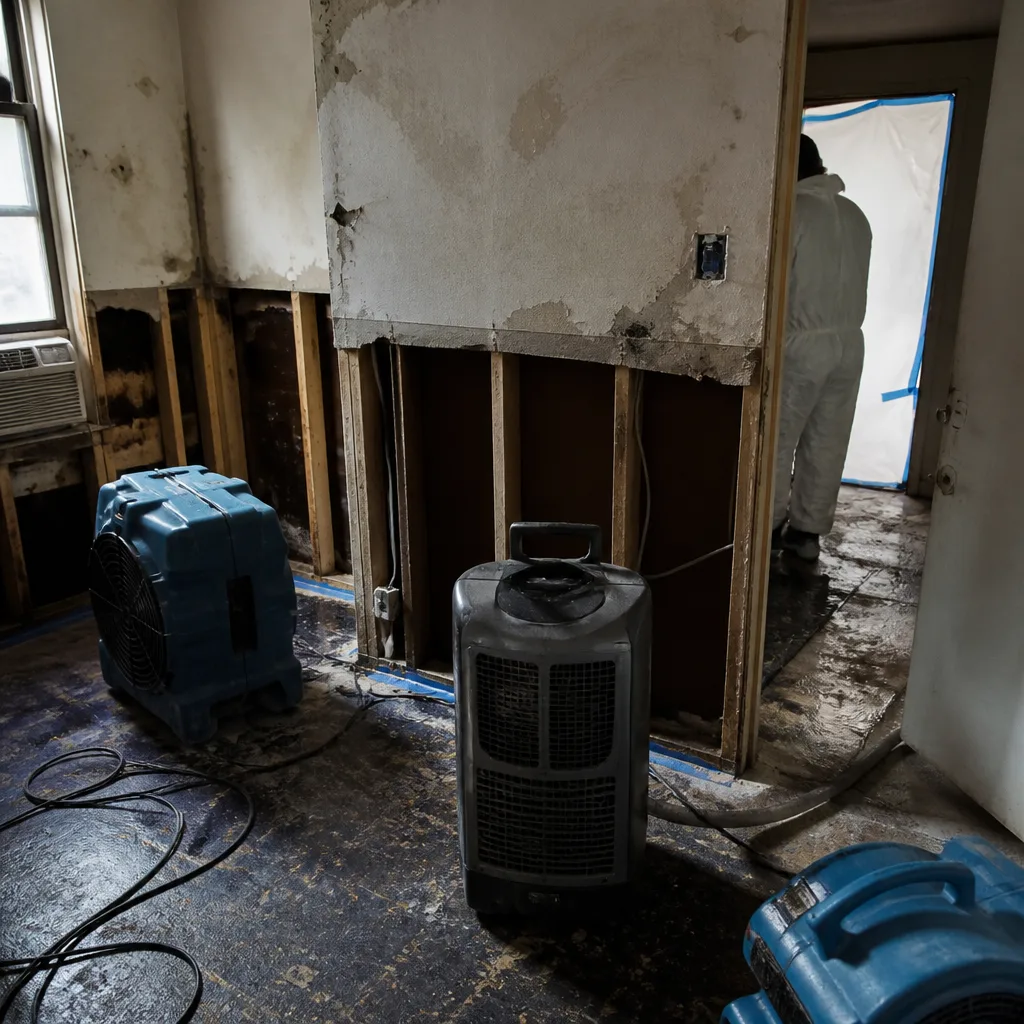 Before
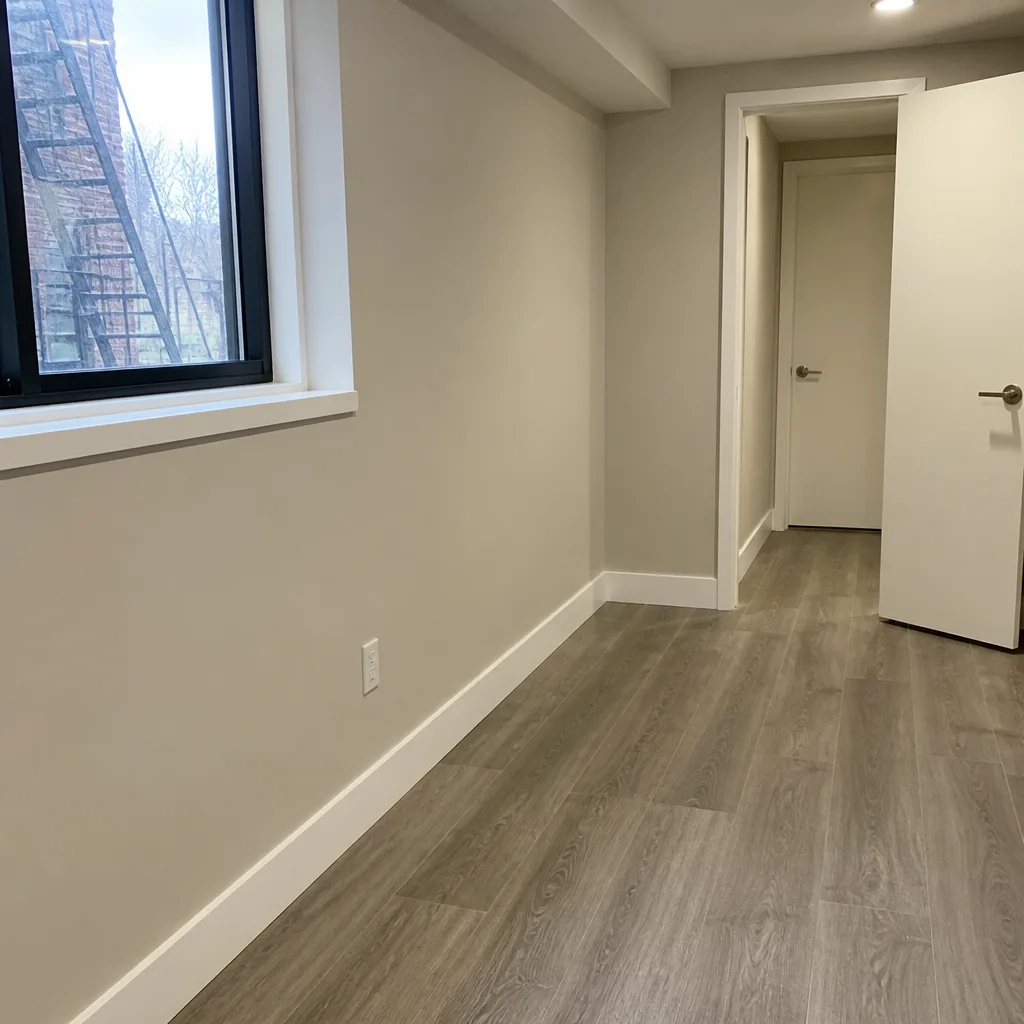 After
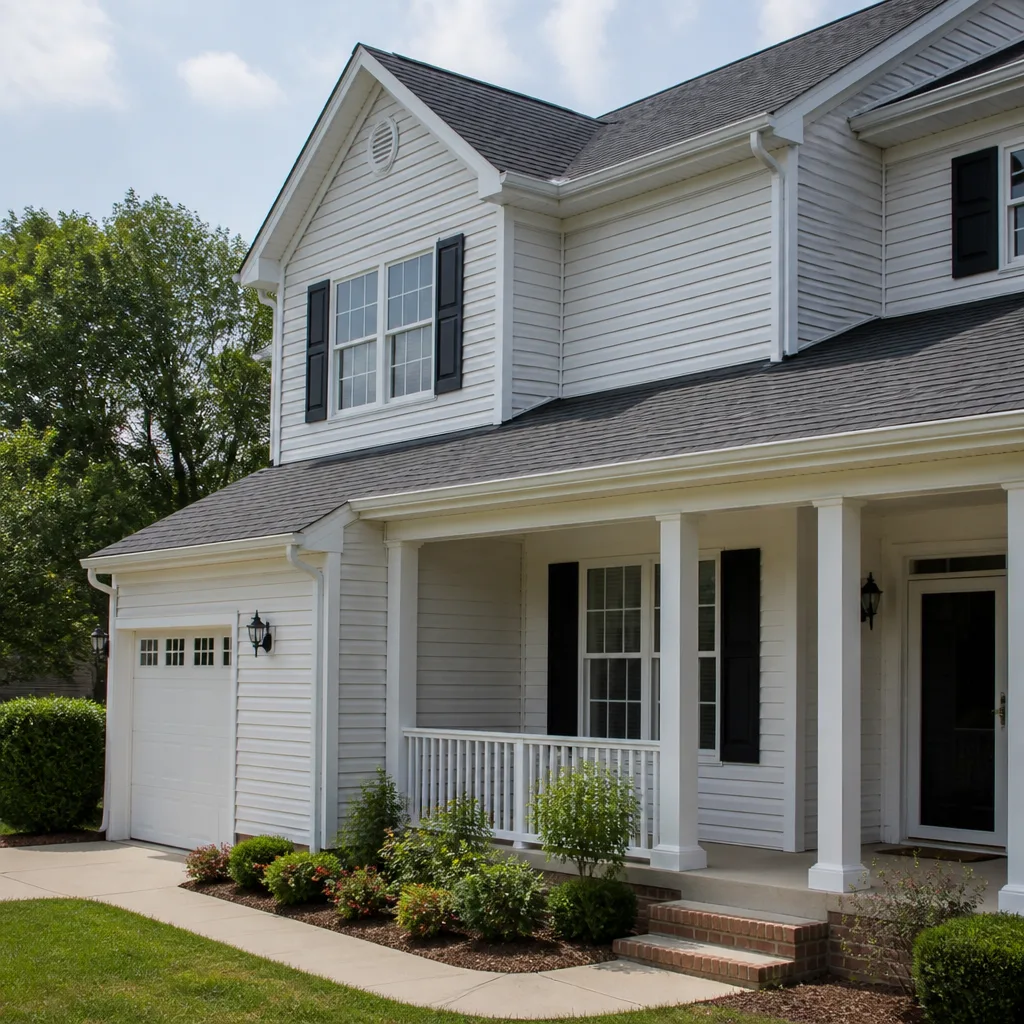
After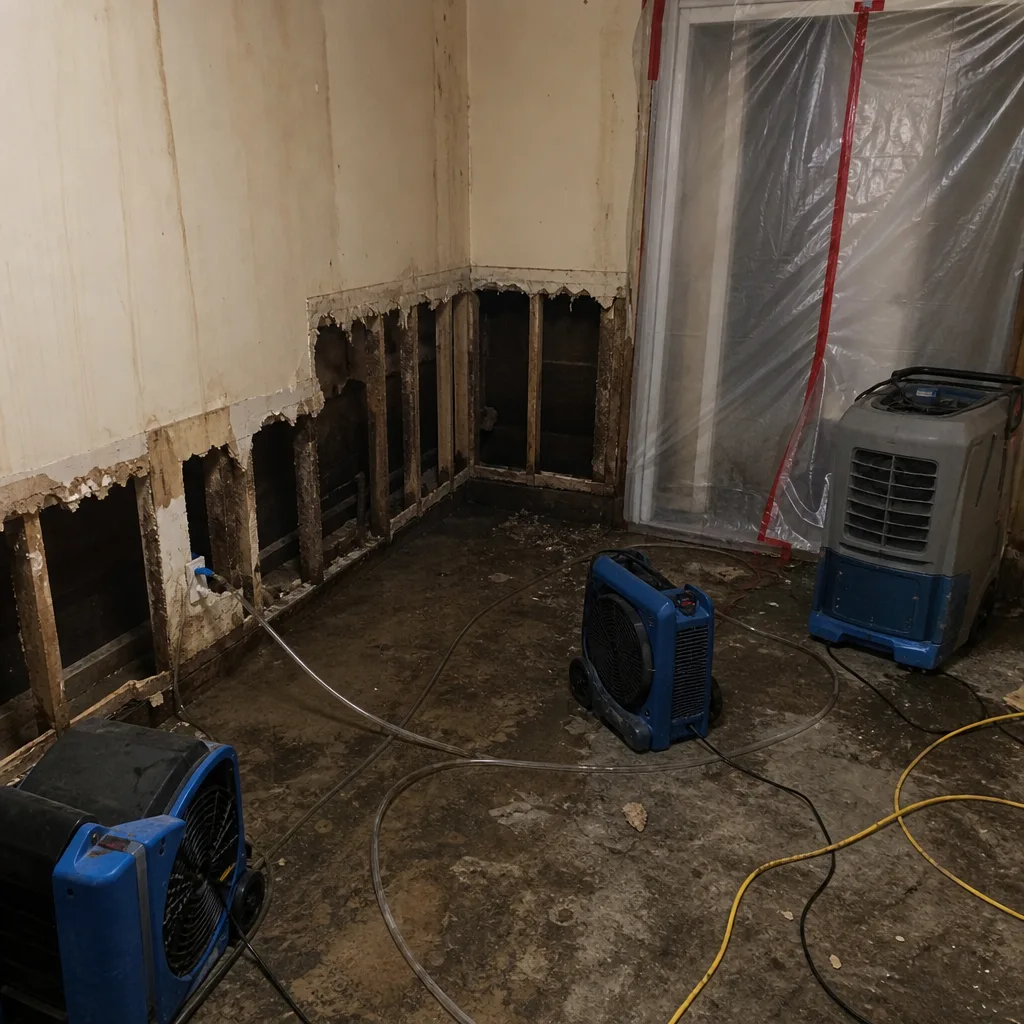 Before
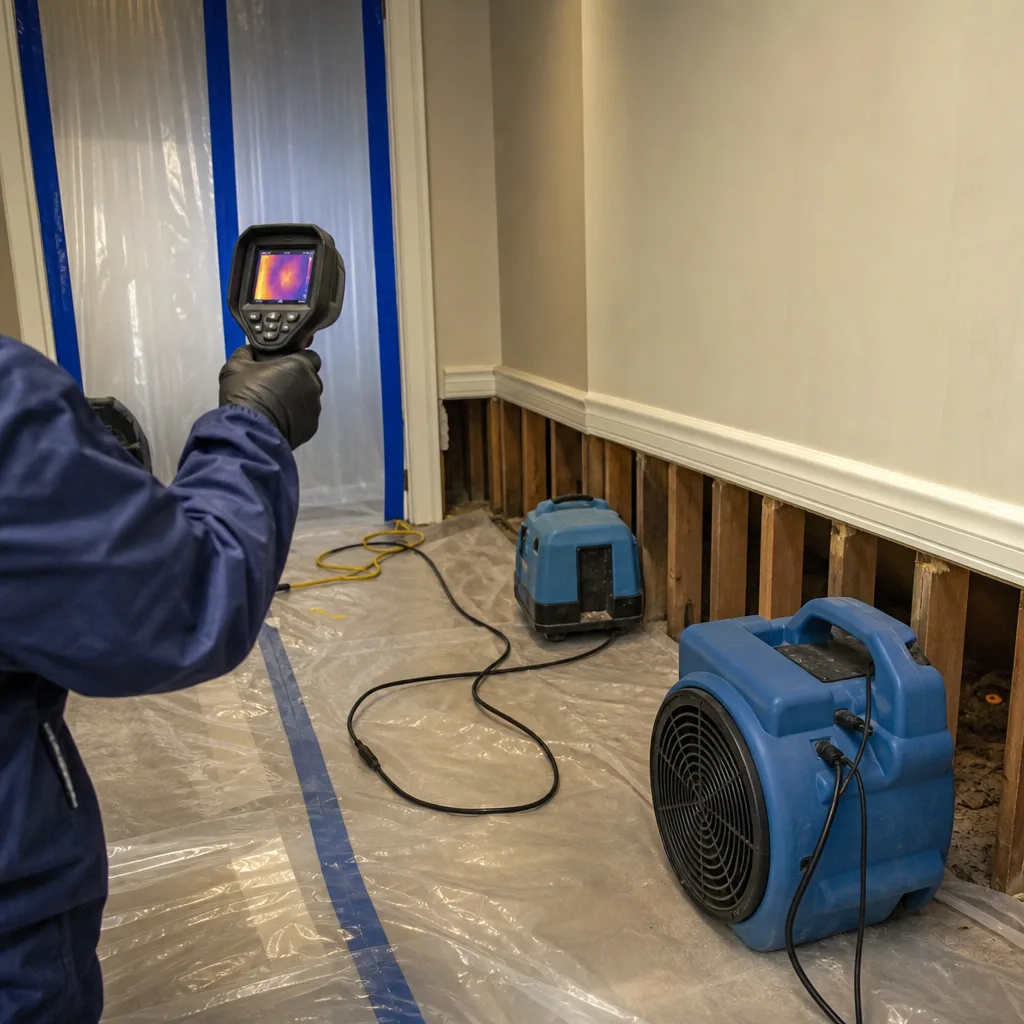 After
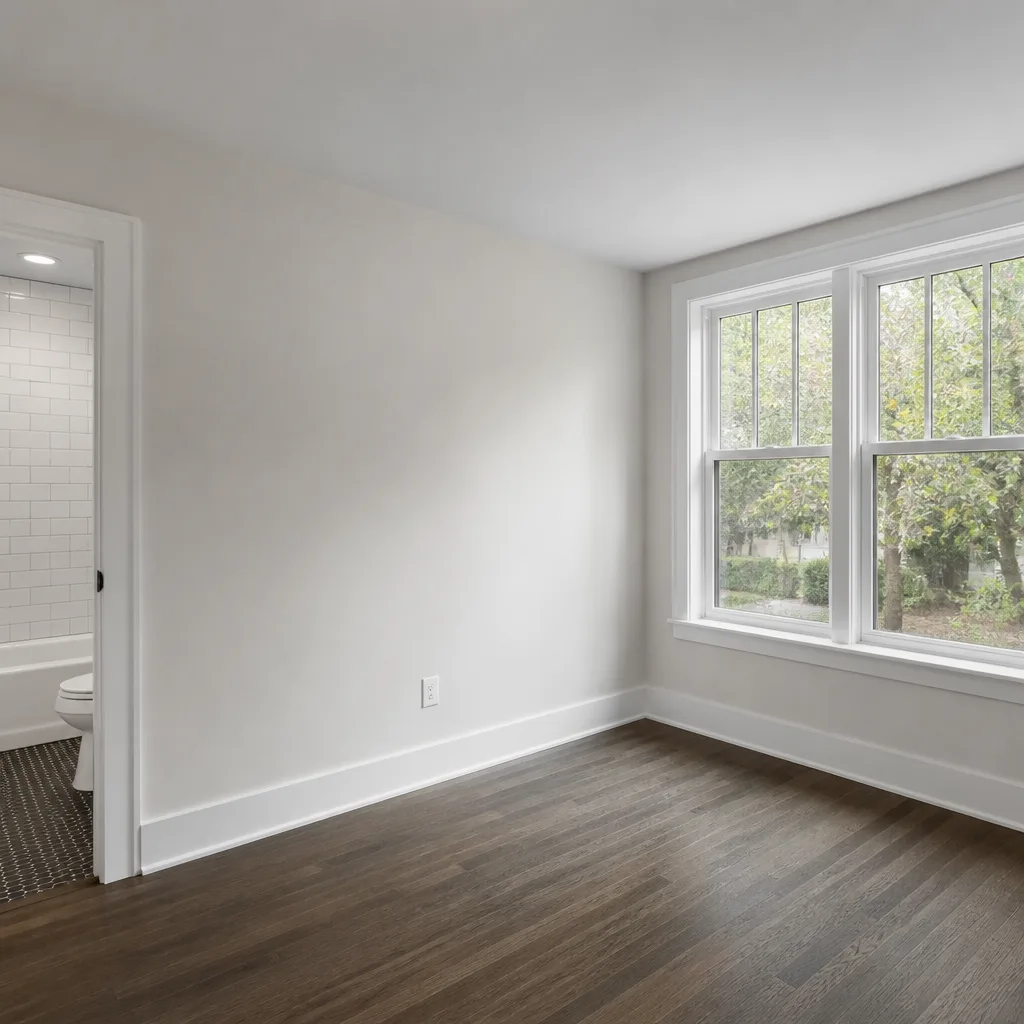
After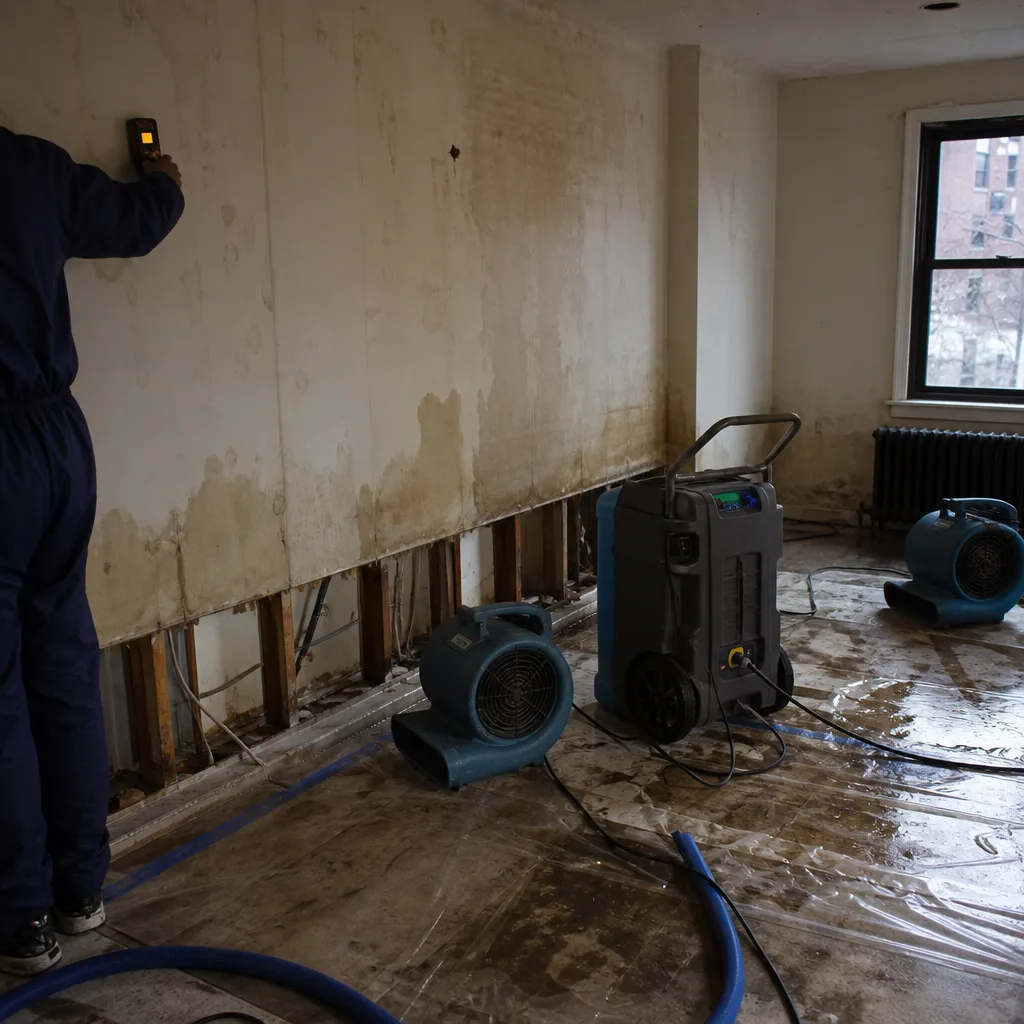 Before
 After
After24/7 Emergency Fire & Smoke Damage Restoration in Astoria
A kitchen fire in Astoria rarely stays in one apartment. In attached pre-war row houses off 31st Street and multi-family walk-ups near Ditmars Boulevard, smoke pushes through shared cocklofts and party walls within the first hour, contaminating neighboring units that had nothing to do with the fire. That’s why we answer live around the clock and dispatch crews into Astoria’s 11102, 11103, and 11105 zip codes the same visit. Call (716) 452-0798 and a real person picks up, not a recording. The first hour determines whether you’re cleaning one unit or coordinating restoration across four occupied floors and multiple insurance policies. We’re the team that handles both without a mid-job handoff.
The free visual inspection we offer tells you exactly what you’re facing: the scope of soot deposition, the path smoke traveled through shared wall cavities, the moisture load from firefighting water already soaking into original tongue-and-groove subfloors. No guesswork, no pressure. Just a written scope agreed before any work starts, so you know what it costs and what it covers before our crew pulls equipment off the truck. This is Fire & Smoke Damage Restoration done the way it should be: fast on the mitigation, thorough on the paperwork, finished by the same certified crew that started it.
Understanding Fire & Smoke Damage Restoration Severity in Astoria Properties
Soot is not all the same material, and the difference matters for how we clean it. Light, dry soot from a protein fire, common in kitchens along 30th Avenue, comes off painted surfaces with chemical sponges and HEPA vacuuming. Heavy, oily soot from a grease fire or smoldering synthetic materials bonds to walls, cabinets, and ductwork within minutes, requiring alkaline cleaning agents and, often, sealant priming before repainting. The third type, furnace or puffback soot, is fine enough to penetrate closed drawers and closets, which is why we inspect beyond the visible burn room. In Astoria’s dense housing stock, those distinctions compound fast. A top-floor fire in a 1930s brick walk-up off Ditmars Boulevard doesn’t just smoke out the unit of origin. Smoke moves upward into the cockloft, the open attic space common to attached pre-war row houses, then drops down into adjacent buildings through gaps around chimney chases, recessed lighting, and unsealed party-wall penetrations. If our crew doesn’t establish containment within the first few hours, you’re looking at smoke damage claims in units that never saw flame. That’s the severity pattern we plan for on every Astoria job: the fire stays in one unit, the smoke does not.
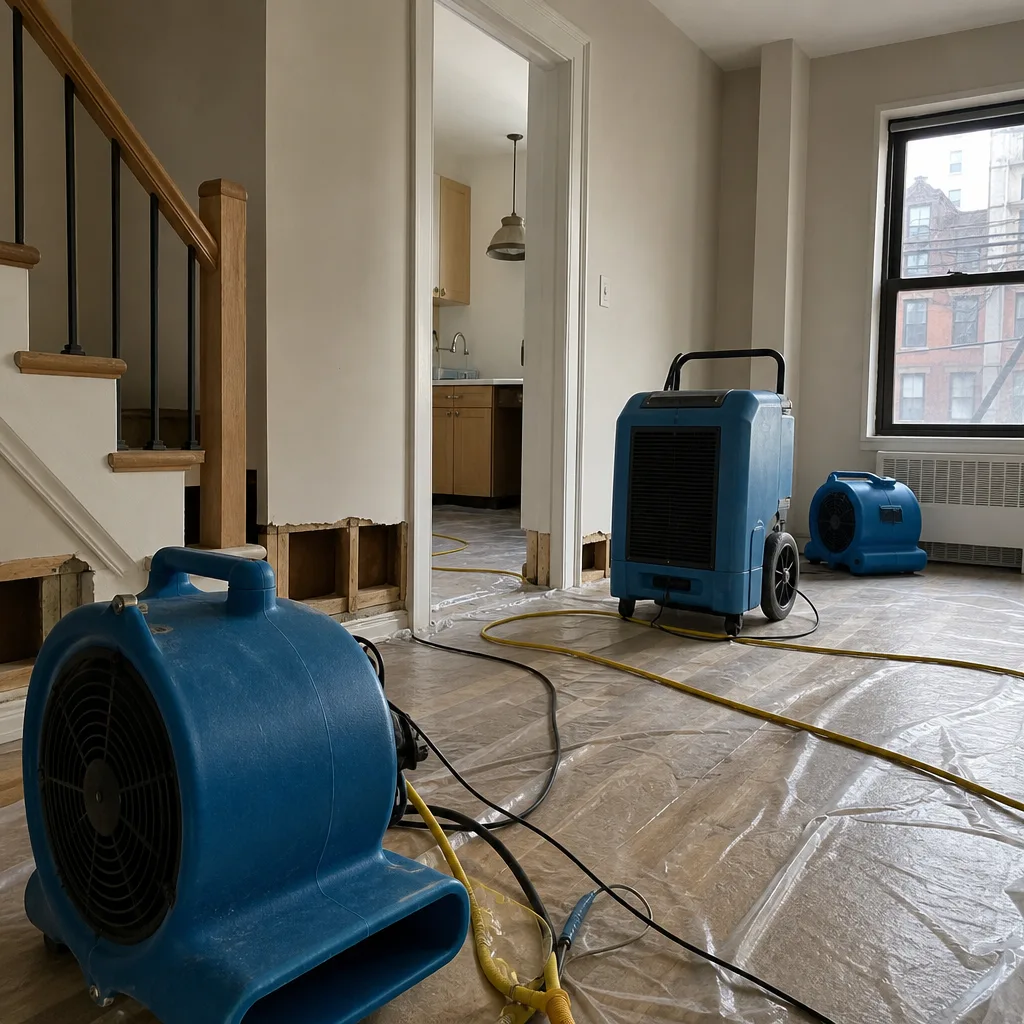
Firefighting water adds a second damage vector most homeowners don’t consider until the ceiling sags. In pre-war Astoria buildings, water from an upper-floor fire saturates lath-and-plaster ceilings and original wood subfloors, soaking into cavities that never dry on their own. We use thermal imaging and penetrating moisture meters to map the water migration, then run professional-grade Dri-Eaz and Phoenix dehumidifiers with XPOWER air movers to hit dry standard before secondary mold takes hold, which in warm months can start within 24 to 48 hours. This dual fire-and-water reality is why you want a restoration company that handles both, not one that stops at the soot line.
Why Astoria Property Owners Choose Floodline Restoration Co.
- 45-minute response commitment: When you call from Astoria, our nearest crew is already in the borough. We commit to a 45-minute on-site arrival window for emergency mitigation calls, and we call ahead so you know who’s coming.
- 24/7 live answer, every time: No automated phone tree. No “leave a message and we’ll call back.” A live dispatcher answers at 2 a.m. and a background-checked, uniformed technician is on the way.
- IICRC-certified crews on every job: Our fire and smoke technicians hold IICRC FSRT (Fire and Smoke Restoration Technician) and WRT (Water Damage Restoration Technician) certifications. That’s not a sales point. It’s the minimum standard for knowing how soot behaves, how water migrates through lath-and-plaster, and how to dry a pre-war wall cavity without tearing out more than necessary.
- Free visual inspection, written scope: Before we do any paid work, you get eyes on the damage and a written scope of what’s needed and what it costs. No surprises on the bill, no “we found more once we opened the wall” without a conversation and your sign-off.
- Direct insurance billing: Floodline Restoration Co. bills your carrier directly and handles adjuster communication. You don’t play messenger between us and the insurance company, and you don’t front money while the claim processes.
- One team, start to finish: The same certified crew that runs extraction and soot removal handles the structural repairs and rebuild. Nobody hands your job off to a subcontractor you never met and didn’t choose.
Our Fire & Smoke Damage Restoration Process
Inspection & Assessment
The first thing we do is map what burned, what’s wet, and where the smoke traveled. Using thermal imaging cameras and moisture meters, we identify hidden water in wall cavities and smoke migration paths through party walls and the cockloft. You get a written assessment with a line-item scope before any work begins.
Extraction & Stabilization
Firefighting water comes out first. Truck-mounted extraction units pull standing water from floors and saturated materials, while our crew removes unsalvageable drywall and insulation to expose framing. Emergency board-up and tarping secures the property so rain, debris, and unauthorized entry don’t add to the loss.
Drying & Dehumidification
We set Dri-Eaz LGR dehumidifiers and Phoenix axial air movers in a calculated pattern based on the moisture map from day one. Daily readings are logged until materials hit dry standard, and the moisture log goes to you and your adjuster.
Cleaning & Sanitization
HEPA air scrubbers run continuously to capture airborne soot particles while we clean surfaces. Chemical sponges handle light soot; alkaline agents address oily residue; we run hydroxyl or ozone treatment for stubborn odor, depending on occupancy status.
Odor Removal & Deodorization
Smoke odor in Astoria’s attached housing lingers in wall cavities, ductwork, and behind baseboards. We use thermal fogging, hydroxyl generators, and sealing primers to neutralize odor at the source rather than masking it with fragrance. Without this step, smell returns with the first humid summer day.
Repairs & Restoration
Once the structure is dry and clean, the same crew handles reconstruction: drywall, plaster repair, paint, flooring, cabinetry, and trim. You’re not waiting on a second company to show up for phase two. We rebuild what the fire took.
Need Emergency Fire & Smoke Damage Restoration in Astoria Now?
Crews minutes away, answering live 24 hours a day. The sooner we start, the less it costs.
Working With Your Insurance Company
Most Astoria homeowners have never filed a fire claim until a grease fire off Steinway Street or an electrical short in a 1940s walk-up forces one. The claims process moves faster when documentation is thorough from the first hour. Our crew photographs everything: the burn pattern, soot deposition on walls and contents, water staining in the ceiling bays, the condition of salvageable versus unsalvageable materials. We write industry-standard estimates in the format carriers recognize, using Xactimate line-item pricing so your adjuster can review the scope without delay. When smoke crosses a party wall into a neighbor’s attached row house, we coordinate with multiple adjusters on the same job, because that’s the reality of Astoria geometry. Our goal is simple: every legitimate line item gets approved, nothing gets left off because the documentation wasn’t clear, and you never have to translate restoration jargon to an adjuster on your own.
What We Provide Your Insurer
- Thorough documentation of the loss
- Photos of all damage, room by room
- Moisture readings and drying logs
- A detailed, line-item scope of work
- Direct coordination with your carrier
Built for Astoria’s Loss Calendar
Fire damage in Astoria follows a pattern tied to the housing stock, not just the season. In January and February, space heaters plugged into overloaded circuits in century-old converted apartments start fires while steam-heat pipes freeze and burst, adding water damage to the same job. Spring brings thunderstorm season where saturated flat roofs, already compromised by winter freeze-thaw cycles, leak into top-floor units and short out junction boxes. Summer is the season of cooking fires: grills on fire escapes, grease fires in ground-floor restaurant kitchens along Ditmars Boulevard and Steinway Street that send smoke upward into residential units above. Nor’easters and coastal storm surge in low-lying blocks near the East River bring a different profile entirely: wind-driven rain entering through damaged roofing, then electrical fires from water intrusion. In every season, the common thread is age. Original wiring in 1920s and 1930s brick row houses was never designed for modern electrical loads, and the failure modes are predictable to anyone who’s worked enough fires in this borough. We plan our Astoria crews accordingly, with equipment staged for both fire and water on every call.
Fire & Smoke Damage Restoration Across Astoria’s Neighborhoods
Every Astoria neighborhood presents the same core challenge with different geography. Around Ditmars Boulevard and 23rd Avenue, blocks of attached brick row houses share cocklofts and party walls end to end, meaning smoke from one fire can push through three or four connected structures before it vents. Our crews know to inspect the entire rowhouse row, not just the unit of origin. Near Steinway Street, the mixed-use pattern dominates: ground-floor commercial kitchens and retail spaces with two or three floors of apartments above, creating simultaneous residential and commercial claims where we’re cleaning soot from inventory while coordinating pack-out from occupied units. In the 30th Avenue corridor and toward Astoria Boulevard, six-story pre-war elevator buildings concentrate dozens of units around central stairwells and courtyards, which act as smoke chimneys during a fire, spreading soot into hallways and units far from the source. The blocks near Astoria Park and the East River deal with storm-driven moisture intrusion that accelerates electrical failures in aging systems. And in the 11102 zip along the waterfront, low-lying streets see storm surge that can complicate a fire response with standing water in basements and first floors. The pattern matters because response routes matter. Getting a crew up 21st Street or across the Triborough Bridge approach during rush hour changes our arrival time, which is why we stage crews in and around the neighborhood rather than dispatching from far out in the borough.
Specialized Fire & Smoke Damage Restoration Services We Offer in Astoria
Fire Damage Cleanup
Fire damage cleanup in Astoria means more than shoveling out charred debris. We remove unsalvageable materials, stabilize the structure, and prep remaining surfaces for restoration. In attached row houses, we pay particular attention to the party wall where heat and smoke may have compromised plaster keys and mortar joints. Soot is acidic; left on metal fixtures and electrical components, it corrodes finishes within days. Cleanup has to start fast and go deep.
Smoke & Soot Removal
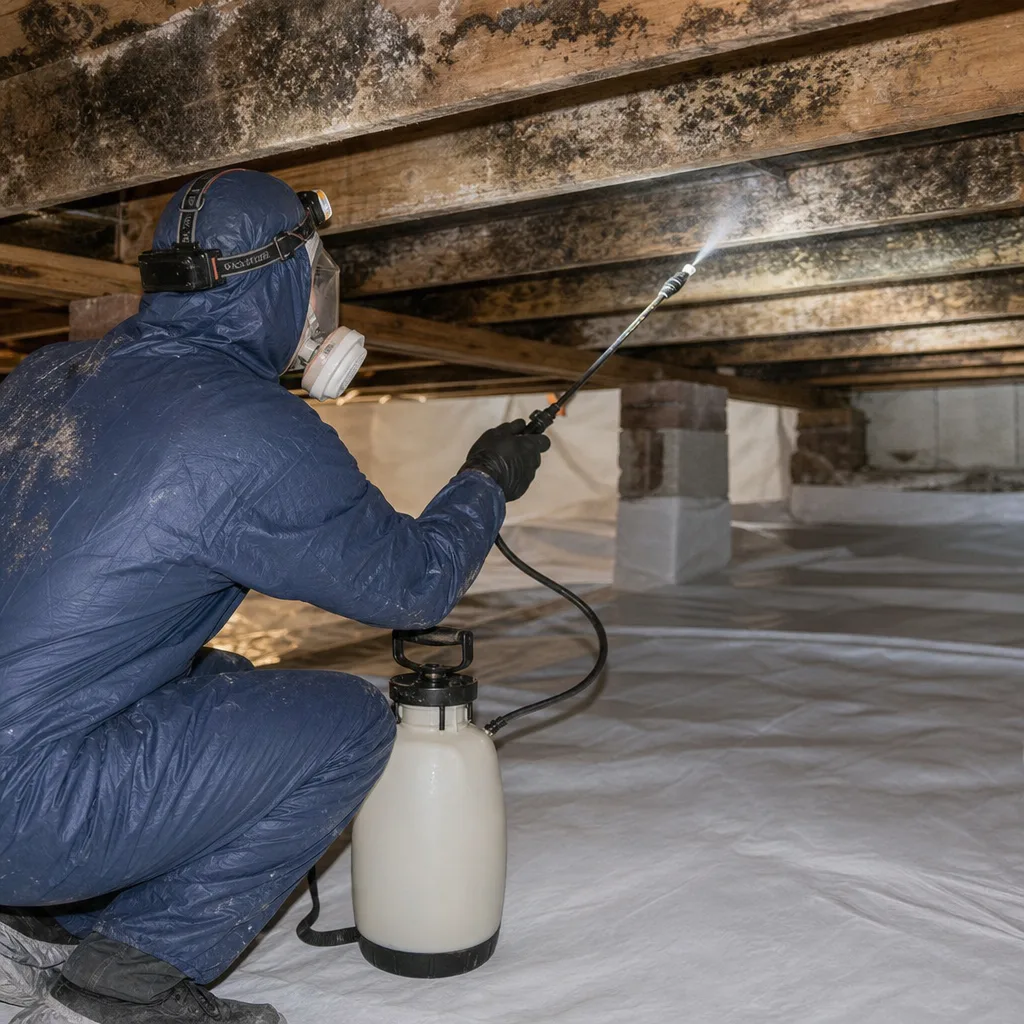
Smoke in a pre-war Astoria building travels through the cockloft, drops into wall cavities, and settles on surfaces in rooms that never saw flame. Our crews use HEPA vacuums, chemical sponges, and wet cleaning methods matched to the soot type. We inspect behind outlet covers, in duct runs, and above drop ceilings because that’s where soot hides. In rowhouse blocks where smoke crossed into adjacent buildings, we treat every affected unit as its own project with its own documentation.
Odor Removal & Deodorization
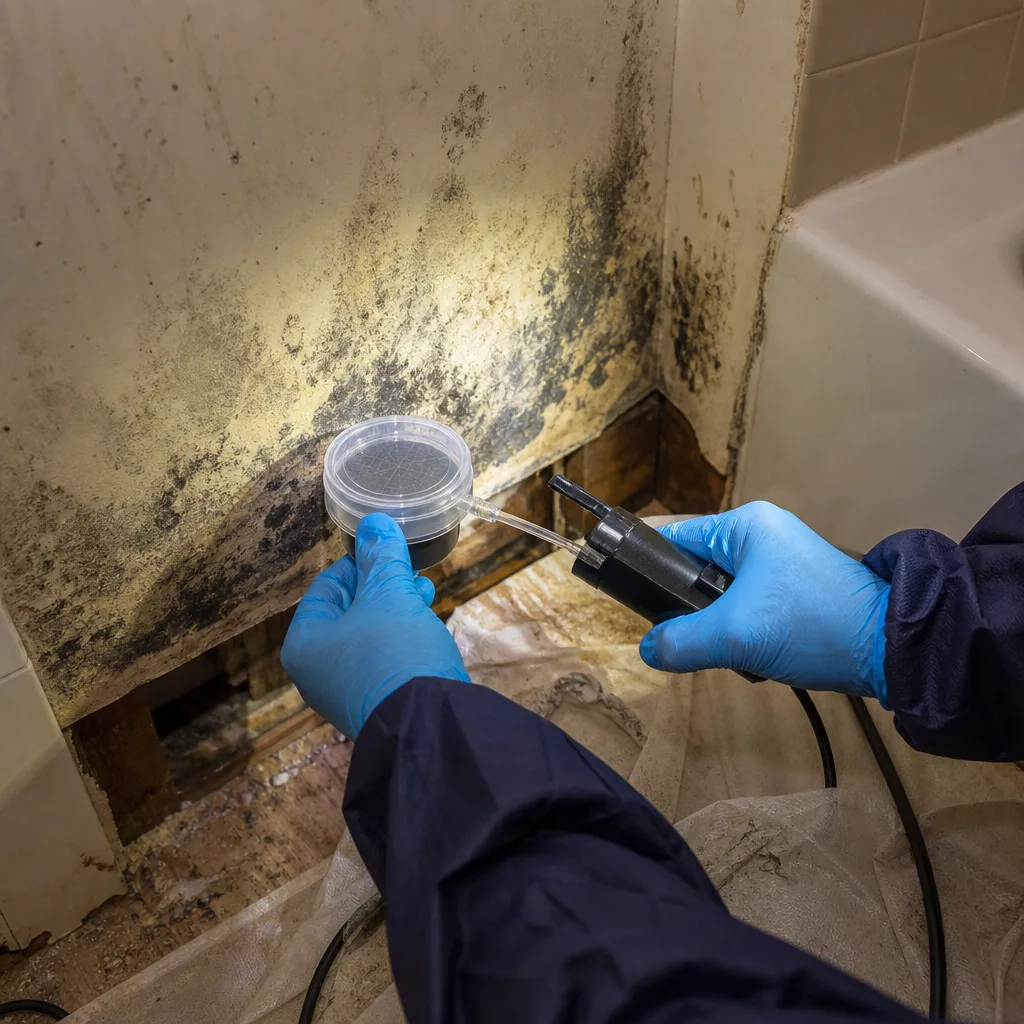
Smoke odor is the last thing to leave and the first thing to return if not treated at the source. In Astoria apartments with shared wall cavities, odor migrates through the same paths smoke traveled. We use hydroxyl generators for occupied spaces, thermal fogging for porous materials, and sealing primers on studs and subfloors before reconstruction. The test is whether it still smells like smoke on a humid August day when windows are open and air moves through the building. If it does, we’re not done.
Contents Cleaning & Pack-Out
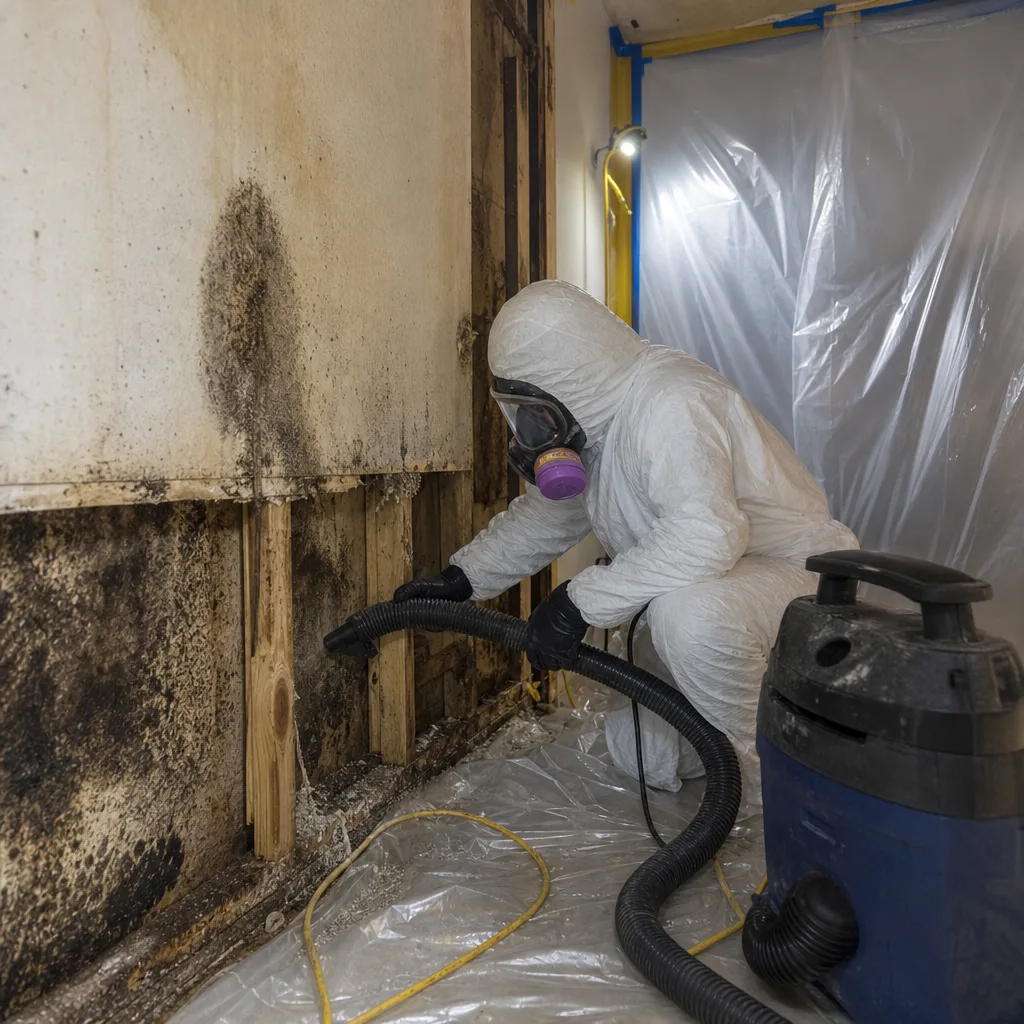
Clothes, books, furniture, electronics: everything porous in a smoked-out Astoria apartment needs professional cleaning or it off-gasses for months. We inventory, pack out, and clean contents at our facility, then store them until your unit is restored. For dual-policy jobs where a ground-floor commercial space burned below occupied apartments, we separate business contents from residential contents and document each for its respective adjuster. Nothing gets thrown out without your written approval.
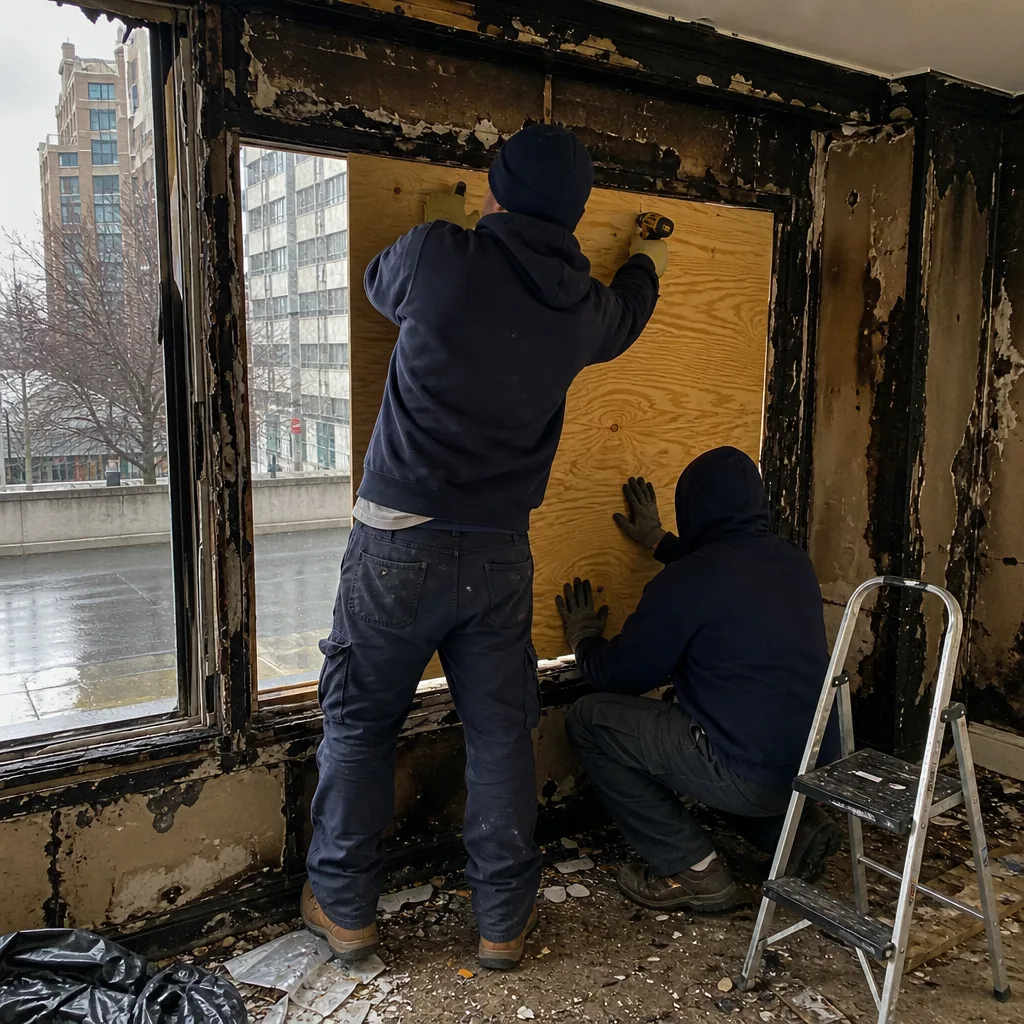
Emergency Board-Up & Tarping
A burned-out window on the third floor of a Ditmars walk-up is an invitation for rain, theft, and pigeon damage. Our crew boards windows, secures entry points, and tarps compromised roofing the same visit, before we leave the site. In attached rowhouse blocks, board-up protects neighboring units from exposure through the shared party wall. The building gets secured, the insurance photos get taken, and the mitigation starts immediately after.
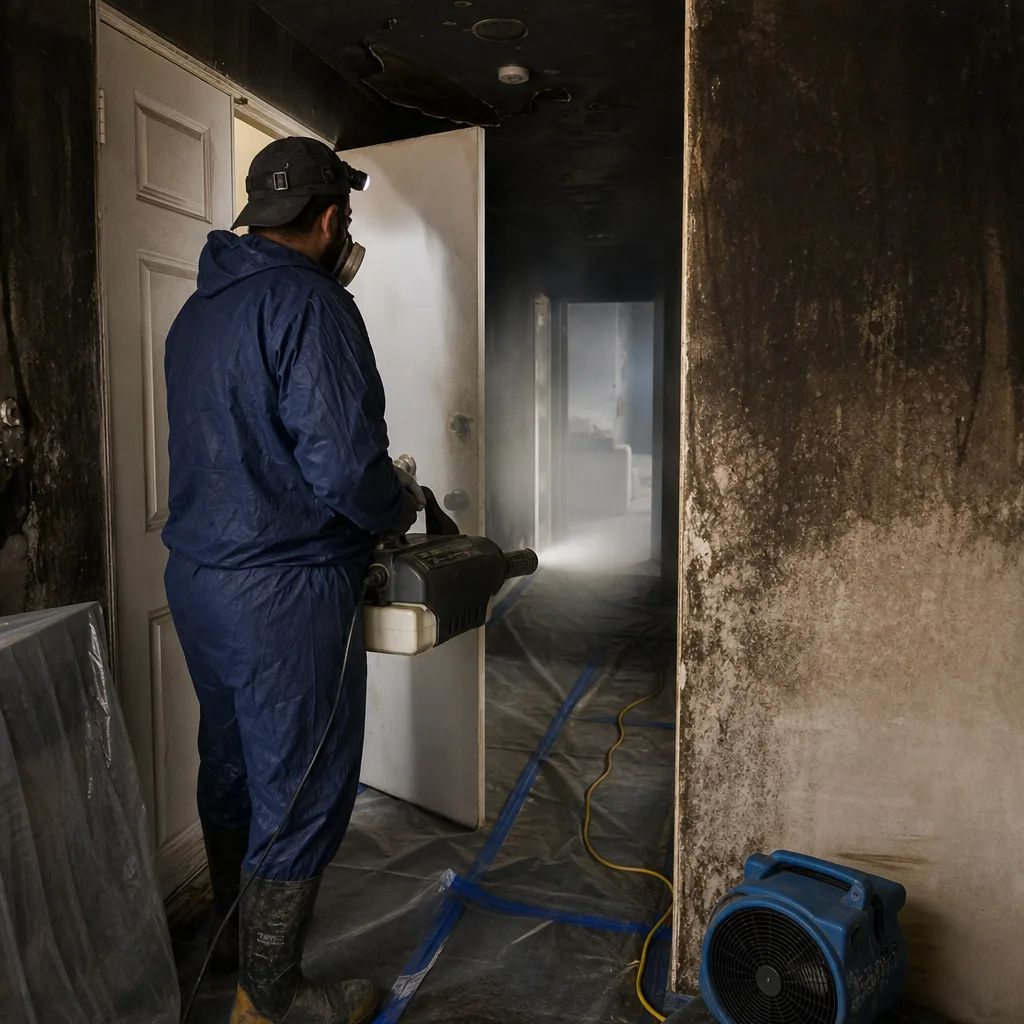
What happens when you call
- 1
A real person answersNo phone trees - you reach a local pro.
- 2
You get an upfront price rangeHonest numbers before anyone is dispatched.
- 3
A background-checked tech heads outLicensed & insured, dispatched right away.
- 4
You approve before work beginsNothing starts until you say go.
Fire & Smoke Damage Restoration Costs in Astoria, NY
A small contained kitchen fire in an Astoria apartment with soot cleanup in one room typically runs $1,800 to $3,500. When smoke spreads through the cockloft into adjacent units in an attached row house, expect $6,000 to $15,000 or more depending on how many units need cleaning and how much contents pack-out is involved. A top-floor fire with water damage across multiple floors in a pre-war walk-up routinely falls between $20,000 and $50,000 when you factor in structural drying, full-unit smoke remediation, and reconstruction. What moves the price: the soot type (oily grease soot costs more to clean), how many rooms need HEPA scrubbing and sealing, whether lath-and-plaster ceilings need removal versus drying in place, and how far smoke traveled through shared wall cavities. Most fire claims in Astoria are covered by homeowners or commercial property policies, minus your deductible. The fastest way to a firm number is the free visual inspection: we look at the actual damage, write the scope, and hand you a price before any work begins. Call (716) 452-0798 and we’ll come out, no cost and no obligation.
We Also Serve Cities Near Astoria
Our crews dispatch into Long Island City, Jackson Heights, Elmhurst, and Maspeth on the same live-answer basis. The building stock differs across those neighborhoods, but the approach doesn’t: same certified team, same written scope before work starts, same 90-Day Done Right Promise in writing.
Serving Astoria, NY - Our Local Coverage Area
We’re based in the Astoria area and know this community well. Use the map below to see our service coverage - if you’re nearby, we can almost certainly help.
Astoria Fire & Smoke Damage Restoration Questions, Answered
How does smoke spread through Astoria’s attached row houses differently than in a detached single-family home?
In a detached single-family house, smoke rises and vents through windows and roof penetrations. In Astoria’s attached pre-war row houses, smoke enters the shared cockloft (the open attic cavity that runs the length of the block) and pushes horizontally into neighboring units through party walls, chimney chases, and unsealed penetrations. That’s why we inspect the entire rowhouse row, not just the unit where the fire started. Call (716) 452-0798 for a free visual inspection and we’ll map the actual smoke path.
What is Category 3 water, and why does it matter after a fire in an Astoria walk-up?
Category 3 water is grossly contaminated water that can carry bacteria, chemicals, and sewage. Firefighting water in a burning pre-war Astoria building picks up soot, dissolved wallboard, old insulation, and whatever was stored in the unit, classifying it as Category 3. It requires full extraction, removal of porous materials, and sanitization before drying, not just airing out. Our IICRC-certified crews treat post-fire water as Category 3 on every job. Ask us about the specifics when we inspect.
How quickly does mold start after firefighting water soaks into Astoria’s pre-war plaster and wood lath?
Mold can begin in 24 to 48 hours in warm weather, and Astoria summers accelerate the timeline. Pre-war lath-and-plaster walls hold moisture in the wood lath strips behind the plaster, where it stays warm and damp for days. That’s why we extract water immediately, open affected wall sections, and run professional-grade Dri-Eaz and Phoenix dehumidifiers until moisture meters confirm dry standard. The clock starts the moment the fire is out. Call us the same day and we start drying the same visit.
Do we need to coordinate with our neighbor’s insurance if smoke from our fire entered their attached row house in Astoria?
Yes, and it happens more often in Astoria than almost anywhere else in Queens. When smoke crosses a party wall into an attached neighbor’s home, their carrier opens a separate claim. We document the damage in both units separately, provide each adjuster with their own scope and photos, and coordinate the timing so containment and cleanup happen simultaneously across both properties. You don’t handle the back-and-forth. We do.
Can smoke odor be removed from a ground-floor commercial space on Steinway Street without shutting down the business above?
Usually yes. We set up negative-air containment in the affected commercial space, run HEPA air scrubbers continuously, and use hydroxyl generators that neutralize odor without requiring evacuation of the apartments above. If the fire was in the commercial kitchen, we may need to coordinate with the Department of Buildings and the landlord, but the goal is always the same: mitigate the damage while keeping occupied units safe and business interruption as short as possible.
How fast can a Floodline Restoration crew actually get to an Astoria address?
We commit to 45-minute arrival for emergency fire and smoke mitigation calls in the 11102, 11103, and 11105 zip codes. Our crews stage in and around the borough, and a live dispatcher confirms who’s coming and when. For non-emergency inspections and estimates, we schedule same-day or next-day based on your availability. Call (716) 452-0798 and we’ll tell you exactly when to expect us.
Do I really need full fire and smoke restoration, or can I just clean it myself?
You can clean surface soot from hard surfaces with the right sponges. But smoke that entered wall cavities, ductwork, the cockloft, or any porous material will off-gas for months if not professionally treated. Worse, firefighting water saturating pre-war plaster and wood lath needs drying and dehumidification or you’ll face mold and structural damage behind the walls. The free visual inspection tells you exactly what needs professional work and what doesn’t. No pressure, just the real scope.
What certifications do your fire and smoke restoration technicians hold?
Our technicians are certified to IICRC standards in Fire and Smoke Restoration (FSRT) and Water Damage Restoration (WRT), with additional training through the Restoration Industry Association (RIA) and Institute of Inspection, Cleaning and Restoration Certification (IFA) standards. They’re background-checked, uniformed, and trained on the professional-grade equipment we use: Dri-Eaz, Phoenix, XPOWER, and Injectidry. Certifications matter when you’re trusting someone with a building you’ve lived in for thirty years.
Written by Curt Bowman, Owner at Floodline Restoration Co., providing Fire & Smoke Damage Restoration in Astoria, NY and the surrounding Queens neighborhoods.