
Free visual inspection and a written scope of work before any mitigation begins - photos, moisture readings, and drying logs go in your claim file
The scope we write is the scope we bill. Anything new gets shown to you, in writing, before we touch it.
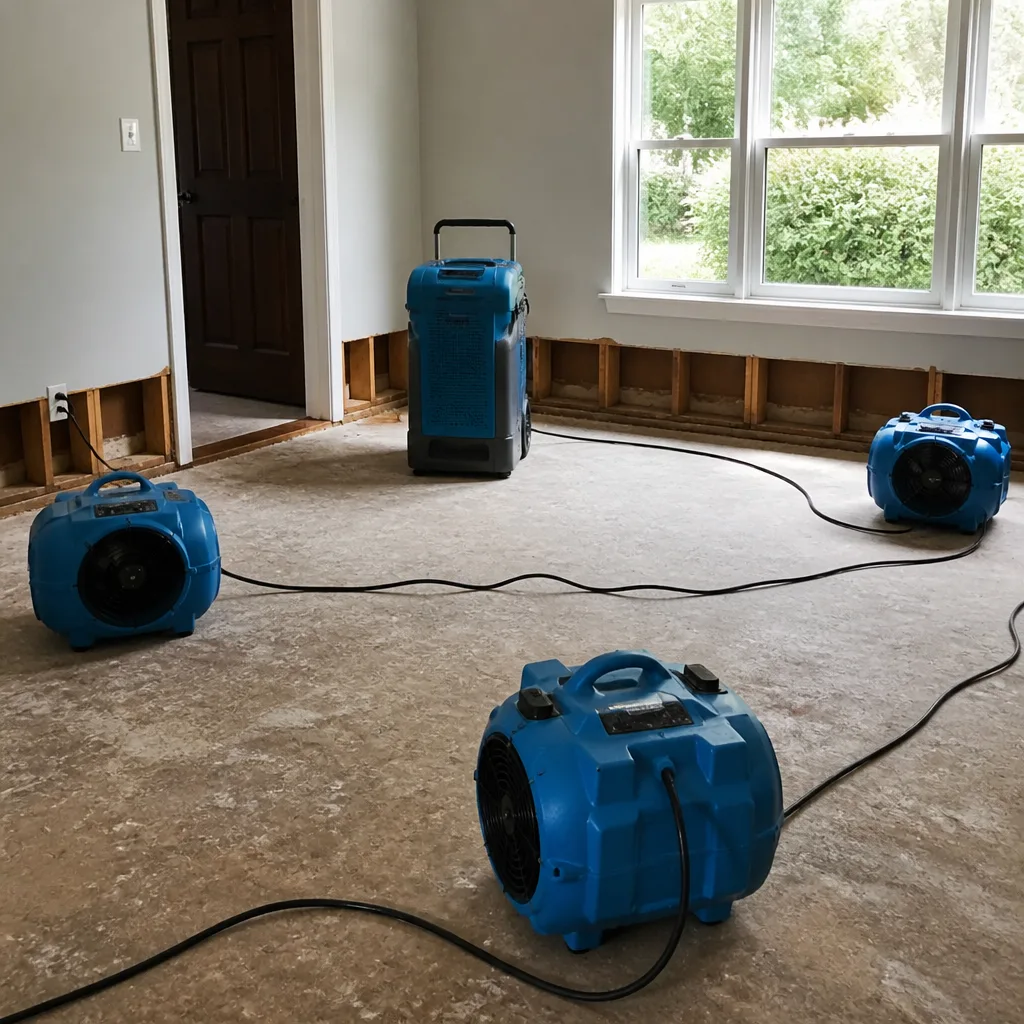
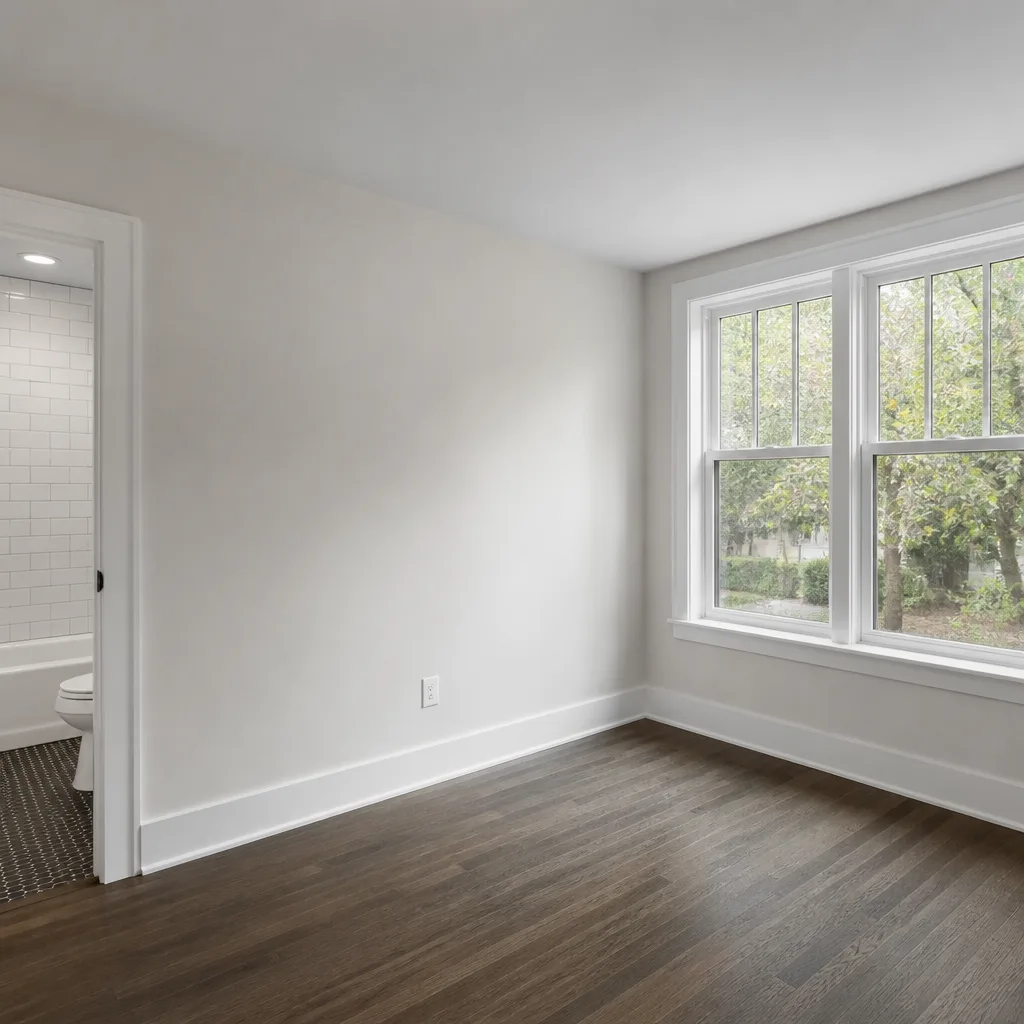
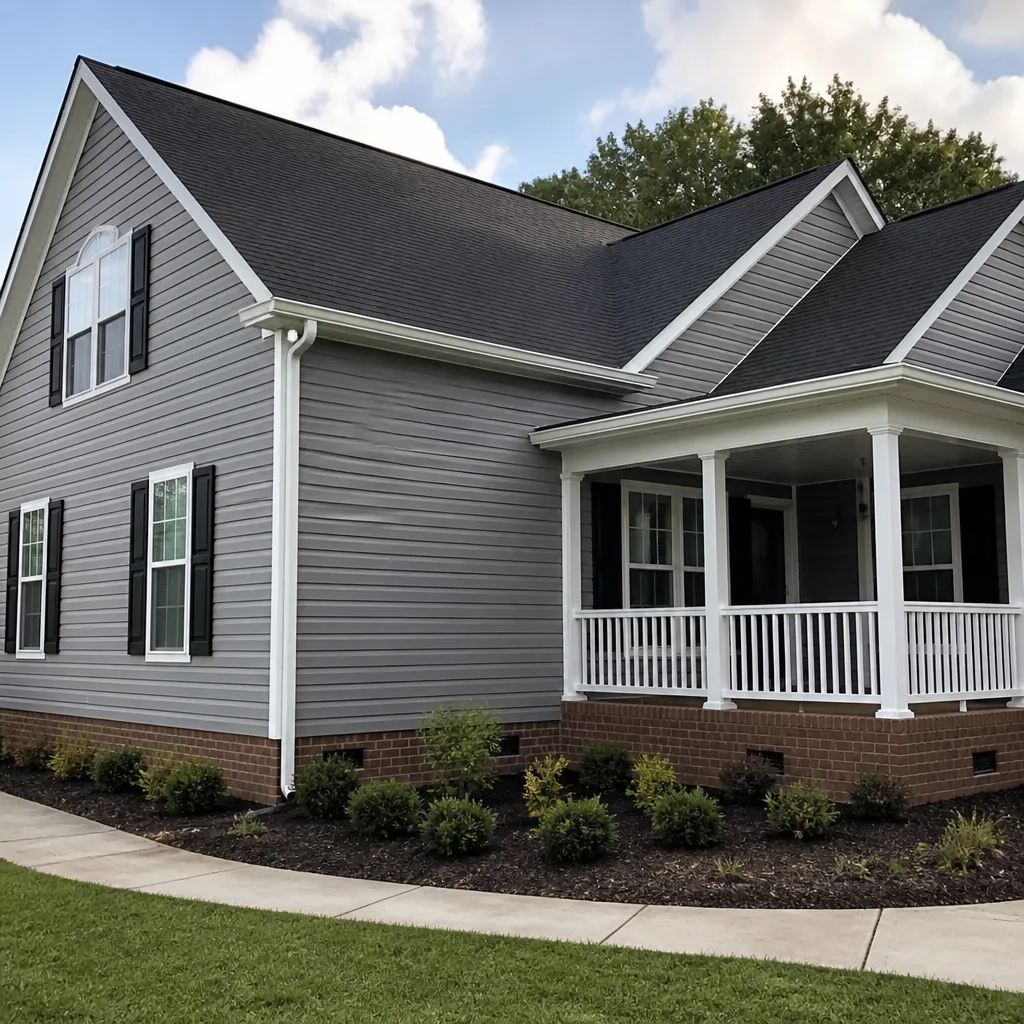
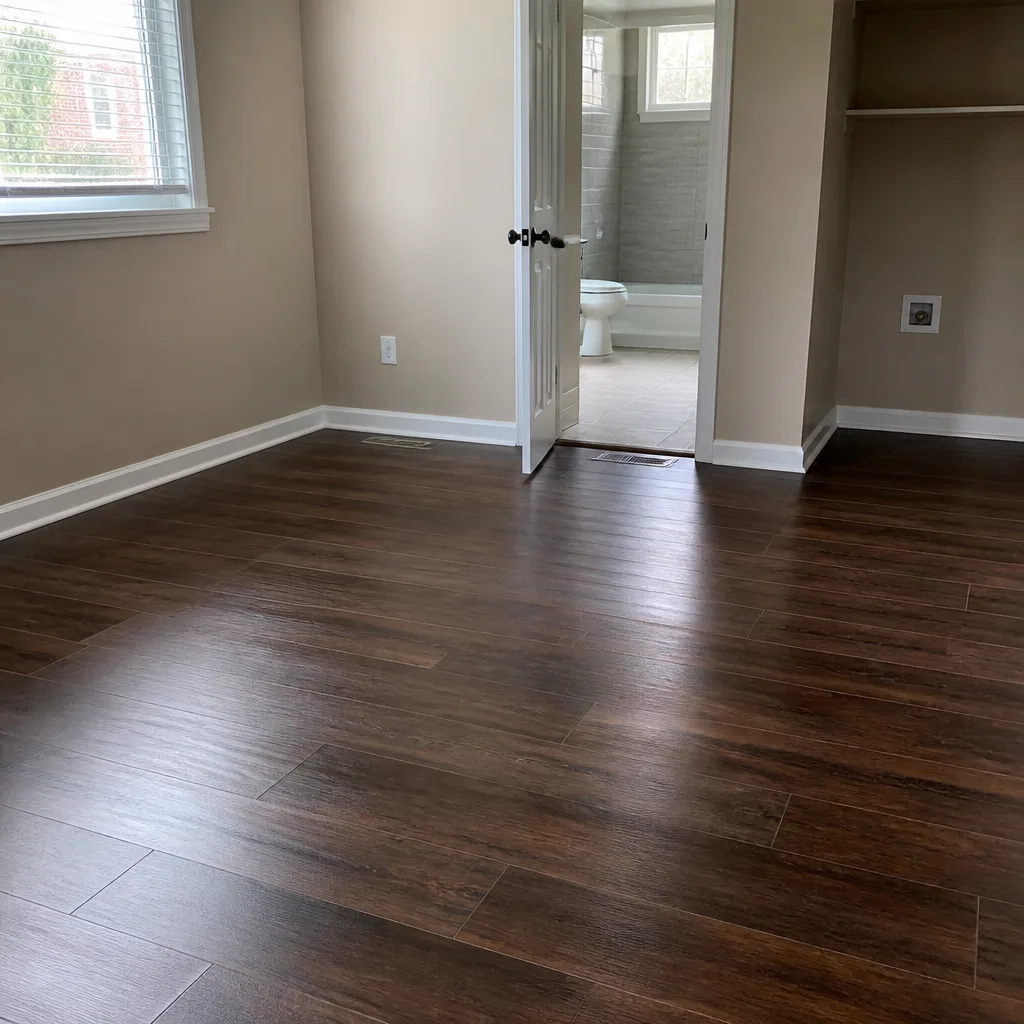
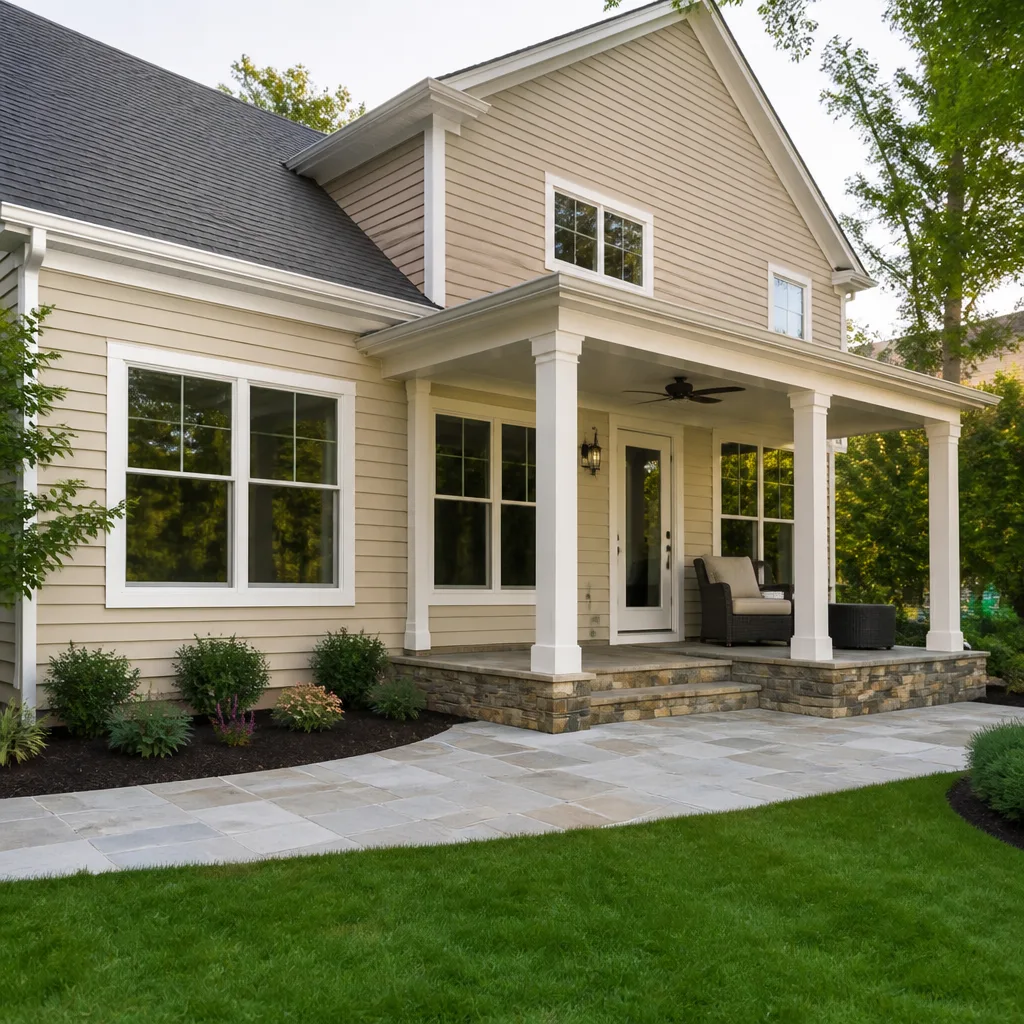
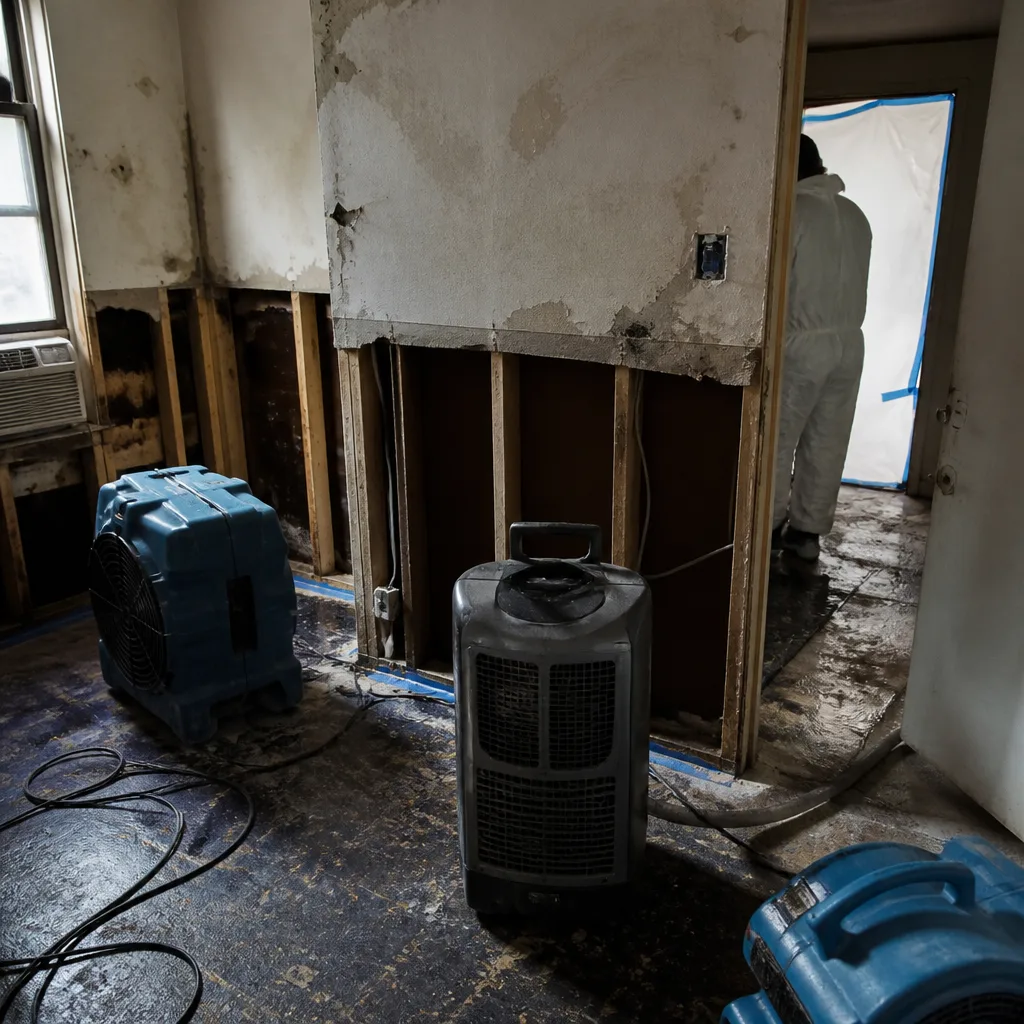 Before
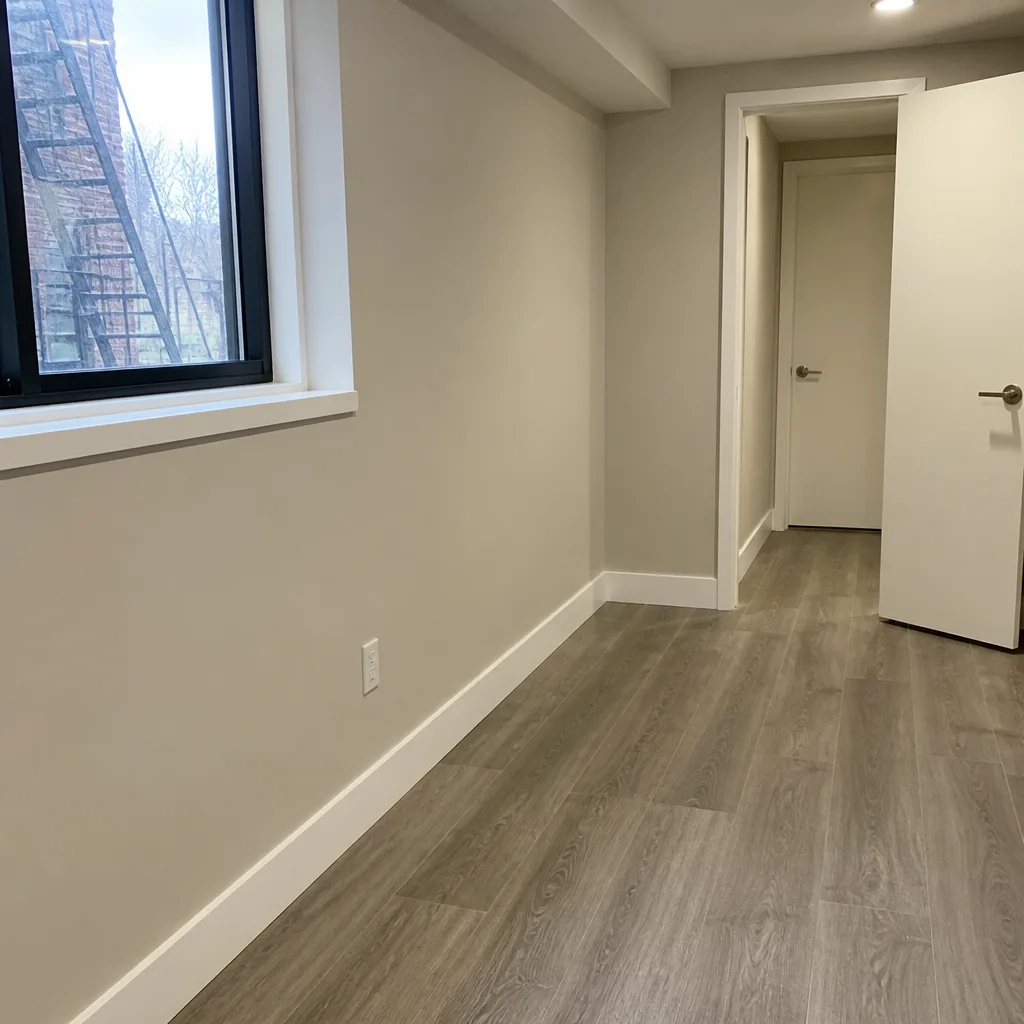 After
After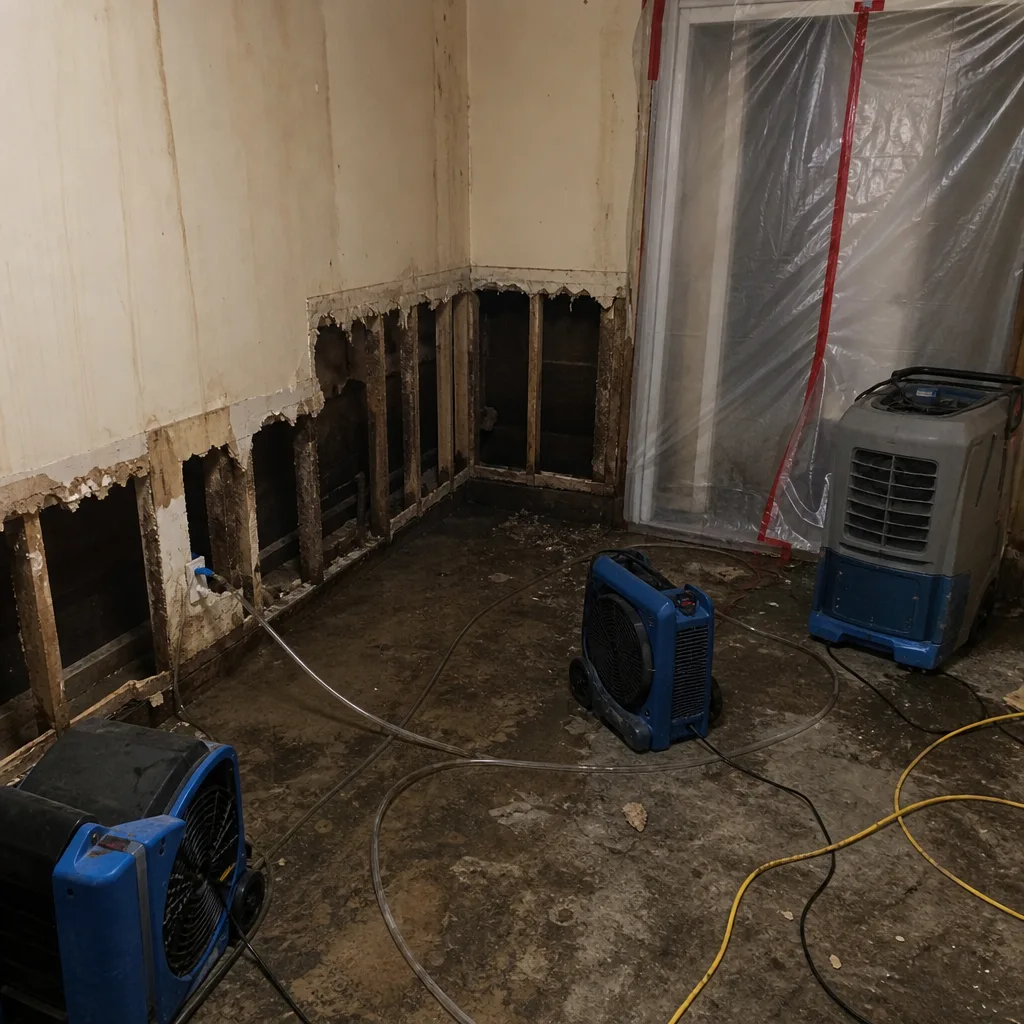 Before
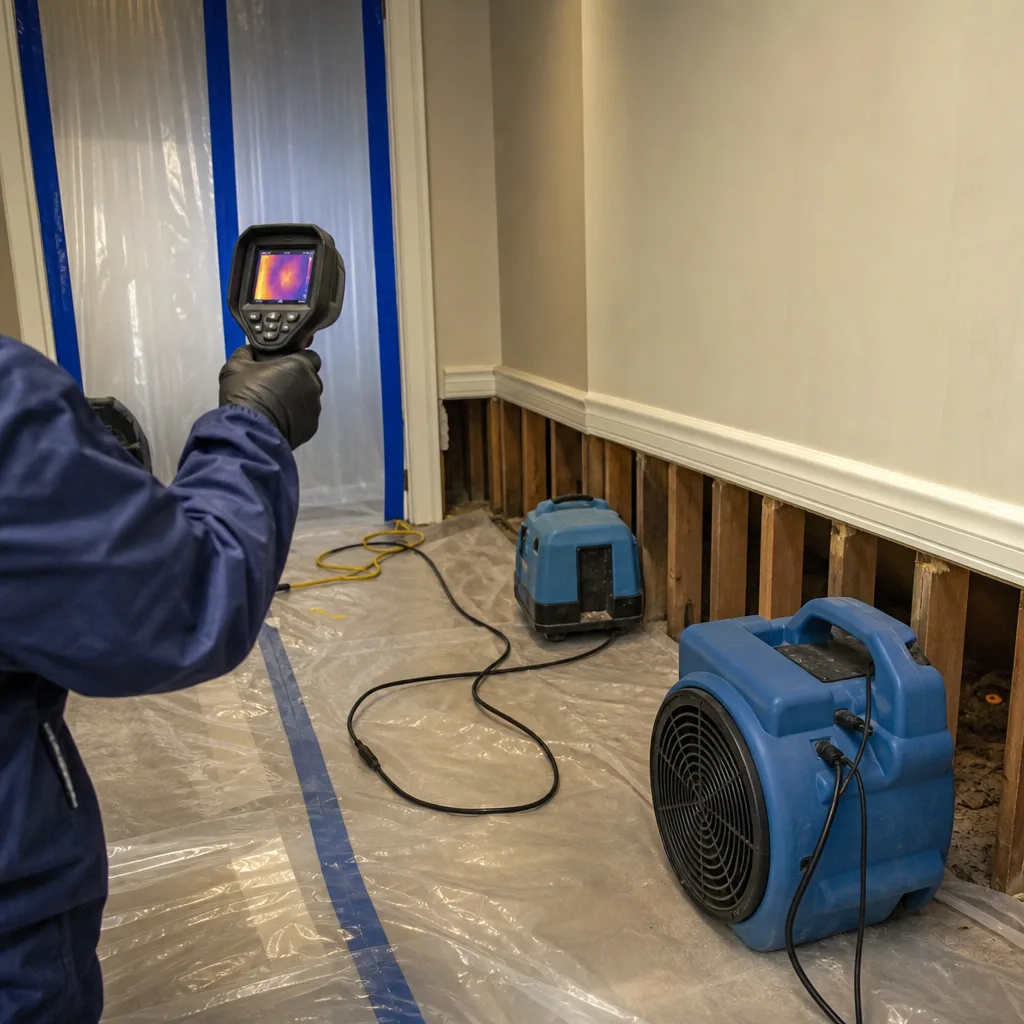 After
After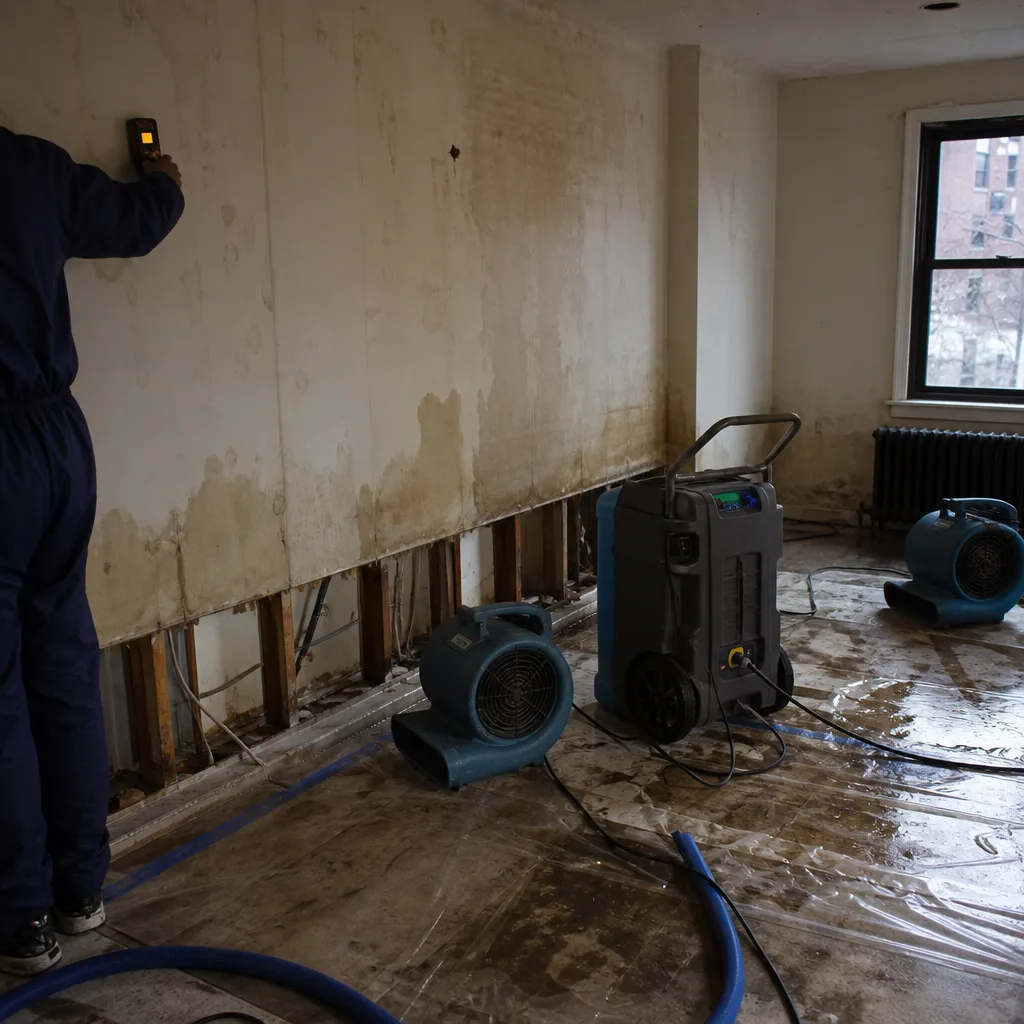 Before
 After
After24/7 Emergency Fire & Smoke Damage Restoration in Jackson Heights
A kitchen fire in a Jackson Heights co-op doesn’t stay in the kitchen. Smoke follows the original plaster-over-lath walls and shared pipe chases, soiling units two and three floors away within the first hour. That’s why our crews answer the phone live at (716) 452-0798, any hour of any day, and dispatch into 11372 within 45 minutes. The first hour after a fire determines what gets restored and what gets replaced. Soot that sits for a day etches into finished woodwork and alkaline residue corrodes metal fixtures. Water from fire suppression saturates through floors and finds the neighbor below. We get the board-up and containment started the same visit, then we start the documentation your co-op board and insurance carrier will both want to see.
Understanding Fire & Smoke Damage Restoration Severity in Jackson Heights Properties
Fire damage in Jackson Heights presents differently than it does in newer Queens construction, and that changes the entire response. The neighborhood’s defining stock is six-story brick garden apartment co-ops and attached row homes built between 1914 and 1940. Original plaster-over-lath walls behave like a sponge for smoke. Lath gaps behind the plaster create chimney-like channels that pull soot into wall cavities and across dropped ceilings. In attached row homes, shared chimney flues and party walls mean smoke from a kitchen fire in one unit routinely migrates into the neighboring unit through unsealed penetrations around pipe runs. Soot residue itself comes in different forms. Dry soot off a high-oxygen fire brushes away relatively easily. Oily or wet soot, common in kitchen fires where grease is involved, smears and drives deeper with every premature wipe. That’s why the first step is always a professional soot identification and containment strategy, not a mop and a bucket. In Jackson Heights co-ops the severity question is almost never just about the fire itself. It’s about how far smoke traveled through the building’s original chases before anyone knew there was a problem.
Why Jackson Heights Property Owners Choose Floodline Restoration Co.
- 45-minute response commitment – a live dispatcher takes your call and a certified crew is rolling toward Jackson Heights immediately, not after a callback window.
- 24/7 live answer, no recordings – Curt Bowman built this company around a dispatch board, not a sales desk. At 2 a.m. you get a person who knows restoration.
- IICRC-certified crews – our technicians hold current FSRT and OCT certifications for fire, smoke, and odor control, plus RIA and IFA training standards.
- Free visual inspection – we walk the damage, take readings, and give you a written scope before any work starts. No charge, no obligation.
- Direct insurance billing – we coordinate with your carrier directly and you never play messenger between our crew and the adjuster.
- One team, start to finish – from emergency board-up to final coat of finish paint. No mid-job handoff, no inherited crew that never saw the fire.
Our Fire & Smoke Damage Restoration Process
Inspection & Assessment
We map smoke migration with thermal imaging and identify soot type across every affected surface, including inside wall cavities and pipe chases. In co-op buildings we document all accessed units and flag any LPC-visible surfaces early.
Emergency Board-Up & Containment
Doors, windows, and any fire-service openings get secured the same visit. We stage containment before touching soot. In a Jackson Heights co-op this frequently requires board approval for staging, so we begin documentation immediately while containment waits on the board.
Water Extraction & Stabilization
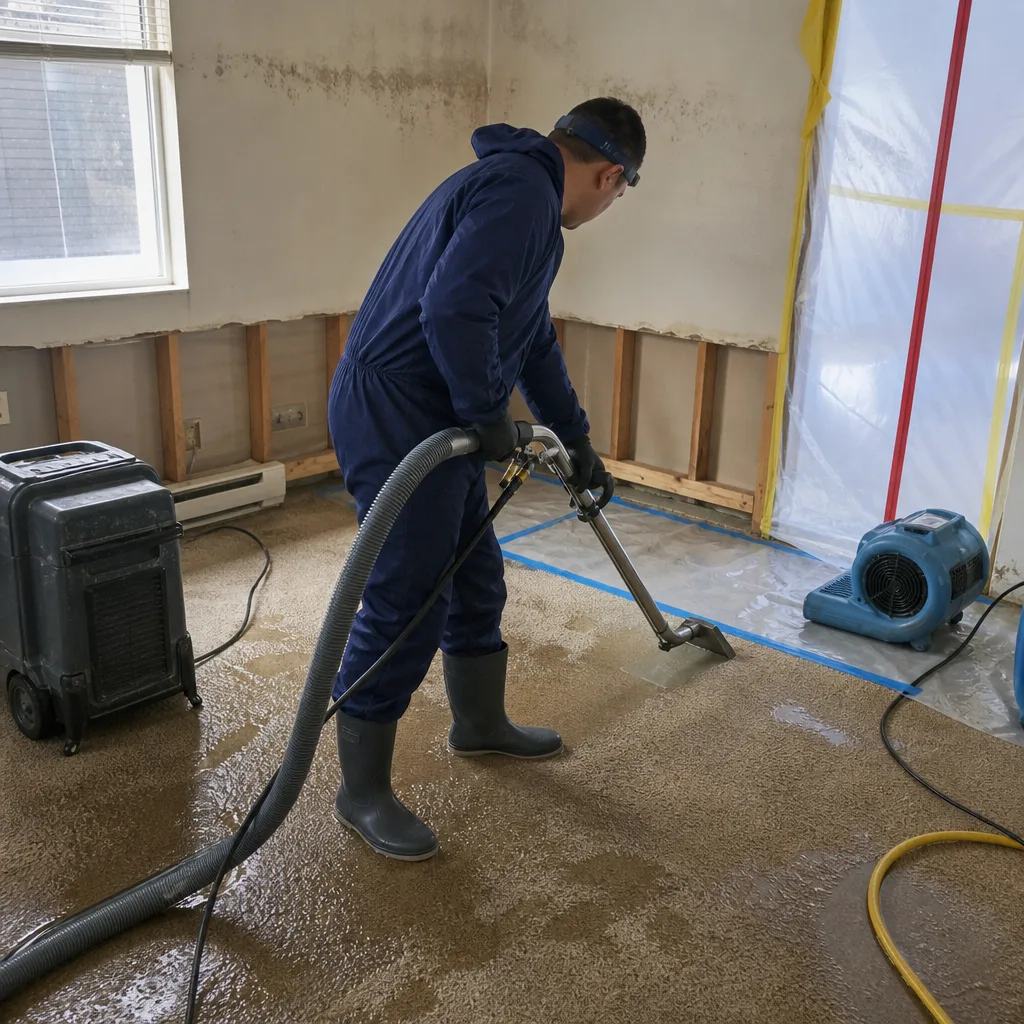
Fire suppression water gets extracted from floors, walls, and below-grade spaces using Dri-Eaz and Phoenix extraction units as part of our Sewage Cleanup in Jackson Heights. In prewar buildings with terra-cotta tile construction, water migrates downward fast, so we check the unit below before we assume the water stayed put.
Drying & Dehumidification
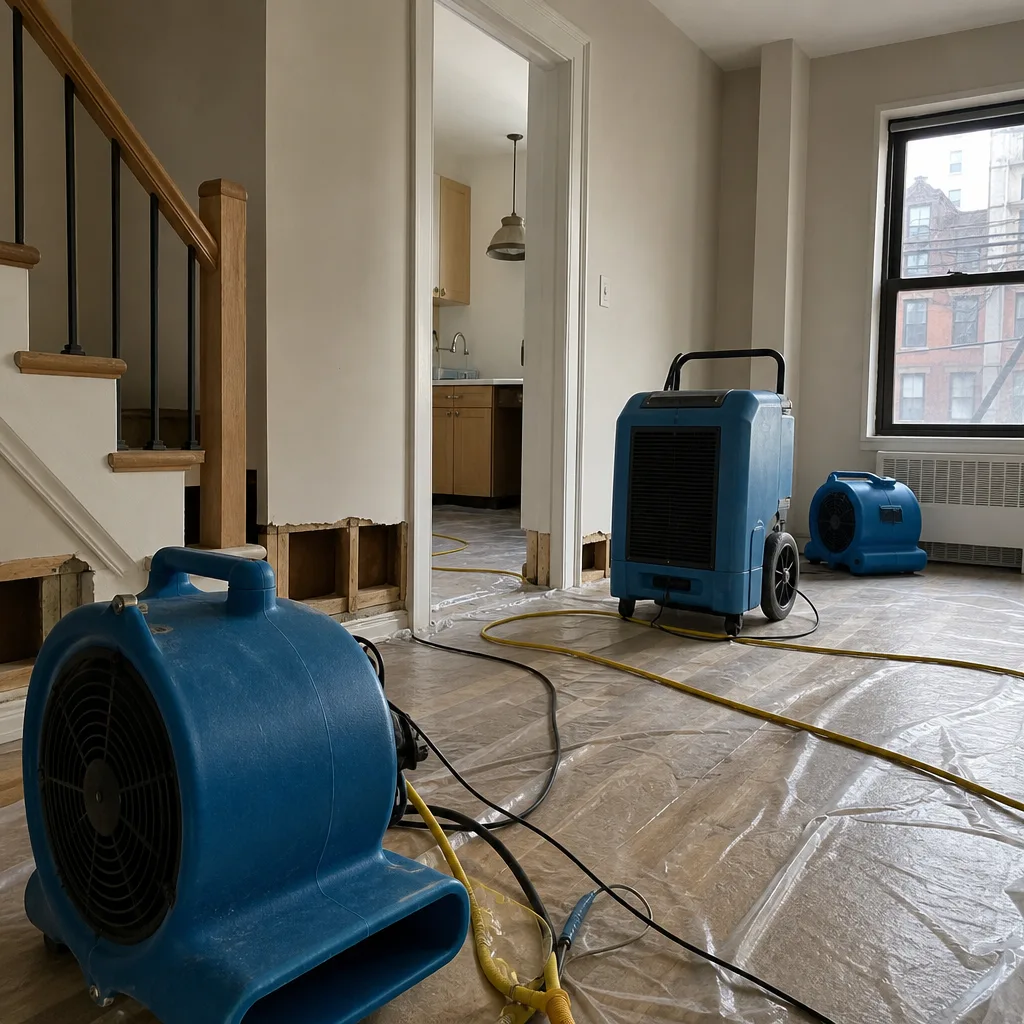
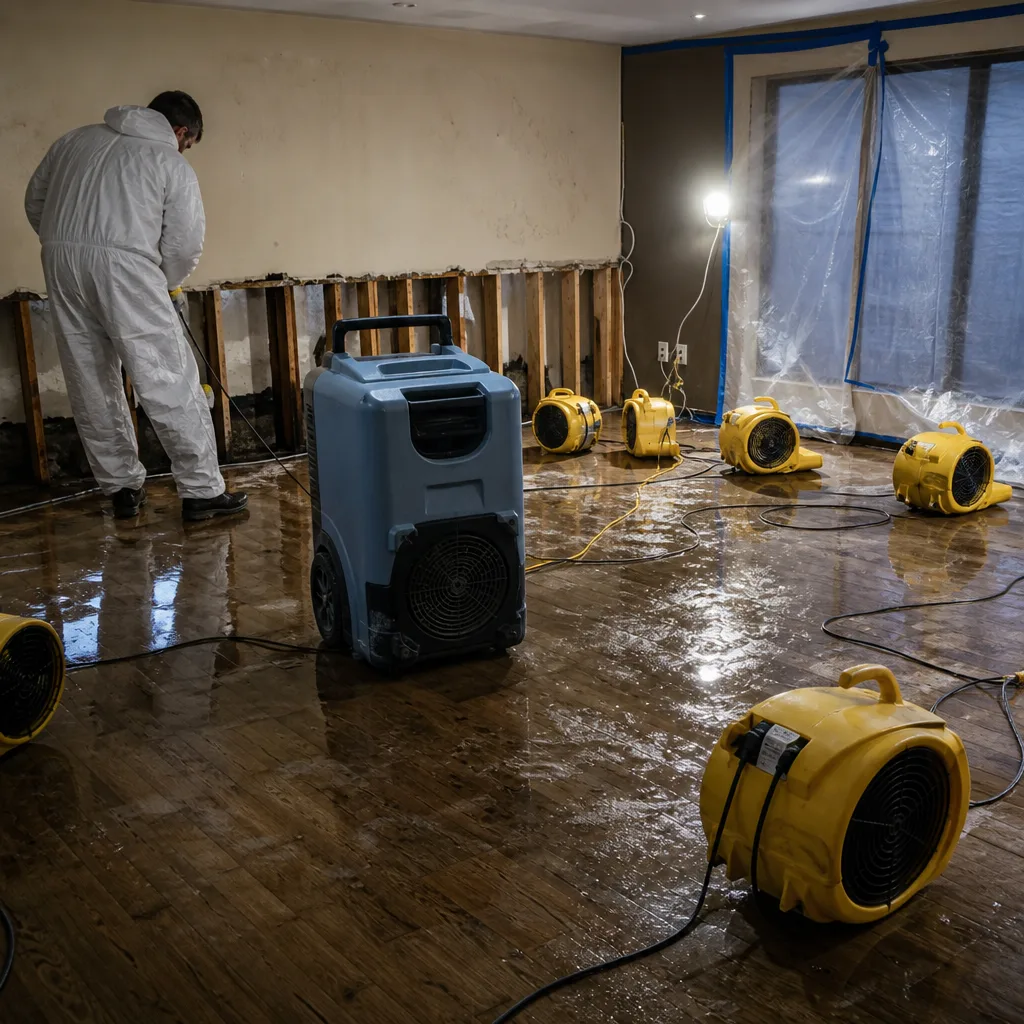
Professional-grade air movers and dehumidifiers get placed according to a moisture map, not guesswork. Daily readings continue until the dry standard is met, and the log goes to your carrier. Stabilizing moisture fast prevents secondary damage that doubles restoration costs.
Soot Removal, Cleaning & Deodorization
HEPA air scrubbers run throughout the job. Soot type determines the cleaning method. For odor, hydroxyl generators and thermal fogging treat what’s absorbed into original plaster and brick – not just what’s on the surface.
Repairs & Restoration
The same crew that did the mitigation handles our Reconstruction & Cleanup in Jackson Heights, sourcing materials appropriate to the building’s era and, inside the historic district, materials that satisfy LPC restrictions. We stand behind the finished job with the 90-Day Done Right Promise.
Need Emergency Fire & Smoke Damage Restoration in Jackson Heights Now?
Crews minutes away, answering live 24 hours a day. The sooner we start, the less it costs.
Working With Your Insurance Company
Insurance claims in Jackson Heights co-ops have more moving parts than a single-family claim. Your co-op board’s master policy typically covers the building structure, while your individual shareholder policy covers interior finishes and contents. That split means two or more carriers are often involved, and each wants documentation. We start photographing and logging from the first hour. Industry-standard estimating software produces a line-item scope your adjuster can read without a translator. We send moisture readings, drying logs, and photo documentation directly to the carrier and copy you. When the adjuster calls, we’re the ones on the phone with them, not you. Our Fire & Smoke Damage Restoration team has handled claims involving four, five, and even eight separate unit owners in a single Jackson Heights incident, each with a different carrier. That’s the reality of restoration here, and we’re built for it.
What We Provide Your Insurer
- Thorough documentation of the loss
- Photos of all damage, room by room
- Moisture readings and drying logs
- A detailed, line-item scope of work
- Direct coordination with your carrier
Built for Jackson Heights’s Loss Calendar
Jackson Heights has a fire loss calendar that tracks the seasons just like the rest of Queens, but with a prewar twist. January and February bring space heater fires in garden-level units and electrical overloads on original 1920s and 1930s wiring that was never designed for modern loads. Spring thaw seeps into basement storage rooms in co-op buildings, and the dampness can worsen smoke odor from any earlier fire event that wasn’t fully treated. Summer brings thunderstorms and a different problem: flooding that shorts out old breaker panels and wiring, sometimes igniting electrical fires in walls that are full of 100 years of accumulated dust and debris. Fall and winter holidays concentrate cooking fires in the neighborhood’s many galley-style kitchens inside attached row homes, where one stove fire can travel laterally through shared walls and chimney flues. The age of the housing stock in Jackson Heights means that what starts as a small fire often becomes a large coordination problem across multiple units. We schedule and respond around all of it.
Fire & Smoke Damage Restoration Across Jackson Heights’s Neighborhoods
Jackson Heights isn’t one building type repeated. The historic district’s garden apartment co-ops, concentrated between Roosevelt Avenue and Northern Boulevard, are the most complex restorations we handle. Six-story brick buildings from 1914 to 1940 share chimney flues, vertical pipe chases, and plaster-over-lath walls that carry smoke into units that never saw a flame. Around 37th Avenue and 82nd Street, the attached brick row homes behave differently. Party walls and shared roof structures mean smoke migration into adjacent homes happens fast, and we often need coordinated access with two or three homeowners before deodorization can be completed. The co-op complexes along 34th and 35th Avenue between 70th and 90th Streets sit in the heart of the landmarked district, where LPC oversight shapes every material decision, from replacement plaster to repainted woodwork. Over near 11372’s western edge toward Junction Boulevard, the older mixed-use buildings present stairwells and hallways as smoke channels, and we build containment differently there than we do in a single-family row house. Each area of Jackson Heights has its own loss pattern. We know them because we’ve worked them.
Specialized Fire & Smoke Damage Restoration Services We Offer in Jackson Heights
Fire Damage Cleanup
We remove charred debris, compromised drywall and plaster, and fire-damaged structural material using appropriate PPE and negative air containment for Jackson Heights Biohazard & Crime Scene Cleanup. In Jackson Heights co-ops, we’re careful to preserve original architectural elements where restoration is possible and LPC requires it. Soot removal starts only after the area is contained, not before.
Smoke & Soot Removal
Soot type dictates everything. Dry soot gets HEPA-vacuumed and dry-sponged. Wet or oily soot, common in Jackson Heights galley kitchen fires, requires chemical treatment before mechanical removal or you’ll smear it deeper into the original plaster. We test first, then clean. In the historic district, matching the right method to the century-old plaster means the difference between a surface clean and a full re-plaster.
Odor Removal & Deodorization
Smoke odor in prewar Jackson Heights buildings doesn’t sit on surfaces. It’s absorbed into porous brick, terra-cotta tile, and lime plaster, and it travels through shared chases. Hydroxyl generators run for days inside sealed containment, while thermal fogging reaches what’s inside wall cavities. We don’t mask odor. We remove it and verify with repeat readings.
Contents Cleaning & Pack-Out
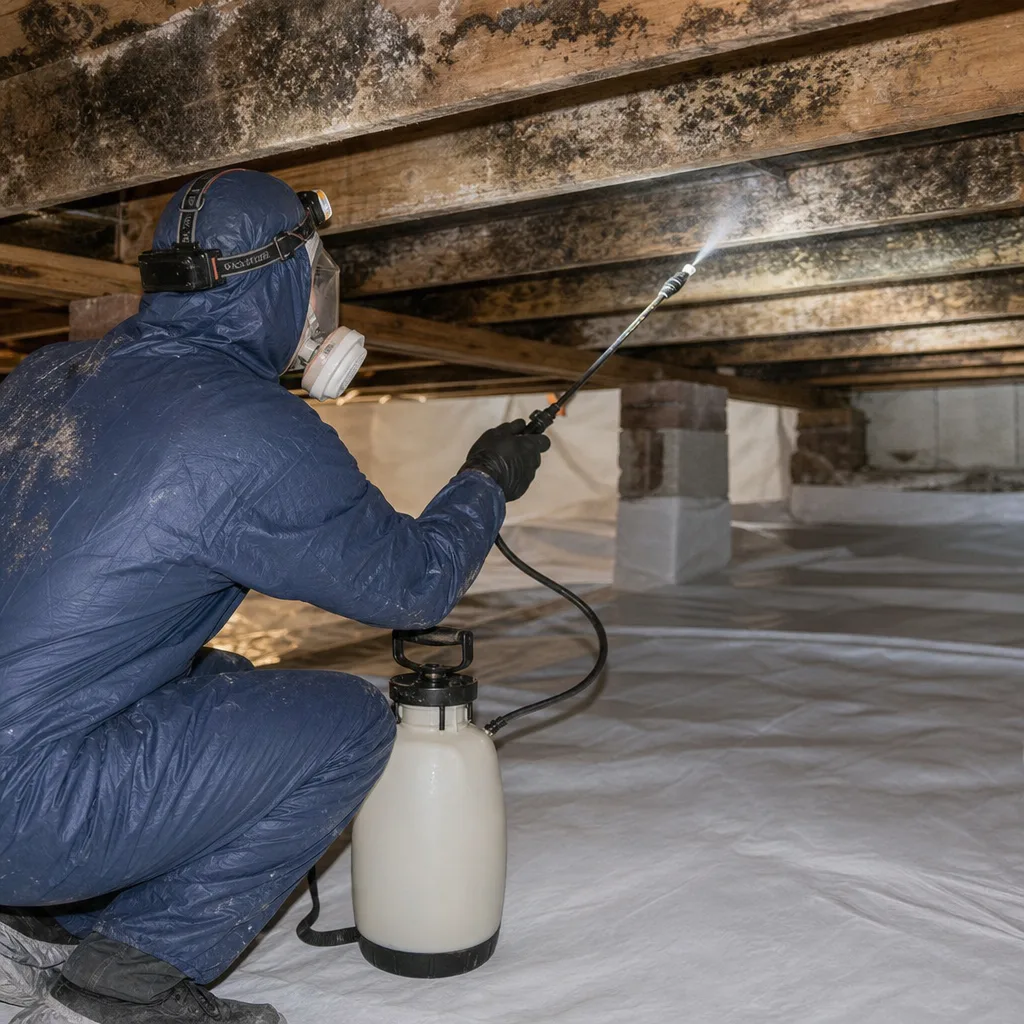
When a co-op unit has smoke-damaged contents, we inventory, photograph, pack out, and clean everything off-site in our facility. Jackson Heights co-ops often have minimal staging space and no freight elevator, so we coordinate move-out schedules with building management around the daily routines of seven-day-a-week buildings. Every item gets a manifest that your adjuster can read.
Emergency Board-Up & Tarping
After a fire, the building is exposed. We board windows and doors and tarp roof penetrations the same day we’re called, using materials that hold until permanent repairs are approved. In Jackson Heights’s historic district, that approval can take days, so the board-up has to be solid enough to protect what’s left while the process plays out.
What happens when you call
- 1
A real person answersNo phone trees - you reach a local pro.
- 2
You get an upfront price rangeHonest numbers before anyone is dispatched.
- 3
A background-checked tech heads outLicensed & insured, dispatched right away.
- 4
You approve before work beginsNothing starts until you say go.
Fire & Smoke Damage Restoration Costs in Jackson Heights, NY
A kitchen fire restoration in Jackson Heights typically runs $4,500 to $15,000 for a contained single-unit incident with moderate smoke migration. Full multi-unit smoke remediation across a co-op stack, where odor moves through shared chases and multiple units need pack-out, deodorization, and repair, ranges from $20,000 to $75,000 or more. That’s the honest spread. What moves the price is soot type, how much of the original plaster must be removed versus cleaned, whether LPC material restrictions apply, and how many units are involved. Basic smoke and soot removal in one room starts around $1,800 to $3,500. Contents cleaning and pack-out adds $2,000 to $12,000 depending on volume. Odor removal with hydroxyl treatment in a prewar building typically runs $3,000 to $9,000 because it takes days of equipment time, not hours. The free visual inspection is how you get from a range to a firm written scope. Call (716) 452-0798 and we’ll walk it with you.
We Also Serve Cities Near Jackson Heights
Floodline Restoration Co. responds throughout Queens, including Elmhurst, Maspeth, Astoria, and Long Island City. The prewar building challenges we describe in Jackson Heights continue into those neighboring areas, and our crews know the building stock across the whole corridor.
Serving Jackson Heights, NY - Our Local Coverage Area
We’re based in the Jackson Heights area and know this community well. Use the map below to see our service coverage - if you’re nearby, we can almost certainly help.
Jackson Heights Fire & Smoke Damage Restoration Questions, Answered
How does Landmarks Preservation Commission oversight affect fire and smoke restoration in Jackson Heights co-ops?
LPC oversight means any replacement of original plaster, woodwork, windows, or exterior materials inside the Jackson Heights Historic District must meet material and finish standards set by the Landmarks Preservation Commission. That can slow restoration by days or weeks, and it restricts which cleaning and repair methods are allowable. We document everything LPC-visible on day one and build the scope around approved materials from the start. Call (716) 452-0798 if you’re facing LPC requirements after a fire.
Can we start smoke and soot removal in our Jackson Heights co-op before the board approves the work?
Emergency board-up, water extraction, and containment generally proceed immediately because they prevent further damage. Interior soot removal and deodorization inside shared building areas usually require co-op board approval for staging and access. We’ve waited 48 hours or longer for that approval while running HEPA scrubbers and keeping the affected area stabilized. The sooner the board convenes, the sooner we break the seal and start cleaning. We can provide the board with a written impact statement to speed the vote.
Why does a kitchen fire in an attached Jackson Heights row home affect my neighbor’s unit?
Attached row homes in Jackson Heights share party walls and in many cases chimney flues. Smoke moves through unsealed penetrations around pipe runs, through attic spaces under a continuous roofline, and through the shared chimney. A kitchen fire in one home can soil the adjacent unit’s walls, ceilings, and contents before the fire department even arrives. Coordinating simultaneous access with multiple owners is normal work in Jackson Heights. Call (716) 452-0798 and we’ll coordinate.
How fast can you actually get to Jackson Heights after a fire?
Our response commitment is 45 minutes. The dispatch office is staffed with a live person around the clock, and crews serving Jackson Heights are dispatched directly. For active smoke migration, speed is directly tied to what can be restored versus replaced. The first hour sets the ceiling on the outcome. Call (716) 452-0798 the moment the fire department clears the scene.
Do I really need full smoke remediation or just a cleaning?
If smoke reached wall cavities, pipe chases, or adjacent units, you need remediation, not cleaning. A surface wipe removes visible soot but leaves odor absorbed in original plaster, brick, and terra-cotta. In prewar Jackson Heights construction, visible soot is usually the smallest portion of the contamination. Our free visual inspection determines whether a targeted cleaning is sufficient or whether containment and cavity treatment are required, and we never recommend more than the evidence supports.
How do you handle contents cleaning and pack-out when a Jackson Heights co-op unit has no elevator stage area?
We inventory and photograph every item in place, then pack out in coordinated moves scheduled with building management. In walk-up co-ops, contents move by stair in manageable batches with protective coverings on railings and landings. Off-site cleaning happens in our facility, and the manifest is yours and your adjuster’s record. We’ve done this in some of the tightest prewar buildings in 11372.
Does smoke odor removal differ in prewar Jackson Heights buildings with plaster-over-lath walls?
It differs substantially. Plaster is porous and lath gaps create air channels that act like a smoke distribution system. Odor treatment has to reach inside the wall cavities, not just the room air. We use thermal fogging and hydroxyl generators in sealed containment over multiple days, and we take repeat readings until the odor standard is met. A single pass with a deodorizer won’t work in a 1928 Jackson Heights building.
What should I do in the first 30 minutes after a fire in my Jackson Heights home or co-op?
Do not wipe anything. Wet soot smears and dry soot grinds deeper with every touch. Do not turn on ceiling fans or run the HVAC system, which circulates smoke through the building. Close the door to the affected area if it’s safe to do so, and call (716) 452-0798. Our live dispatcher will talk you through the immediate steps while the crew is on the way.
Jackson Heights fire and smoke damage restoration is not a one-size-fits-all job. Landmark restrictions, co-op boards, shared flues, original plaster, and multi-unit coordination all shape the work, and a national franchise template doesn’t cover any of it. We live in these buildings’ reality every week. Calls are answered live, estimates are free, and the scope you approve is the scope you get. Call (716) 452-0798 now.