
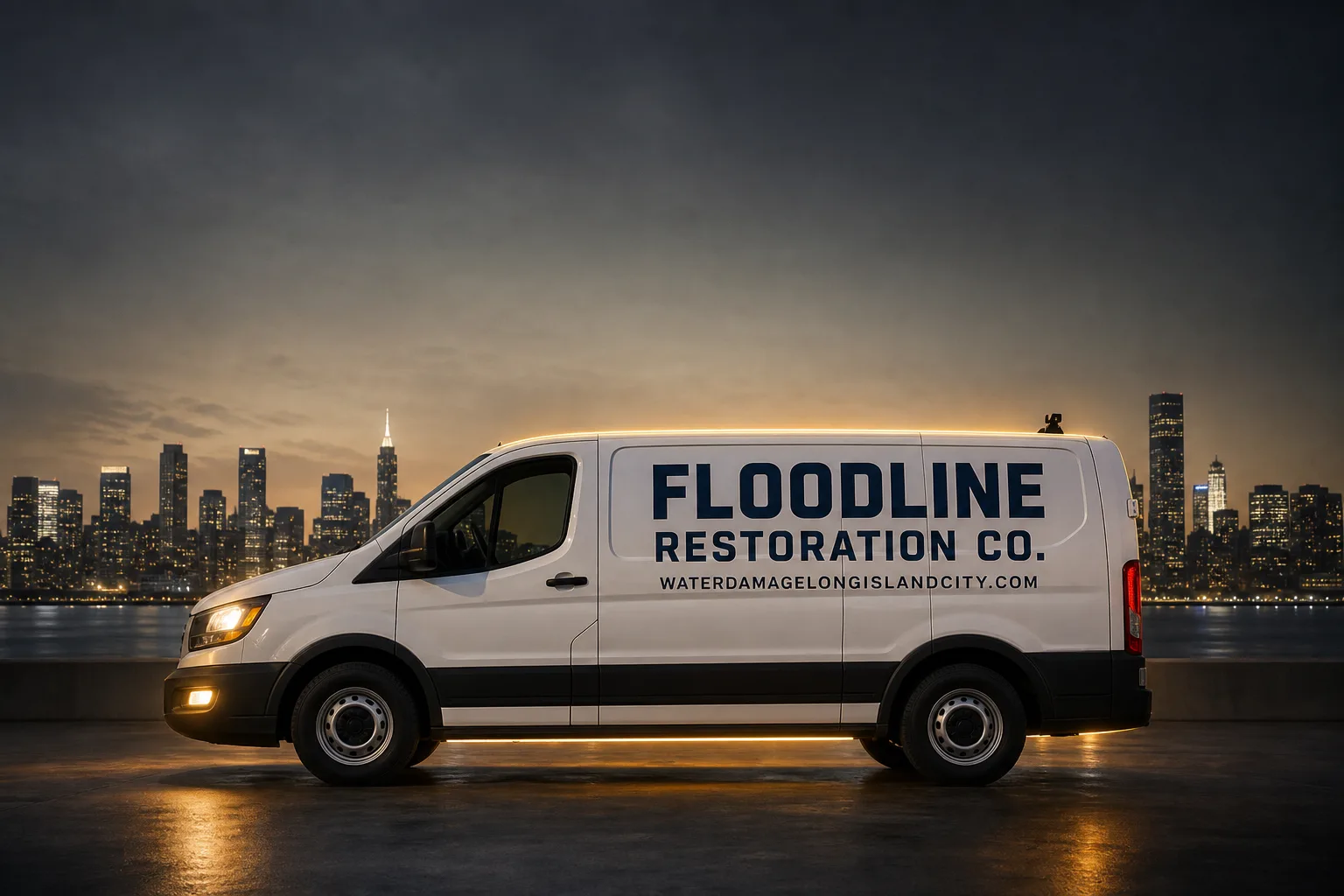
Free visual inspection and a written scope of work before any mitigation begins - photos, moisture readings, and drying logs go in your claim file
The scope we write is the scope we bill. Anything new gets shown to you, in writing, before we touch it.
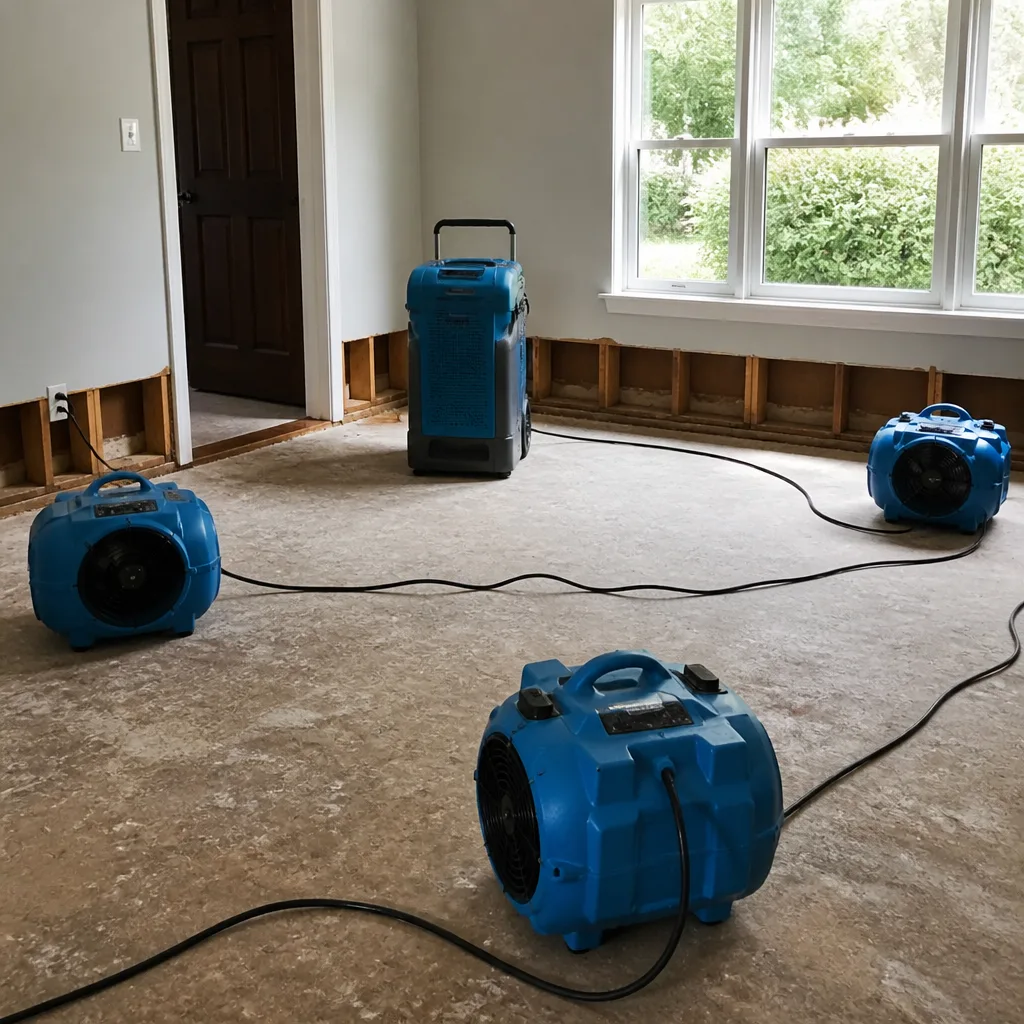
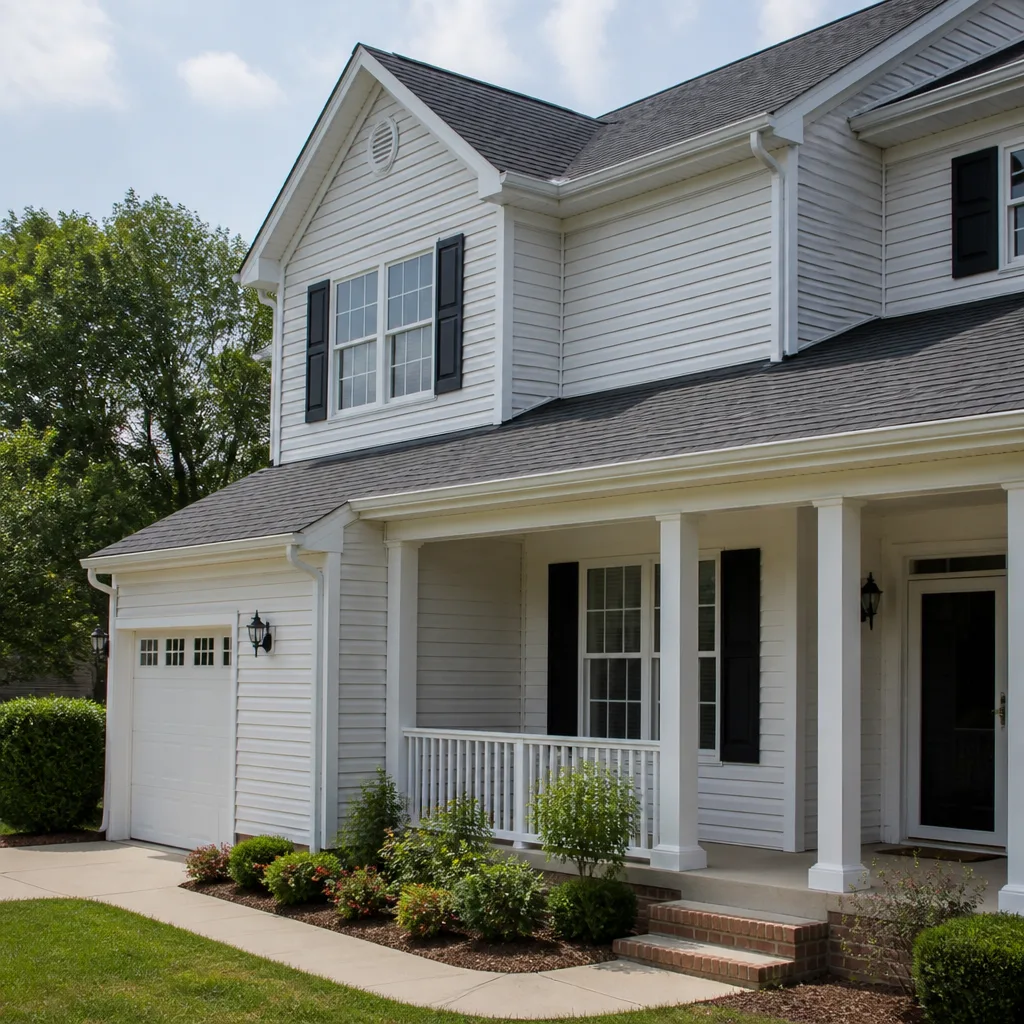
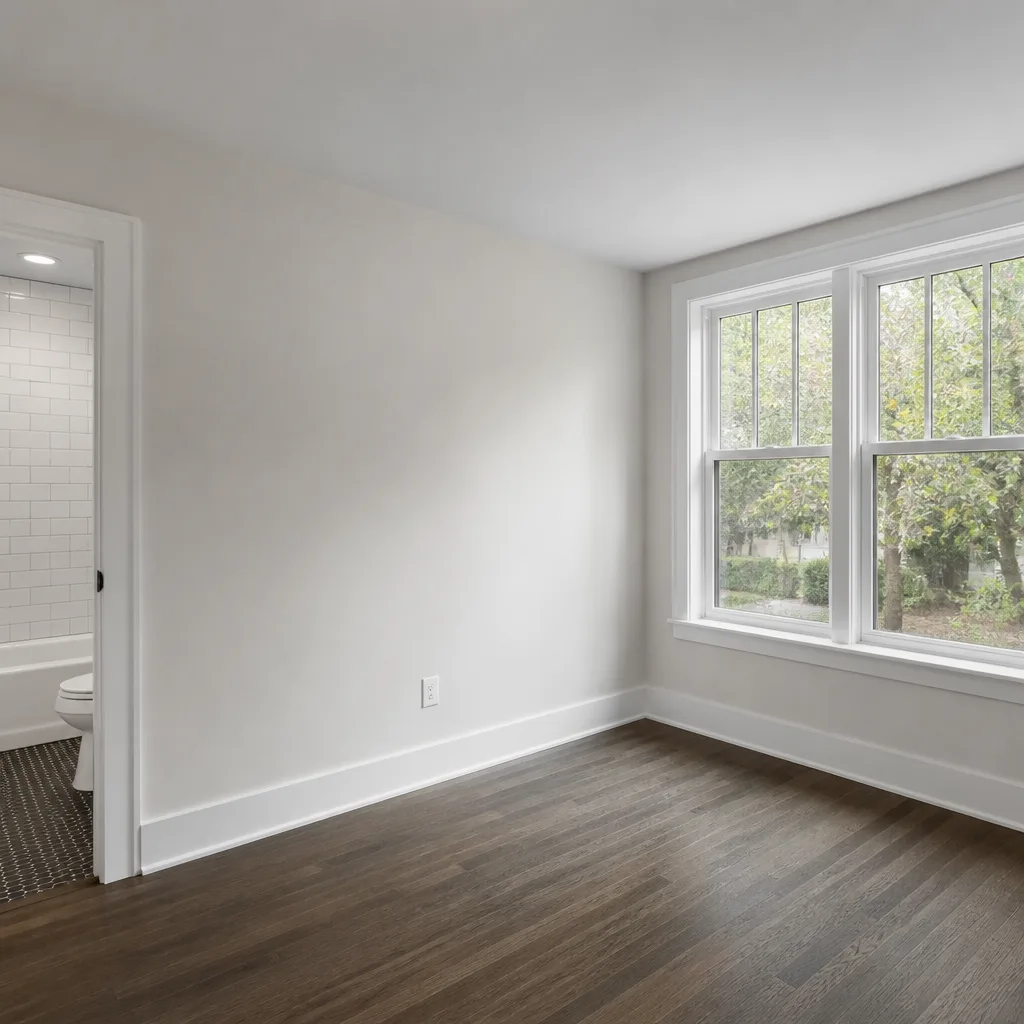
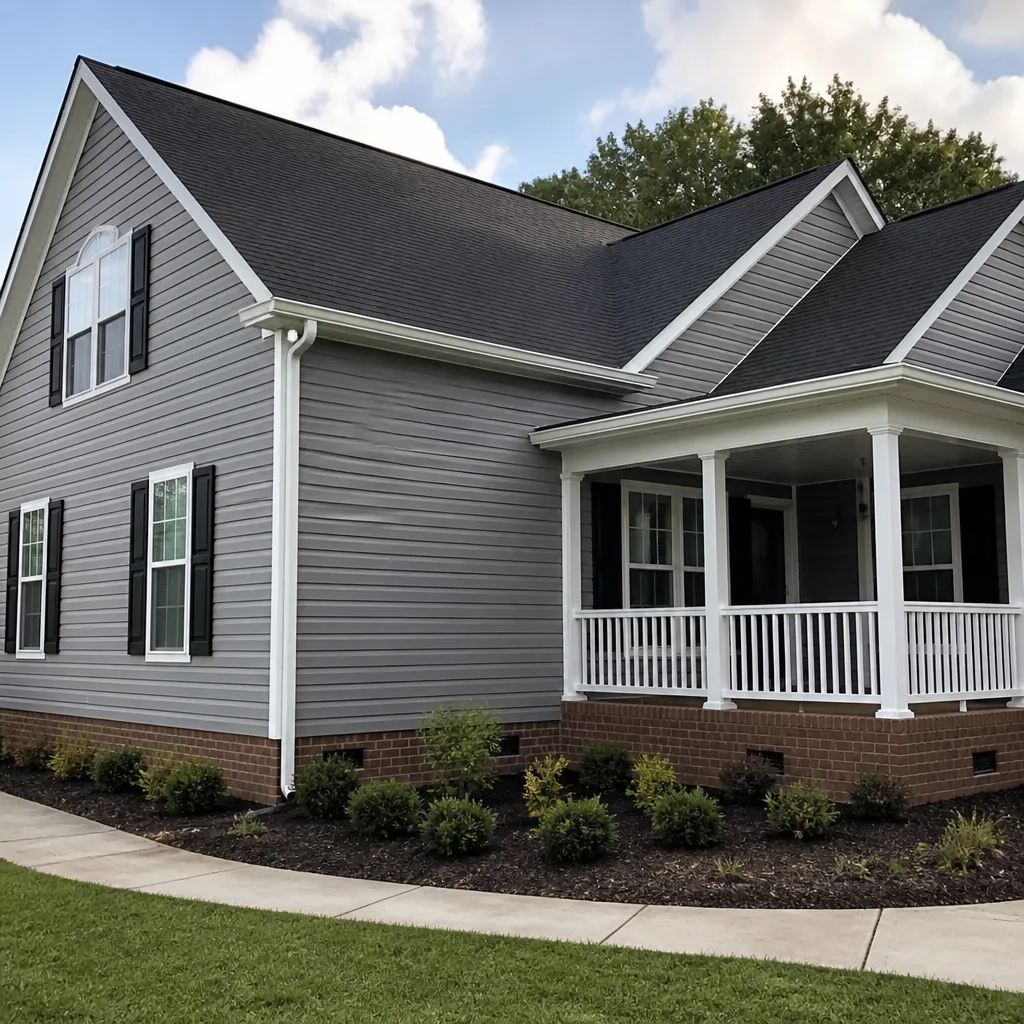
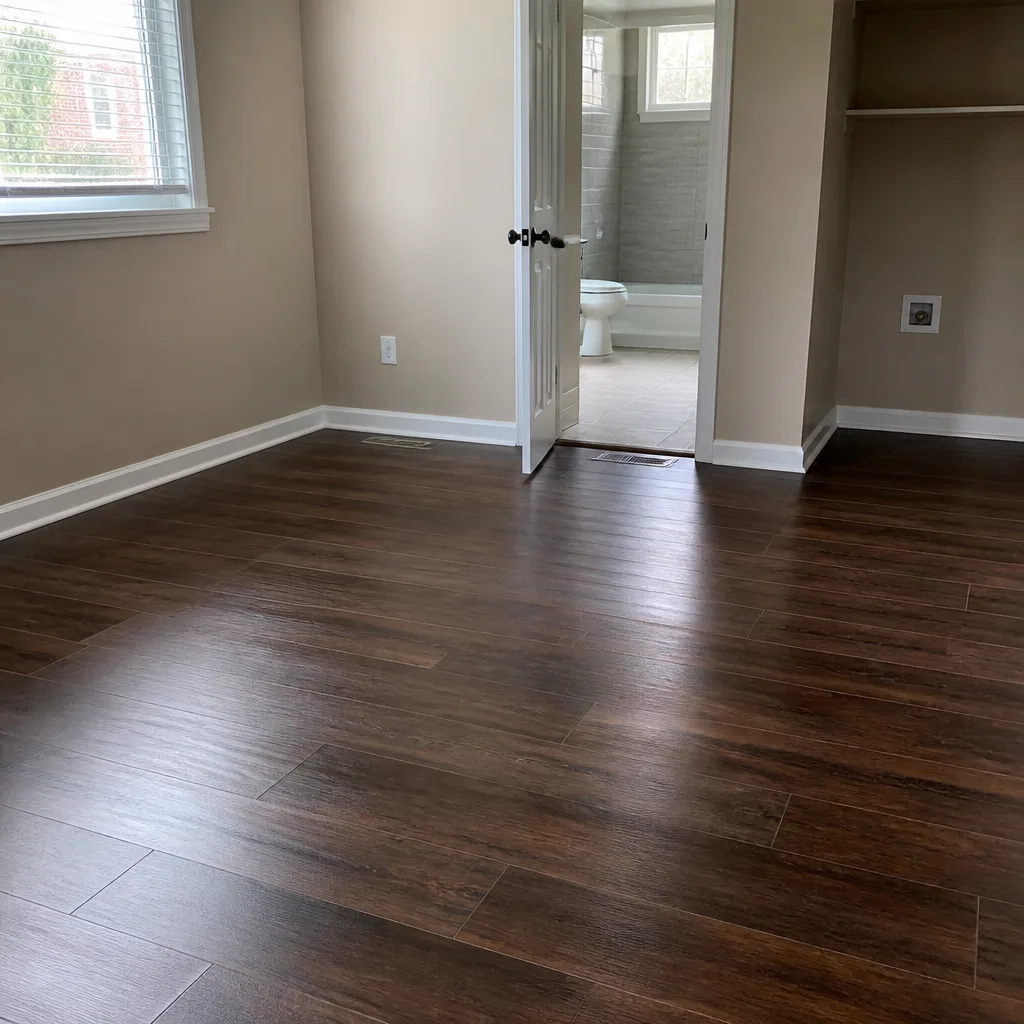
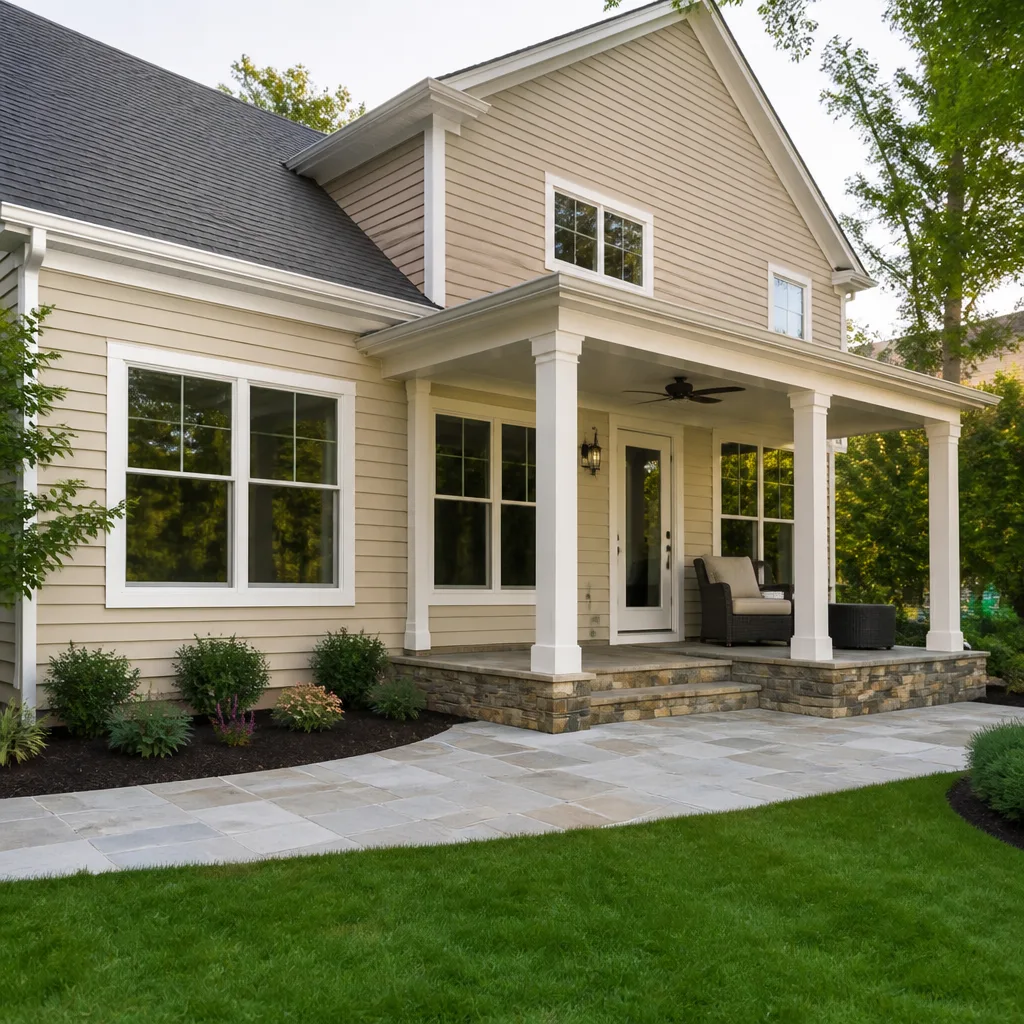
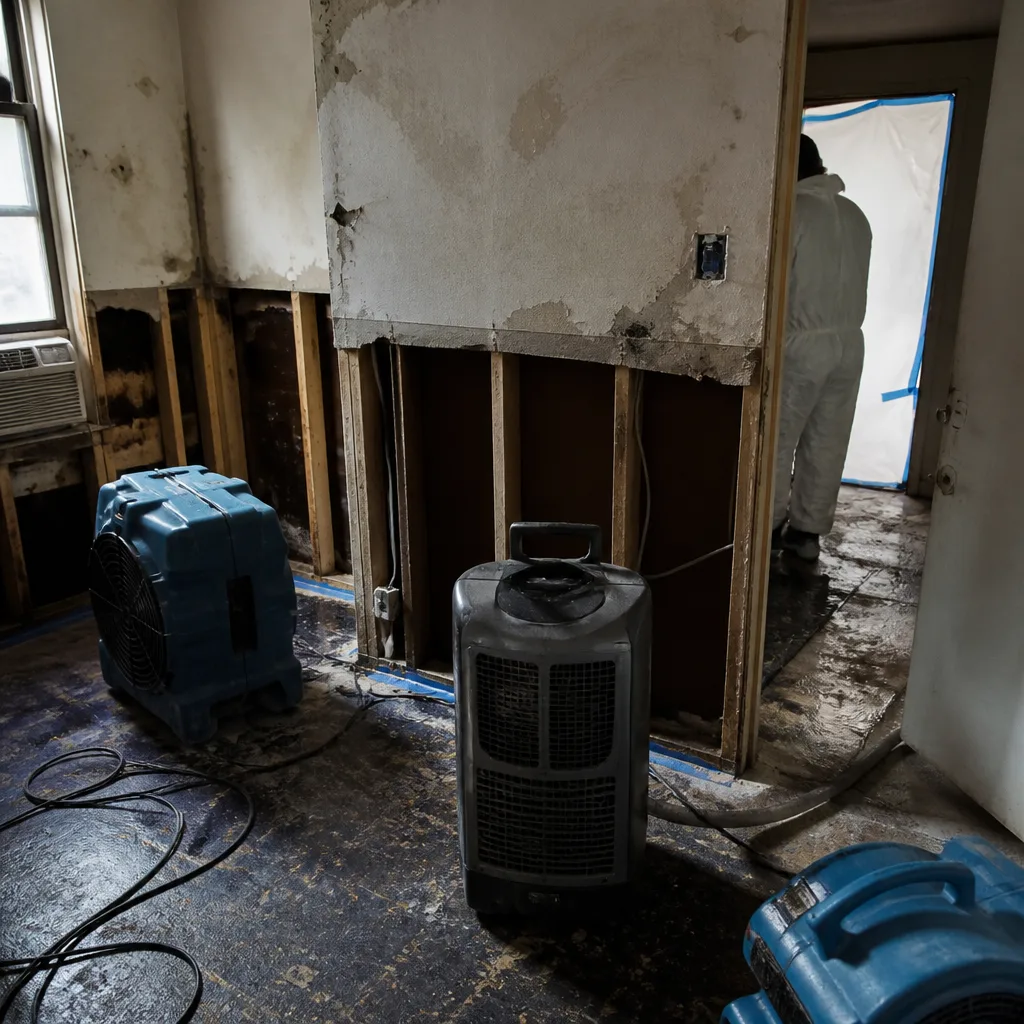 Before
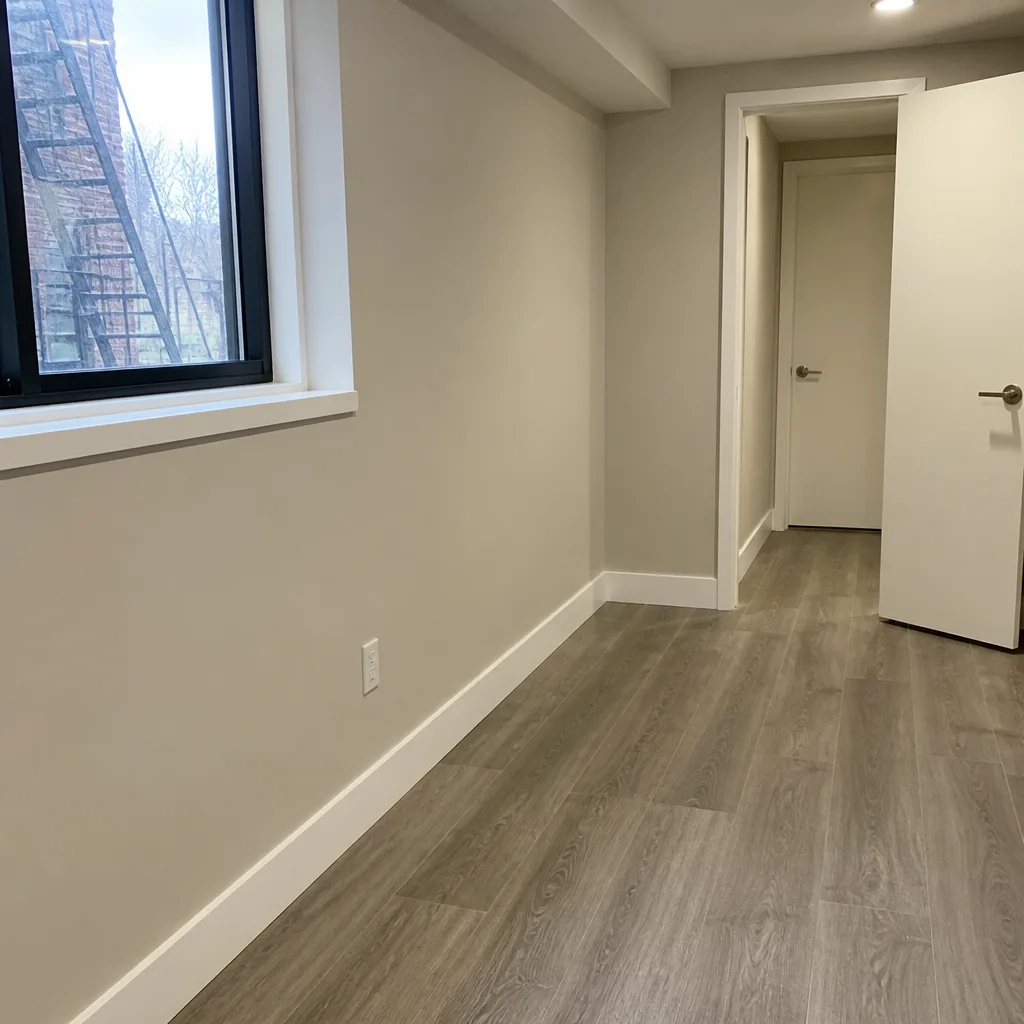 After
After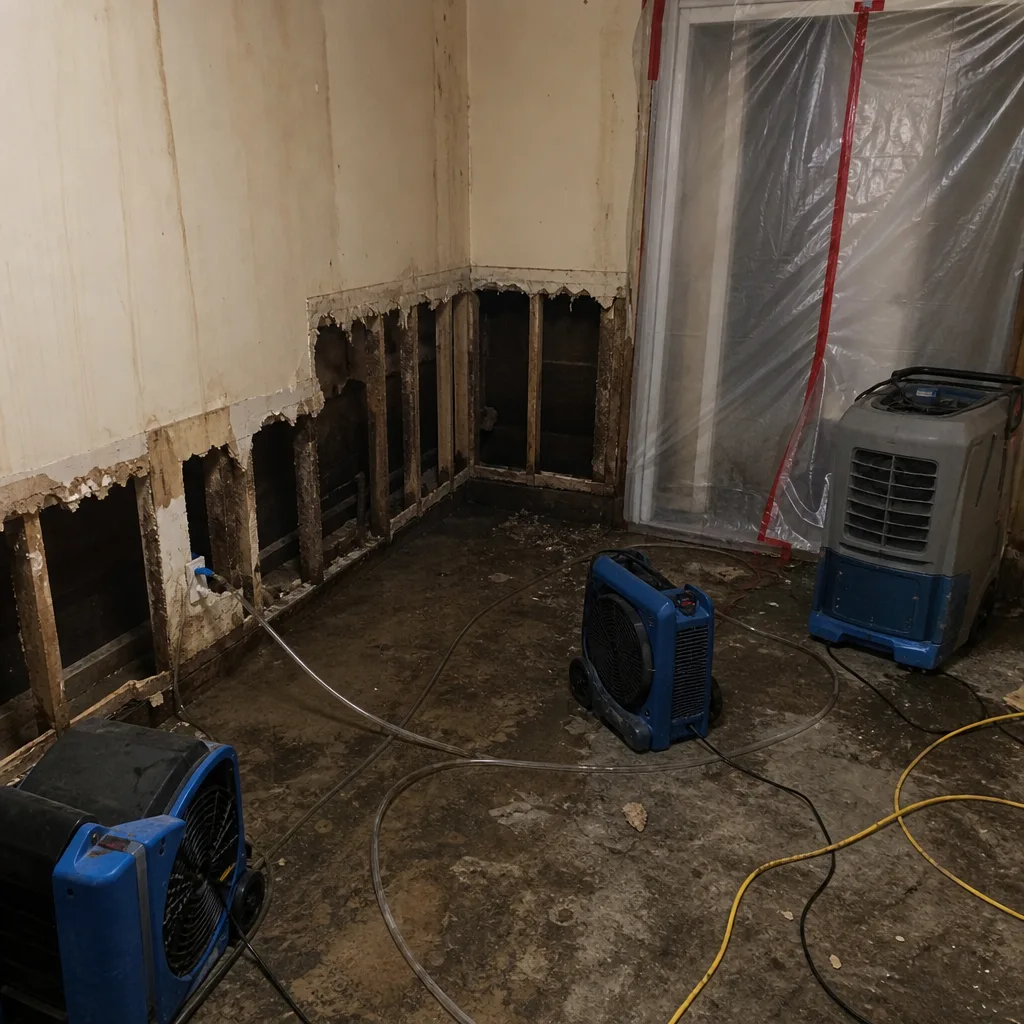 Before
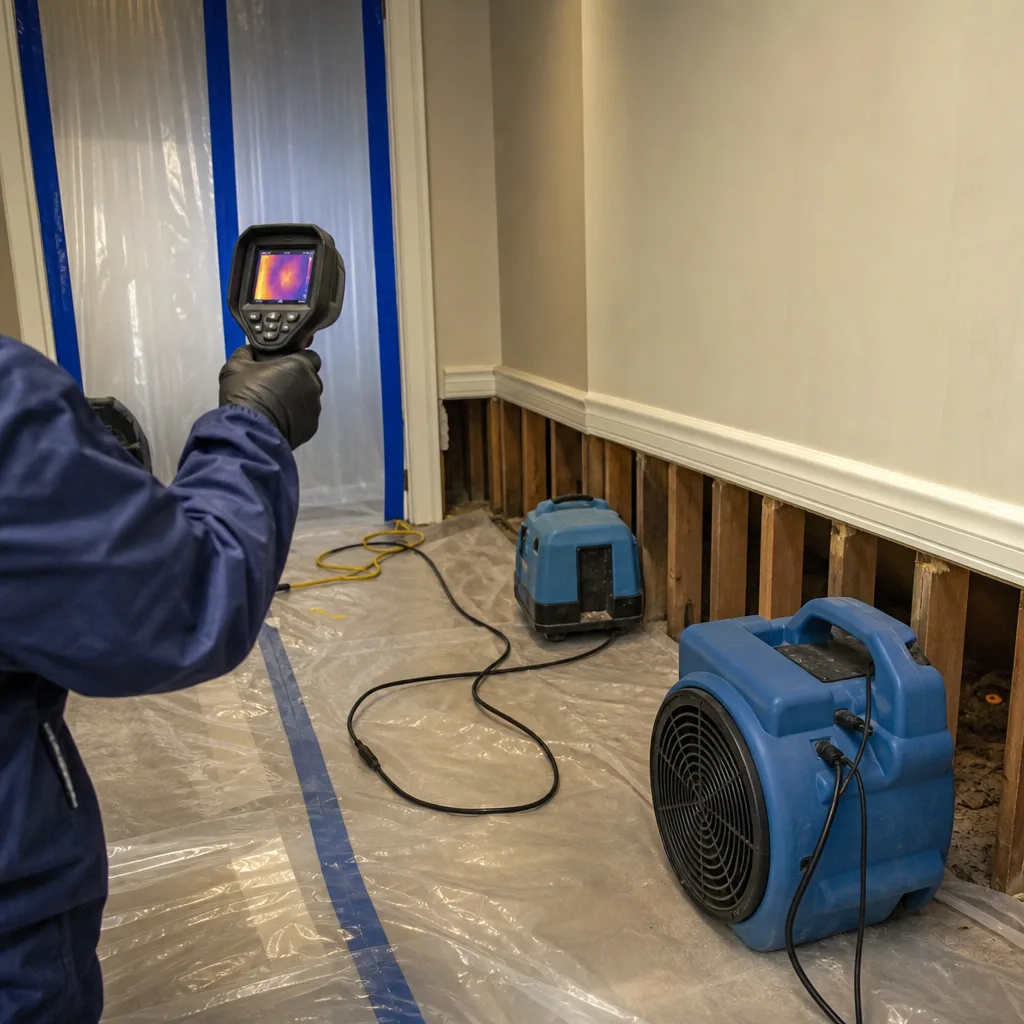 After
After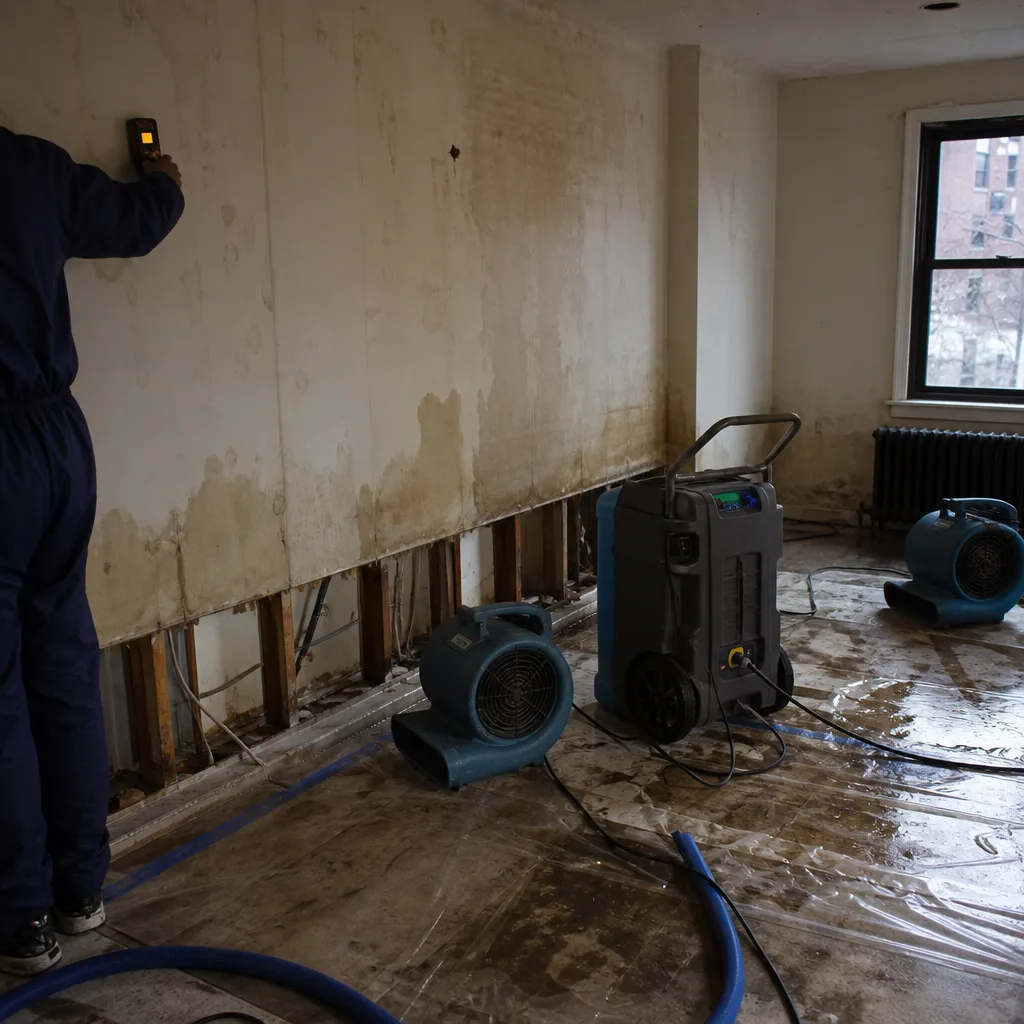 Before
 After
After24/7 Emergency Mold Remediation in Upper West Side
Mold remediation in Upper West Side typically costs between $1,800 and $14,000 depending on how far the colony has spread behind plaster walls and under herringbone floors. In a pre-war co-op, the clock moves faster than a single-family house, because mold behind one unit’s wall rarely stays there. Call (716) 452-0798 and a live dispatcher answers, any hour, every day. We arrive fast, assess the moisture source with thermal imaging, and give you a written scope before a single wall is opened.
What makes mold in Upper West Side different is what’s hiding behind it. Ornate coffered ceilings, original lath-and-plaster walls, and 100-year-old hardwood floors don’t dry like modern drywall. They hold moisture longer and demand specialized drying methods, not box fans. The faster containment goes up, the less material we have to remove. That’s why the first hour matters here more than in newer construction.
Understanding Mold Remediation Severity in Upper West Side Properties
Not all mold is the same, and neither is every Upper West Side building. A surface bloom on a bathroom ceiling from a leaky riser is manageable. A colony that started behind original plaster after a cedar tank failure on Riverside Drive is a different job entirely, one that moves through wall cavities, behind baseboards, and into subflooring. We classify mold by the extent of colonization, the moisture source feeding it, and the spore count in the air. Those three factors drive every decision we make.
Category 1 water from a fresh supply line break is less hazardous than Category 2 water that has picked up contaminants traveling down a 110-year-old elevator shaft. Add the Upper West Side’s pre-war building stock, often with no insulation in exterior walls and decades of layered paint sealing moisture in, and what looks like a small stain can hide a much larger colony. Our crews carry moisture meters, hygrometers, and thermal imaging cameras to map the true extent before containment goes up. That’s what separates real remediation from a paint-and-pray job.
The Pre-War Co-op Problem
Upper West Side buildings constructed between 1890 and 1940 share a common failure mode: when a riser leaks on the 14th floor, water doesn’t stop at the 13th. It follows the stack, saturates plaster, and spreads laterally along joists. By the time someone sees a stain on a ceiling, the mold has often been growing for days or weeks. In co-ops, there’s a second clock running: the board’s approval process. We know how to document evidence for the managing agent, the board, and every insurer with a stake, so remediation doesn’t stall while the mold keeps spreading.
Why Upper West Side Property Owners Choose Floodline Restoration Co.
- 45-minute response commitment: When you call with active water feeding mold, we dispatch immediately. Crews already working in Upper West Side reach most addresses within 45 minutes.
- 24/7 live answer, always a person: A dispatcher picks up at 2 a.m. Not a recording, not a callback service. If water is running and mold is spreading, you talk to someone who can send help now.
- IICRC-certified crews specializing in WRT and AMRT: Our technicians hold Water Damage Restoration and Applied Microbial Remediation certifications and have handled landmark co-op buildings across the Upper West Side.
- Free visual inspection with a written scope: Before we touch a wall, you get a document stating exactly what we’ll do, what it costs, and what we find as we go. No surprises.
- Direct insurance billing: We bill your carrier directly and handle adjuster communication, including the multi-party claims common in co-op buildings. You’re never the messenger.
- One team from first extraction to final rebuild: The same certified crew that sets containment and runs drying also handles the reconstruction. No handoff to a third party mid-job.
Our Mold Remediation Process
Inspection & Assessment
We start with thermal imaging and moisture mapping across every surface, including behind walls and under floors, to identify the mold’s full extent and the moisture source feeding it. In Upper West Side pre-war buildings, this often means checking adjacent units for shared wall cavities.
Containment & Source Control
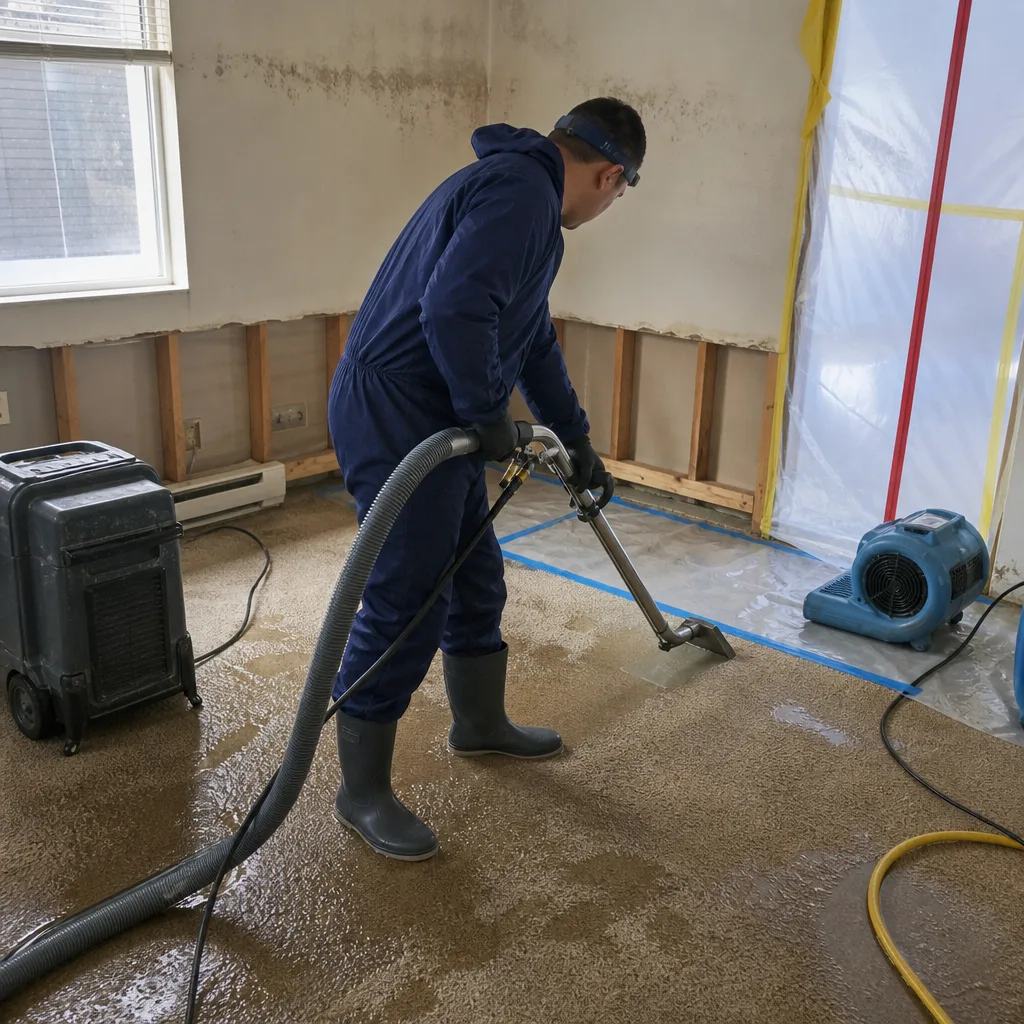
Before any demolition, we seal the affected area with 6-mil polyethylene and run HEPA-filtered negative air machines to prevent spore spread. We stop the water source permanently, repairing the failed riser, tank feed, or pipe that started the problem.
Drying & Dehumidification
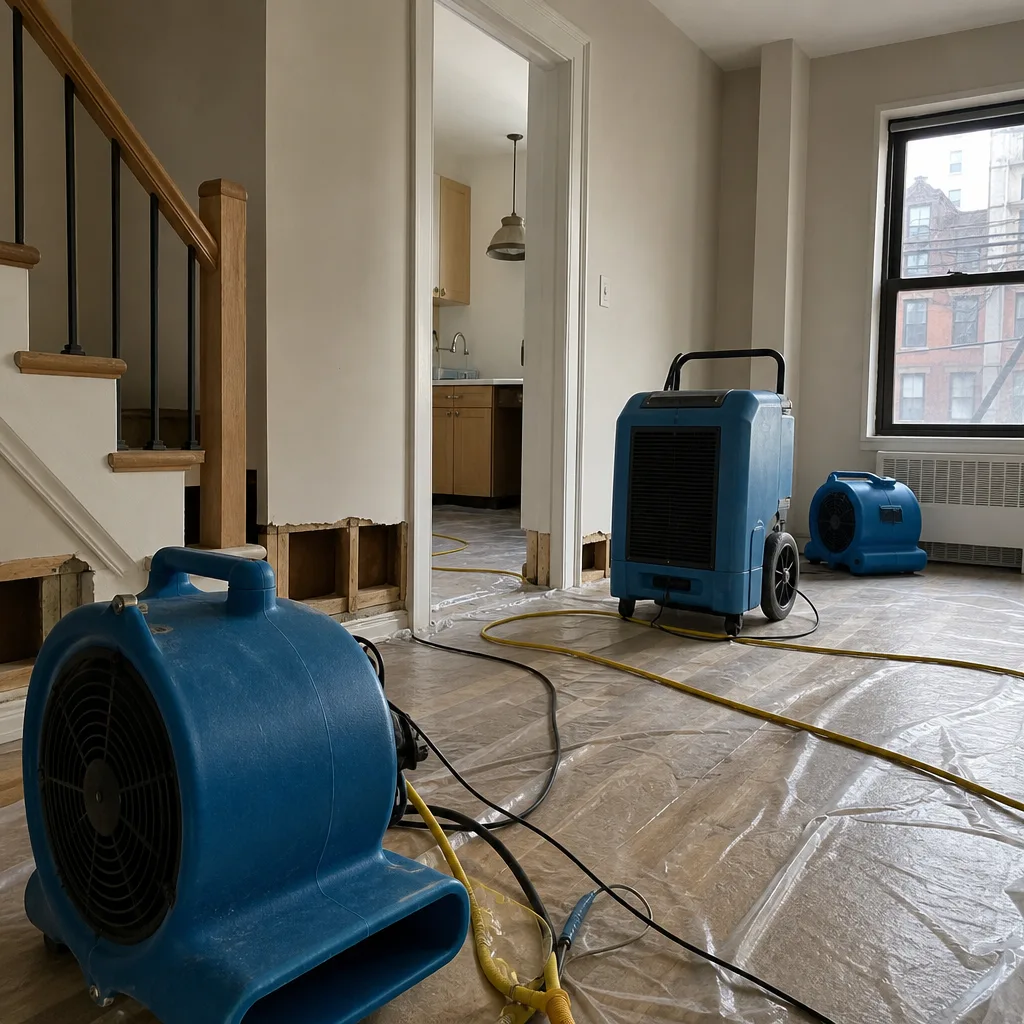
Dri-Eaz dehumidifiers and Phoenix air movers run continuously, with daily moisture readings logged against a dry standard for your building’s original materials: plaster, lath, and hardwood dry at different rates than drywall and need longer, more careful drying cycles.
Removal & Disposal
We remove colonized porous materials, including saturated plaster, insulation, and subflooring, cutting with precision to preserve original detailing wherever salvageable. All contaminated debris is bagged and disposed under NYC waste regulations.
Antimicrobial Treatment & Air Scrubbing
After removal, we apply EPA-registered antimicrobial treatments to all affected framing and surfaces, then run HEPA air scrubbers to capture airborne spores. We hold treatment until clearance air samples show the air inside matches the air outside.
Repairs & Restoration
The same certified crew rebuilds what was removed, matching original plaster profiles, coffered ceiling details, and herringbone hardwood where possible. For landmark buildings, we work within the approved scope for materials and methods.
Need Emergency Mold Remediation in Upper West Side Now?
Crews minutes away, answering live 24 hours a day. The sooner we start, the less it costs.
Working With Your Insurance Company
In Upper West Side co-ops, a single mold job often involves three parties: the unit owner’s policy, the co-op corporation’s master policy, and sometimes the policies of adjacent unit owners. We’ve handled hundreds of these claims, and we document from the first hour so no insurer can dispute what was done. Our crew photographs every affected surface before demo, during remediation, and after restoration. Moisture readings are taken daily and logged for the carrier. The line-item scope of work we provide to you is the same one your adjuster sees. Curt Bowman built this company in 2010 around a dispatch board, not a sales desk, and he made direct insurance billing a core practice because he’d seen too many homeowners trapped as messengers between contractor and carrier. We handle the adjuster calls so you don’t have to.
What We Provide Your Insurer
- Thorough documentation of the loss
- Photos of all damage, room by room
- Moisture readings and drying logs
- A detailed, line-item scope of work
- Direct coordination with your carrier
Built for Upper West Side’s Loss Calendar
The Upper West Side has a mold season that follows its own calendar, and it’s not what most people expect. Winter deep freezes burst supply lines in unheated mechanical closets on the top floors of pre-war buildings. Those leaks run down through floors before anyone notices. Spring brings the thaw, and in older buildings with unsealed foundations along Riverside Drive and West End Avenue, groundwater seepage into basements and sub-grade storage rooms creates persistent moisture that mold loves. Summer thunderstorms overwhelm ancient roof drains, sending water down parapet walls and into top-floor units. Fall nor’easters drive wind-driven rain against the western facade, exploiting cracked terra cotta and failed pointing.
But the Upper West Side’s signature mold event is the one most people outside the neighborhood don’t know about: rooftop wooden water tank failures. Cedar tanks sit on nearly every pre-war roof. During Manhattan’s dry winter spells, the wooden staves shrink and gap. When the tank lets go, water travels down the elevator shaft and through the building core, saturating plaster, floors, and mechanical rooms on every floor. That’s the call we know best, because it’s the call that requires the fastest response and the most careful documentation.
Mold Remediation Across Upper West Side’s Neighborhoods
Upper West Side mold calls follow the building stock, and the building stock changes from block to block. Along Riverside Drive between 72nd and 110th, the Beaux-Arts and Renaissance Revival co-ops face the Hudson, exposed to sustained northwest winds that drive rain into aging mortar and parapet walls. We see top-floor mold from parapet leaks and leaky roof drains here more than anywhere else in the neighborhood. West End Avenue’s pre-war co-ops, many built between 1900 and 1930, show their age in cast-iron waste stacks, and when a stack fails on the 10th floor, water reaches the basement before anyone knows it happened. Central Park West landmark buildings add a compliance layer: exterior envelope repairs tied to a mold claim may require Landmarks Preservation Commission review, so we document interior conditions thoroughly to keep work moving while approvals run their course.
In the blocks around Broadway from 86th to 96th, you find a mix of pre-war co-ops and newer conversions, but the original cast-iron risers and original roof tanks remain. We’ve responded to tank failures on Amsterdam Avenue, Columbus Avenue, and the side streets in between. The Morningside Heights edge of the neighborhood, closest to 110th Street, has many six-story buildings with shared party walls, and water moves sideways through those walls faster than through the floors. Each of these zones has its own pattern, and our crews know the routes, the superintendents, and the boards.
Specialized Mold Remediation Services We Offer in Upper West Side
Mold Inspection & Testing
Our mold inspection in Upper West Side starts with a full moisture audit of the unit, not just the visible stain. We use thermal imaging to find cold spots and hidden moisture behind original plaster, then collect air and surface samples where conditions warrant. The report you receive is written for co-op boards, managing agents, and insurers alike, because we know all three will read it. A single-page report that doesn’t answer their questions only delays remediation.
Mold Removal
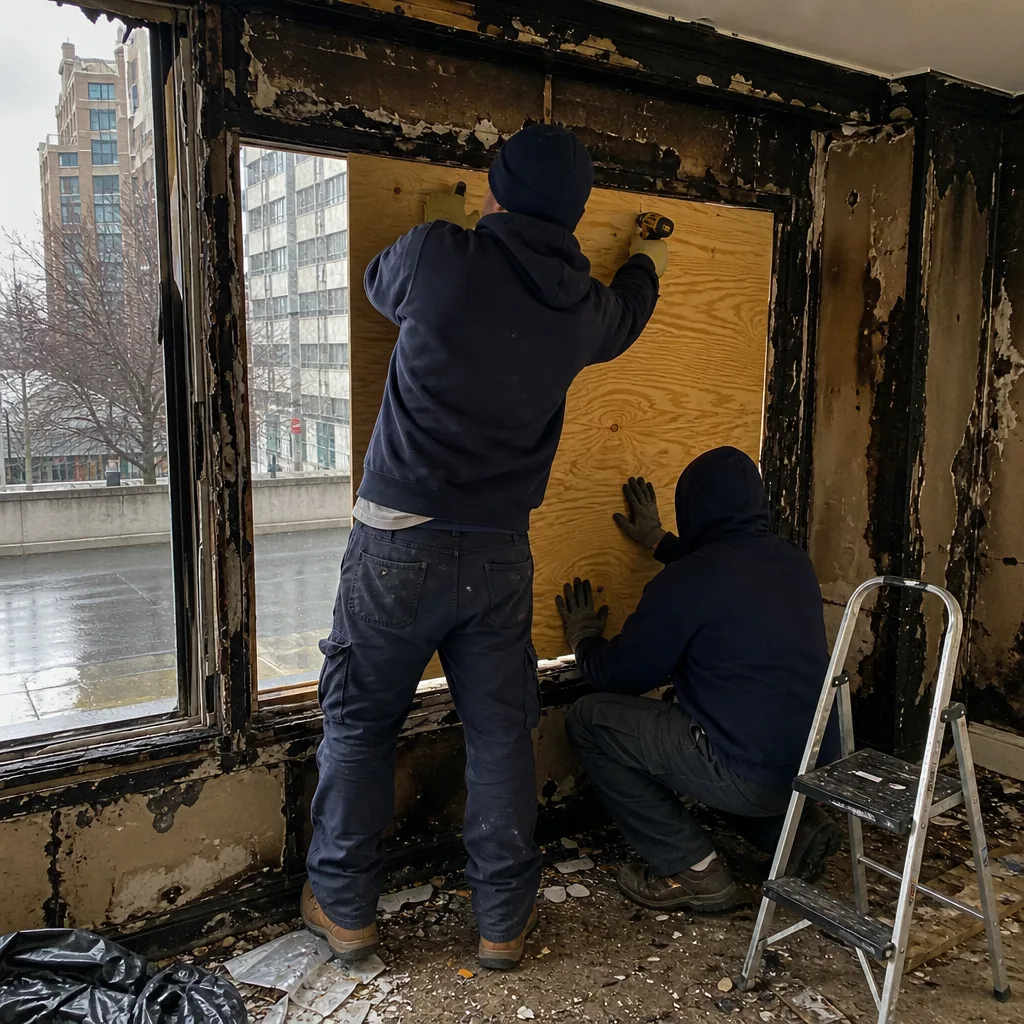
Mold removal in a pre-war co-op is a surgical process, not a demolition free-for-all. We establish negative-pressure containment before opening any wall cavity, and we remove only the colonized material. Original plaster, wainscoting, and hardwood that tested clean stay in place. The goal is to return the unit to pre-loss condition while preserving what can be preserved, which in landmark buildings is often the measured difference between a clean unit and a board dispute.
Black Mold Remediation
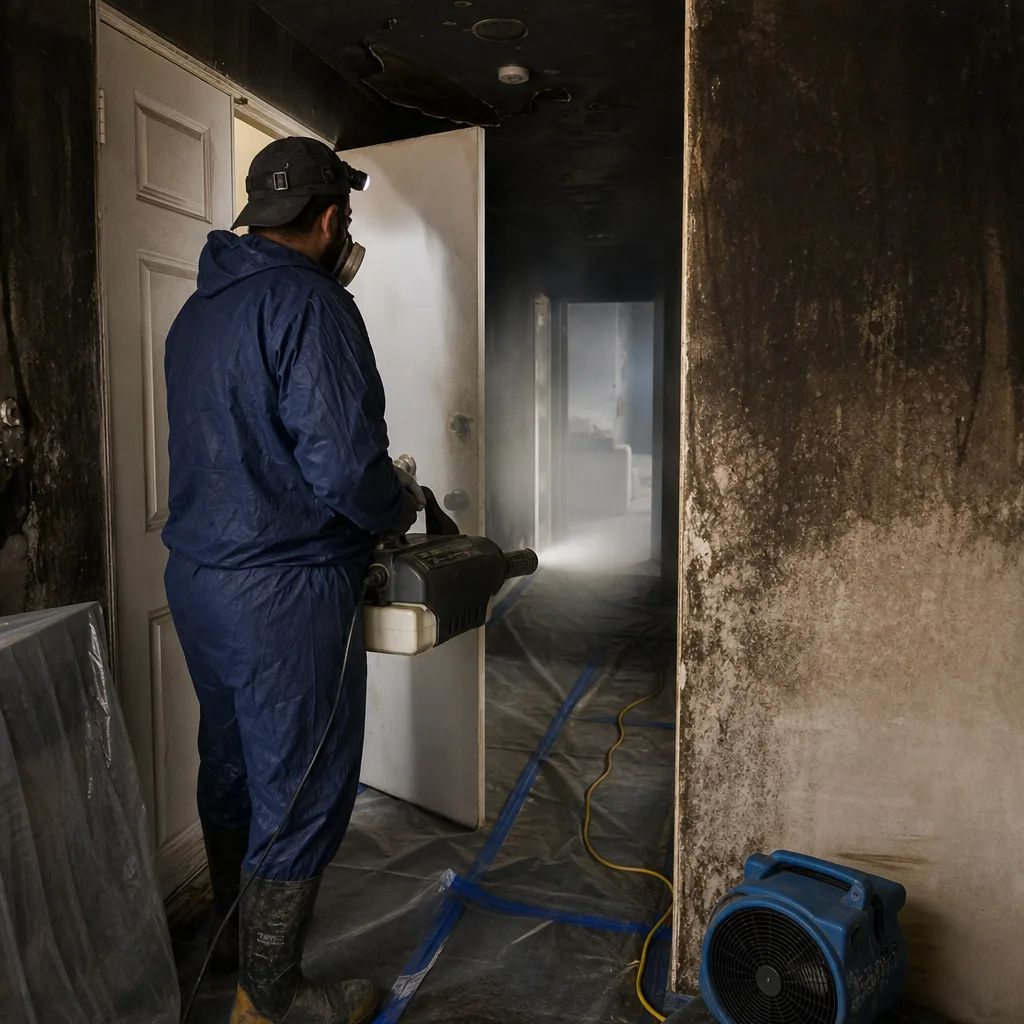
Black mold, or Stachybotrys, is the specialty most property owners in Upper West Side fear, and for good reason: it colonizes slowly but releases spores continuously once established. The typical source in this neighborhood is a long-running slow leak, often a pinhole in a riser or a failed wax ring on a toilet that has seeped for months. Stachybotrys remediation requires full containment, HEPA air scrubbing during the entire removal, and clearance testing before we re-occupy the space. We’ve handled black mold behind co-op bathroom walls on West End Avenue, in basement storage rooms, and under kitchen sinks in landmark buildings.
Air Quality Restoration
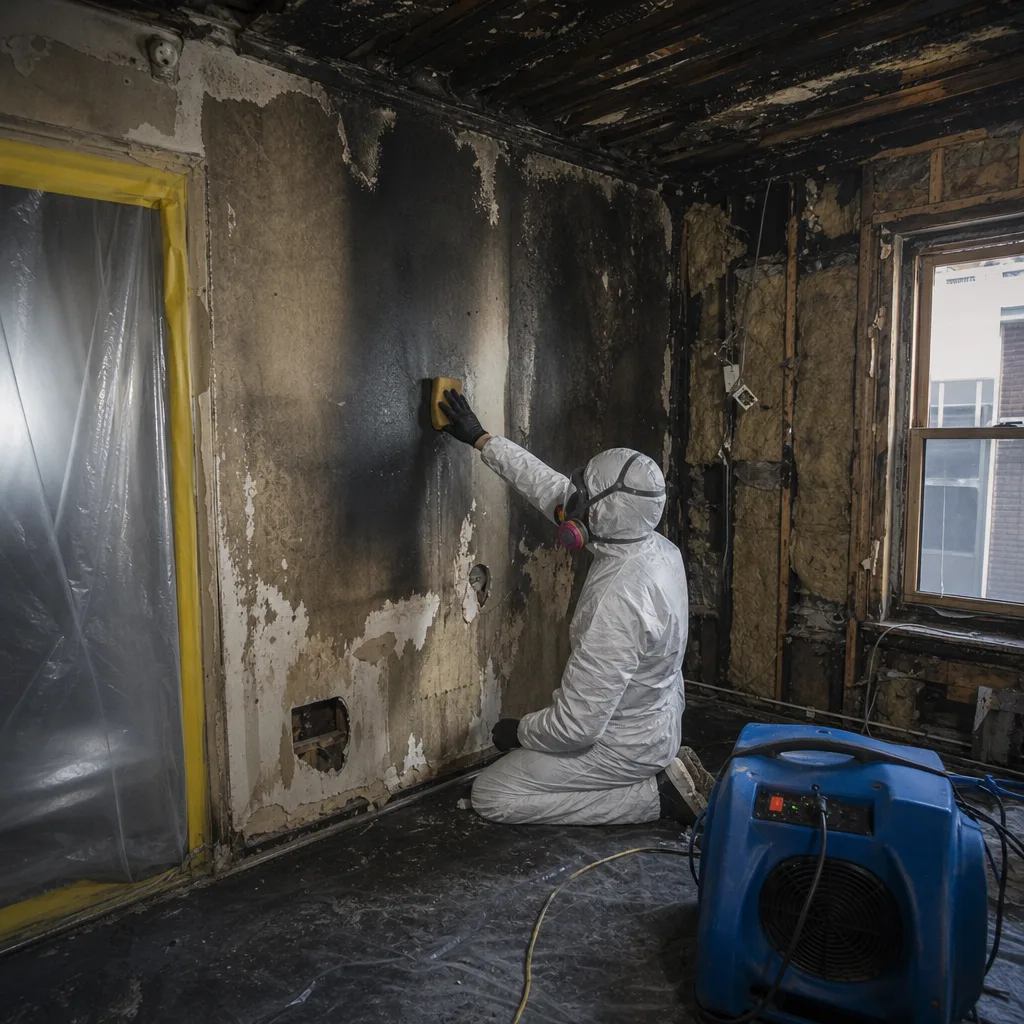
Mold does more than stain surfaces; it sends spores into the air, and those spores travel through your unit and into the building’s shared ventilation. Air quality restoration means running HEPA air scrubbers throughout the affected space during remediation, then verifying with post-remediation air sampling that spore counts have returned to background levels. We sample outside air and inside air for comparison, and we share those results with you and your adjuster.
Crawl Space Treatment & Moisture Control
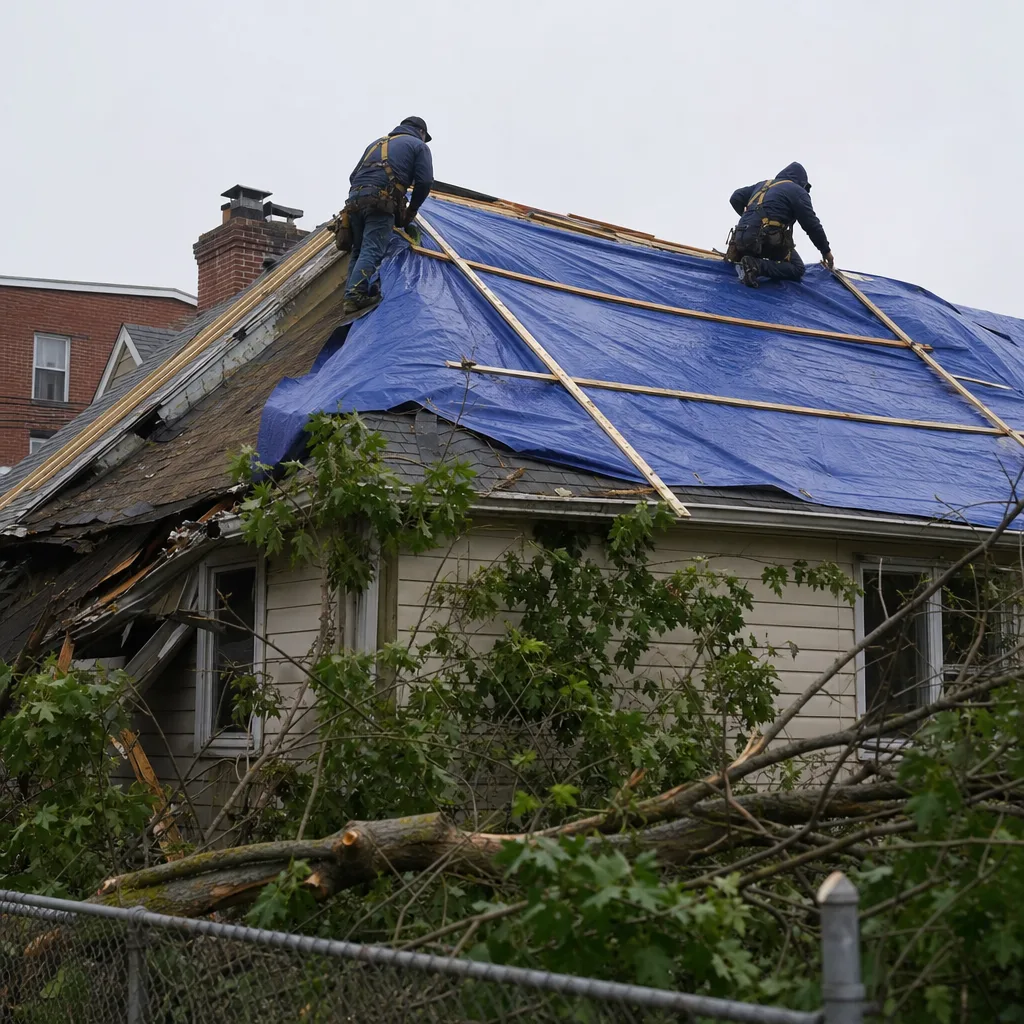
In Upper West Side brownstones and low-rise buildings with crawl spaces or sub-grade cellars, moisture control is the difference between a one-time remediation and a recurring problem. We install vapor barriers, seal foundation cracks, and run dehumidification where the building’s original ventilation is inadequate. A damp crawl space under a West 80s townhouse will keep feeding mold into the living space above until the moisture source is controlled.
What happens when you call
- 1
A real person answersNo phone trees - you reach a local pro.
- 2
You get an upfront price rangeHonest numbers before anyone is dispatched.
- 3
A background-checked tech heads outLicensed & insured, dispatched right away.
- 4
You approve before work beginsNothing starts until you say go.
Mold Remediation Costs in Upper West Side, NY
What you pay for mold remediation in Upper West Side depends on how far the colony has spread and what’s behind your walls. A small bathroom ceiling stain from a leaking riser typically runs $1,800 to $4,500, including containment, removal, antimicrobial treatment, and restoration. A tank failure or stack leak that has saturated multiple rooms, penetrated plaster walls, and damaged herringbone floors commonly runs $8,000 to $20,000 or more, especially when multiple units are involved. Co-op alteration agreements rarely affect the remediation cost itself, but they can add time, and time means additional drying days. We give you a written line-item scope before work starts, so you know exactly what you’re paying for, and we bill your insurer directly whenever coverage applies. Call (716) 452-0798 and we’ll come out for a free visual inspection and a firm number.
We Also Serve Cities Near Upper West Side
Our crews serve the Upper West Side and surrounding neighborhoods, including Long Island City, Greenpoint, Williamsburg, and Murray Hill. If water is moving or mold is spreading, call us from anywhere in the metro area and we’ll route the nearest certified crew to you.
Serving Upper West Side, NY - Our Local Coverage Area
We’re based in the Upper West Side area and know this community well. Use the map below to see our service coverage - if you’re nearby, we can almost certainly help.
Upper West Side Mold Remediation Questions, Answered
How do co-op alteration agreements affect mold remediation in Upper West Side pre-war buildings?
Co-op alteration agreements determine which walls can be opened and what materials can be changed, which can delay mold remediation if the board requires approval before demo begins. We work with managing agents to document the emergency, submit a written scope, and often receive expedited approval when water is actively feeding mold growth. In our experience across the Upper West Side, boards respond faster when the remediation contractor arrives with documentation already prepared.
Can you remediate mold behind ornate plaster ceilings without destroying the original detailing?
In many cases, yes. We cut precise access points rather than tearing down entire ceilings, using negative-pressure containment to capture spores during the work. Once the cavity is dried, treated, and verified clean, the plaster artisan on our crew repairs the opening to match the original profile and finish. For especially ornate coffered ceilings in landmark buildings, we coordinate with the building’s approved plaster specialist.
What happens when a rooftop cedar tank fails and water travels down the elevator shaft?
Water enters the shaft at the roof level and spreads horizontally at each landing, saturating plaster, flooring, and walls on every floor it passes. Mold growth begins within 48-72 hours behind those saturated finishes. Our crews set containment at each affected landing, run XPOWER air movers and Dri-Eaz dehumidifiers per floor, and coordinate with the managing agent, the elevator contractor, and all insurers before demolition starts.
Does Landmarks Preservation Commission approval slow down mold remediation on Riverside Drive?
LPC approval applies to exterior work, not interior mold remediation, but some interiors in designated landmark buildings are covered by restrictive covenants that require board approval for material changes. We document interior conditions thoroughly and sequence the work so remediation proceeds while any exterior repair approvals run their course. Interior mold work rarely waits on LPC, but exterior repairs that caused the moisture sometimes do.
How do you handle multiple insurance adjusters from different unit owners and the co-op’s master policy?
We provide each adjuster with the same documented evidence: photos, moisture logs, line-item scope, and a clear recommendation for what must be removed versus what can be preserved. Direct insurance billing means we invoice the appropriate policy directly, and we handle adjuster communications so you don’t sit in the middle. In co-op buildings, we’ve coordinated claims involving three or more carriers on a single moisture event.
How quickly can you actually get to my Upper West Side building?
Our crews operate throughout Upper West Side daily, so most emergency calls receive a response within 45 minutes to an hour. A live dispatcher answers every call at any hour, including 2 a.m. water events, and immediately routes the nearest available certified crew. Call (716) 452-0798 and we’ll tell you exactly when we’ll arrive.
How long does mold remediation take in a pre-war co-op?
A contained bathroom or closet mold job typically takes 3-5 days, including drying, treatment, and restoration. A multi-room tank failure or stack leak can take 2-4 weeks, because original plaster and hardwood dry slower than modern materials and we hold drying until moisture logs show pre-loss levels. We’ll give you a written timeline before we start, and we stick to it.
What should I do in the first 30 minutes after discovering mold or water damage?
Stop the water source if you can do so safely, shut off power to any wet electrical fixtures, and call us at (716) 452-0798. Don’t open walls or disturb the mold, because that spreads spores. If water is still running, take photos for your insurer, but don’t wait. The faster containment goes up, the less material we have to remove and the lower your final cost.
Written by Curt Bowman, Owner at Floodline Restoration Co., serving Upper West Side with full-cycle restoration since 2010.