
Quick Summary
Hazardous Category 3 blackwater overflows introduce toxic pathogens and extensive structural contamination that require professional sewage backup cleanup rather than standard cleaning methods. Floodline Restoration Co. serves Long Island City property owners with advanced containment barriers, double-sanitization protocols, and thorough documentation to streamline complex insurance claims. Readers can immediately mitigate health risks and structural loss by calling for 24/7 live dispatch to receive a guaranteed 45-minute emergency response and a free visual inspection.
Sewage Backup Cleanup: Emergency Extraction and Repair
When raw sewage backs up into a property, it can expose occupants to harmful pathogens and cause illness. Standard cleaning techniques are often insufficient to resolve sewage flooding, as contaminants can remain trapped inside building materials.[4]
Emergency Sewage Backup Cleanup: Immediate Action and Response
Remediating raw sewage generally involves containing the area, extracting standing wastewater, removing contaminated porous materials, and sanitizing affected surfaces to mitigate health hazards. See also Water Damage Restoration Long Island City | Call Now-10% Off | Same-Day Service | Free Estimate.
Critical First Steps During a Sewage Overflow
- Turn off the HVAC system: Shut down heating and air conditioning to help prevent circulating contaminants through ductwork and shared spaces.
- Cut electrical power safely: Turn off breakers to affected areas only if the main service panel is located in a dry, safe room far from standing water. Never step into standing sewage to reach an electrical panel.
- Keep occupants and pets out: Raw sewage can expose people and pets to harmful pathogens and cause illness. Keep everyone away from affected rooms.
- Contact professional restoration services: Professional cleanup is recommended to safely handle wastewater extraction, sanitization, and structural drying.
Key Facts About Municipal Overflows and Indoor Backups
The U.S. Environmental Protection Agency (EPA) estimates that between 23,000 and 75,000 sanitary sewer overflows happen nationwide each year. The EPA explicitly notes that its annual sanitary sewer overflow estimate does not include sewage backups into buildings. The agency has also stated that the majority of sanitary sewer overflow volume is tied to wet weather and excessive inflow and infiltration into municipal sewer lines, with combined sewer overflow discharges nationwide totaling about 850 billion gallons per year.[1]
A peer-reviewed 2024 study in Environmental Research: Health (IOPscience) points out that the true number of household sewage backups remains unknown, and that official federal estimates likely understate the true frequency of indoor backflow events. Proper cleanup, sanitization, and documentation are essential when managing these events.[2]
Raw Sewage Extraction and Containment Considerations
Raw sewage can expose people to harmful pathogens and cause illness. Introducing high-velocity drying equipment before establishing proper containment can spread contaminants into unaffected areas.
Preventing the Spread of Contaminants
In multi-family buildings and commercial properties, utility lines often run through vertical pipe chases and wall cavities. Without proper isolation, air movement can carry contaminants through these openings and affect surrounding spaces.
Containment in Building Structures
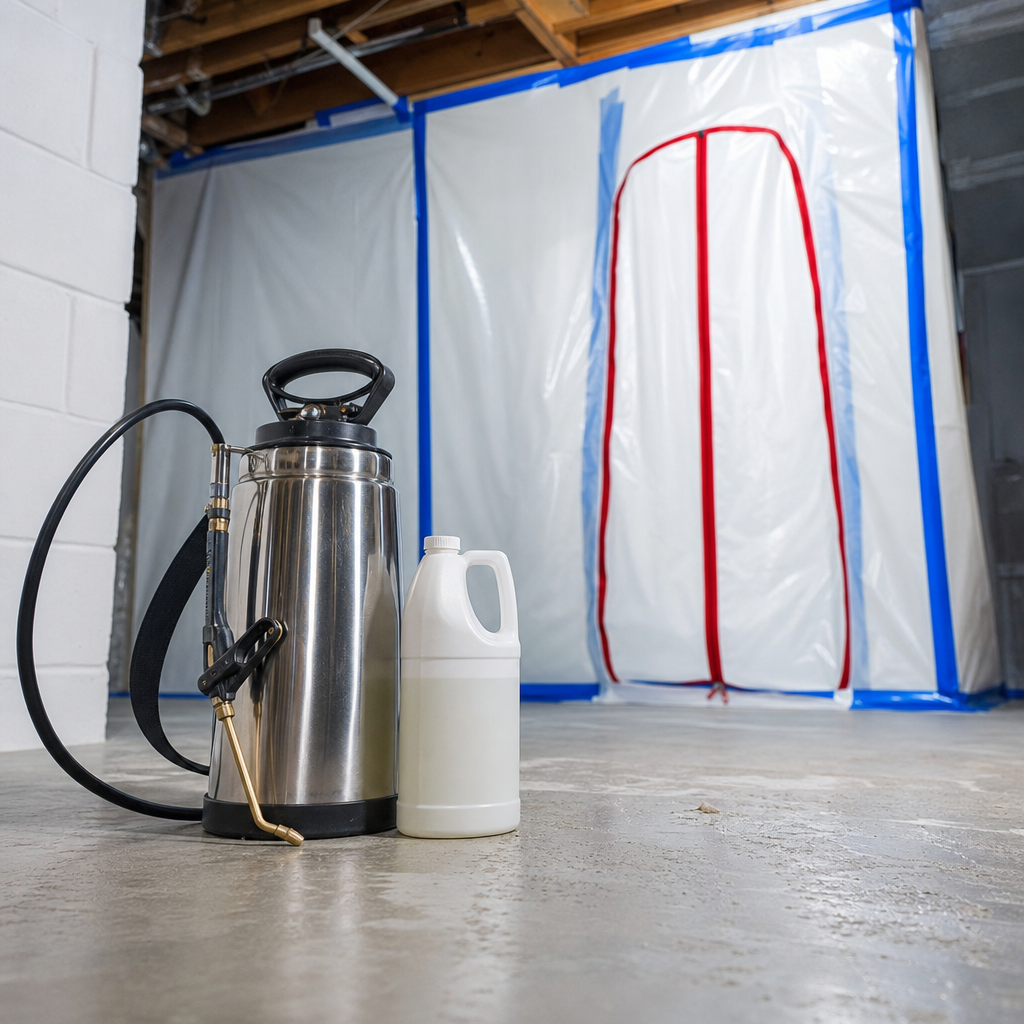
Restoration teams, such as those at Floodline Restoration Co., may establish containment barriers and utilize specialized air-filtration equipment to separate contaminated work zones from clean areas, helping prevent cross-contamination during extraction and cleanup.
Restoring Affected Building Components
Need sewage backup cleanup?
We’re available now - call for a fast, free estimate.
Restoring a property after sewage intrusion requires evaluating which materials can be sanitized and which should be removed and discarded.
Basement Slabs, Subfloors, and Foundation Surfaces
According to Floodline Restoration Co., poured concrete slabs and structural masonry can often be salvaged after a sewage backup through thorough washing, extraction, and treatment with appropriate disinfectants.
Drywall, Insulation, and Porous Materials
Porous materials like drywall and insulation absorb contaminated water readily. In many cases, contaminated sections of drywall and insulation must be removed to allow framing to be cleaned and sanitized.
Material Evaluation Guidelines
| Material Category | Salvageability | General Remediation Approach |
|---|---|---|
| Carpet and Padding | Generally Non-Salvageable | Typically removed and discarded due to deep contamination. |
| Structural Hardwood | Conditional | May occasionally be salvageable depending on the extent of water penetration and subfloor condition. |
| Ceramic Tile and Concrete | Generally Salvageable | Cleaned and disinfected with commercial sanitizing agents. |
| Upholstery and Porous Contents | Generally Non-Salvageable | Typically discarded if saturated with raw sewage. |
Comparing Sewage Cleanup Methods
Raw sewage can expose people to harmful pathogens and cause illness. Standard janitorial methods and household cleaning products are often inadequate for major biohazard contamination.
Professional Restoration vs. Standard Cleaning
Professional restoration teams, including Floodline Restoration Co., utilize specialized personal protective equipment, containment procedures, commercial extraction tools, and sanitizing agents to address sewage backups safely and thoroughly.
| Cleanup Parameter | Standard Cleaning | Professional Restoration |
|---|---|---|
| Personal Protection | Basic household gear | Specialized personal protective equipment |
| Containment | Limited or none | Physical barriers and air filtration as needed |
| Disinfection | Household cleaners | Commercial-grade sanitizers and disinfectants |
| Documentation | Basic service receipt | Detailed damage records and documentation for claims |
Sewage Backup Cleanup Costs and Insurance
Professional sewage backup cleanup costs vary depending on the square footage of the contaminated area, the depth of standing water, the extent of structural demolition required, and the drying equipment needed.
Navigating Property Insurance for Sewer Backups
Standard homeowners insurance usually does not cover sewer backup damage unless a separate endorsement is present.[3]
Frequently Asked Questions About Sewage Water Damage Restoration
Is it safe to clean up a sewage backup yourself?
Cleaning up raw sewage yourself is not recommended because raw sewage can expose people to harmful pathogens and cause illness. Professional remediation from providers like Floodline Restoration Co. helps ensure the area is safely cleaned and sanitized.
What health risks are associated with raw sewage in the home?
Raw sewage can expose people to harmful pathogens and cause illness.
Does homeowners insurance cover sewage backup cleanup?
Standard homeowners insurance usually does not cover sewer backup damage unless a separate endorsement is present.
What items can be saved after sewage water damage?
Non-porous materials such as concrete, tile, and metal can often be cleaned and disinfected. Porous items that absorb sewage, such as carpets, padding, and upholstered furniture, generally cannot be safely sanitized and must be discarded.[5]
Need sewage backup cleanup?
We’re available now - call for a fast, free estimate.
Sources
- [PDF] STATE OF THE SEWERS 2024 – NYC.gov – nyc.gov (2024)
- Quantifying the land and population risk of sewage spills overland … – pmc.ncbi.nlm.nih.gov (2023)
- Report to Congress on Impacts and Control of Combined Sewer Overflows and Sanitary Sewer Overflows – epa.gov
- Sanitary Sewer Overflows (SSOs) – epa.gov
- State of Sewage Backups in the United States (2025) – seweralarm.com (2025)
Related reading: Commercial Water Mitigation – 10% Off & Free Estimate – Same-Day Service
Frequently Asked Questions
How quickly can emergency sewage backup cleanup start after an overflow occurs?
Floodline Restoration Co. provides 24/7 live dispatch with a guaranteed 45-minute emergency response time across Long Island City. Immediate arrival ensures rapid extraction, containment barrier installation, and a free visual inspection to stop the spread of hazardous Category 3 water.
What does a professional double-sanitization protocol involve during blackwater remediation?
Because Category 3 sewage contains dangerous biohazards and pathogens, Floodline Restoration Co. executes a rigorous two-phase antimicrobial treatment after removing unsalvageable porous items. This double-sanitization process thoroughly cleanses framing, subfloors, and concrete slabs to ensure the structure is safe before drying equipment is installed.
How do restoration specialists assist property owners with sewage backup insurance claims?
Since standard property insurance often requires specific riders for sewer damage, Floodline Restoration Co. compiles detailed moisture logs, itemized loss inventories, and photo documentation for Long Island City clients. This comprehensive reporting helps satisfy adjuster requirements and accelerates the claims settlement process.
About the author
 |
David Harrison David is a certified property restoration specialist with over 12 years of experience in emergency mitigation and structural drying. He holds a degree in Construction Management from the New York Institute of Technology and is an IICRC-certified Master Water Restorer. David specializes in translating complex restoration protocols into actionable advice for property owners navigating unexpected disasters. |
Water damage, flood, or mold emergency?
We’re available now - call for a fast, free estimate.
Call Now - Free Estimate