
Quick Summary
Long Island City properties face severe risks from coastal storm surges, burst pipes, and flash flooding that can trigger structural degradation and rapid mold growth within 24 to 48 hours. Floodline Restoration Co. serves as the premier local emergency restoration authority, delivering fast on-site water extraction, tailored structural drying for modern high-rises and historic lofts, and thorough insurance claims advocacy. Readers will learn critical first-hour safety protocols and can call Floodline Restoration Co. for 24/7 emergency dispatch or to secure a free visual inspection and written scope of work.
How to Handle Water Damage, Mold & Flood Cleanup in Long Island City: Fast 24/7 Action Guide
When water enters a basement or a plumbing line breaks in a residential or commercial building, fast action is critical. Properties in Long Island City can face risks ranging from coastal storm surges along tidal waterways to plumbing failures. Moisture trapped in masonry or subfloors can lead to structural deterioration and mold growth if not addressed promptly.[5]
Severe weather in Queens regularly tests local infrastructure. On July 31, 2025, northern Queens and parts of the New York City metropolitan area experienced flooding, with 2 to 4 inches of rain observed across parts of northern Queens, localized totals of 6 to 6.5 inches, rainfall rates of 1.5 to 3 inches per hour, and eight flash-flood warnings. Knowing what steps to take during the first hours of water intrusion helps protect your property and safety.[1]
Immediate Action: How to Handle Water Damage, Mold & Flood Emergencies
Quick Summary: Stop the water source immediately if safe to access, stay clear of electrical panels standing in water, and avoid contact with contaminated floodwater or sewage. Document all affected areas with photos and video before moving items. Contact building management, emergency services, or your insurer as needed, and begin drying promptly. Mold may begin developing in wet or damp materials within 24 to 48 hours, so prompt drying is critical; this is a guideline, not a guarantee.[2]
First 60 Minutes Checklist
The following is general restoration guidance from Floodline Restoration Co. for property owners dealing with an active water intrusion:
- Isolate the water source: Locate and shut off the main water line or fixture valve if safe. In multi-family or commercial buildings, notify building management or the superintendent immediately.
- Assess electrical and safety hazards: Never step into standing water if electrical outlets, cords, or panels are submerged. Shut off circuit breakers only if the panel is in a dry, safe area. If you smell gas or suspect structural hazards, evacuate immediately and contact emergency services.
- Avoid contaminated water: Sewage or chemically contaminated water requires protective equipment and specialized handling. Avoid direct contact with standing floodwater or drain backups.
- Document the damage: Before moving wet items or beginning cleanup, take detailed photos and video of standing water levels, structural materials, and damaged property for insurance documentation.
- Begin drying promptly: Remove standing water as quickly as possible and promote airflow using ventilation and drying equipment.
When to Shut Off Utilities vs. Evacuate
If rising floodwater reaches wall outlets, gas meters, or heating equipment, do not attempt to access or shut off utilities yourself. Evacuate to a safe location immediately and contact the utility company or emergency services (911) for professional disconnection.
1. Emergency Water Damage Restoration
Note: The following sections provide general restoration guidance for water, flood, and mold emergencies.
Water mitigation focuses on rapid containment, water extraction, and structural drying. Water from plumbing leaks, HVAC overflows, or upper-floor fixtures can travel downward through floor assemblies, wall cavities, and shared utility chases.
Water Extraction
Professional restoration teams such as Floodline Restoration Co. use extraction equipment to remove standing water from flooring, concrete slabs, and subfloors before moisture causes extensive structural degradation or secondary damage.
Moisture Assessment & Structural Dehumidification
High ambient humidity can slow evaporation. Systematic drying procedures generally include:
- Moisture Mapping: Using thermal imaging and moisture meters to detect moisture behind baseboards, walls, and flooring.
- Targeted Air Movement: Directing airflow across wet surfaces to accelerate evaporation.
- Dehumidification: Operating commercial dehumidifiers to remove moisture from the air and pull deep moisture from structural framing.
2. Flood Damage Restoration
Overland flooding brings silt, outdoor runoff, and biological contaminants into indoor environments. Cleanup requires proper safety precautions, waste removal, and thorough sanitization.
Handling Contaminated Floodwater
Water originating from external flooding or sewer backups requires specialized handling:
- Bulk Extraction and Debris Removal: Pumping out standing water and removing mud, silt, and debris.
- Removal of Saturated Porous Materials: Porous materials that cannot be safely cleaned and dried must be removed and discarded.
- Cleaning and Sanitization: Washing and treating salvageable framing, concrete, and masonry surfaces with appropriate cleaning solutions before structural drying.
3. Mold Remediation
Mold may begin developing in wet or damp materials within 24 to 48 hours, so prompt drying is critical; this is a guideline, not a guarantee. Unaddressed moisture within wall assemblies or ceiling spaces can spread spores through ventilation pathways.
Remediation Procedures
General mold remediation procedures recommended by Floodline Restoration Co. include:
- Isolating the work area and running HEPA filtration devices to prevent spore dispersal.
- HEPA vacuuming and damp-wiping contaminated surfaces.
- Thoroughly drying structural elements to prevent future fungal growth.
4. Sewage Cleanup
Need How to Handle Water Damage, Mold & Flood Cleanup in Long Island City?
We’re available now - call for a fast, free estimate.
Municipal sewer backups or drain overflows introduce biological and chemical hazards into indoor spaces.
Specialized Handling of Sewage Backups
Sewage or chemically contaminated water requires protective equipment and specialized handling. The affected area should be isolated from occupied spaces, and heating and cooling systems should be turned off to limit the circulation of airborne contaminants.
Sanitization and Disposal
Porous materials contaminated by sewage that cannot be thoroughly sanitized must be removed and disposed of properly. Hard surfaces require thorough washing and disinfection prior to drying.
5. Fire and Smoke Damage Restoration
Fire incidents often result in significant secondary water damage from firefighting efforts or sprinkler systems, which saturates building materials alongside soot and ash.
Soot Cleaning and Water Removal
Technicians extract standing water while cleaning soot and smoke residues from surfaces to prevent staining and corrosion.
Deodorization and Structural Drying
Specialized deodorization equipment and industrial dehumidifiers are used in tandem to neutralize smoke odors while drying wet framing and structural assemblies.
Burst and Frozen Pipe Cleanup
During freezing weather, uninsulated or exposed supply pipes can rupture under pressure, releasing substantial volumes of water inside multi-story or single-family structures.
Handling Multi-Story Leaks
When an upper-floor line breaks, water can migrate through wall cavities, utility chases, and floor systems across multiple levels. Mitigating the loss requires quickly isolating the water source, extracting standing water on all affected floors, and drying internal cavities.
Basement Flooding Restoration
Below-grade basements and ground-level spaces are vulnerable to hydrostatic pressure, groundwater infiltration, and storm runoff.
Managing Groundwater Infiltration
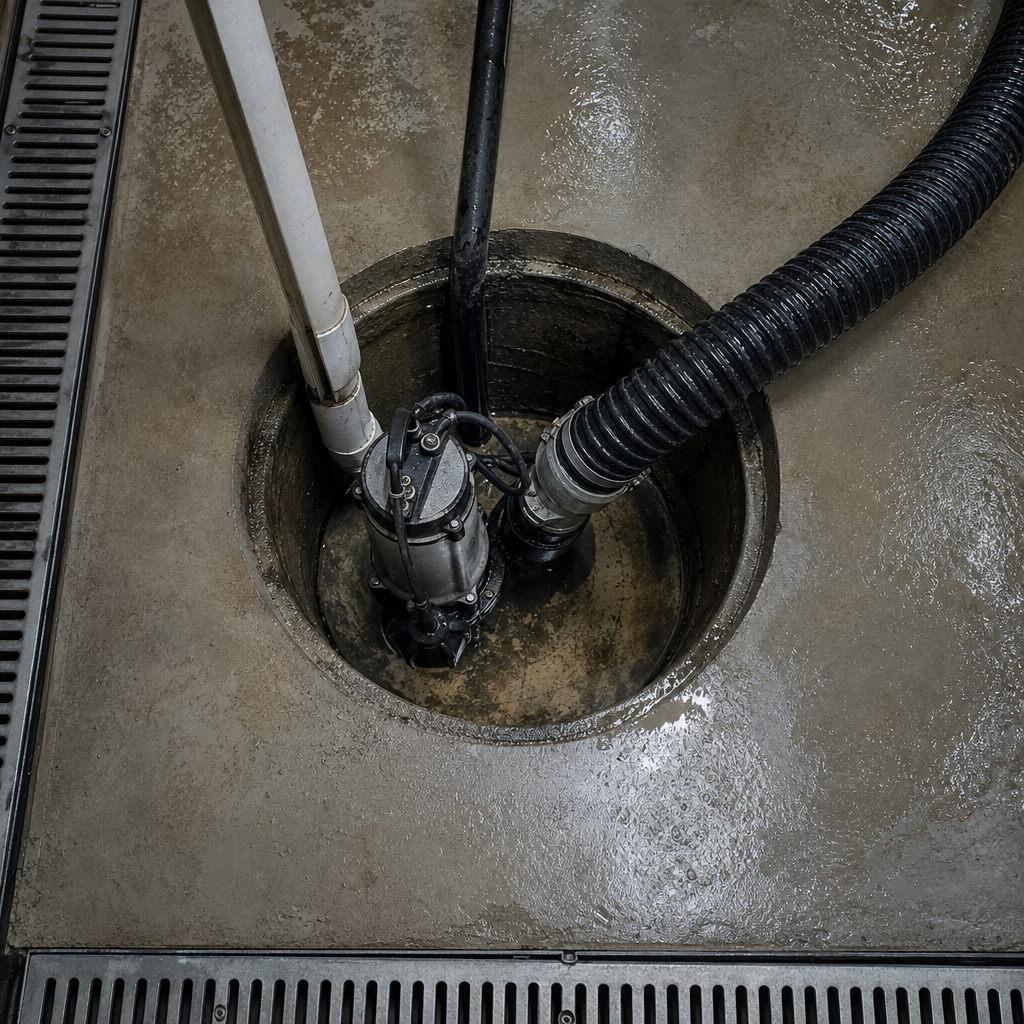
When heavy rains overwhelm drainage or sump systems, water can enter through foundation seams and floor cracks. Submersible pumps are deployed by teams like Floodline Restoration Co. to remove pooled water, followed by structural drying to reduce moisture levels in foundation walls and slabs.
Roof Leaks and Storm Damage Cleanup
High winds and severe weather can compromise roofing membranes, flashing, and parapets, leading to water intrusion from above.
Emergency Stabilization
Crews place temporary tarps or coverings to halt active water entry, drain trapped water from ceiling assemblies, remove wet insulation, and install drying equipment in attic or ceiling spaces.
When to Clean Water Damage Yourself vs. Hiring a Professional Restoration Contractor
Need How to Handle Water Damage, Mold & Flood Cleanup in Long Island City?
We’re available now - call for a fast, free estimate.
Minor clean-water spills caught immediately on non-porous surfaces can often be managed with household towels, wet vacuums, and fans. Professional assistance is recommended when:
- Water has traveled beneath flooring, behind walls, or into ceilings below.
- The water source involves sewage, street runoff, or contaminated floodwater.
- Standing water has remained in place for an extended period.
- Visible mold growth has developed across building materials.
- Commercial spaces or rental properties require documented moisture logs.
Parts & Components Repaired After Water, Flood, and Mold Losses
Full property recovery often involves repairing or replacing structural framing, interior finishes, and mechanical components:
- Framing & Subfloors: Repairing or replacing damaged structural wood, framing members, and subfloor panels.
- Drywall & Plaster: Removing water-damaged drywall and installing new moisture-resistant wallboard.
- Flooring Systems: Replacing or refinishing damaged hardwoods, laminate, vinyl, or tile assemblies.
- Electrical & Mechanical: Inspecting and replacing water-damaged electrical fixtures, wiring, and HVAC components.
What Does Water Damage, Mold & Flood Cleanup Cost?
No reliable Queens-specific price range was identified. Cleanup and restoration costs depend on the total affected square footage, the degree of contamination, the specific building materials involved, and the extent of any mold growth. Property owners should obtain a professional inspection and written estimate from a qualified contractor like Floodline Restoration Co. to determine project-specific costs.[3]
Insurance Coverage Considerations
Understanding coverage rules is essential when filing a property damage claim:
- Standard Homeowners and Renters Policies: Standard homeowners and renters policies generally do not cover flood damage resulting from overland water or surface flooding.
- Flood Insurance: Separate flood insurance is generally available through the National Flood Insurance Program (NFIP).
- Mold Coverage: Coverage for mold remediation depends on the specific policy, the underlying cause of the moisture, policy exclusions, and applicable coverage limits.
- Documentation: Detailed photo and video records, moisture readings, and written restoration scopes assist in the claims process.
Service Coverage Area
Emergency water extraction, structural drying, and mold remediation services are available throughout Long Island City and neighboring Queens communities, including:[4]
- Hunters Point & Gantry Plaza
- Court Square & Queens Plaza
- Dutch Kills & Sunnyside Yards
- Surrounding Areas: Astoria, Sunnyside, Woodside, and Maspeth.
Frequently Asked Questions About Cleanup & Restoration
What are the immediate steps to take after a flood or water leak?
Ensure personal safety, stop the water source if safe to do so, and stay clear of standing water near electrical panels or submerged wiring. Document all damage with photos and video, alert building management or emergency services if necessary, contact your insurance carrier, and begin drying promptly.
How quickly does mold develop after water damage?
Mold may begin developing in wet or damp materials within 24 to 48 hours, so prompt drying is critical; this is a guideline, not a guarantee.
How much does professional water damage and mold remediation cost?
No reliable Queens-specific price range was identified. The cost depends on the affected area, contamination levels, types of building materials, and the extent of mold growth. It is recommended to schedule an on-site inspection and receive a written estimate.
Does homeowner or renter insurance cover flood and mold damage?
Standard homeowners and renters policies generally do not cover flood damage. Separate flood insurance is generally available through the NFIP. Mold coverage depends on the specific policy, the underlying cause of damage, exclusions, and policy limits.
How should contaminated water and sewage backups be handled?
Sewage or chemically contaminated water requires protective equipment and specialized handling. Contaminated porous materials that cannot be thoroughly sanitized should be removed and disposed of, and hard surfaces must be cleaned, disinfected, and thoroughly dried.
Need How to Handle Water Damage, Mold & Flood Cleanup in Long Island City?
We’re available now - call for a fast, free estimate.
Sources
- bamsd170197 1..17 – repository.library.noaa.gov (2026)
- July 31, 2025 Flash Flooding Across Portions of NYC metro … – weather.gov (2025)
- https://partnerservices.nws.noaa.gov/products/cach… – partnerservices.nws.noaa.gov (2025)
- Assessing the U.S. Temperature and Precipitation Analysis in July 2025 – ncei.noaa.gov (2025)
- Flooding Traps Vehicles On Queens Highway: See Here – patch.com (2026)
Related reading: How to Dry Flooded Basement – Call Now-10% Off – Same-Day Service – Free Estimate
Related reading: Basement Water Removal | Call Now-10% Off | Same-Day Service | Free Estimate
Related reading: Best Flood Restoration Company Lic Reviews | 10% Off & Free Estimate | Same-Day Service
Frequently Asked Questions
How does water damage drying differ between Long Island City historic lofts and modern high-rises?
Historic factory lofts with exposed brick and heavy timber require specialized deep-cavity dehumidification to pull moisture from porous masonry, whereas high-rises require rapid containment across shared utility chases and vertical floor assemblies. Floodline Restoration Co. applies customized structural drying protocols specifically engineered for Long Island City's distinct residential and commercial architecture.
How does Floodline Restoration Co. help property owners navigate insurance claims for water or flood damage?
Floodline Restoration Co. provides turnkey claims advocacy by generating detailed moisture logs, itemized damage inventories, and comprehensive photographic evidence directly for adjusters. This rigorous documentation ensures clear distinctions between sudden accidental water damage and overland flooding to streamline approvals with private carriers or the NFIP.
How quickly can emergency restoration teams arrive on-site in Long Island City?
Floodline Restoration Co. provides 24/7 rapid emergency dispatch across Long Island City neighborhoods, including Hunters Point, Court Square, and Dutch Kills. Immediate on-site response allows technicians to extract standing water and set up containment before secondary damage and mold take hold within the critical 24- to 48-hour window.
About the author
 |
David Harrison David is a certified property restoration specialist with over 12 years of experience in emergency mitigation and structural drying. He holds a degree in Construction Management from the New York Institute of Technology and is an IICRC-certified Master Water Restorer. David specializes in translating complex restoration protocols into actionable advice for property owners navigating unexpected disasters. |
Water damage, flood, or mold emergency?
We’re available now - call for a fast, free estimate.
Call Now - Free Estimate