
Quick Summary
Learning how to dry a flooded basement quickly and safely is essential to prevent permanent structural instability, foundation collapse, and hazardous mold colonies that can develop within 24 to 48 hours. Floodline Restoration Co. outlines the step-by-step mitigation process, emphasizing electrical safety verification, gradual water pumping to balance hydrostatic pressure, removal of ruined porous materials, and pairing continuous dehumidification with high-velocity air movement. After reading this guide, homeowners will know how to effectively manage emergency water extraction, maintain relative humidity below 60 percent, and use moisture meters to confirm complete structural drying before repairing wall cavities.
How to Dry Flooded Basement Fast – Complete Action Guide
When water pours into a basement, the clock starts immediately. Mold colonies can form in as little as three days when materials remain wet, while drying should begin immediately and wet materials should be addressed within 24 to 48 hours where possible. Every hour standing water sits against structural materials, moisture penetrates deeper into the building.[3]
Drying out a flooded basement requires proper airflow and moisture extraction. Fans should be used together with dehumidification or ventilation that removes damp indoor air, because fans alone do not remove moisture from the building. As recommended by Floodline Restoration Co., here is the field protocol for extracting water, opening assemblies, and drying structural materials.
Immediate Action Checklist for a Flooded Basement
If you are standing at the top of your basement stairs looking at pooled water, follow these priorities before doing anything else:
- Confirm electrical safety: Electrical safety must be confirmed by a qualified electrician before using electrical equipment in a flooded basement.
- Stop the source: Shut off the main water valve for supply breaks, or check sump pump operation for surface seepage.
- Protect yourself: Put on rubber boots, heavy gloves, eye protection, and a respirator before handling floodwater.
- Extract standing water: A basement filled with water should generally be pumped out at about one-third of its volume per day to reduce the risk of structural wall collapse.
- Tear out ruined porous finishes: Remove and discard flooded wallboard and wet insulation.
- Set up balanced drying: Keep indoor relative humidity below 60% to help reduce mold growth after a flood. Fans should be used together with dehumidification or ventilation that removes damp indoor air.
Step 1: Eliminate Electrical Hazards and Stop the Water Source
Safety comes first. Water conducts electricity, and walking into a submerged basement carries a severe risk of electric shock. Electrical safety must be confirmed by a qualified electrician before using electrical equipment in a flooded basement.
Once the area is electrically safe, identify where the water originated:
- Clean supply line breaks: Turn off your building’s main water meter valve immediately to relieve system pressure.
- Groundwater intrusion and storm runoff: When removing standing water, a basement filled with water should generally be pumped out at about one-third of its volume per day to reduce the risk of structural wall collapse. External ground and hydrostatic pressure need time to equalize.
- Sewer and drain backups: Water containing sewage requires specialized protective equipment and thorough sanitation. Keep occupants out of the basement.
Step 2: Rapid Water Extraction
Need how to dry flooded basement?
We’re available now - call for a fast, free estimate.
Removing standing liquid as quickly as possible helps prevent moisture from migrating deep into concrete floor slabs, sill plates, and footings. A basement filled with water should generally be pumped out at about one-third of its volume per day to reduce the risk of structural wall collapse.[2]
| Equipment Type | Best Application |
|---|---|
| Submersible Trash Pump | Discharging bulk standing water through hoses. |
| Weighted Drag Extractor / Wand | Pulling water out of slab cracks, slab-to-wall joints, and low-pile utility flooring. |
| Heavy-Duty Wet Vacuum | Catching residual puddles, mechanical rooms, and perimeter gutters after bulk pumping. |
Step 3: Remove Saturated Porous Materials
Once bulk water is pumped out, focus on building materials that cannot be saved. Wet porous materials hold trapped moisture against structural framing, creating damp conditions where mold can grow.
Follow these teardown guidelines to expose structural framing and allow assemblies to dry:
- Drywall and wallboard: Remove and discard flooded wallboard. Flooded wall cavities may need to be opened so air circulation can help dry structural elements.
- Insulation: Remove and discard all wet insulation immediately. Saturated insulation traps water against exterior foundation walls and wooden framing members.
- Carpet and padding: Saturated carpet pad cannot be effectively dried or sanitized after a flood and should be removed.
- Framing, plaster, and paneling: Flooded wall cavities may need to be opened, and air circulation can help dry some plaster, paneling, studs, and sills.
Do not close, repair, or cover flooded walls, floors, or cavities until they are completely dry, because trapped moisture can support hidden mold growth.
Step 4: Set Up Structural Dehumidification and Airflow
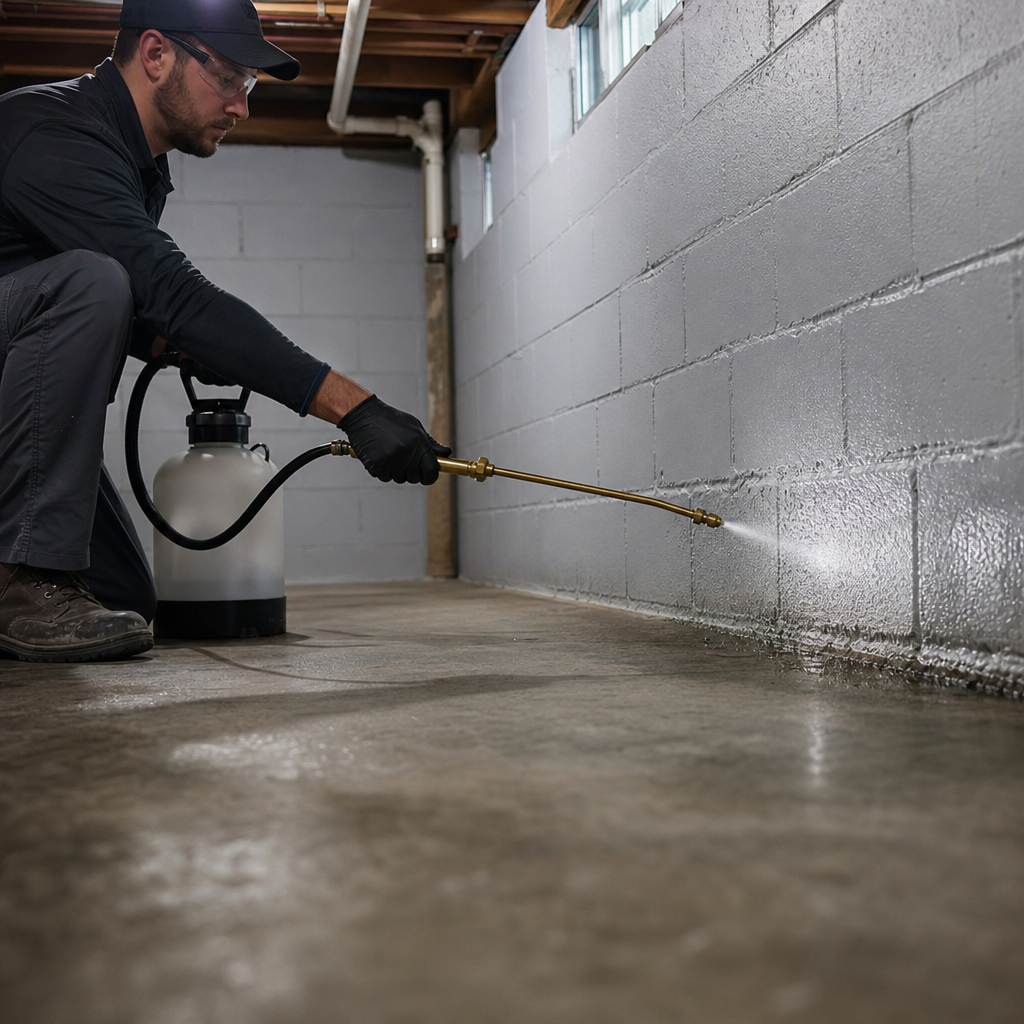
Fans should be used together with dehumidification or ventilation that removes damp indoor air, because fans alone do not remove moisture from the building. Air movers lift water vapor off wet surfaces into the air, which requires active removal to prevent moisture from spreading to other surfaces.
Managing Ambient Humidity
Keep indoor relative humidity below 60% to help reduce mold growth after a flood. Outdoor ventilation may slow drying when outdoor air is humid, so air conditioning, fans, and dehumidifiers may be preferable in those conditions.[1]
Balancing Equipment on the Job
To dry your basement effectively, follow these guidelines from Floodline Restoration Co. for equipment placement:
- Run dehumidifiers continuously: Place units near wet areas and direct drainage lines into an operating drain or sump basin.
- Position air movers: Angle air movers to direct airflow across floors and exposed wall cavities, as air circulation can help dry plaster, paneling, studs, and sills.
- Manage outside air carefully: Outdoor ventilation may slow drying when outdoor air is humid, so air conditioning, fans, and dehumidifiers may be preferable in those conditions. When outdoor air is dry, ventilation can help remove damp indoor air.
Step 5: Clean Hard Surfaces
Need how to dry flooded basement?
We’re available now - call for a fast, free estimate.
After stripping unsalvageable finishes and establishing continuous airflow, clean exposed structural framing, concrete floors, and masonry walls. Wash surfaces with clean water and standard household or commercial detergent to remove mud, silt, and residue. Ensure everything is thoroughly cleaned before drying continues.
Step 6: Monitor Moisture Levels to Verify Drying
Materials that feel dry to the touch can still hold moisture deep inside. Do not close, repair, or cover flooded walls, floors, or cavities until they are completely dry, because trapped moisture can support hidden mold growth.
Track your drying progress using appropriate tools:
- Moisture meters: Check wood framing, concrete, and masonry to monitor moisture levels throughout the drying process.
- Thermo-hygrometers: Track relative humidity and ambient temperature daily. Keep indoor relative humidity below 60% to help reduce mold growth after a flood.
Basement Component Restoration: What Stays and What Goes
| Material | Action Required | Drying Approach |
|---|---|---|
| Drywall / Wallboard | Remove flooded sections | Remove and discard flooded wallboard. |
| Wet Insulation | Discard entirely | Remove and discard wet insulation from all flooded cavities. |
| Wood Studs, Sills, Plaster & Paneling | Save and dry in place when feasible | Open flooded wall cavities and use air circulation and dehumidification to dry. |
| Concrete Slab & Masonry | Save and dry in place | Maintain dehumidification and ventilation until completely dry. |
| Carpet Pad | Discard entirely | Remove and discard saturated padding. |
Frequently Asked Questions About Drying a Flooded Basement
What are the immediate safety steps to take when a basement floods?
Electrical safety must be confirmed by a qualified electrician before using electrical equipment in a flooded basement. Put on protective boots, gloves, and a respirator. If the flooding comes from clean water supply lines, close the main shutoff valve immediately. For sewage backups, evacuate the space and call restoration professionals.
How long does it take to completely dry out a flooded basement?
Complete drying may take several weeks to several months depending on moisture levels, materials, ventilation, and drying equipment.[4]
Can you dry out a flooded basement yourself or do you need a professional?
Homeowners can address basic water removal and cleanup if proper safety measures are taken and appropriate equipment is used. However, if the flood involves sewage, structural damage, or extensive contamination, professional restoration teams like Floodline Restoration Co. may be required.
How do you prevent mold growth after basement water damage?
Mold colonies can form in as little as three days when materials remain wet, while drying should begin immediately and wet materials should be addressed within 24 to 48 hours where possible. Remove and discard flooded wallboard and wet insulation, extract standing water, and keep indoor relative humidity below 60% to help reduce mold growth after a flood. Do not close, repair, or cover flooded walls, floors, or cavities until they are completely dry, because trapped moisture can support hidden mold growth.[5]
What equipment is needed to extract water and dry a flooded basement?
Equipment typically includes pumps for standing water, wet vacuums or extractors, fans, and dehumidifiers. Fans should be used together with dehumidification or ventilation that removes damp indoor air, because fans alone do not remove moisture from the building.
Need how to dry flooded basement?
We’re available now - call for a fast, free estimate.
Sources
- IEQ NEWS Summer 07rev – CT.gov – portal.ct.gov (2007)
- Basement_Flood_Mitigation.pdf – fema.gov (2008)
- [PDF] Mold: Worker and Employer Guide to Hazards and Recommended … – epa.gov
- Flood Cleanup to Protect Indoor Air and Your Health | US EPA – epa.gov
- Resources for Your Flooded Home – fcs.uga.edu
Related reading: Basement Water Removal | Call Now-10% Off | Same-Day Service | Free Estimate
Related reading: Best Flood Restoration Company Lic Reviews | 10% Off & Free Estimate | Same-Day Service
Related reading: How Soon Does Mold Grow After Water Damage | Call Now-10% Off | Same-Day Service | Free Estimate
Frequently Asked Questions
Why is it dangerous to pump all the floodwater out of a basement immediately?
Pumping standing water out too quickly can cause basement walls to buckle or collapse due to heavy hydrostatic pressure from waterlogged exterior soil. Floodline Restoration Co. recommends extracting deep floodwater gradually at roughly one-third of the total volume per day to allow ground pressure to equalize safely.
Should I open basement windows to speed up drying with fans?
You should only open windows if the outdoor air is significantly drier than the indoor air; if it is humid or raining, opening windows pulls more moisture into the structure. For optimal drying, keep windows closed and operate continuous dehumidification to maintain indoor relative humidity below 60%.
How can I tell if basement studs and concrete are dry enough to start repairs?
Materials that feel dry to the touch often harbor trapped moisture deep within porous pores, which can fuel hidden mold growth once walls are closed. Using calibrated moisture meters or scheduling a visual moisture inspection with Floodline Restoration Co. ensures structural framing and masonry reach safe baseline levels before rebuilding.
About the author
 |
David Harrison David is a certified property restoration specialist with over 12 years of experience in emergency mitigation and structural drying. He holds a degree in Construction Management from the New York Institute of Technology and is an IICRC-certified Master Water Restorer. David specializes in translating complex restoration protocols into actionable advice for property owners navigating unexpected disasters. |
Water damage, flood, or mold emergency?
We’re available now - call for a fast, free estimate.
Call Now - Free Estimate