
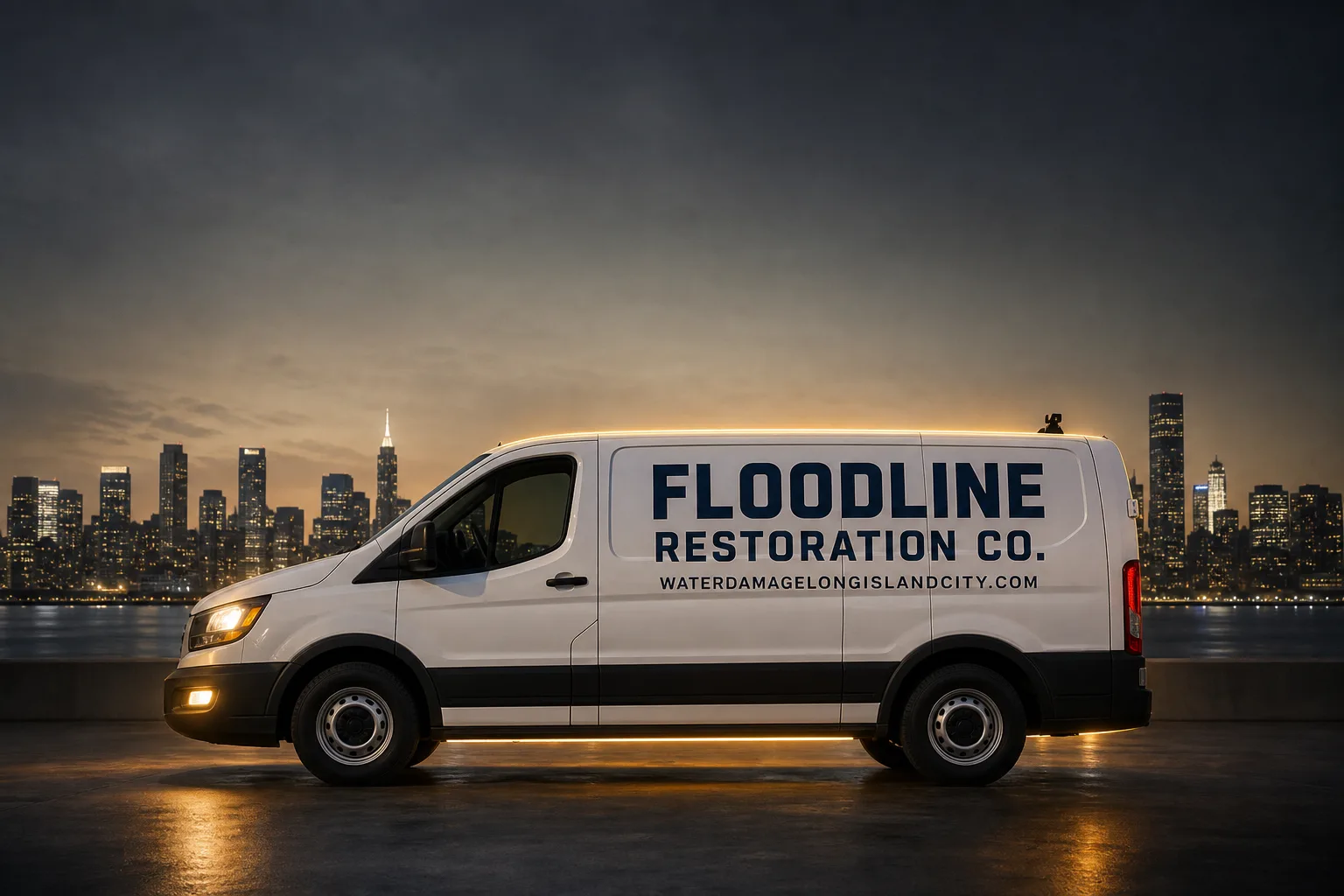
Free visual inspection and a written scope of work before any mitigation begins - photos, moisture readings, and drying logs go in your claim file
The scope we write is the scope we bill. Anything new gets shown to you, in writing, before we touch it.
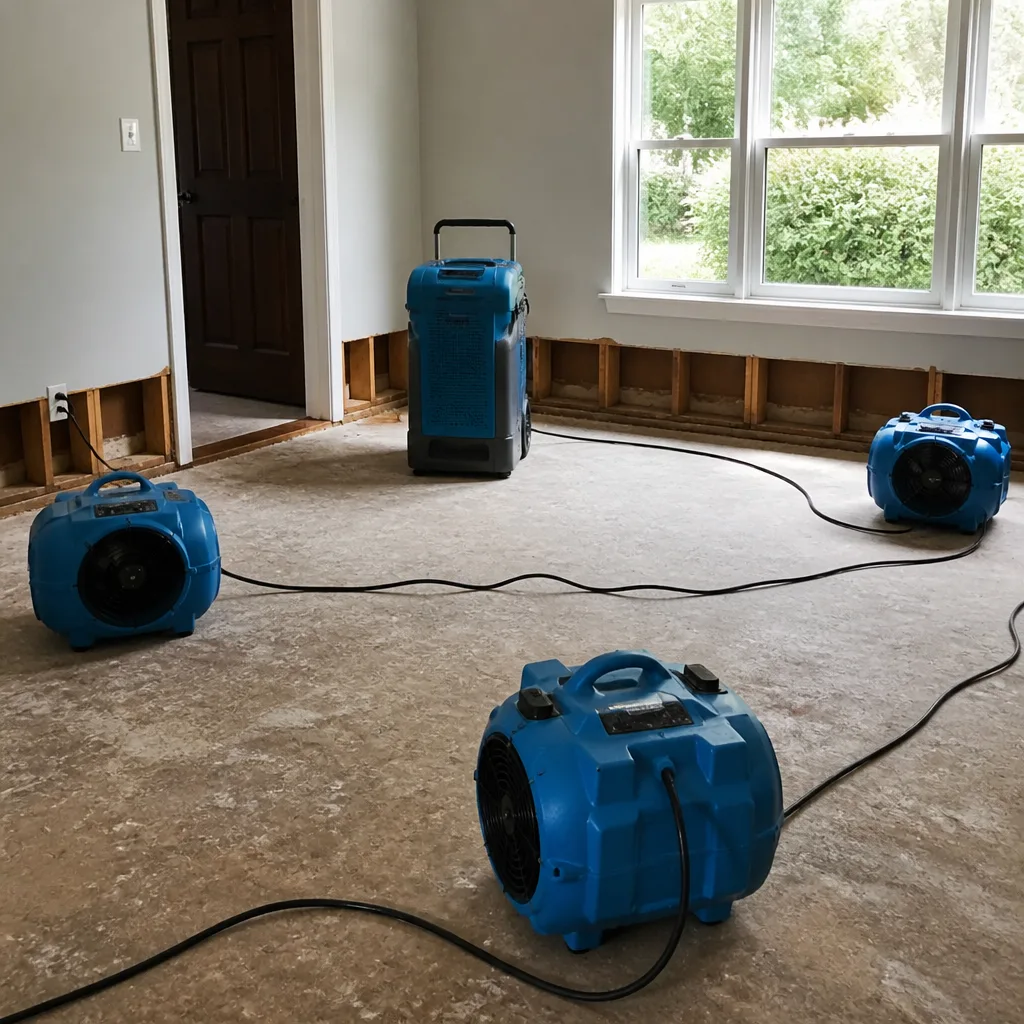

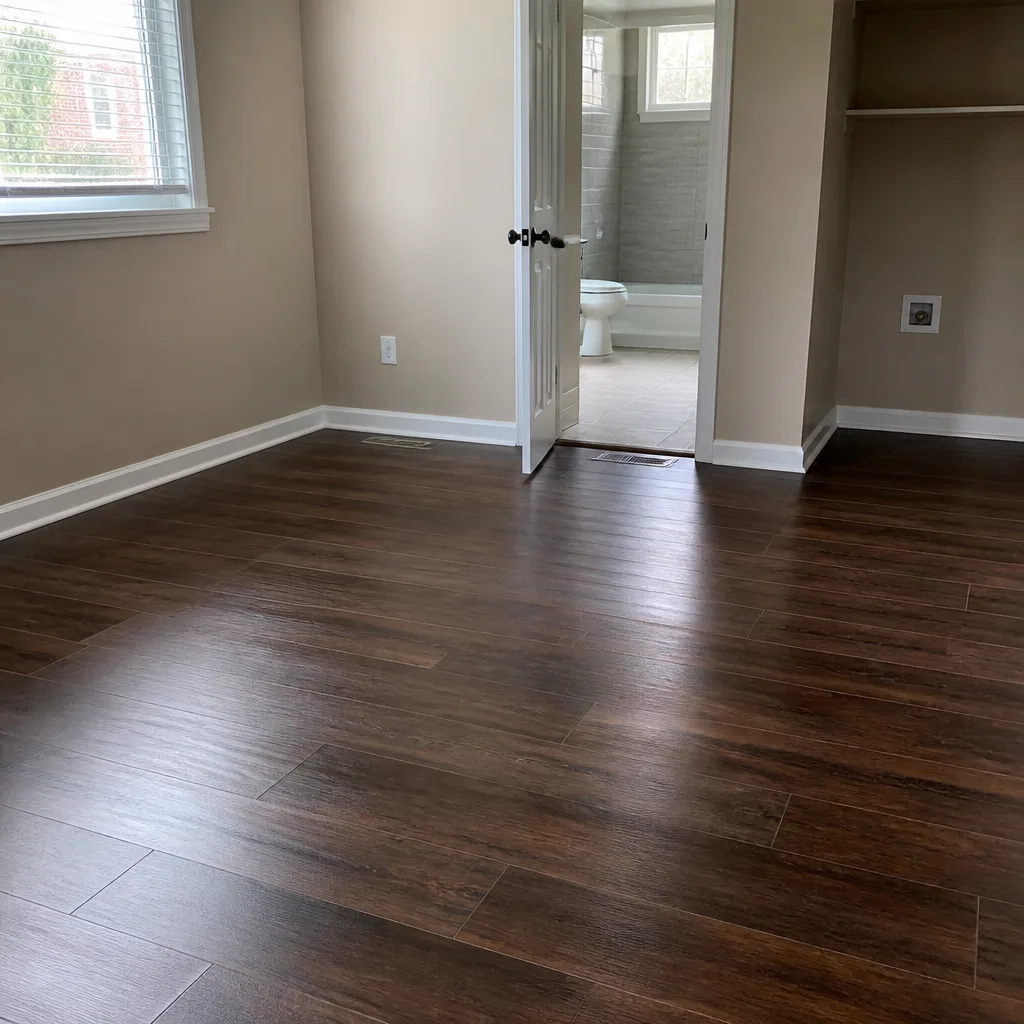

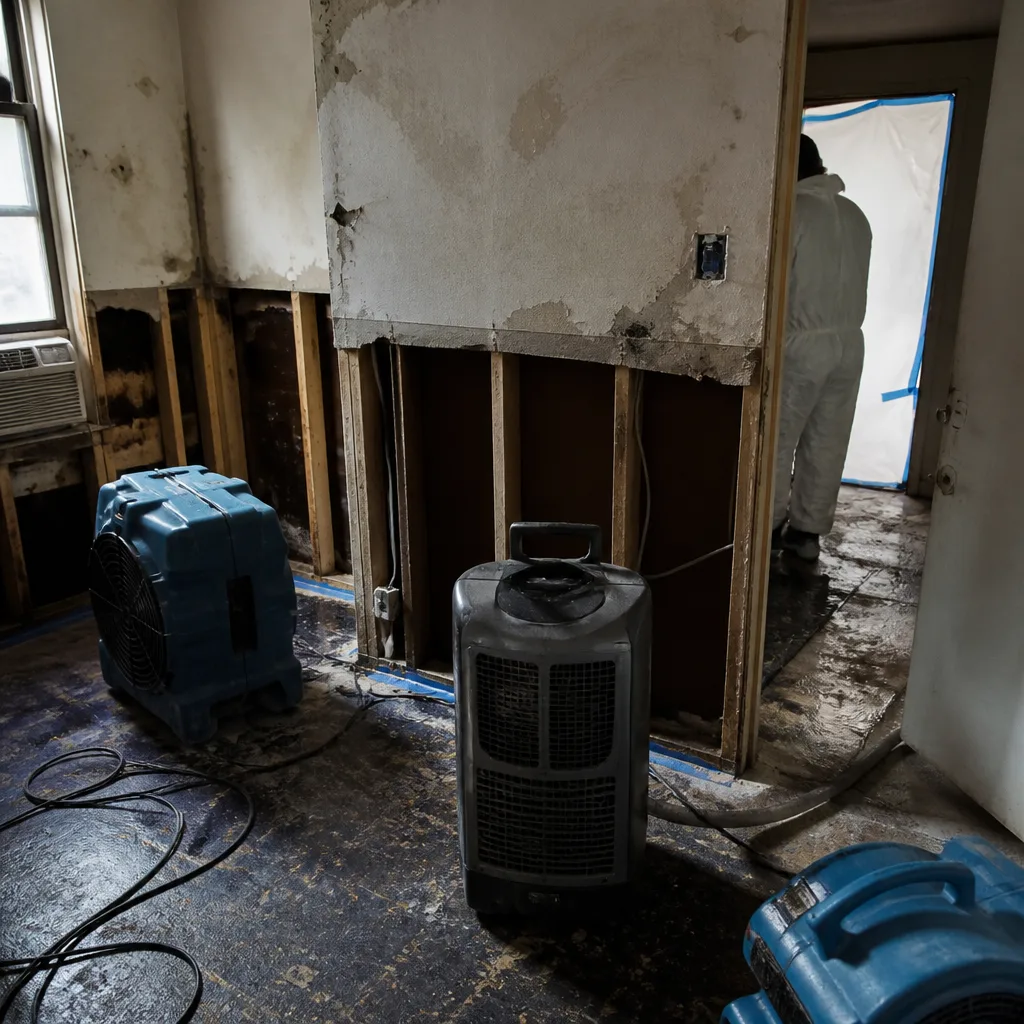 Before
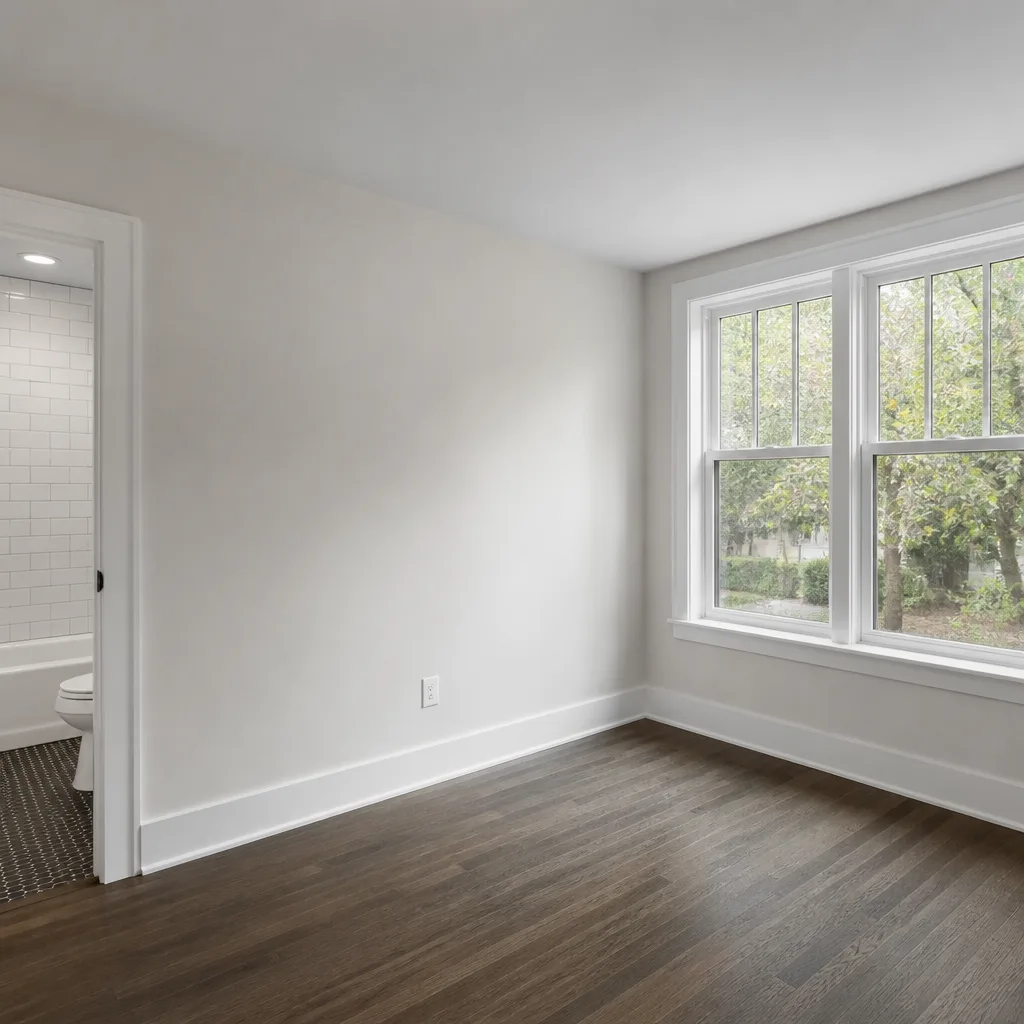
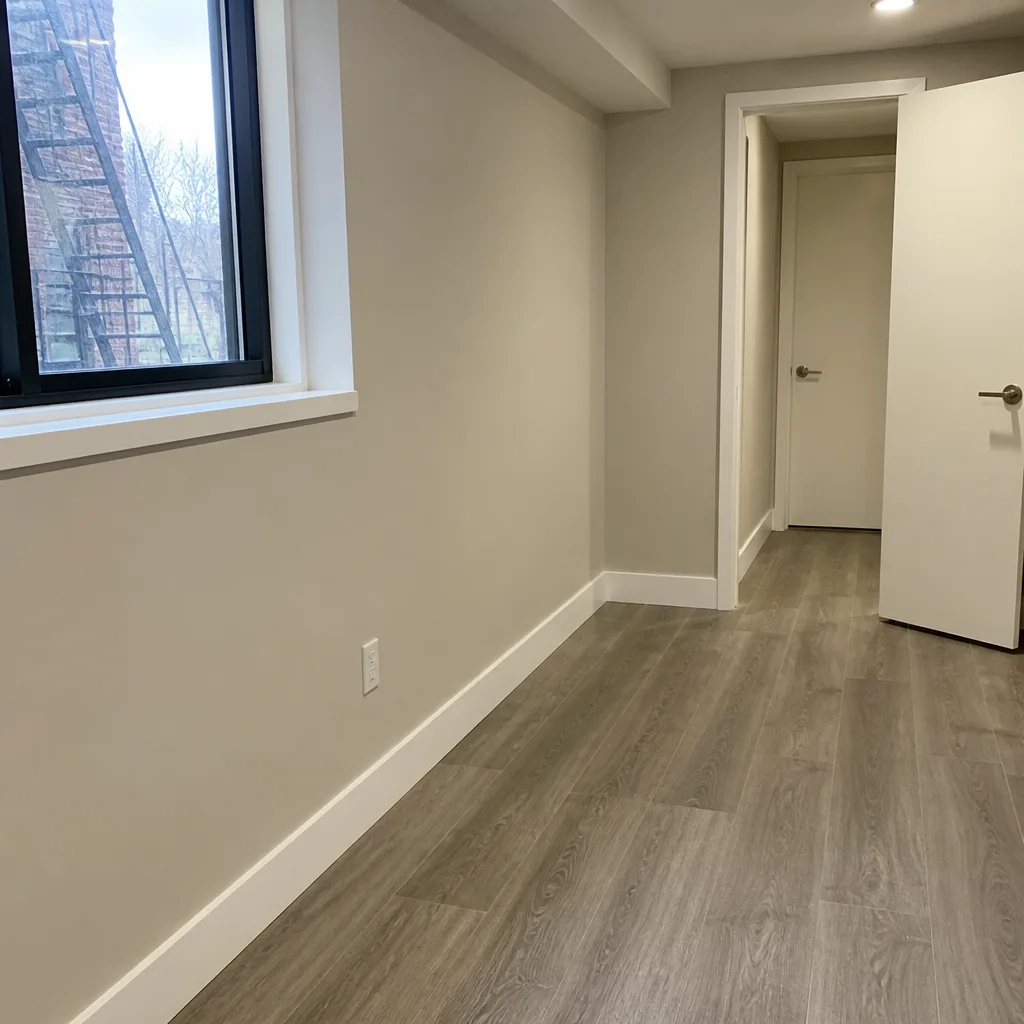 After
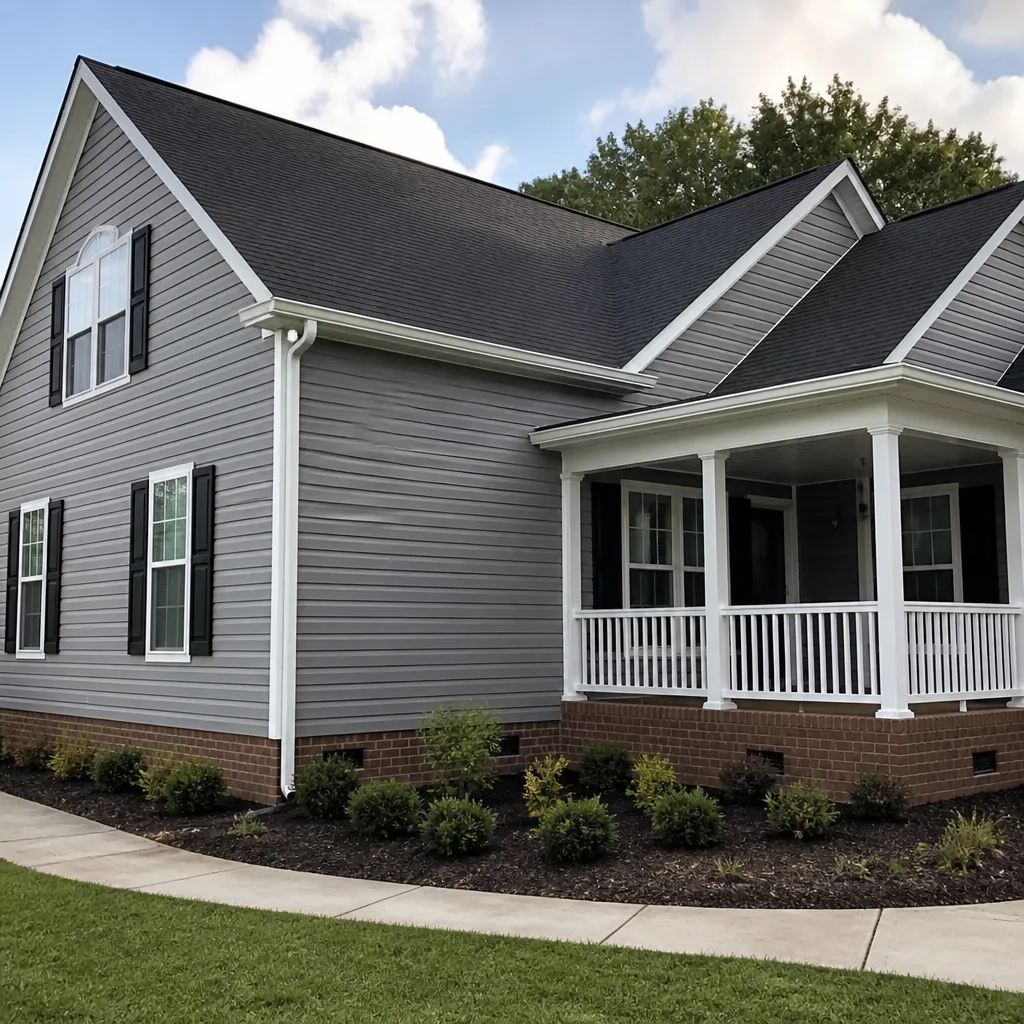
After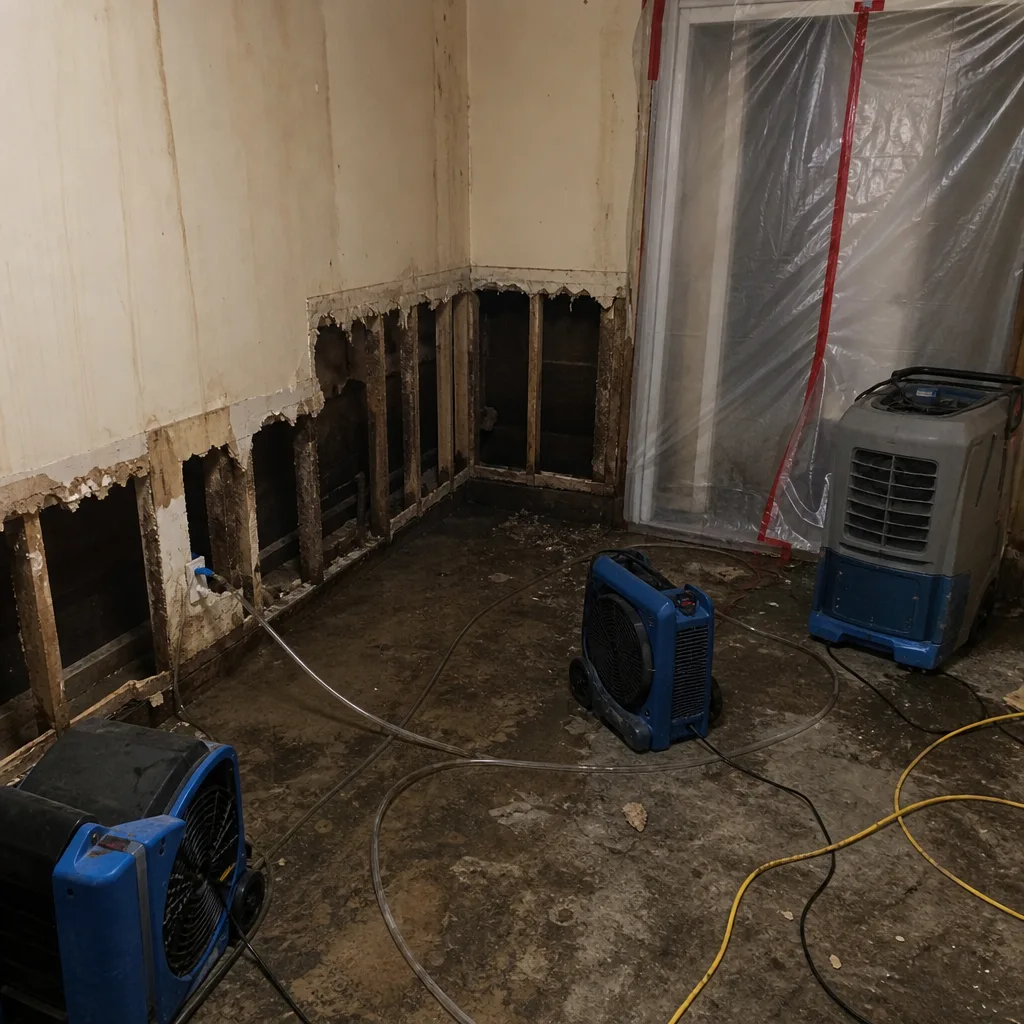 Before
 After
After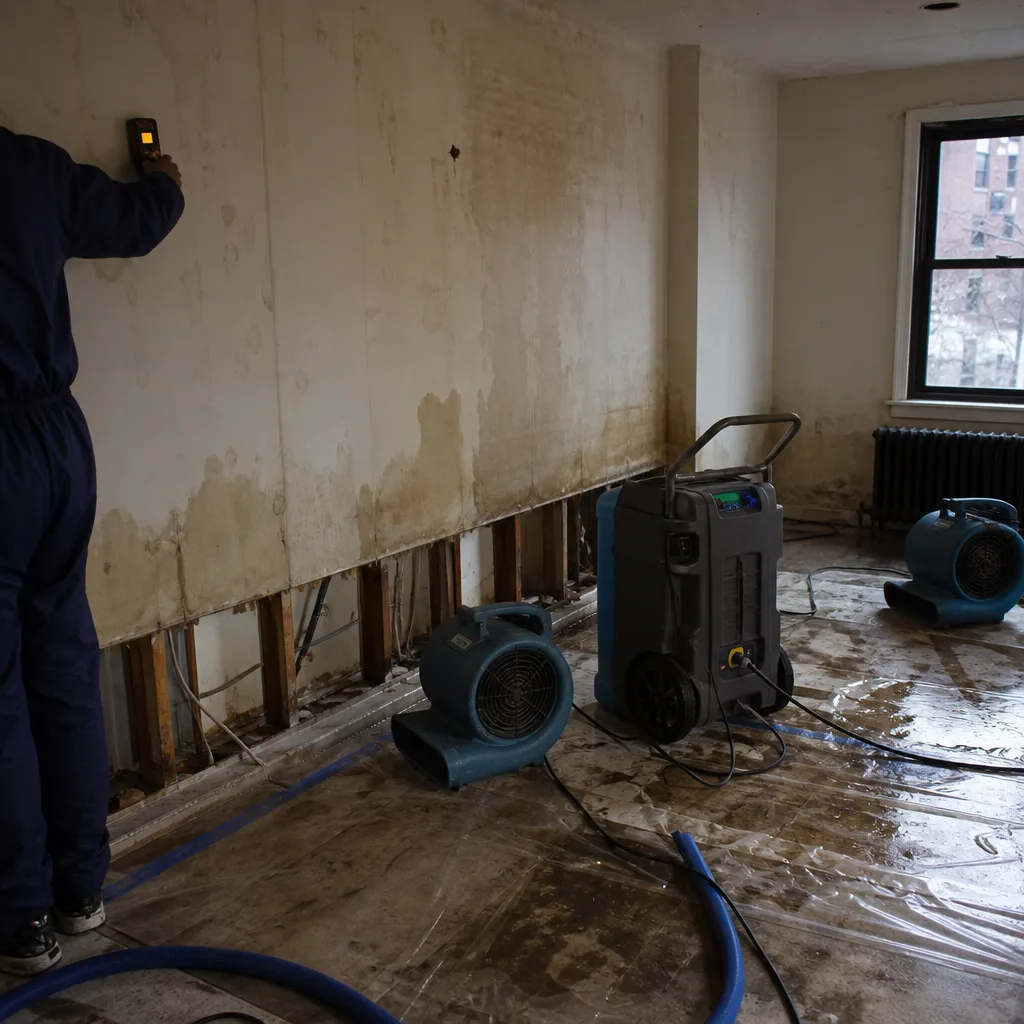 Before
 After
AfterEmergency Storm & Disaster Restoration When Long Island City Homeowners Need It Most
Call (716) 452-0798 right now. We answer 24/7, and when a storm has torn through your Long Island City property or water is spreading through your floors and walls, you don’t have time to leave voicemails. Floodline Restoration Co. keeps crews on call around the clock for 24 Hour Storm & Disaster Restoration in Long Island City, NY because we know that in this neighborhood, the difference between a contained cleanup and a gut renovation is often measured in hours. We’re led by Curt Bowman, who has spent years working in LIC’s most challenging buildings, and we’ll have a real person on the phone in minutes, not an answering service.
Available 24/7 for Storm & Disaster Restoration Emergencies in Long Island City
Long Island City sits in a uniquely vulnerable spot. The Hunters Point waterfront and the blocks approaching Newtown Creek are inside FEMA’s AE and VE high-risk flood zones, where a high water table makes basement and ground-floor flooding a recurring threat during heavy rain events and coastal storms. Half a mile inland, the same storm that floods a waterfront loft might barely leave a puddle. That’s why we don’t use a one-size-fits-all playbook here.
So what counts as a true emergency? Water coming through the ceiling from a burst pipe on an upper floor, storm surge backing up through floor drains, sewage overflowing from a blocked line, a roof breach during a nor’easter letting rain pour into a top-floor unit, or floodwater that has been sitting for more than a few hours and is now soaking into drywall, subflooring, and the structural framing. If you’re standing in an inch of water or watching a brown stain grow across your ceiling, call (716) 452-0798. We’ll help you stop the water at its source if it’s safe to do so, start extraction immediately, and map out exactly what happens next.
Emergency Storm & Disaster Restoration We Handle in Long Island City
- Storm surge and flash flooding from the East River waterfront: Hunters Point blocks in the AE and VE zones are the first to take on water when a coastal storm pushes the river over its banks. Storm surge isn’t clean rainwater. It carries sewage, fuel residue, and whatever else the streets have collected. That water needs to be extracted with commercial pumps, not a shop vac, and every affected surface needs antimicrobial treatment before drying begins. Waiting a day means mold has already started in the drywall.
- Upper-floor pipe bursts and high-rise cascades: LIC’s post-2010 high-rises have a specific failure pattern. A supply line lets go on the 35th floor, and before anyone gets the shutoff valve closed, water has traveled down through electrical chases, elevator shafts, and party walls, soaking dozens of stacked units. We coordinate with building management immediately, stop the source, and start pulling water and running drying equipment floor by floor. In a tower of stacked units, one slow response compounds into damage across half a building.
- Storm-driven roof and facade breaches: High winds off the East River during a nor’easter can rip flashing, tear membrane roofing, and drive rain through brick facade cracks into top-floor units and converted warehouse lofts. If water is coming through your ceiling during a storm, the source may be fifteen feet away or three floors up. We tarp exposed areas when it’s safe, contain the interior water, and get drying equipment running the same night.
- Sewage backups and contaminated water: A storm that overwhelms the city’s combined sewer system can send sewage back up through floor drains in basements and ground-floor units across the flood zone neighborhoods. This is a Category 3 water event, the most dangerous classification. It requires full personal protective equipment, controlled disposal of contaminated materials, and a disinfection protocol before anything gets dry. No exceptions. Call (716) 452-0798 and keep people and pets out of the affected area until we assess it.
Our Emergency Response Process
When you call (716) 452-0798, here’s what happens. First, a live person answers, day or night, and asks a few quick questions: Where is the water? How deep? What floor? Is the source stopped or still flowing? We’ll talk you through the safest immediate steps; shutting off water at the fixture or main if it’s accessible, getting people and pets clear of standing water, and turning off electricity at the breaker if water is near outlets. Then we dispatch a crew.
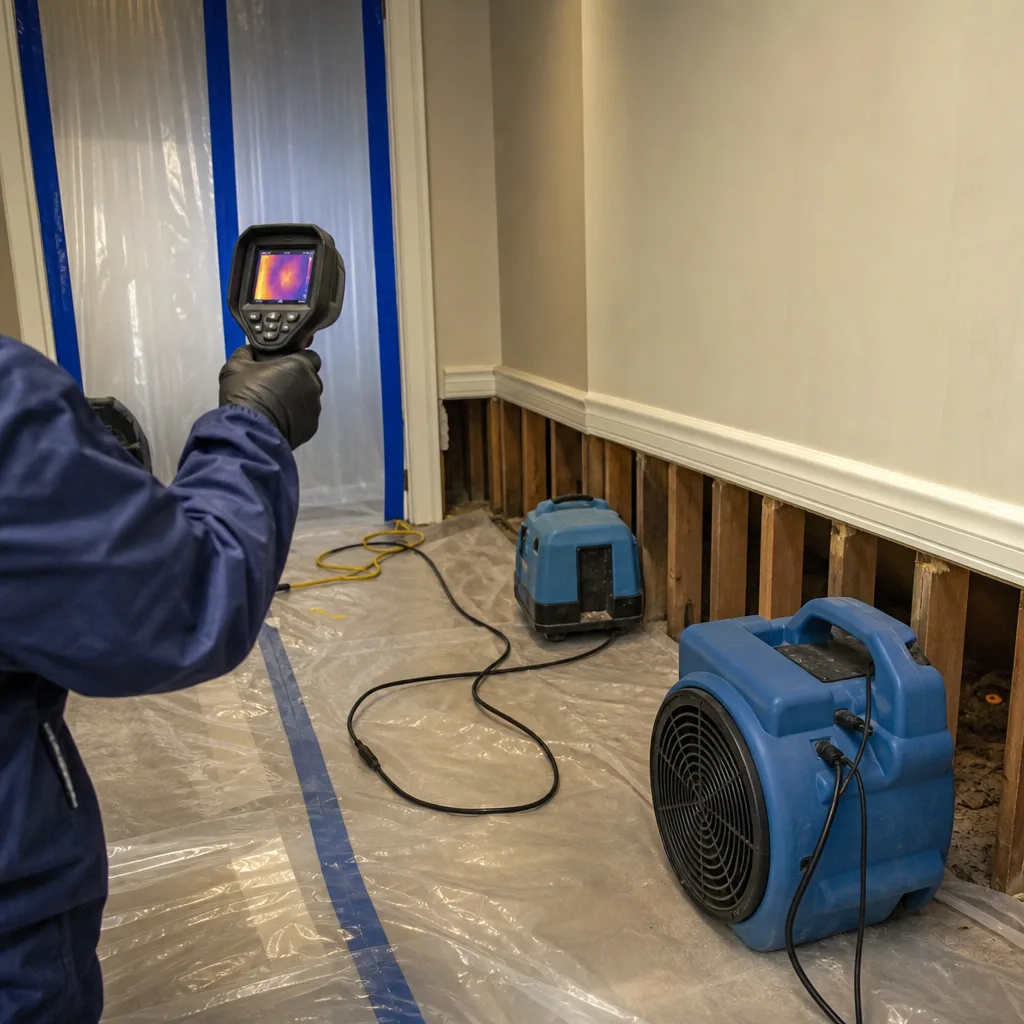
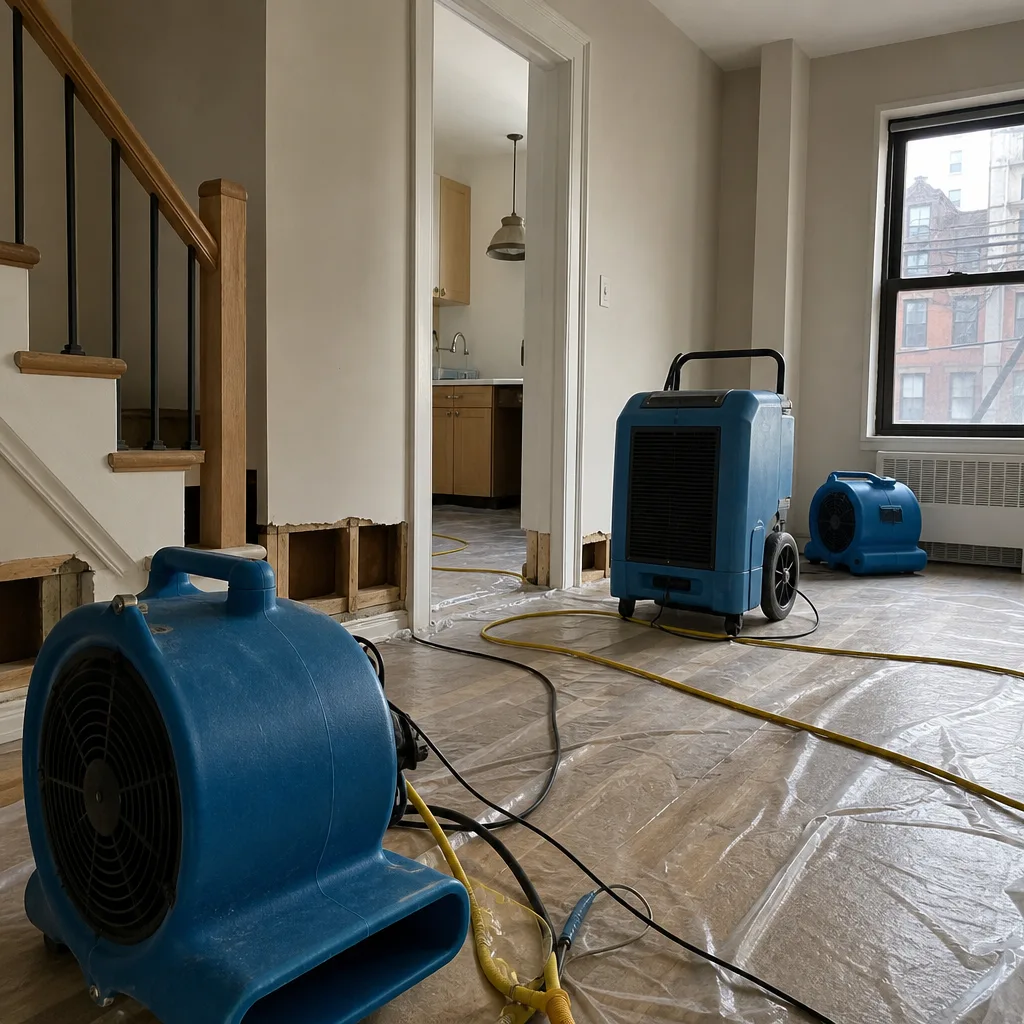
Our team arrives with commercial extraction equipment, industrial dehumidifiers and air movers from Dri-Eaz and Phoenix, and moisture meters to map how far the water has traveled behind walls and under floors. We photograph everything before, during, and after. We document the damage in detail for your insurance claim, and we’ll coordinate directly with your adjuster if you want us to. You get a written scope of work and a clear plan for drying, cleaning, and rebuilding before anything moves forward.
Emergency Storm & Disaster Restoration Cost in Long Island City
Honest answer: emergency storm and disaster work in LIC typically runs from $2,500 to $15,000 depending on the size of the affected area, the category of water, and how long it’s been sitting. A contained upper-floor pipe burst in a 700-square-foot condo might come in at the lower end. A storm surge event that floods a ground-floor Hunters Point loft with contaminated river water, requires asbestos abatement before drying can start, and involves mold remediation is a different scale of our Storm & Disaster Restoration services entirely.
| Service | Typical Range in LIC |
|---|---|
| Water extraction & drying (single room) | $2,500 - $4,500 |
| Whole-unit storm water mitigation (1-2 bedrooms) | $4,000 - $9,000 |
| Category 3 sewage backup cleanup | $5,000 - $12,000+ |
| Asbestos abatement hold (if triggered by demo) | $3,000 - $10,000+ |
| Full restoration after major storm event | $10,000 - $50,000+ |
We don’t charge extra for nights, weekends, or holidays. The rate is the same at 2 a.m. as it is at 2 p.m. You’ll get a written estimate before any non-emergency work begins, and the initial assessment is free. Call (716) 452-0798 for a number that reflects your specific situation.
Frequently Asked Questions - Emergency Storm & Disaster Restoration in Long Island City
In most cases, we can have a crew on site within 60 to 90 minutes for Same Day Storm & Disaster Restoration in Long Island City, NY anywhere in LIC, from the Hunters Point waterfront up to the Court Square corridor. During a widespread storm event when every restoration company in Queens is running at capacity, response times stretch. Call (716) 452-0798 and we’ll give you an honest ETA based on where our nearest available crew is at that moment.
Most standard homeowners and condo policies cover sudden pipe bursts and storm-driven roof damage. Flood damage from rising river water or storm surge requires a separate NFIP flood policy, which is common but not universal in LIC’s AE and VE zones. We photograph everything, provide moisture mapping documentation, and work directly with your adjuster so the claim is based on evidence, not estimates. Call us at (716) 452-0798 and we’ll help you understand what your policy covers before you spend a dime.
If the water came from a clean supply line and you caught it within the first hour, a fast professional dry-out might be all you need. If the water came from outside, from a drain, or has been sitting long enough to soak into drywall and flooring, the answer is almost always full mitigation. We’ve seen LIC basements that looked dry on the surface and were hiding mold colonies inside the wall cavities six months later. The assessment is free. Call (716) 452-0798 and we’ll tell you honestly what you’re dealing with.
In the pre-1980 industrial buildings that were converted into lofts throughout Hunters Point and Court Square, demolition frequently exposes asbestos floor tiles, transite ceiling panels, or pipe insulation from the original factory construction. That means work stops. We hold the job, bring in a licensed abatement contractor, and nothing moves forward until the space is cleared. It adds time and cost, but it’s non-negotiable for legal and health reasons. We handle this process end to end, and we’ll tell you upfront if we expect your building to trigger it.
If you can safely shut off the water source, do it. Get people and pets out of standing water. Kill power at the breaker if water is anywhere near outlets or electrical panels. Move small valuables to dry ground. Don’t use a wet-dry vac on contaminated water, don’t run fans on sewage, and don’t start pulling up carpet yourself unless the water is clean and you’re sure the subfloor isn’t hiding anything. We’ll be on the phone with you as soon as you call (716) 452-0798, and we’ll walk you through the safest next steps for your exact situation.
Call for Emergency Storm & Disaster Restoration in Long Island City - We Answer 24/7
For the Best Storm & Disaster Restoration in Long Island City, NY, remember: storm damage doesn’t wait for business hours, and neither do we. Water moves fast, mold moves faster, and every hour of delay raises the restoration cost. Call (716) 452-0798 now. A live person answers. A crew gets dispatched. You get a plan, not a sales pitch.
Written by Curt Bowman, Owner at Floodline Restoration Co., serving Long Island City and greater Queens since 2009.
What Our Customers Say
"Sewage backed up into the downstairs bathroom on a holiday weekend. The crew arrived in full protective gear, took out everything porous, bagged it, and sanitized the space twice. They treated a disgusting job like it was routine, which for them I suppose it is."
- Farrah Nassar"Washing machine hose let go while we were at work and the ceiling below was sagging by the time I got home. They had extraction running within the hour and fans placed before dinner. The tech took moisture readings every day and showed me the numbers coming down until they hit dry."
- Marcy Aldridge"Ice maker line had been leaking under the floor for who knows how long. They mapped how far the water had traveled with a thermal camera, dried it from underneath, and saved a hardwood floor two other companies wanted to tear out."
- Kevin Liang