
Free visual inspection and a written scope of work before any mitigation begins - photos, moisture readings, and drying logs go in your claim file
The scope we write is the scope we bill. Anything new gets shown to you, in writing, before we touch it.

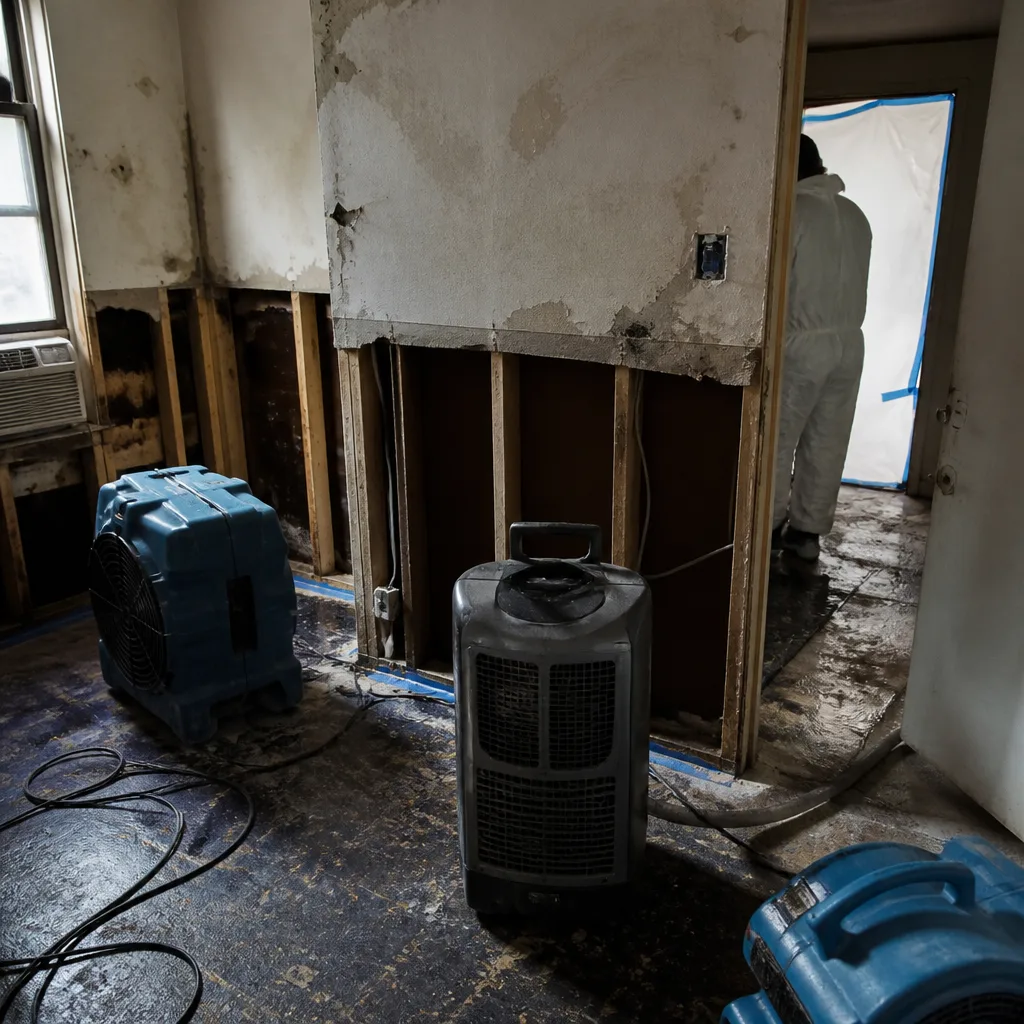 Before
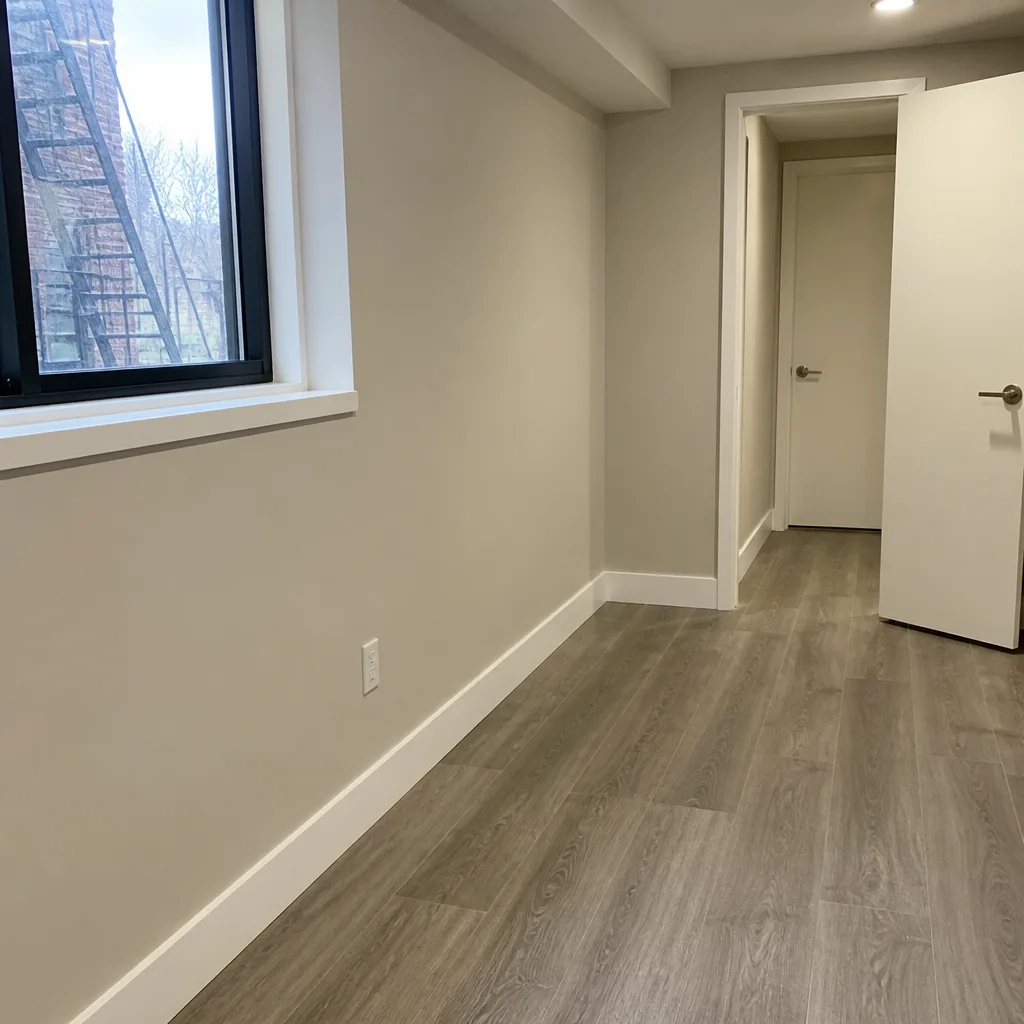 After
After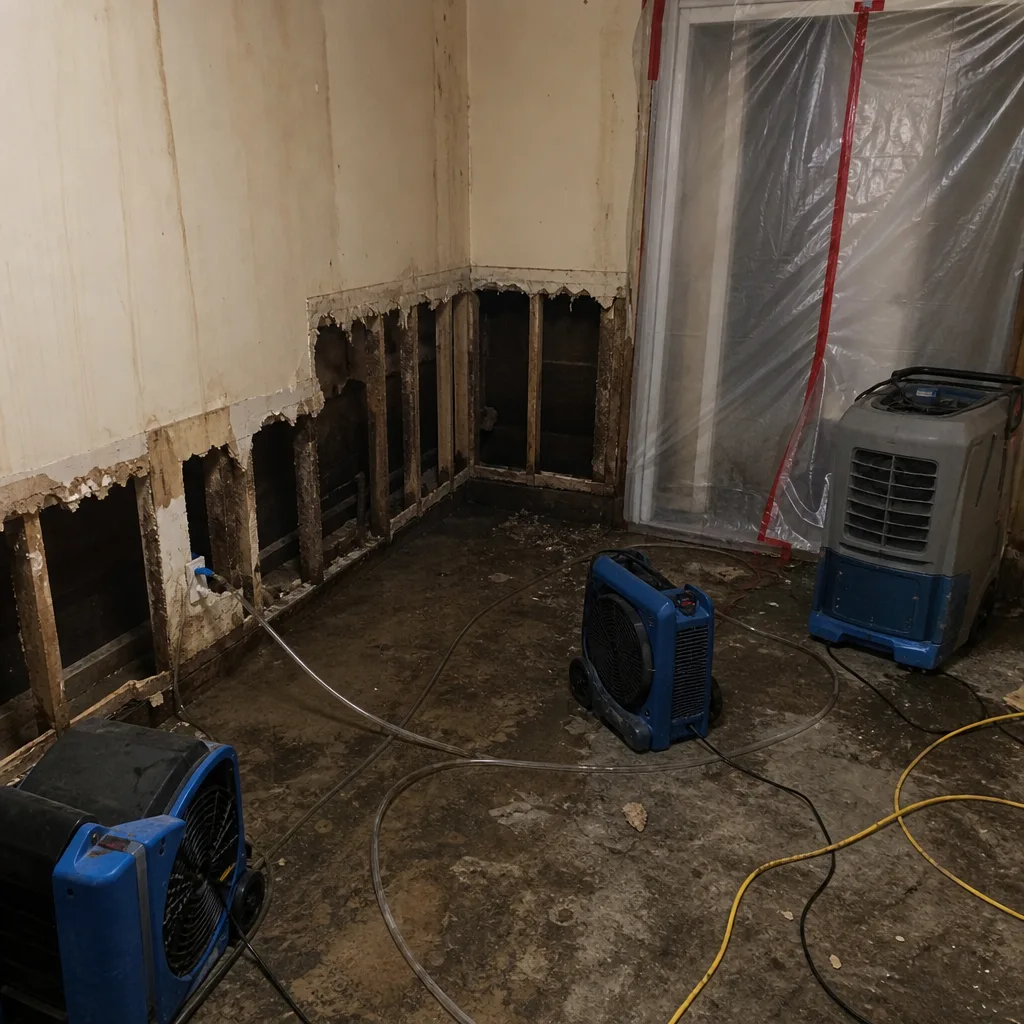 Before
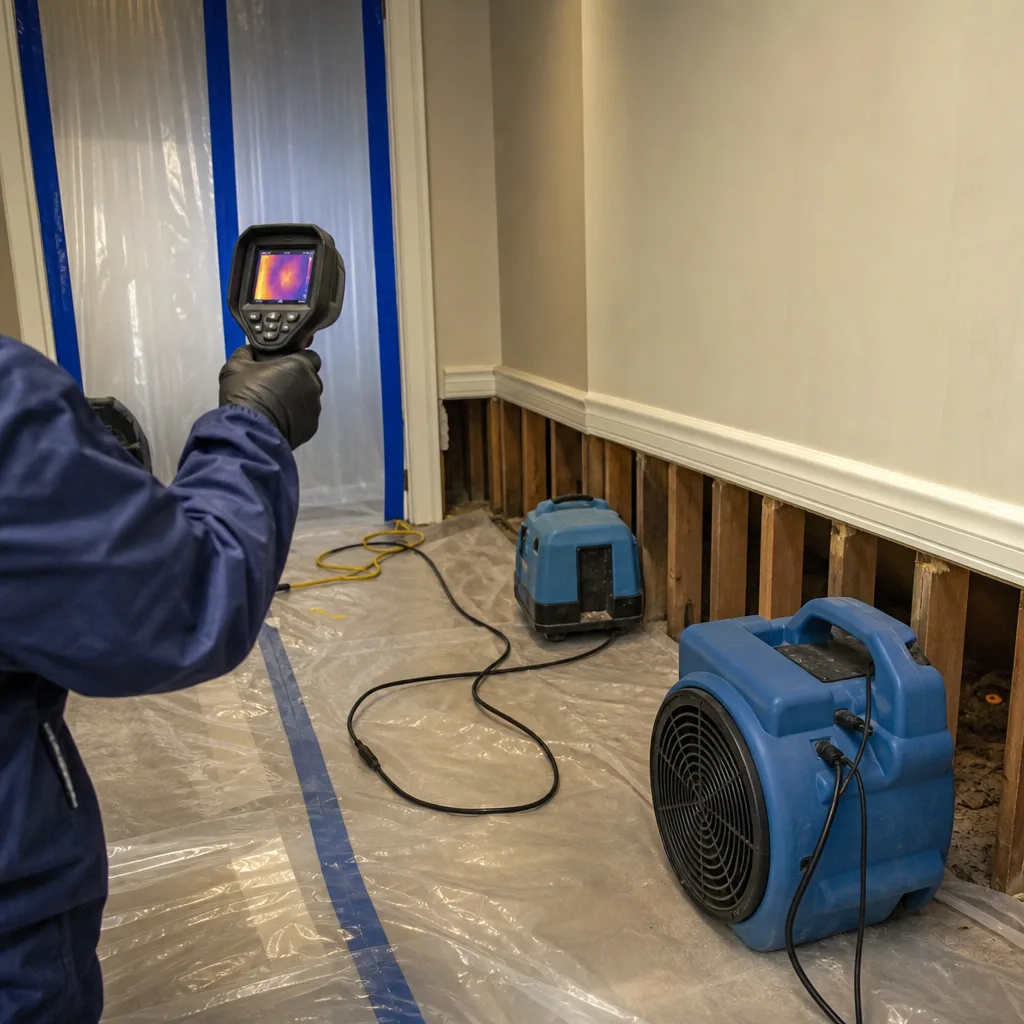 After
After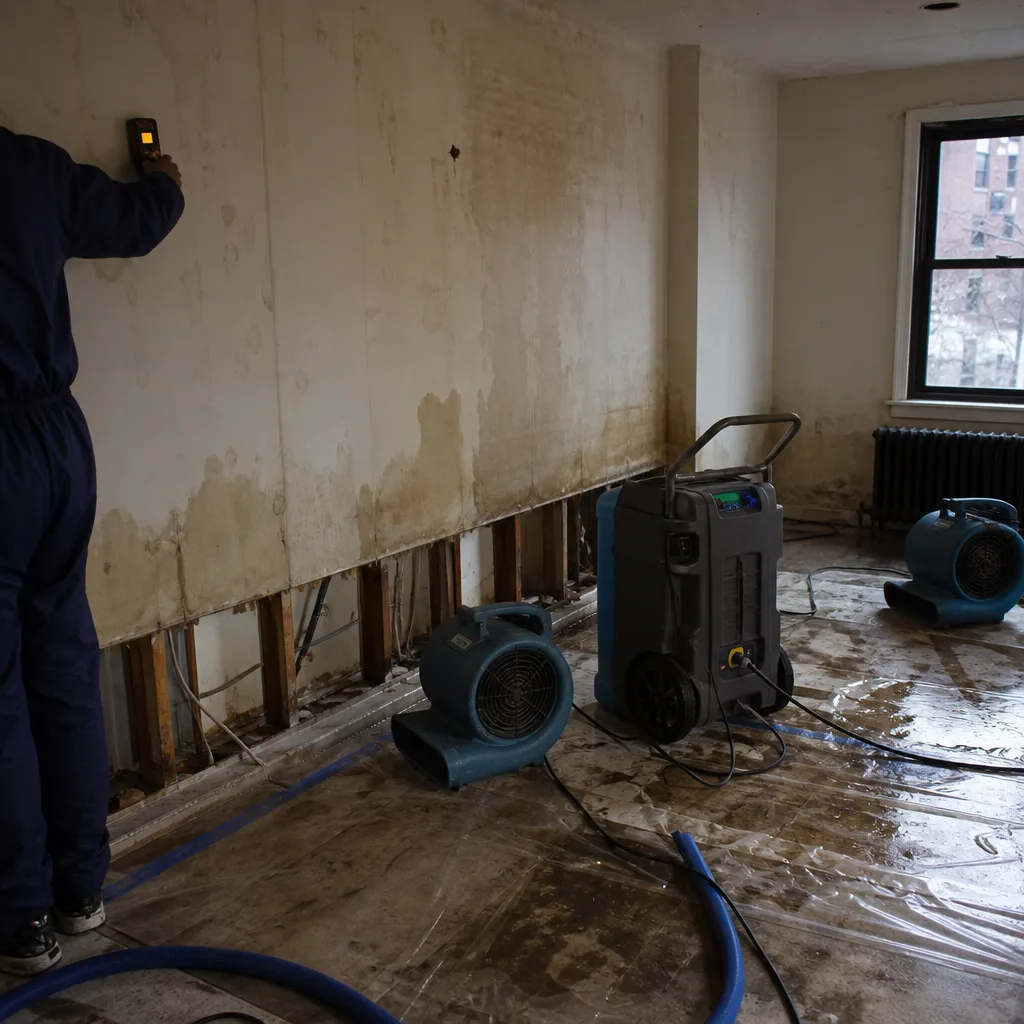 Before
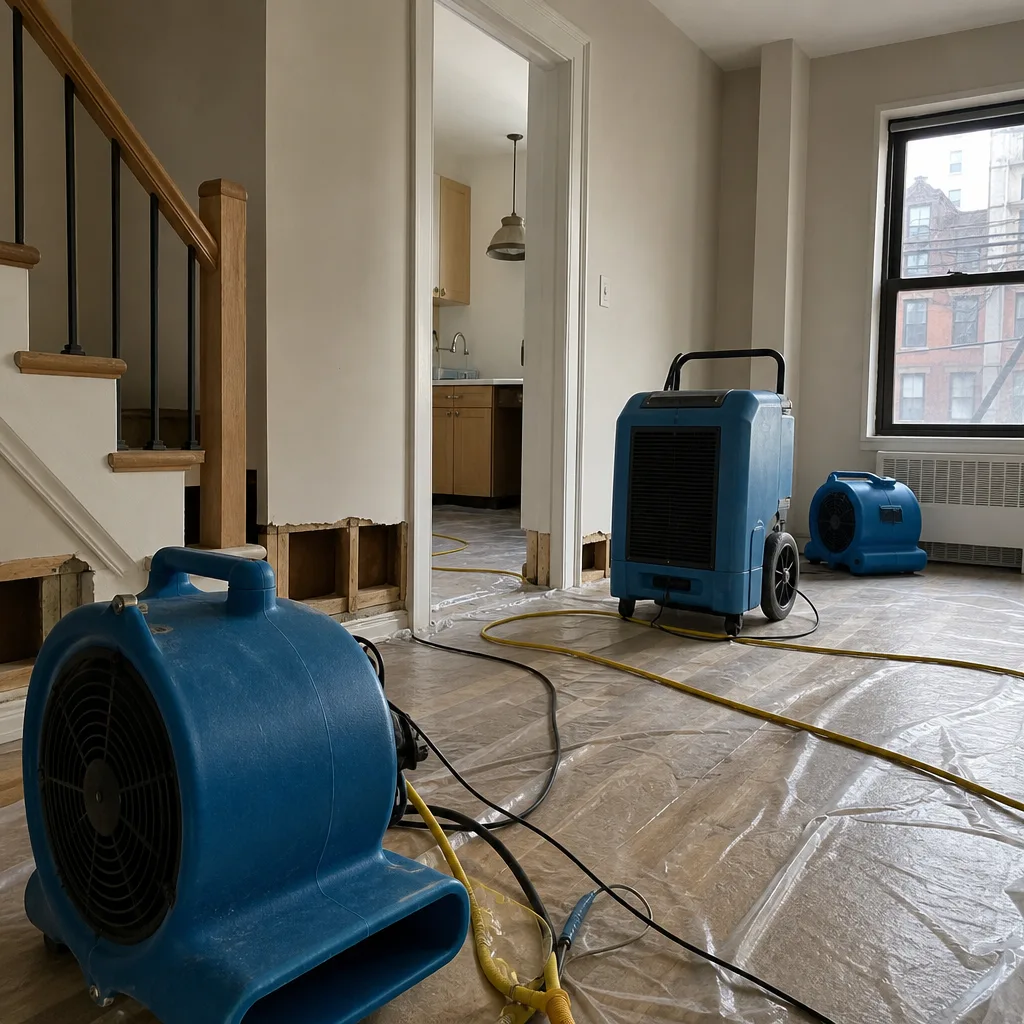 After
After24/7 Emergency Mold Remediation in Upper East Side
If you’ve found mold in an Upper East Side co-op, townhouse, or garden apartment, the most important call you make today is the first one. Mold remediation in Upper East Side buildings carries a particular urgency because moisture trapped behind original horsehair plaster rarely dries on its own. Call (716) 452-0798 and a live dispatcher answers, any hour, any day. We get containment running on the same visit so the problem does not spread to neighboring apartments or deeper into plaster walls.
Mold does not wait for co-op board meetings. It colonizes wet plaster, parquet backing, and wainscoting within 48 to 72 hours. The faster we isolate the affected area and begin controlled drying, the less invasive the repair. In a neighborhood where wall finishes are irreplaceable, speed is what keeps a small mold issue from becoming a board-level dispute.
Understanding Mold Remediation Severity in Upper East Side Properties
Mold remediation is not a single procedure; it scales with the contamination level, the water source, and the materials affected. Our techs assess each Upper East Side job on three axes before any work begins. First, the water source: Category 1 is clean supply water from a burst pipe or steam-line leak. Category 2 carries contaminants from washing machines, shower pans, or aquarium failures. Category 3 is sewer or storm backflow, common in the cellar units nearest the FDR Drive and East River side streets. Second, the surface affected: painted plaster, bare lath, parquet adhesive, and wainscoting cavities all dry and respond to treatment differently. Third, the extent of hidden moisture. We run thermal imaging and moisture meters across walls, floors, and ceiling cavities before we ever open a surface.
That third axis matters most in prewar Upper East Side buildings. A ten-story co-op built in 1928 typically has plaster laid directly over wood lath, no vapor barrier, and cast iron risers sweating behind finished walls. Mold in those cavities spreads along the lath well beyond what the eye sees. Containment, negative air pressure, air scrubbing, and clearance testing are the standard response for anything beyond a small isolated patch. We do not treat a co-op dining room ceiling the way we treat a sheetrock wall in a modern high rise. The material changes the method.
Why Upper East Side Property Owners Choose Floodline Restoration Co.
- 45-minute response commitment: Our crews dispatch from the New York City office and reach Upper East Side job sites fast, often within 45 minutes of a call. When dealing with active mold spread, those minutes matter.
- Live answer, 24 hours a day: A real person picks up at 2 a.m. Not a recording. Not a callback queue. You speak to a dispatcher who can send a certified crew immediately.
- IICRC-certified crews on every job: Our technicians hold IICRC credentials including AMRT (Applied Microbial Remediation Technician) and WRT (Water Restoration Technician). Uniformed and background-checked, every time.
- Free visual inspection: We come out, assess the visible mold and moisture, and give you a straight read on scope before you commit to anything. No charge for that first visit.
- Direct insurance billing: We document everything from hour one, file industry-standard estimates and photos to your carrier, and talk to your adjuster directly. You do not play messenger.
- One team, start to finish: Floodline Restoration Co. does not hand your job to a separate rebuild contractor. The same certified crew that runs containment also completes the structural repair and refinishing.
Our Mold Remediation Process
Inspection & Assessment
We begin with a full visual inspection plus moisture mapping using thermal imaging and hygrometers. In an Upper East Side prewar unit, that means checking the ceiling cavity, behind the parquet baseboard, and inside any wall that shares a plumbing riser with the floor above.
Containment & Stabilization
We install 6-mil polyethylene containment barriers and run HEPA-filtered negative air machines to prevent spores from migrating into neighboring co-op units or the shared hallway. Stabilization stops the problem from spreading while remediation proceeds.
Drying & Dehumidification
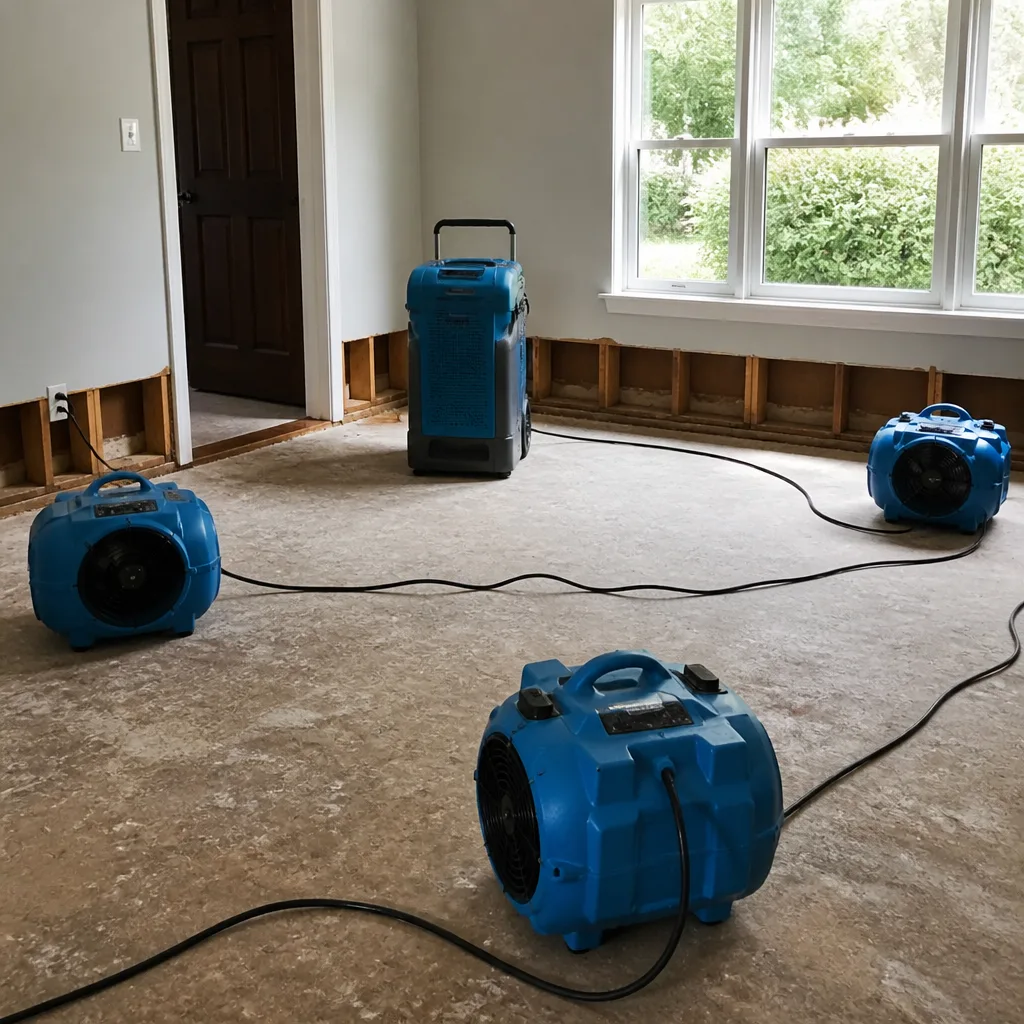
Dri-Eaz and Phoenix air movers run with dedicated dehumidifiers until materials reach the dry standard. In old plaster, that can take longer than modern drywall. We log daily moisture readings and hand you the log for your insurer.
Cleaning & Sanitization
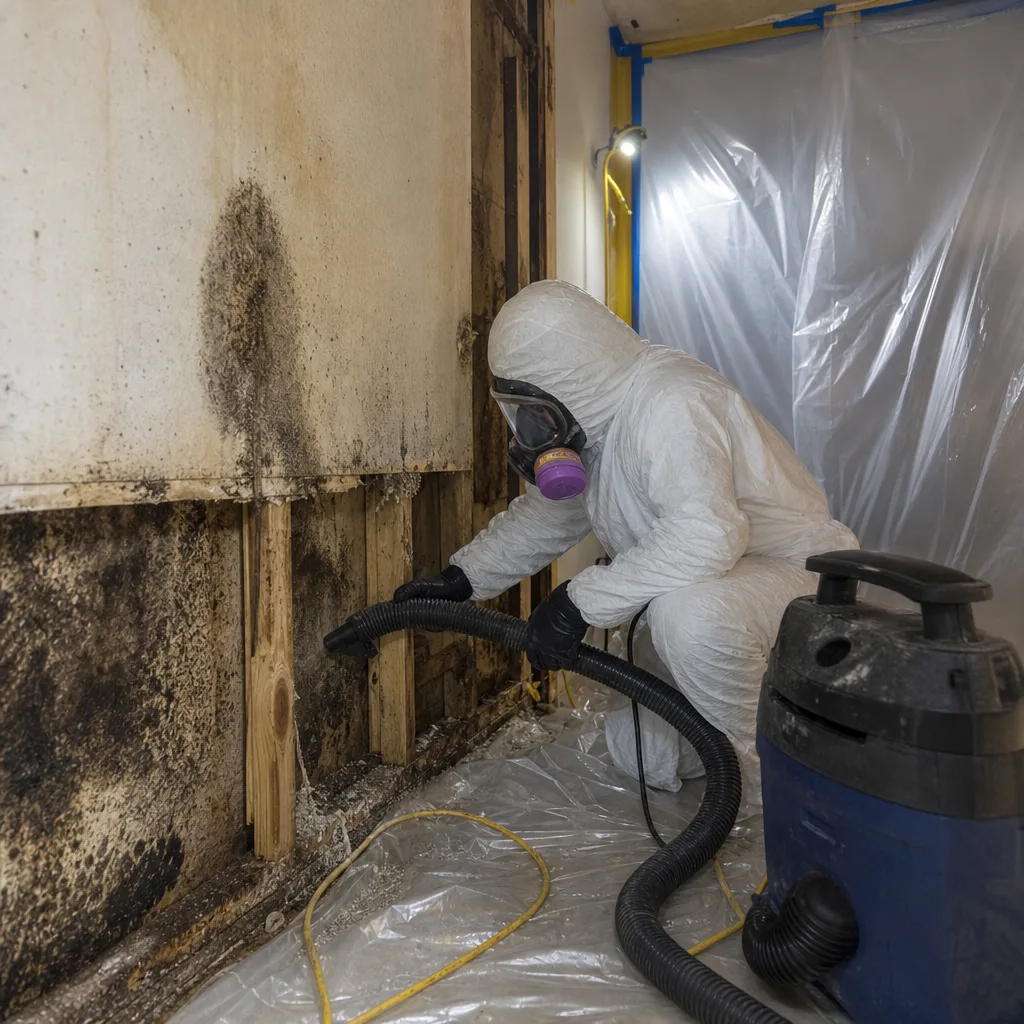
All affected surfaces are HEPA-vacuumed, wire-brushed where appropriate, and treated with EPA-registered antimicrobial agents. We treat the substrate, not just the visible surface, so mold does not rebound in the lath behind the plaster.
Air Quality Restoration
We run HEPA air scrubbers continuously during remediation and as part of the post-remediation verification. Post-remediation air sampling by a third-party lab serves as the clearance test before we remove containment.
Repairs & Restoration
If the co-op board requires specialty plaster repair or parquet matching, we coordinate that scope while holding containment until the approved contractor completes the work. Then we verify, clear, and close out with the 90-Day Done Right Promise in writing.
Need Emergency Mold Remediation in Upper East Side Now?
Crews minutes away, answering live 24 hours a day. The sooner we start, the less it costs.
Working With Your Insurance Company
Mold claims on the Upper East Side tend to look different from claims elsewhere in the city. A burst pipe in an 11th-floor co-op on Fifth Avenue is a standard water-loss claim. Mold that follows it, after the board delayed remediation approval for three weeks, becomes a coverage dispute. Insurance companies ask why mitigation did not start sooner. We answer that question with documentation: time-stamped photos from the first visit, moisture readings taken every day from the start, a written log showing the drying curve, and a clear record of any co-op board or management delays that held the work. That paper trail is often the difference between a paid mold claim and a denied one.
Some carriers cover mold remediation only up to a specific sub-limit. When that is the case, our scope of work tells you exactly what falls under coverage and what does not, before you sign. We will not surprise you with the bill. Our team has handled 42 years of losses for clients who want a square deal, and that starts with a written estimate your adjuster can actually read.
What We Provide Your Insurer
- Thorough documentation of the loss
- Photos of all damage, room by room
- Moisture readings and drying logs
- A detailed, line-item scope of work
- Direct coordination with your carrier
Built for Upper East Side’s Loss Calendar
Mold in Upper East Side buildings follows a seasonal rhythm, and we staff to it. January and February are the heaviest months for steam-line and supply-pipe failures. The cast iron risers in prewar co-ops have been expanding and contracting through Manhattan freeze-thaw cycles for eighty to a hundred years. When one lets go, water travels down through the plaster ceilings of every unit below, and mold colonizes the lath before the co-op board has finished circulating the alteration agreement. March and April bring thaw groundwater into basement and garden-level townhouse units east of Lexington Avenue. July and August thunderstorms overwhelm old roof drains and flash-flood cellar entrances near the FDR Drive. September nor’easters push storm surge up under doors on Yorkville side streets.
Every one of these events starts with water and ends with mold if the drying is delayed. The board process is what makes the Upper East Side unique. We plan for it from the first phone call.
Mold Remediation Across Upper East Side’s Neighborhoods
Upper East Side mold calls cluster in patterns we know from the street map. The high-rise co-op corridor along Fifth Avenue and Park Avenue from 60th to 86th Street runs almost exclusively on cast iron riser failures and steam-line leaks. In those buildings, mold behind ornamental plaster crown molding and ceiling medallions must be treated without cutting through the decorative work unless the board has already approved replacement by a specialty plasterer. East of Third Avenue, where block after block of four and five story brownstones and tenements sit over shallow cellars, we see groundwater intrusion and sewer backflow every time the East River rises. The Yorkville corridor between 79th and 96th Streets was hit hard by Sandy, and those ground-floor units stay on our radar. Carnegie Hill co-ops near 91st and Madison present the tightest board-approval timelines; we have spent days running containment while lawyers review the work scope.
Along Second Avenue, many prewar rental buildings and a few co-ops have made piecemeal plumbing repairs over the decades, leaving mismatched pipe materials that corrode where they join. Those are leak points. When mold appears on a shared wall in one of those buildings, the source often sits in the neighboring unit. Containment has to protect both sides, and the inspection has to cover both apartments.
Specialized Mold Remediation Services We Offer in Upper East Side
Mold Inspection & Testing
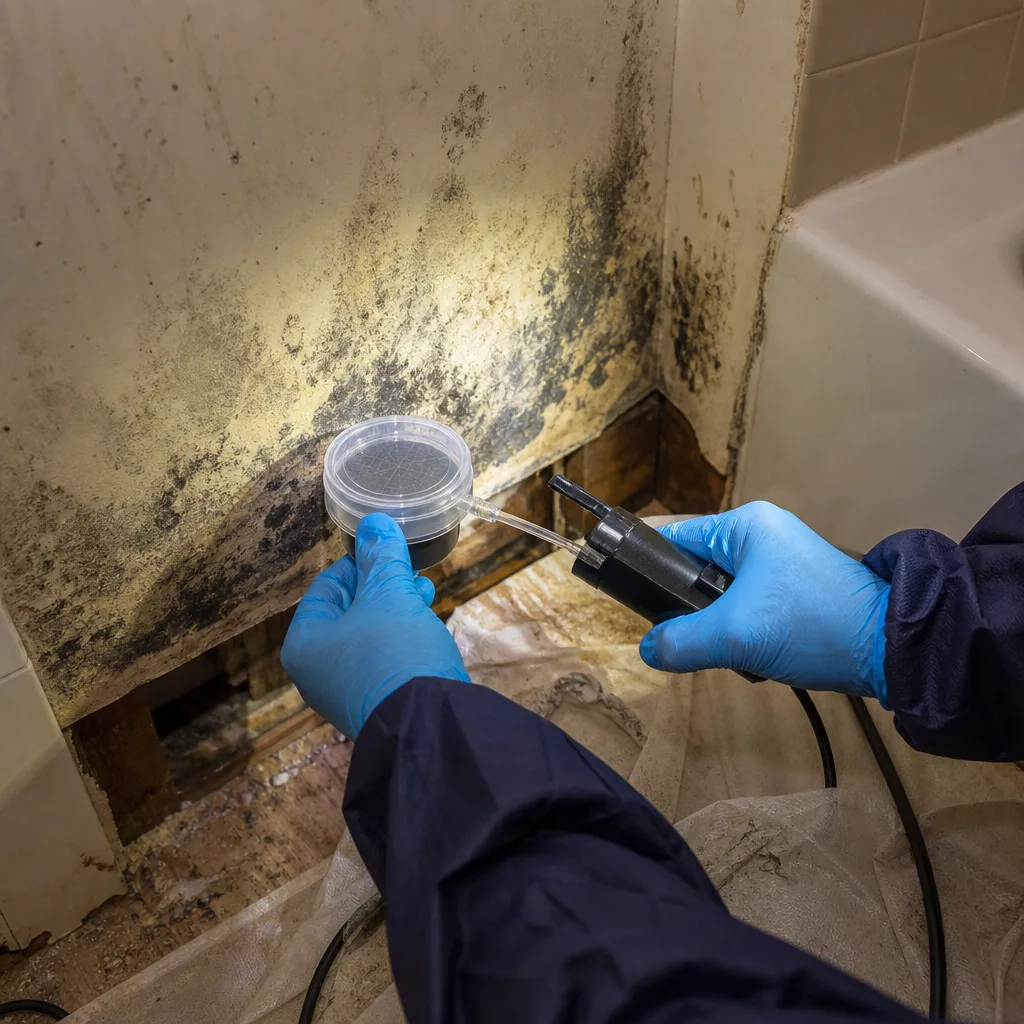
The first question on any Upper East Side call is not “how much” but “where is the water coming from.” Our inspection starts with a moisture map of the entire affected unit, not just the visible stain. We trace water migration through plaster, plaster lath, floor joists, and baseboard cavities. Air and surface samples, when needed, go to an independent lab. You get a written report that tells you exactly what is there, where it is, and what now needs to happen.
Mold Removal
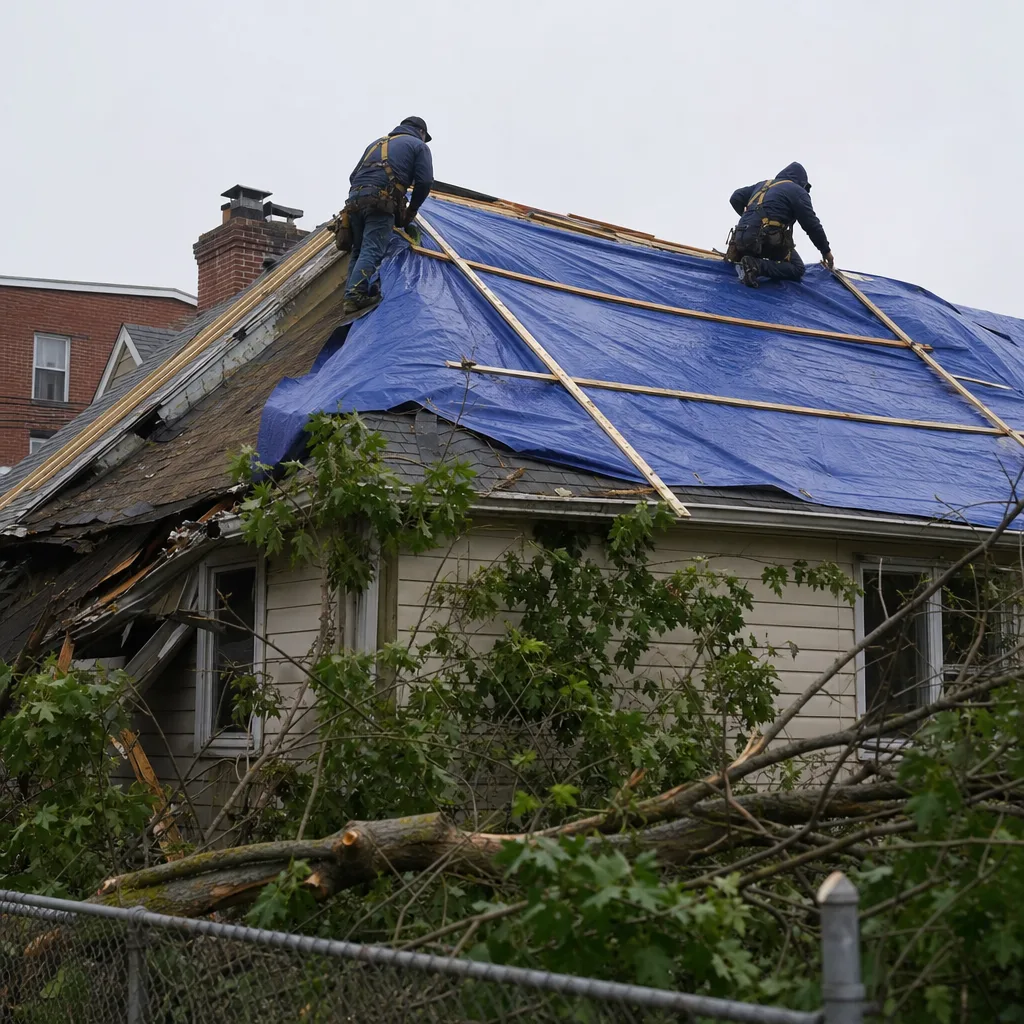
Visible mold removal on the Upper East Side means working within materials that cannot be discarded casually. Horsehair plaster, hand-laid parquet, and original millwork are not replaced; they are salvaged wherever structurally sound. We remove the mold from the substrate using HEPA vacuuming, wire brushing, and antimicrobial treatment, then dry the cavity completely before any repair begins. If demolition is required, it is cut to the minimum needed, and every cut is documented for the board and the insurer.
Black Mold Remediation
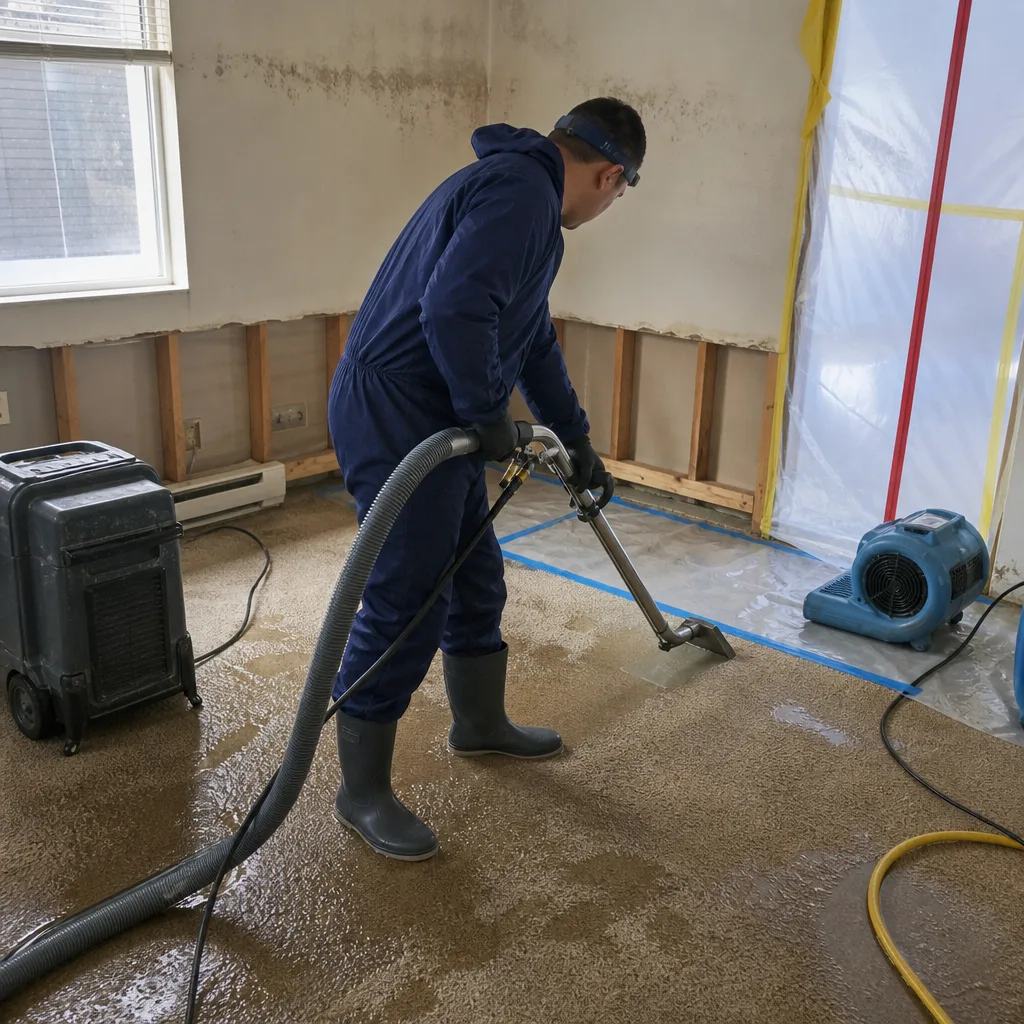
Stachybotrys, the fungus people call black mold, grows on chronically wet cellulose: paper, lath, drywall backing, and wainscoting panels. In Upper East Side buildings, chronic moisture often hides behind built-in cabinetry, under bathroom tiles, or inside wall cavities fed by a slow plumbing leak. We treat black mold with full containment and HEPA air scrubbing from the first day. Clearance testing is rarely optional on these jobs. We want it. It is the only proof the air is right again.
Air Quality Restoration
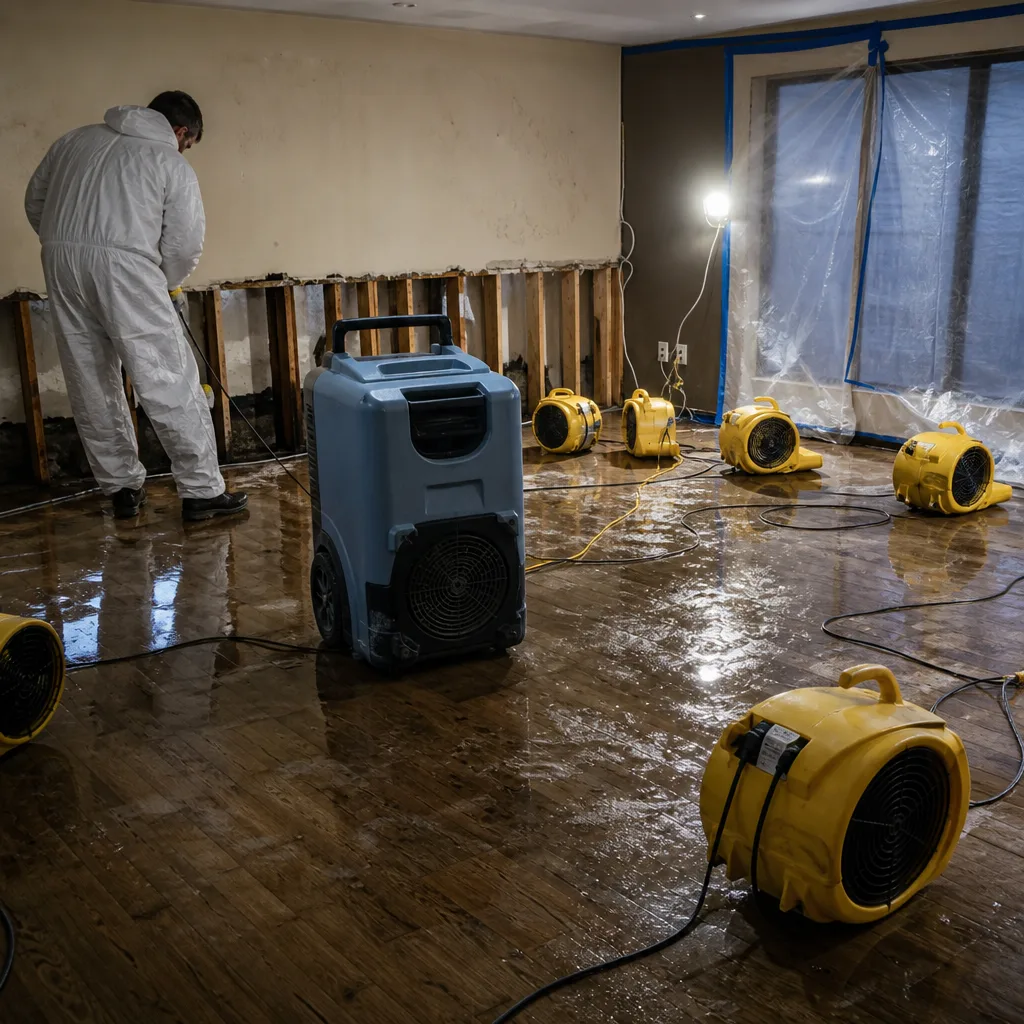
After any significant Upper East Side mold job, the air is the last thing to come back. We run HEPA air scrubbers during remediation and typically recommend post-remediation air testing before containment is dropped. This matters especially in co-ops and townhouses where old duct shafts and dumbwaiter channels move air between floors. A clean surface with dirty air is not a finished job.
Crawl Space Treatment
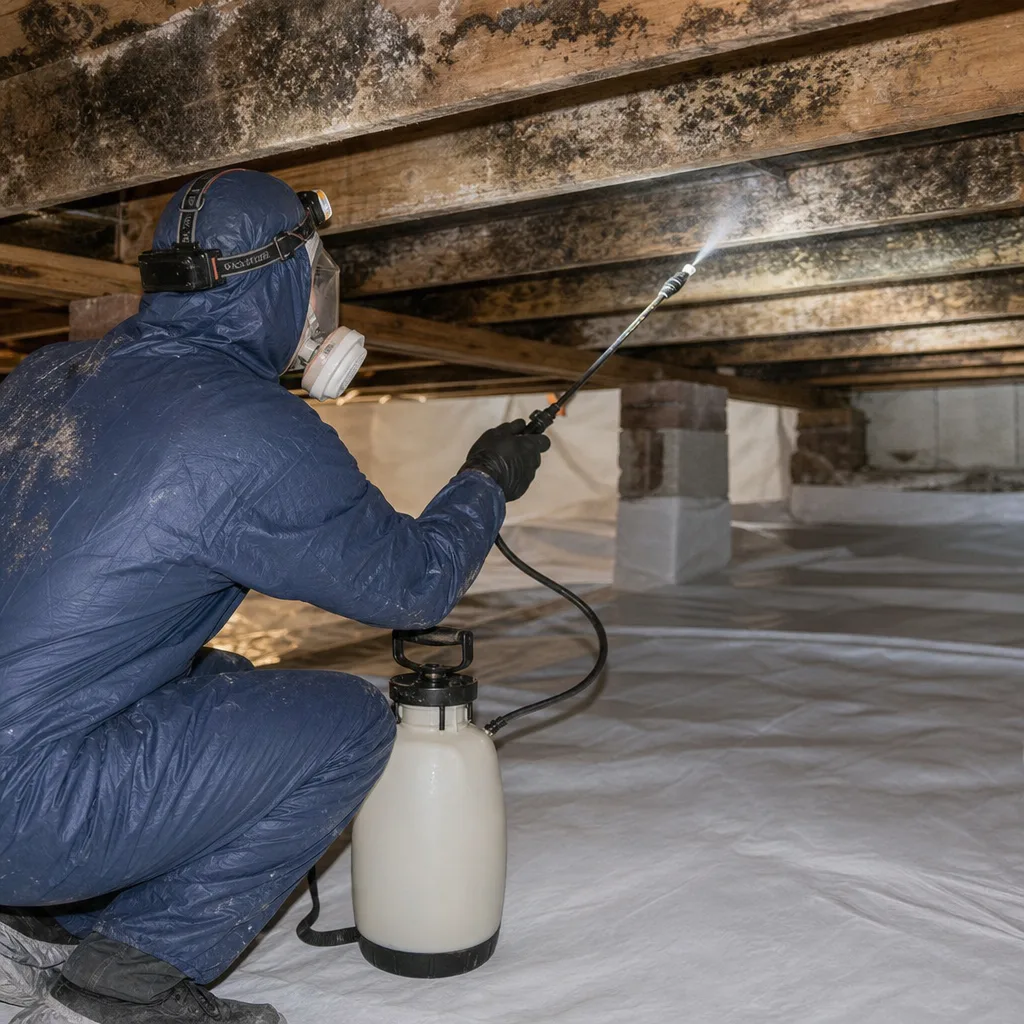
Upper East Side townhouses with cellar-level kitchens, garden apartments, and sub-grade utility rooms have something high-rise co-ops do not: dirt floors and shallow crawl spaces that feed moisture into the structure. We treat those spaces with moisture barriers, dehumidification, and antimicrobial application to break the cycle that keeps putting mold into the finished rooms above.
Moisture & Humidity Control
Once mold is removed, the humidity that fed it has to be controlled or the problem returns. We set up temporary dehumidification during remediation, and we advise on long-term solutions: dedicated dehumidifiers in basement units, ventilation improvements, and sealing of sill plates and foundation cracks. In a prewar building, this is not a product recommendation; it is part of keeping the plaster dry enough to stay sound.
What happens when you call
- 1
A real person answersNo phone trees - you reach a local pro.
- 2
You get an upfront price rangeHonest numbers before anyone is dispatched.
- 3
A background-checked tech heads outLicensed & insured, dispatched right away.
- 4
You approve before work beginsNothing starts until you say go.
Mold Remediation Costs in Upper East Side, NY
Mold remediation pricing in Upper East Side runs meaningfully higher than the borough average, and for a concrete reason: the materials. Treating mold on painted sheetrock in a modern Long Island City condo might run $1,800 to $3,200 for a modest bathroom job. The same square footage behind original horsehair plaster in a Park Avenue co-op runs $4,000 to $8,500 because of containment complexity, specialty finishing requirements, and the board-approval time that extends equipment rental and monitoring. Full containment with HEPA air scrubbing for a ceiling-level loss across two rooms can reach $9,000 to $15,000. A complete basement or garden-apartment treatment with crawl space work, moisture control, and clearance testing commonly lands between $6,500 and $18,000 depending on the size of the space and the amount of custom finish work affected. We do not price by guess. We come out, inspect, and give you a written line-item scope. The inspection is free.
We Also Serve Cities Near Upper East Side
Our crews regularly work across the East River and down the island, including Mold Remediation services in Long Island City, Greenpoint, Williamsburg, and Murray Hill. The building stock changes, but the standard does not. If you own property in one of those neighborhoods, the same certified team and the same 90-Day Done Right Promise apply.
Upper East Side Mold Remediation Questions, Answered
Does Upper East Side mold remediation require co-op board approval before you can start work?
In most Upper East Side co-op buildings, yes, any work that opens a wall, ceiling, or floor requires board or management approval before the first cut is made. What we can do immediately is set up containment, begin controlled drying, and take moisture readings, and we do exactly that while you wait for the approval letter. That early containment is often what prevents a mold issue from becoming a major infestation. We are used to working with boards, managing agents, and their architects, and we submit documentation in the format they expect. Call (716) 452-0798 and we’ll start the process today.
How do you handle mold behind ornamental plaster cornices or ceiling medallions in a prewar UES co-op?
We contain and dry around the ornament first, then consult with the board or managing agent on approved specialty contractors. In many Park Avenue and Fifth Avenue co-ops, the board maintains a list of approved plasterers. We hold containment and continue dehumidification while that contractor does the decorative work, then we complete the structural drying and clear the area. We will not cut through an egg-and-dart cornice or a rosette unless the board has signed off in writing.
Can mold from a neighbor’s leak spread into my Upper East Side co-op apartment?
Yes, and it does often. In prewar buildings, water moves down through shared risers, chase ways, and floor cavities. A slow shower-pan leak in the unit above can feed mold on your ceiling for months before the stain shows. By the time you see it, the growth is typically well advanced inside the lath. We inspect both units where access allows and map the full migration path. The source has to be fixed or the mold returns, no matter how well we clean your side.
Are ground-floor and cellar units on the Upper East Side more prone to mold after heavy rain?
Yes, particularly in townhouses and the walk-up buildings east of Third Avenue and near the FDR Drive. Cellar and garden units sit below the sidewalk line, and every heavy rain pushes groundwater against foundation walls. Older buildings without perimeter drainage trap that moisture behind wainscoting and under parquet, where mold grows hidden. We recommend owners of those units keep a dehumidifier running from March through October and call us for a moisture inspection anytime you smell damp air or see baseboard staining.
What does a mold remediation scope of work look like for a UES co-op building with shared walls?
A proper scope on a shared-wall loss begins with full containment of the affected unit and any adjacent cavities. It lists the exact areas to be opened, the moisture readings taken at each stage, the drying plan with daily log commitments, the antimicrobial treatment protocol, the clearance testing plan, and the restoration materials specified, including plaster matching and parquet repair where required. We write that scope before work begins, and your adjuster gets a copy the same day. No one works from a verbal estimate on the Upper East Side. Call (716) 452-0798 for a free visual inspection and a written read on your situation.
How fast can you actually get to an Upper East Side apartment?
Our dispatch office is in New York City, and our crews are stationed to reach Upper East Side addresses quickly, usually within 45 minutes of your call. We run live dispatch 24 hours a day, every day, including holidays and the middle of the night. If a pipe just let go into your dining room ceiling, call now. We answer live and send someone.
Do I really need full remediation, or can I just clean visible mold myself?
If the mold covers more than about ten square feet, if it is behind a wall or ceiling, if it follows a water event that soaked plaster or parquet, or if you smell mold but cannot see an obvious source, cleaning the surface yourself will not solve the problem. Mold inside a lath cavity continues to grow and spreads along the framing. An inspection is free. We will tell you plainly if the job is small enough to handle without us, and we will tell you when it is not. Call (716) 452-0798 and we’ll come look.
What certifications do your mold remediation techs actually hold?
Our technicians are background-checked, uniformed, and certified to IICRC, RIA, and IFA standards. The relevant IICRC certifications for mold work are AMRT (Applied Microbial Remediation Technician) and WRT (Water Restoration Technician). Our crews also train continuously on the equipment we run: Dri-Eaz, Phoenix, XPOWER, and B-Air air movers and dehumidifiers, plus Hydro sensors and thermal imaging cameras for moisture mapping. When we hand you a drying log, a trained tech generated those numbers.
What should I do in the first 30 minutes after finding mold in my UES apartment?
Turn off the water source if you can find one. Shut the door to the room where the mold is and keep it closed. Do not run fans that blow air across the mold, since that spreads spores into the rest of the apartment. If you have a dehumidifier, run it. Photograph everything with your phone. Then call (716) 452-0798. The faster we document and contain, the better the outcome, for your walls and for your claim.
Serving Upper East Side, NY - Our Local Coverage Area
We’re based in the Upper East Side area and know this community well. Use the map below to see our service coverage - if you’re nearby, we can almost certainly help.
Call Floodline Restoration Co. for Mold Remediation in Upper East Side
We were called to a Park Avenue co-op after a steam-line failure soaked a dining room ceiling with Category 2 water. Using Dri-Eaz air movers and Injectidry drying mats, we kept the original egg-and-dart cornice in place while moisture mapping showed high readings in the plaster. Because the co-op board required a specialty plasterer for any repair, we isolated the area with containment until their approved contractor arrived, preventing mold growth without compromising the prewar finish. That is the Upper East Side playbook we run every week.
If you are a homeowner in Upper East Side facing a mold problem inside a prewar co-op or townhouse, you do not have to navigate the board, the insurer, and the remediation alone. Floodline Restoration Co. has done this work for more than 42 years, with background-checked crews, IICRC-certified technicians, and a 90-Day Done Right Promise we put in writing. Every job is backed by the Keystone Standard: Krafted right, Every time, Your home first, Standing behind it. Call (716) 452-0798 for a free visual inspection. A live person answers, day or night, and we will be there when we say.
Written by Curt Bowman, Owner at Floodline Restoration Co., providing Mold Remediation in Upper East Side since the company’s founding in 2010.