
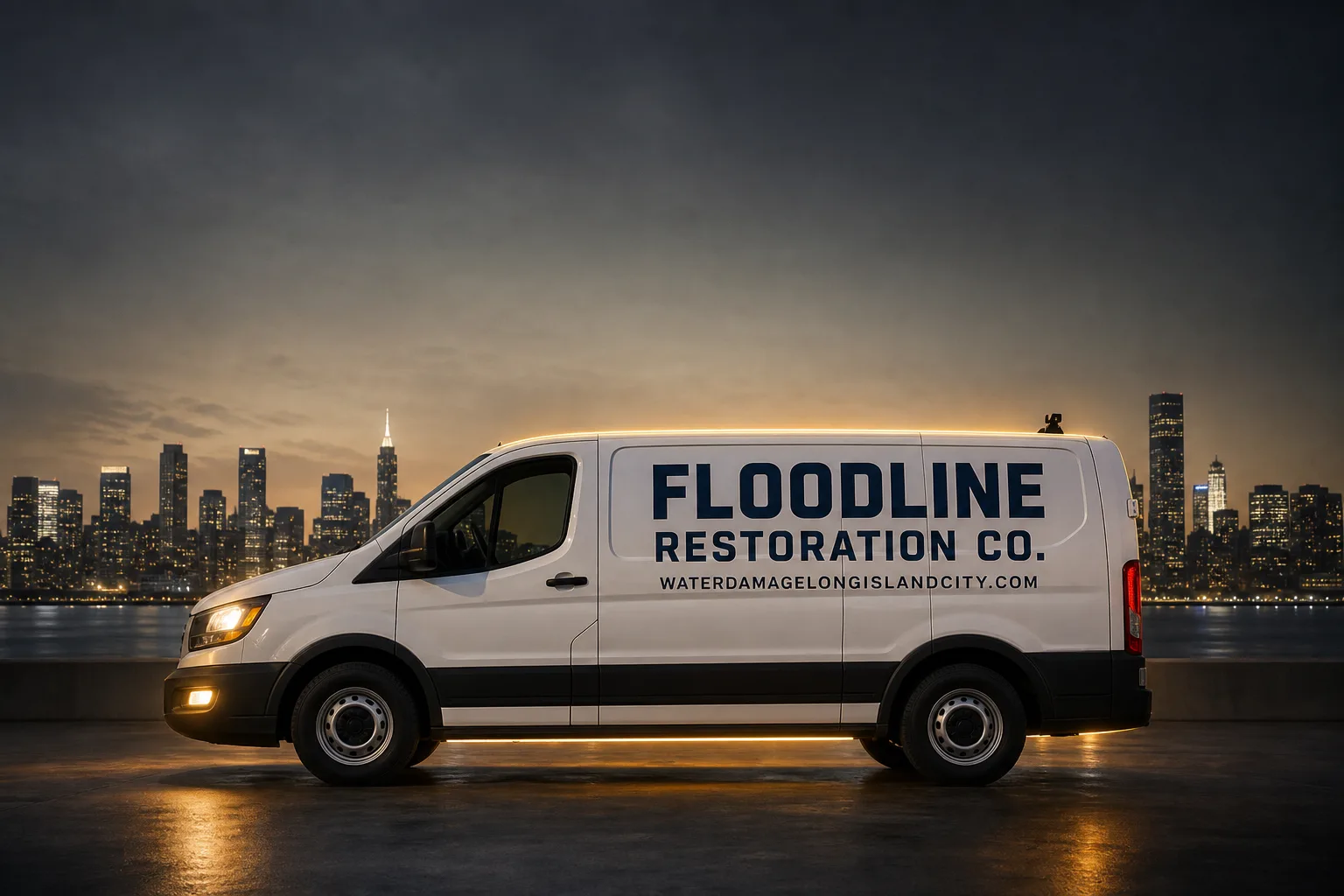
Free visual inspection and a written scope of work before any mitigation begins - photos, moisture readings, and drying logs go in your claim file
The scope we write is the scope we bill. Anything new gets shown to you, in writing, before we touch it.
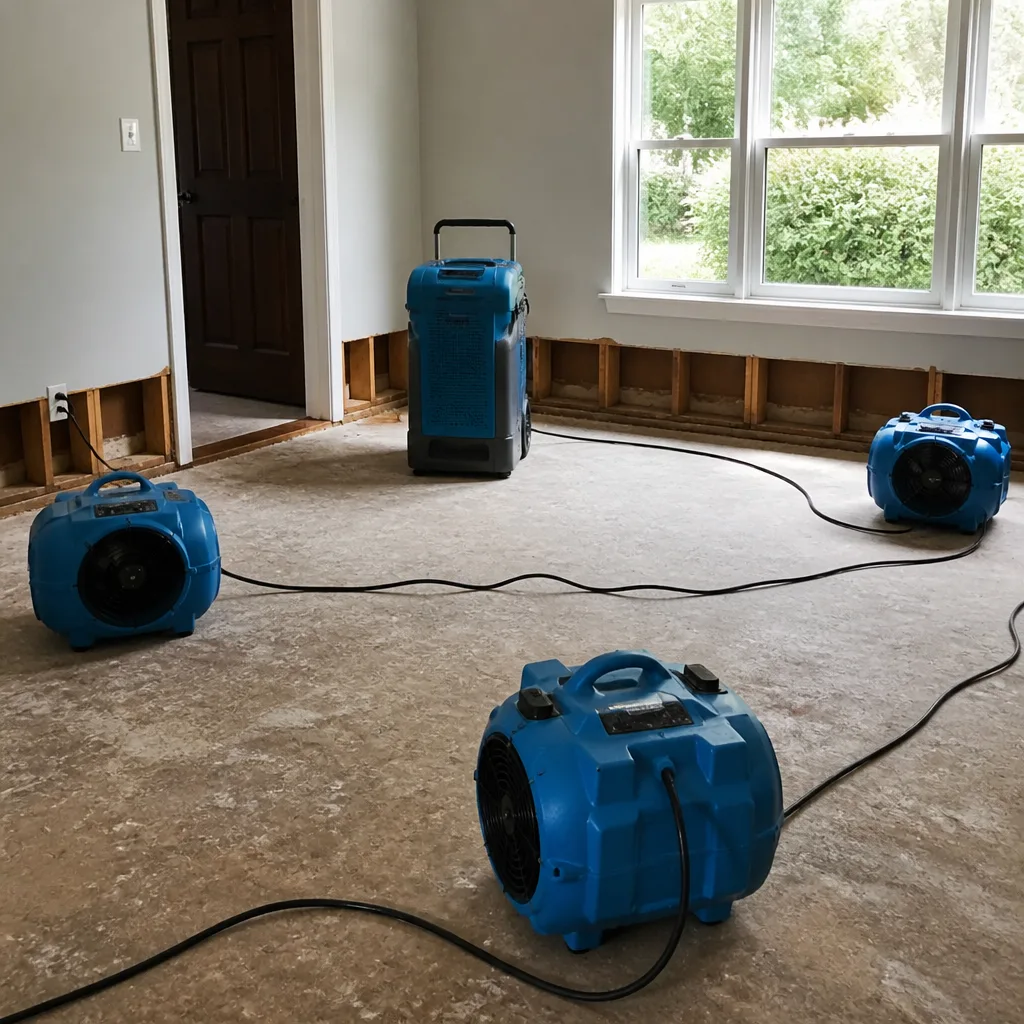
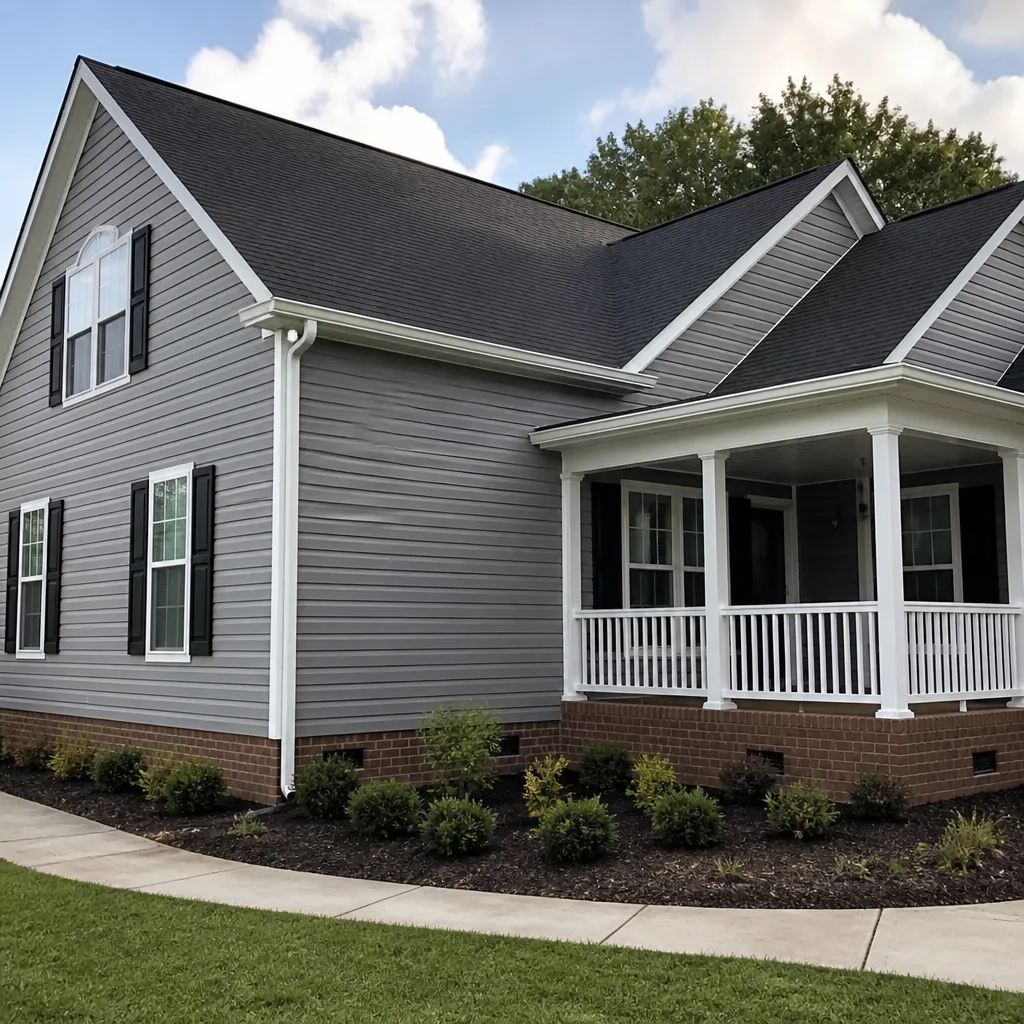
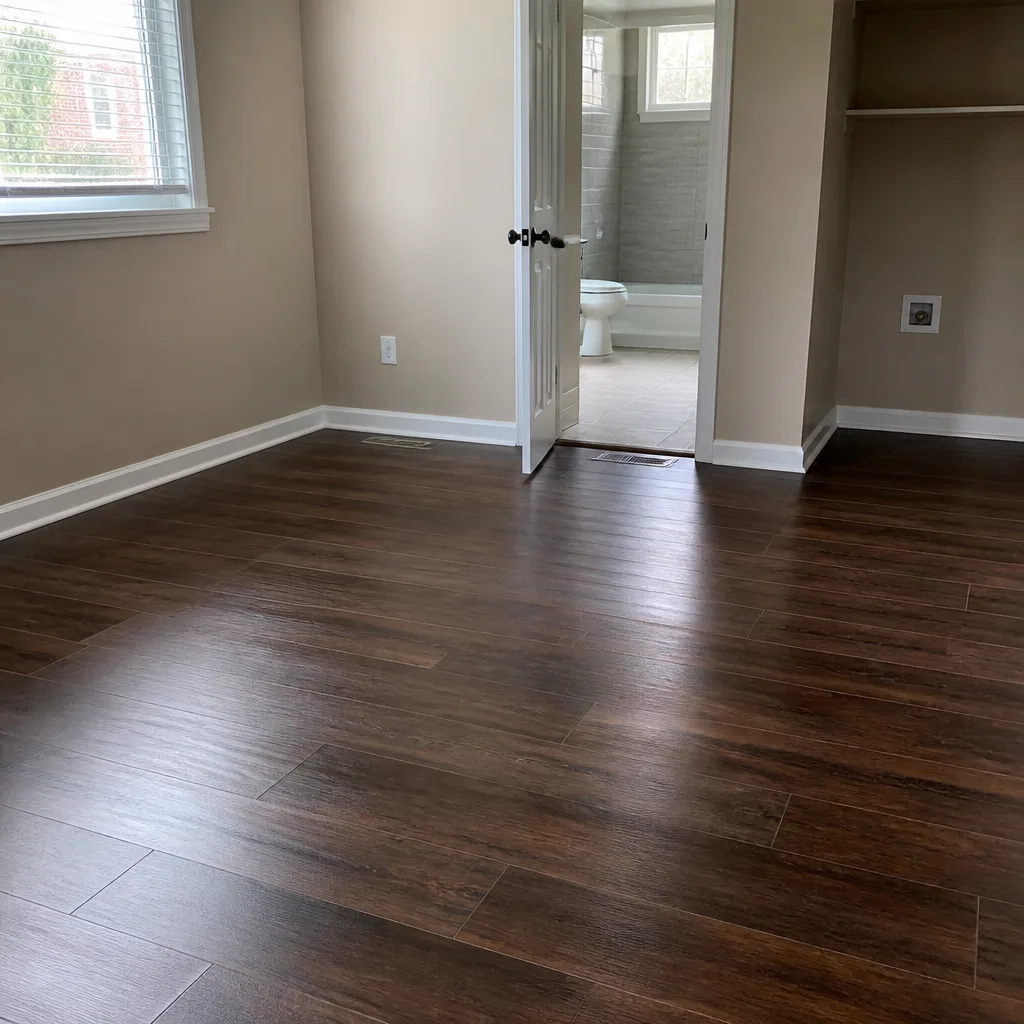
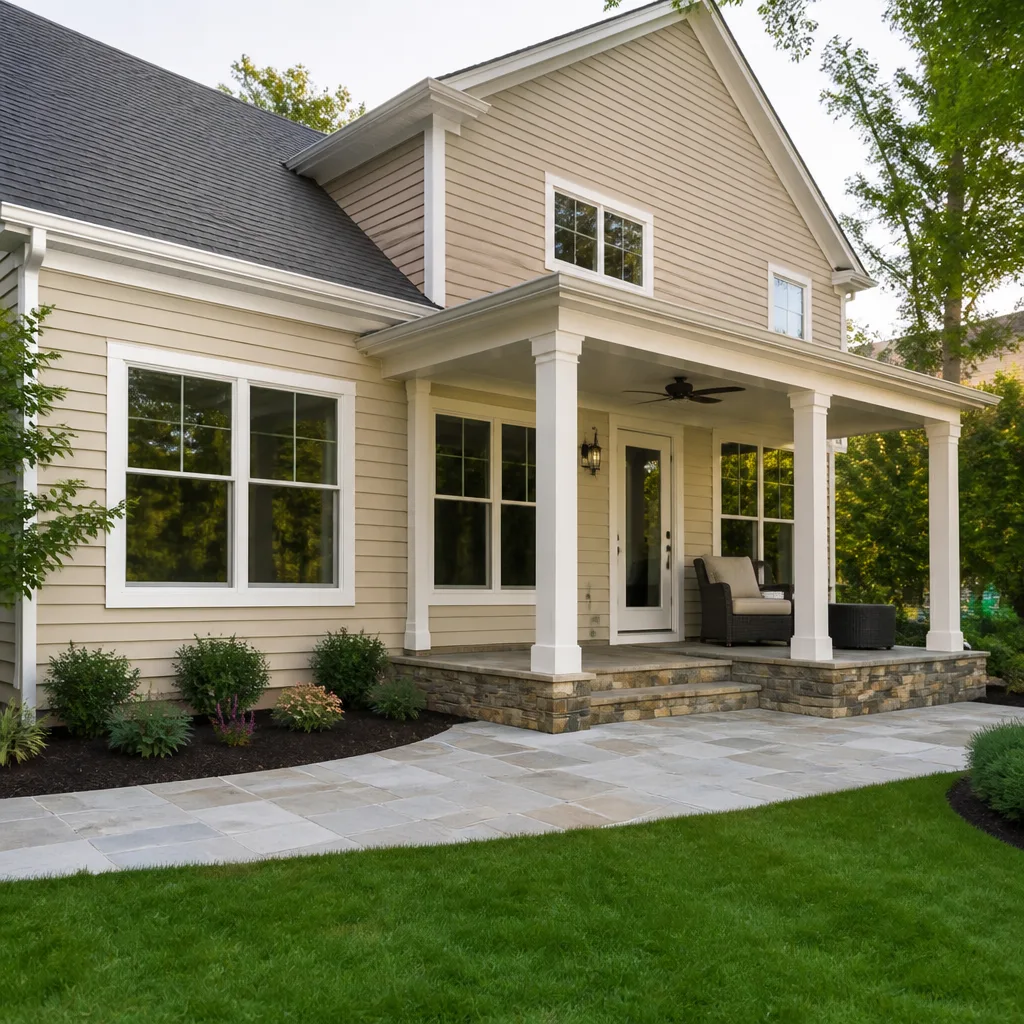
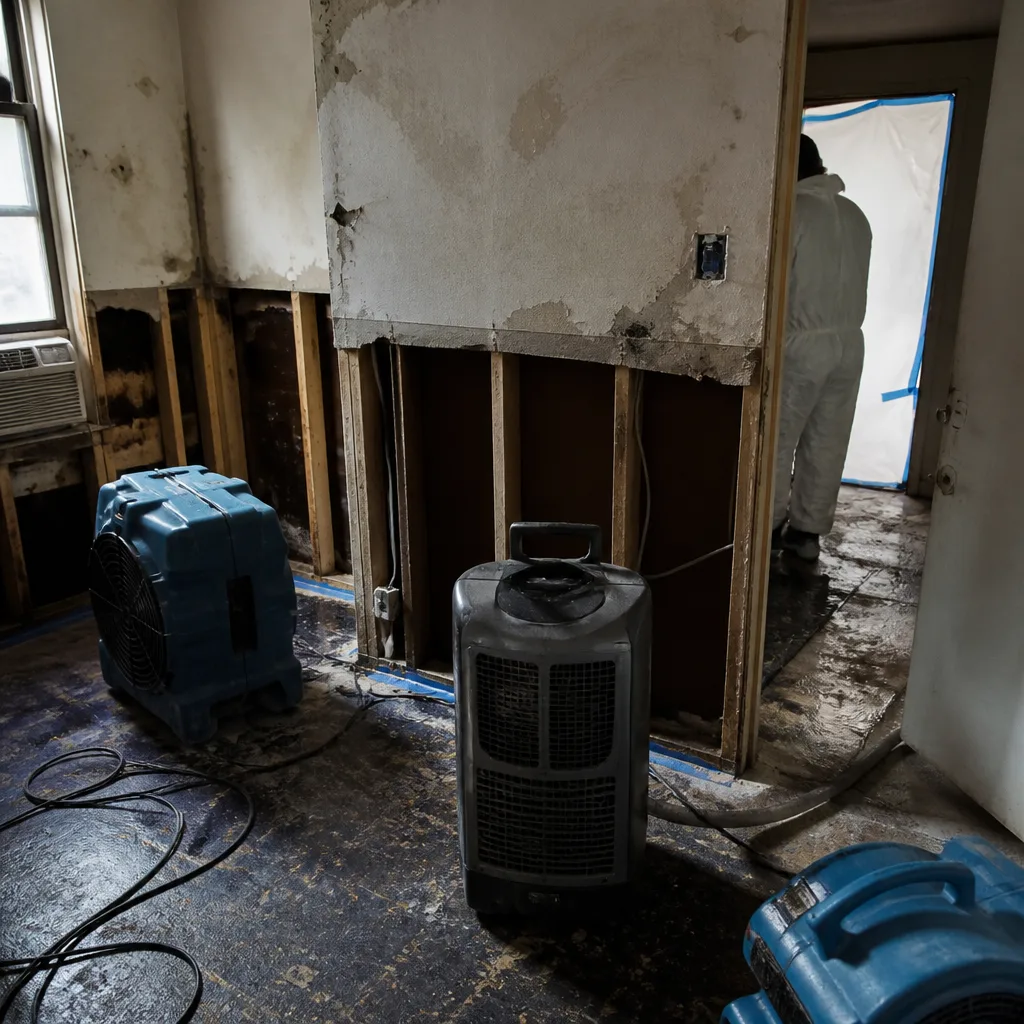 Before
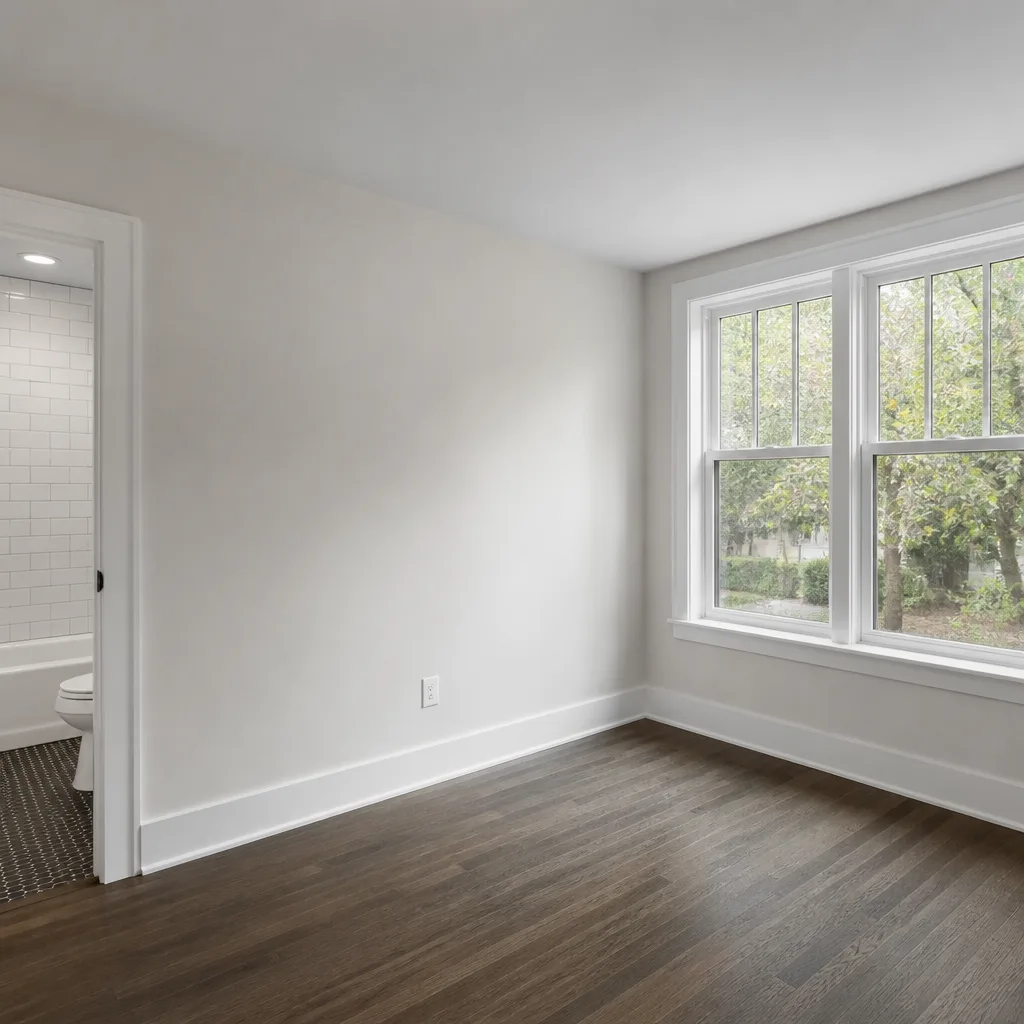
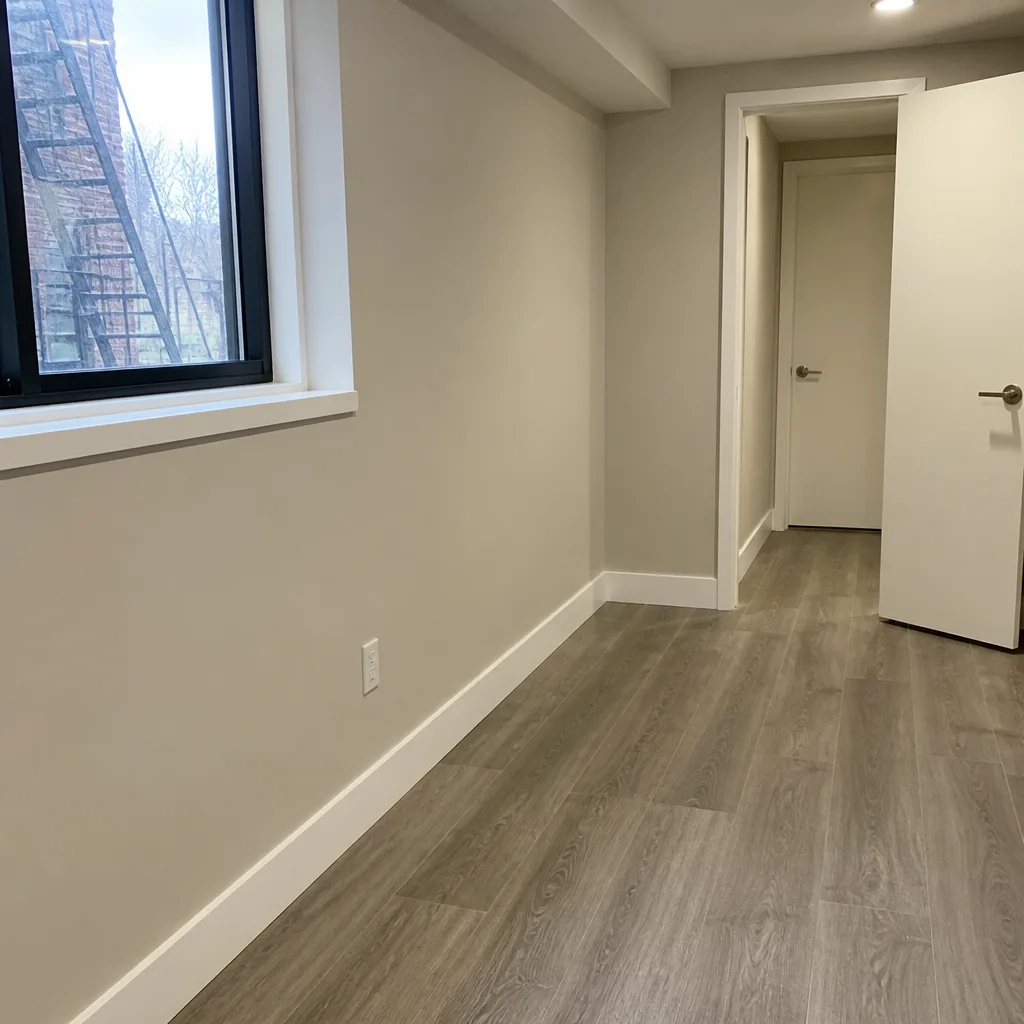 After
After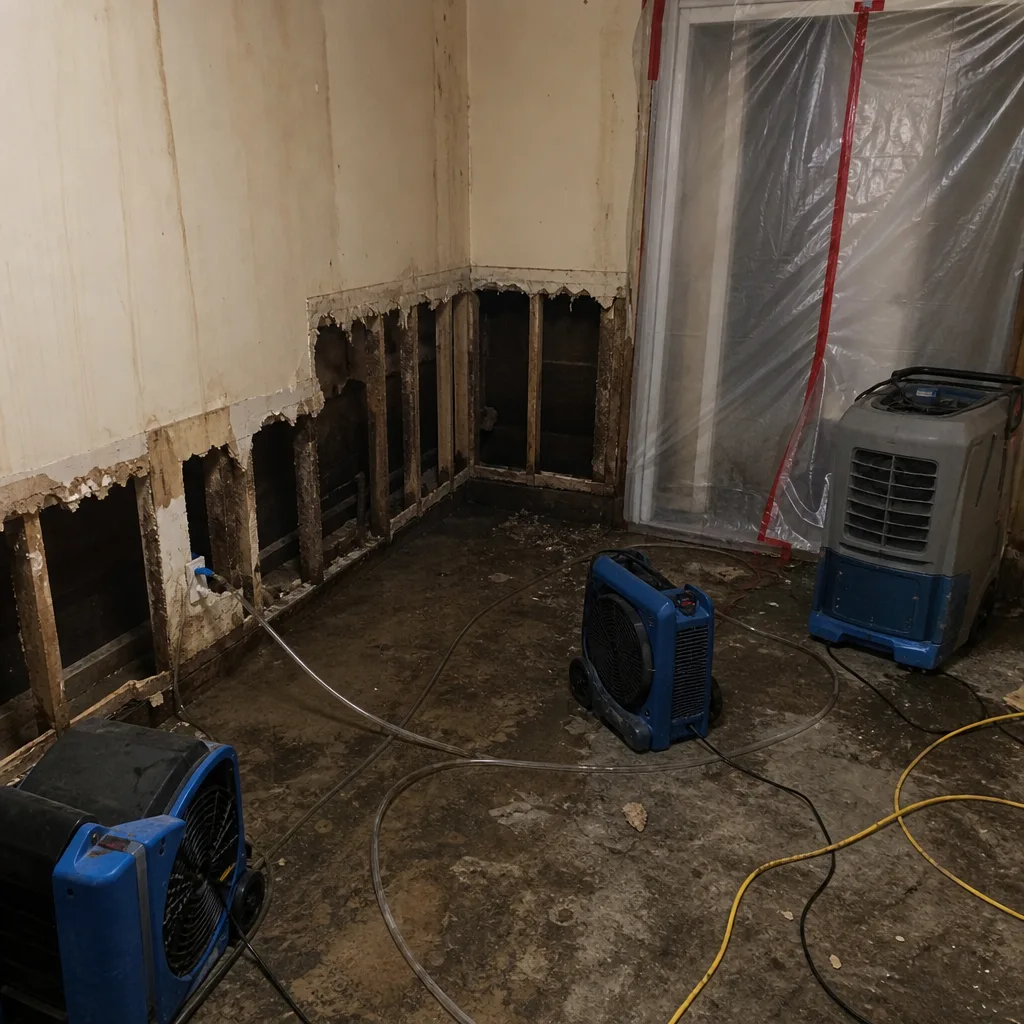 Before
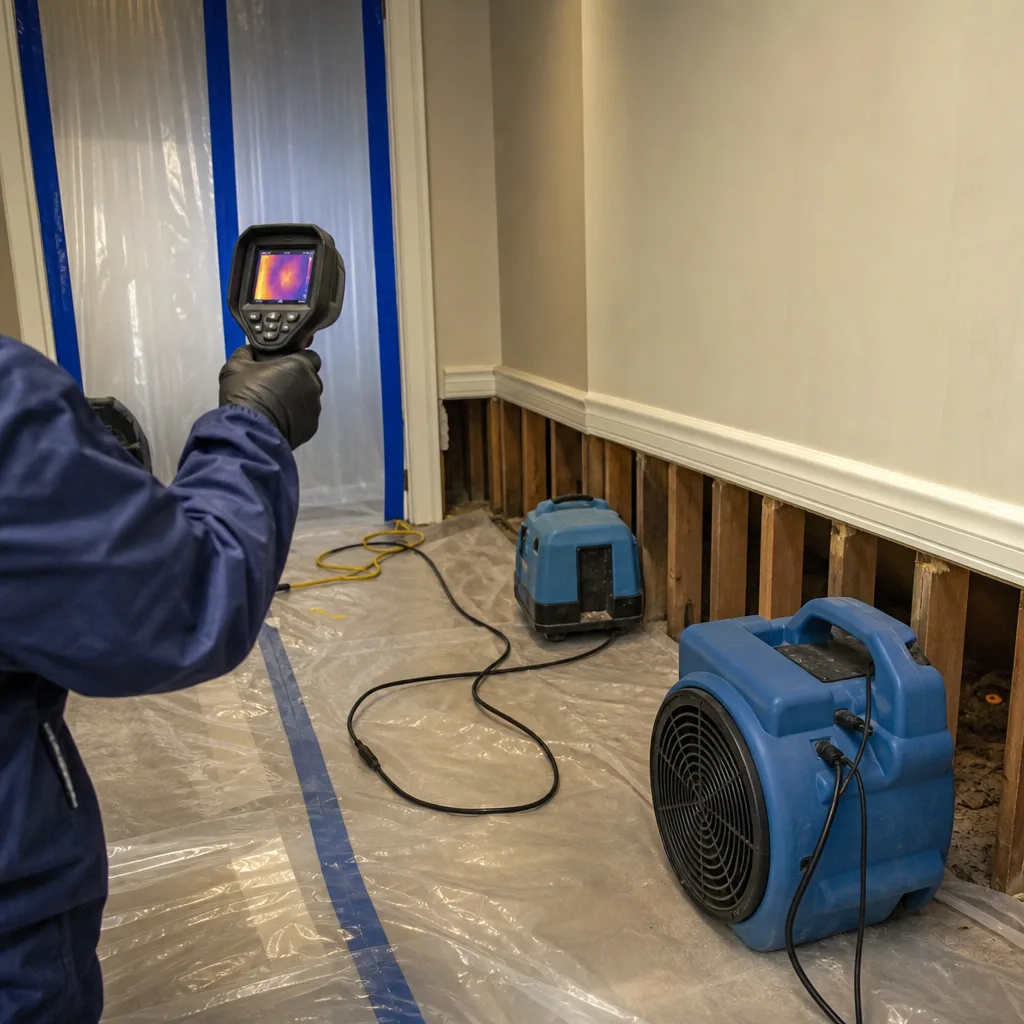 After
After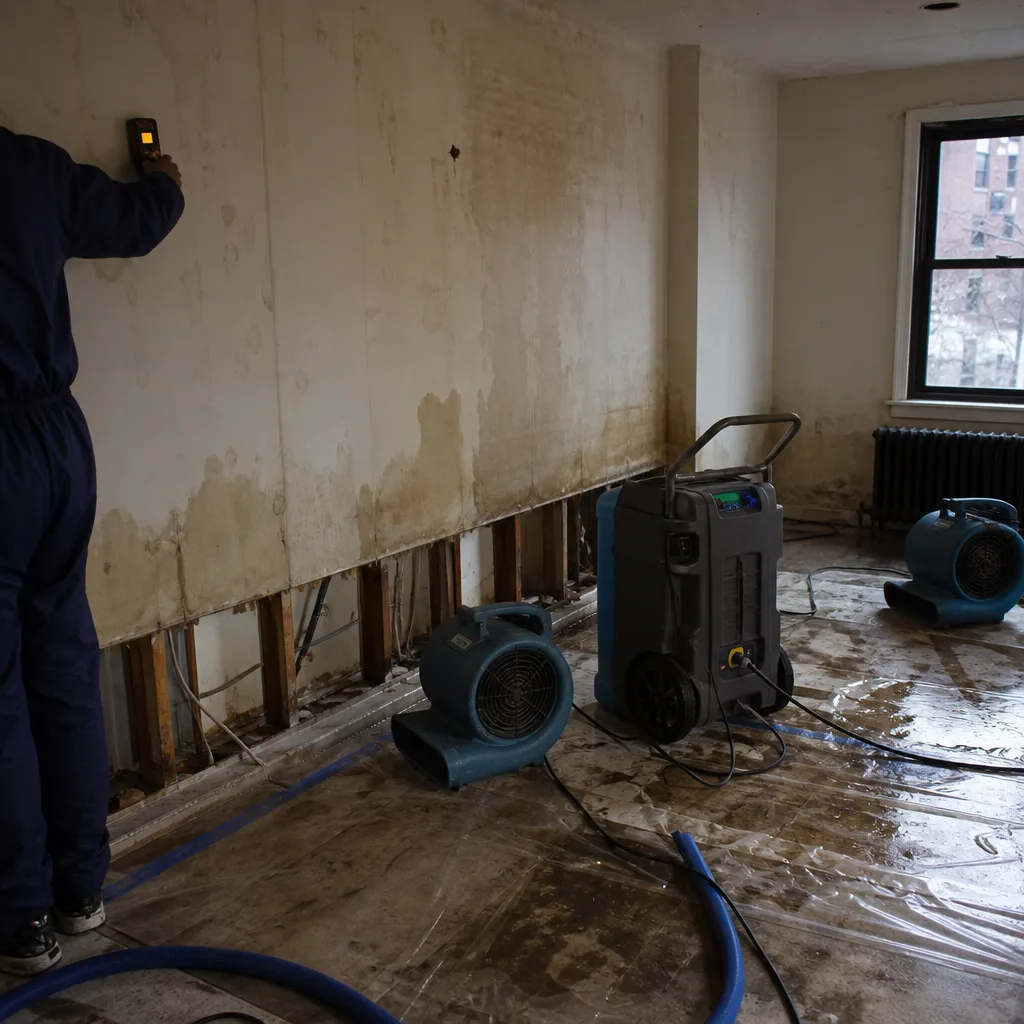 Before
 After
After24/7 Emergency Mold Remediation in Elmhurst
Mold remediation in Elmhurst, NY typically costs $1,800-$6,500 depending on how far the contamination has spread through a rowhouse or basement apartment. We answer the phone live at (716) 452-0798, twenty-four hours a day, and can have a certified crew at your door in Elmhurst within 45 minutes. The first hour matters because in this neighborhood’s attached brick buildings, mold moves through shared walls and floor cavities faster than most property owners think possible. A Category 3 sewage backup that soaked a finished basement yesterday is already feeding fungal growth in the wall cavities today. Call now and we’ll put a containment plan in motion before the problem crosses into a neighbor’s unit.
Floodline Restoration Co. handles every phase of Mold Remediation from first inspection to final clearance testing, with one crew and one written scope of work. When you call, a real dispatcher picks up. Not a recording. Not a call center script. A person who knows Elmhurst and can tell you exactly when the truck will arrive.
Understanding Mold Remediation Severity in Elmhurst Properties
Mold severity in Elmhurst properties divides into three practical tiers, and the building stock here makes each one more complicated than it would be in a detached suburban home. Level 1 is surface contamination under 10 square feet, usually from a one-time leak in a single unit. Level 2 is colonization inside wall cavities, often fed by a hidden pipe leak or slow seepage through a deteriorated brick party wall. Level 3 is Category 3 water intrusion: sewage, storm surge, or contaminated groundwater that has saturated finished living space and requires full containment, negative air pressure, and biohazard protocols before any drying begins.
Elmhurst’s pre-war attached rowhouses, most built between 1920 and 1940, share brick party walls between units. When mold gets established in one unit’s wall cavity, airborne spores travel through the mortar joints, old pipe chases, and floor framing into the building next door. We routinely set containment on both sides of a party wall when a single basement unit tests positive. The buildings were constructed before modern vapor barriers existed, which means moisture moves freely between units and between floors. Our Mold Remediation in Elmhurst crews map moisture with thermal imaging and hygrometers before opening any wall, because guessing wrong spreads the problem and doubles the claim.
Why Elmhurst Property Owners Choose Floodline Restoration Co.
- 45-minute response commitment for Elmhurst properties. Our dispatch board tracks crew locations in real time, and the closest certified team heads to you the moment you hang up. No waiting for a callback from a regional office.
- Live answer, 24/7, every day. A dispatcher picks up at 2 a.m. the same way they do at 2 p.m. Floods and sewage backups do not keep business hours, and neither do we. Call (716) 452-0798 right now if you need us.
- IICRC-certified crews on every job. Our technicians hold WRT, FSRT, and AMRT certifications, and our field supervisors carry the IICRC mold remediation specialist designation. Background-checked, uniformed, and trained to the standard your insurance carrier expects to see.
- Free visual inspection with a written scope. Before any work starts, you get a line-item scope of work in writing. No surprise charges, no scope creep, no work that was never discussed on the phone. A square deal, in writing.
- Direct insurance billing. We work with your carrier from day one. We document the loss, photograph the damage room by room, submit the estimate, and coordinate directly with your adjuster. You never play messenger between us and the insurance company.
- One team from extraction to reconstruction. We do not hand you off to a sub after mitigation. The same Floodline crew that extracts the water and dries the structure rebuilds what needs rebuilding. That is the Floodline difference, and it is why we can back the job with a written 90-Day Done Right Promise.
Our Mold Remediation Process
Inspection & Assessment
We start with a full walkthrough of the affected Elmhurst property, including areas you may not have looked at: behind baseboards, inside wall cavities, under stairwells, in the crawl space. Thermal imaging and moisture meters tell us where the water went, not just where it pooled. If tenants are involved, we scope the unit boundaries before any work begins.
Containment & Stabilization
Before a single wall is opened, we seal the affected area with 6-mil polyethylene and establish negative air pressure. This is non-negotiable in attached Elmhurst rowhouses, where airborne spores migrate through party walls. Any standing Category 3 water is extracted with portable extraction units and the area is stabilized to stop active spread.
Drying & Dehumidification
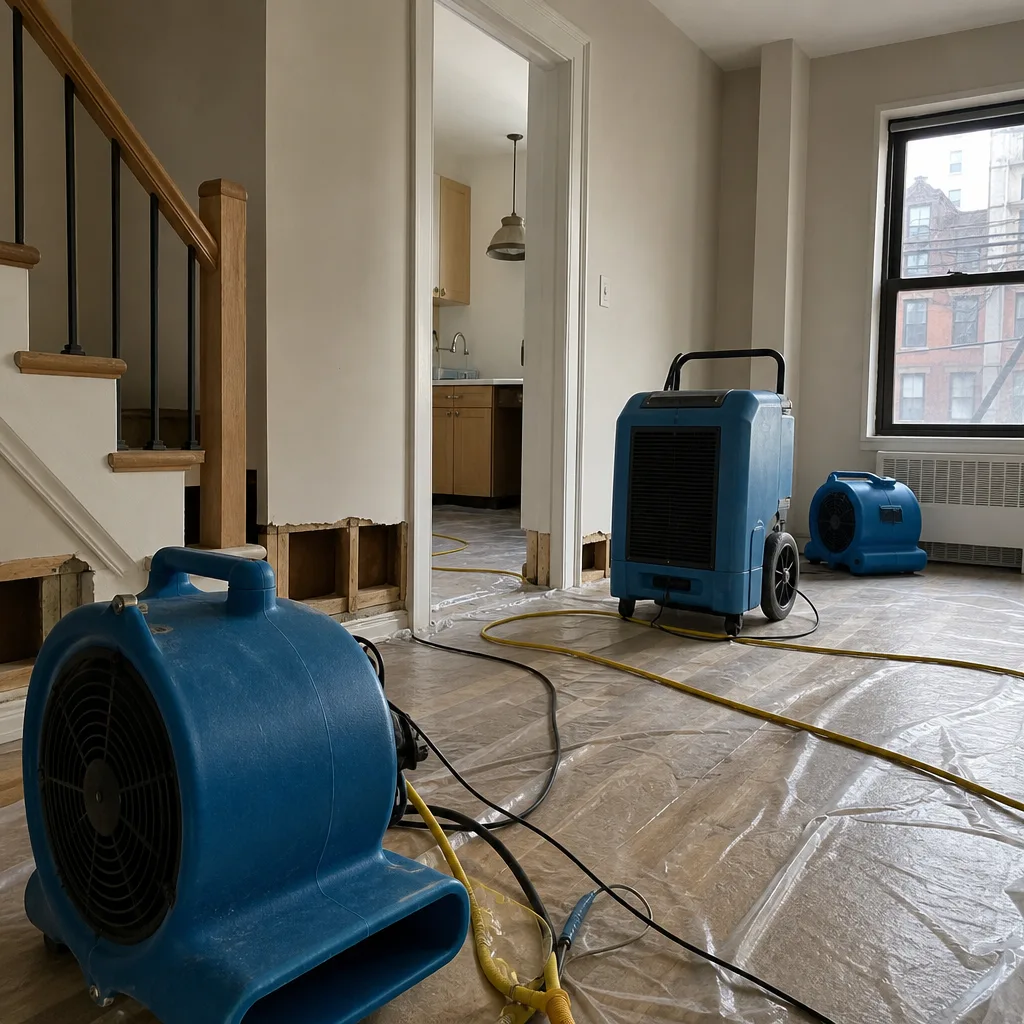
We deploy Dri-Eaz LGR dehumidifiers, Phoenix axial air movers, and XPOWER air movers sized to the cubic footage of the affected space. Daily moisture readings are logged on every visit, and we keep drying until the structure hits the IICRC dry standard. The log stays in your hands and gets submitted to your carrier.
Cleaning & Sanitization
Contaminated materials are bagged and removed under containment. Remaining surfaces are cleaned with EPA-registered antimicrobial treatments, and HEPA air scrubbers run continuously to capture airborne spores. We treat the cavities, not just the visible surfaces.
Specialty Mold Treatment
For black mold and Category 3 losses, we apply targeted antimicrobial and fungicidal treatments appropriate to the contamination level and surface type. Porous materials that cannot be effectively cleaned are removed in accordance with IICRC S520 guidelines. Post-remediation clearance testing confirms the air is clean before containment comes down.
Repairs & Restoration
The same crew that dried the building now rebuilds it. Drywall, insulation, flooring, trim, paint. Your Floodline team handles it all under the same written scope and the same 90-Day Done Right Promise. One name to hold accountable, from first extraction to final coat of primer.
Need Emergency Mold Remediation in Elmhurst Now?
Crews minutes away, answering live 24 hours a day. The sooner we start, the less it costs.
Working With Your Insurance Company
We have handled thousands of water and mold claims in New York City, and we know what carriers need to approve a scope without weeks of back-and-forth. The short version: documentation matters more than eloquence. From the first hour on site, our Elmhurst crews photograph every affected room, log moisture readings room by room, and photograph again before walls are closed. That record is what separates a two-week claim from a two-month fight.
Our team writes estimates in the industry-standard Xactimate format your adjuster already uses. We send the scope, supporting photos, and daily drying logs directly to the carrier. When the adjuster calls with questions, we answer. When the supplement is needed because hidden damage surfaced during drying, we document it and submit it the same day. You do not shuttle paperwork between us and your insurance company. That is our job.
What We Provide Your Insurer
- Thorough documentation of the loss
- Photos of all damage, room by room
- Moisture readings and drying logs
- A detailed, line-item scope of work
- Direct coordination with your carrier
Built for Elmhurst’s Loss Calendar
Elmhurst has a loss calendar, and anyone who has lived here long enough knows its rhythm. January and February bring the deep freezes that split aging galvanized supply lines in unheated basement stairwells and crawl spaces, sending clean Category 1 water through finished basement apartments for hours before anyone notices. March and April bring the thaw, when melting snow and early rain seep through the deteriorated mortar joints of 1920s and 1930s brick rowhouses and saturate sill plates and rim joists, feeding slow, low-grade mold growth that owners discover months later behind furniture or stored boxes.
Summer is the season Elmhurst property owners watch the sky. When a cloudburst hits, the combined sewer system in central Queens backs up. Basement drains reverse. Category 3 water rises through slab drains and toilet flanges into occupied basement apartments, and within 48 hours the moisture that was not extracted begins supporting fungal growth in drywall, under vinyl plank flooring, and inside the open cavities around cast-iron waste lines. Fall brings the nor’easter season, when wind-driven rain forces water through flat-roof parapets, old window lintels, and cracked brick. Every one of these failure modes has a mold consequence if the drying is delayed or done halfway. The climate in Elmhurst does not give you a grace period. It gives you a window, and the people who call early keep their claim small and their building intact.
Mold Remediation Across Elmhurst’s Neighborhoods
Elmhurst is not one building type. It is a patchwork, and the loss pattern changes street by street. Around Elmhurst Avenue and Broadway, the pre-war attached rowhouses sit shoulder to shoulder, and a Category 3 backup in one basement almost always involves the cavity on the neighbor’s side of the party wall. Our crews routinely coordinate containment with the owner next door, because the spore plume does not respect a property line. Near Queens Boulevard and Grand Avenue, the six-story apartment buildings and converted commercial spaces present vertical water migration: a pipe failure on the fourth floor soaks the apartments below it, and mold becomes established in the ceiling cavities of units that never saw standing water.
In the residential blocks around Moore Homestead Playground and the streets feeding into the Long Island Expressway, the two- and three-family homes with finished basement units are the frontline of the sewage backup problem. East of Junction Boulevard, toward the 11373 side, attached brick homes with rear extensions and low-lying yards see water push in through foundation cove joints and floor drains during heavy rain. The blocks around Hoffman Drive and the Queens Center area have the heaviest combination of multi-family density and aging drainage infrastructure in the neighborhood. Each area requires a different containment strategy, a different drying layout, and a different conversation with tenants. We know the difference because we have worked all of them.
On Forley Street in 11373, our crew responded to a failed cast-iron drain in an illegally subdivided basement apartment. We set up full containment with negative air pressure, extracted Category 3 water, and ran moisture readings on the attached brick party wall, where fungal growth had already started on wet drywall. Using Dri-Eaz LGR 7000XLi dehumidifiers and XPOWER X-400 air movers, we dried the cavity to pre-loss condition and applied an EPA-registered antimicrobial treatment, restoring the unit while coordinating with the owner and the displaced tenants.
Specialized Mold Remediation Services We Offer in Elmhurst
Mold Inspection & Testing
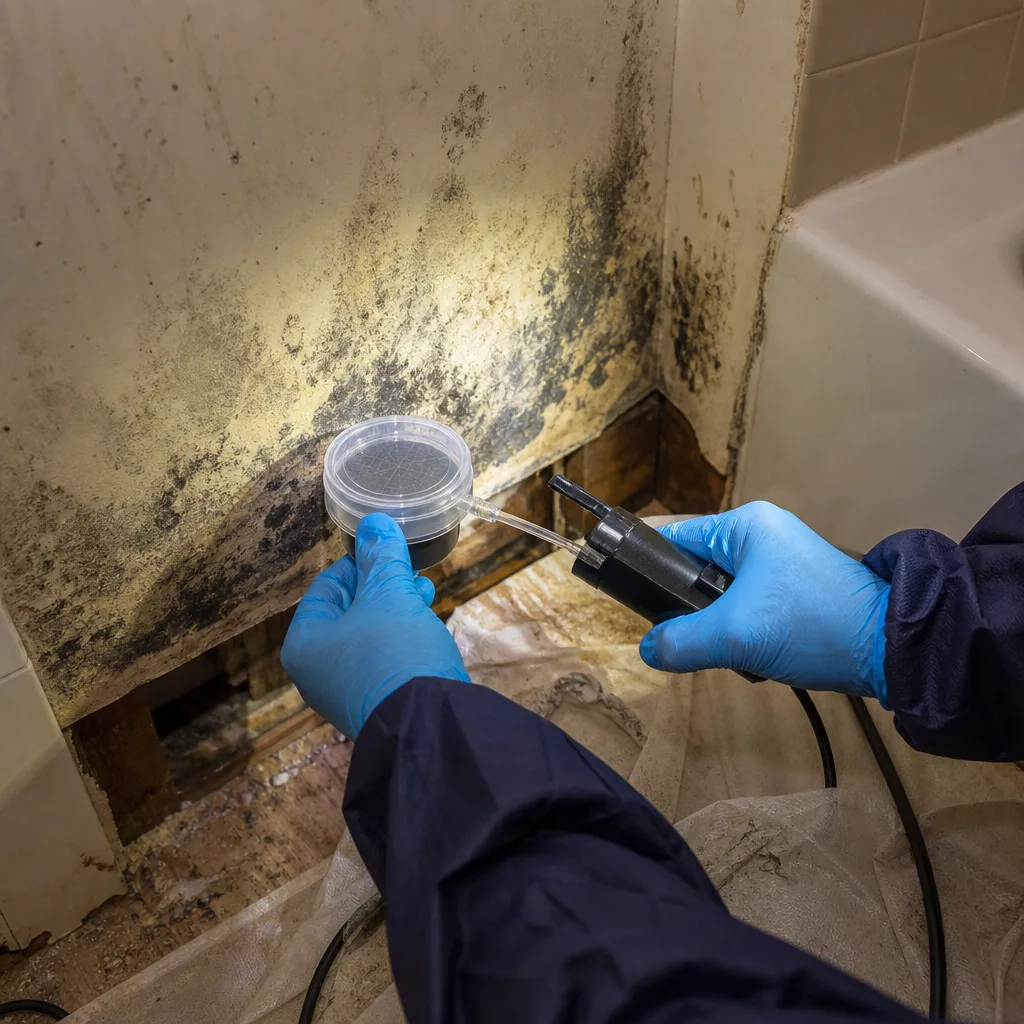
Before you spend money on remediation, you need to know what you are dealing with. Our Elmhurst mold inspections include a visual assessment, moisture mapping with thermal imaging and hygrometers, and air or surface sampling when the visual evidence is ambiguous. We test before we scope, not after. For multi-family buildings, we sample both the affected unit and the shared cavities, because what shows up in the hallway often came from next door. The inspection report is yours to keep, and it can go straight to your adjuster.
Mold Removal
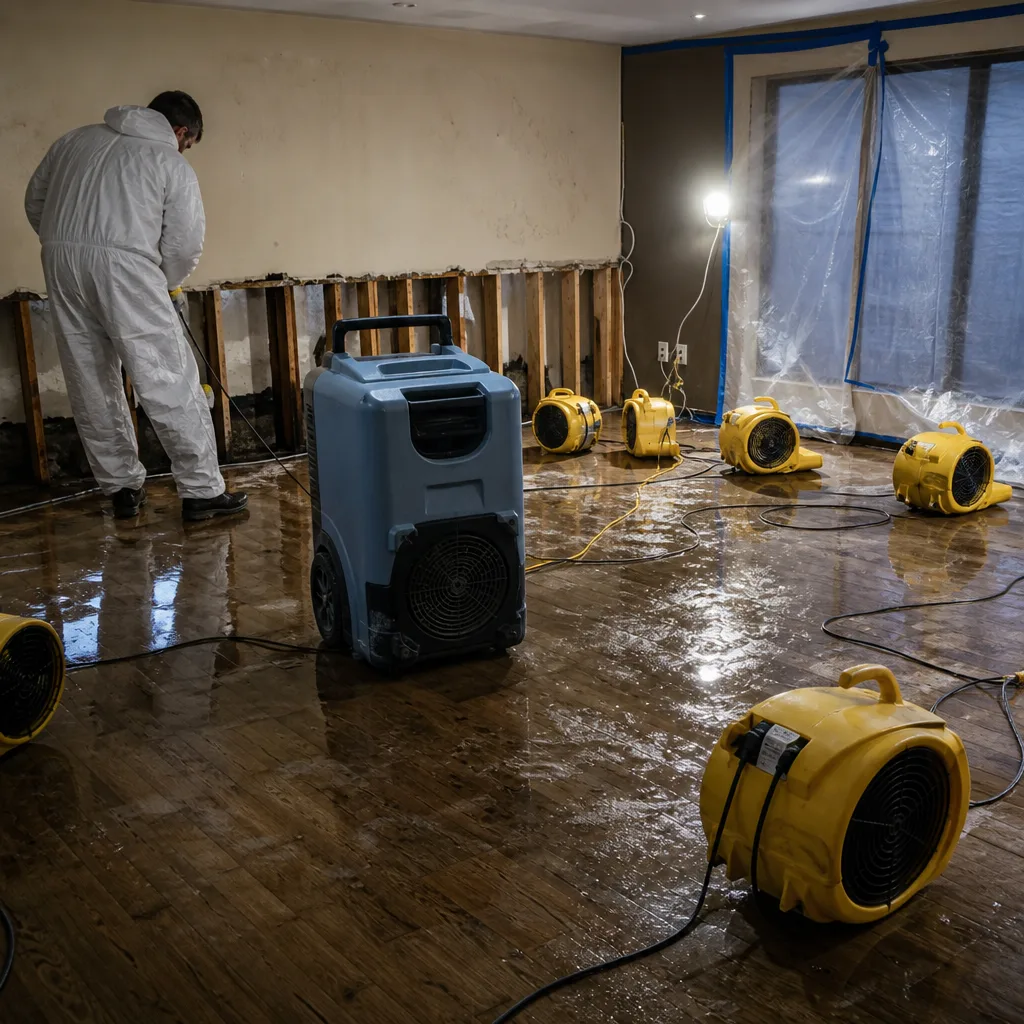
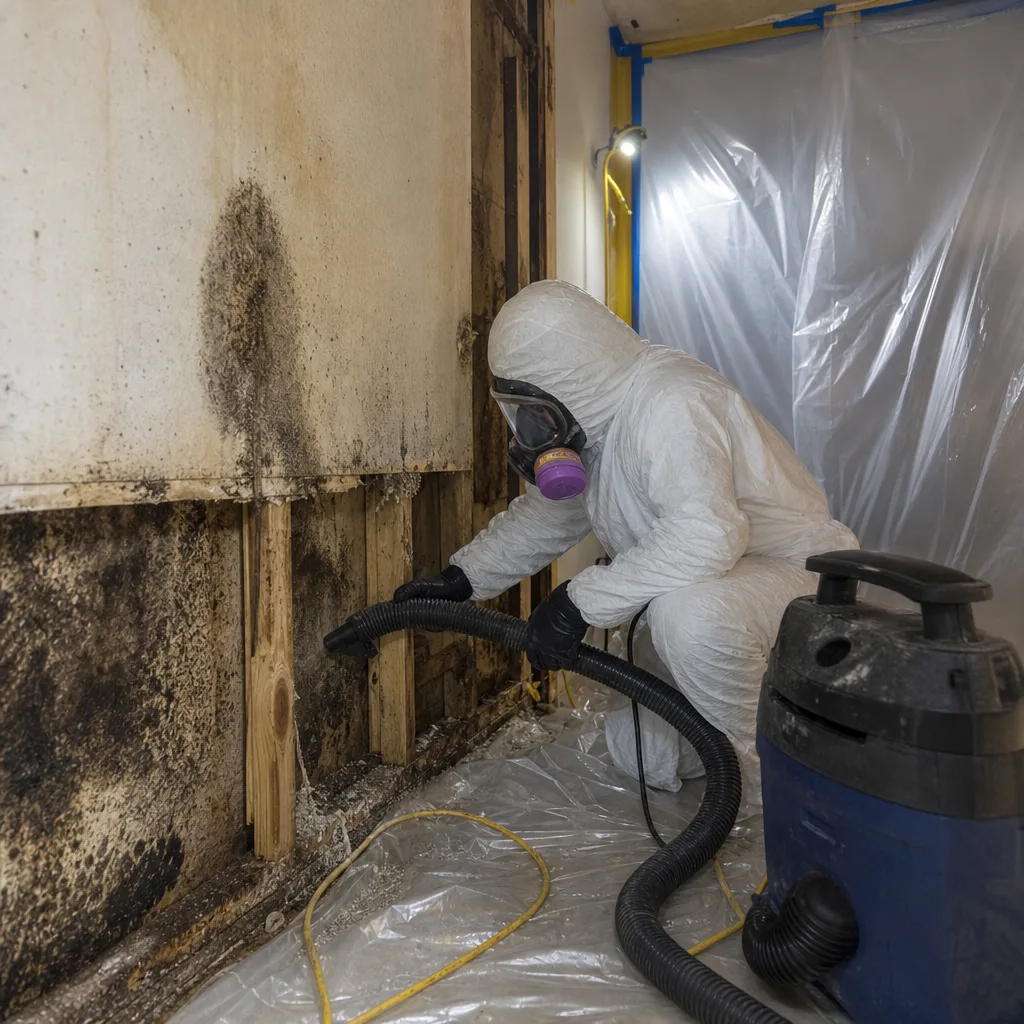
Mold removal in an attached Elmhurst rowhouse requires containment discipline that a detached single-family home does not. We seal the work area, run negative air, and remove colonized drywall, insulation, flooring, and trim under controlled conditions. The spores stay in the containment zone, not in the neighbor’s stairwell. After removal, we treat the remaining framing and cavities with EPA-registered antimicrobial products and dry the structure to the IICRC standard before rebuilding begins.
Black Mold Remediation
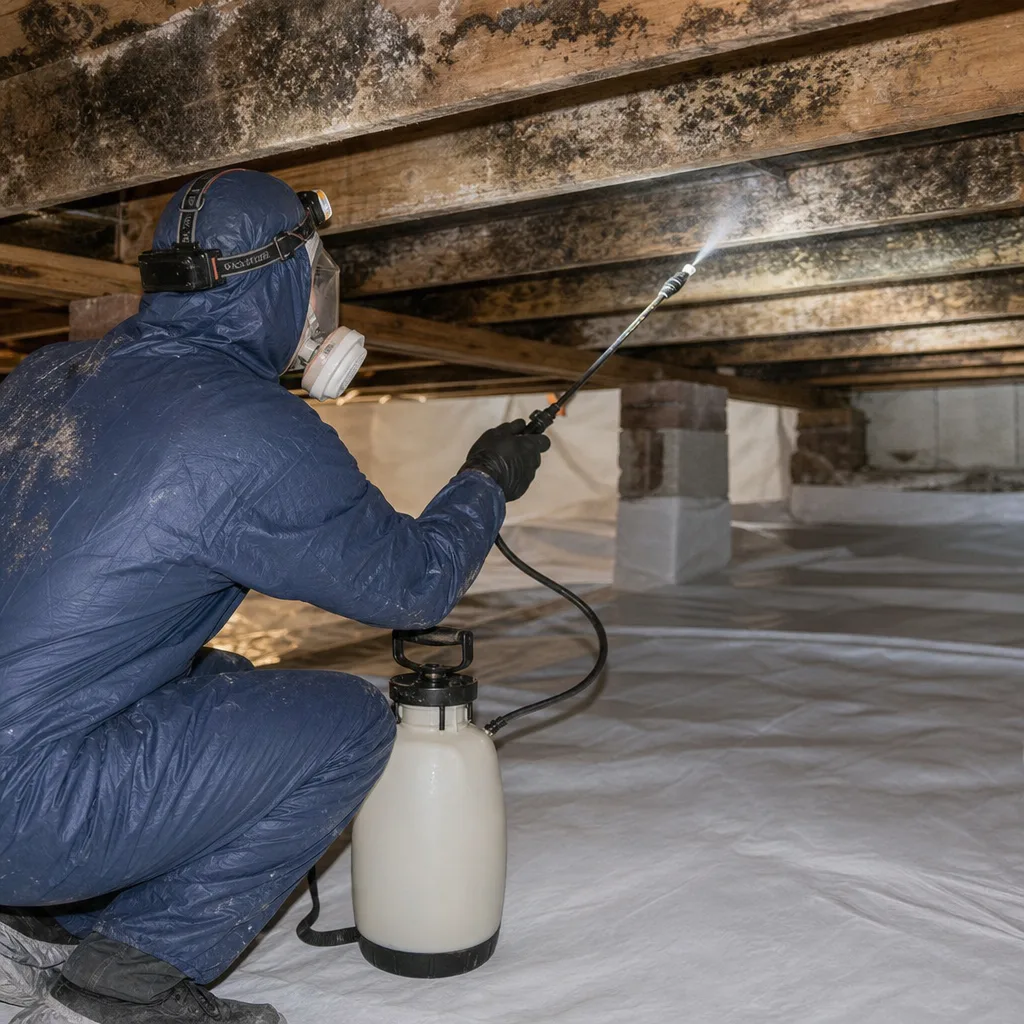
Black mold, most commonly Stachybotrys chartarum, gets a lot of attention and deserves some of it. What property owners in Elmhurst need to know is that any prolonged water or sewage saturation can support toxigenic mold growth, not just the black variety. The remediation protocol is the same: full containment, negative air pressure, removal of porous contaminated materials, antimicrobial treatment of remaining surfaces, HEPA air scrubbing, and post-remediation clearance testing. What changes with Category 3 water is the urgency. Sewage-soaked drywall in a finished basement becomes a biohazard that can not be dried in place. It gets cut out, bagged, and disposed of as contaminated material, and the cavity behind it gets treated before new growth starts.
Air Quality Restoration
After any mold loss in a dense rowhouse block, spores linger in the air and settle into ductwork, closets, and textiles. Our air quality restoration service runs HEPA air scrubbers throughout the affected area, cleans HVAC registers and accessible duct runs, and provides post-remediation air sampling to confirm spore counts are back to normal background levels. You get documentation, not just a promise that the air is clean.
Moisture & Humidity Control
Mold needs moisture, and Elmhurst basements have plenty of it. The clay soils under central Queens hold water against foundation walls, and the combined sewer system adds intermittent loading during rain events. We install and service dehumidification systems sized for the square footage and use patterns of the space, repair drainage around the foundation perimeter, and recommend drainage or sump improvements where the groundwater load exceeds what a dehumidifier can handle. The goal is a basement that stays dry on its own, not one that fights a losing battle every summer.
What happens when you call
- 1
A real person answersNo phone trees - you reach a local pro.
- 2
You get an upfront price rangeHonest numbers before anyone is dispatched.
- 3
A background-checked tech heads outLicensed & insured, dispatched right away.
- 4
You approve before work beginsNothing starts until you say go.
Mold Remediation Costs in Elmhurst, NY
Honest pricing starts with honest scoping, and in Elmhurst the building type drives the number. A contained surface mold removal in a single room of a rowhouse typically runs $1,800-$3,500. A Category 3 sewage-driven basement loss requiring full containment, removal of finished walls and flooring, cavity treatment, and restoration across two or three rooms runs $4,500-$9,000. Black mold remediation that has spread through multiple rooms or crossed into a shared wall cavity falls in the $6,000-$12,000 range, with the high end reflecting tenant displacement, multi-unit containment, and post-remediation clearance testing in occupied buildings. A mold inspection with moisture mapping and air sampling runs $400-$700, and a basement moisture control installation typically lands between $2,500 and $5,000 depending on system capacity and drainage work.
Covered insurance policies pay for most Category 1 and Category 3 water losses that cause the mold, provided the damage is sudden and accidental. Long-term seepage is often excluded, and that is the fight we help you have with documentation, not with arguments. We offer free visual inspections with a written scope, so you know exactly what the number is before any work begins. Call (716) 452-0798 and we will come look.
We Also Serve Cities Near Elmhurst
Our crews cover the surrounding Queens neighborhoods daily, including Jackson Heights, Maspeth, Ridgewood, and Long Island City. If your property sits near the Elmhurst border, call and ask. Chances are a crew is already close by.
Serving Elmhurst, NY - Our Local Coverage Area
We’re based in the Elmhurst area and know this community well. Use the map below to see our service coverage - if you’re nearby, we can almost certainly help.
Elmhurst Mold Remediation Questions, Answered
How quickly does mold appear after a sewage backup in an Elmhurst basement apartment?
Mold growth can begin within 24 to 48 hours after a sewage backup, especially in the hot, humid summer months when Elmhurst’s basement apartments are already warm and damp. The materials in a finished basement unit – drywall, wood studs, carpet pad, and vinyl underlayment – are exactly what mold feeds on, and the Category 3 water provides both moisture and nutrients. Call (716) 452-0798 right away if you have had a backup. The first 48 hours make the difference between a cleanup and a full remediation.
What is Category 3 water, and why is it so common in Elmhurst?
Category 3 water is grossly contaminated water containing sewage, pathogens, or other hazardous substances. It is common in Elmhurst because the neighborhood sits on top of an overtaxed combined sewer system, meaning stormwater and raw sewage flow through the same pipes. When heavy rain overloads the system, the combined flow backs up through floor drains and toilet flanges into the lowest points of the neighborhood, which are often the finished basement apartments in 1920s and 1930s brick rowhouses across ZIP codes 11373 and 11380. This is a biohazard-level loss that requires containment, not just a mop.
Do I need containment for mold remediation in an attached Elmhurst rowhouse?
Yes. In attached rowhouses, containment is not optional. The shared brick party wall between units means airborne mold spores from your remediation can travel into your neighbor’s unit through mortar joints, pipe chases, and floor framing. We set up 6-mil polyethylene containment with negative air pressure on every remediation job in attached Elmhurst buildings, and we often set containment on the neighbor’s side of the party wall too. It protects the adjacent unit and it protects your liability.
Can you dry my Elmhurst basement without removing the drywall if it’s a Category 1 leak?
Sometimes, yes. If the water was clean Category 1 water from a burst supply line and it was extracted quickly, we can often dry the drywall in place using injectidry systems, air movers, and dehumidifiers without cutting out wall material. The key is timing. Water that sat for more than 24-48 hours, or water that wicked up more than a few inches, usually requires removal of at least the lower section of drywall to prevent hidden mold growth in the wall cavity. A moisture reading tells us which path is right. Free inspection at (716) 452-0798.
What happens if my Elmhurst basement apartment is unpermitted and has mold?
This is one of the most common situations we see in Elmhurst, and it does not stop the work. We document the actual occupancy and scope the remediation to the real living space, not the paperwork. That matters because Category 3 contamination in occupied space requires a specific biohazard protocol. We do not notify city agencies; our job is to make the space safe and habitable again. We coordinate with the owner and any displaced tenants directly, and we handle the insurance scoping the same way we would for a permitted apartment. The claim is documented to what is actually there.
How fast can you actually get to Elmhurst?
Within 45 minutes in most cases. We run a live dispatch board and the closest certified crew heads your way the moment you call. That is not marketing language. We have crews staged across Queens every day because the damage does not wait for a courtesy drive from another borough. Call (716) 452-0798 and ask where the truck is when you call. The dispatcher will tell you.
Will my insurance cover mold remediation in Elmhurst?
Most homeowner and landlord policies cover mold remediation when it results from a covered peril, such as a sudden pipe burst, sewage backup, or stormwater intrusion, provided reasonable steps were taken to mitigate quickly. Gradual seepage and long-term neglect are generally excluded. Our documentation practices, from hour-one photos to daily moisture logs, are designed to support your coverage claim. We submit directly to your carrier and talk to your adjuster ourselves. You never have to make the case alone.
What should I do in the first 30 minutes after a flood or sewage backup in Elmhurst?
Call Floodline Restoration Co. at (716) 452-0798. Then, if it is safe to do so, turn off electricity to the affected area from the breaker panel, and do not walk through standing water if the source is sewage. Do not run fans from the hardware store and do not attempt to dry the space yourself – circulation without extraction and containment spreads spores through the unit. Keep people and pets out of the affected area. The first call is the one that matters most.
Written by Curt Bowman, Owner at Floodline Restoration Co., serving Elmhurst with certified mold remediation crews around the clock.